




Learn

Reef-safe sunscreen used to be the kind of thing you'd only think about if you were planning a snorkeling trip in Hawaii or had a particular interest in marine biology. Now it's become a legitimate...

Zinc oxide has become the gold standard in mineral sun protection, often positioned as the superior choice over chemical filters and even other physical blockers like titanium dioxide. But the ques...

White cast is the primary reason people abandon mineral sunscreen. That chalky, ghost-like residue that settles into every fine line and makes deeper skin tones look ashy isn't just cosmetically un...
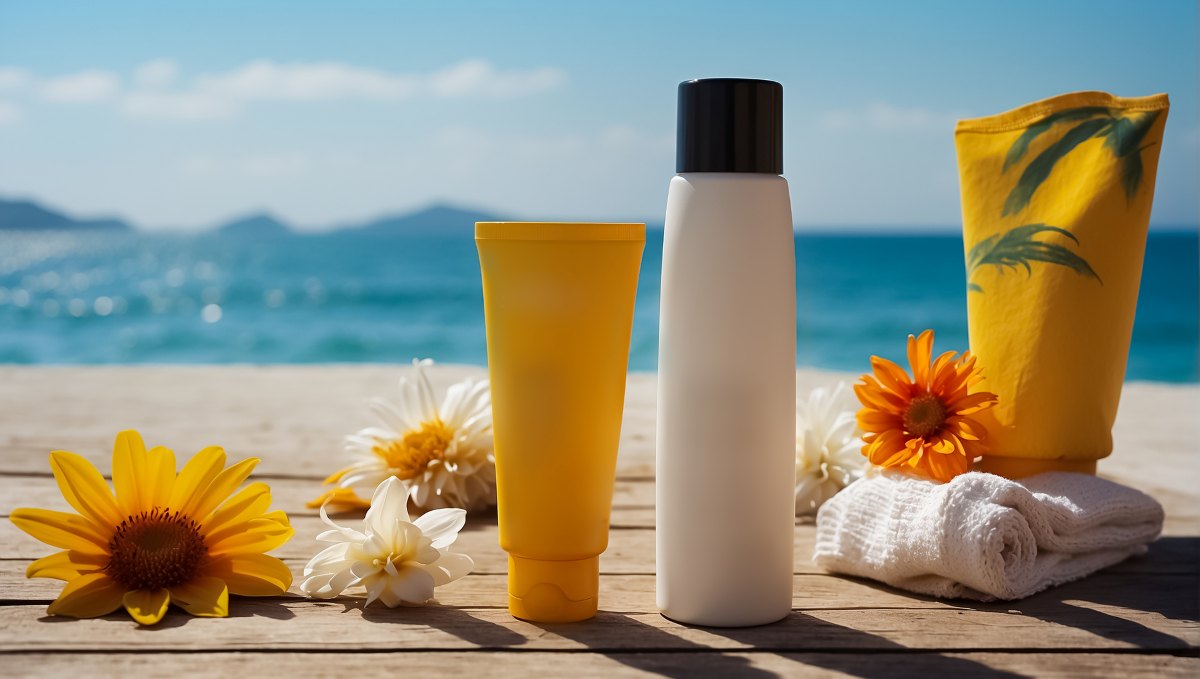
The mineral versus chemical sunscreen debate has become one of the most discussed topics in skincare, often framed as a binary choice between "natural" and "synthetic" or "safe" and "risky." But th...

Sunscreen feels like something that’s simply always existed, inherently tied to beach trips, summer, and basic skincare hygiene. But the concept of using a topical product to prevent sun damage is ...
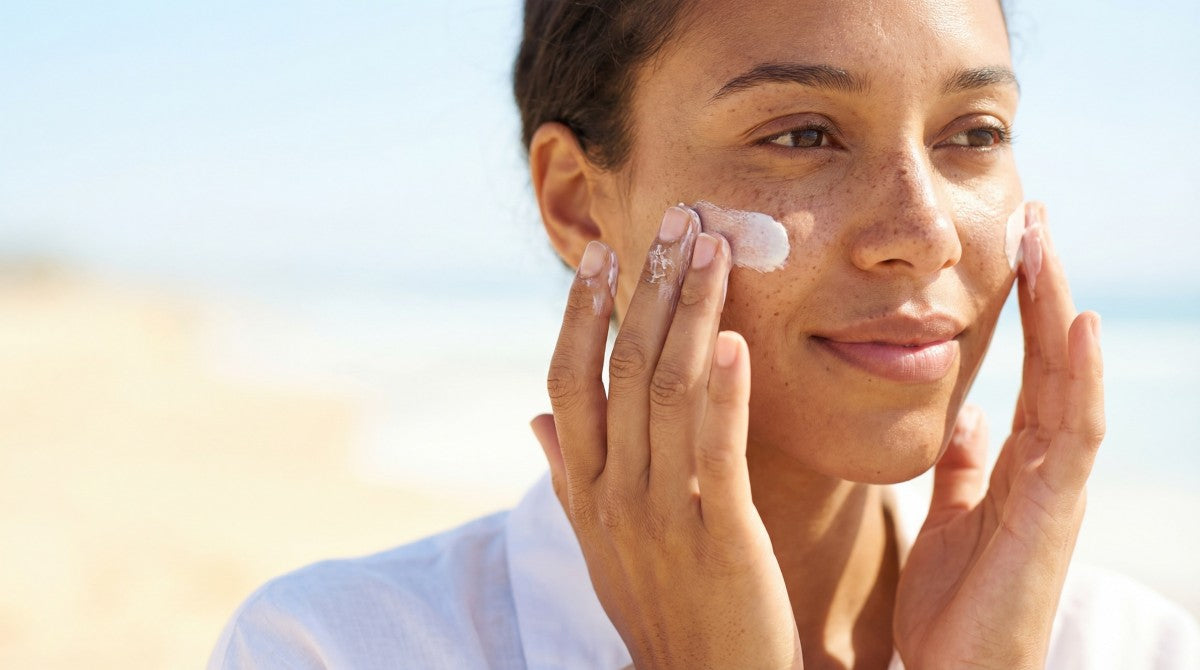
Most people aren't wearing enough sunscreen. And we're not talking about a minor miscalculation - studies show that the average person applies about 25% to 50% of the recommended amount, which mean...

Skipping sunscreen isn't a minor skincare oversight; it's a compounding biological event that accelerates aging, increases cancer risk, and undermines nearly every other investment you're making in...

Broad-spectrum is one of those terms that appears on every SPF label, but rarely gets explained beyond "protects against UVA and UVB." Which is true, but also wildly incomplete. Because the real qu...

When it comes to protecting your skin from the sun, the difference between UVA and UVB is more important than you might think. In fact, it's the key to understanding why your skin ages, why you bur...
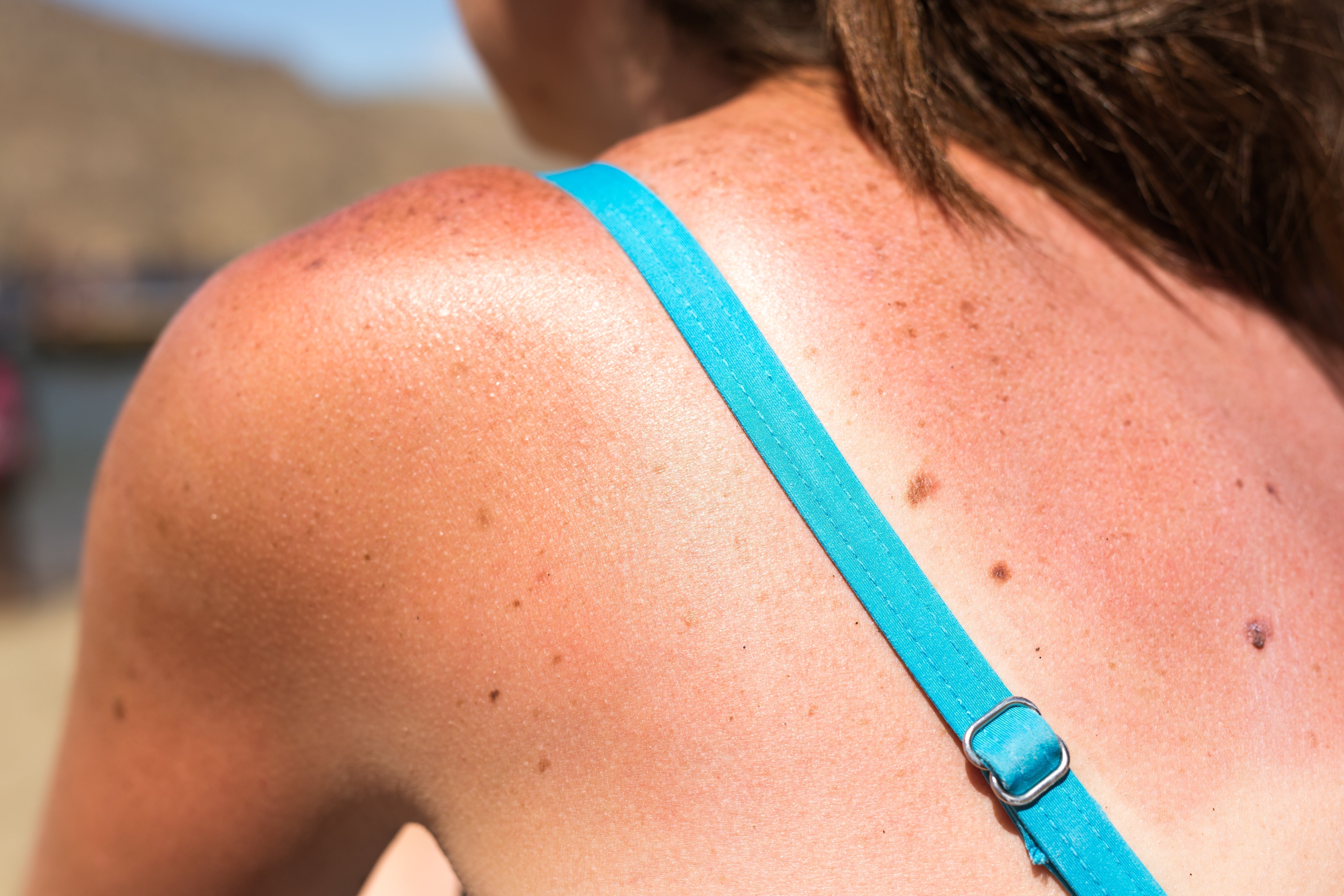
Once thought of as a concern almost exclusive to older generations, those with fair skin, or anyone who religiously (over) uses sunbeds, skin cancer is now on the rise across all demographics. Desp...