





The Effects of Not Wearing Sunscreen
Skipping sunscreen isn't a minor skincare oversight; it's a compounding biological event that accelerates aging, increases cancer risk, and undermines nearly every other investment you're making in your skin.
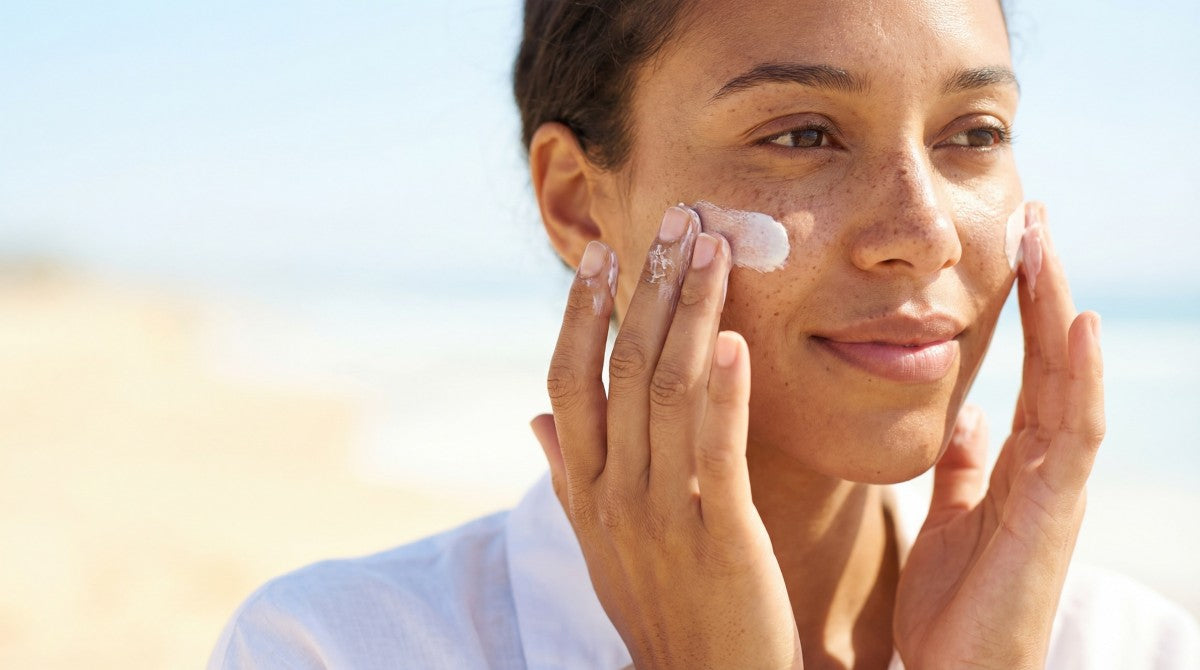
You can use the most expensive serums, the most advanced retinoids, the best facials - but if you're not wearing SPF daily, you're essentially working against yourself. Because UV exposure doesn't just cause cosmetic damage. It triggers cellular mutations, collagen breakdown, pigment dysregulation, and chronic inflammation that show up years later as visible dysfunction.
Here's what actually happens when you skip sunscreen.
Premature Aging Starts Immediately
The most visible consequence of unprotected UV exposure is photoaging - the accelerated breakdown of collagen, elastin, and dermal structure caused by chronic sun damage. This isn't about getting older, but rather about your skin aging faster than it biologically should.
UV radiation generates free radicals that degrade the proteins responsible for keeping skin firm, smooth, and resilient. Over time, this manifests as fine lines, deep wrinkles, sagging, rough texture, and loss of volume. Studies consistently show that up to 80% of facial aging is attributable to sun exposure, not chronological age.
And because UVA penetrates year-round - through clouds, through windows, even on overcast days - the damage is cumulative and constant. Every unprotected day adds to the total, and by the time you see the effects, the structural damage has already been building for years.
Hyperpigmentation and Uneven Tone
UV exposure is one of the primary triggers for melanin overproduction, which is why sunspots, melasma, and post-inflammatory hyperpigmentation are so notoriously difficult to treat. When skin is exposed to UV without protection, melanocytes go into overdrive, depositing pigment unevenly as a defensive response.
The result is dark spots, patches, and overall uneven tone that can persist for months or years - even with aggressive treatment. And if you're using actives like retinoids, vitamin C, or AHAs to address pigmentation but skipping SPF, you're essentially undoing your progress daily. Those treatments increase photosensitivity, which means unprotected skin is even more vulnerable to UV-induced pigment rebound.
DNA Damage and Cancer Risk
This is where the conversation shifts from cosmetic to clinical. UV radiation - particularly UVB - directly damages the DNA in skin cells, causing mutations that can lead to skin cancer. Basal cell carcinoma, squamous cell carcinoma, and melanoma are all linked to cumulative UV exposure, and the risk increases with every unprotected hour spent in the sun.
One blistering sunburn in childhood can double your lifetime risk of melanoma. But it's not just burns that matter - chronic, low-level exposure without SPF also compounds over time, increasing your overall cancer risk even if you never visibly burn.
The American Academy of Dermatology estimates that one in five Americans will develop skin cancer in their lifetime, and the vast majority of cases are preventable with consistent sun protection.
Barrier Dysfunction and Inflammation
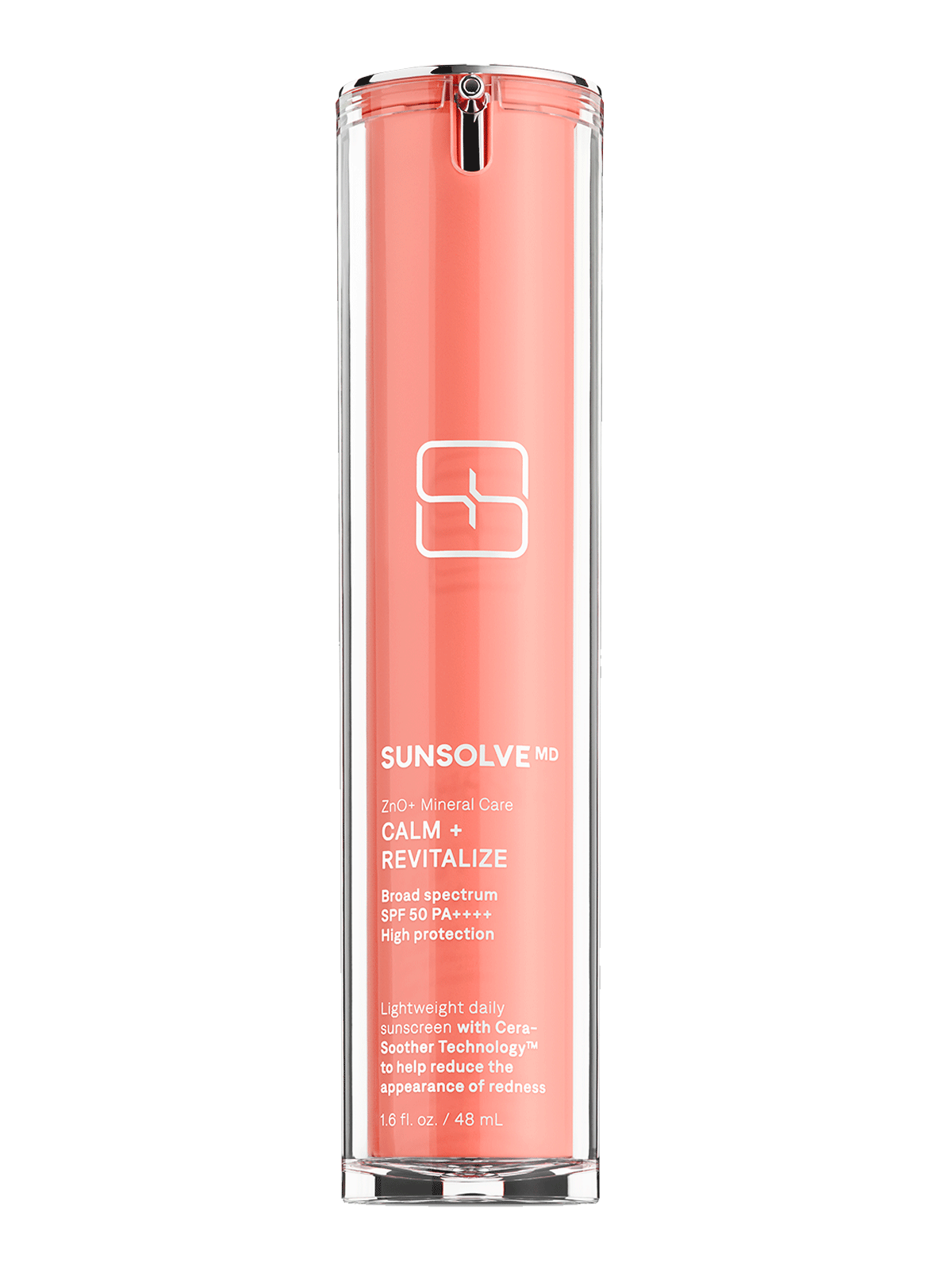
UV exposure compromises the skin barrier by degrading lipids, disrupting the acid mantle, and triggering inflammatory pathways that weaken the skin's ability to retain moisture and defend against external stressors. This leads to dehydration, sensitivity, redness, and a cycle of chronic low-grade inflammation that accelerates aging and exacerbates conditions like rosacea, eczema, and acne.
Without SPF, your skin is constantly in repair mode, which means it's less able to function optimally. Barrier health suffers, resilience decreases, and you become more vulnerable to environmental damage across the board.
The Compounding Effect

Here's what makes skipping sunscreen particularly insidious: the damage doesn't reset. Every day of unprotected exposure adds to a lifetime total that your skin is tracking at a cellular level. You might not see the effects immediately, but they're accumulating - and by the time they become visible, reversing them requires significantly more intervention than prevention would have.
The SunsolveMD Difference
We built our entire range on the understanding that sun protection isn't optional - it's foundational. But we also know that simply blocking UV isn't enough if you're already dealing with years of accumulated photodamage.
That's why every formula pairs broad-spectrum mineral SPF with SolveDNAReverse™, our proprietary, patent-protected technology designed to support your skin's natural DNA repair enzymes and reverse the molecular effects of UV exposure. It's prevention, combined with active restoration built into daily protection.
Our ZnO+™ system delivers 12% non-nano zinc oxide in a matrix of marine enzymes, antioxidant buffers, and targeted actives that calm inflammation, restore barrier function, and support long-term skin health. You're getting comprehensive UVA/UVB defense that's also working beneath the surface to undo damage, not just prevent new exposure.
Sun Protection Meets Skincare
Because the risks of skipping sunscreen go beyond cosmetic concerns, we designed each formula to address specific consequences of UV exposure while protecting against future damage.
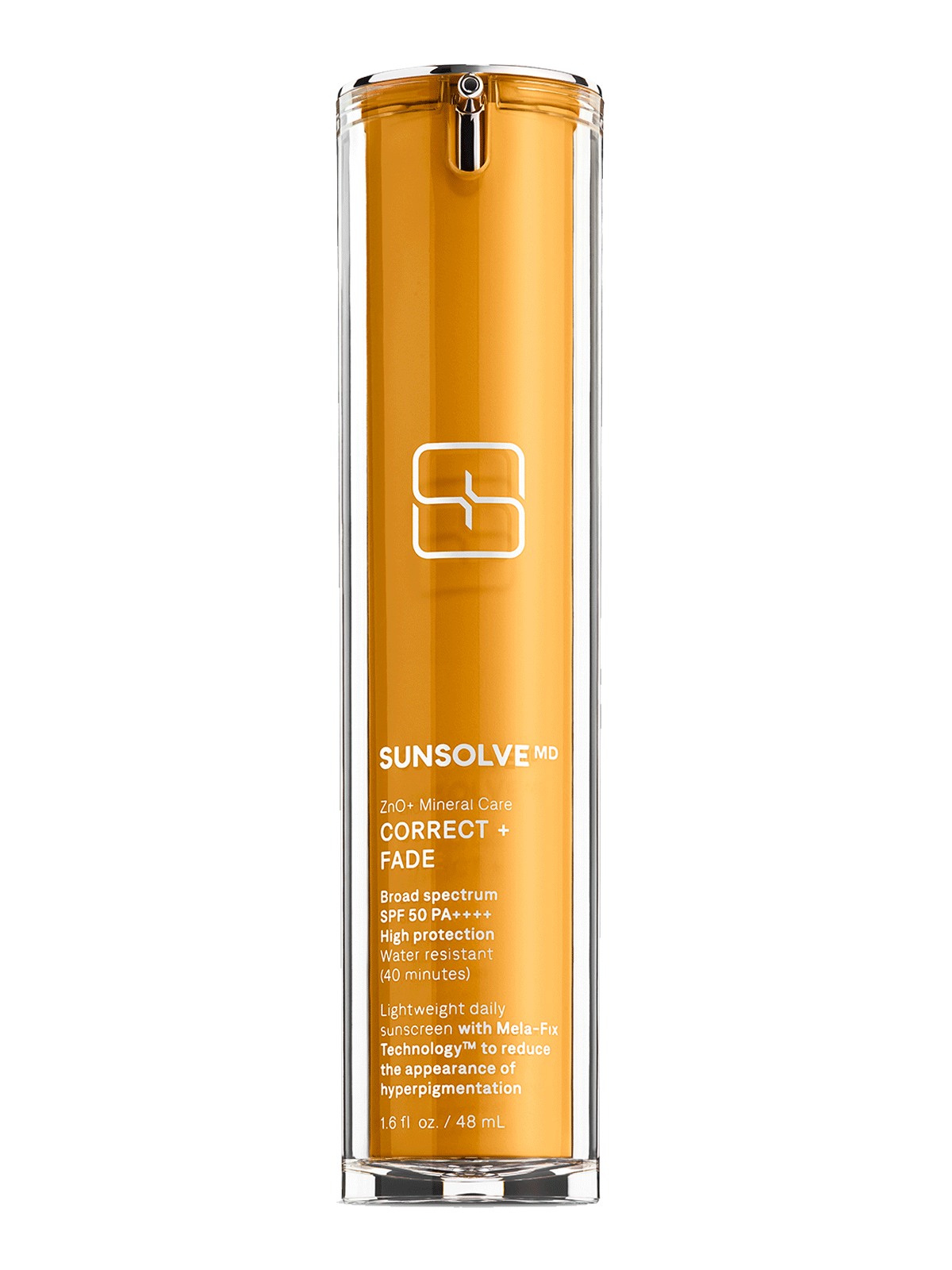
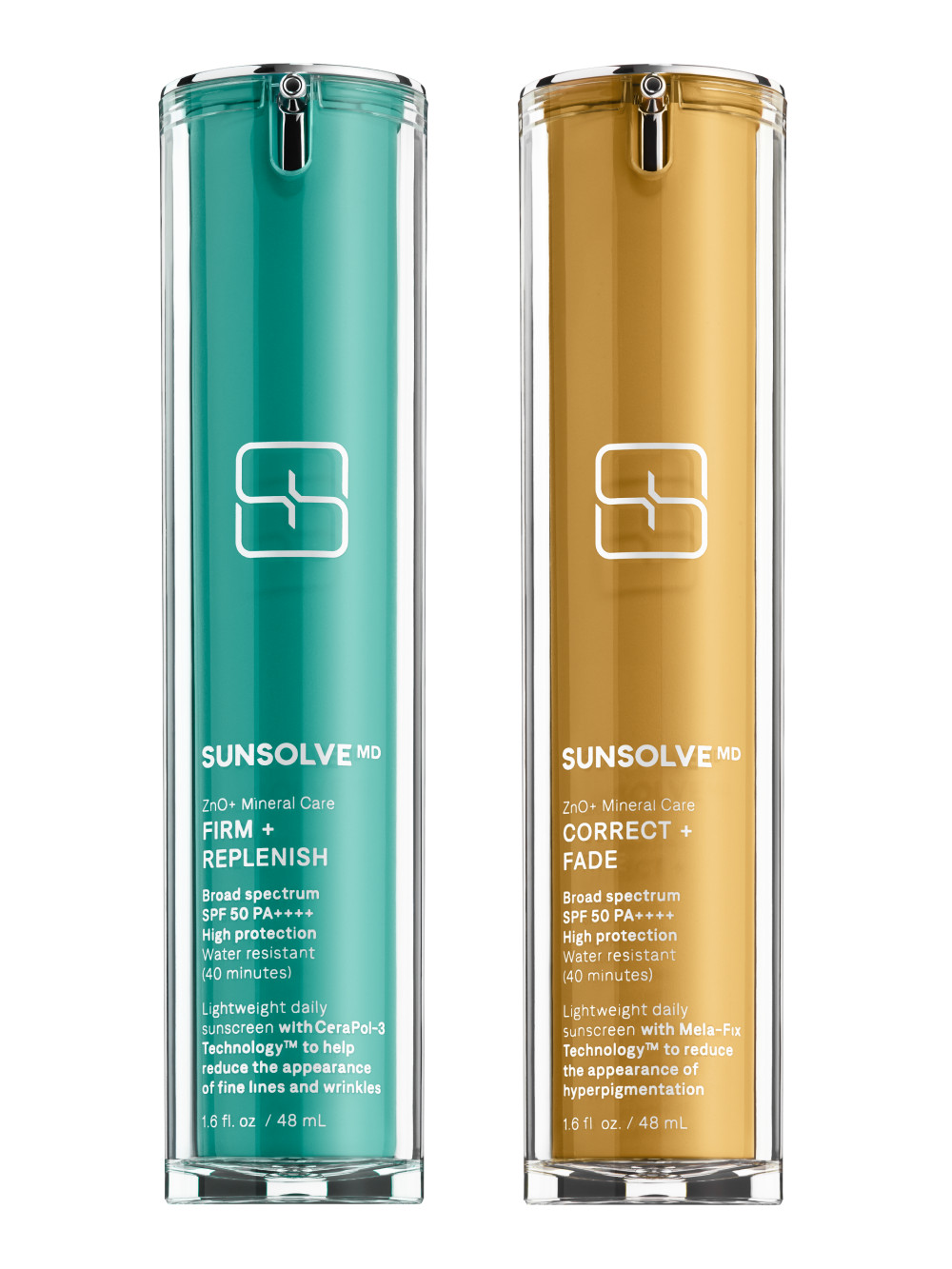
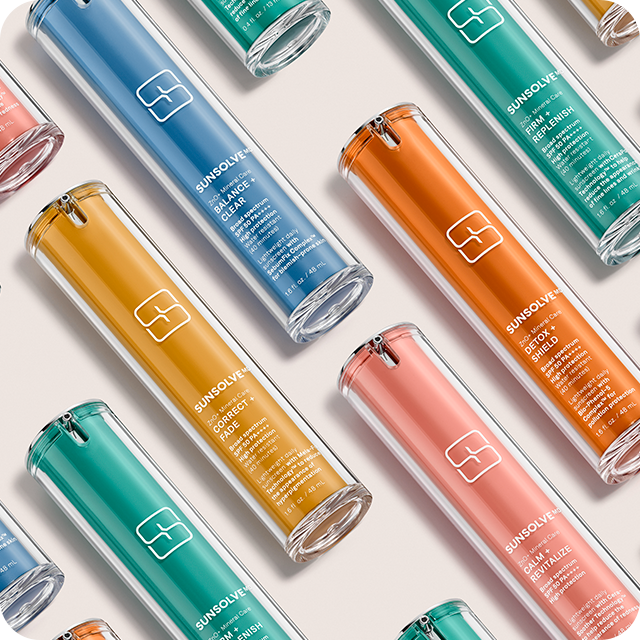
Correct + Fade targets hyperpigmentation and uneven tone with Mela-Fix technology, visibly reducing dark spots and preventing new pigment formation. Clinical results showed 94% of users experienced brighter, more even skin after 28 days.
Firm + Replenish addresses collagen loss and photoaging with peptides and ceramides that restore firmness while delivering full broad-spectrum protection. It's formulated for skin showing visible signs of UV-induced aging or recovering from professional treatments.
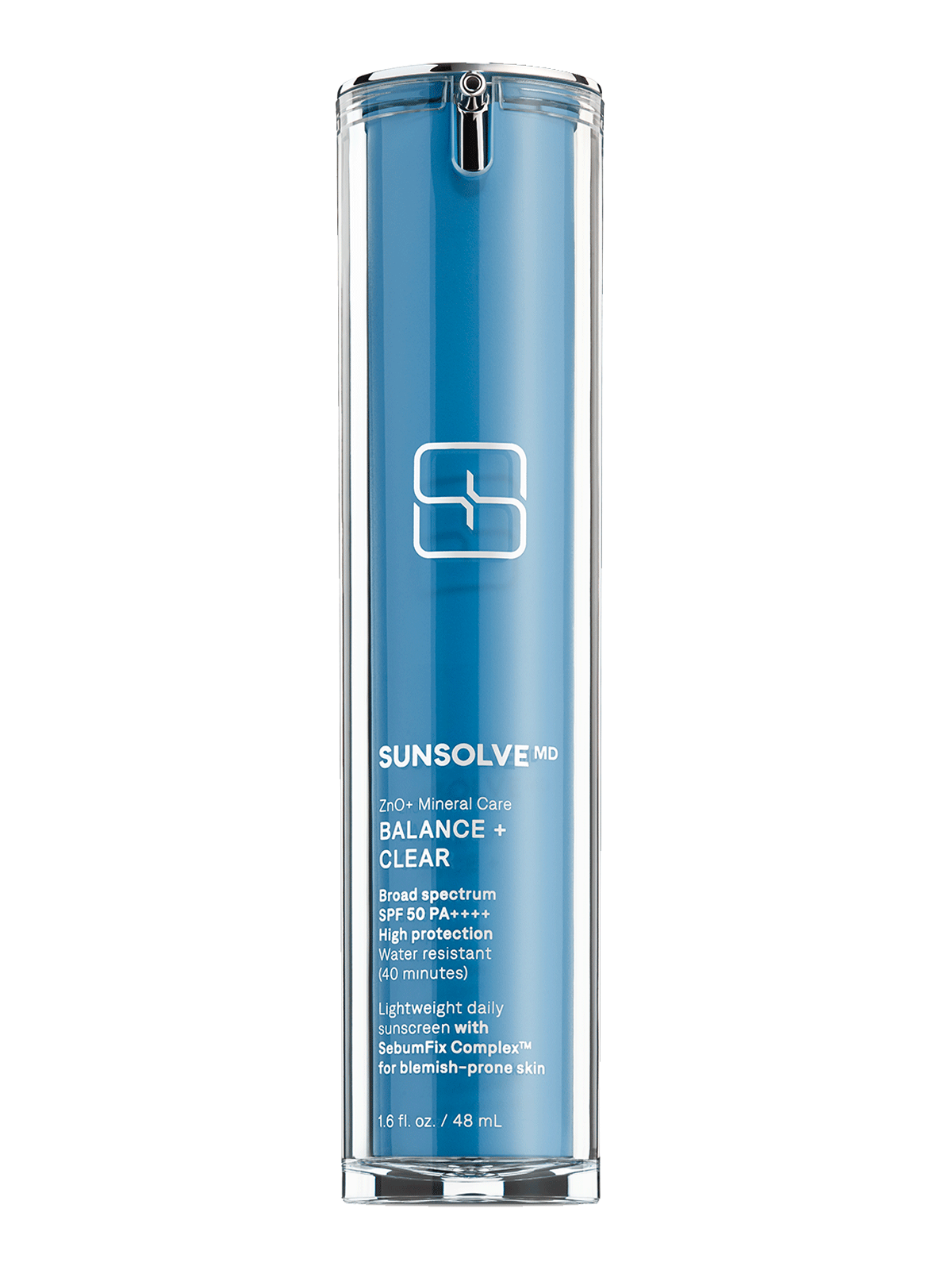
Balance + Clear combines mineral SPF with SebumFix complex to manage inflammation, breakouts, and barrier dysfunction in acne-prone or reactive skin. 90% of participants saw fewer blemishes and calmer skin within a month.
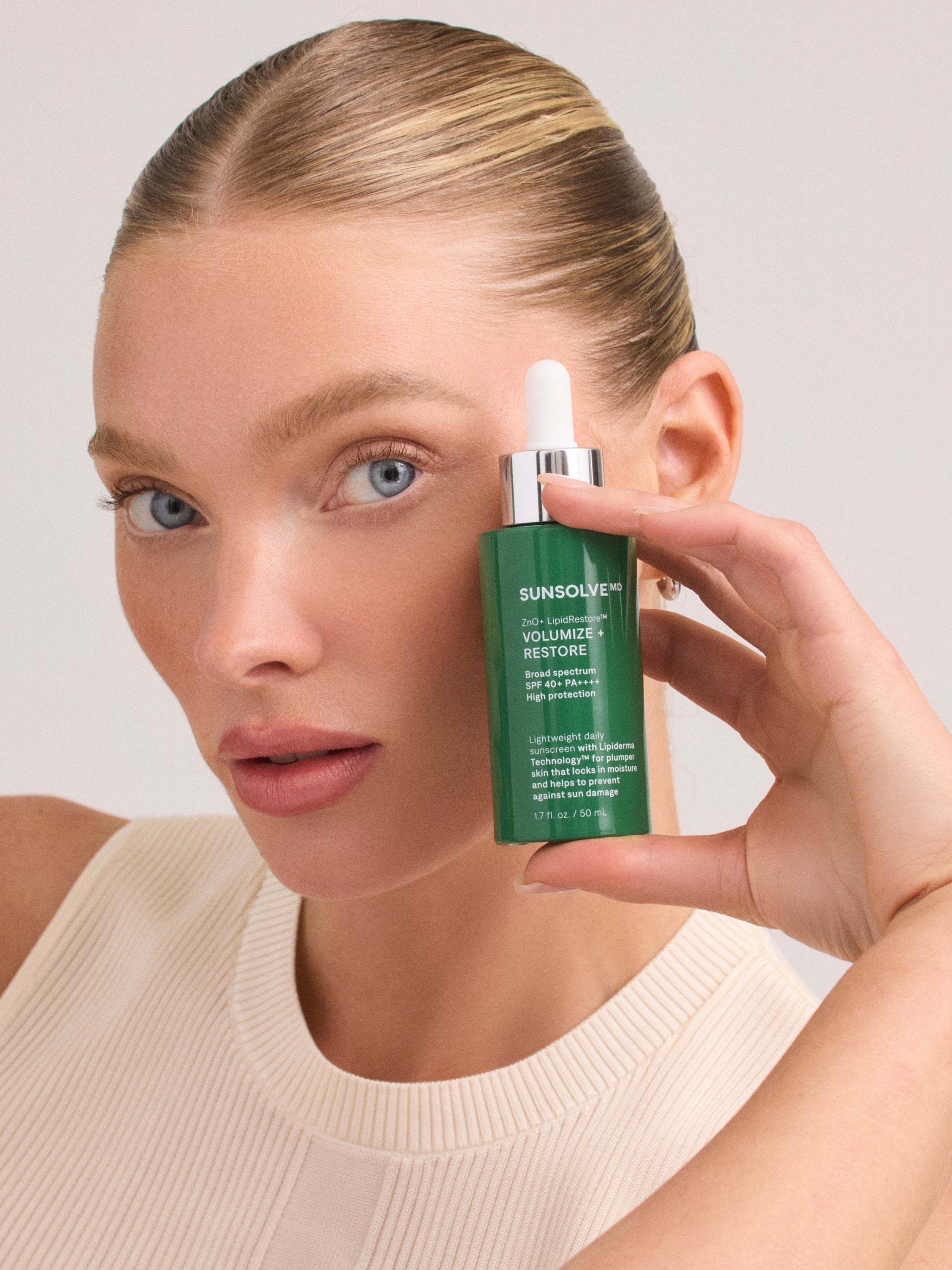
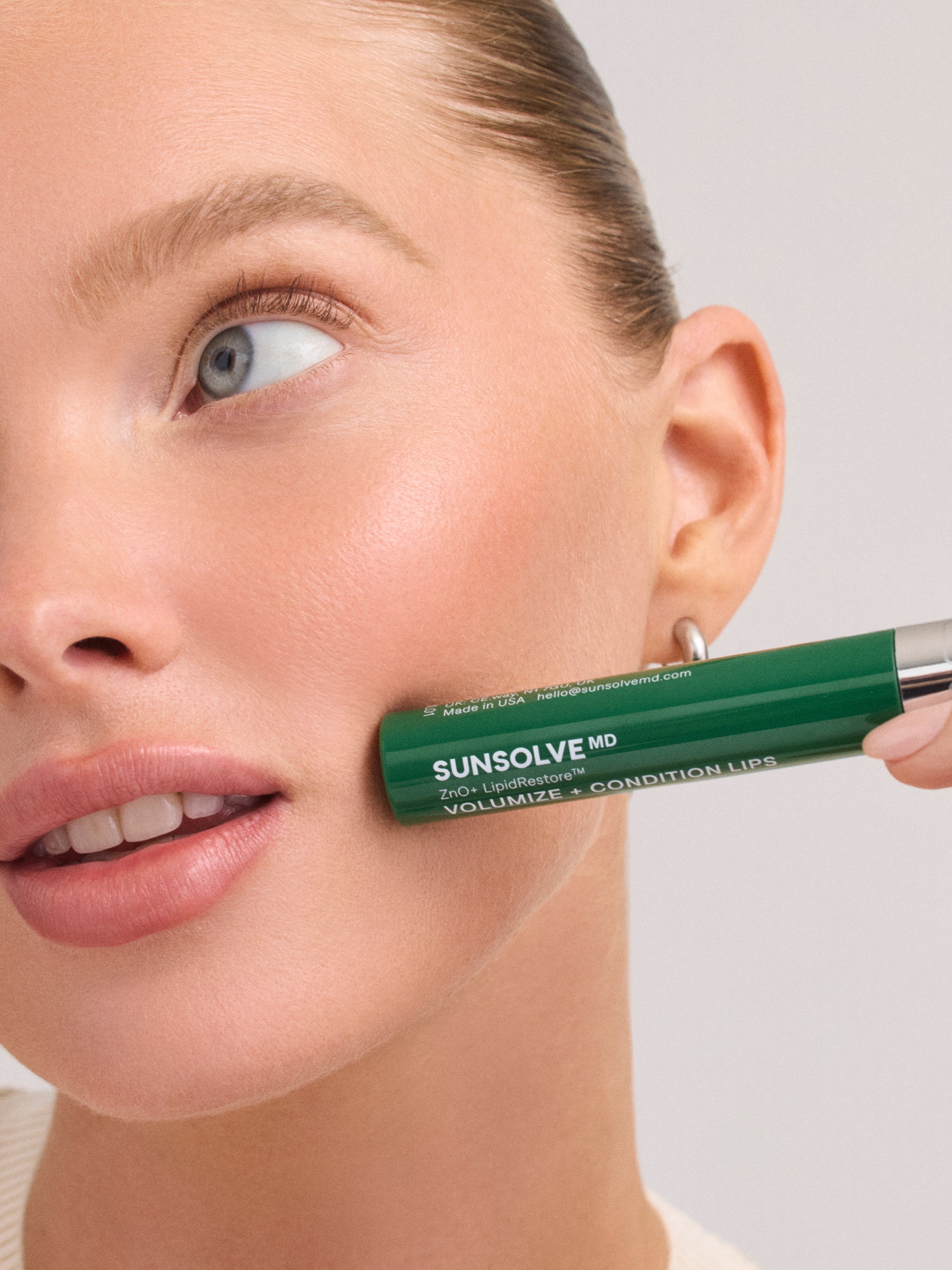
Volumize + Restore floods dehydrated, barrier-compromised skin with lipid-rich actives while maintaining UV defense, ideal for skin weakened by chronic sun exposure.
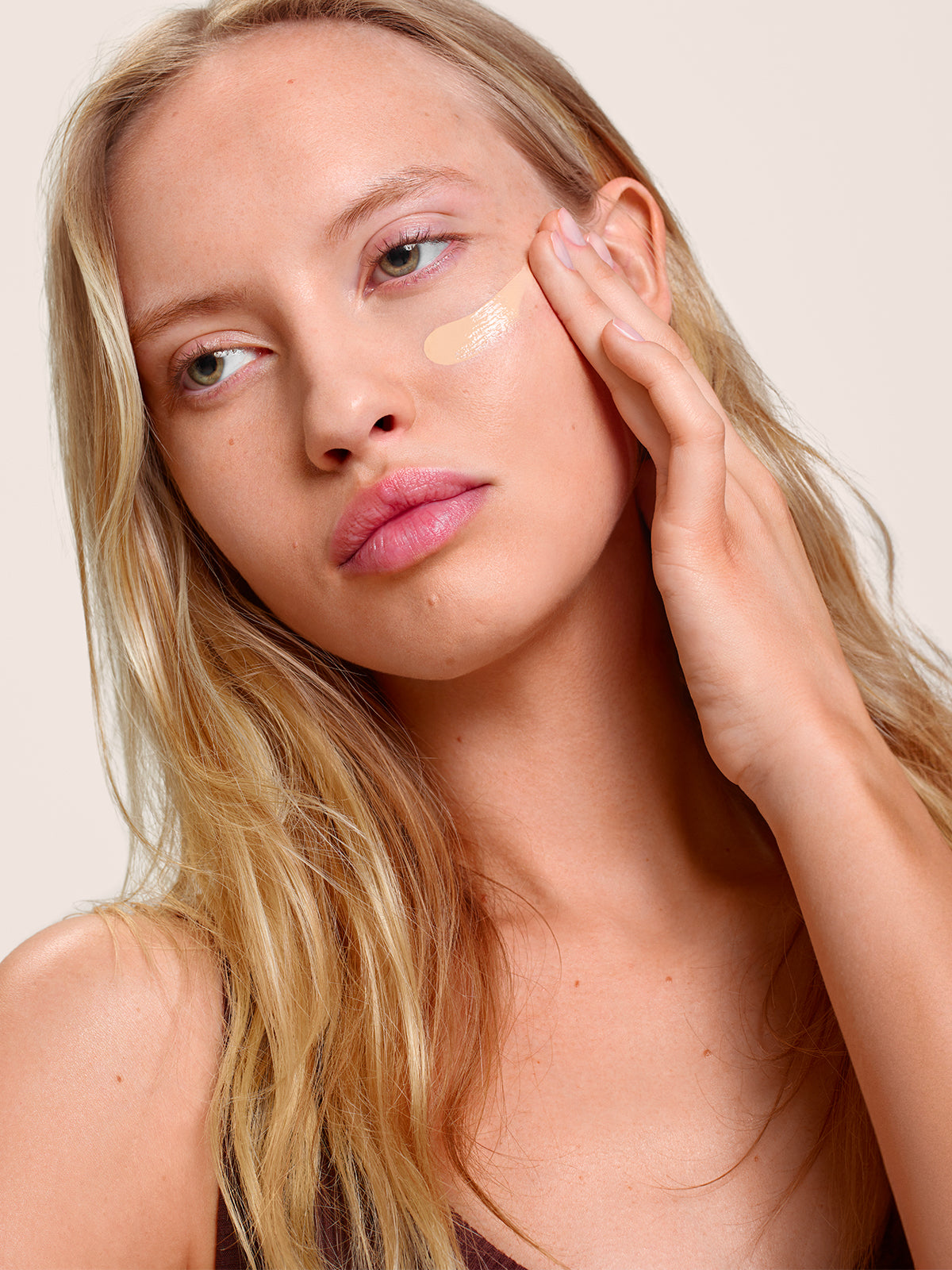
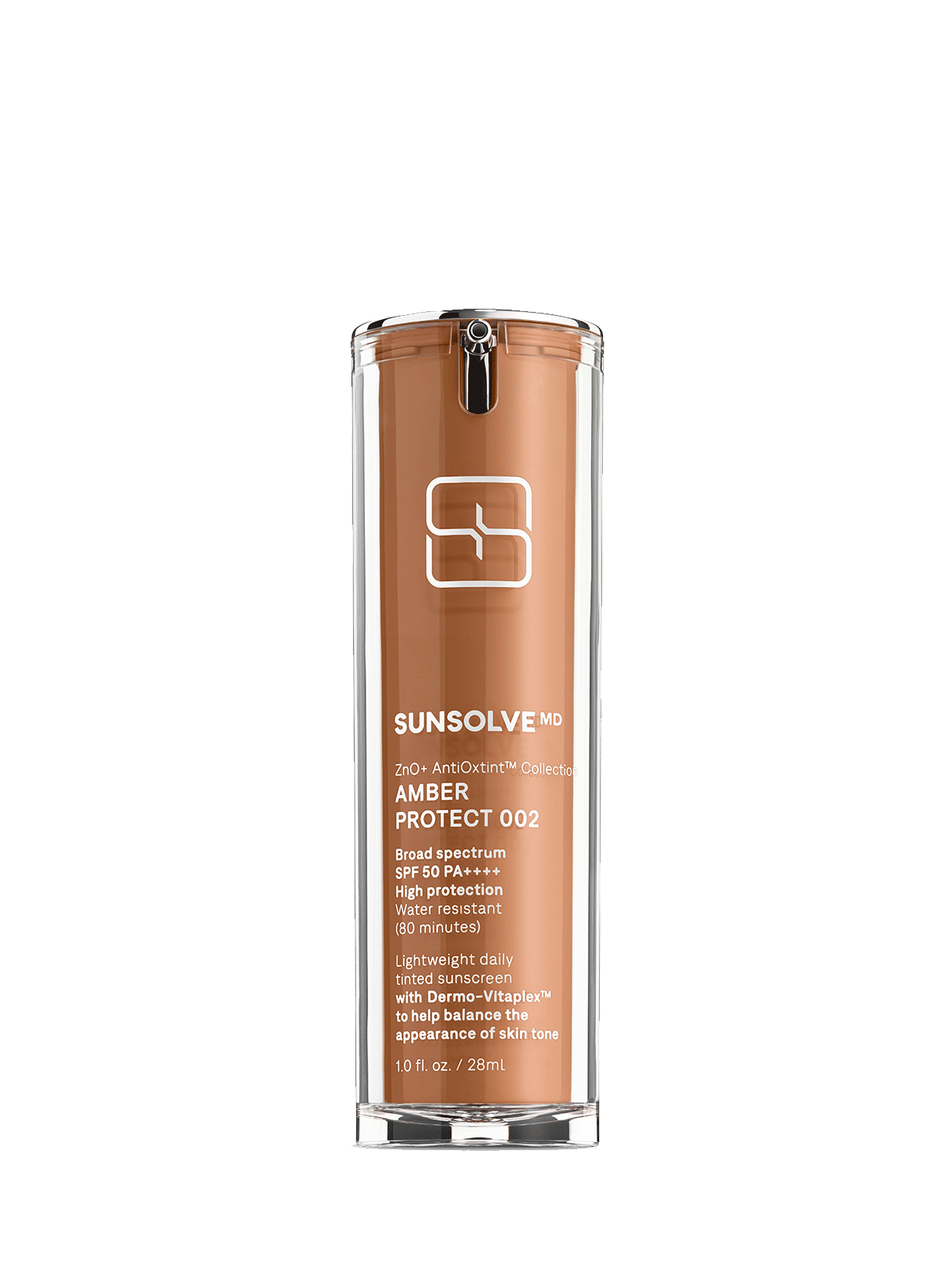
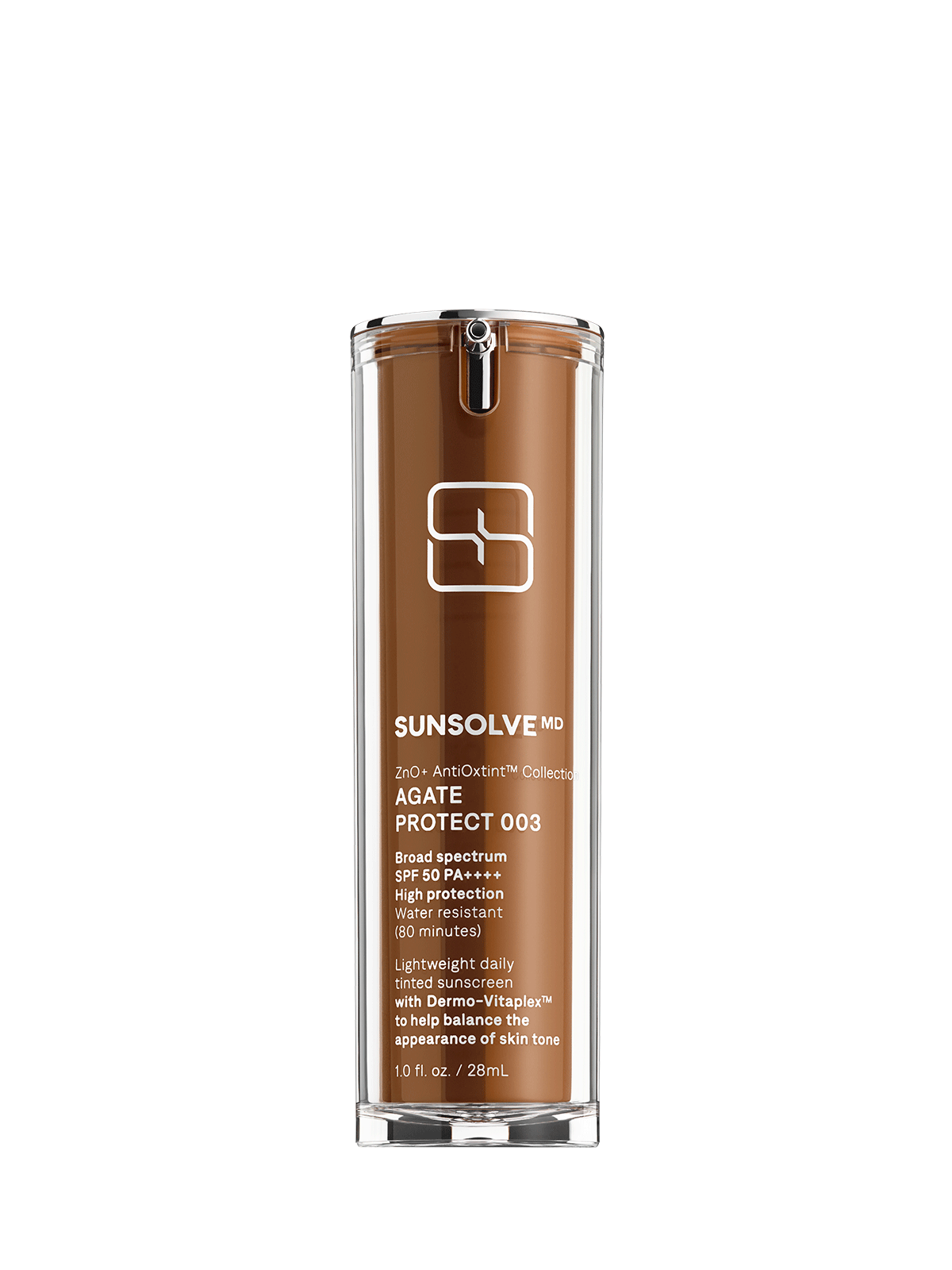
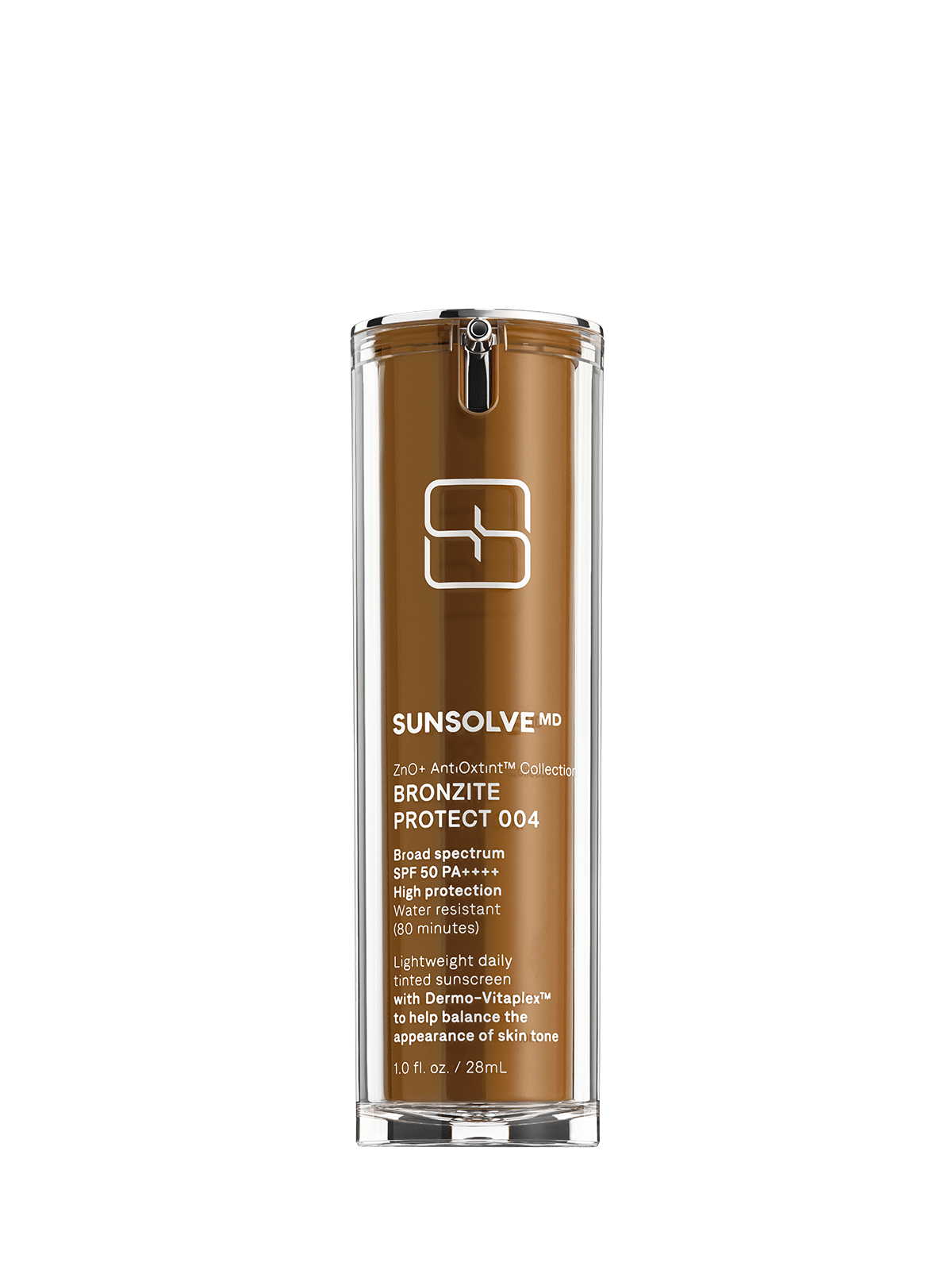
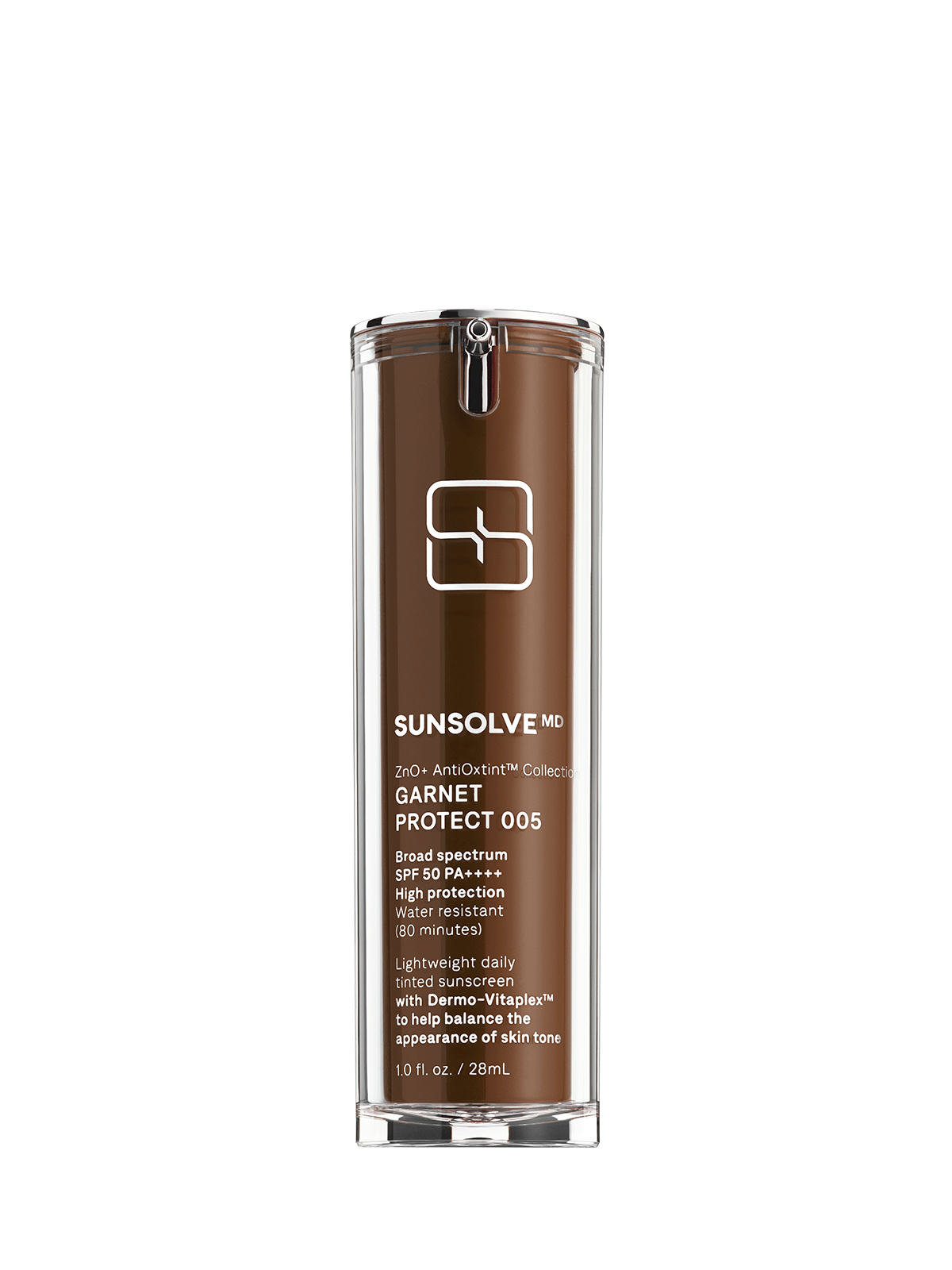
And for those who want a pop of color, our lightweight tinted SPF options for daily wear deliver sheer, blendable coverage with zero white cast - designed to work across all skin tones.
The Takeaway
The effects of not wearing sunscreen are measurable, cumulative, and largely irreversible without significant intervention. But the inverse is also true: consistent, broad-spectrum protection is one of the most effective tools you have for preserving skin health, preventing cancer, and maintaining long-term function.
The question isn't whether you need SPF. It's whether you're using a formula that does more than just block UV - one that actively supports repair, barrier health, and cellular function while you're protected.