




Why Some Sunscreens Leave White Cast: What You Can Do About It
White cast is the primary reason people abandon mineral sunscreen. That chalky, ghost-like residue that settles into every fine line and makes deeper skin tones look ashy isn't just cosmetically unpleasant - it's a barrier to consistent SPF use. And if white cast is keeping you from wearing sun protection daily, that's a genuine problem.
But here's the thing: white cast isn't an inherent flaw of mineral sunscreen. It's a formulation issue. Modern mineral SPF, when properly engineered, can be completely transparent across all skin tones. Understanding why white cast happens - and how to avoid it - is the difference between tolerating your sunscreen and actually wanting to wear it.
What Causes White Cast
White cast occurs when mineral sunscreen particles - specifically zinc oxide and titanium dioxide - reflect visible light in addition to UV radiation. These minerals work by sitting on the skin's surface and scattering UV raays before they can penetrate. But when the particles are too large or too densely concentrated, they also scatter visible light, creating that telltale white or purple-toned hue.
Traditional mineral formulas used larger zinc oxide particles because the technology to micronize them didn't exist yet. These formulas were thick, opaque, and left a pronounced cast - especially on medium to deep skin tones. The higher the SPF and the more zinc oxide in the formula, the worse the cast became.
This is why early mineral sunscreens were often marketed as "lifeguard" or "beach" products rather than everyday cosmetic staples. They worked, but they weren't designed to be invisible.
Particle Size Matters
The breakthrough in eliminating white cast came with micronization - reducing the size of zinc oxide and titanium dioxide particles to a scale where they still reflect UV but no longer reflect visible light. Non-nano micronized zinc oxide particles (typically 100-200 nanometers) are small enough to blend seamlessly into skin without leaving a cast, but large enough to stay on the surface and avoid systemic absorption.
This is a critical distinction. Nano-sized particles (under 100 nanometers) can potentially penetrate the skin barrier, which raises concerns about bioavailability and long-term safety. Non-nano particles stay topical, maintaining the safety profile that makes mineral SPF the preferred choice for sensitive, reactive, or compromised skin.
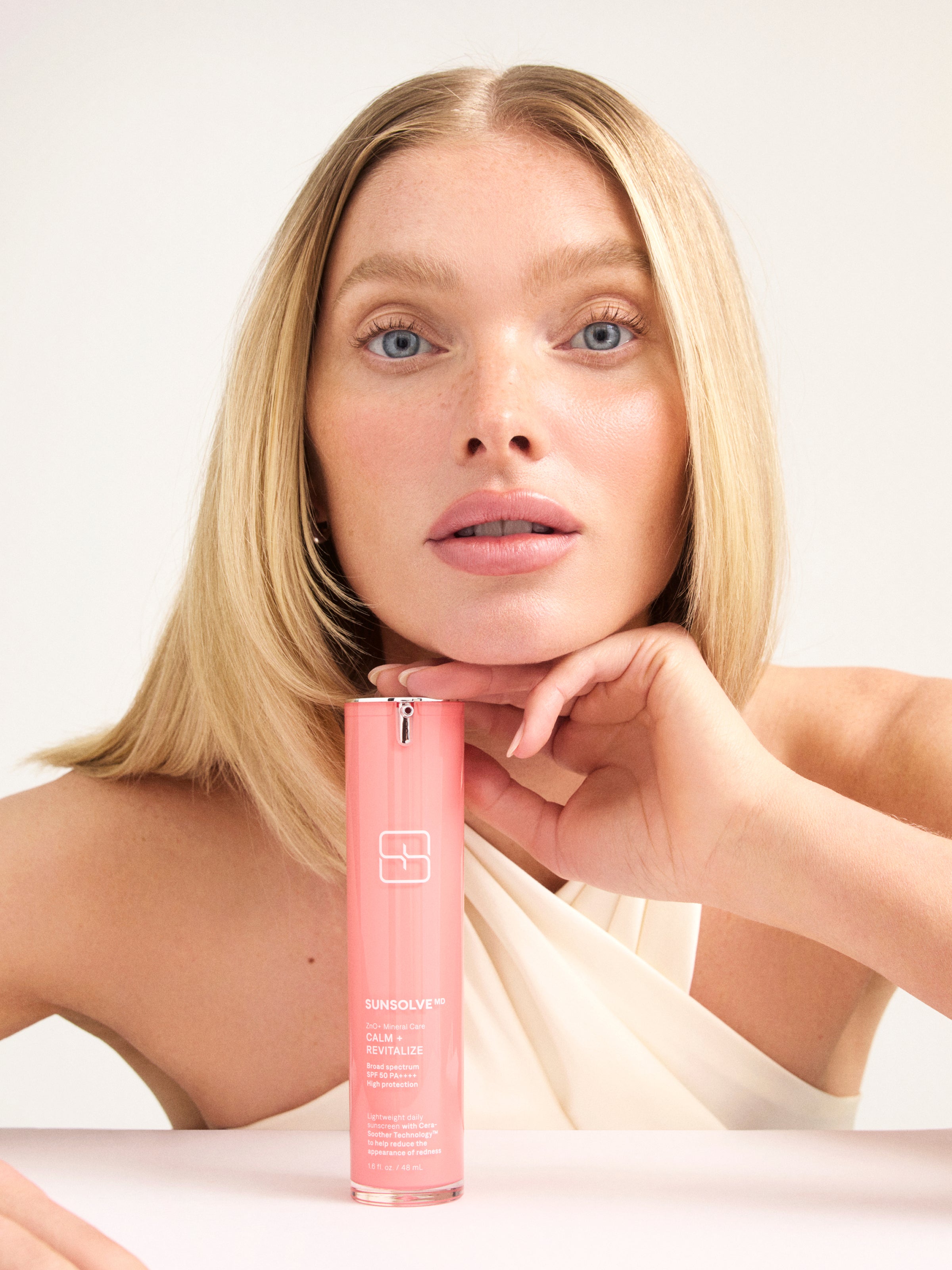
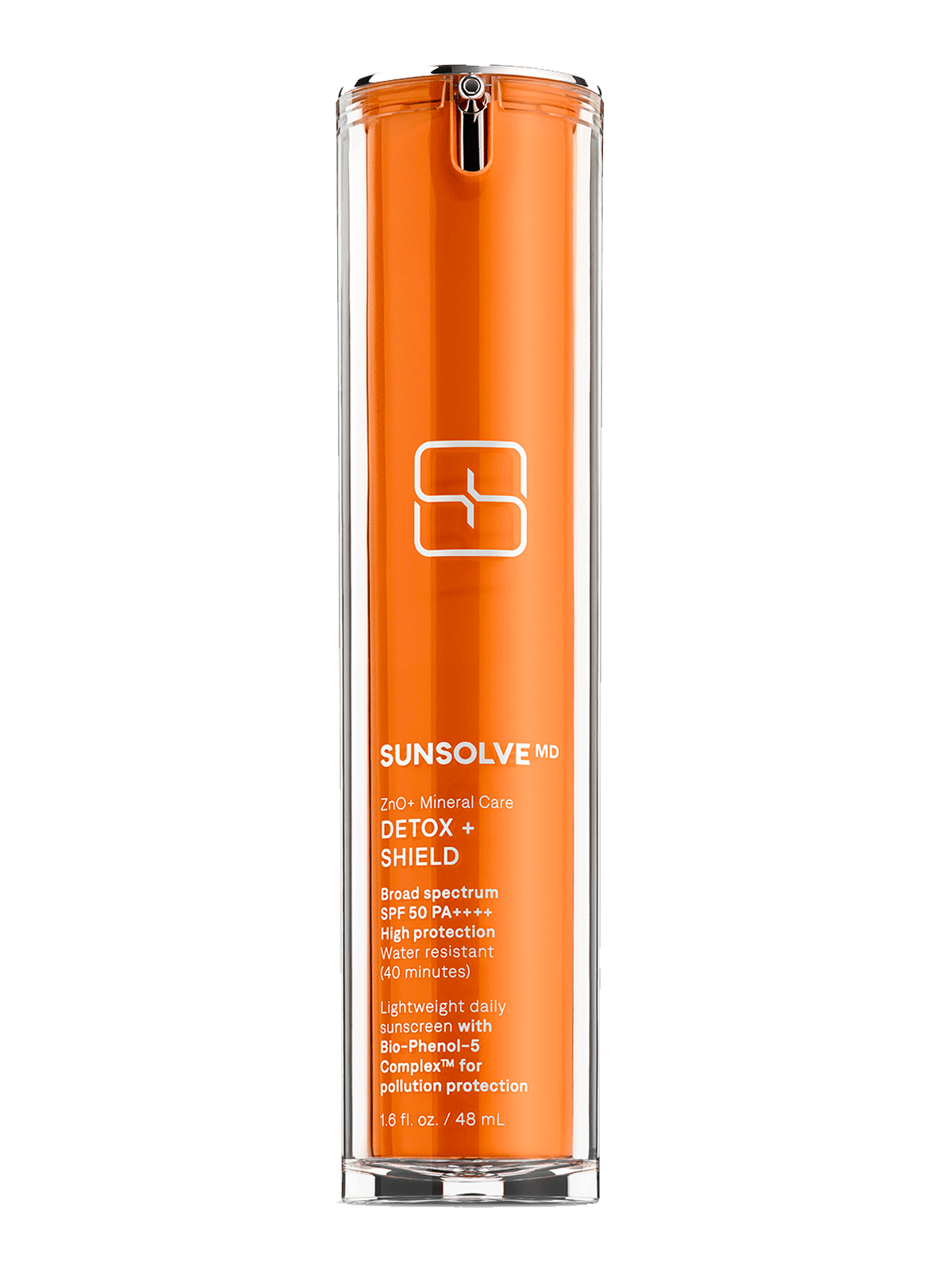
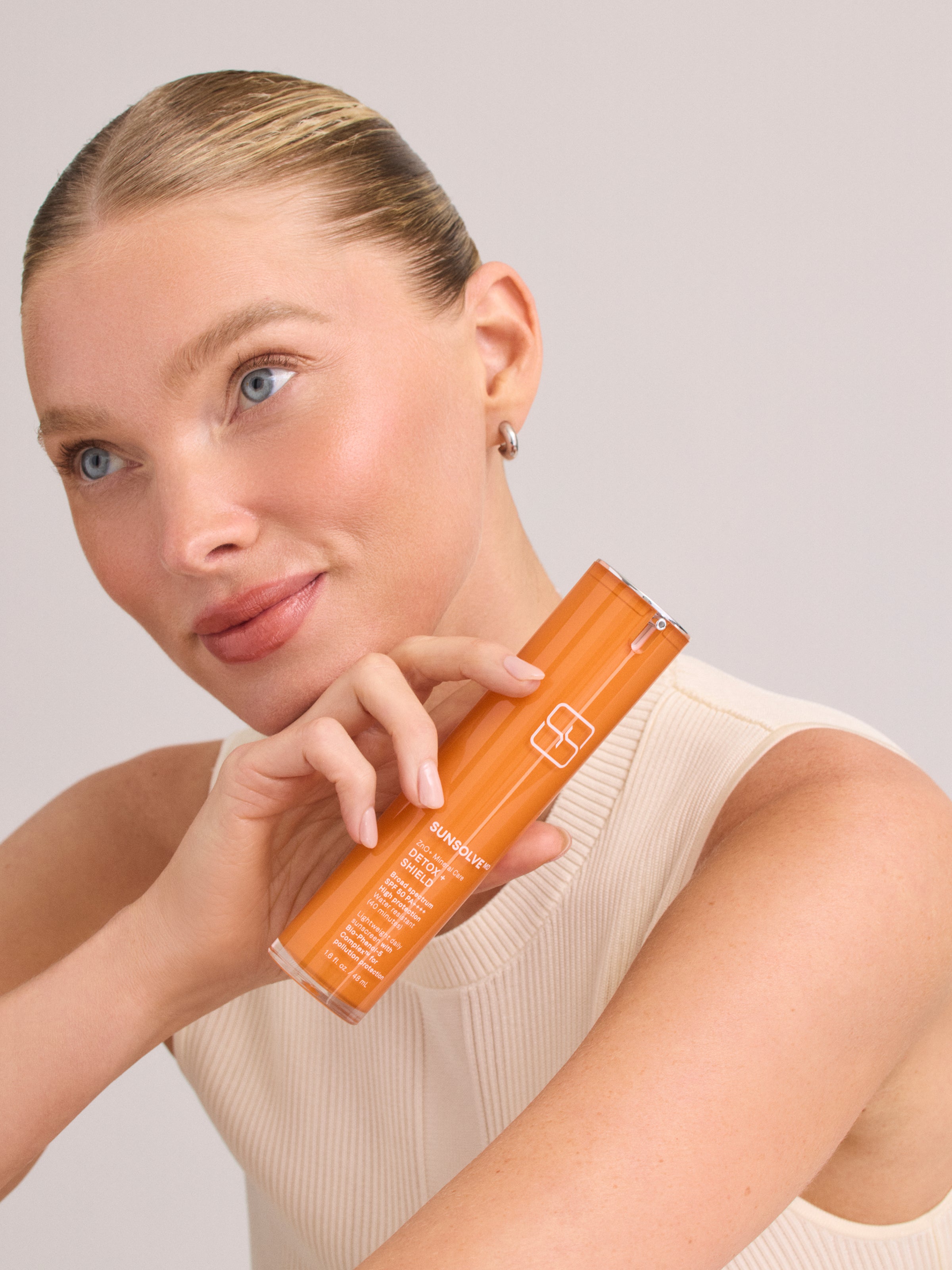
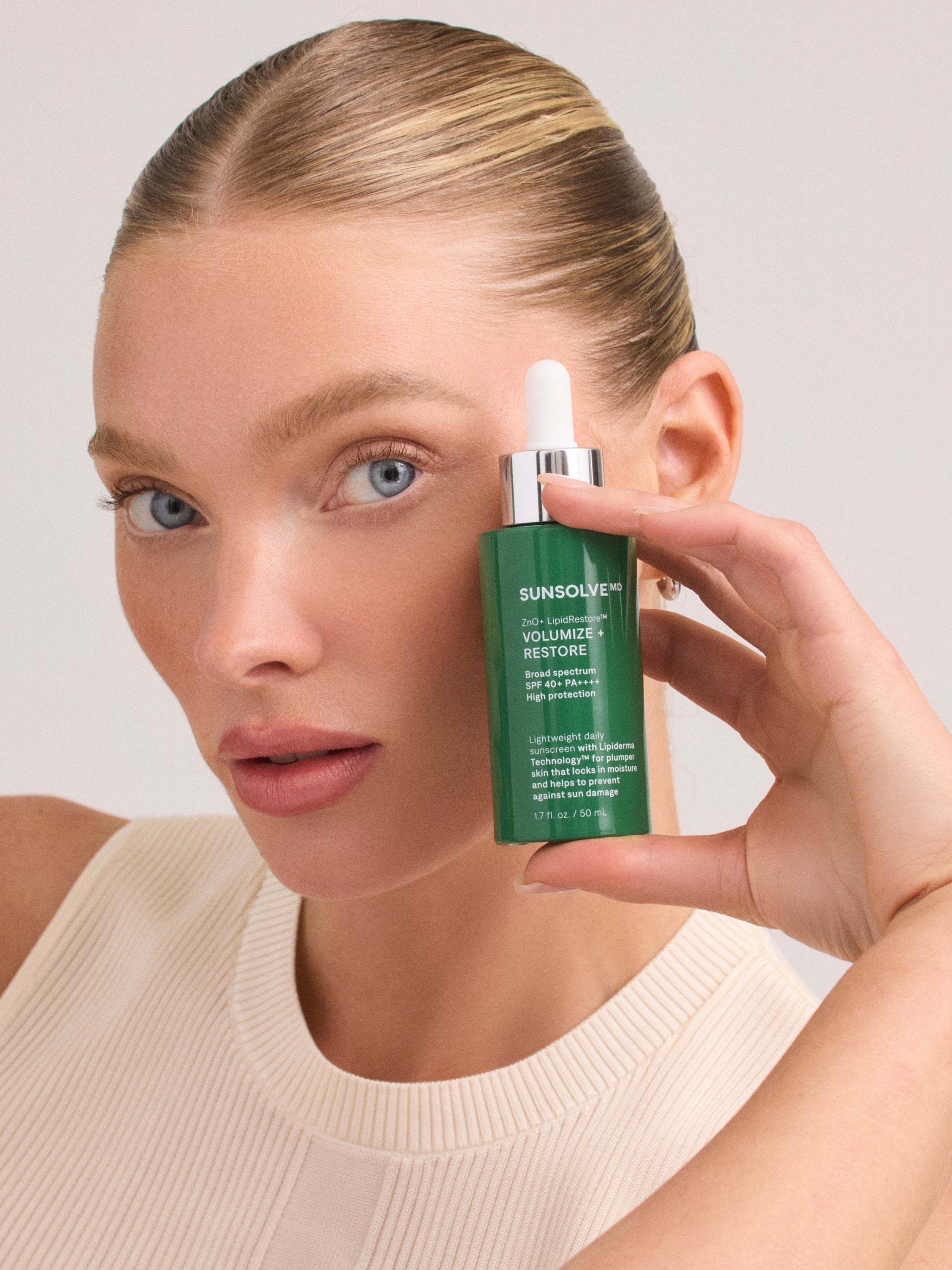
At SunsolveMD, we use 12% non-nano zinc oxide in every formula. It's micronized to the ideal size range for transparency without compromising safety or broad-spectrum efficacy. The result is mineral SPF that works across all Fitzpatrick skin types with zero white cast.
Formulation Technology: Beyond the Mineral
Particle size is only part of the equation. How zinc oxide is suspended and delivered makes just as much difference in whether a formula leaves a cast.
Many brands use basic emulsion systems - oil-in-water or water-in-oil formulas where zinc is simply mixed into a cream base. These tend to sit on the skin rather than integrate with it, which is why they can look streaky, patchy, or chalky even with smaller particles.
Advanced delivery systems use dynamic bases - matrices that incorporate the zinc into a network of hydrating actives, silica, and lightweight carriers that help the formula melt into skin rather than sitting on top of it. Our ZnO+™ system, for example, suspends zinc oxide in marine enzymes, antioxidant buffers, and targeted actives that enhance blendability and create a second-skin finish.
The texture of the formula matters too. If a sunscreen is too thick or too rich for your skin type, it's more likely to pill, bunch up, or leave visible residue regardless of particle size. That's why we formulate with breathable, layerable textures that work under makeup, over serums, and across different skin types without feeling heavy.
Skin Tone and White Cast
White cast disproportionately affects medium to deep skin tones because the contrast is more visible. On fair skin, a slight white tint might blend into the natural tone or look like a subtle brightening effect. On deeper skin, it reads as grey, ashy, or purple-toned - an immediate aesthetic dealbreaker.
This is why inclusive formulation testing is non-negotiable. A sunscreen that "doesn't leave a cast" on light skin might still be completely unwearable on darker skin. Every formula we develop is tested across all Fitzpatrick types to ensure true transparency, not just performance on a narrow range of tones.
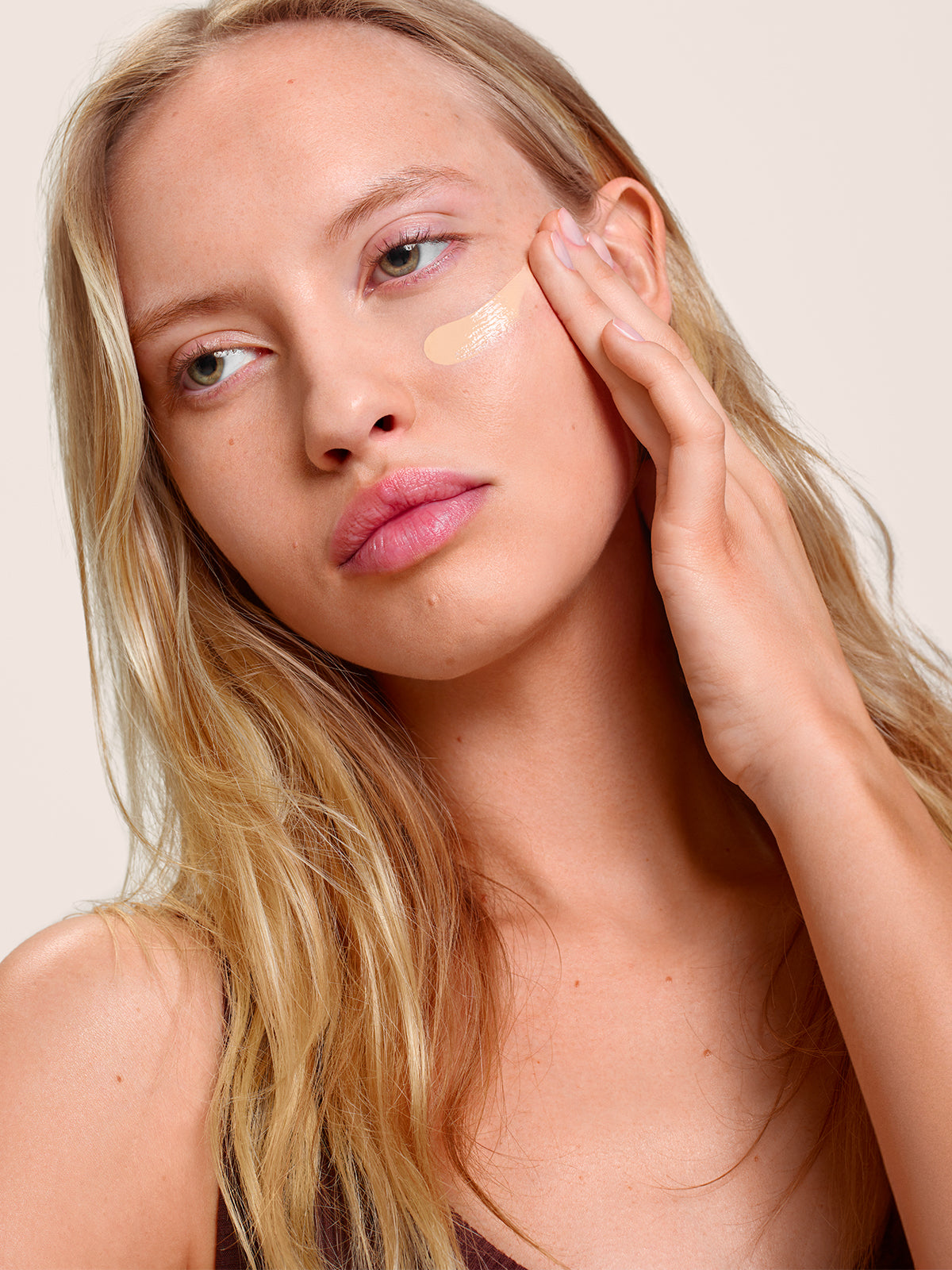
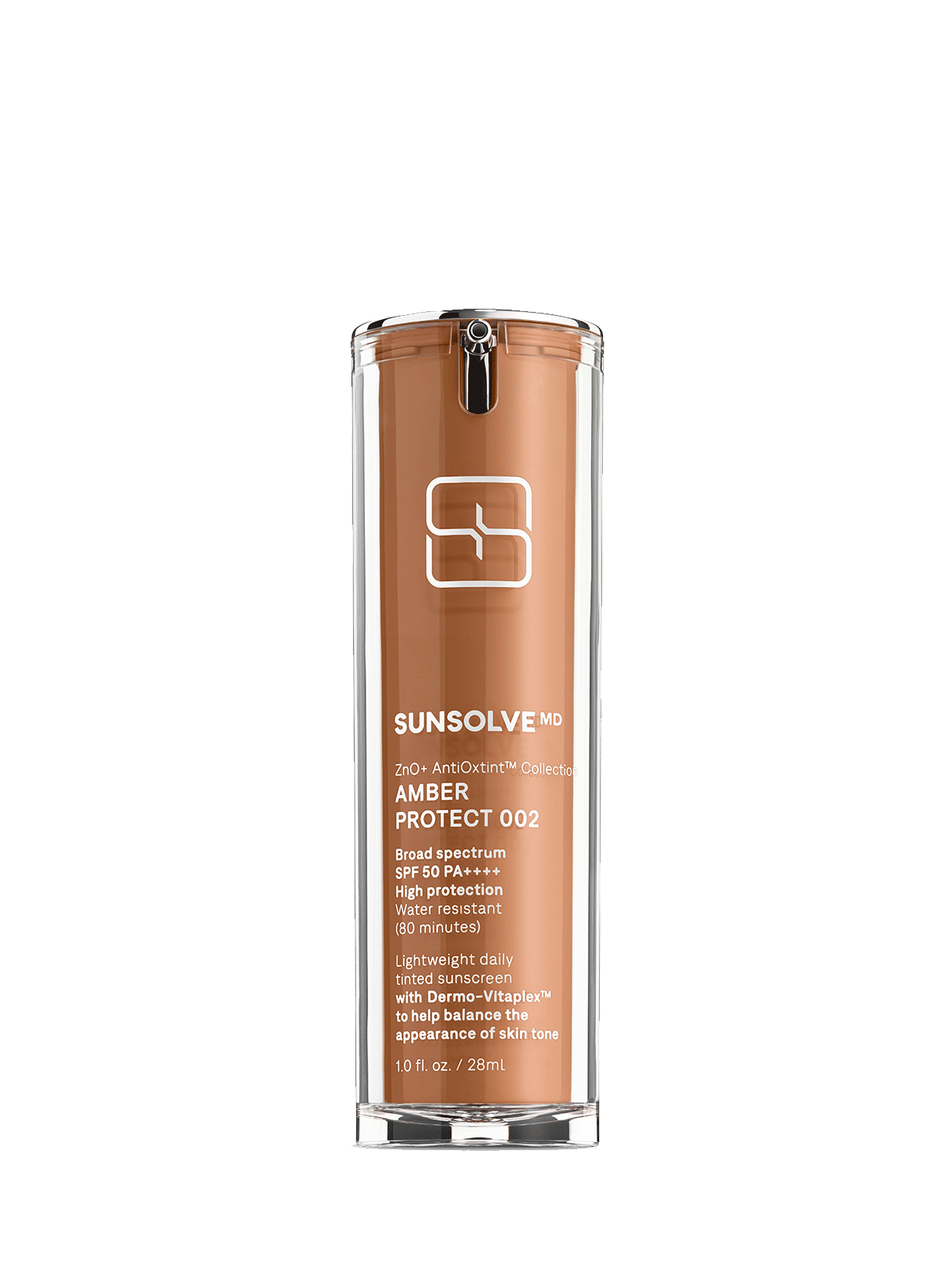
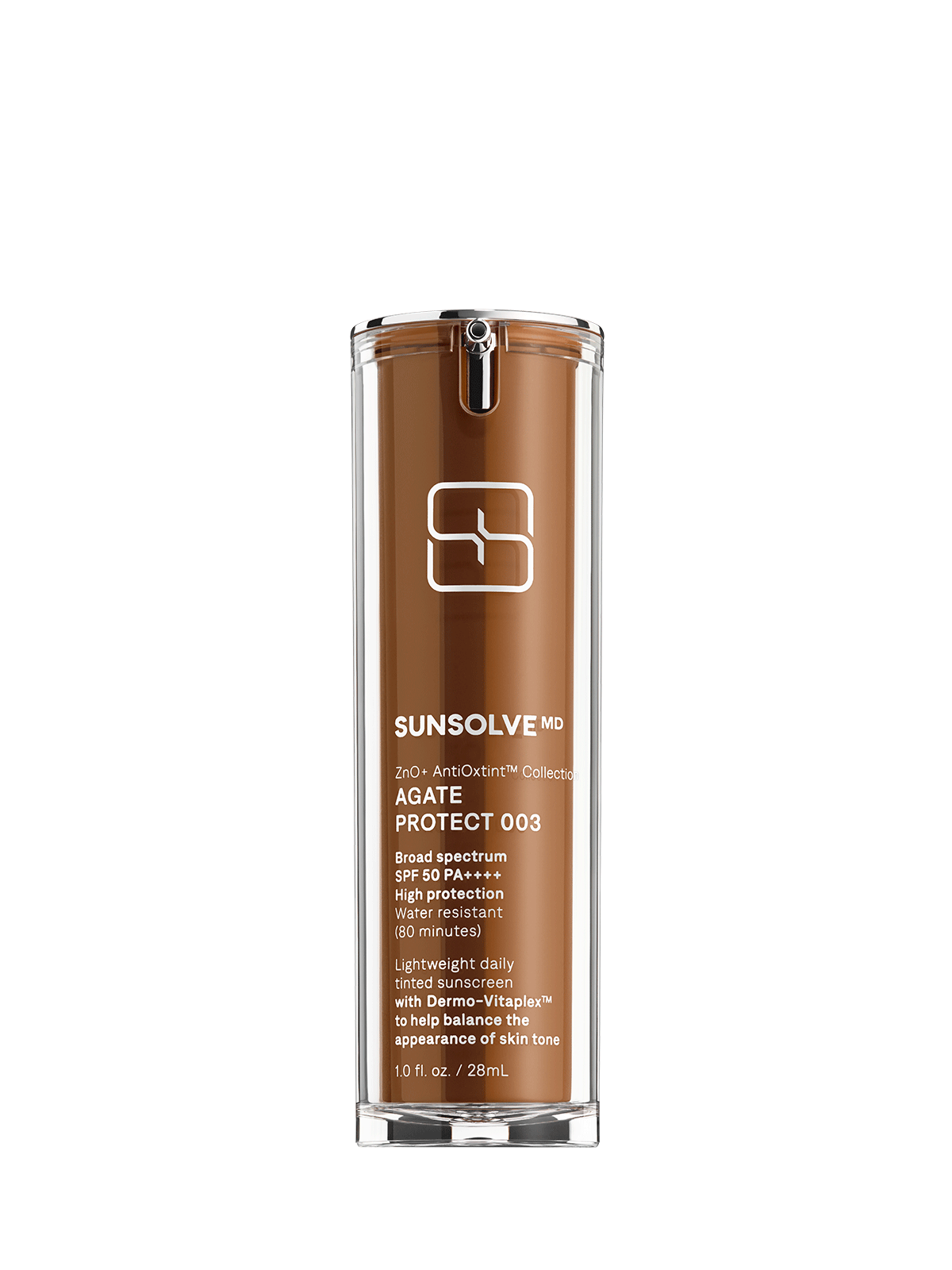
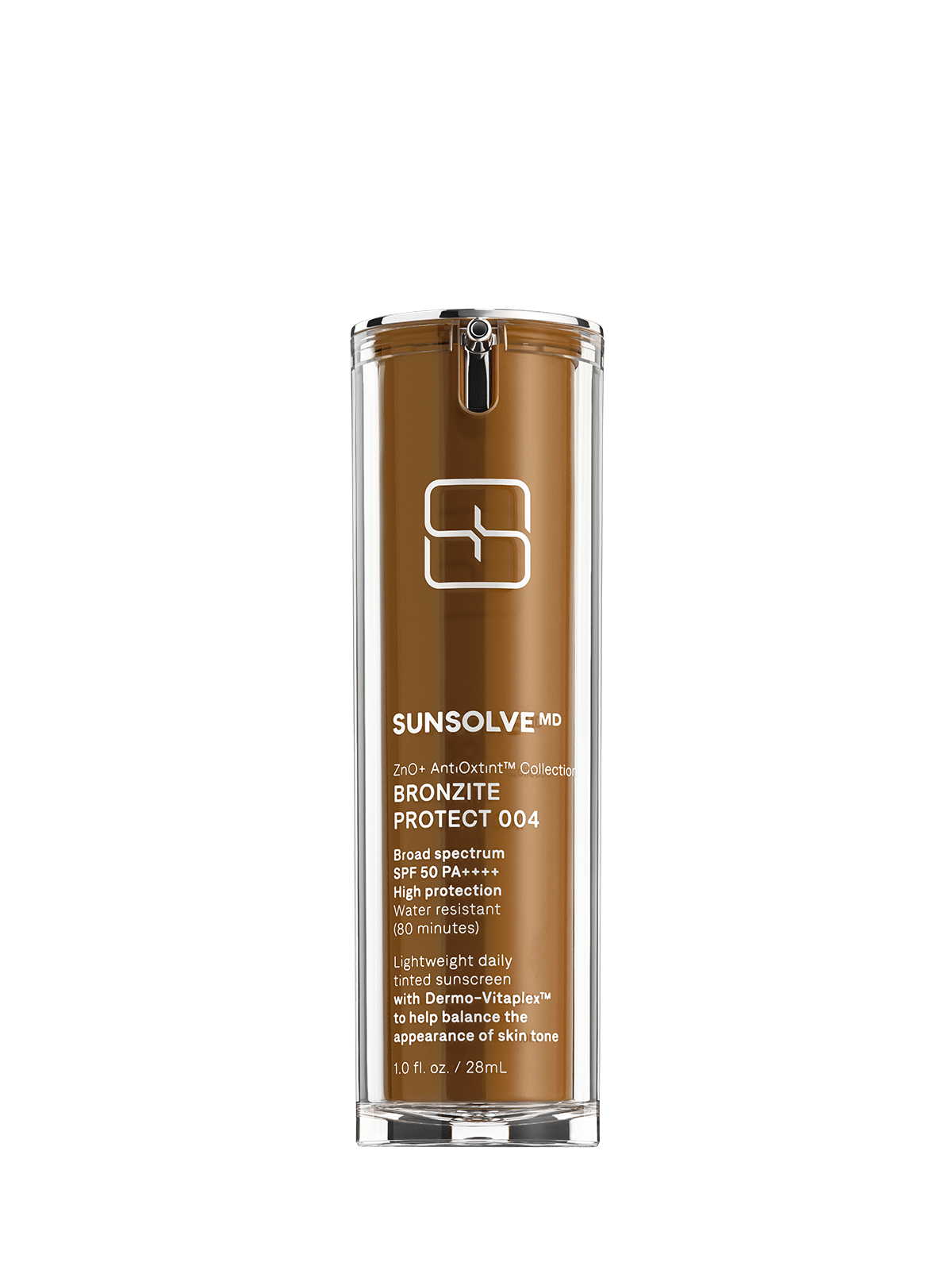
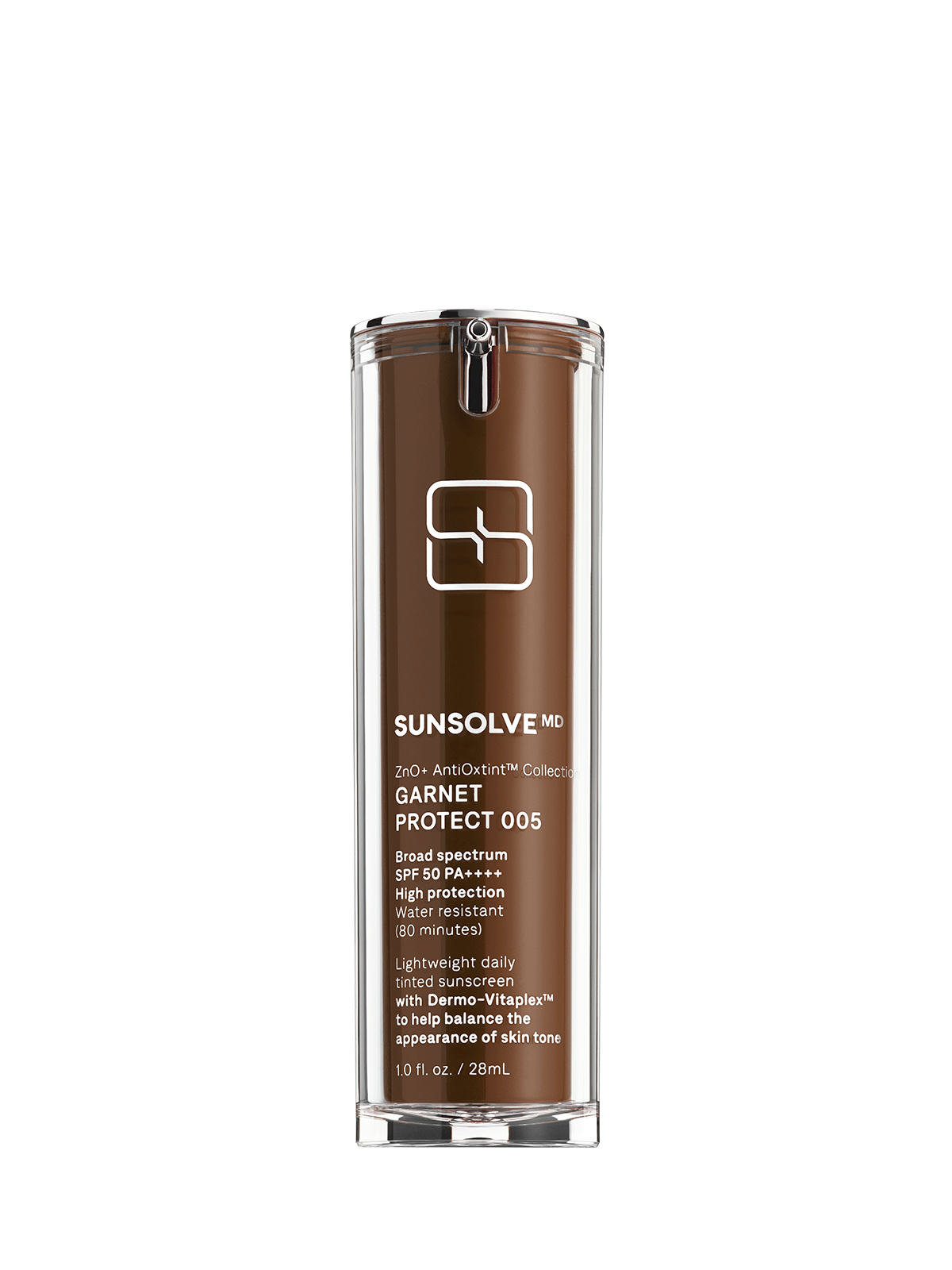
Tinted mineral sunscreens are one solution, offering sheer, blendable color that enhances natural skin tone while delivering UV protection. Our tinted range provides coverage without the mask-like opacity of traditional makeup, making it ideal for those who want a no-cast guarantee with a subtle complexion boost.
What You Can Do About White Cast

If your current mineral sunscreen is leaving a cast, here's how to troubleshoot:
Check the particle size. Look for formulas labeled "micronized" or "non-nano" zinc oxide. Avoid older formulas or those with extremely high zinc concentrations (20%+) unless they explicitly state they're tested for no white cast.
Apply in thin layers. Overloading your skin with product increases the likelihood of visible residue. Use the recommended amount (half a teaspoon for your face), but apply it in sections and blend thoroughly before adding more.
Let it absorb. Some formulas need 30-60 seconds to settle into skin and lose their initial white tint. Don't judge immediately after application - give it a moment to dry down.
Use a damp sponge or brush. If you're layering SPF under makeup, a damp beauty sponge can help press the product into skin and eliminate any surface cast before foundation goes on.
Switch formulas. If your sunscreen consistently leaves a cast no matter how you apply it, the issue is the product, not your technique. Choose a formula specifically designed for transparency across all skin tones.
The SunsolveMD Difference
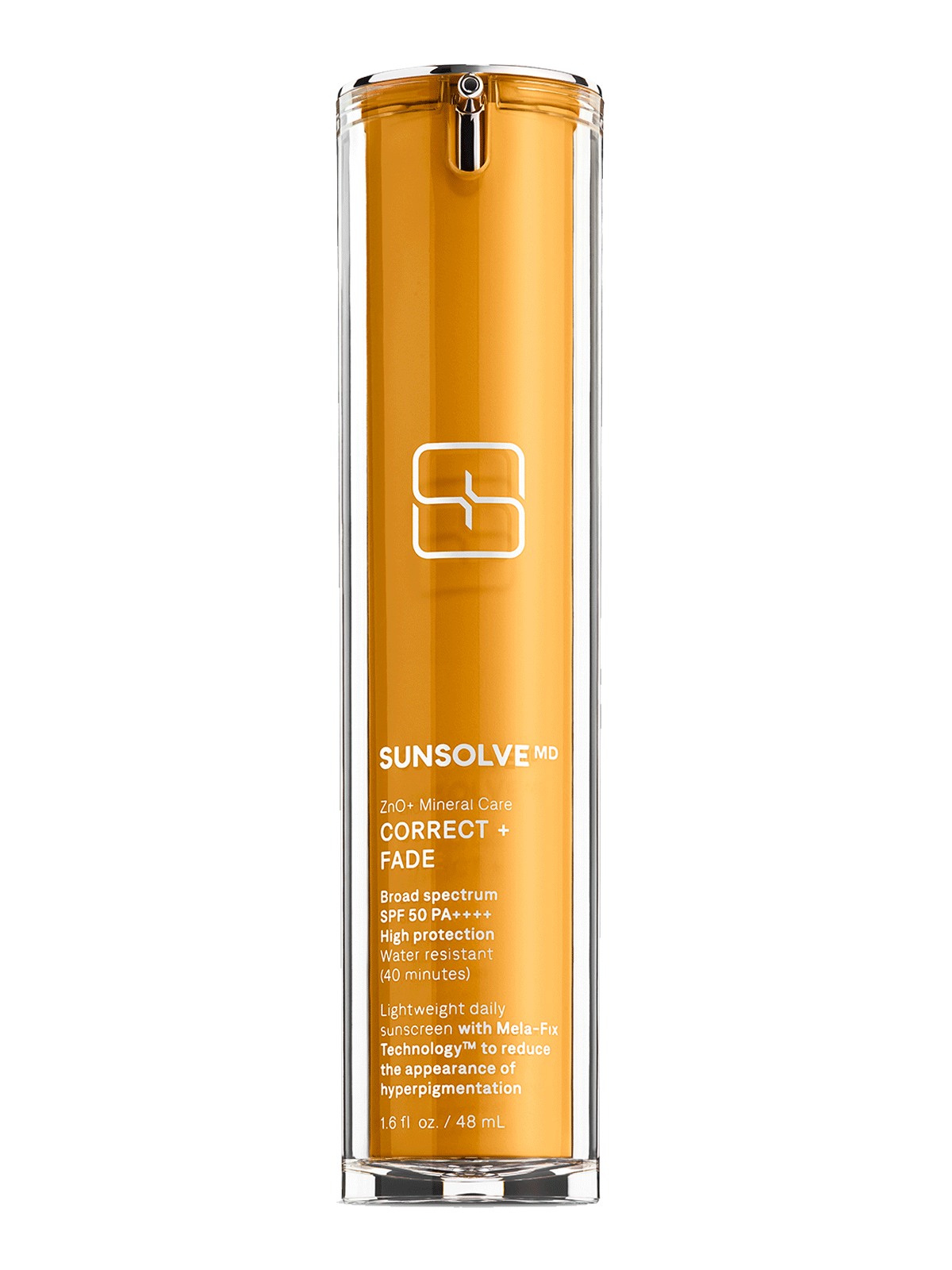
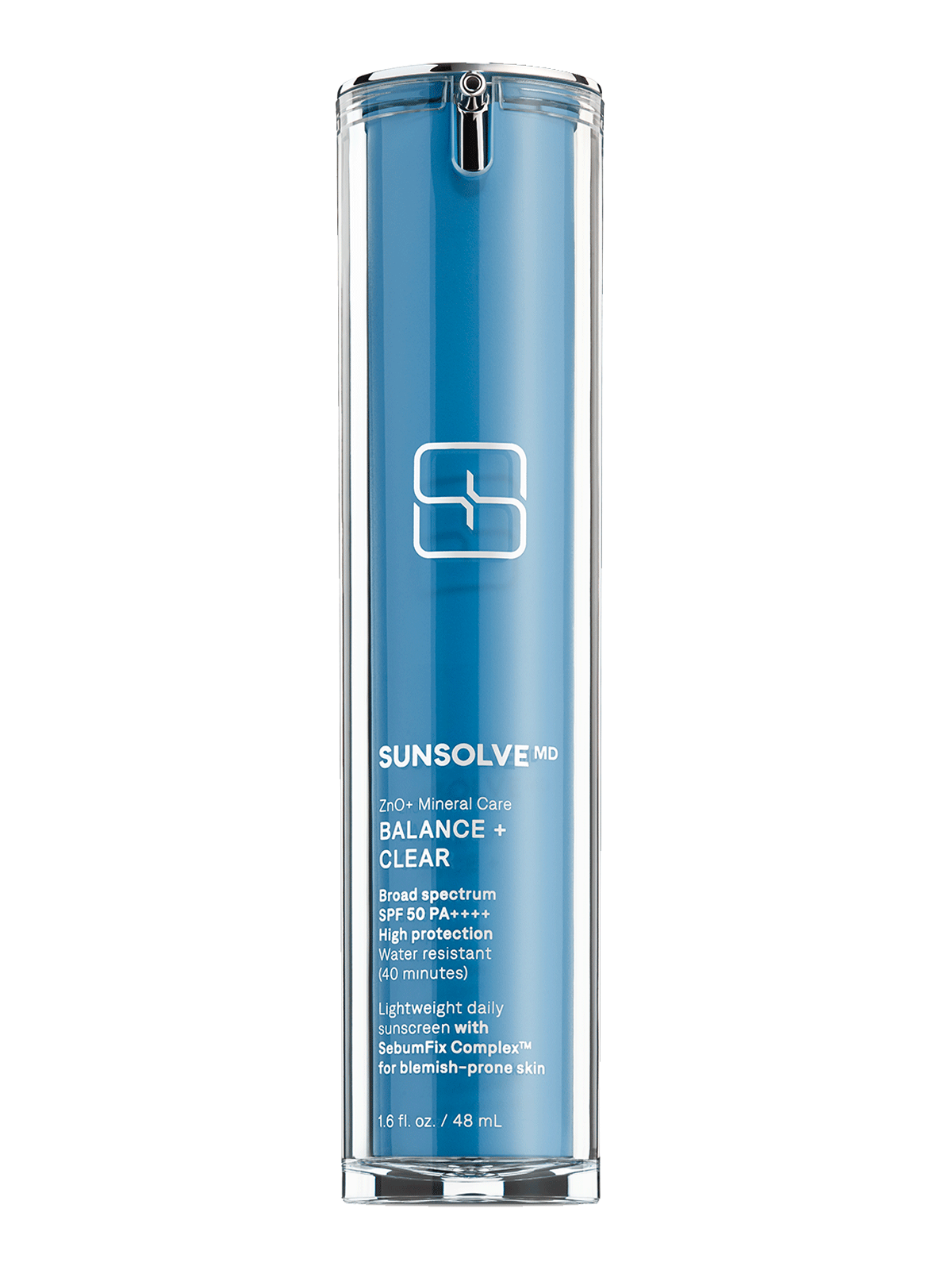
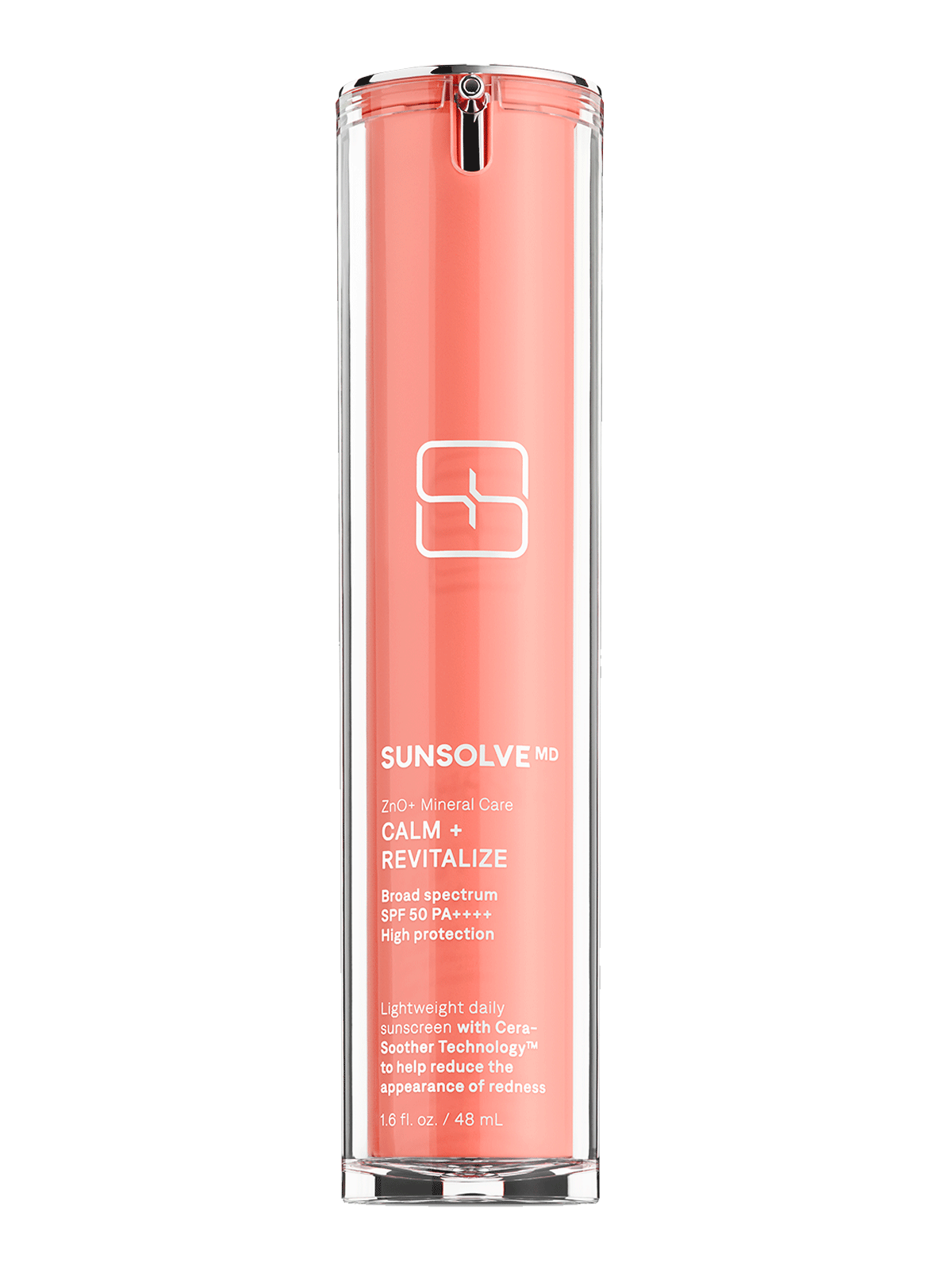
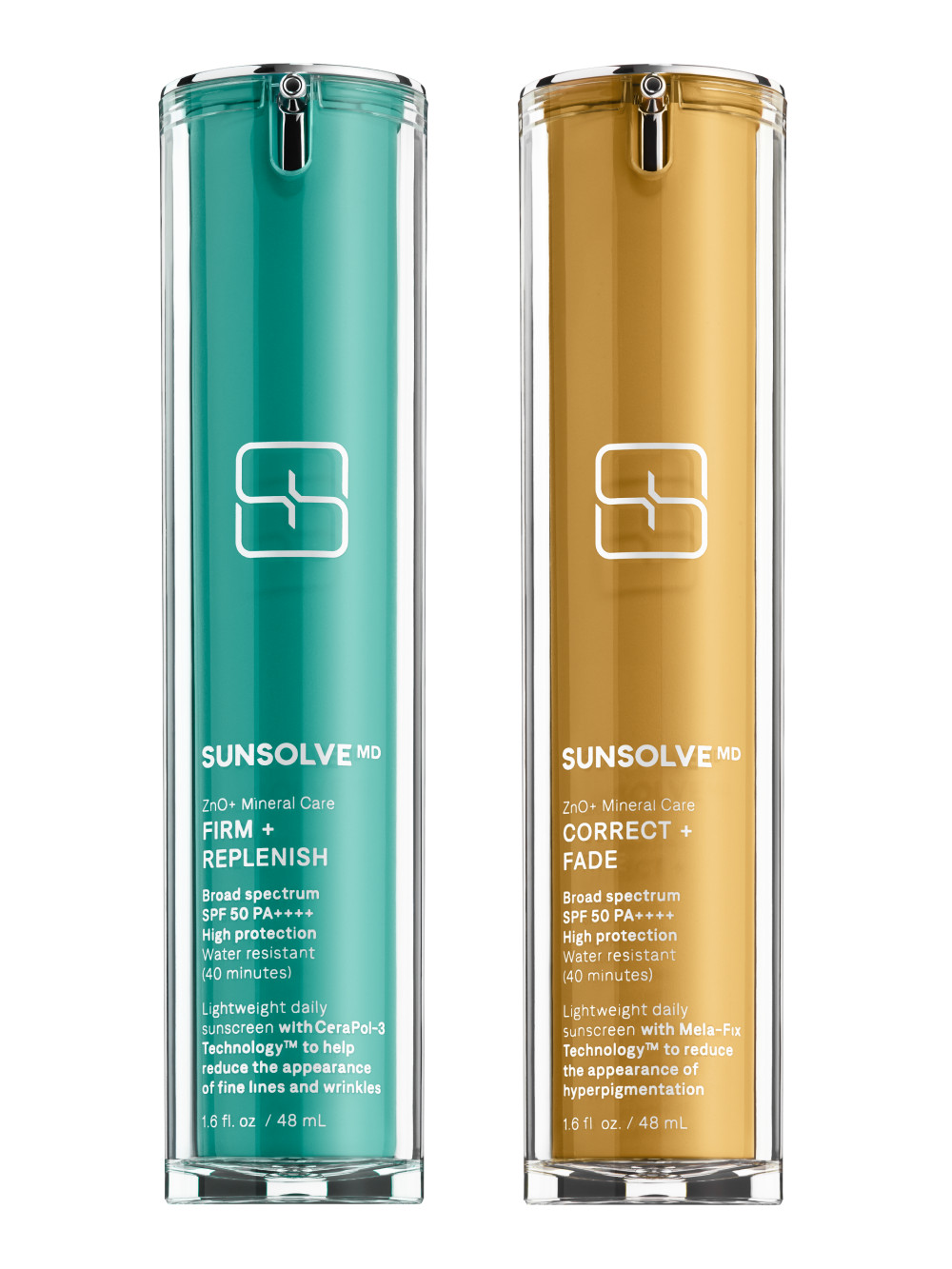
We built our entire range on the premise that mineral SPF should be invisible, wearable, and effective across all skin tones. Our ZnO+™ system delivers 12% non-nano zinc oxide in a transparent, blendable base that's been tested on every Fitzpatrick type to ensure zero white cast.
But we didn't stop at making mineral sunscreen cosmetically elegant. We engineered it to be restorative. Our proprietary SolveDNAReverse™ technology supports your skin's natural DNA repair enzymes, actively reversing the oxidative stress and photodamage caused by UV exposure. You're getting broad-spectrum UVA/UVB defense that's also calming inflammation, restoring barrier function, and addressing concerns like pigmentation, aging, and sensitivity at a cellular level.
This is mineral SPF redefined: transparent, breathable, therapeutic. Developed in-house at our Los Angeles biotech lab and engineered at our clinical innovation hub in Denmark, every formula is built on SolveTech™ - a patent-protected platform that intercepts the biological cascades behind UV-induced skin dysfunction.
We're mineral-only, fragrance-free, cruelty-free, and filler-free. Our formulas are tested in vitro and in vivo, used in aesthetic clinics, and designed to be compatible with acids, retinoids, and post-procedure skin. Because mineral SPF and white cast shouldn't be synonymous, and protection should never come at the cost of wearability.
FAQs
Does all mineral sunscreen leave a white cast?
No. White cast is a formulation issue, not an inherent property of mineral SPF. Modern micronized, non-nano zinc oxide formulas can be completely transparent when properly engineered and tested across all skin tones.
Is white cast worse on oily or dry skin?
It can appear more pronounced on dry skin because flaking or rough texture exaggerates visible residue. On oily skin, white cast can mix with sebum and create a greyish tint. Proper formulation eliminates cast on both skin types.
Can I use primer or moisturizer to reduce white cast?
Layering a hydrating primer or moisturizer underneath can help some formulas blend better, but if your sunscreen consistently leaves a cast, the issue is the product itself. A well-formulated mineral SPF shouldn't require workarounds.
Do chemical sunscreens ever leave a white cast?
Rarely. Chemical filters are transparent because they're absorbed into the skin rather than sitting on the surface. However, they come with other concerns including systemic absorption, potential irritation, and environmental impact.
Does white cast mean the sunscreen isn't working?
Not necessarily. White cast is cosmetic, not functional - the sunscreen can still provide UV protection even if it's visible. But if the cast is severe, it often indicates you're using too much product or the formula isn't blending properly, which can create gaps in coverage.
Are tinted sunscreens better for avoiding white cast?
Tinted formulas can help, especially for medium to deep skin tones. They provide sheer color that blends with your natural tone while delivering UV protection. Just make sure the tint actually matches your skin - an ill-matched tint can look just as unflattering as white cast.
The Takeaway
White cast isn't an unavoidable consequence of mineral sunscreen. It's a solvable formulation challenge, and modern mineral SPF - when properly developed - can be just as invisible, lightweight, and wearable as any chemical formula.
The question is whether your sunscreen was actually designed for your skin tone, tested for transparency, and engineered with the kind of delivery system that allows zinc oxide to integrate rather than sit on the surface. Because if you're skipping SPF due to white cast, you're not the problem. Your formula is.
That's why we developed mineral SPF choices for sensitive skin that work across all tones, blend seamlessly, and do more than just block UV on your skin - they actively repair it.