




Mineral vs Chemical Sunscreen: Which is Better?
The mineral versus chemical sunscreen debate has become one of the most discussed topics in skincare, often framed as a binary choice between "natural" and "synthetic" or "safe" and "risky." But the reality is more nuanced than that. Both categories offer UV protection, but they work differently, feel different, and come with their own set of trade-offs.
The question isn't necessarily which is better in absolute terms - it's which is better for your skin, your concerns, and your non-negotiables around ingredients, texture, and long-term safety.
Here's what you actually need to know.
How Mineral Sunscreen Works
Mineral sunscreens - also called physical sunscreens - use inorganic compounds like zinc oxide and titanium dioxide to create a physical barrier on the skin's surface. These minerals reflect and scatter UV radiation before it can penetrate the skin, functioning as a shield rather than an absorber.
Zinc oxide is the gold standard for broad-spectrum protection because it effectively blocks both UVA and UVB rays across the entire UV spectrum. It's photostable, meaning it doesn't degrade in sunlight, and it's non-reactive, making it ideal for sensitive, reactive, or post-procedure skin.
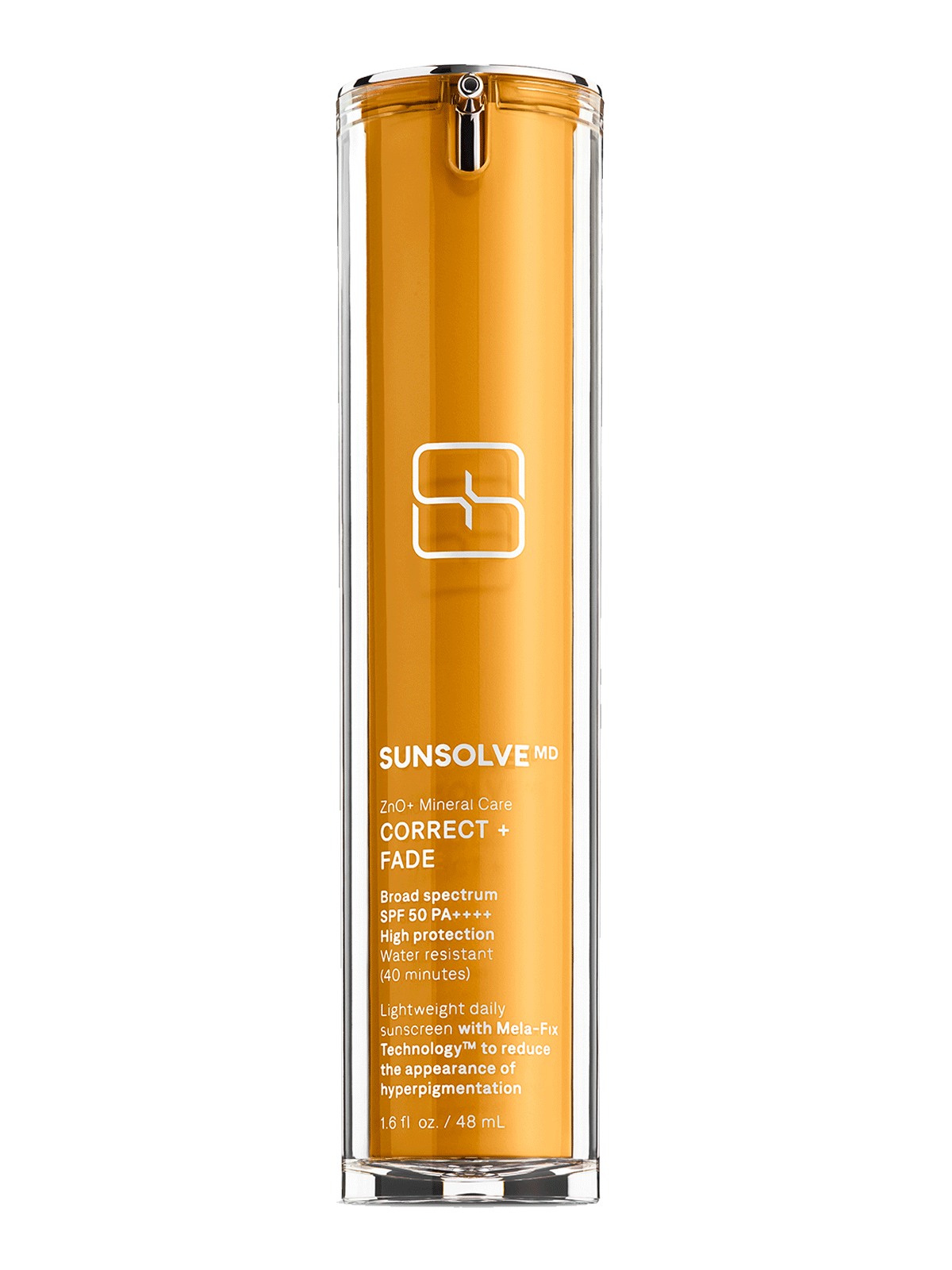
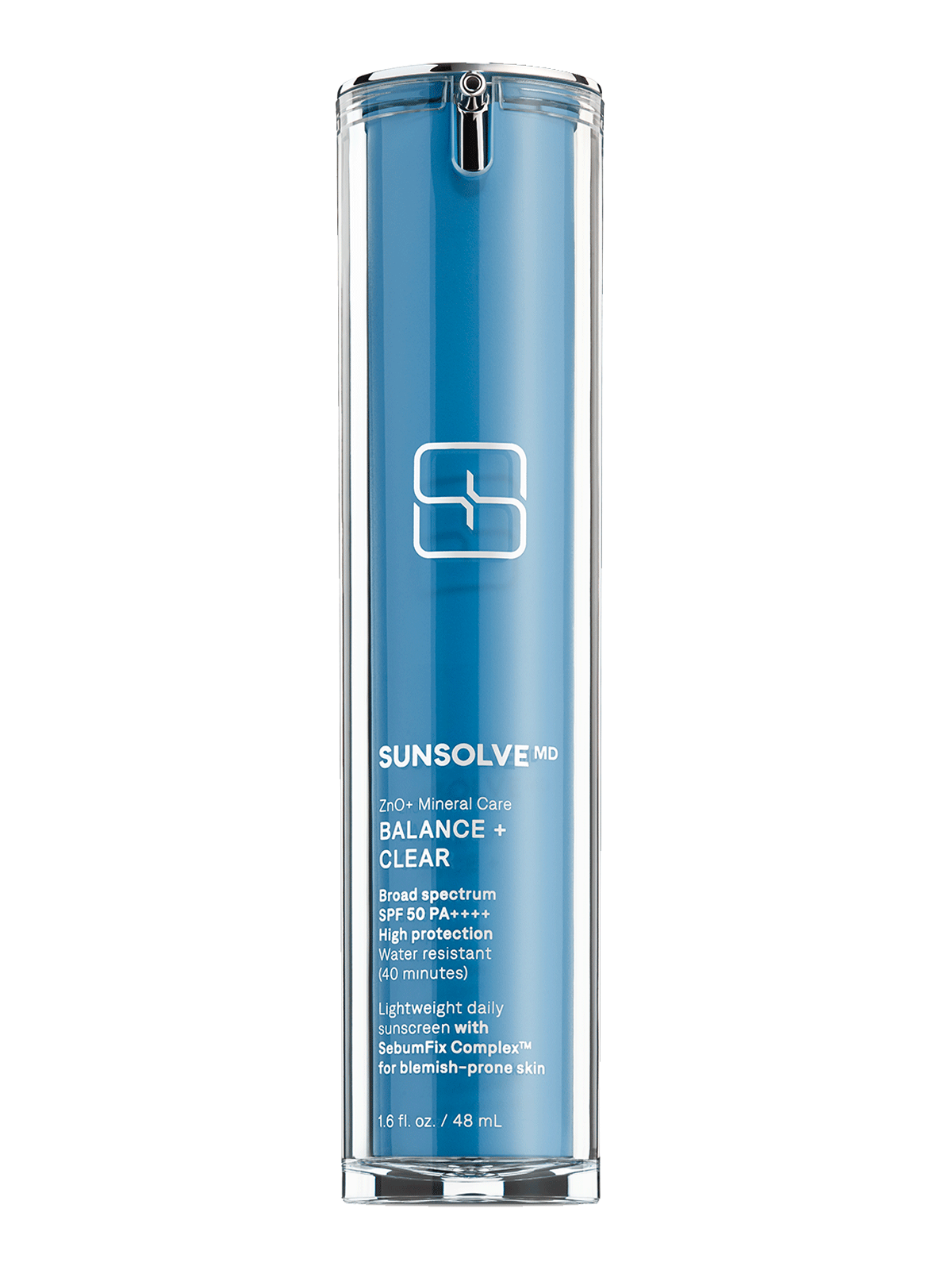
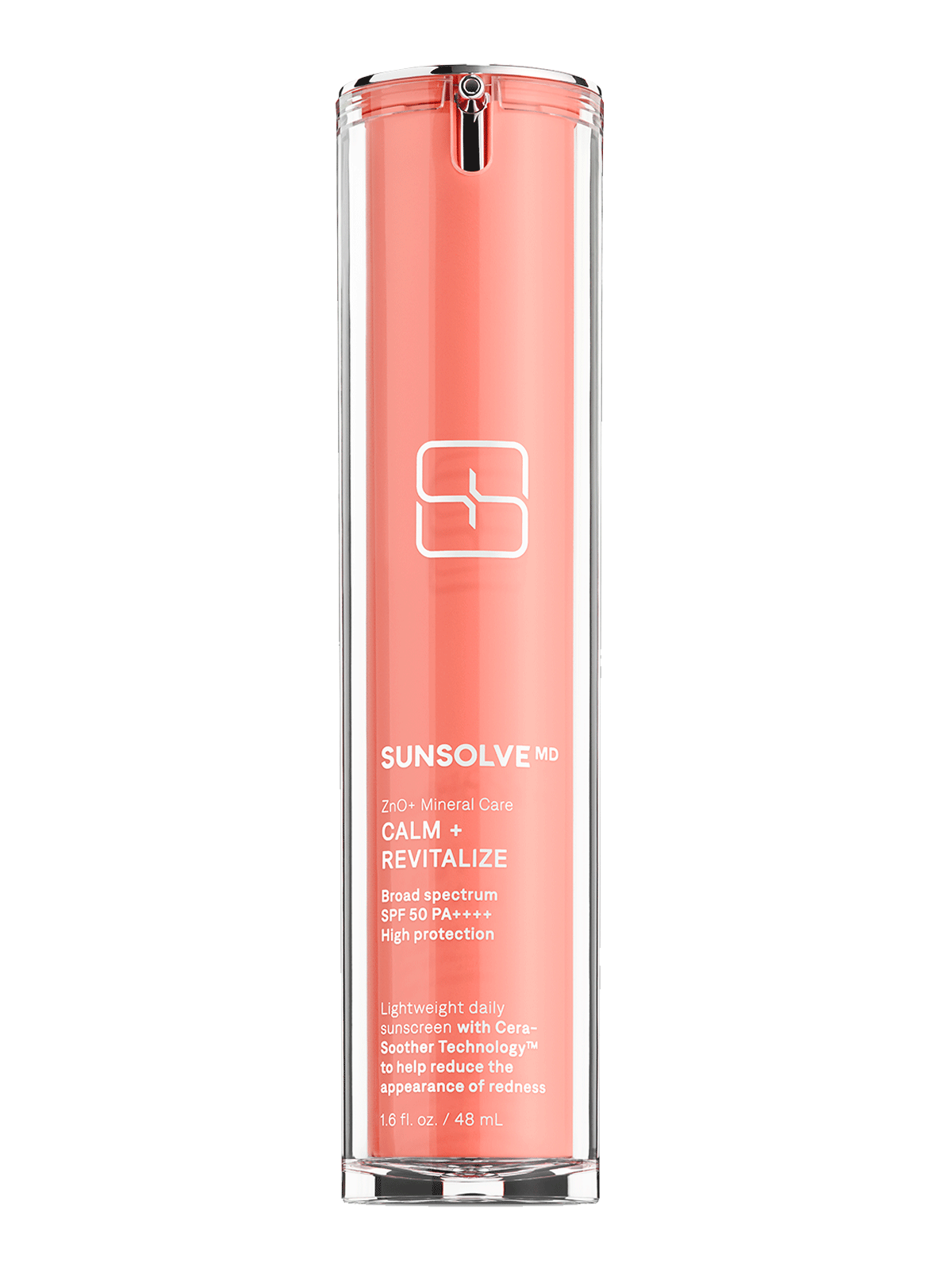
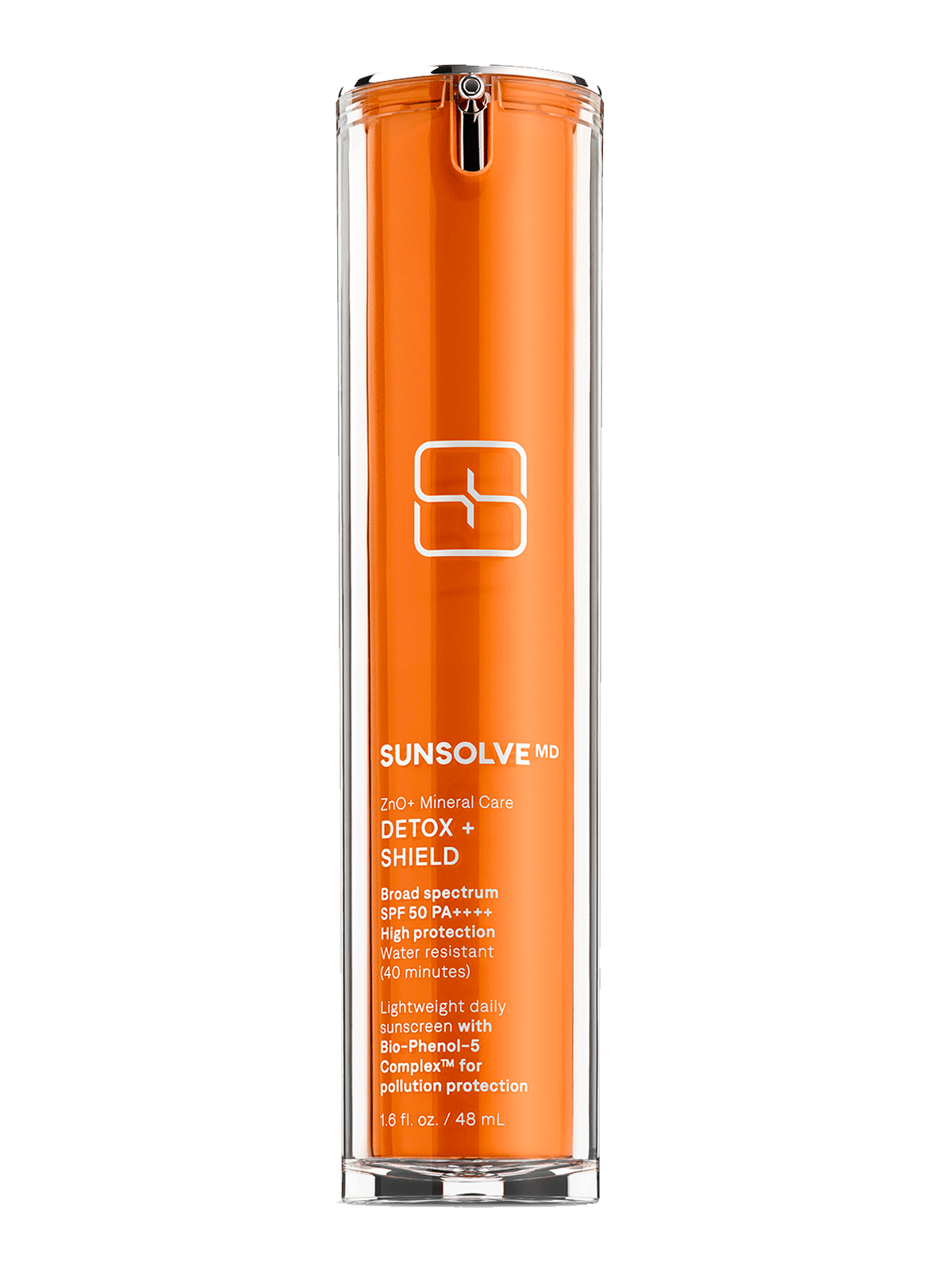
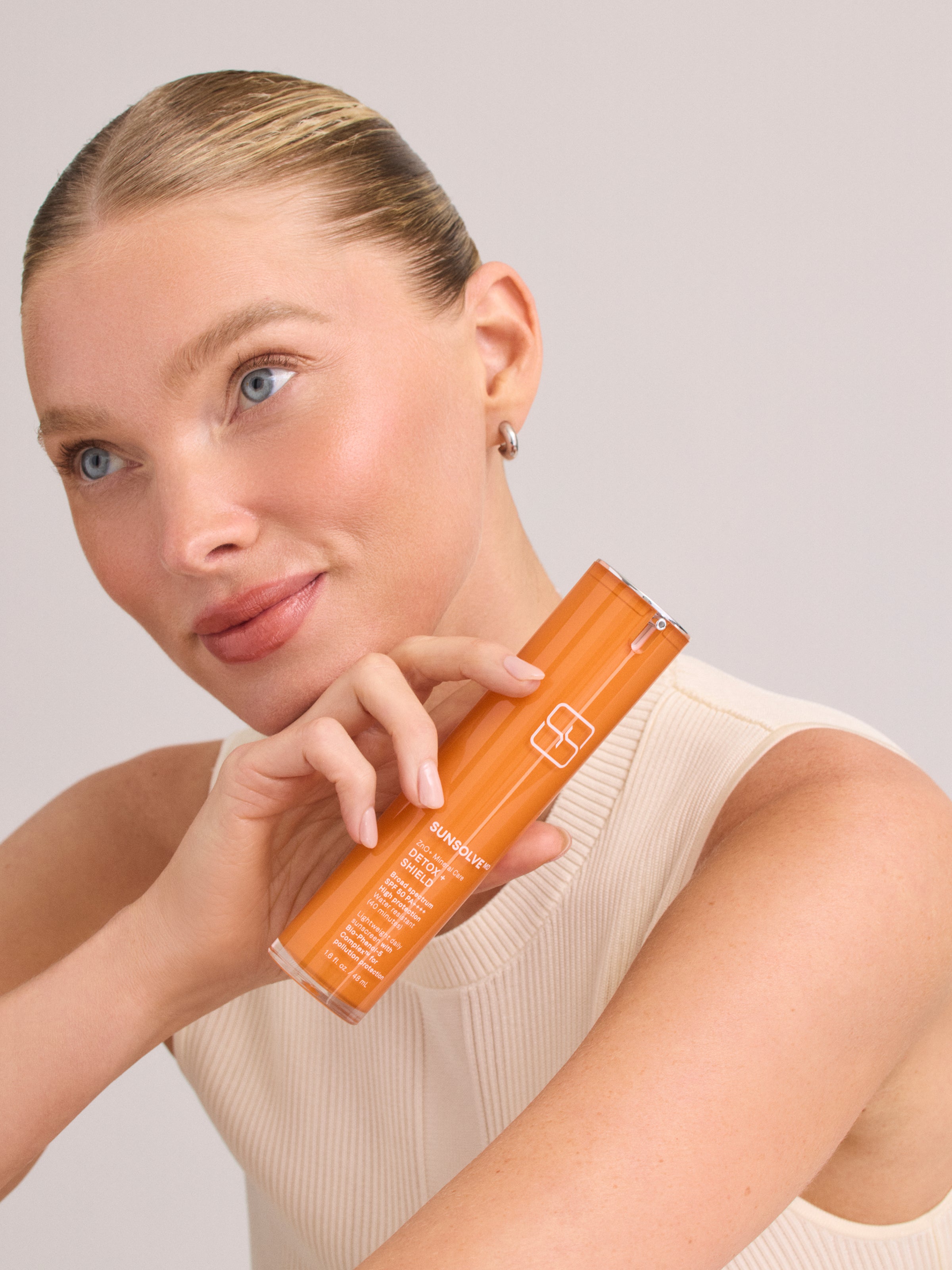
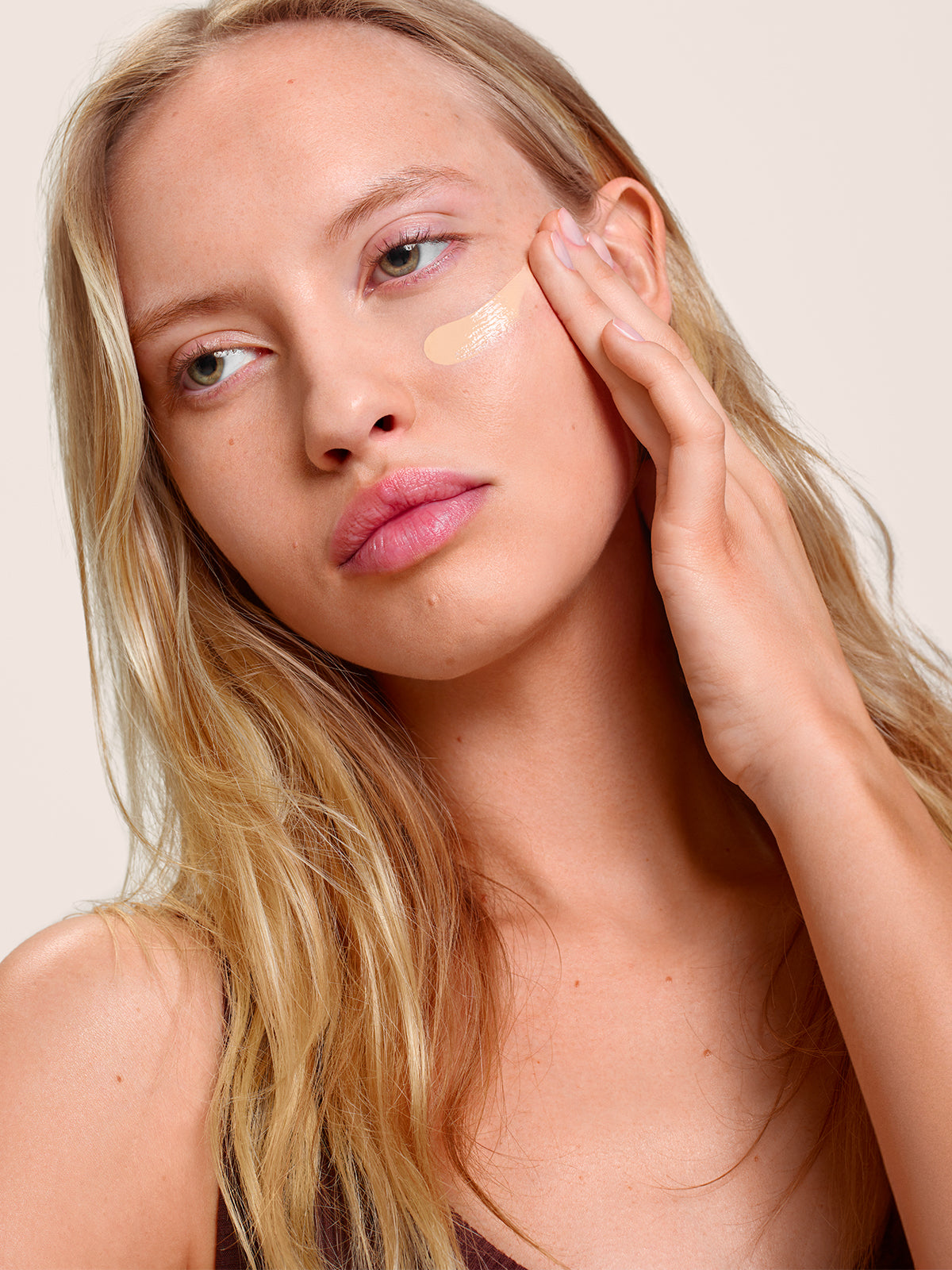
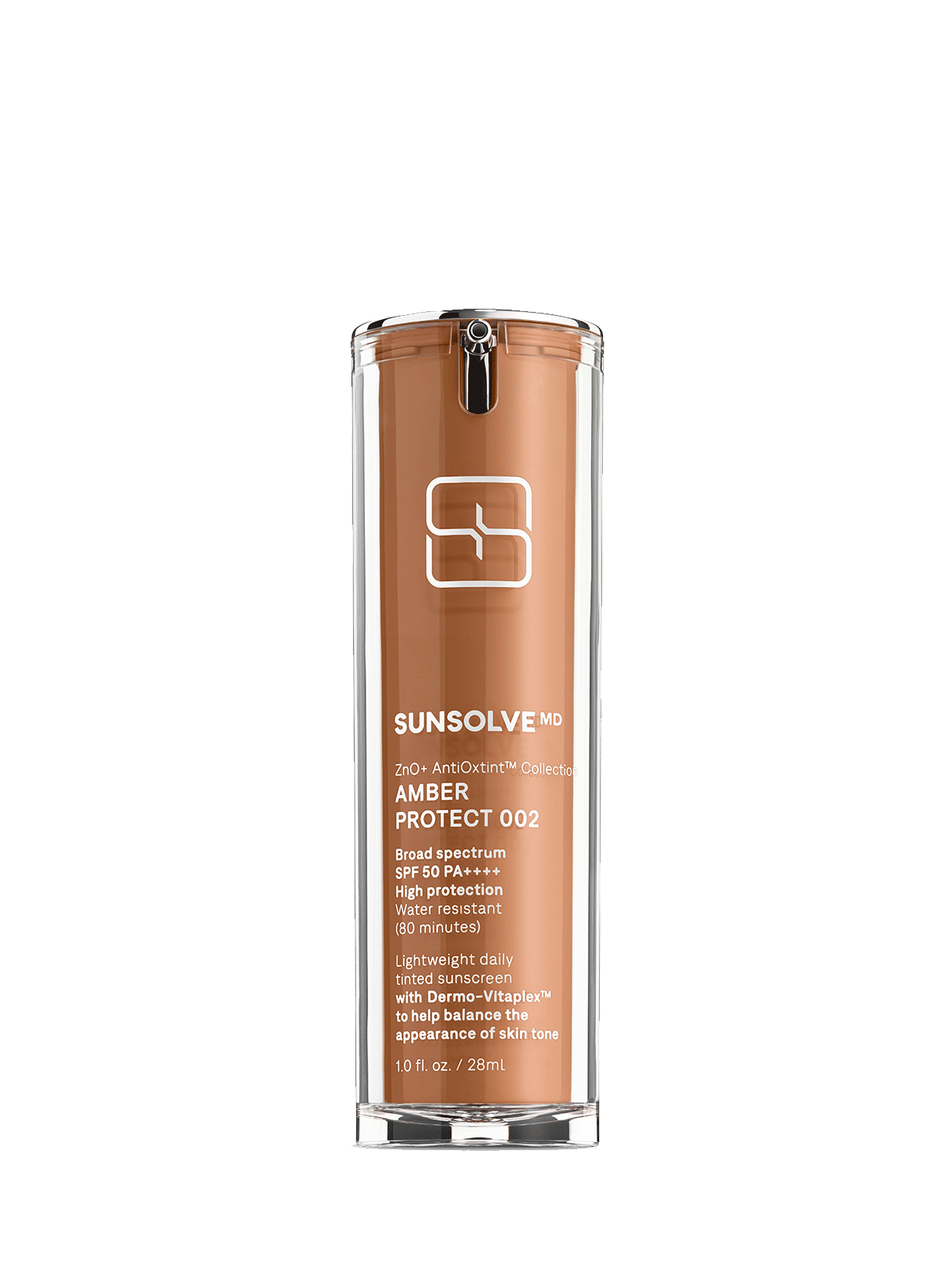
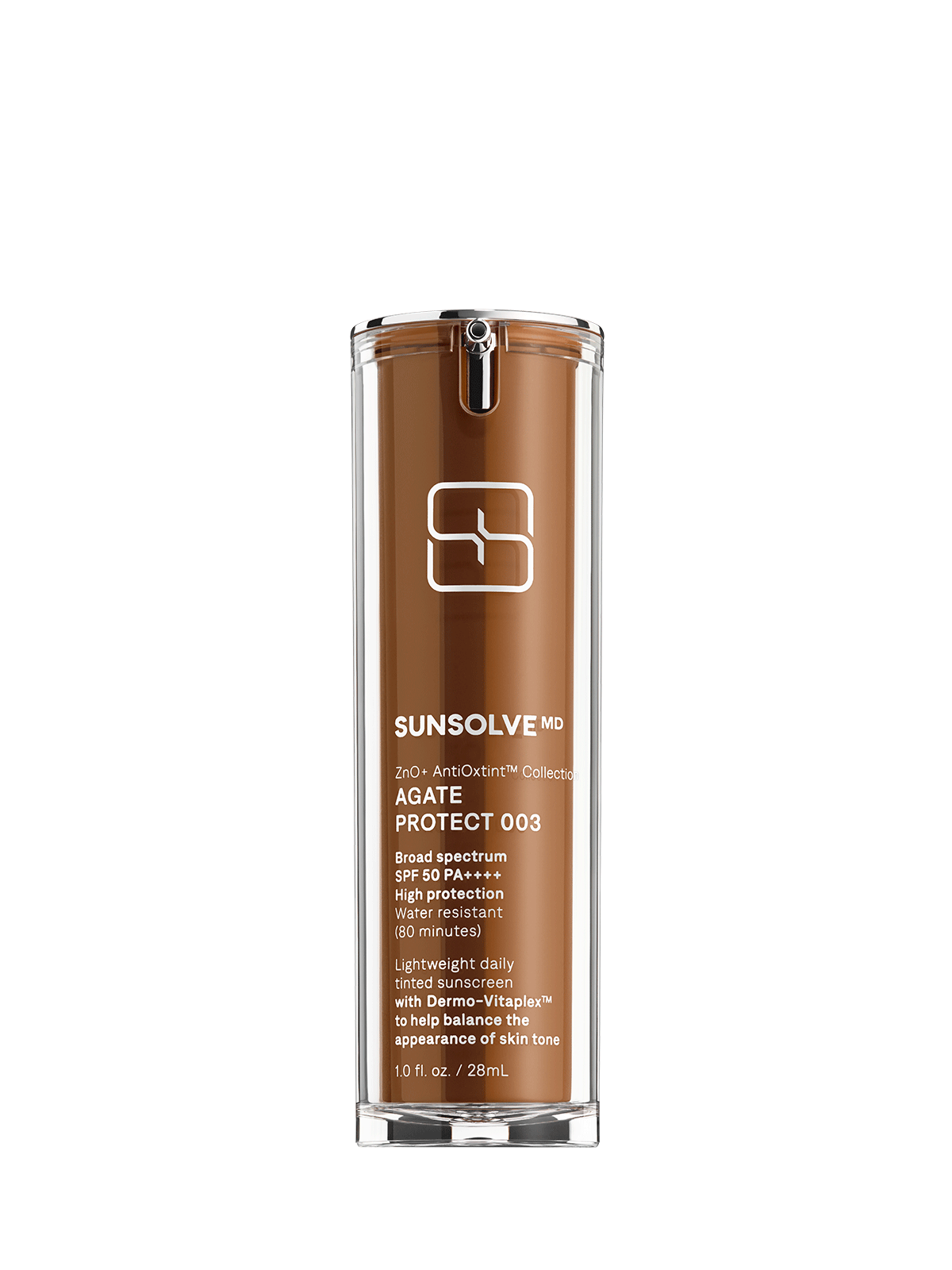
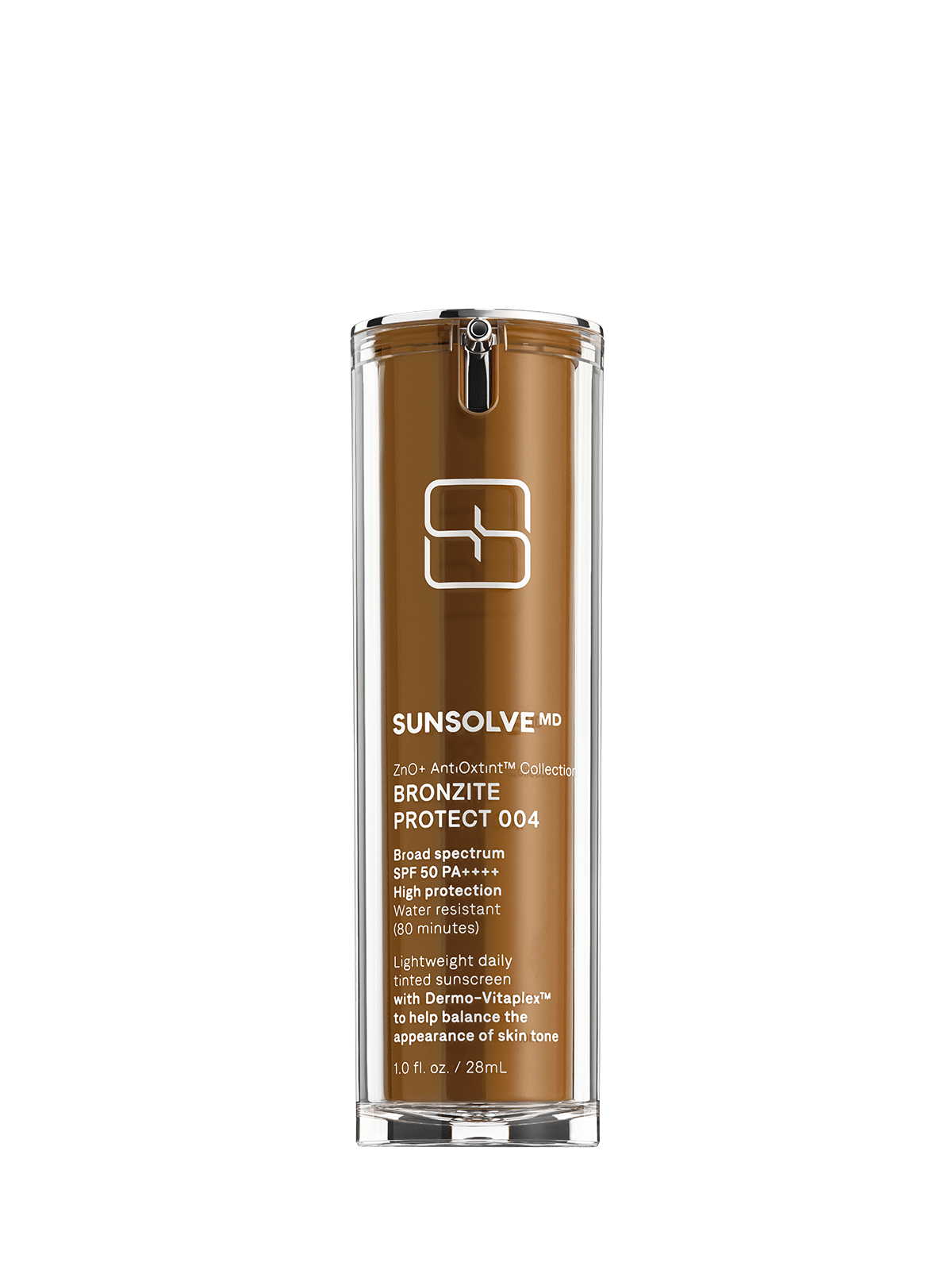
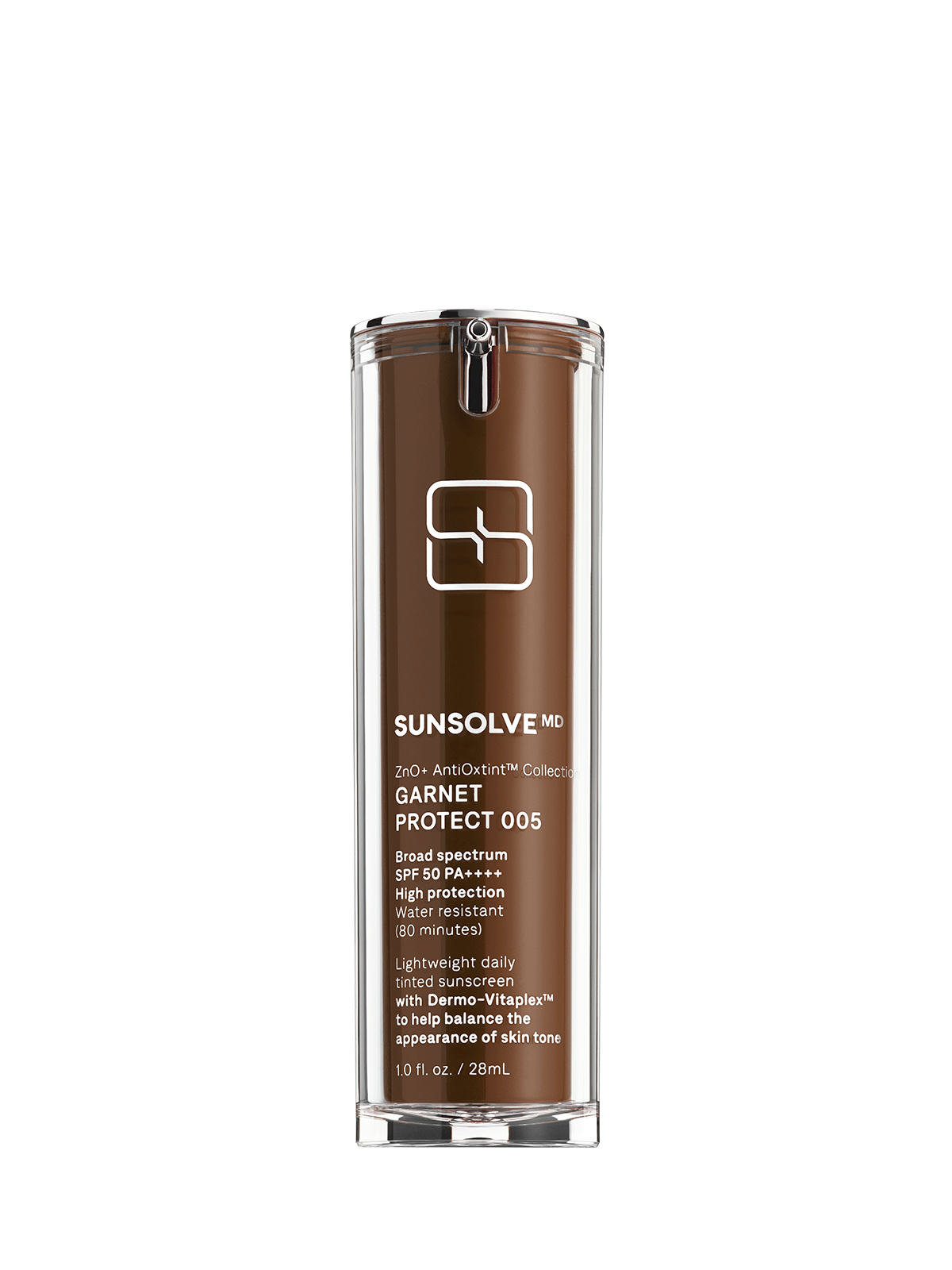
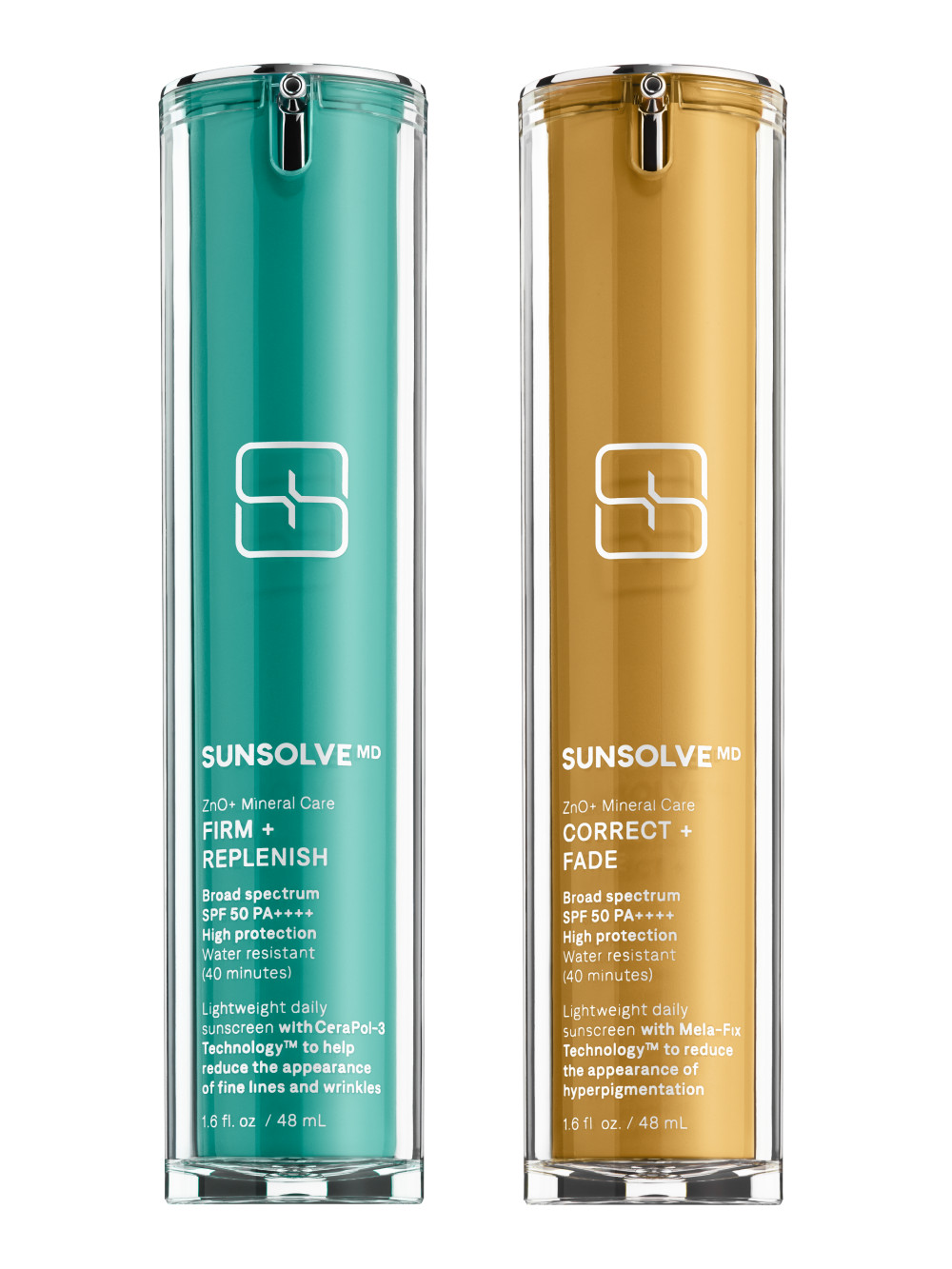
The downside, historically, has been cosmetic inelegance. Traditional zinc-based formulas were thick, chalky, and left a pronounced white cast - especially on deeper skin tones. But modern micronization and formulation technology have largely solved this problem. Our ZnO+™ system, for example, delivers 12% non-nano zinc oxide in a transparent, blendable base that works across all Fitzpatrick skin types with zero white cast.
How Chemical Sunscreen Works
Chemical sunscreens use synthetic organic compounds - like avobenzone, oxybenzone, octinoxate, and octocrylene - that absorb UV radiation and convert it into heat, which is then released from the skin. These filters work by penetrating the skin's surface and creating a chemical reaction that neutralizes UV energy.
Chemical formulas tend to be lighter, more cosmetically elegant, and easier to layer under makeup, which is why they've dominated the market for decades. However, they come with a few notable concerns.
First, many chemical filters are not photostable, meaning they degrade when exposed to sunlight and lose efficacy over time. This requires more frequent reapplication and can generate free radicals as they break down, potentially contributing to oxidative stress.
Second, chemical filters are absorbed into the bloodstream. Studies have shown detectable levels of ingredients like oxybenzone and octinoxate in blood, breast milk, and urine after topical application. While the FDA hasn't concluded these levels are harmful, the long-term effects of systemic absorption remain under investigation.
Third, certain chemical filters - particularly oxybenzone and octinoxate - have been linked to coral reef bleaching and marine ecosystem damage, leading several regions including Hawaii, Palau, and the U.S. Virgin Islands to ban their sale.
The Safety Profile: Mineral Wins
From a pure safety and biocompatibility standpoint, mineral sunscreens have the advantage. Zinc oxide and titanium dioxide sit on the skin's surface and are not absorbed systemically. They're classified as Generally Recognized as Safe and Effective (GRASE) by the FDA, while most chemical filters are still under review due to insufficient safety data.
Mineral formulas are also less likely to cause irritation or allergic reactions, making them the preferred choice for sensitive skin, rosacea, eczema, and post-treatment care. They're reef-safe, pregnancy-safe, and compatible with all skin types - including children and those with compromised barriers.
If your priority is minimizing systemic exposure, avoiding potential endocrine disruptors, and choosing ingredients with decades of established safety data, mineral is the clear choice.
The Cosmetic Experience: It Depends
Chemical sunscreens have traditionally had the edge in wearability - lightweight textures, no white cast, easy layering. But that gap has closed significantly with advances in mineral formulation.
Modern mineral SPF, when properly engineered, can be just as lightweight, blendable, and invisible as chemical formulas. The difference now comes down to specific product quality, not category limitations. A poorly formulated chemical sunscreen can still feel greasy, pill under makeup, or irritate sensitive skin. A well-formulated mineral sunscreen - like ours - can feel weightless, hydrating, and completely transparent.
The key is innovation in delivery systems, not just the active ingredients themselves.
Why We Only Use Mineral

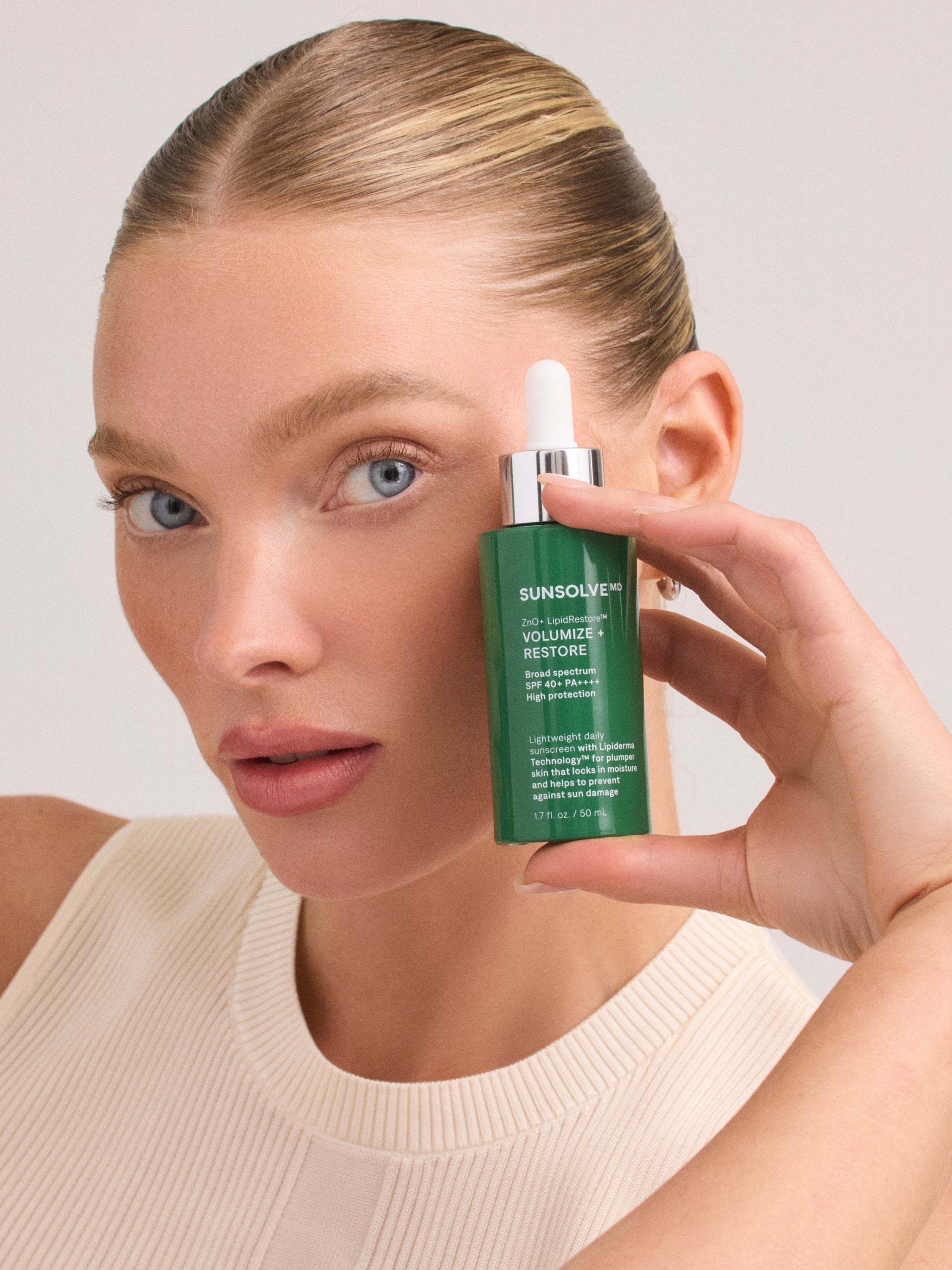
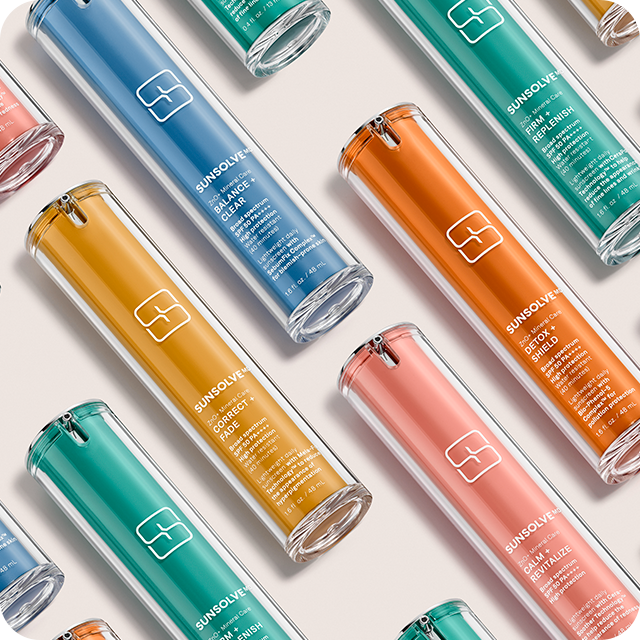
At SunsolveMD, we made a deliberate choice to build our entire range on mineral-only formulas. Not because chemical sunscreens don't work, but because mineral offers the best foundation for what we're trying to achieve: biocompatible, restorative, clinical-grade sun protection that works beneath the surface.
Our ZnO+™ system doesn't just use zinc oxide as a passive UV filter; it transforms it into an intelligent therapeutic interface - a delivery vehicle for marine enzymes, antioxidant buffers, and our proprietary SolveDNAReverse™ technology. You're getting broad-spectrum UVA/UVB defense that's simultaneously calming inflammation, restoring barrier function, and reversing oxidative damage at a cellular level.
This is only possible with a mineral base. Chemical filters degrade, generate heat, and require systemic absorption to function. Mineral SPF stays stable, stays safe, and creates a platform for active repair.
Our Science-Based Formula
We don't think of our job as “formulating” sunscreen - rather we engineer biotech you can wear.
Our SolveTech™ platform is a closed, patent-protected biotech stack designed to intercept the biological processes that lead to visible skin dysfunction. That includes UV-induced DNA mutation, pigment imbalance, barrier breakdown, inflammation, and dermal depletion. It's a complete system.
And at the center of this system is SolveDNAReverse™, our proprietary, patent-filed DNA repair complex. Unlike antioxidants or surface-level SPF filters, this works deeper - supporting your skin's natural DNA repair enzymes, protecting telomere stability, and reducing UV-induced mutation and MMP expression. The result is a measurable slowdown in solar aging, pigmentation shifts, and cellular breakdown.
Our ZnO+™ system redefines what mineral SPF can do. We deliver 12% non-nano zinc oxide suspended in a dynamic base of light-activated marine enzymes, antioxidant buffers, and custom carriers that enhance delivery of our biotech complexes. The zinc isn't just reflecting UV - it's actively calming inflammation, restoring hydration, and optimizing skin function while delivering broad-spectrum UVA/UVB defense.
This is mineral SPF redefined: transparent, breathable, therapeutic. Built like biotech, worn like skincare.
The SunsolveMD Difference
Because we know why some nations ban chemicals, we formulated with long-term skin health, environmental impact, and regulatory foresight in mind. Our formulas are mineral-only, fragrance-free, cruelty-free, and filler-free. They're tested in vitro and in vivo for efficacy and safety, and designed to be compatible with acids, retinoids, and post-procedure protocols - because protection should complete your routine, not interrupt it.
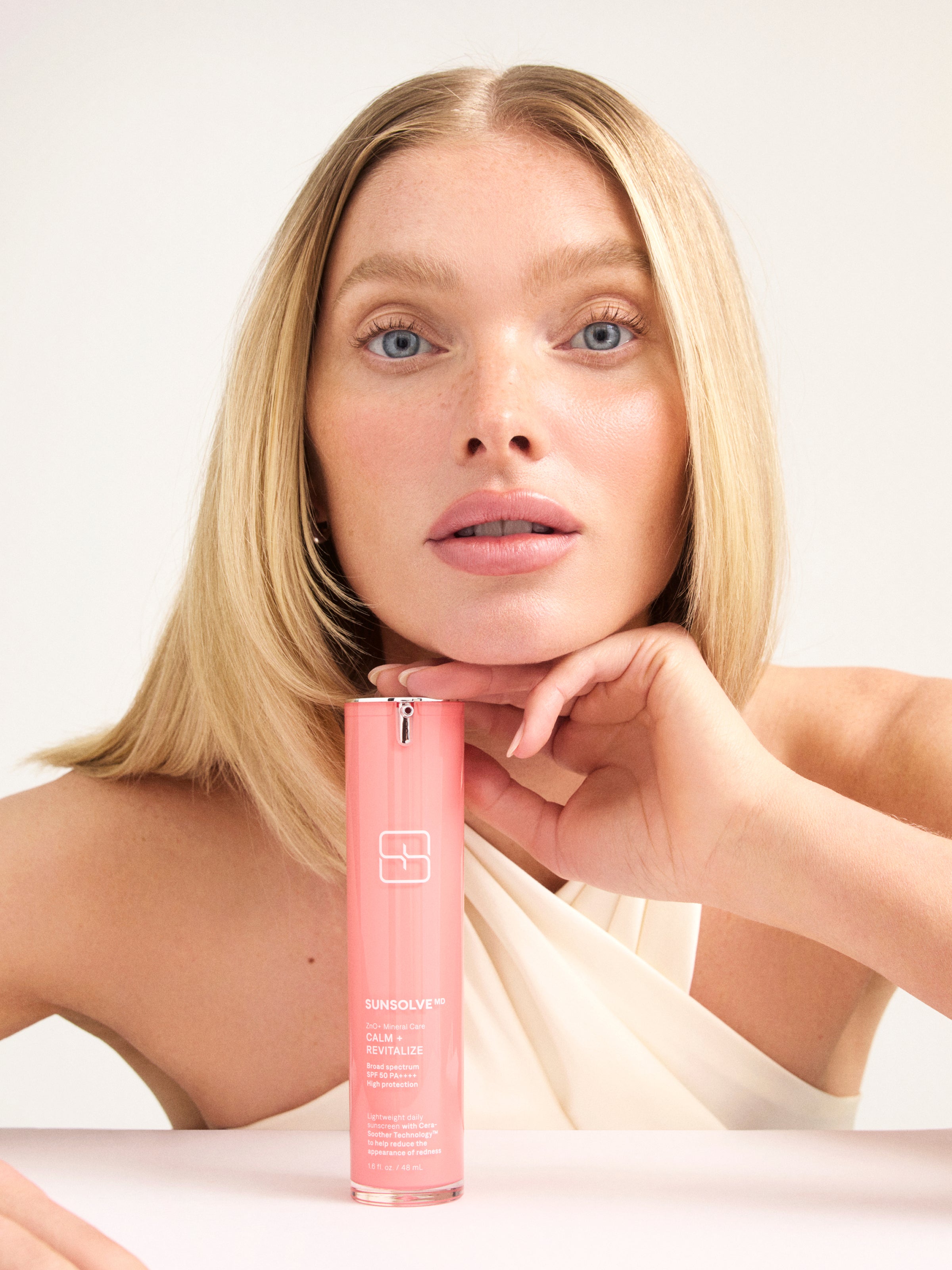
We're used in aesthetic clinics, recommended by dermatologists, and worn by people who demand more than cosmetic protection. And every formula in our range combines clean formulas designed for sensitive skin with targeted skincare, so your SPF does more than block UV - it actively improves your complexion.
The Takeaway
Mineral sunscreen offers superior safety, biocompatibility, photostability, and environmental responsibility. Chemical sunscreen offers... familiarity. And while formulation quality matters more than category alone, the foundational choice between systemic absorption and surface protection is significant.
If you're going to wear SPF every day - and you should - it makes sense to choose a formula that doesn't just prevent damage, but actively supports skin health without compromise. That's mineral. That's what we build.