





Reef Safe Sunscreen: What You Need to Know
Reef-safe sunscreen used to be the kind of thing you'd only think about if you were planning a snorkeling trip in Hawaii or had a particular interest in marine biology. Now it's become a legitimate skincare consideration for anyone paying attention to ingredient lists, environmental impact, or the fact that what we put on our skin doesn't just stay there.
The reality is this: conventional sunscreen ingredients don't disappear when you rinse off in the shower or take a dip in the ocean. They enter water systems, accumulate in coral reefs, and contribute to ecological damage that scientists have been documenting for years. And while "reef-safe" has become something of a buzzword - slapped onto products that may or may not actually meet any meaningful standard - the distinction between mineral and chemical sunscreen in terms of environmental impact is real, measurable, and worth understanding.
Here's what you need to know if you care about both protecting your skin and not contributing to the destruction of marine ecosystems.
Why Your Sunscreen Matters to Coral Reefs
When chemical sunscreen washes off your body - whether you're swimming in the ocean or showering at home - those ingredients don't just vanish. They enter waterways, and studies have shown that filters like oxybenzone and octinoxate cause coral bleaching, disrupt coral reproduction, damage DNA, and increase vulnerability to viral infections that can kill entire reef systems.
Coral bleaching happens when coral expels the symbiotic algae that give it color and nutrients. The coral turns white, becomes vulnerable to starvation, and often dies. Oxybenzone triggers this at concentrations as low as 62 parts per trillion - the equivalent of a single drop in six Olympic-sized swimming pools.
The scale of this is significant. Roughly 14,000 tons of sunscreen enter coral reef areas every year, particularly in high-traffic tourist destinations where the concentration in the water is consistently elevated. And coral reefs are already under immense pressure from climate change, ocean acidification, and overfishing. Chemical sunscreen is an additional, preventable stressor.
It's not just coral, either. Chemical filters bioaccumulate in fish and other marine organisms, disrupt hormones, and persist in ocean environments for years. This isn't theoretical - it's documented, peer-reviewed science.
What Actually Makes Sunscreen Reef-Safe
The term "reef-safe" doesn't have a universal legal definition, which is why some brands use it loosely. But the core principle is straightforward: avoid ingredients that have been shown to harm marine life.
The two most commonly cited culprits are oxybenzone and octinoxate, both of which are now banned in several regions. But they're not the only problematic chemicals. Octocrylene breaks down into benzophenone, a potential carcinogen and reef toxin. Homosalate disrupts hormones and accumulates in marine life. Avobenzone can degrade into harmful byproducts in seawater.
Truly reef-safe sunscreens use mineral filters - specifically non-nano zinc oxide or titanium dioxide - which stay on the skin's surface, don't break down in water, and don't accumulate in marine organisms. The "non-nano" distinction matters: particles under 100 nanometers can potentially be ingested by coral and other marine life, while larger particles remain inert.
Beyond actives, genuinely reef-safe formulas also avoid parabens, microplastics, and synthetic fragrances with known aquatic toxicity.
Where It's Already Law
Hawaii banned oxybenzone and octinoxate statewide in 2021, prohibiting the sale of sunscreens containing these ingredients. The U.S. Virgin Islands followed with a similar ban in 2020, adding octocrylene to the list. Palau became the first country to enact reef-safe legislation, banning ten different harmful chemicals and imposing fines for violators.
Key West, Florida passed a ban in 2019, though enforcement has been contentious. Bonaire, Thailand's marine parks, and parts of Mexico and Aruba have enacted similar restrictions. The trend is clear: regions economically and ecologically dependent on coral reefs are legislating chemical sunscreen out of existence, and more are likely to follow.
The Myth That Reef-Safe Means Less Effective

One persistent misconception is that mineral sunscreen doesn't protect as well as chemical formulas. This is false. Zinc oxide provides comprehensive broad-spectrum UVA and UVB protection and is one of the most effective single-ingredient UV filters available. It covers the full spectrum, doesn't degrade under sunlight, and maintains efficacy throughout wear.
The difference has never been about protection - it's been about texture. Early mineral sunscreens were thick, chalky, and left a white cast that made them cosmetically unacceptable for daily wear, especially on medium to deep skin tones. But formulation technology has advanced considerably. Micronized non-nano zinc oxide can now be made lightweight, transparent, and wearable without sacrificing safety or environmental responsibility.
The gap between mineral and chemical in terms of user experience has essentially closed - assuming the formula is properly engineered.
Our Approach
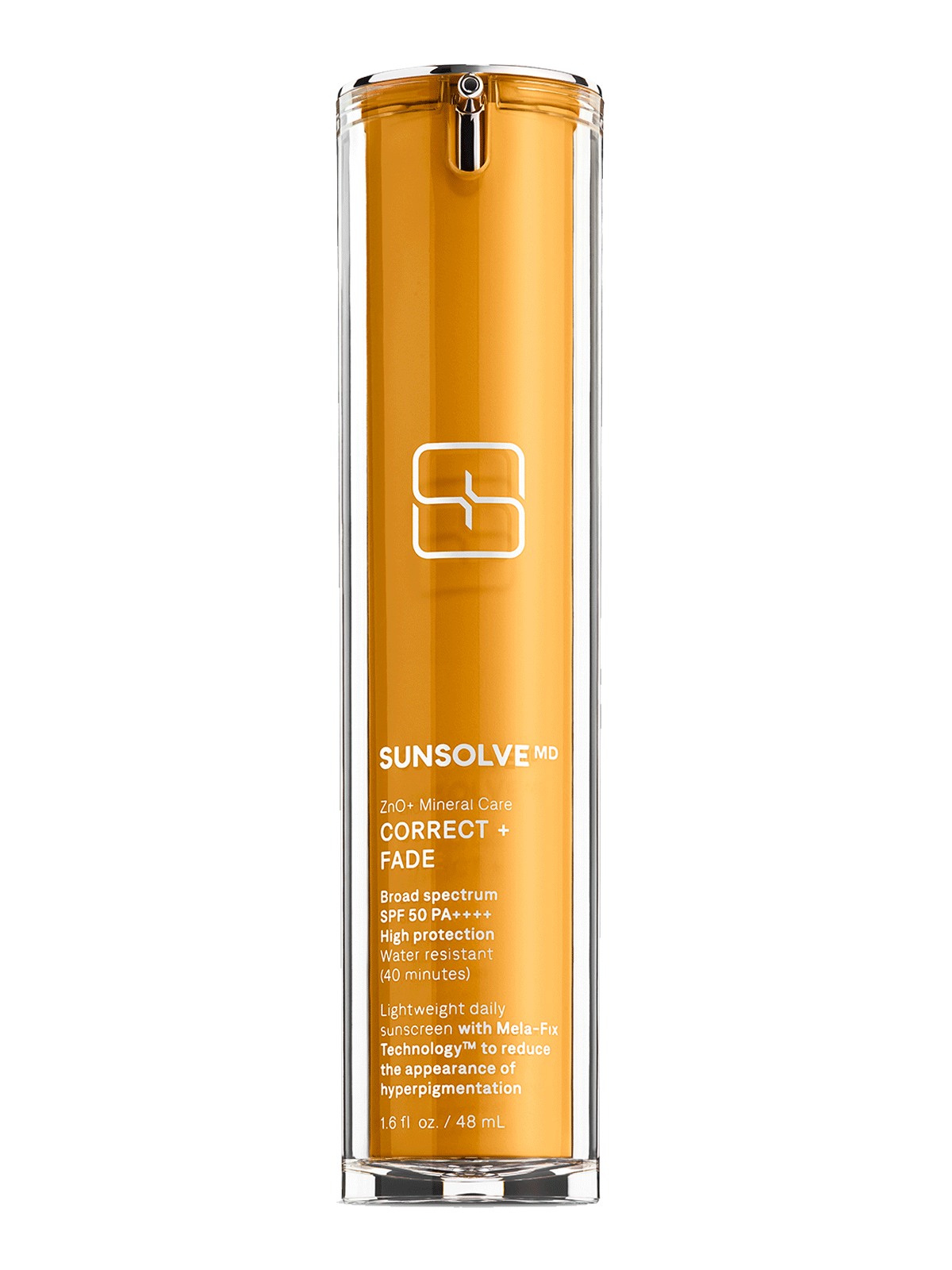
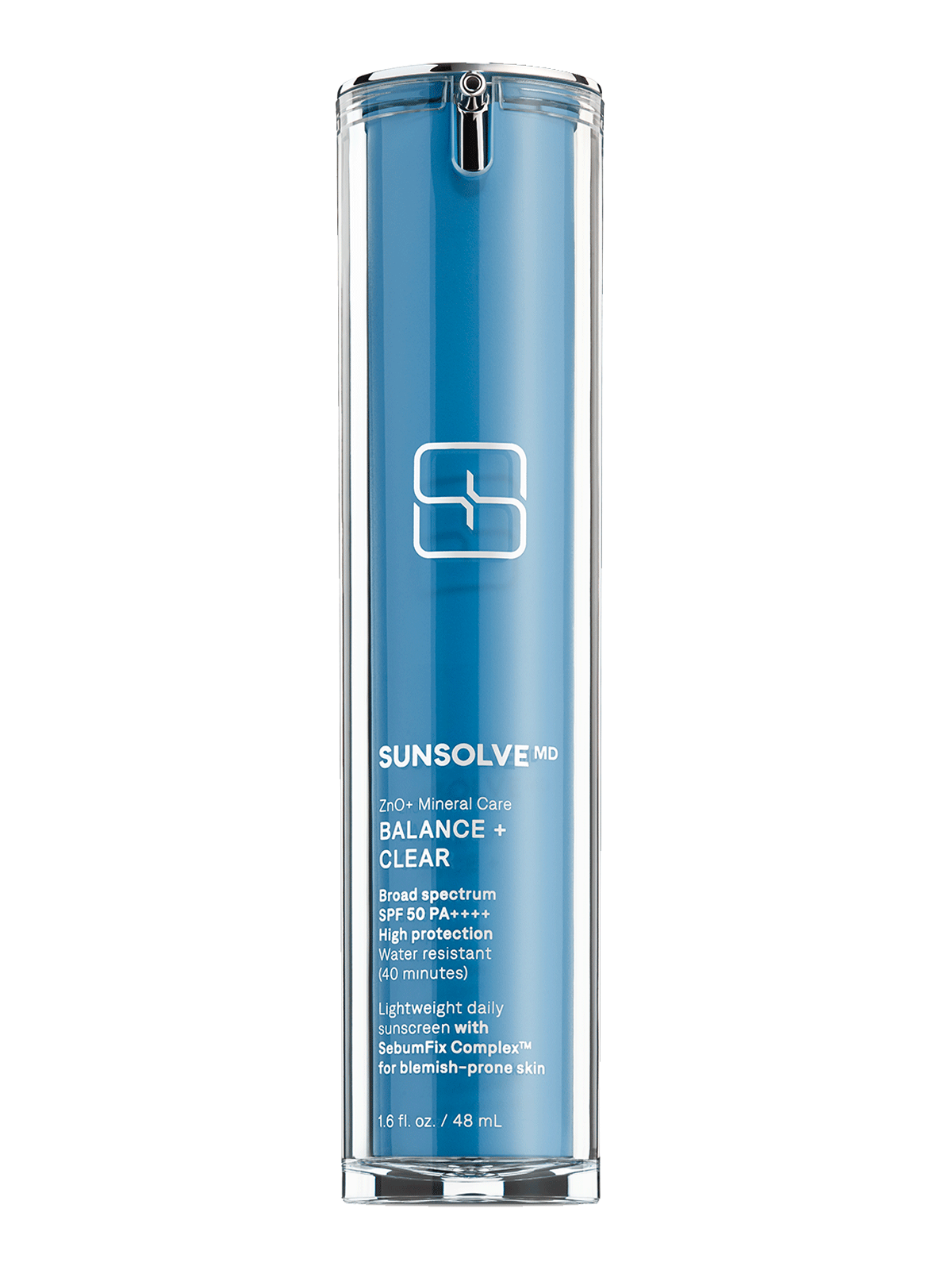
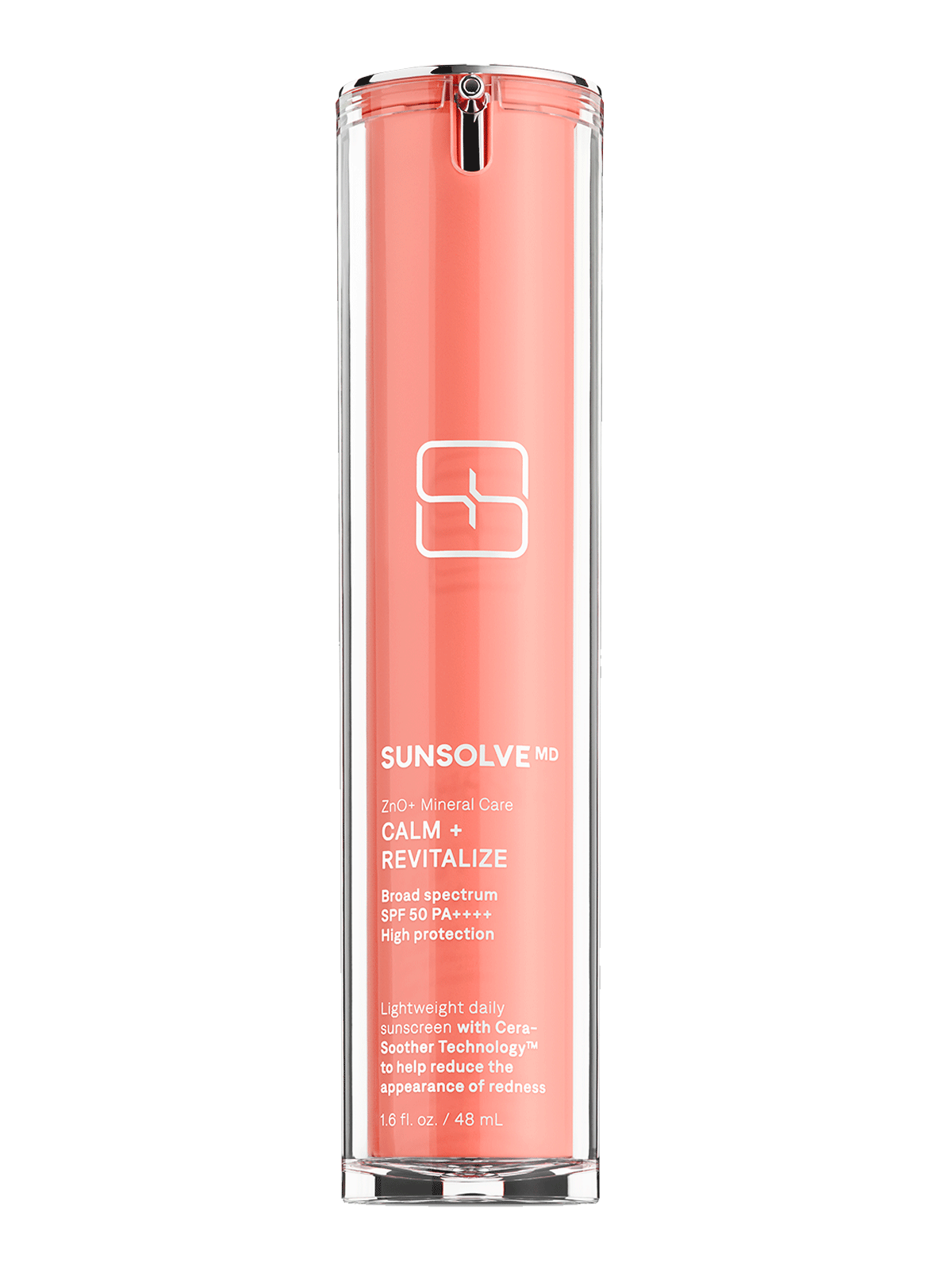
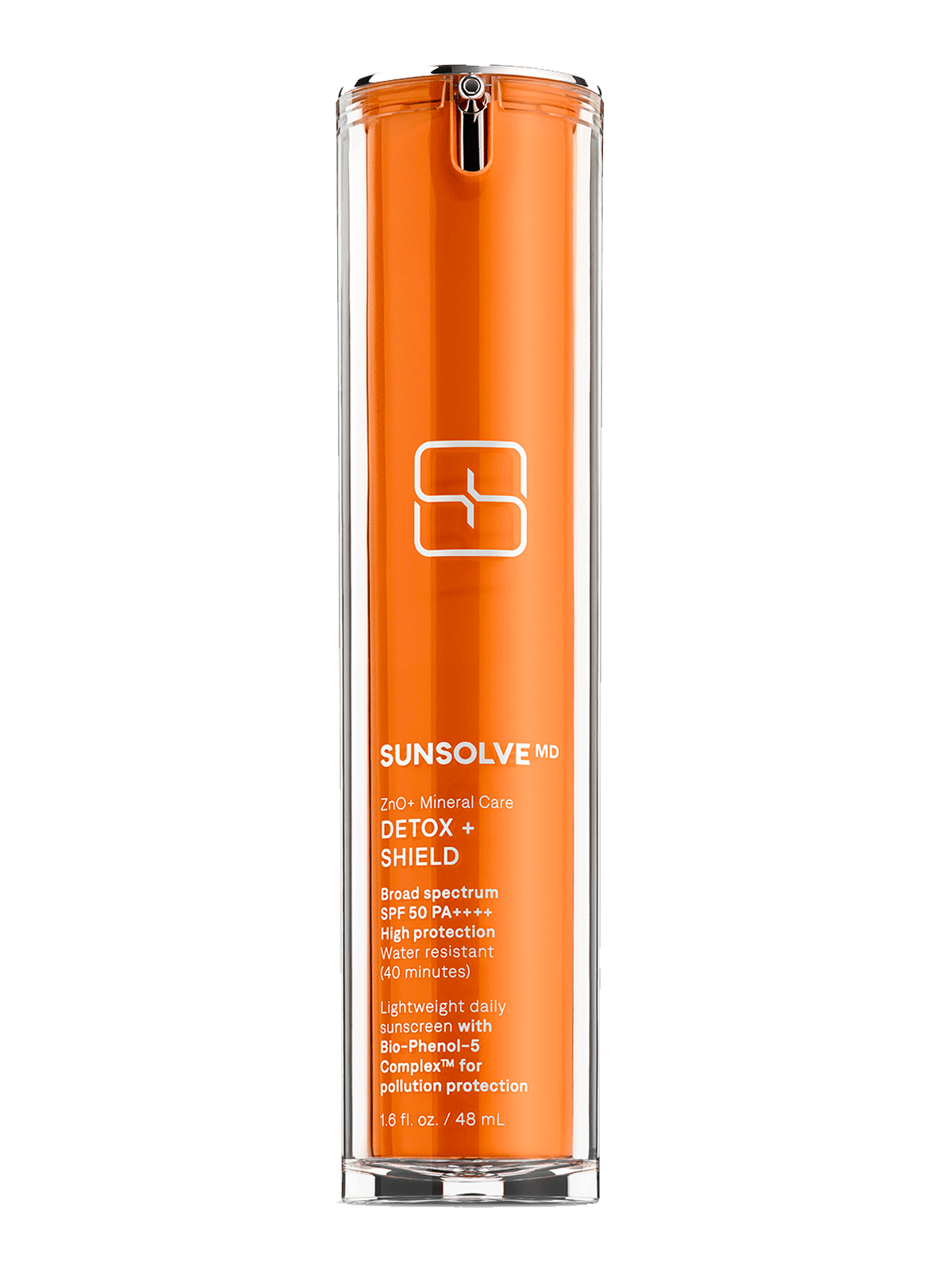
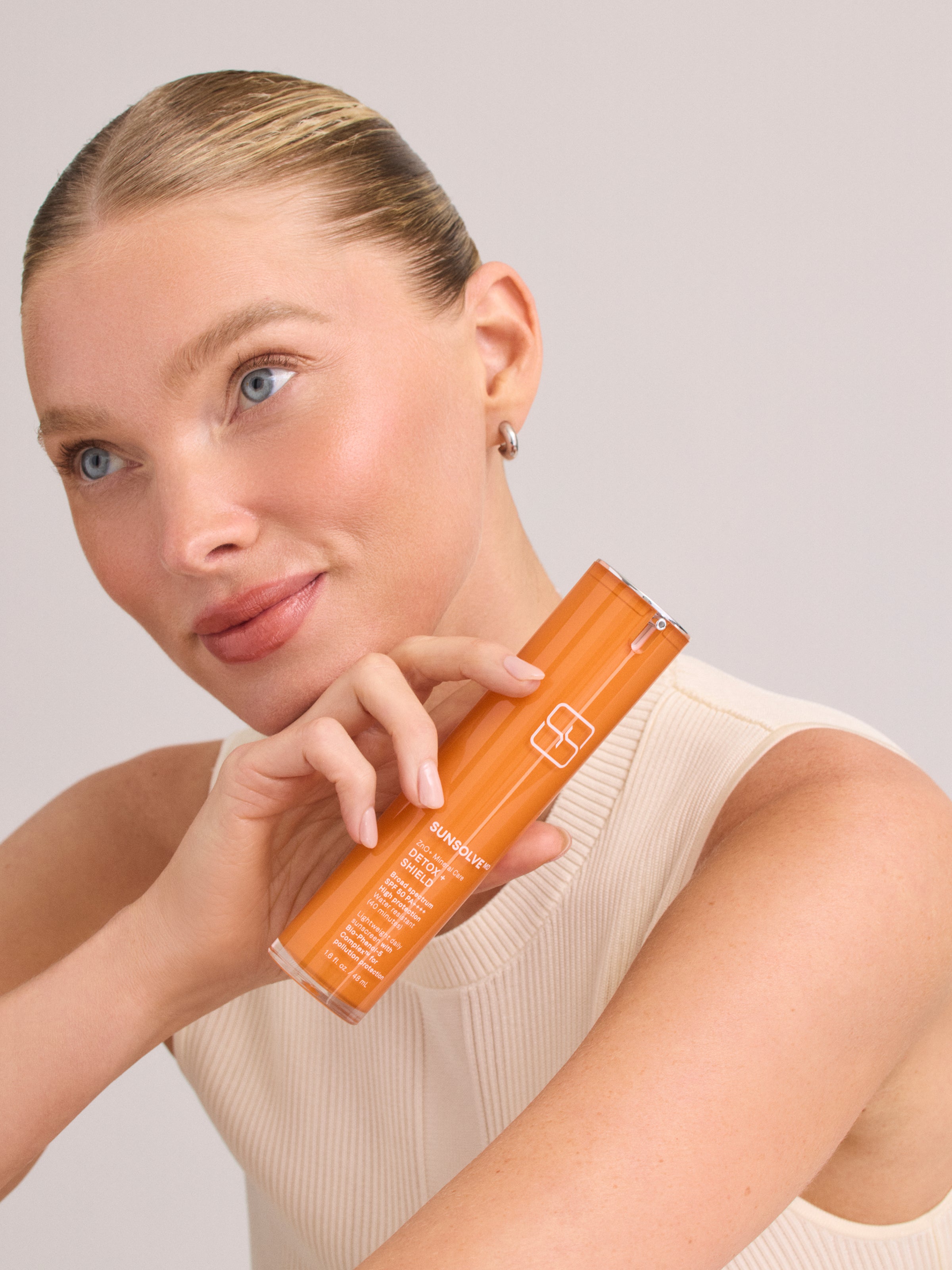
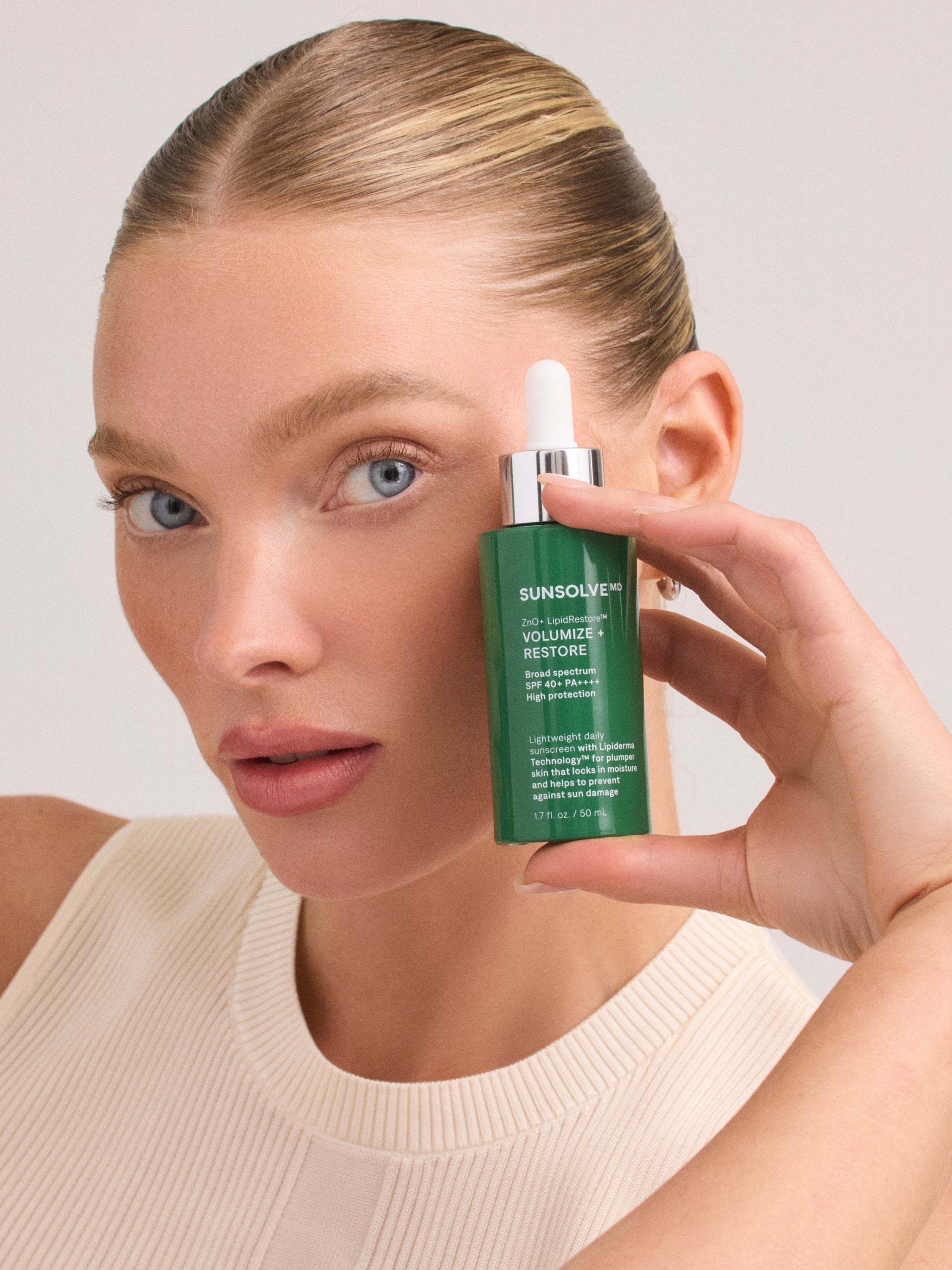
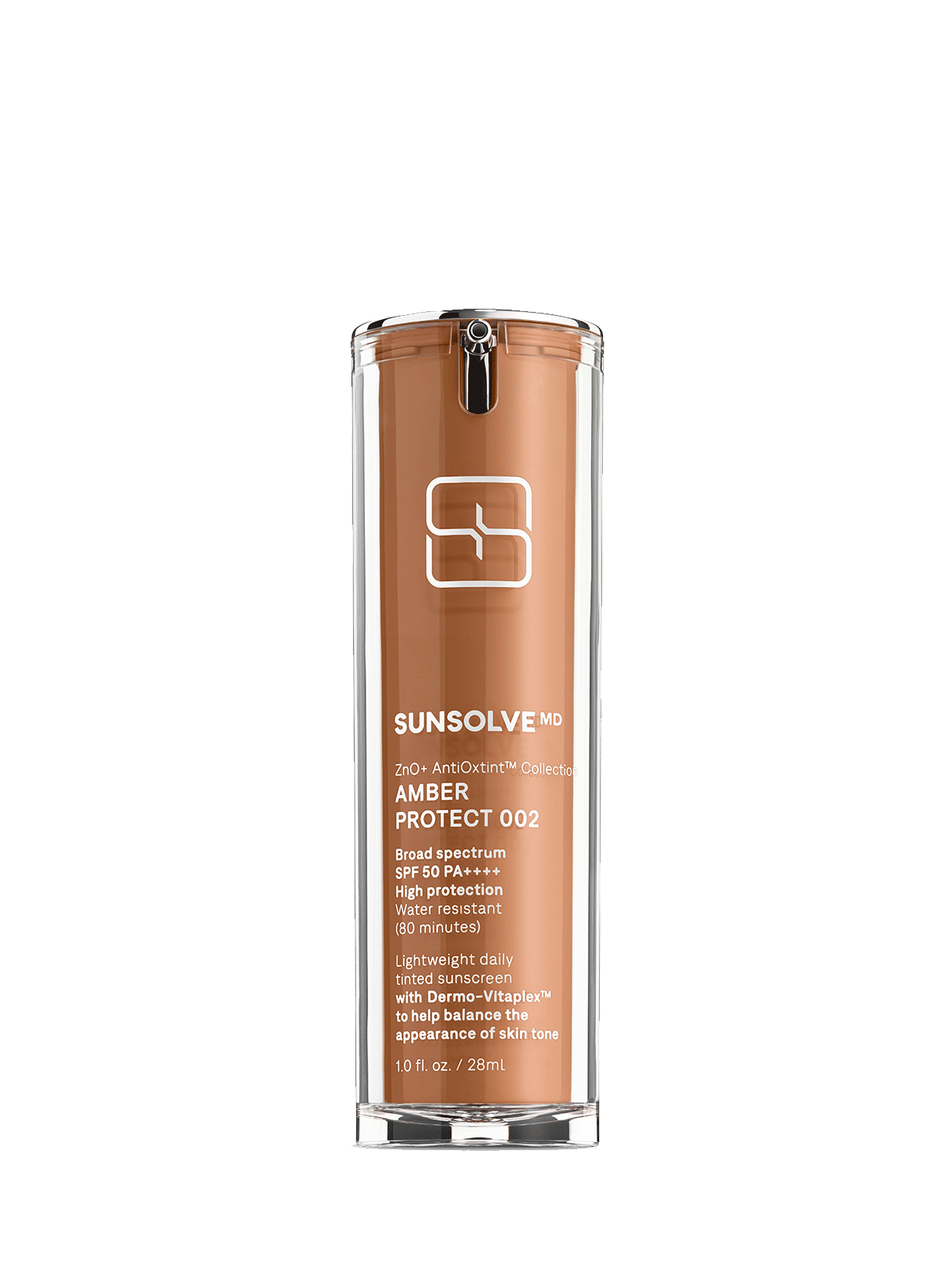
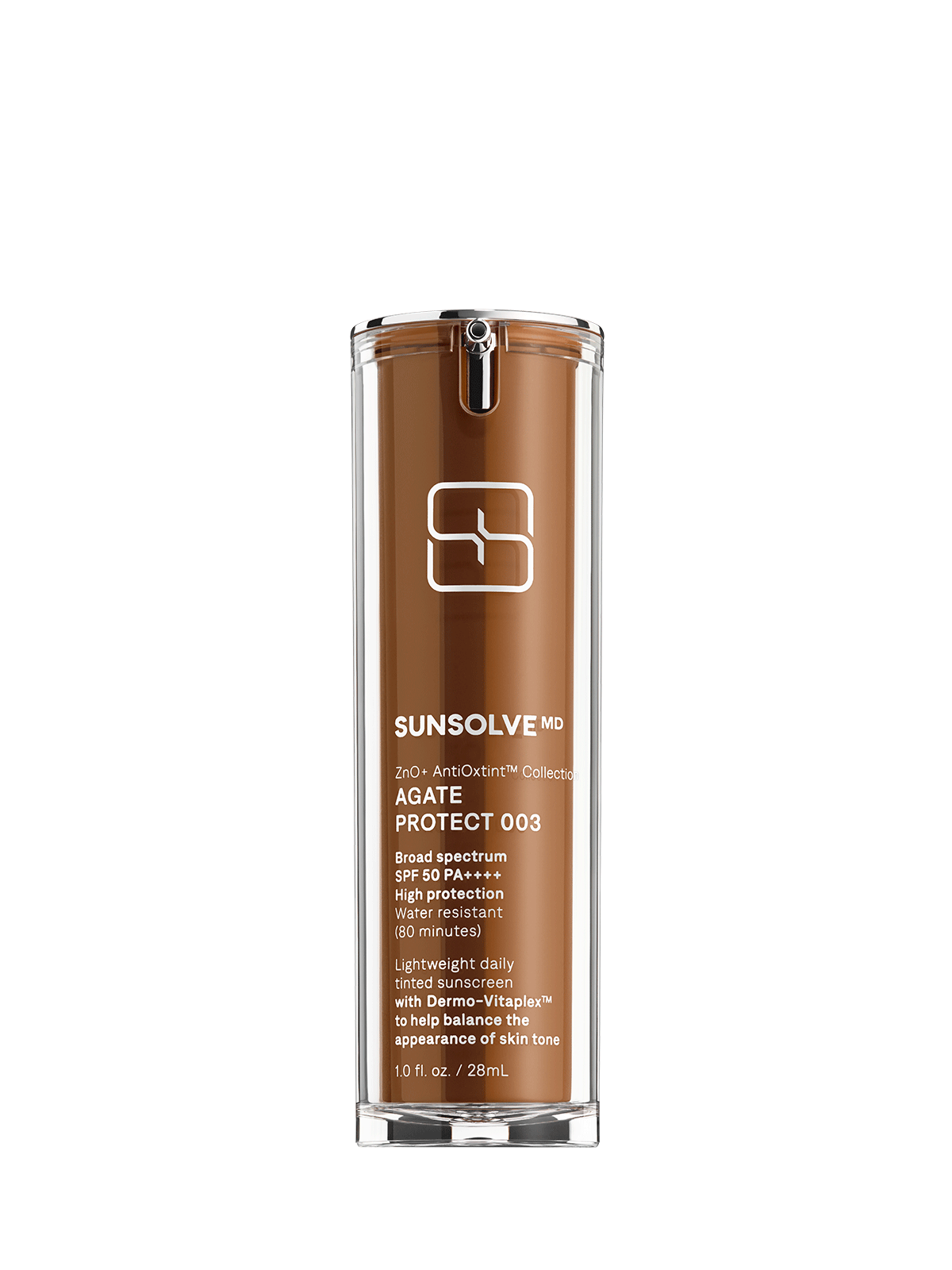
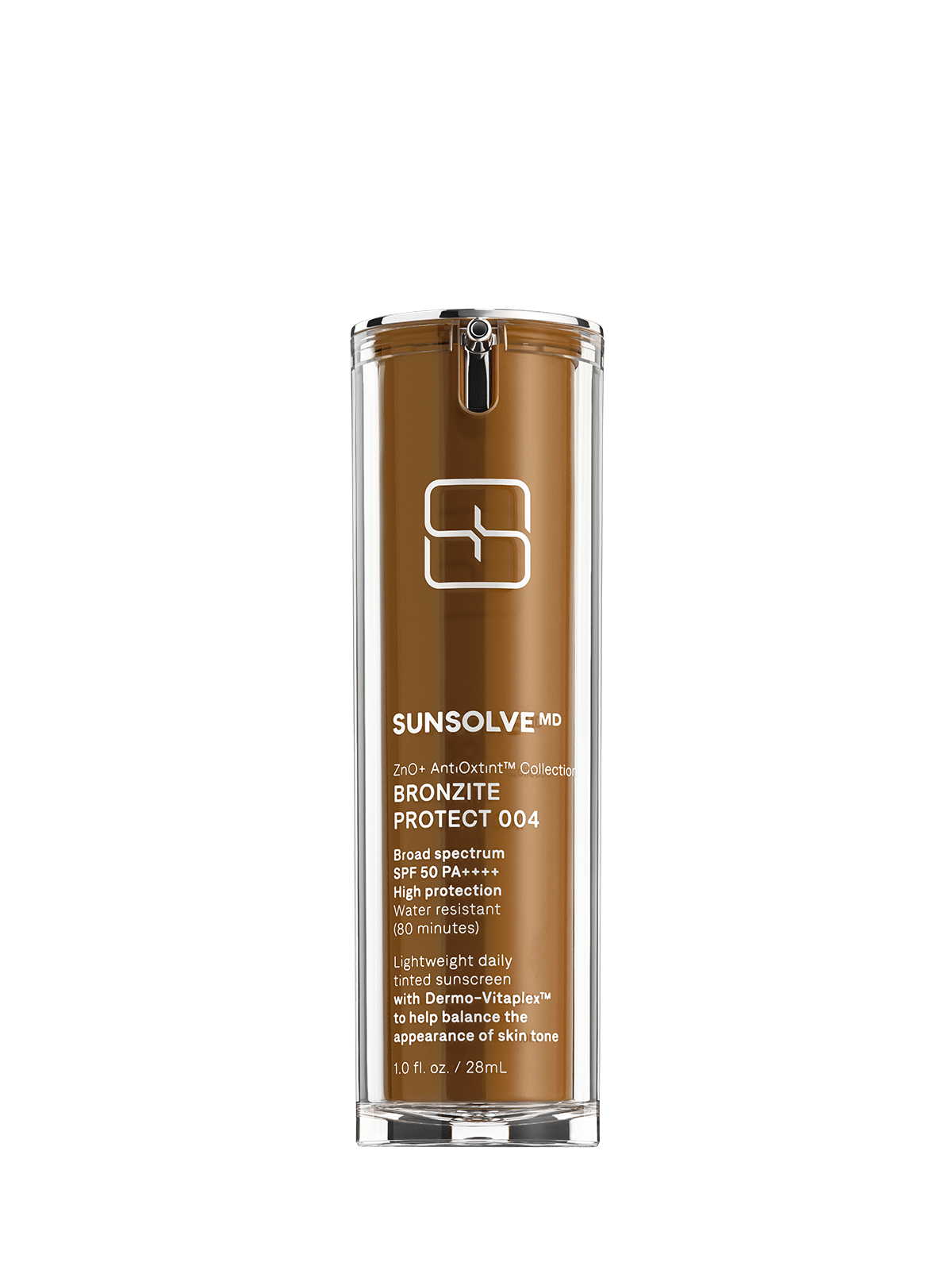
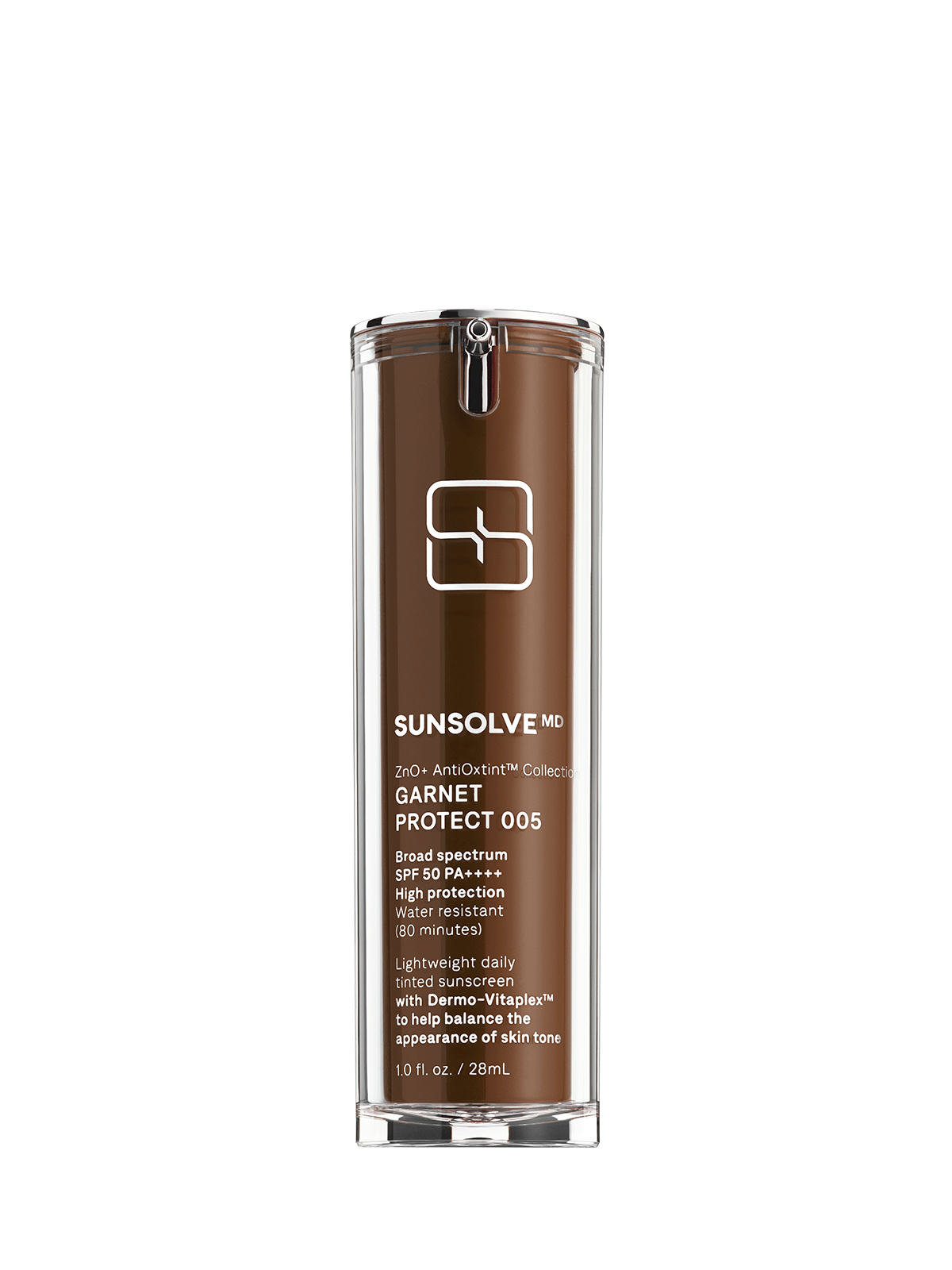
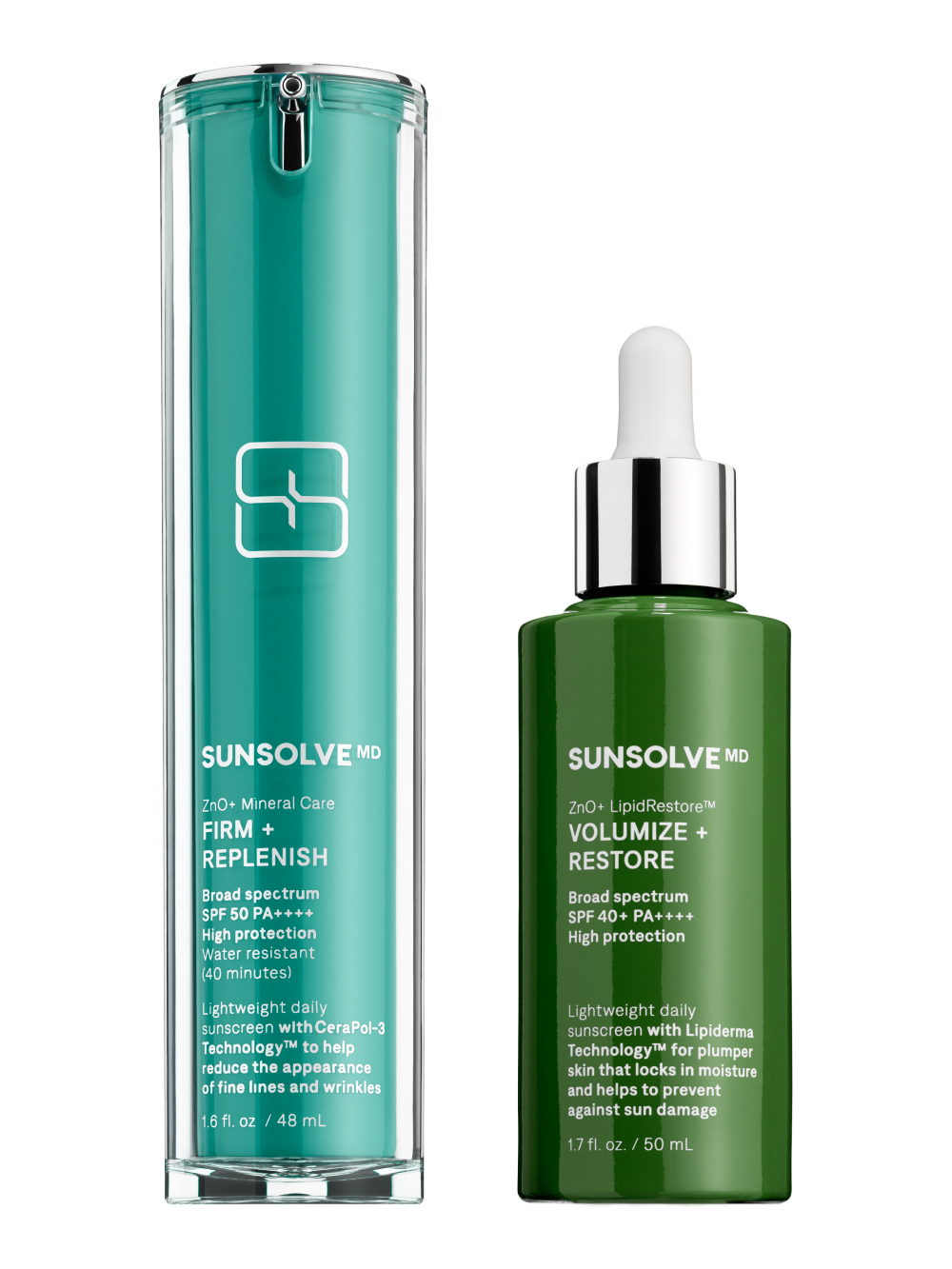
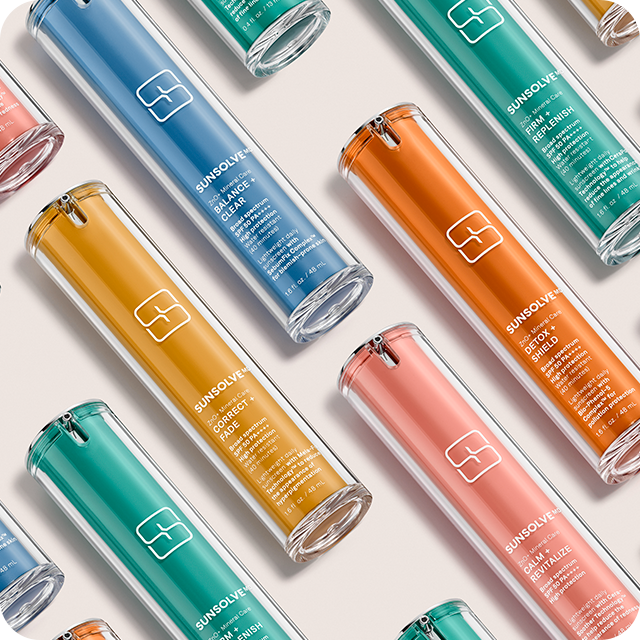
We built every formula in our range on non-nano zinc oxide because it's the most effective, safest, and most environmentally responsible UV filter available. But we didn't stop at meeting baseline reef-safe standards. We engineered our ZnO+™ system to transform zinc oxide from a passive UV blocker into an intelligent delivery platform for active skin repair.
Our 12% non-nano zinc oxide is suspended in a matrix of marine enzymes, antioxidant buffers, and our proprietary SolveDNAReverse™ technology - a patent-protected complex that supports your skin's natural DNA repair enzymes and reverses oxidative damage caused by sun exposure. You're getting broad-spectrum UVA/UVB defense that's also calming inflammation, restoring barrier function, and addressing pigmentation, aging, and sensitivity at a cellular level.
Every formula is developed in-house at our Los Angeles biotech lab and engineered at our clinical innovation hub in Denmark. We're mineral-only, fragrance-free, cruelty-free, filler-free, and tested across all Fitzpatrick skin types for zero white cast. Because reef-safe shouldn't mean compromise - it should mean better.
Why It Matters Even If You're Not Swimming
Even if you never set foot on a coral reef, choosing reef-safe sunscreen still has environmental impact. Sunscreen washes off in showers and enters wastewater systems that flow into rivers, lakes, and eventually oceans. Chemical filters have been detected in freshwater ecosystems, groundwater, and even drinking water supplies.
Switching to mineral-based formulas reduces your contribution to this cumulative load. It's a small individual choice, but when multiplied across millions of daily sunscreen users, the difference is meaningful.
FAQs
Does reef-safe sunscreen actually work as well?
Yes. Mineral formulas provide the same - often better - broad-spectrum protection as chemical sunscreens. Zinc oxide is photostable, doesn't degrade in sunlight, and covers the full UVA and UVB spectrum without the need for multiple chemical filters.
Is all mineral sunscreen automatically reef-safe?
Not necessarily. It needs to use non-nano particles (larger than 100 nanometers) to avoid ingestion by marine life. Some mineral sunscreens also contain harmful preservatives or additives that affect aquatic ecosystems, so formulation matters.
Will it leave a white cast on my skin?
Not if it's properly formulated. Modern micronized non-nano zinc oxide blends transparently across all skin tones when the delivery system is engineered correctly. We test our formulas on every Fitzpatrick type to guarantee zero cast.
Do I need reef-safe sunscreen if I'm not going to the beach?
Yes. Chemical filters wash off in your shower and enter waterways regardless of where you apply them. The environmental impact isn't limited to ocean swimming - it's systemic.
Is reef-safe sunscreen better for sensitive skin?
Generally, yes. Mineral filters sit on the skin's surface rather than absorbing into it, which reduces irritation risk. Zinc oxide is also naturally anti-inflammatory, making it ideal for reactive, rosacea-prone, or post-procedure skin.
Are there any safe chemical sunscreens?
Very few chemical filters have enough safety data - for skin or marine life - to be considered genuinely safe long-term. Mineral-based formulas with non-nano zinc oxide remain the most responsible choice across the board.
The Takeaway
Reef-safe sunscreen is a legitimate response to documented environmental damage caused by ingredients that don't need to be in your sunscreen in the first place. Mineral formulas work just as well, are safer for your skin, and don't contribute to coral bleaching or marine toxicity.
The real question is whether your reef-safe formula is also delivering on texture, transparency, and active skin support - because if you're wearing SPF every day, it should do more than just meet a baseline. Our sheer complexion-enhancing SPF formulas prove that protecting the ocean and protecting your skin aren't mutually exclusive goals. They're the same goal, properly executed.