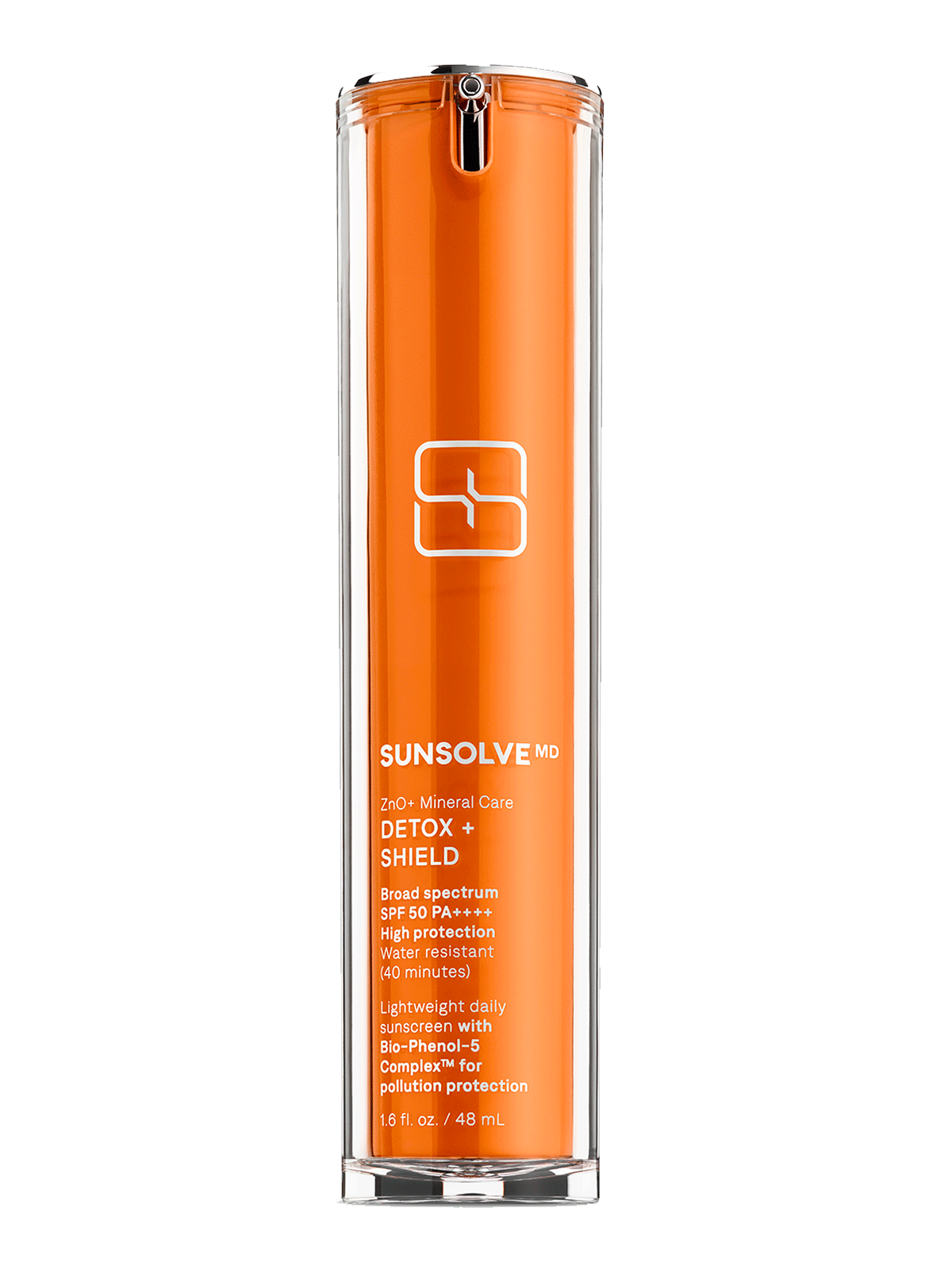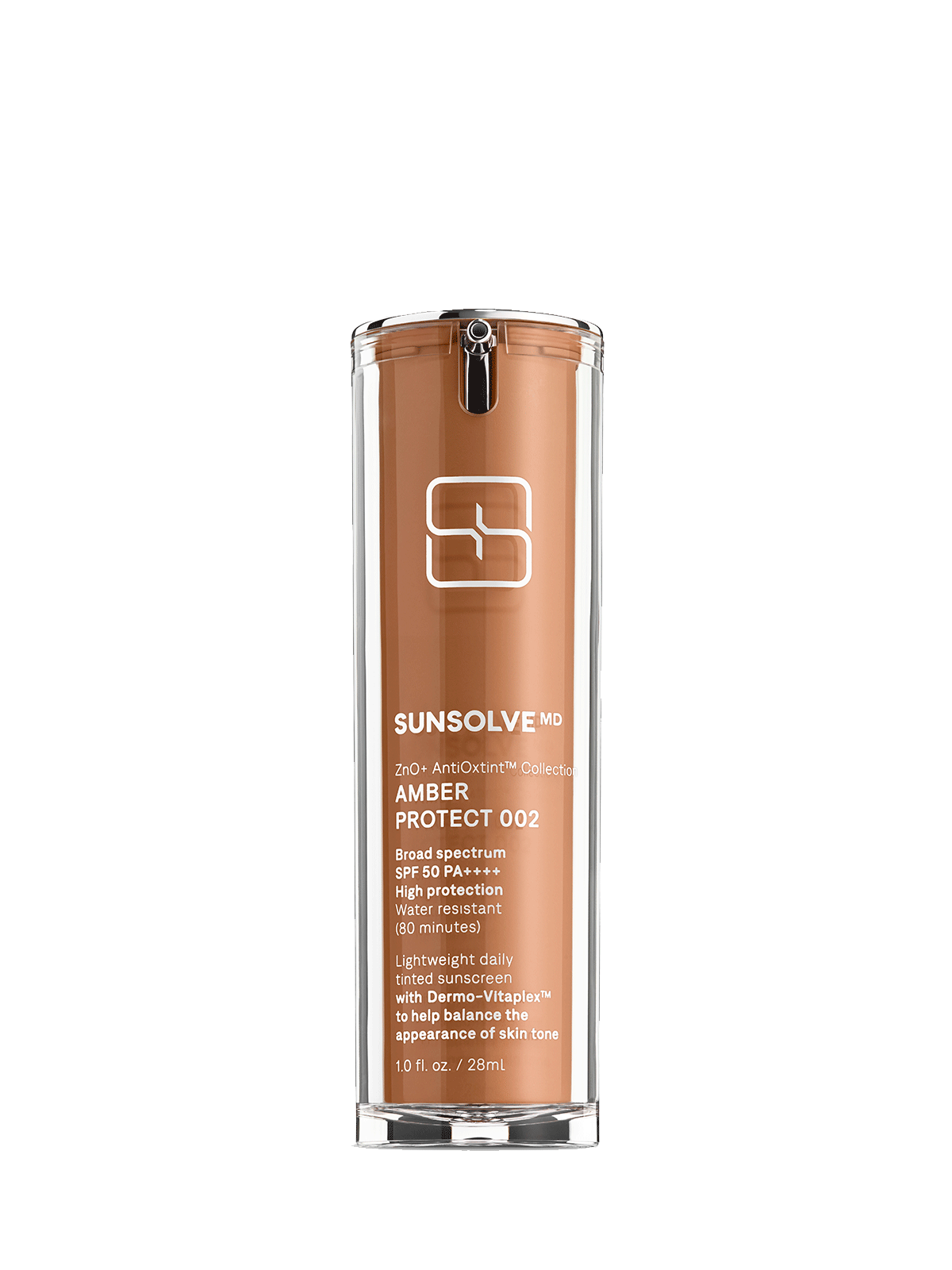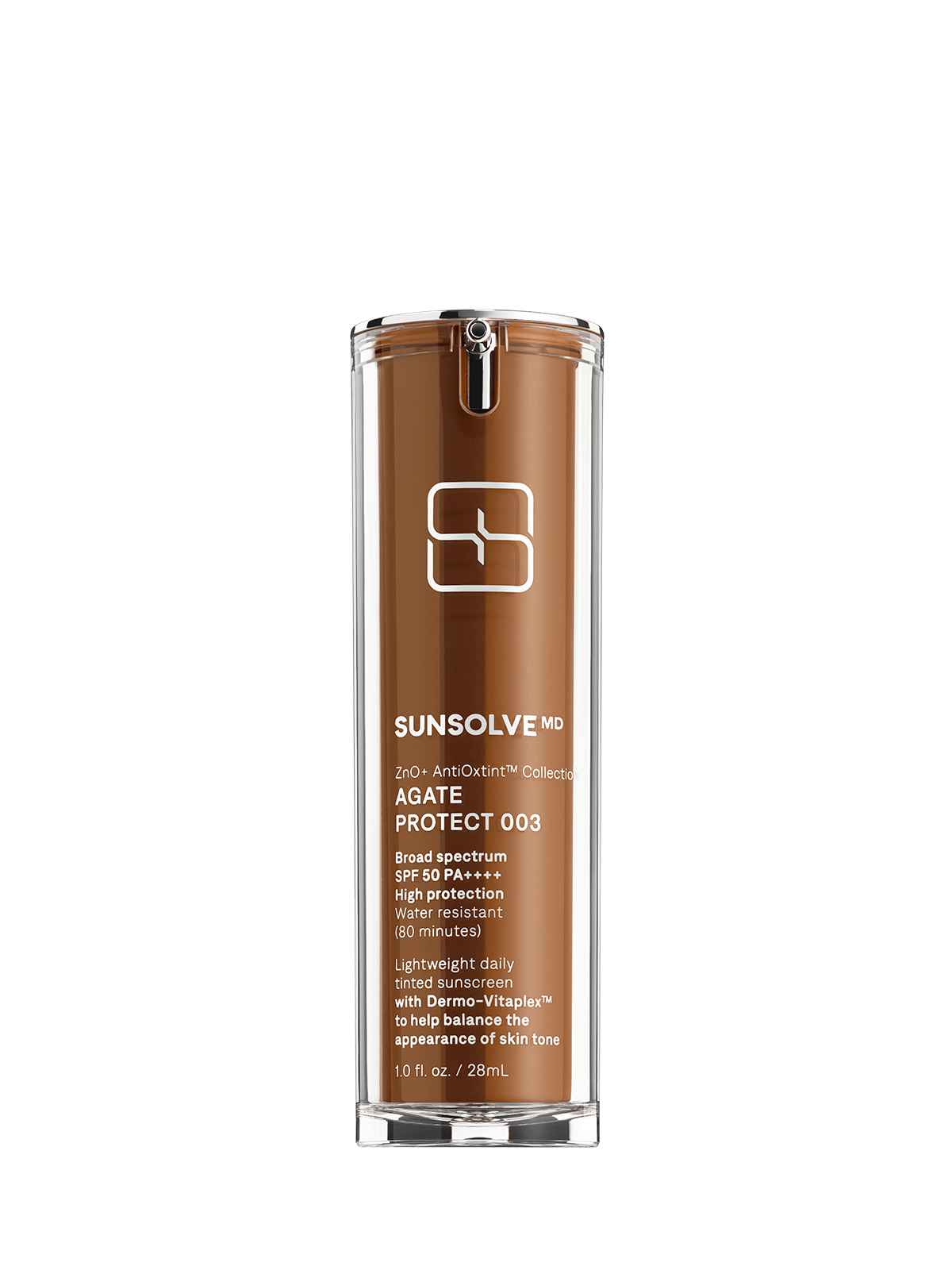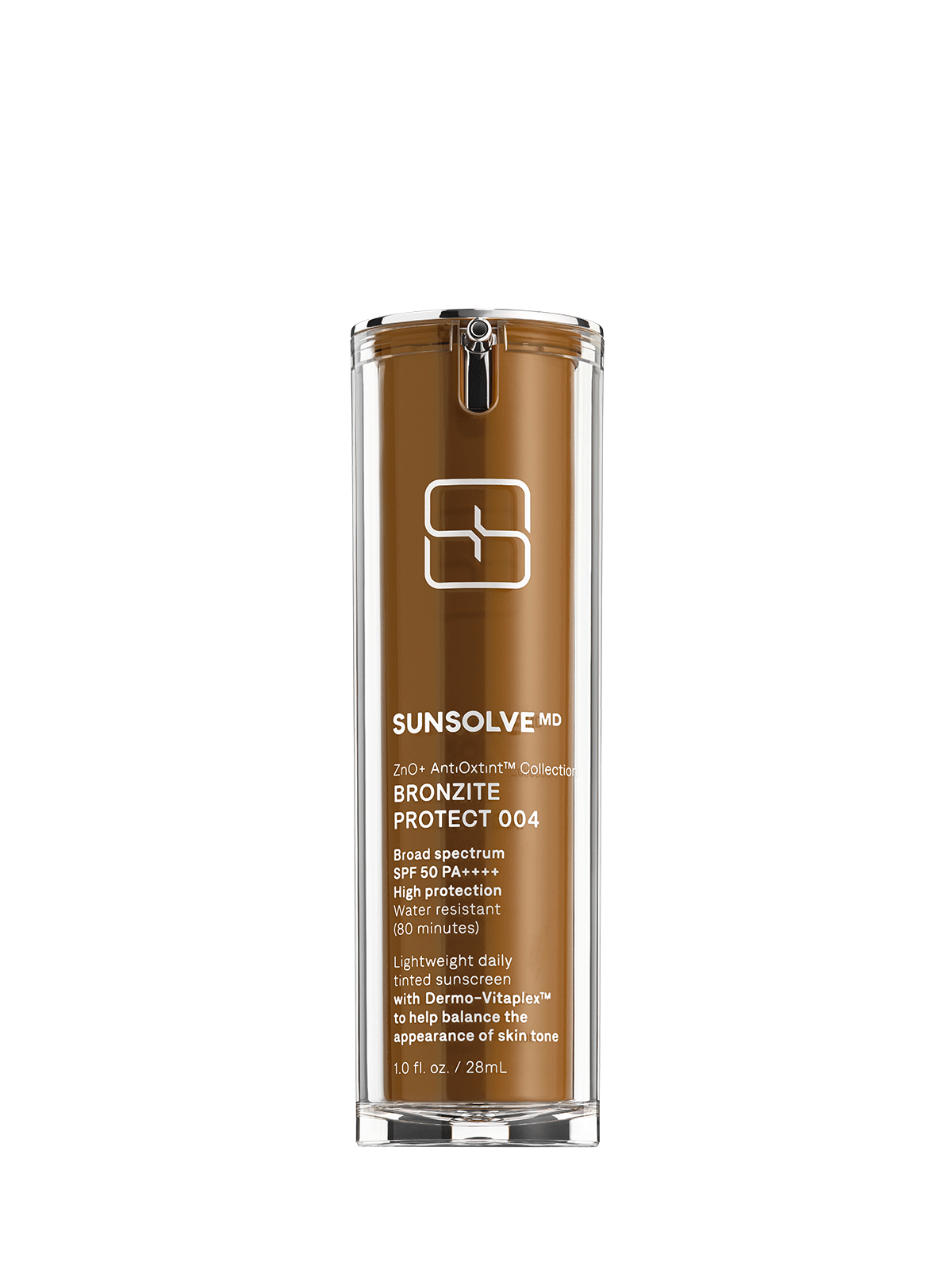



Is Mineral Sunscreen Safe During Pregnancy?
The short answer is yes. Mineral sunscreen is widely considered the safest form of sun protection during pregnancy, and it is the option dermatologists and obstetricians most often recommend to expectant mothers.
The two mineral filters used in modern formulations, zinc oxide and titanium dioxide, sit on the surface of the skin and form a physical shield against UV light. They are not designed to be absorbed, which is precisely why they have such a reassuring safety profile at a time when you are thinking carefully about everything you put on your body.
That reassurance matters, because pregnancy is one of the periods in life when sun protection becomes more important, not less. Below, we look at why your skin behaves differently over these nine months, how mineral filters actually work, and how to choose and wear an SPF you can feel entirely comfortable with.
Why Pregnancy Changes Your Relationship With The Sun
Pregnancy hormones, particularly oestrogen and progesterone, stimulate the cells that produce melanin. For many women this shows up as melasma, sometimes called the mask of pregnancy: patches of darker pigmentation across the cheeks, forehead and upper lip.
Around half of pregnant women experience some degree of it, and UV exposure is its single biggest trigger. Even a short walk in bright light can deepen existing patches or prompt new ones.
Pregnant skin can also become more reactive. Ingredients you tolerated happily for years may suddenly sting or flush, and the skin barrier itself can feel more delicate. So the ideal pregnancy sunscreen has two jobs: it must block UV thoroughly enough to keep pigmentation in check, and it must do so without irritating skin that has become newly sensitive.
How Mineral Filters Protect You
A Shield That Stays On The Surface
Zinc oxide and titanium dioxide work as physical blockers. Once applied, they remain on the outermost layer of the skin and reflect, scatter and absorb UV radiation before it reaches living tissue.
Zinc oxide in particular offers genuinely broad-spectrum coverage, defending against both UVB rays, which burn, and UVA rays, which drive pigmentation and premature ageing.
Where Chemical Filters Differ
When it comes to mineral vs chemical sunscreen, chemical filters take a different approach. Ingredients such as avobenzone, oxybenzone and octinoxate absorb into the upper layers of the skin, where they convert UV energy into heat. Studies have detected several of these filters in the bloodstream after normal use, and oxybenzone has also been found in urine and breast milk.
To be clear, no research has established that this causes harm to a developing baby. The evidence simply is not there either way, and that uncertainty is exactly why most clinicians take a pragmatic view: when a demonstrably effective alternative exists that stays on the surface of the skin, it makes sense to use it for these nine months.
A Gentler Choice For Reactive Skin
There is a practical bonus, too. Because mineral filters do not need to penetrate the skin to work, they are far less likely to sting, itch or provoke the reactivity that pregnant skin is prone to. Zinc oxide is actually mildly anti-inflammatory, which is why it appears in nappy creams and calamine lotion.
What To Look For On The Label

The Filters
Look for zinc oxide, titanium dioxide, or a combination of the two, listed as the active ingredients. A formula that pairs mineral filters with chemical ones is a hybrid, so read the actives carefully if you want a purely mineral product.
The Protection Level
Choose SPF 30 as a minimum, and SPF 50 if melasma is already appearing. The label should say broad spectrum, which confirms UVA coverage alongside UVB.
The Supporting Cast
Pregnancy is a sensible time to avoid added fragrance and essential oils, which are common irritants. Soothing additions such as niacinamide, glycerine and squalane are welcome, and niacinamide has the added benefit of helping to keep pigmentation calm.
The Texture
Older mineral formulas earned a reputation for chalkiness and a white cast. Modern ones are considerably more refined, with micronised filters and elegant bases that wear comfortably under make-up.
If you find the first product you try too heavy, persist with the category before giving up on it, because textures now vary enormously.
Wearing It Well
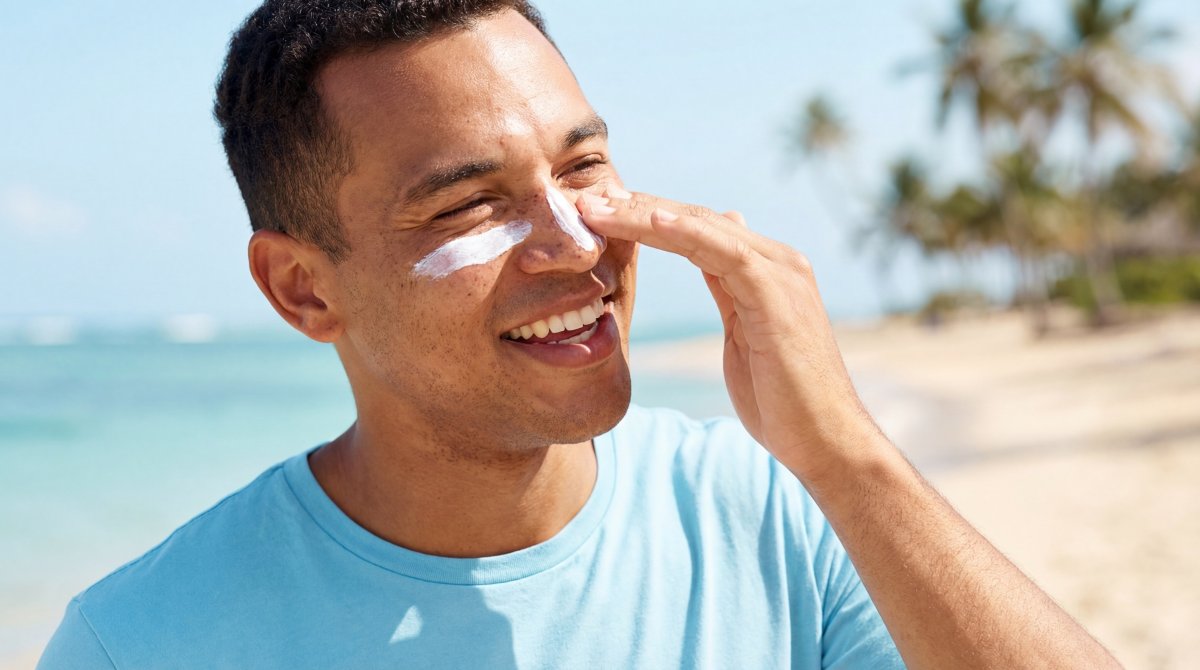
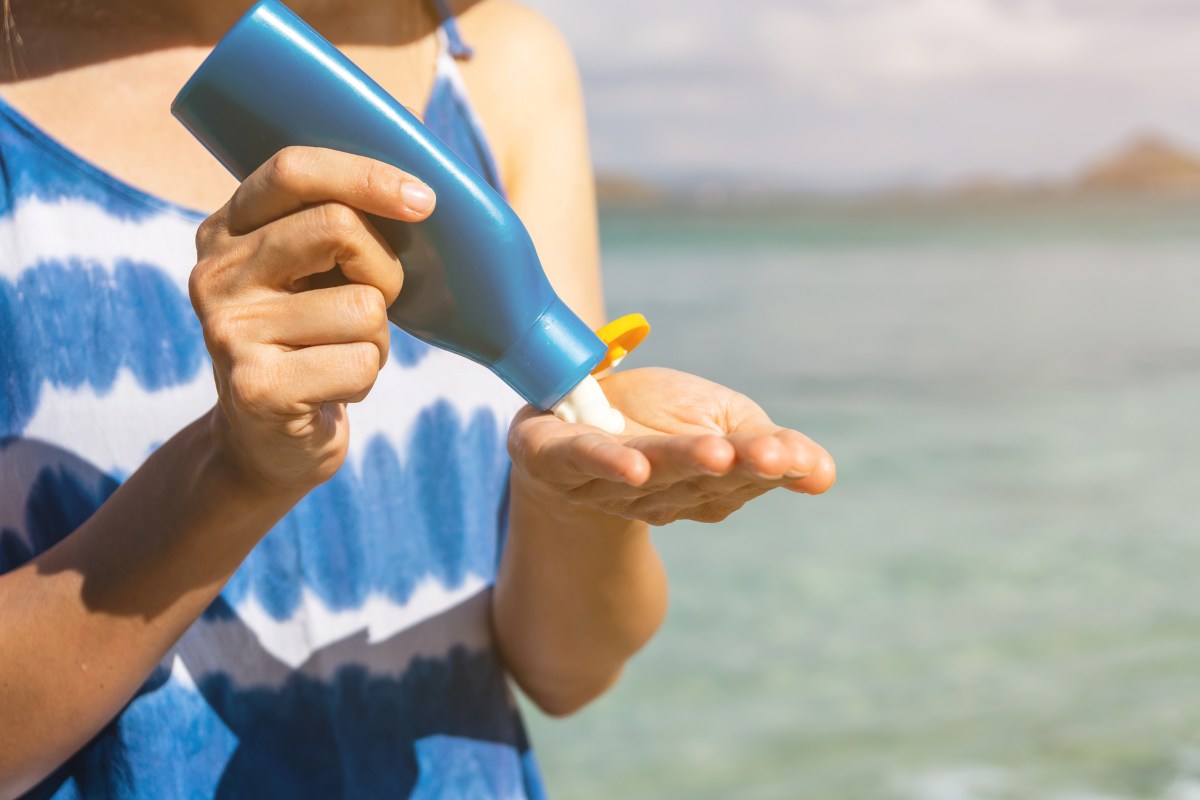
Even the best formula only protects the skin it actually covers. Apply your mineral SPF as the final step of your morning skincare, using roughly two finger-lengths of product for the face and neck. Give it a minute to settle before make-up.
Reapply every two hours when you are outdoors, and immediately after swimming or heavy perspiration.
Sunscreen also works best as one layer of a broader strategy. A wide-brimmed hat, UV-filtering sunglasses and a preference for shade between 11am and 3pm will all lighten the load on your SPF, and they cost your skin nothing.
If melasma does develop despite your best efforts, take heart. It often fades in the months after delivery, and consistent daily sun protection is the single most effective way to stop it deepening in the meantime.
The Takeaway
Mineral sunscreen gives pregnant women exactly what they need from sun care: proven broad-spectrum protection, a gentle touch on reactive skin, and complete peace of mind about what is and is not entering the body.
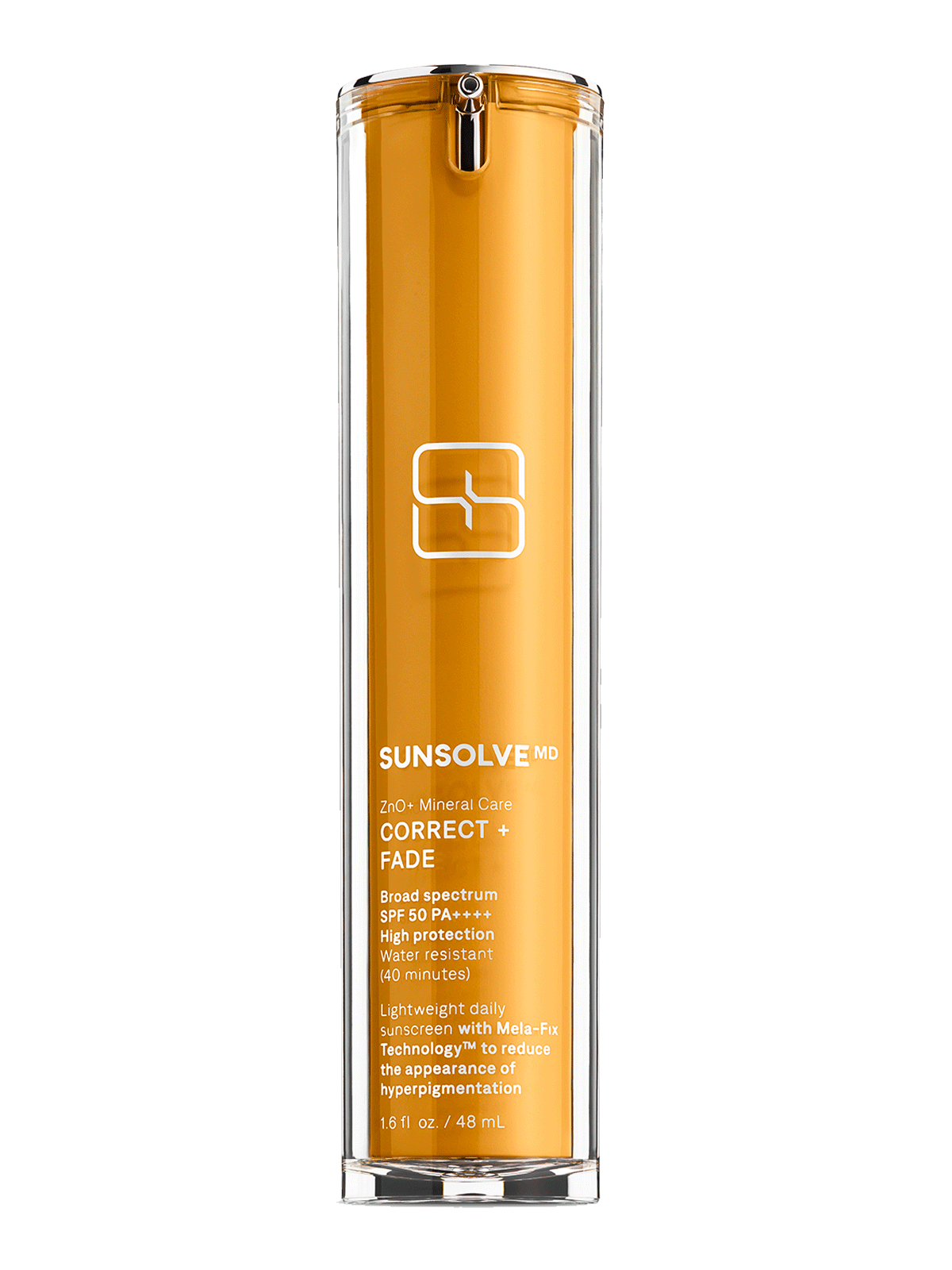
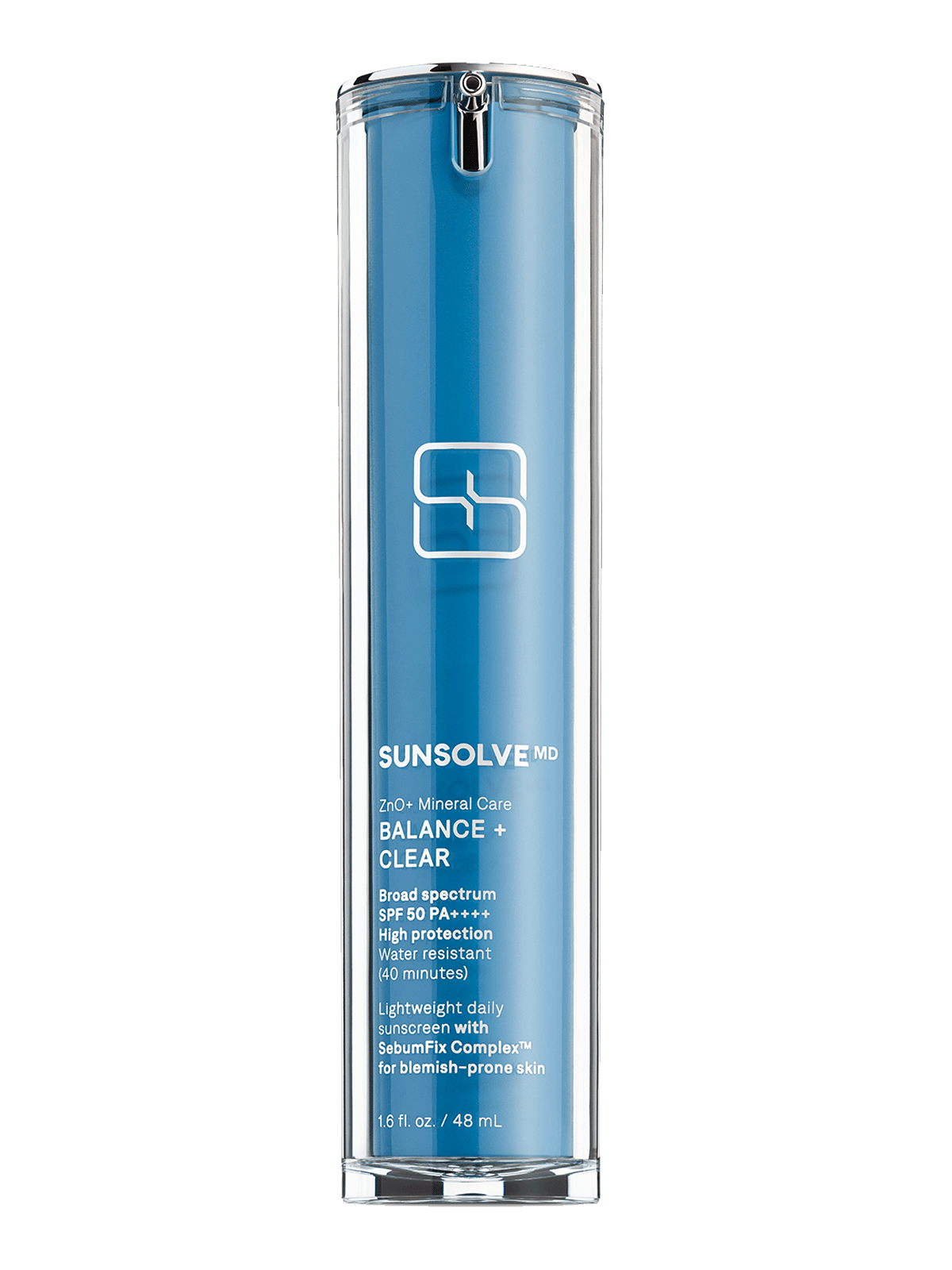
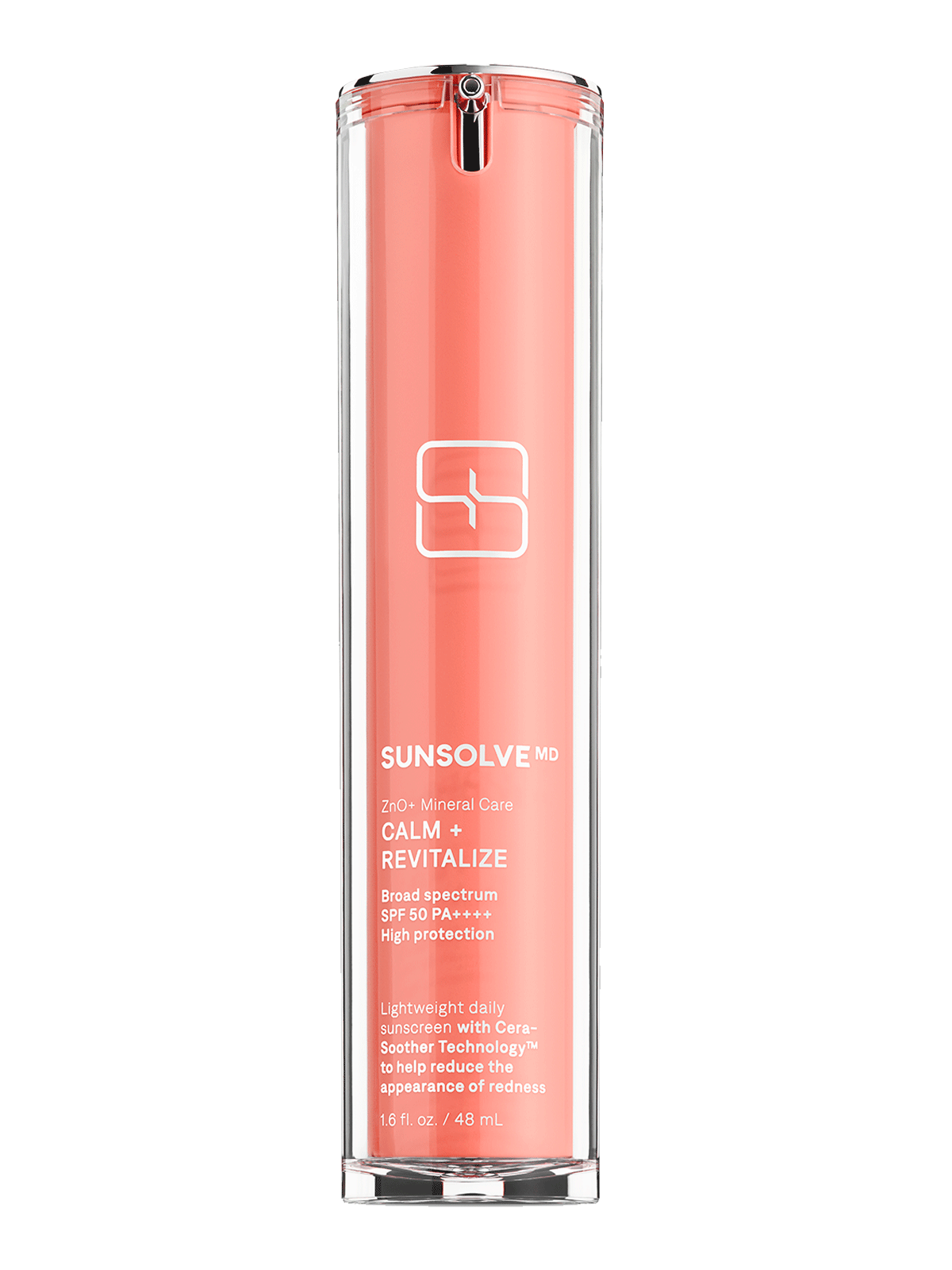
Our range of dermatologist-developed sun protection is built entirely around zinc oxide and titanium dioxide, formulated to feel light enough to wear every single day of your pregnancy and long afterwards.
FAQs
Can I use mineral sunscreen in my first trimester?
Yes. Mineral sunscreen is considered safe throughout all three trimesters, including the first, when many women are most cautious. Zinc oxide and titanium dioxide remain on the surface of the skin, so there is no meaningful concern about absorption at any stage of pregnancy.
Will mineral sunscreen prevent melasma completely?
It is your strongest tool, though no sunscreen can offer an absolute guarantee, because heat and hormones also play a role in pigmentation. Daily broad-spectrum SPF significantly reduces the likelihood of melasma developing and stops existing patches darkening. Pairing sunscreen with a hat and shade gives you the best possible odds.
Is nano zinc oxide safe during pregnancy?
Current evidence indicates that nano-sized mineral particles do not penetrate beyond the outermost layers of healthy skin, so they are regarded as safe for topical use in pregnancy. If you prefer additional reassurance, non-nano formulations are widely available and work in exactly the same way.
Do I need to wear sunscreen indoors while pregnant?
If you spend the day near windows, it is worth it. Glass blocks UVB but allows a substantial amount of UVA through, and UVA is the wavelength most implicated in melasma. A morning application of mineral SPF covers you for desk-by-the-window days as well as time outdoors.
Can I keep using mineral sunscreen while breastfeeding?
Absolutely. The same logic applies after birth as during pregnancy: mineral filters stay on the skin's surface, so they are the natural choice while nursing. Simply avoid applying product directly to the nipple area before feeding, and wash your hands after application as you would with any skincare.