




Article: 9 Sunscreen Ingredients To Avoid

9 Sunscreen Ingredients To Avoid
There is a version of this article that exists to frighten people, and we are not going to write it. Sunscreen is one of the most effective preventative health measures available and the worst possible outcome of an ingredients conversation is someone deciding to skip it entirely.
What we will do is be specific. Some sunscreen ingredients are in genuine regulatory limbo. Some are being restricted in Europe on the basis of published safety opinions. Some cause problems for particular skin types rather than for everyone. Those are three different categories of concern and collapsing them into one list is how the conversation became so unhelpful in the first place.
The Regulatory Context Worth Understanding First
In the United States, the FDA has designated only two sunscreen actives as generally recognised as safe and effective: zinc oxide and titanium dioxide. Twelve organic filters, including oxybenzone, octinoxate, homosalate, octisalate, octocrylene and avobenzone, sit in a non-GRASE category. It is important to be accurate about what that means. It reflects insufficient safety data rather than a finding that the ingredients are unsafe, and they remain legally available in products sold in the US.
The data that triggered the review is nonetheless interesting. FDA maximal usage trials found that six commonly used organic filters were absorbed into the bloodstream after a single application at levels exceeding 0.5 nanograms per millilitre, the threshold above which the agency considers further safety assessment necessary.
In Europe, the Scientific Committee on Consumer Safety published opinions on oxybenzone, homosalate and octocrylene and concluded that oxybenzone and homosalate were not safe at the concentrations then in use, which led directly to lowered permitted limits.
The Nine Ingredients To Avoid
1. Oxybenzone (benzophenone-3). The most scrutinised filter in the category. Non-GRASE in the US, restricted in the EU following an adverse safety opinion, and one of the more frequent causes of photoallergic contact dermatitis among UV filters. It is also the filter most associated with coral reef legislation in Hawaii, Key West and Palau.
2. Octinoxate (ethylhexyl methoxycinnamate). Photounstable on its own, degrading measurably under the very radiation it is meant to filter, which means the protection you have at midday is not the protection you applied. Non-GRASE and included in reef-related restrictions alongside oxybenzone.
3. Octocrylene. Absorbed systemically at levels around fourteen times the FDA threshold. The additional concern here is degradation: octocrylene can break down into benzophenone over time, and levels have been shown to rise in products as they age. A sunscreen sitting in a hot car for a season is not the product that left the factory.
4. Homosalate. Restricted in the EU to a maximum of 7.34 per cent in face products and not permitted in propellant sprays, following the SCCS opinion that previous concentrations were not safe. Weak filter on its own, typically used as a solvent and booster.
5. Fragrance and parfum. No functional contribution to protection, and one of the most common causes of allergic contact dermatitis from cosmetics. Certain fragrance ingredients are also photoallergens, which is a peculiar thing to include in a product worn specifically during sun exposure.
6. Alcohol denat. Common in lightweight and gel-textured sunscreens because it evaporates fast and gives a weightless finish. It is also drying and barrier-disruptive with repeated use, particularly on skin that is already compromised, sensitised or recovering from a procedure.
7. Essential oils used at fragrance level, particularly citrus. Frequently added to natural-positioned formulas for scent. Several citrus and botanical oils contain furocoumarins with documented phototoxic potential, and oxidised terpenes such as linalool and limonene hydroperoxides are significant contact allergens in their own right. Natural is not a safety category. This is distinct from plant extracts included at low, functional concentrations for antioxidant or anti-inflammatory activity, which is a different proposition entirely and one worth having on an ingredient list.
8. Heavy comedogenic oils and waxes. Raw coconut oil, isopropyl myristate and dense waxes are reasonable concerns in a daily facial product for anyone congestion-prone, regardless of how sound the rest of the formula is. Skin that breaks out in sunscreen frequently has an issue with the base rather than the filter. Worth noting that lightweight esters, including coconut-derived ones such as coco-caprylate, behave very differently from the raw oils they are derived from and are generally well tolerated. Chain length and structure matter more than the plant on the label.
9. Nanoparticle mineral filters in spray format. This is a format issue rather than an ingredient one. The concern with nanoparticle zinc oxide and titanium dioxide is inhalation, not skin absorption, which is why ECHA restricts nano zinc oxide in sprayable products across the EU. On intact skin in a lotion, the regulatory position is broadly reassuring. Terminology causes confusion here: micronized refers to particles reduced in size for cosmetic elegance while remaining above the nano threshold, so a micronized non-nano zinc oxide in a lotion is not the thing the spray restrictions are concerned with.
What This Does Not Mean

It does not mean that anyone who has used a chemical sunscreen has damaged themselves. Systemic absorption is not the same as harm, the FDA has been explicit that its findings are a call for data rather than a warning, and the established benefit of sun protection is not in dispute.
It does mean that if you are applying a product to your face every single day for the rest of your life, choosing filters with a settled safety profile is a reasonable position rather than a paranoid one. Zinc oxide and titanium dioxide sit on the surface of the skin rather than absorbing into it, which is precisely why they are the two ingredients the FDA had no questions about.
What To Look For Instead
A short actives list, ideally zinc oxide as the sole filter. Broad-spectrum designation. Fragrance-free. A base free of alcohol denat and heavy comedogenic oils. Packaging that protects the formula from light and air.
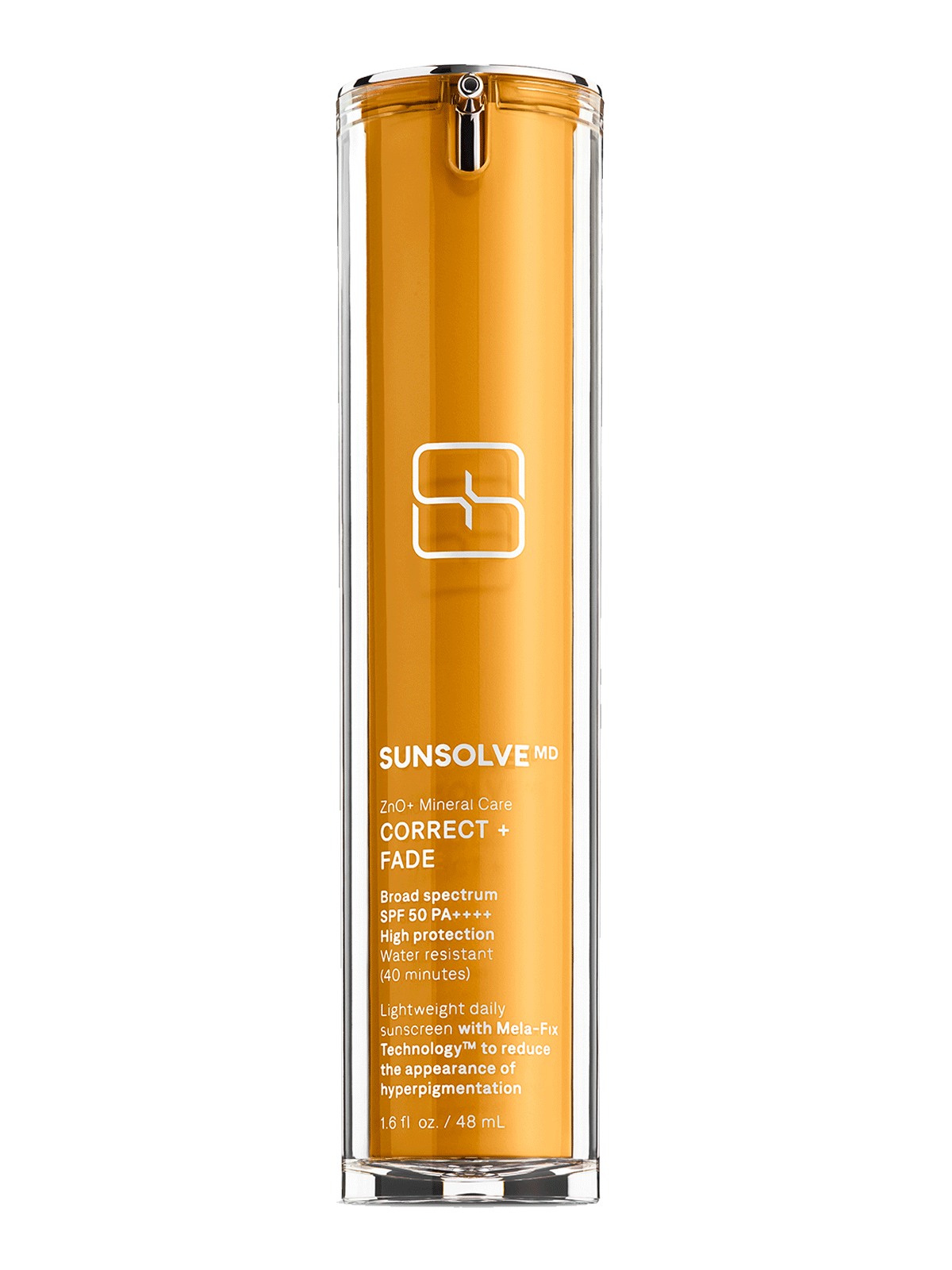
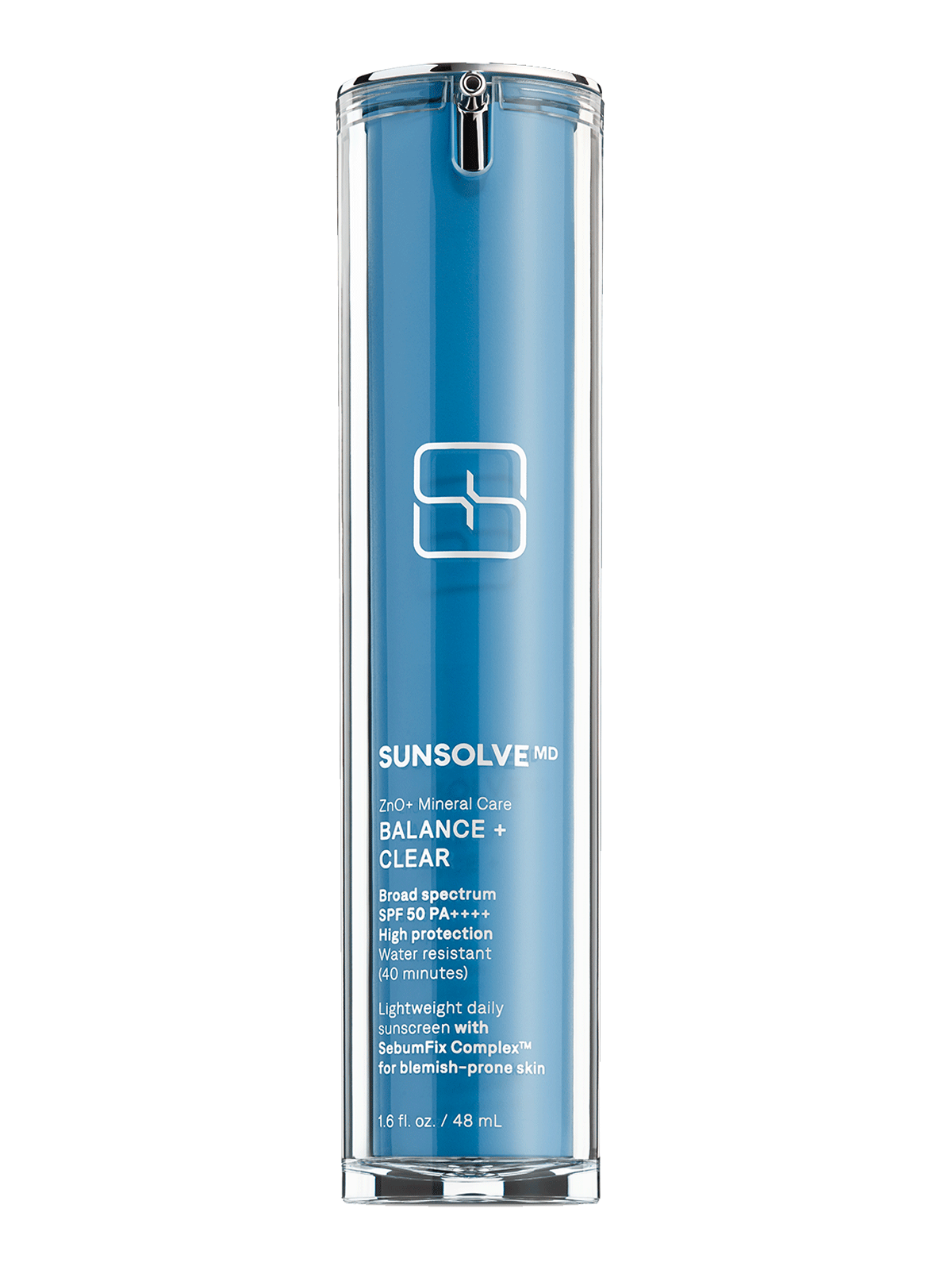
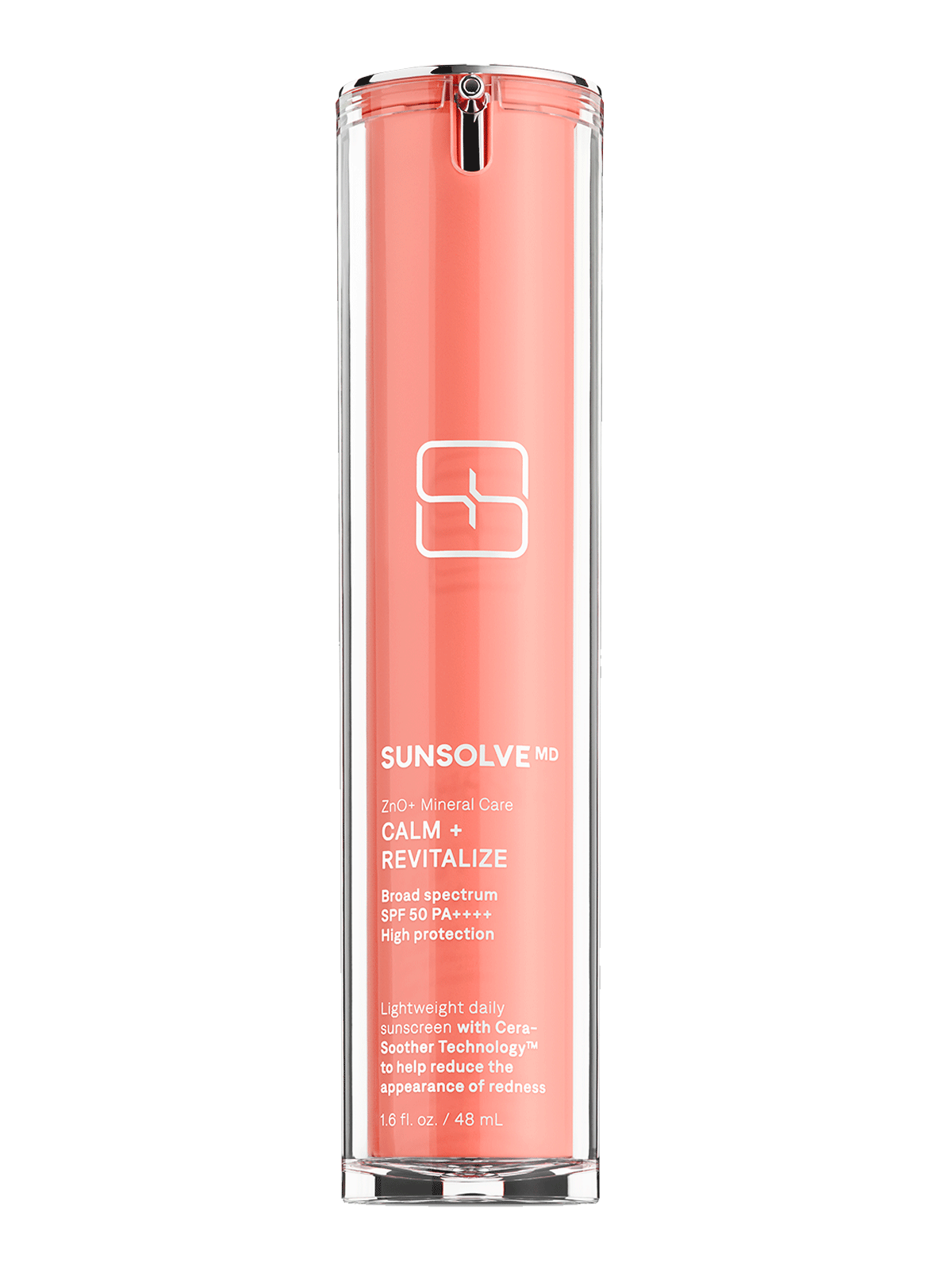
Science-Led Sunscreen By SunsolveMD
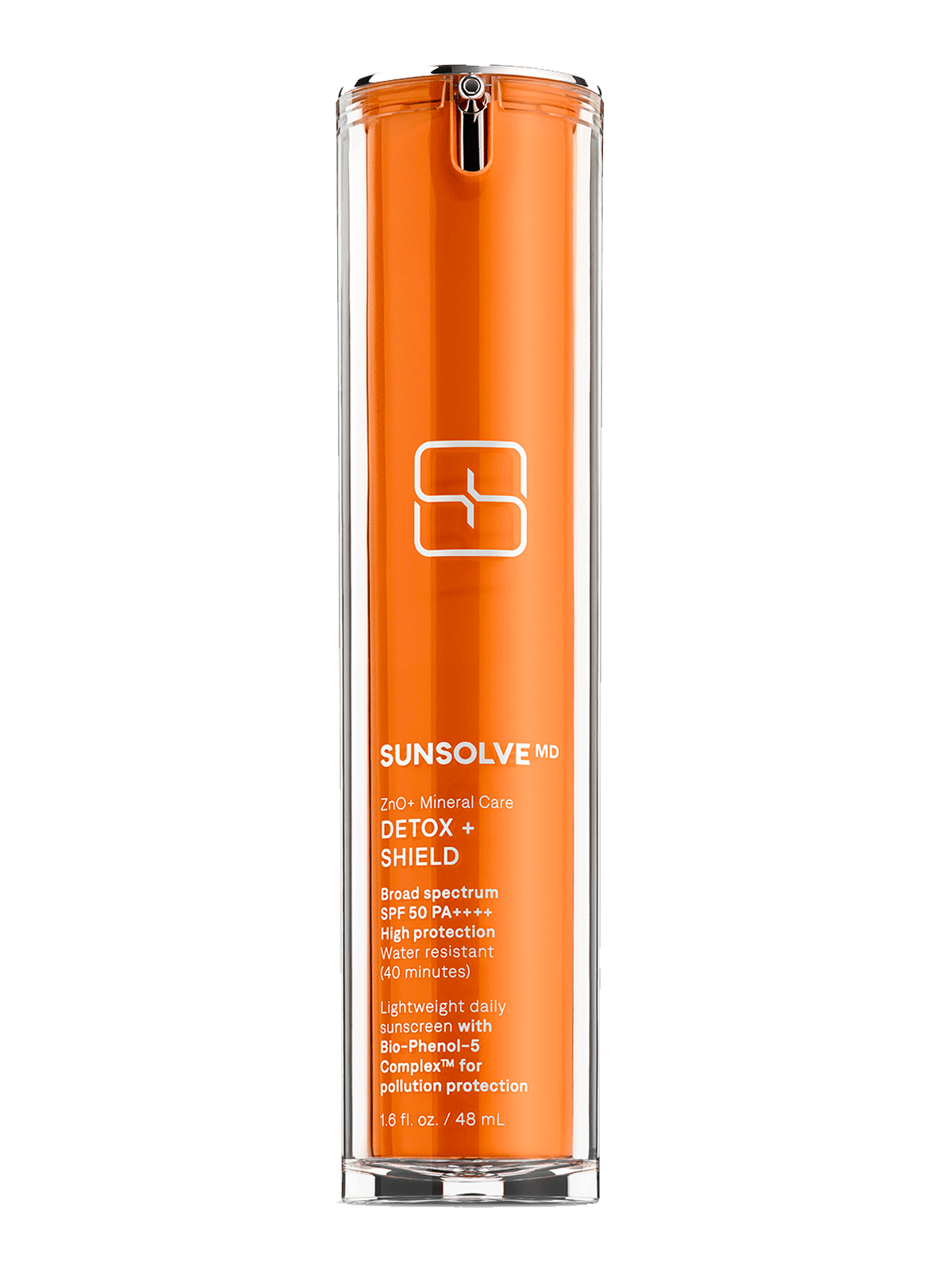
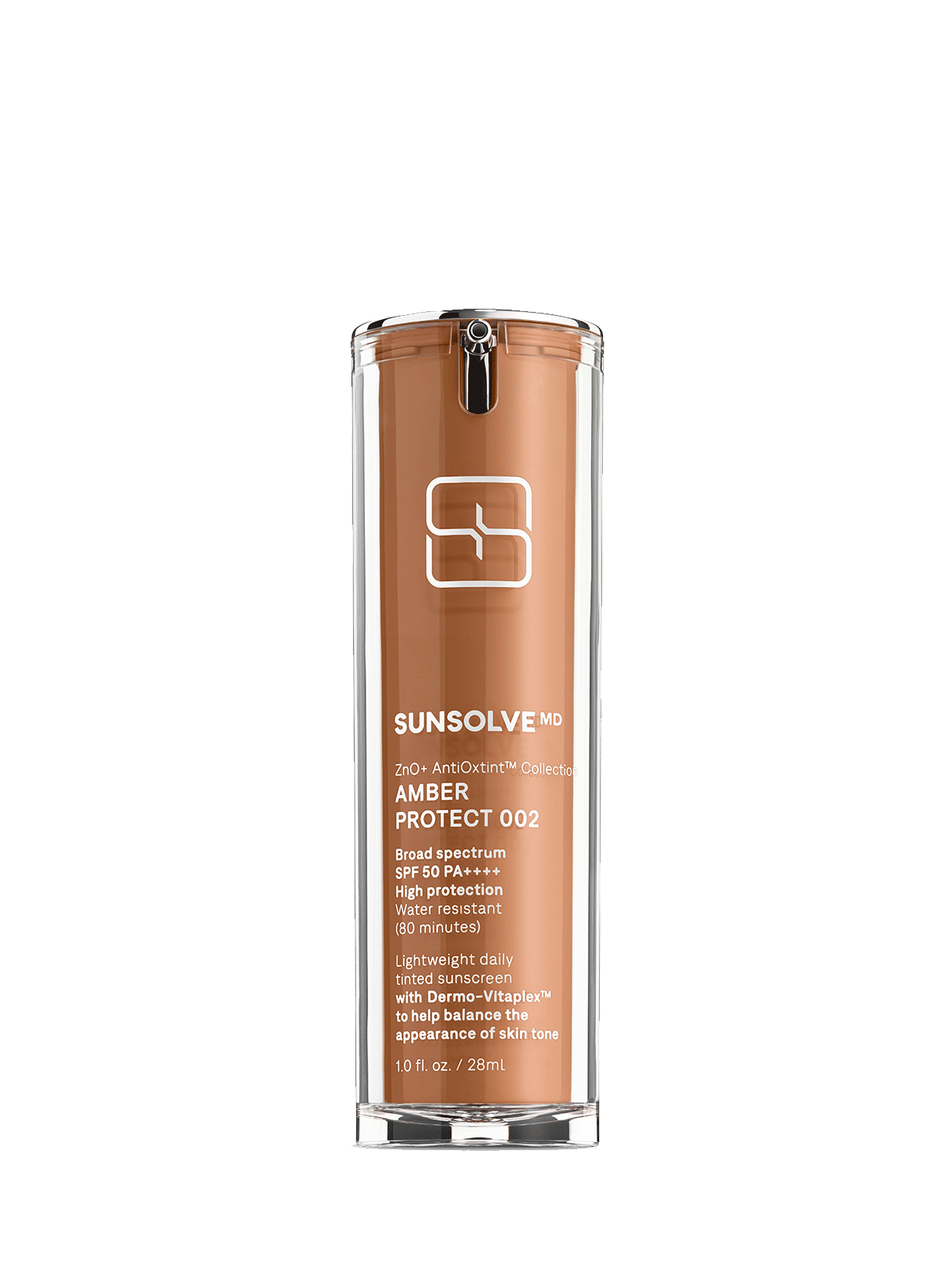
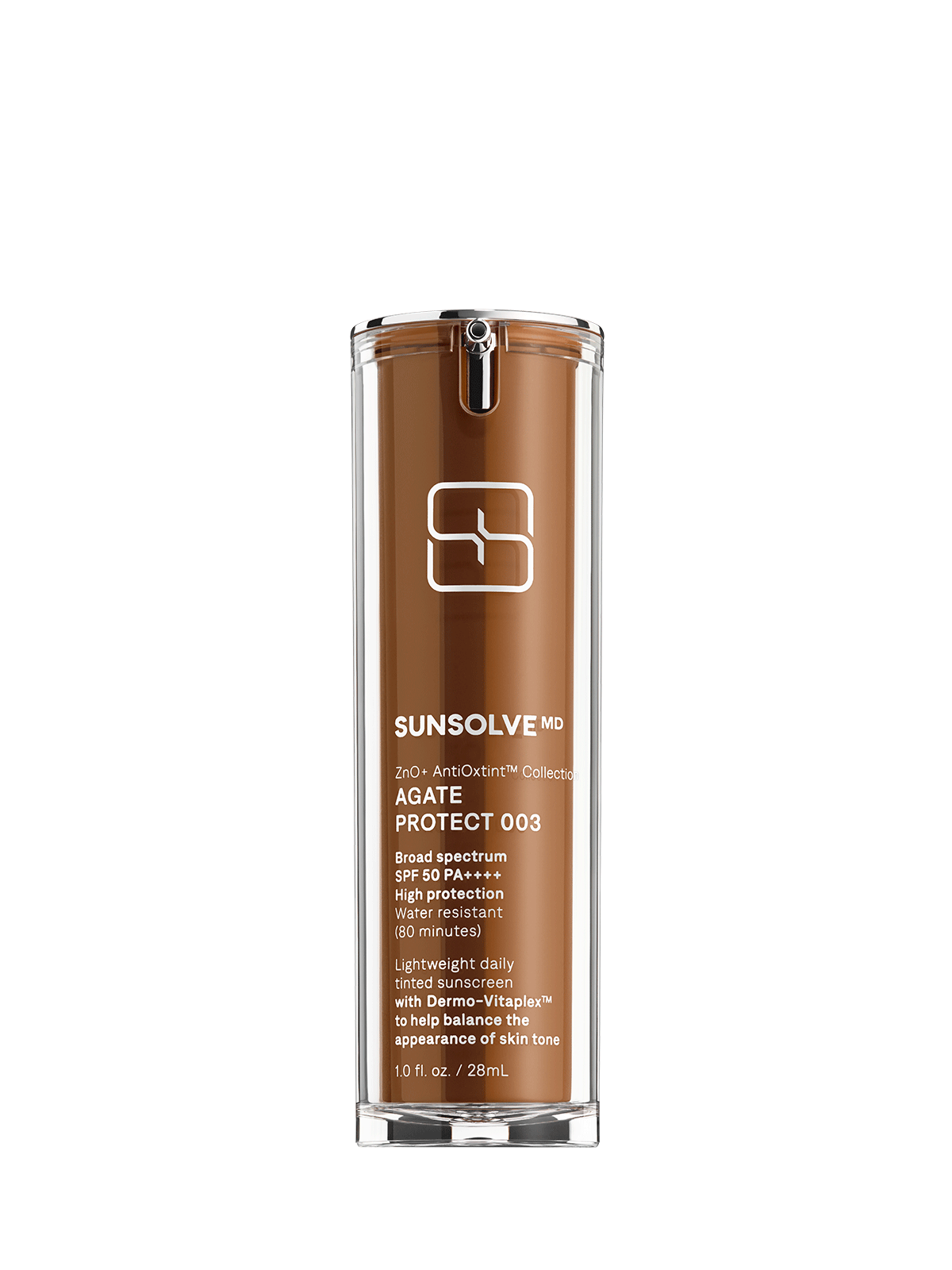
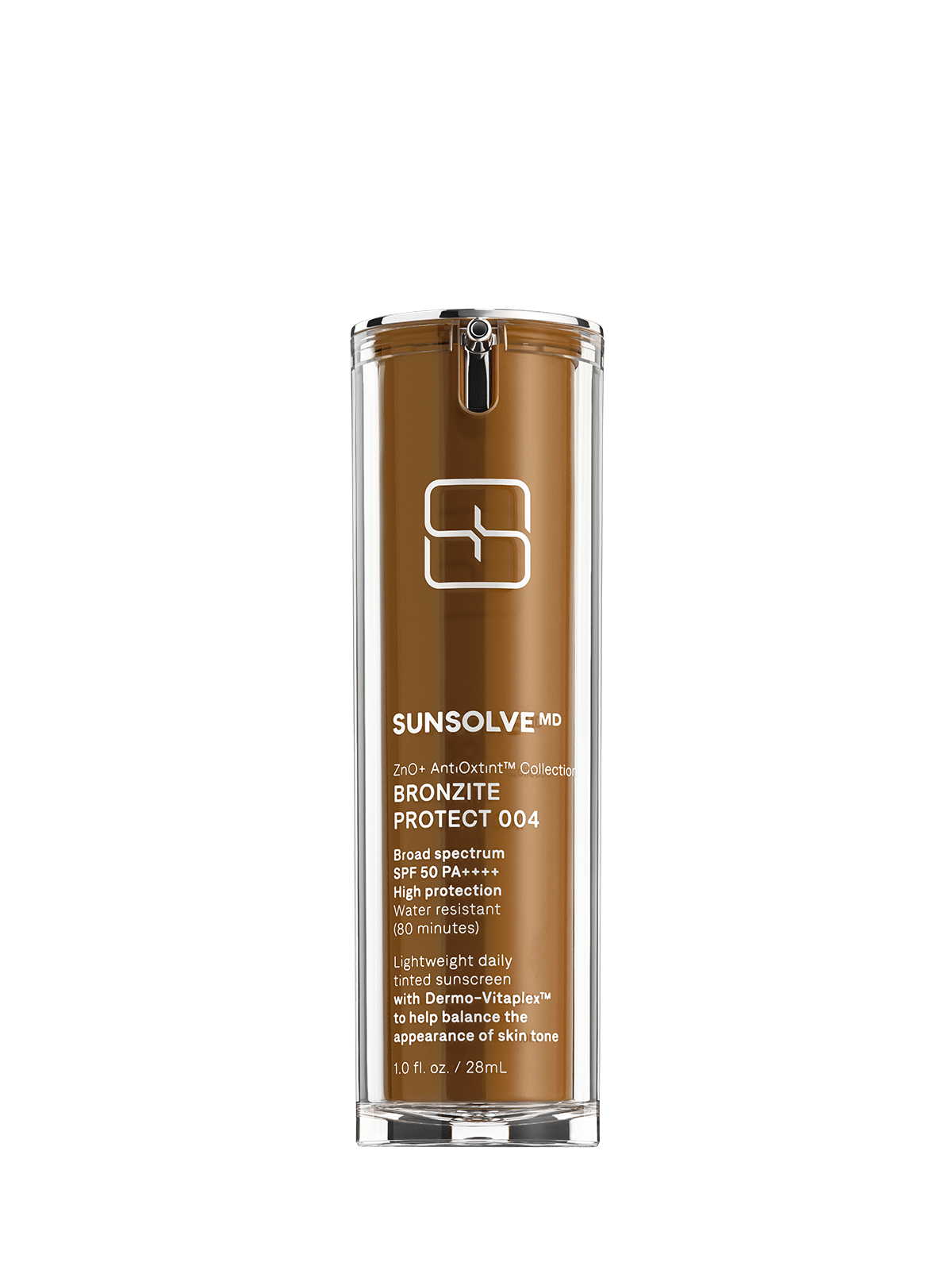
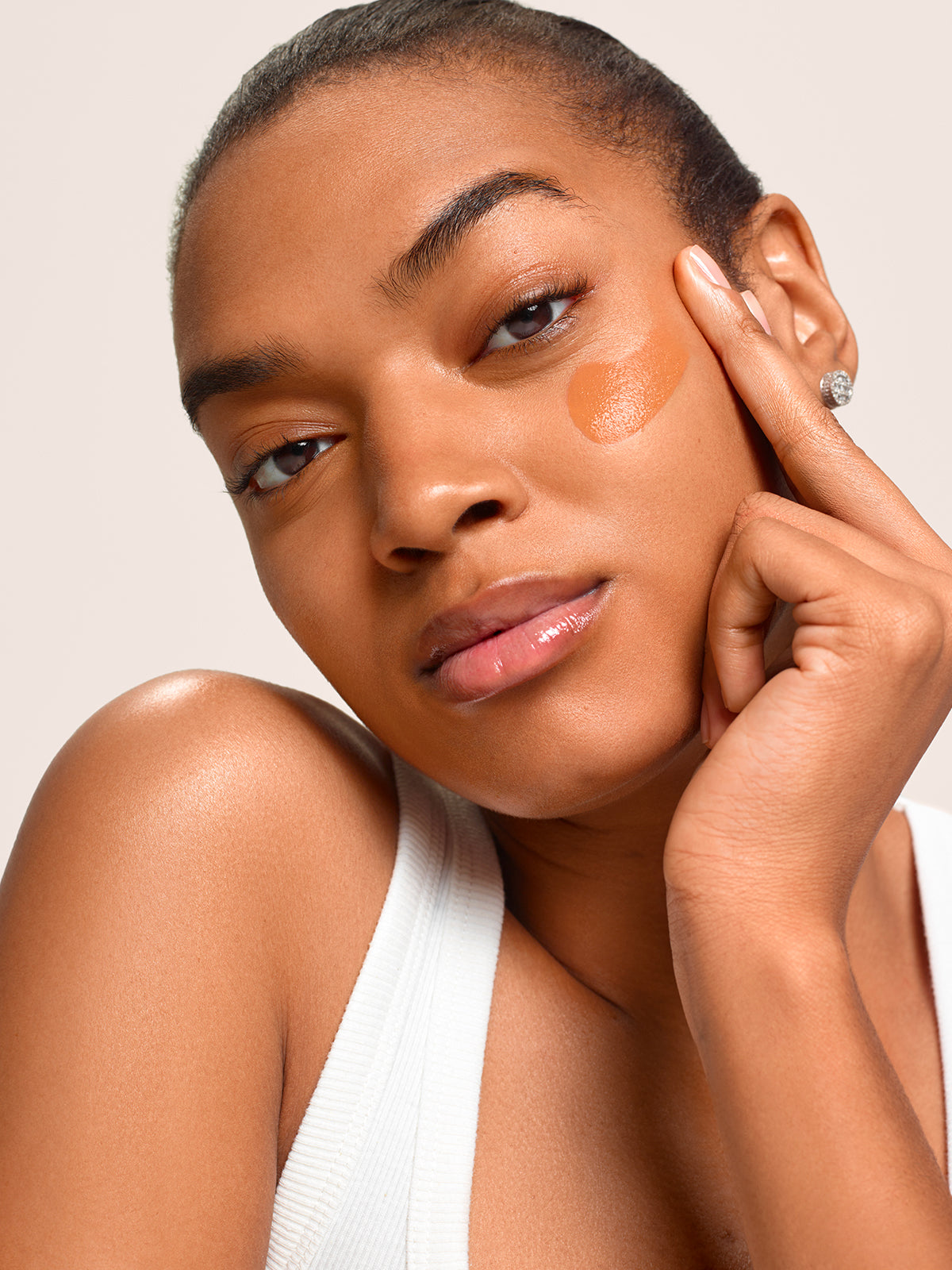
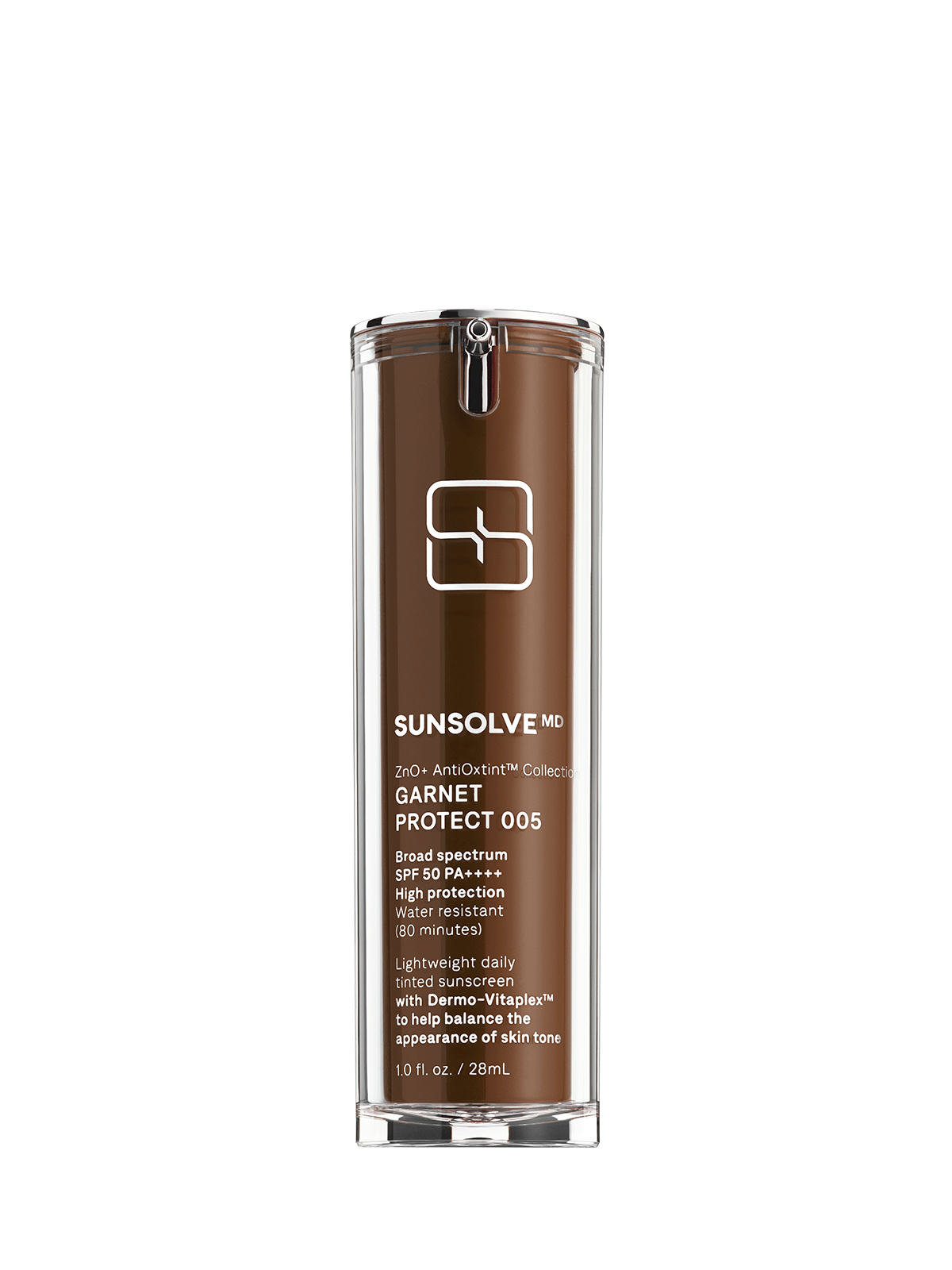
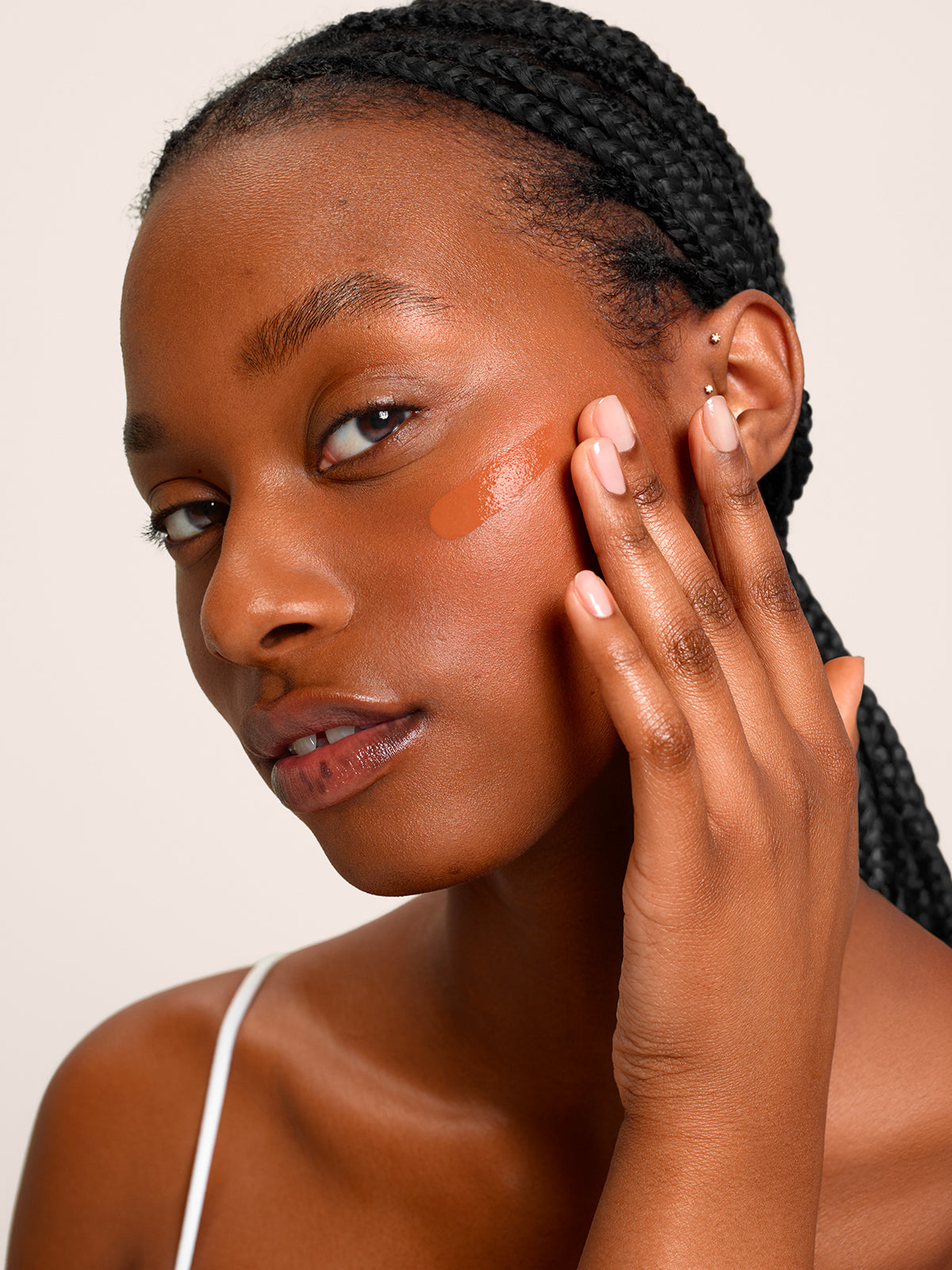
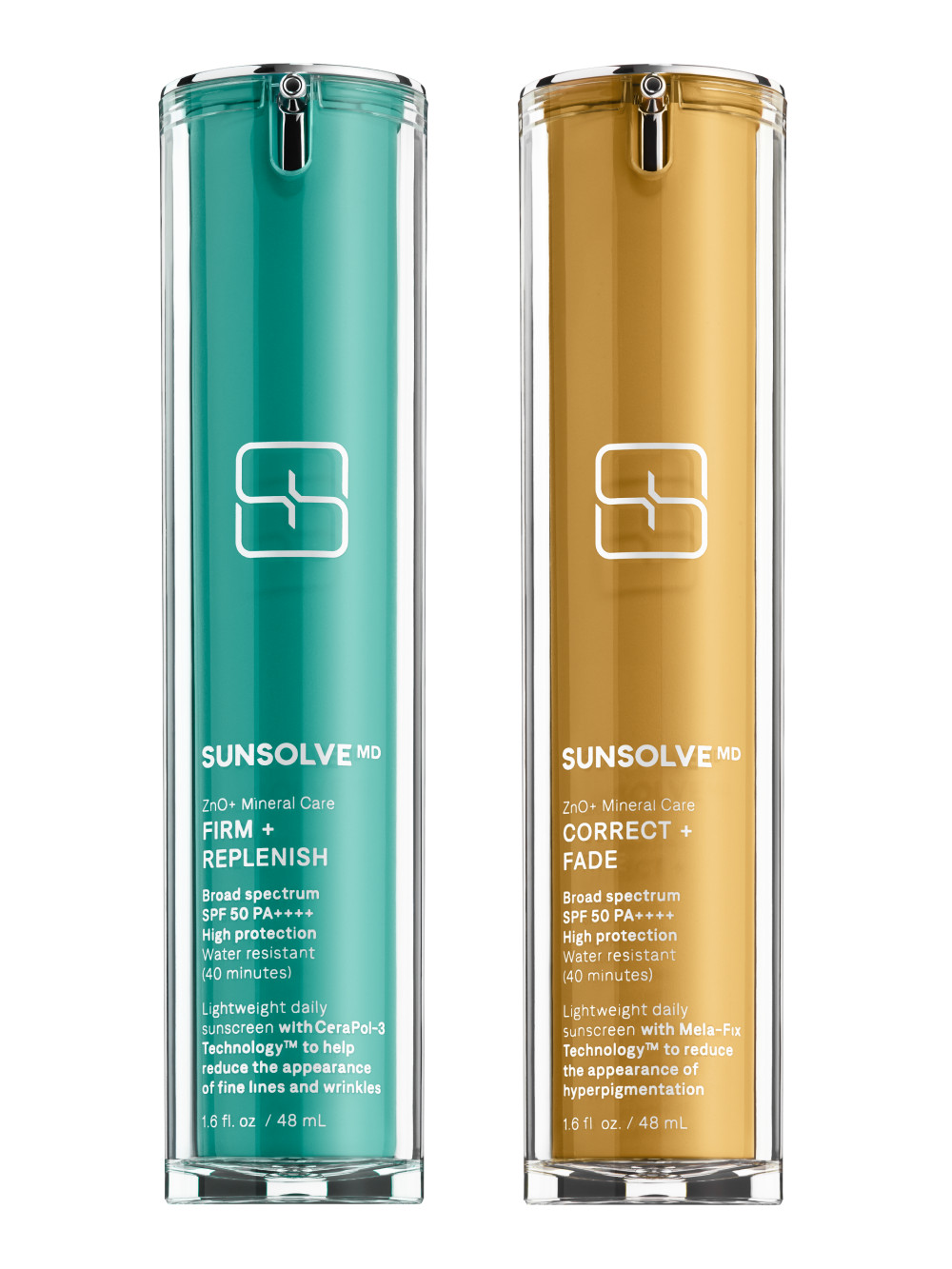
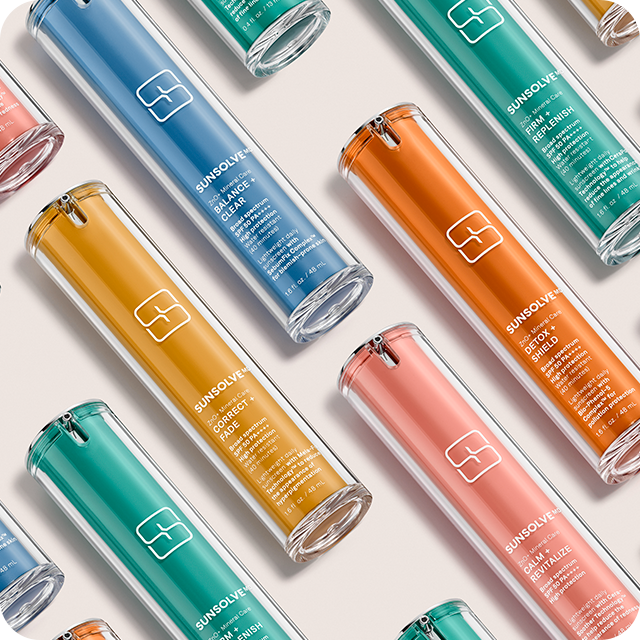
Our zinc oxide sunscreen range was formulated by subtraction as much as by addition. Zinc oxide as the sole filter, delivered through our patented ZnO+ Mineral Care Complex™ in a micronized form that blends without chalkiness across every skin tone. No fragrance, no oxybenzone, no octinoxate, no denatured alcohol. Photostable, so what you apply at eight in the morning is still what is protecting you at noon, and effective from the moment it touches the skin with no activation period. We think a product you use every day for decades deserves an ingredient list you can read to the end without a single question.
FAQs
Are chemical sunscreens dangerous?
The regulatory position is that there is insufficient data to confirm they are safe at current usage levels, not that they have been shown to be harmful. Several are restricted in the EU following adverse safety opinions. For daily lifelong use, mineral filters have the more settled profile.
Is titanium dioxide safe in sunscreen?
Yes. Titanium dioxide is one of only two filters the FDA recognises as generally safe and effective for topical use. Concerns relate to inhalation of nanoparticles in powder and spray formats rather than to application on skin.
Why do reef-safe laws only mention certain ingredients?
Legislation in Hawaii, Key West and Palau targets oxybenzone and octinoxate specifically, based on research into their effects on coral. The scope varies by jurisdiction and some laws include additional filters.
Should I avoid sunscreen with alcohol in the ingredients?
Look at which alcohol. Alcohol denat and SD alcohol are drying and worth avoiding in daily facial products. Fatty alcohols such as cetyl, stearyl and cetearyl alcohol are emollients and behave entirely differently.
How do I check if my sunscreen has degraded?
Check the period-after-opening symbol and the expiry date, and treat separation, colour change or an altered smell as reasons to replace it. Storing sunscreen in hot conditions accelerates breakdown, so a bottle that has spent a summer in a car is worth discarding.