



Can Men Wear Tinted Sunscreen?
Men can absolutely wear tinted sunscreen, and a growing number of them do. The tint in a tinted SPF is a functional feature with real dermatological value, and it happens to solve the single biggest complaint men have historically had about sun protection: the ghostly white cast that traditional mineral formulas could leave behind.
If anything, tinted sunscreen was practically designed for the man who wants serious sun protection with nothing on his face that announces itself.
The hesitation is understandable. The word tinted sounds adjacent to make-up, and plenty of men have never bought a product from that side of the shop. It is worth unpicking what the tint actually is and what it does, because the answer has more to do with physics than cosmetics.
What The Tint Actually Does
Tinted sunscreens contain iron oxides, the same mineral pigments that give clay and rock their earthy colours, blended into the formula alongside UV filters such as zinc oxide. Those pigments do two jobs.
The Optical Job
Zinc oxide and titanium dioxide are white powders, and in a plain formula they can leave a pale film, particularly noticeable on medium and deep skin tones and in beards. Iron oxides counteract that whiteness, so the product melts into the skin and disappears.
A well-matched tinted SPF is effectively invisible within a minute of application, which makes it easier to wear than many untinted mineral sunscreens.
The Protective Job
The second job is protective, and this is the part most people miss. Iron oxides filter visible light, including the high-energy blue portion of the spectrum. Standard sunscreens, however good, are built to handle UV only.
Visible light contributes to pigmentation, particularly in medium to deep skin tones and in anyone prone to dark marks after shaving irritation or breakouts. A tinted formula therefore covers a wider slice of the spectrum than its untinted equivalent.
Why This Matters For Men In Particular
The Health Case
Statistically, men spend more time outdoors for work and sport, use sunscreen less often, and are diagnosed with skin cancer at higher rates than women, with worse outcomes partly attributable to later detection.
Melanoma is also significantly more likely to be fatal in men, and researchers point to lower rates of daily sun protection as a contributing factor. Any product that removes a barrier to daily SPF use is, in plain terms, a health intervention.
The Cosmetic Case
There are cosmetic incentives too, for those who want them. Daily shaving leaves skin mildly inflamed and more vulnerable to post-inflammatory pigmentation, which UV and visible light both deepen. One of the benefits of tinted sunscreen is that it calms the appearance of shaving redness on contact, while preventing existing marks from darkening.
Men who spend years outdoors also accumulate rough texture, broken capillaries and uneven tone, and a sheer tint softens the look of all three without covering anything up. The effect reads as healthy skin, never as a product.
Choosing And Wearing It

Get The Undertone Roughly Right
Tinted sunscreens come in a small range of flexible shades designed to suit bands of skin tones. You are looking for a broad match, since the pigment load is light and forgiving. If you sit between shades, choose the slightly deeper one, which blends more naturally than one that is too light.
Prioritise The Finish
Men's skin is on average oilier and thicker than women's, so a matte or natural finish usually wears better through the day than a dewy one. Lightweight fluid textures also move well over stubble and beards, where thicker creams can cling and pill.
Check The Essentials
The label should read broad spectrum, SPF 30 or higher, with zinc oxide or titanium dioxide among the active ingredients. Non-comedogenic formulas are worth seeking out if you are breakout-prone.
Apply It Properly
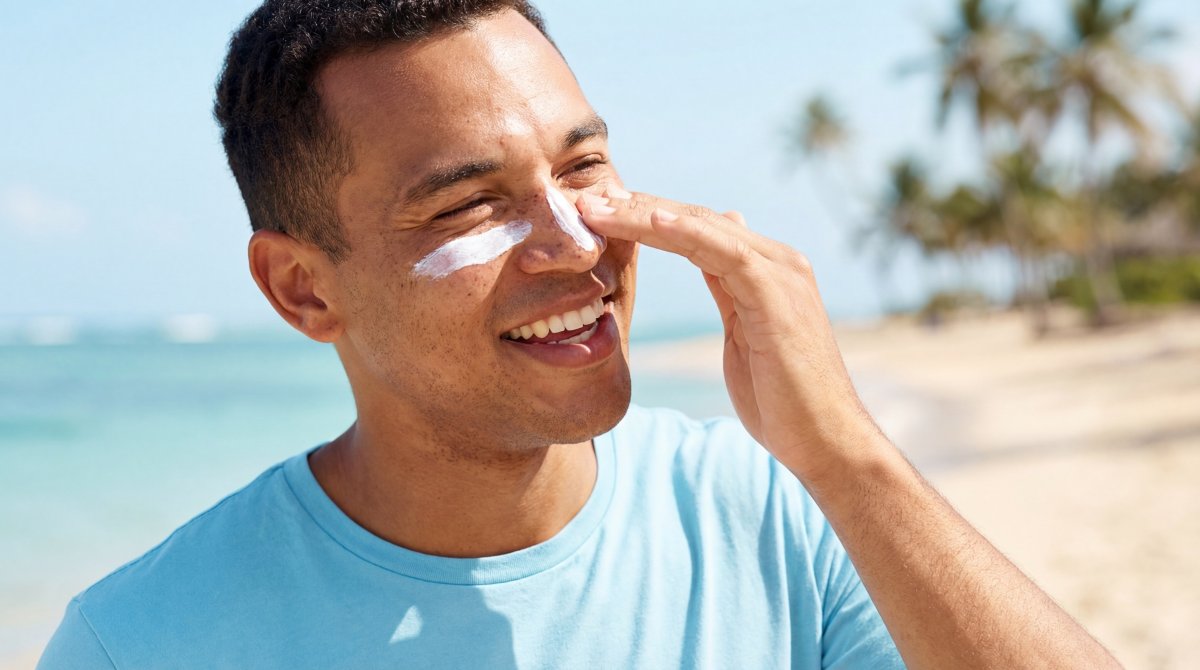
Use two finger-lengths for the face and neck as the last step before leaving the house, working it in with fingertips until it vanishes. Bald and shaved heads need coverage too, and the ears, hairline and back of the neck are the most commonly missed high-exposure zones.
Reapply every two hours in strong sun. The learning curve is roughly thirty seconds long: rub it in, check the jawline once in the mirror, and get on with the day.
The Verdict
Tinted sunscreen is a skincare product, full stop, and it belongs to whoever wants better sun protection in an easier format. For men, the tint removes the white cast, extends protection into the visible light spectrum, and quietly evens out the damage of shaving and years outdoors.
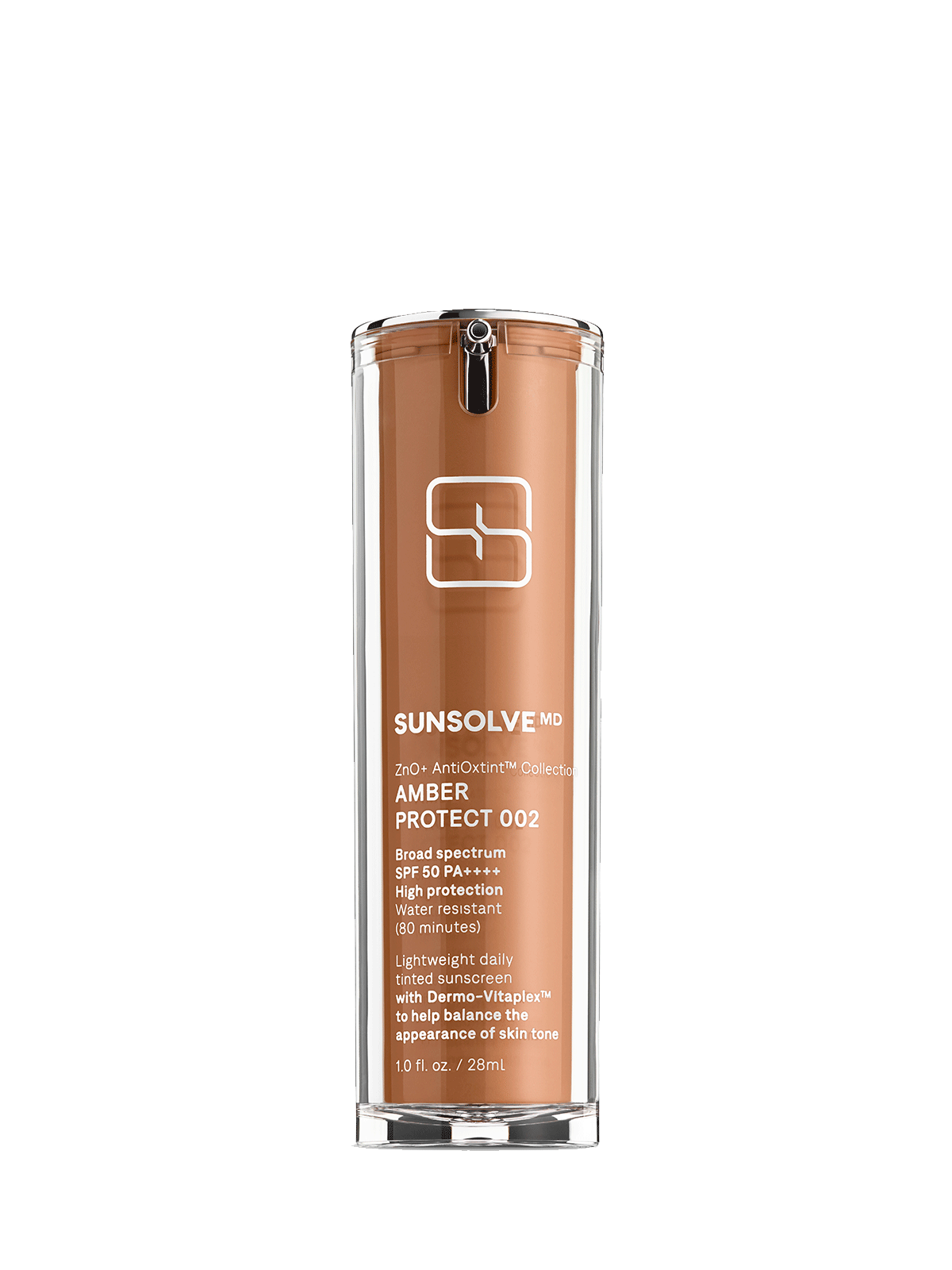
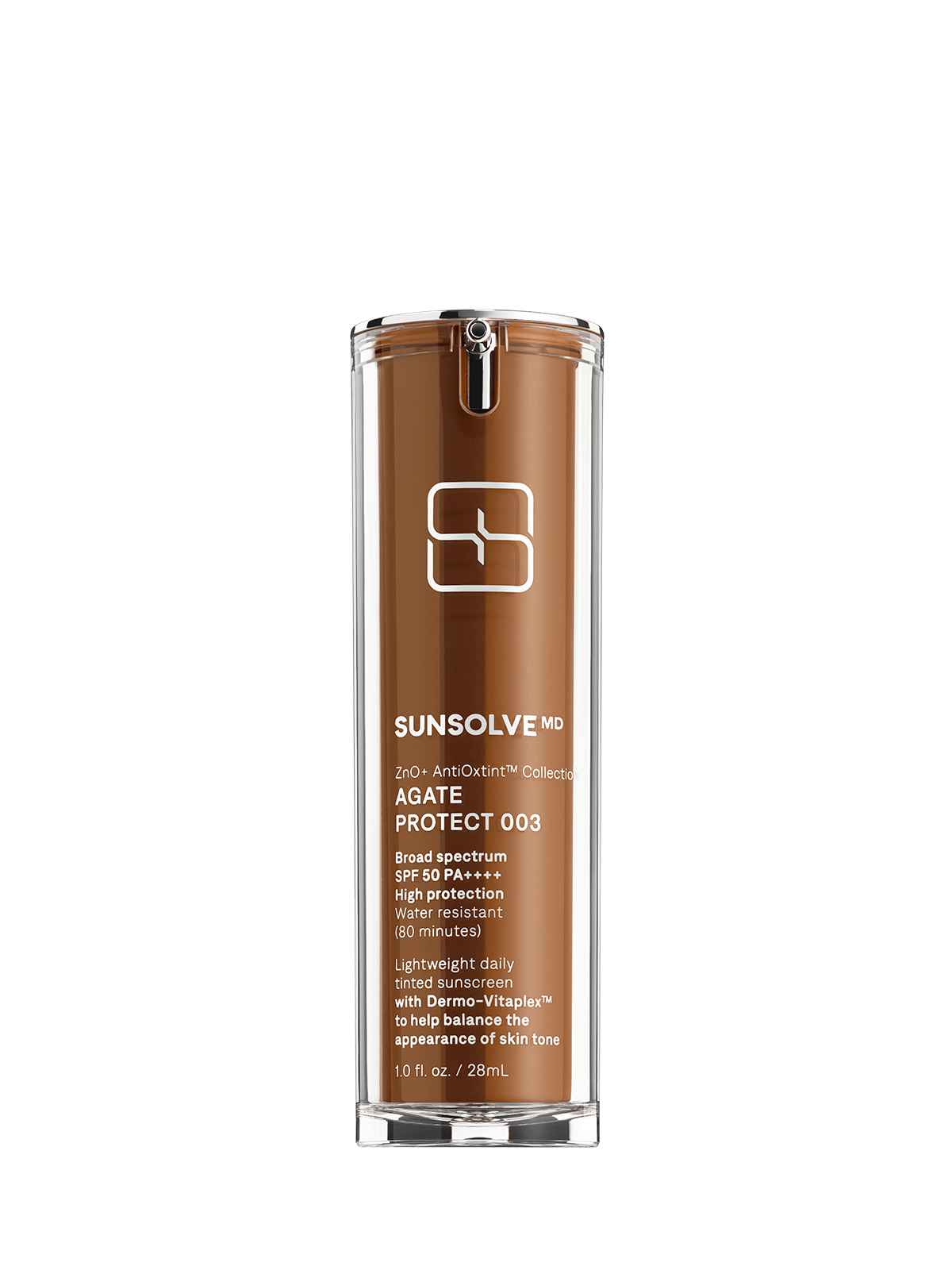
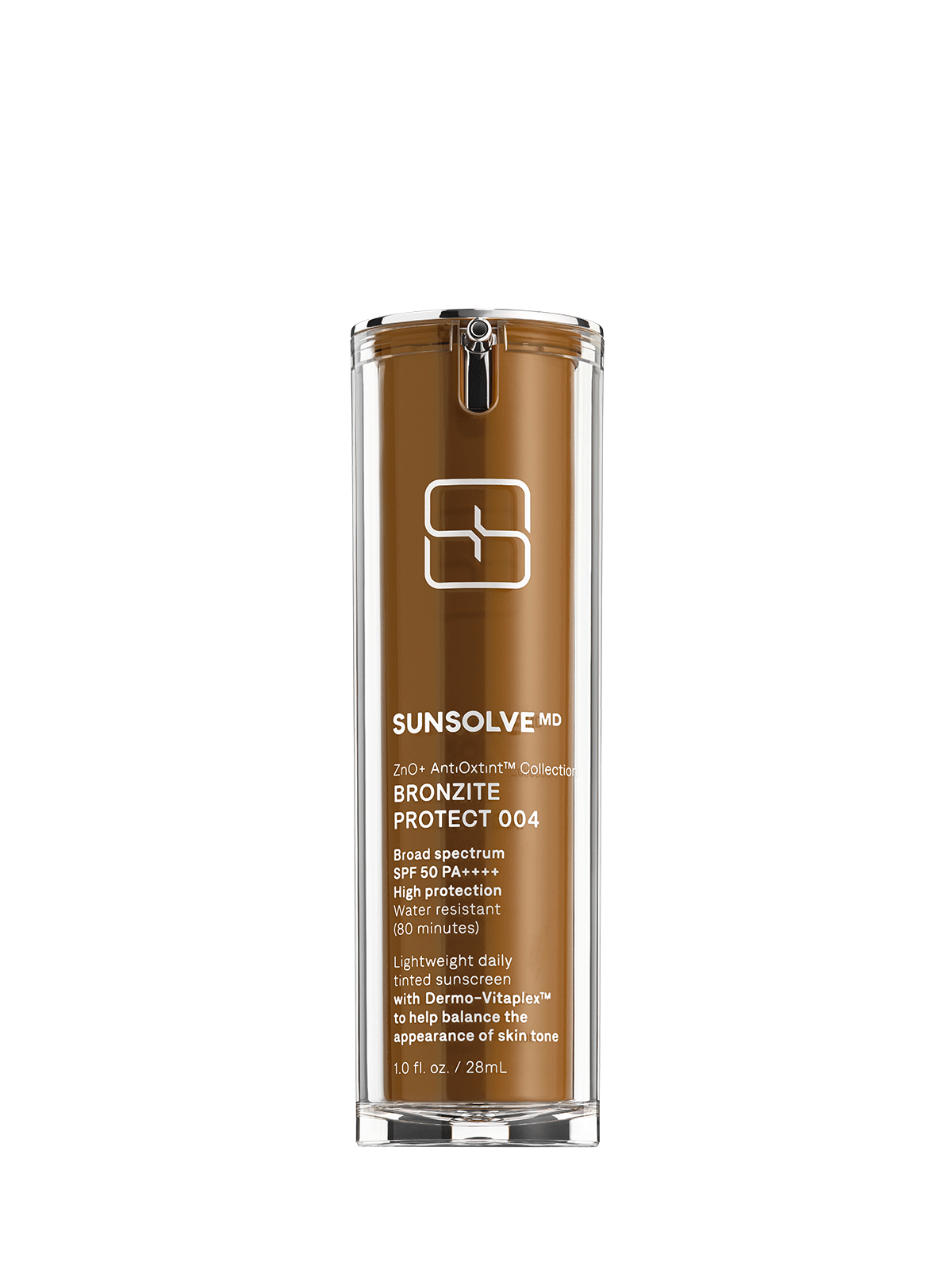
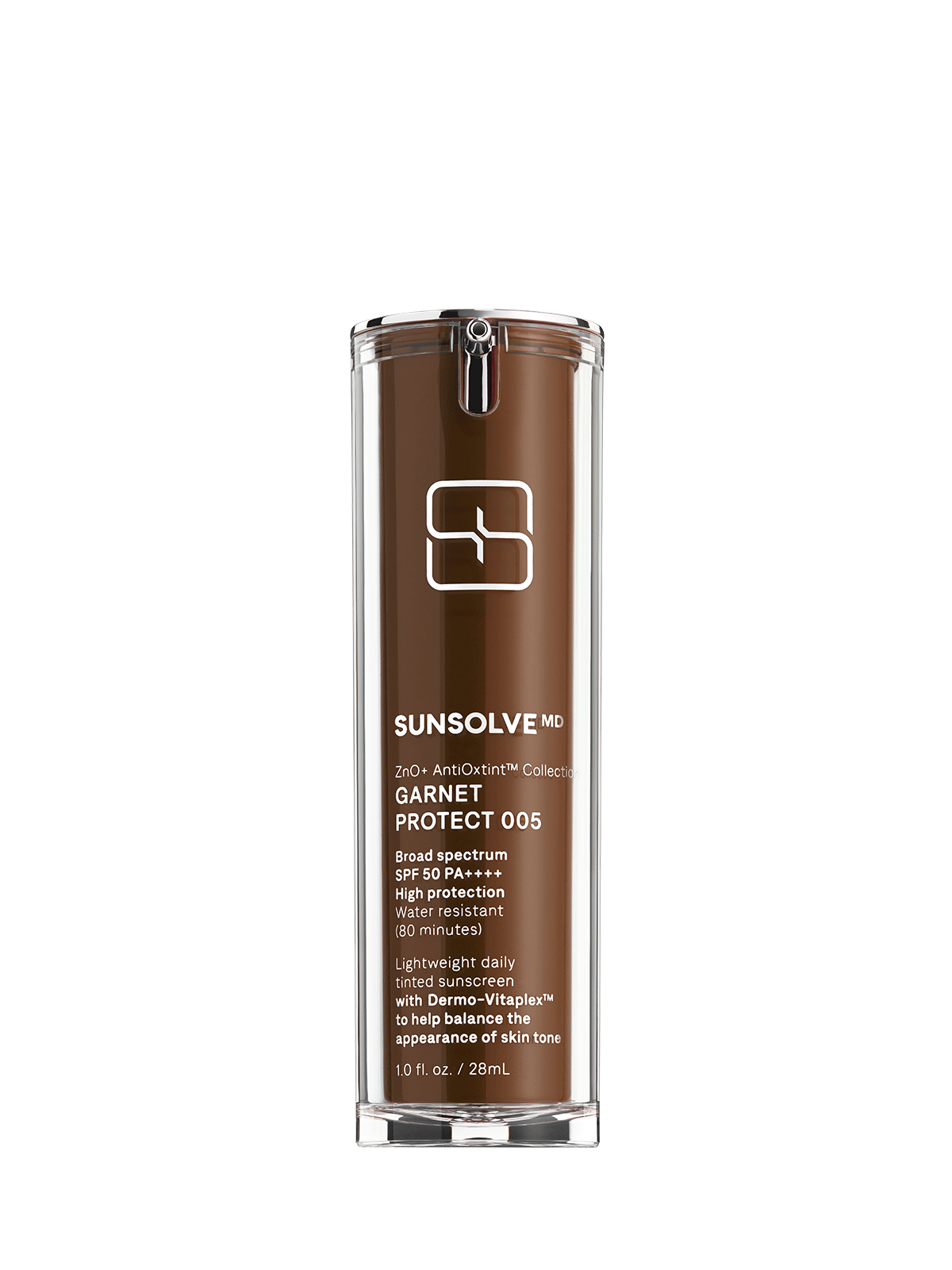
Our range of coloured facial SPF for everyday wear is formulated to disappear on application, which means the only thing anyone will notice is that your skin looks well.
FAQs
Will tinted sunscreen look like make-up on me?
No. The pigment load in a tinted SPF is a fraction of what foundation contains, and its purpose is to cancel the white cast of mineral filters so the product becomes invisible. Once blended, a well-matched tinted sunscreen leaves no discernible layer, colour or finish on the skin.
What if the shade does not match my skin tone exactly?
An exact match is unnecessary. The tint is sheer enough that each shade flexes across a wide band of skin tones, and small differences disappear as the product settles. When in doubt, pick the marginally deeper option, which warms into the skin more convincingly than a lighter one.
Can I wear tinted sunscreen with a beard?
Yes. Apply it to the exposed skin of the face, ears and neck, and work a small amount along the cheek lines and through short stubble, where skin still receives UV. Fluid and lotion textures handle facial hair far better than thick creams, which can leave visible residue in the beard itself.
Does tinted sunscreen clog pores or cause breakouts?
Quality tinted mineral formulas are typically non-comedogenic, and zinc oxide itself is well tolerated by oily and blemish-prone skin. If you are prone to breakouts, choose a lightweight, oil-free texture and wash the product off thoroughly at the end of the day, since any sunscreen left on overnight can contribute to congestion.
Is tinted sunscreen enough on its own, or do I need other skincare?
As sun protection, a broad-spectrum tinted SPF 30 or higher is complete on its own when applied generously and topped up through the day. A simple supporting routine of a gentle cleanser at night and a basic moisturiser in the morning will keep skin comfortable, but the sunscreen is the step doing the heavy lifting.