



Why Using SPF Is Essential When Using Exfoliants
Exfoliating acids have earned their place at the centre of modern skincare. Glycolic, lactic and salicylic acid can transform texture, clear congestion and restore the kind of radiance that no highlighter can fake.
But every dermatologist who recommends them attaches the same condition, and it is non-negotiable: an exfoliating routine must be matched with daily sun protection. Exfoliants and SPF are a package deal, and using the first without the second can leave your skin in a worse position than if you had used neither.
Understanding why requires a brief look at what exfoliation actually does beneath the glow.
What Exfoliants Do To Your Skin's Defences
The Layer You Are Removing
The outermost layer of your skin, the stratum corneum, is a densely packed sheet of dead cells bound together by lipids. It has an unglamorous reputation, but it performs two crucial jobs. It locks moisture in, and it forms part of your natural defence against ultraviolet radiation, physically absorbing and scattering a portion of the UV that hits your face before it can reach living cells.
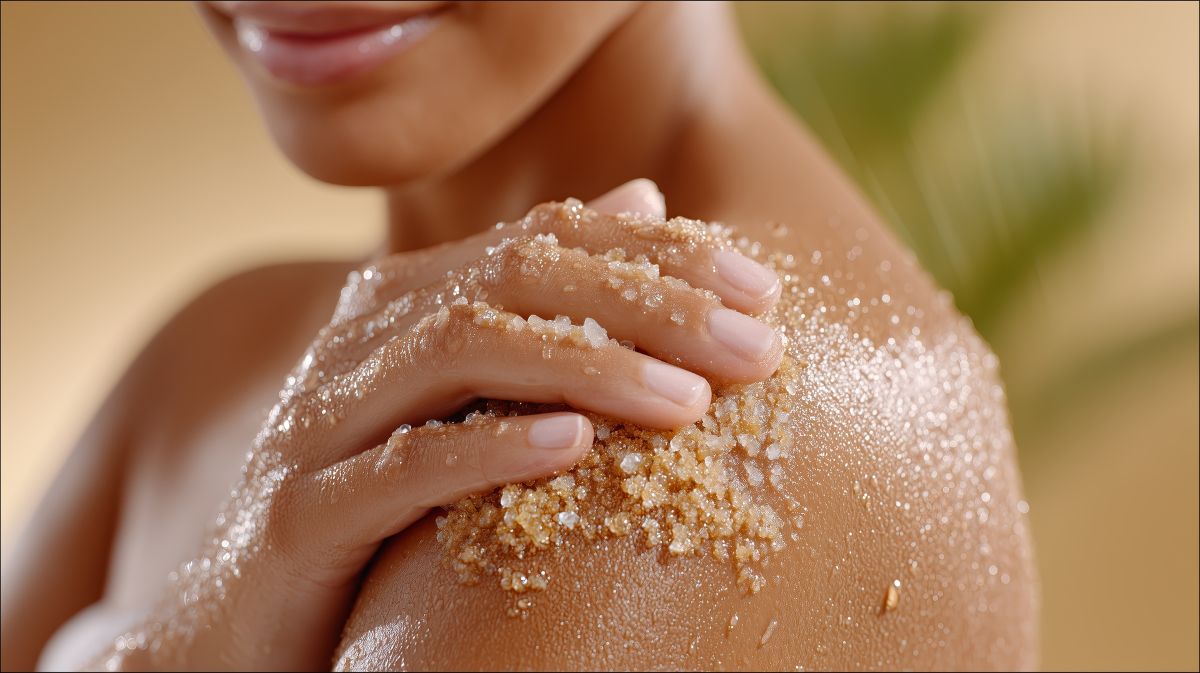
Exfoliants work by deliberately thinning this layer. Alpha hydroxy acids such as glycolic and lactic acid dissolve the bonds holding dead cells together, sweeping them away to reveal the fresher skin beneath. Beta hydroxy acid, better known as salicylic acid, does similar work inside the pores. Physical exfoliants such as scrubs and brushes achieve a cruder version of the same result through friction.
The Sensitivity That Follows
The payoff is smoother, brighter, more even skin. The trade-off is that the fresh cells now sitting at the surface are younger, thinner and considerably less equipped to handle UV.
Research on glycolic acid has shown that skin becomes measurably more sensitive to sunlight during use, burning more easily and developing UV-induced damage at lower exposures. Regulators in both the UK and the US consider this effect significant enough that AHA products are expected to carry sun protection warnings.
Crucially, the sensitivity does not switch off when you rinse the product away. It persists for up to a week after you stop using an AHA, which means a Sunday night peel is still relevant to your Thursday lunchtime walk.
The Damage Happens In The Gap
Skipping SPF while exfoliating creates a specific and rather cruel feedback loop. Most people reach for acids to fix pigmentation, dullness or uneven tone. Unprotected UV exposure on freshly exfoliated skin triggers exactly those problems, and often more aggressively than before, because the skin's melanocytes respond to the double insult of exfoliation plus UV by producing pigment defensively.
The result is post-inflammatory hyperpigmentation: new dark patches layered on top of the ones you were trying to remove. Deeper down, UV reaching the dermis more easily accelerates collagen breakdown, so the long game of premature ageing speeds up at the same time.
Sunburn risk rises too, and burns on acid-treated skin tend to be angrier and slower to heal. Repeated cycles of exfoliation and unprotected exposure can eventually tip skin into chronic sensitivity, where formerly reliable products begin to sting and redness becomes a permanent guest.
None of this is an argument against exfoliating. It is an argument for closing the gap in the routine.
Building The Routine Properly

Exfoliate In The Evening
The safest structure is simple: exfoliate at night, protect in the morning. Applying acids in the evening gives your skin the overnight hours to begin renewing without any UV in the picture. It also keeps the exfoliant well away from your sunscreen, since layering the two directly can compromise both.
Start with two or three evenings a week and let your skin's response set the pace.
Protect Every Morning
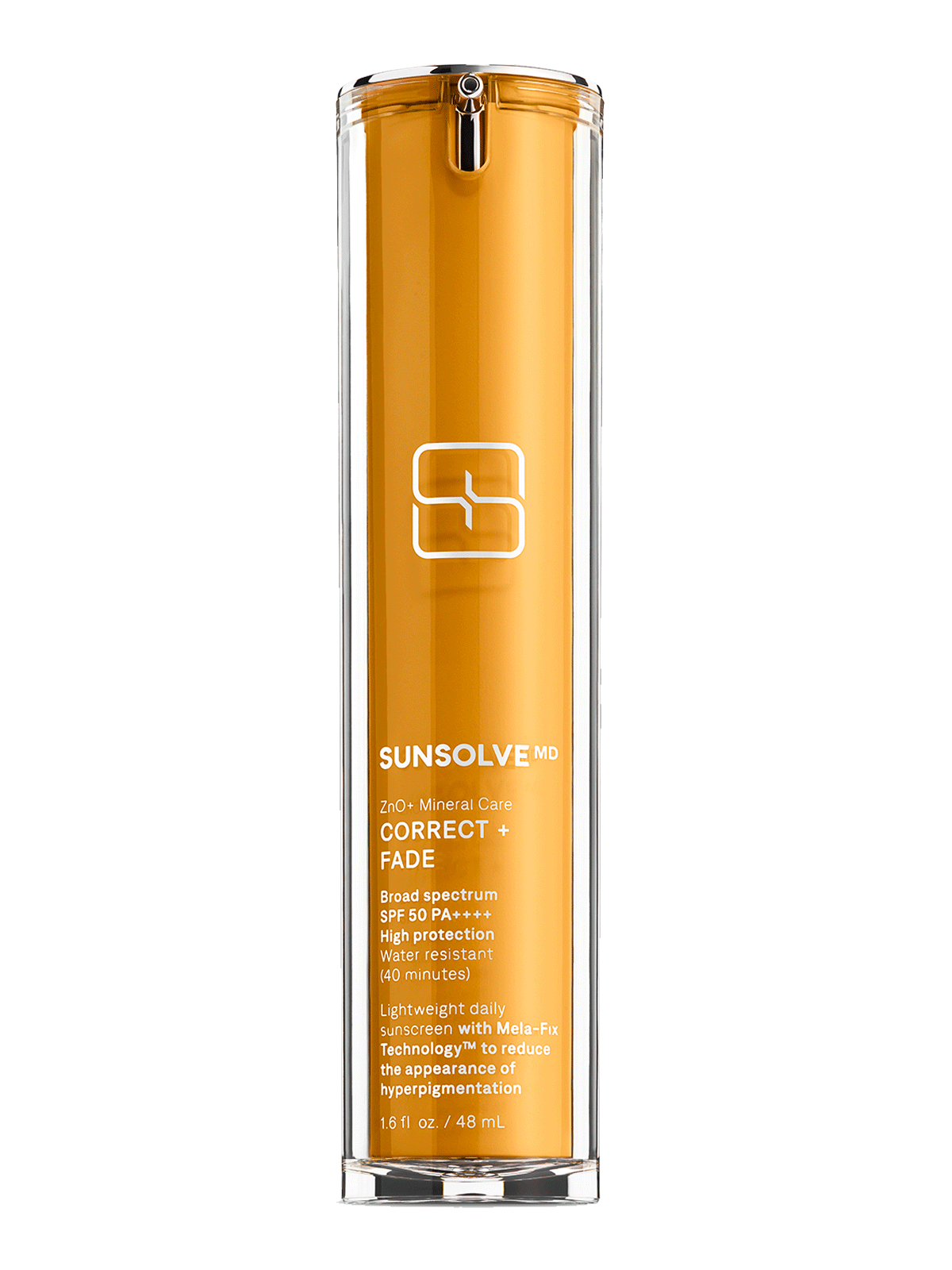
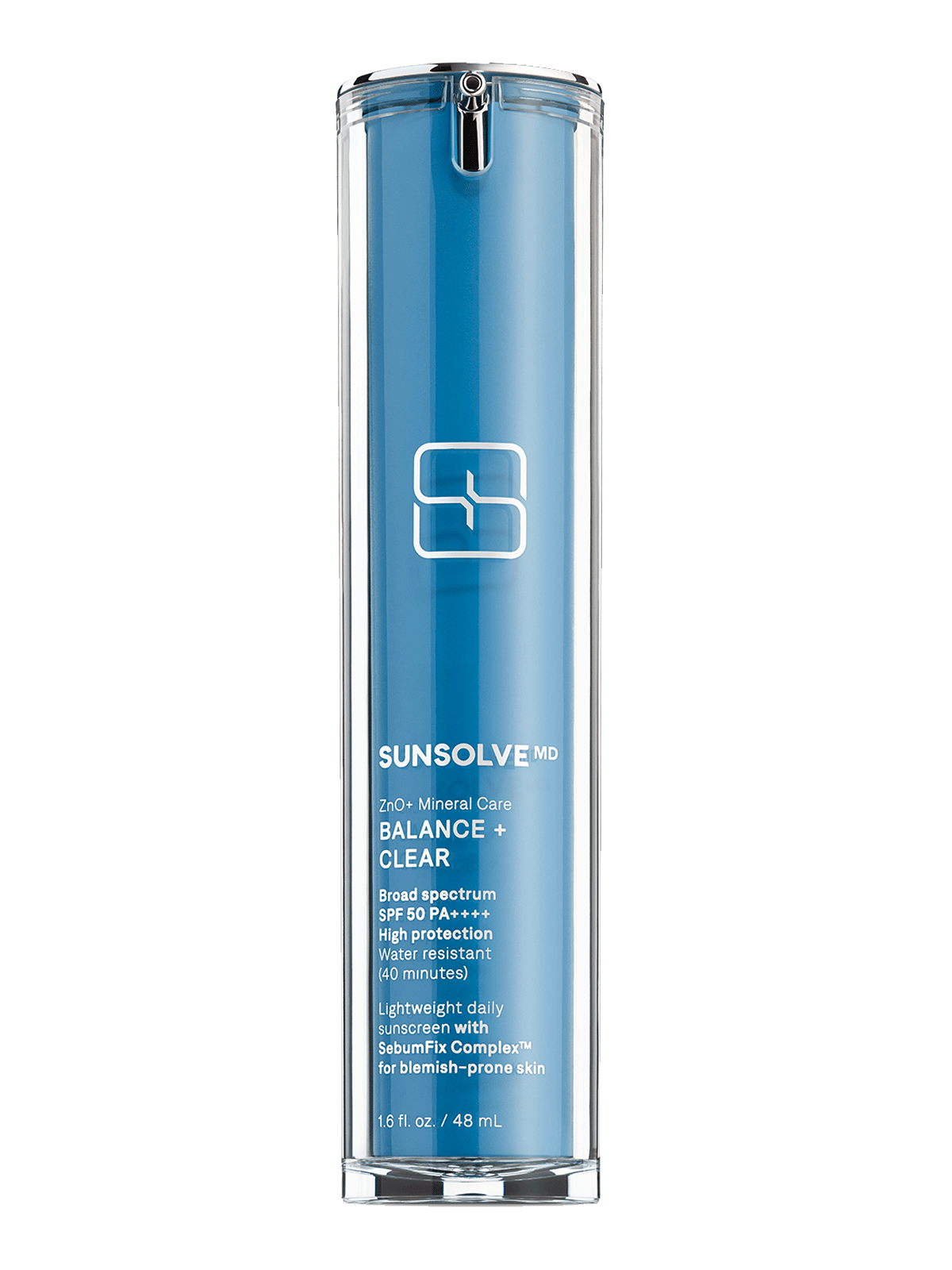
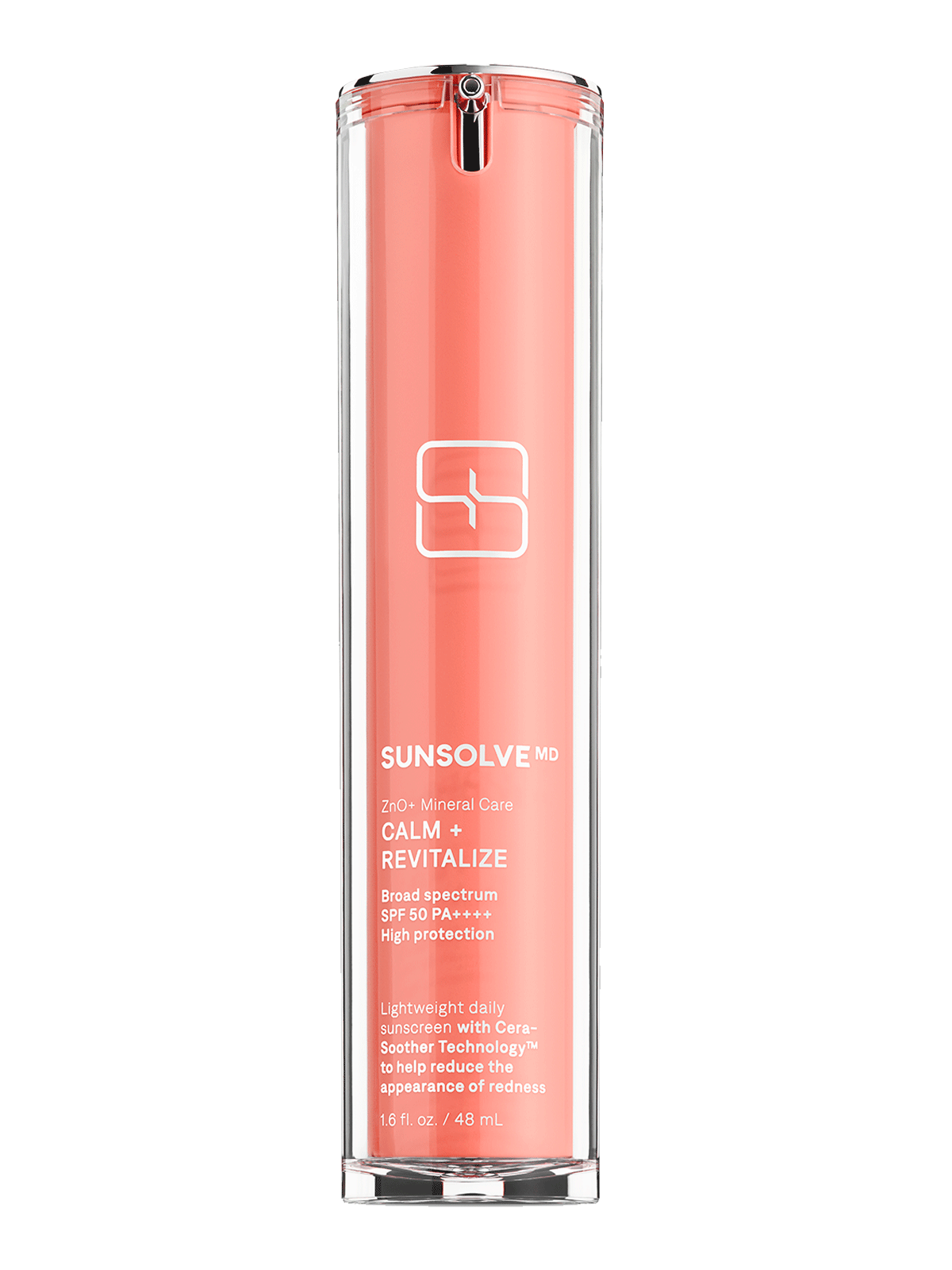
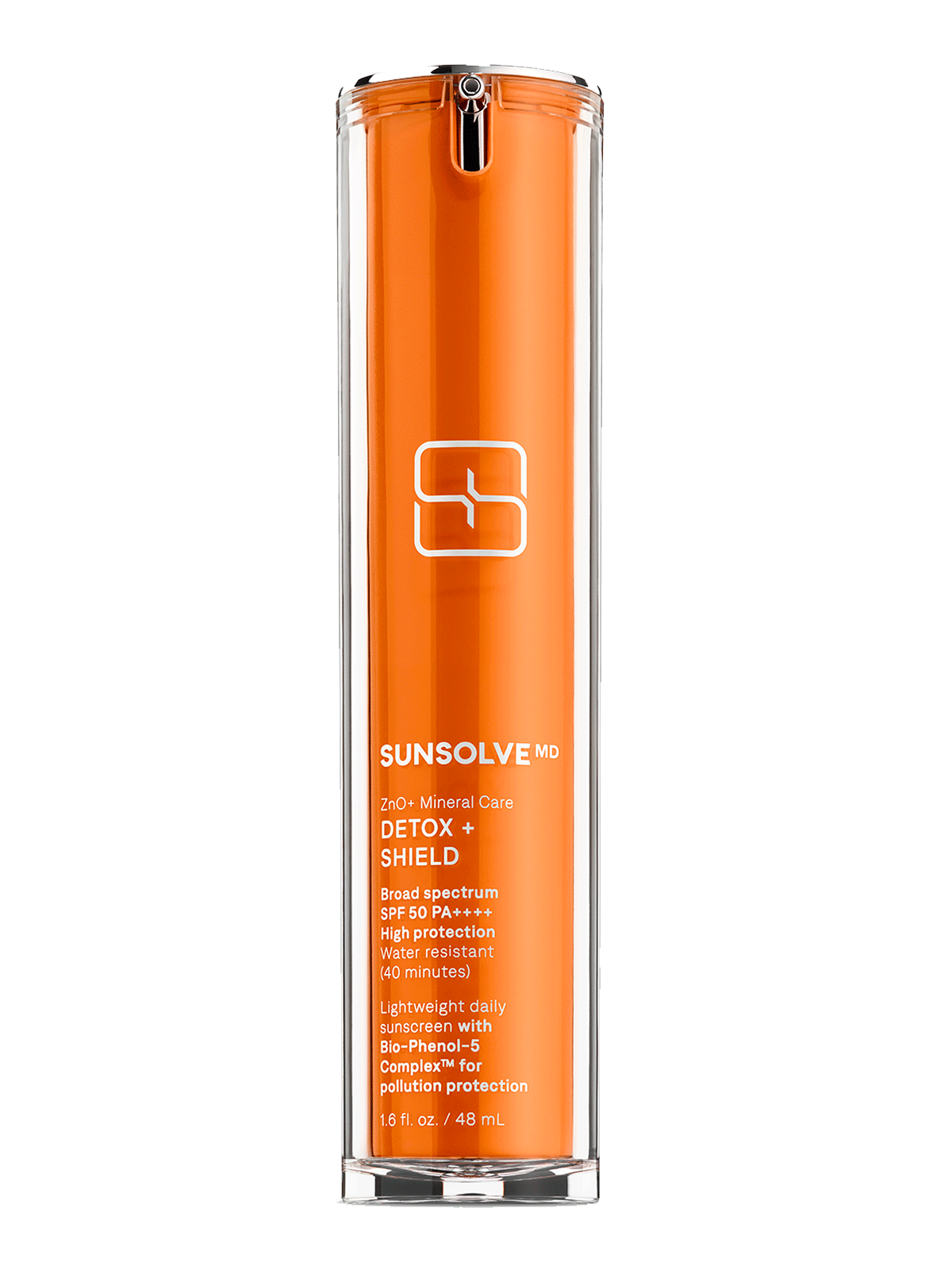
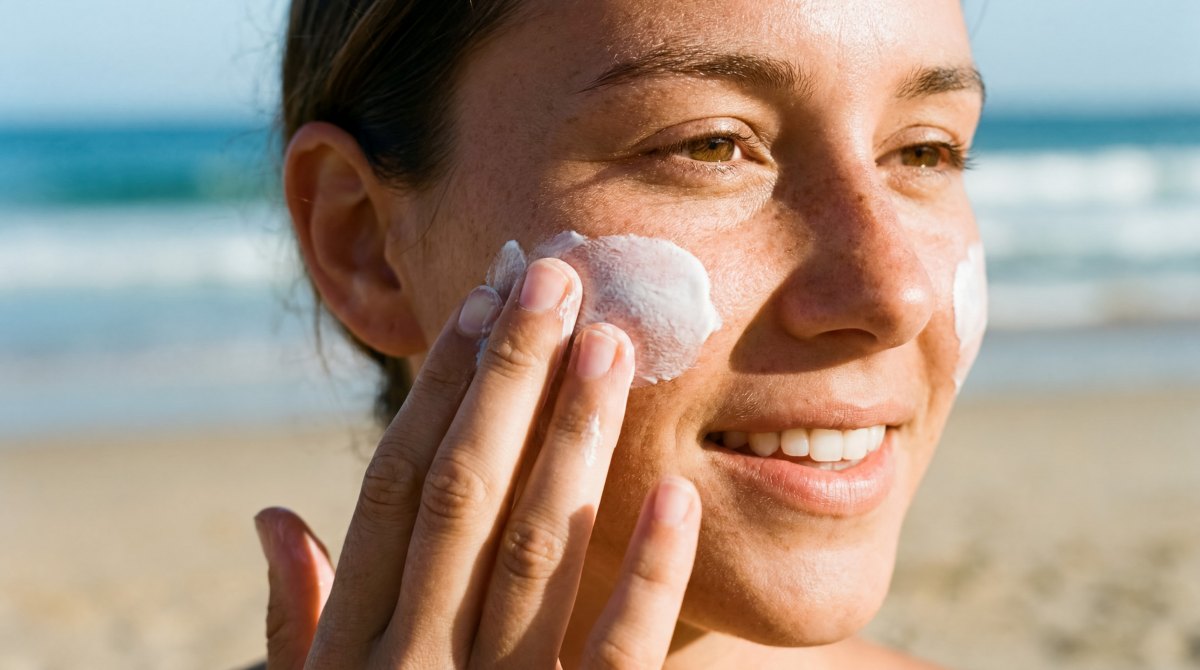
Each morning, cleanse gently, moisturise, and finish with a broad-spectrum sunscreen of SPF 30 or higher, applied generously as the final skincare step.
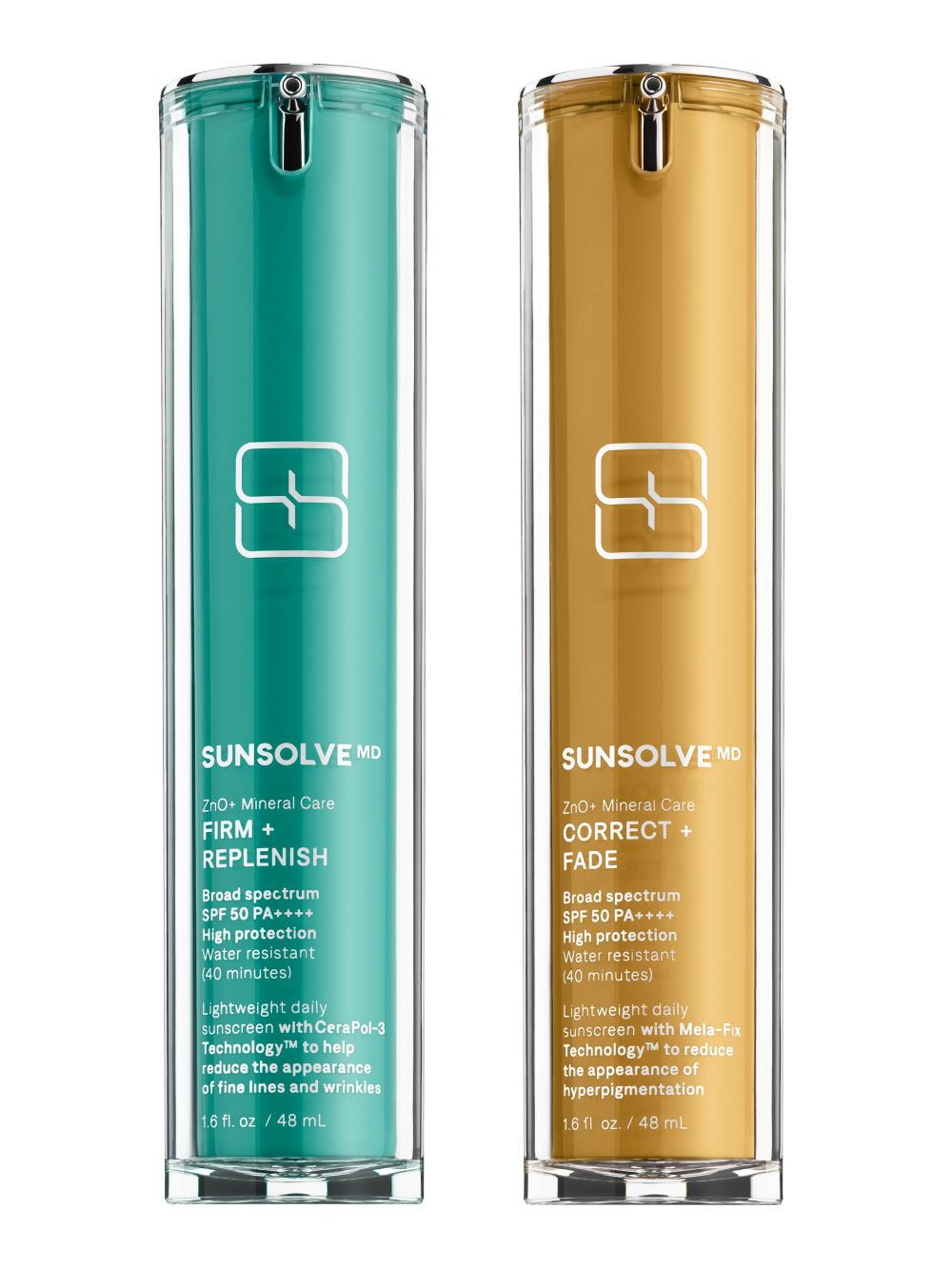
Mineral formulas built on zinc oxide are particularly well suited to this job, because they shield the skin physically from the surface and are exceptionally gentle on skin that acids have made temporarily delicate. There is a fuller explanation of that pairing in our guide to mineral sunscreen after exfoliation, which covers everything from at-home acids to professional peels.
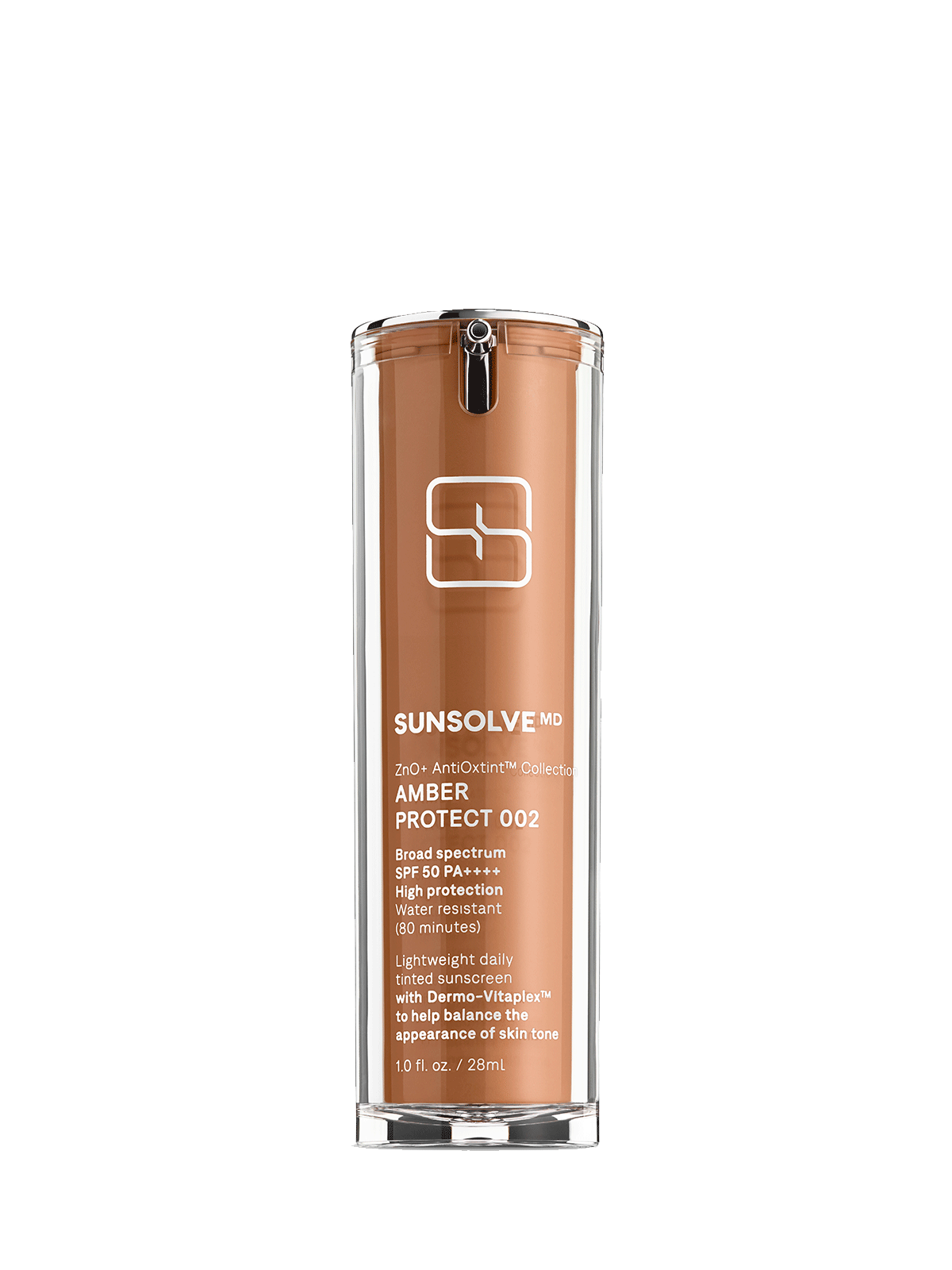
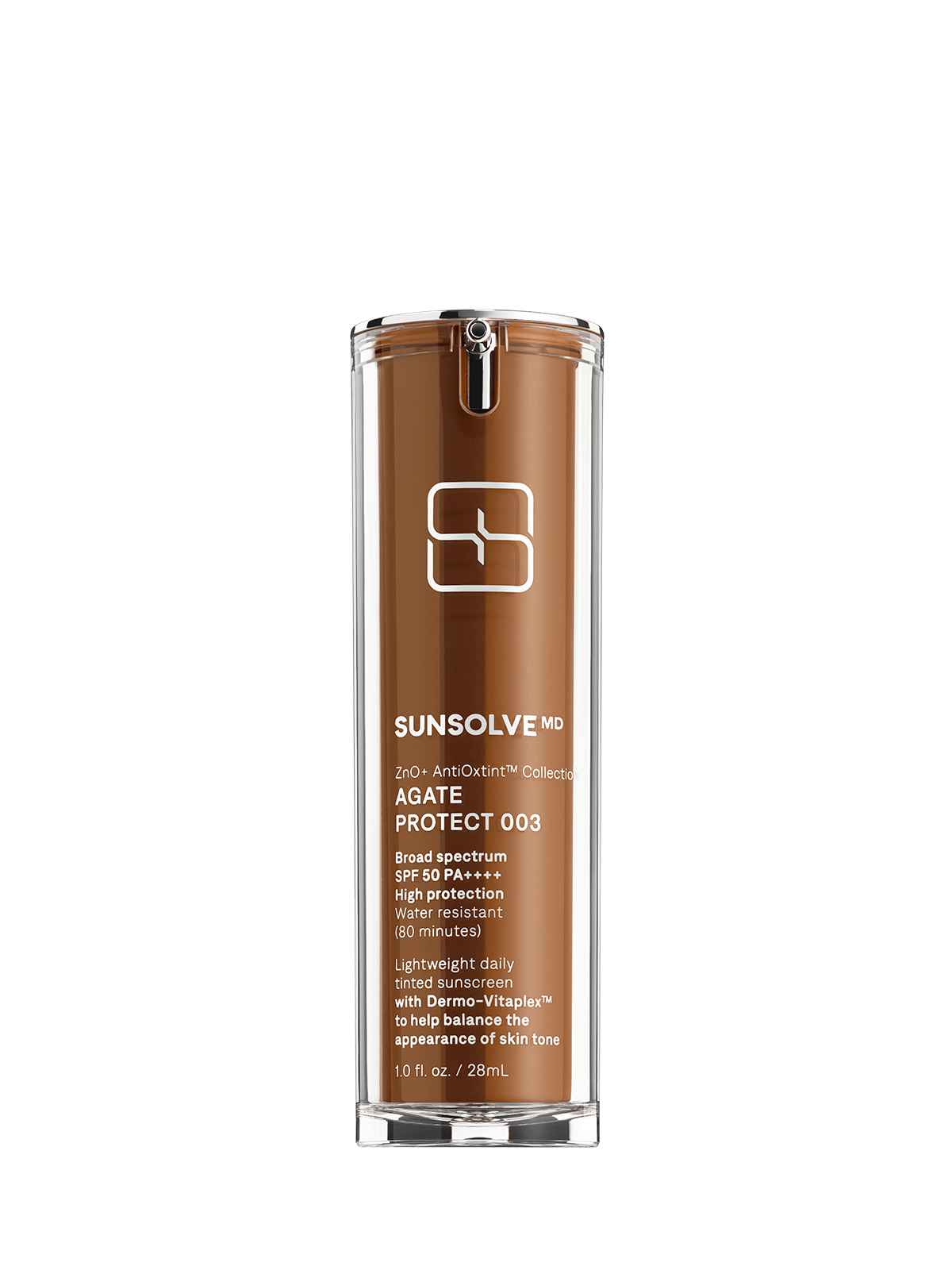
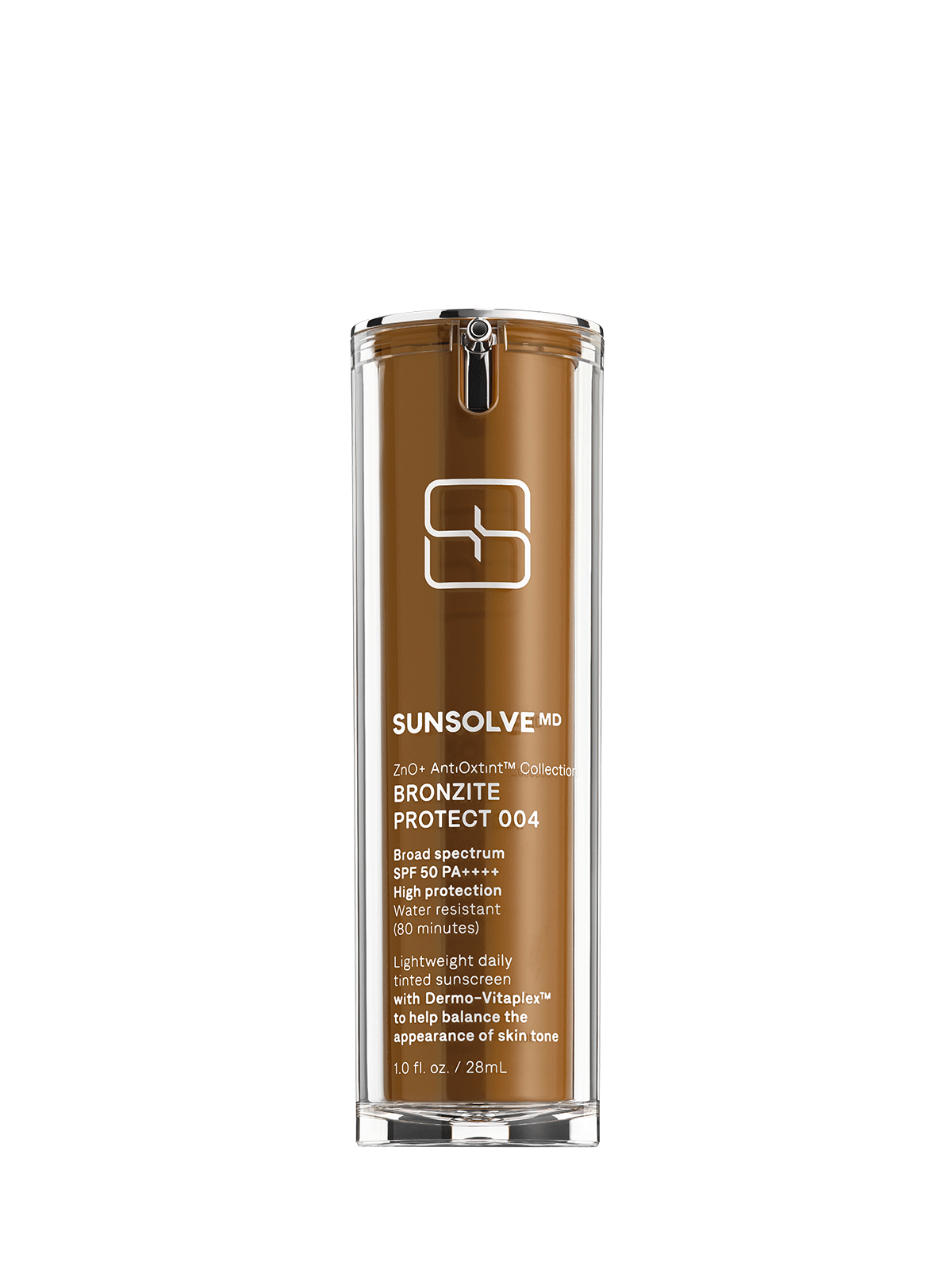
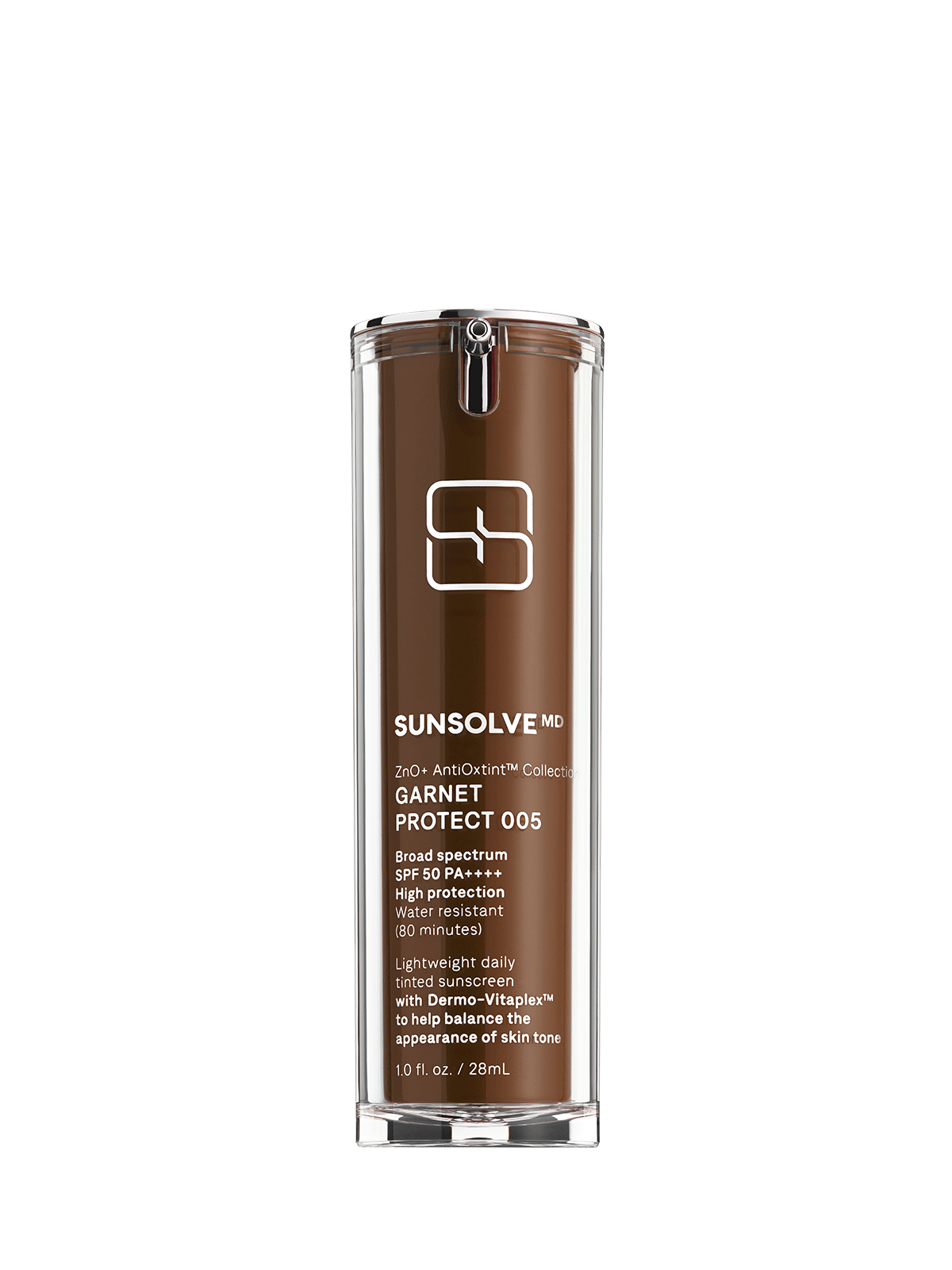
One more detail earns its keep here. Freshly exfoliated skin often shows a little pinkness, and a tinted SPF for natural everyday coverage will protect it while softening that flush on sight. Its iron oxide pigments also filter visible light, a wavelength implicated in stubborn pigmentation.
Reapply whichever sunscreen you choose every two hours outdoors, and keep the habit going on cloudy days and through winter, since UVA remains at working strength all year.
Treat Professional Treatments With Extra Care
If you have recently had a professional treatment such as a chemical peel or microdermabrasion, treat sun protection as part of the aftercare prescription. Clinics advise strict daily SPF for a minimum of a week or two afterwards precisely because treated skin is at its most vulnerable and its most expensive to damage.
The Bottom Line
Exfoliants remove your skin's outer defences on purpose, in exchange for renewal. Sunscreen is what makes that exchange safe.
Wear it every morning of an exfoliating routine, and the acids get to do their best work on skin that stays protected, calm and progressively brighter.
FAQs
How long after using an exfoliant does my skin stay sun-sensitive?
Sensitivity begins with your first applications and can persist for up to a week after you stop using alpha hydroxy acids. In practical terms, anyone using acids regularly should treat heightened sun sensitivity as their permanent baseline and wear broad-spectrum SPF every single morning.
Can I exfoliate in the morning if I wear sunscreen afterwards?
Evening exfoliation is the safer routine. Acids used in the morning sit close to your sun exposure window, and layering them directly under sunscreen can destabilise both products. If mornings are your only option, wait until the acid has fully absorbed, apply SPF 30 or higher generously, and be diligent about reapplication.
Does this apply to physical scrubs as well as acids?
Yes. Scrubs, brushes and exfoliating cloths thin the same protective outer layer through friction, so the skin left behind is similarly exposed. Whatever the method, exfoliated skin needs daily broad-spectrum sunscreen to stay safe.
What SPF level should I use while exfoliating?
SPF 30 is the minimum, and SPF 50 is a sensible upgrade during the early weeks of a new acid routine, after professional treatments, or whenever you are managing pigmentation. Broad-spectrum coverage matters as much as the number, since UVA drives the ageing and pigmentation that exfoliated skin is most vulnerable to.
I use retinol, not acids. Do I still need daily SPF?
Yes, and for closely related reasons. Retinoids accelerate cell turnover and increase photosensitivity in a similar way to exfoliating acids, so daily broad-spectrum sunscreen is considered an essential companion. The same evening-actives, morning-SPF structure works perfectly for retinol routines.