




How Over-Exfoliation Weakens Skin Health
There is a particular moment familiar to anyone who has fallen too hard for exfoliating acids. The first few weeks deliver everything promised: smoother texture, a new brightness, the satisfying sense of a routine that is visibly working.
So the logic follows that more must be better. The twice-weekly acid becomes nightly, a scrub joins the rotation, and somewhere along the way the glow turns into something tighter, shinier and angrier. This is over-exfoliation, and it is one of the most common self-inflicted skin problems dermatologists see.
The damage is real, measurable and, fortunately, reversible. Here is what is actually happening beneath the surface, how to recognise it early, and how to bring your skin back.
The Barrier You Are Scrubbing Away
What The Outer Layer Actually Does
Healthy skin renews itself on its own schedule, shedding dead surface cells roughly every 28 days in younger adults and more slowly with age. Exfoliation is useful because it assists a process that can become sluggish, lifting away the dull outer build-up to reveal fresher skin sooner.
The outer layer being exfoliated, though, is far more than build-up. The stratum corneum is the skin's barrier: a structure of flattened cells held in a mortar of lipids, including ceramides, cholesterol and fatty acids. This barrier keeps water inside the skin and keeps irritants, pollution, bacteria and a portion of UV radiation out. It also maintains the skin's slightly acidic pH, which the resident microbiome depends on.
What Happens When You Dig Too Deep
Sensible exfoliation removes only the loosest, most expendable cells at the very top. Over-exfoliation keeps digging. Whether through daily acids, high concentrations, aggressive scrubs or an accumulation of overlapping actives, it strips away cells that were still on duty and dissolves the lipid mortar between them.
The barrier develops the equivalent of cracks. Water escapes through the skin at an accelerated rate, a phenomenon called transepidermal water loss, while irritants that would normally bounce off begin to penetrate. The skin is now simultaneously dehydrated, inflamed and defenceless, and every product applied to it stings on arrival.
How To Recognise The Damage
Over-exfoliated skin announces itself in stages, and catching the early signals saves weeks of recovery.
Tightness And Shine
The first clue is often a taut, squeaky feeling after cleansing, accompanied by an odd waxy shine across the cheeks and forehead. This glassiness is inflammation and surface thinning, and it is frequently mistaken for the healthy glow that keeps people exfoliating harder.
Reactivity
Products that never caused trouble begin to tingle or burn. Vitamin C stings, moisturiser prickles, even water can feel harsh. New redness appears and lingers, particularly around the nose and cheeks.
Dehydration Alongside Oiliness
A compromised barrier leaks moisture, so the skin becomes dehydrated, and it often responds by overproducing oil. Flaky patches sitting on top of a shiny face is a classic over-exfoliation signature.
Breakouts And Rough Texture
Inflammation and barrier failure disrupt the microbiome and pore function, triggering clusters of small bumps and spots in people who rarely break out. Ironically, the texture ends up worse than before the exfoliating began.
Many of these symptoms overlap with signs of sensitive skin, so always make sure to speak to your dermatologist if you think your redness may go beyond a simple compromised barrier.
The Repair Plan

Recovery asks for restraint more than it asks for products.
Stop All Exfoliation Immediately
Acids, enzymes, scrubs, cleansing brushes and retinoids all go on pause. A damaged barrier typically needs two to four weeks to rebuild, sometimes longer if the damage is deep, and any exfoliation during that window resets the clock.
Strip The Routine To Essentials
Keep a gentle, non-foaming cleanser used with tepid water, a bland moisturiser rich in ceramides and glycerine, and sun protection. Nothing else earns a place until the stinging stops.
Occlusive balms over the driest patches at night can help hold moisture in while the lipid mortar rebuilds.
Protect The Skin From The Sun With Particular Care
This step is not optional during recovery. The thinned barrier was part of your natural UV defence, so compromised skin burns faster, pigments more readily and inflames further with every unprotected exposure.
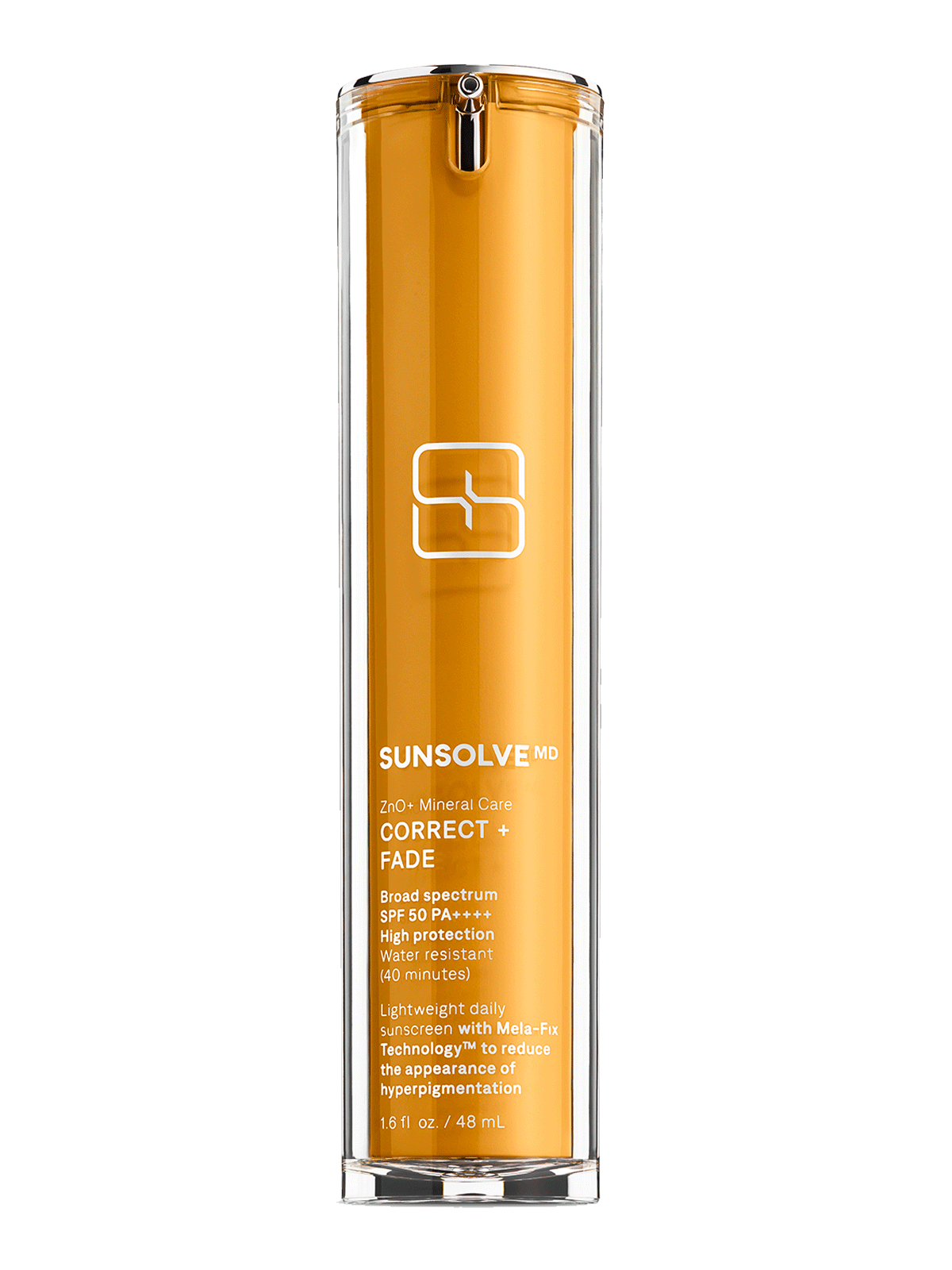
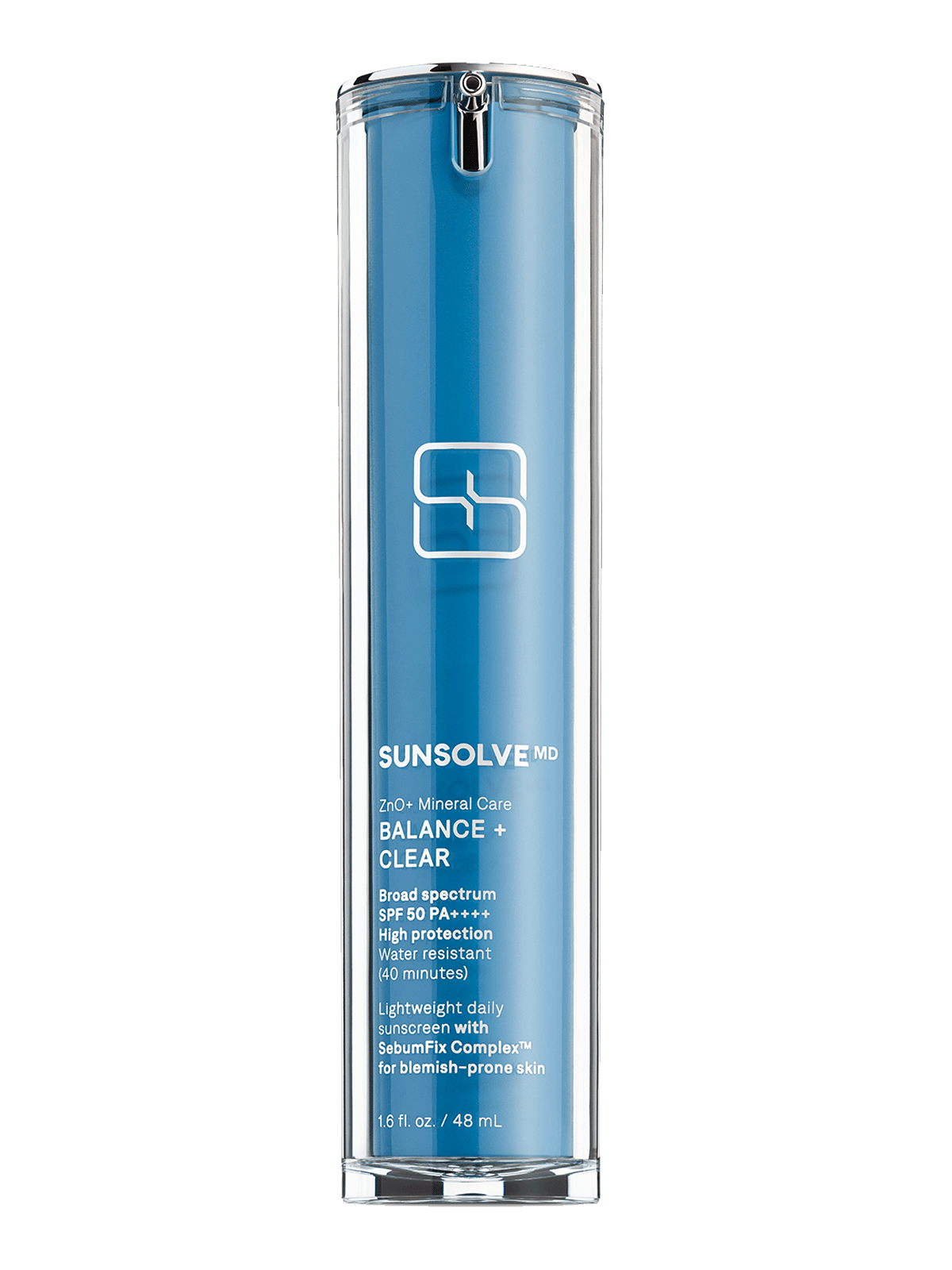
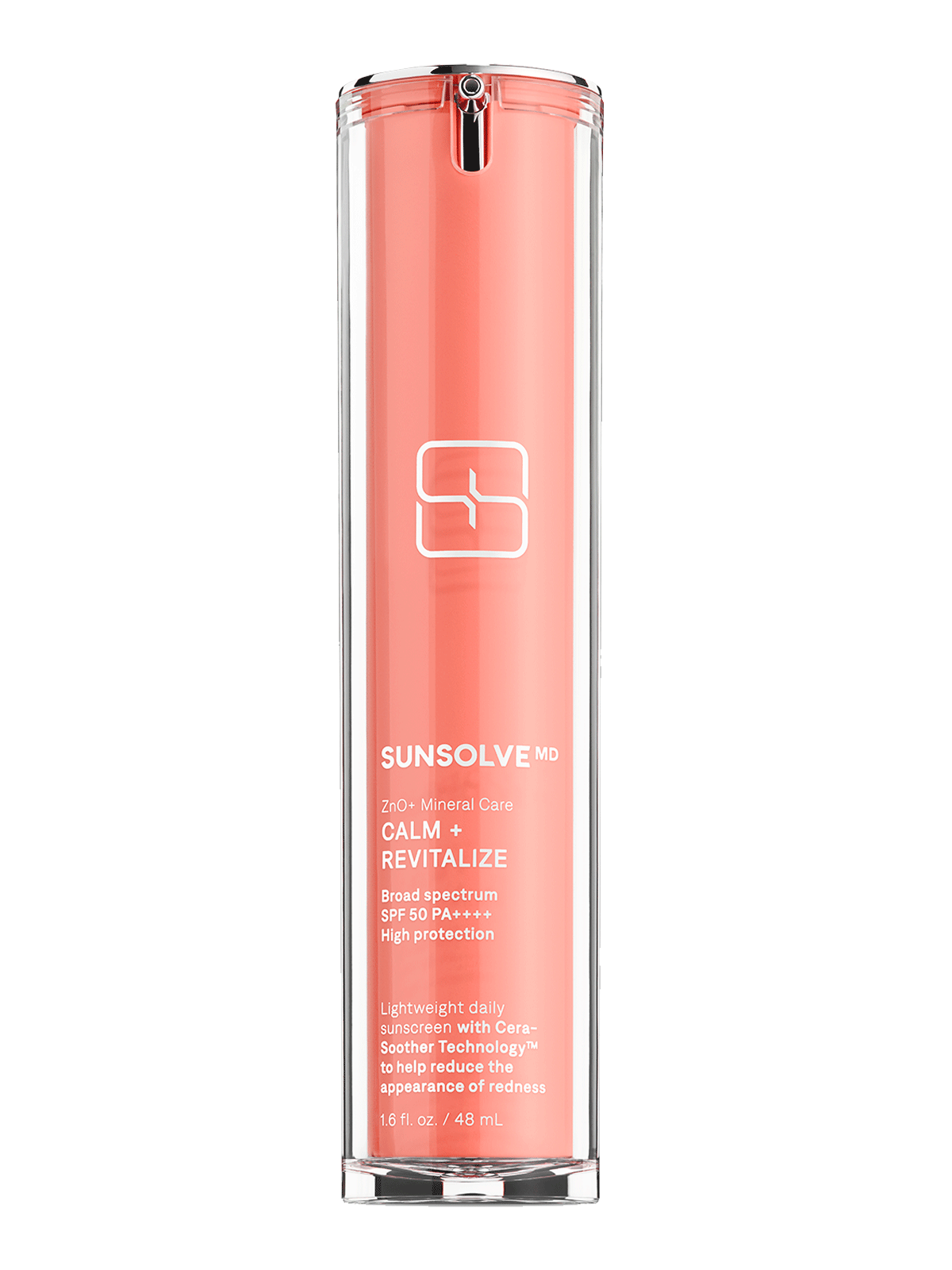
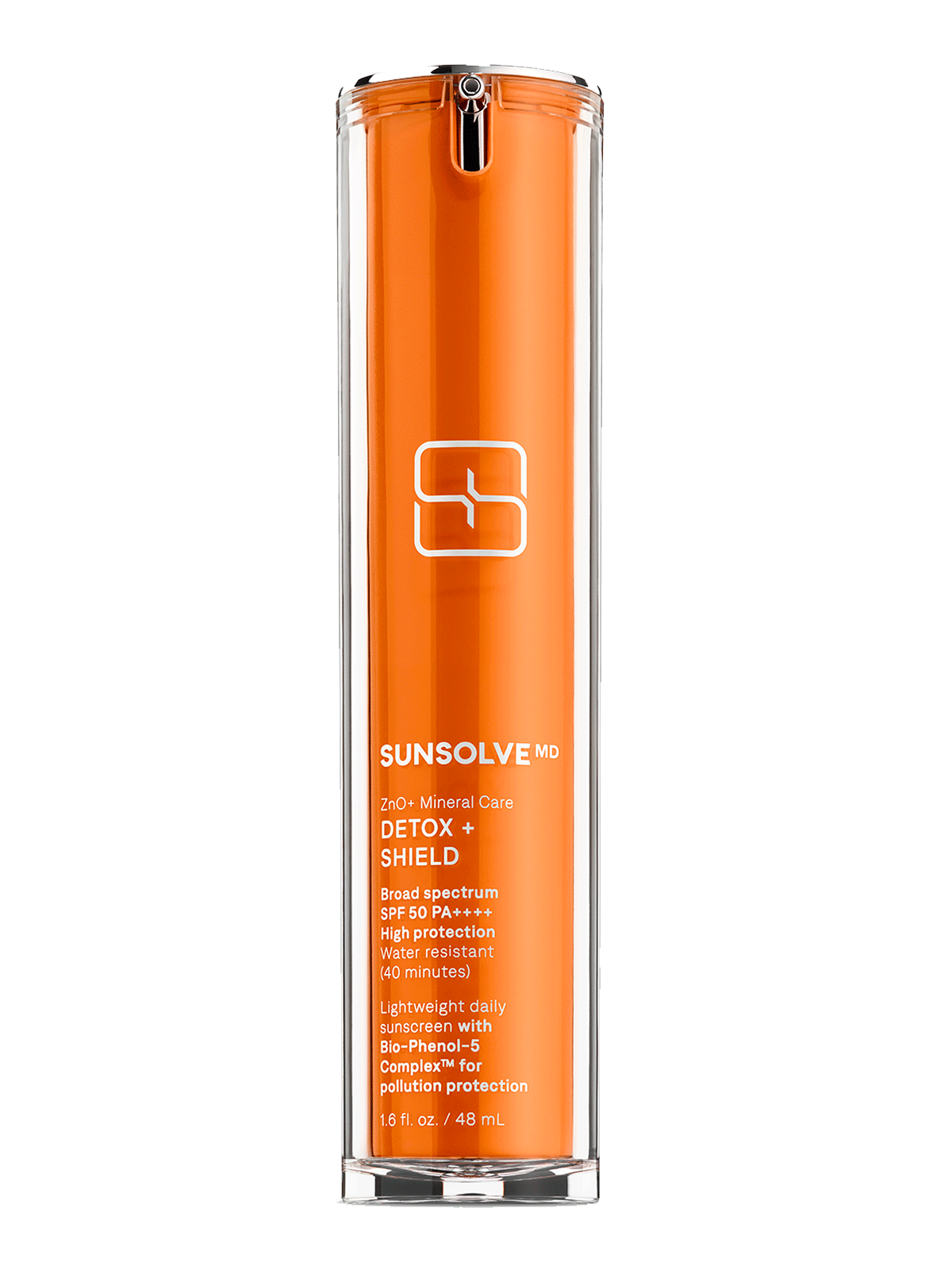
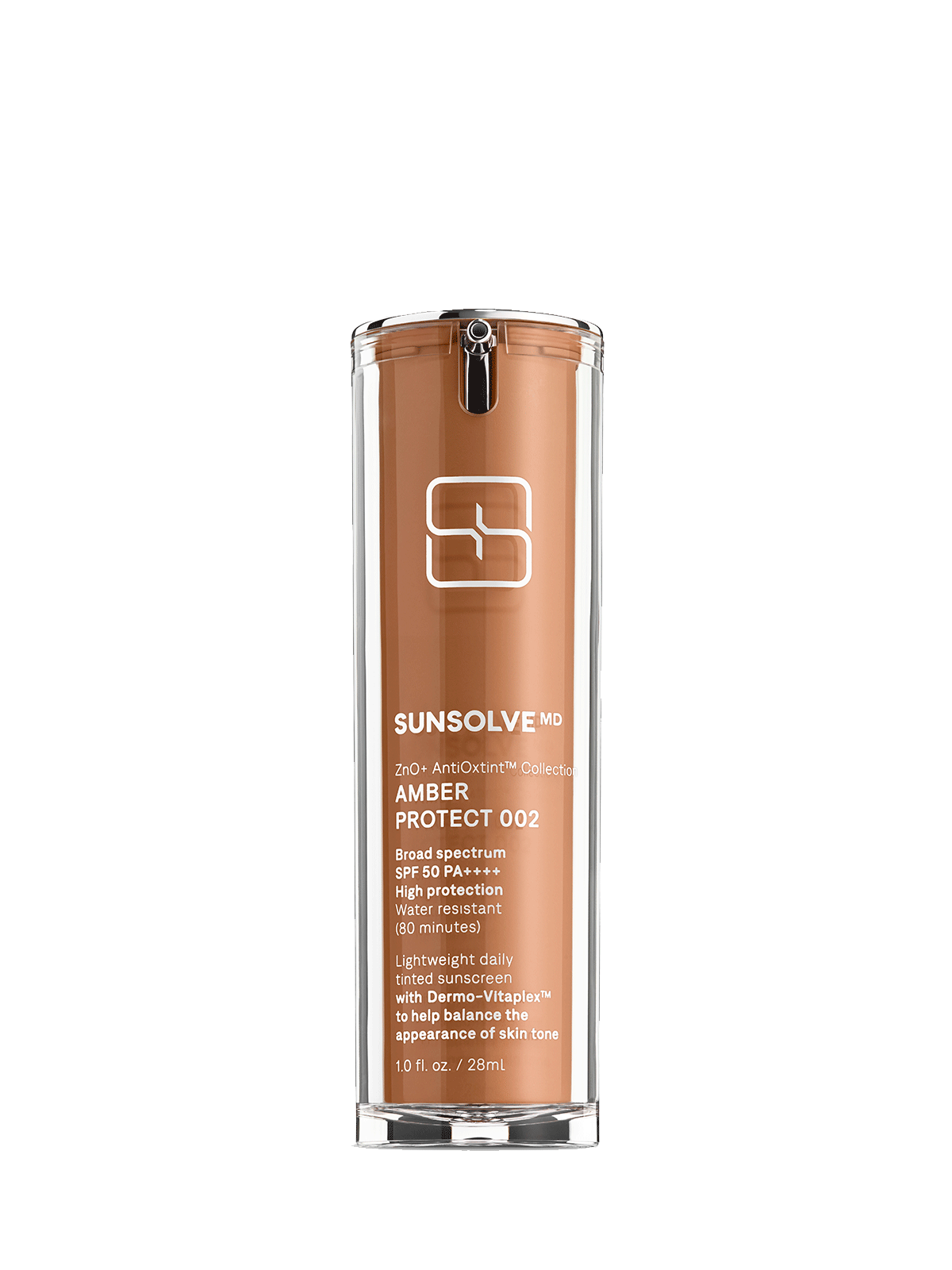
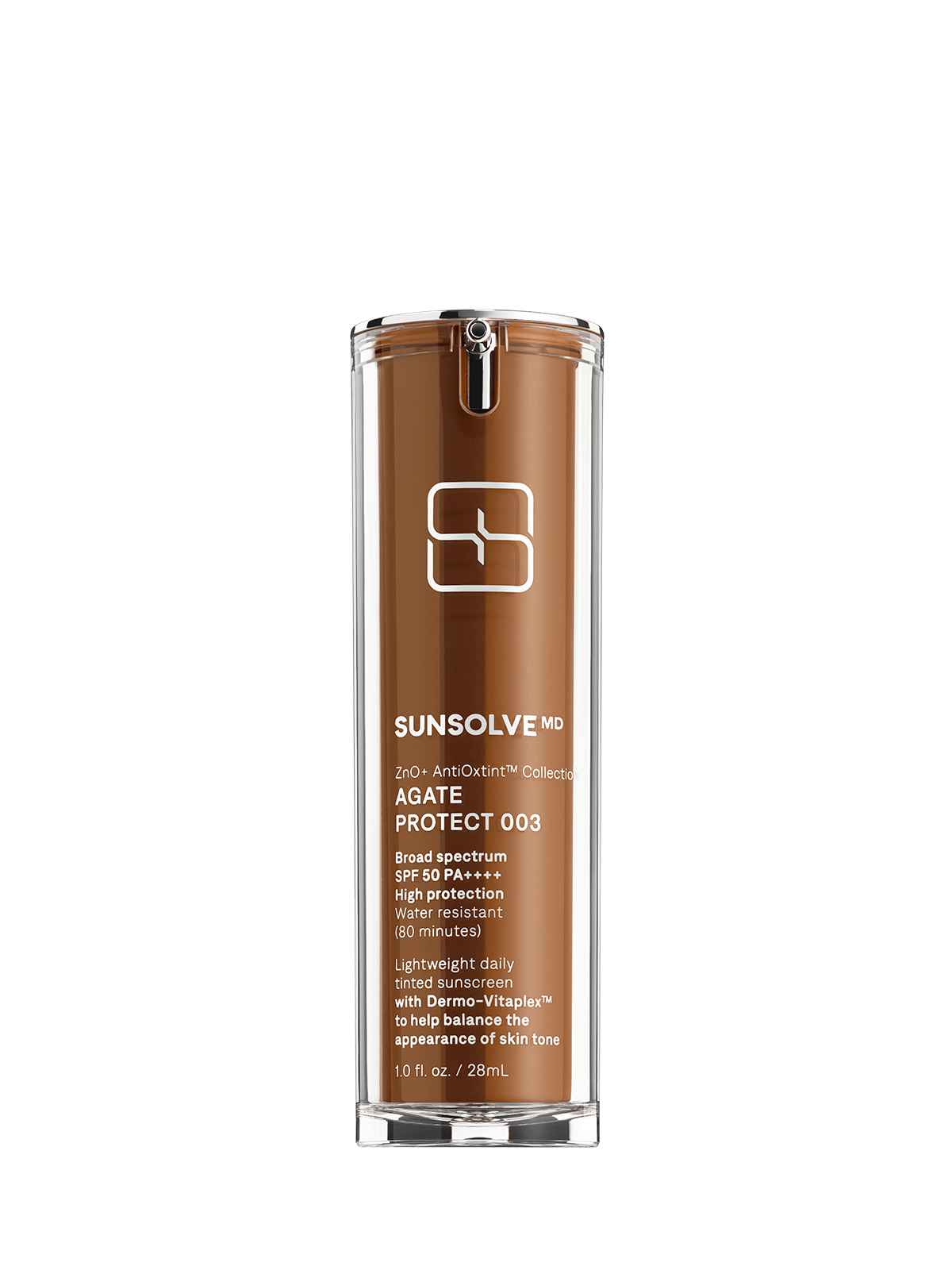
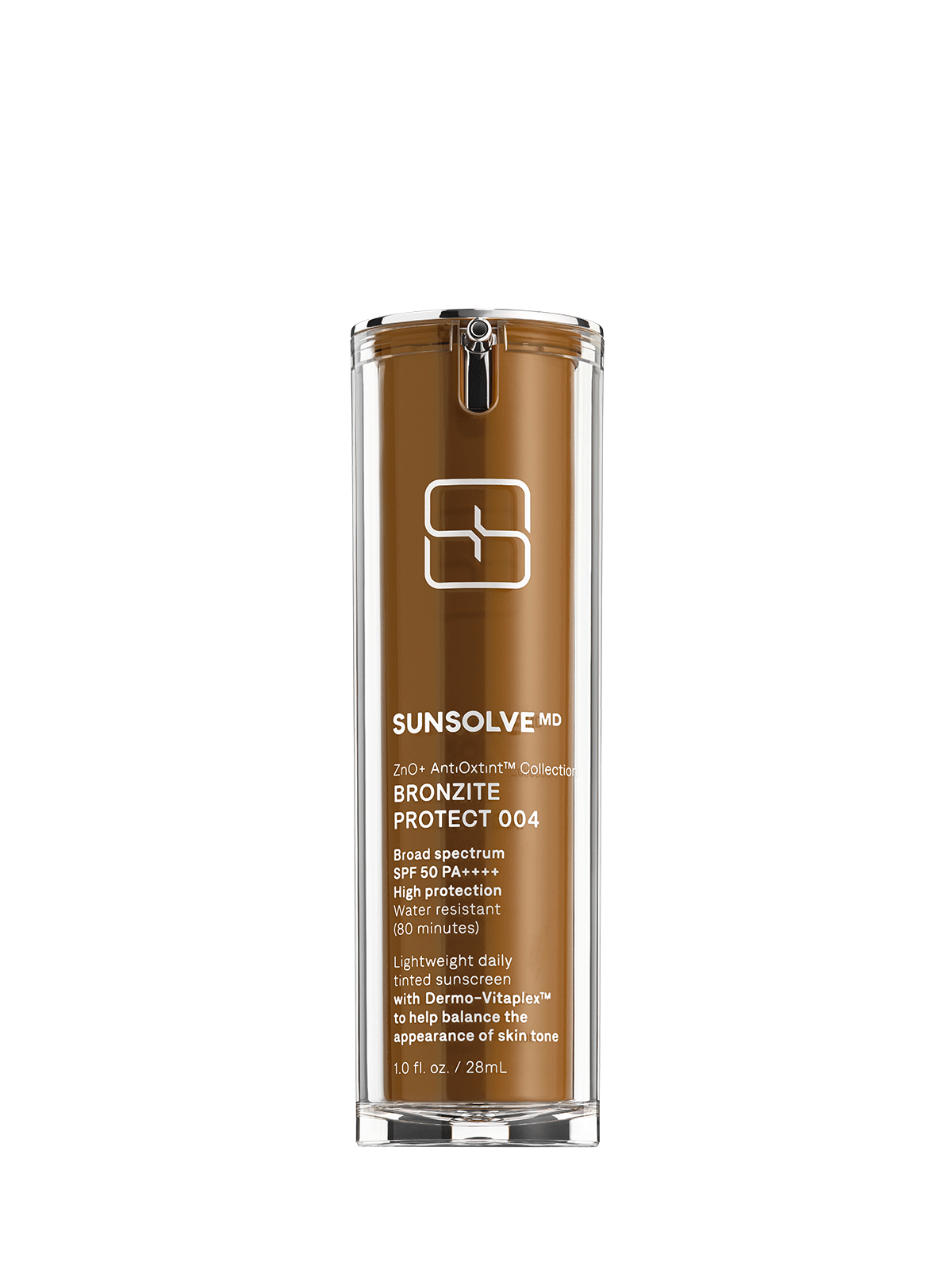
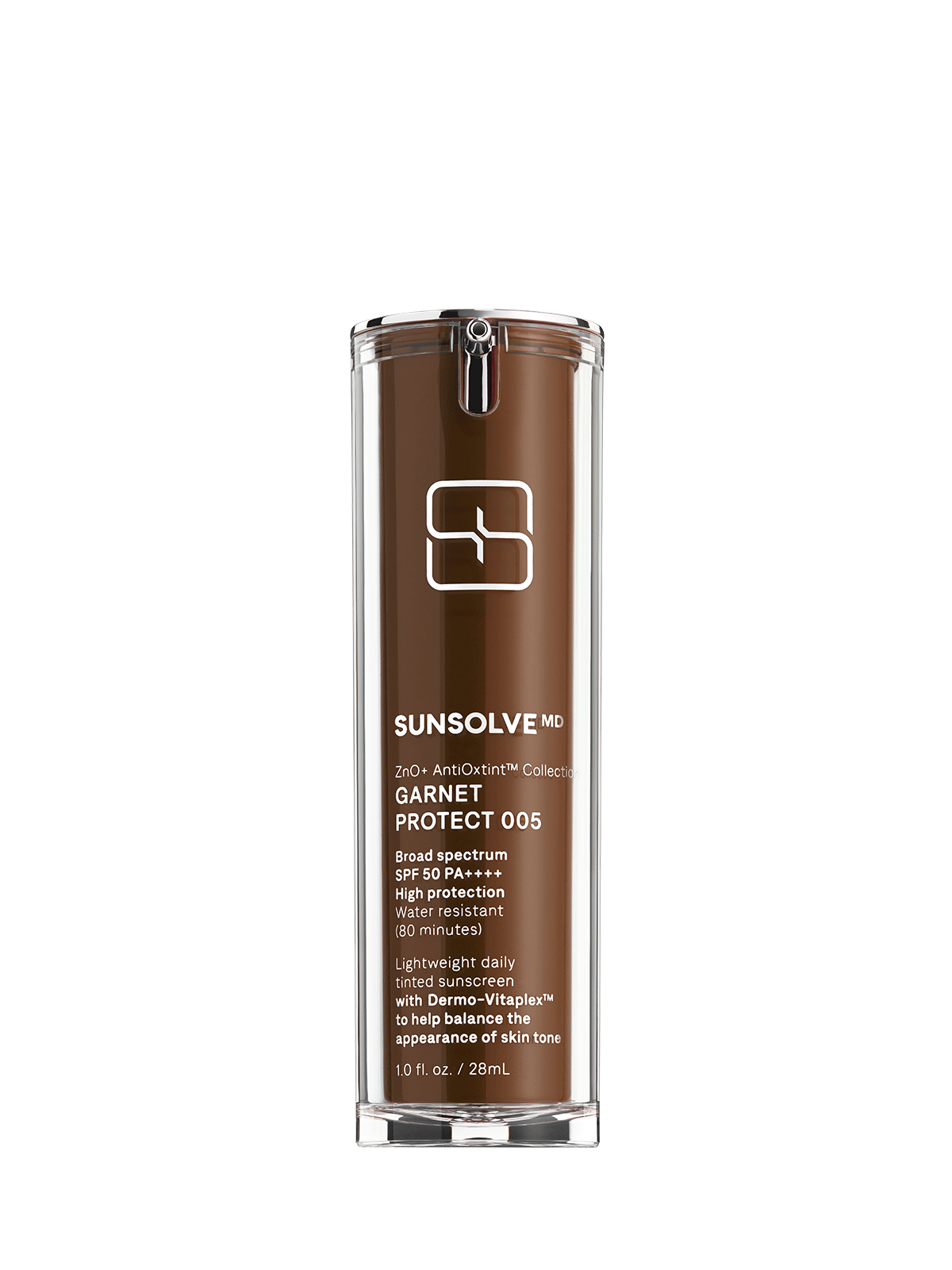
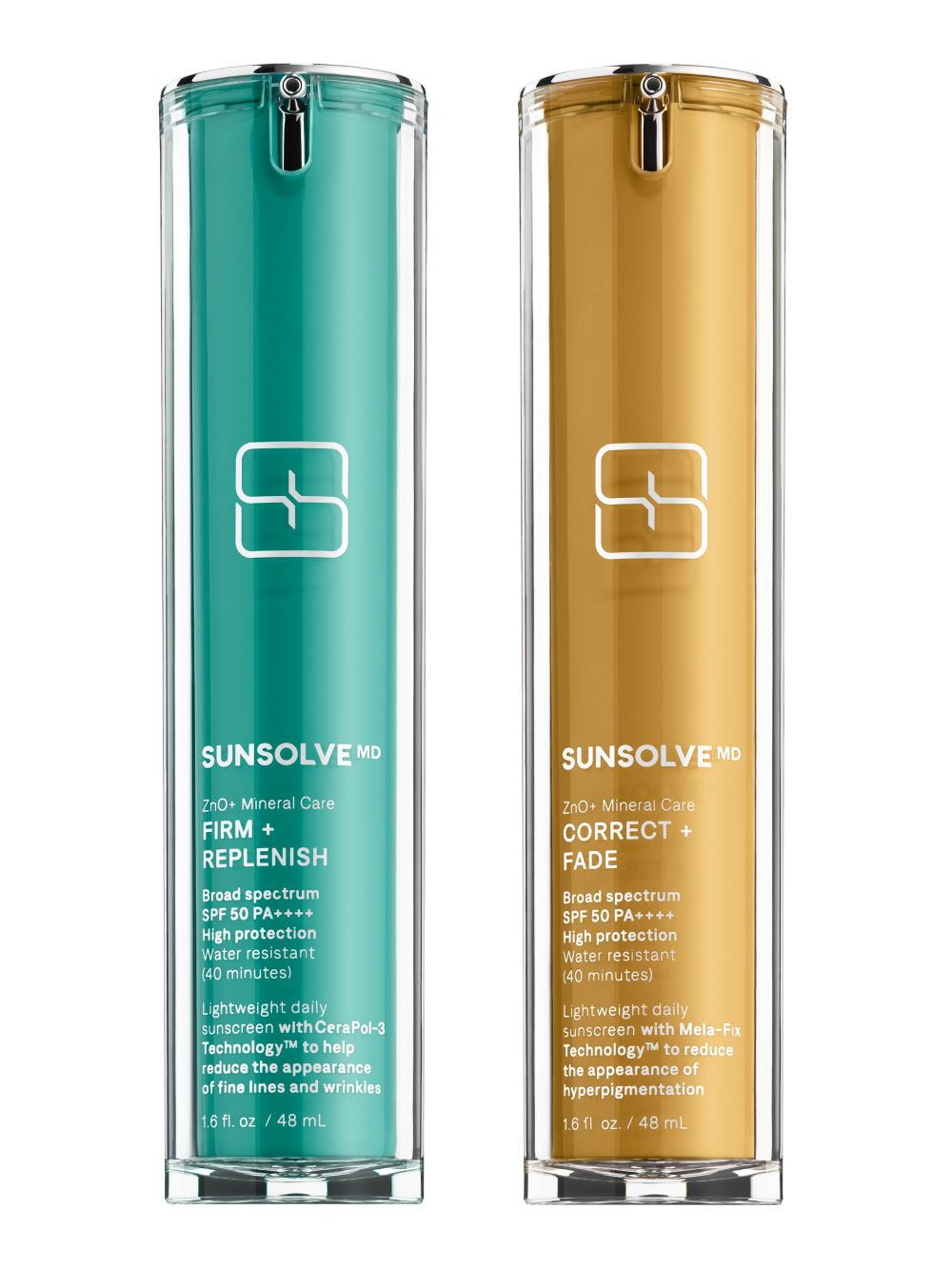
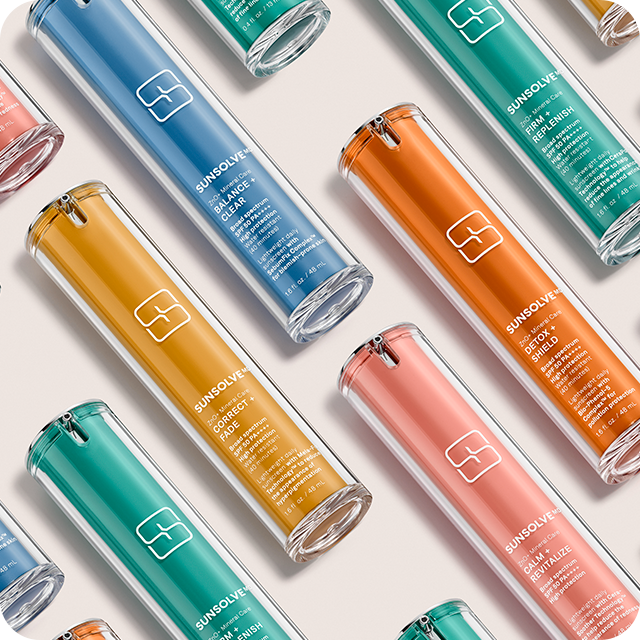
Chemical sunscreen filters, which absorb into the skin to work, can sting badly on a damaged barrier. Mineral formulas are the recovery-friendly choice because zinc oxide sits on the surface, shields physically and actively soothes, being the same ingredient used in barrier creams for irritated skin. Our zinc-powered facial sun protection is formulated for exactly this kind of fragile moment, gentle enough for skin that is rejecting everything else.
Reintroduce Slowly
Once the skin feels calm, tolerates its basic routine without any sting and has stopped flaking, exfoliation can return at a fraction of its former intensity. Once a week with a gentle acid is plenty to begin, increasing only if several weeks pass without a whisper of irritation.
Exfoliating Wisely From Here
The lasting lesson of over-exfoliation is that the goal was never maximum removal. For most skin, chemical exfoliation one to three times a week is the ceiling, adjusted downward for dry or sensitive types.
It should always be balanced by barrier support in the rest of the routine: consistent moisture, no overlapping actives on the same night, and diligent daily SPF. The best results in skincare come from the skin being healthy first and polished second.
FAQs
How often should I exfoliate to avoid damaging my skin?
For most skin types, chemical exfoliation one to three times a week is sufficient, and sensitive or dry skin often does best with once a week or less. Frequency should also drop if you use retinoids, since they accelerate cell turnover on their own. Let your skin's behaviour, never the product instructions alone, set the pace.
How long does it take to recover from over-exfoliation?
Mild cases typically settle within two to four weeks of stopping all exfoliation and simplifying the routine. More significant damage can take six weeks or longer, because the skin must rebuild both its cell layers and the lipids between them. Patience genuinely is the treatment.
Can I wear make-up while my skin barrier recovers?
Lightly, if you need to. Choose minimal, fragrance-free formulas and remove them gently with a non-foaming cleanser at the end of the day. A tinted mineral sunscreen can be a useful compromise, offering light coverage and protection in one step while sparing damaged skin an extra layer.
Why does my sunscreen sting since I over-exfoliated?
A compromised barrier allows ingredients to penetrate to nerve endings they would normally never reach, and chemical UV filters are common culprits for stinging on damaged skin. Switching to a mineral sunscreen based on zinc oxide usually resolves it, because the filter remains on the surface and has soothing properties of its own.
Is daily exfoliation ever appropriate?
Rarely, and only with very mild formulations, such as low-strength polyhydroxy acids, on resilient, oily skin. Even then, the margin for error is small and the benefit over two or three weekly sessions is modest. For the vast majority of people, daily exfoliation is the fast lane to a damaged barrier.