Skip to content
Graphic of mineral SPF particles and skin barrier

Join The Solve Society. Designed for members to receive exclusive benefits

Explore benefits

Jan 1, 2026

7 Signs You Have Sensitive Skin

Sensitive skin gets misappropriated constantly, especially when it comes to skincare marketing. People use the term to describe a mild flush after a hot shower, a breakout after trying a new serum, or skin that simply runs dry in winter. These things may all be signs of sensitivity, but they may equally be signs of something else entirely.

The distinction matters, because treating the wrong problem with the wrong solution tends to make both worse.

7 Signs You Have Sensitive Skin

What Is Sensitive Skin, And How Is It Different From Other Skin Conditions?

Sensitive skin isn't a diagnosis in the clinical sense; it's a descriptor for skin that reacts disproportionately to stimuli that would leave most people's skin unaffected.

The underlying mechanism is usually barrier dysfunction.

When the stratum corneum, the outermost layer of the epidermis, is compromised, irritants and allergens penetrate more readily than they should. What sits harmlessly on someone else's skin crosses into yours and triggers a response.

It overlaps with conditions like rosacea, eczema, and contact dermatitis without being identical to any of them. You can have sensitive skin without having any of these diagnoses. You can also have rosacea and not identify as having sensitive skin, even though the two frequently coexist. The category is broad, and that breadth is part of why it's so often misunderstood.

What Are The Most Common Signs Of Sensitive Skin?

Redness That Arrives Without An Obvious Cause

Not the healthy flush of a hard workout, but redness that appears after cleanser, after cold air, after a single glass of wine. It may settle quickly or linger for hours. Either way, the frequency is the signal, not any single episode.

Stinging Or Burning On Product Application

If a moisturiser, toner, or SPF produces a stinging sensation within seconds of contact, your barrier's telling you something. Fragrance, alcohol, and certain preservatives are the most common culprits, but the reaction itself is more informative than the ingredient list. Don't ignore it and push through; that's how minor reactivity becomes chronic inflammation.

Tightness After Cleansing

Skin that feels pulled, papery, or uncomfortable within minutes of washing has had its natural lipids stripped away. A healthy barrier recovers quickly. A compromised one doesn't, and no amount of moisturiser applied on top fully compensates for lipids that have already been lost.

Flushing In Response To Heat, Spice, Or Stress

Vascular reactivity is a core feature of sensitive skin. The blood vessels near the skin's surface dilate faster and more dramatically in response to internal triggers, not just topical ones. If you flush predictably in response to wine, spicy food, or a stressful meeting, your skin's nervous system response is likely part of the picture.

Breakouts That Don't Behave Like Typical Acne

Small, diffuse papules that appear after product use, or after stress, and resolve without the usual progression of a blemish, are often sensitivity reactions rather than acne. The distinction has real implications for treatment. Acne-targeting ingredients like benzoyl peroxide and salicylic acid can worsen sensitivity reactions significantly, which is a problem if you've misidentified what you're dealing with.

Dryness That Doesn't Respond To Moisturiser

If you're applying rich creams and still feel dry, the problem's likely barrier permeability rather than insufficient hydration. Water's escaping faster than it's being retained, a process called transepidermal water loss. Layering more emollient on top treats the symptom without addressing the mechanism.

Reactions Across Multiple Product Categories

One bad reaction to one product proves very little. A pattern of reactions across cleansers, SPFs, serums, and actives suggests a systemic sensitivity rather than a single incompatible ingredient. If you've had to strip your routine back to two or three products just to keep your skin stable, that's a meaningful sign in itself.


Does Sensitive Skin Require A Different Approach To Sun Protection?

It does, and this is where a lot of people with reactive skin go wrong. Chemical UV filters, particularly oxybenzone and avobenzone, are among the more common triggers for reactive skin. They work by absorbing UV radiation and converting it to heat within the skin, a process that can exacerbate flushing and irritation in sensitised skin. Mineral filters, zinc oxide and titanium dioxide, sit on top of the skin and physically deflect UV rather than interacting chemically with it. For sensitive skin, that's a meaningful functional difference, not a marketing distinction.

If you've been avoiding SPF altogether because every formula you've tried has caused a reaction, it's worth reconsidering the filter type before giving up on sun protection entirely. Retinoids, AHAs, and some brightening actives are among the most common ingredients that cause sun sensitivity, and if you're using any of them, your SPF needs to be non-negotiable.

How Can I Tell If My Skin Sensitivity Is Getting Worse?

Track the pattern rather than the individual incidents. Sensitivity that's stable and manageable with the right products is a different situation from sensitivity that's escalating, where each new reaction requires you to strip your routine back further. Escalating sensitivity, particularly if it's accompanied by visible inflammation or persistent redness, warrants a conversation with a dermatologist. There's a point at which self-management reaches its limits, and recognising that point early matters.

Dermatological consensus holds that sensitive skin is among the most commonly self-reported skin concerns globally, yet clinical confirmation of barrier dysfunction is considerably less common than self-diagnosis suggests. Which means most people are likely reacting to something specific, whether an ingredient, a habit, or a product category, rather than carrying a permanent physiological condition. Worth knowing before you overhaul your entire routine.

The SunsolveMD Difference

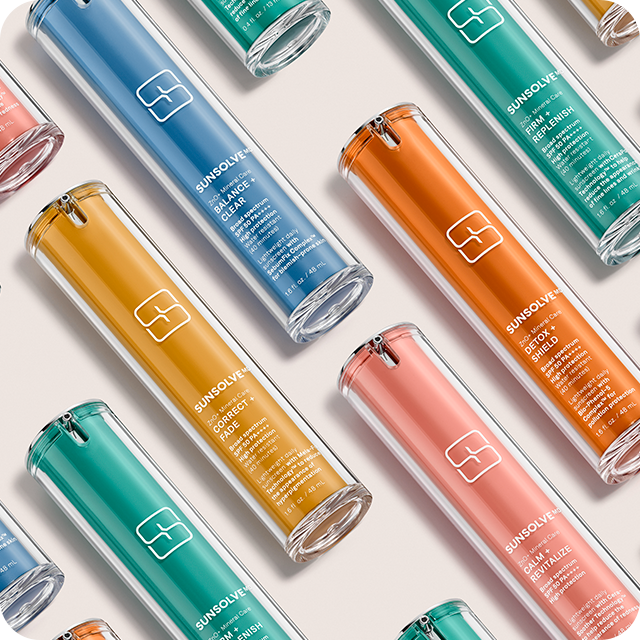
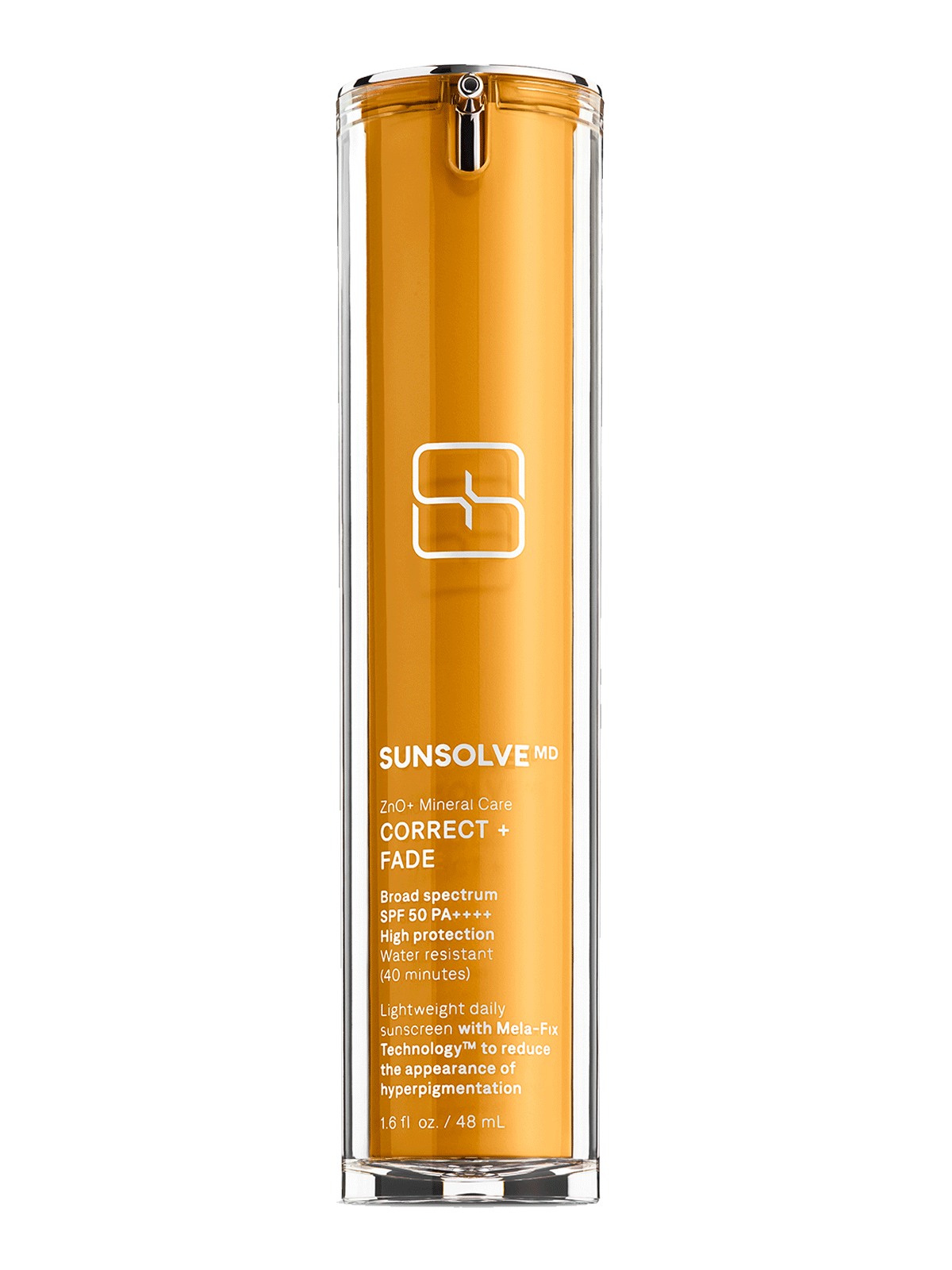
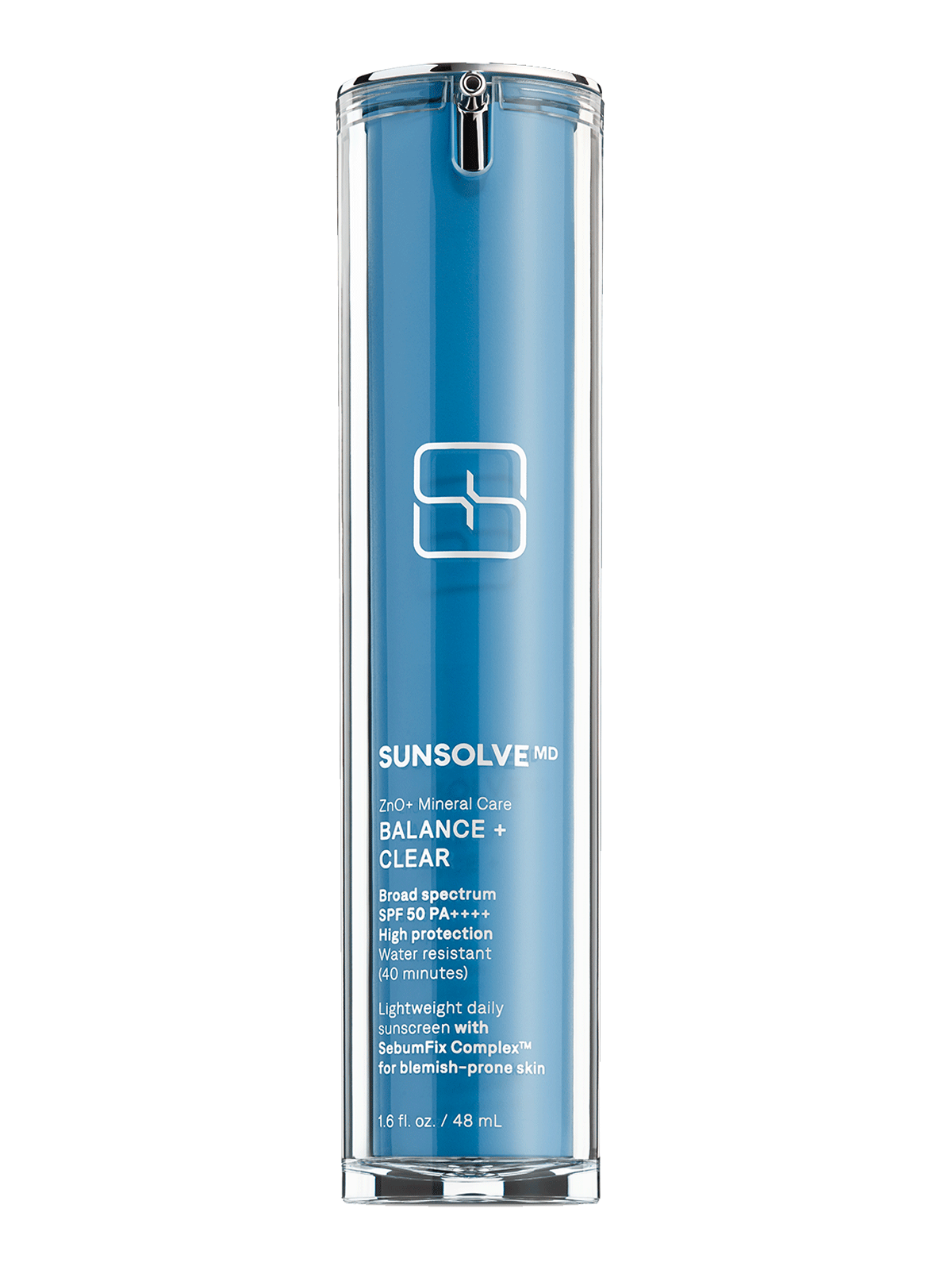
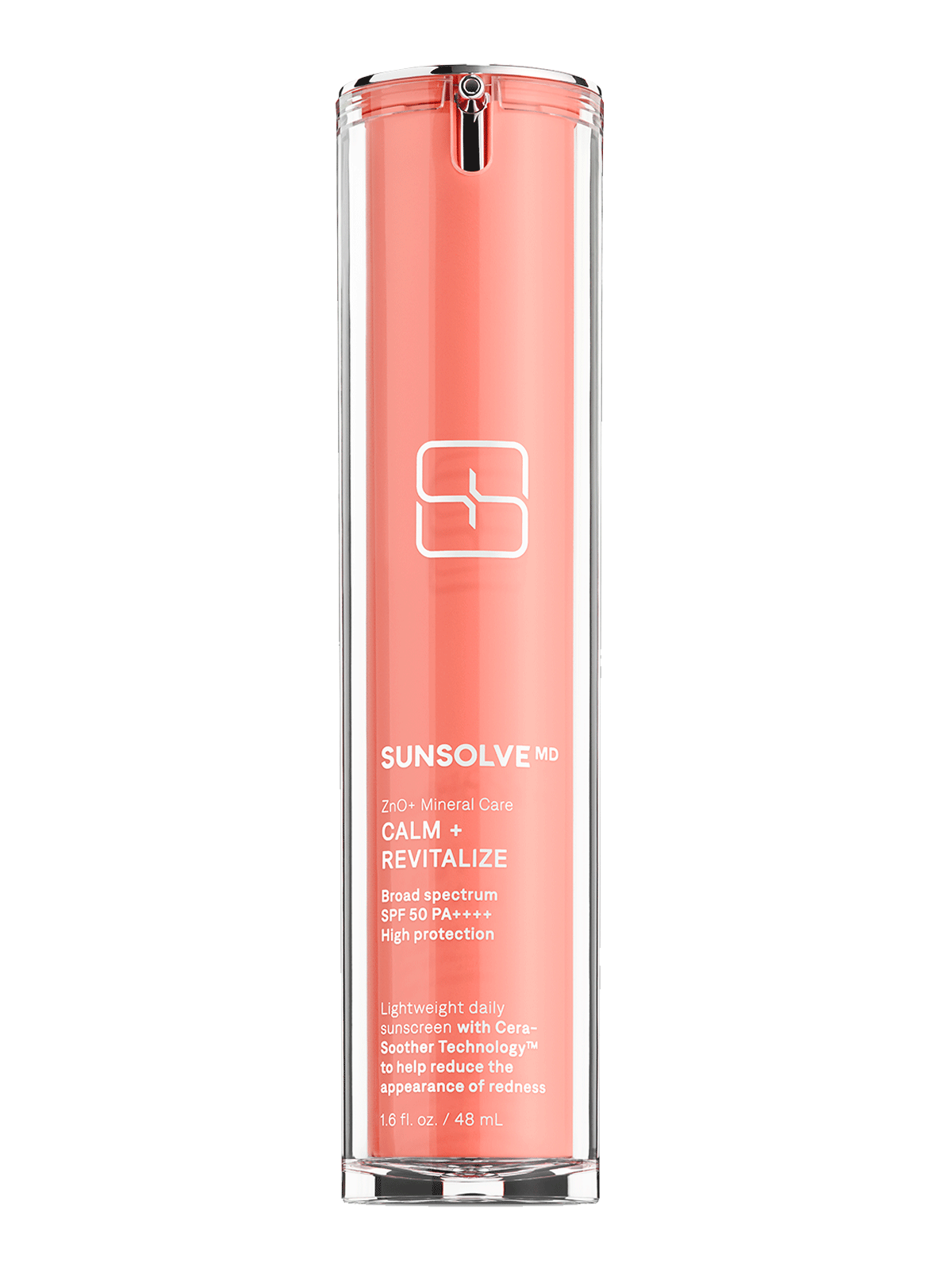
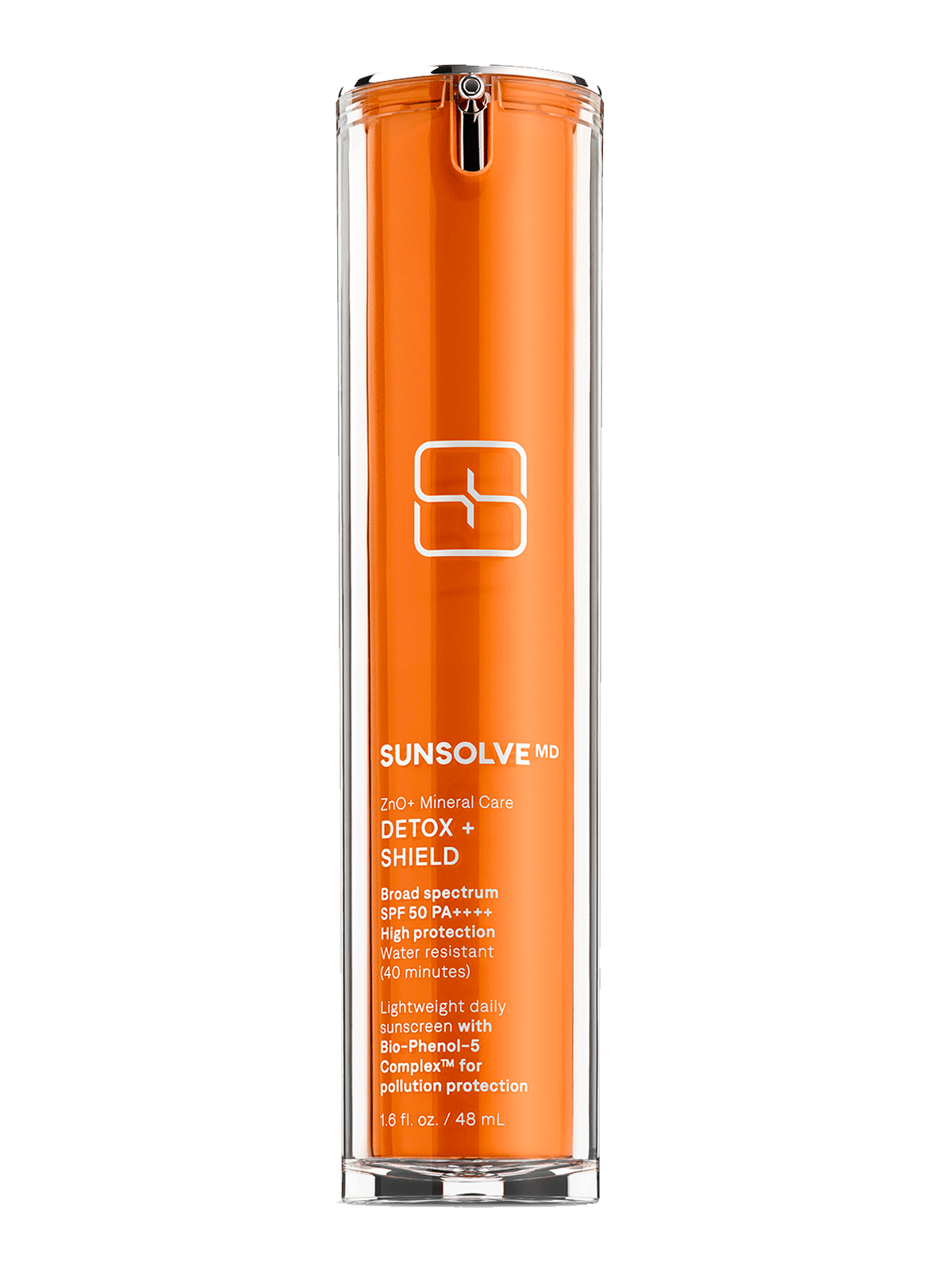
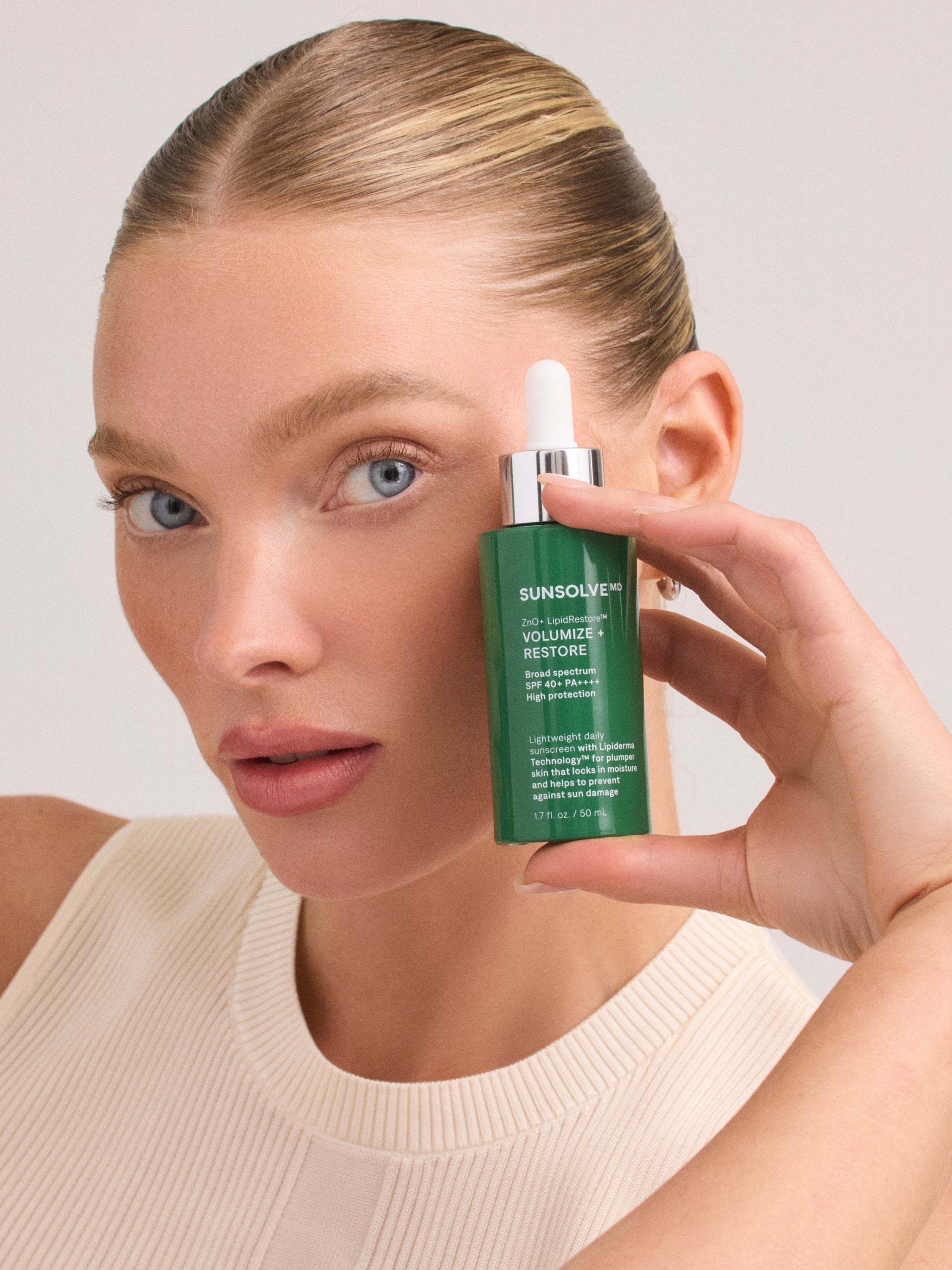
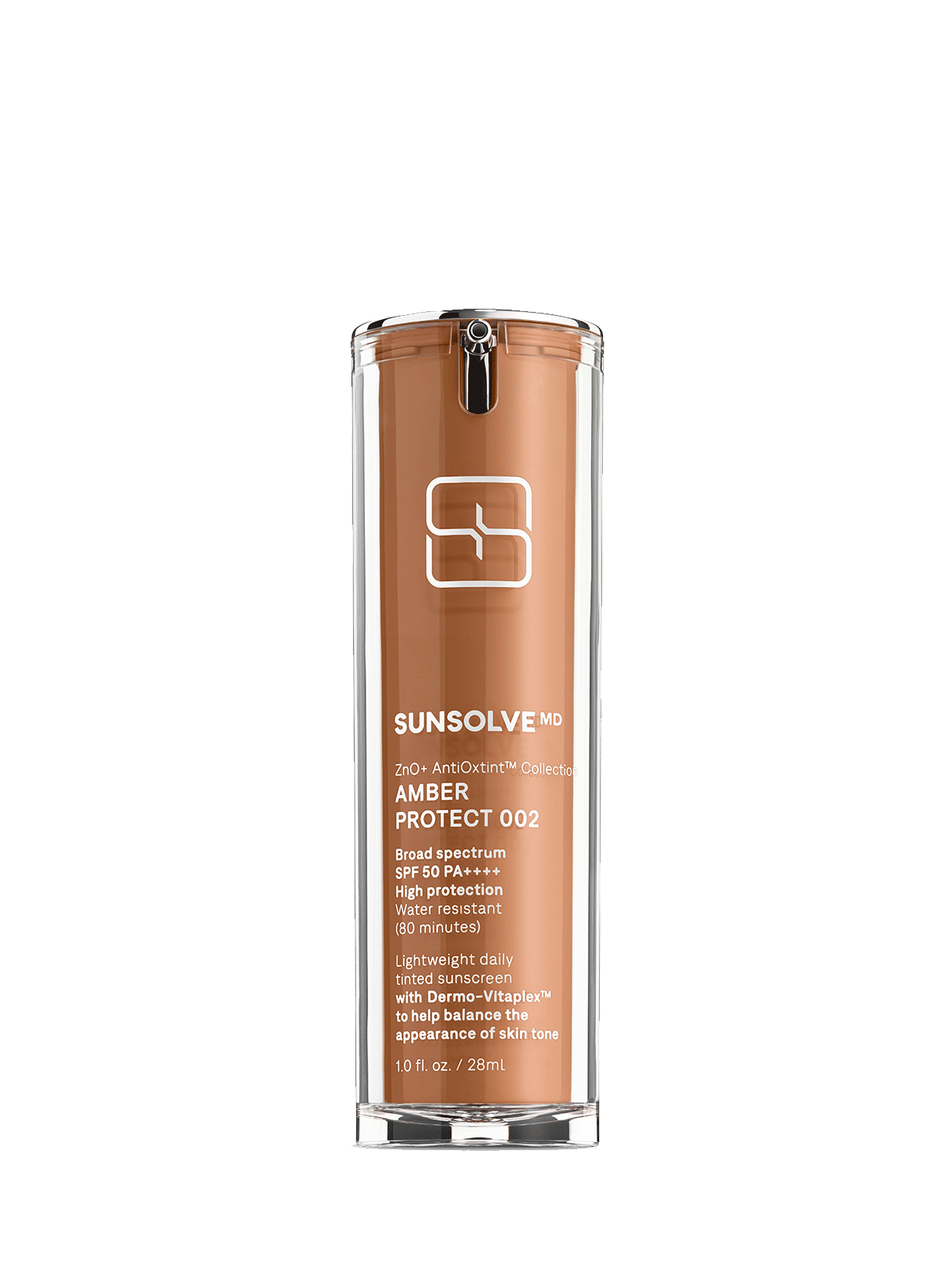
If you've been avoiding SPF because it makes your skin react, reconsidering the filter type is the more precise move. Our mineral-based sunscreen options are formulated without fragrance, without common sensitising preservatives, and with non-nano zinc oxide as the active, sitting on the skin's surface rather than absorbing into it. Clinically developed for reactive, sensitive, and compromised skin types, they're designed to protect without provoking.

FAQs

Can sensitive skin be cured?

Not in the conventional sense, but it can be significantly managed. Restoring barrier integrity through consistent, minimal, well-tolerated skincare reduces reactivity over time for most people.

Is sensitive skin the same as allergy-prone skin?

Not exactly, as allergic reactions involve an immune response to a specific allergen. Sensitive skin reactions are more often irritant responses, meaning they don't require prior sensitisation and can occur on first exposure to a trigger.

Can hormones affect skin sensitivity?

Yes, a lot! Fluctuations in oestrogen affect both barrier function and vascular reactivity, which is why many people notice their skin becoming more reactive at specific points in their cycle or during perimenopause.

Should I patch test every new product if I have sensitive skin?

Yes, every single one. Apply a small amount to the inner arm for several days before using it on your face. It's a slow process, but considerably faster than recovering from a full facial reaction.

Trending Topics

Stay Trendy with Our Latest Insights

Why SPF Is Non-Negotiable for Every Skin Type

Once thought of as a concern almost exclusive to older generations, those with fair skin, or anyone who religiously (over) uses sunbeds, skin cancer is now on the rise across all demographics. Desp...

Sunscreen and Acne Treatments -  What You Need To Know
Sunscreen and Acne Treatments - What You Need To Know

If you’re undergoing professional or medical treatments for acne or acne scars, such as chemical peels, microneedling, laser therapy, or prescription medications, sun protection becomes essential. ...

Ways To Reduce Your Carbon Footprint With SPF

Decoding SPF and your carbon footprint. How to make more discerning choices with mineral sunscreens that not only safeguard your skin but are sustainably savvy.

Rosacea & SPF: How To Choose The Right Sunscreen

Rosacea is a common skin condition characterized by facial redness and inflammation. Follow this guide to choose the right sunscreen if you have rosacea.

A Dermatologists’ Guide To Photodamage And Dark Skin

Dermatologists weigh in on photodamage and dark skin (and how SPF is here to help). Read more.

Going to the Beach With Psoriasis: Risks and Benefits

Psoriasis is an immune-mediated disease. This is your scientific guide to safely treating psoriasis with natural sunlight.