




What Happens to Your Skin When You Skip Sunscreen for a Week?
Skincare habits are easy to break. A week of overcast weather, a stretch working from home, a holiday spent indoors, or a particularly chaotic patch of life where the morning routine gets compressed down to its essentials. Sunscreen is often the first casualty, partly because the consequences of skipping it are not immediately visible. A week without SPF doesn't leave you sunburnt or noticeably aged. It feels, in the moment, like nothing.
The reality is more interesting. The damage from a week of unprotected exposure is real, measurable, and starts within hours of the first missed application. It just doesn't announce itself the way a burn would, which is part of why so many people never quite take it seriously.
Day One: The First Eight Hours
UV exposure starts damaging skin within minutes of contact. UVA penetrates the deeper layers of the dermis and generates free radicals that destabilise collagen and elastin. UVB damages the DNA in the upper epidermal cells, triggering the inflammatory response that, at higher doses, becomes visible sunburn.
Within the first eight hours of unprotected exposure, even on an overcast day, you have already accumulated measurable oxidative stress, started the process of melanin overproduction that contributes to pigmentation, and begun the slow breakdown of structural proteins. You will not see any of this. The damage operates at the cellular level and accumulates silently.
The myth that incidental exposure (the walk to lunch, the school run, the school pickup) doesn't count is one of the most persistent in skincare. It does count. It accumulates. A week of these small, unprotected windows adds up to roughly five hours of meaningful UV exposure that your skin has absorbed without defence.
Day Three: Inflammation And Barrier Stress
By day three or four of consistent skipping, the skin starts to show the early signs of inflammatory response. This often manifests subtly, as a slight increase in baseline redness, a tendency to flush more easily, or skin that feels marginally tighter and less comfortable than usual. For people with rosacea or sensitive skin, the changes are more pronounced; the underlying inflammation that drives flares is being actively fed by daily UV exposure.
The barrier function is also affected. UV damages the lipid layer that holds the stratum corneum together, which means moisture starts evaporating more readily through the skin's surface. By the middle of the week, you will likely notice your skin feels drier than usual even if your moisturising routine hasn't changed. The product isn't underperforming; the barrier just can't hold onto the moisture the way it normally would.
Day Five: Pigmentation Kicks In

This is where the damage starts to become visible, particularly for skin types prone to hyperpigmentation. Melanocytes (the pigment-producing cells in the epidermis) respond to UV exposure by ramping up melanin production. After several days of consistent unprotected exposure, the cumulative effect begins to show as a deepening of existing pigmentation, the surfacing of previously invisible sun spots, or a general unevenness across the cheekbones, forehead, and upper lip.
For people managing melasma, post-inflammatory hyperpigmentation, or post-procedure pigmentation, even a few days without SPF can undo months of targeted treatment. The melanin response, once triggered, takes weeks to settle even after sunscreen returns to the routine. For more on why this matters across skin types, take a look at our explainer on why daily sunscreen is essential for every skin type - not just fair skin!
Day Seven: The Damage You'll See Later
By the end of a week of skipping, the visible damage is modest but real. The longer-term damage is the more significant problem. Each day of unprotected exposure contributes to the cumulative photodamage that becomes visible across decades; the fine lines that appear in your forties, the volume loss in your fifties, the pigmentation patterns that become entrenched in your thirties.
There is no immediate threshold where skin reaches a point of no return. There is just the slow, daily accumulation of cellular damage that eventually translates into visible signs of ageing. A week of skipping is not catastrophic. A pattern of skipping is.
What Happens When You Start Again
The skin's recovery response to consistent SPF is more dramatic than people expect. Within a week of resuming daily sunscreen, baseline inflammation drops, barrier function improves, and the rate of new pigmentation slows considerably. Existing damage doesn't reverse overnight, but the steady degradation stops, and the skin's own repair mechanisms catch up on the backlog.
This is one of the more useful pieces of dermatological information available: starting again works. The damage from a week off is not permanent. The damage from a year off begins to be.
The SunsolveMD Difference
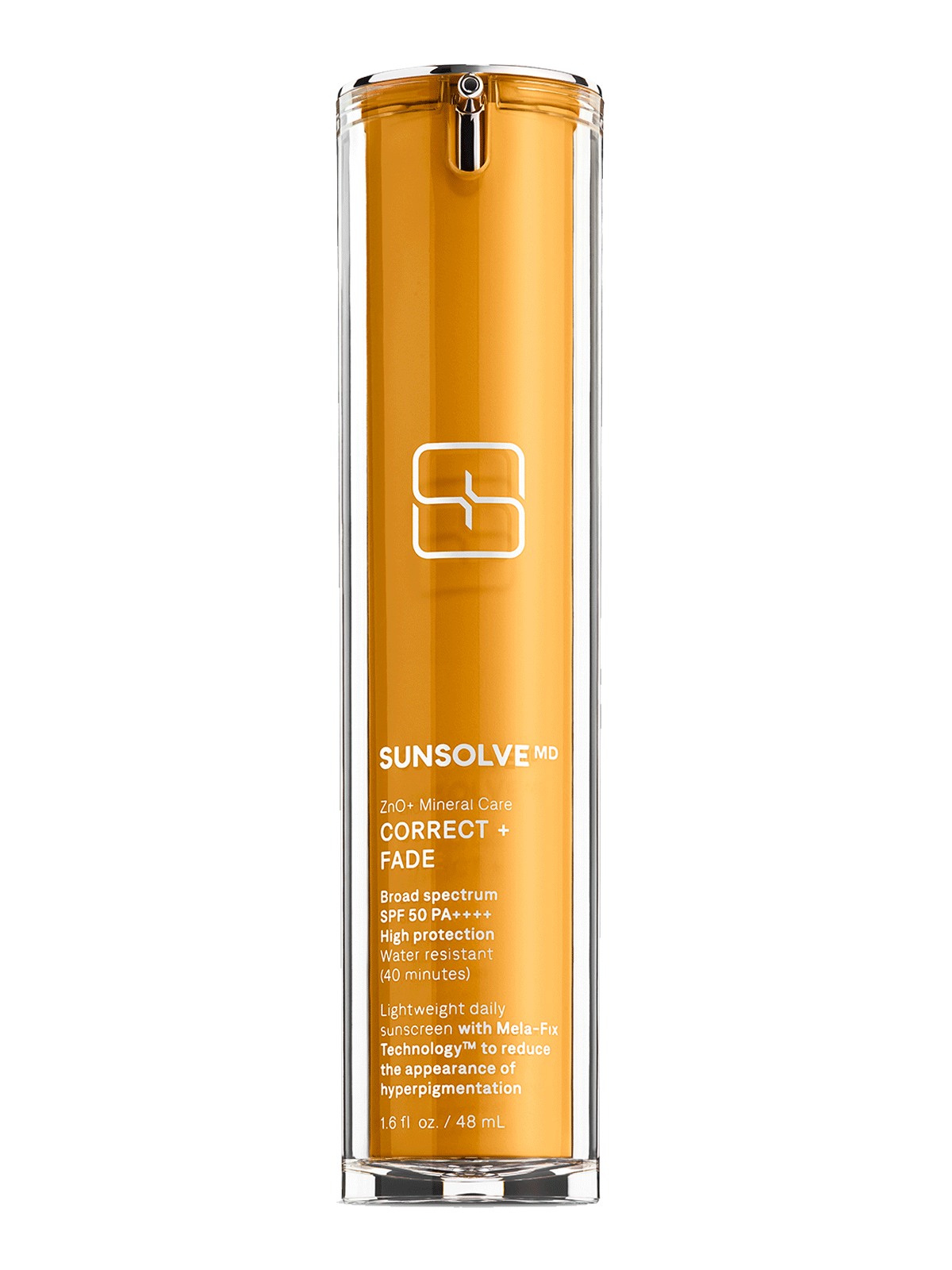
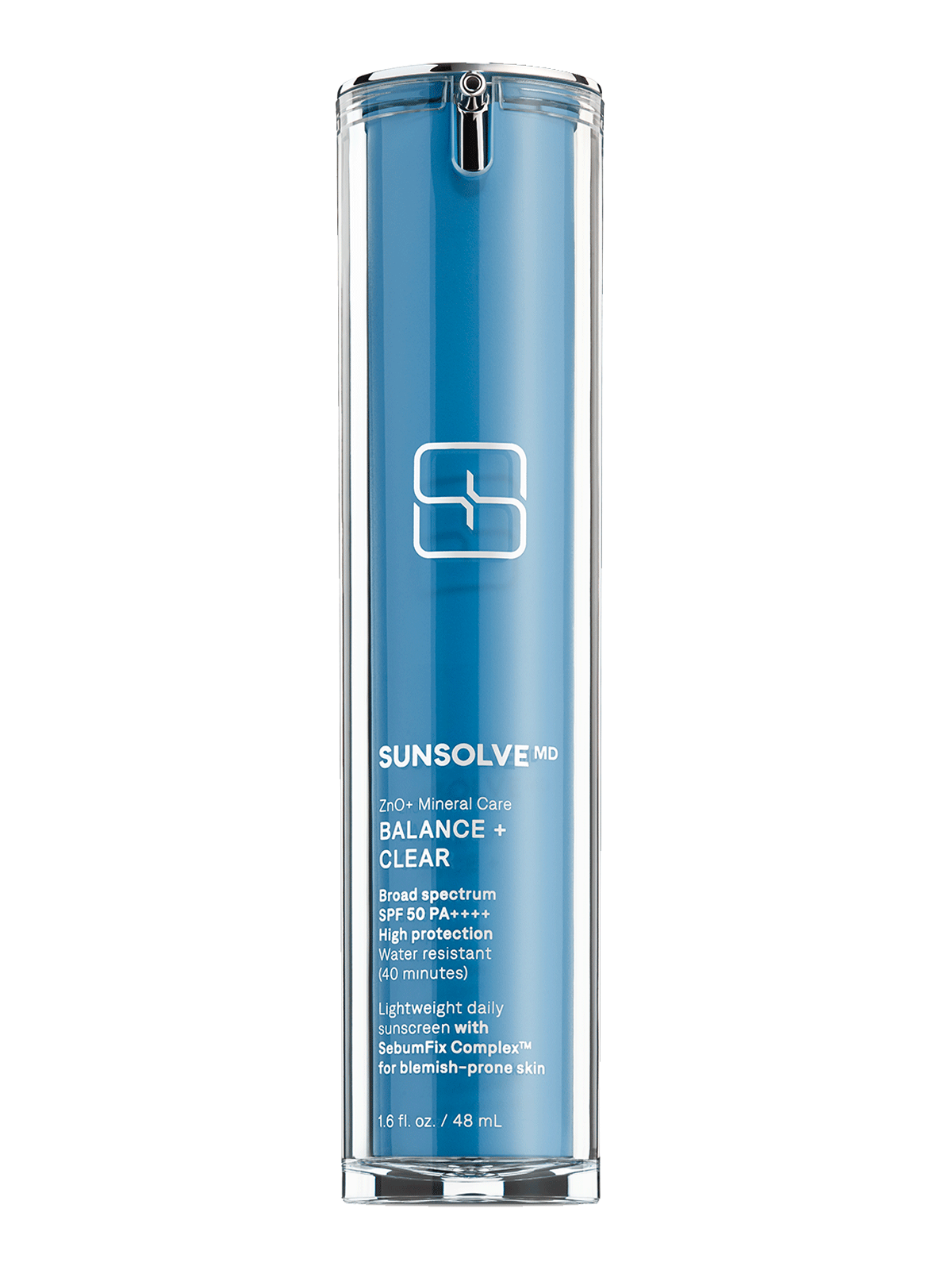
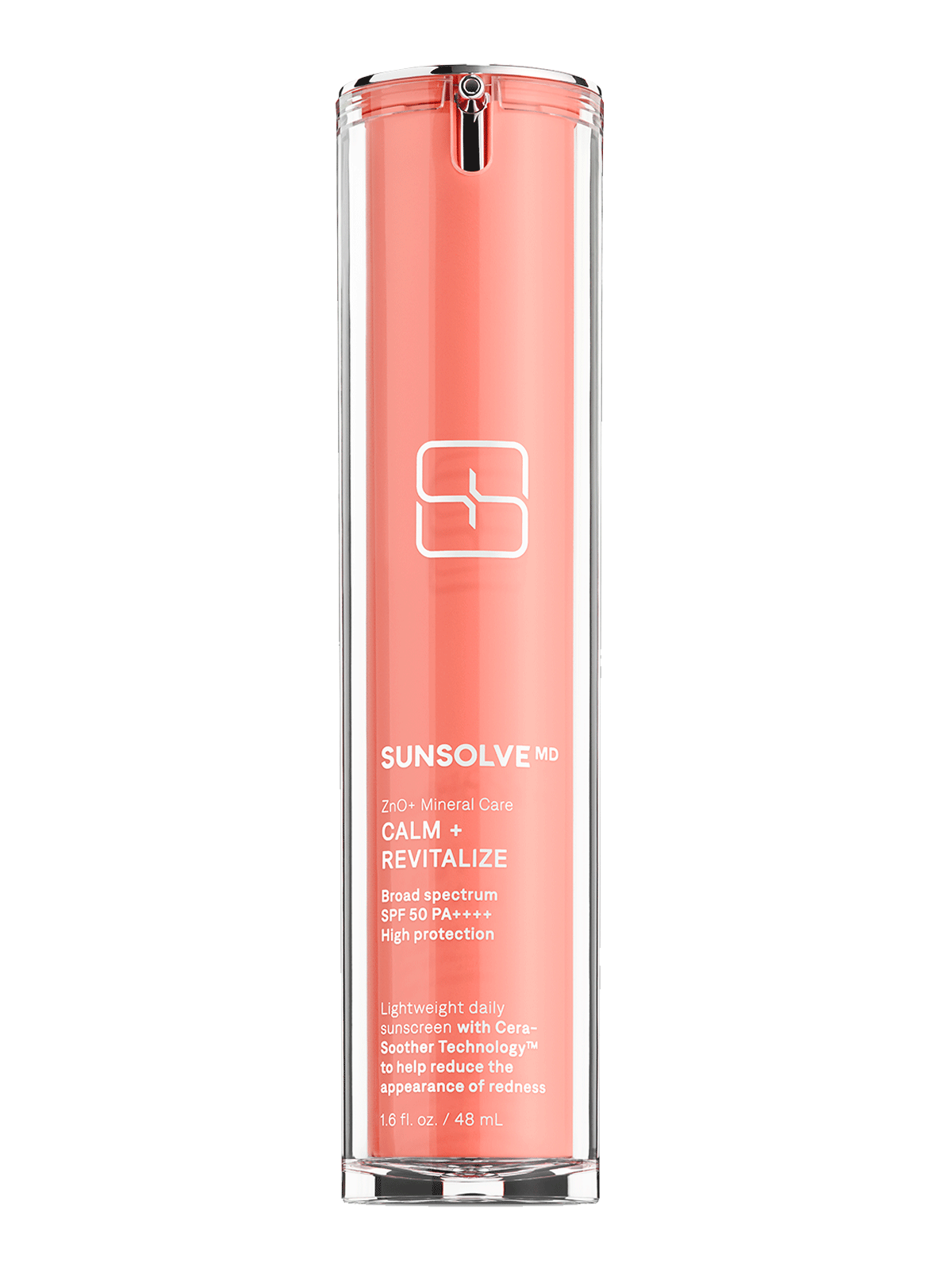
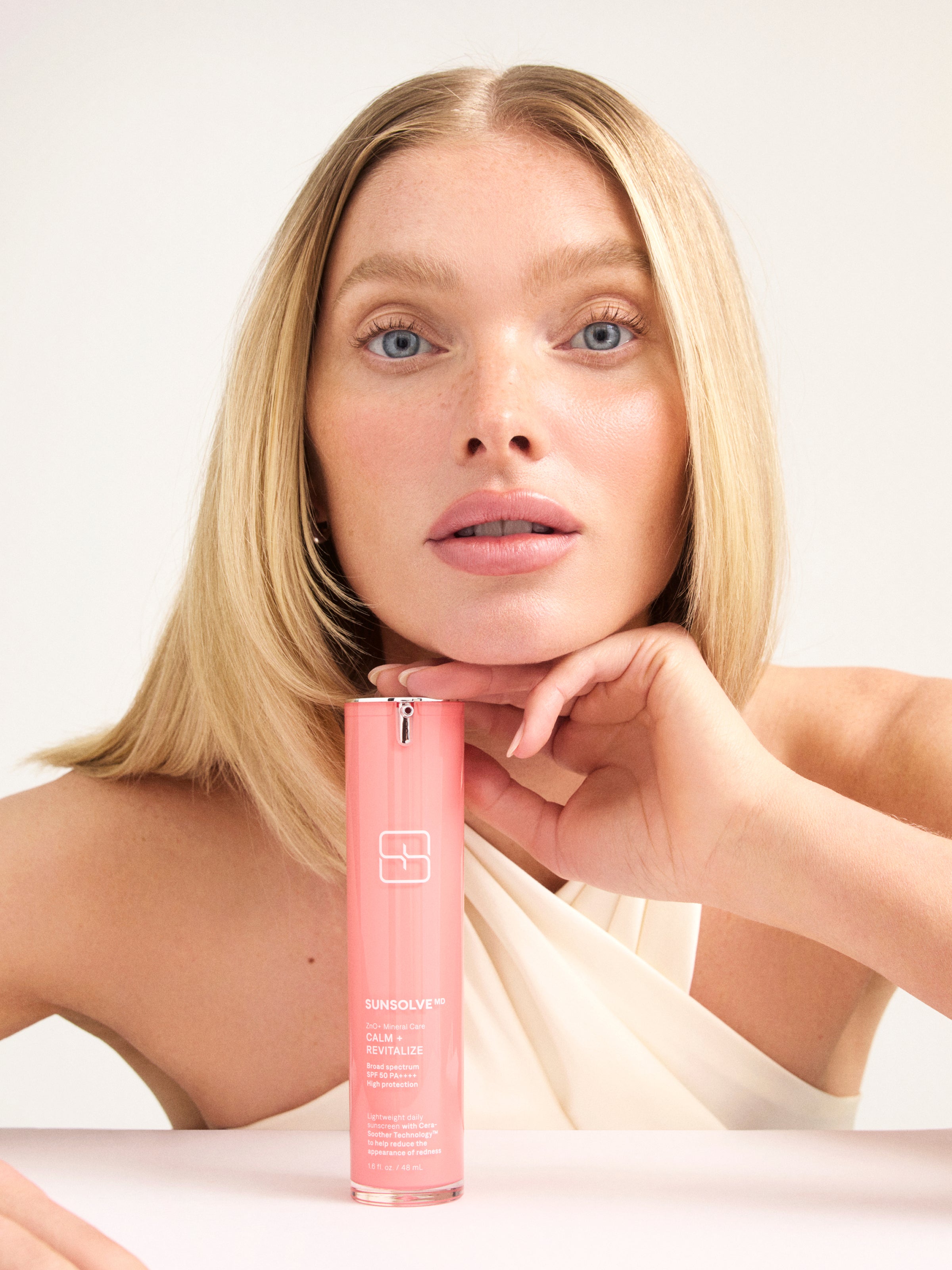
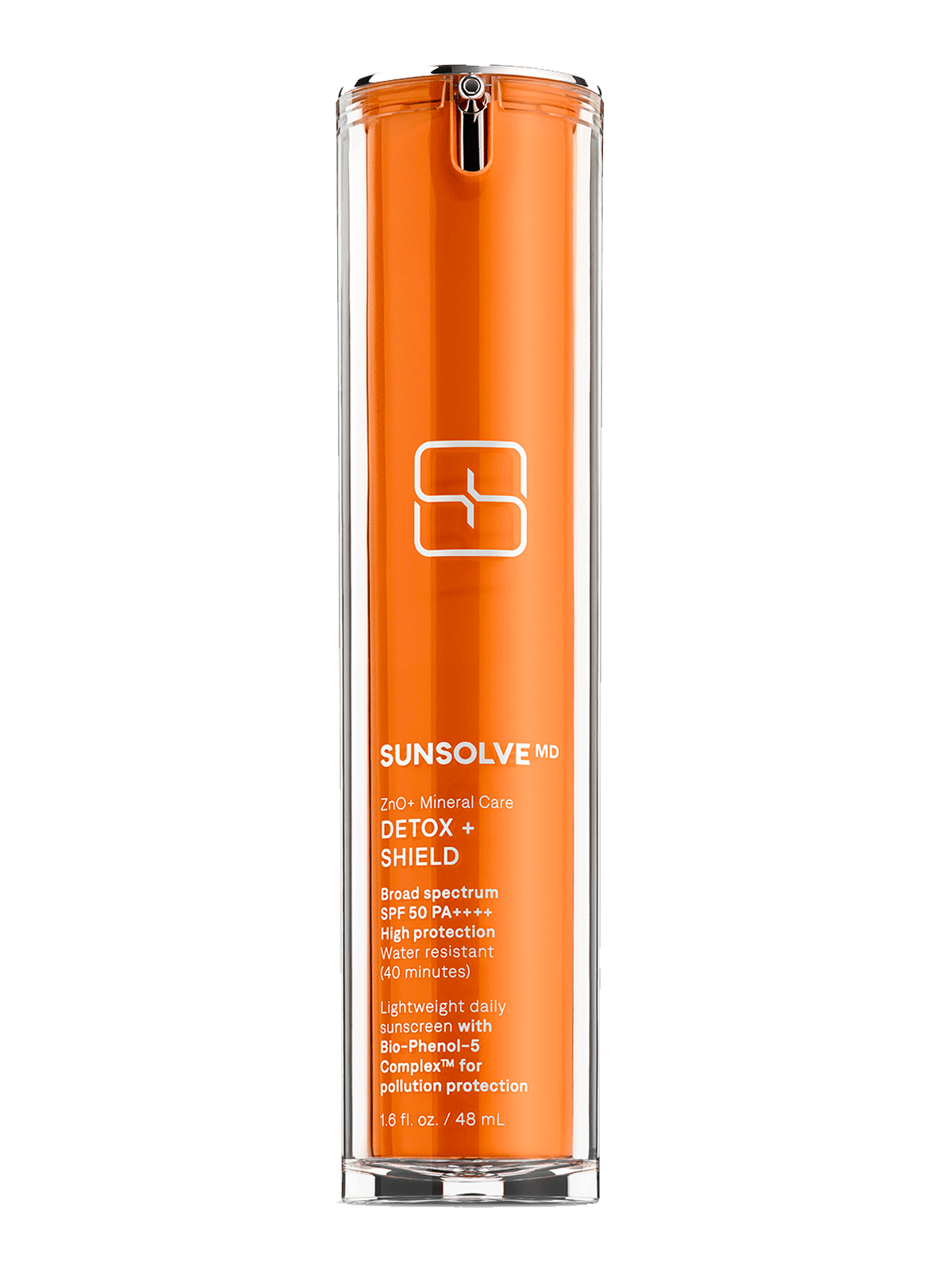
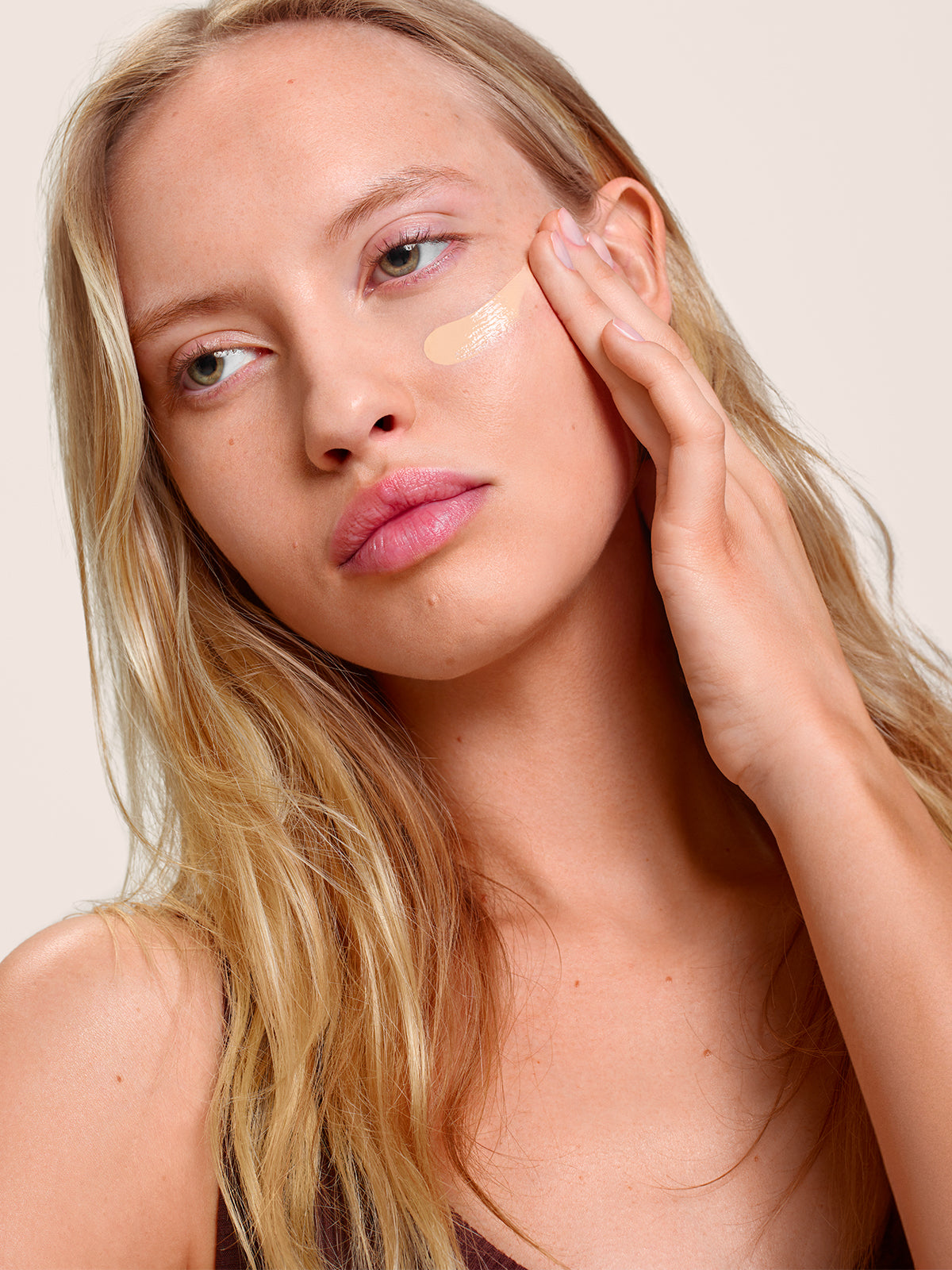
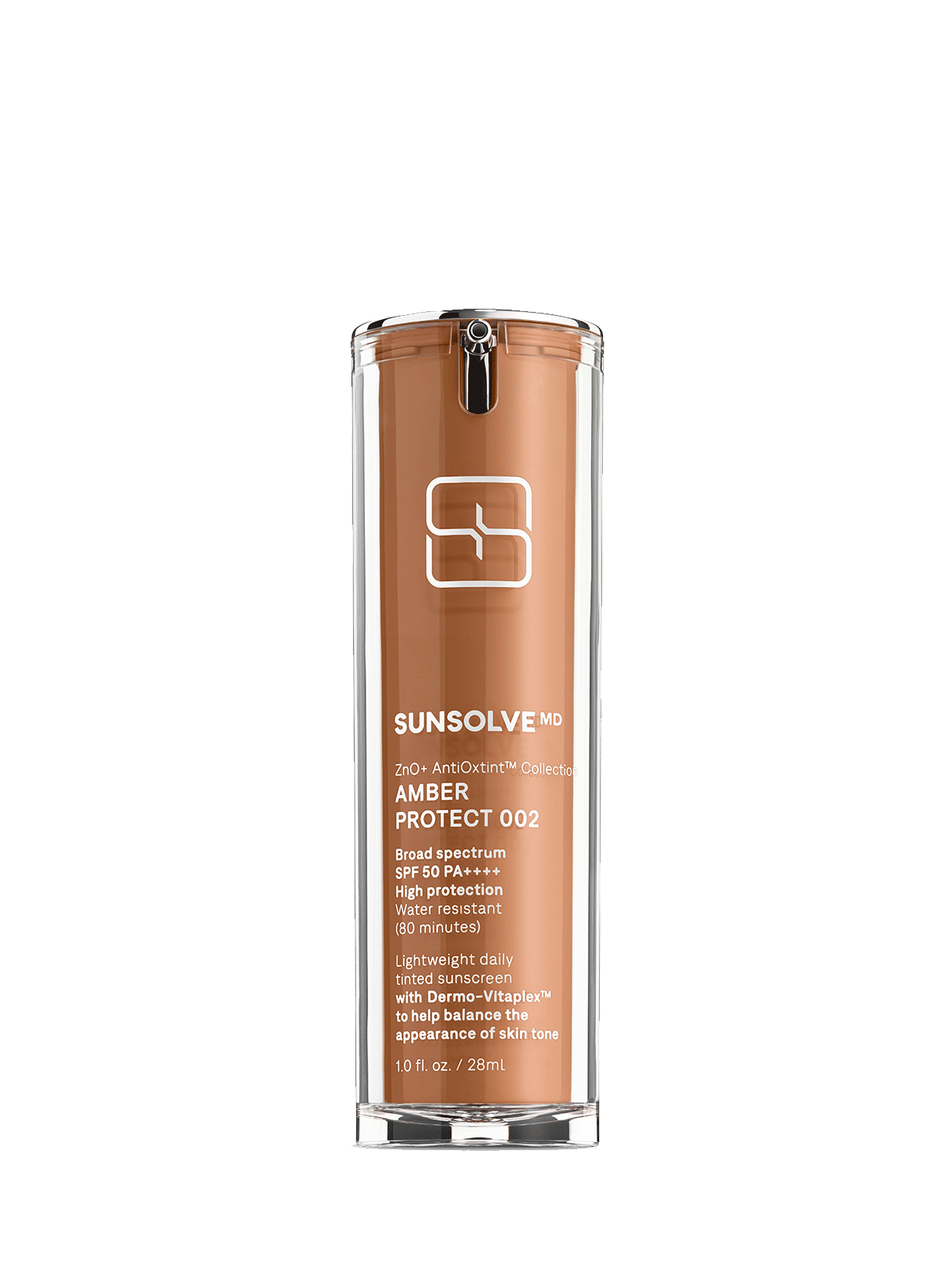
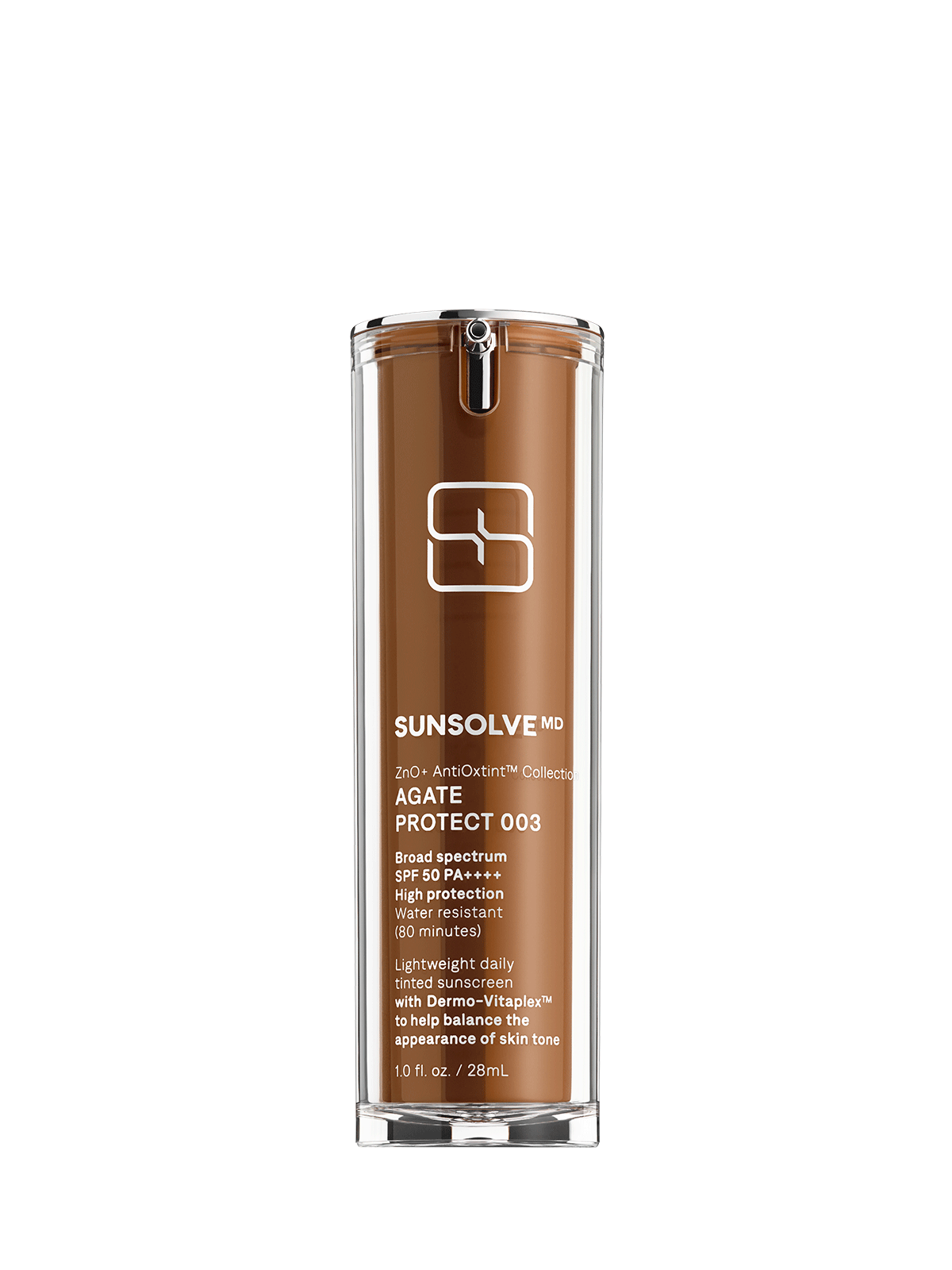
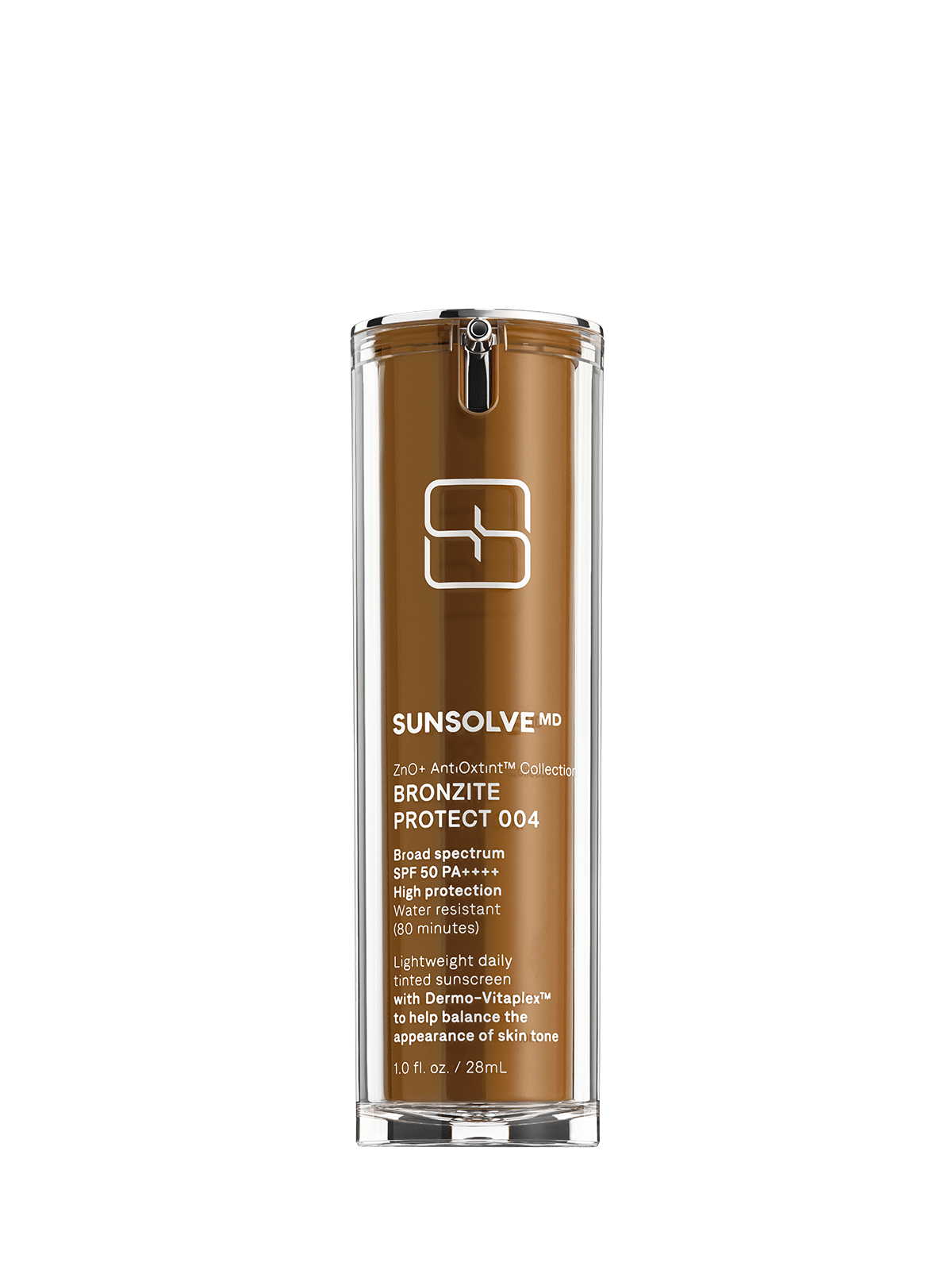
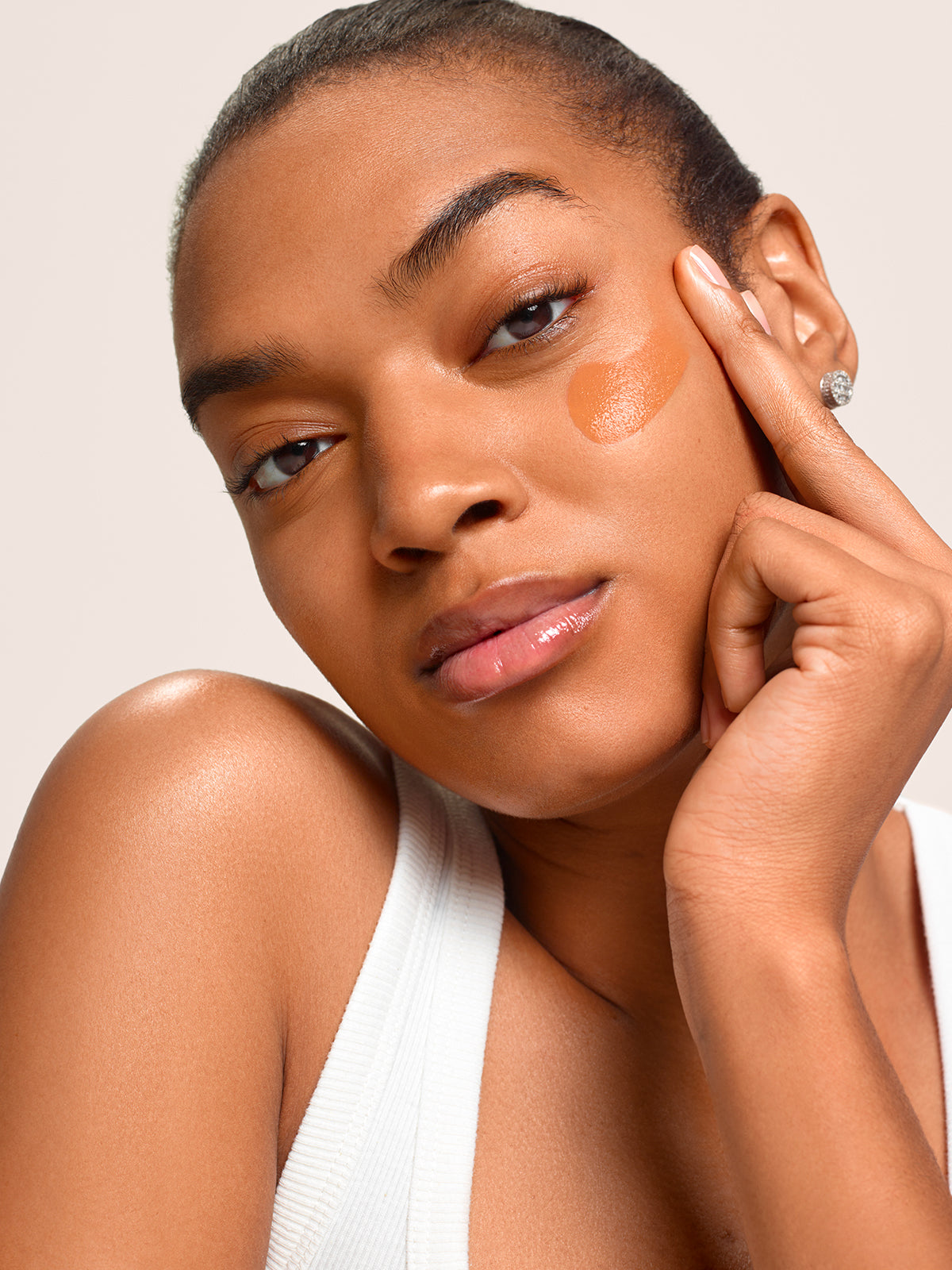
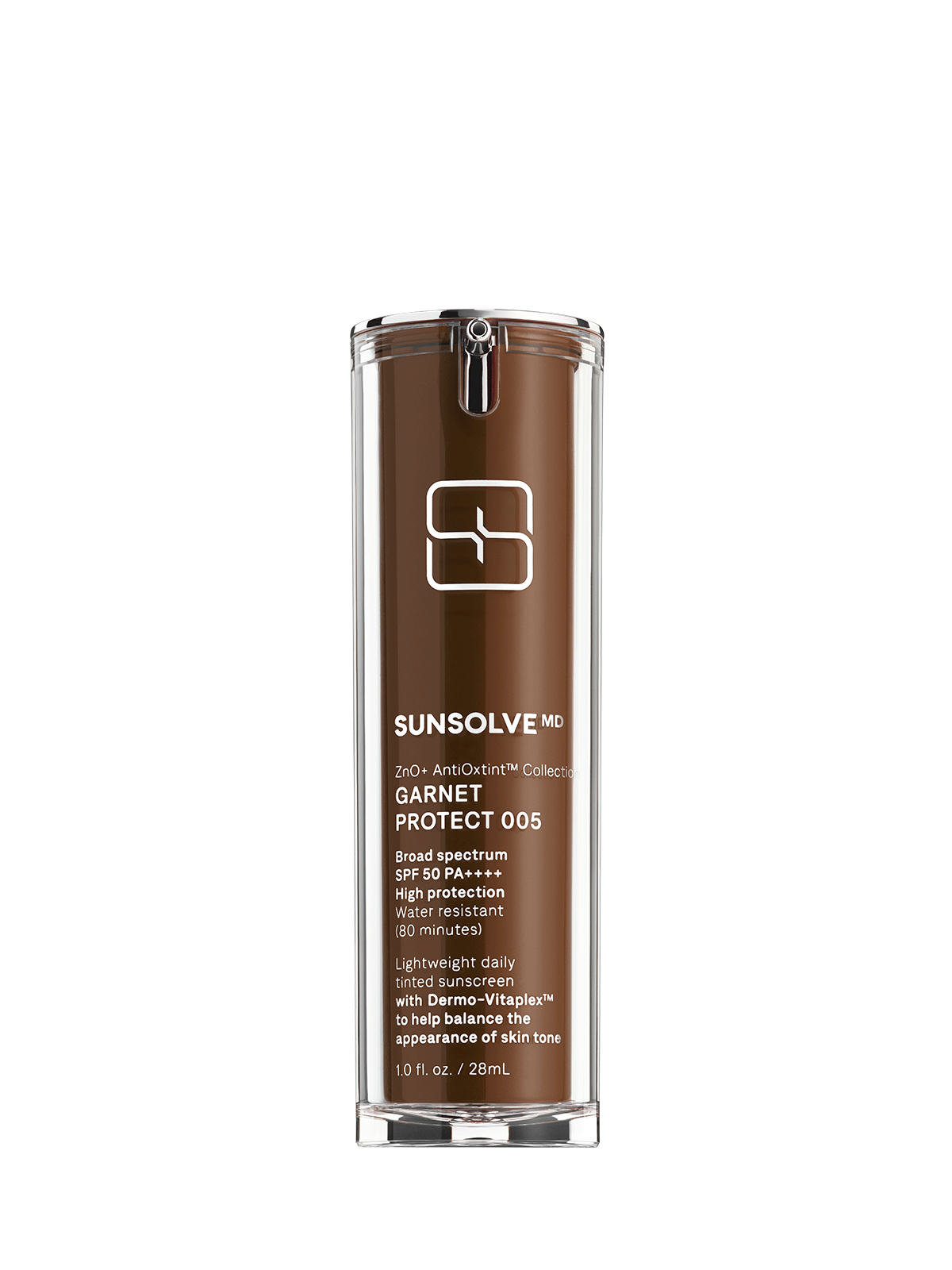
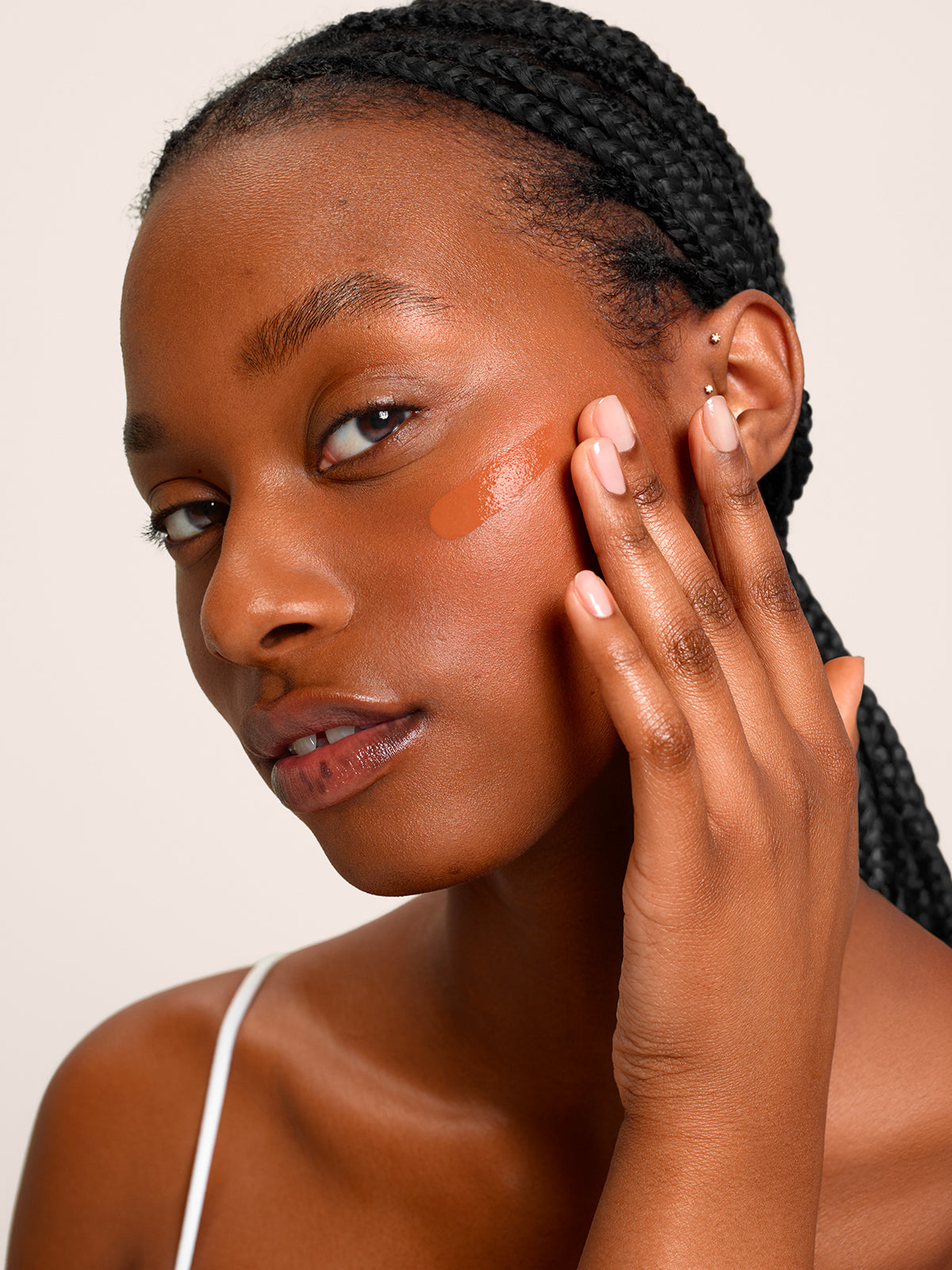
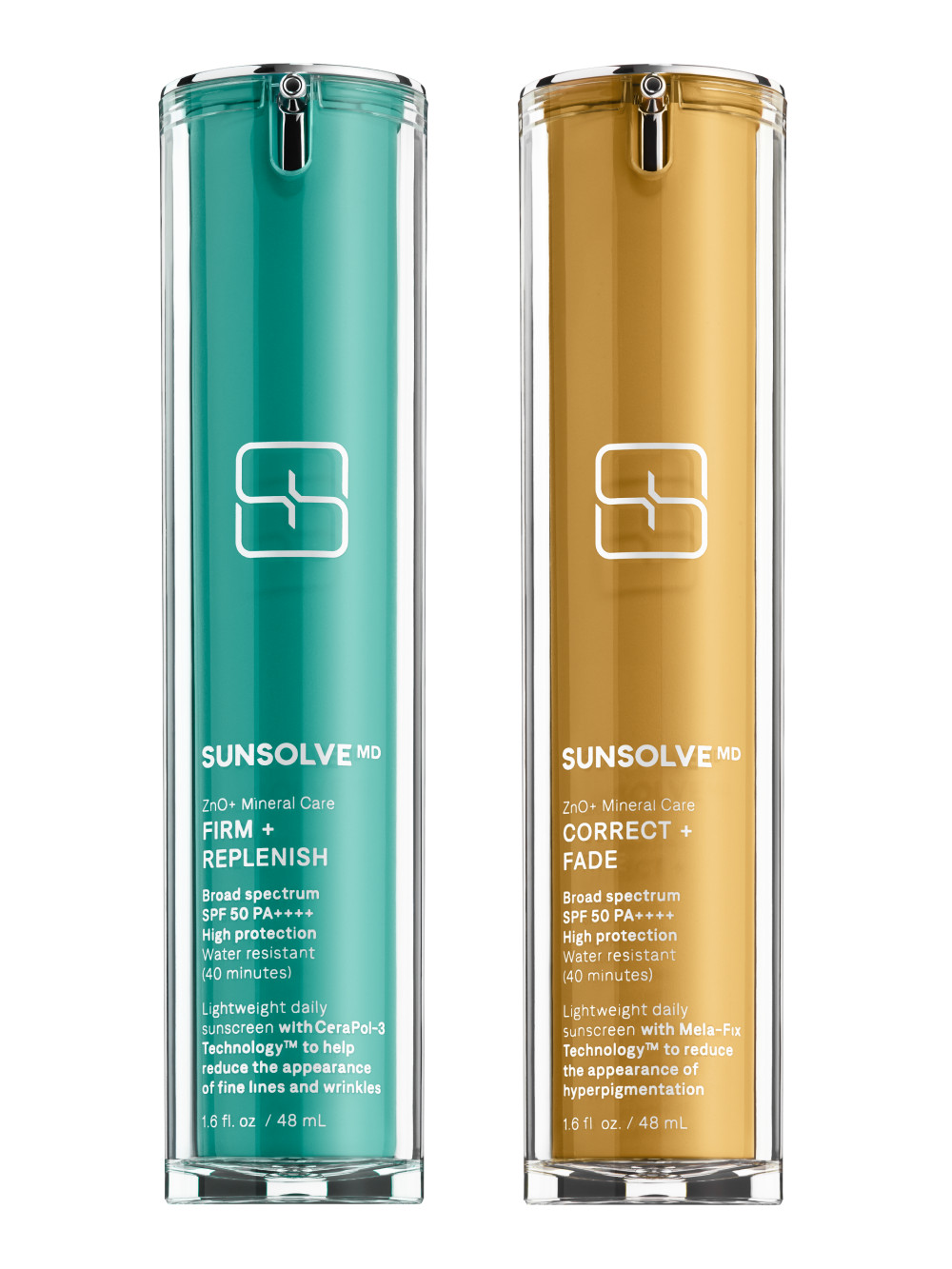
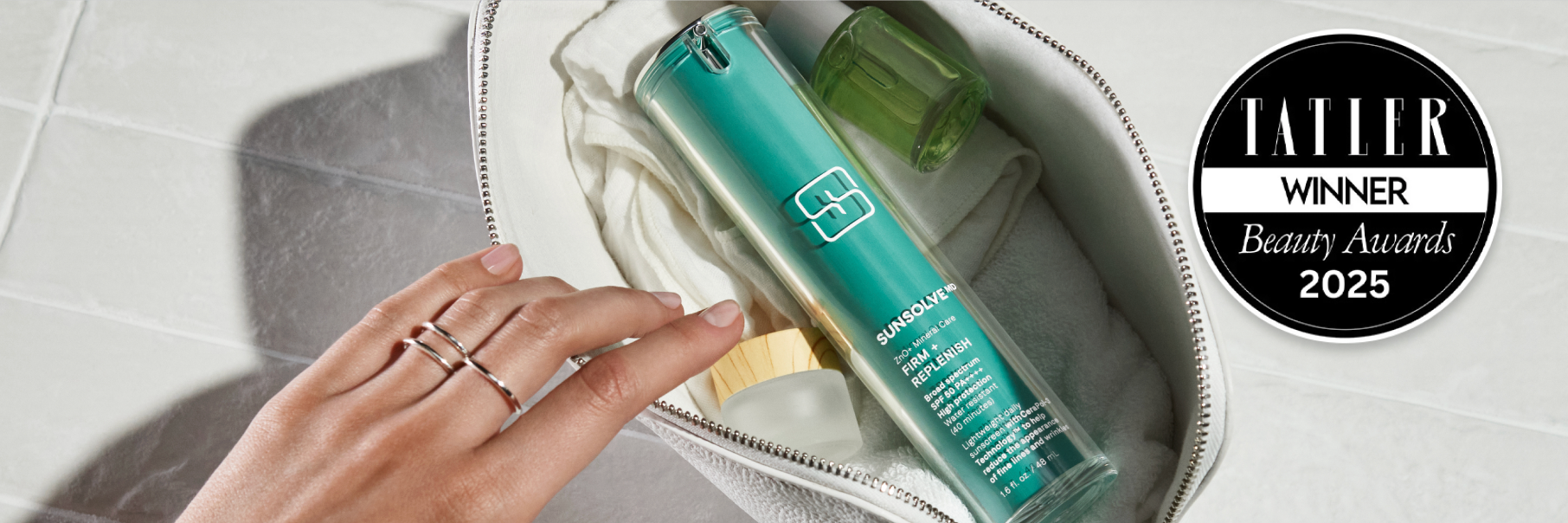
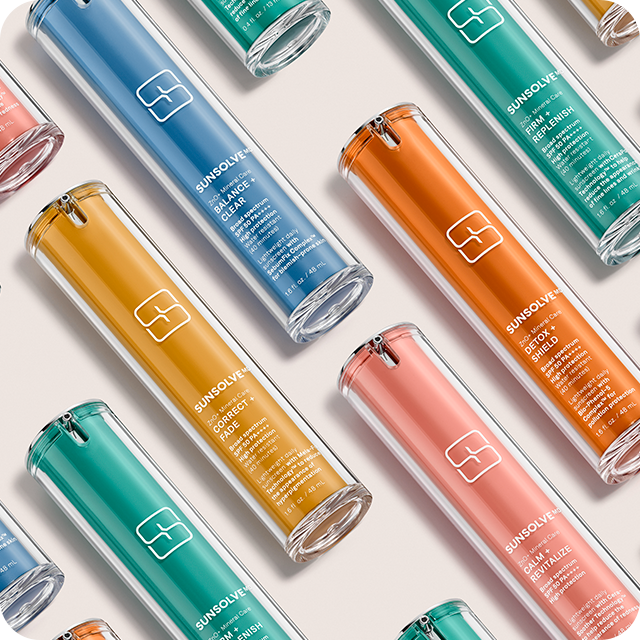
Our lightweight facial sunscreen with a tinted finish was engineered to be the kind of SPF you actually wear, every day, without fuss. The ZnO+™ Mineral Care Complex provides broad-spectrum mineral protection in a tinted texture that doubles as cosmetic coverage, while SolveDNAReverse™ technology works beneath the surface, supporting your skin's natural DNA repair processes to address the damage that even good sunscreen can't fully prevent. The point is not to make you feel guilty about a week off. It is to make daily protection feel like the easiest part of your routine, not the part you have to remember.
FAQs
Is skipping sunscreen on cloudy days really that bad?
Yes. UVA, which is responsible for most photoageing and pigmentation, penetrates cloud cover almost as effectively as it does direct sun. Cloudy doesn't mean protected.
Can I make up for a missed day by applying more the next day?
No. SPF works while it is on your skin, not retroactively. The protection from yesterday's missed application cannot be recovered.
Does indoor exposure count?
Visible light and UVA can transmit through windows. If you sit near a window during the day, your skin is receiving meaningful exposure even indoors.
Will my skin look noticeably different after one week of skipping?
Probably not dramatically, no. The visible damage from a single week is subtle. The cumulative effect of repeated weeks is what eventually becomes apparent.
What's the minimum SPF to make daily sunscreen worthwhile?
SPF 30 applied generously is the floor. SPF 50 is the more typical recommendation. The bigger variable is application quantity and consistency, not the number on the bottle.