






Should You Wear Sunscreen Indoors?
The question gets asked in earnest and dismissed in equal measure. Wearing SPF indoors sounds, at first, like the kind of skincare advice that has tipped over from useful into excessive, the kind of thing that gets attributed to TikTok-induced anxiety and the cosmetic industry's interest in selling you more products. Walls block UV. Sitting on the sofa doesn't expose you to the sun. The logic seems intuitive.
The reality is more nuanced. Some indoor environments require sunscreen. Most don't. The answer depends on specific variables that are worth understanding, because the difference between thoughtful daily protection and over-applying out of vague anxiety is the difference between a routine that serves you and one that quietly stresses you out.
What Indoor Exposure Actually Looks Like
The UV that matters indoors is UVA. UVB, the wavelength responsible for sunburn and most acute skin reddening, is largely blocked by standard window glass. UVA, the deeper-penetrating wavelength responsible for most photoageing, pigmentation, and the cumulative damage that becomes visible across decades, transmits through ordinary glass with relative ease. The 320 to 400 nanometre range that defines UVA passes through most residential and office windows at meaningful levels.
This is the variable that determines whether indoor SPF is worth it. If you spend the day near a window with direct or indirect sunlight reaching your face, you are receiving UVA exposure that, over years, accumulates into visible damage. If you spend the day in an interior room with no window-facing exposure, the UV reaching your skin is essentially negligible.
The distinction is more practical than the catch-all "you need SPF indoors" advice suggests. Sitting at a desk three metres from a north-facing window in November is not the same exposure as working from a sunlit kitchen with south-facing French doors in July. The honest answer to the question is: it depends where you are.
When Indoor SPF Genuinely Matters
There are several scenarios where wearing sunscreen indoors is worth the effort rather than performative.
Working from home next to a window. Particularly if your desk faces a window, or you spend your day in a kitchen or living space with significant glazing. The cumulative UVA exposure over years of remote work has become a genuine dermatological consideration, with practitioners noticing more sun damage on the side of the face that faces the window.
Driving. Car windows offer better UV protection than residential glass, but UVA still transmits, and the cumulative damage on the driver's side of the face is well-documented. Long commutes and driving-heavy days are SPF days.
Conservatories, sunrooms, and skylit kitchens. The intensity of light in these spaces makes them effectively outdoor-equivalent for skin purposes.
After in-clinic treatments. Following any procedure that has compromised the skin barrier (peels, lasers, microneedling, retinoid initiation), indoor SPF becomes important for the recovery window even if you don't leave the house.
When You Probably Don't Need It

If you are spending the day in an interior office space with no direct or significant indirect sunlight, in a basement, in a windowless room, or simply away from windows, the UV exposure reaching your skin is minimal. Sunscreen in that context is unlikely to do measurable harm, but it isn't doing meaningful work either.
The argument for wearing it anyway is the convenience of habit; if SPF is just part of your morning routine, you never have to think about whether today is a window-facing day or not. The argument against it is that it can encourage a kind of low-grade skincare anxiety that doesn't serve anyone.
What About Blue Light From Screens?
This is the question that has driven much of the recent interest in indoor SPF. Screens emit visible light in the blue wavelength range, and there is some evidence that high-energy visible light contributes to pigmentation, particularly in deeper skin tones. The dermatological consensus is currently that screen-emitted blue light is not at the intensity required to cause meaningful skin damage, and that direct sun exposure produces vastly more visible light than your laptop ever will.
If you are managing active melasma or post-inflammatory hyperpigmentation, a tinted sunscreen with iron oxides offers some protection against visible light from both screens and ambient sources. For most people without those concerns, the blue light argument for indoor SPF is overstated.
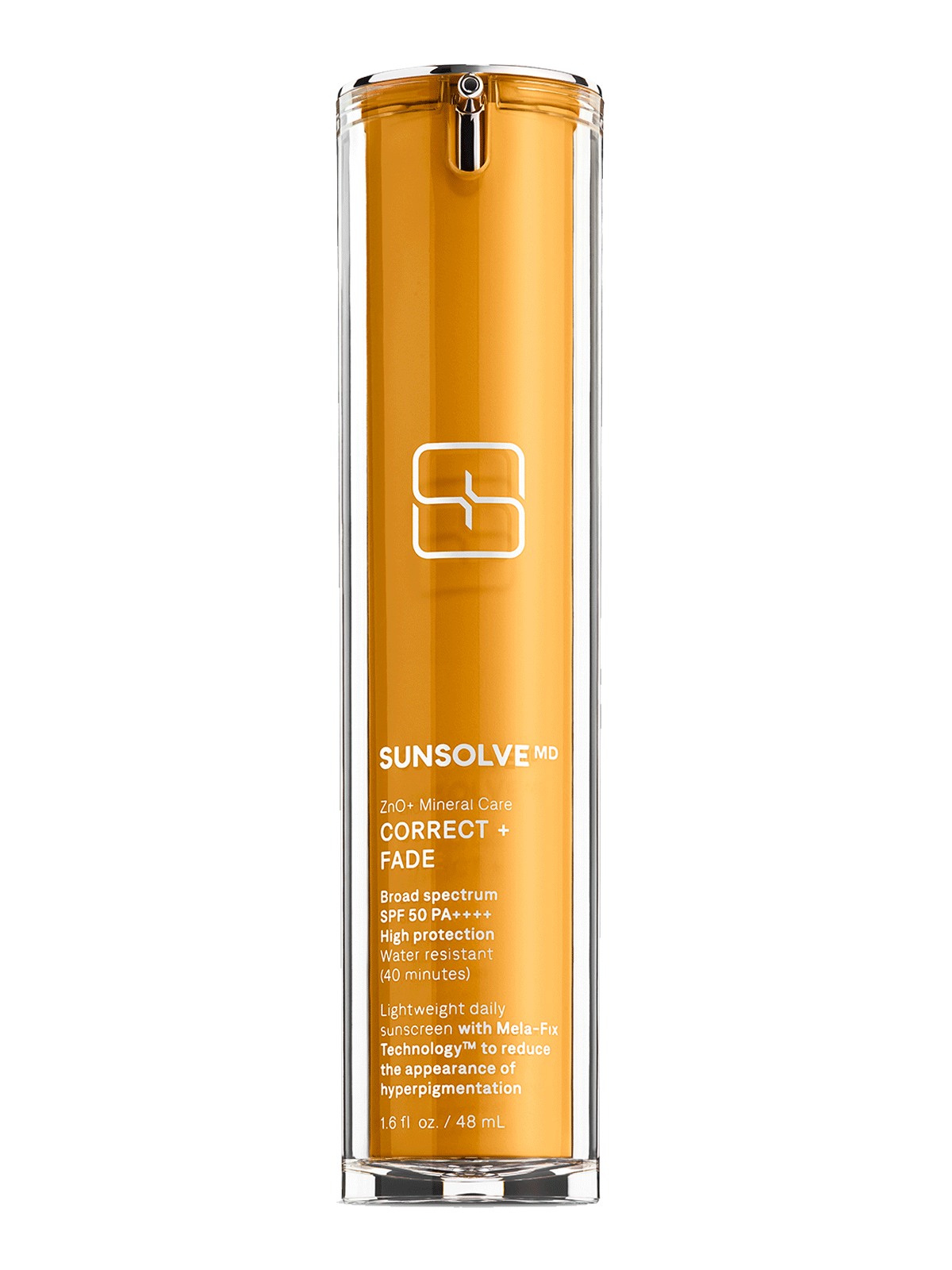
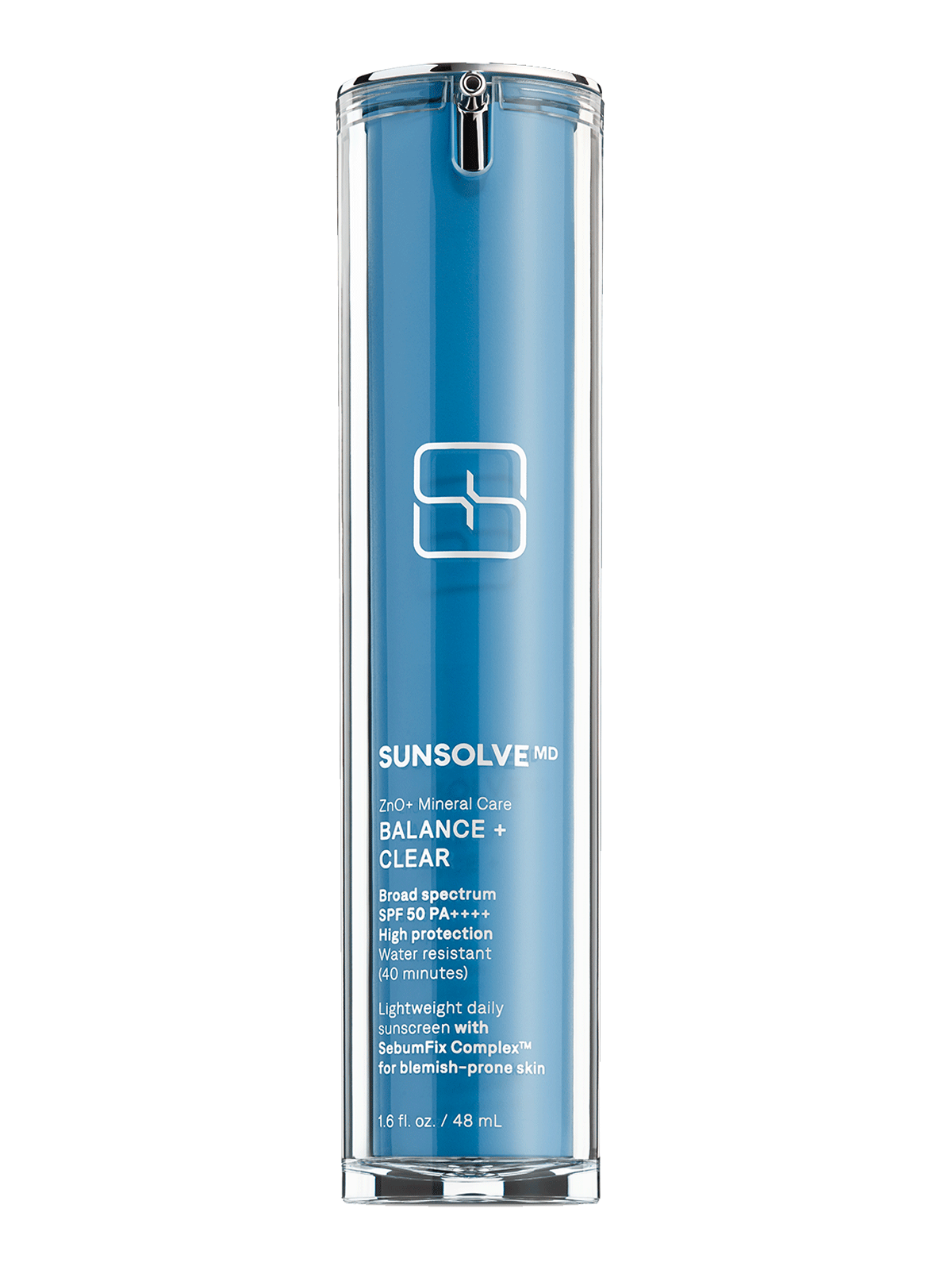
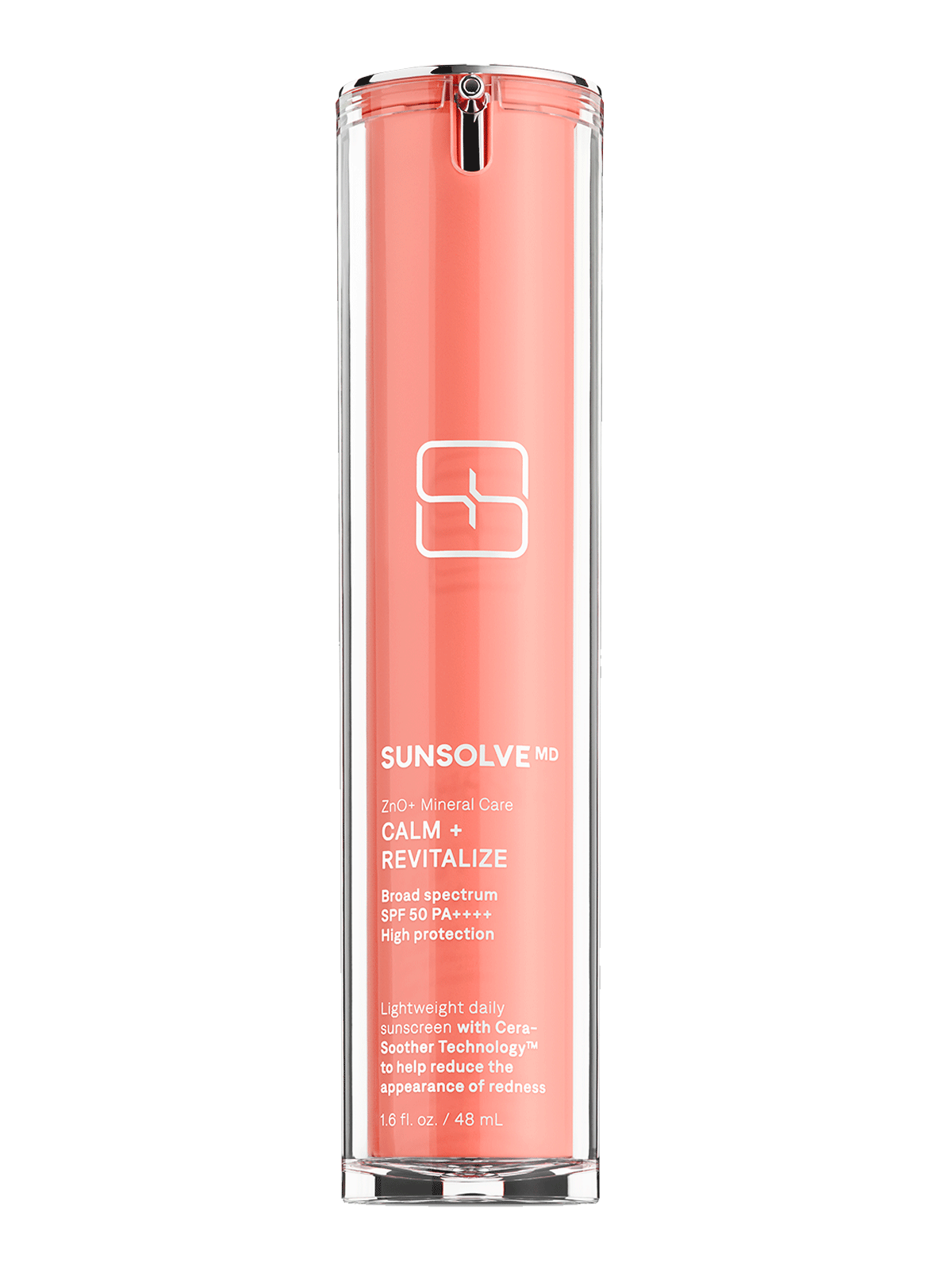
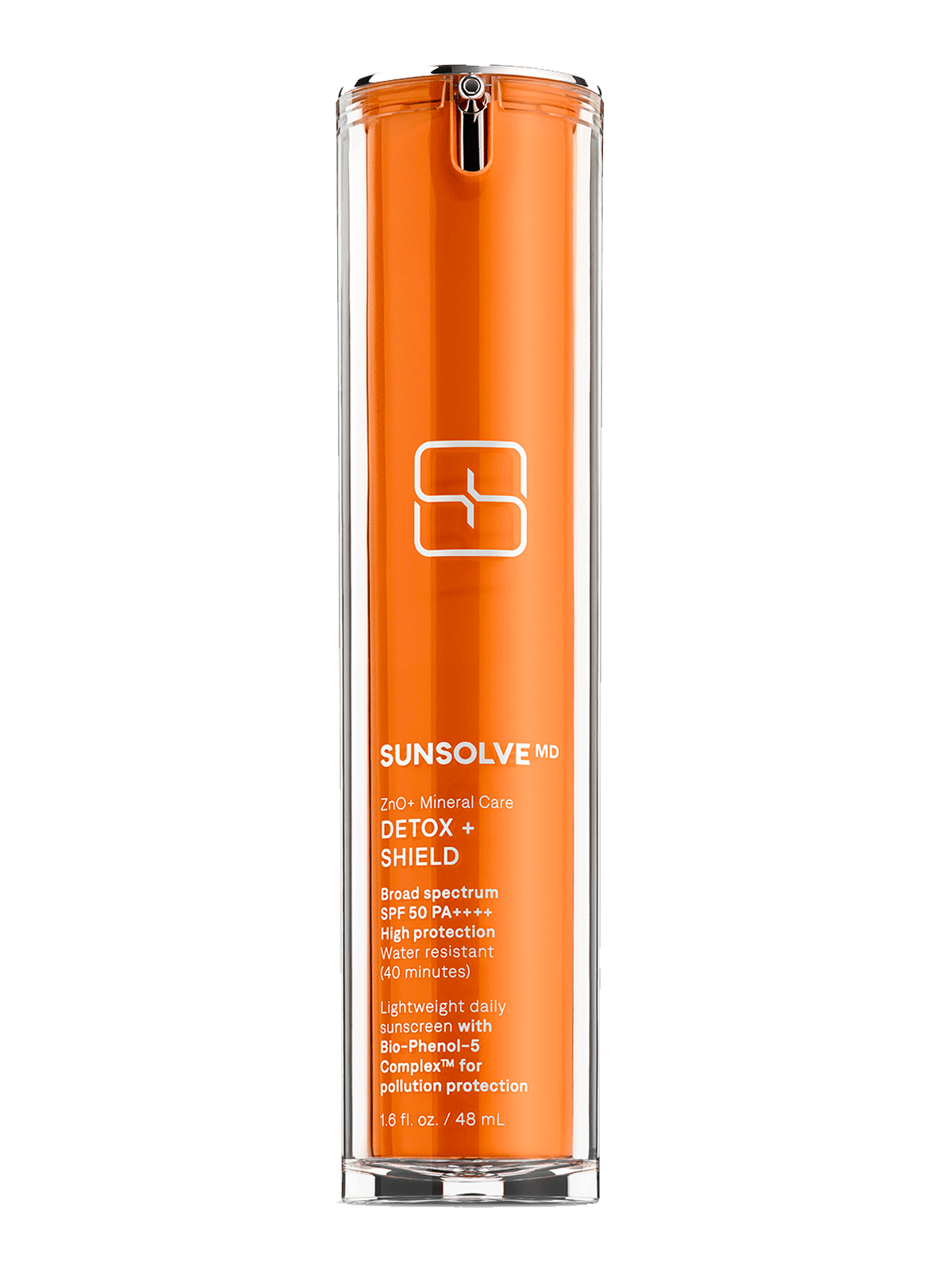
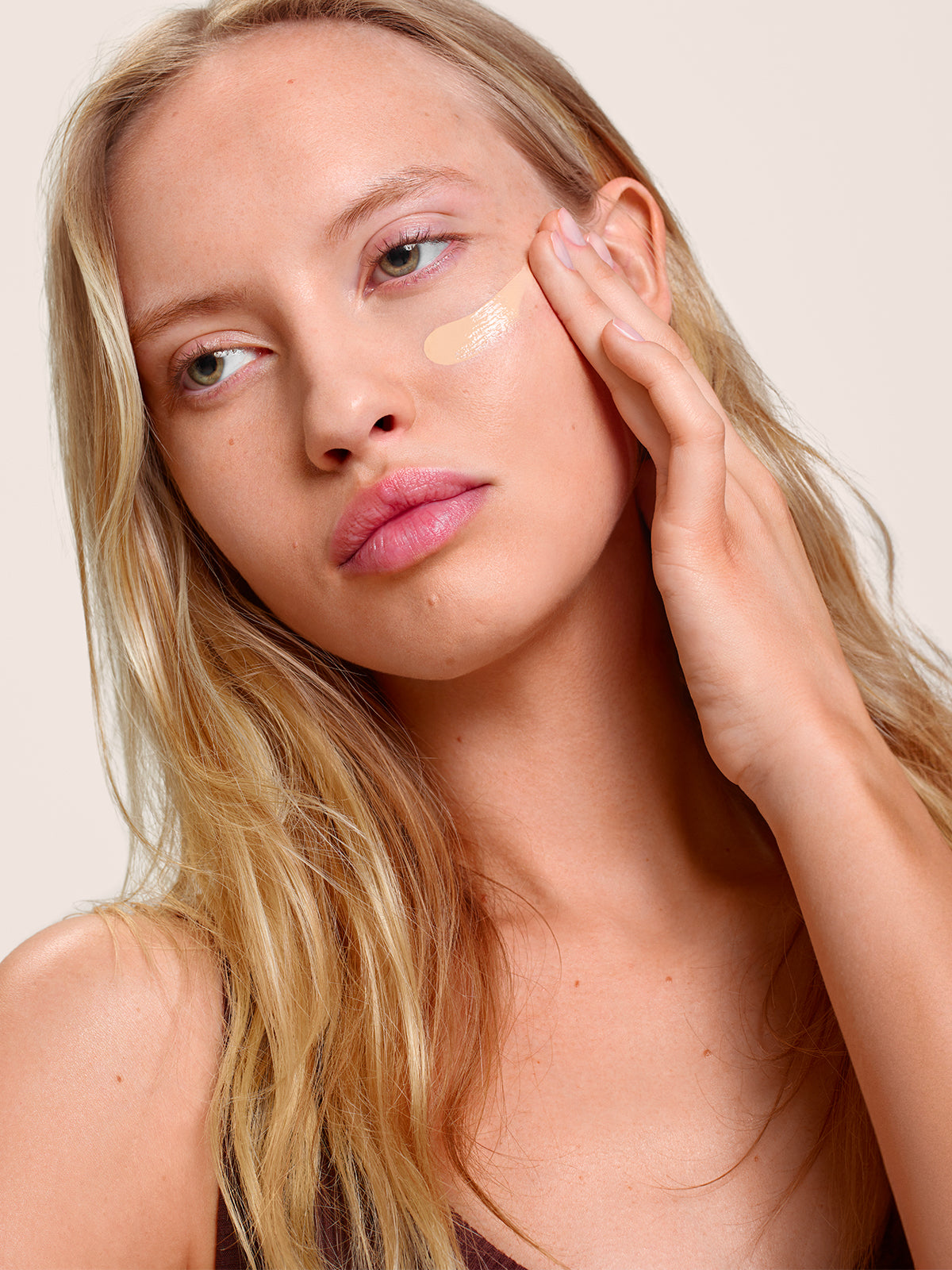
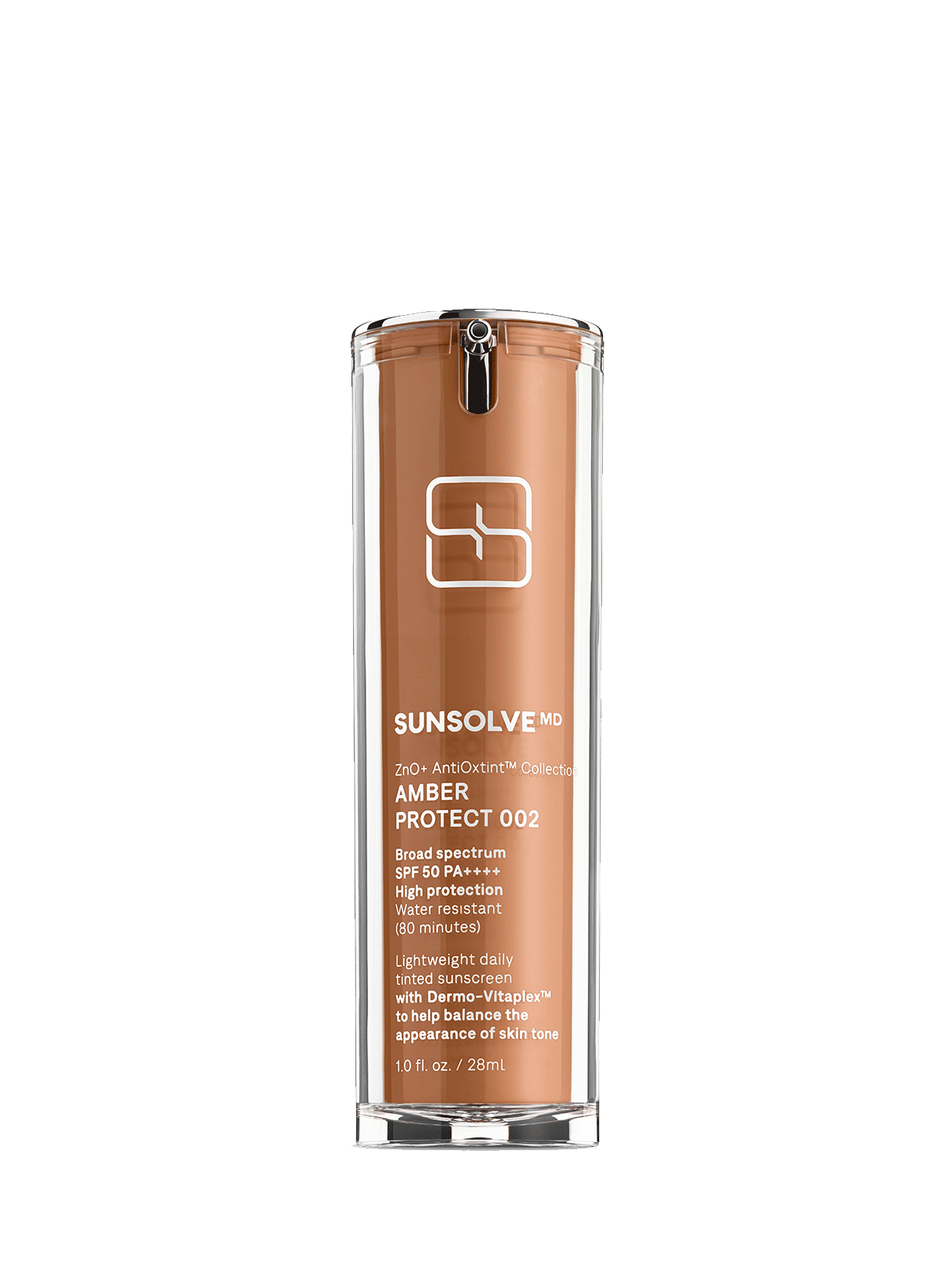
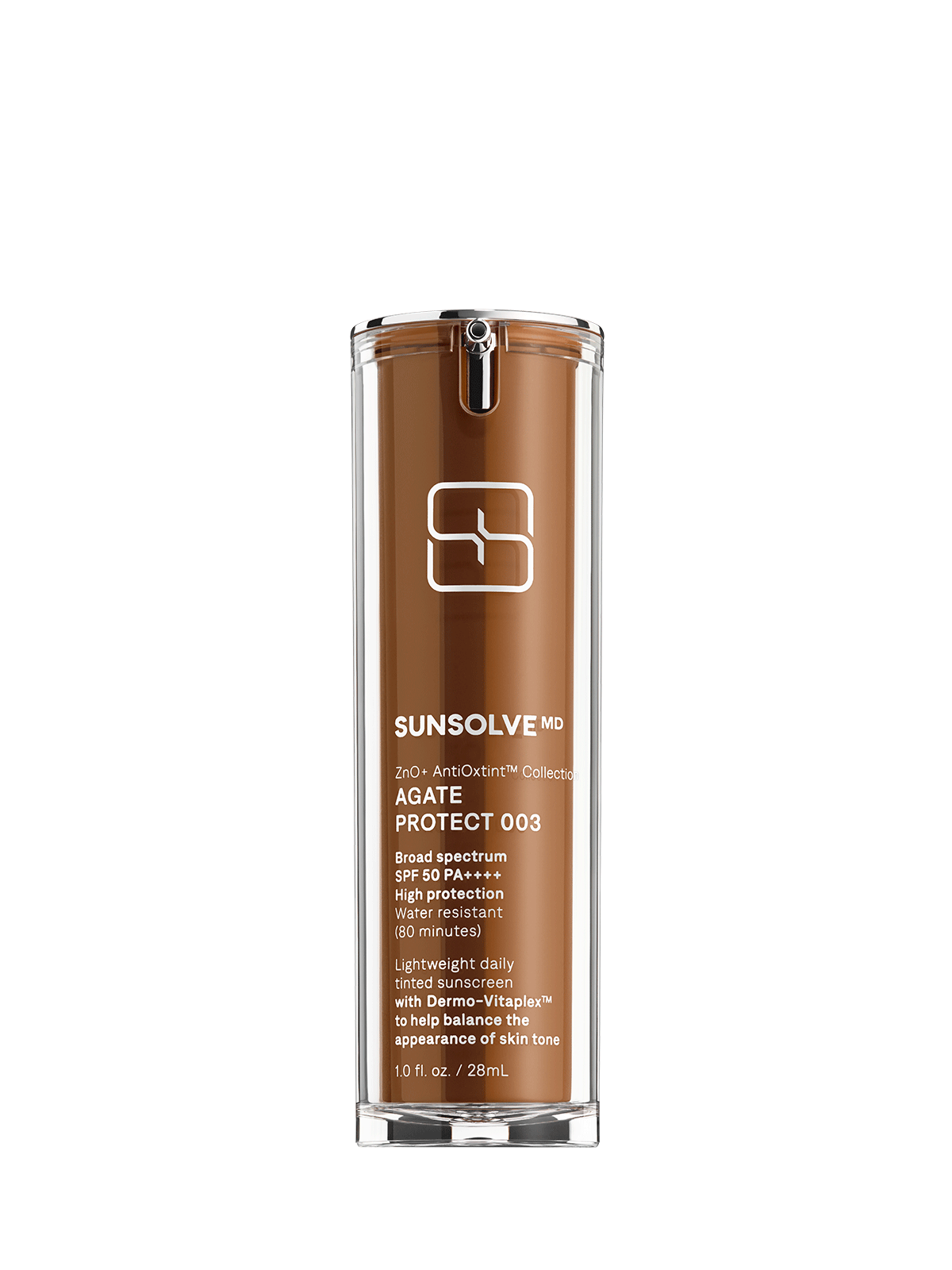
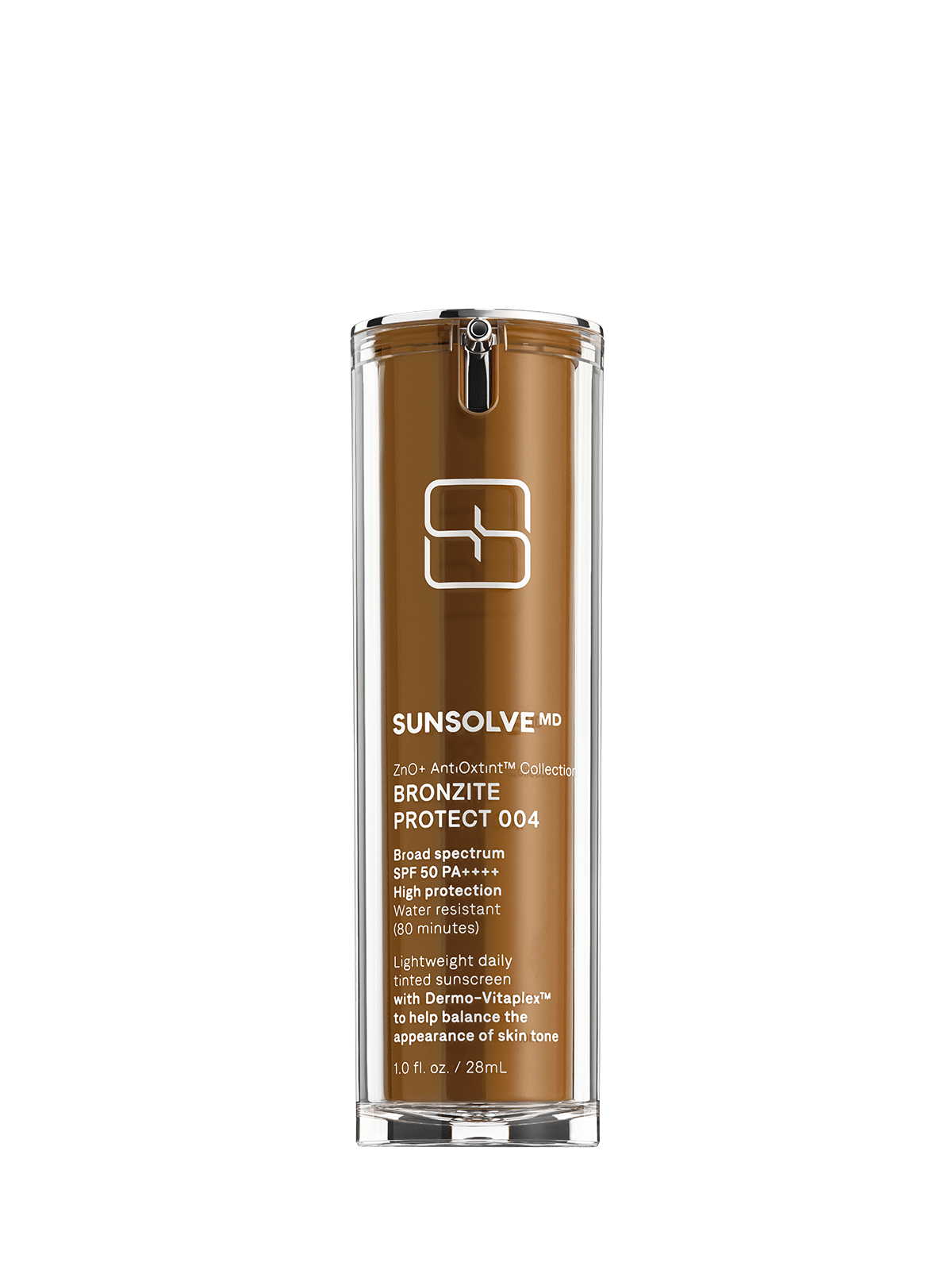
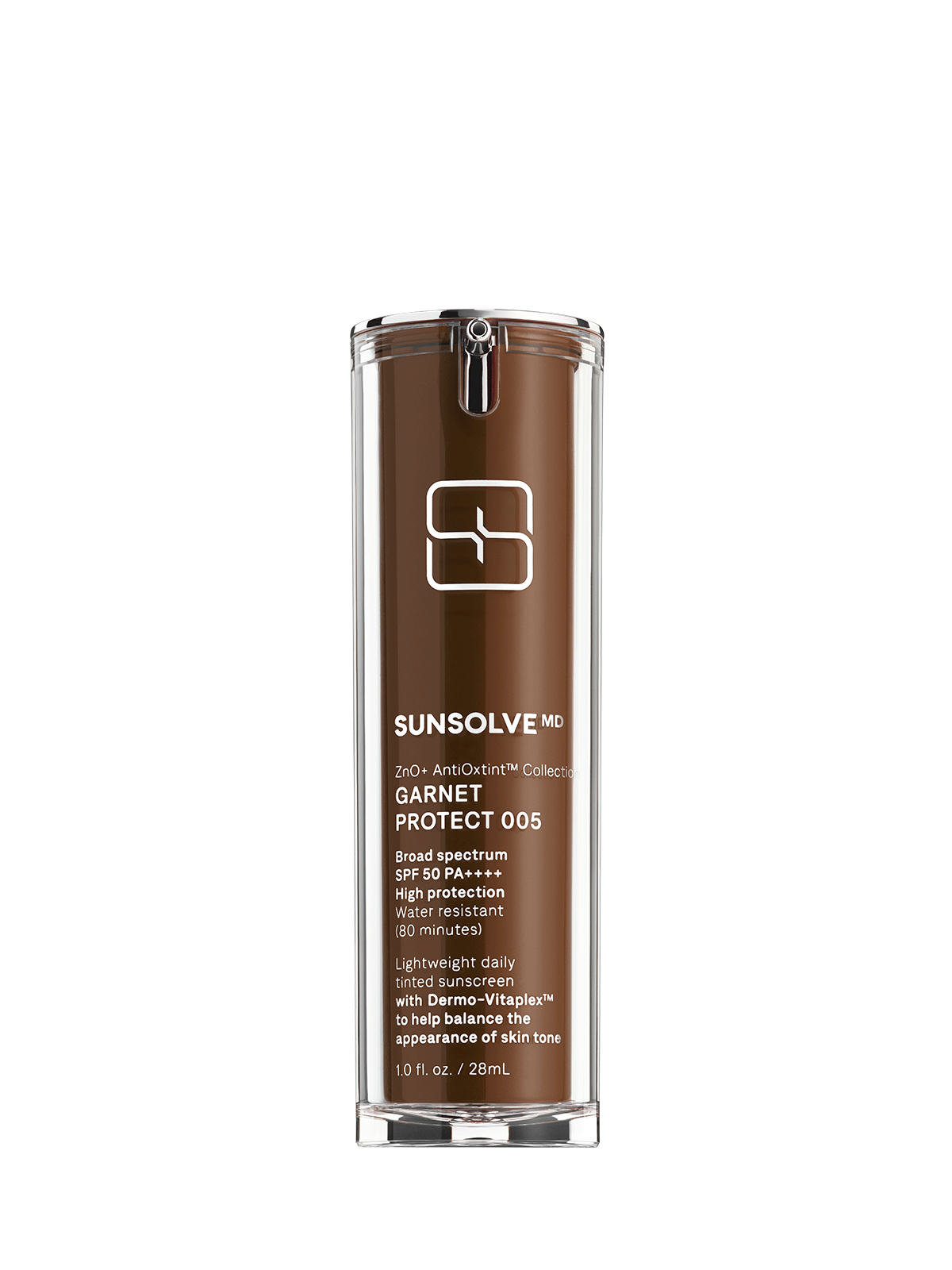
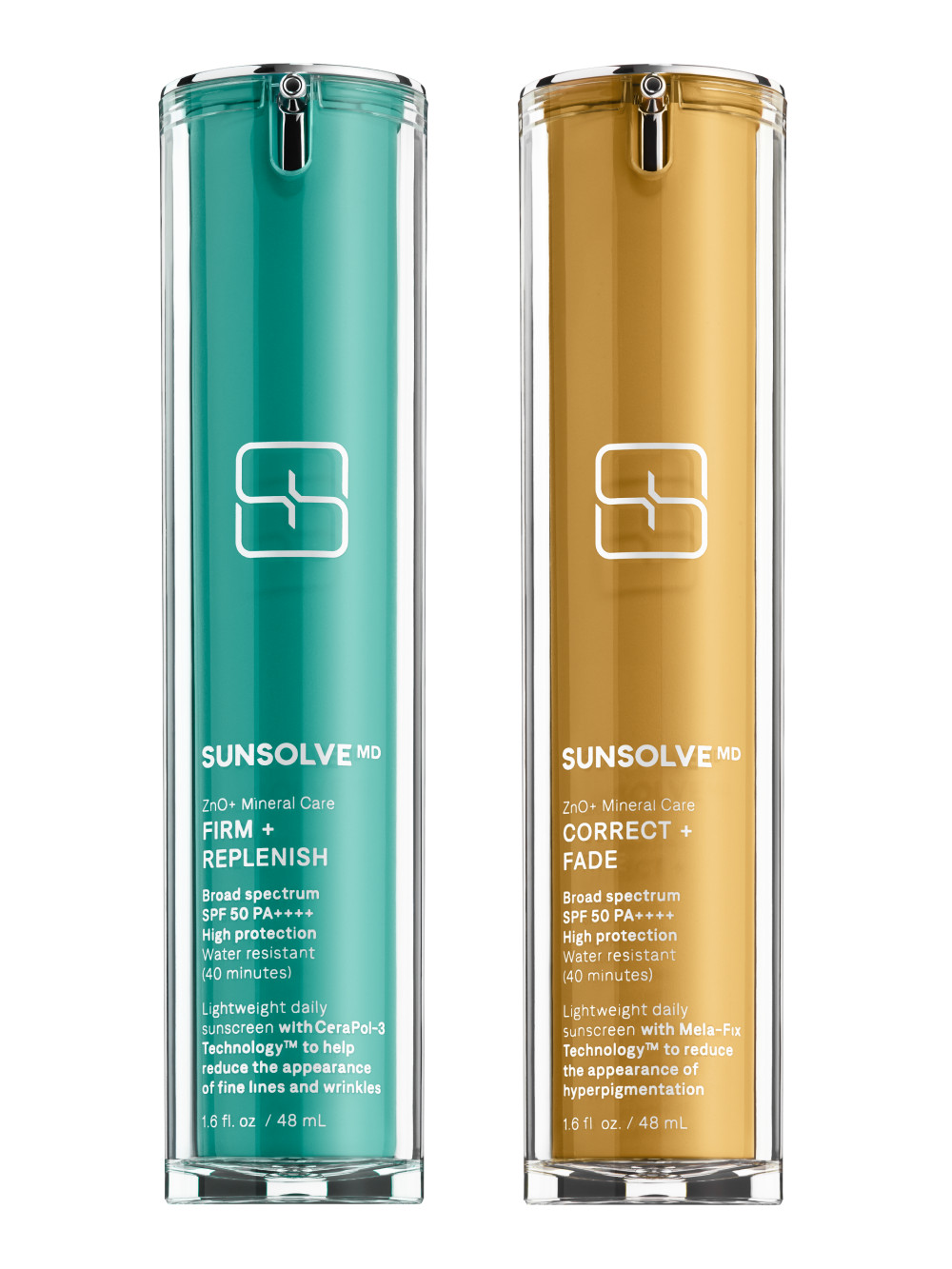
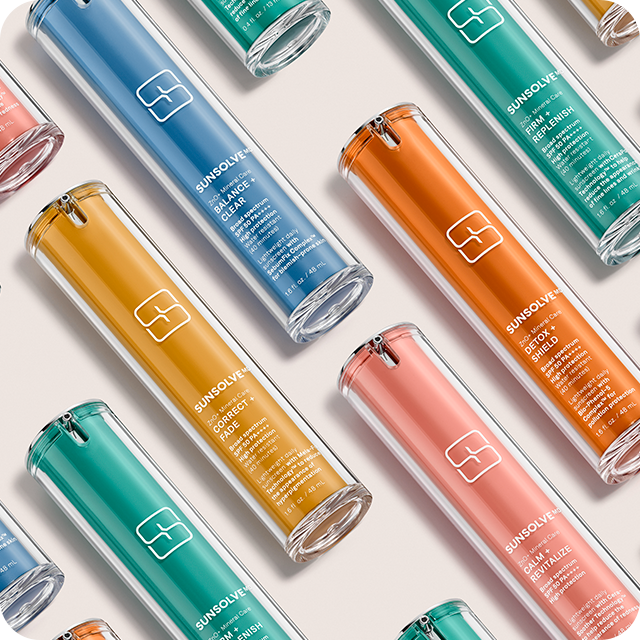
Science-Led Sunscreen By SunsolveMD
Our gentle SPF powered by skin-friendly zinc protection was formulated for skin that wears sunscreen daily, whether you spend the day indoors near a window or moving between outdoor and indoor environments. The ZnO+™ Mineral Care Complex delivers 12% non-nano zinc oxide in a lightweight, photostable base, providing broad-spectrum UVA and UVB protection that holds up through extended wear without breaking down. The texture is light enough that the question of whether today is a sunscreen day stops being a calculation. It just becomes part of the morning.
FAQs
Does light from a window cause as much damage as direct sun?
Less than direct outdoor sun, but more than people think. UVA transmits through standard glass at significant levels, and cumulative exposure over years of working near a window is enough to cause visible photoageing on the window-facing side of the face.
Do I need to reapply indoor sunscreen?
If you are sitting in front of a window for an extended period, one morning application is generally sufficient. Reapplication becomes more relevant once you go outside.
Is laptop screen exposure really enough to need SPF?
For most people, no. The blue light from screens is not at the intensity required to cause meaningful skin damage in the absence of other UV exposure.
Should children wear sunscreen indoors?
If they are playing near a sunny window for hours at a time, yes. Otherwise, the standard outdoor-exposure recommendations apply.
What's the minimum SPF for indoor wear?
If you are wearing it primarily for window-transmitted UVA, SPF 30 is sufficient. The bigger consideration is broad-spectrum protection rather than the SPF number alone.