





Why You Need Sunscreen Even on Cloudy Days
The instinct is hard to override. The sky is grey, the temperature has dropped, the day looks distinctly un-summery, and reaching for sunscreen feels almost absurd. It is the same instinct that has fuelled decades of skin damage in the UK and Ireland in particular, where overcast days are not the exception but the climate, and where consistent SPF use trails the rest of Europe by a noticeable margin.
The instinct is also wrong. Cloud cover does not block UV in the way most people assume. The science is well-established and not particularly nuanced; on a grey day, your skin is still receiving a meaningful and damaging dose of ultraviolet radiation, and skipping protection because the day looks mild is one of the most common reasons cumulative photodamage builds up faster than expected.
What Clouds Actually Do To UV
Cloud cover filters UV variably, and the variation is the issue. Heavy, dark cloud cover can reduce UV transmission by up to 70 to 80%. Thin, white cloud cover reduces it by considerably less, sometimes as little as 10 to 20%. Scattered clouds can actually increase the UV reaching your skin at ground level through a phenomenon called the "broken cloud effect," where UV is reflected off cloud edges and amplifies the radiation reaching the surface below.
The wavelength that matters most for daily damage is UVA. Unlike UVB, which causes the visible reddening and burning that registers as "I've had too much sun," UVA penetrates cloud cover effectively and reaches your skin regardless of how grey the day looks. UVA is also the wavelength responsible for most of the photoageing, pigmentation, and cumulative dermal damage that accumulates across years.
The fact that you are not getting sunburnt on a cloudy day is not evidence that you are protected. It is evidence that the more visible warning sign has been suppressed while the underlying damage continues.
Why The UK And Ireland Are Higher Risk Than People Realise
There is a persistent assumption in northern European climates that the UV burden is low enough to skip SPF for most of the year. The data does not support it. UK Met Office UV index figures show meaningful UV levels (sufficient to cause damage with extended exposure) from March through October even on overcast days, and not negligible levels in the winter months either.
The Irish, British, and Northern European populations also have a higher proportion of fair skin types (Fitzpatrick I and II) that burn easily and tan poorly. These skin types are the most photosensitive and the most prone to long-term damage, which makes consistent SPF use more important rather than less. The mismatch between assumed UV burden and actual damage rates is part of why dermatological practices in the UK are seeing more sun damage in younger patients than the climate would intuitively suggest.
What "Cloudy Day Damage" Actually Looks Like

The damage from cloudy-day exposure is the same damage that accumulates from any unprotected UV exposure: oxidative stress, collagen breakdown, melanin overproduction, and slow inflammatory wear on the skin barrier. Because it is happening incrementally and invisibly, there is no acute warning signal. The first time most people notice is when the cumulative effect has translated into visible fine lines, uneven tone, or pigmentation patterns that took years to develop.
People prone to melasma and post-inflammatory hyperpigmentation are particularly affected by cloudy-day exposure, because the UVA that triggers melanin production transmits through cloud cover essentially unimpeded. Patients who treat their pigmentation aggressively in winter but skip SPF on overcast days often find their results plateauing or reversing, because the underlying trigger is still active.
What To Do Instead
The functional advice is straightforward: SPF every day, regardless of the weather, from March through October at minimum, year-round ideally. Application quantity matters more than the number on the bottle; a quarter teaspoon for the face, applied generously and allowed to absorb before makeup or other layers.
For cloudy-day specific protection, broad-spectrum coverage that genuinely addresses UVA is non-negotiable. Look for high UVA star ratings in the UK (four or five stars), or PA++++ on Asian formulations. SPF 30 is the practical minimum; SPF 50 provides additional margin for days when you spend more time outside than expected.
Reapplication is less critical on overcast days than on sunny ones if you stay indoors, but if you are out for extended periods, the standard two-hour reapplication window still applies. Sweat, water, and physical contact still remove sunscreen regardless of whether the sun is visibly out.
What Makes SunsolveMD Different
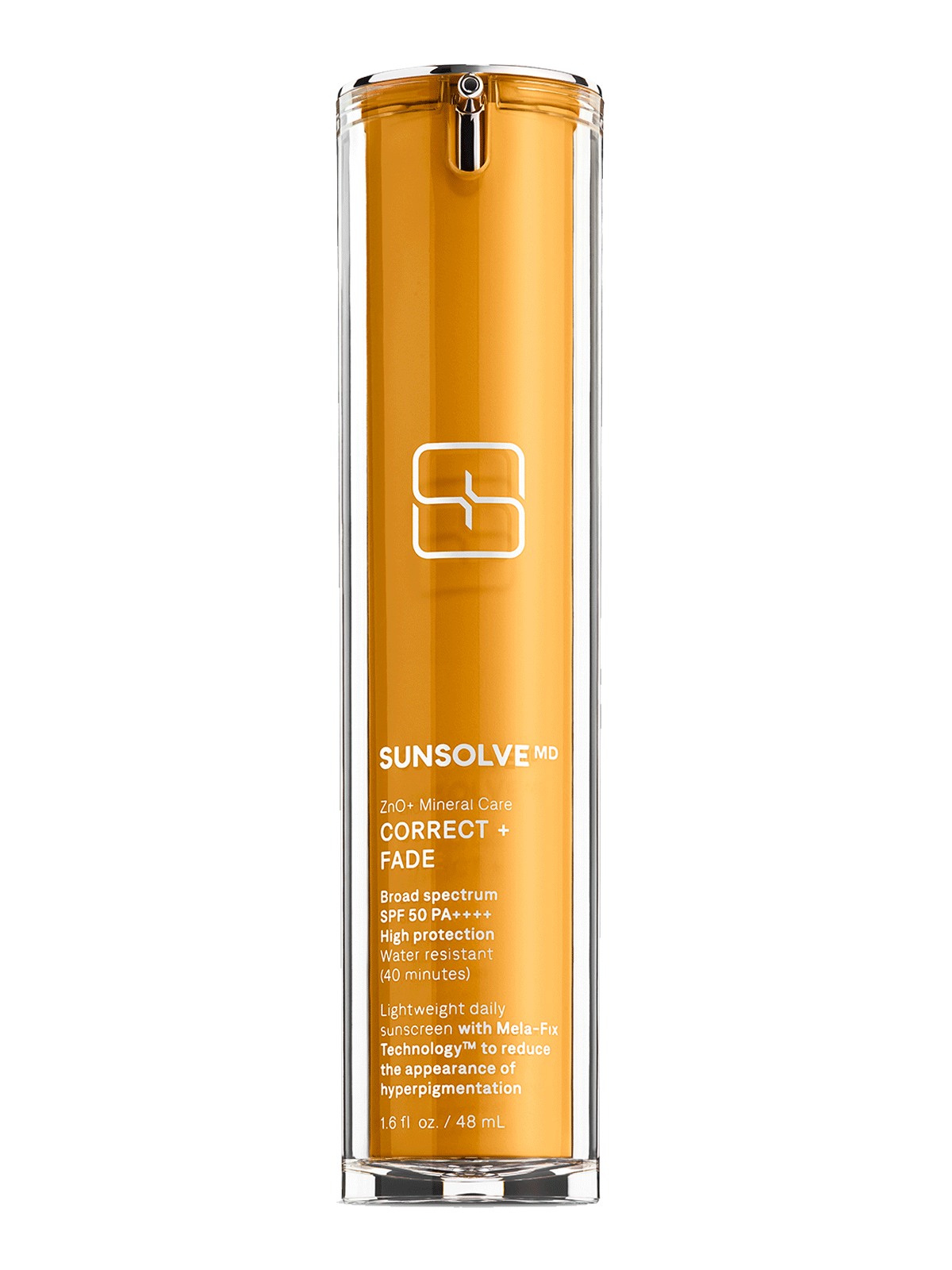
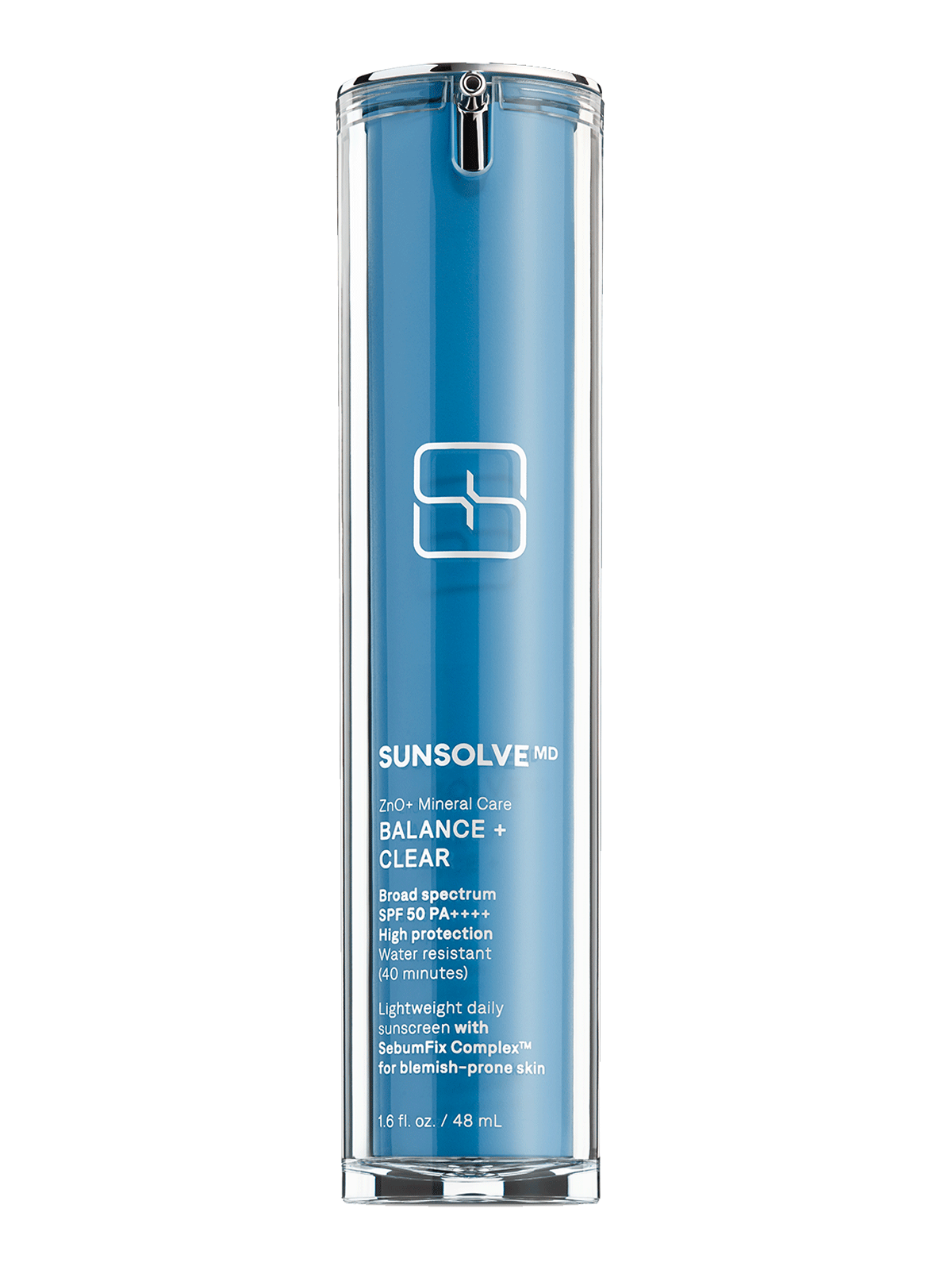
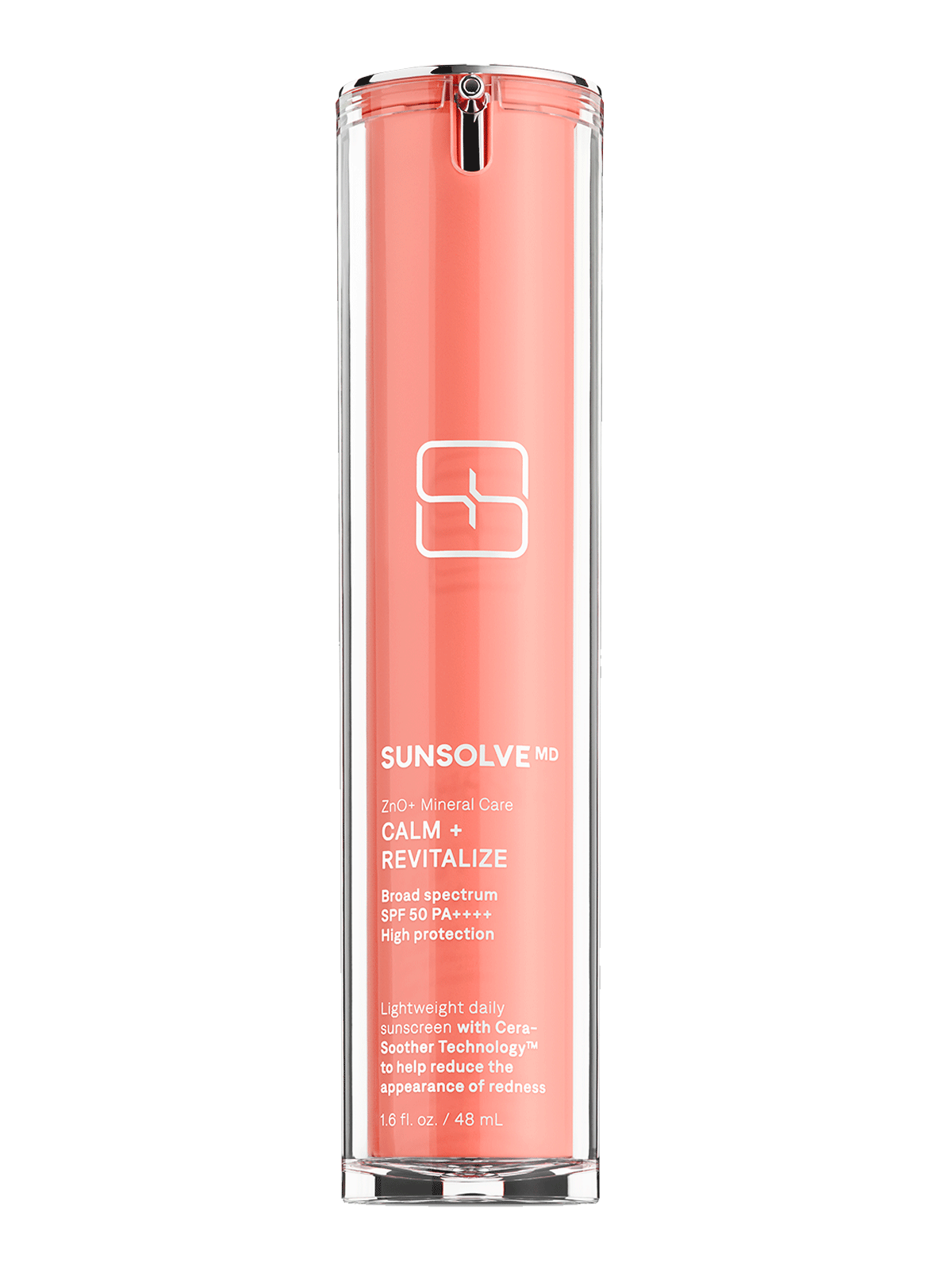
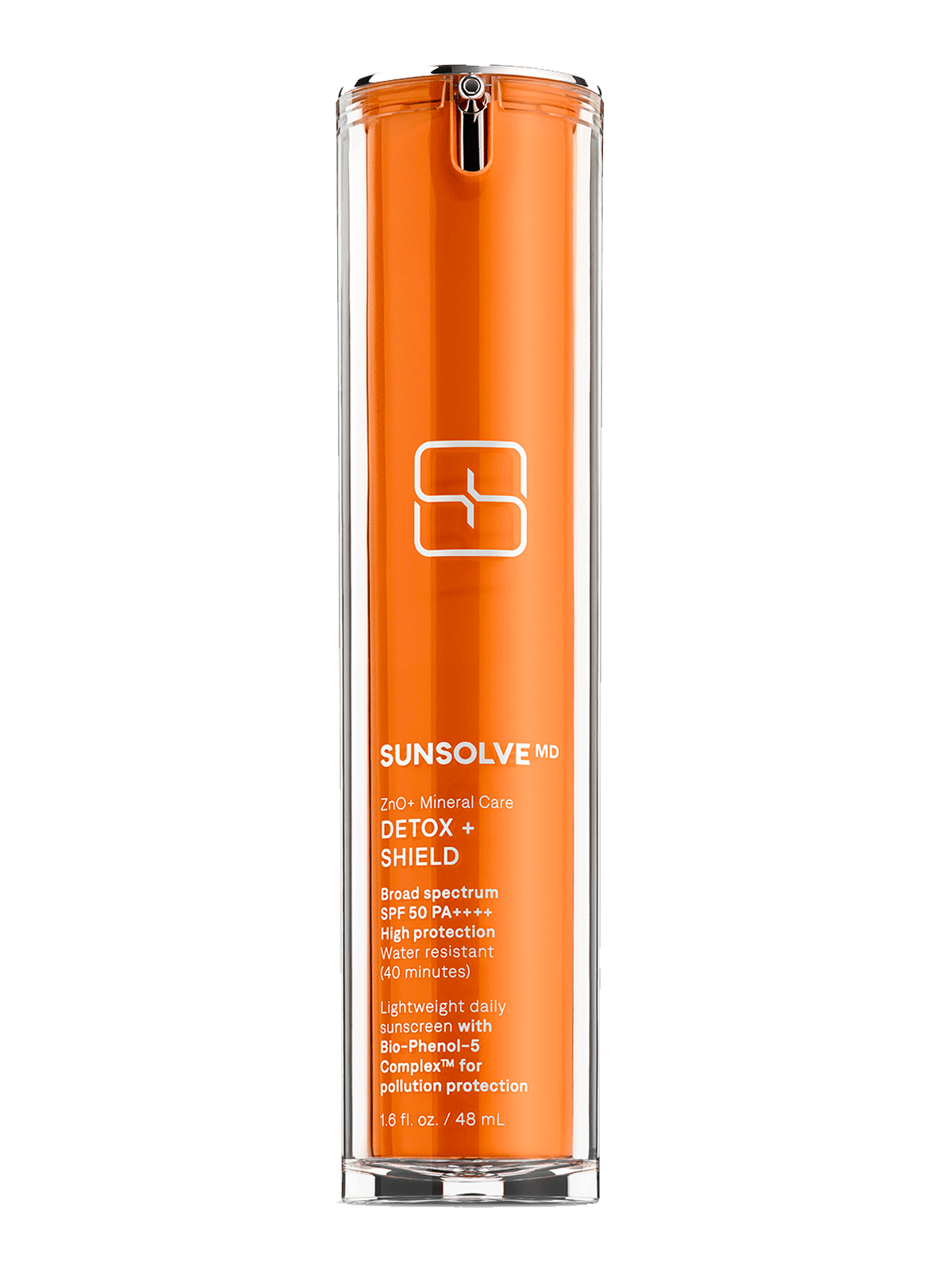
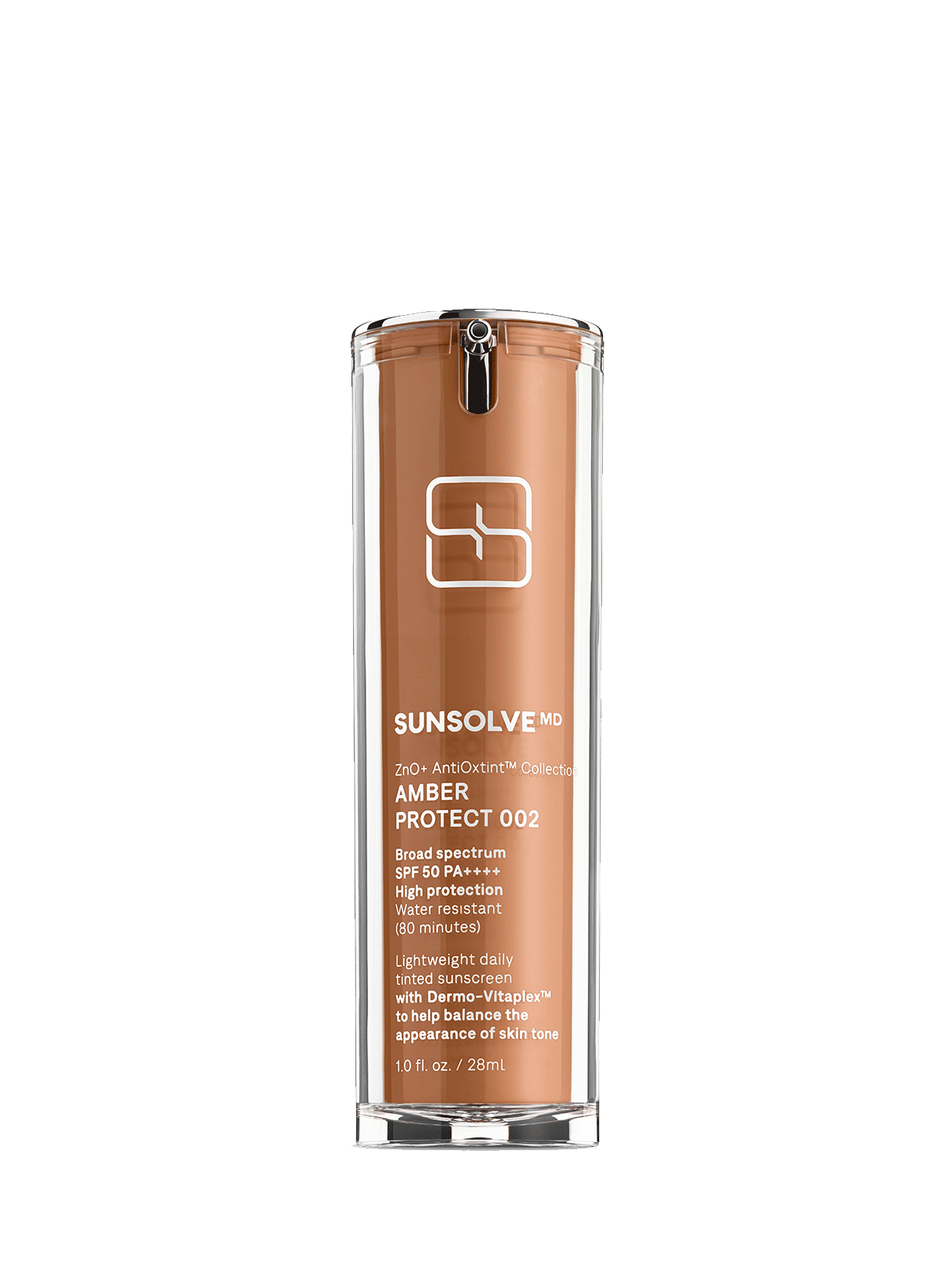
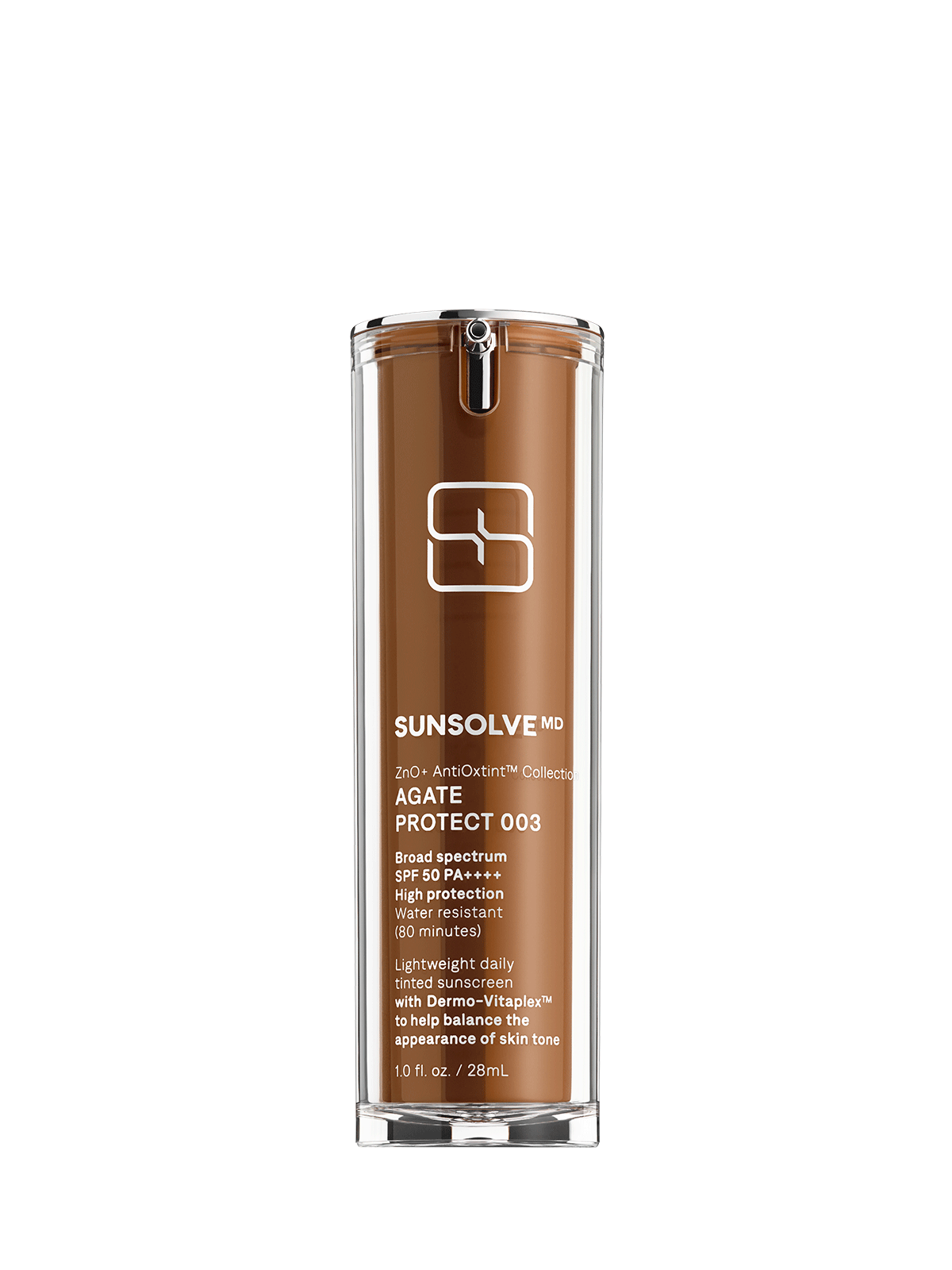
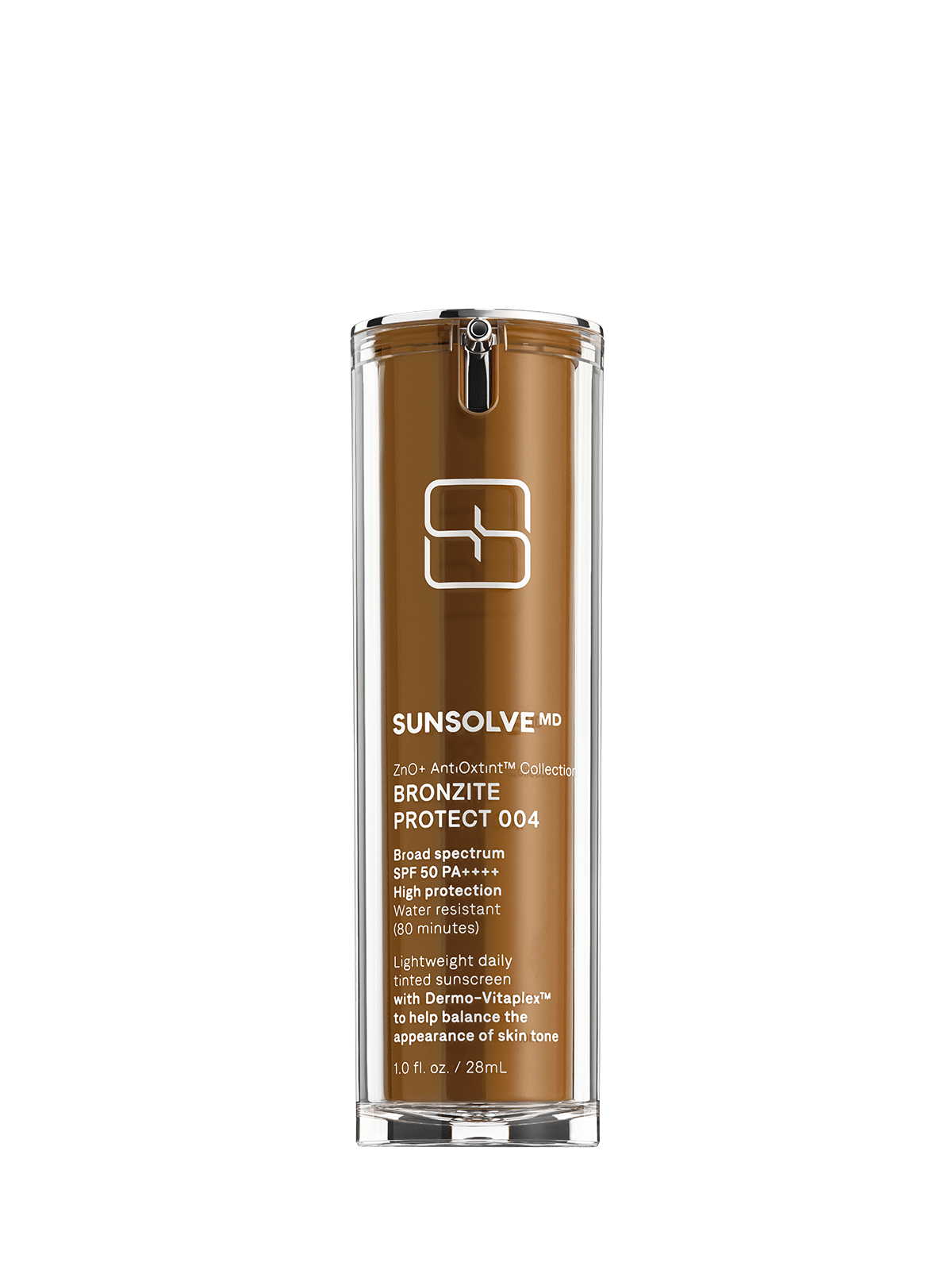
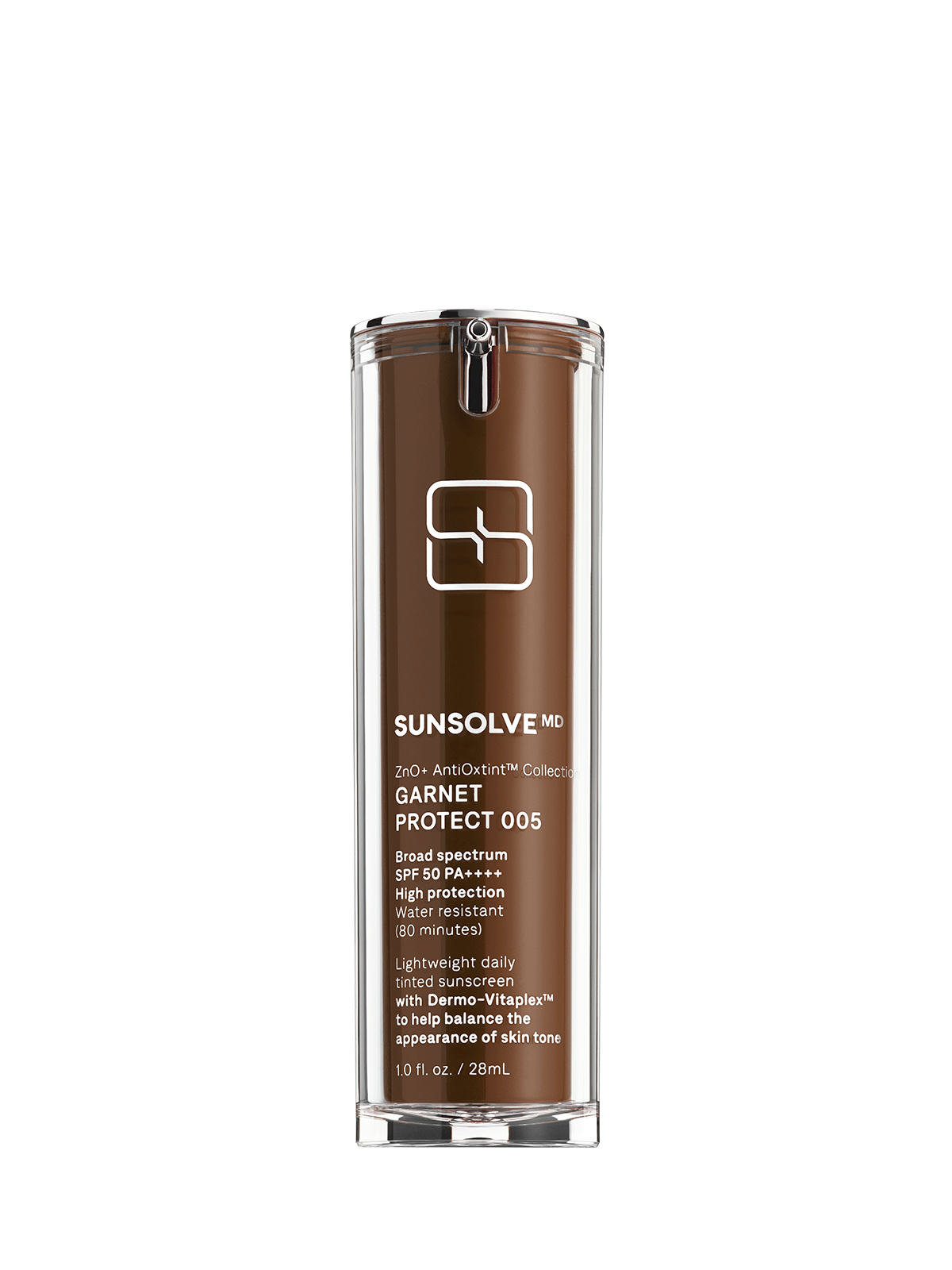
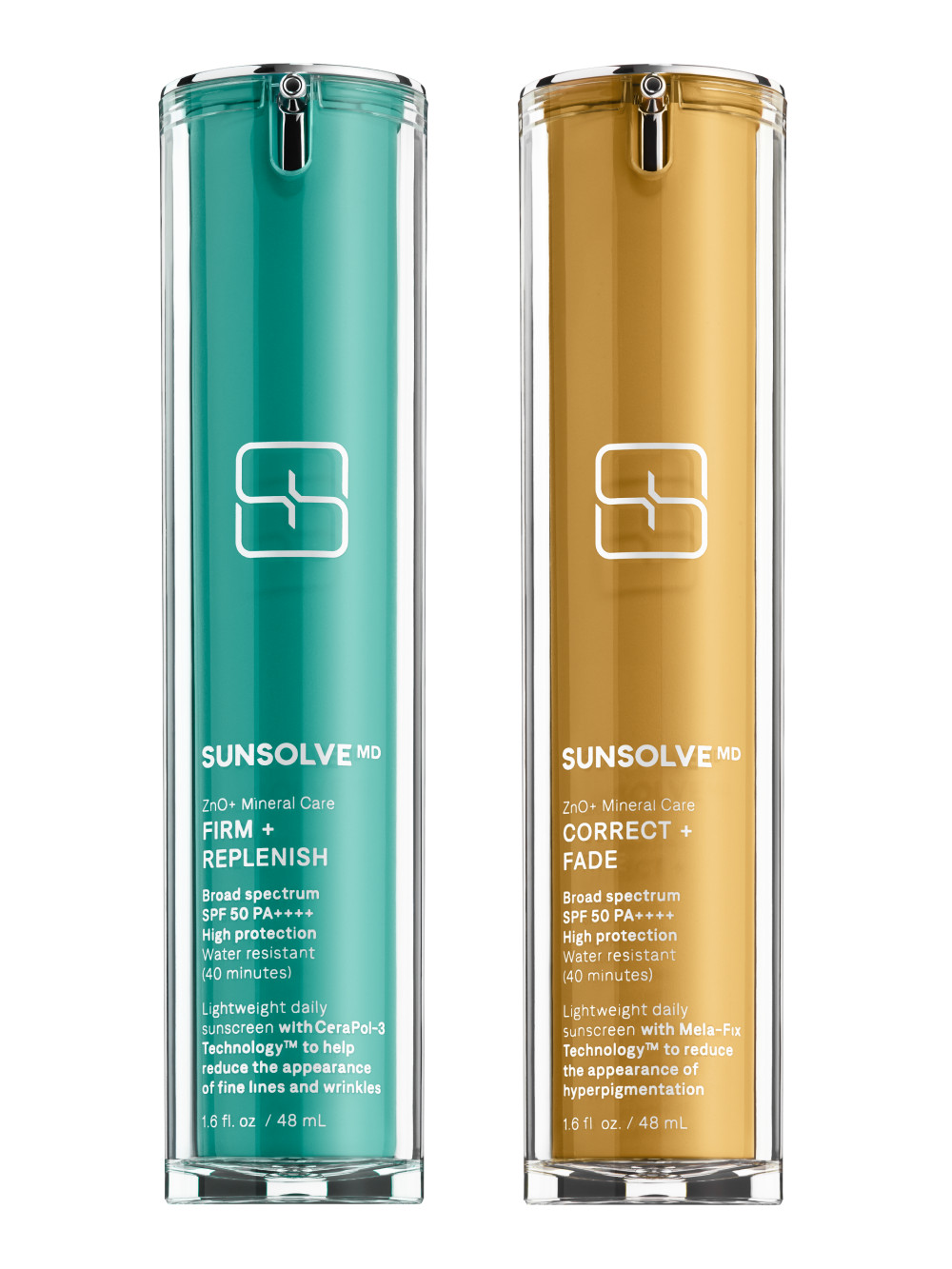
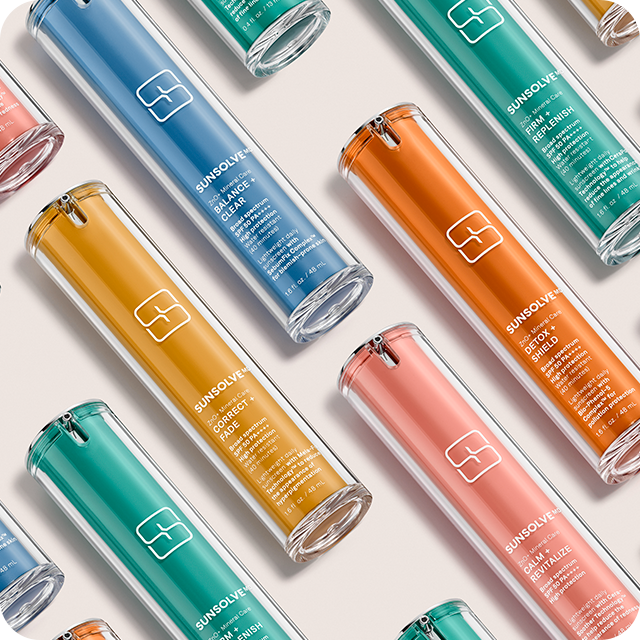
At SunsolveMD, our high-performance sunscreen formulated with zinc oxide delivers genuine broad-spectrum protection that addresses the UVA load you receive on every overcast day, not just the UVB you would notice on a clear one. The ZnO+™ Mineral Care Complex pairs 12% non-nano zinc oxide with phytoplankton-derived enzymes that target UV-induced DNA damage at the cellular level, which is precisely the damage cloudy-day exposure quietly accumulates. The texture is lightweight enough to wear under the heaviest winter moisturiser without disrupting your routine. And with the right SPF, even grey days stop feeling like a question.
FAQs
Can I get a sunburn on a cloudy day?
Less commonly, but yes. The broken cloud effect can amplify UVB reaching the surface, and extended exposure on a hazy day can still result in burning, particularly for fair skin types.
Does my skin need less sunscreen in winter?
UV burden does drop in winter but doesn't disappear. SPF year-round is the dermatological recommendation, with the same application principles.
Do I need to reapply on cloudy days?
If you are indoors after morning application, generally not. If you are spending extended periods outside, the two-hour reapplication rule still applies regardless of weather.
Is rain protection from UV?
Marginally, but not enough to skip SPF. UVA still transmits through rain at meaningful levels.
What about UV in the shade?
Shade provides partial protection but not complete. UVA scatters and reflects off surfaces, so meaningful exposure still reaches skin in shaded environments.