




How to Protect Your Skin During Long Flights
The conditions inside a long-haul aircraft are, from a dermatological standpoint, ridiculous. Humidity drops to single digits, lower than most deserts. UV exposure increases significantly because there is less atmosphere between you and the sun, and aircraft windows filter UVB but only partially block UVA. Cabin pressure shifts affect circulation. Recycled air strips the skin barrier. Add the dehydration that comes with airline coffee and complimentary wine, and you arrive at your destination with a face that looks roughly a decade older than the one you boarded with.
The damage is not theoretical. Studies have shown that frequent fliers, particularly cabin crew, develop measurably more photoageing than the general population, even when they spend most of their working time indoors. The cumulative effect of those eight, ten, fifteen-hour flights adds up.
The good news is that the in-flight environment is also unusually responsive to the right interventions. A handful of small, deliberate changes to your travel routine can substantially reduce the skin debt you accumulate at altitude.
Why Aircraft Cabins Are So Hostile
Cabin humidity sits at around 10 to 20%, compared to the 40 to 60% that is comfortable for human skin. The skin responds by losing water through the surface (transepidermal water loss), which depletes the barrier and leaves you visibly drier and more sensitive within hours. The longer the flight, the deeper the depletion.
UV exposure at altitude is the second issue. UV intensity increases by roughly 10 to 12% for every 1,000 metres of elevation, which means cruising altitude exposes you to considerably more radiation than you would receive at sea level. Aircraft windows, particularly those next to the wing, filter most UVB but allow significant UVA transmission. UVA is the wavelength most associated with deeper photoageing and pigmentation, and it accumulates over the duration of a long flight to a level worth taking seriously.
Recycled cabin air also tends to disturb the skin microbiome and irritate compromised barriers, which is why people with sensitive skin, rosacea, or eczema often experience flares during or shortly after long flights.
What To Do Before You Board
Hydration begins twenty-four hours before the flight, not at the gate. Water intake throughout the day before improves baseline skin hydration in a way that cabin air can deplete but not entirely undo. Avoid alcohol the night before if possible, and skip the airport bar.
Cleanse before you fly and arrive at the airport without makeup, or remove it before takeoff. Makeup traps moisture loss, accelerates barrier disruption, and gives the cabin environment a head start on drying you out. A hydrating serum, a richer-than-usual moisturiser, and a generously applied SPF should be the last things you do before the flight.
The In-Flight Routine

The principle in the air is to maintain a barrier between your skin and the cabin air. That means generous moisture, occasional reapplication, and minimal disruption.
A hydrating mist applied every hour or two adds moisture back to the surface; a richer balm or facial oil patted over the top traps it in. Lip balm is non-negotiable. Hand cream similarly. If you wear contact lenses, switch to glasses for the duration of the flight; your eyes will be drier than usual, and the irritation lingers.
Sunscreen reapplication is the step most people skip in the air. If you are seated near a window, particularly during daylight hours, the UVA exposure justifies a midflight top-up. A stick or compact format works better than a cream because it doesn't require touching your hands to your face after handling cabin surfaces. For more on the broader application principles, make sure to check out our guide to using SPF everyday.
Drink water consistently throughout the flight, more than you think you need, and skip the coffee and alcohol. Both are diuretics and they compound the dehydration the cabin is already causing.
What To Do When You Land
The recovery routine matters as much as the in-flight one. A gentle cleanse to remove the day's accumulation, a thorough hydrating treatment with hyaluronic acid or a similar humectant, a barrier-supportive moisturiser, and your usual SPF the next morning. Avoid introducing new actives or aggressive treatments in the forty-eight hours after a long flight; the barrier is compromised, and even products you tolerate on normal days can sting or react.
If your skin tends to break out after travel (a common pattern, driven by the combination of barrier disruption and inflight cortisol), resist the urge to start treating it aggressively. Calm comes first; treatment follows once the skin has stabilised.
What Makes SunsolveMD Different
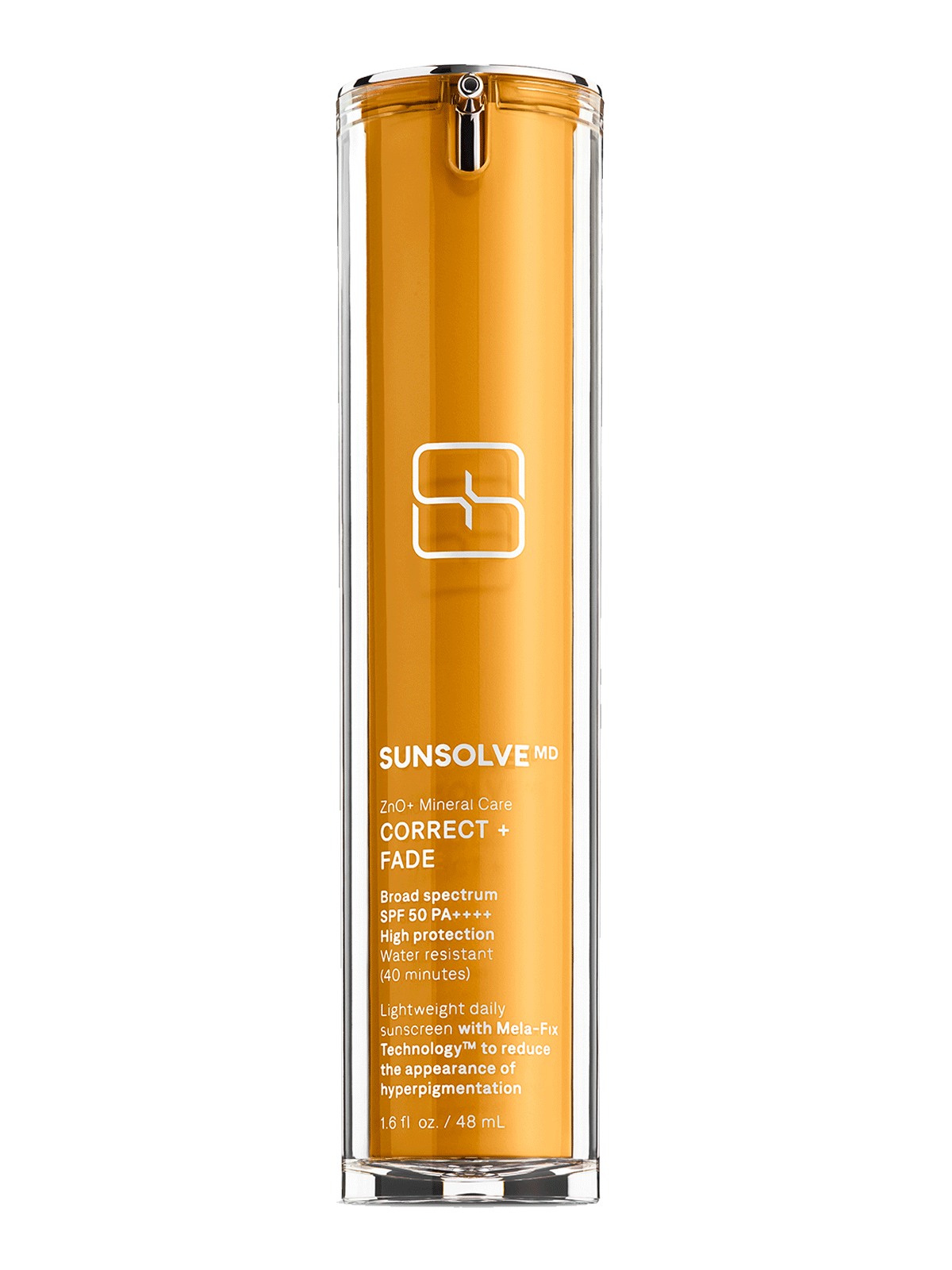
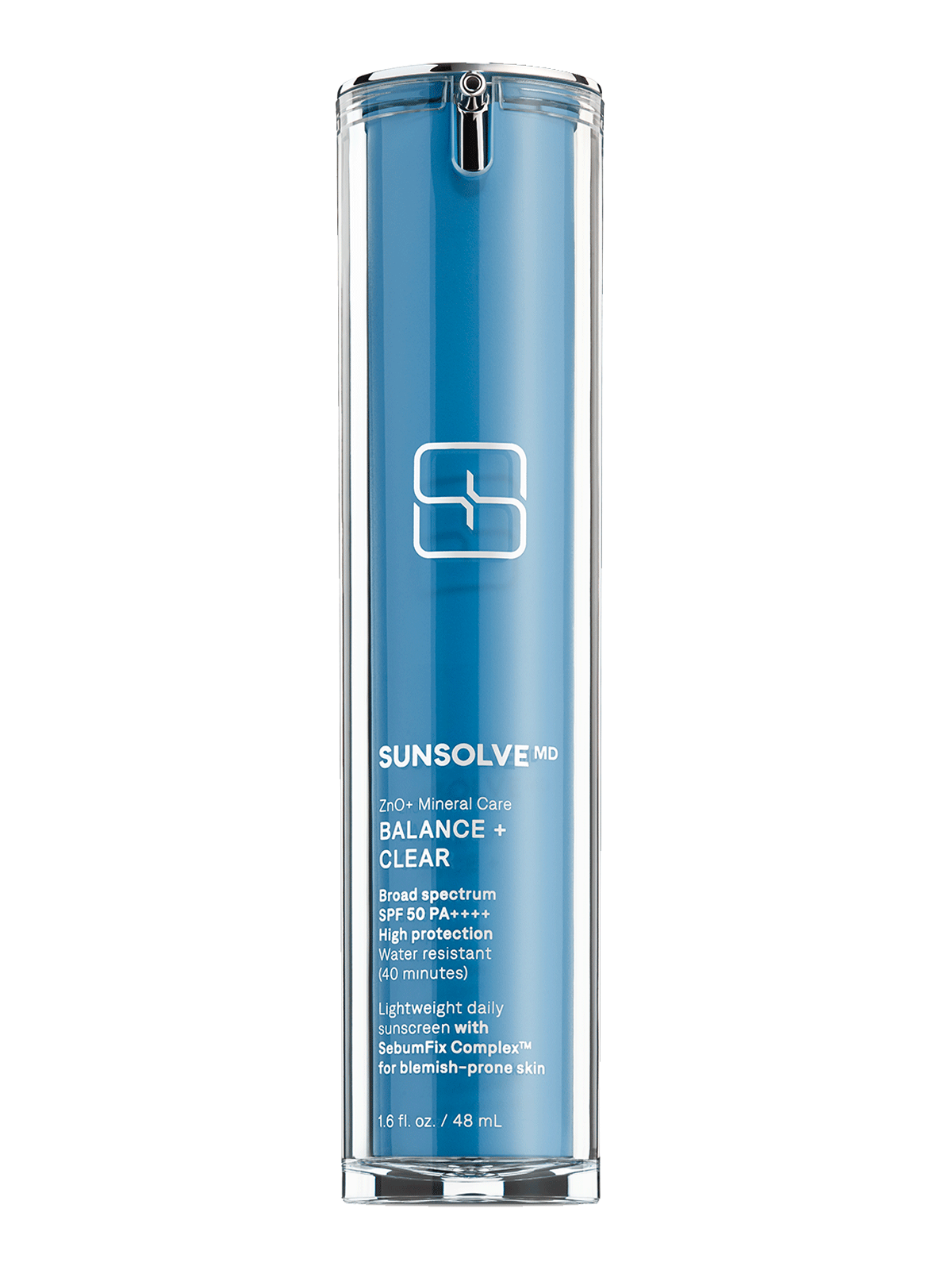
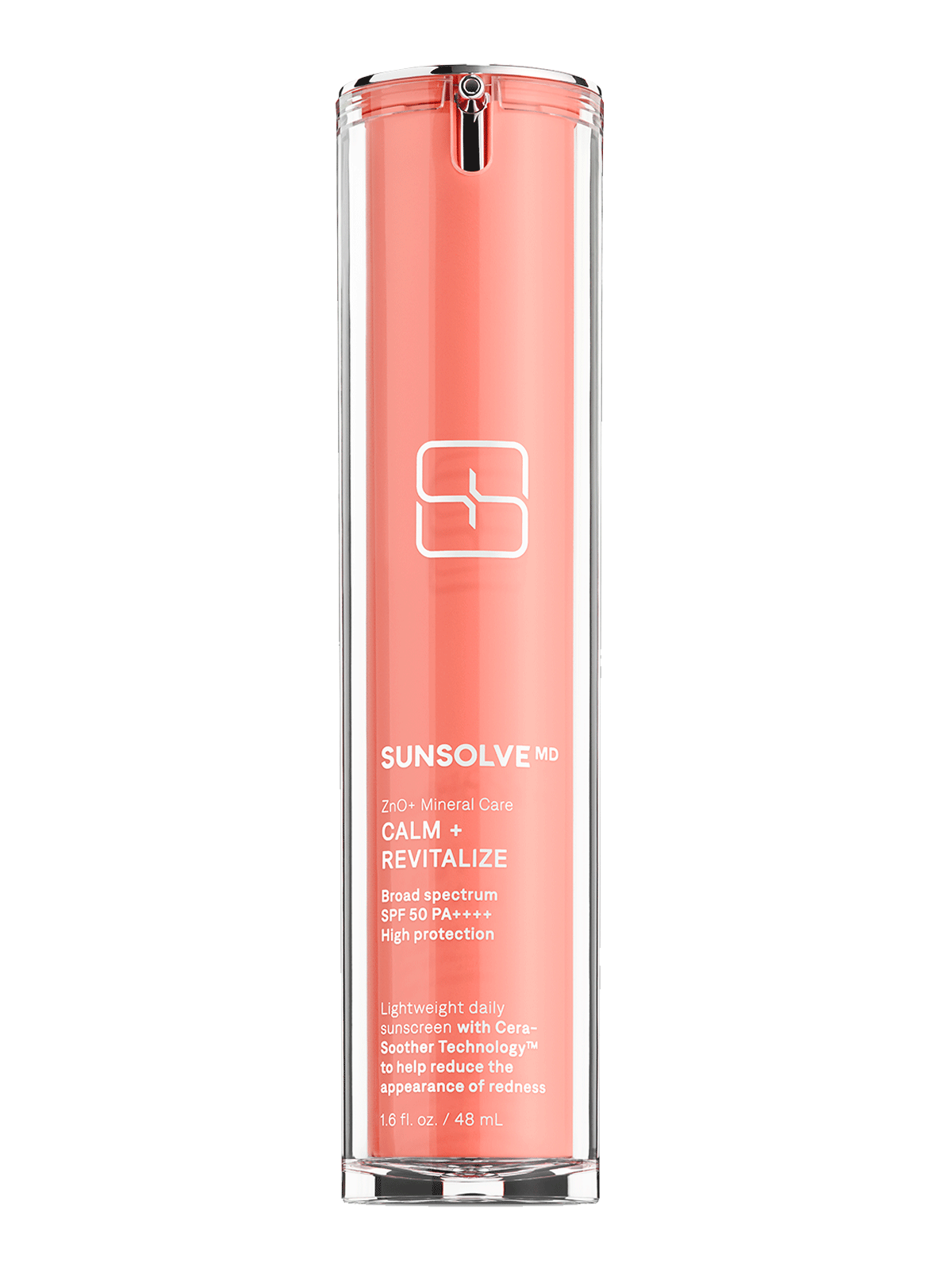
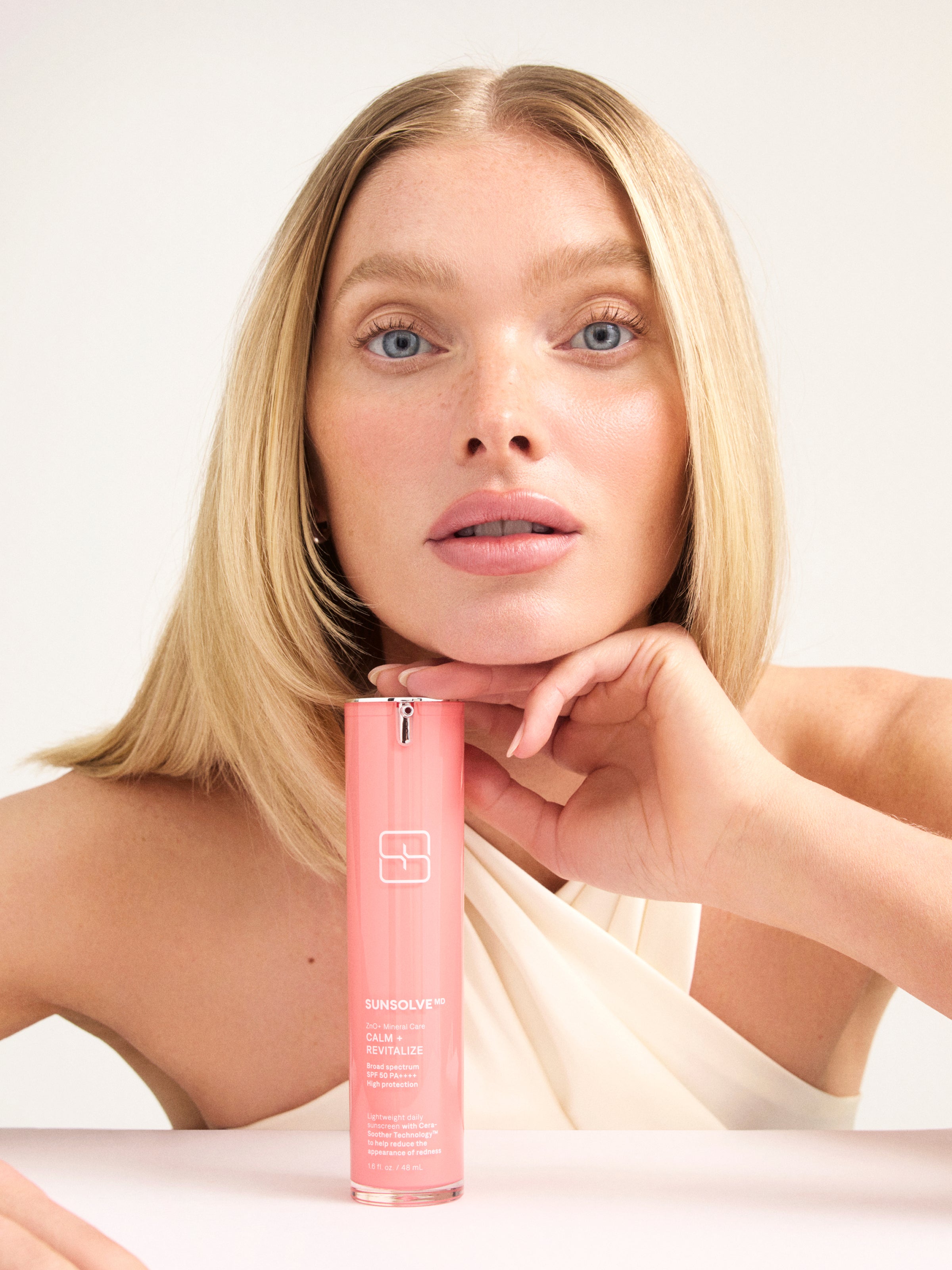
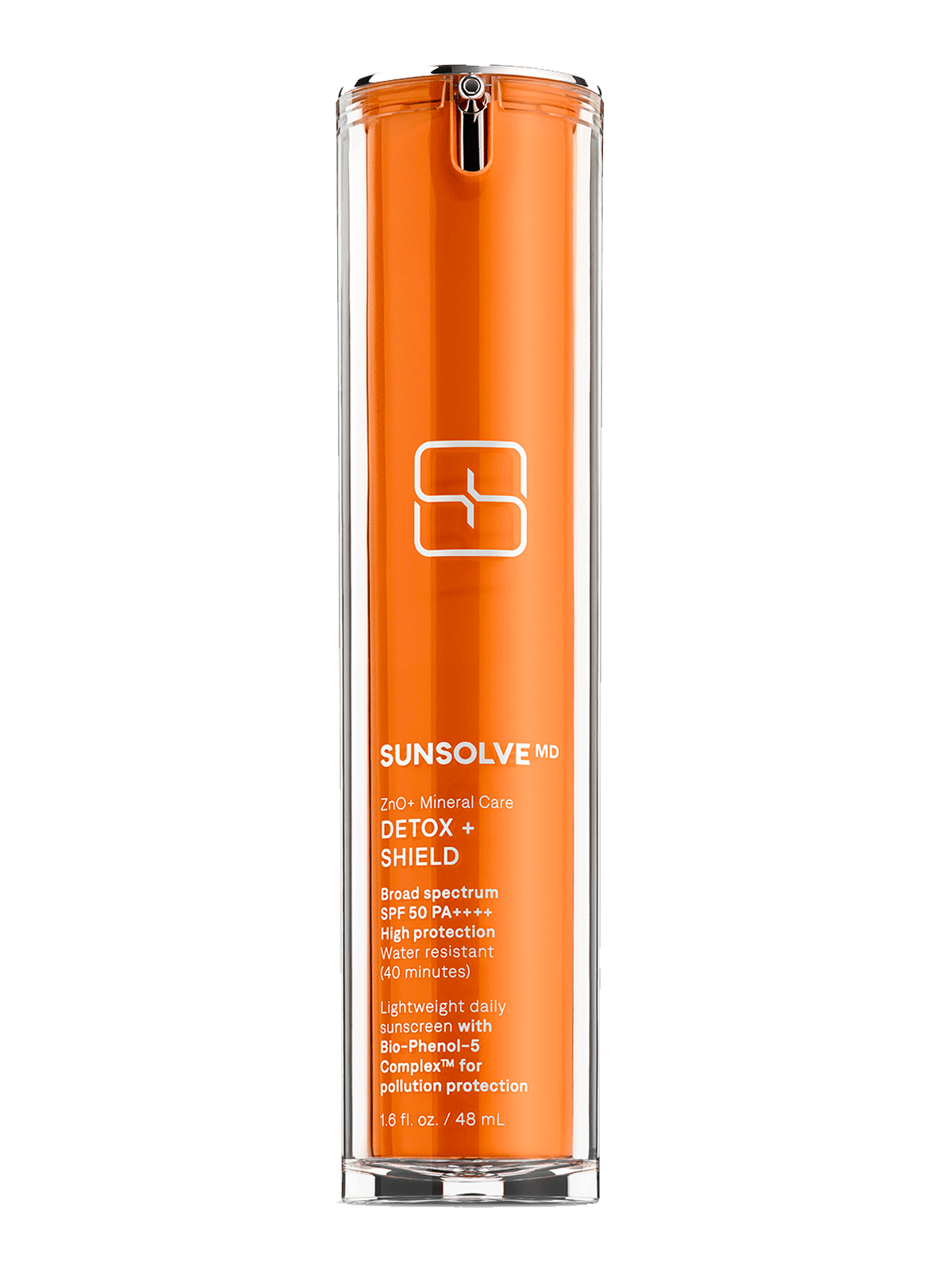
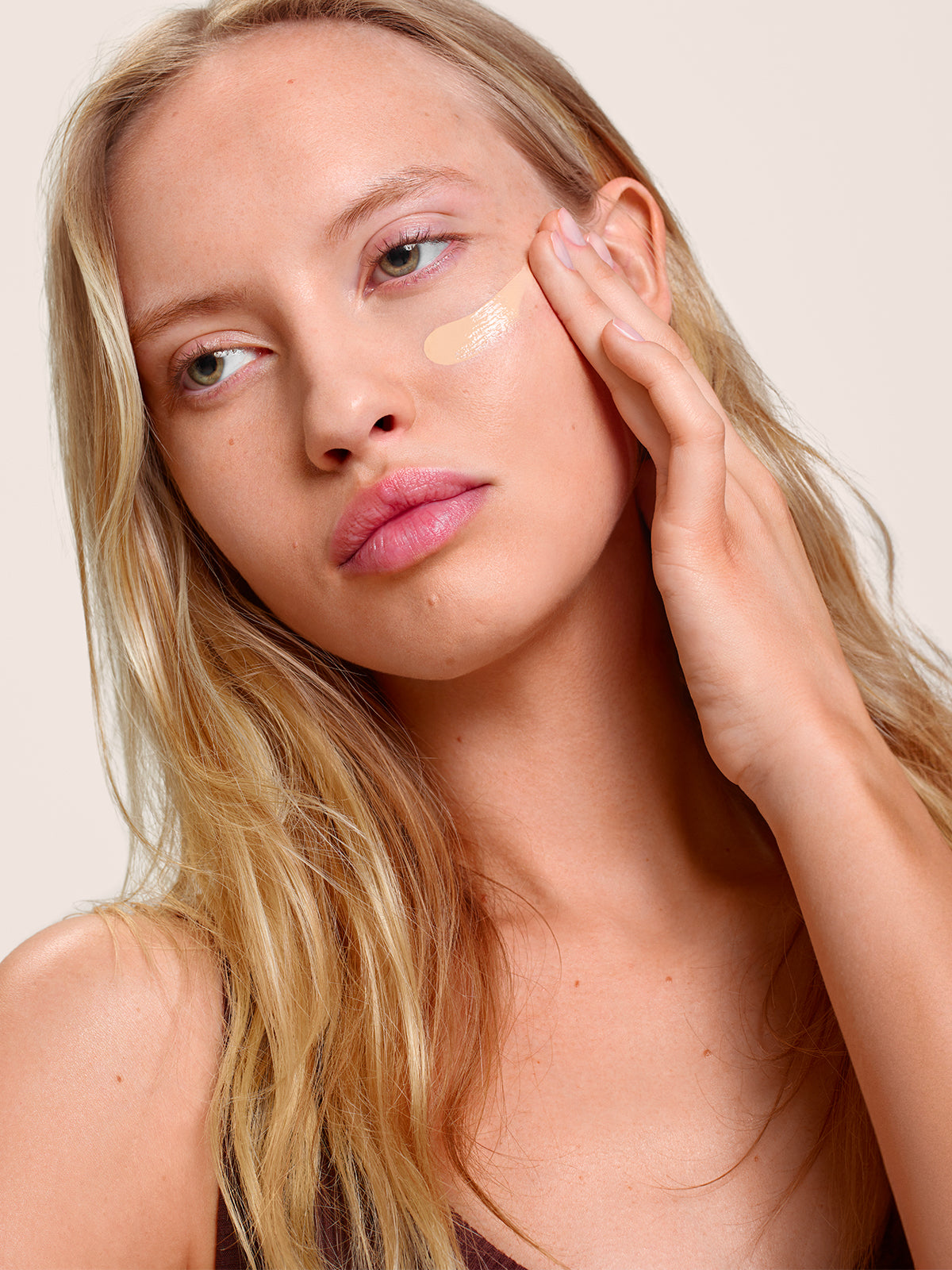
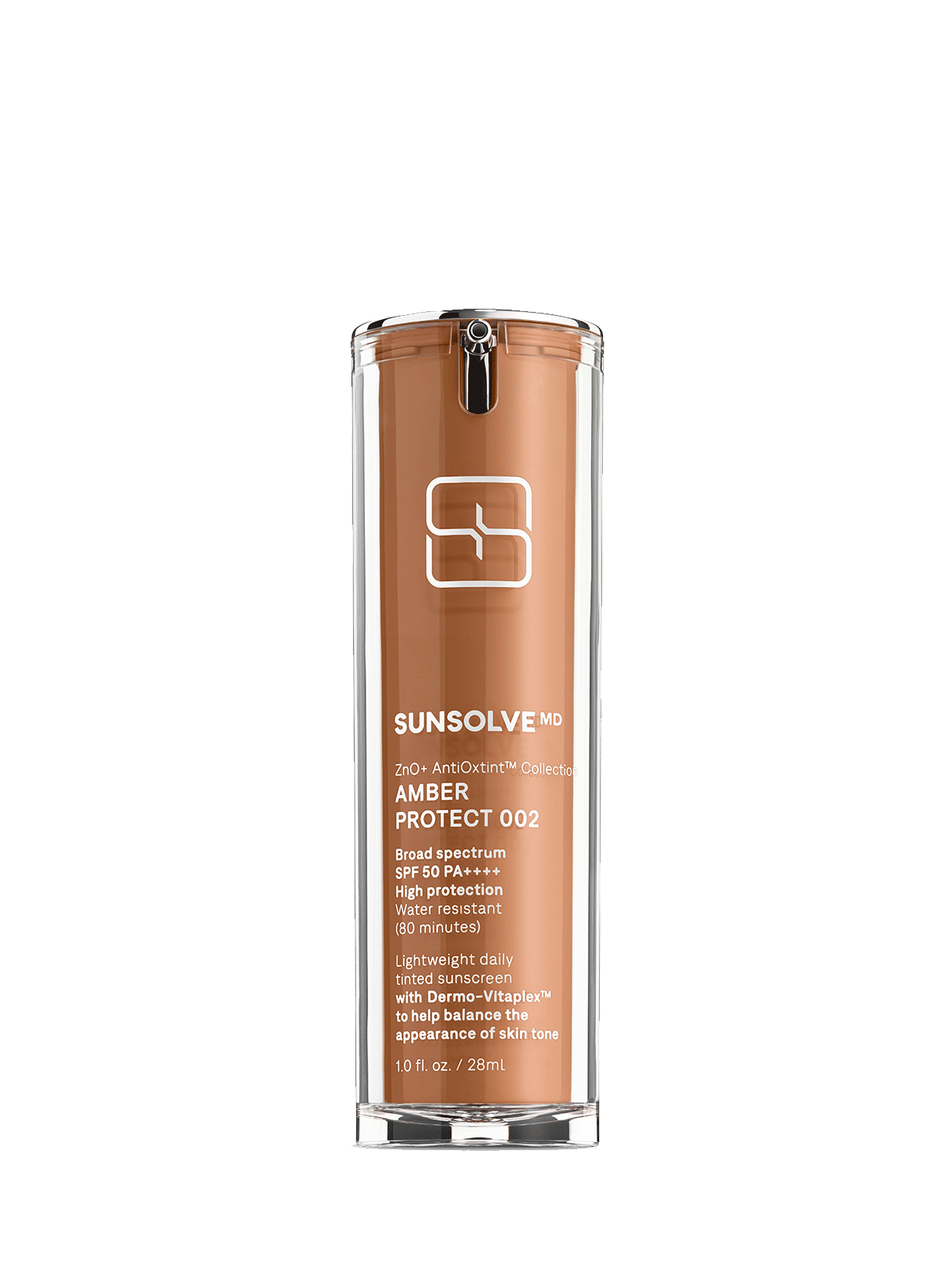
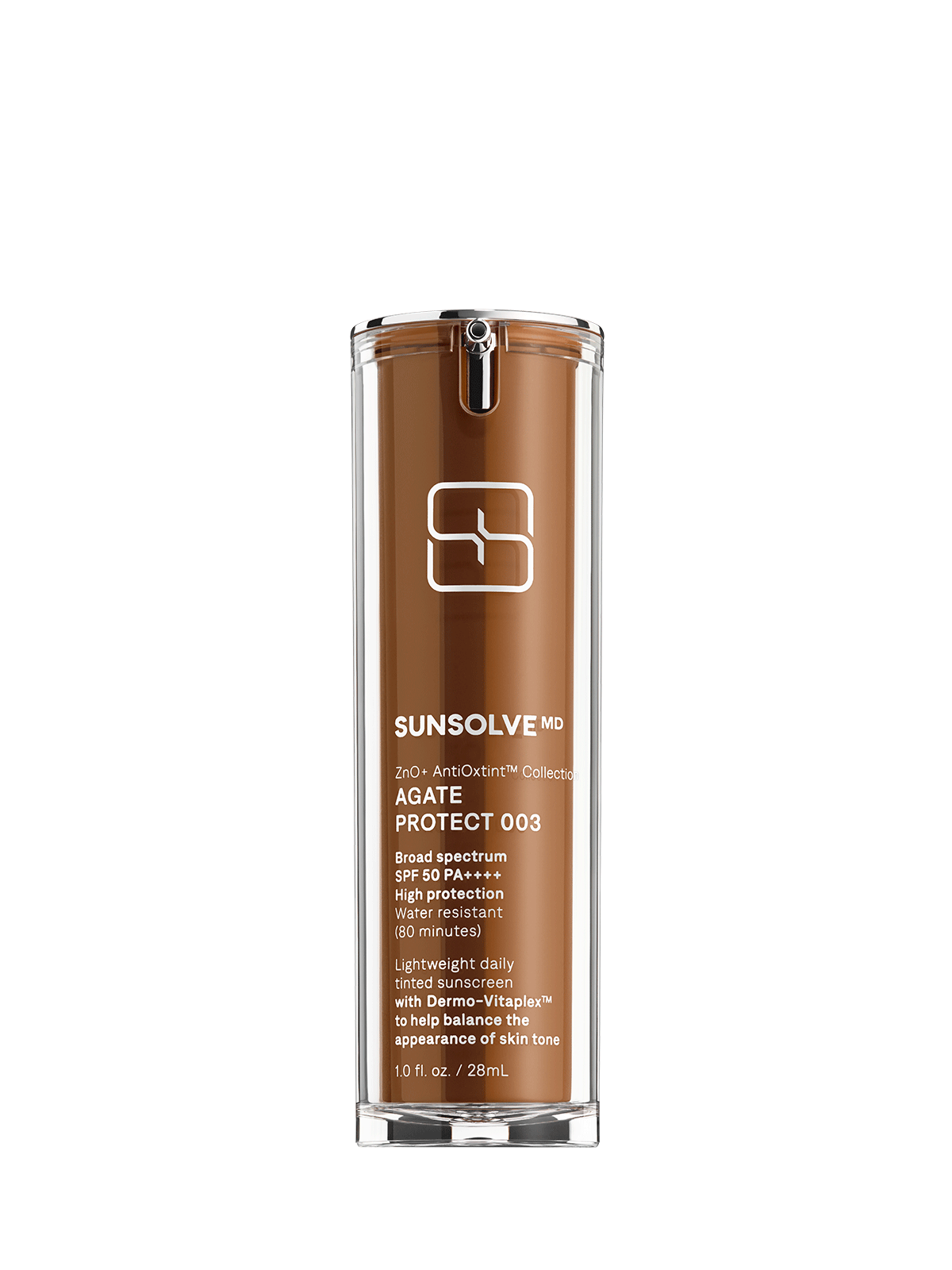
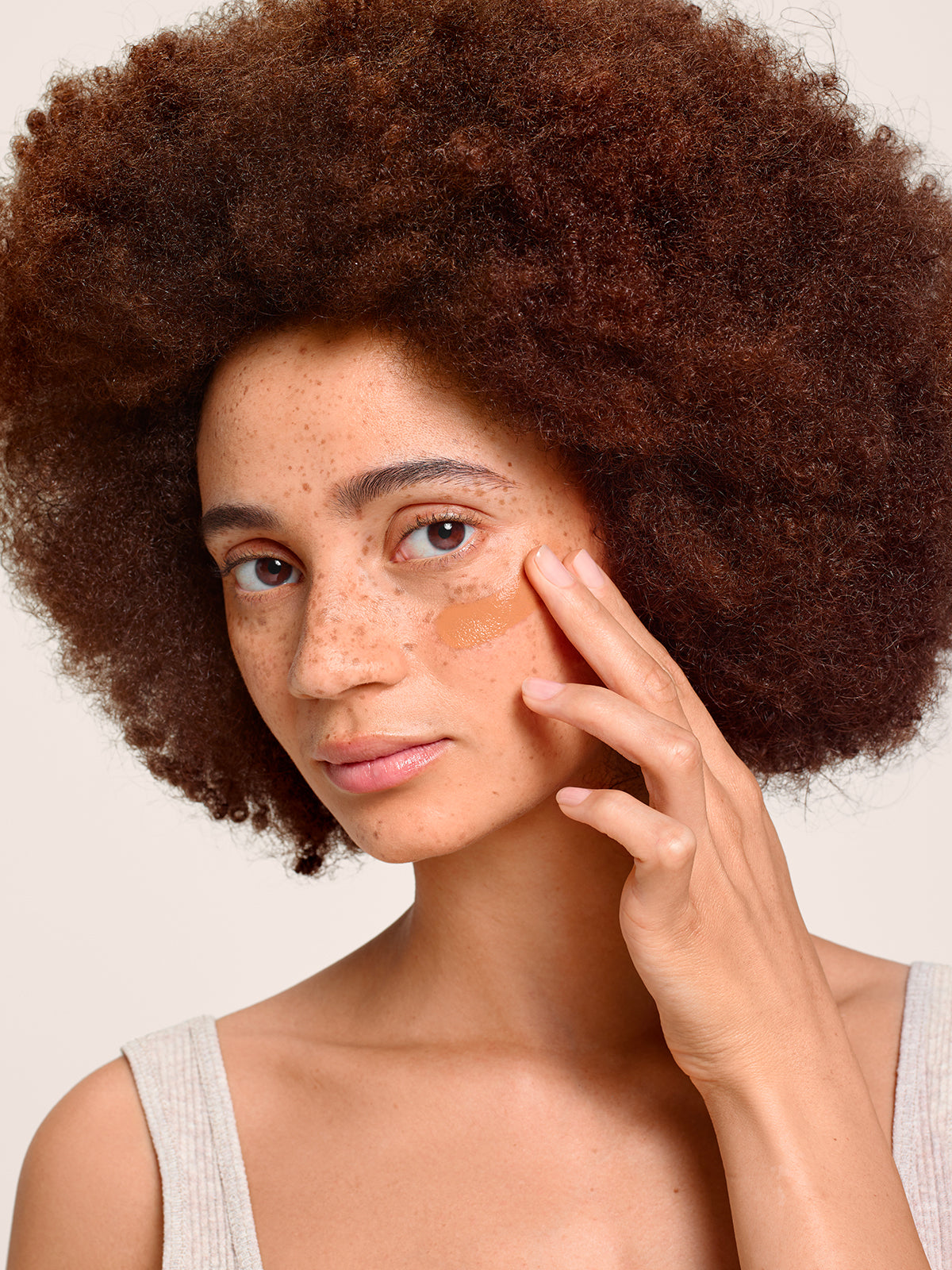
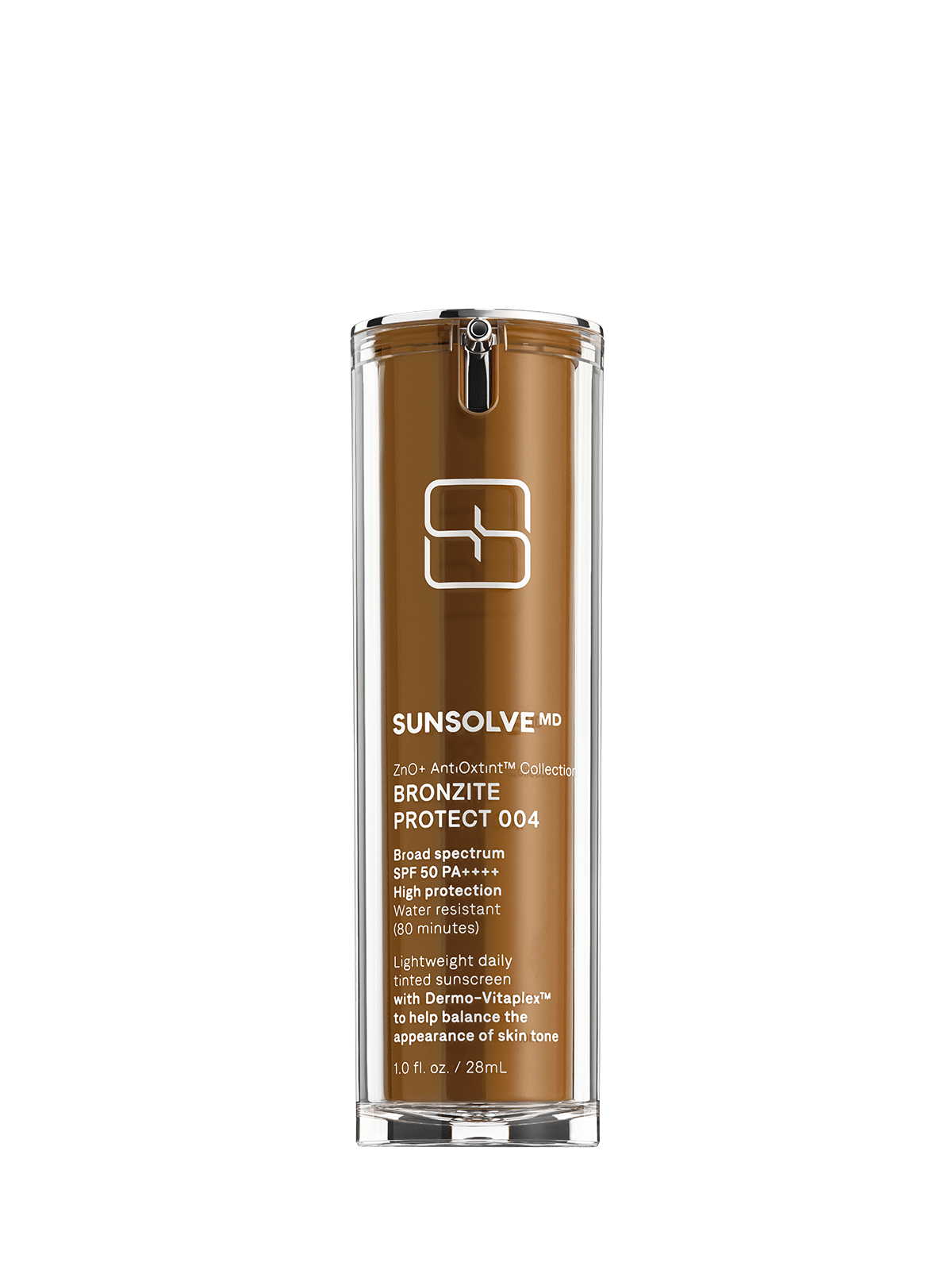
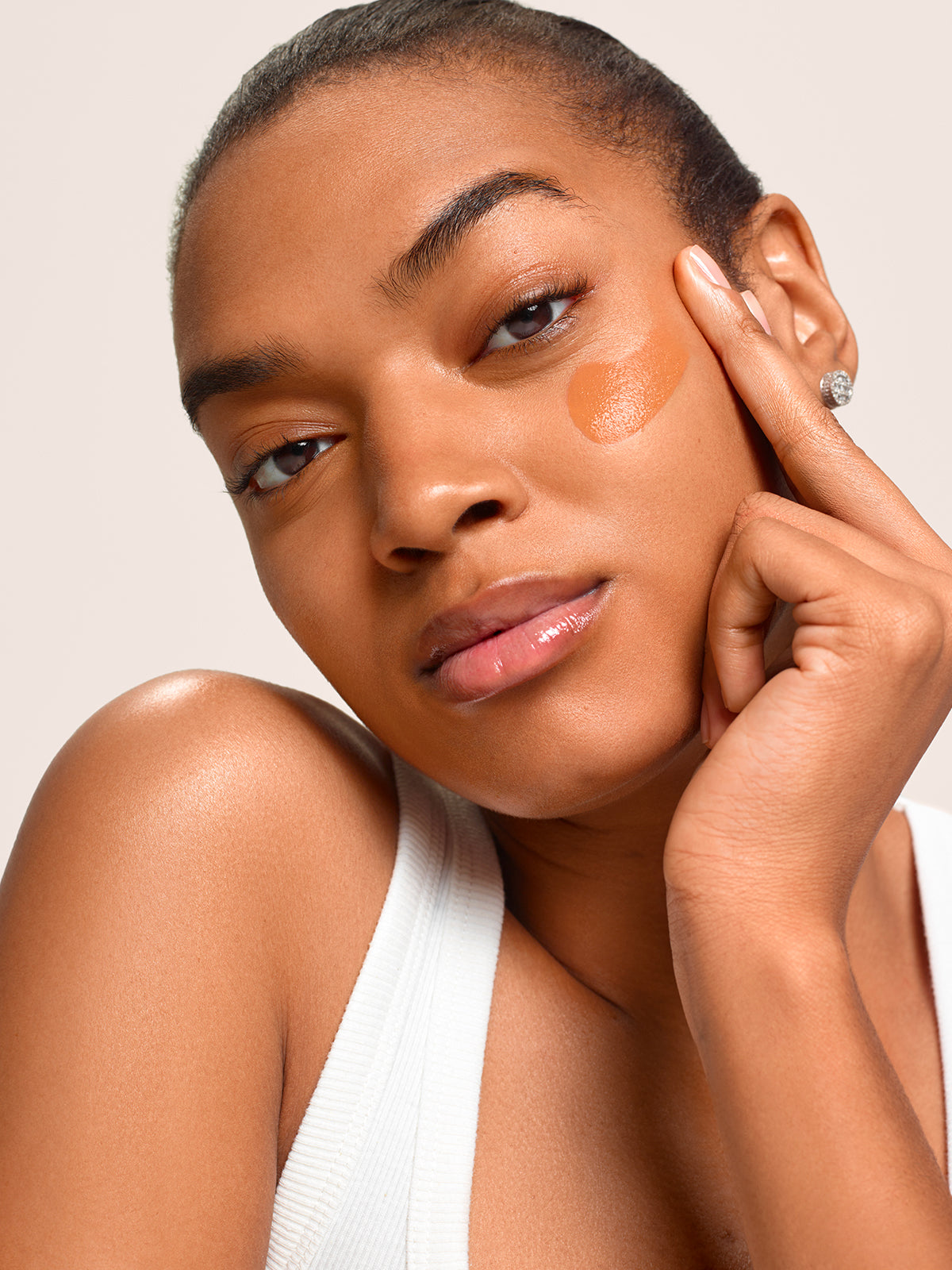
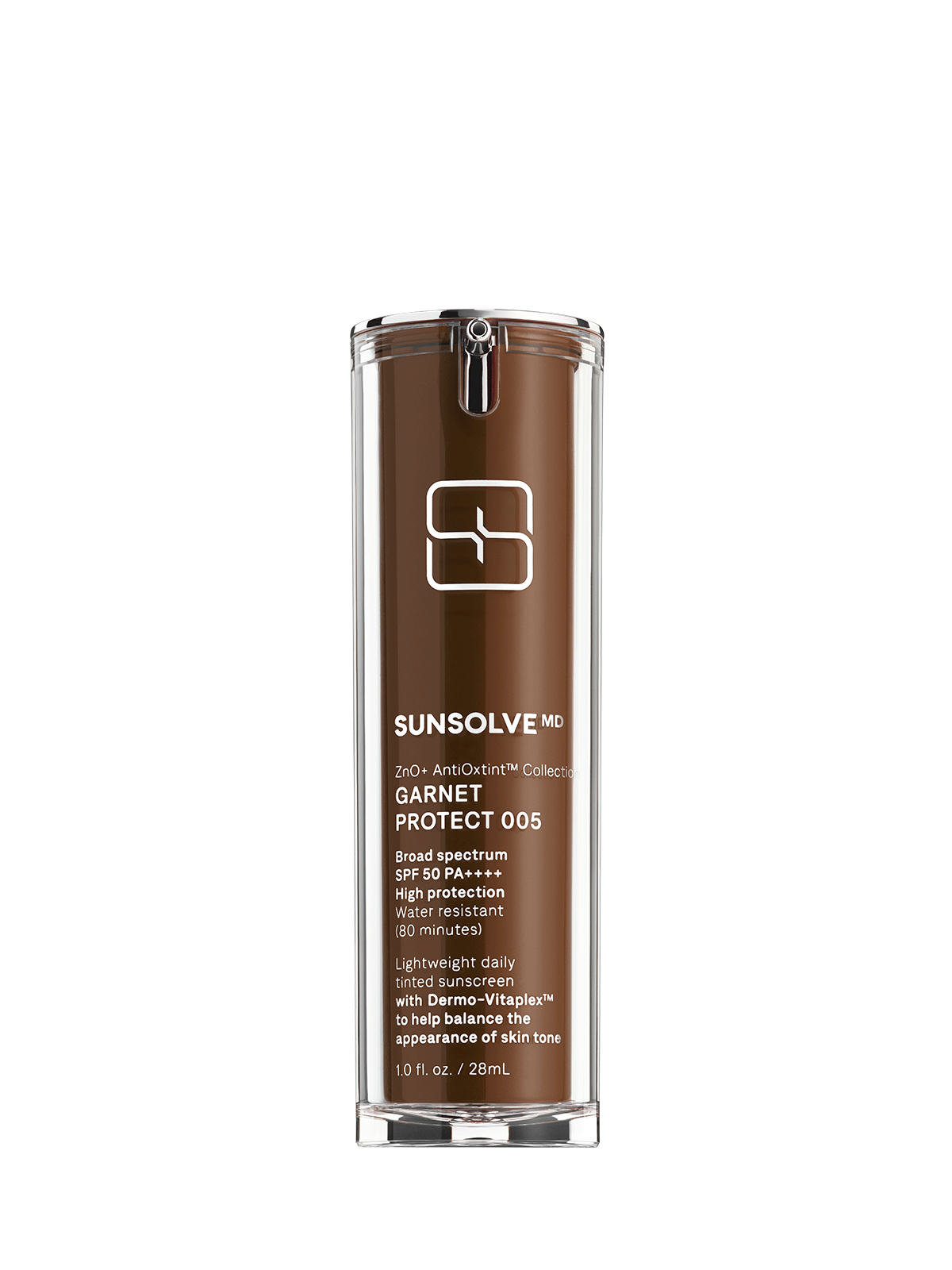
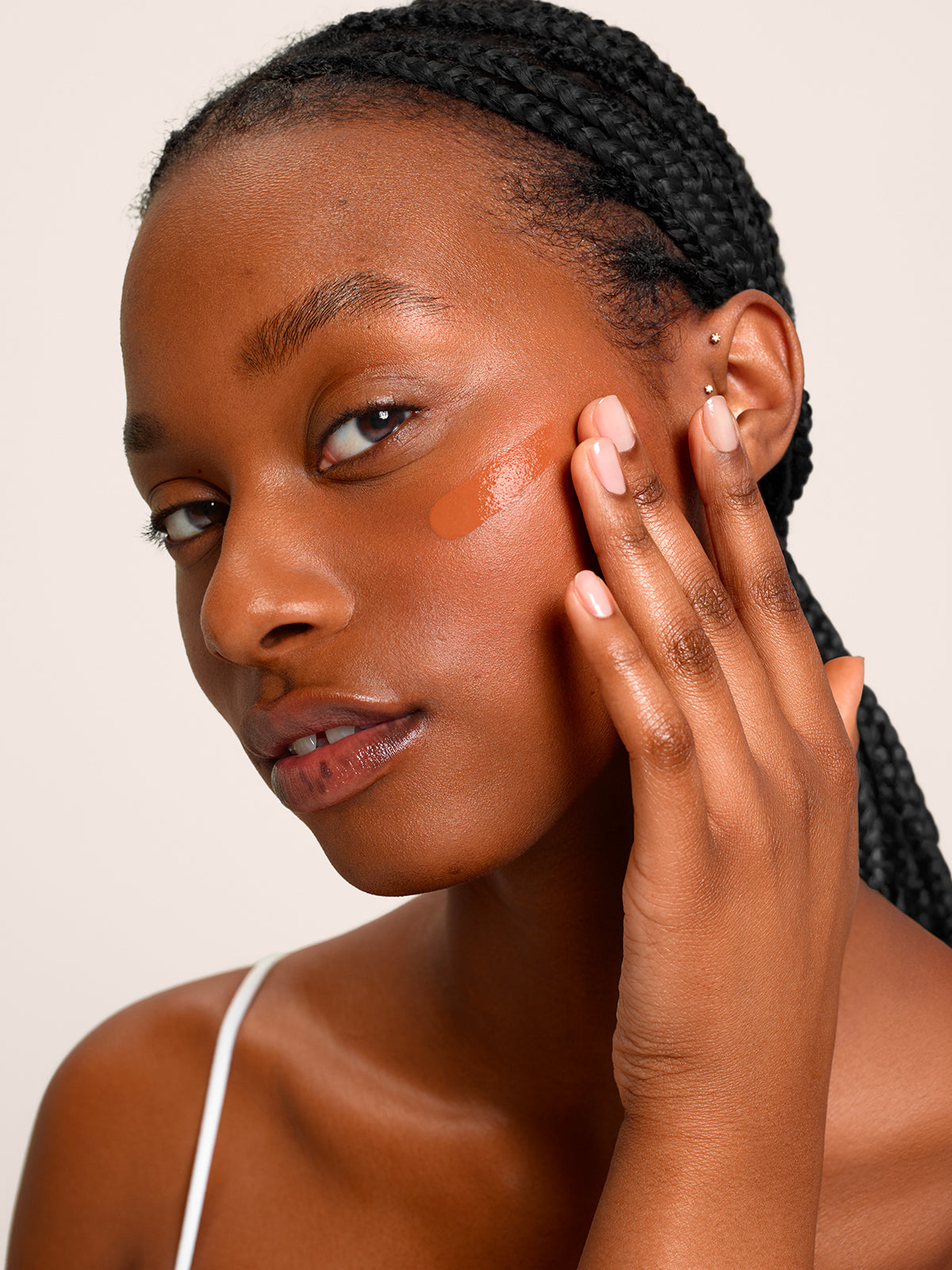
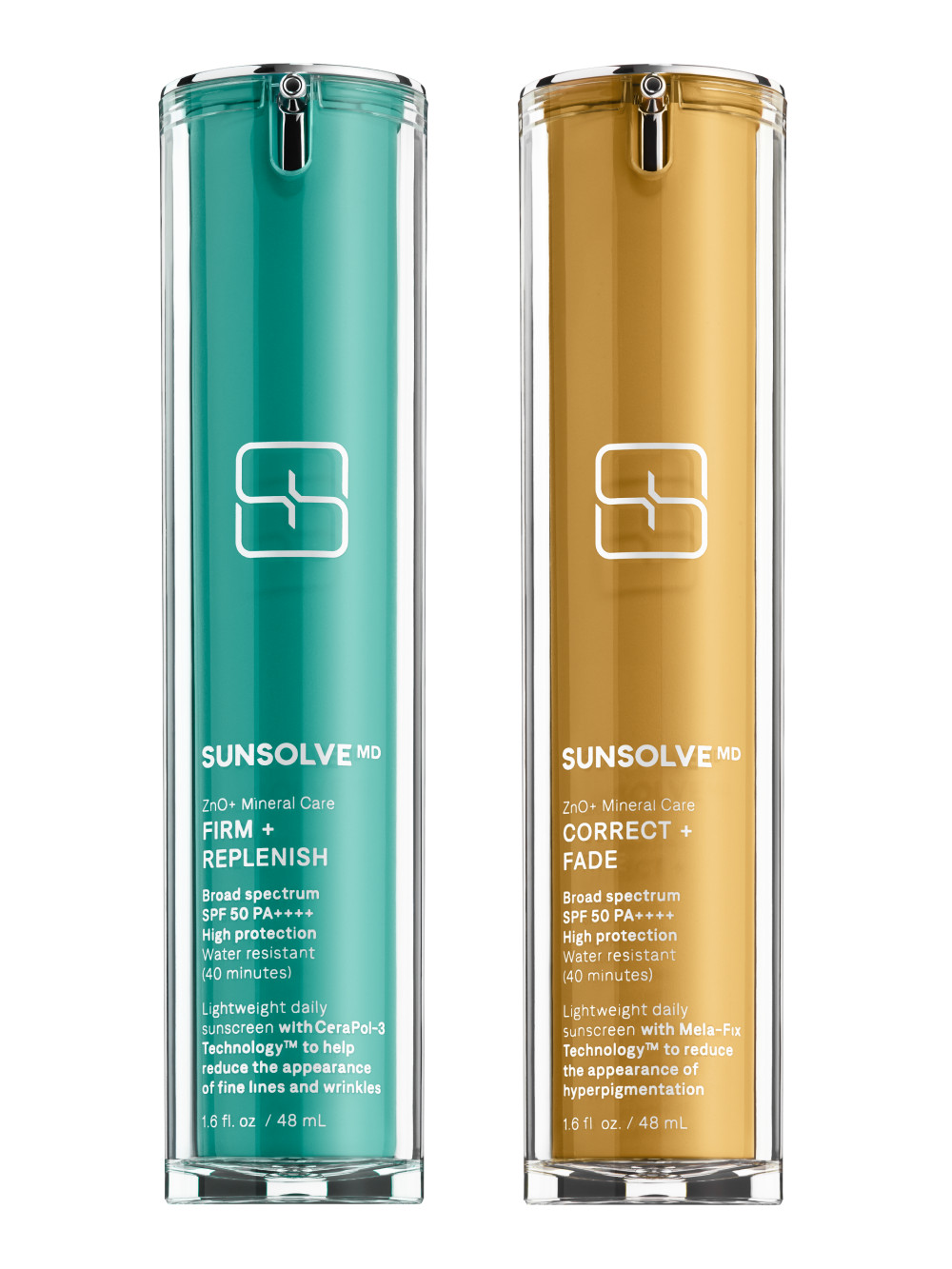
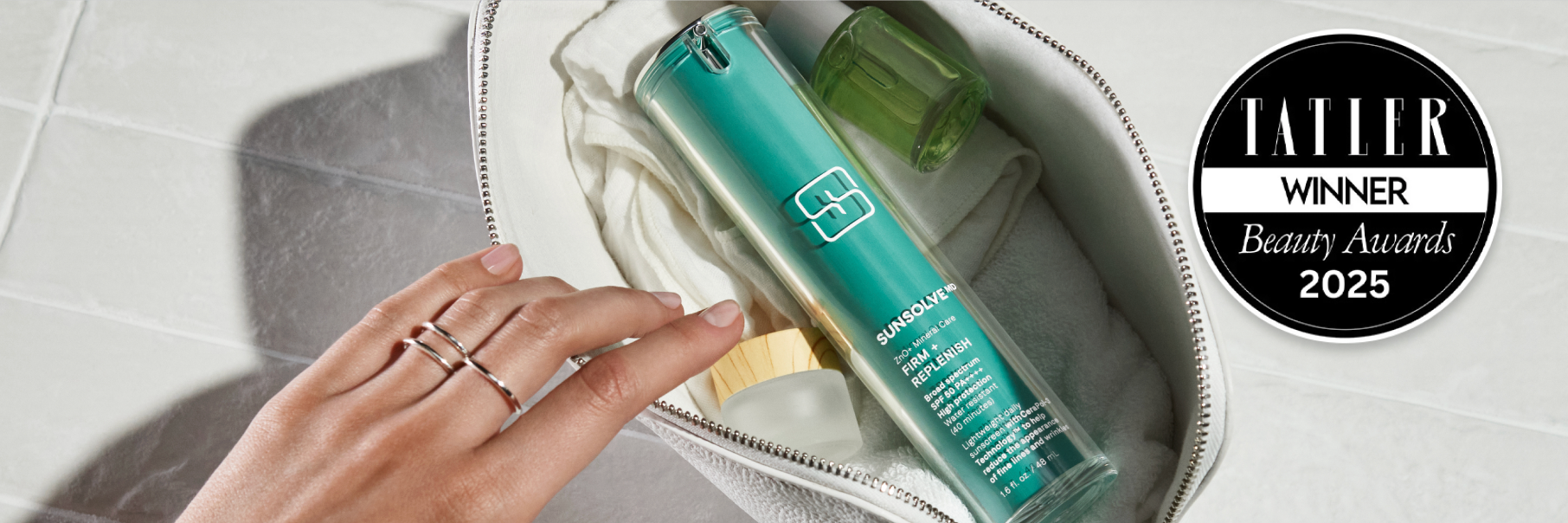
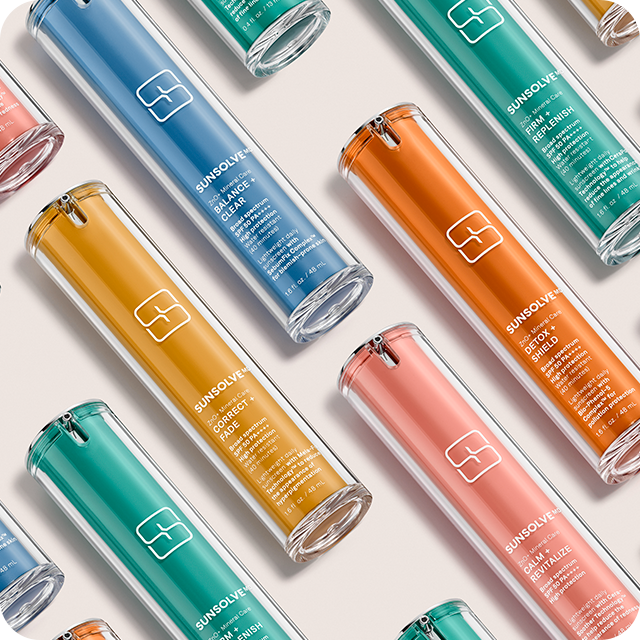
Our lightweight UV defence with a natural skin finish was designed for exactly this kind of environment, providing broad-spectrum mineral protection in a tinted texture that doubles as cosmetic coverage when you want to step off the plane looking less like you have been in transit. The ZnO+™ Mineral Care Complex includes hyaluronic acid and barrier-supportive ingredients that work with the rest of your inflight skincare rather than against it, and the photostable mineral filters hold up through extended UVA exposure at altitude. Travel is harder on skin than people realise. With the right protection in your carry-on, it doesn't have to show.
FAQs
Do I really need sunscreen on a plane?
Yes, particularly on daytime flights and especially if you are seated near a window. UVA penetrates aircraft glass, and the intensity is higher at altitude than at sea level.
Should I do a sheet mask on the plane?
Some people find them helpful for the hydration boost; others find them irritating in dry cabin air. If you do, choose a fragrance-free hydrating mask and use it during the middle of the flight rather than at the start or end.
Is overnight moisturiser fine to wear during a daytime flight?
A richer moisturiser than your usual daytime cream is a good idea for long flights, but layer SPF over the top during daylight hours.
Can I drink alcohol on a long flight without affecting my skin?
You can, but the dehydration and barrier impact will be visible by the time you land. Sticking to water gives noticeably better results.
What's the single most important step?
Sunscreen for daytime flights, deep moisture for overnight ones. Both for long-hauls that span both.