




How To Prevent Your Sunscreen From Pilling
You do everything in your skincare routine correctly, in the correct order, with products you researched properly, and then you go to blend your SPF. And what happens? For some, it gathers into tiny grey rolls that lift off the skin and take your morning with them. There is no elegant recovery - you either have to start again or you go out with patchy protection.
The frustrating part is that pilling is almost never the sunscreen's fault alone - it’s an interaction problem, and interactions can be solved.
What Sunscreen Pilling Actually Is
Those little rolls are not the product failing to absorb. They are a physical phenomenon called balling, and they occur when a film on the skin is disrupted by friction before it has properly set.
Skincare products form films. Emollients, humectants, silicones, film-forming polymers and mineral filters all contribute to a layer that sits on the surface of the skin while the water phase evaporates and the remaining ingredients settle. If you apply friction to that layer while it is still mobile, or if you stack a second incompatible layer on top of the first, the film shears and gathers. The rolls you can see are essentially the previous layer being rolled up like a rug.
This tells you two useful things immediately. Pilling is a timing problem and a compatibility problem. It is rarely a quality problem.
The Chemistry Behind Incompatible Layers
The most common cause is a water-based product meeting a silicone-based one, or vice versa, before either has had a chance to set. Silicones such as dimethicone and cyclopentasiloxane are hydrophobic. Hyaluronic acid serums, aloe-based gels and most water-phase hydrators are not. Layer them wet on wet and they refuse to combine into a single continuous film. The result is a mixture that shears at the slightest touch.
Film-forming polymers are the second frequent culprit. Ingredients such as carbomer, xanthan gum, PVP, sodium polyacrylate and various acrylates crosspolymers are used to give products slip, thickness and staying power. They are excellent at what they do. They are also excellent at forming a discrete film that a subsequent product will sit on rather than merge with. Two polymer-heavy products in sequence is a reliable recipe for pilling.
Then there is the simple matter of volume. Skin can only hold so much product. Layering a hydrating toner, an essence, a serum, an eye cream, a moisturiser and an SPF within four minutes creates a stack the skin has no capacity to absorb, and the surplus has nowhere to go but into rolls.
Why Some Mineral Formulas Get Blamed More Often
Not all mineral sunscreens behave the same way here, and the difference comes down to formulation rather than filter type.
Zinc oxide is a particulate suspended in a base rather than a dissolved filter. How well it has been dispersed, and what it has been dispersed into, determines almost everything about how the finished product layers. A heavy, high-viscosity mineral cream with a thick emollient base sits as a distinct mass on the surface, and when the layer beneath it is unsettled there is a great deal of material available to gather. A well-dispersed micronized zinc oxide in a light lotion behaves completely differently, blending into the skin's surface with minimal drag.
So if you have concluded that mineral SPF pills and chemical SPF does not, the more likely explanation is that you have been using heavy mineral formulas. Those are two very different products sharing a category name.
The Fixes, In Order Of Effectiveness

-
Give each layer time. This is the highest-impact change and the one people are most reluctant to make. Sixty to ninety seconds between steps allows the water phase to evaporate and the film to set. If you are running late, cut steps rather than cutting the intervals.
-
Press, do not rub. Application technique matters enormously. Pressing product into the skin with flat palms or gentle fingertip taps applies vertical pressure rather than lateral shear. Rubbing applies exactly the force that causes films to roll. This single change resolves pilling for a surprising number of people.
-
Simplify the morning. Move the heavy actives and rich creams to the evening and keep the daytime routine to hydration, treatment where necessary, and SPF. Fewer layers means fewer interfaces, and fewer interfaces means fewer opportunities for shear.
-
Match your textures. If your moisturiser is silicone-rich, pair it with an SPF that is too, and vice versa. Consistency of base chemistry through a routine does more for texture than any individual product choice.
-
Apply in thin sections. Rather than depositing everything at once and spreading, work across the face in quadrants with small amounts. You get more even coverage and less accumulated bulk in any one area.
-
Check your exfoliation. Loose, dead surface cells give product something to catch on. This is technically flaking rather than pilling, but it looks identical in the mirror and the fix is different. Gentle, regular chemical exfoliation and adequate hydration usually resolve it.
Reapplication Without Starting Over
Midday reapplication is where pilling becomes genuinely awkward, because you are now applying over a full morning's accumulation of product, sebum and whatever the day has deposited on top.
Blot first with a clean tissue. This removes enough surface oil and debris to give the new layer something to bond with. Then press rather than sweep, and accept slightly less product applied well over more product applied badly. A light lotion that sets quickly is far easier to reapply over an existing base than a rich one, which is exactly why texture is worth prioritising when you choose the product in the first place.
What Makes SunsolveMD Different
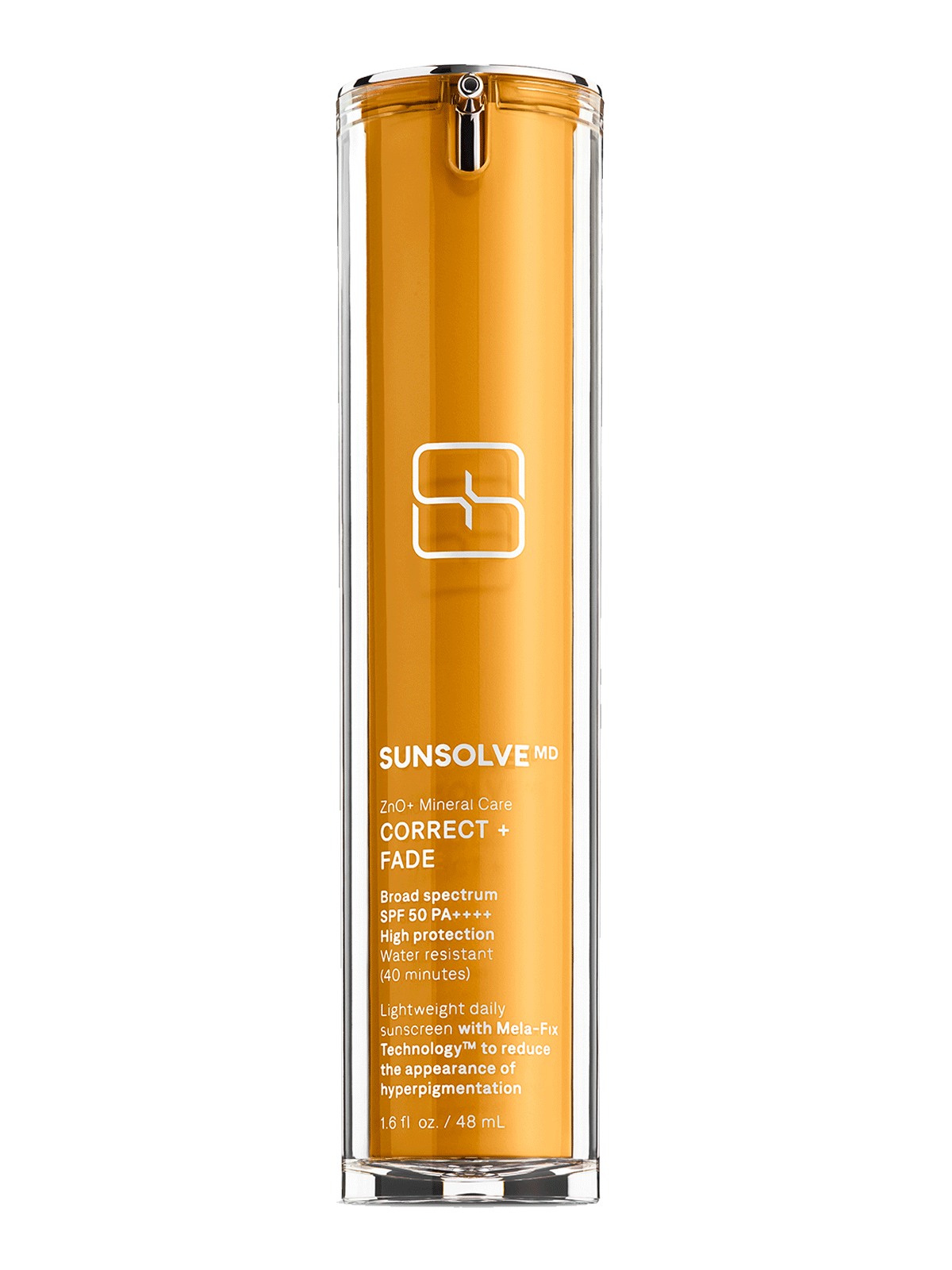
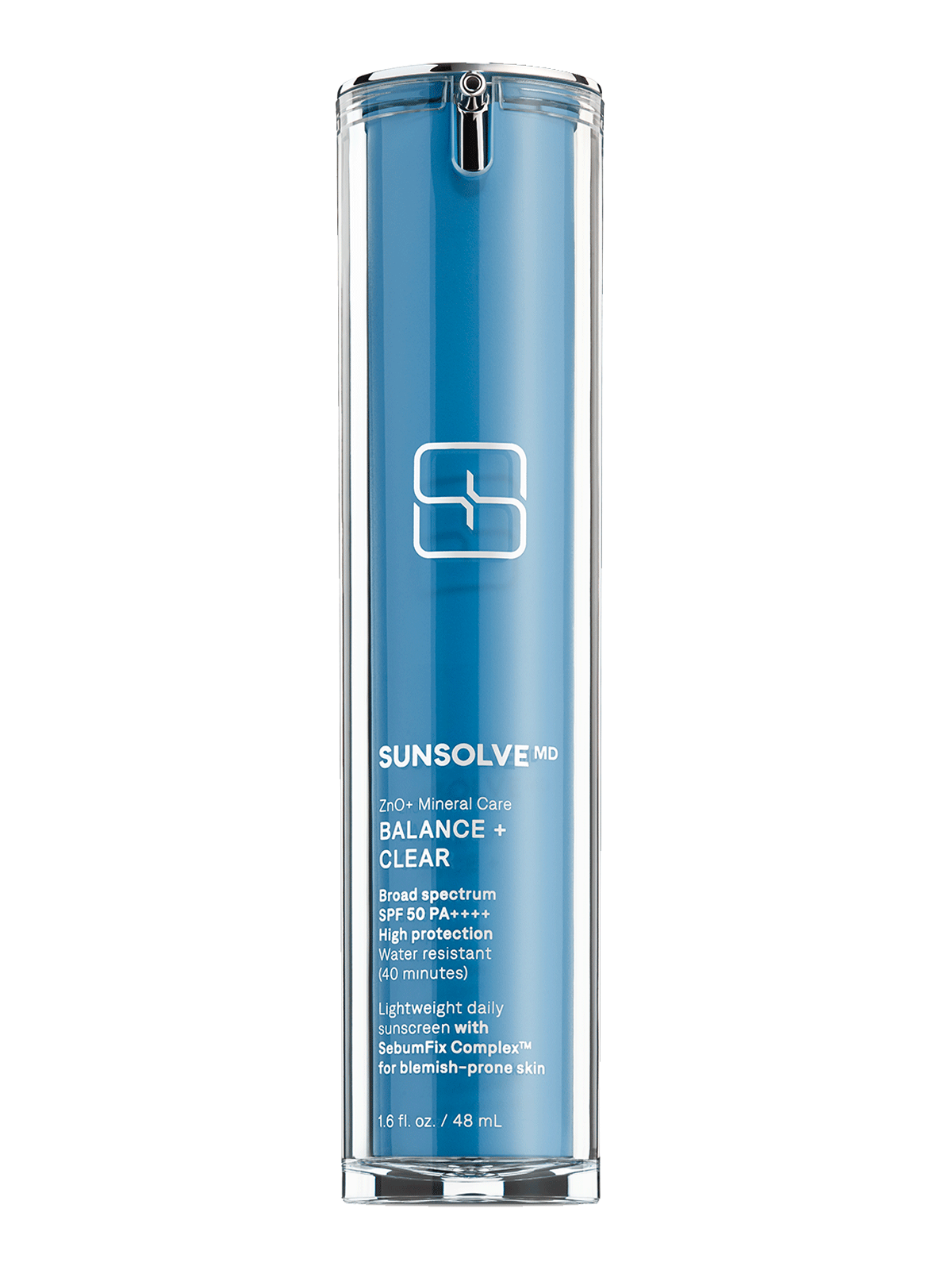
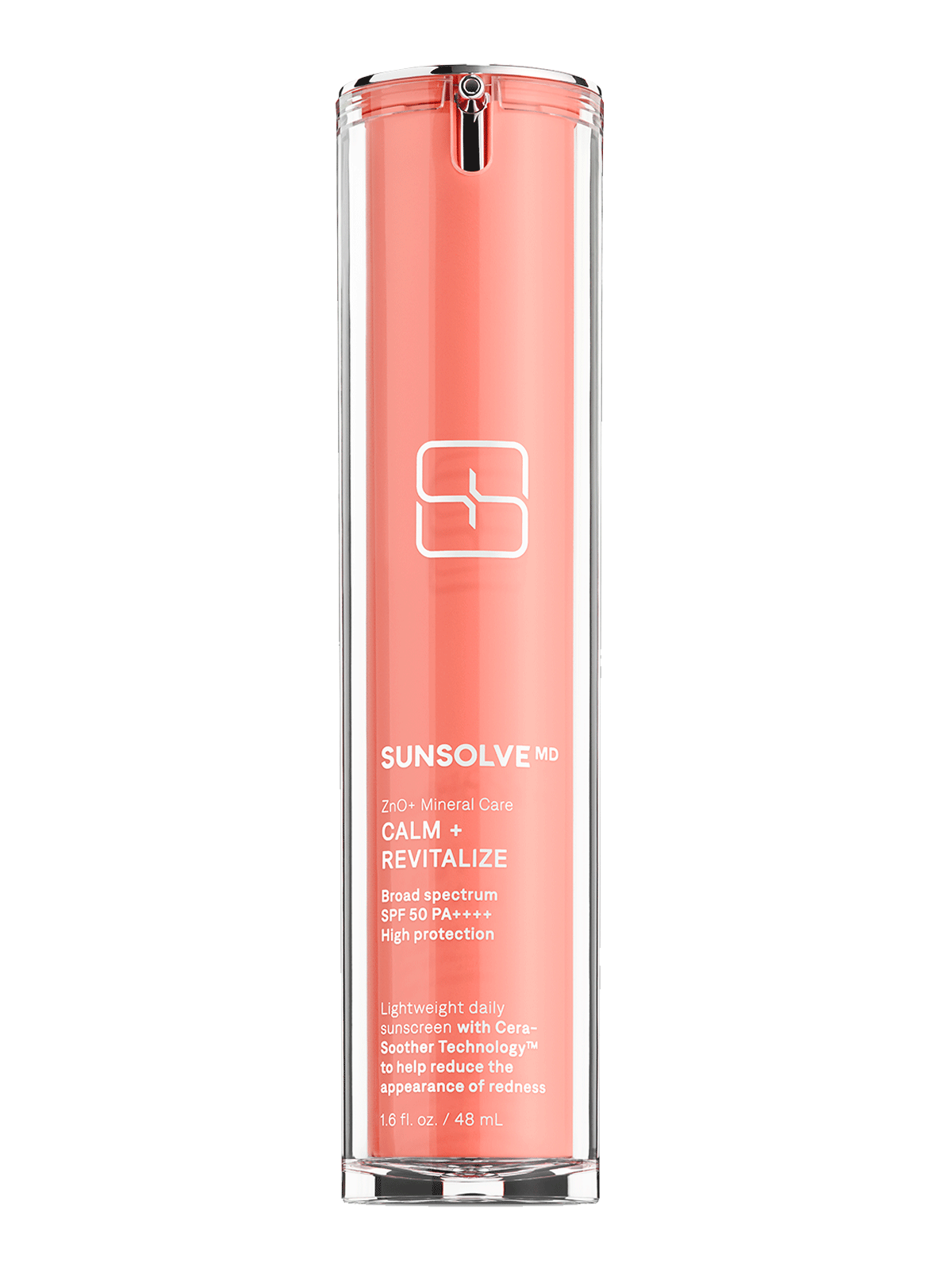
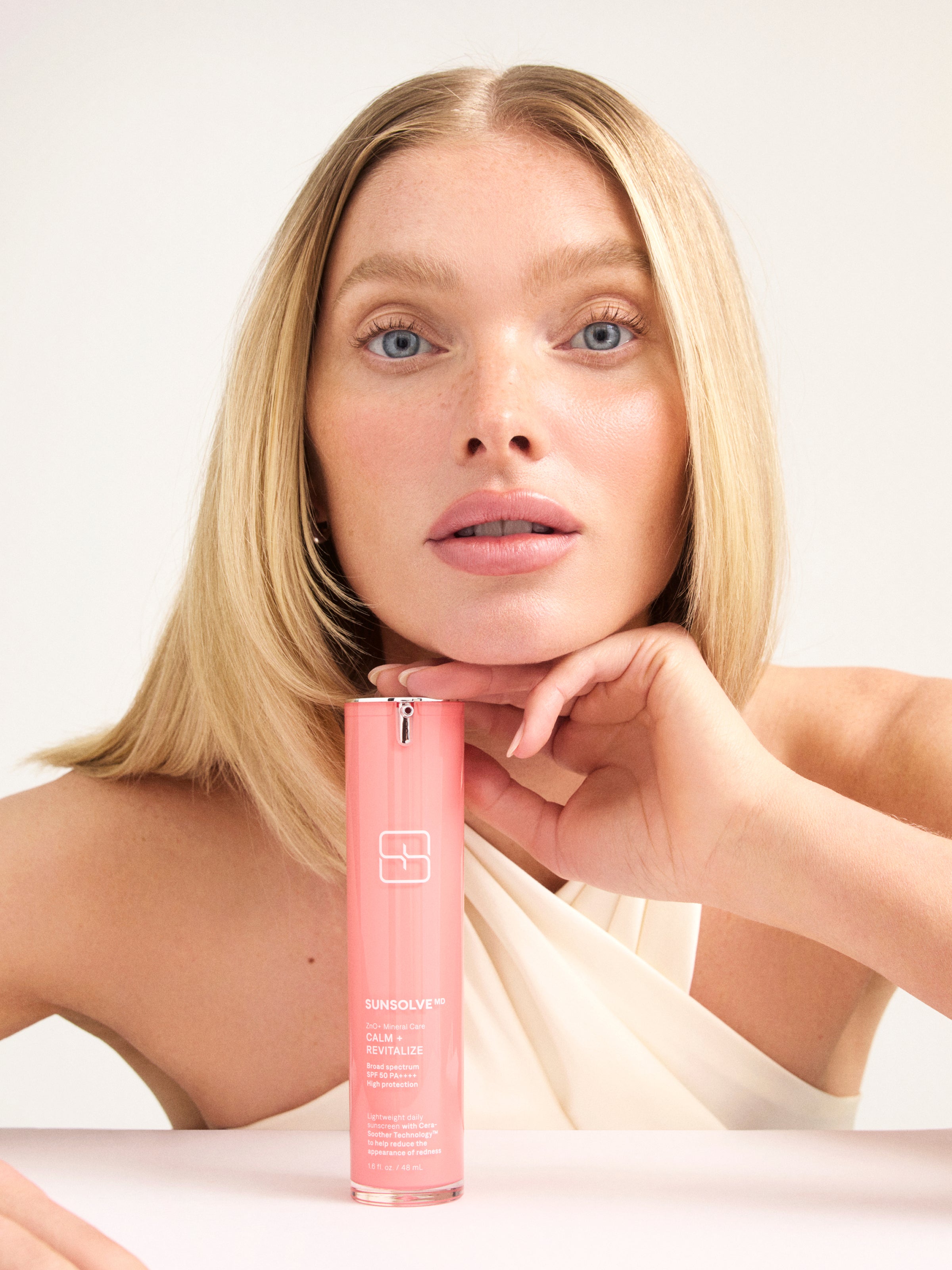
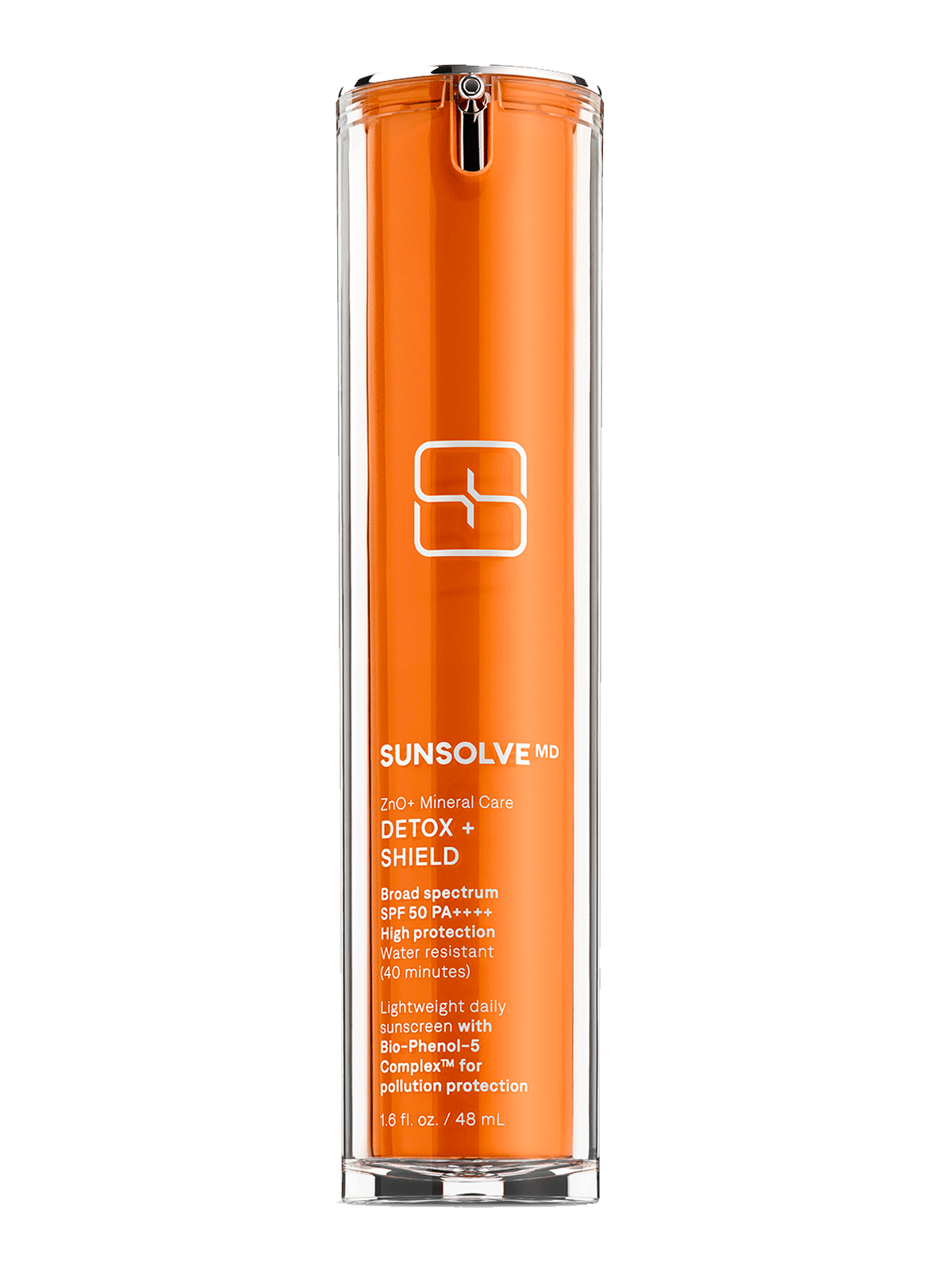
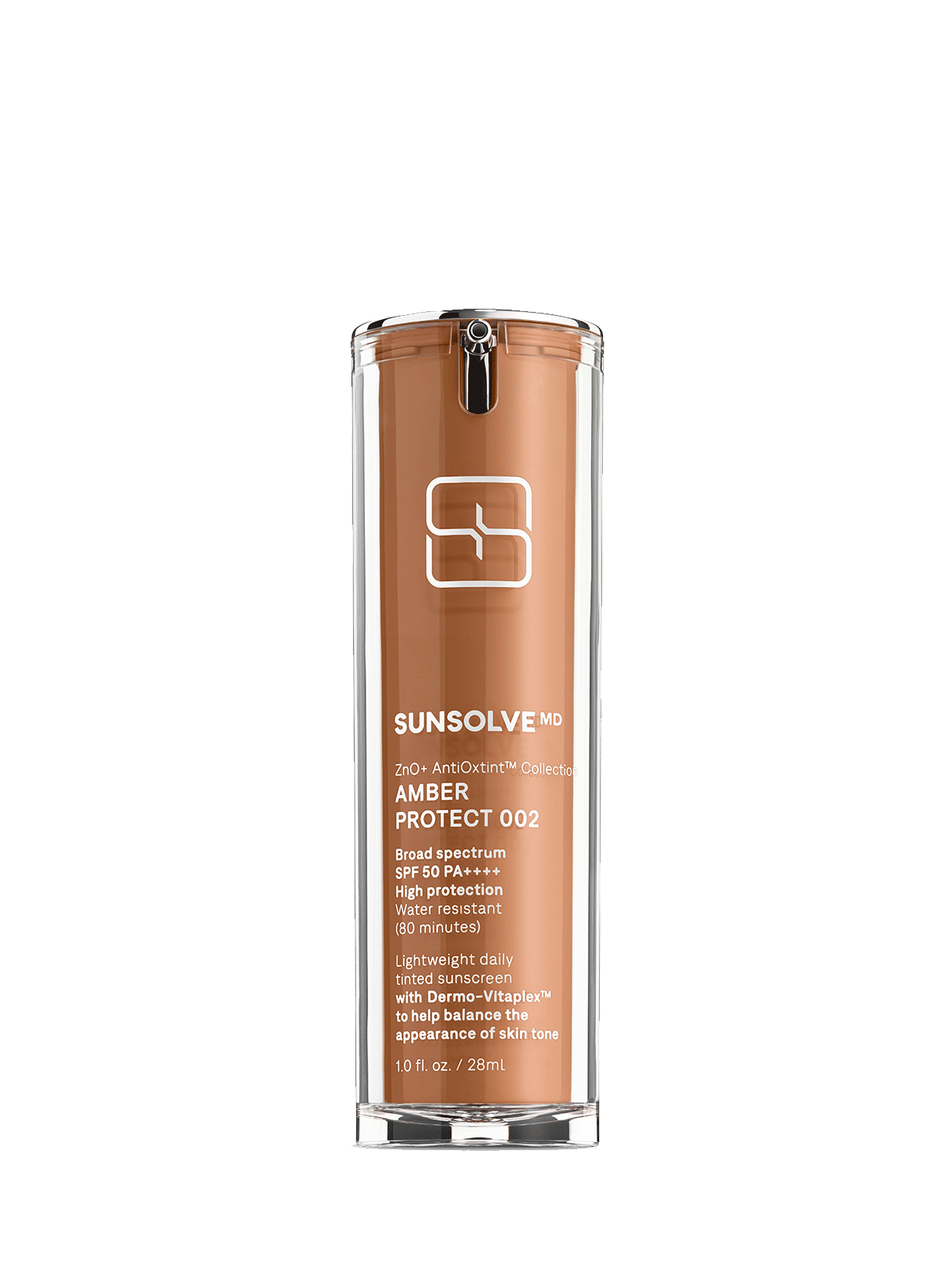
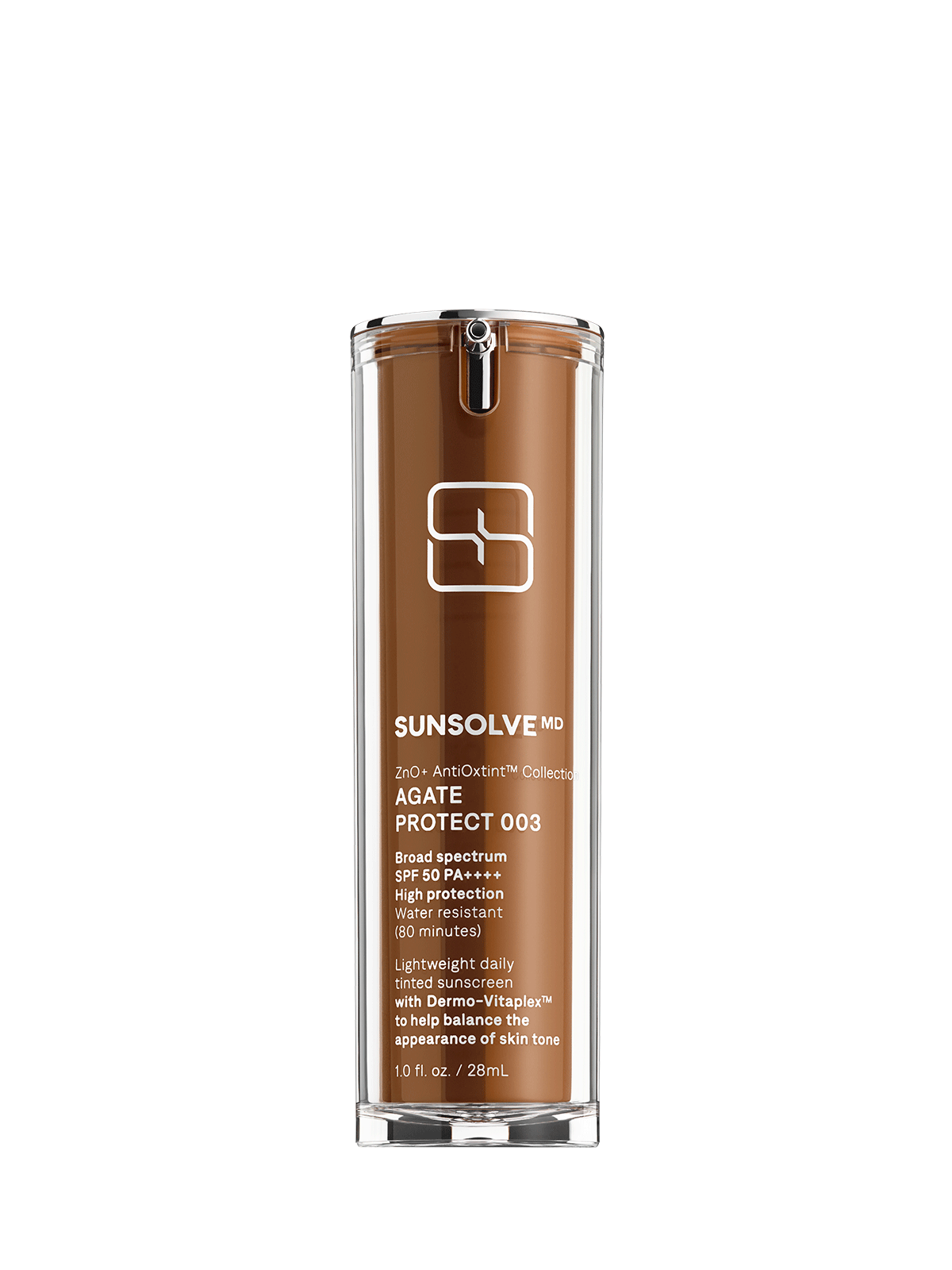
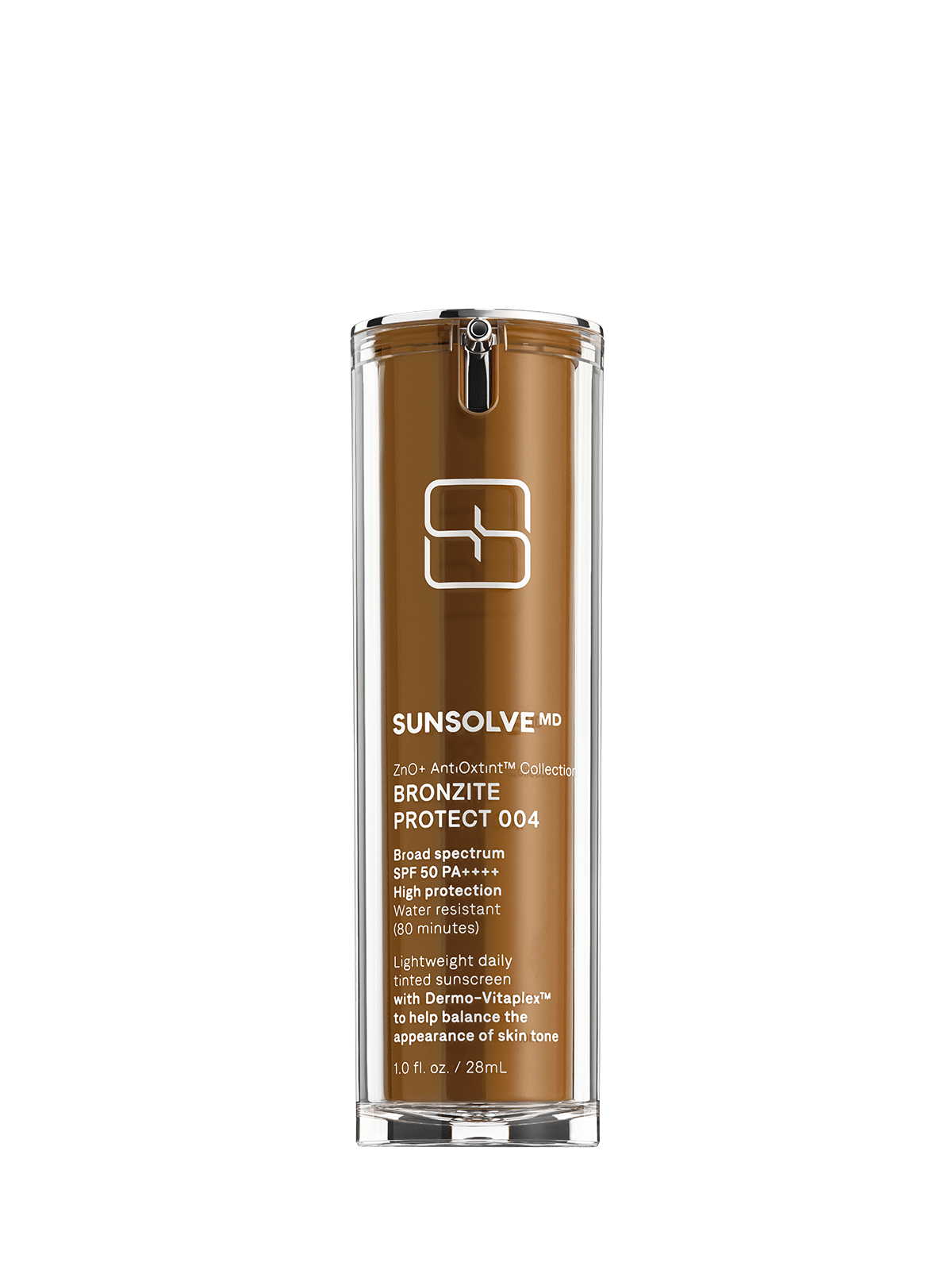
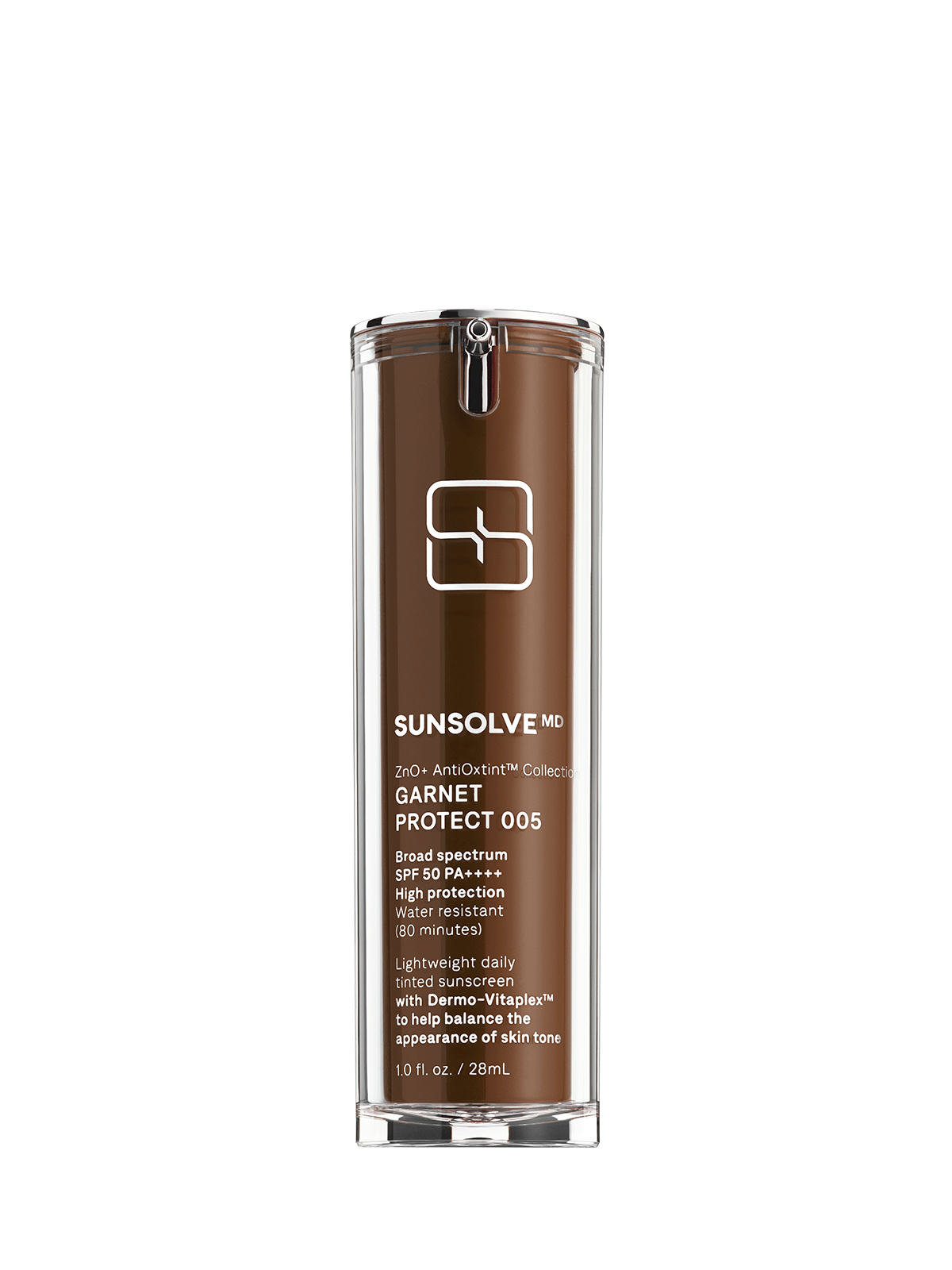
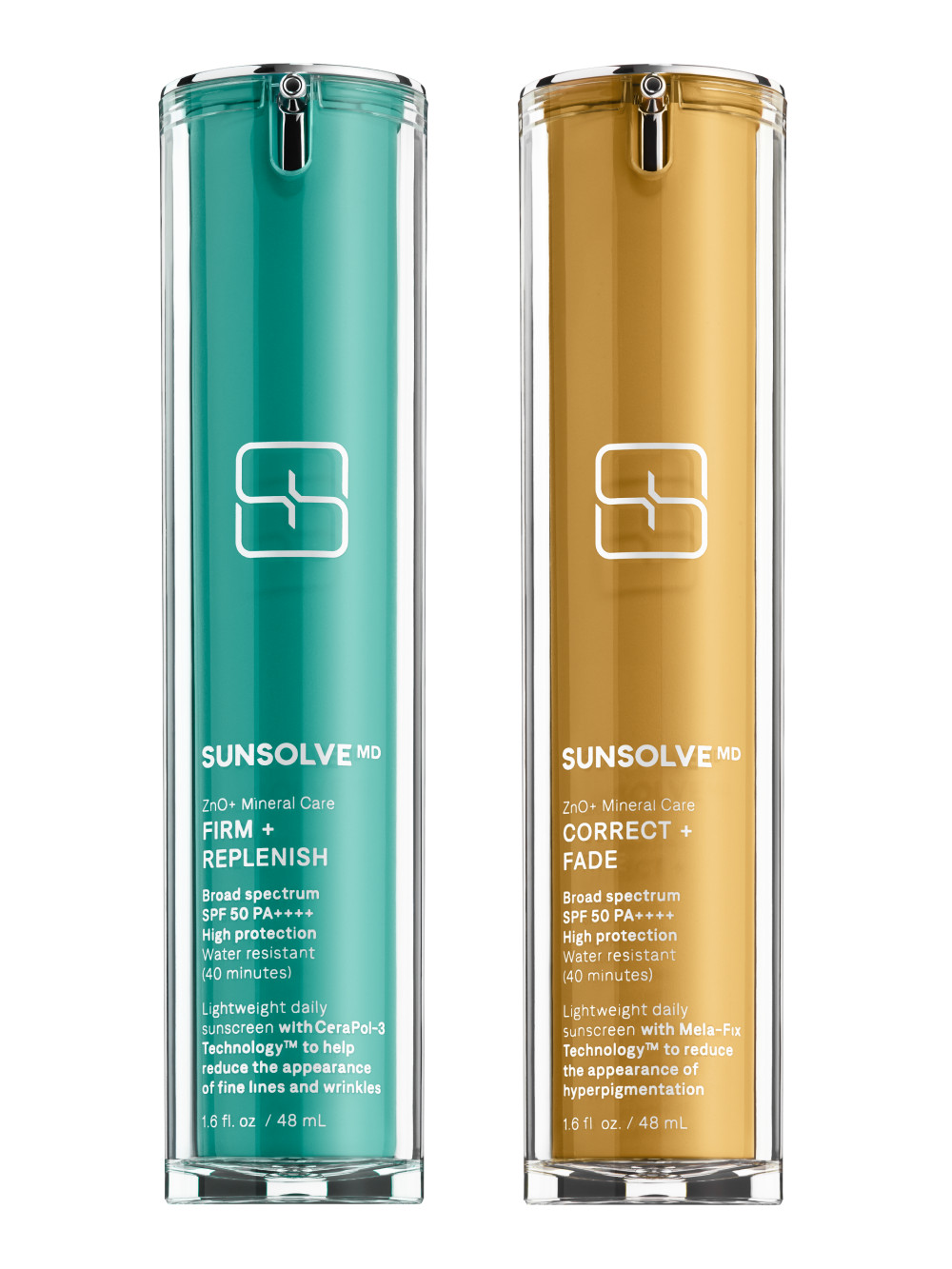
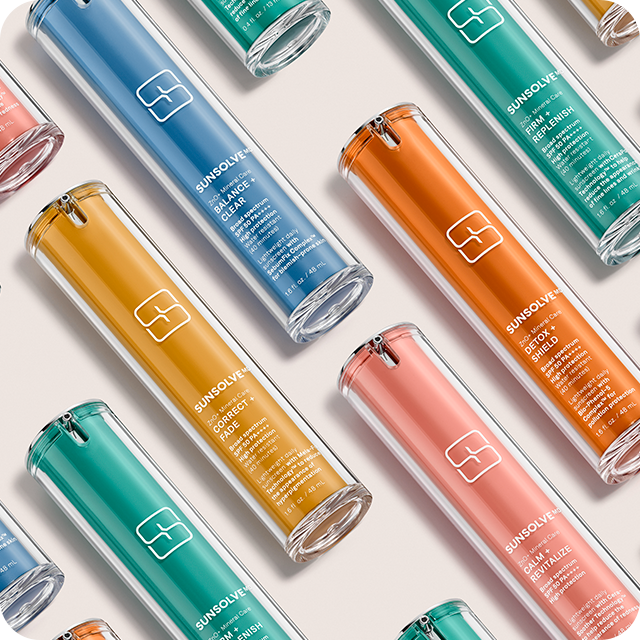
We treat texture as a clinical concern rather than a cosmetic one, because a sunscreen that pills is a sunscreen that gets reapplied badly or skipped entirely, and neither of those protects anyone. Our mineral SPF range is built on the patented ZnO+ Mineral Care Complex™, which suspends micronized zinc oxide in a light lotion base engineered specifically to layer over hydrated skin without gathering, dragging or leaving residue. It sets quickly, it takes makeup cleanly, and it does not require you to redesign your routine around it. We spent a long time on this. We think you should be able to put your sunscreen on and simply get on with your day.
FAQs
How long should I wait between skincare and sunscreen?
Sixty to ninety seconds is usually sufficient for a light moisturiser, and slightly longer for a rich cream or a silicone-heavy product. The layer should feel settled rather than tacky before you apply anything over it.
Does pilling mean the sunscreen has stopped working?
Where the product has rolled off, that area is unprotected. The film that remains still functions, but coverage is now uneven. This is why pilling matters beyond appearance.
Can I stop pilling by using less product?
Using less will often stop the pilling, but it also compromises protection, since SPF ratings are based on a specific application density. Fixing the layering sequence is the better solution than under-applying.
Do primers help or make it worse?
It depends entirely on the base. A silicone primer under a silicone-compatible SPF can smooth application considerably. A silicone primer under a water-based product frequently makes pilling worse.
Why does my sunscreen pill only on certain days?
Ambient humidity, how much you applied the night before, how recently you exfoliated and how quickly you moved through your routine all shift day to day. Pilling that appears intermittently is usually a timing issue rather than a product issue.