




8 Body Parts Commonly Missed With Sunscreen
There is a particular kind of sunburn that arrives as a surprise. Not the obvious one across the shoulders after a day outdoors, but the thin red line along a parting, or the tender tops of both ears, or a stripe on the back of the neck that only announces itself when a collar touches it. These are the burns that happen to people who did apply sunscreen. They simply applied it to the parts of themselves they could see.
We think about this a great deal when we formulate, because coverage is where sun protection actually succeeds or fails. A well-made SPF that reaches ninety per cent of the face is a ninety per cent product. The research on this is more sobering than most people expect.
What The Evidence Says About How Much We Miss
A study conducted at the University of Liverpool put the problem in numbers. Fifty-seven participants applied sunscreen to their faces as they normally would, then were photographed with a UV-sensitive camera that reveals precisely where product landed and where it did not. On average, participants left just under ten per cent of the face unprotected. The eyelid region fared considerably worse, with a median of fourteen per cent missed compared with seven per cent across the rest of the face.
The most striking finding came in the second phase. When participants were given public health information about the risk and asked to apply again, coverage improved, but the medial canthus, the inner corner where the upper and lower lids meet, was still routinely skipped. Knowing about the gap was not enough to close it.
That matters because between five and ten per cent of all skin cancers occur on the eyelid alone. This is not an obscure site. It is one of the most common locations for basal cell carcinoma on the entire body, and the medial canthus specifically carries a poorer prognosis than most other facial sites.
The Eight Areas That Get Skipped Most
The eyelids and inner eye corners. The thinnest skin on the body, under a millimetre in places, and the area people avoid most consistently because they are worried about stinging. That worry is legitimate with chemical filters and largely irrelevant with mineral ones, which is the entire reason dermatologists recommend a mineral formula here.
The ears. Third most common site for skin cancer, and structurally awkward to cover. The folds and the conchal bowl create surfaces that trap and concentrate UV, and the back of the ear is invisible in a mirror. Ears also take a full dose of sun through a car window on any journey longer than ten minutes.
The scalp and parting. Hair provides some protection, but a parting is an exposed strip of skin with no barrier at all. As hair thins with age this exposes scalp that has never previously seen the sun, which is why scalp cancers become proportionally more common over time. A lightweight lotion applied directly along the parting works, though a tightly woven hat works better.
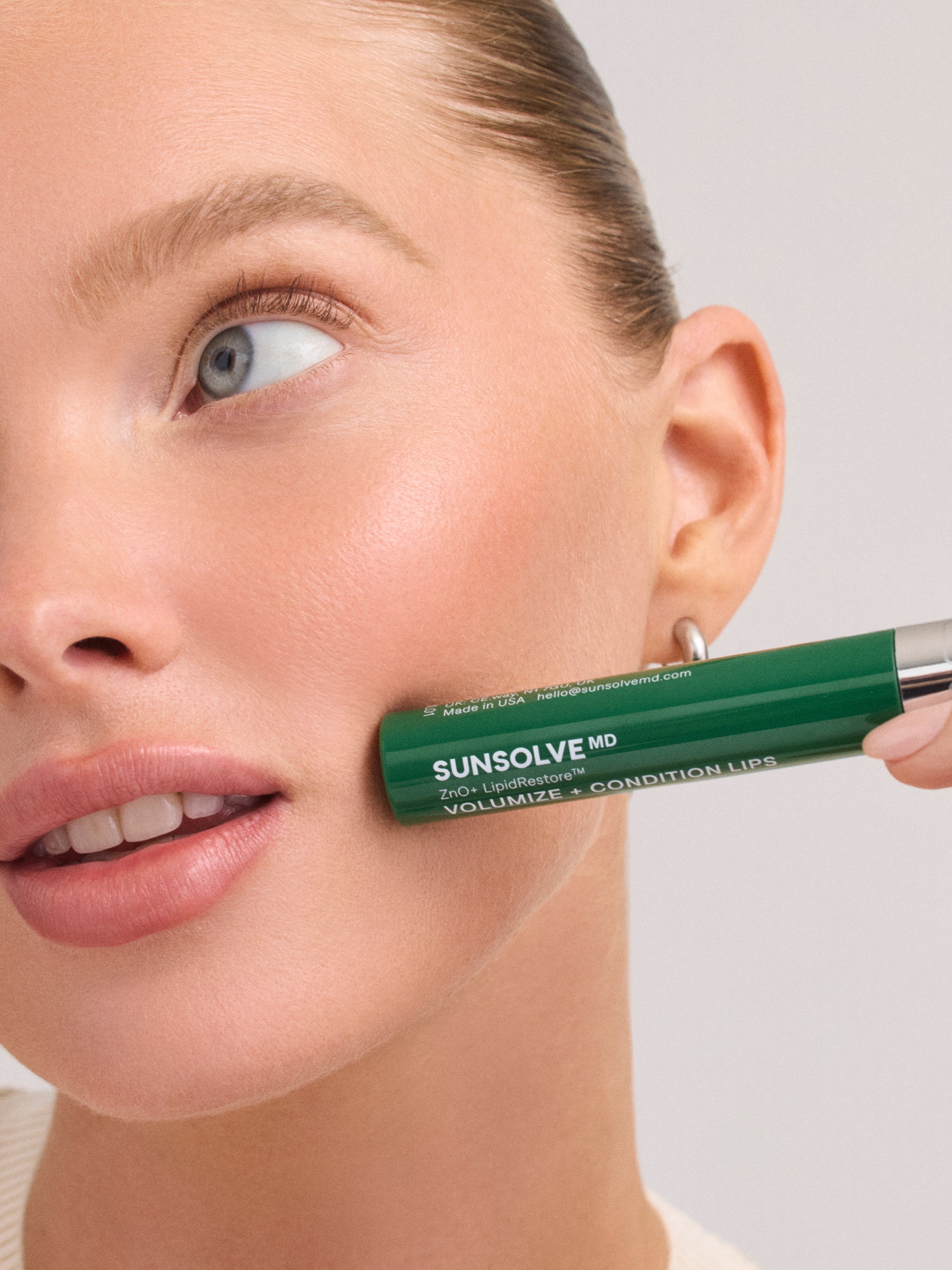
The lips. Lip skin has no melanin to speak of and produces very little sebum, leaving it structurally underequipped for UV. The lower lip takes the brunt of it because of the angle at which sunlight hits the face, and it is the more common site for squamous cell carcinoma of the two.
The back and sides of the neck. Easy to reach, easy to forget, and constantly exposed when hair is worn up. The sides of the neck are among the areas dermatologists cite most often when describing where they actually find damage.
The tops of the feet. Uniquely vulnerable because they have essentially no history of sun exposure until the first warm day of the year, when they go from covered to fully exposed with no adaptation whatsoever. Sandal straps also create sharp lines of protected and unprotected skin.
The hands. Not the palms, but the backs of the hands, which accumulate more lifetime UV than almost any other area and show it earlier than the face. Hands also get washed repeatedly through the day, removing whatever protection was applied that morning.
The edges of clothing. Wherever a strap sits, a neckline falls, or a waistband shifts. Skin that was covered at nine in the morning is often not covered at two in the afternoon, and the boundary areas rarely get product because nobody expects them to be exposed.
Why Application Habits Cause This

Most people apply sunscreen by feel rather than by system, working outward from the centre of the face and stopping wherever the product runs out. That approach naturally under-serves the periphery: hairline, jawline, ears, neck. It also treats the face as a flat surface, when in reality it is a landscape of curves and recesses where product does not distribute evenly.
Texture plays a larger role here than people realise. A sunscreen that feels heavy or leaves a cast is a sunscreen that gets used sparingly, and sparingly applied product goes on the areas that feel most important rather than the areas at highest risk. A formula that disappears on the skin gets applied generously and gets taken all the way to the edges. This is not a cosmetic consideration. It is a coverage consideration wearing a cosmetic disguise.
If you are still working through the underlying reasoning for daily use across every skin type, why SPF is non-negotiable for every skin type covers the clinical case in full.
A Method That Closes The Gaps
Work in a deliberate order rather than by instinct. Face first, then hairline and parting, then both ears including the back, then the full neck front and back, then the chest and the backs of the hands. Use a mirror, or better, use two.
Around the eyes, use the ring finger and press rather than rub, working right up to the lash line on the orbital bone and into the inner corner. A light, non-stinging mineral lotion is what makes this possible; a formula that migrates or burns is a formula you will keep skipping here. Sunglasses with UV-blocking lenses should be treated as part of the protection rather than an accessory, because the research is clear that the eyelid area will remain partially unprotected however carefully you apply.
For the body, apply before dressing rather than after. It sounds trivial. It is the single most effective way to protect the areas that sit under shifting clothing edges.
The SunsolveMD Difference
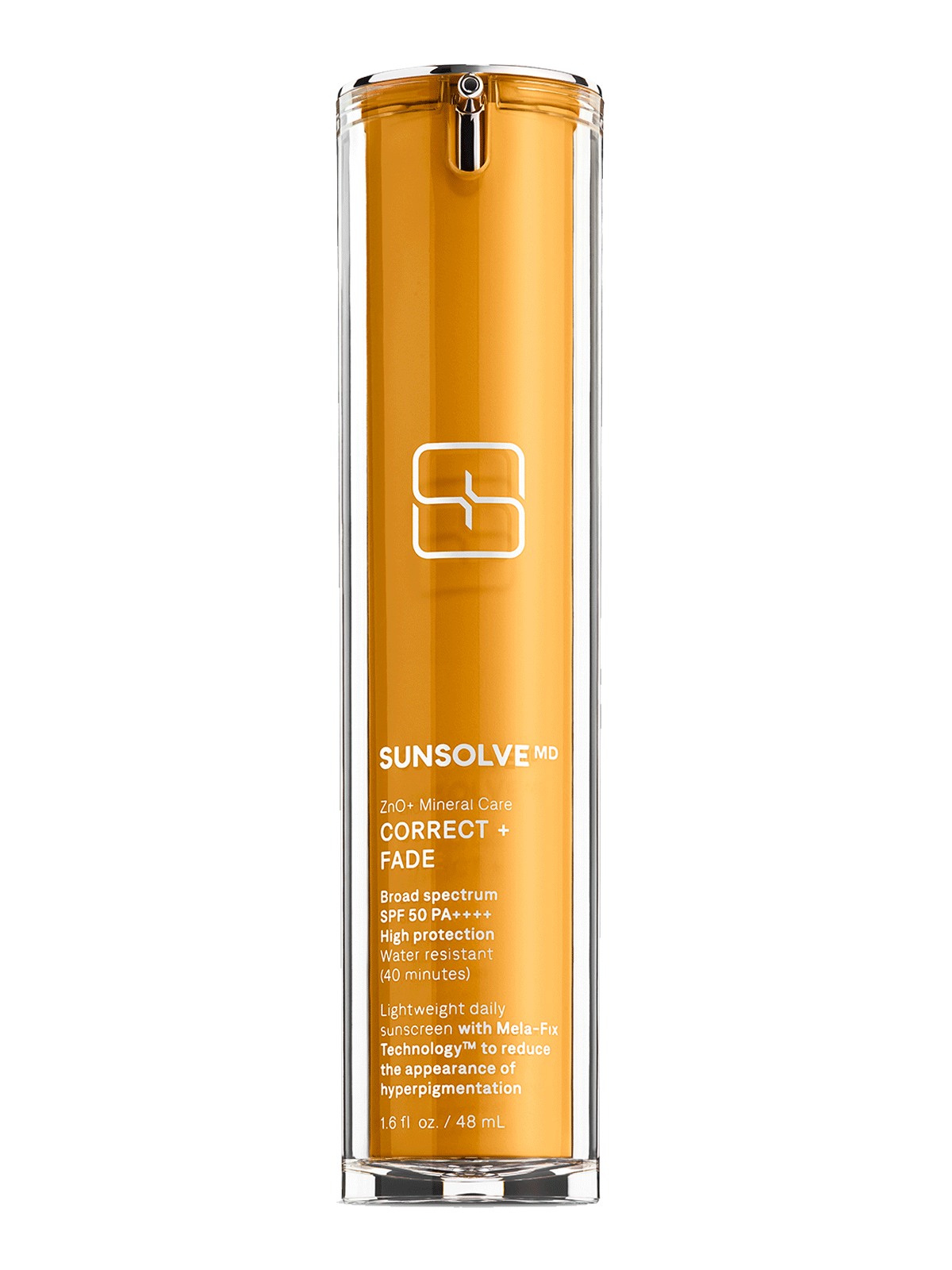
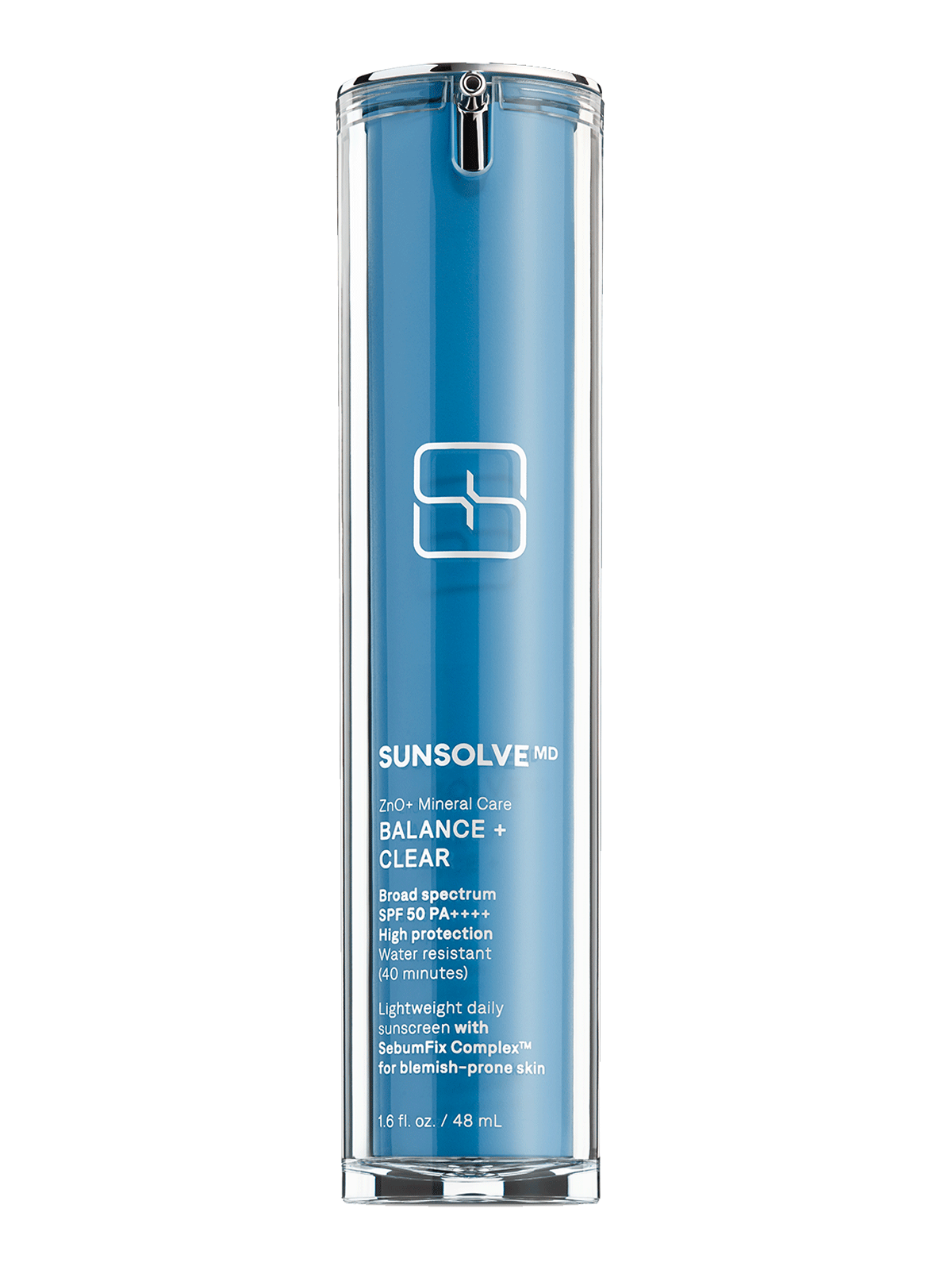
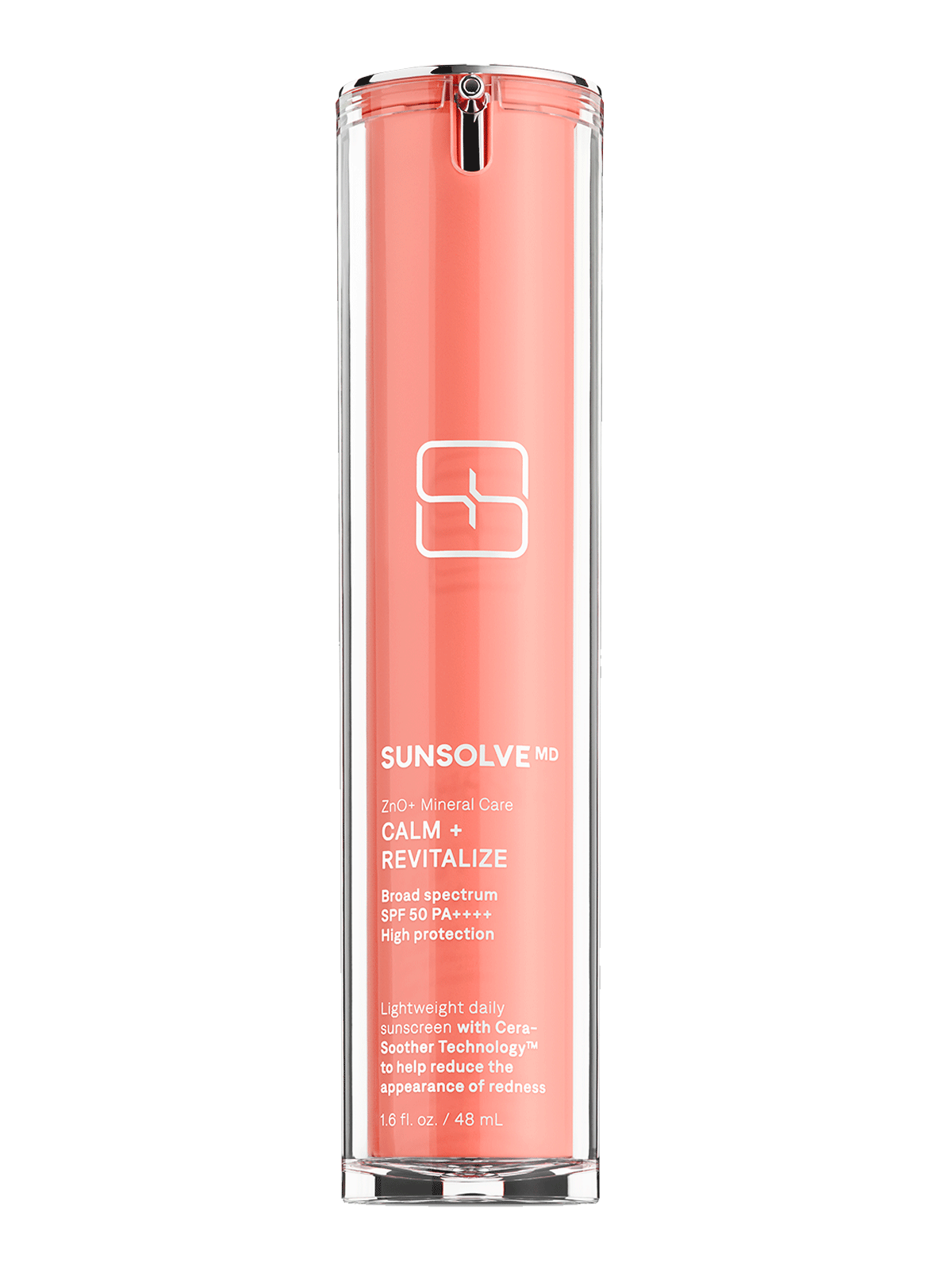
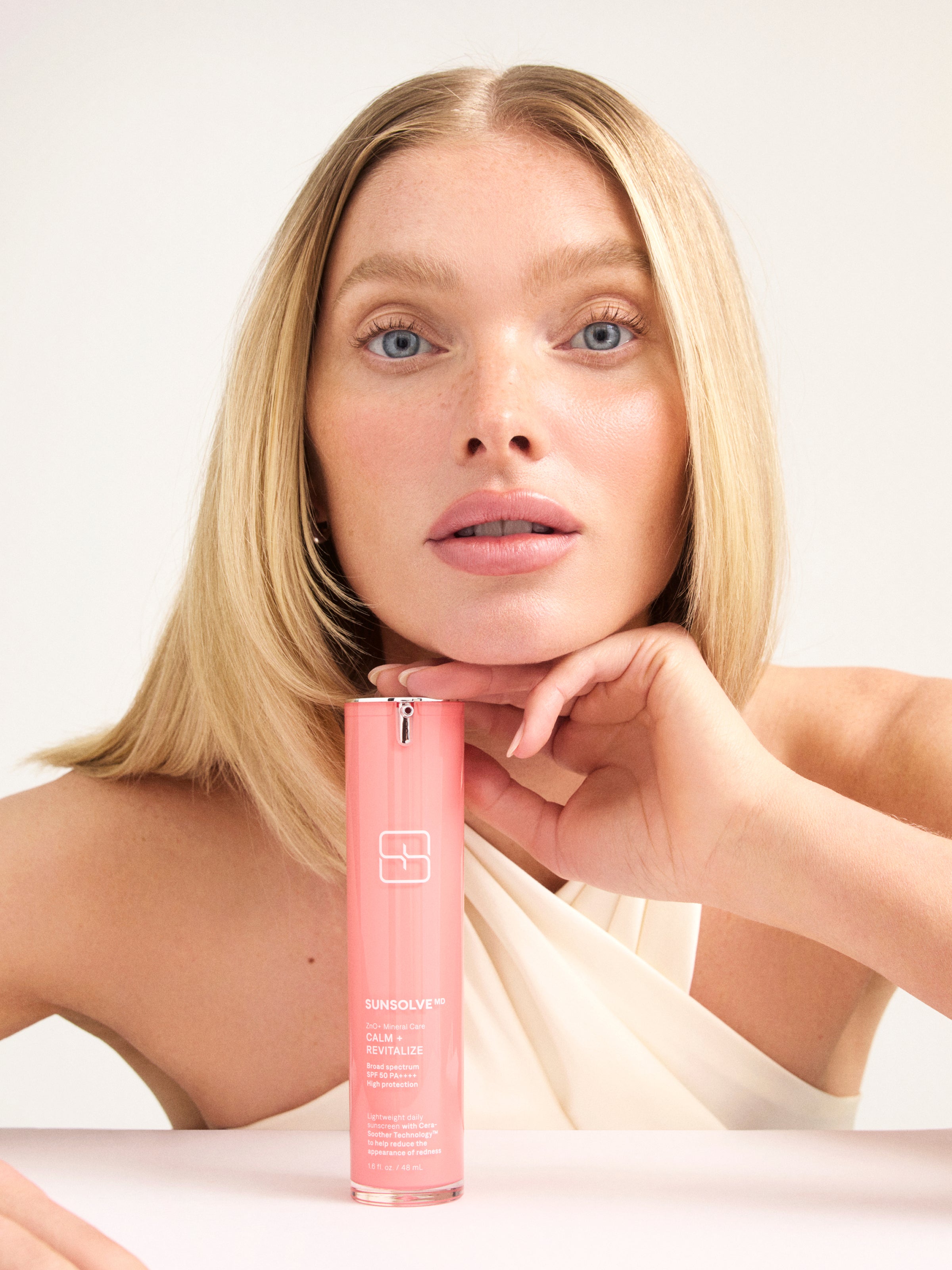
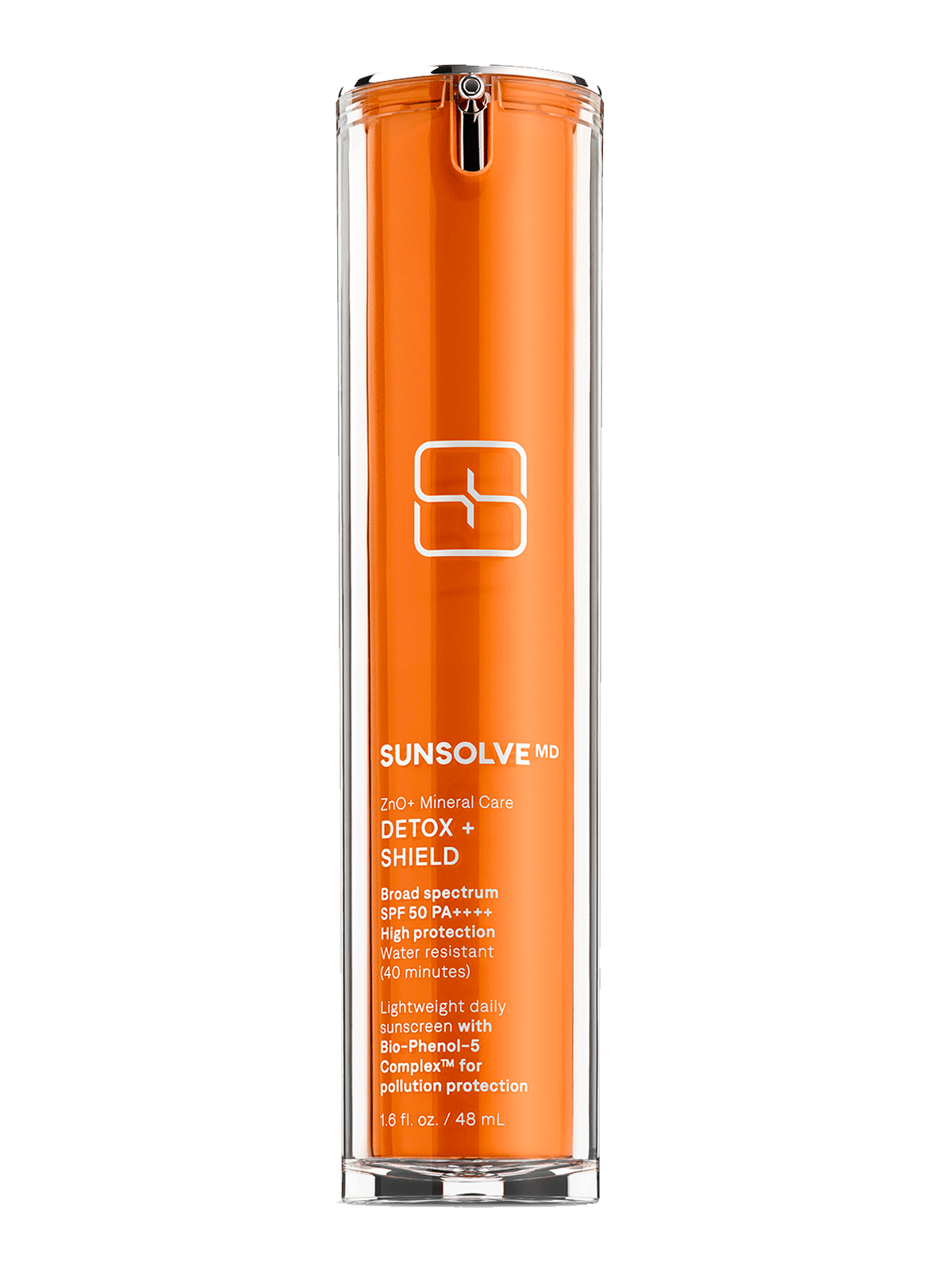
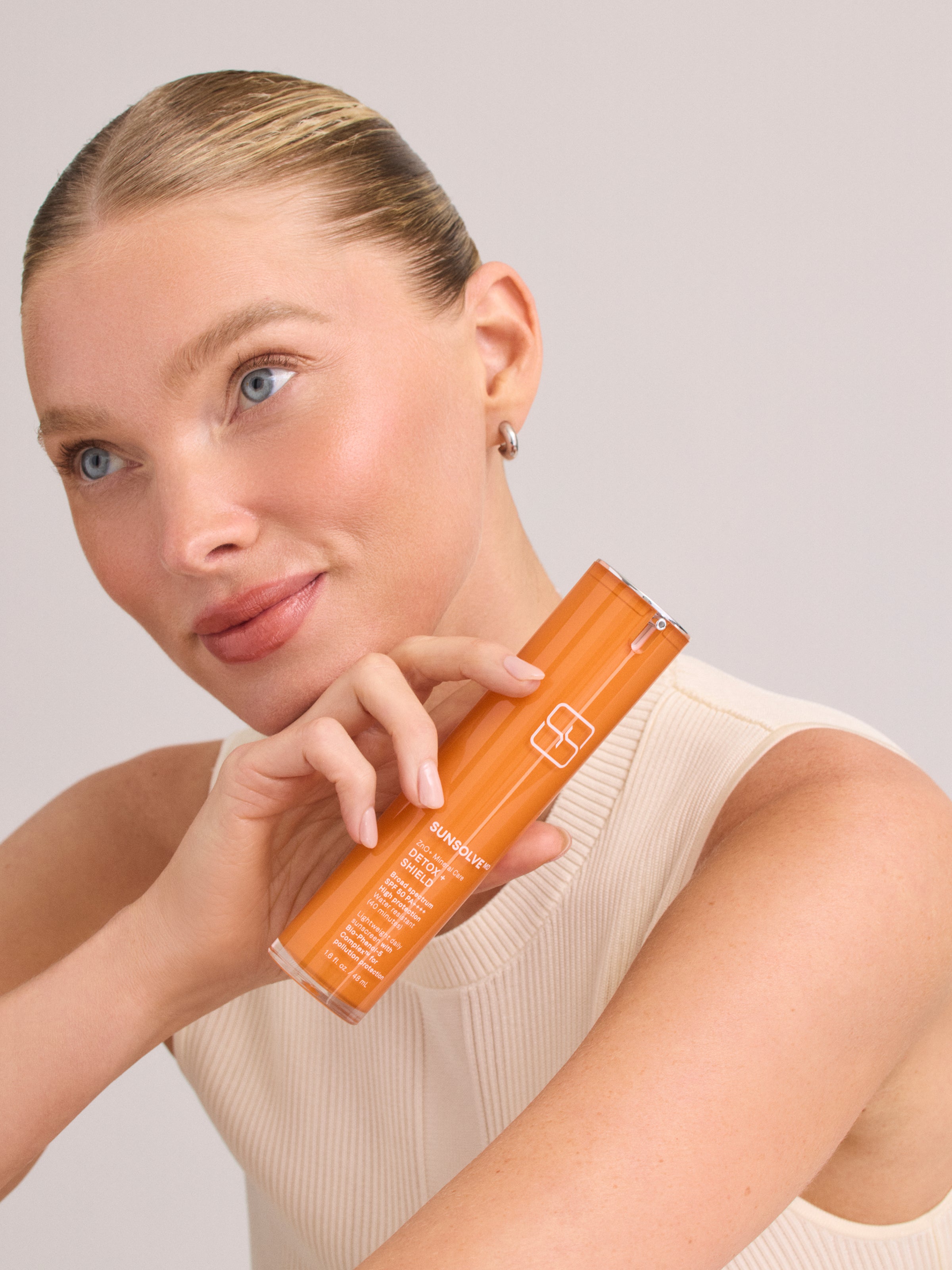
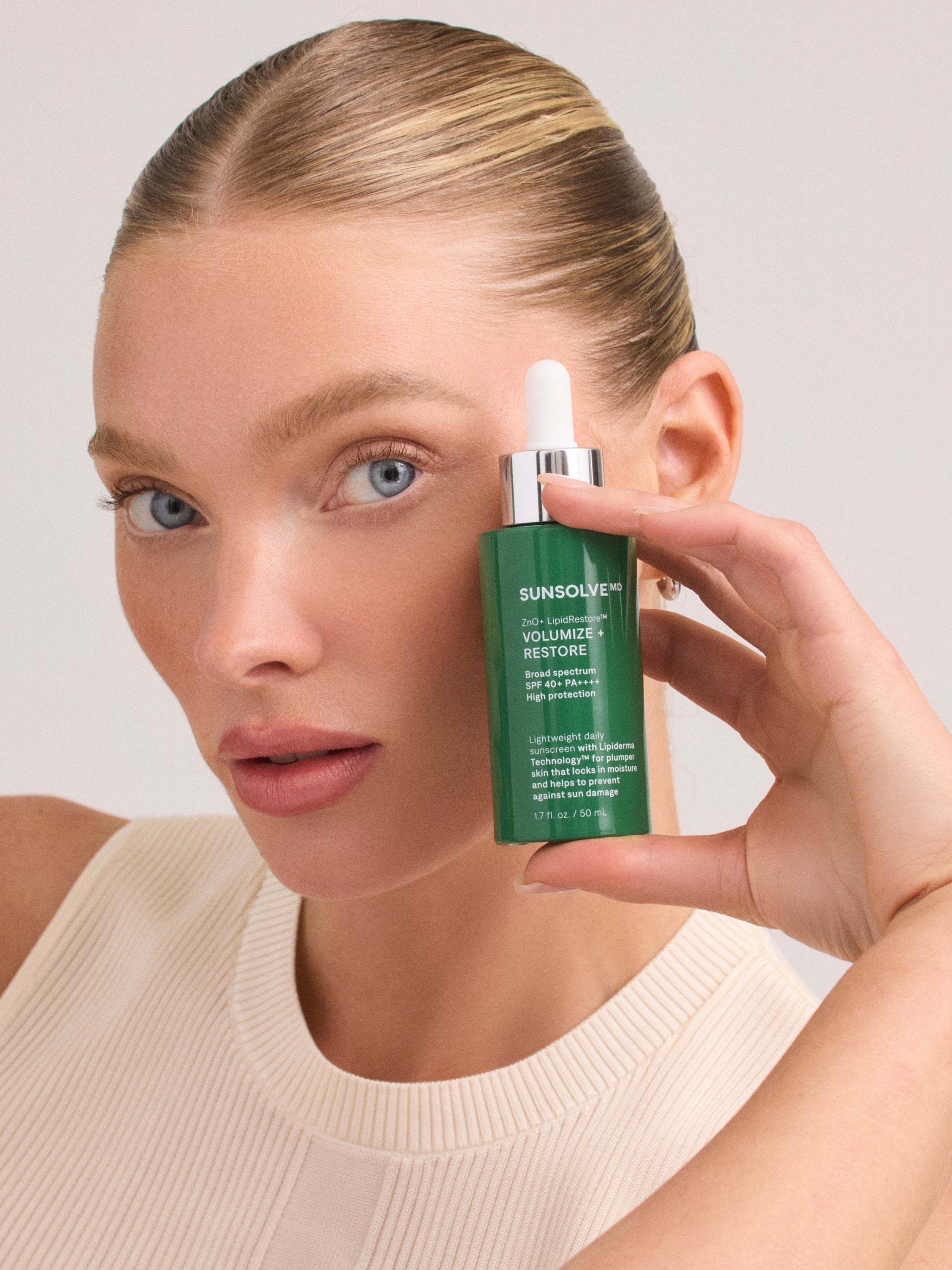
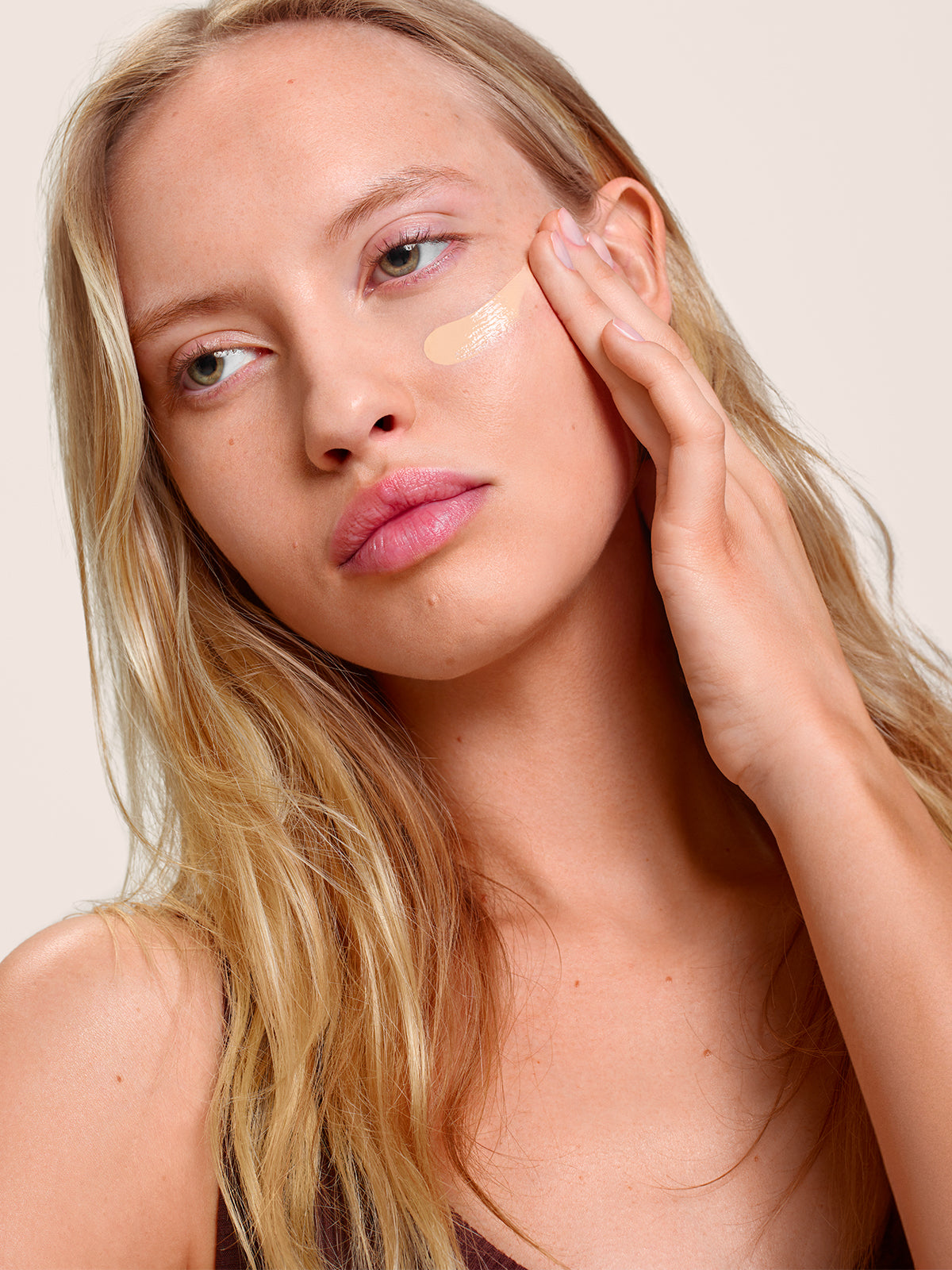
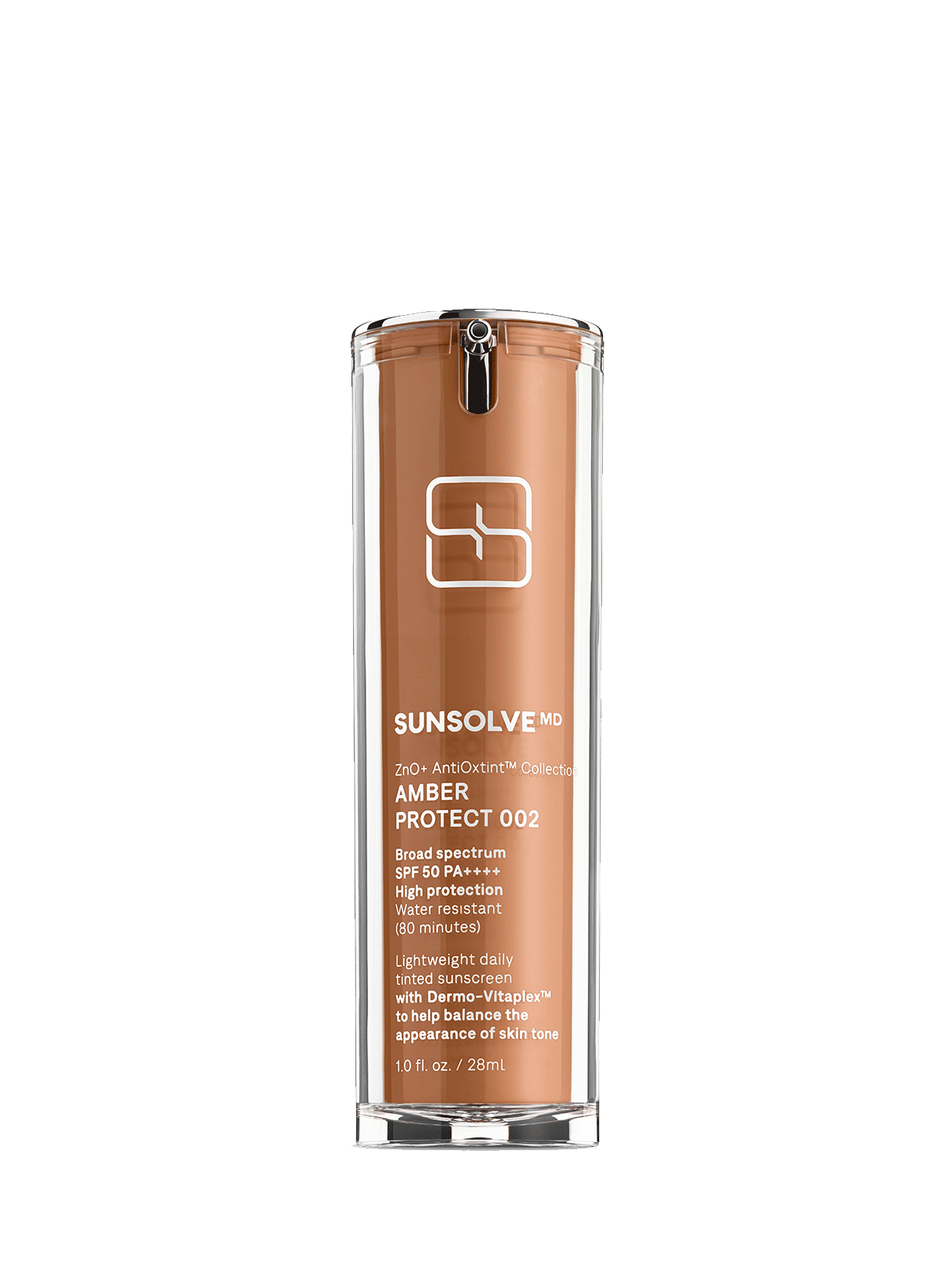
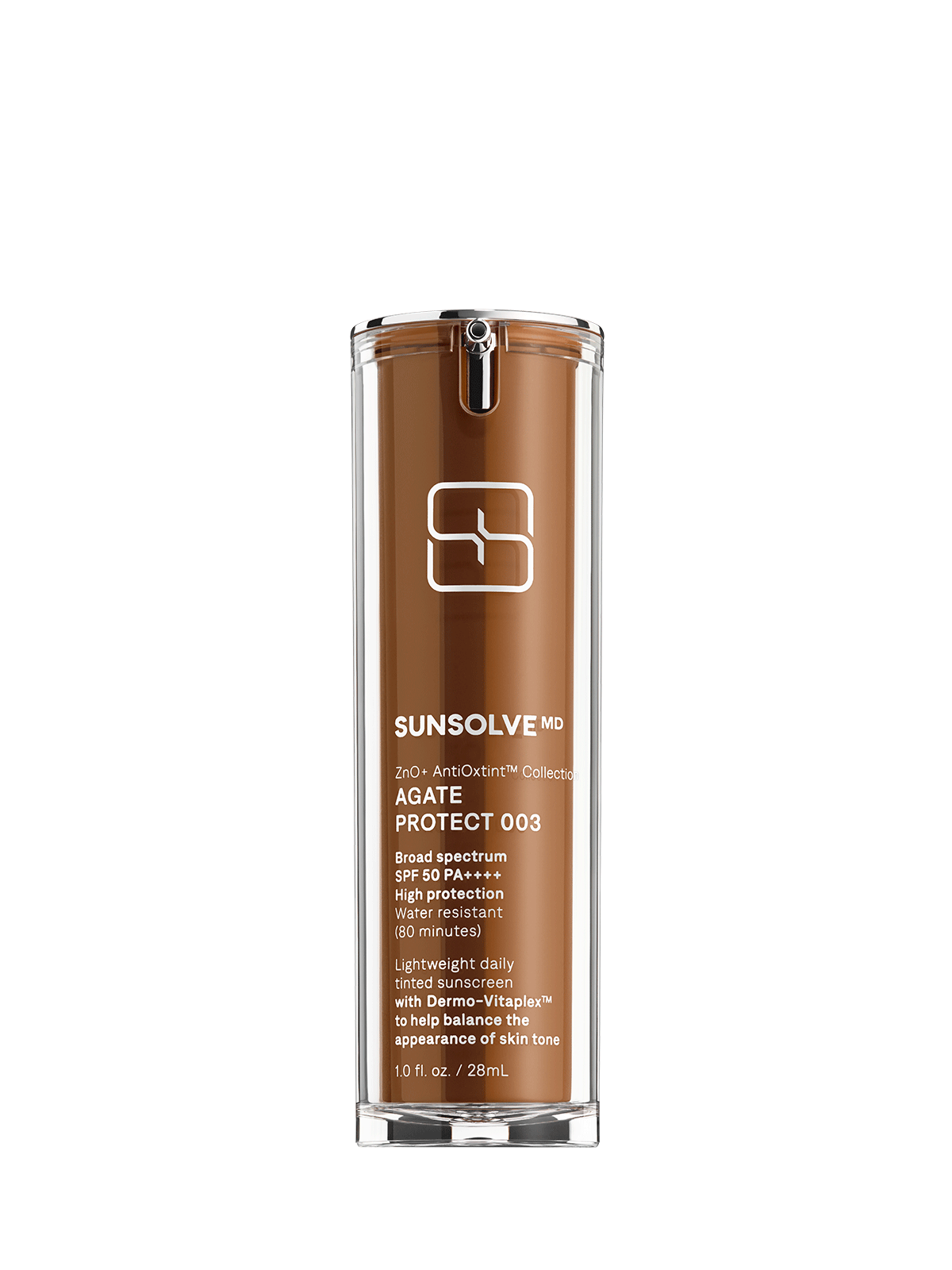
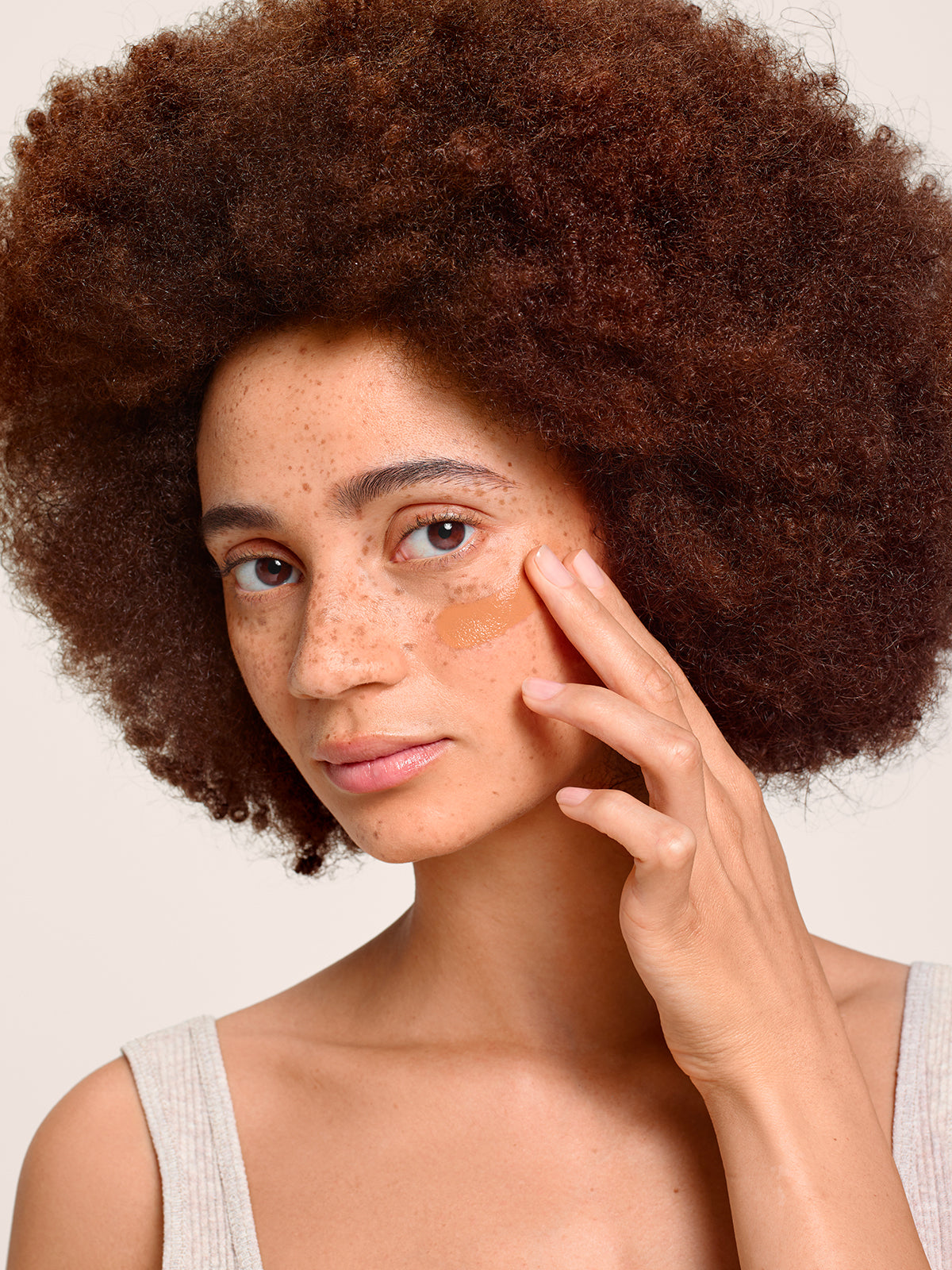
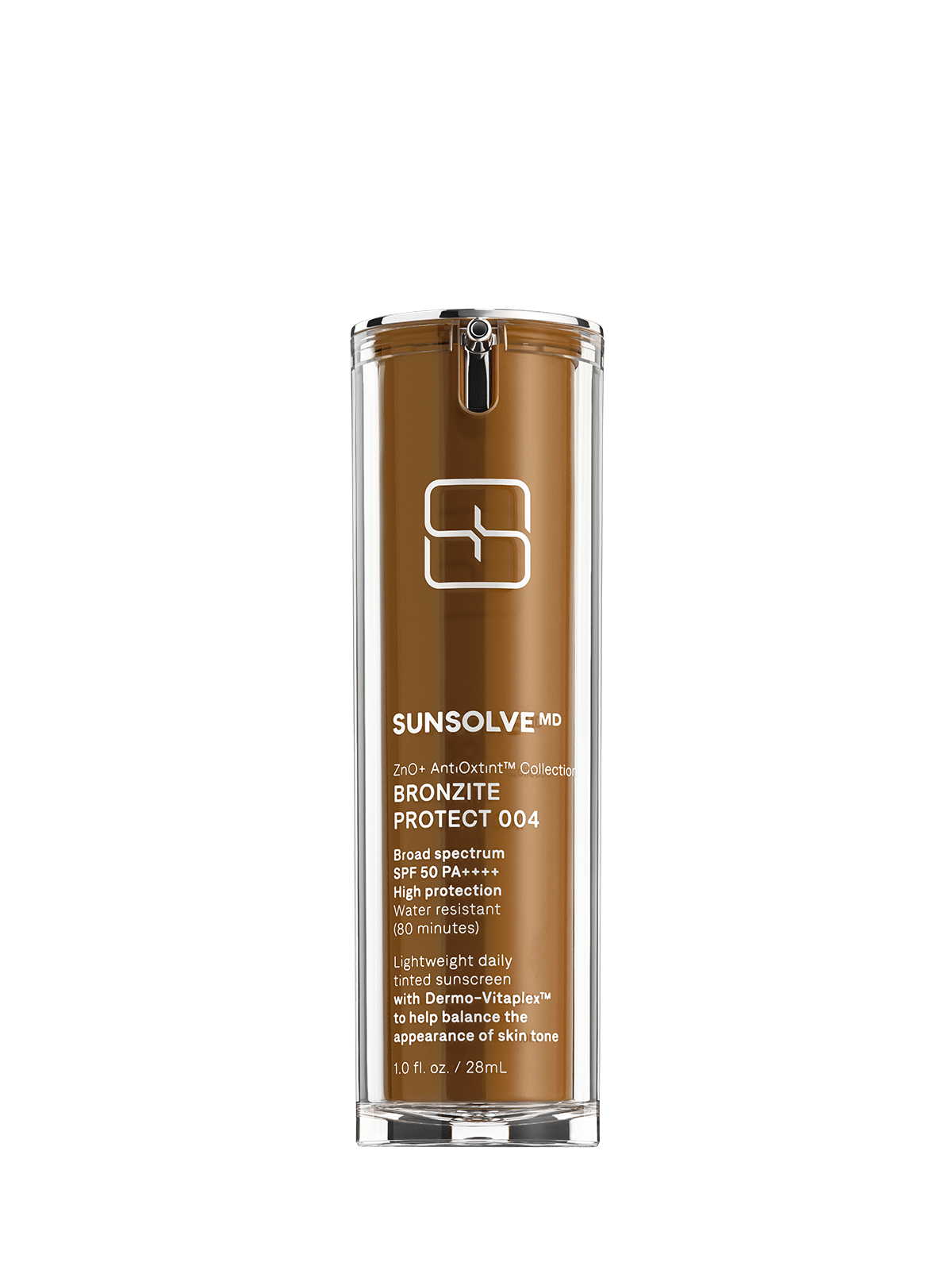
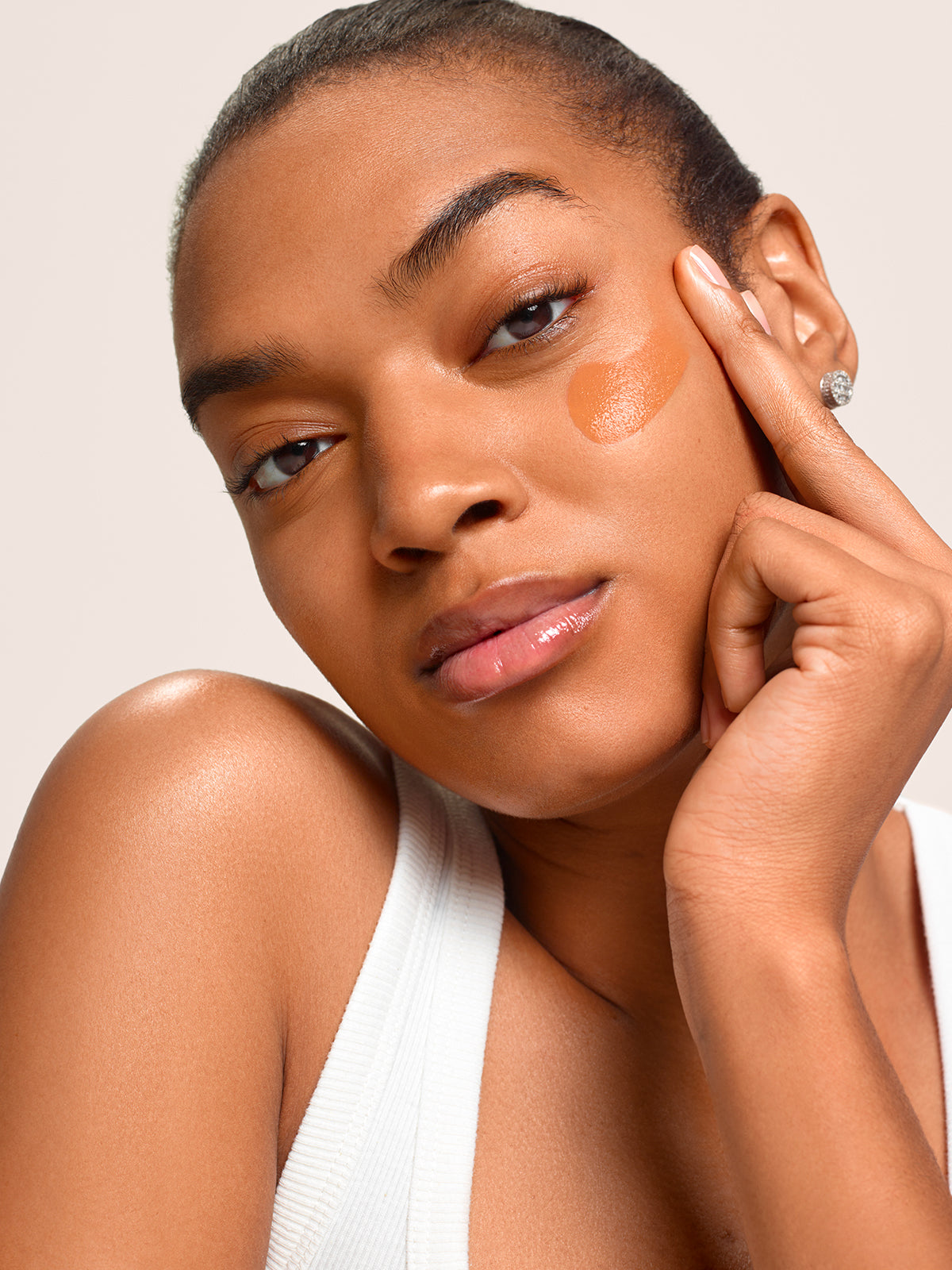
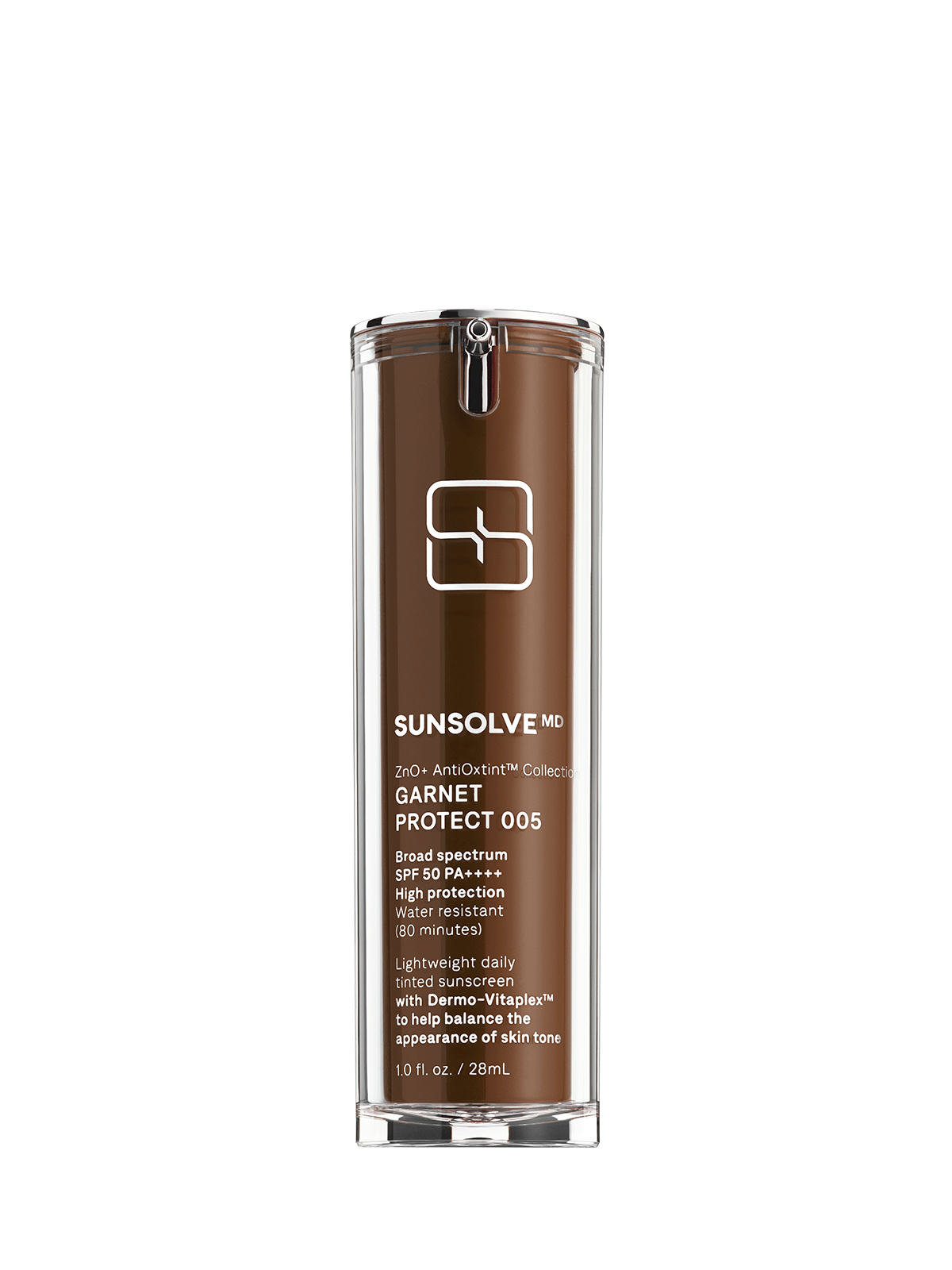
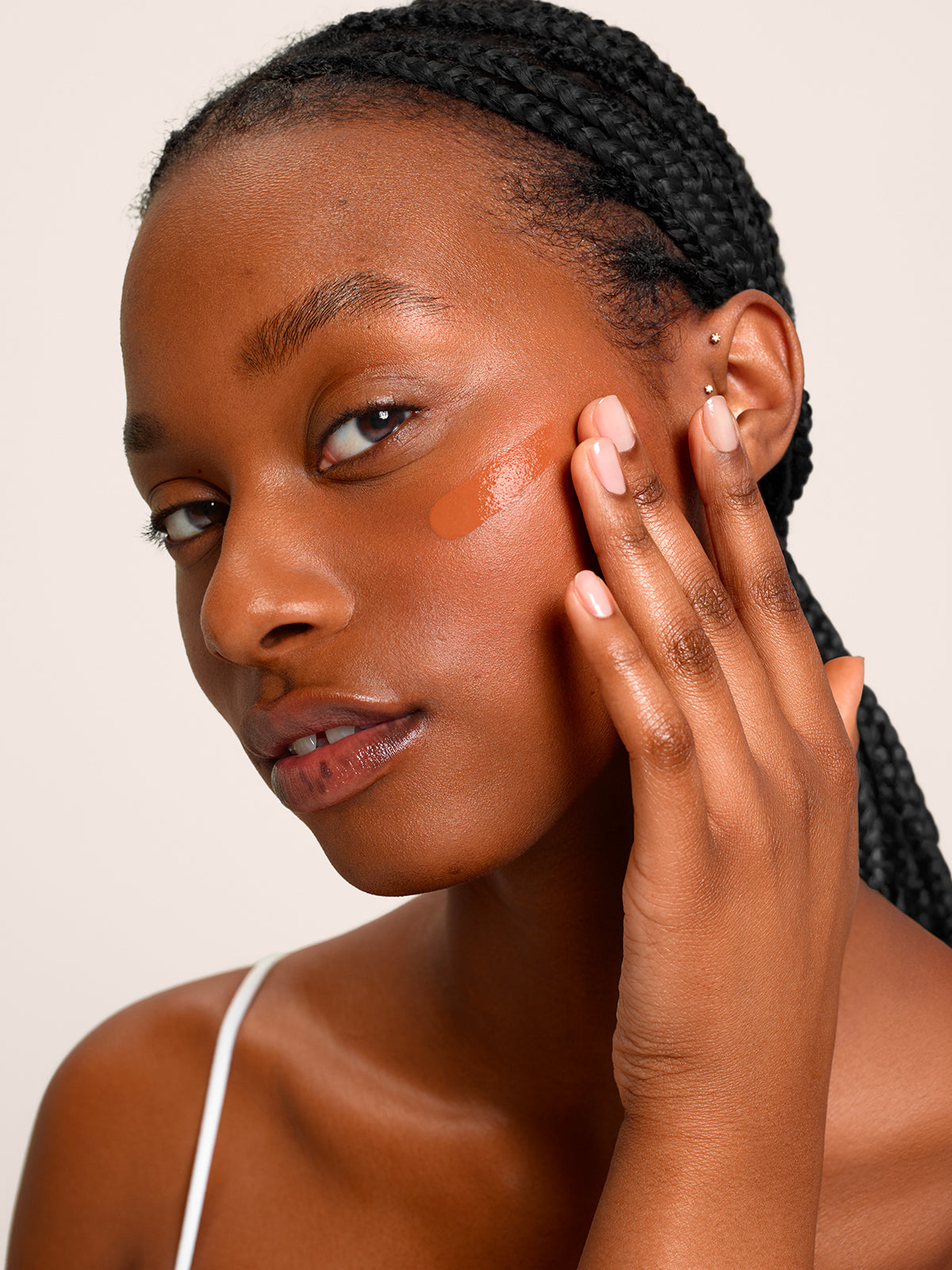
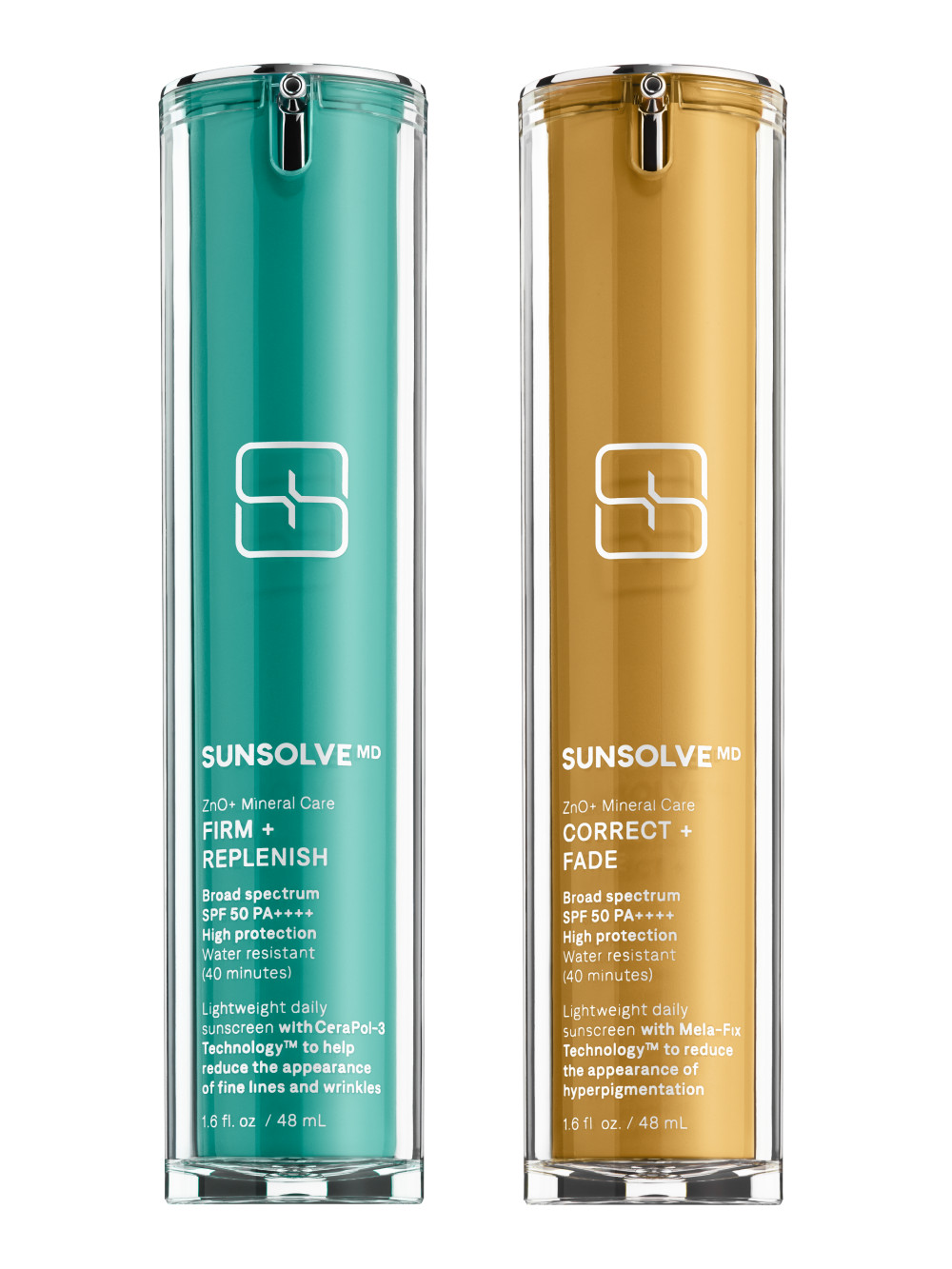
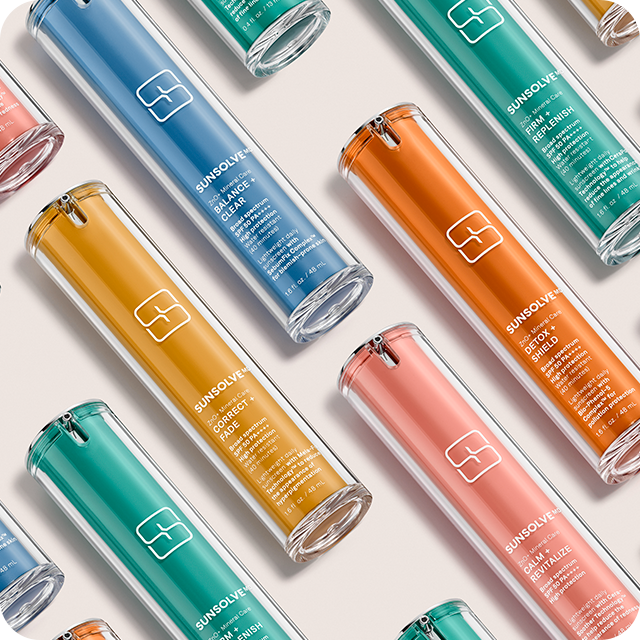
Our mineral sunscreen collection is built around a simple conviction: a sunscreen you apply generously and completely will always outperform one you ration. The patented ZnO+ Mineral Care Complex™ delivers micronized zinc oxide in a light, blendable lotion that sits comfortably on every skin tone, and because it is a mineral filter it can go where chemical filters cannot, right up to the lash line and into the inner corner of the eye without stinging. It is photostable, it works from the moment it is applied with no waiting period, and it is fragrance-free throughout the range. Sun protection should reach every part of you that the sun does. With the right texture, it finally can.
FAQs
Do I need a separate product for my eyelids?
Not if your sunscreen is mineral and fragrance-free. A well-formulated mineral SPF is appropriate for the orbital bone and lash line. What matters is the filter type and the absence of sensitising ingredients, not a dedicated eye product.
How do I protect my scalp without making my hair greasy?
A small amount of a light mineral lotion pressed directly along the parting deposits product on skin rather than through hair, which keeps it from looking oily. On days with prolonged exposure, a hat with a tight weave is more reliable than sunscreen alone.
Does SPF lip balm actually work?
Yes, provided it is applied often enough. Lip products are removed constantly through eating, drinking and speaking, so reapplication needs to be considerably more frequent than for the rest of the face. Look for a mineral filter and an SPF of 30 or above.
Are the backs of my hands worth bothering with if I wash them all day?
Very much so. The backs of the hands accumulate significant lifetime UV exposure and show photoageing early. Keeping a small SPF next to the sink and reapplying after washing is more practical than trying to make one morning application last.
Should I apply sunscreen before or after getting dressed?
Before. Applying to bare skin lets you cover the areas that sit under straps, necklines and waistbands, which shift through the day and expose skin you assumed was protected.