




Why Zinc Sunscreen Is Best for Aging Skin
The relationship between sunscreen and skin aging is the most direct one in dermatology. UV exposure accounts for roughly 80% of the visible signs of facial aging, which means daily SPF is, by some distance, the single most effective anti-ageing intervention available. No serum competes. No procedure substitutes. The brightening creams, peptide treatments, and retinoid protocols that occupy most of the anti-ageing market are working downstream of the variable that matters most, and consistent sun protection is the variable that determines whether everything else has anything to work with.
For ageing skin specifically, the formulation type matters as much as the consistency of use. Zinc oxide-based mineral sunscreen has emerged as the preferred choice across dermatological practice, and the reasons are worth understanding because they go well beyond the standard "mineral is gentler" framing.
Why Skin Changes With Age
Skin aging is driven by two parallel processes. Intrinsic aging is the biological clock running in the background, which produces gradual loss of collagen and elastin, slower cell turnover, and reduced sebum production from the mid-thirties onwards. Extrinsic aging is the cumulative damage from environmental factors, predominantly UV exposure, that accelerates and amplifies the underlying biological process.
The intrinsic component is largely outside your control. The extrinsic component is almost entirely modifiable. The difference between protected and unprotected skin at fifty is not subtle; the visible signs of aging on the protected face often look ten to fifteen years younger than on the unprotected one. This is what makes sunscreen the single most consequential product in an anti-ageing routine.
For older skin specifically, the stakes increase rather than decrease. The barrier function declines with age, which means damage accumulates more readily. The repair capacity slows, which means recovery from each insult takes longer. The cumulative photodamage from decades of imperfect protection compounds, which means the visible signs of new damage layer on top of existing damage rather than being absorbed into a younger, more resilient baseline.
Why Zinc Specifically Suits Mature Skin
Several characteristics of zinc oxide make it particularly well-suited to ageing skin.
-
Broad-spectrum coverage. Zinc oxide covers the full UVA range more completely than any other single active filter, including titanium dioxide. UVA is the wavelength responsible for most photoageing, deep dermal damage, and the collagen breakdown that drives wrinkle formation. For ageing skin, where the priority is preventing further structural damage to a dermis that is already losing density, true broad-spectrum protection is non-negotiable.
-
Anti-inflammatory action. Chronic low-grade inflammation, sometimes called inflammaging, is one of the underlying drivers of accelerated skin ageing. Zinc oxide has well-documented anti-inflammatory properties at the skin's surface, which means it does more than block UV; it actively calms the inflammatory load that accumulates with daily environmental exposure. For skin in its forties, fifties, and beyond, this matters considerably.
-
Compatibility with other treatments. Ageing skin tends to be on a more complex routine: retinoids, vitamin C, peptide treatments, possibly prescription tretinoin. Zinc oxide layers cleanly over all of these without compromising their efficacy or stability. Chemical filters can interact unpredictably with active treatments, particularly retinoids; mineral SPF doesn't.
- Barrier support. Zinc oxide is non-comedogenic, non-sensitising for most people, and inherently barrier-friendly. As skin matures and the barrier becomes more easily compromised, this becomes more relevant rather than less.
For more on the broader picture, take a look at our blog on treating ageing skin during menopause.
What To Look For In An Anti-Ageing SPF

Beyond zinc oxide as the primary filter, several supporting variables differentiate a sunscreen that is merely adequate from one that is actively working on the skin in addition to protecting it.
-
Concentration matters. Look for non-nano zinc oxide at 10 to 12%, which is the range that provides genuine broad-spectrum coverage without the chalky finish associated with older formulations.
-
Supporting actives. Niacinamide for tone evening and barrier support, hyaluronic acid for hydration, antioxidants like vitamin E to neutralise the residual free radicals that even good SPF cannot fully block, and ideally DNA repair complexes that work on the cellular damage that accumulates over years of exposure.
-
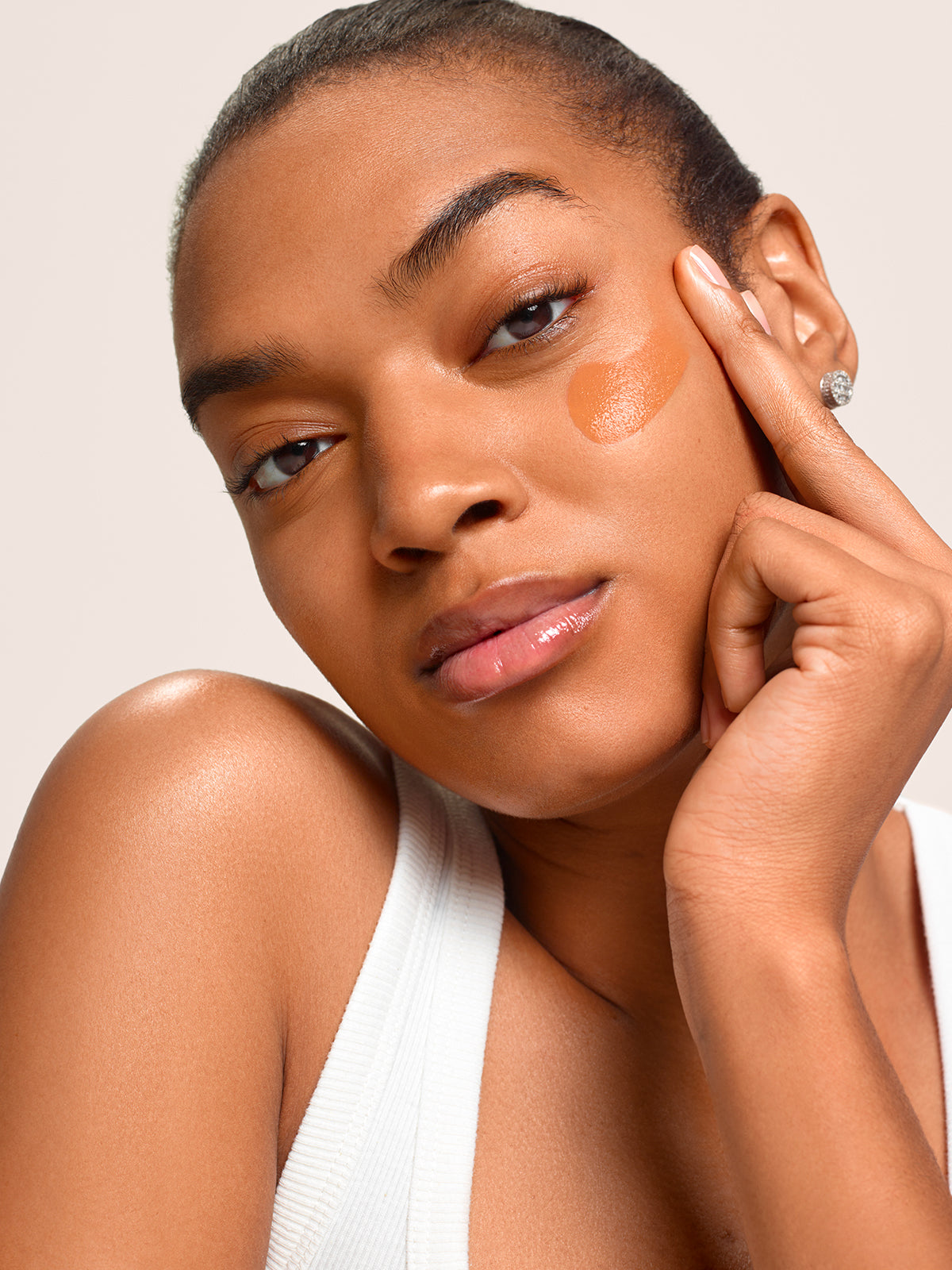
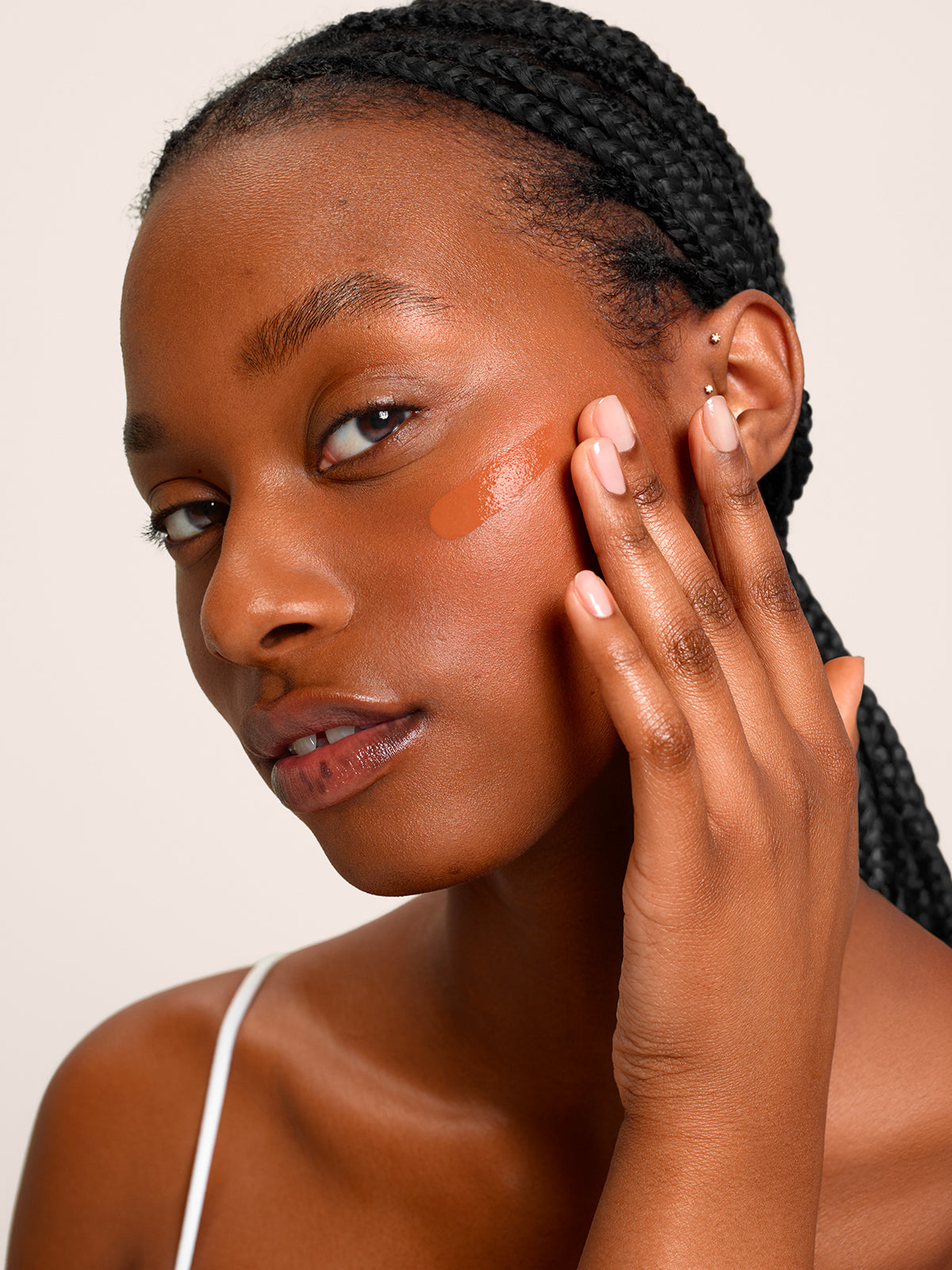
Texture for mature skin. Lightweight formulations that hydrate rather than sitting on the surface, with finishes that don't settle into fine lines or emphasise texture. Tinted options provide additional benefits for evening tone without requiring a separate foundation layer.
Why Mineral Beats Chemical For Older Skin
Chemical filters work by absorbing UV and converting it to heat that dissipates from the skin. On younger skin, this is well-tolerated. On older skin, where the barrier is more compromised and the skin is generally more reactive, the absorption profile of chemical filters often translates into sensitivity that wasn't there in your twenties.
Mature skin also tends to layer multiple active treatments, and chemical filters can interact with these in ways that compromise both. Mineral SPF stays on the surface, doesn't penetrate, and doesn't interfere with the rest of the routine. For skin that is doing more work to maintain itself, the cleaner formulation profile of mineral SPF is the more reliable foundation.
What Makes SunsolveMD Different
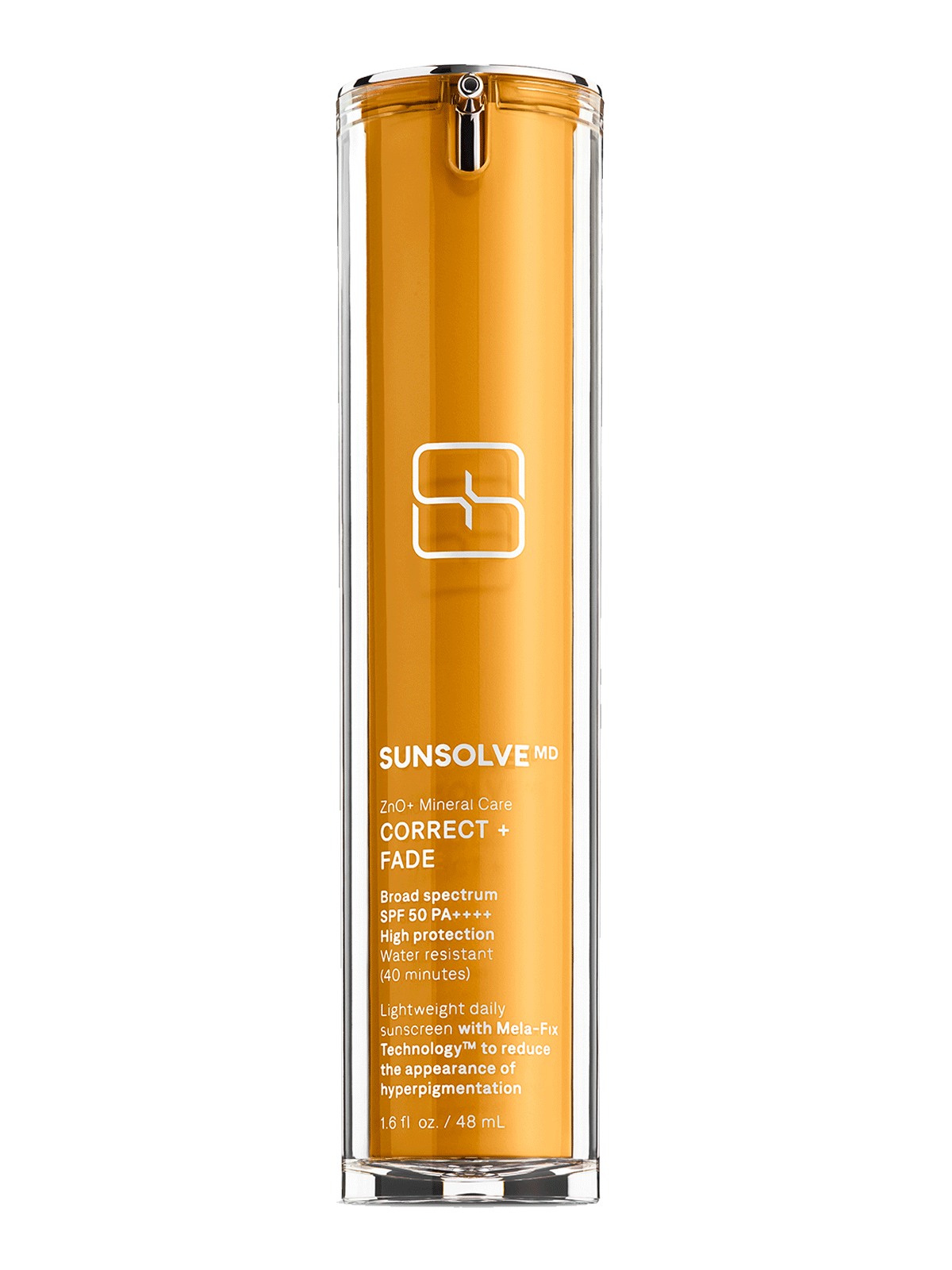
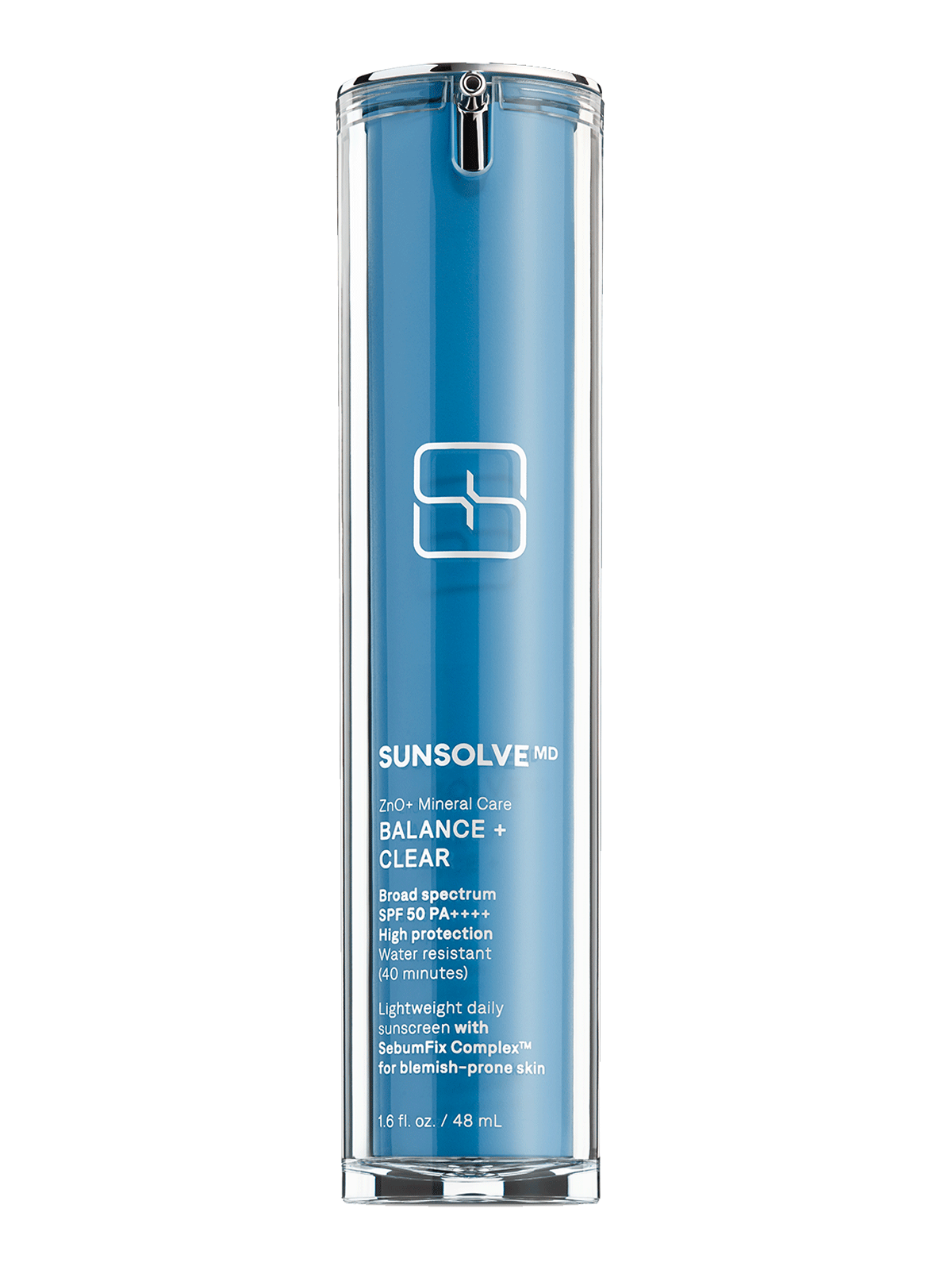
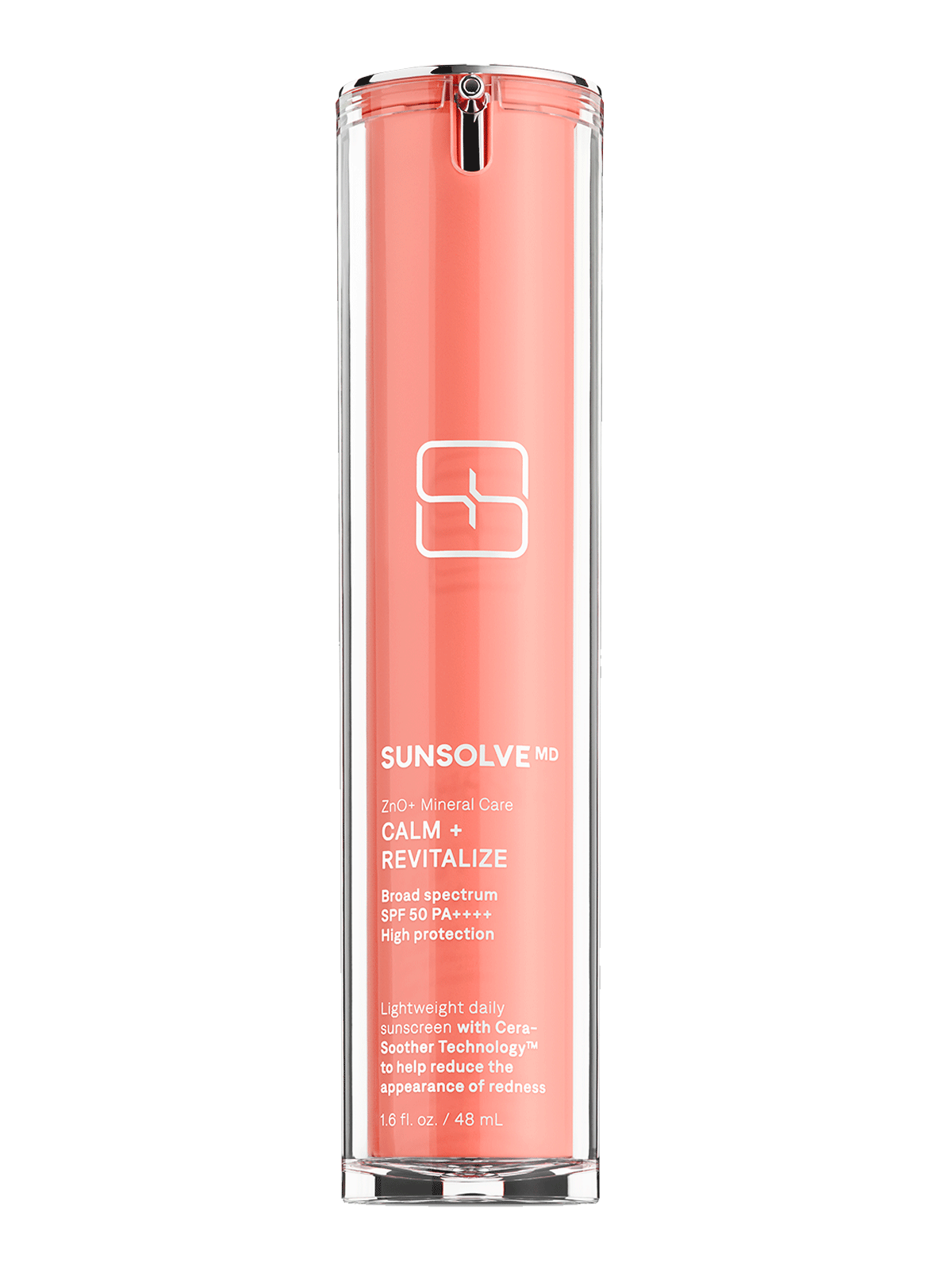
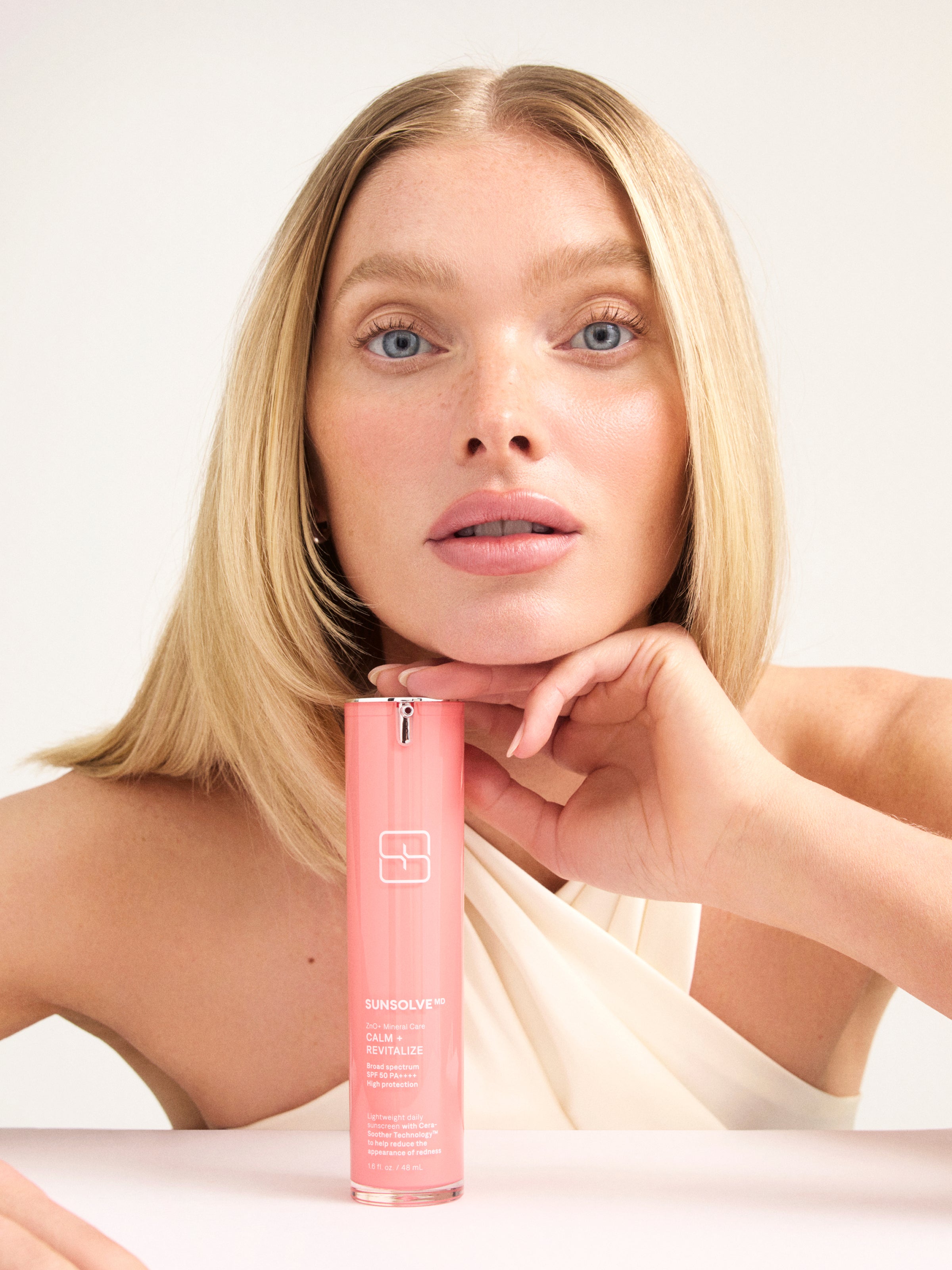
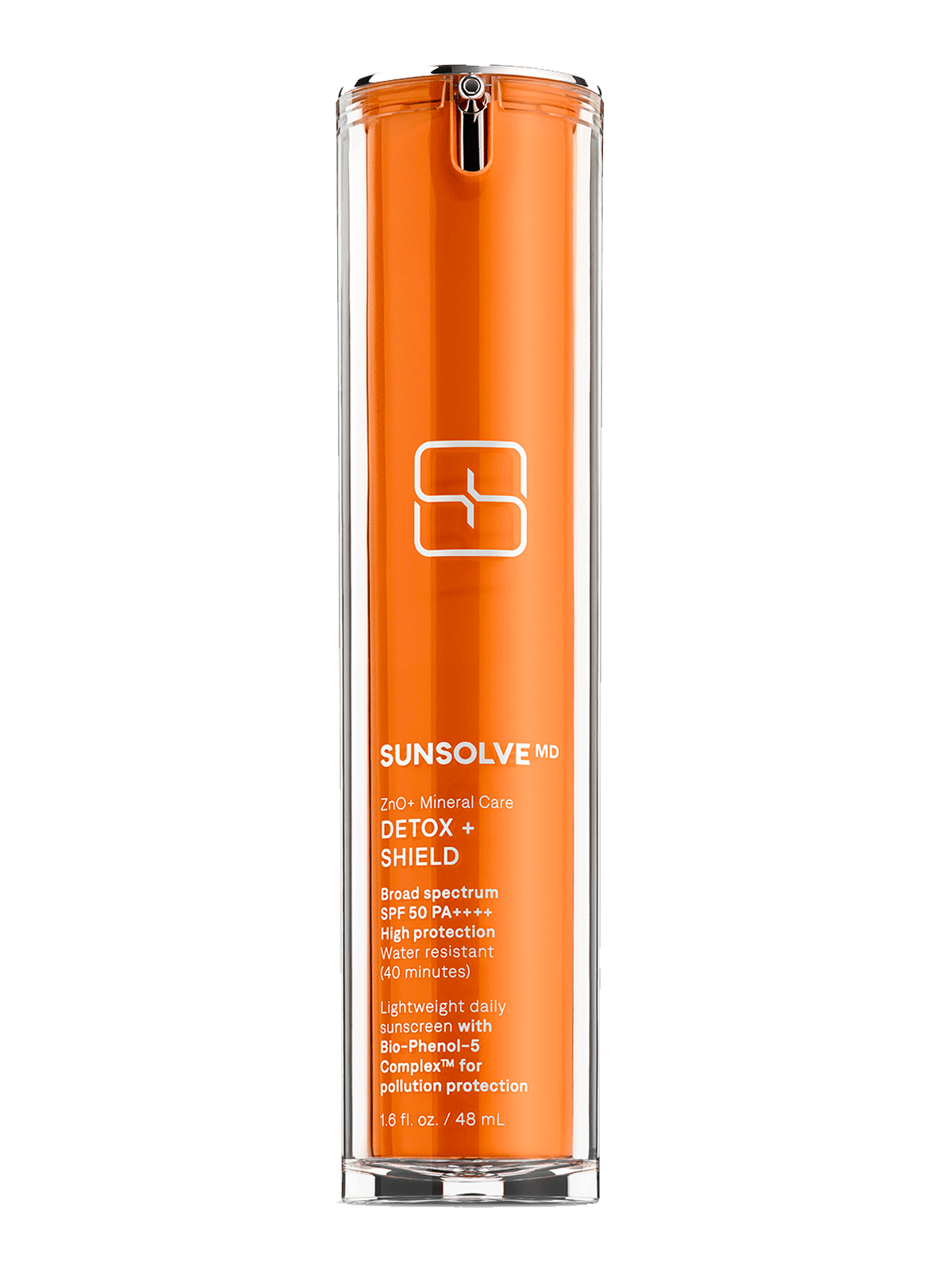
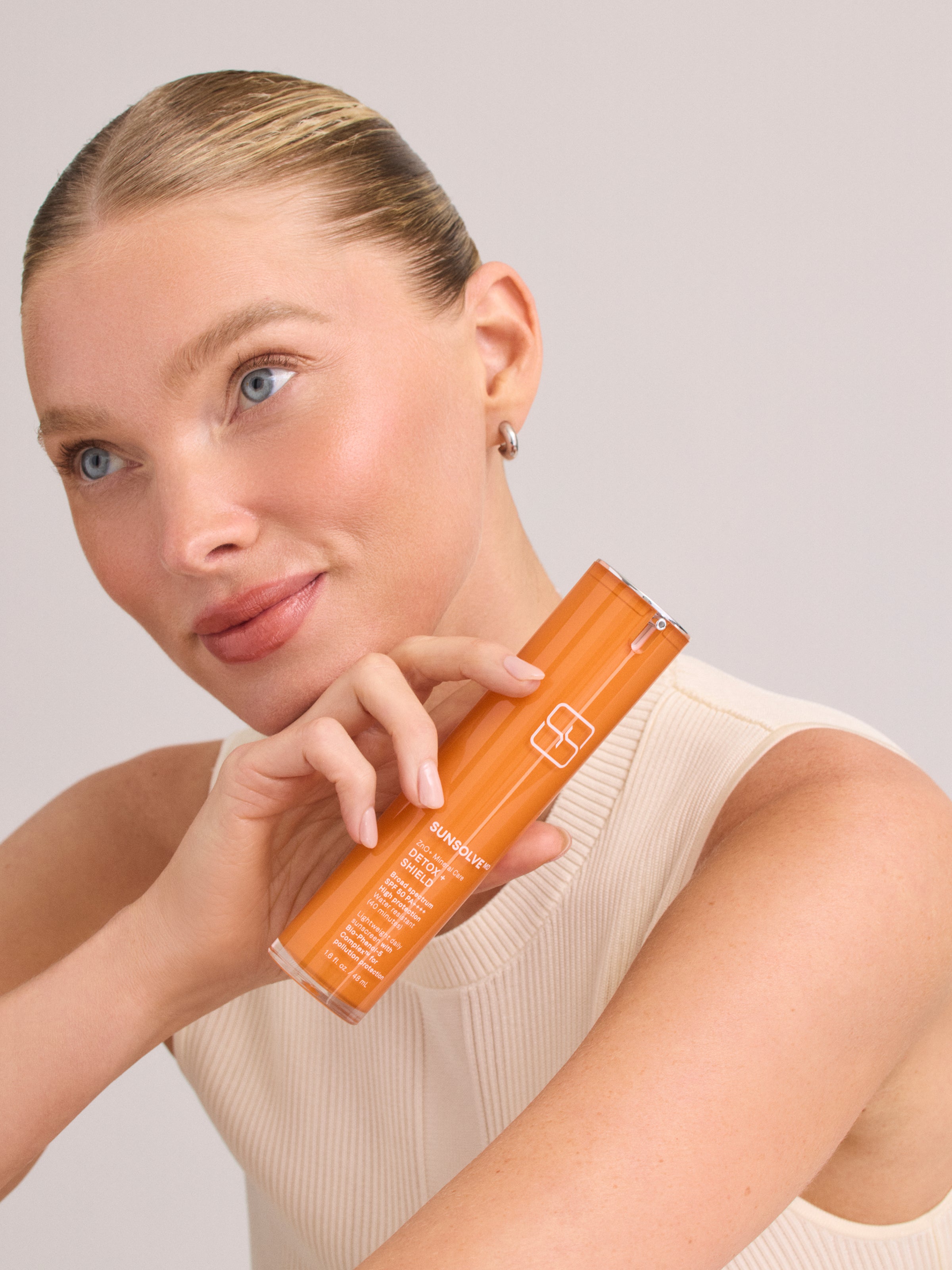
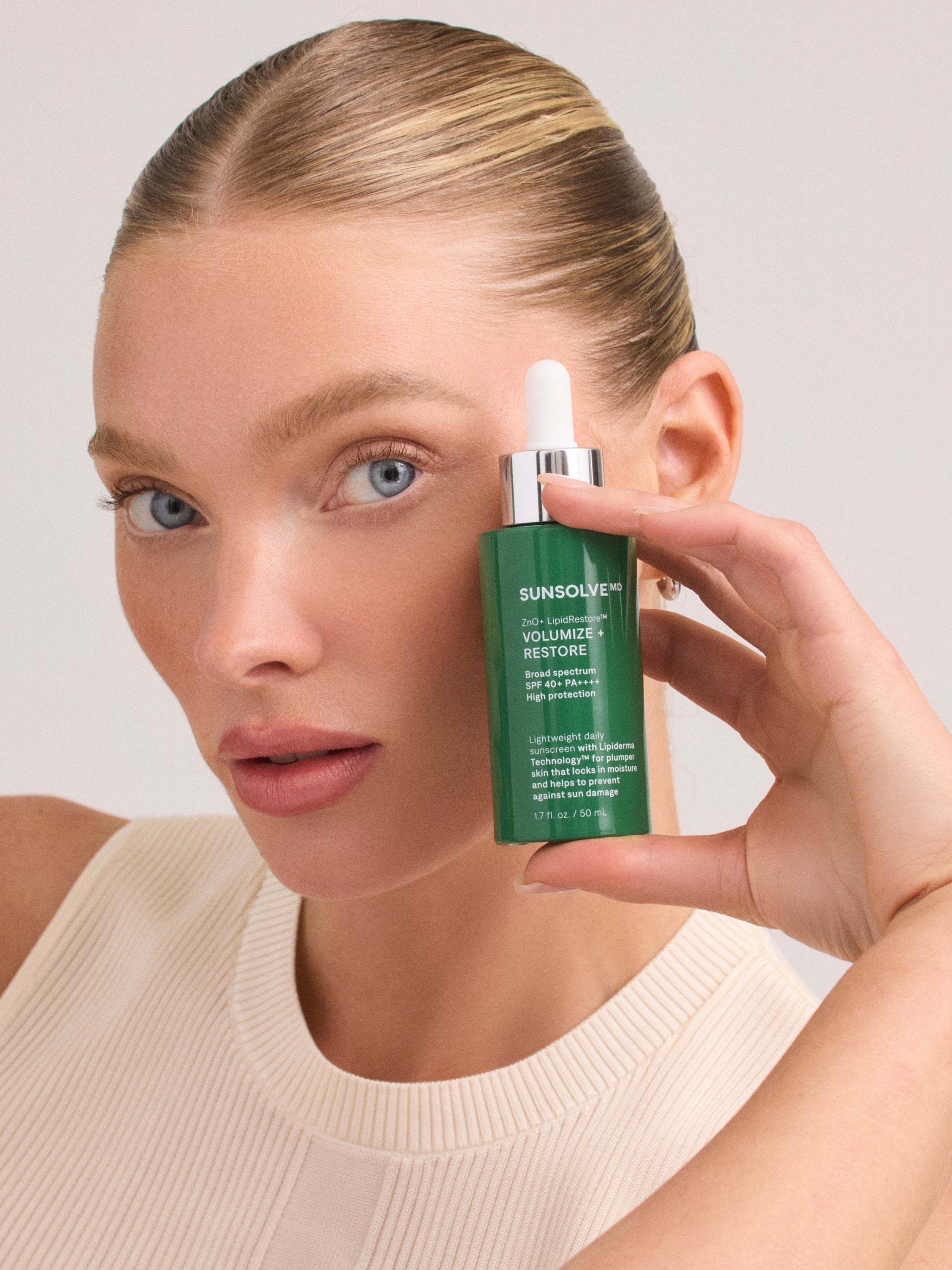
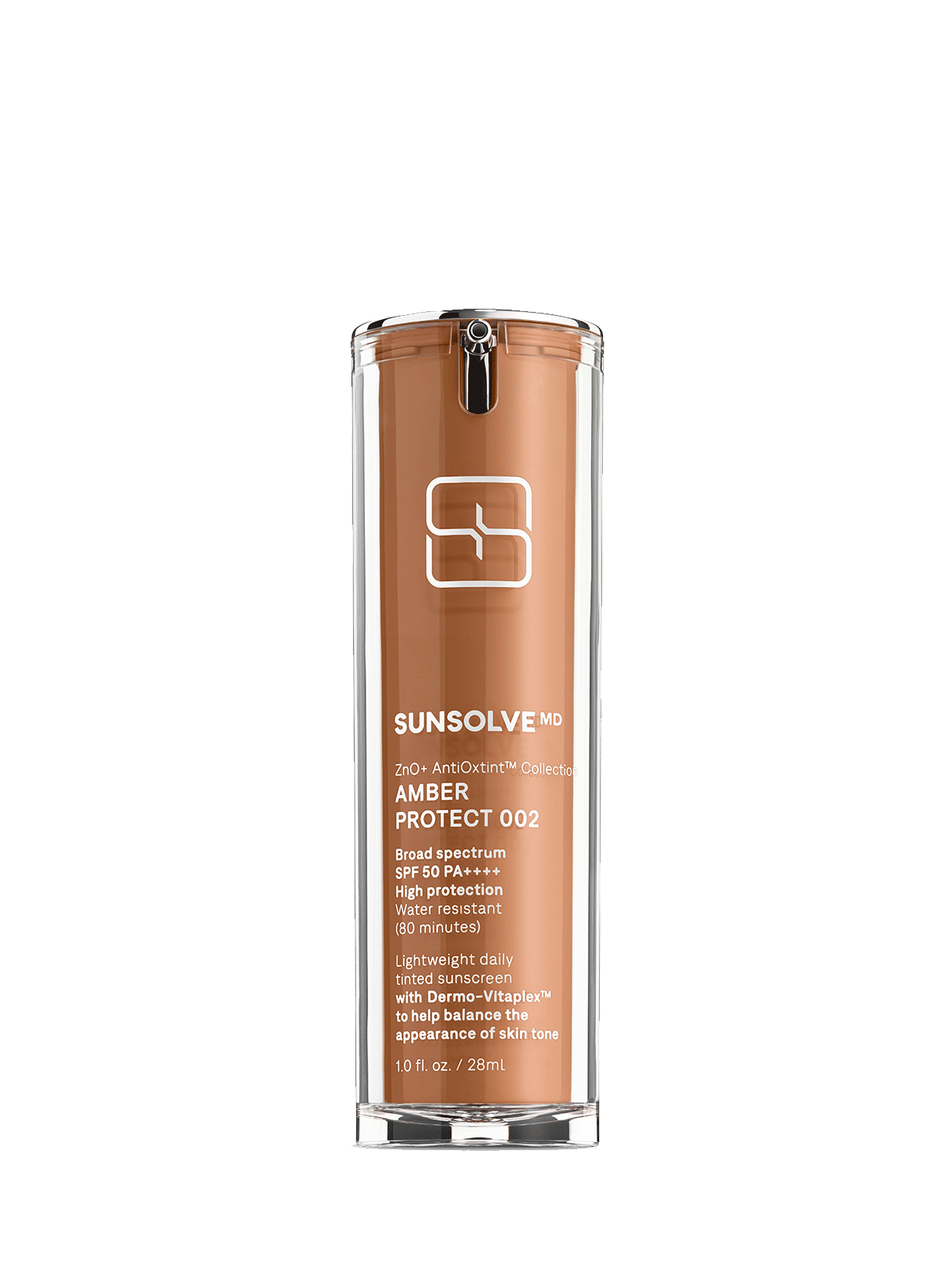
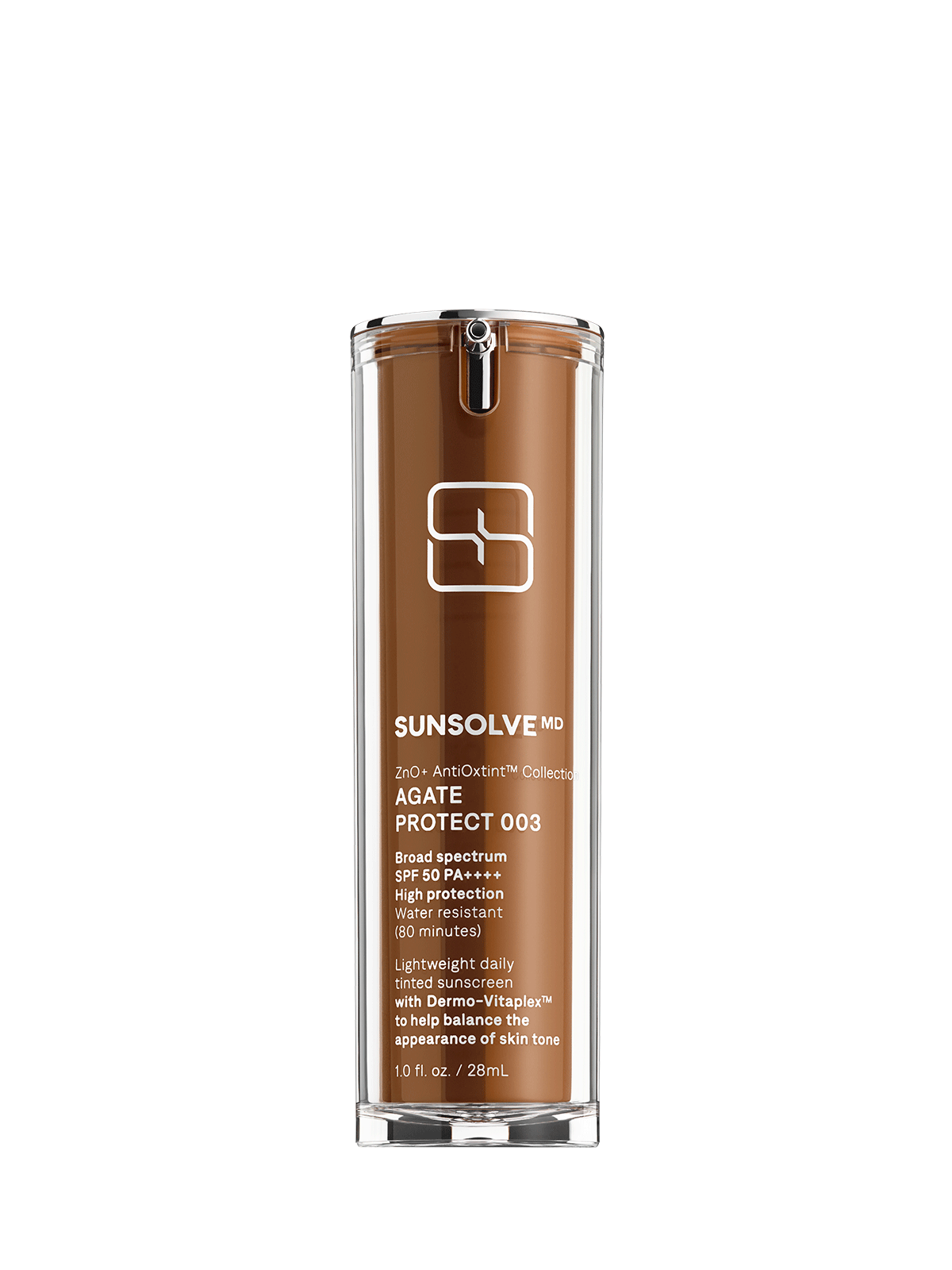
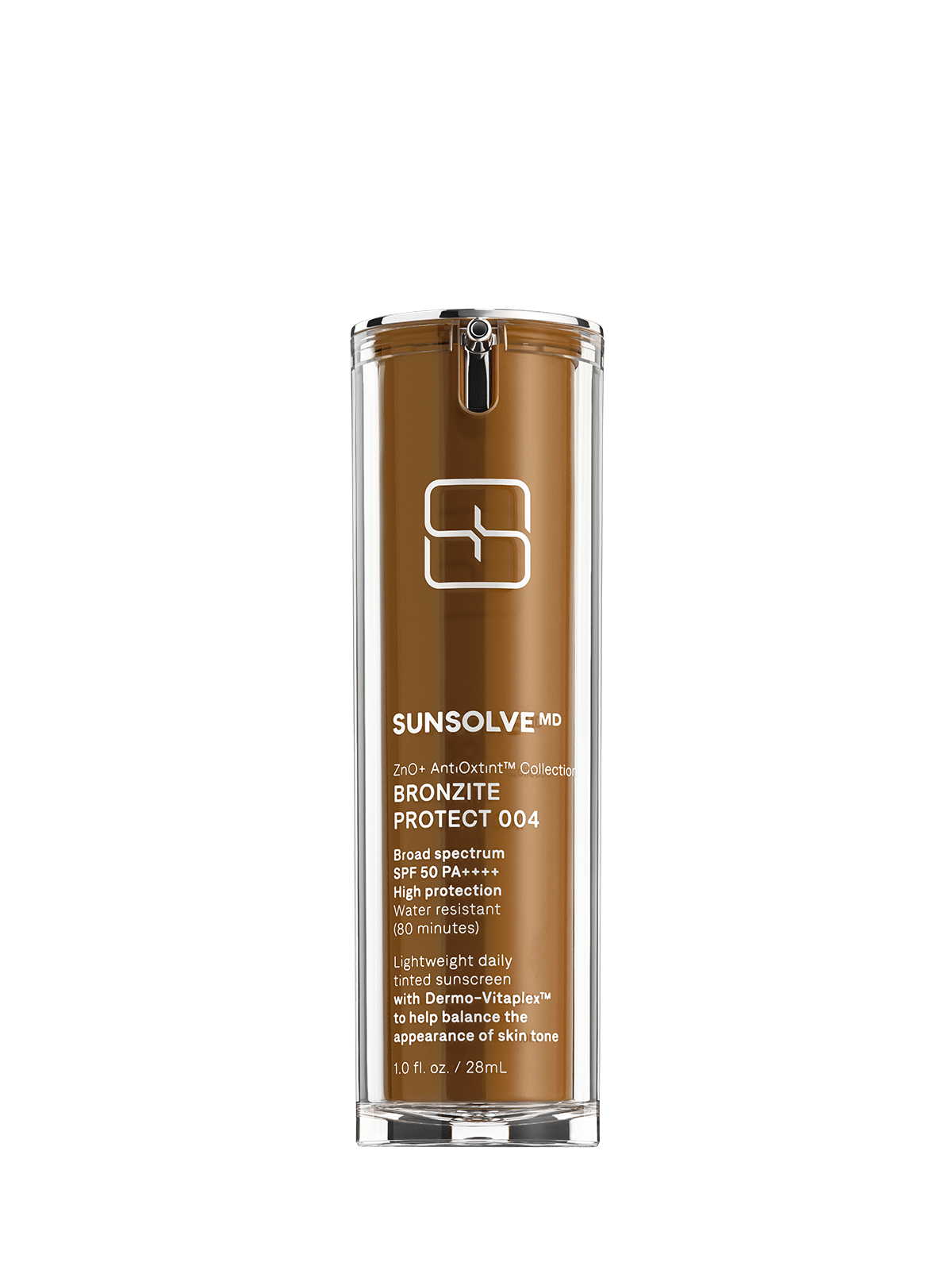
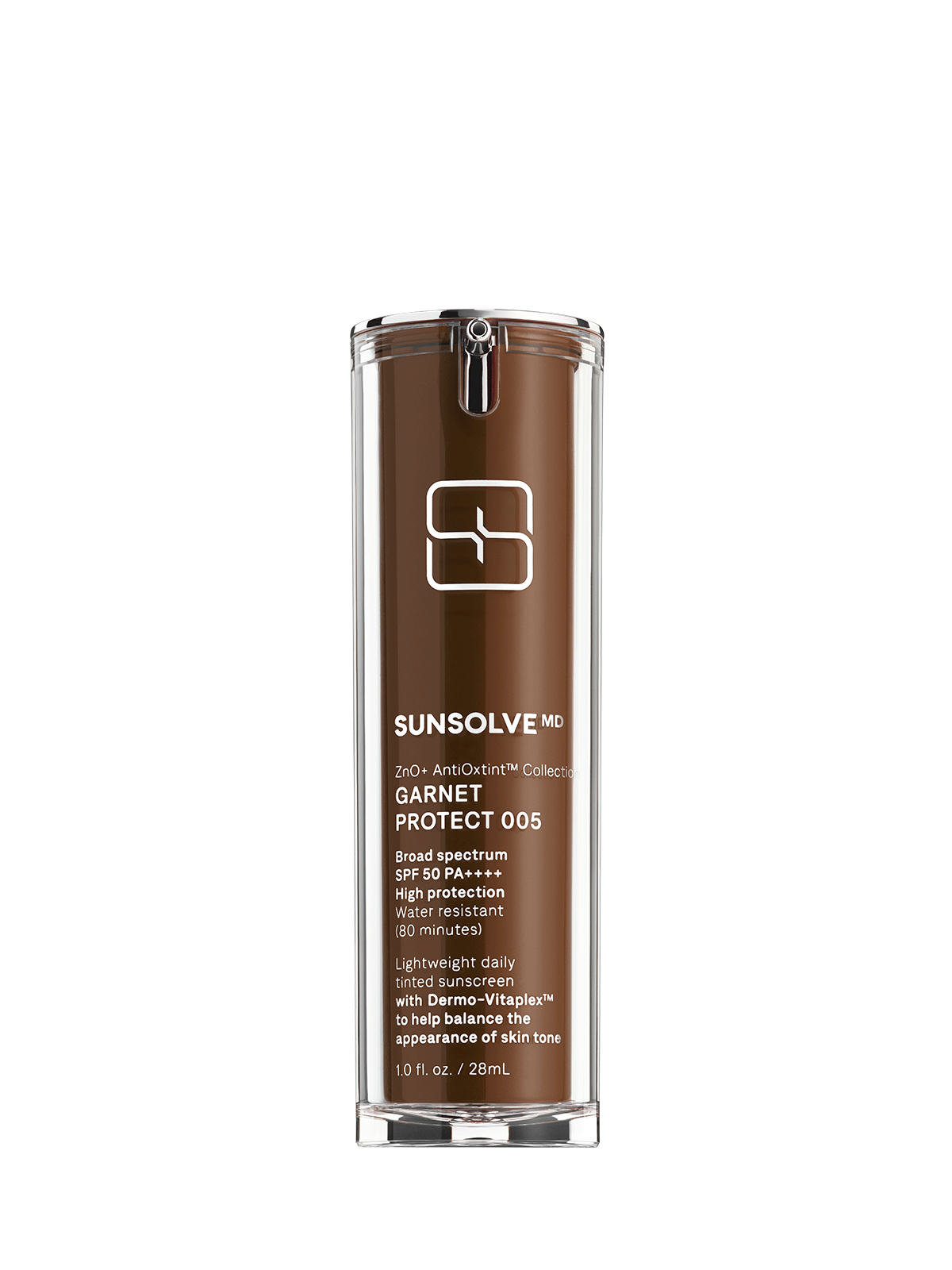
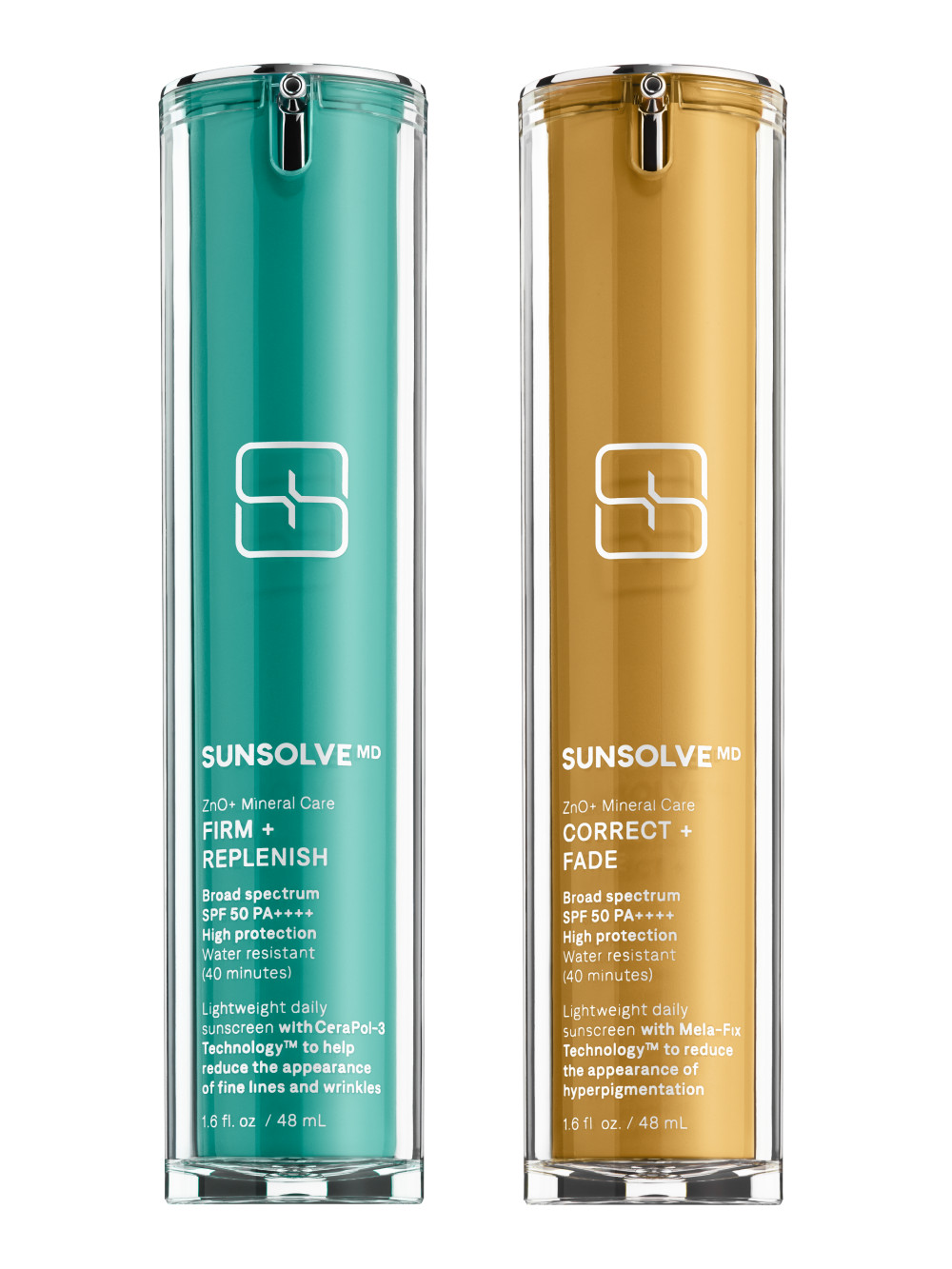
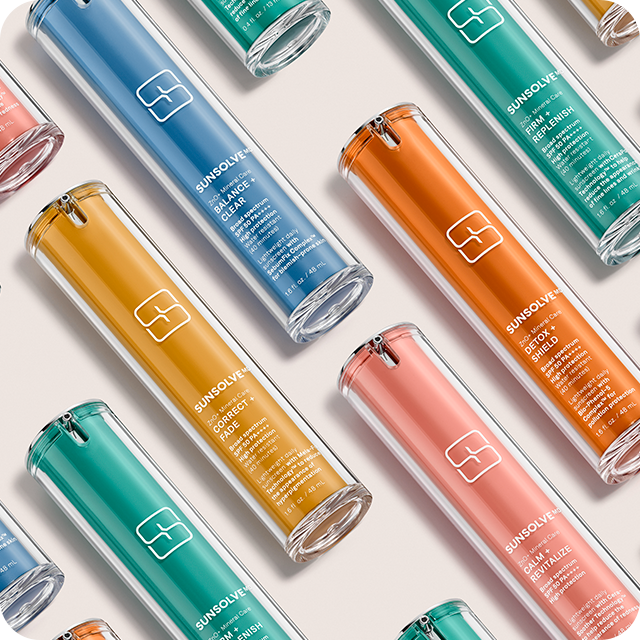
Our facial SPF using zinc-based protection was developed for skin that has accumulated decades of exposure and needs protection that does more than block UV at the surface. The ZnO+™ Mineral Care Complex delivers 12% non-nano zinc oxide alongside niacinamide, hyaluronic acid, and antioxidant supporting ingredients, while SolveDNAReverse™ technology works beneath the surface to support the skin's natural DNA repair processes. This is the dermatological logic of mature-skin sun protection: block what you can at the surface, repair what you can underneath, and give the rest of the routine a clean foundation to work on. The anti-ageing strategy that actually works begins with daily SPF. With the right formulation, it becomes the most useful step in the day.
FAQs
Is it too late to start sunscreen if I'm already over fifty?
Not at all. The damage from previous decades is real, but the future damage is still preventable, and the skin's repair mechanisms continue working at any age if given the chance.
Will zinc sunscreen help fade existing sun spots?
Sunscreen prevents new pigmentation from forming and existing pigmentation from worsening. Fading existing spots usually requires additional active treatment alongside consistent SPF.
Should I use a separate eye cream with SPF?
A well-formulated facial mineral SPF applied carefully to the orbital bone covers the eye area adequately. Dedicated SPF eye products exist but are not strictly necessary.
Can I layer retinol and mineral SPF?
Yes. Use retinol at night and mineral SPF in the morning. The two combine well, and consistent SPF is essential when using retinoids because they increase photosensitivity.
Is SPF 30 enough for mature skin or should I use SPF 50?
SPF 50 provides additional margin and is the more conservative recommendation for ageing skin. Application quantity and consistency matter more than the number on the bottle.