




How Tinted SPF Works Alongside Antioxidant Serums
Two products, applied ninety seconds apart, doing entirely different jobs. SPF and antioxidant serum is one of the more effective pairings in skincare, and one of the most poorly explained. Most people using a vitamin C serum under a tinted mineral SPF understand that both are good for photoageing and assume the benefit is additive. It’s actually more interesting than that. The two work at different points in the same damage pathway, and the reason to use them together has less to do with doubling up and more to do with covering for each other's blind spots.
We build our tinted formulas with this pairing in mind, so it’s worth setting out properly.
Two Different Mechanisms, One Problem
Sunscreen is a barrier technology. Zinc oxide sits on the surface and prevents UV radiation from reaching the living layers of the skin in the first place. It is preventative, it is physical, and it works in the moment of exposure.
Antioxidants are a mop-up technology. They do not block anything. They neutralise reactive oxygen species, the unstable molecules generated when radiation that did get through interacts with cellular structures. Free radicals are what convert a photon into actual biological damage: lipid peroxidation, collagen breakdown via matrix metalloproteinase activation, DNA lesions, the inflammatory cascade that drives pigmentation.
Put simply, sunscreen reduces the number of photons arriving. Antioxidants reduce the damage caused by the ones that arrive anyway. No sunscreen achieves complete blockage, so there is always a proportion getting through for the antioxidants to deal with.
The evidence for antioxidants doing meaningful work here is reasonably established. Research on topical vitamin C combined with vitamin E has shown protection against erythema, sunburn cell formation and thymine dimer development in irradiated skin, with the combination outperforming either vitamin used alone. Vitamins C and E regenerate each other in the antioxidant network, which is why they are so consistently formulated together, and ferulic acid stabilises both while adding its own radical-scavenging capacity.
Where The Tint Changes The Equation
Here is the part that makes tinted SPF specifically, rather than sunscreen generally, the right partner for an antioxidant serum.
Iron oxides, the pigments that create the tint, add protection across the visible light spectrum. This is not a marketing extrapolation. UV filters are engineered to handle UVA and UVB, and visible light sits outside the range they were designed for, which means a clear formula addresses it primarily through its antioxidant content rather than through filtration. Visible light is now well established as a driver of pigmentation, particularly in melanin-rich skin and in melasma, so for pigmentation-prone skin the pigmented option adds a layer of defence that a clear one handles differently.
Antioxidants matter here too, because visible light generates free radicals in the skin through the same broad mechanism as UV. A tinted SPF and an antioxidant serum are therefore addressing visible-light damage from both directions: the role of iron oxides in skin protection is to help block light and prevent dark spots, while the antioxidants handle the oxidative consequences of the portion that gets through.
What Order To Apply Both

Antioxidant serum first, on clean skin, before anything else. Tinted SPF last, as the final skincare step.
The reason is that antioxidants need to reach the living epidermis to function. They work inside cells and within the extracellular matrix, not on the surface. Applying vitamin C over a mineral sunscreen means depositing it on top of a physical barrier specifically designed to stop things passing through, which achieves very little.
Sunscreen, conversely, must be the outermost layer. Its job is entirely surface-based, and anything applied over it disrupts the continuity of the film and dilutes the filter density. This includes moisturiser, and it includes facial oils.
Pro Tip: Give the serum time to absorb. Vitamin C formulations, particularly L-ascorbic acid at a low pH, need a few minutes to penetrate, and applying SPF onto a wet serum layer is one of the more reliable ways to cause pilling.
Does Vitamin C Deactivate Under Sunlight?
This is the most persistent myth in the category, and it deserves a direct answer. L-ascorbic acid is genuinely unstable. It oxidises on exposure to light, air and heat, which is why well-made formulations arrive in opaque, airless packaging and why a serum that has turned amber has already degraded.
What does not follow is that it degrades on your face during the day. Vitamin C absorbs into the skin within minutes of application, and once it is in the epidermis it is not sitting exposed to sunlight in the way it would in an open bottle. The instability is a storage and formulation problem, not a wear problem. Applying it in the morning under SPF is exactly what the research on photoprotective antioxidant combinations was based on.
Derivatives such as tetrahexyldecyl ascorbate and sodium ascorbyl phosphate are more stable still, though they convert to active ascorbic acid at different rates and efficiencies.
What About Layering Under Makeup
A tinted SPF frequently removes the need for a separate base, which simplifies everything. If you are wearing foundation over the top, apply it after the sunscreen has fully set, and press rather than buff so you are not displacing the filter layer.
Reapplication over a serum-and-tint routine does not require reapplying the serum. Antioxidants applied in the morning remain active in the skin for hours. Only the sunscreen needs refreshing.
Science-Led Sunscreen By SunsolveMD
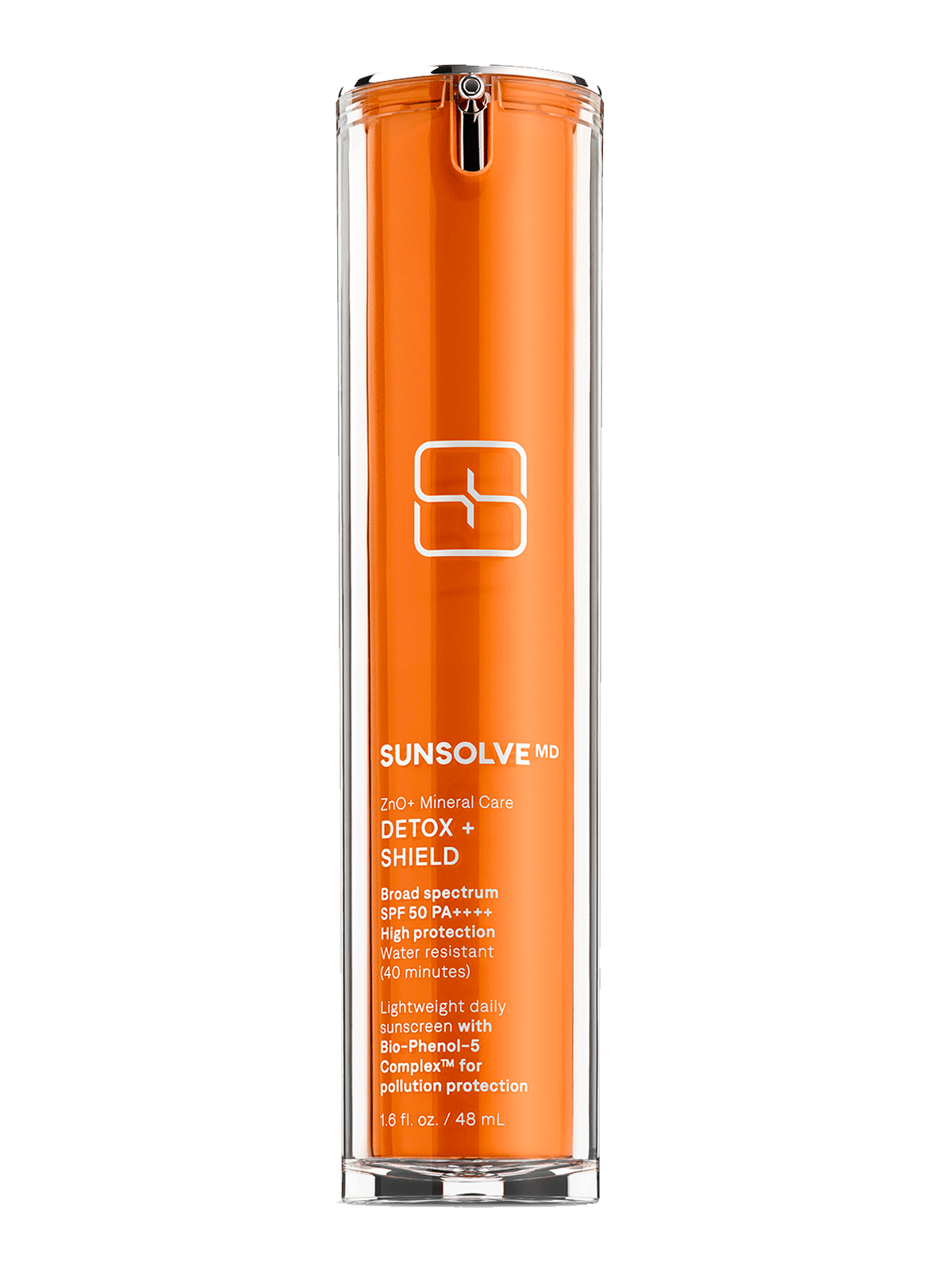
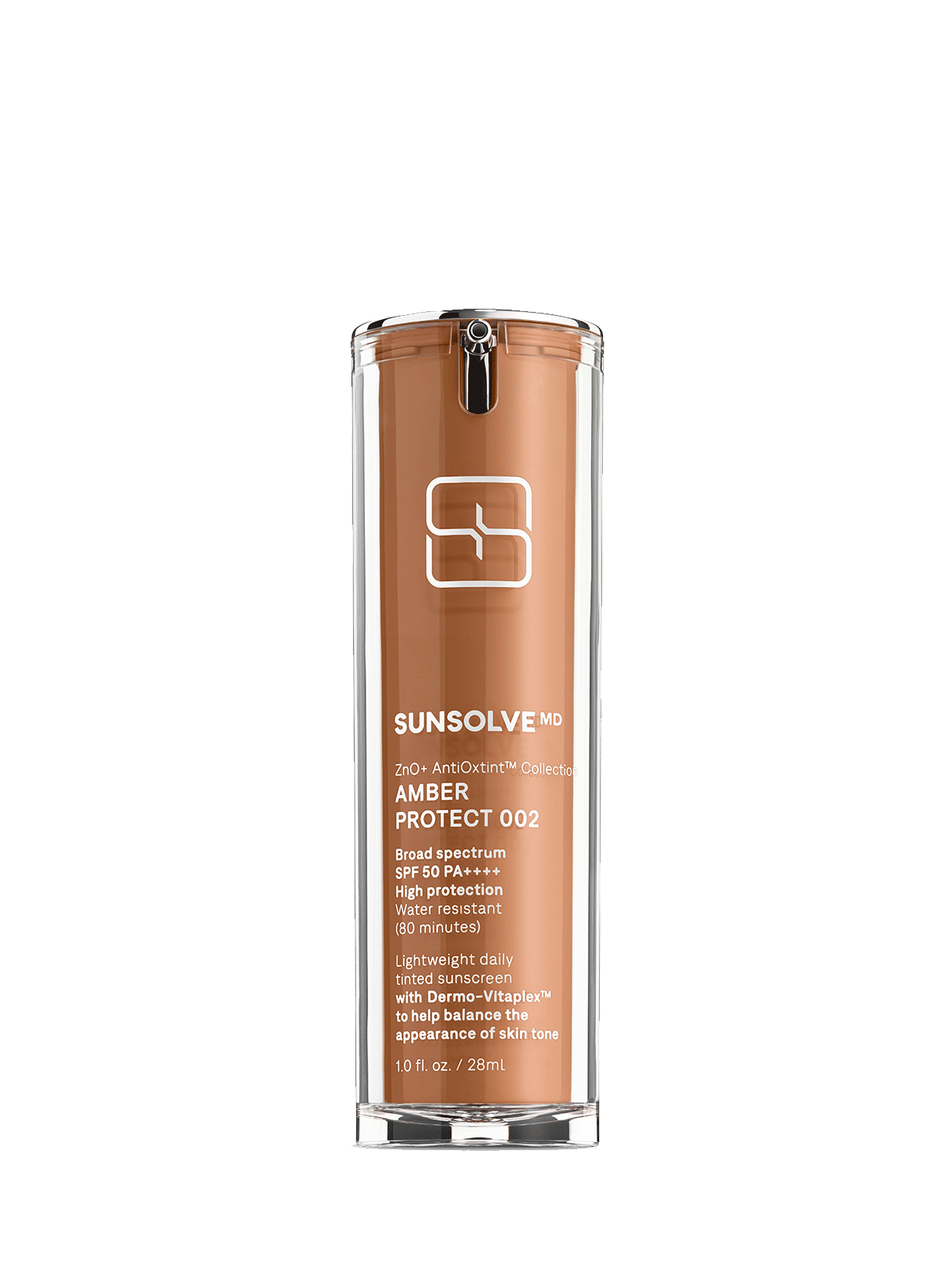
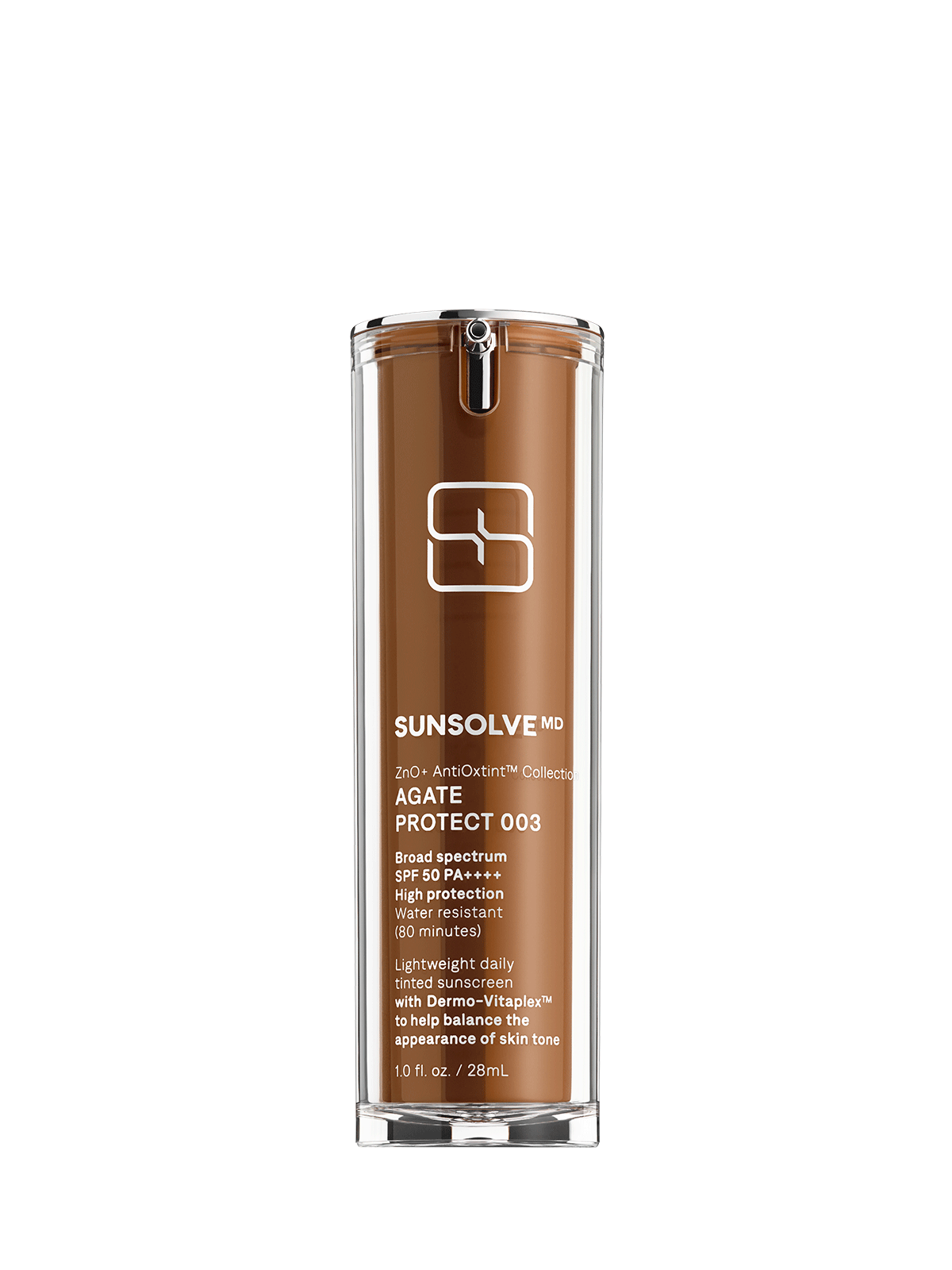
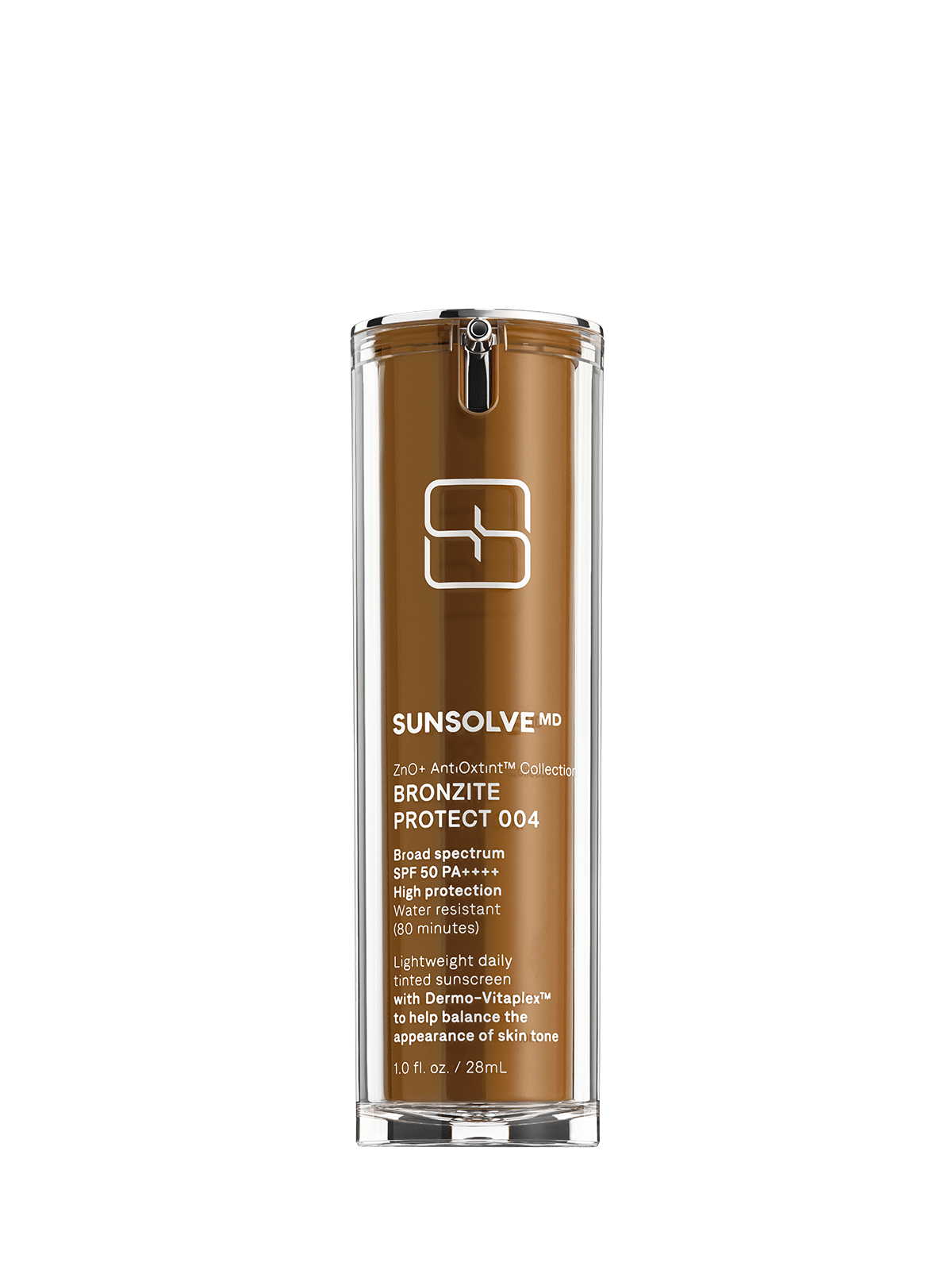
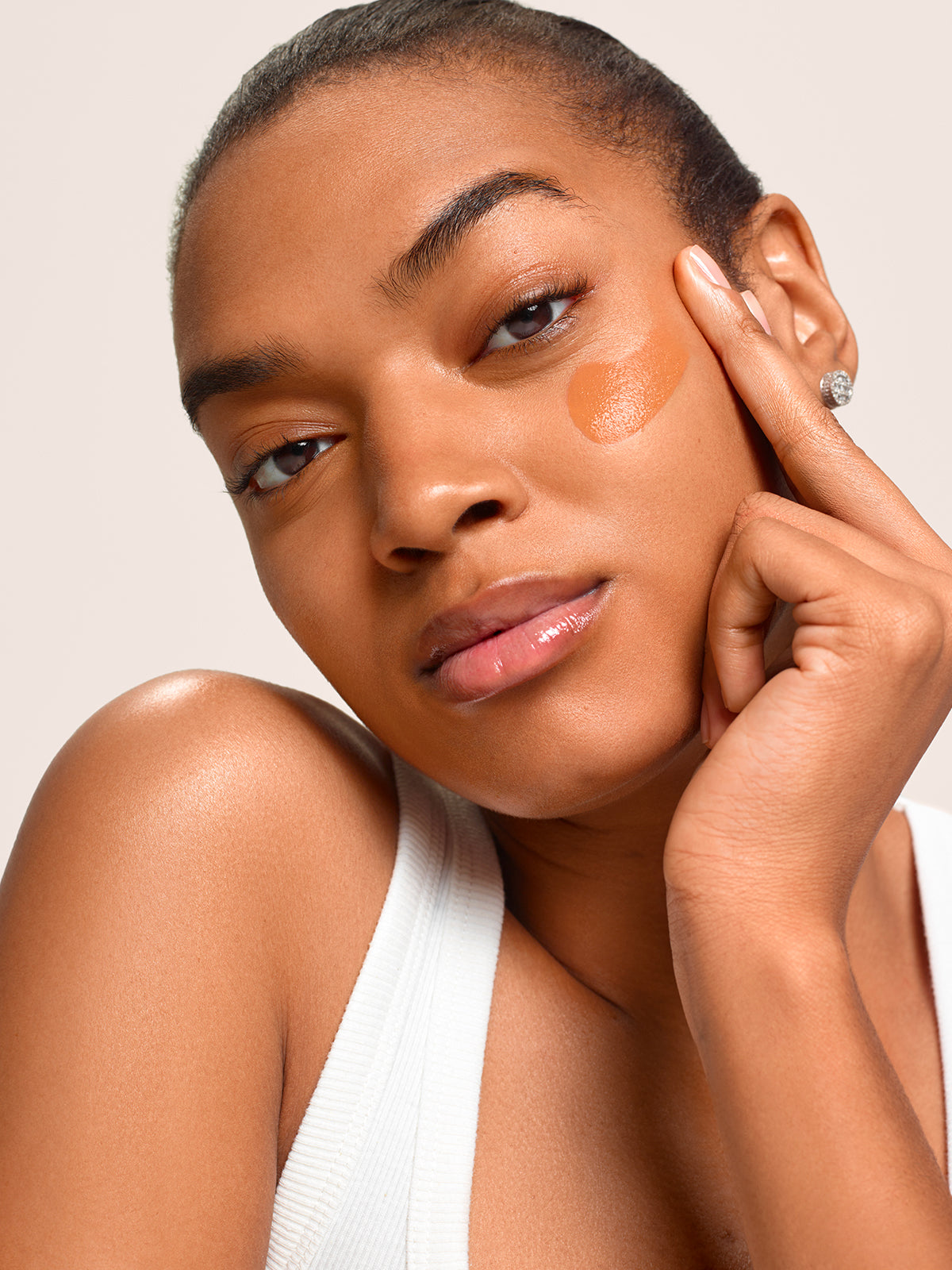
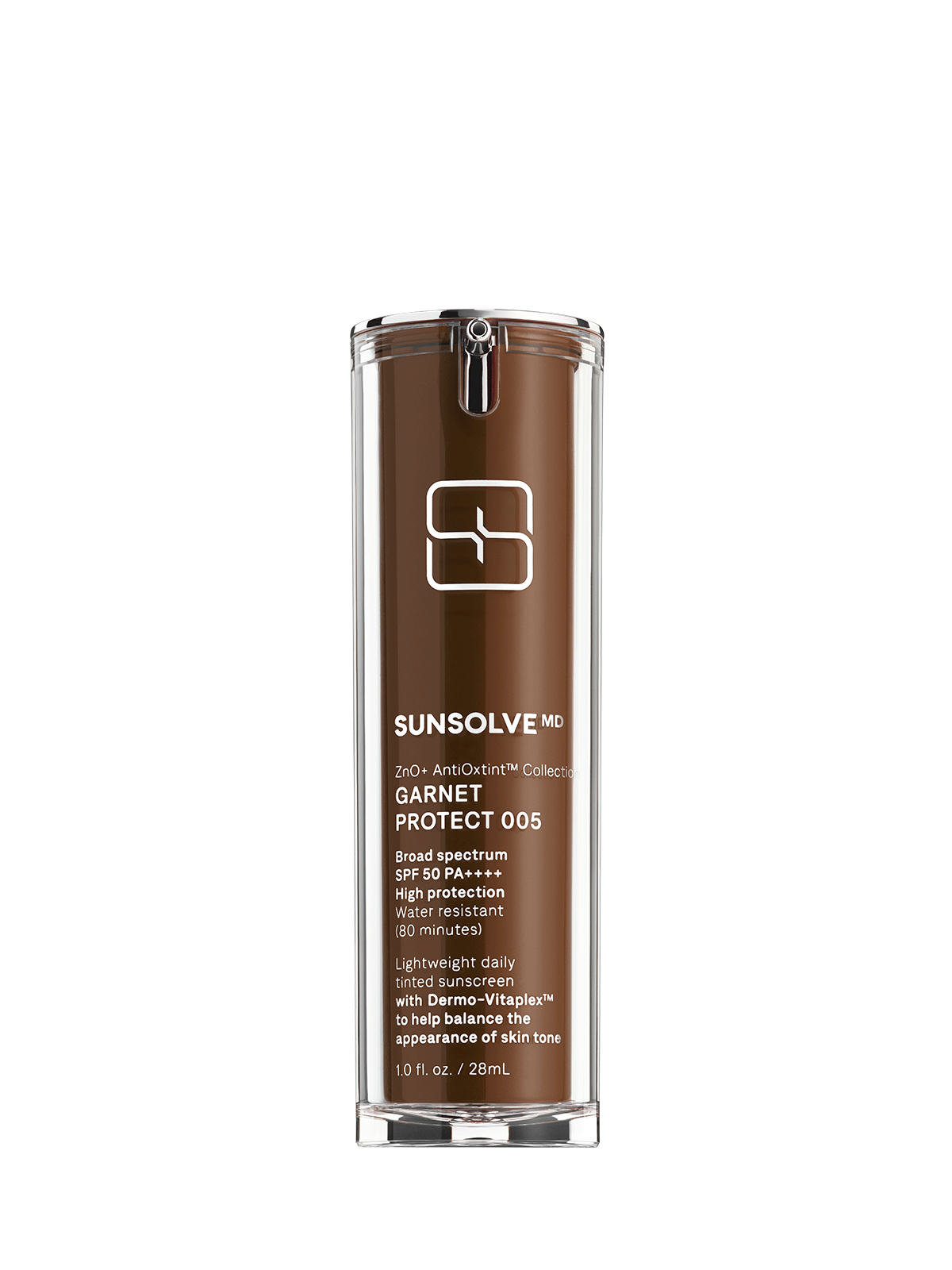
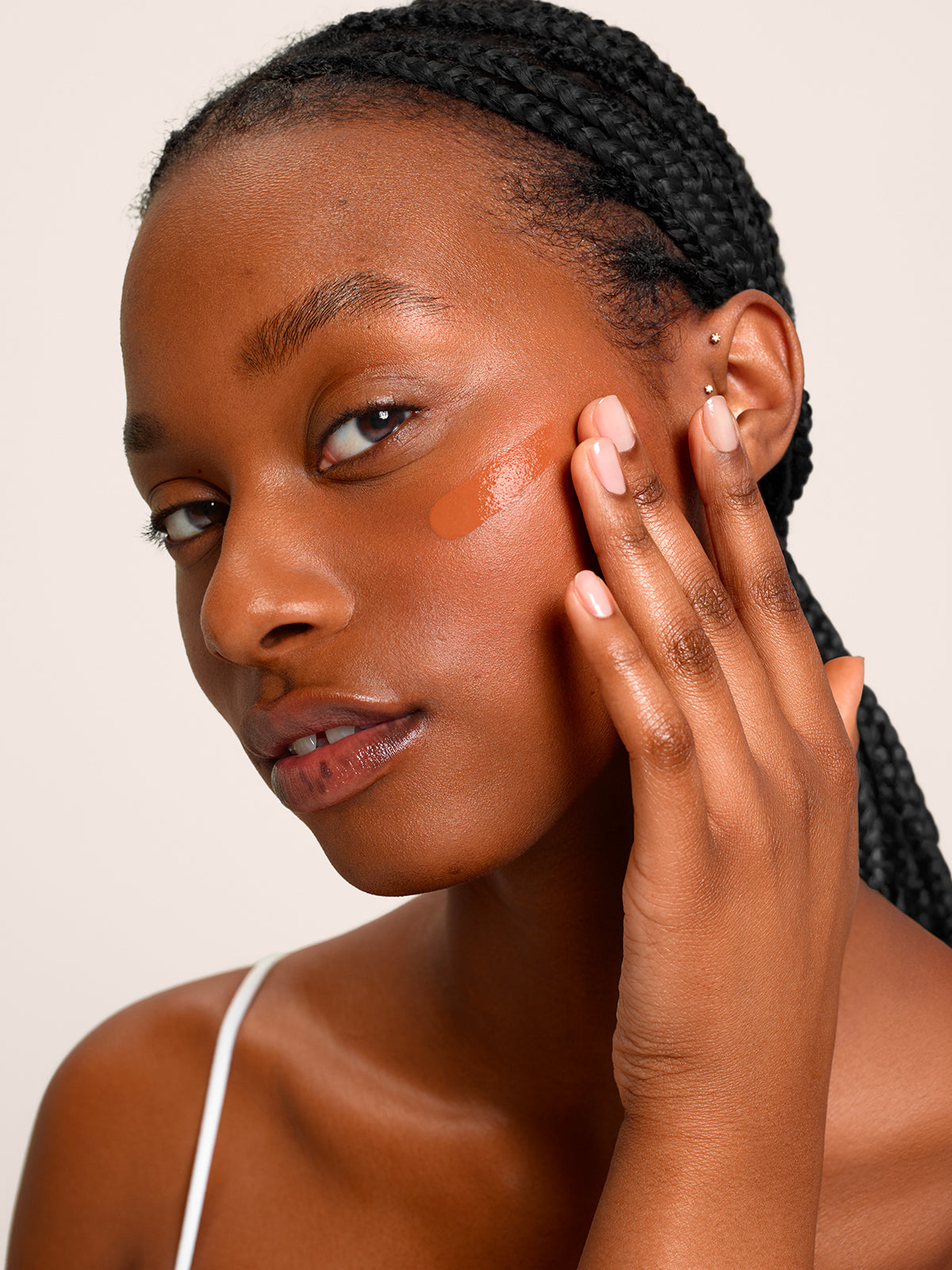
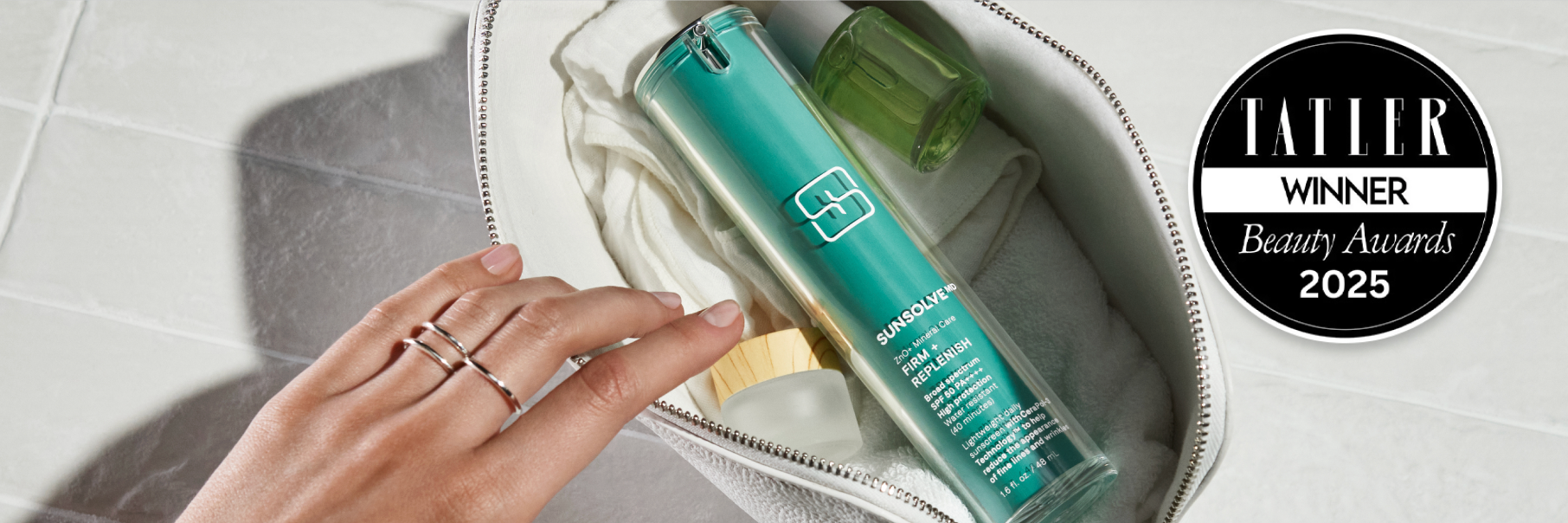
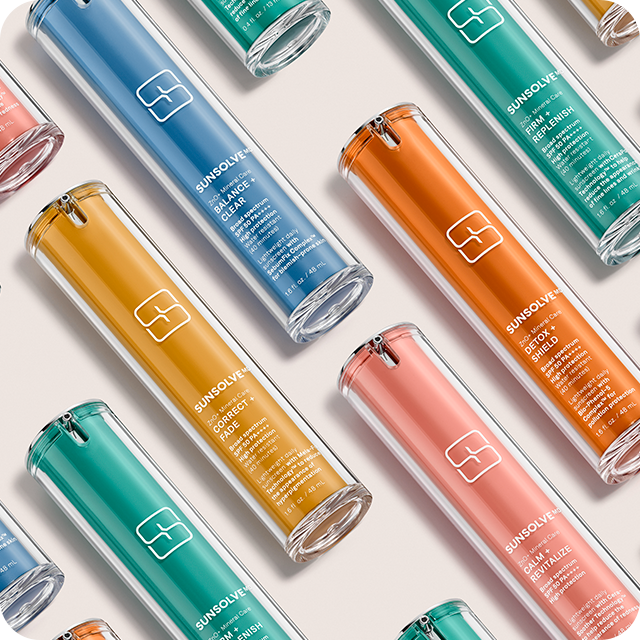
Our tinted mineral sunscreen collection was designed around exactly this logic. The ZnO+ AntiOxtint range pairs micronized zinc oxide with our Dermo-Vitaplex™ Complex, an antioxidant blend of zinc oxide, niacinamide and vitamin E, while the iron oxides that create the tint extend protection into the visible light range where clear mineral formulas leave a gap. It means the antioxidant support is not only sitting underneath in your serum but built into the layer on top as well. Available in six flexible shades with a weightless, blurring finish, it is protection and correction working in the same step. Because a routine should compound, not compete.
FAQs
Can I use vitamin C and tinted sunscreen together every day?
Yes, and daily use is where the benefit accrues. Antioxidant protection is cumulative rather than immediate, so consistency matters considerably more than concentration.
Should I wait between the serum and the sunscreen?
A minute or two is ideal. It allows the serum to absorb properly and significantly reduces the chance of the sunscreen pilling on application.
Does an antioxidant serum increase my SPF?
No. Antioxidants do not contribute to the SPF rating, which measures UVB protection from filters specifically. They reduce the oxidative damage from radiation that penetrates, which is a different and complementary function.
Which antioxidants pair best with a tinted mineral SPF?
Vitamin C with vitamin E and ferulic acid is the best-evidenced combination. Niacinamide is a strong option for pigmentation-prone skin and is well tolerated alongside almost everything.
Do I still need an antioxidant serum if my sunscreen contains antioxidants?
Not necessarily. A sunscreen built around a genuine antioxidant complex is doing real work, both protecting the skin and stabilising the formula itself. A dedicated serum delivers a higher concentration of a single active and lets you target a specific concern. Many people use both, and for pigmentation that is the more thorough approach, but a well-formulated antioxidant SPF is a legitimate routine on its own.