




Can Sunscreen Help Reduce Redness?
There is a particular category of skincare frustration reserved for people whose skin flushes, blotches, or burns at the slightest provocation. The wrong serum, a warm room, a glass of red wine, a moment of stress, and the cheeks light up in protest. For anyone whose face routinely betrays them this way, the idea that sunscreen could be part of the solution rather than another irritant is not always obvious. The instinct, in fact, is often the opposite. Many people with reactive skin treat SPF as the thing that triggers them, not the thing that helps.
The reality is more interesting. The right sunscreen, applied consistently, is one of the most effective tools for managing chronic redness. But the wrong sunscreen makes it worse.
Here’s our guide to choosing the right sunscreen for redness and rosacea.
Why UV Is A Redness Trigger In The First Place
Skin redness almost always involves blood vessels. They dilate, blood flow increases, and the visible result is the flush that anyone with reactive skin knows intimately. The triggers are well-documented: heat, certain foods and drinks, emotional stress, hormonal shifts, and (very reliably) ultraviolet exposure.
UV light triggers redness through several mechanisms simultaneously. It causes immediate vasodilation as the skin attempts to dissipate the heat the radiation generates. It induces inflammation in the deeper layers of the skin, which can manifest as persistent flushing rather than acute sunburn. And it damages the small blood vessels close to the surface, leaving them weaker and more easily provoked the next time anything triggers a flush. For people with rosacea or sensitive skin in general, this last effect is particularly significant; visible capillaries, the fine red lines that emerge over time on the cheeks and nose, are largely a consequence of cumulative UV damage to the vasculature.
The result is that unprotected skin doesn't just flush more in the moment, but also becomes structurally more prone to flushing over years.
How The Right SPF Helps
Daily broad-spectrum sun protection breaks that cycle in several places. It blocks the UV that triggers acute vasodilation. It prevents the inflammatory cascade that contributes to chronic redness. And it protects the small blood vessels that, once damaged, don't repair themselves on their own.
The clinical evidence here is strong: dermatologists managing rosacea consider sunscreen part of the first-line treatment plan, not an optional addition. Studies on rosacea management consistently identify UV exposure as one of the most common flare triggers, and consistent SPF use as one of the most effective preventive measures.
The Filter Type Matters Most

This is where the formulation conversation becomes urgent. Chemical UV filters such as avobenzone, oxybenzone, and octinoxate absorb UV and convert it into heat that dissipates from the skin's surface. That conversion is fine on calm skin. On skin that is already reactive, the warming sensation is a real problem. It mimics the exact stimulus that triggers a flush in the first place, which is why many people with rosacea report that chemical sunscreens make them feel hotter, redder, and more irritated even on cool days.
Mineral filters work differently. Zinc oxide and titanium dioxide sit on the surface of the skin and physically reflect UV. There is no absorption, no conversion to heat, no penetration into the deeper layers. Zinc oxide in particular has well-documented anti-inflammatory properties; it is used in nappy rash creams precisely because it calms reactive skin rather than provoking it.
For anyone whose face flushes easily, mineral SPF is not a preference. It is the formulation type that actually solves the problem.
What Else To Look For
Beyond filter type, several supporting ingredients can swing the balance between calming and irritating. Fragrance is the first to rule out, as is alcohol denat and the common sensitising preservatives. Soothing additions like niacinamide, allantoin, bisabolol, and centella are worth seeking out; all have been studied for their ability to reduce redness and reinforce a compromised barrier.
The texture matters too. Lightweight, blendable mineral formulations are easier to apply consistently than the chalky, occlusive versions of decades past. Modern micronised zinc oxide has largely solved the white cast problem, which means there is no longer a trade-off between protection and wearability.
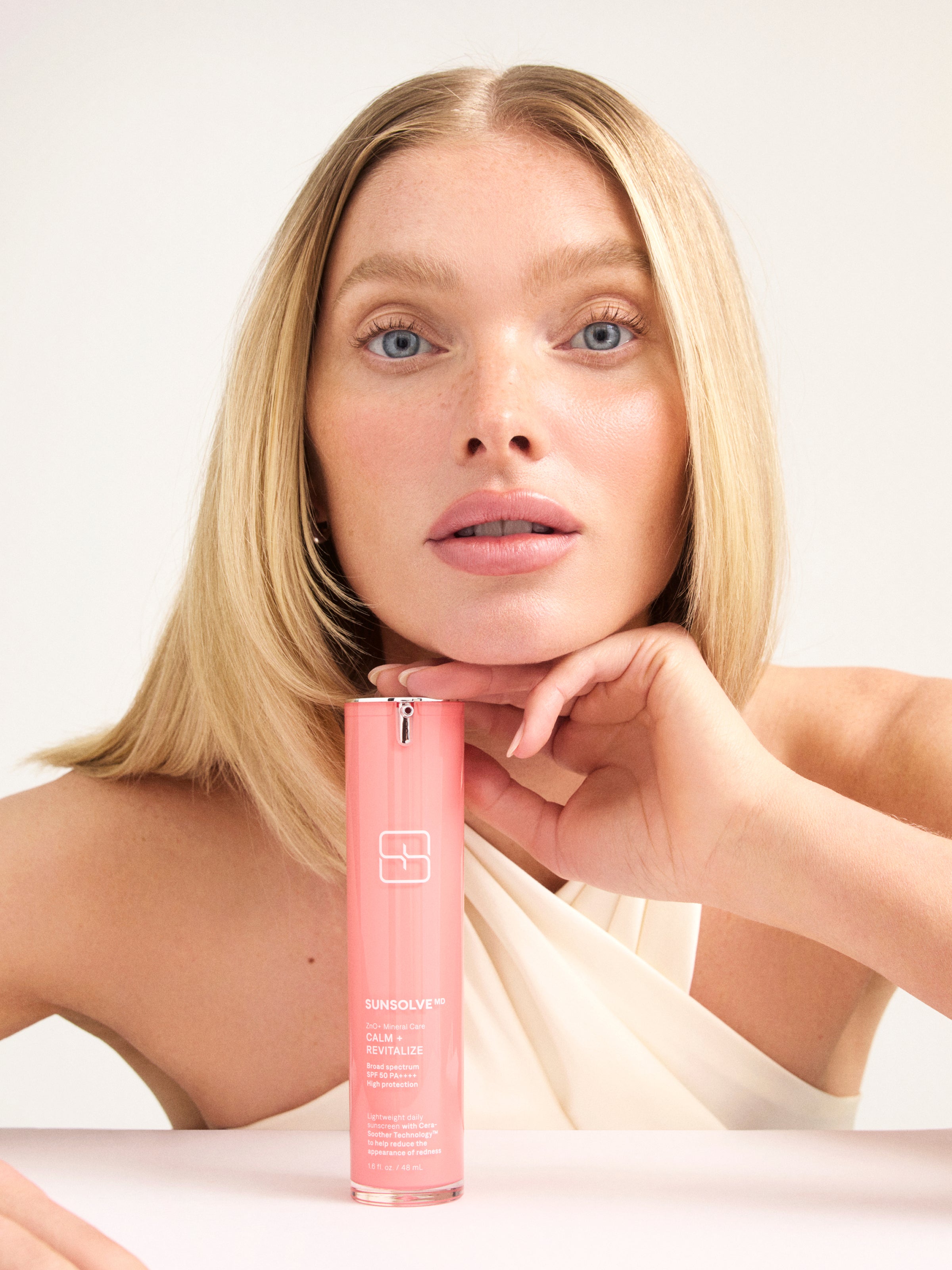
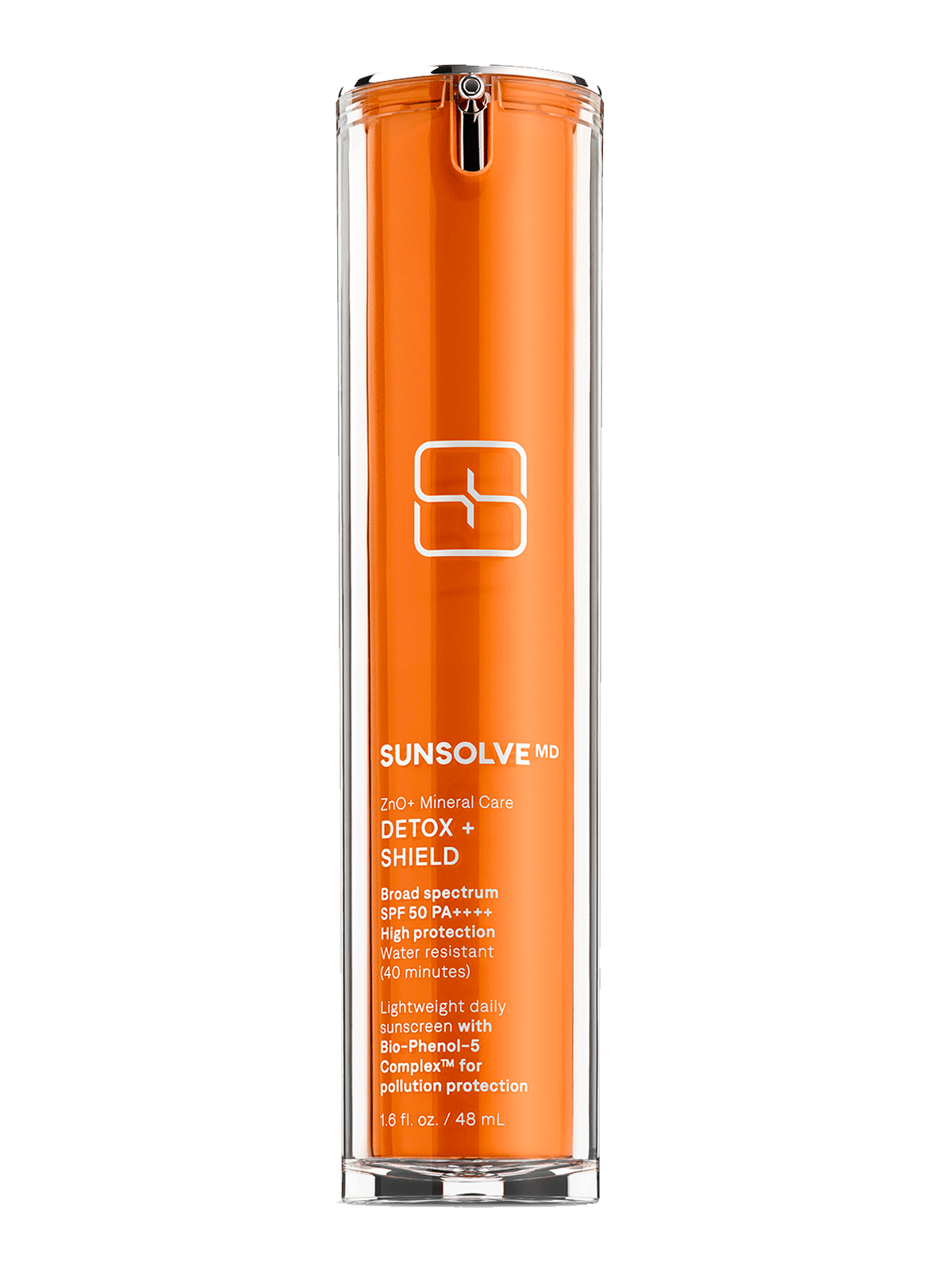
The SunsolveMD Difference
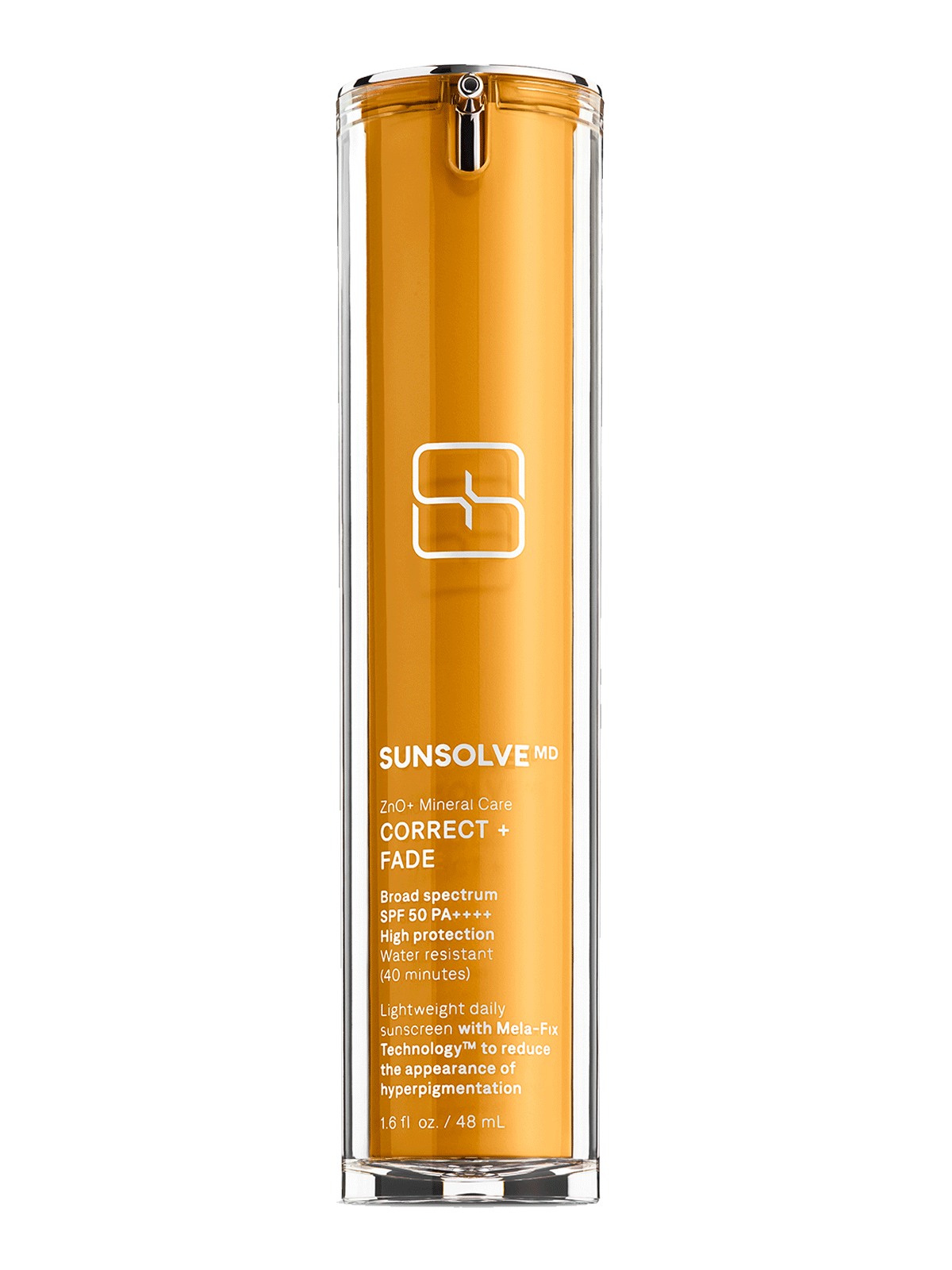
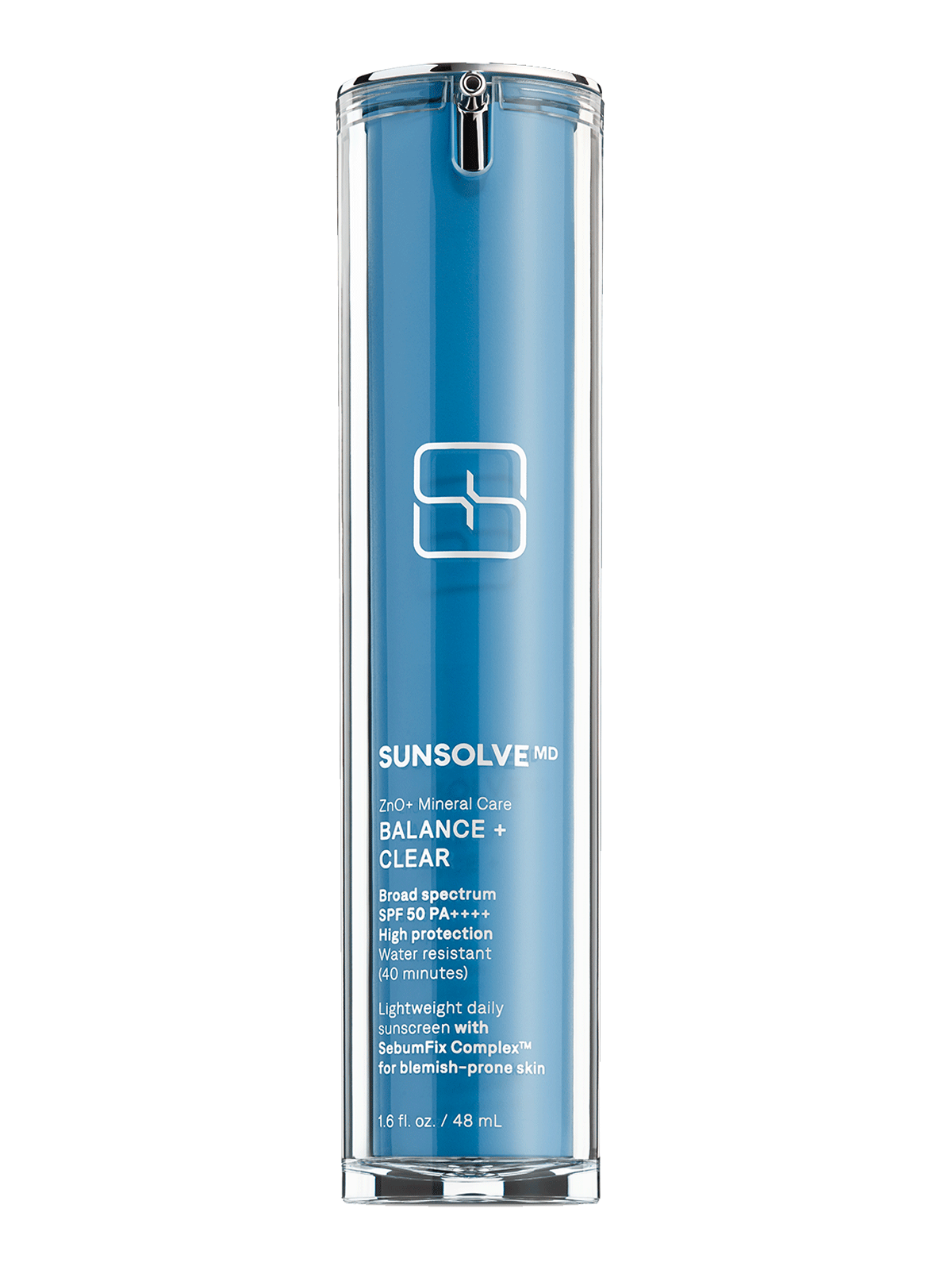
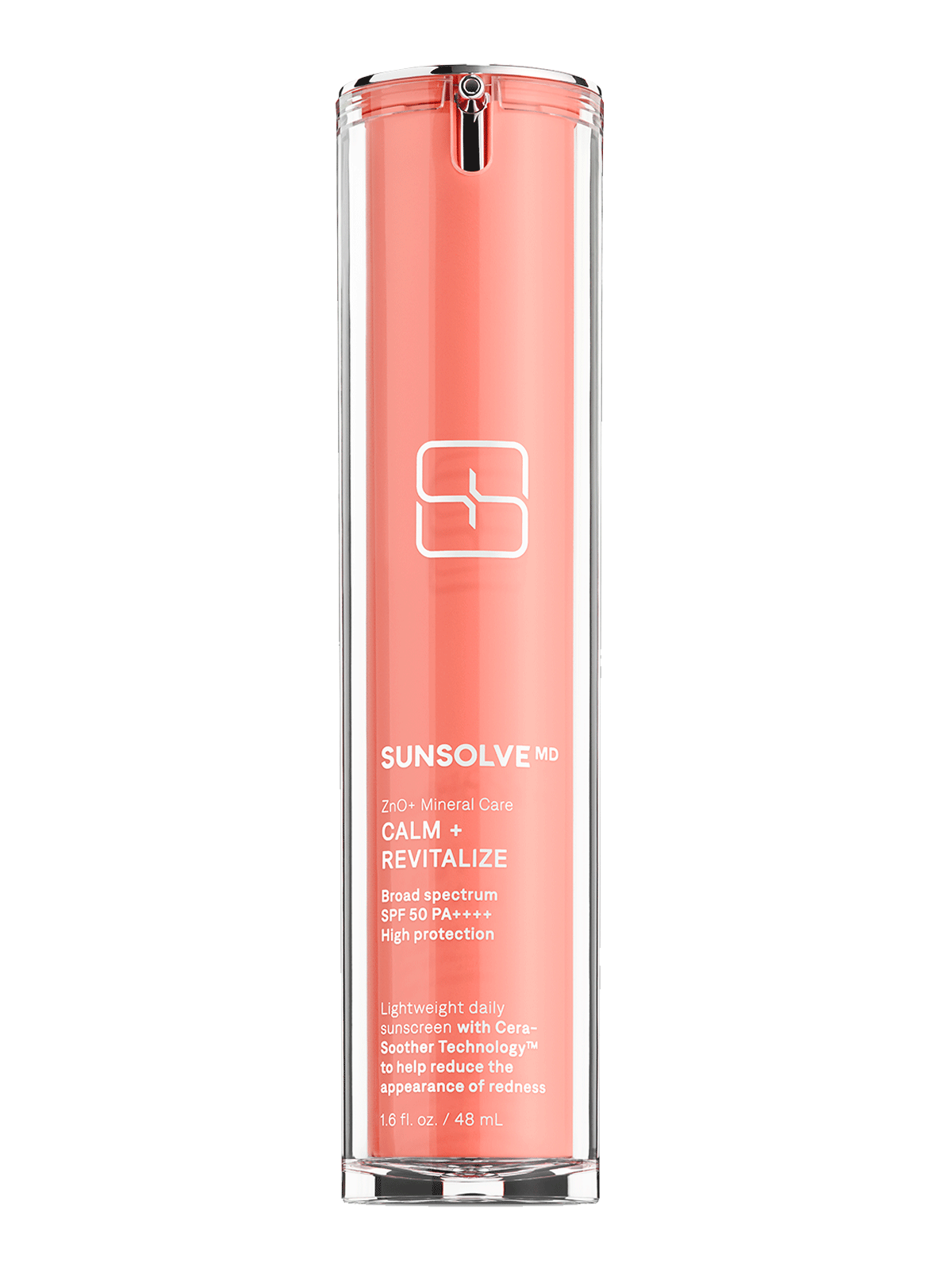
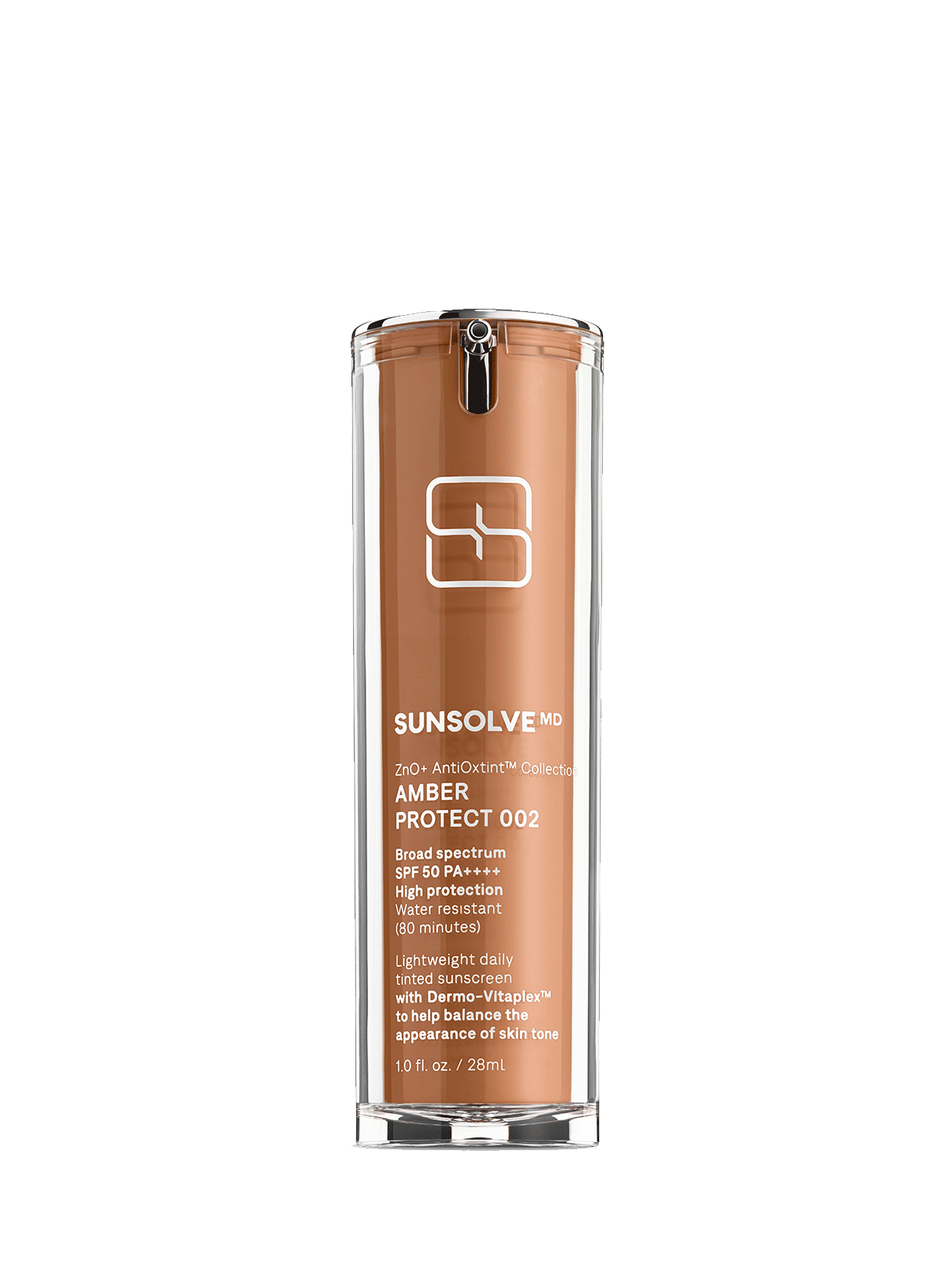
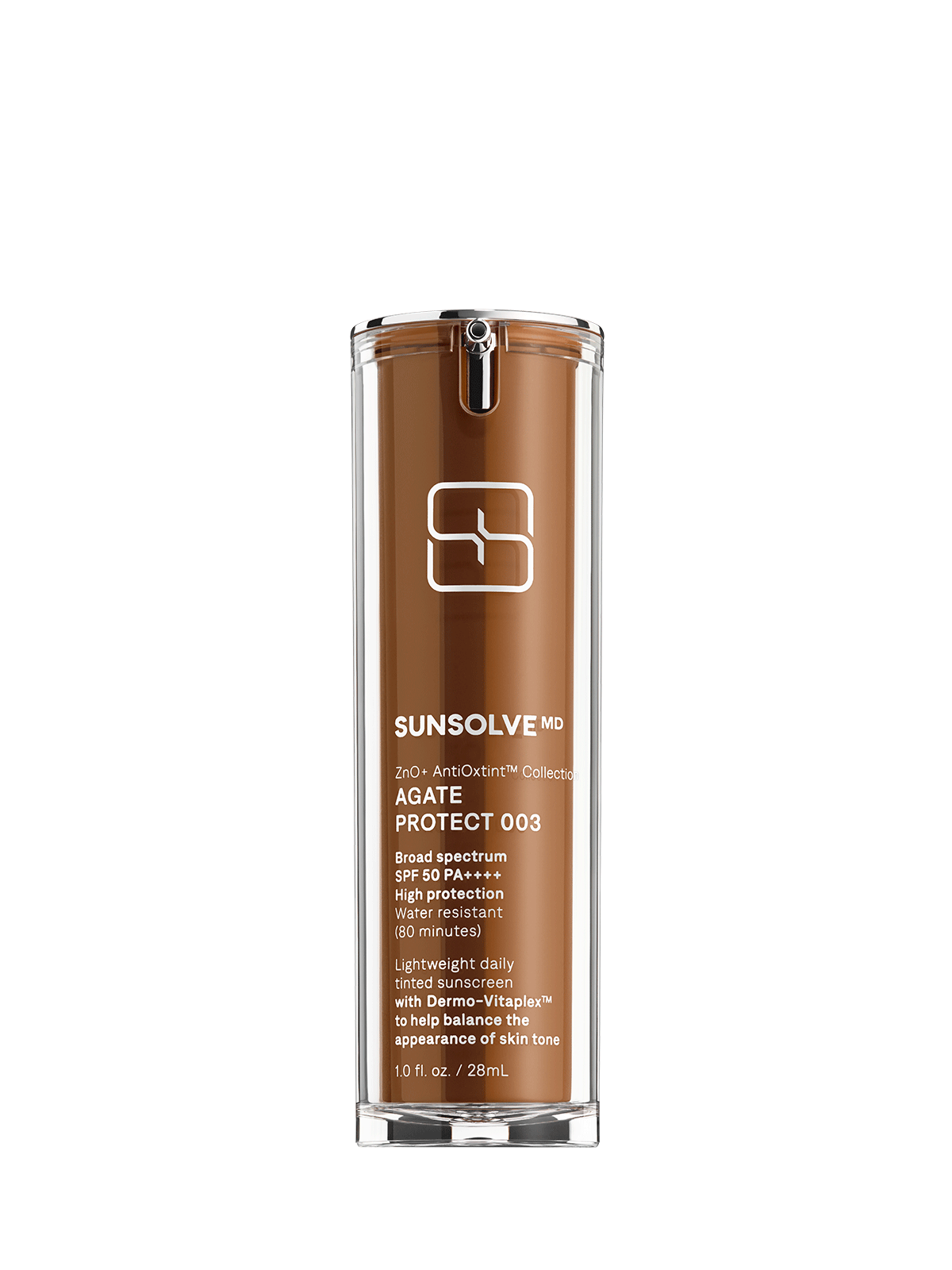
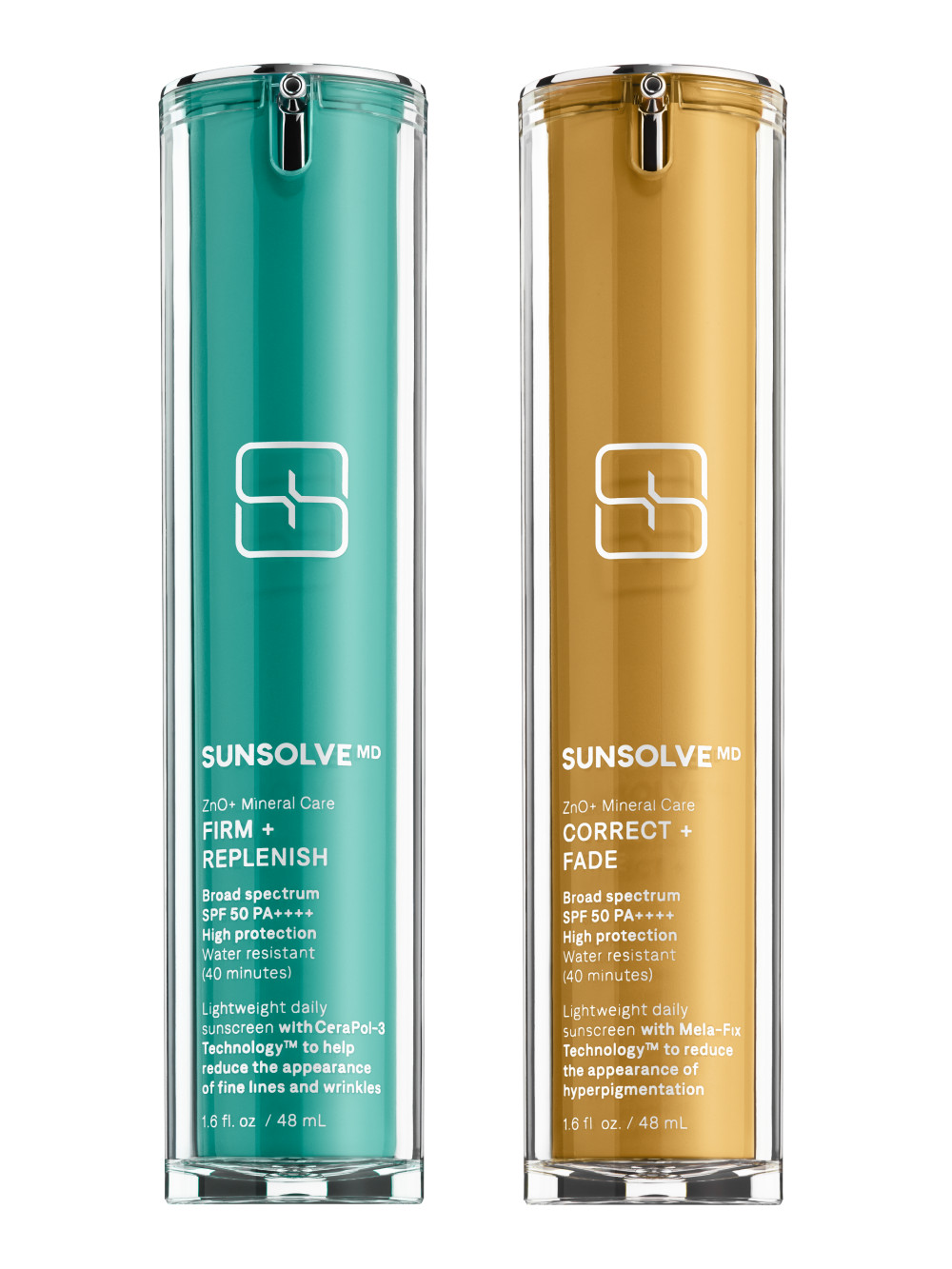
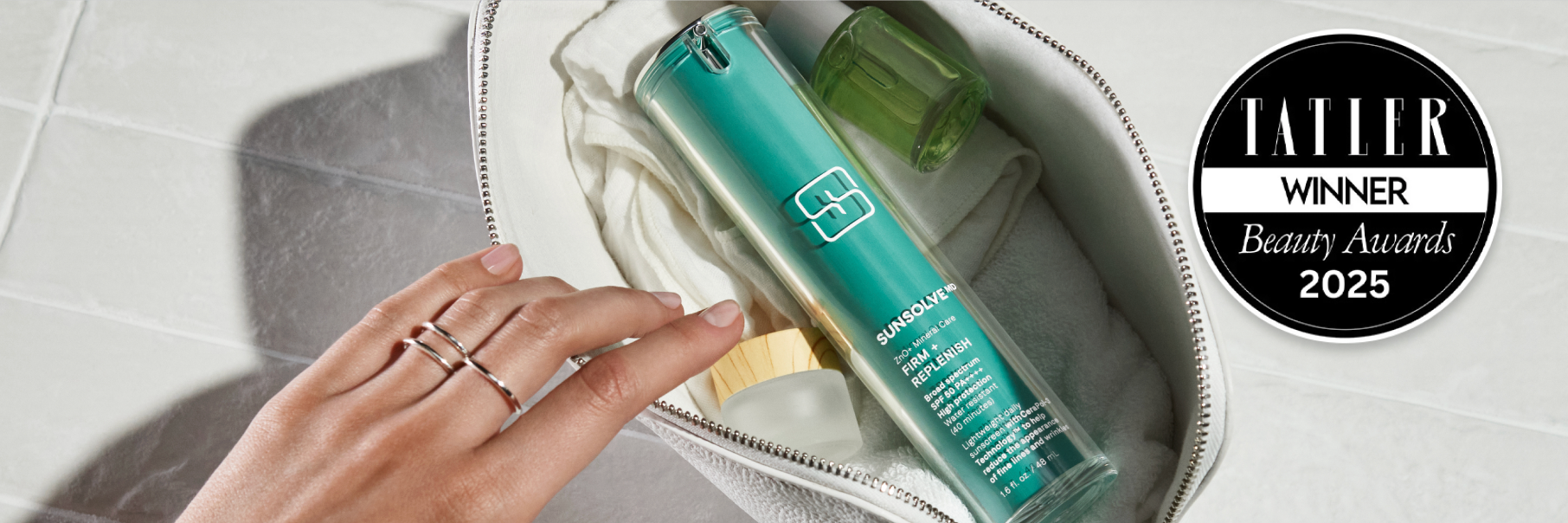
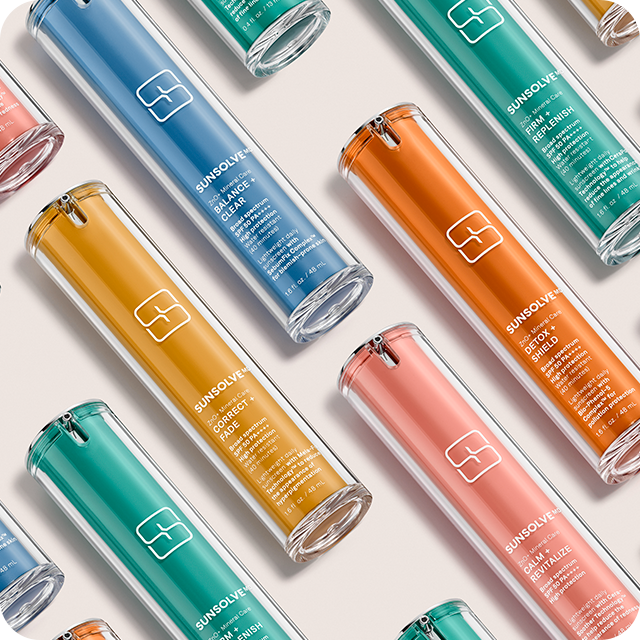
Our dermatologist-approved SPF options for sensitive skin were built around the ZnO+™ Mineral Care Complex, our proprietary system that suspends 12% non-nano zinc oxide in a base of niacinamide, allantoin, and phytoplankton-derived enzymes designed to repair UV-induced damage rather than simply block it. Fragrance-free, filler-free, and clinically formulated for reactive skin from the outset. The result is sunscreen that calms rather than provokes, with the added benefit of working on the cellular damage that makes skin redder over time.
FAQs
How long does it take to see a difference in redness after starting daily SPF?
Most people notice reduced acute flushing within a week or two of consistent mineral SPF use, particularly if they were previously using chemical filters. Longer-term improvements in baseline redness and visible vessels develop over months rather than weeks.
Can I use mineral SPF over a prescription rosacea treatment?
Generally yes, though the order matters. Apply prescription topicals first, allow them to absorb fully, then layer SPF over the top. Consult your dermatologist if you are using anything particularly photosensitising.
Is tinted mineral sunscreen better for redness?
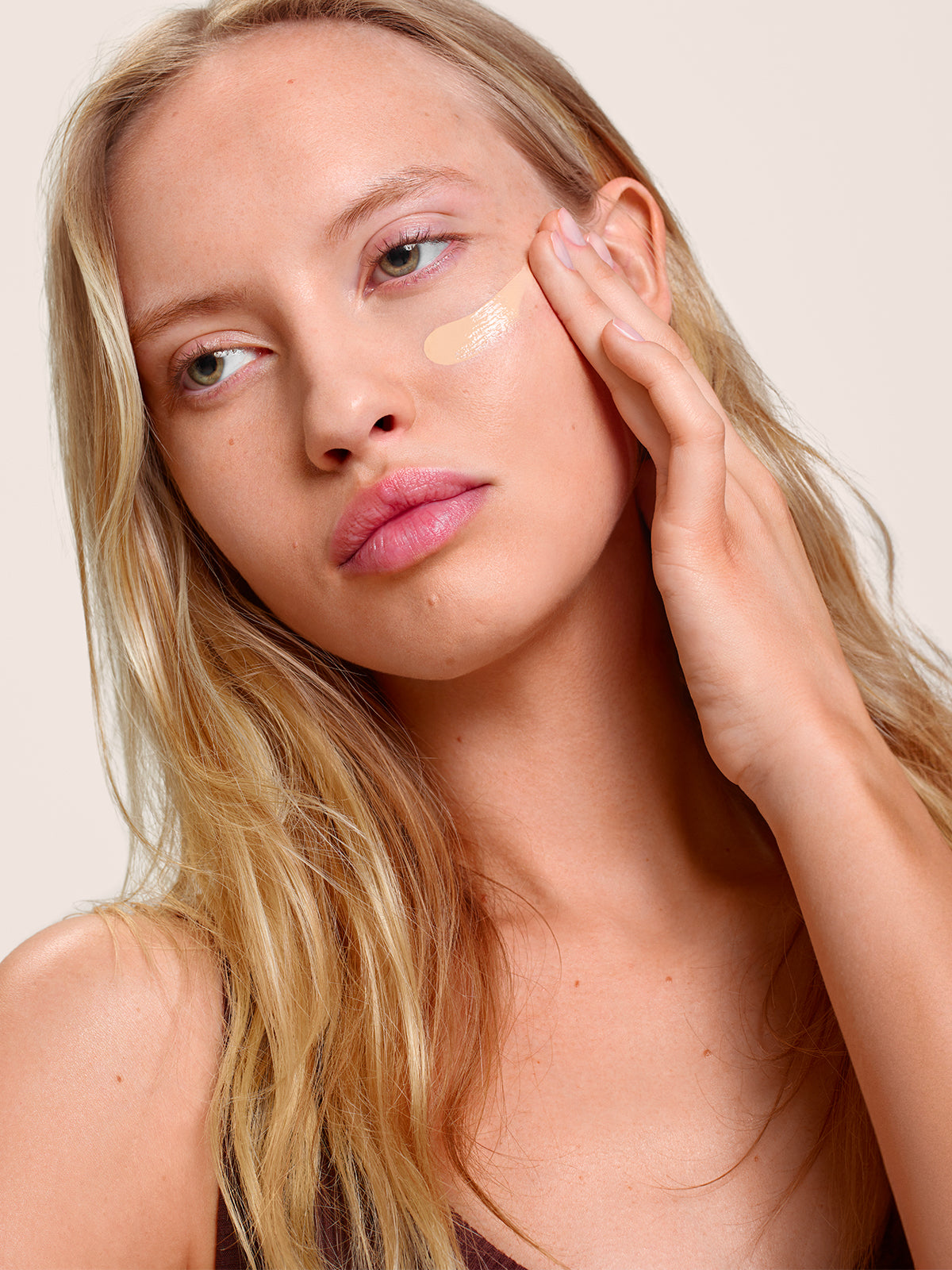
Often yes. The iron oxides that provide the tint also offer some protection against visible light, which can contribute to flushing, and the green undertones in certain shades cosmetically neutralise existing redness on contact.
Will sunscreen help with already-visible capillaries?
It will prevent new ones from forming and existing ones from worsening. Treating capillaries that are already prominent generally requires in-clinic interventions like vascular laser therapy, but daily SPF protects whatever results you achieve.
Do I need a higher SPF if I'm prone to redness?
SPF 30 applied generously is the floor. SPF 50 provides additional margin and is often the dermatological recommendation for reactive skin. Application quantity and consistency matter more than the number on the bottle.