


Skip to content
Graphic of mineral SPF particles and skin barrier

Join The Solve Society. Designed for members to receive exclusive benefits

Explore benefits

Apr 21, 2026

Why Sunscreens Burn Your Eyes and What You Can Do About It

Anyone who has ever pulled themselves out of a swimming pool with their eyes streaming, reapplied SPF on a hot day and immediately regretted it, or tried to sit through a tennis match while their eyelids felt like they had been salted, knows the sensation. Sunscreen in the eyes is one of those small, persistent miseries of summer life, and the response from the skincare industry has historically been a shrug. Wear it anyway. Avoid the eye area. Try harder.

There is a better answer than that, and it starts with understanding why some sunscreens cause this and others don't. The burning is not random and it is not unavoidable. It is a property of specific filter chemistries, and once you know which ones, the problem becomes considerably easier to solve.

Why Sunscreens Burn Your Eyes and What You Can Do About It

Why Chemical Filters Are Usually The Culprit

Sunscreens fall into two broad categories based on how they protect against UV. Chemical filters, such as avobenzone, oxybenzone, octinoxate, octocrylene, and homosalate, work by absorbing UV radiation and converting it into heat that dissipates from the skin. They are designed to absorb into the upper layers of the skin to do that job effectively, and that absorption profile is part of the issue.

When chemical filters mix with sweat, tears, or the natural oils on the skin, they migrate. The thin, mobile film they create on the face does not stay neatly within the boundaries you applied it to. As the day warms up, as exercise increases blood flow, as humidity rises, the formula moves. And the path of least resistance, almost universally, leads to the eyes.

Once chemical filters reach the tear film (which has a slightly oily component that interacts readily with the same emulsifiers used in chemical sunscreens) the burning sensation is immediate. Avobenzone has a particular reputation here; it is documented as a severe eye irritant in dermatological literature, and it is one of the most common UVA filters in chemical sunscreens. Oxybenzone is similarly classified as a hazardous irritant on direct eye contact.

The skin around the eyes also makes the problem worse. It is thinner, more permeable, and richer in tear ducts and mucous membranes than the rest of the face. Even sunscreen applied carefully to the orbital bone has multiple efficient routes into the eye itself, and once it gets there, the chemical filters that felt fine on the cheekbone can sting violently.

Why Mineral Filters Don't Do This

Mineral sunscreens, often called physical sunscreens, work differently. Zinc oxide and titanium dioxide sit on the surface of the skin and physically reflect UV rays rather than absorbing them. The active ingredients are inert, they don't penetrate, and they don't migrate the way chemical filters do.

When mineral SPF gets near the eye, the experience is meaningfully different. There can still be some discomfort if a significant amount enters the eye directly (any foreign substance in the eye will cause some irritation), but the sustained, chemical-burn sensation that defines avobenzone exposure is largely absent. Zinc oxide is also genuinely soothing in low concentrations, which is why it appears in nappy rash creams and post-procedure ointments.

This is why ophthalmologists, paediatric dermatologists, and athletes who work in heat and humidity tend to recommend mineral formulations consistently. The problem they are solving is the migration problem, and mineral filters don't migrate.

The Other Ingredient Offenders

Filter type is the biggest variable, but it is not the only one. Several supporting ingredients in sunscreen formulations can contribute to eye irritation independently of the active filters.

  • Fragrance is the obvious one. Synthetic fragrance and essential oils in sunscreen serve no protective function; they are added for sensory appeal and they routinely cause irritation, particularly around the eyes. Fragrance-free formulations sidestep this entirely.
  • Certain preservatives are also documented sensitisers. Phenoxyethanol, methylisothiazolinone, and the formaldehyde-releasing preservative family (diazolidinyl urea, DMDM hydantoin, quaternium-15) can cause stinging when they reach the eye area. Alcohol-based formulations, particularly those high in alcohol denat, dry the skin and amplify any sensitivity that is already present.
  • The texture of the formula matters too. Thin, oily, fluid sunscreens (the kind designed for a weightless feel) migrate more easily than thicker creams and stick formats. For high-sweat or high-water situations, the more substantial texture is the more reliable choice

Practical Fixes

The starting point is the formula itself. Switching from a chemical to a mineral sunscreen solves the issue for most people. Beyond that, a few application habits help; one of the most common sunscreen mistakes that can cause eye irritation is simply slathering it all over your face without considering strategic placement.

Apply with the ring finger, which naturally exerts the least pressure, and pat rather than rub around the eye area. Stay on the orbital bone, the bony rim around the eye socket, and don't take sunscreen onto the eyelid itself. Allow ten to fifteen minutes for the product to absorb and set before going outside or breaking a sweat. Stick formulations are particularly good around the eyes because they offer precision and don't drip.

Layer physical protection over chemistry. Sunglasses with UV-blocking lenses cover a significant portion of the eye area and reduce the amount of skin that needs sunscreen close to the eye. A wide-brimmed hat does the same for the upper face. Using both means you can apply less product around the eye area while still being well protected.

If sunscreen does get into the eye, the response is straightforward: wash hands first to avoid transferring more irritant, then flush the eye thoroughly with cool clean water or saline solution for several minutes. Lubricating eye drops can help afterwards. Avoid rubbing, which spreads the residue further. If irritation persists for more than a few hours, see an optometrist or doctor.

The SunsolveMD Difference

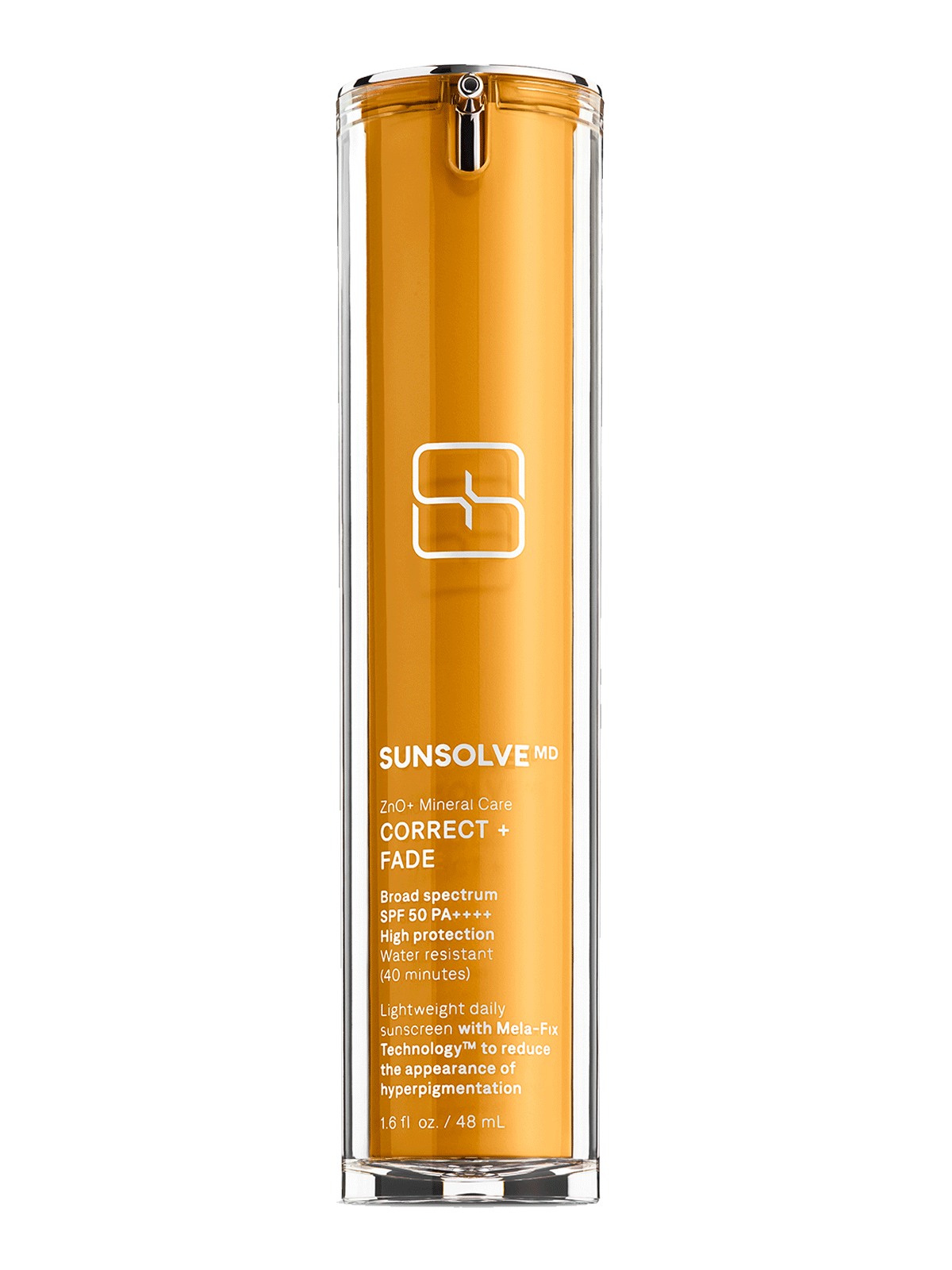
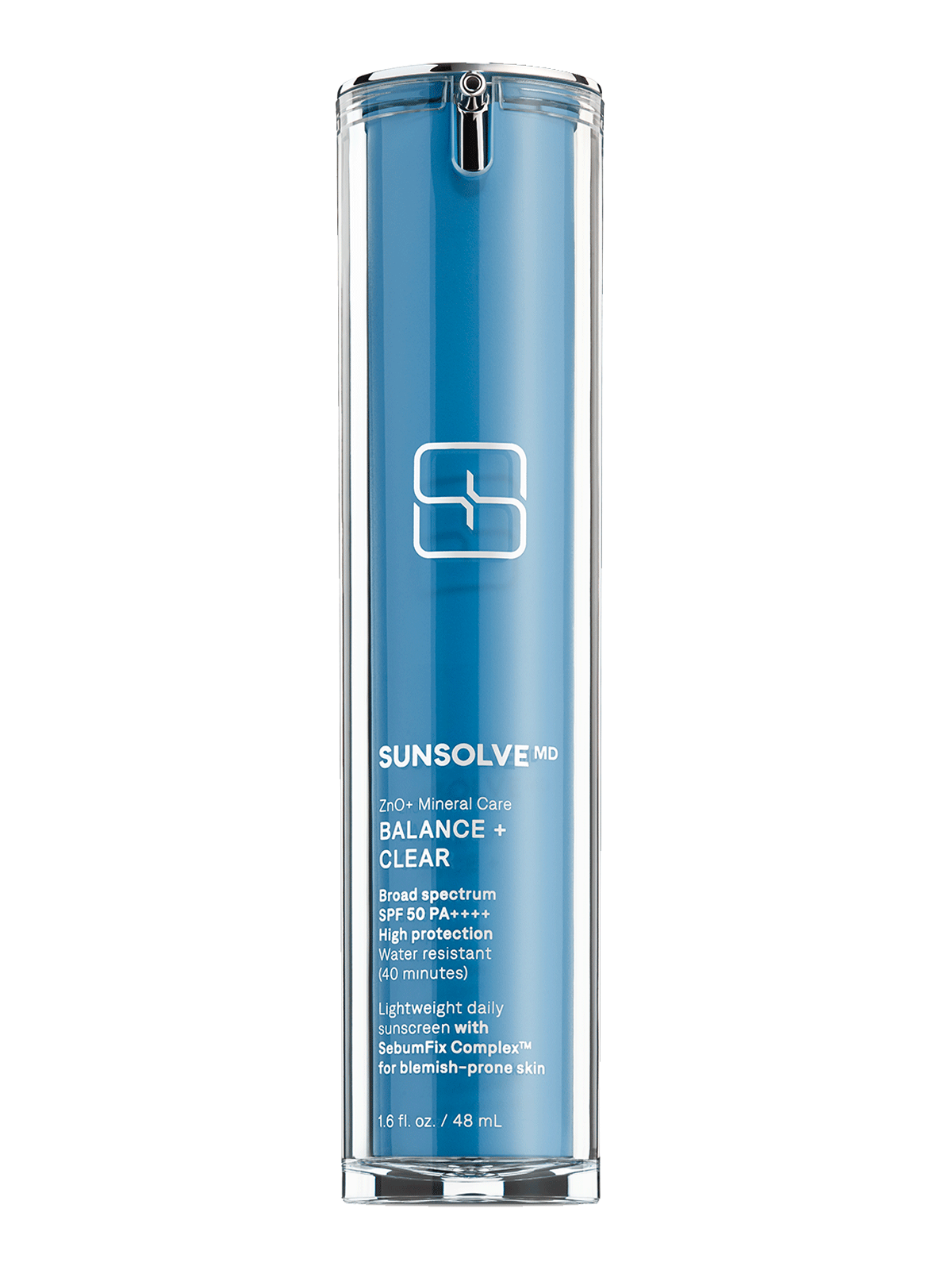
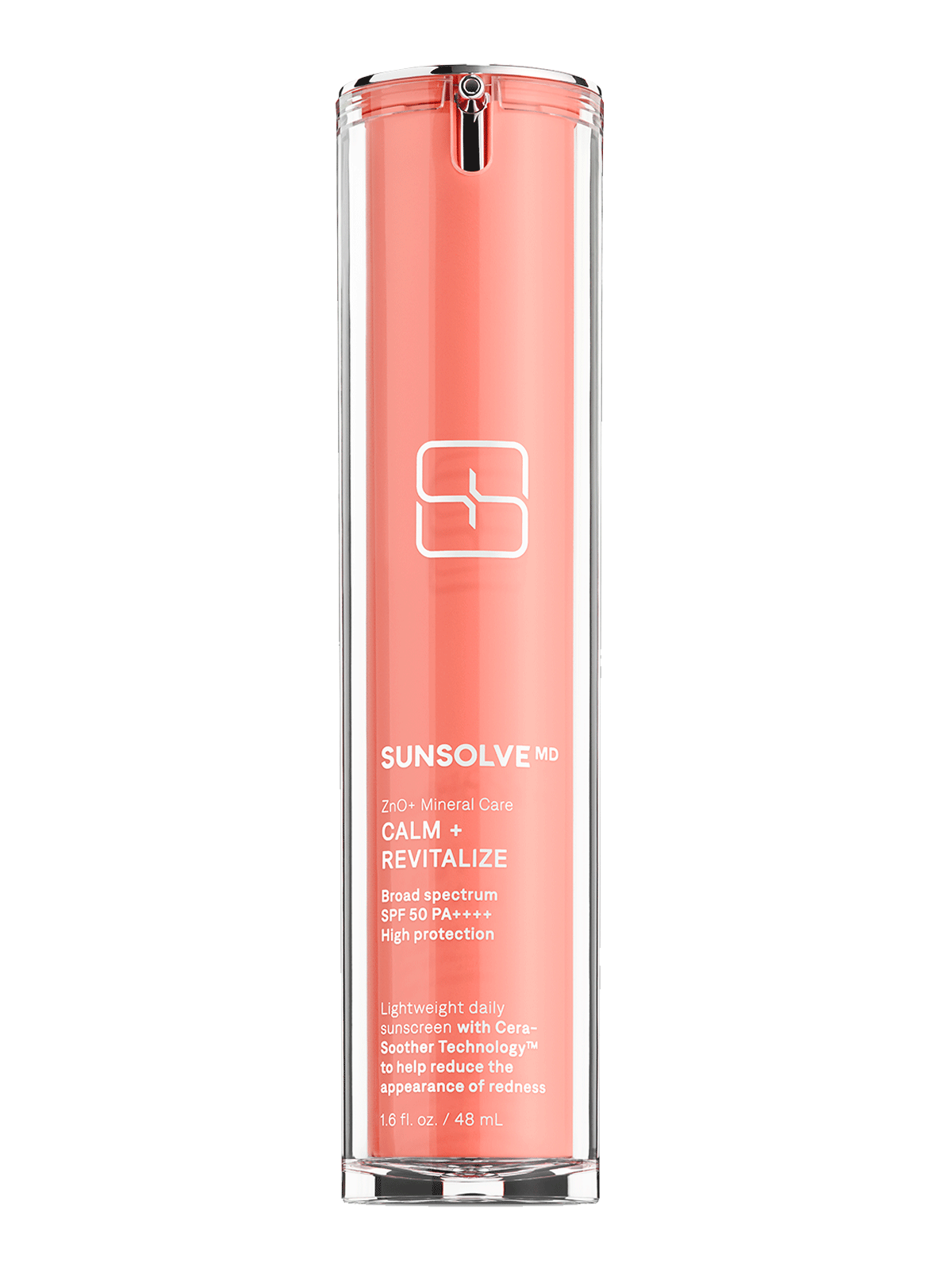
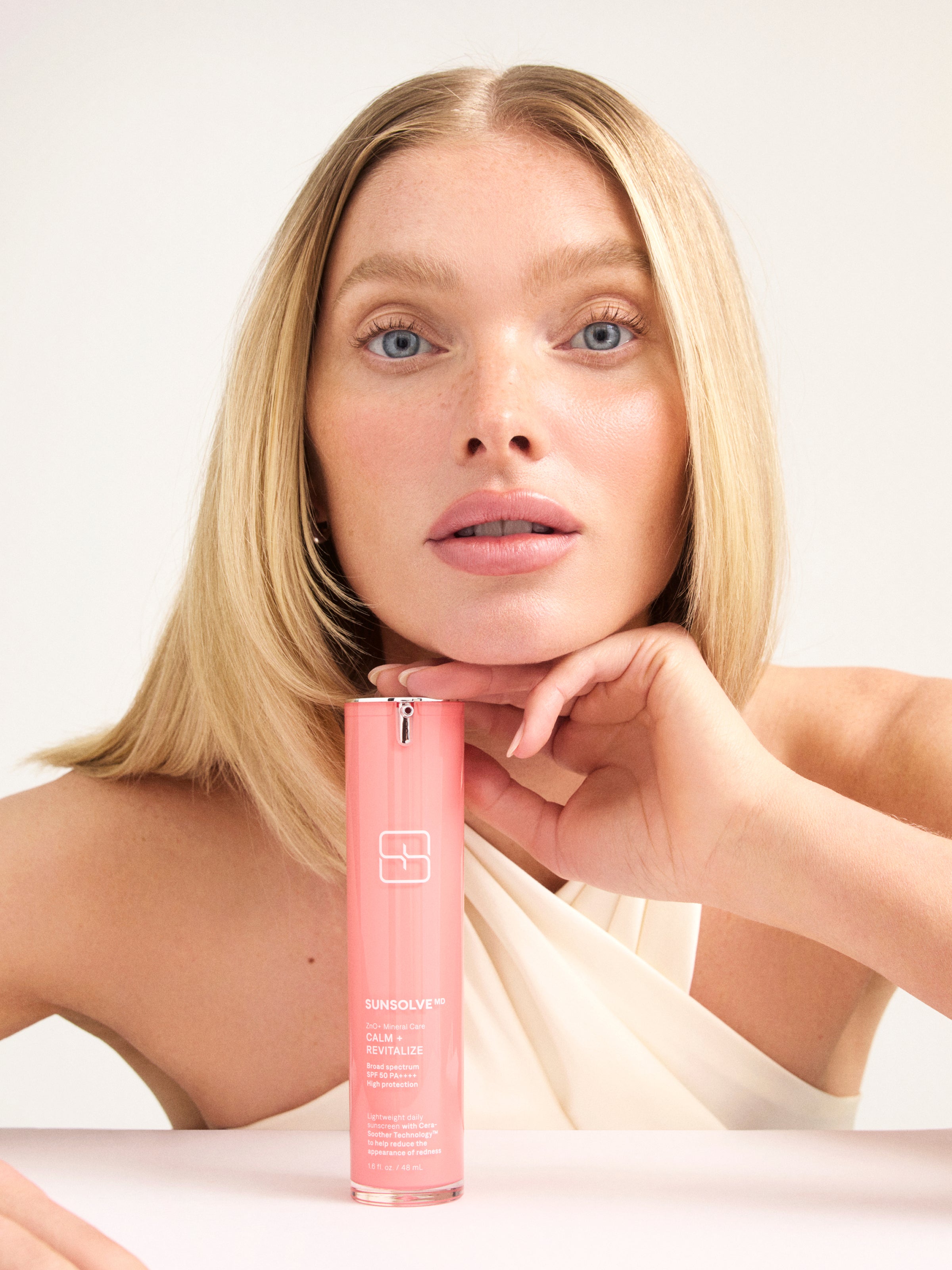
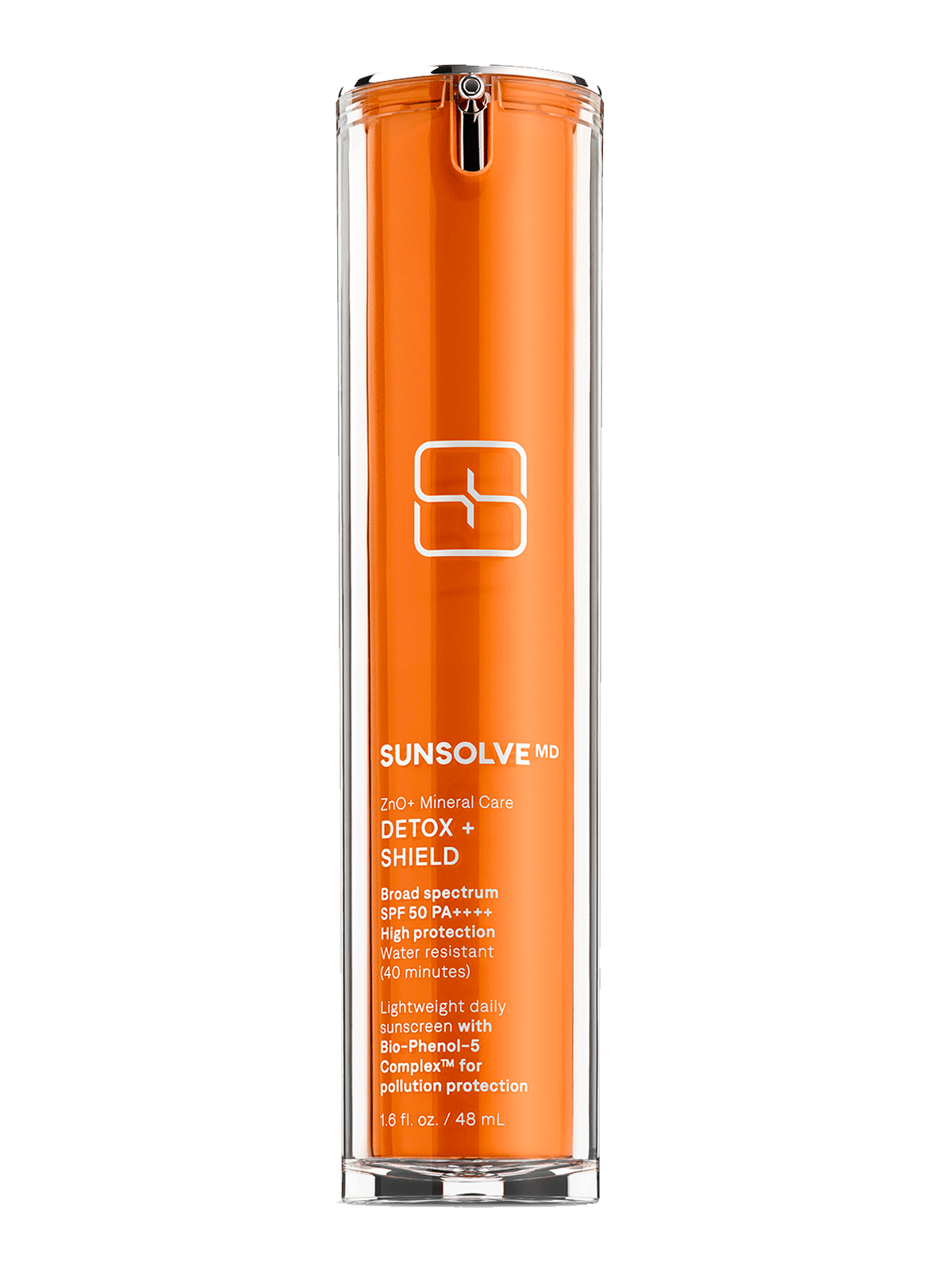
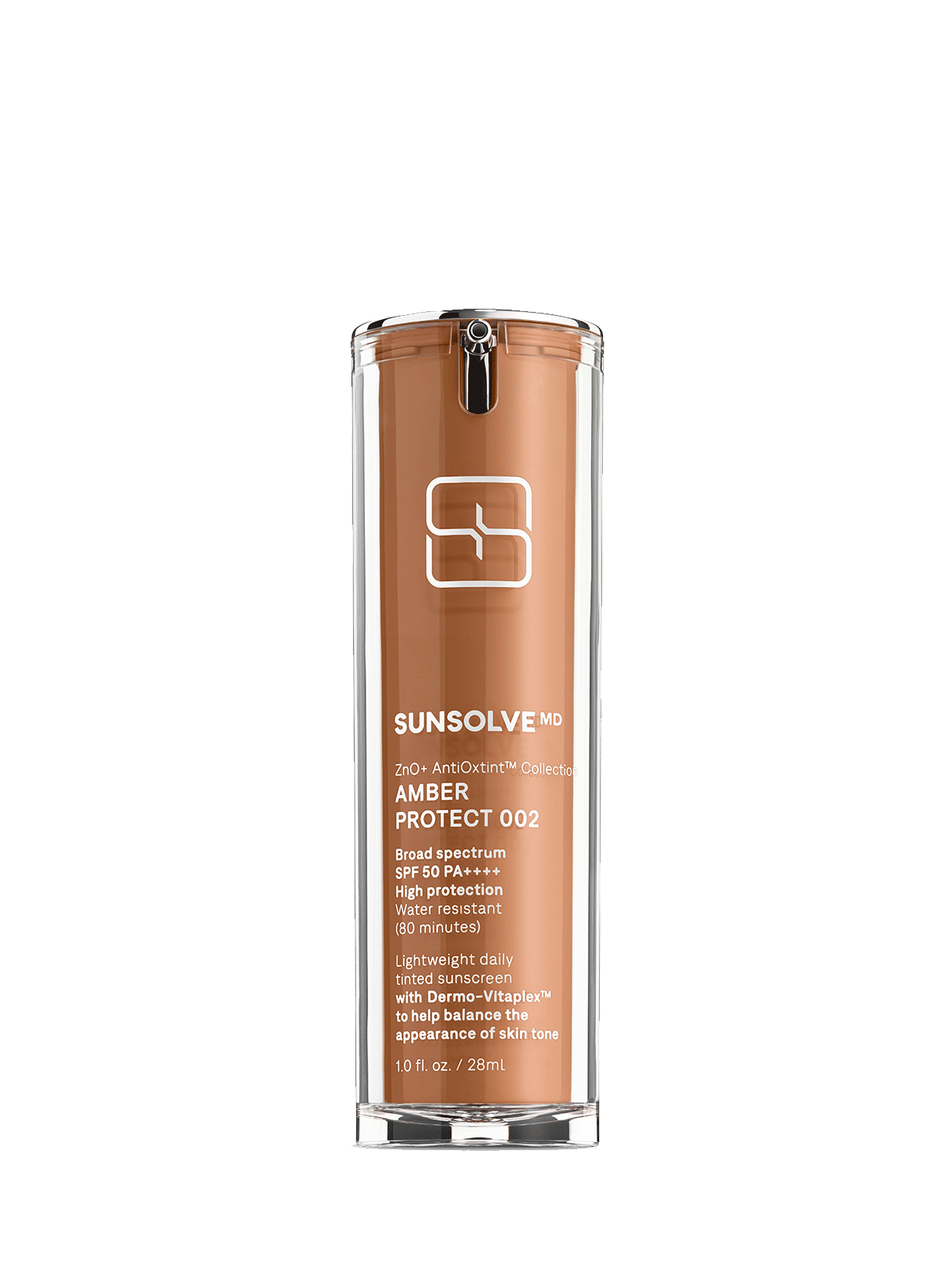
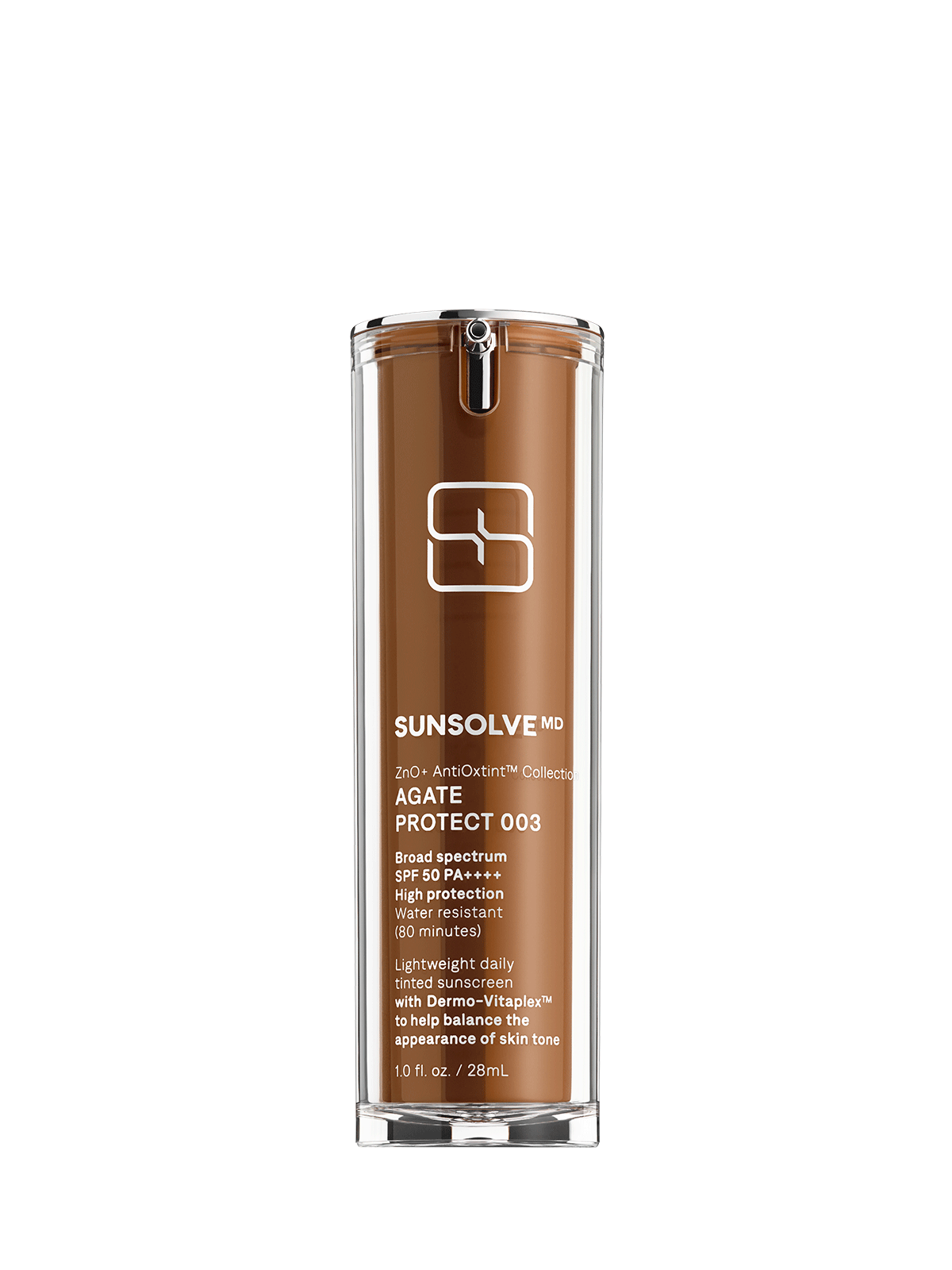
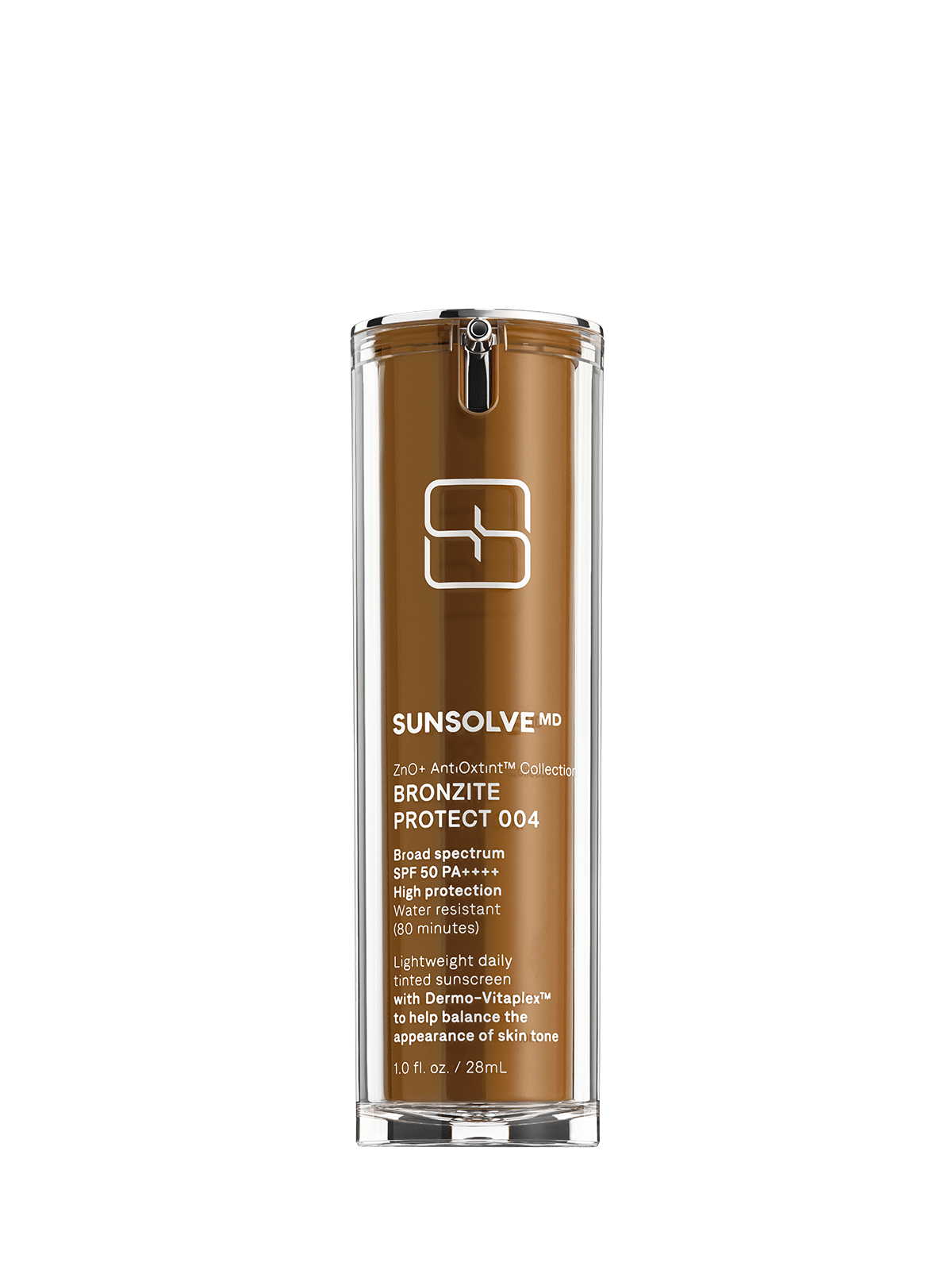
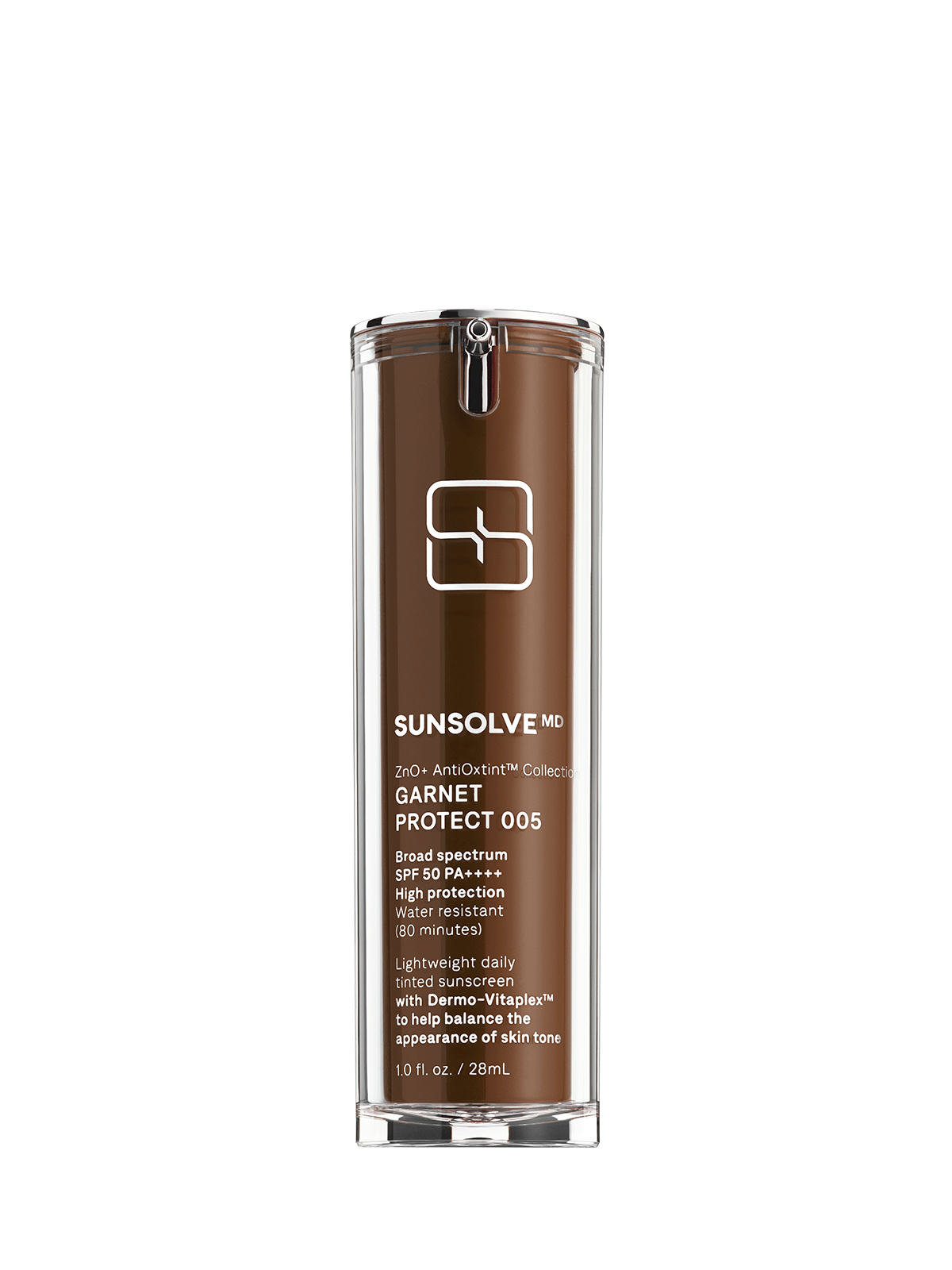
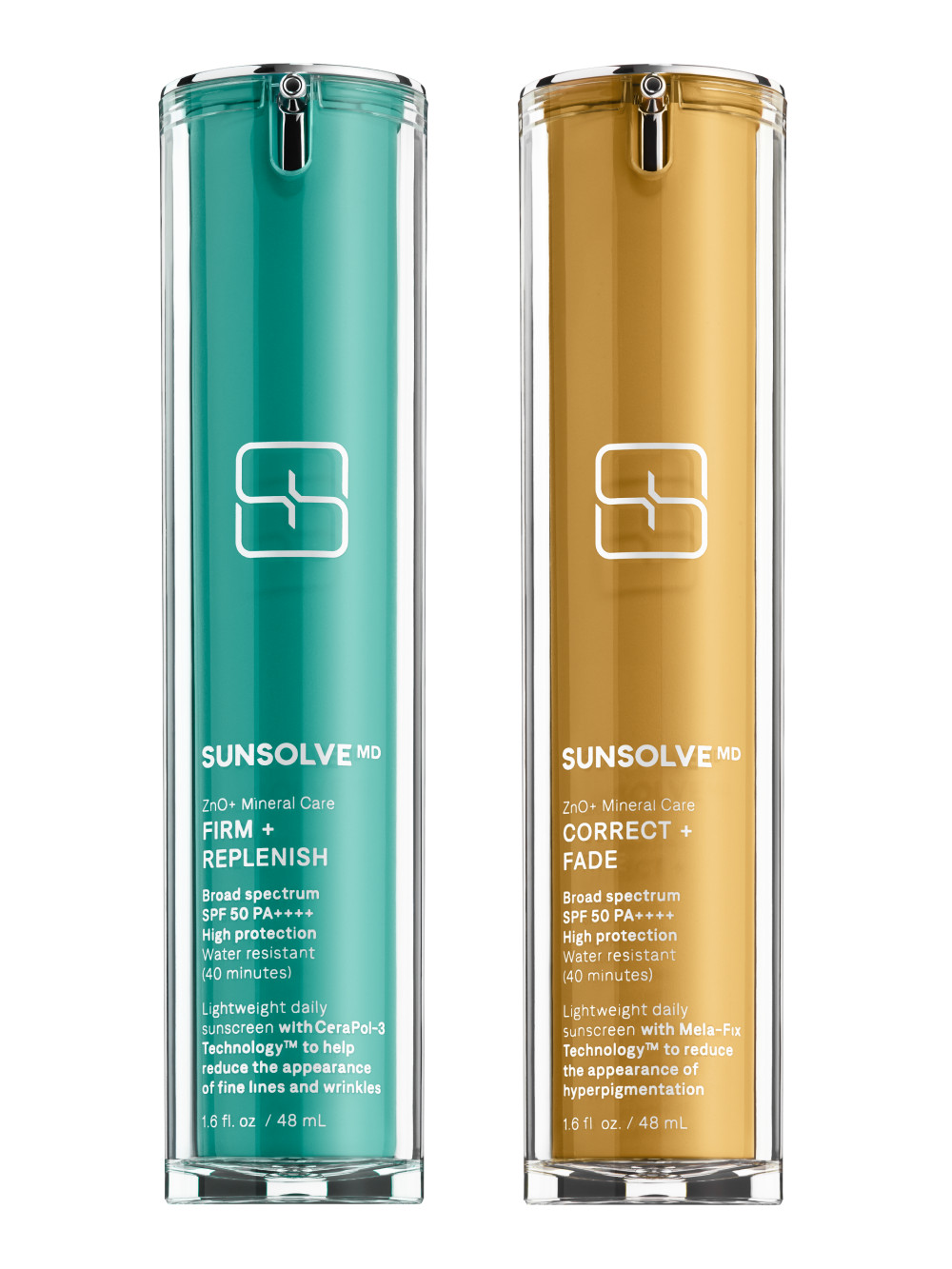
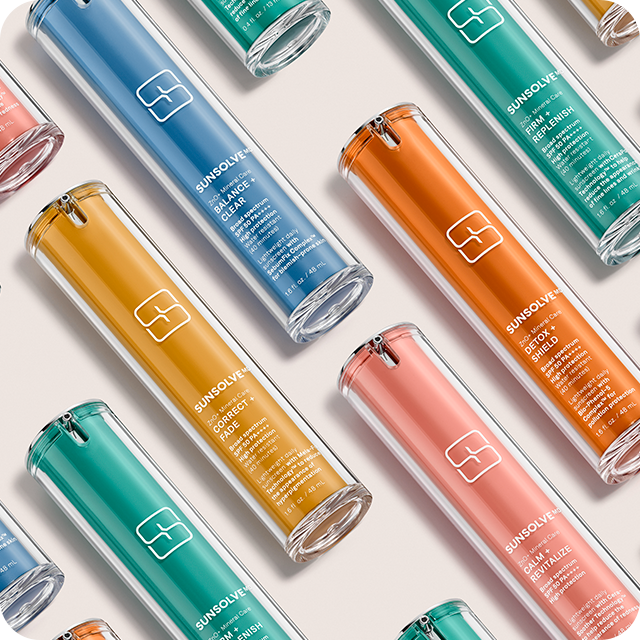
Our mineral sun care with zinc protection was formulated without the chemical filters that drive most of the eye-burning problem in conventional SPF. High-percentage non-nano zinc oxide as the active, fragrance-free, free of common sensitising preservatives, and a texture engineered to stay where you put it rather than migrating with sweat. Sunscreen should be the easiest part of your day, not the part you dread reapplying. With the right formula, it can be.

Frequently Asked Questions

Why does my sunscreen only burn my eyes when I sweat?

Sweat acts as a vehicle that mobilises chemical filters and carries them across the face into the eye area. Mineral filters, which sit on the surface and don't migrate the same way, are far less affected by perspiration.

Are tear-free sunscreens genuinely tear-free?

The label generally indicates a fragrance-free, preservative-conscious mineral formulation that is unlikely to sting on contact. It is not a guarantee of zero irritation if a significant amount enters the eye directly, but it is a meaningful upgrade on standard chemical formulations.

Can I use baby sunscreen on my face to avoid eye stinging?

Often yes. Many baby and child sunscreens are formulated as mineral-only with the fragrance-free, preservative-light approach that adult mineral SPFs use, and they can work perfectly well on adult skin.

Should I avoid the eye area entirely with sunscreen?

No. The skin around the eyes is particularly vulnerable to photoageing and skin cancer, so it does need protection. The solution is choosing a formula that doesn't sting and applying it precisely to the orbital bone, ideally with sunglasses providing additional cover.

Does waterproof sunscreen help with eye stinging?

Sometimes. Water-resistant formulations are less likely to migrate during swimming or sweating, which reduces the volume of product reaching the eye area. The filter type still matters, though; a waterproof chemical sunscreen can still sting if it does reach the eye.

Trending Topics

Stay Trendy with Our Latest Insights

Why SPF Is Non-Negotiable for Every Skin Type

Once thought of as a concern almost exclusive to older generations, those with fair skin, or anyone who religiously (over) uses sunbeds, skin cancer is now on the rise across all demographics. Desp...

Sunscreen and Acne Treatments -  What You Need To Know
Sunscreen and Acne Treatments - What You Need To Know

If you’re undergoing professional or medical treatments for acne or acne scars, such as chemical peels, microneedling, laser therapy, or prescription medications, sun protection becomes essential. ...

Ways To Reduce Your Carbon Footprint With SPF

Decoding SPF and your carbon footprint. How to make more discerning choices with mineral sunscreens that not only safeguard your skin but are sustainably savvy.

Rosacea & SPF: How To Choose The Right Sunscreen

Rosacea is a common skin condition characterized by facial redness and inflammation. Follow this guide to choose the right sunscreen if you have rosacea.

A Dermatologists’ Guide To Photodamage And Dark Skin

Dermatologists weigh in on photodamage and dark skin (and how SPF is here to help). Read more.

Going to the Beach With Psoriasis: Risks and Benefits

Psoriasis is an immune-mediated disease. This is your scientific guide to safely treating psoriasis with natural sunlight.