




6 Benefits of Using Tinted Sunscreens
We all know the everyday benefits of wearing sunscreen: protection against aging, clearer skin and improved hyperpigmentation. But what about tinted sunscreen?
Tinted formulas have become increasingly popular in modern skincare, especially as cosmetic minimalism (that includes the “clean girl” aesthetic) has been increasingly embraced by younger and older demographics alike. And for good reason: tinted SPF earns its place through several genuine advantages that ordinary clear sunscreen cannot match, and the case for using it daily is considerably stronger than the case against.
The arguments for tinted SPF rest on a combination of dermatological evidence and practical wearability. Once you understand both, the question shifts from "is it worth it" to "why have I been using anything else."
Benefit One: Visible Light Protection
This is the dermatological argument that has driven the category's rise. Standard untinted sunscreen, even broad-spectrum, does very little to block visible light. The iron oxides that give tinted SPF its colour absorb high-energy visible light, the wavelength range just past UVA that has been increasingly recognised as a contributor to pigmentation, particularly in deeper skin tones.
For anyone managing melasma, post-inflammatory hyperpigmentation, or persistent unevenness, this matters considerably. Visible light triggers the same melanocyte response that UV does, and the skin can continue to darken even when UV exposure is minimal. Tinted SPF closes that gap. It is one of the few changes that actually moves the needle on stubborn pigmentation.
Benefit Two: It Replaces Foundation On Most Days
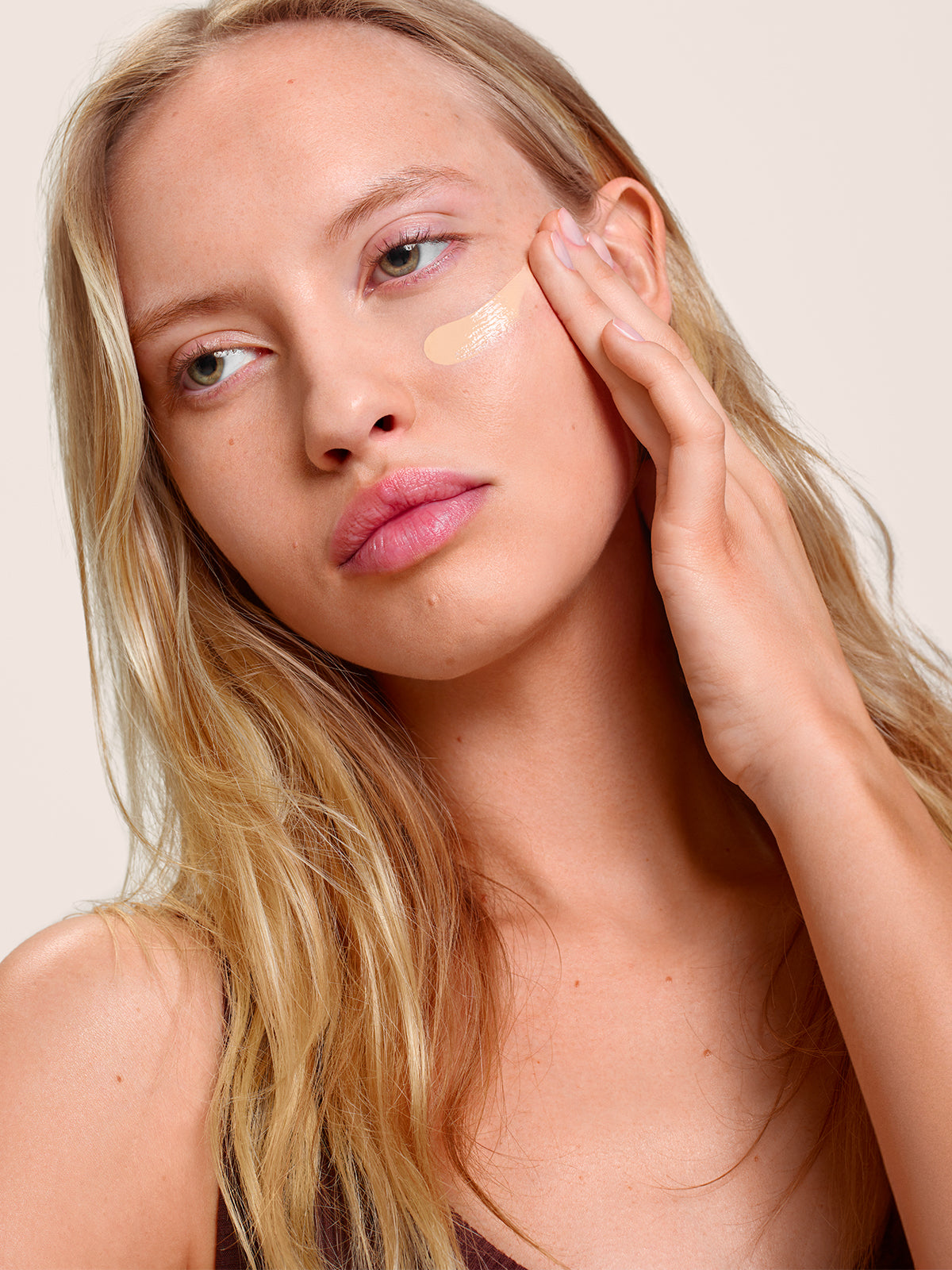
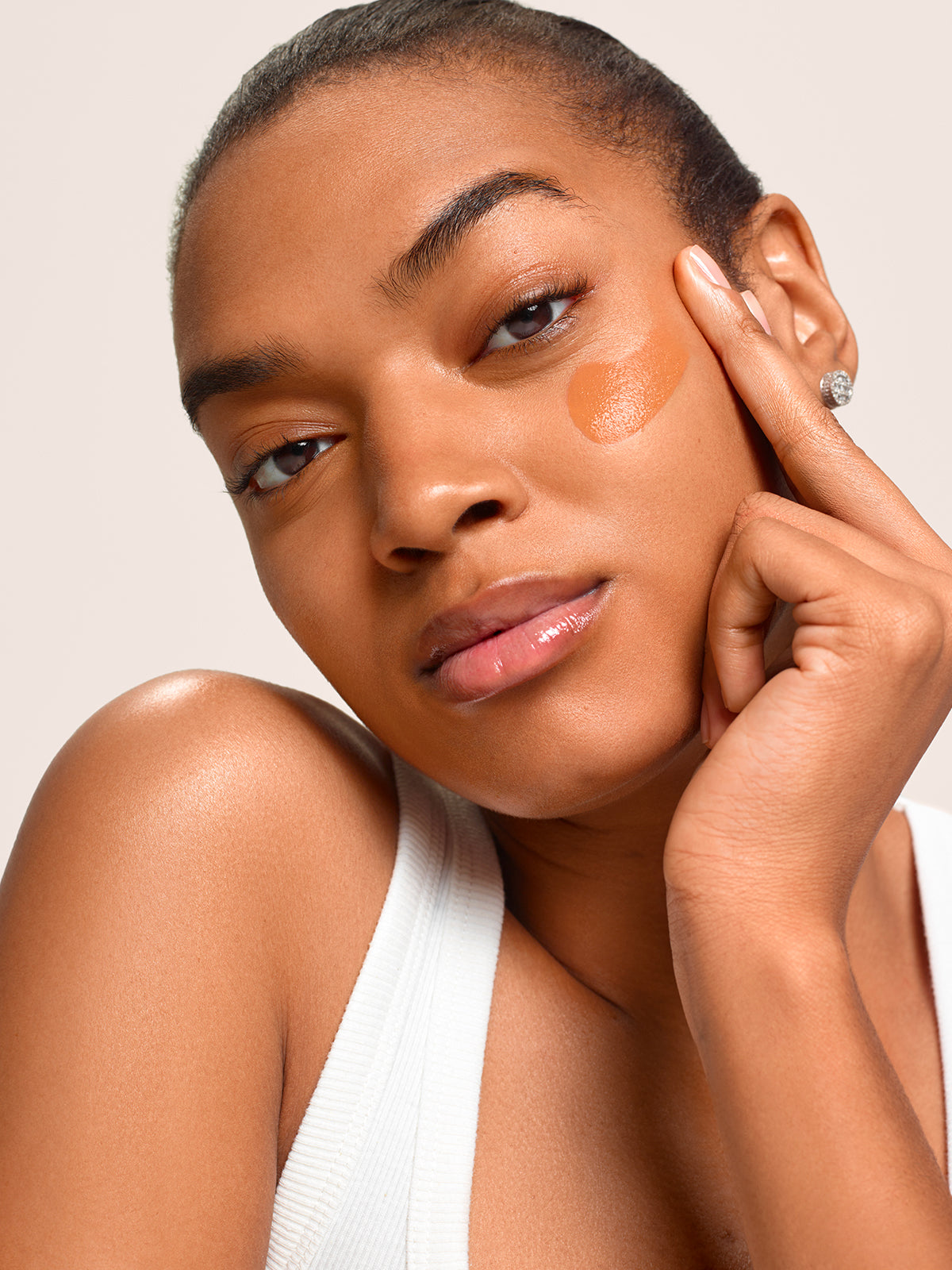
The cosmetic benefit is the obvious one. Tinted SPF provides sheer, even coverage that disappears into the skin, smoothing minor unevenness, softening redness, and giving the kind of finish that reads as good skin rather than as makeup. For daily wear, school runs, office days, errands, and casual outings, it eliminates the need for a separate foundation layer.
This compresses your morning routine considerably. One product does the work of three (sunscreen, primer, foundation), with a finish that often looks better than the heavier alternatives because it doesn't sit on the surface or settle into fine lines.
Benefit Three: Eliminates White Cast
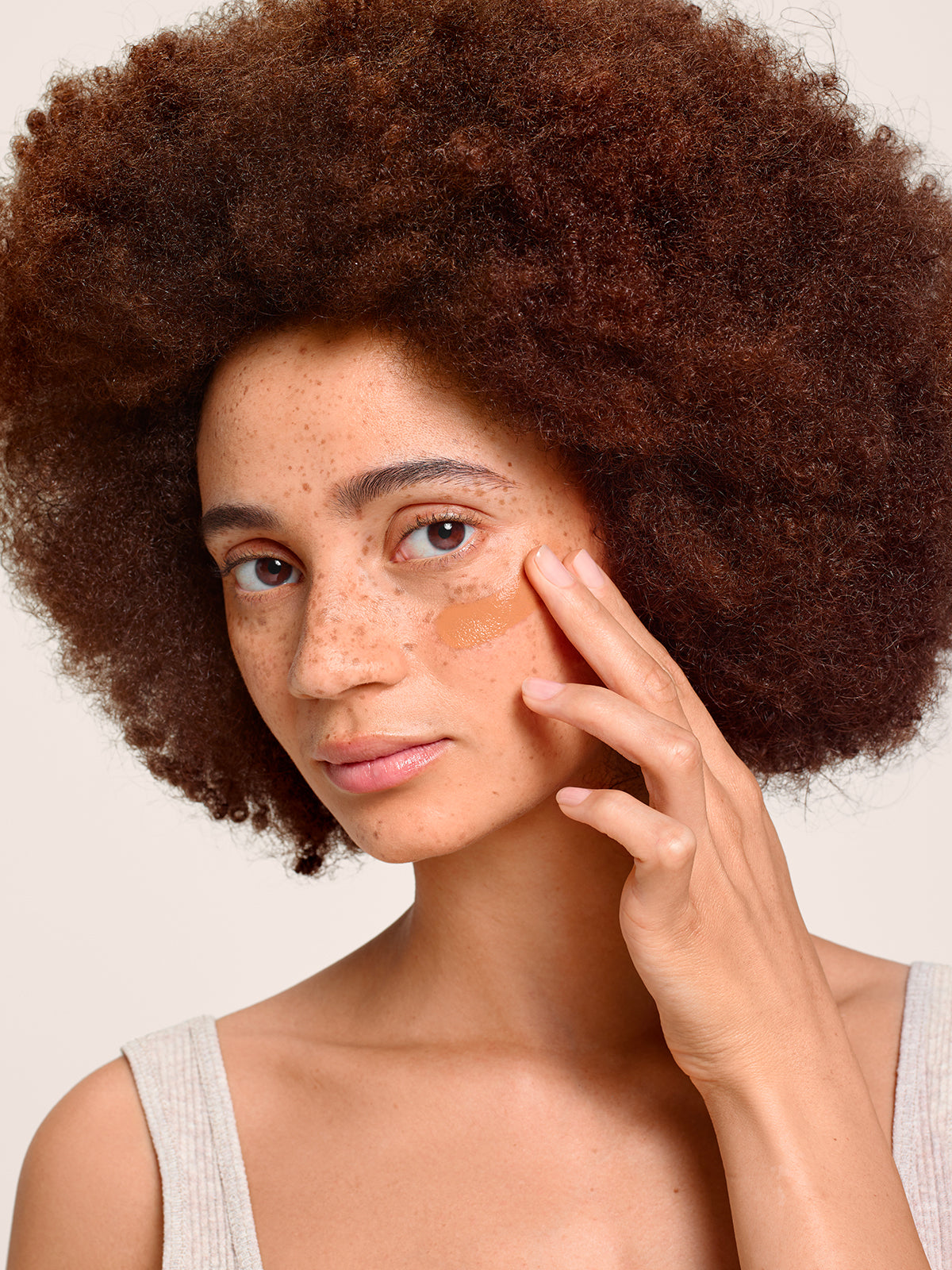
The historical objection to mineral sunscreen has been the chalky white cast that older formulations left on skin, particularly on deeper tones. Tinted mineral SPF solves this through formulation. The iron oxides neutralise the white reflectivity of the underlying zinc oxide, and modern non-nano formulations apply more transparently to begin with. The result is mineral protection that disappears into the skin rather than announcing itself.
This is the practical reason tinted SPF has expanded the audience for mineral sunscreen so dramatically. The protection mineral filters offer was always desirable; the cosmetic finish has now caught up.
Benefit Four: Improved Application Quantity

This is the subtler benefit that dermatologists tend to emphasise. To achieve the SPF rating printed on the bottle, you need to apply roughly a quarter teaspoon of product to the face. Most people apply considerably less than this with regular sunscreen, treating it like an extra step rather than a real layer. Because tinted SPF doubles as cosmetic coverage, people apply more of it. They want the finish. And that increased application quantity translates into meaningfully better protection.
Studies have shown that tinted SPF users tend to apply closer to the dermatological standard than untinted SPF users, which means they receive closer to the labelled protection. This is not a small variable. It can mean the difference between SPF 30 in name and SPF 12 in reality.
Benefit Five: Photography And Screens
Tinted SPF reads beautifully in photographs and on video calls. The sheer coverage and slight luminosity soften the appearance of pores, even out tone, and provide a polished finish that doesn't pick up the harshness of artificial lighting. For anyone whose work involves video calls or photography, this practical benefit alone justifies the switch.
The iron oxides also help with the slight desaturation that screens and cameras tend to introduce, giving skin a healthier, more dimensional appearance on camera than untinted SPF would.
Benefit Six: Anti-Inflammatory Tone Calming
Many tinted mineral formulations include green undertones in their lighter shades, which cosmetically neutralise existing redness on contact. For anyone whose skin tends toward flushing or rosacea, this provides immediate visible calm in addition to the long-term anti-inflammatory benefits of zinc oxide itself. The redness still needs the underlying treatment, but the day-to-day appearance becomes easier to manage.
The SunsolveMD Difference
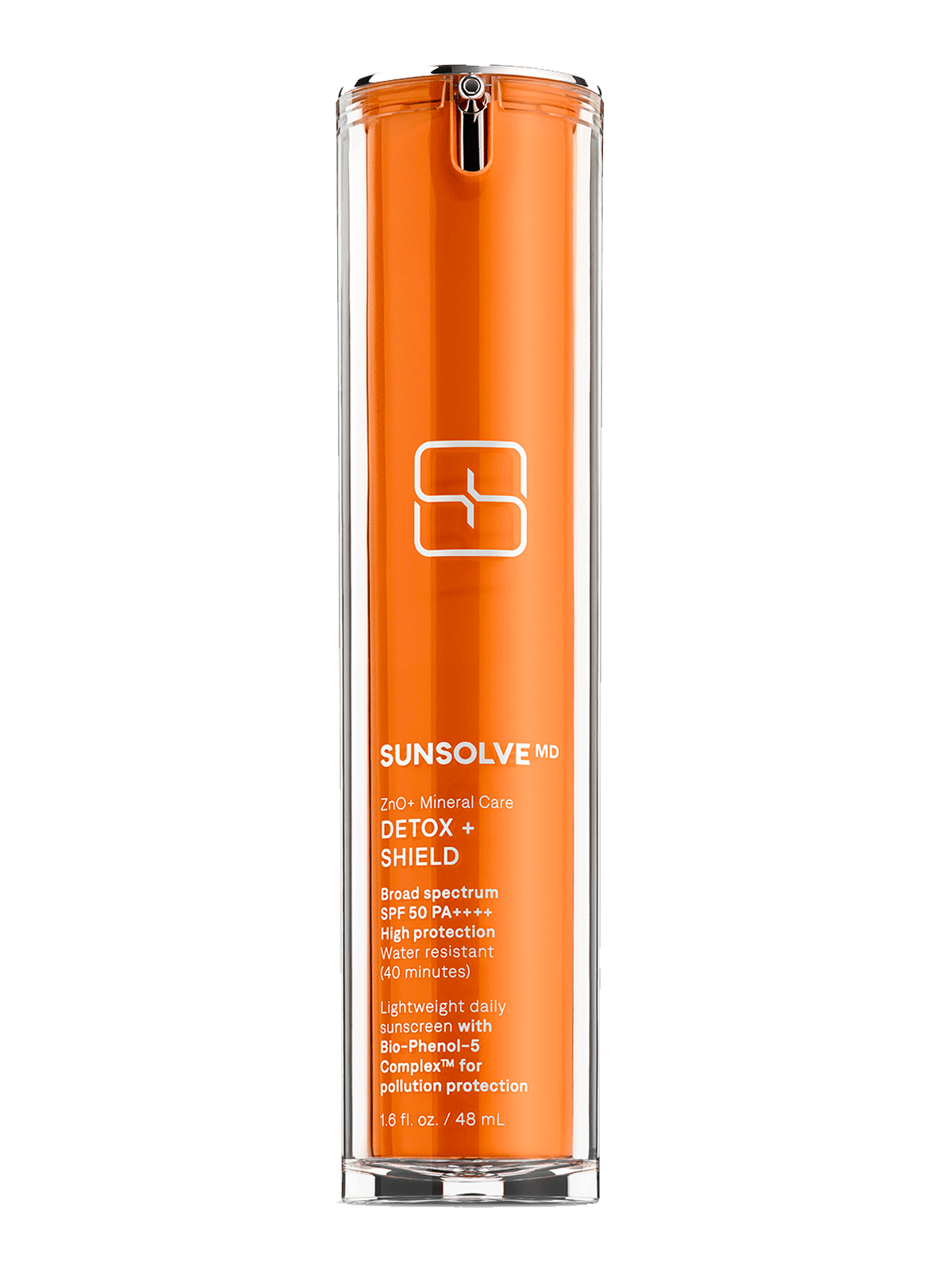
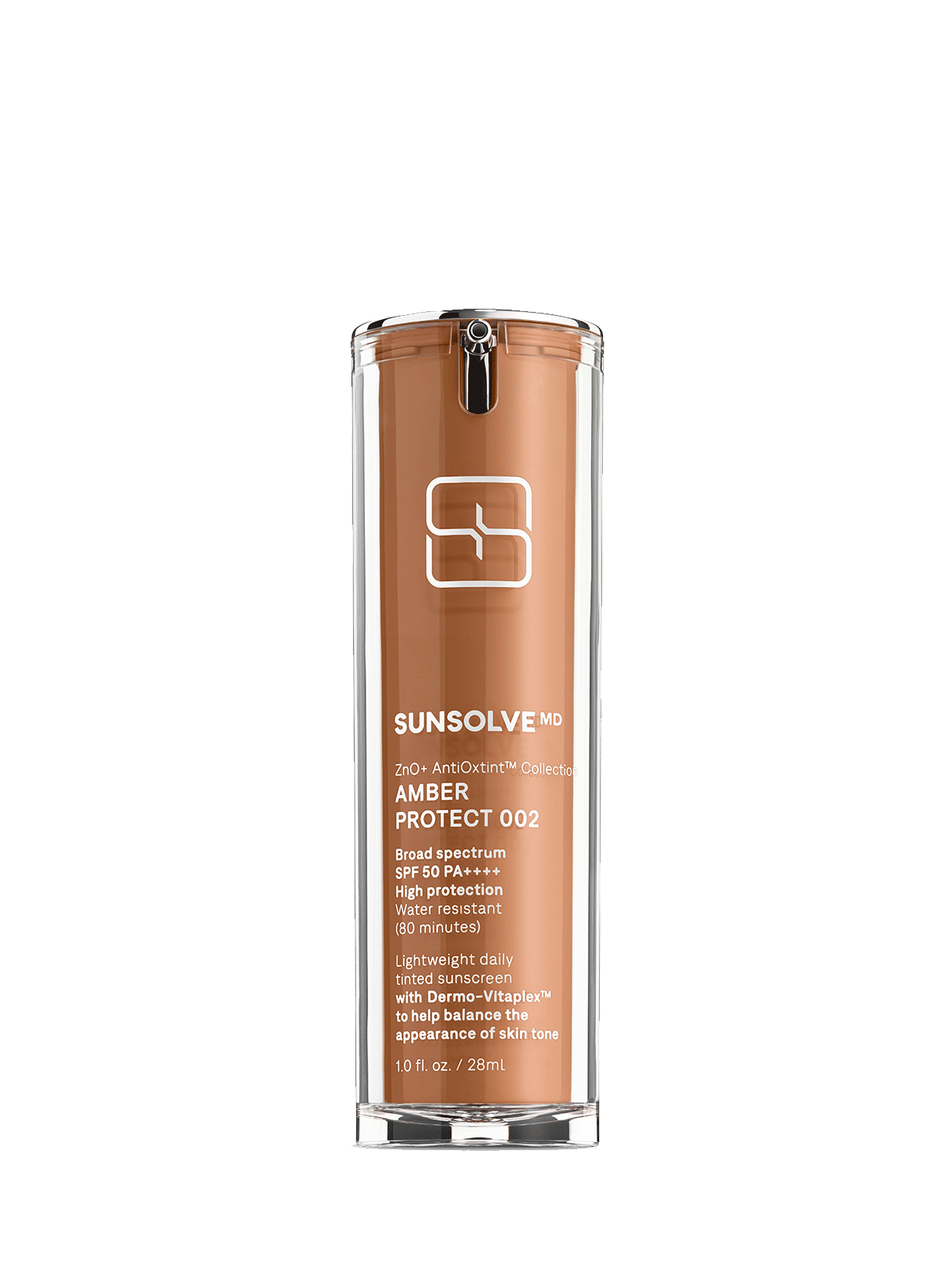
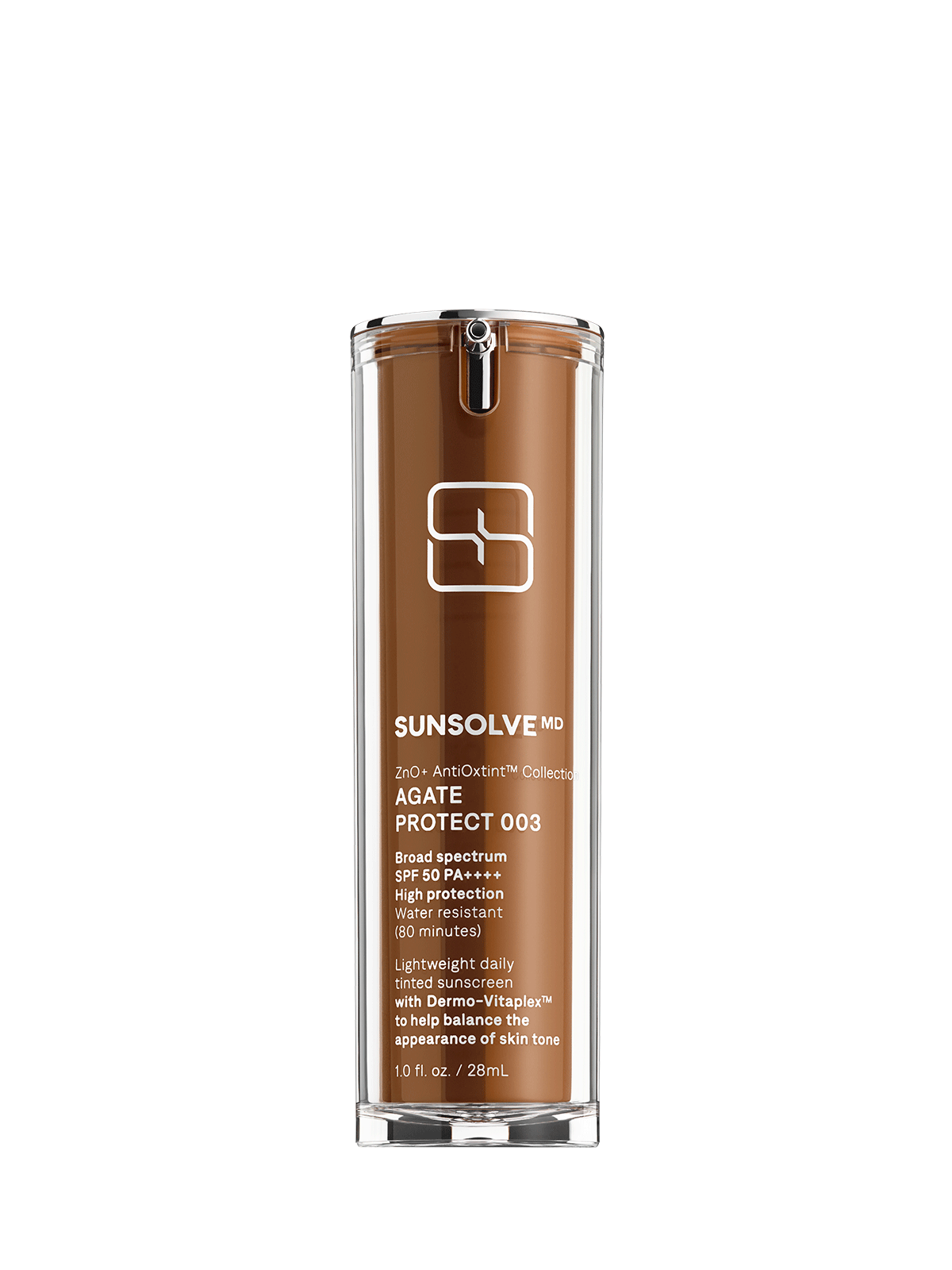
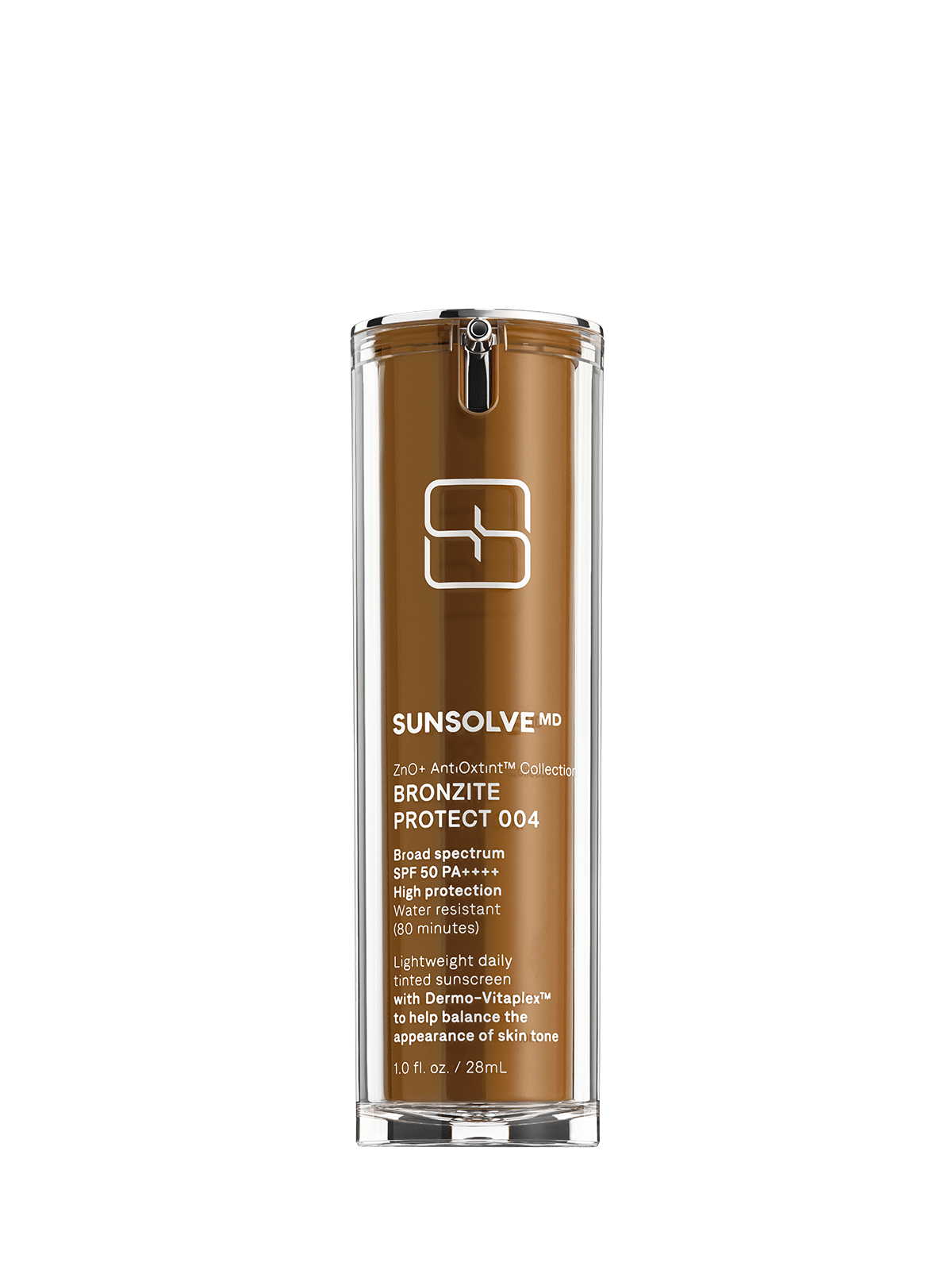
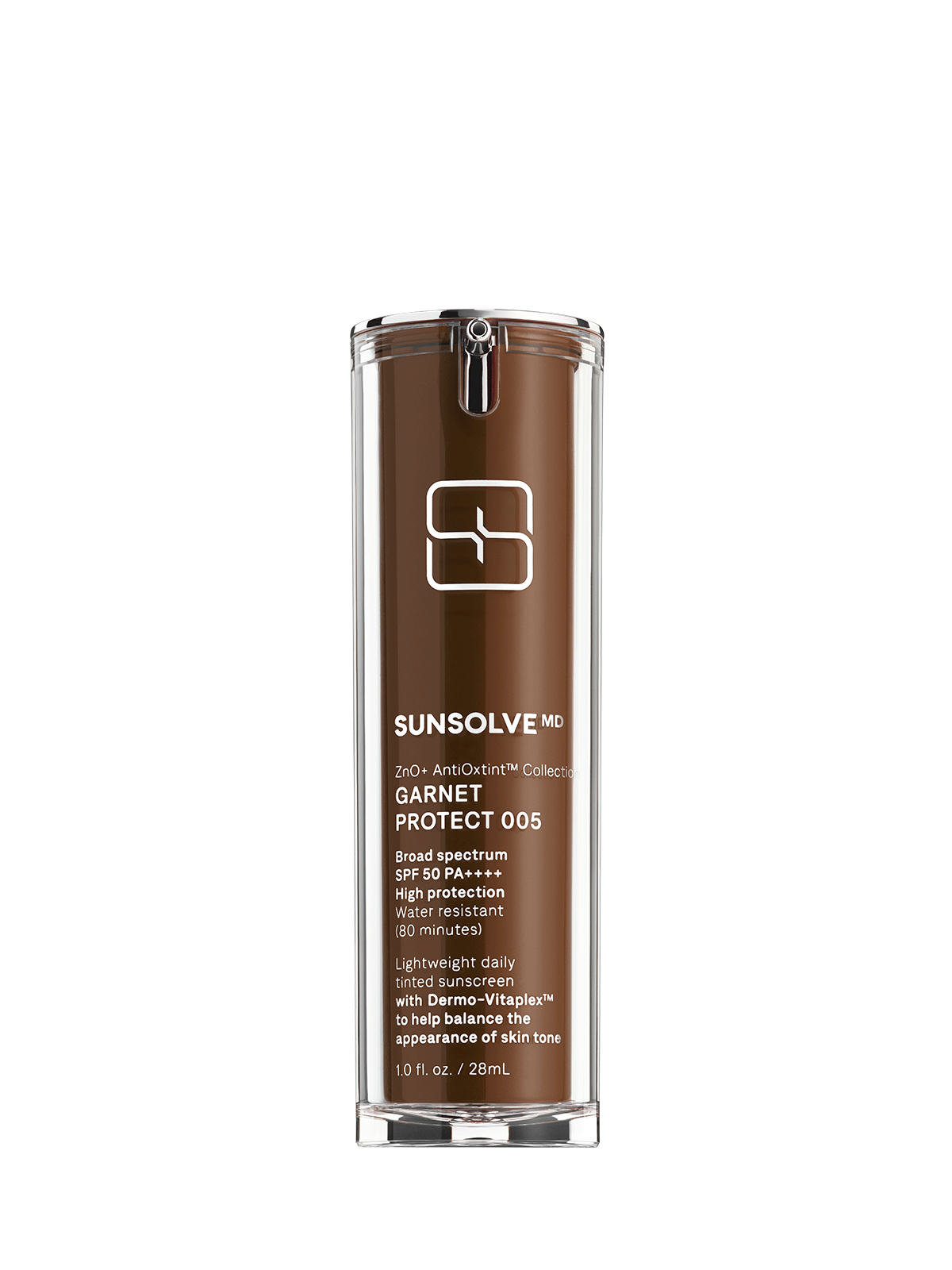
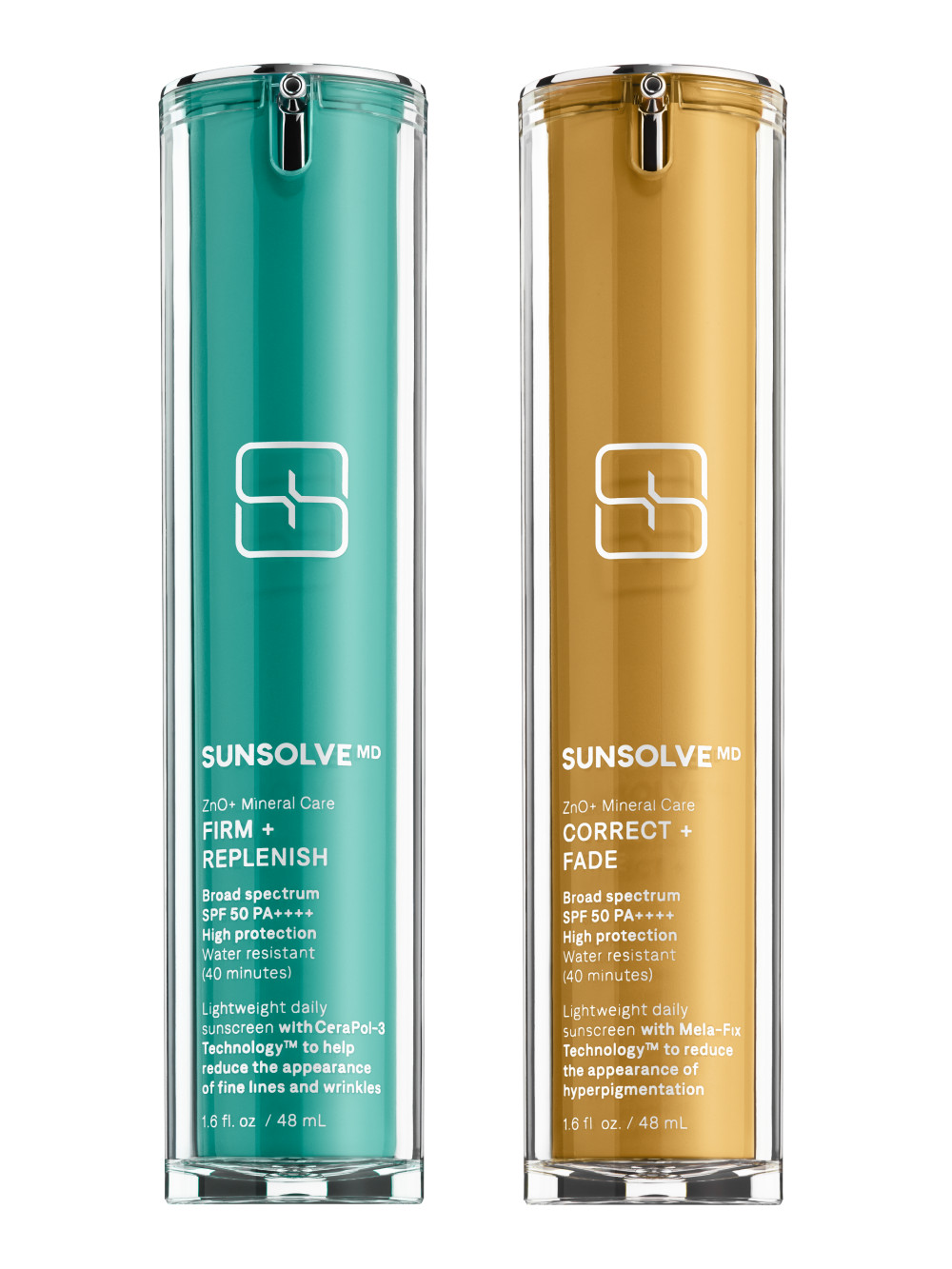
Our broad-spectrum SPF that provides natural-looking coverage was designed to deliver every benefit the tinted SPF category promises, executed at clinical standard. The ZnO+™ AntiOxtint platform pairs 12% non-nano zinc oxide with calibrated iron oxides for visible light protection and a finish that flatters across skin tones. SolveDNAReverse™ technology works beneath the surface, supporting the skin's natural DNA repair processes alongside the cosmetic coverage. The result is sun protection that earns its place in your routine for reasons that go well beyond what the colour suggests.
FAQs
Can tinted SPF replace foundation entirely?
For most everyday wear, yes. For events or fuller coverage needs, layer foundation over tinted SPF.
Does tinted SPF work for very deep skin tones?
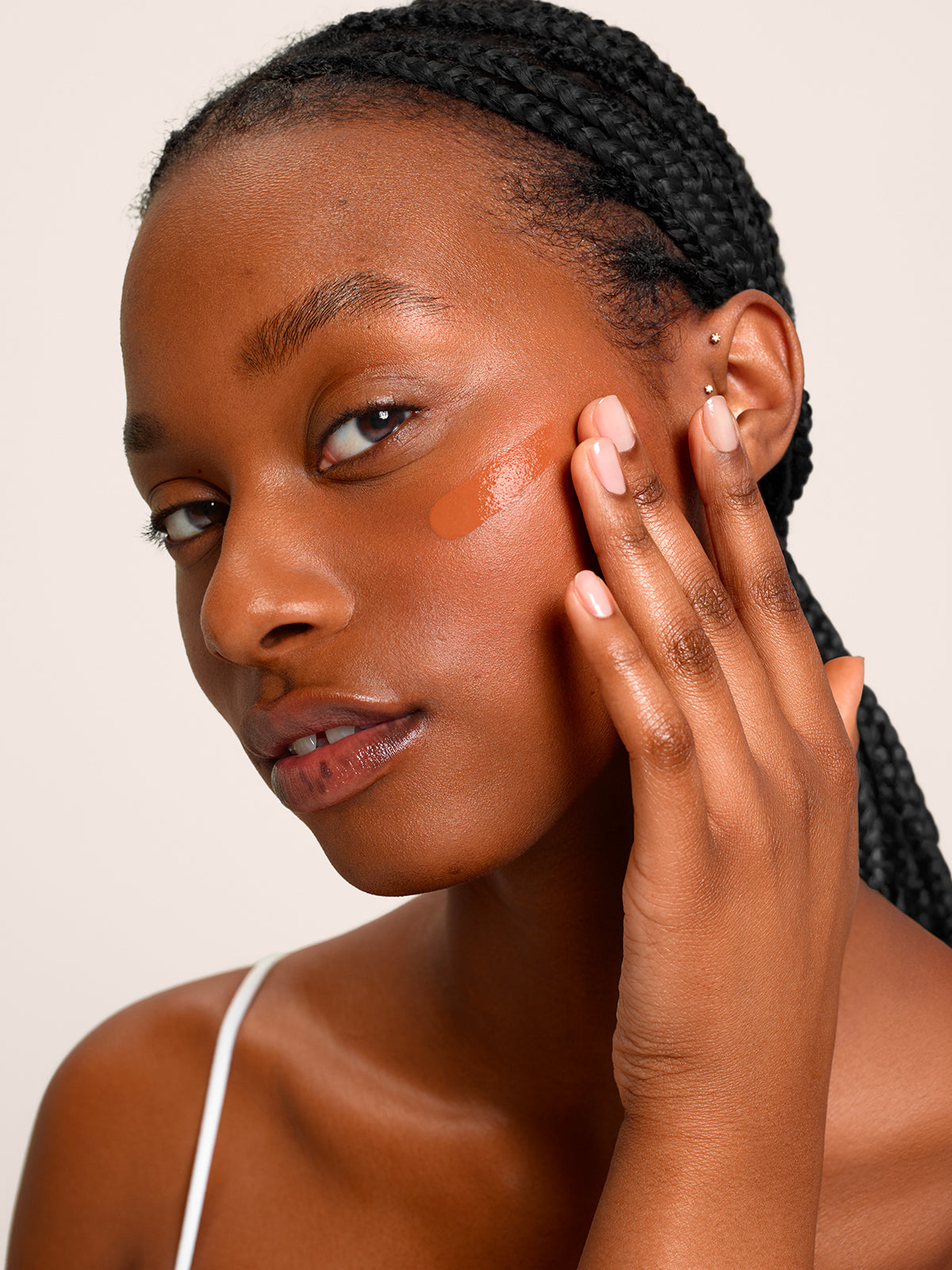
Increasingly yes, as brands expand their shade ranges and improve iron oxide calibration. Shade matching becomes more important as the skin tone deepens.
Is tinted SPF more expensive than regular SPF?
Often slightly, because of the additional pigment and formulation work. The cost-per-use tends to balance out because it replaces a separate foundation.
Will tinted SPF cover acne or dark spots?
It softens their appearance rather than covering them fully. For more substantial coverage, layer concealer over the tinted SPF.
Can I use tinted SPF on my body?
Most are designed for the face, but body-formulated tinted SPF exists for legs and other visible areas where some evening of tone is desired.