


Skip to content
Graphic of mineral SPF particles and skin barrier

Join The Solve Society. Designed for members to receive exclusive benefits

Explore benefits

Mar 16, 2026

6 Benefits of Using Tinted Sunscreen

If you are considering using tinted sunscreen, it is worth understanding that it offers more than just a subtle wash of color. Unlike traditional SPF, tinted formulas are designed to protect against a broader range of light exposure while also improving how the product looks and feels on the skin.

This combination makes a noticeable difference in both performance and consistency of use. From enhanced protection against pigmentation triggers to a more wearable finish that fits easily into a daily routine, tinted sunscreen addresses several of the common gaps found in standard formulations.

To help you get a better idea of what tinted sunscreen is all about, below, we will go over six of the biggest benefits of using tinted sunscreen in the short and long term.

6 Benefits of Using Tinted Sunscreen

1. Protection Extends Beyond UV Into Visible Light

Traditional sunscreens are built to block ultraviolet radiation. That matters, but it’s only part of the exposure your skin experiences. Visible light, particularly high-energy blue light, penetrates the skin and contributes to oxidative stress and pigmentation.

Tinted sunscreens contain iron oxides, which allow them to block visible light in addition to UVA and UVB.

This is not a marginal improvement. It’s a structural one. Visible light has been shown to exacerbate conditions like melasma and post-inflammatory hyperpigmentation, particularly in individuals with darker skin tones.
By extending protection into this range, tinted sunscreen addresses a gap that traditional SPF leaves open.

2. More Effective Management of Hyperpigmentation

Hyperpigmentation is one of the most persistent and difficult-to-manage skin concerns. It is also highly responsive to light exposure, including wavelengths that standard sunscreen does not fully block.

Clinical and observational data show that tinted sunscreens are more effective than non-tinted formulations in preventing pigmentation relapse, particularly in melasma.

The mechanism is straightforward. Iron oxides reduce the stimulation of melanocytes triggered by visible light. Over time, this reduces both the formation and recurrence of dark spots.

For anyone dealing with uneven tone, post-acne marks, or hormonally driven pigmentation, this added layer of protection is not optional. It’s fundamental.

3. Reduced Risk of Photoaging From Daily Light Exposure

Photoaging is not driven by a single source. It is the cumulative result of UV radiation, visible light, and oxidative stress acting on the skin over time. Tinted sunscreen interrupts more of that process.

By blocking both UV and visible light, it reduces the triggers behind collagen degradation, elastin breakdown, and pigment irregularities. Research increasingly shows that tinted formulations outperform non-tinted ones in preventing light-induced skin damage.

This matters because most exposure is not happening during occasional sunbathing. It’s happening daily, through incidental exposure: commuting, sitting near windows, or working in front of screens.

When considering the effects of not wearing sunscreen, the conversation often focuses on sunburn or long-term cancer risk. But the more immediate and visible consequence is cumulative structural damage to the skin. Tinted sunscreen reduces more of that exposure, more consistently.

4. Dual Function: Protection and Skin Tone Correction

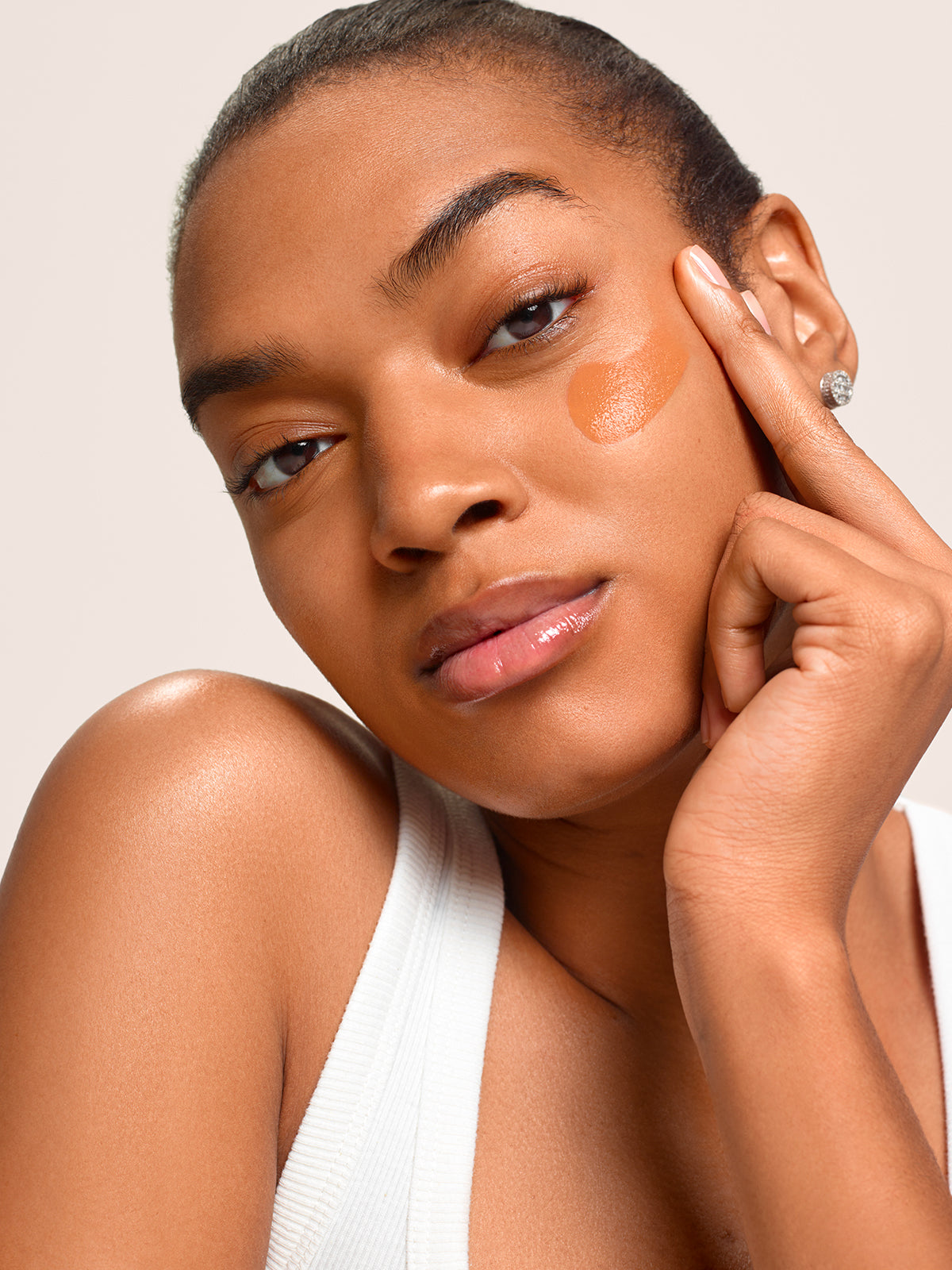
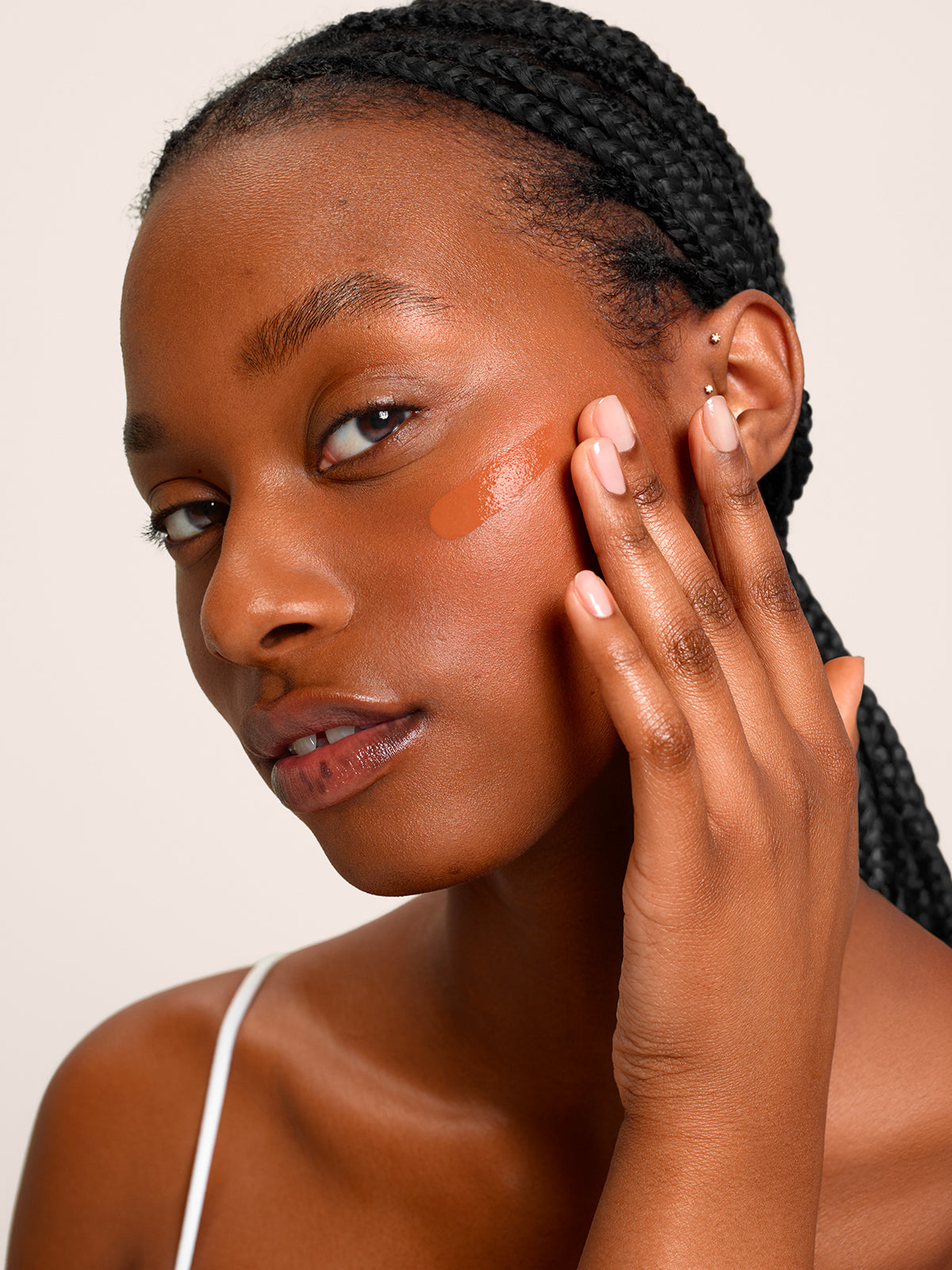
Tinted sunscreen operates as both a protective and corrective layer. The pigments help neutralize redness, blur minor imperfections, and create a more even appearance without the occlusive or heavy finish associated with traditional makeup.

This has practical implications. Products that serve multiple functions are more likely to be used consistently. A sunscreen that doubles as a complexion product becomes part of a daily habit, rather than an optional step. In clinical terms, this translates to more consistent photoprotection over time.

5. Additional Defense Against Blue Light Exposure

Modern light exposure is not limited to sunlight. Screens, LED lighting, and indoor environments can also contribute to cumulative visible light exposure.

Tinted sunscreens offer a degree of protection here as well. Iron oxides have been shown to reduce the impact of blue light, which is associated with oxidative stress and pigmentation changes.

While blue light exposure from devices is lower than from the sun, it is constant. Over time, that consistency matters. If you find yourself spending long hours in front of screens, this becomes another reason why you should rely on a tinted sunscreen.

6. Better Suitability for Skin of Color

Standard sunscreen recommendations have historically overlooked the needs of darker skin tones, particularly when it comes to visible residue and pigmentation concerns. Tinted sunscreens address both.

They reduce the white cast associated with mineral filters and provide protection against visible light, which disproportionately affects individuals with higher melanin levels by triggering hyperpigmentation.

This makes tinted SPF not just a cosmetic improvement, but a more appropriate and effective form of protection for a broader range of skin types.

What Makes SunsolveMD Different

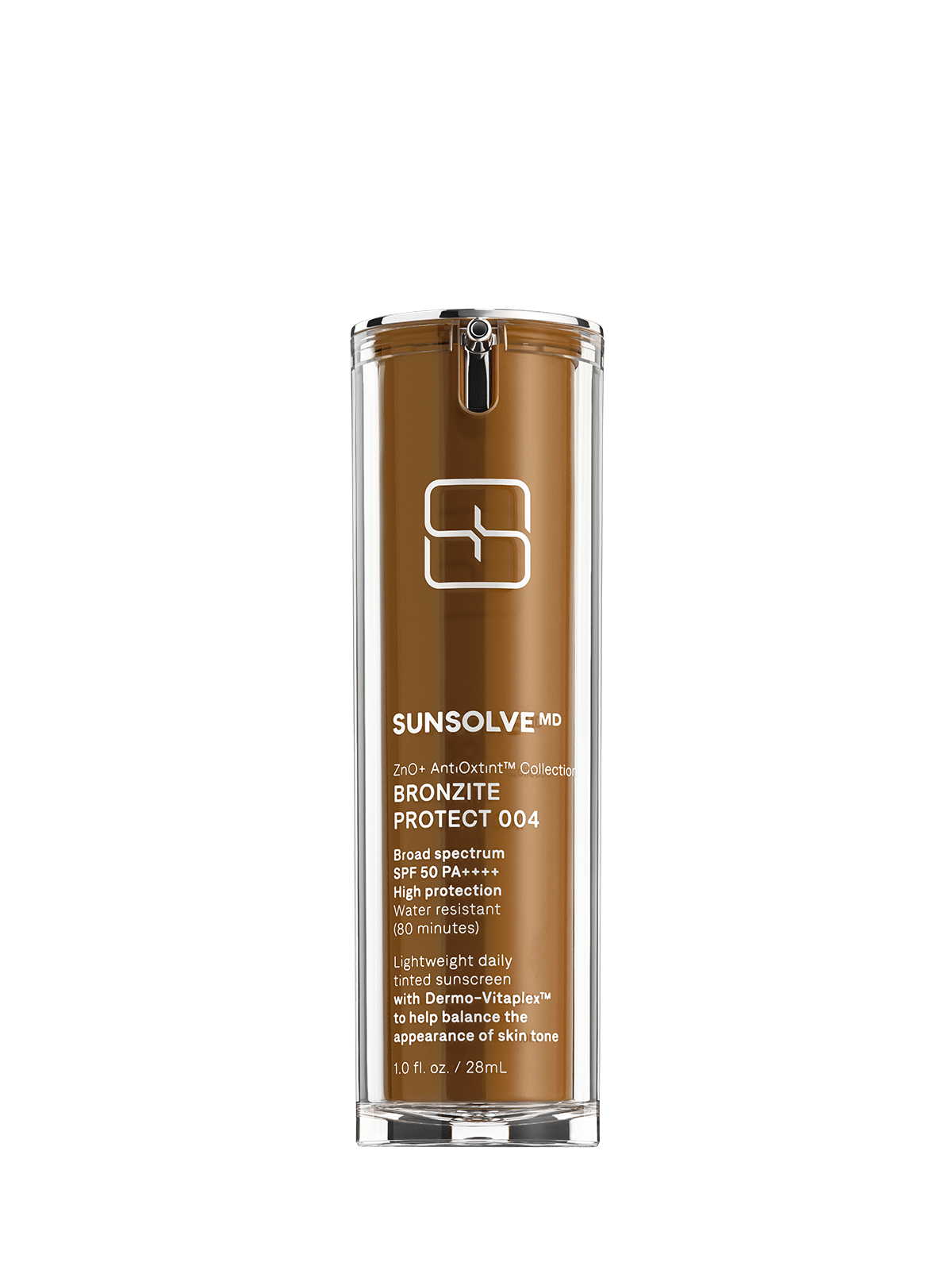
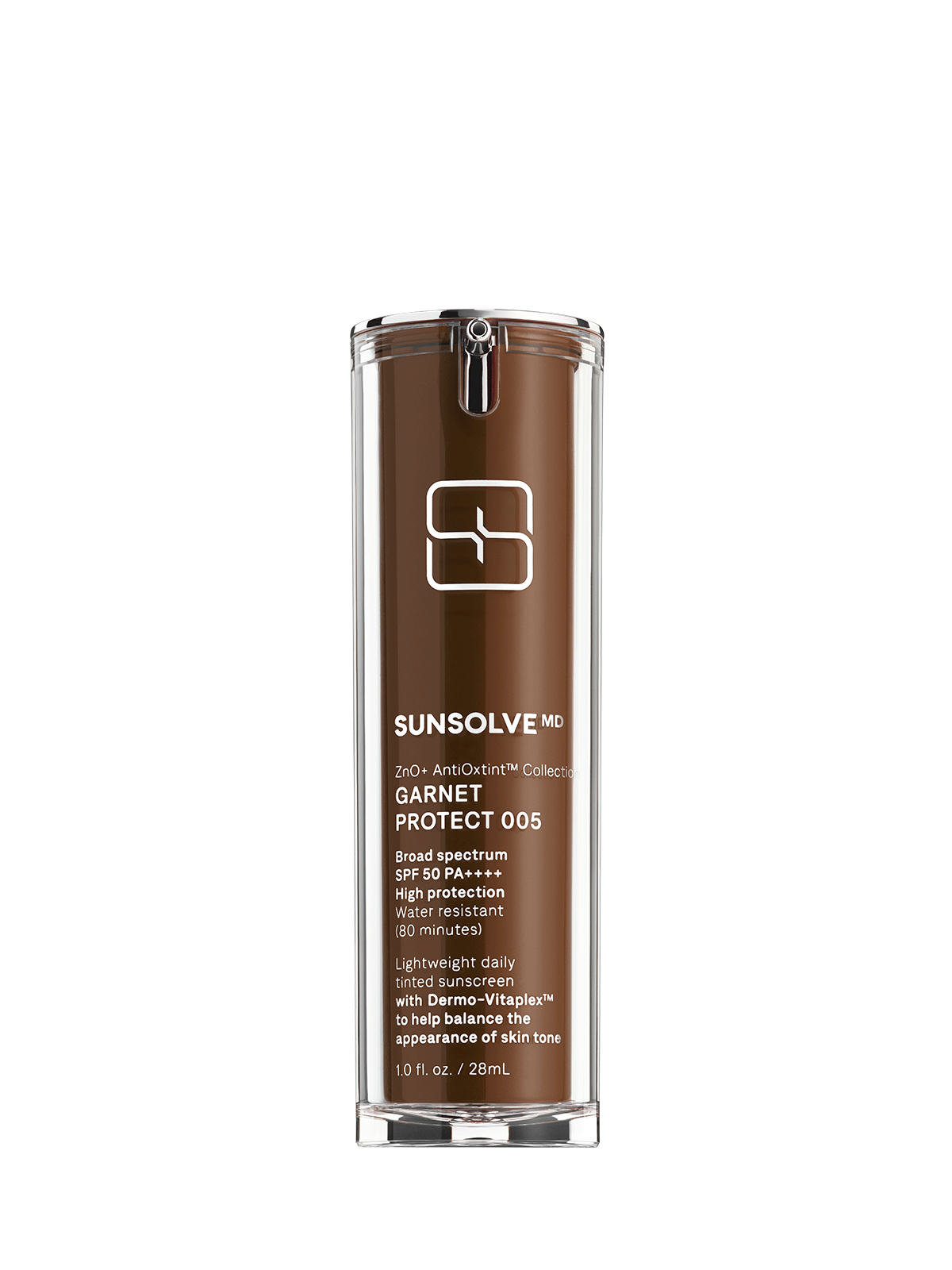
A tinted sunscreen should do more than provide coverage and UV protection. It should function as a complete defensive layer against the full spectrum of light exposure your skin encounters daily. Our approach to lightweight tinted UV defense is built on that principle.

We combine high-concentration non-nano zinc oxide with iron oxide pigments to deliver true broad-spectrum and visible light protection. This is paired with SolveDNAReverse™, designed to support cellular repair processes and address the downstream effects of UV-induced damage.

The result is not just coverage. It’s a system that protects, corrects, and supports the skin at a biological level.

Frequently Asked Questions About Tinted Sunscreen

Is tinted sunscreen as effective as regular sunscreen?

Yes. When formulated correctly, tinted sunscreen provides the same level of UV protection, with the added benefit of visible light defense due to iron oxides.

Who should use tinted sunscreen?

Anyone can benefit from tinted sunscreen, but it is particularly useful for individuals with hyperpigmentation, melasma, or uneven skin tone, as well as those with deeper skin tones.

Does tinted sunscreen replace foundation?

It can. Most tinted sunscreens provide light, buildable coverage that can replace foundation for everyday wear, while still delivering full sun protection.

Can tinted sunscreen prevent dark spots?

It plays a significant role. By blocking visible light, tinted sunscreen helps reduce the triggers behind hyperpigmentation and can prevent recurrence when used consistently.

Is tinted sunscreen suitable for sensitive skin?

Yes, especially when mineral-based. Zinc oxide and iron oxides are generally well tolerated and suitable for sensitive or reactive skin types.

Do I still need to reapply tinted sunscreen?

Absolutely. Like any sunscreen, tinted formulations need to be reapplied every two hours during prolonged exposure to maintain effective protection.

Does tinted sunscreen work indoors?

Yes. UVA and visible light penetrate through windows, so daily use remains important even when spending most of the day indoors.

Trending Topics

Stay Trendy with Our Latest Insights

Why SPF Is Non-Negotiable for Every Skin Type

Once thought of as a concern almost exclusive to older generations, those with fair skin, or anyone who religiously (over) uses sunbeds, skin cancer is now on the rise across all demographics. Desp...

Sunscreen and Acne Treatments -  What You Need To Know
Sunscreen and Acne Treatments - What You Need To Know

If you’re undergoing professional or medical treatments for acne or acne scars, such as chemical peels, microneedling, laser therapy, or prescription medications, sun protection becomes essential. ...

Ways To Reduce Your Carbon Footprint With SPF

Decoding SPF and your carbon footprint. How to make more discerning choices with mineral sunscreens that not only safeguard your skin but are sustainably savvy.

Rosacea & SPF: How To Choose The Right Sunscreen

Rosacea is a common skin condition characterized by facial redness and inflammation. Follow this guide to choose the right sunscreen if you have rosacea.

A Dermatologists’ Guide To Photodamage And Dark Skin

Dermatologists weigh in on photodamage and dark skin (and how SPF is here to help). Read more.

Going to the Beach With Psoriasis: Risks and Benefits

Psoriasis is an immune-mediated disease. This is your scientific guide to safely treating psoriasis with natural sunlight.