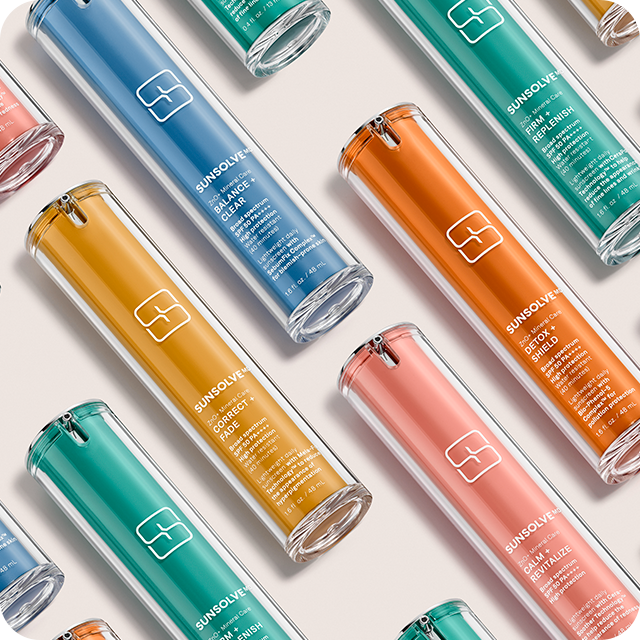
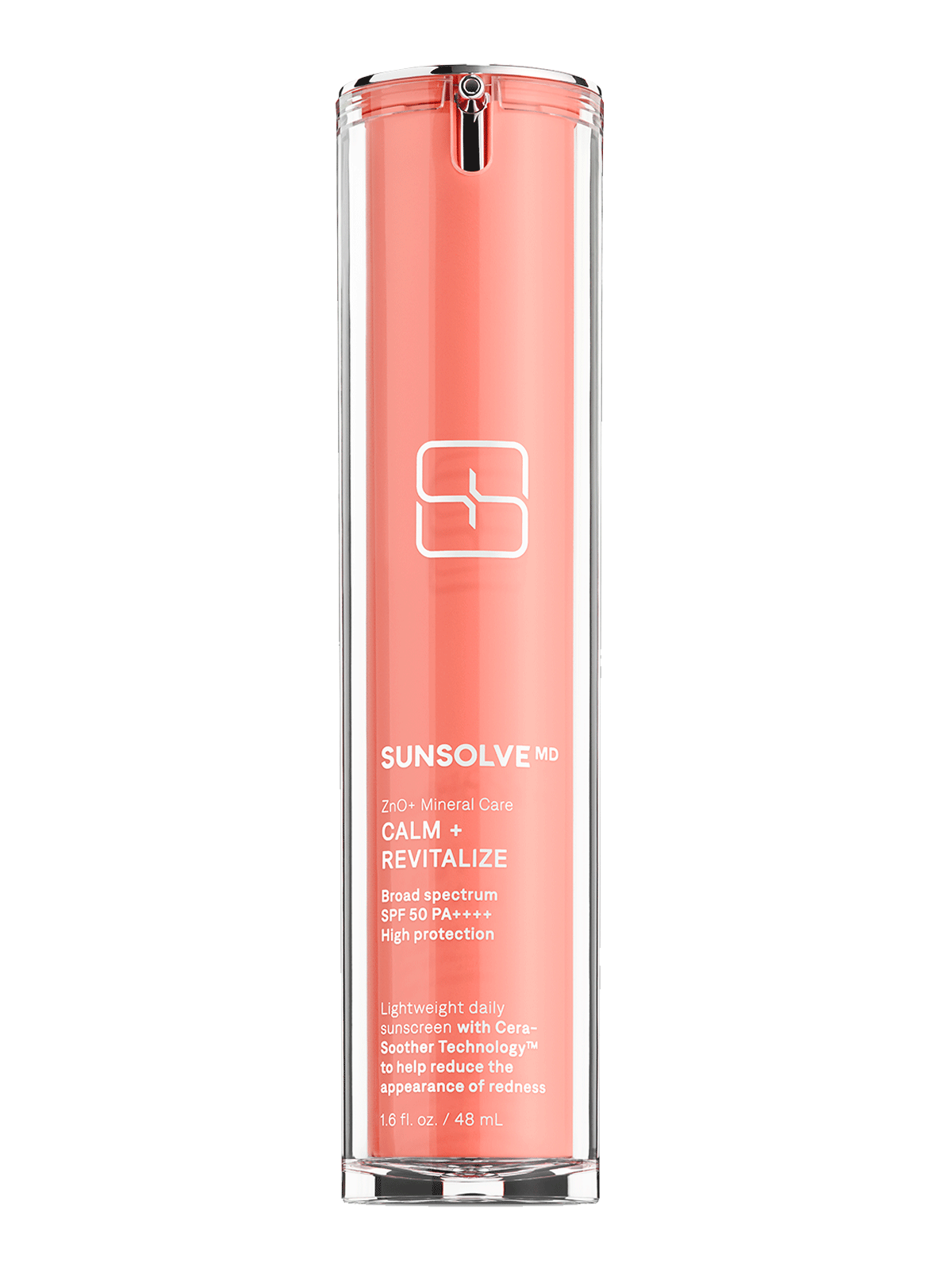
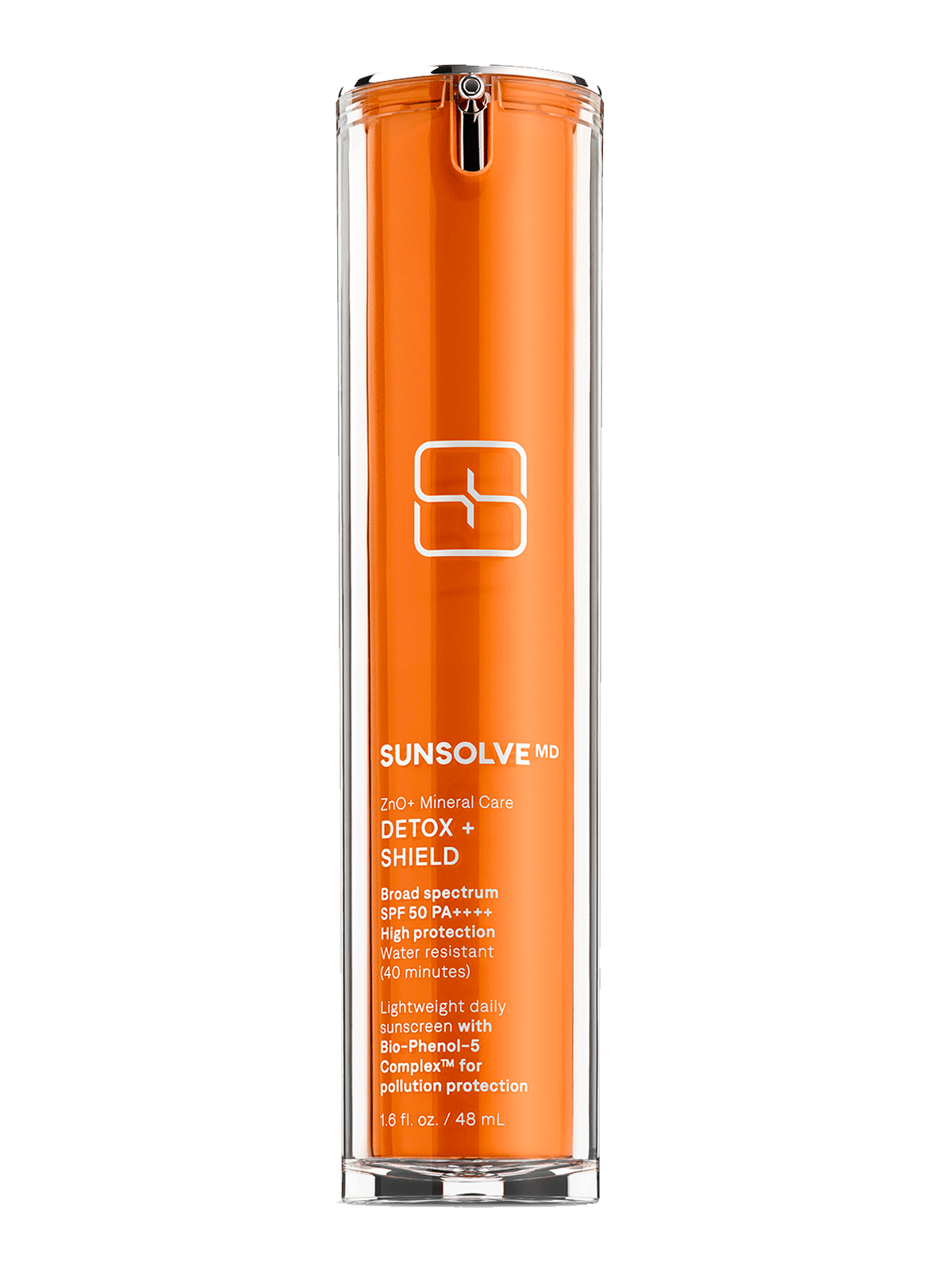
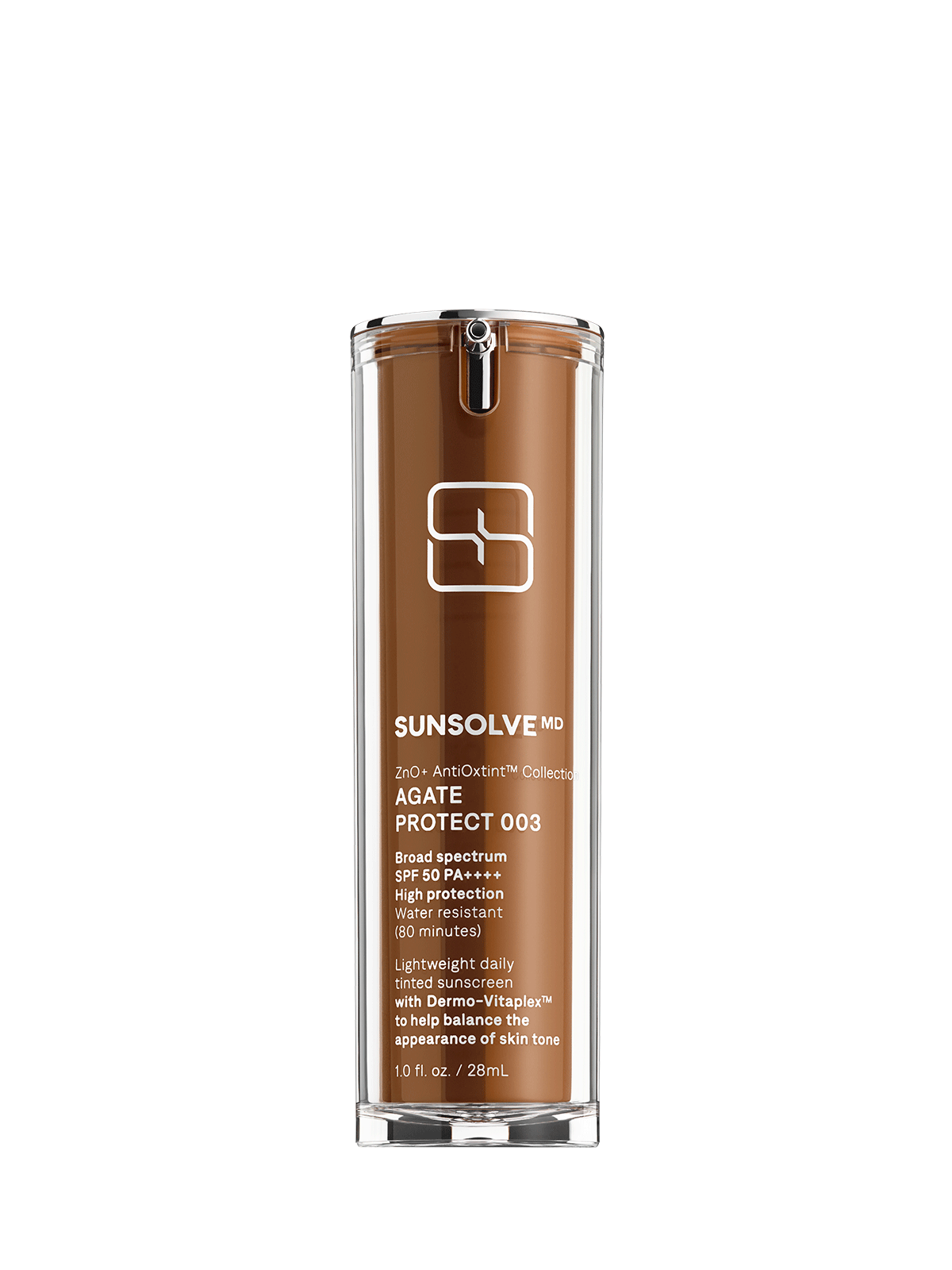
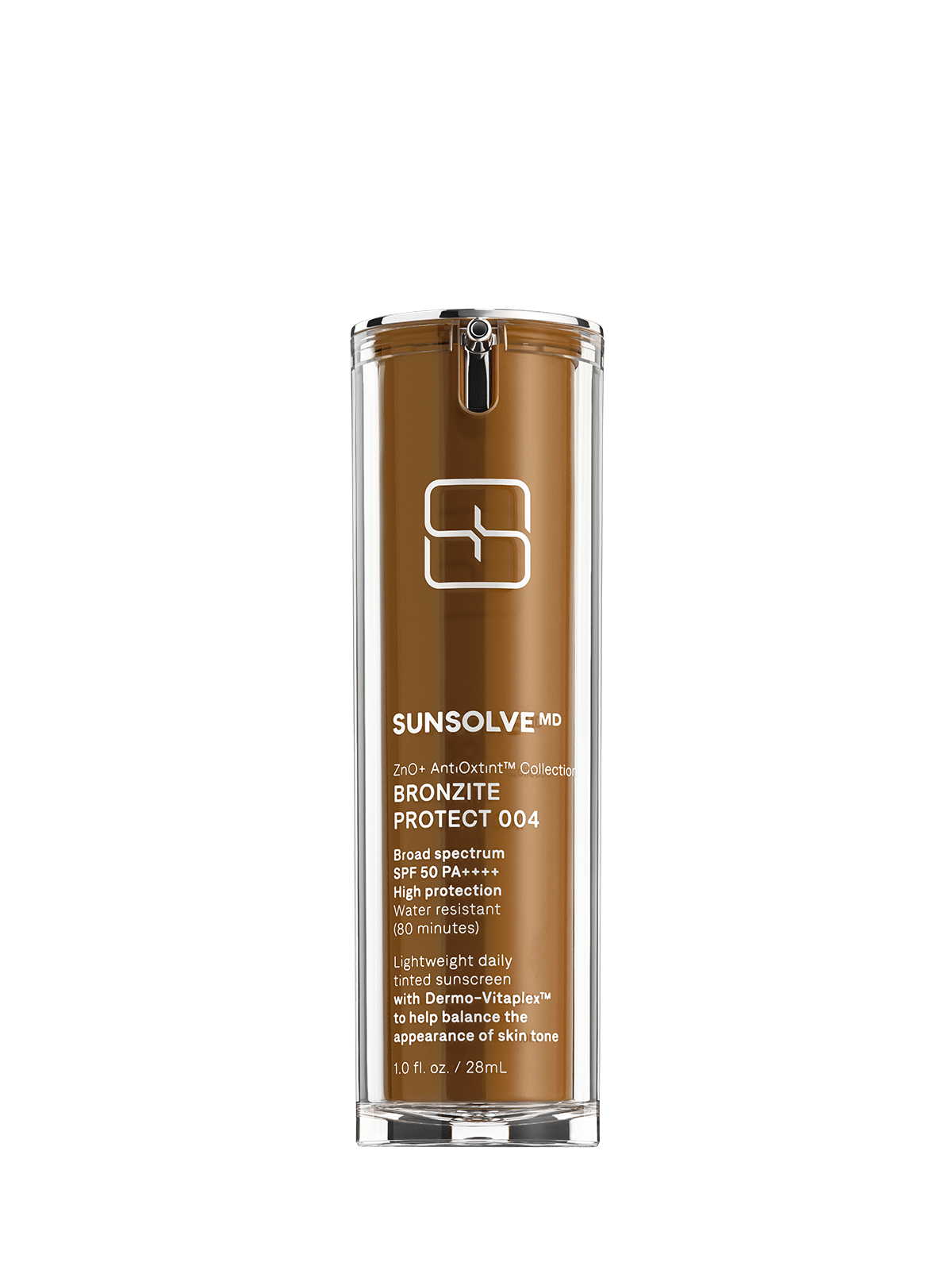
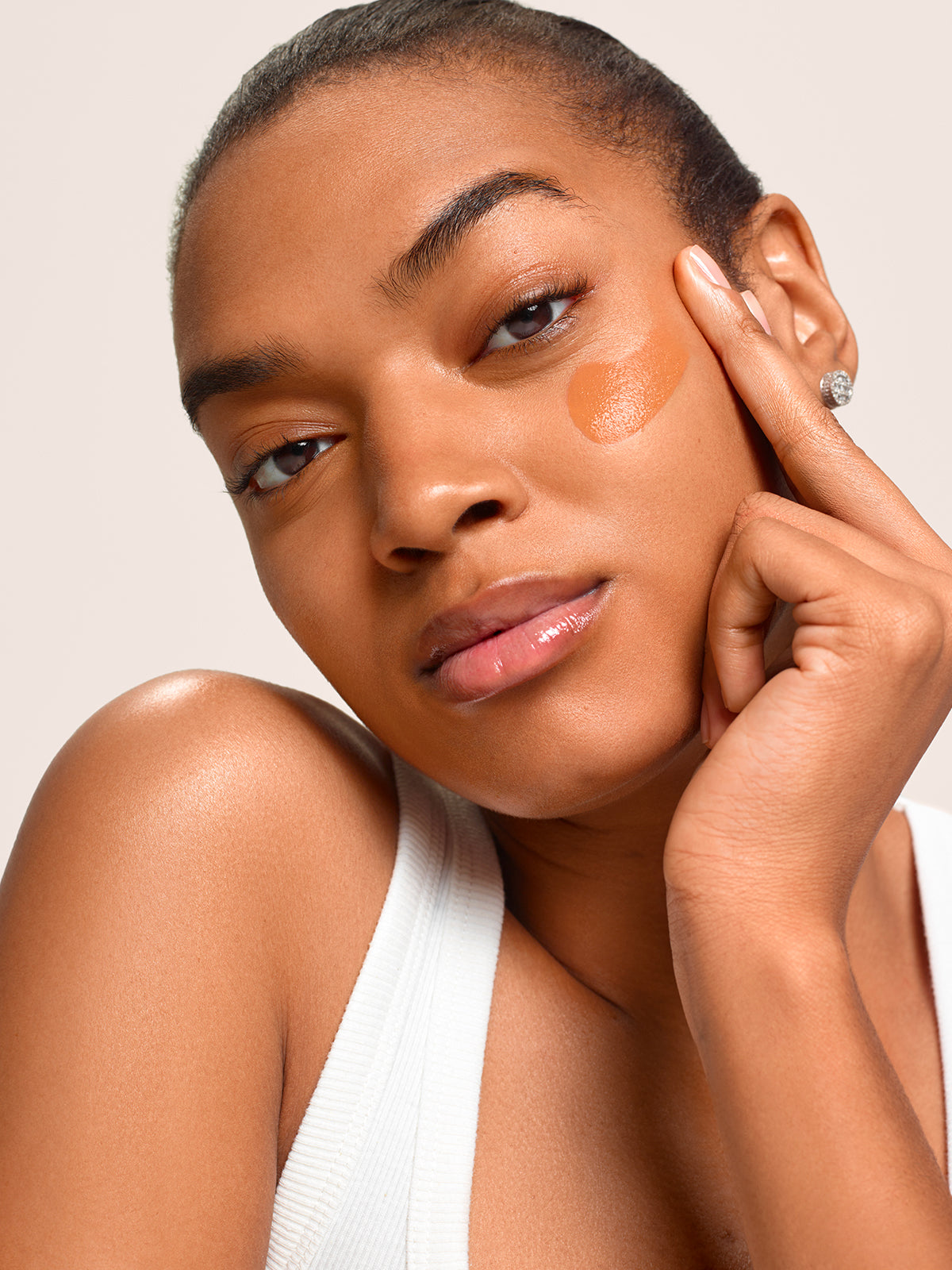
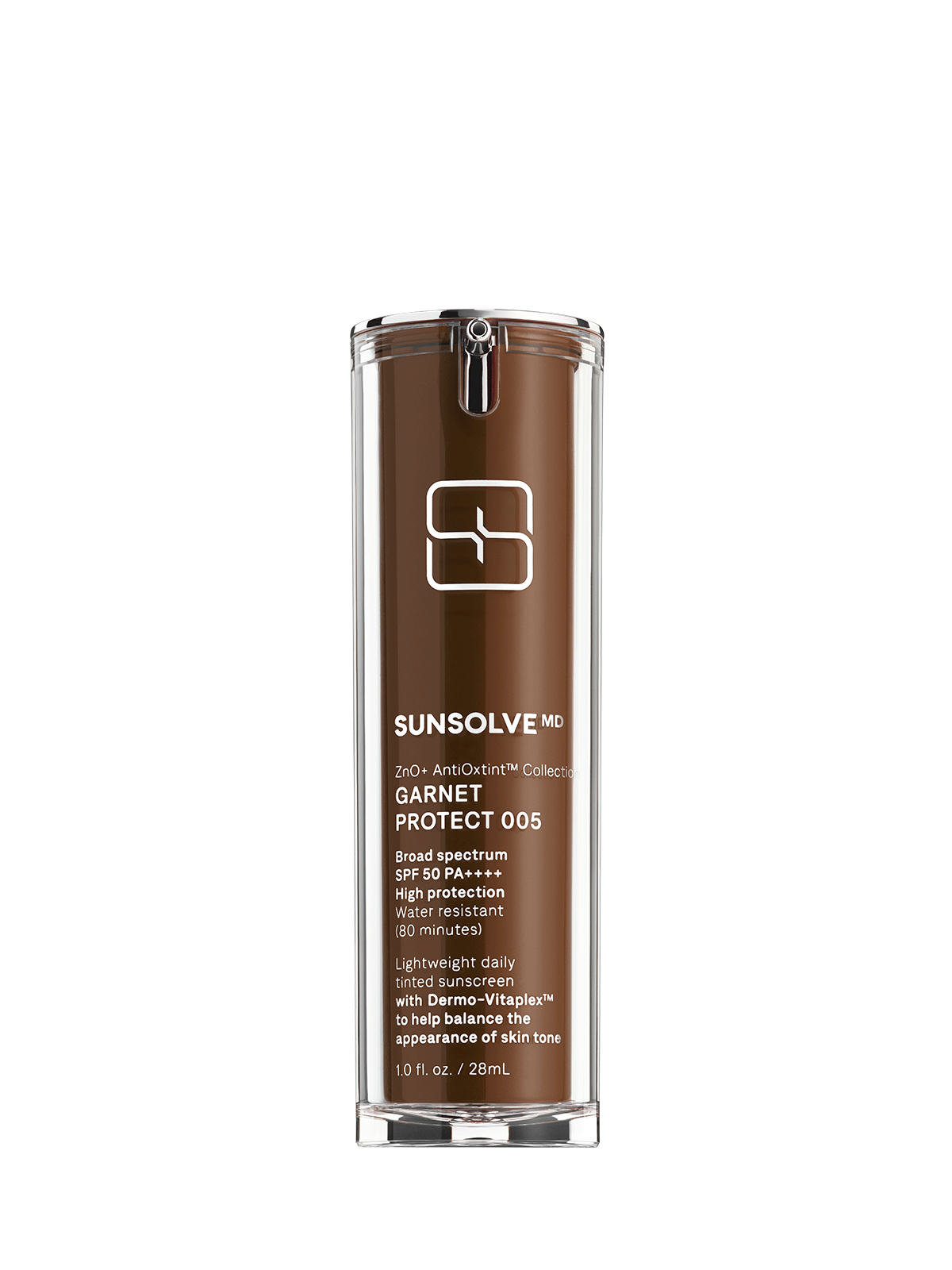
The benefits extend well beyond preventing the occasional burn.
It Slows Photoageing Significantly
UV exposure triggers the production of matrix metalloproteinases, enzymes that actively degrade collagen in the dermis. A landmark study published in the New England Journal of Medicine demonstrated that even UV exposure levels that cause no detectable sunburn are sufficient to induce this collagen-degrading process, and that repeated exposure keeps those enzymes maximally elevated. Fine lines, loss of elasticity, and uneven texture are not inevitable consequences of getting older; they're largely consequences of cumulative, unprotected sun exposure.
It Protects Against DNA Damage
UV radiation causes direct damage to DNA within skin cells, triggering mutations that the body's repair mechanisms work to correct. That repair process is effective but not infallible, and repeated unprotected exposure increases the burden on it over time. Mineral filters, which physically deflect UV rather than absorbing it, prevent that damage from occurring in the first place rather than relying entirely on post-exposure repair.
It Prevents And Fades Hyperpigmentation
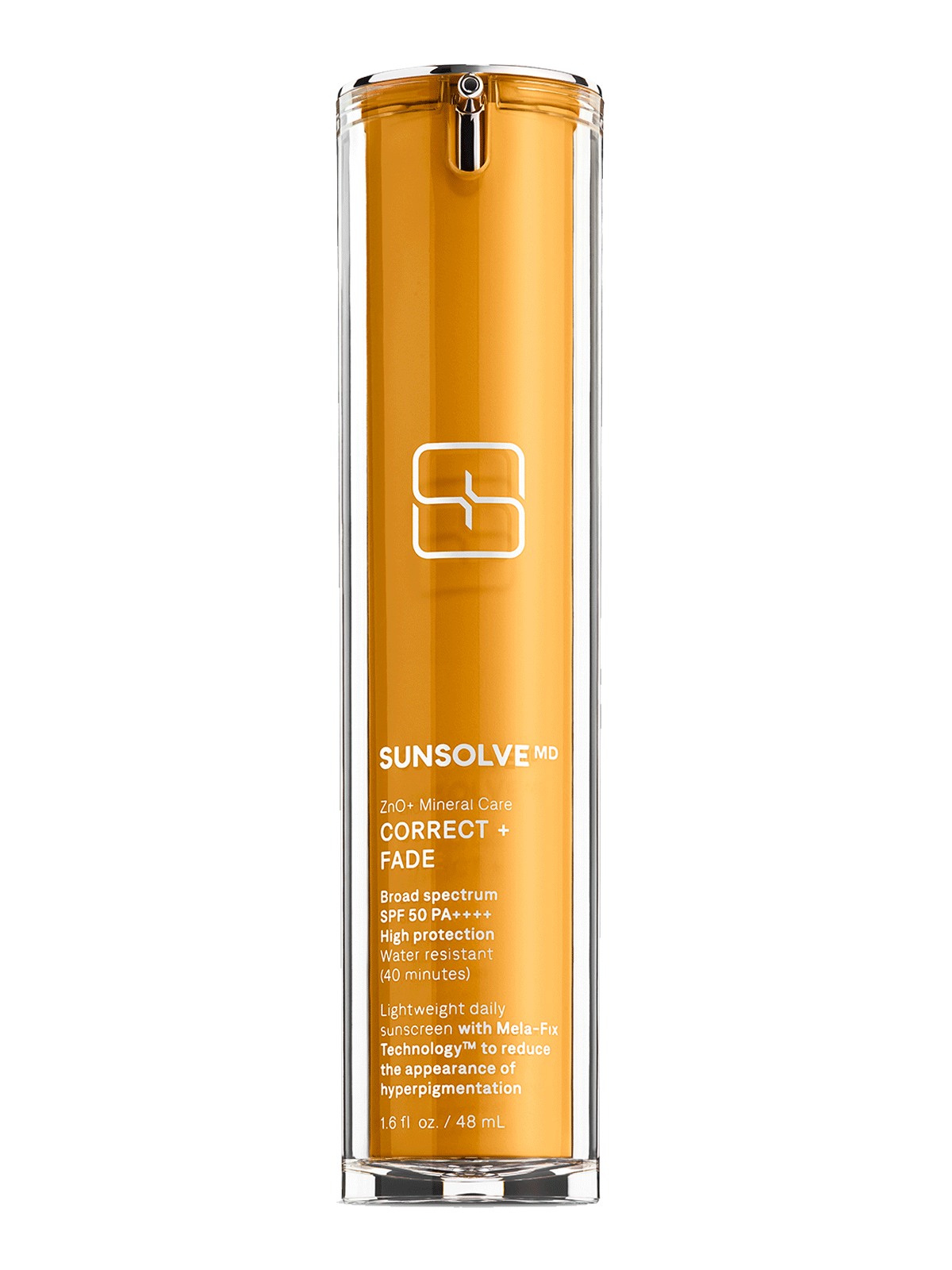
One of the main cosmetic reasons why SPF should be used every day is to block hyperpigmentation. Melanin production is the skin's defensive response to UV exposure, and in skin that's prone to hyperpigmentation, that response is exaggerated, and even low-level daily exposure is enough to trigger it. If you're using brightening actives like vitamin C, niacinamide, or kojic acid and finding they're not delivering results, inconsistent SPF use is almost certainly why.
It Supports The Efficacy Of Your Entire Routine
This point is underappreciated. Retinoids, exfoliating acids, and most prescription actives increase photosensitivity, making the skin more vulnerable to the damage these ingredients are often trying to correct. Using them without daily sun protection is, at best, running in place. At worst, it's actively counterproductive.
It Maintains Skin Barrier Integrity
Repeated UV exposure degrades the skin's lipid barrier, increasing transepidermal water loss and reducing the skin's ability to retain moisture. Daily SPF interrupts that cycle. Skin that's consistently protected tends to be more resilient, less reactive, and better hydrated over time, not because SPF is a moisturiser, but because it's preventing a form of structural damage that undermines everything else.