



Skip to content
Graphic of mineral SPF particles and skin barrier

Join The Solve Society. Designed for members to receive exclusive benefits

Explore benefits

Mar 26, 2026

Why You Should Still Wear Sunscreen Even During Winter

When you think about sunscreen, you’d usually associate it with warmer weather, longer days, and time spent outdoors in the sun. This reinforces the idea that sun protection is only necessary when the sun feels strong, but that’s not entirely true.

UV radiation is present year-round, regardless of the temperature outside. While UVB levels drop during the winter months, UVA remains relatively constant, continuing to penetrate the skin and drive long-term damage.

This means that even on cold, cloudy days, your skin is still exposed to the same underlying processes that contribute to aging, pigmentation, and cellular damage. So, if your goal is to keep your skin healthy over time, you need to protect it year-round, even during the winter.

Why You Should Still Wear Sunscreen Even During Winter

UV Exposure Doesn’t Stop in Winter

There are two main types of ultraviolet radiation that affect the skin: UVA and UVB. UVB is responsible for sunburn and tends to be strongest during the summer. During the winter, UVB levels decrease, which is why burning is less common.

UVA behaves differently. UVA radiation is present at relatively stable levels throughout the year. It penetrates deeper into the skin, reaching the dermis where it contributes to collagen breakdown, elastin degradation, and long-term structural changes.

This is the type of exposure that accumulates over time. It does not require heat, visible sunlight, or prolonged outdoor activity. Daily exposure, even in winter, adds up. To limit cumulative damage, make sure that you follow a consistent SPF routine, even if the sun doesn’t feel intense.

Cloud Cover Doesn’t Block UV Radiation

A common misconception is that overcast days eliminate the need for sunscreen. In reality, clouds only block a portion of UV radiation. Up to 80% of UV rays can still pass through cloud cover. That means your skin is still being exposed, even when the sky appears completely grey.

Because there is no visible or sensory cue, like warmth or brightness, it’s easy to underestimate how much exposure is taking place. Wearing sunscreen daily removes that guesswork. It ensures your skin is protected regardless of how the weather looks.

Snow and Surfaces Reflect UV

Winter introduces another factor that increases exposure: reflection. Snow can reflect up to 80% of UV radiation, effectively doubling your exposure when you’re outdoors. This is particularly relevant in environments like ski resorts or mountainous areas, where both altitude and reflection amplify UV intensity.

Even in urban settings, reflective surfaces such as glass and concrete contribute to indirect exposure. This means that winter conditions not only don’t eliminate UV risk, but in some cases, they increase it.

UVA Penetrates Through Windows

Spending more time indoors during the winter doesn’t remove the need for sunscreen. UVA radiation can pass through glass, including car windows and office windows. If you spend time near a window, whether working, commuting, or relaxing at home, your skin is still exposed.

This type of exposure is often overlooked because it happens gradually and without immediate visible effects. Using SPF daily will ensure that this background exposure doesn’t accumulate and damage your skin over time.

Skin Damage Still Occurs Without Sunburn

Many people use sunburn as a signal that their skin has been damaged. In winter, because sunburn is less common, it creates the impression that protection isn’t necessary. However, the absence of sunburn doesn’t automatically result in the absence of damage. UVA-driven damage occurs beneath the surface and includes:

  • Collagen degradation
  • Pigmentation changes
  • DNA damage

These processes contribute not only to visible aging but also to more serious outcomes, including the types of skin cancer linked to UV exposure. Because this damage is cumulative, small, repeated exposures over time can have a significant impact.

Winter Conditions Can Increase Skin Sensitivity

Cold weather, low humidity, and indoor heating can compromise the skin barrier. And when the barrier of your skin is weakened, the skin becomes more sensitive, more prone to dryness, and less resilient to environmental stressors. This makes protection even more important.

If you are using exfoliating acids or retinoids during winter, the need for daily SPF becomes even more critical. These ingredients increase photosensitivity, leaving the skin more vulnerable to UV-related damage.

Consistency Is What Protects Your Skin Long-Term

The most important factor in sun protection is not intensity, it's consistency. Applying sunscreen only during summer or on visibly sunny days creates gaps in protection. Those gaps allow cumulative damage to build over time.

Using SPF daily, regardless of season, will ensure that your skin is protected against both direct and indirect exposure. This is particularly important for maintaining an even skin tone, collagen integrity, and overall skin resilience.

Consistency is what separates short-term protection from long-term skin health.

What Makes SunsolveMD Different

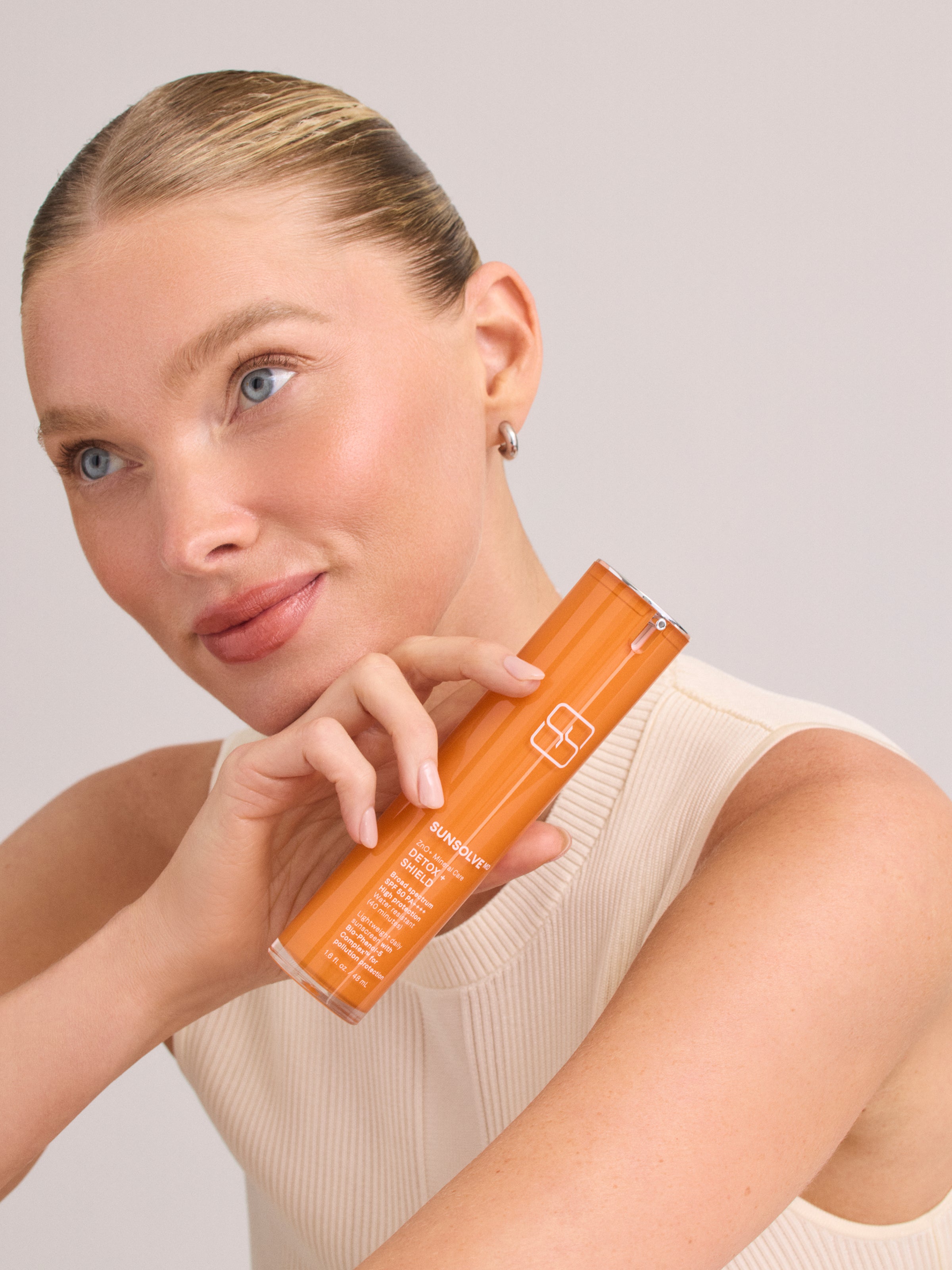
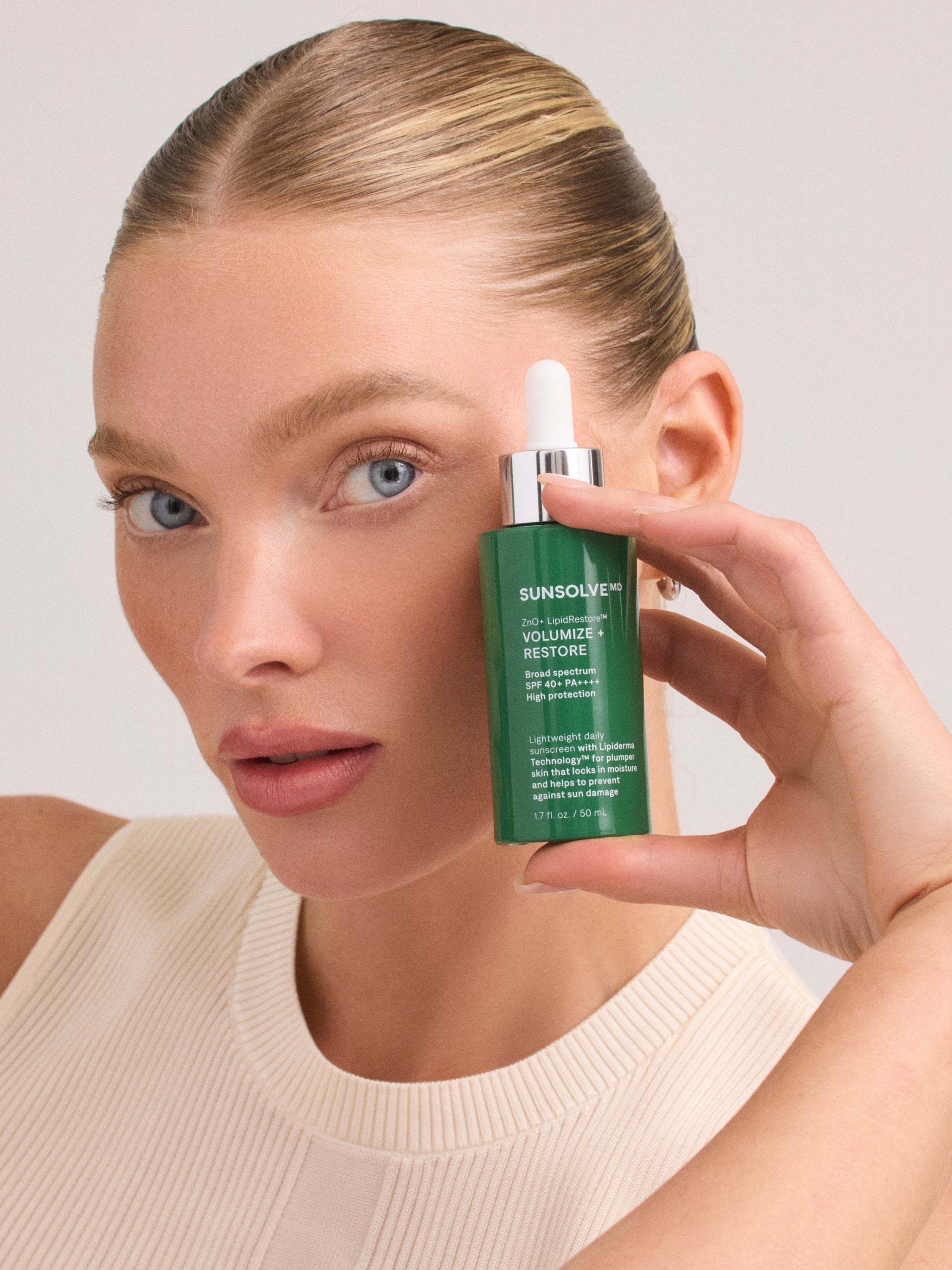
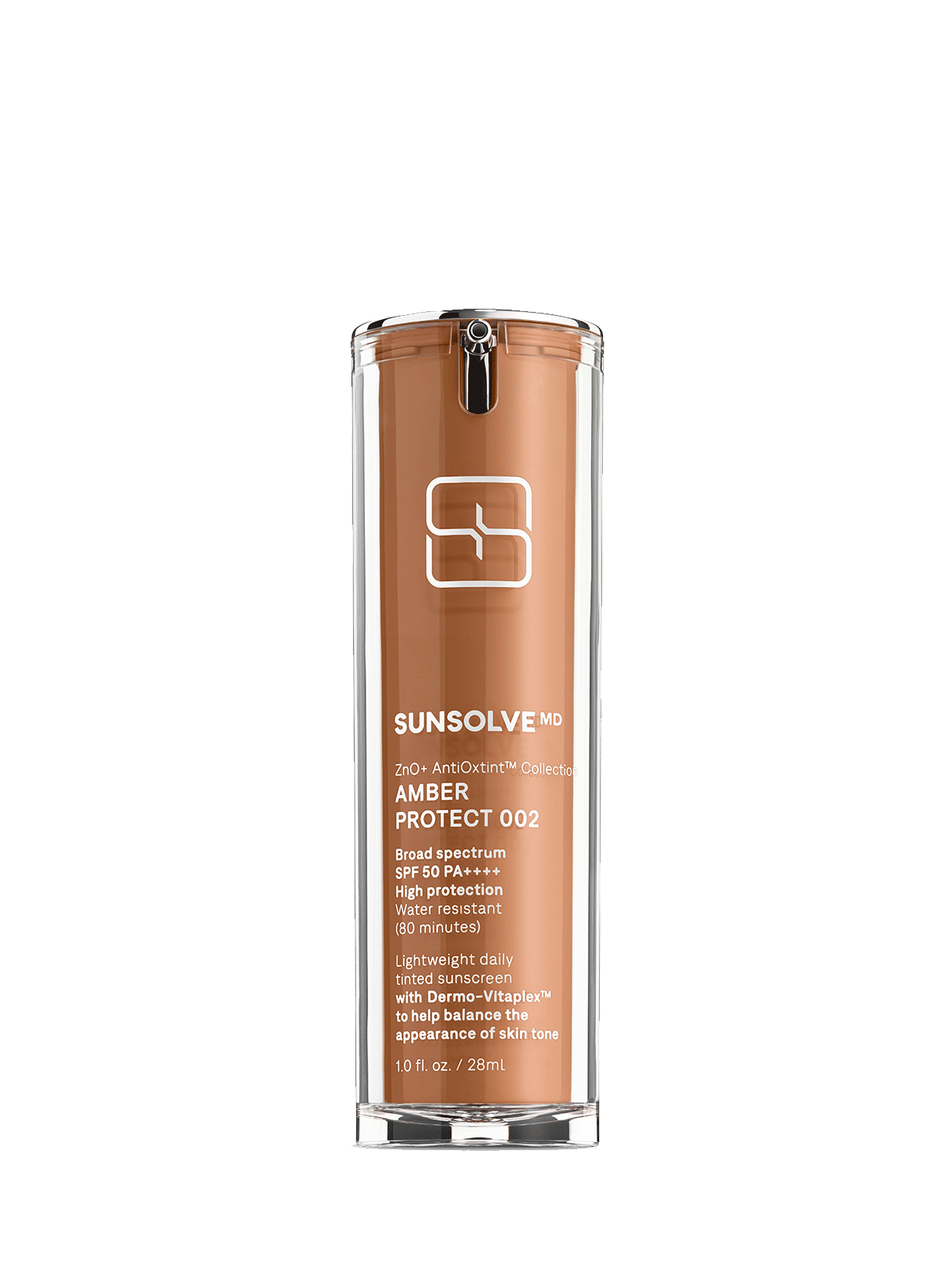
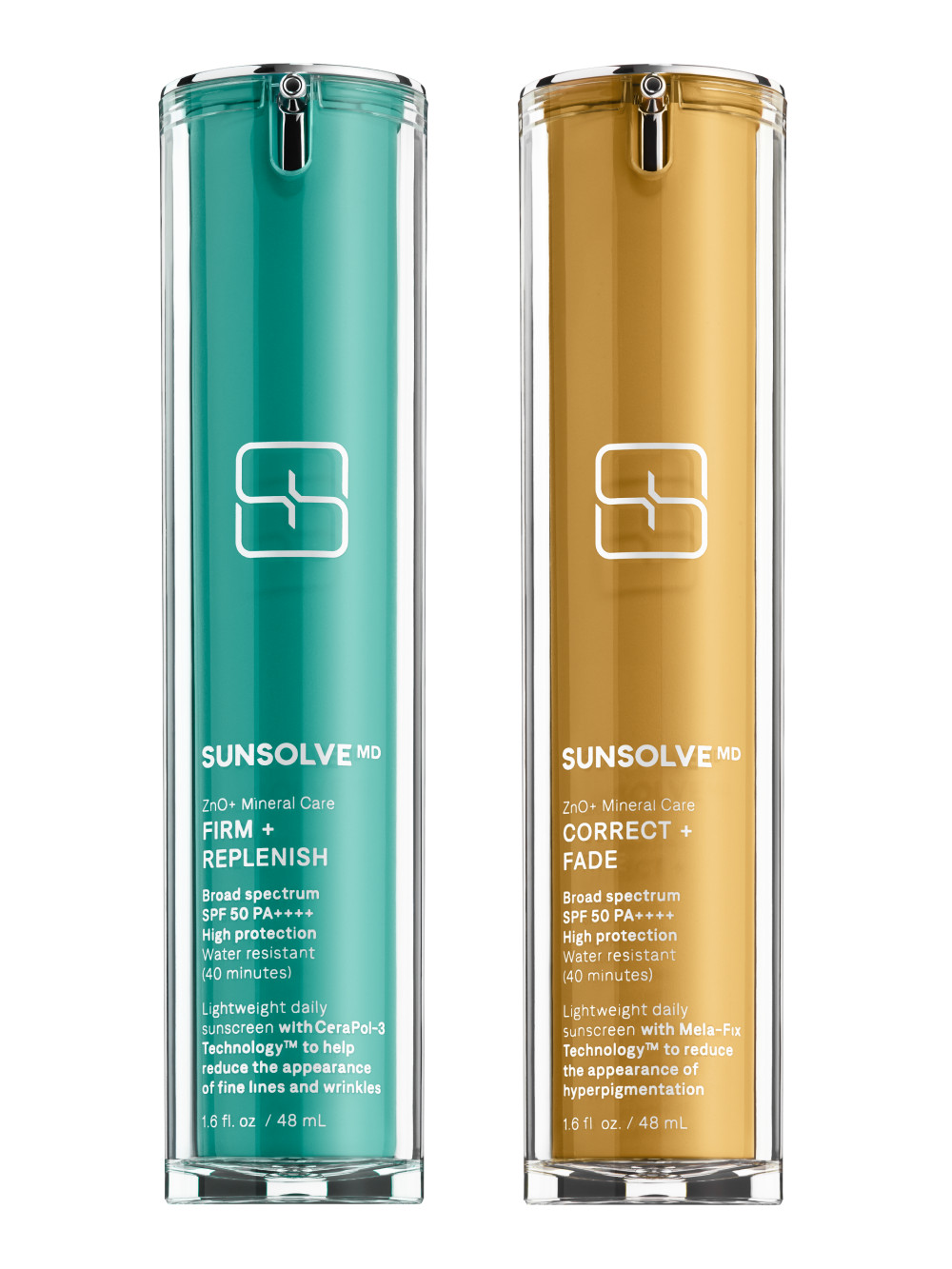
Winter sun protection should feel just as wearable as any other step in your routine. That’s why our skin-safe zinc SPF solutions are built around consistency and convenience. We use high-concentration non-nano zinc oxide to provide stable, broad-spectrum protection that performs reliably in all conditions, without degradation under UV exposure.

Our formulations are designed to sit comfortably on the skin, integrate seamlessly into daily routines, and support the skin’s natural repair processes alongside protection. This makes it easier to maintain year-round SPF use without adding complexity or discomfort.

Frequently Asked Questions

Do you really need sunscreen in winter?

Yes, you do. UVA radiation remains present year-round and continues to cause skin damage even when temperatures are low, and sunlight feels weaker. Daily sunscreen use will help you prevent cumulative damage that builds over time.

Is sunscreen necessary on cloudy winter days?

Yes, it is. A significant percentage of UV radiation can pass through clouds, meaning your skin is still exposed even when the sun isn’t visible. Wearing SPF daily removes uncertainty and ensures consistent protection.

Can you get sun damage indoors during winter?

Yes, you can. Even if you spend a significant amount of time indoors throughout the winter, UVA rays can penetrate through the windows of your home, office, or car, and damage your skin.

What SPF should you use in winter?

A broad-spectrum SPF of at least 30 is generally recommended for daily use. The key factor is consistent application rather than increasing SPF only during certain seasons.

Does cold weather reduce the risk of skin cancer?

No. Skin cancer risk is linked to cumulative UV exposure over time, not temperature. Even lower levels of exposure during winter can contribute to your overall risk if protection is not used consistently.

Trending Topics

Stay Trendy with Our Latest Insights

Why SPF Is Non-Negotiable for Every Skin Type

Once thought of as a concern almost exclusive to older generations, those with fair skin, or anyone who religiously (over) uses sunbeds, skin cancer is now on the rise across all demographics. Desp...

Sunscreen and Acne Treatments -  What You Need To Know
Sunscreen and Acne Treatments - What You Need To Know

If you’re undergoing professional or medical treatments for acne or acne scars, such as chemical peels, microneedling, laser therapy, or prescription medications, sun protection becomes essential. ...

Ways To Reduce Your Carbon Footprint With SPF

Decoding SPF and your carbon footprint. How to make more discerning choices with mineral sunscreens that not only safeguard your skin but are sustainably savvy.

Rosacea & SPF: How To Choose The Right Sunscreen

Rosacea is a common skin condition characterized by facial redness and inflammation. Follow this guide to choose the right sunscreen if you have rosacea.

A Dermatologists’ Guide To Photodamage And Dark Skin

Dermatologists weigh in on photodamage and dark skin (and how SPF is here to help). Read more.

Going to the Beach With Psoriasis: Risks and Benefits

Psoriasis is an immune-mediated disease. This is your scientific guide to safely treating psoriasis with natural sunlight.