

Skip to content
Graphic of mineral SPF particles and skin barrier

Join The Solve Society. Designed for members to receive exclusive benefits

Explore benefits

Apr 1, 2026

Why Dermatologists Recommend Mineral Sunscreen After Chemical Peels

A chemical peel does its job by causing controlled injury. The acids strip away the compromised upper layers of the skin and trigger the regenerative response underneath, which is precisely why people walk out of the clinic with brighter, more even, more refined-looking skin a week or two later. It is also precisely why what you put on your face in the days that follow matters more than usual. The new layer surfacing is unfinished. It is reactive, photosensitive, and easily disrupted, and the wrong sunscreen can undo a procedure you paid good money for.

How to protect your skin after professional skin treatments, however, tends to be the part of the conversation that gets glossed over. Dermatologists will tell you to wear SPF, but the formulation matters as much as the act itself. Almost universally, the recommendation post-peel is mineral, and there are specific reasons for that.

Why Dermatologists Recommend Mineral Sunscreen After Chemical Peels

Why Post-Peel Skin Is Different

When the stratum corneum has been deliberately exfoliated, the skin's natural defences are temporarily diminished. The barrier is thinner. Melanocytes, the pigment-producing cells, are more reactive than usual and quicker to overproduce in response to UV exposure. This is the precise mechanism behind post-inflammatory hyperpigmentation, which is the single most common complication patients deal with after a peel and the one most likely to undermine the result.

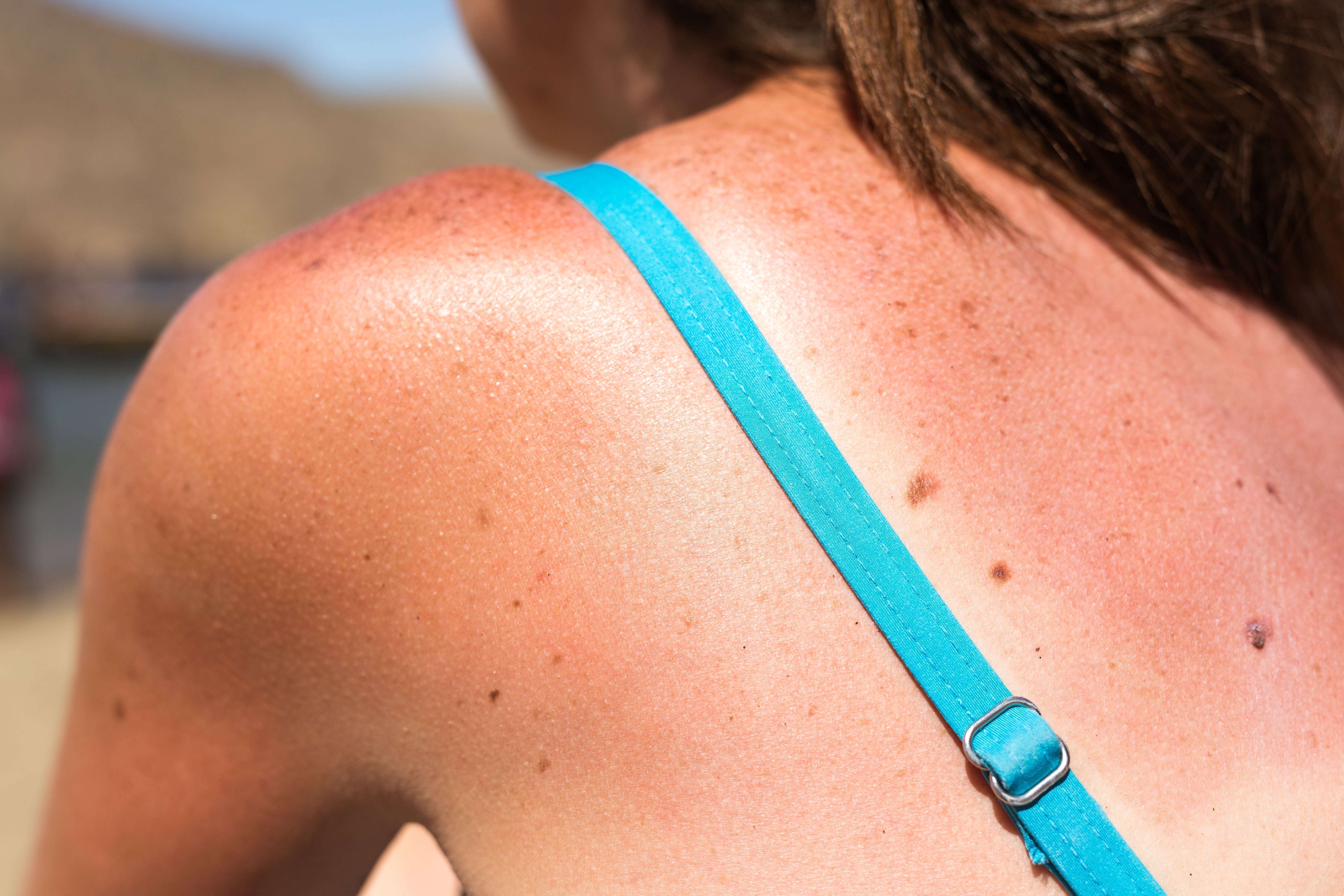
UV exposure on freshly resurfaced skin doesn't just risk sunburn. It risks darkening exactly the areas you were trying to clear, and it can do so within minutes of unprotected exposure. The healing window varies depending on peel depth, but the photosensitivity tends to outlast the visible peeling by several weeks.

Why Mineral Specifically

Mineral sunscreens, sometimes called physical or inorganic, work differently from chemical filters. The active ingredients (zinc oxide and titanium dioxide) sit on the surface of the skin and form a barrier that reflects and scatters UV radiation. Chemical filters, by contrast, absorb into the skin and convert UV energy into heat that dissipates from the surface.

That distinction matters considerably on compromised skin. The absorption mechanism that makes chemical filters elegant under normal circumstances becomes a liability post-peel. Active ingredients penetrate more readily through a disrupted barrier, increasing the likelihood of stinging, redness, or a full reactive episode. The conversion of UV to heat is also unhelpful for skin that is already inflamed and trying to cool down.

Zinc oxide in particular has a useful secondary property here: it has been studied for mild anti-inflammatory and skin-soothing effects, which is why it has been used in nappy rash creams and post-procedure ointments for decades. It is one of the few sunscreen actives that genuinely tolerates being applied to skin in active recovery.

What Dermatologists Look For In A Post-Peel SPF

The shortlist is fairly consistent across clinical guidance. Mineral filters, broad-spectrum protection covering both UVA and UVB, fragrance-free, free of common sensitisers like alcohol denat and essential oils, and ideally formulated with supportive ingredients that don't disrupt the wound-healing process. SPF 30 is generally considered the floor; many practitioners specify 50 for the first fortnight after a medium-depth peel.

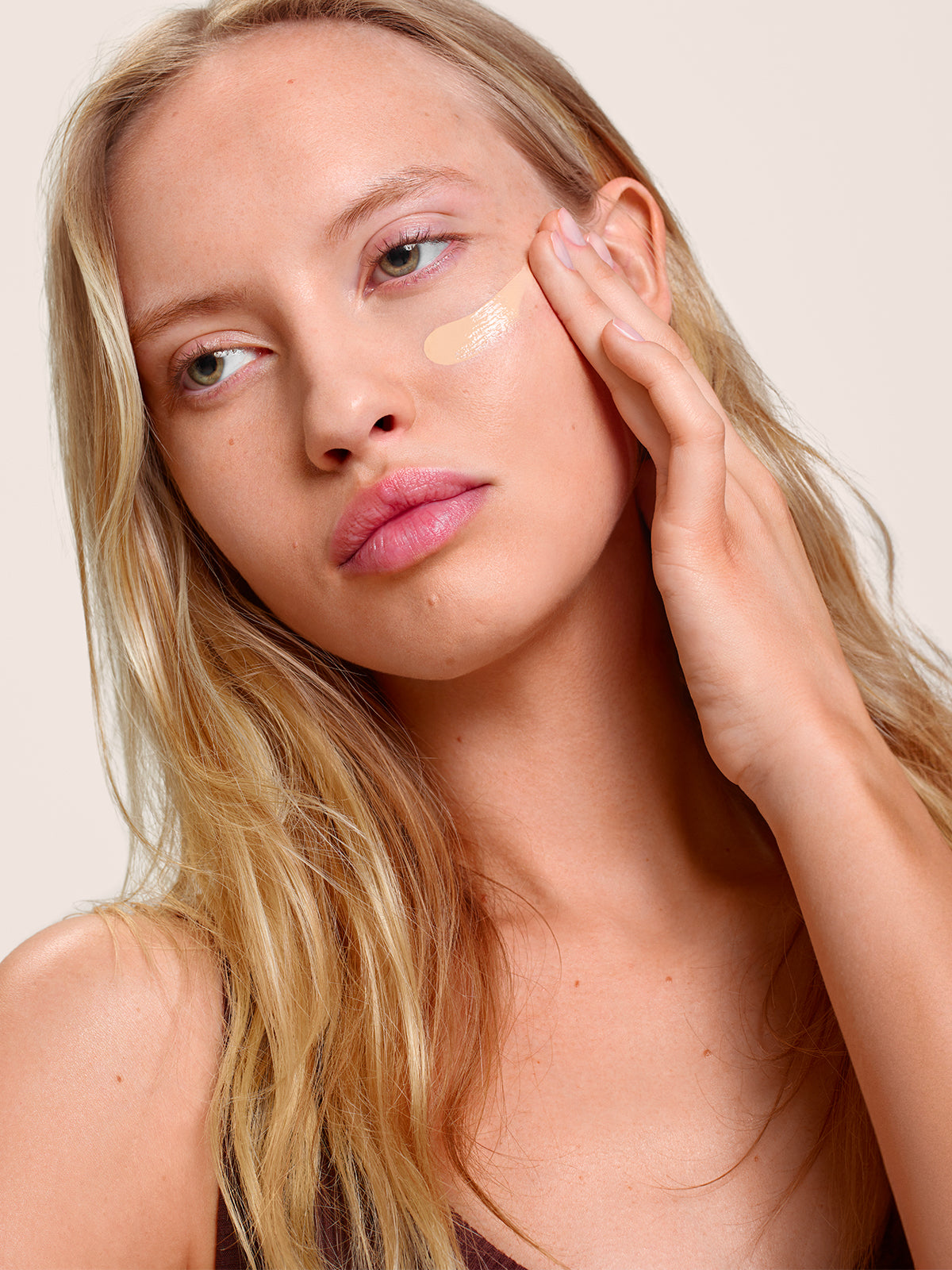
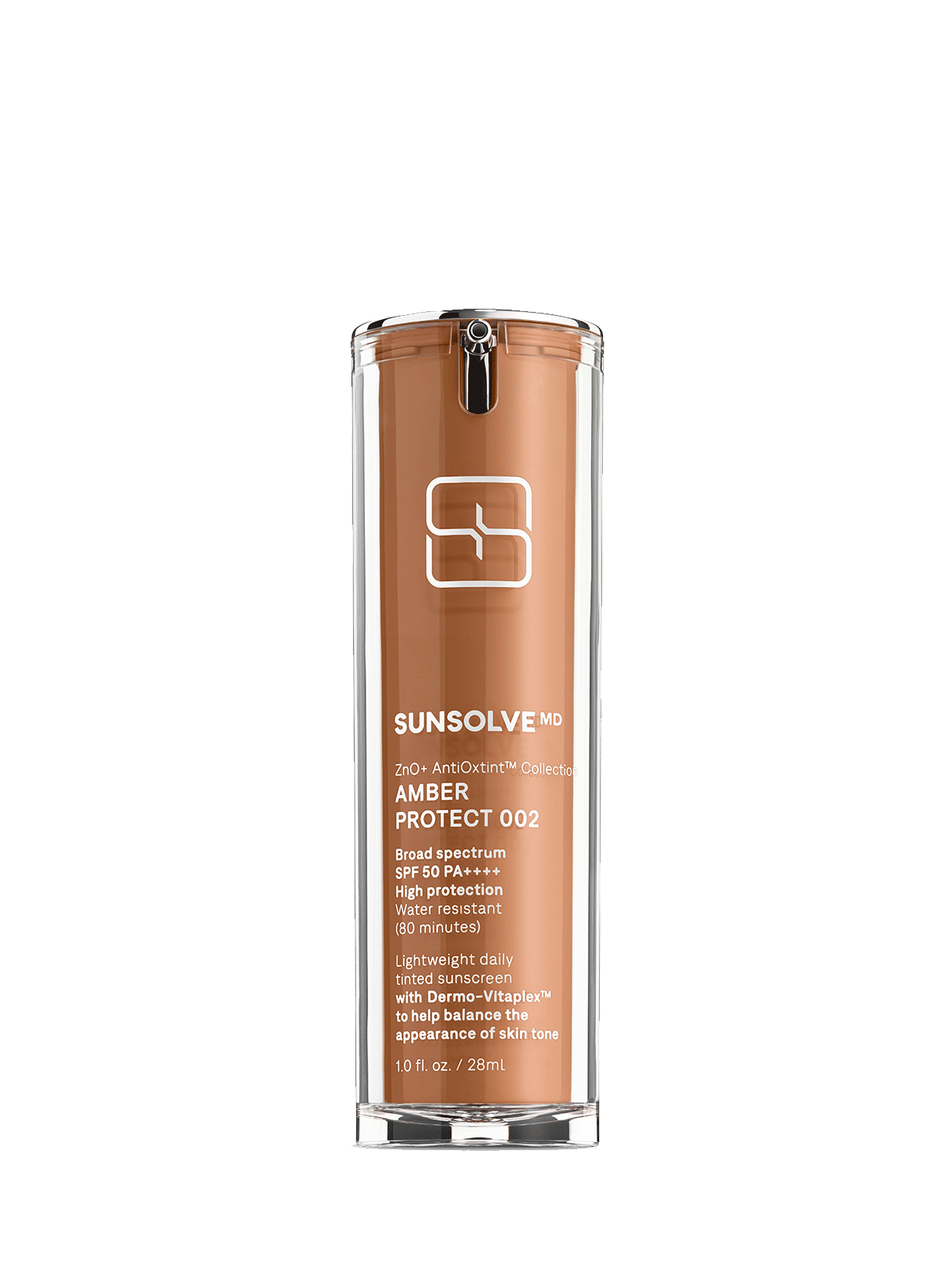
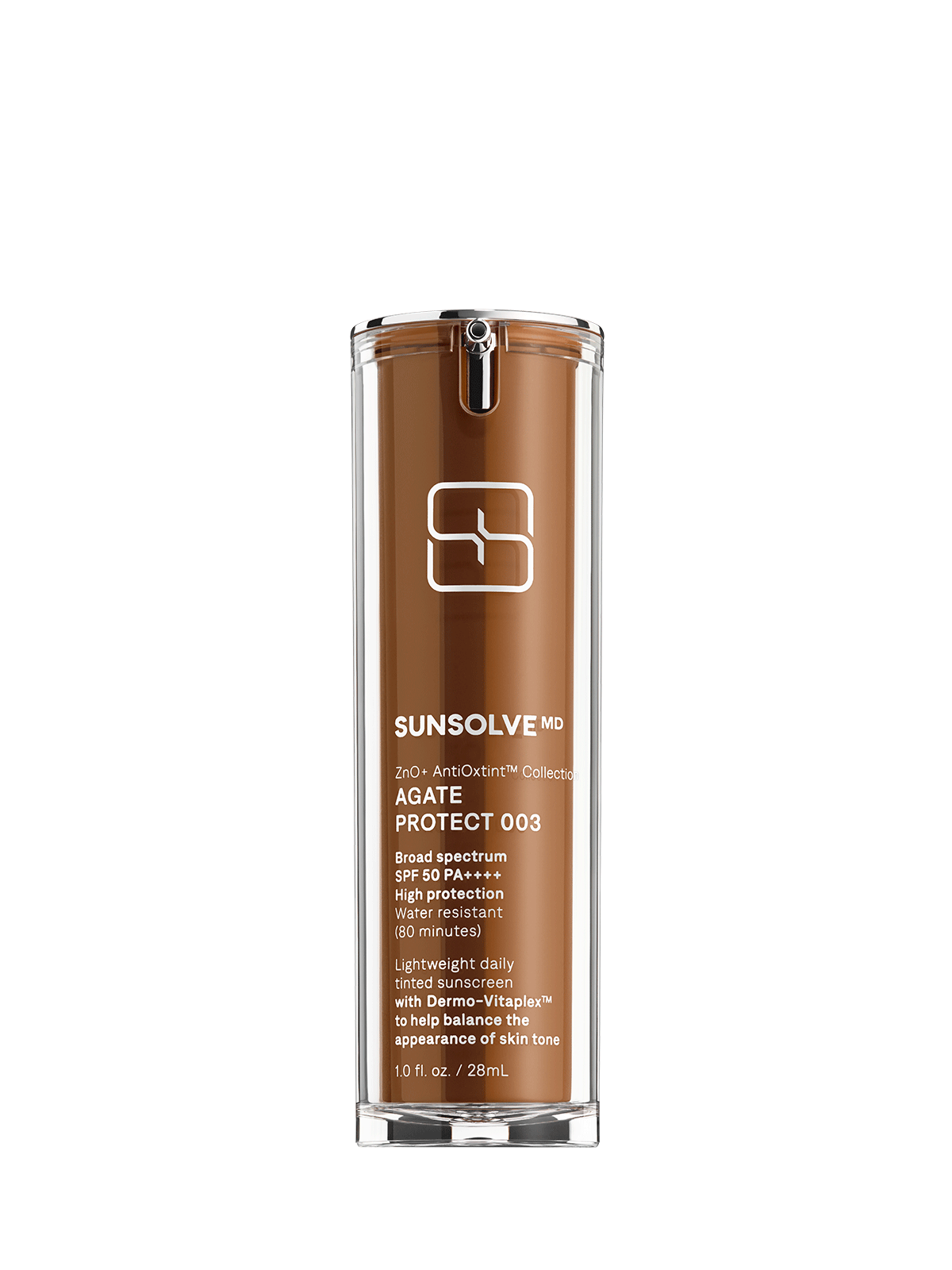
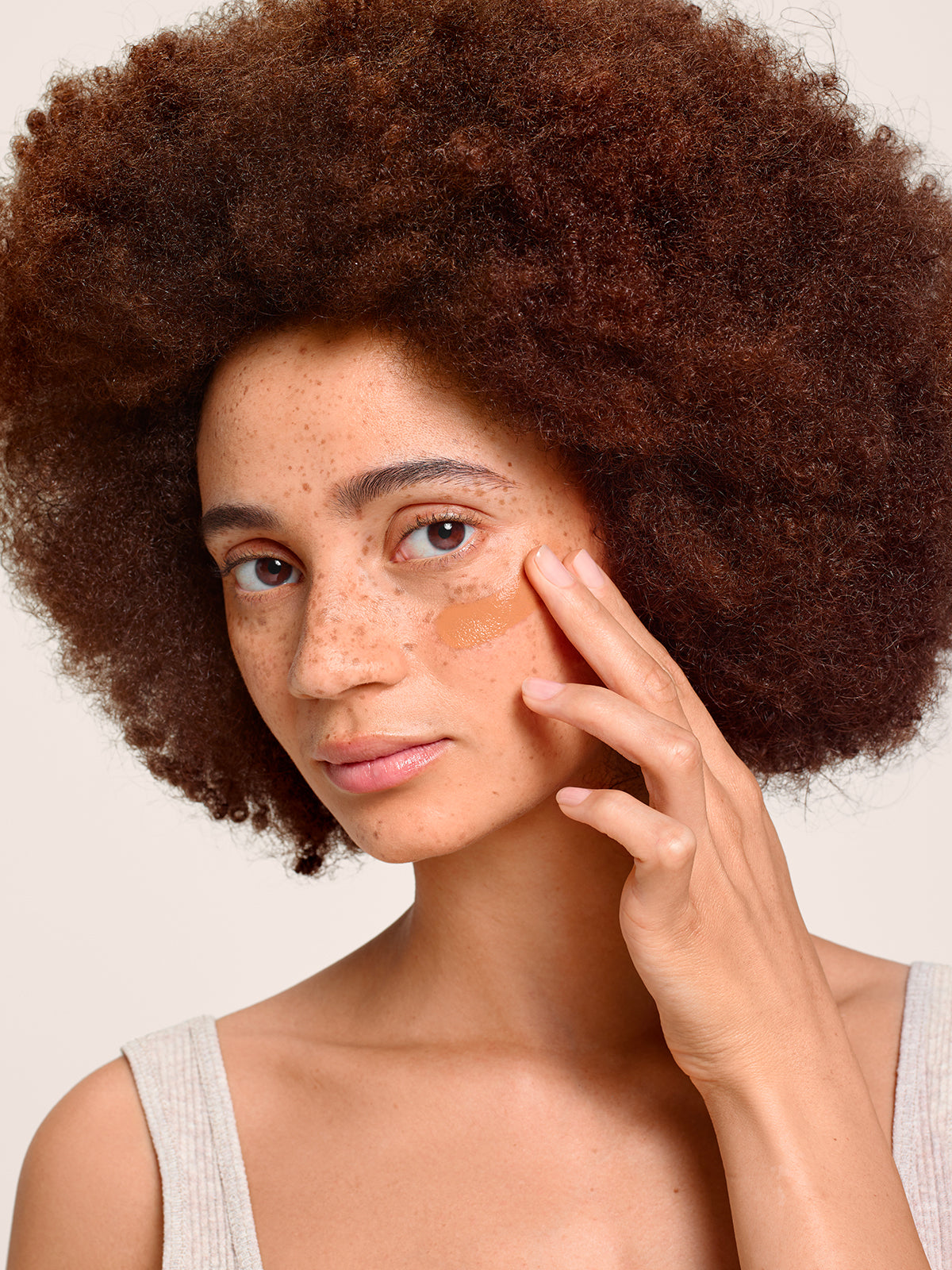
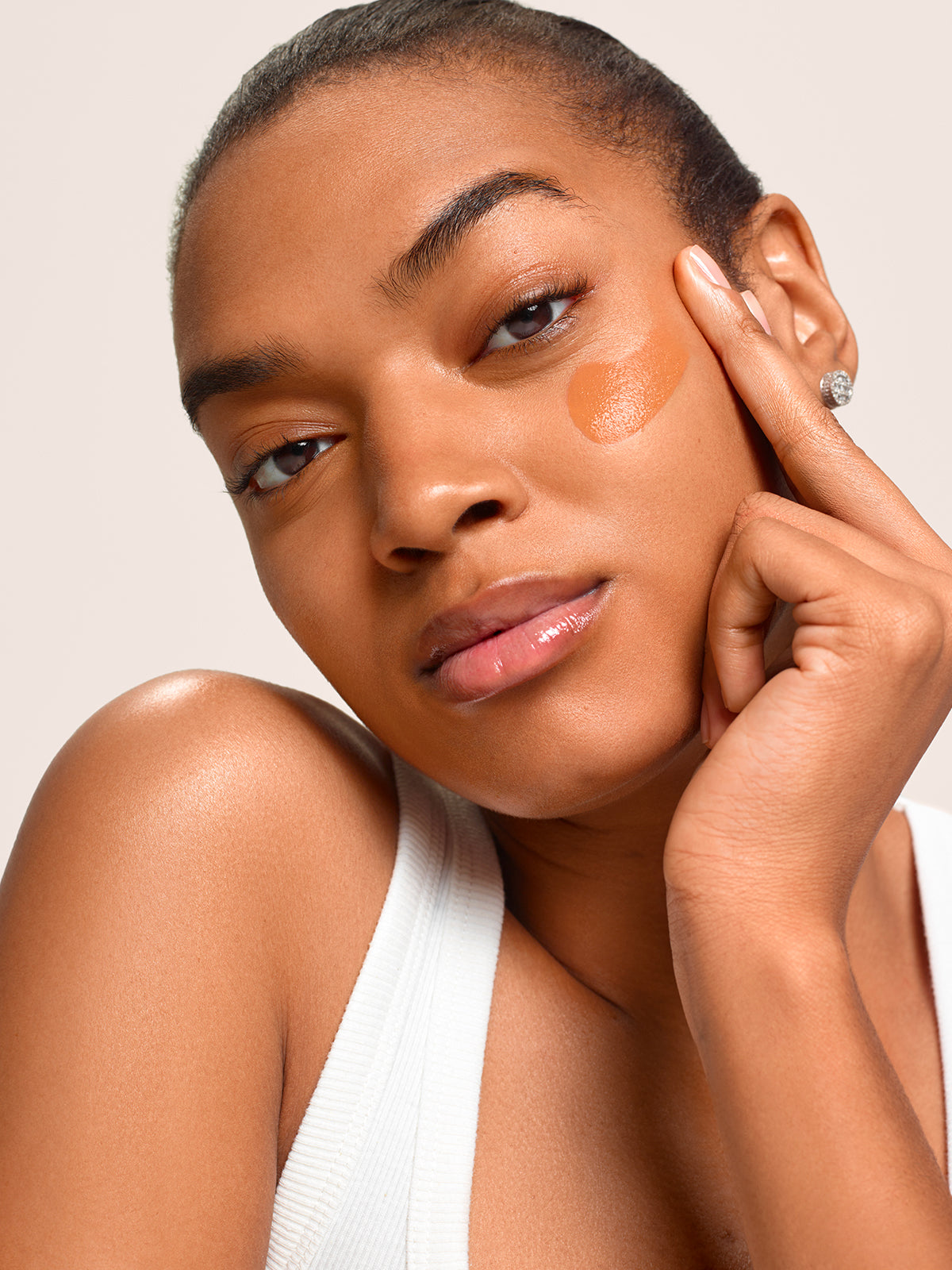
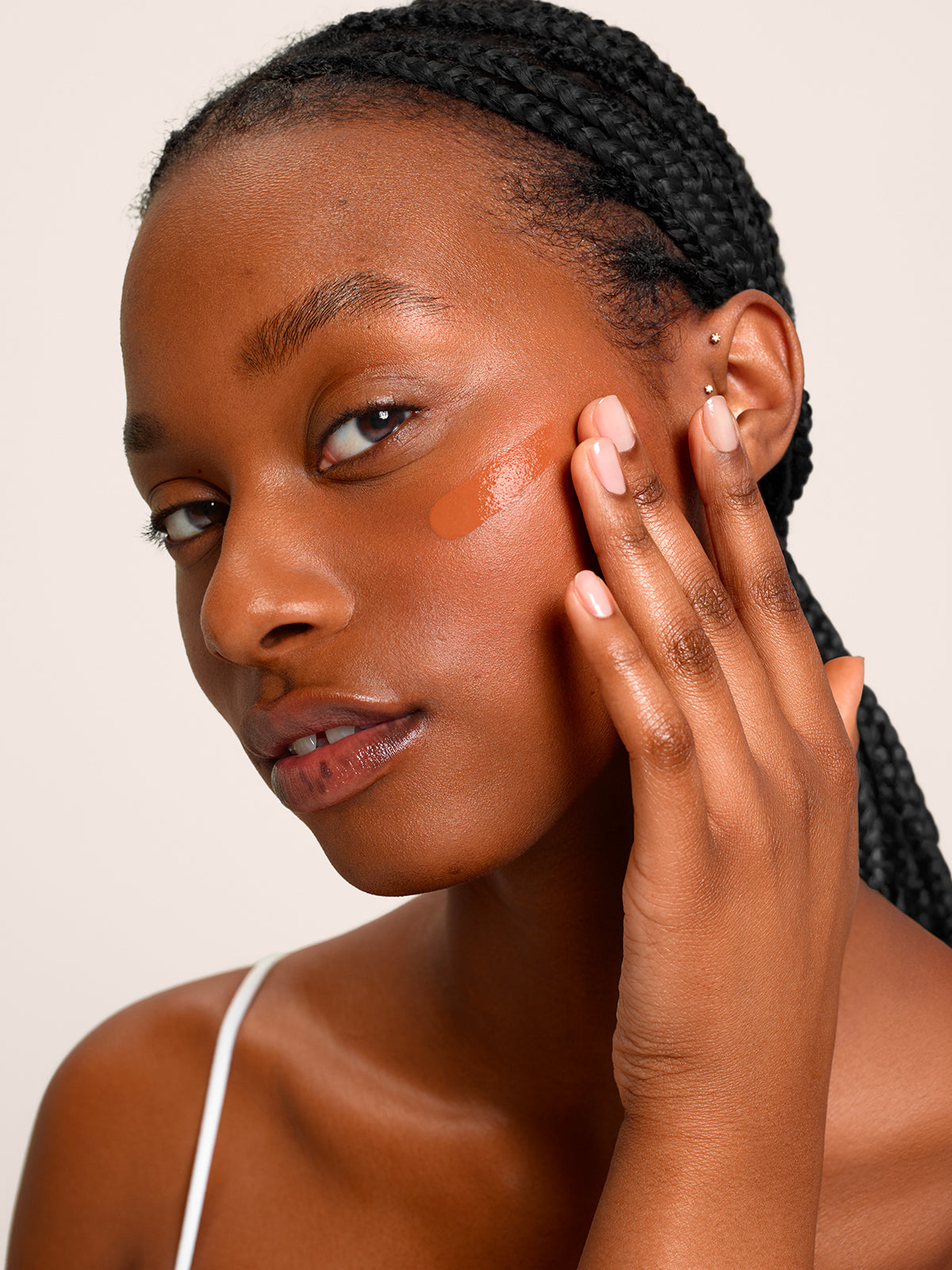
Tinted mineral options are often preferred in the immediate aftermath, partly because they help camouflage post-peel redness, and partly because the iron oxides used to create the tint provide additional protection against visible light, which is increasingly understood as a contributor to pigmentation, particularly in deeper skin tones.

What To Avoid After a Chemical Peel

The list of things to keep away from freshly peeled skin is longer than the list of things to apply. Chemical UV filters such as oxybenzone, octinoxate, and avobenzone tend to top the avoid-list because of their absorption profile and irritation potential on compromised skin. Alcohol-based formulations are similarly best skipped, as are anything with added fragrance, essential oils, or strong actives like vitamin C, retinoids, and AHAs in the same routine until the barrier has fully recovered.

Spray and powder formats are convenient but tricky after a peel. Even application is harder to verify, and the propellants in aerosolised products can be drying. Cream and lotion formats give you the consistent, generous coverage that post-peel skin needs.

Science-Led Sunscreen By SunsolveMD

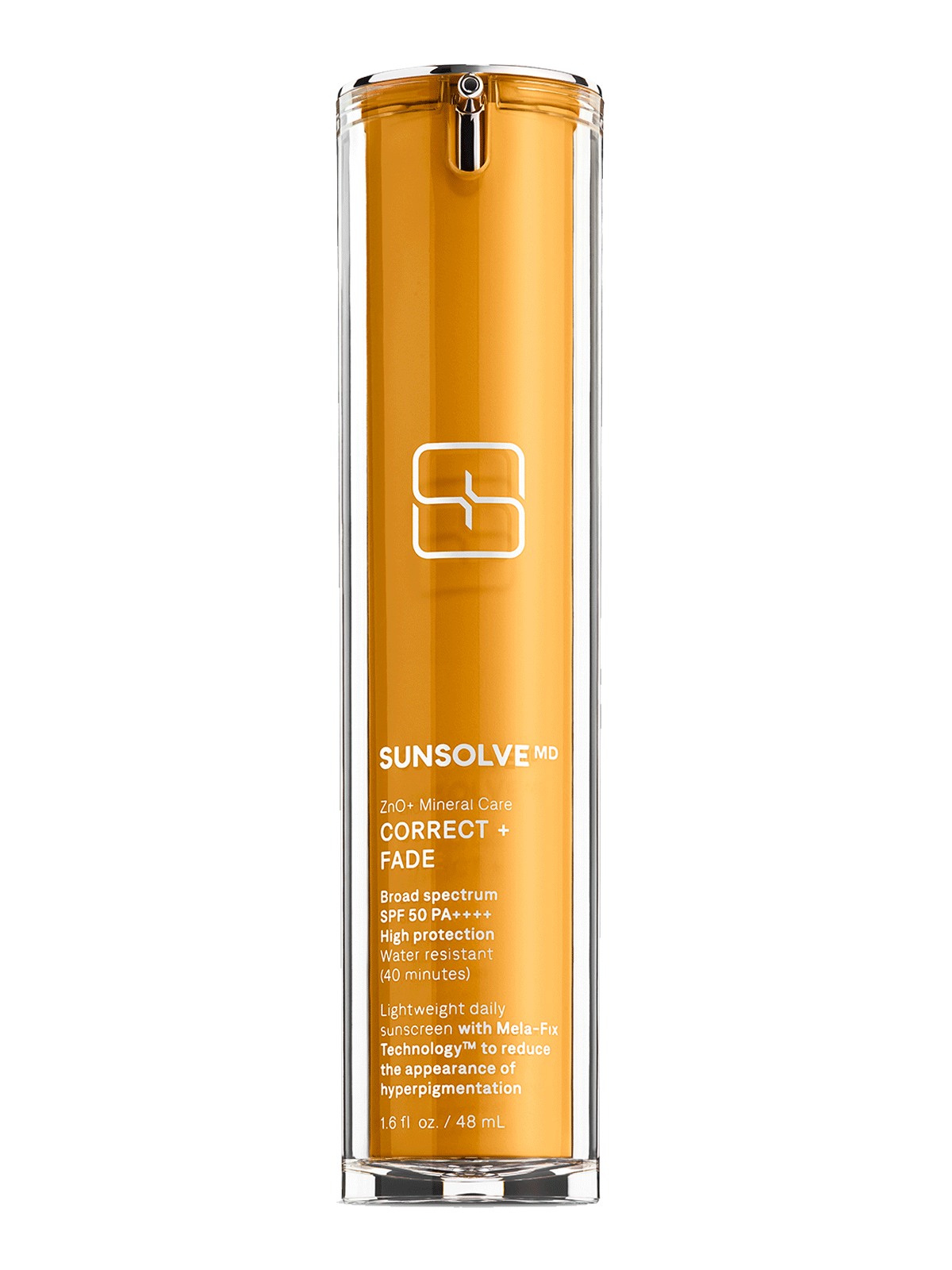
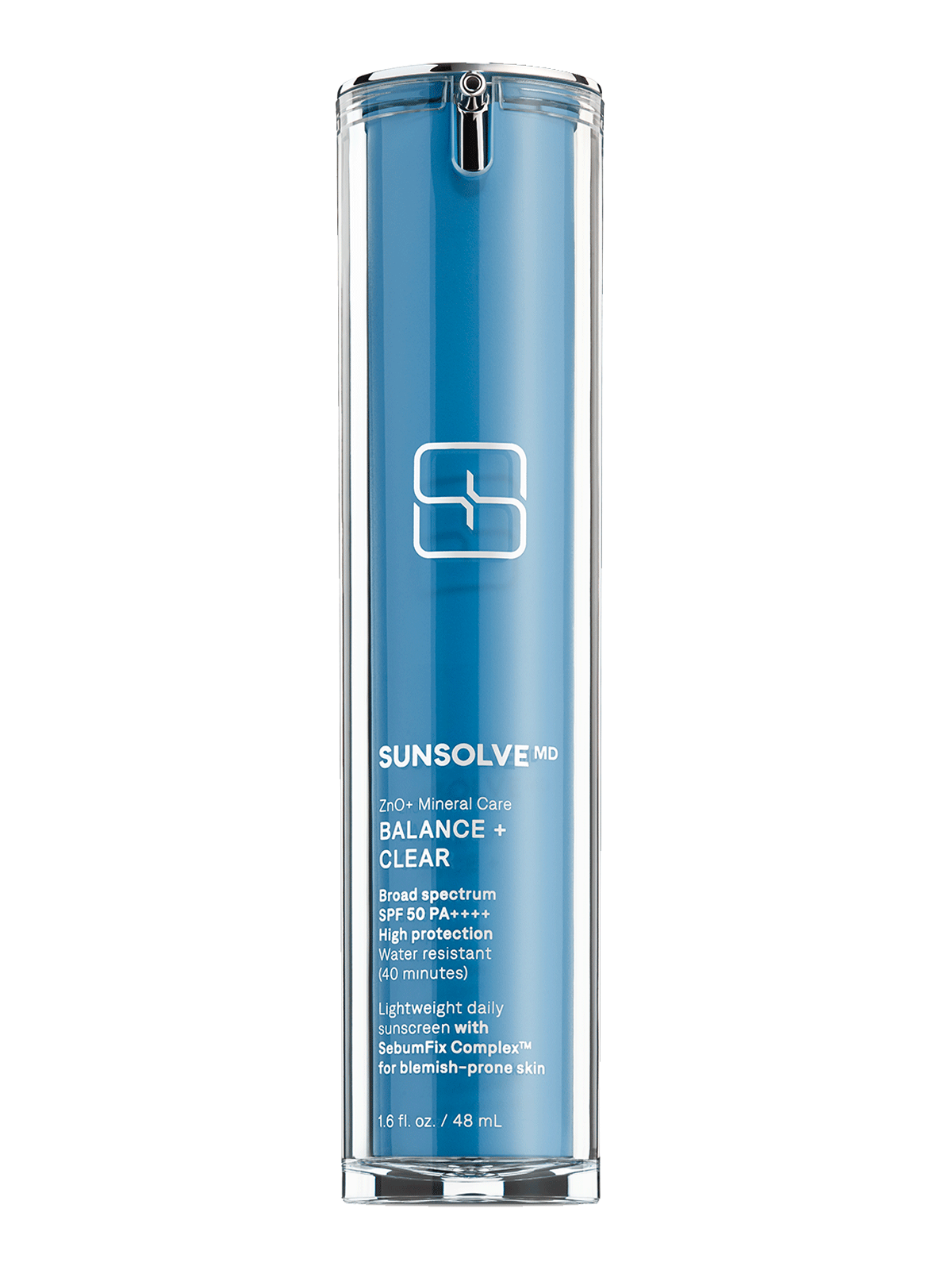
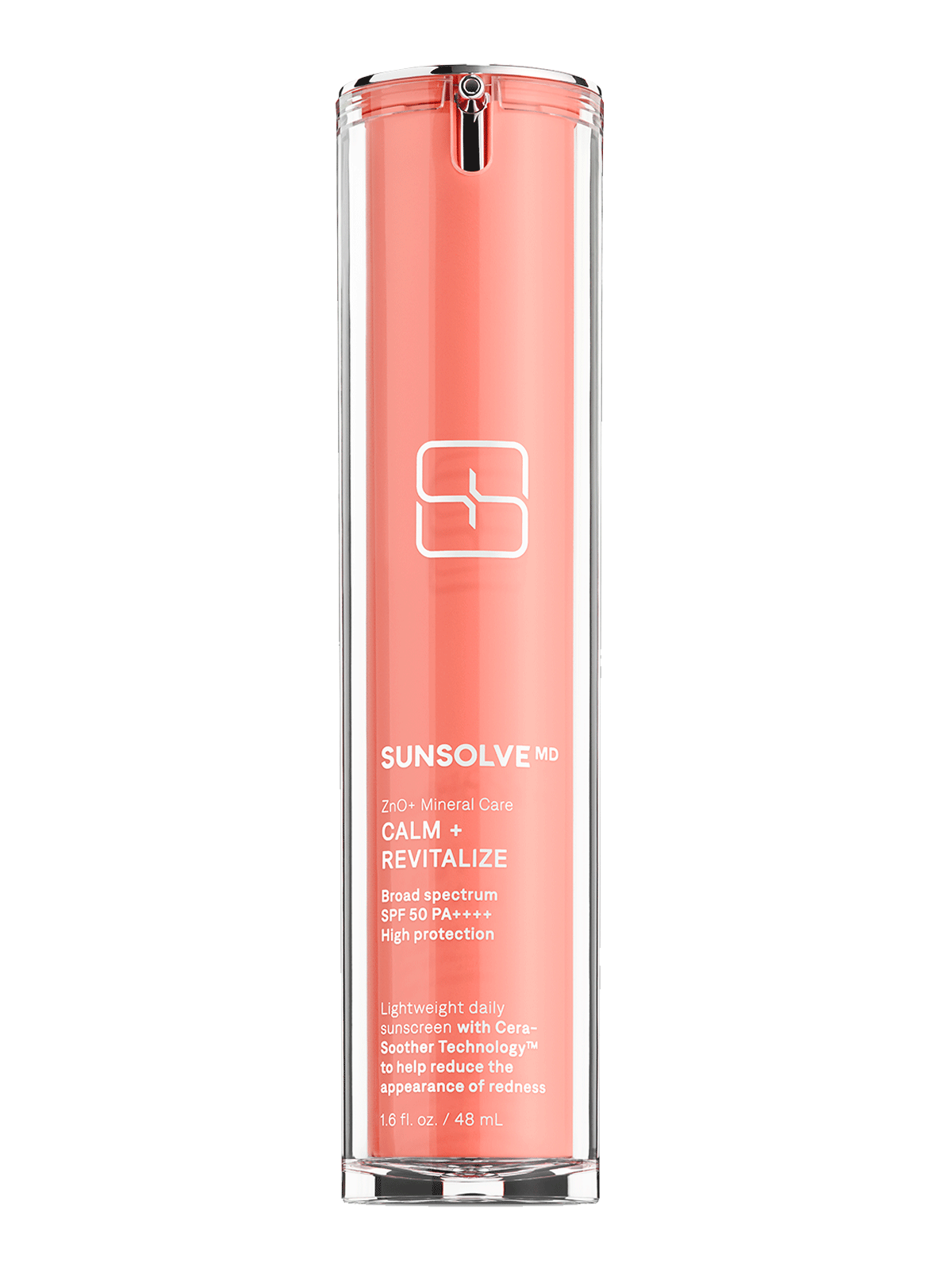
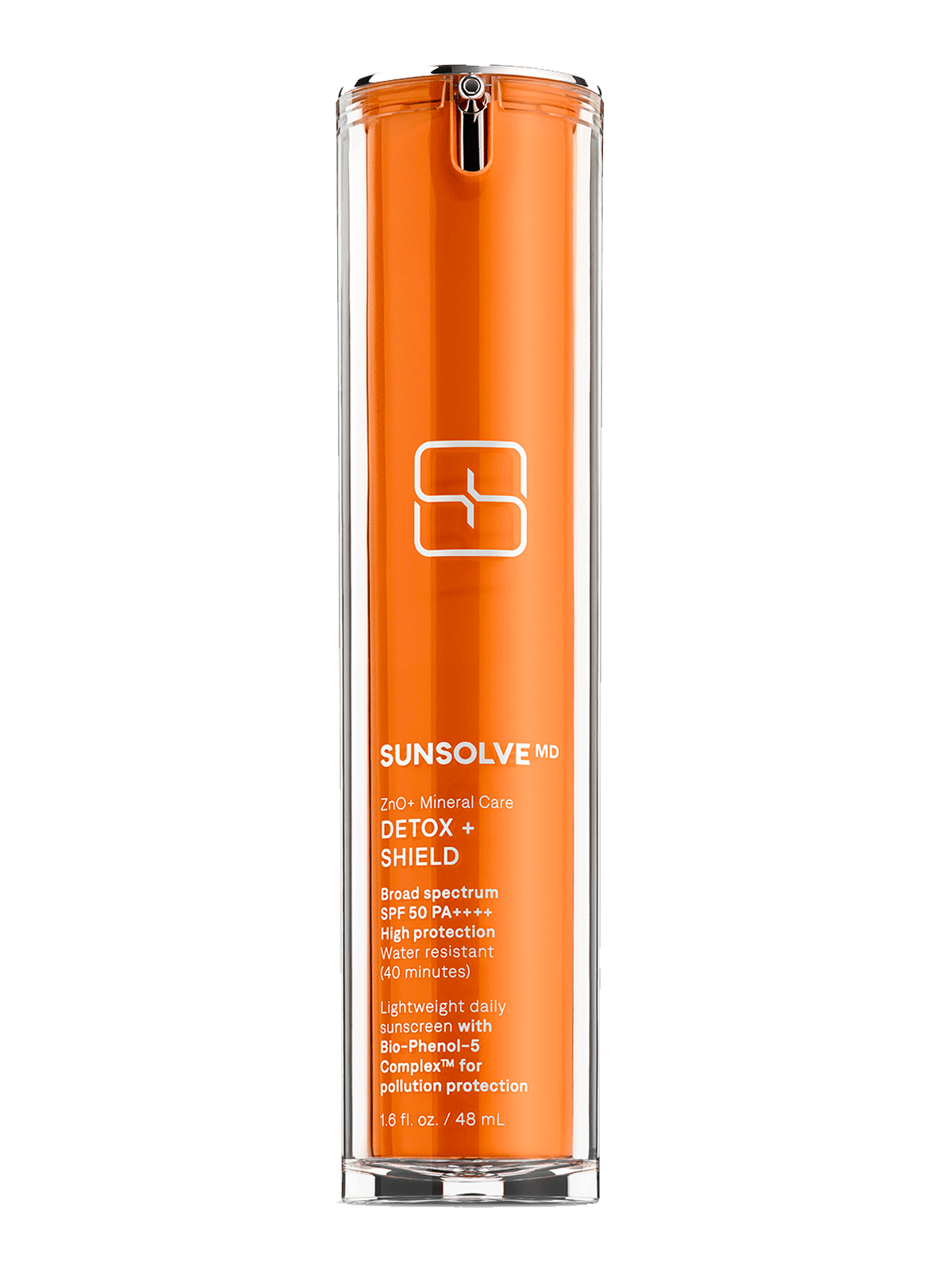
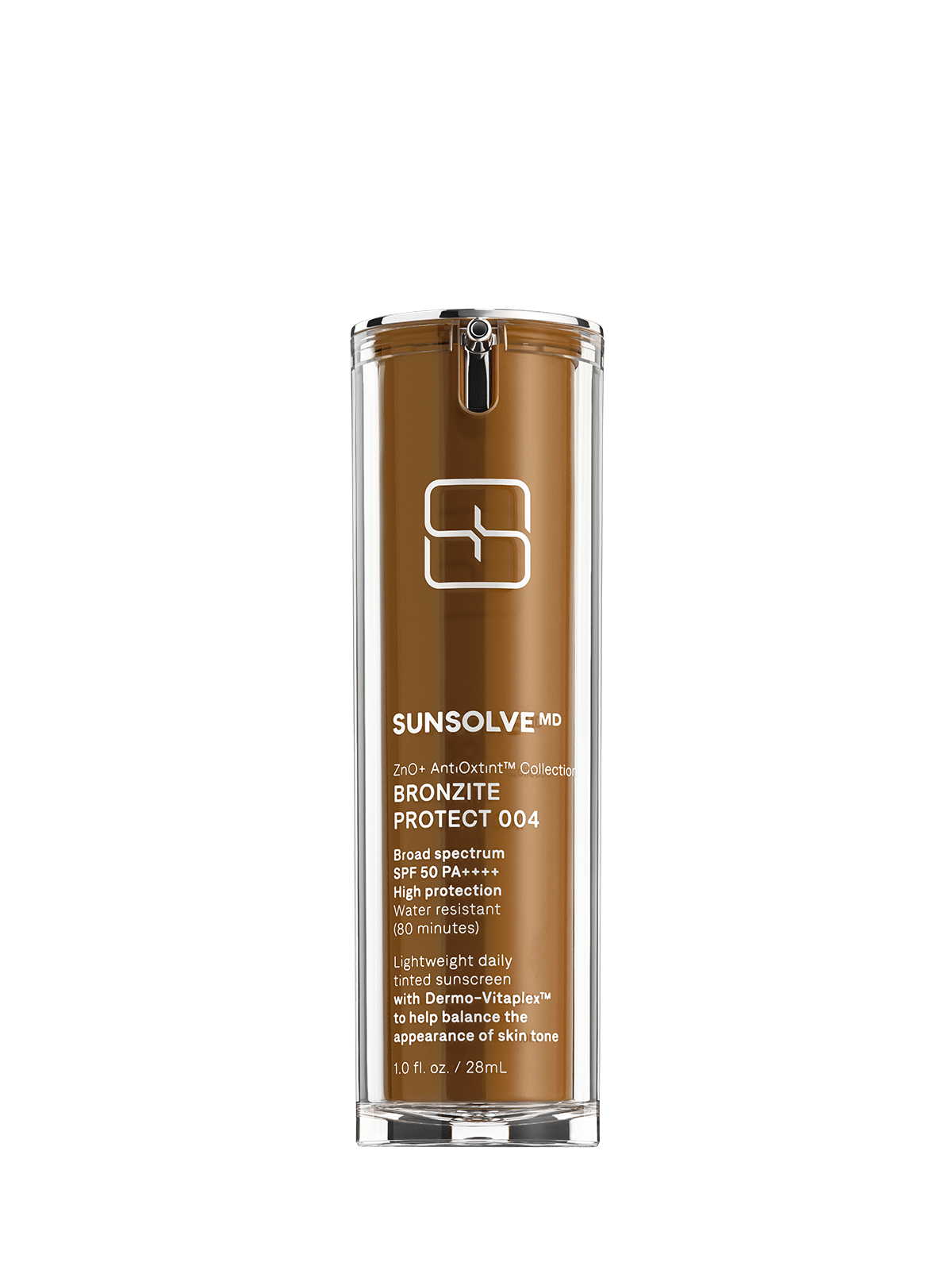
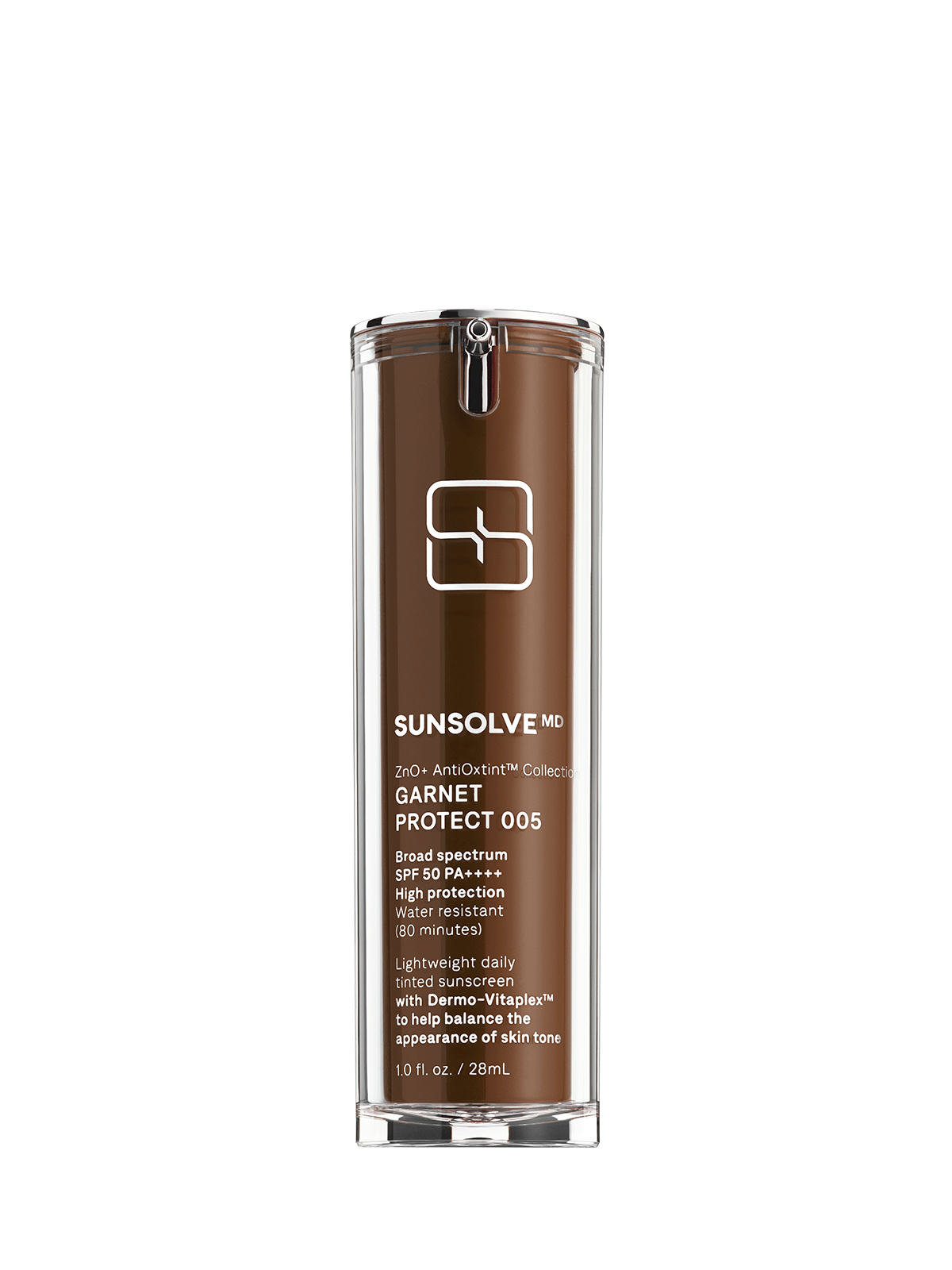
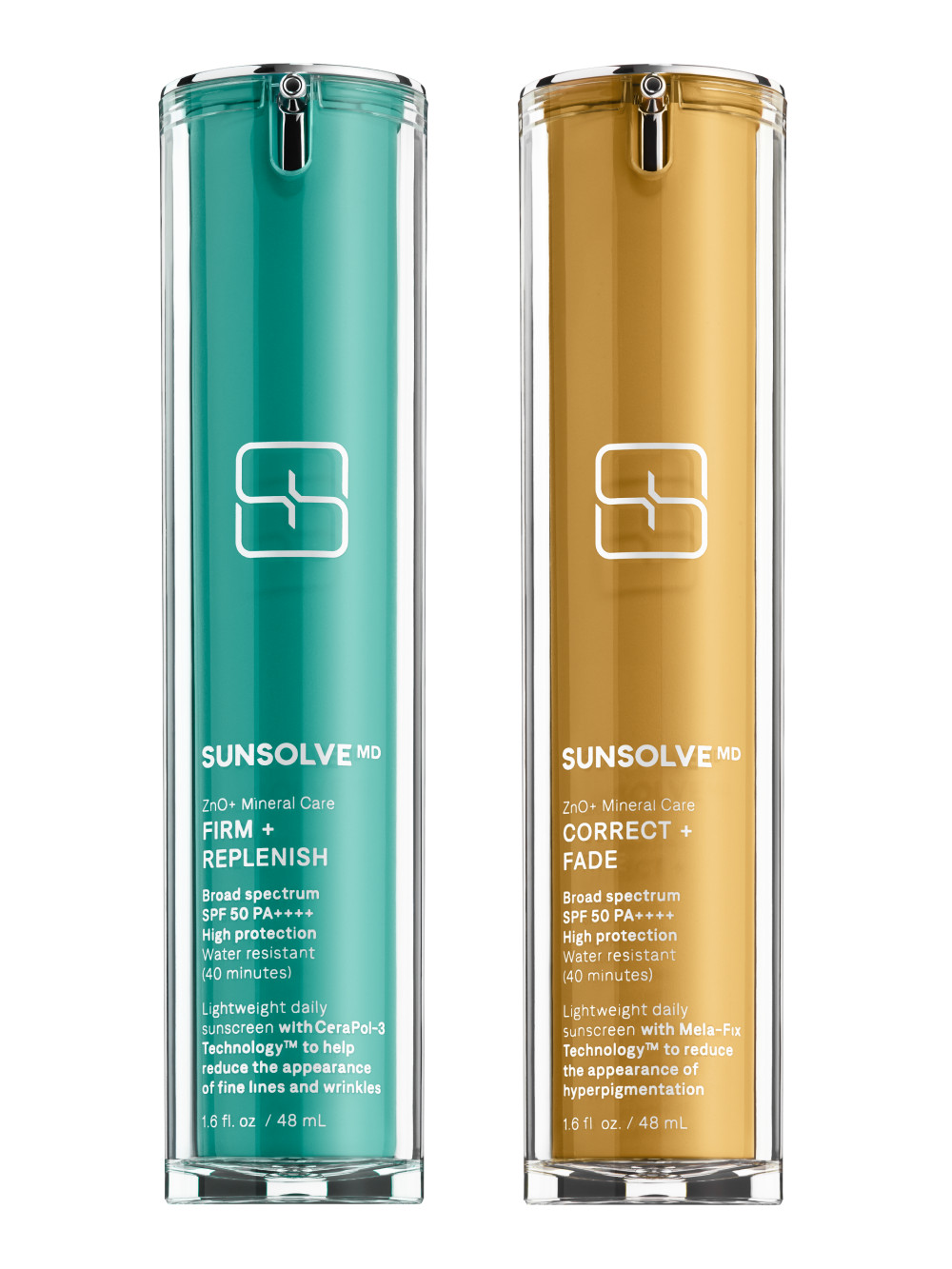
Our mineral-based SPF options at SunsolveMD were formulated for exactly this kind of moment, when the skin is in transition and needs protection that supports recovery rather than fighting it. Lightweight, fragrance-free, clinically developed with high-percentage zinc oxide as the active, and designed to layer cleanly over the gentle moisturisers and recovery serums that typically dominate a post-peel routine. Investing in the peel is half the work. Investing in the protection that protects the result is the rest of it.

Frequently Asked Questions

How long after a chemical peel do I need to use mineral sunscreen specifically?

Most dermatologists advise sticking with mineral filters for at least two to four weeks post-peel, depending on the depth of the treatment. After that, your skin's barrier is generally restored enough that returning to your usual SPF is fine, though many people find they prefer mineral year-round once they've made the switch.

Can I use mineral SPF on the same day as my peel?

Not directly afterwards. Most clinics will keep the skin bare for the first 24 hours and apply only the recovery products they recommend. SPF generally enters the routine on day two onwards, but follow your practitioner's specific guidance, as it varies with peel depth.

Does the SPF number need to be higher after a peel?

A genuine SPF 30 applied generously and reapplied every two hours offers strong protection. SPF 50 provides marginally more, which is why many dermatologists default to it post-procedure. The bigger factor is application quantity and frequency rather than the number on the bottle.

Will mineral sunscreen interfere with my peel results?

Quite the opposite. Mineral SPF is the single most effective thing you can do to preserve the results of your peel. Without consistent UV protection, the brightness and clarity you paid for can fade within weeks as melanocyte activity rebounds.

Can I wear makeup over mineral sunscreen post-peel?

Mineral makeup is generally fine from around day three, applied with a clean brush over fully absorbed sunscreen. Avoid heavy liquid foundations and anything with active ingredients during the recovery window.

Trending Topics

Stay Trendy with Our Latest Insights

Why SPF Is Non-Negotiable for Every Skin Type

Once thought of as a concern almost exclusive to older generations, those with fair skin, or anyone who religiously (over) uses sunbeds, skin cancer is now on the rise across all demographics. Desp...

Sunscreen and Acne Treatments -  What You Need To Know
Sunscreen and Acne Treatments - What You Need To Know

If you’re undergoing professional or medical treatments for acne or acne scars, such as chemical peels, microneedling, laser therapy, or prescription medications, sun protection becomes essential. ...

Ways To Reduce Your Carbon Footprint With SPF

Decoding SPF and your carbon footprint. How to make more discerning choices with mineral sunscreens that not only safeguard your skin but are sustainably savvy.

Rosacea & SPF: How To Choose The Right Sunscreen

Rosacea is a common skin condition characterized by facial redness and inflammation. Follow this guide to choose the right sunscreen if you have rosacea.

A Dermatologists’ Guide To Photodamage And Dark Skin

Dermatologists weigh in on photodamage and dark skin (and how SPF is here to help). Read more.

Going to the Beach With Psoriasis: Risks and Benefits

Psoriasis is an immune-mediated disease. This is your scientific guide to safely treating psoriasis with natural sunlight.