






When Was Sunscreen Invented? A Brief History
Sunscreen feels like something that’s simply always existed, inherently tied to beach trips, summer, and basic skincare hygiene. But the concept of using a topical product to prevent sun damage is surprisingly recent, and the formulas we rely on today are the result of decades of trial, error, and evolving scientific understanding about UV radiation.
And when it comes to the history of sunscreen itself, it's a reflection of how our relationship with the sun has changed, how we've come to understand photodamage at a cellular level, and how regulatory standards have shaped the way we protect our skin. Here's how we got from ancient oils to patent-protected biotech formulas.
Early Attempts: Pre-1940s
Before modern sunscreen existed, people used rudimentary methods to shield their skin from the sun. Ancient Egyptians applied rice bran extract and jasmine to their skin, while ancient Greeks used olive oil. Indigenous communities across the world developed their own forms of sun protection using natural materials like red ochre and plant extracts.
But these weren't sunscreens in the way we understand them today. They offered minimal, if any, actual UV protection. The concept of SPF didn't exist, and neither did an understanding of UVA versus UVB, broad-spectrum coverage, or the link between sun exposure and skin cancer.
The first commercially recognized sunscreen formula is credited to chemist Franz Greiter, who developed "Gletscher Crème" (Glacier Cream) in 1938 after suffering a severe sunburn while climbing Mount Piz Buin in the Swiss Alps. This product later became the foundation for the Piz Buin brand, though its SPF was estimated at around 2 - barely protective by modern standards.
The Birth of SPF: 1940s–1960s
During World War II, American airman Benjamin Green developed a substance called "red vet pet" (red veterinary petrolatum) to protect soldiers from sun exposure in the Pacific theater. The thick, red, sticky paste was far from cosmetically elegant, but it worked as a physical barrier. After the war, Green refined the formula and launched Coppertone suntan cream in 1944.
The real breakthrough came in 1962, when Franz Greiter introduced the concept of Sun Protection Factor (SPF) - a standardized measurement system that quantified how much longer skin could be exposed to UV radiation without burning compared to unprotected skin. This was the beginning of regulated, measurable sun protection.
However, early sunscreens were still primarily designed to prevent burns (UVB protection), not aging or long-term damage (UVA protection). The understanding that UVA rays contribute to photoaging, DNA damage, and cancer risk didn't gain traction until much later.
Chemical Filters and Broad-Spectrum: 1970s–1990s
The 1970s saw the rise of chemical sunscreen filters - synthetic compounds that absorb UV radiation rather than physically blocking it. Ingredients like avobenzone, oxybenzone, and octinoxate became staples in SPF formulas, allowing for lighter, more cosmetically elegant products that didn't leave the heavy white cast associated with early zinc-based sunscreens.
But as the science evolved, so did concerns. By the 1980s, dermatologists began emphasizing the importance of UVA protection, not just UVB. This led to the development of broad-spectrum formulas designed to address both wavelengths. In 1988, the FDA proposed regulations requiring sunscreens to protect against both UVA and UVB to be labeled as broad-spectrum.
It wasn't until 2011 that the FDA finalized those regulations, mandating that only products meeting specific broad-spectrum testing criteria could make that claim. This was a pivotal shift in modern sunscreen regulations worldwide - the acknowledgment that preventing burns wasn't enough, and that long-term skin health required comprehensive UV defense.
The Mineral Renaissance: 2000s–Present

As concerns about chemical filter absorption, hormonal disruption, and environmental impact (particularly coral reef damage) grew, mineral sunscreens experienced a resurgence. Zinc oxide and titanium dioxide - the original physical blockers - were re-engineered using micronization and nanotechnology to reduce white cast and improve texture.
But innovation didn't stop at making mineral SPF wearable. The next evolution was making it functional beyond UV filtration - treating it as an active delivery system for skin repair, not just a passive shield.
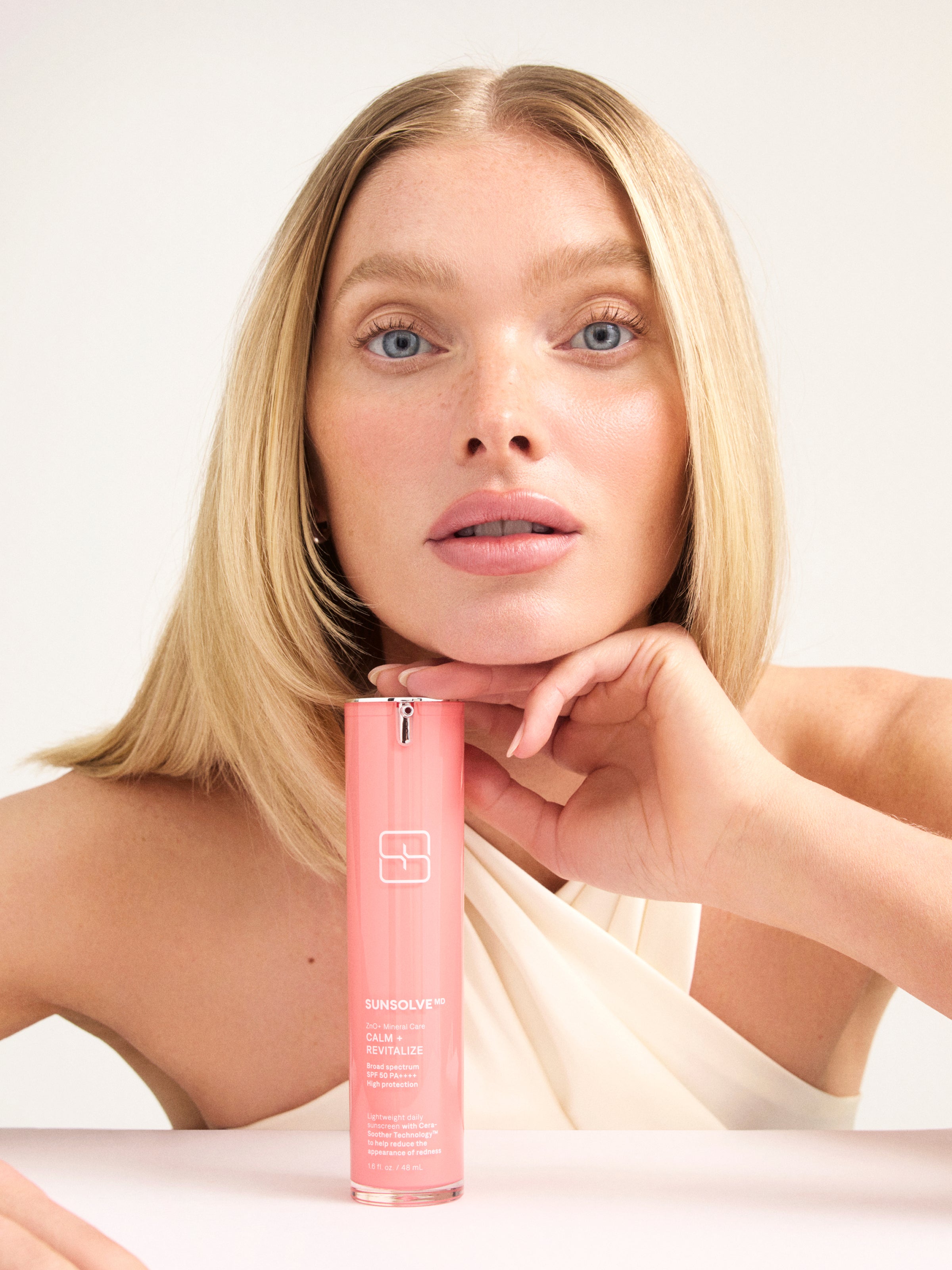
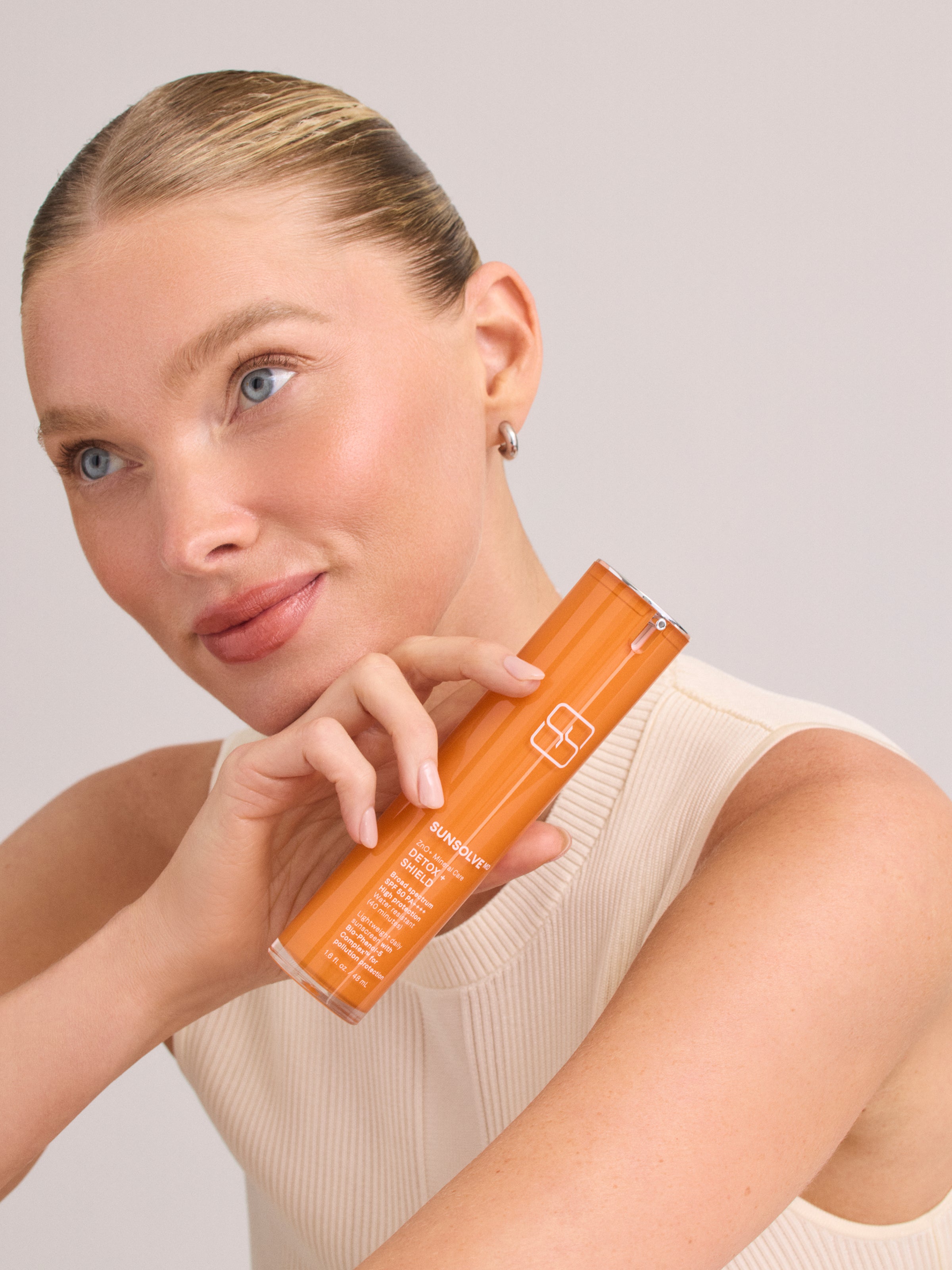
That's the foundation SunsolveMD is built on.
The SunsolveMD Difference
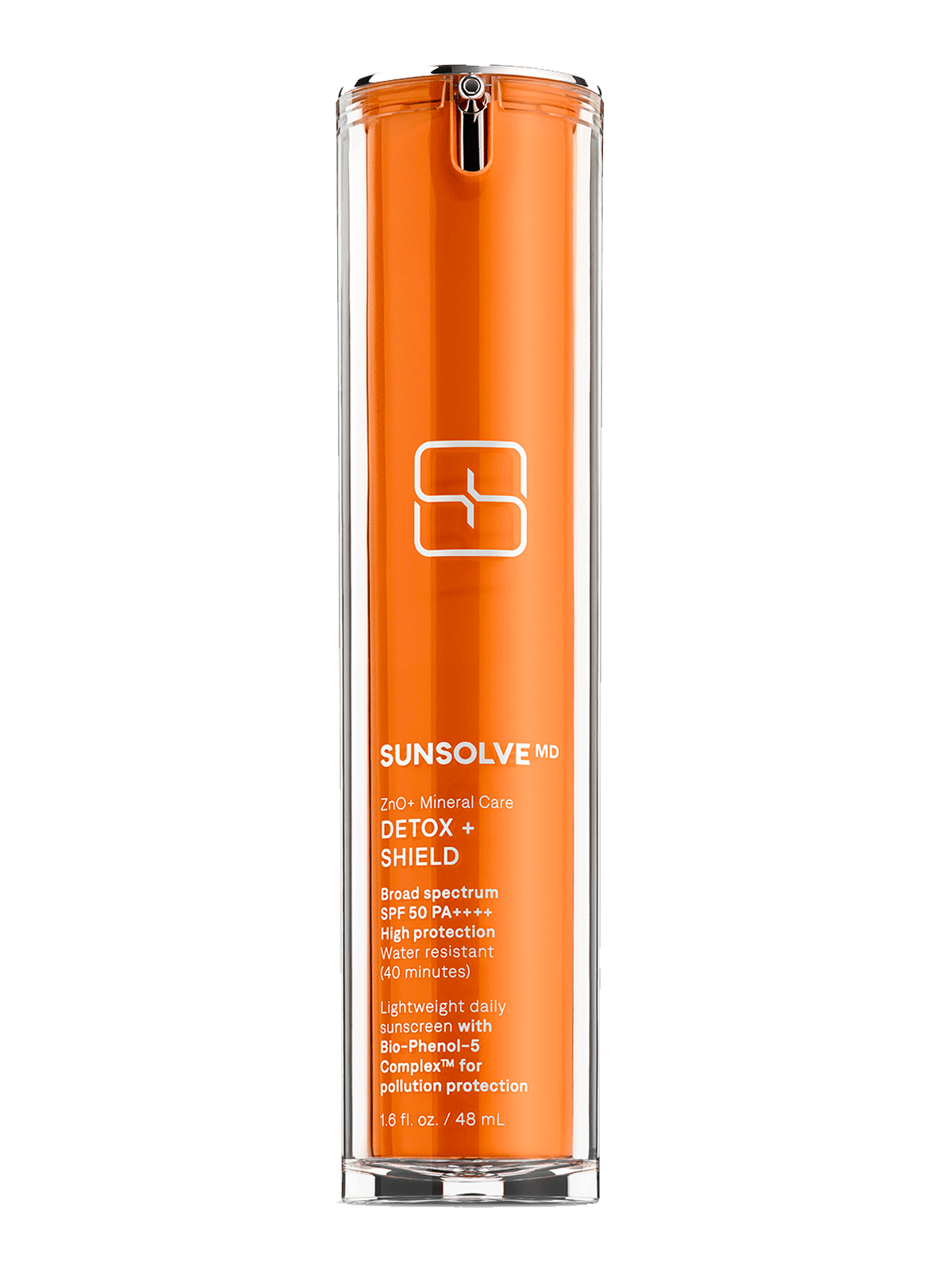
We don't just make sunscreen. We own our innovation. Our formulas are developed in-house at our Los Angeles biotech lab and engineered at our clinical skin innovation hub in Denmark. Every product is built on SolveTech™ - a patent-protected biotech platform that intercepts the biological cascades behind UV-induced skin dysfunction.
At the core is SolveDNAReverse™, our proprietary complex designed to support your skin's natural DNA repair enzymes and reverse the oxidative damage caused by sun exposure. It doesn't just block UV - it actively works to undo the molecular effects of photodamage, from pigmentation and inflammation to telomere instability and collagen breakdown.
Our ZnO+™ system transforms 12% non-nano zinc oxide into an intelligent therapeutic interface. It's suspended in a matrix of marine enzymes, antioxidant buffers, and targeted actives that deliver broad-spectrum UVA/UVB protection while calming inflammation, restoring hydration, and supporting long-term barrier function. This is mineral SPF redefined: transparent, breathable, restorative.
Sun Protection Meets Skincare
Every formula in our range pairs zinc-powered sun protection for daily wear with targeted treatment, so your SPF does more than prevent - it repairs.
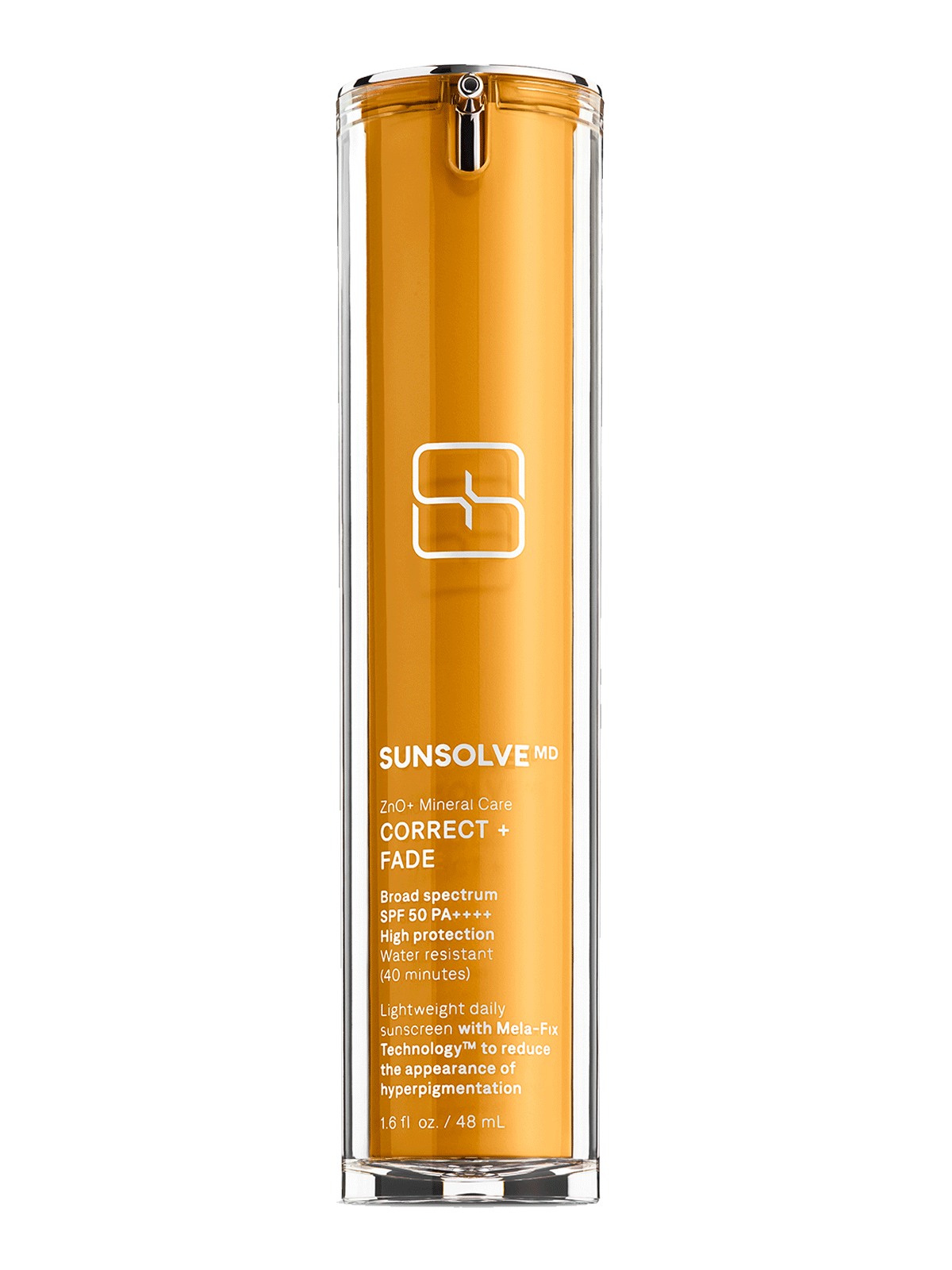
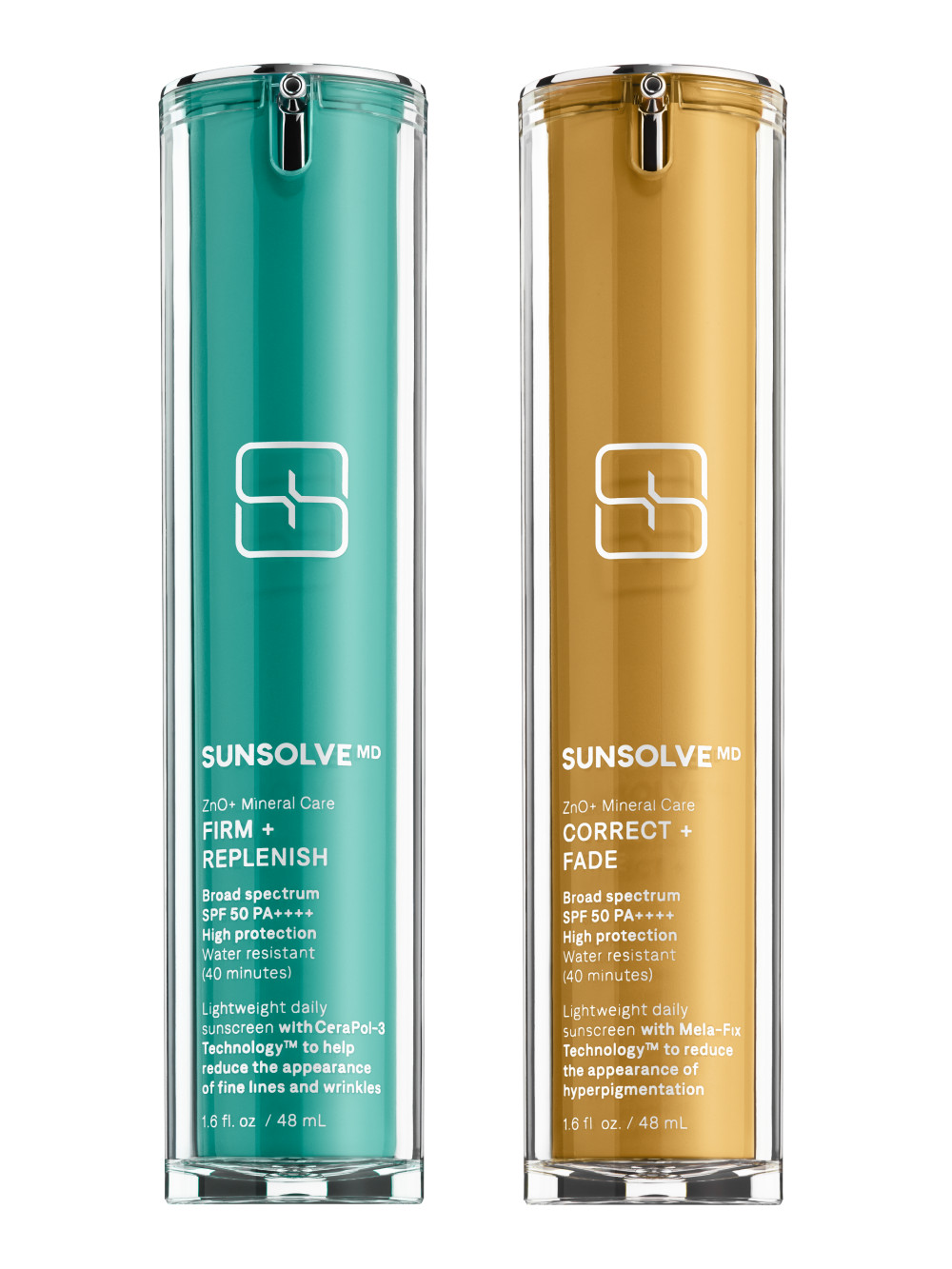
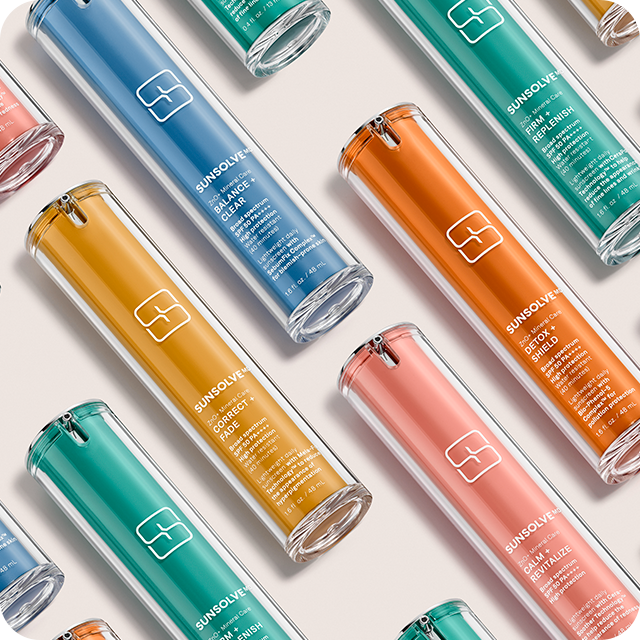
Correct + Fade combines broad-spectrum defense with Mela-Fix technology to visibly reduce hyperpigmentation and even skin tone. 94% of clinical participants saw brighter, more uniform skin after 28 days.
Firm + Replenish addresses photoaging with peptides and ceramides that restore dermal volume and firmness while delivering full UVA/UVB protection.
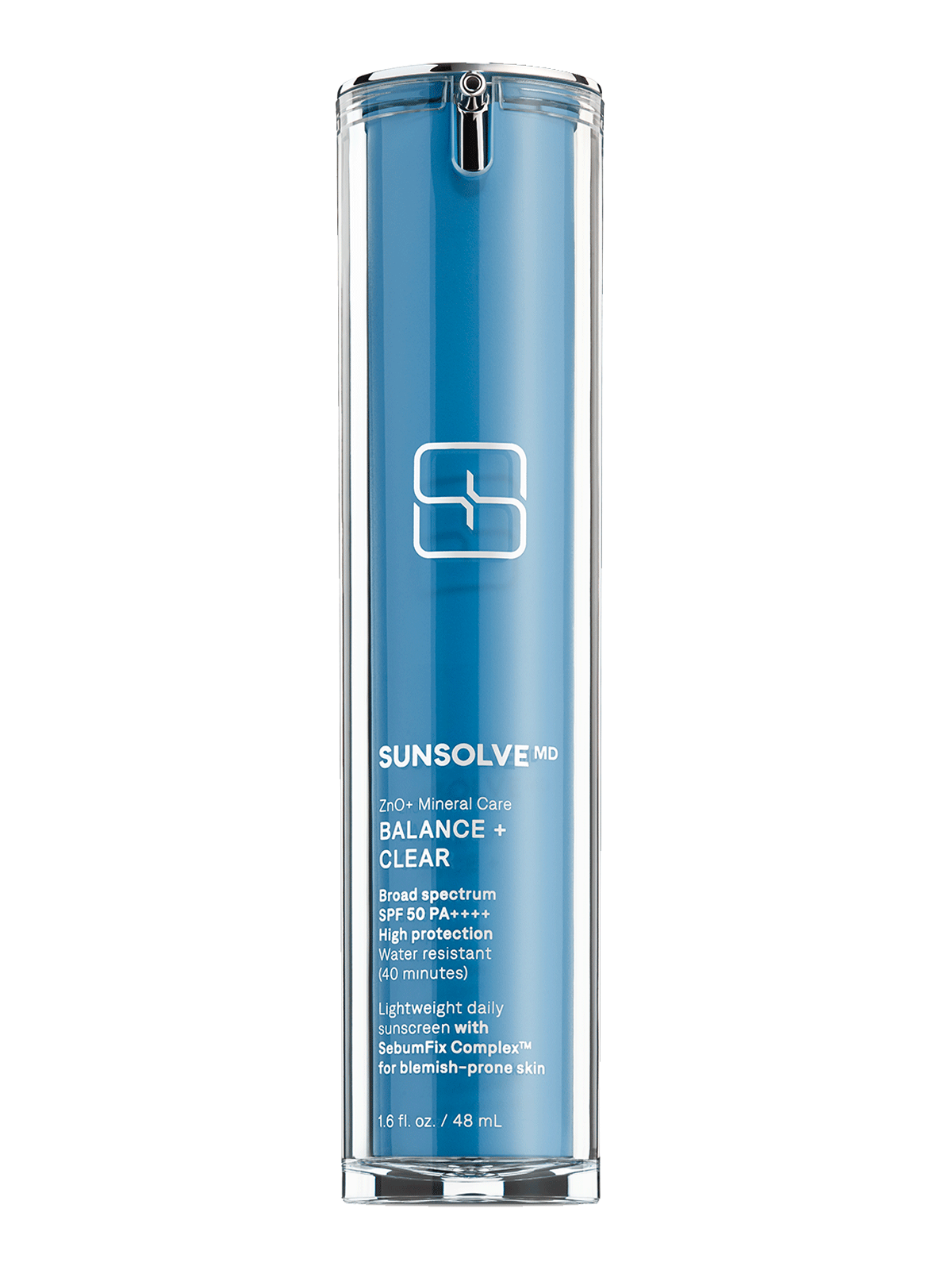
Balance + Clear pairs mineral SPF with SebumFix complex to target breakouts, inflammation, and excess oil in acne-prone skin. 90% of participants reported calmer, clearer skin within a month.
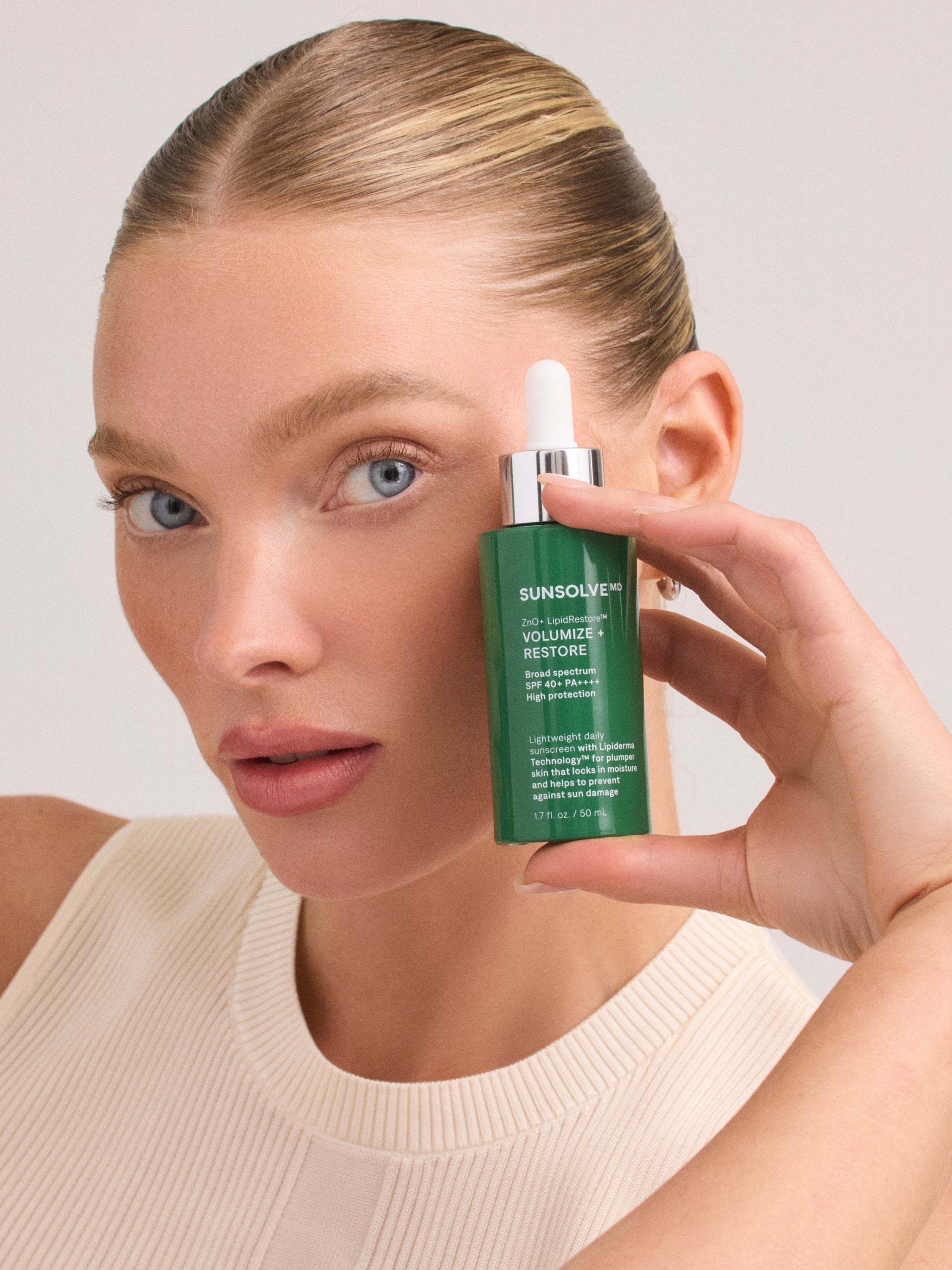
Volumize + Restore floods dehydrated, barrier-compromised skin with lipid-rich hydration while maintaining comprehensive UV defense.
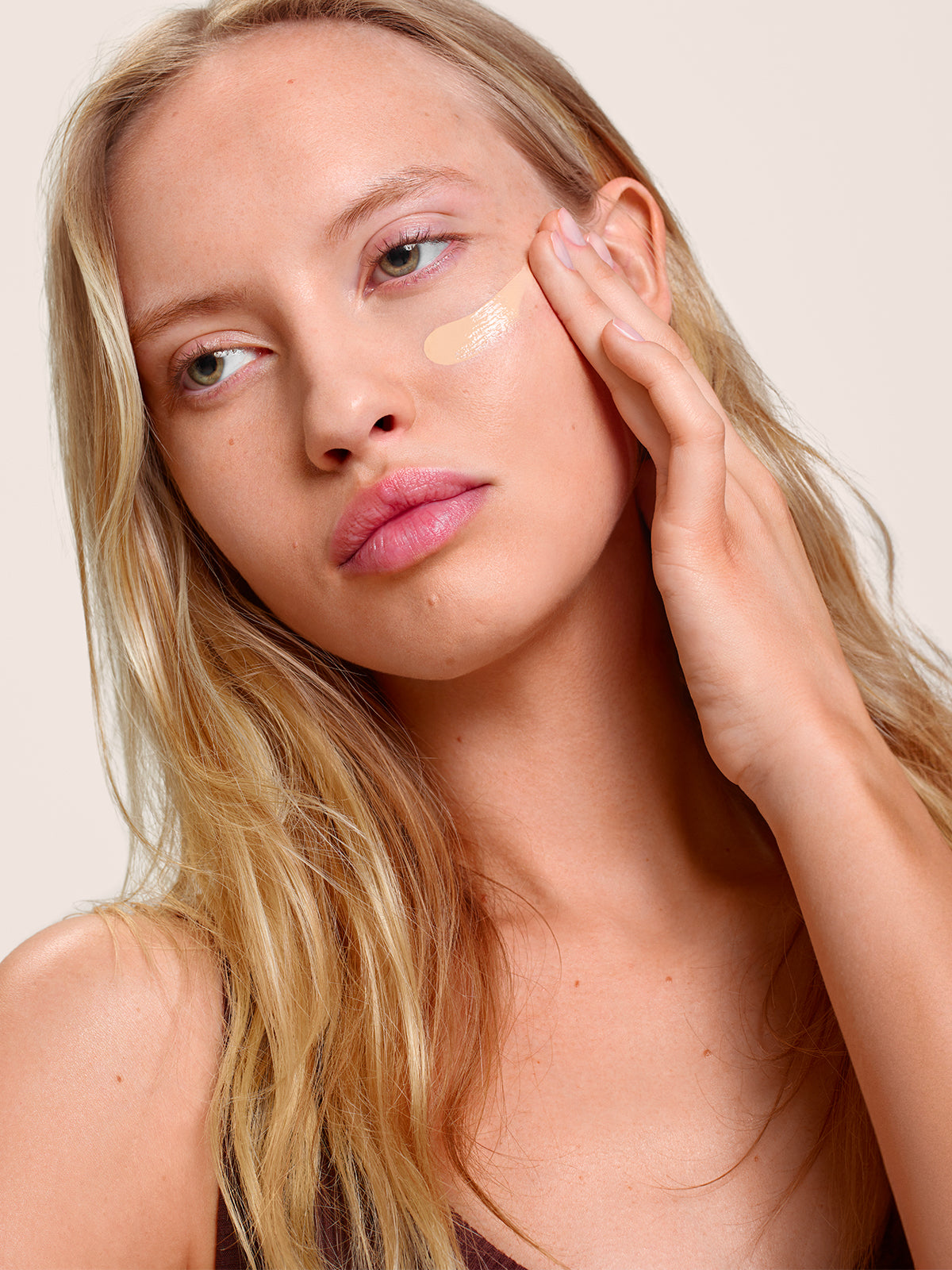
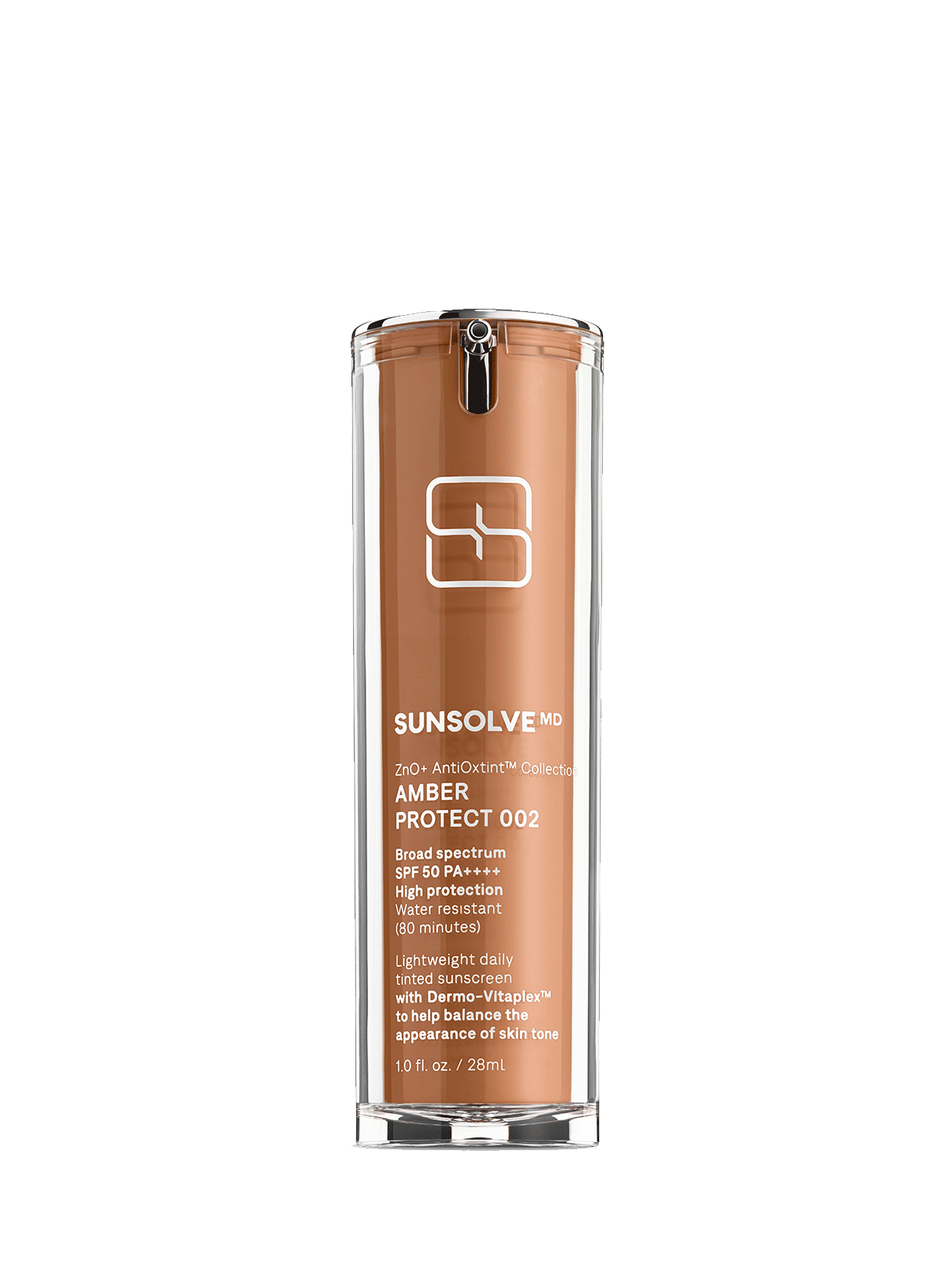
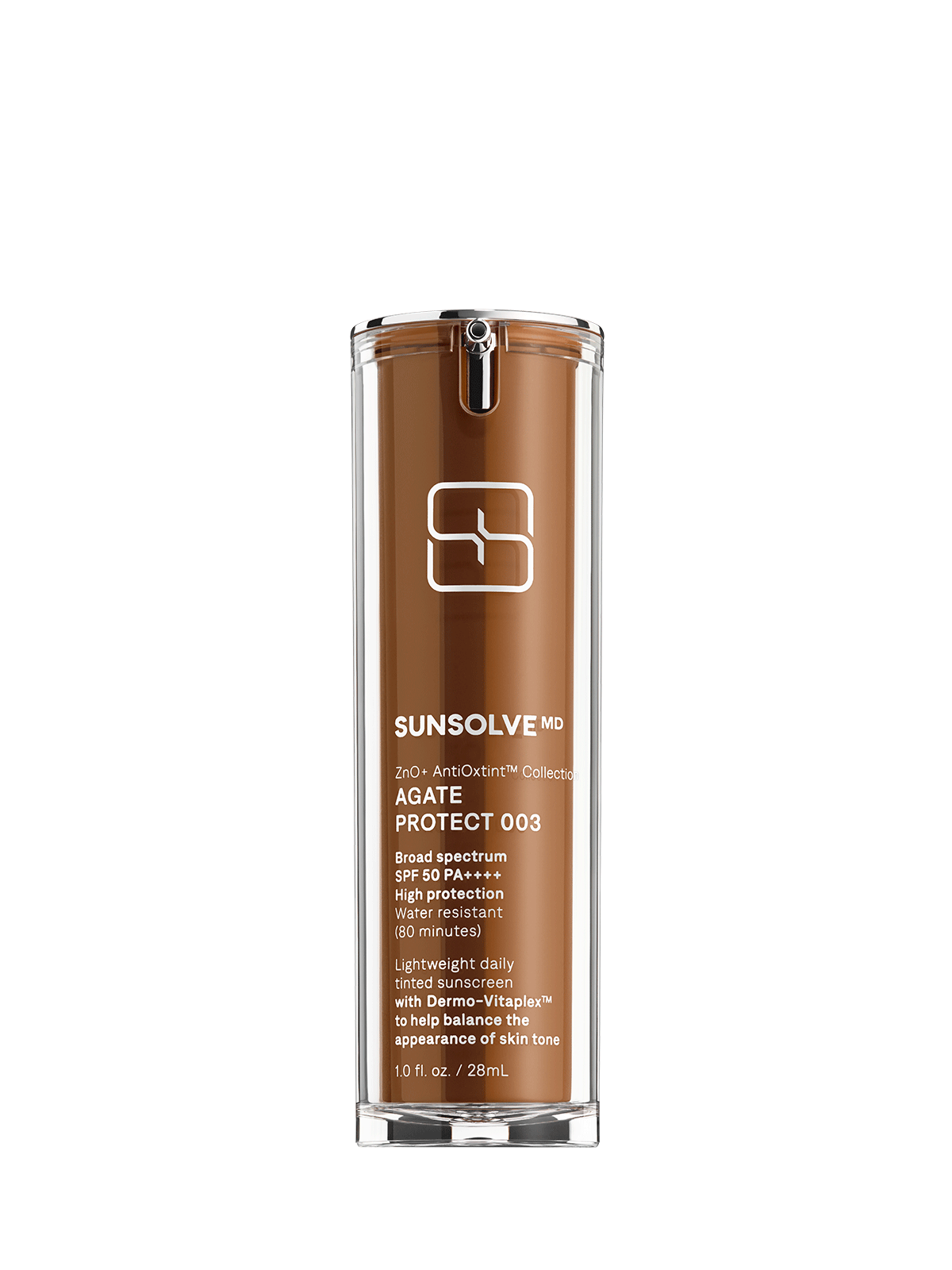
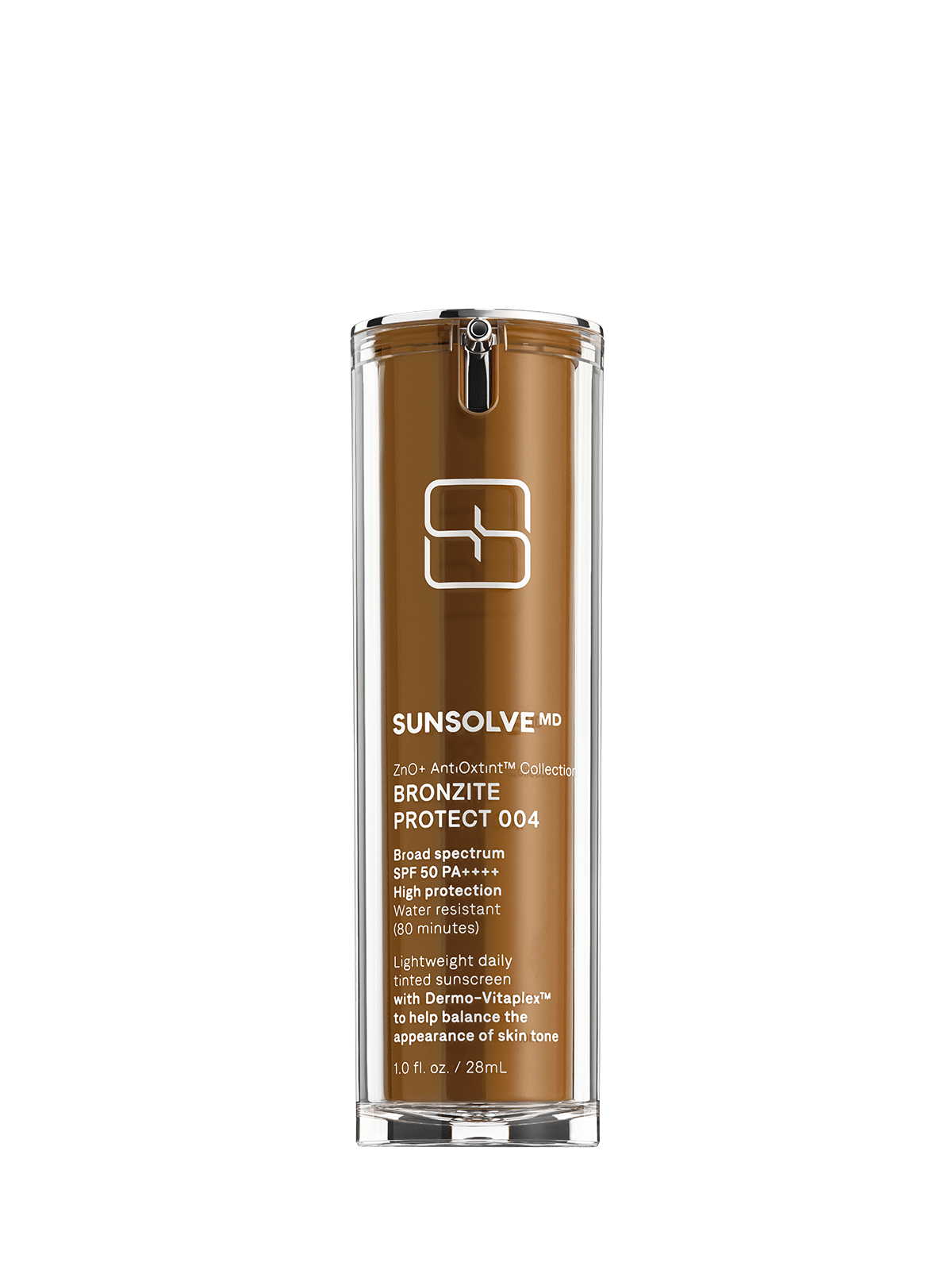
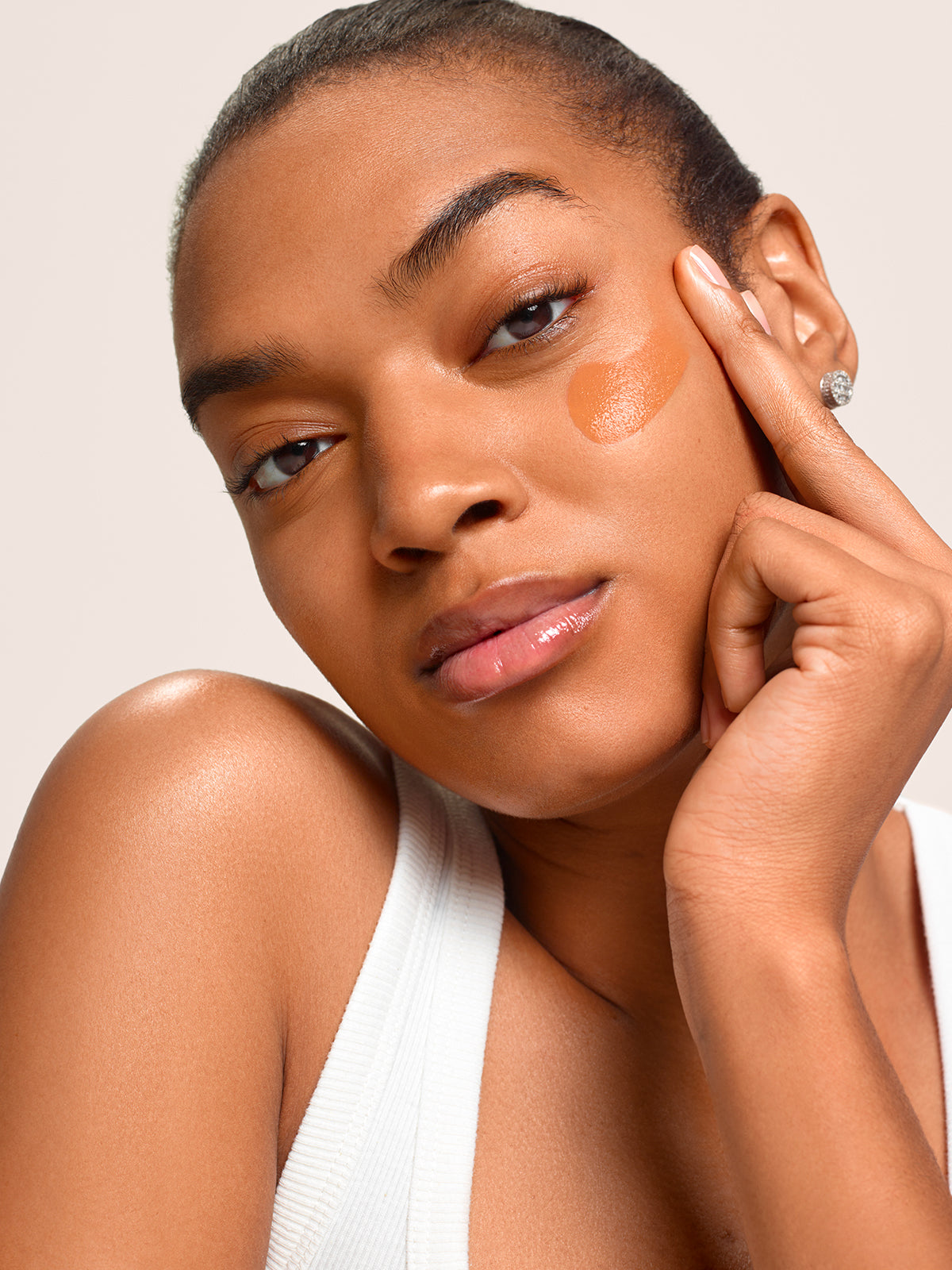
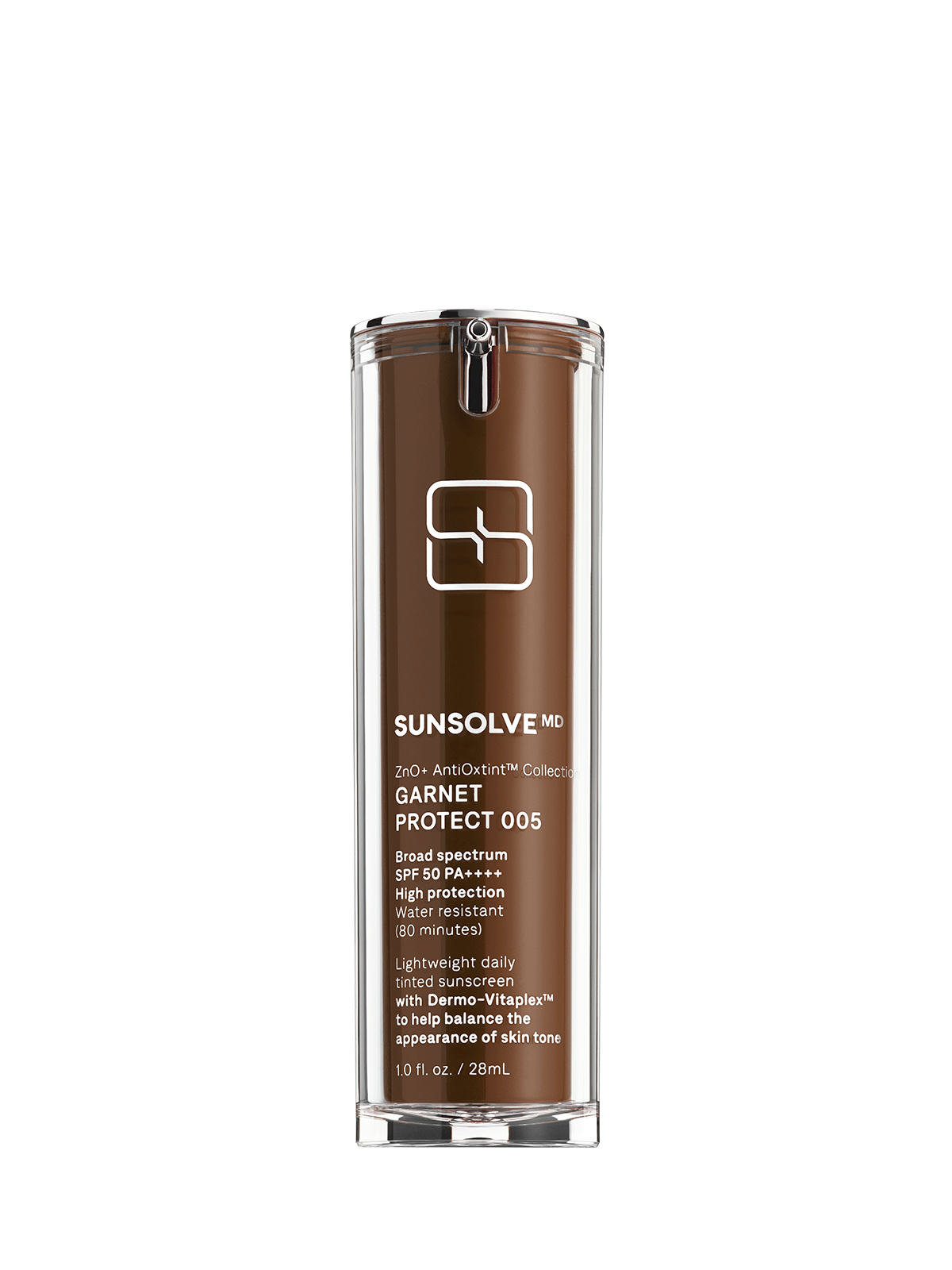
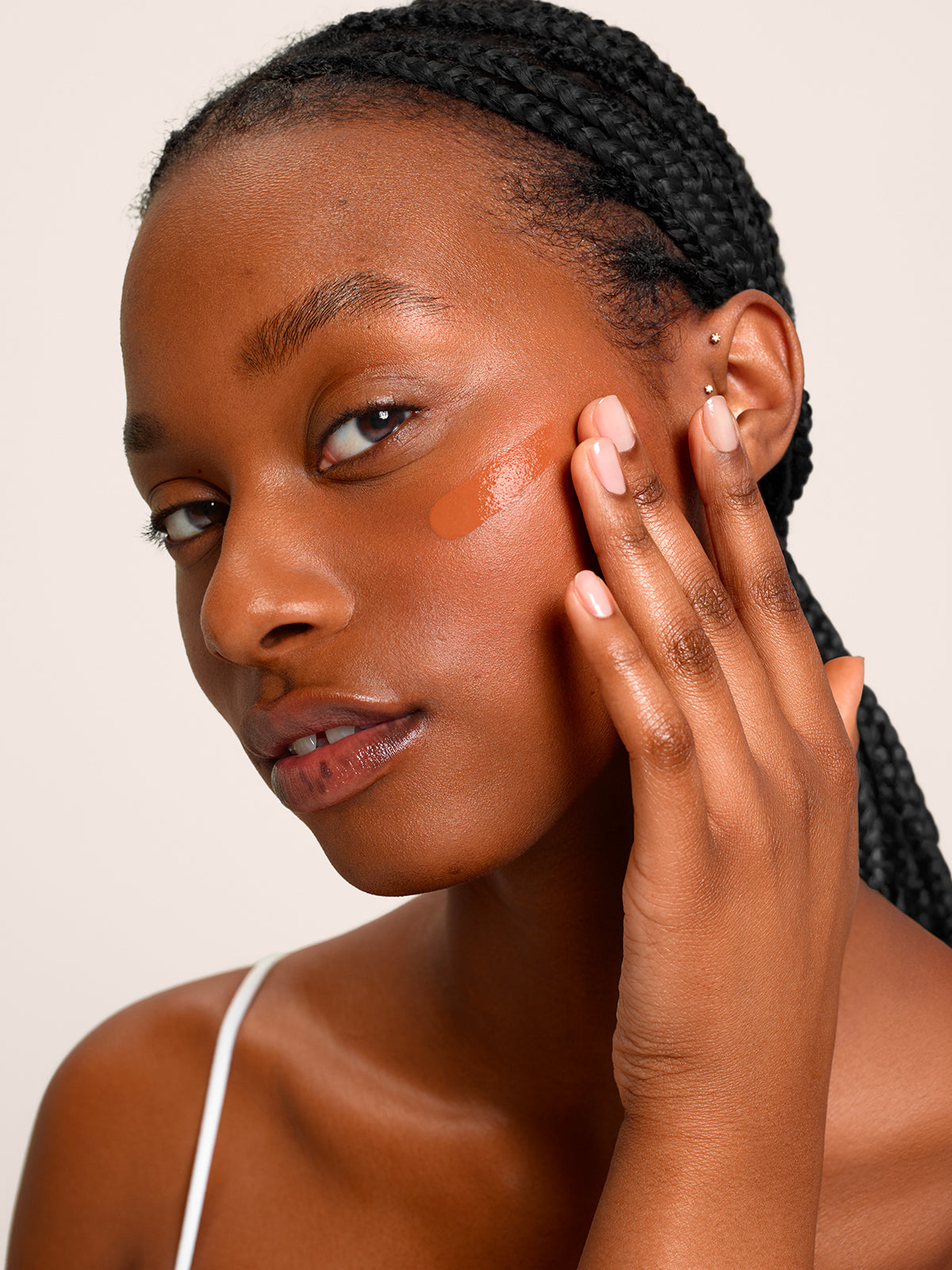
And for those who want sheer, blendable coverage with their protection, our tinted range delivers natural tone enhancement with zero white cast across all skin types.
The Takeaway
Sunscreen has come a long way from thick red paste and SPF 2 glacier cream. What started as burn prevention has evolved into a science-driven approach to cellular skin health, broad-spectrum defense, and active repair.
The question isn't just whether you're wearing SPF - it's whether your formula reflects the most advanced understanding of UV protection and skin biology available. Because if sunscreen is going to be a daily non-negotiable, it should work as intelligently as the rest of your routine.