





UVA vs UVB: What's the Difference?
When it comes to protecting your skin from the sun, the difference between UVA and UVB is more important than you might think. In fact, it's the key to understanding why your skin ages, why you burn, and why not all SPF is created equal.
While both UVA and UVB are forms of ultraviolet radiation from the sun, they interact with your skin in completely different ways. UVA penetrates deeper, reaching the dermis where collagen breakdown and DNA damage occur. UVB, on the other hand, stays at the surface level, triggering burns and direct cellular mutations. In short, one ages you quietly over decades, while the other burns you in an afternoon.
UVA: The Aging Ray
UVA makes up roughly 95% of the UV radiation that reaches Earth. It has a longer wavelength, which allows it to pass through glass, clouds, and the upper layers of your skin. This is the ray responsible for photoaging - the cumulative breakdown of collagen, elastin, and dermal structure that manifests as fine lines, sagging, and pigmentation.
UVA prefers not to announce itself: you won't feel it burning your skin, but it's working beneath the surface, generating free radicals and triggering oxidative stress. Over time, this leads to what dermatologists call photodamage: visible signs of UV-induced cellular dysfunction. Think melasma, sunspots, loss of firmness, uneven texture.
Because UVA penetrates year-round - even in winter, even through windows - consistent daily protection is non-negotiable.
UVB: The Burning Ray
UVB has a shorter wavelength and primarily affects the epidermis, the outermost layer of skin. This is the ray that causes sunburn, and it's most intense between 10 a.m. and 4 p.m. during summer months.
While UVB is often framed as the "burning" ray, it's also a direct trigger for DNA mutations in skin cells. Repeated UVB exposure is strongly linked to the development of skin cancers, including basal cell carcinoma, squamous cell carcinoma, and melanoma.
UVB intensity fluctuates depending on altitude, geography, and season, but the damage compounds over your lifetime. Every burn is logged.
Why Broad-Spectrum Matters
Here's where most SPF formulas fall short: traditional sunscreens were designed to prevent burns, which means they prioritized UVB protection. But preventing a burn doesn't mean you've prevented aging, pigmentation, or DNA damage.
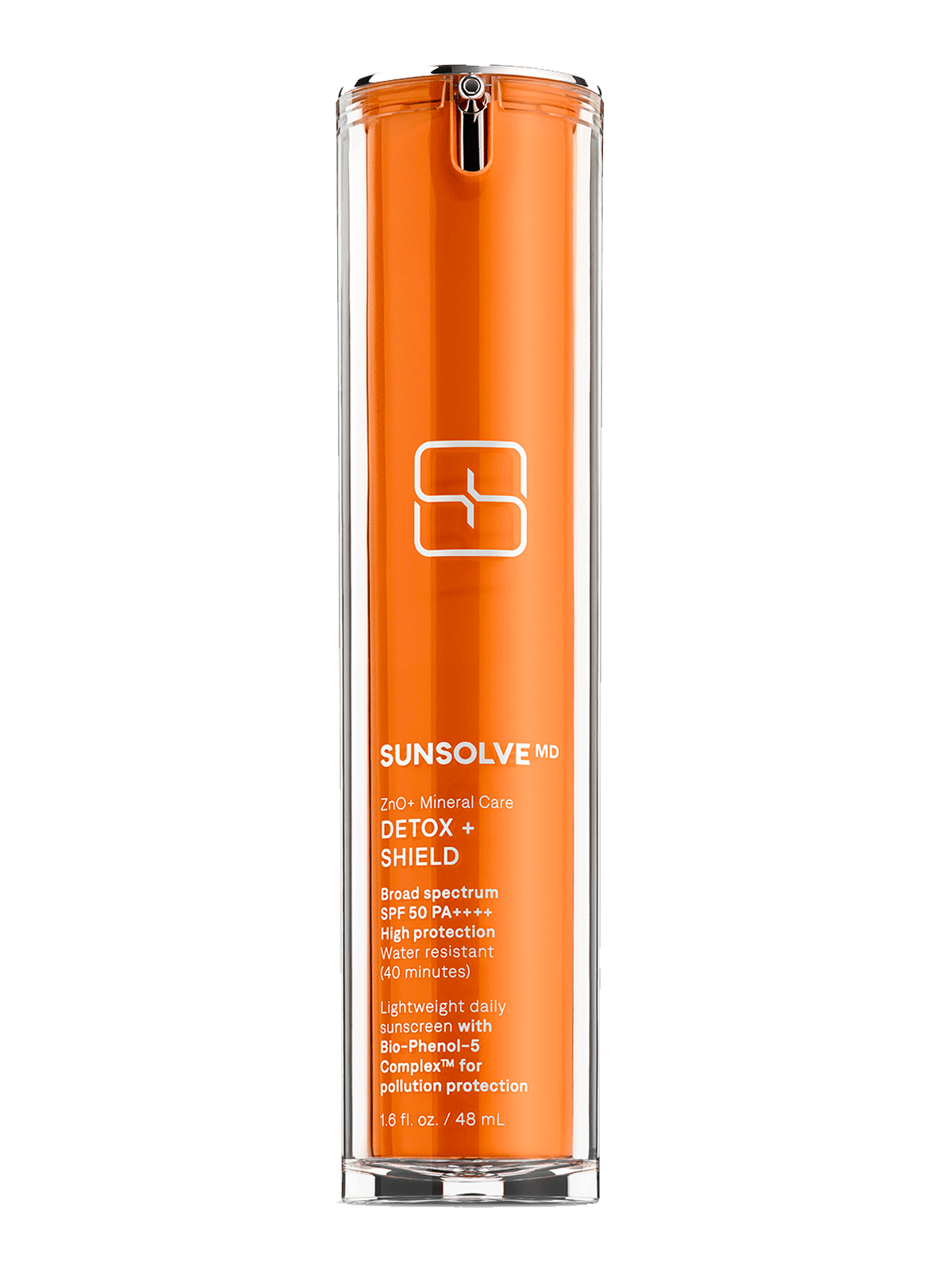
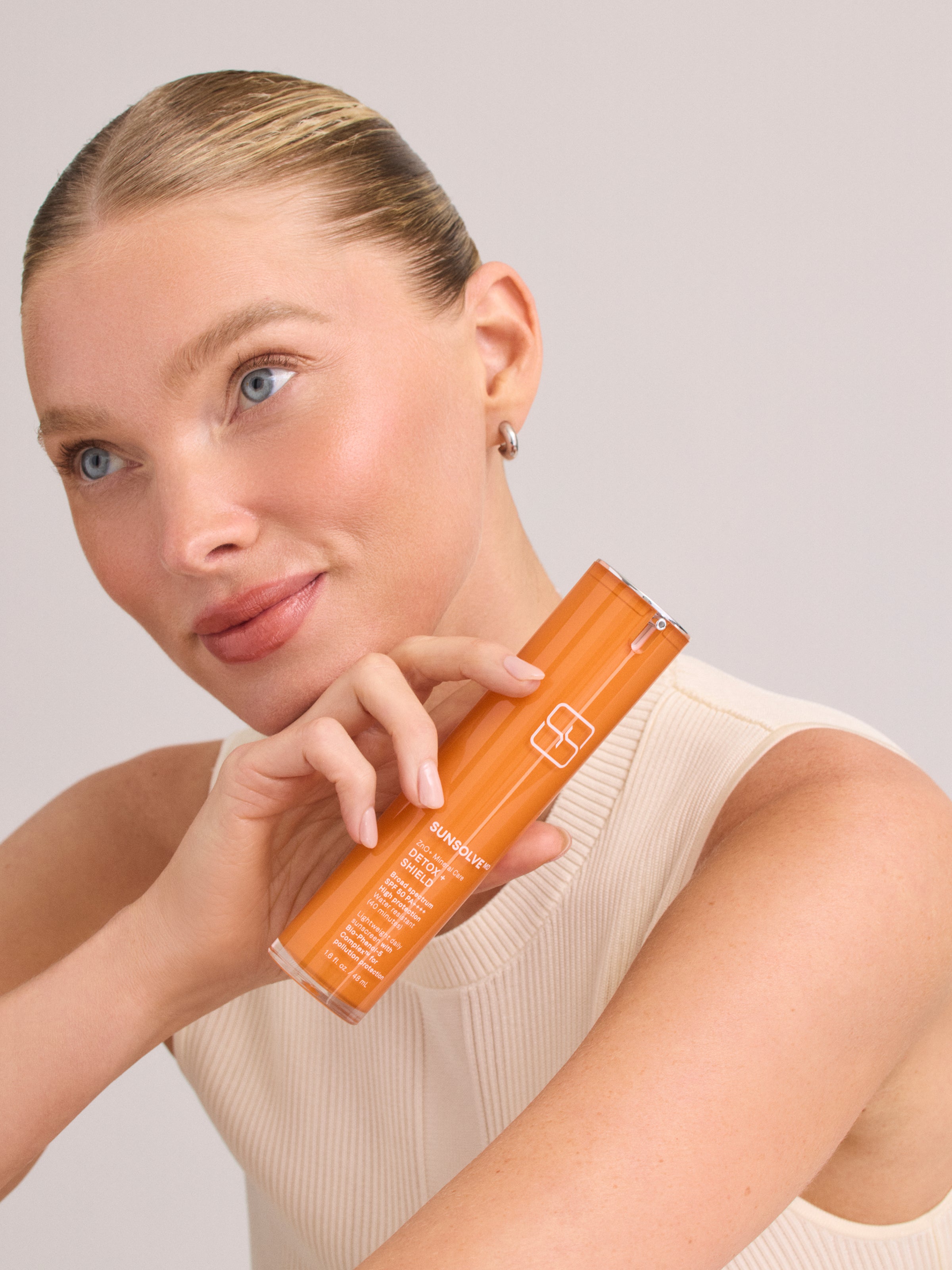
Broad-spectrum protection addresses both UVA and UVB, which is why it's the clinical standard. At SunsolveMD, every formula is built on 12% non-nano zinc oxide - a mineral filter that provides comprehensive broad-spectrum defense without chemical actives or white cast.
But protection is only half the equation. Our proprietary SolveDNAReverse™ technology works beneath SPF to support your skin's natural DNA repair enzymes, helping reverse the cumulative effects of UV exposure at a cellular level. It's not just defense. It's restoration.
The SunsolveMD Difference

Most brands ask you to choose between SPF and skincare. How many times have you introduced a new SPF into your routine, only to find yourself with breakouts, dull skin, or a white cast under your makeup? At SunsolveMD, we don't believe that skincare and sun protection are mutually exclusive.
Every formula in our range is engineered with SolveTech™ - a patent-protected biotech platform that intercepts the biological cascades behind visible skin dysfunction. That means inflammation, pigment imbalance, barrier breakdown, and dermal depletion are all addressed within the same product that's shielding you from UV. The result: skin-boosting, safe mineral sunscreen options for everyday use.
More than just your average SPF, this is clinical-grade protection; built in a biotech lab, tested in aesthetic clinics, and designed to work beneath the surface while you go about your day. The ZnO+™ system transforms zinc oxide from a passive filter into an intelligent delivery vehicle for marine enzymes, antioxidant buffers, and DNA repair complexes. You get broad-spectrum UVA/UVB defense that's also calming inflammation, supporting hydration, and reversing photodamage at a molecular level.
Sun Protection Meets Skincare
Each SunsolveMD formula pairs mineral SPF with targeted treatment, so your sunscreen isn't just preventing damage - it's actively improving your skin.
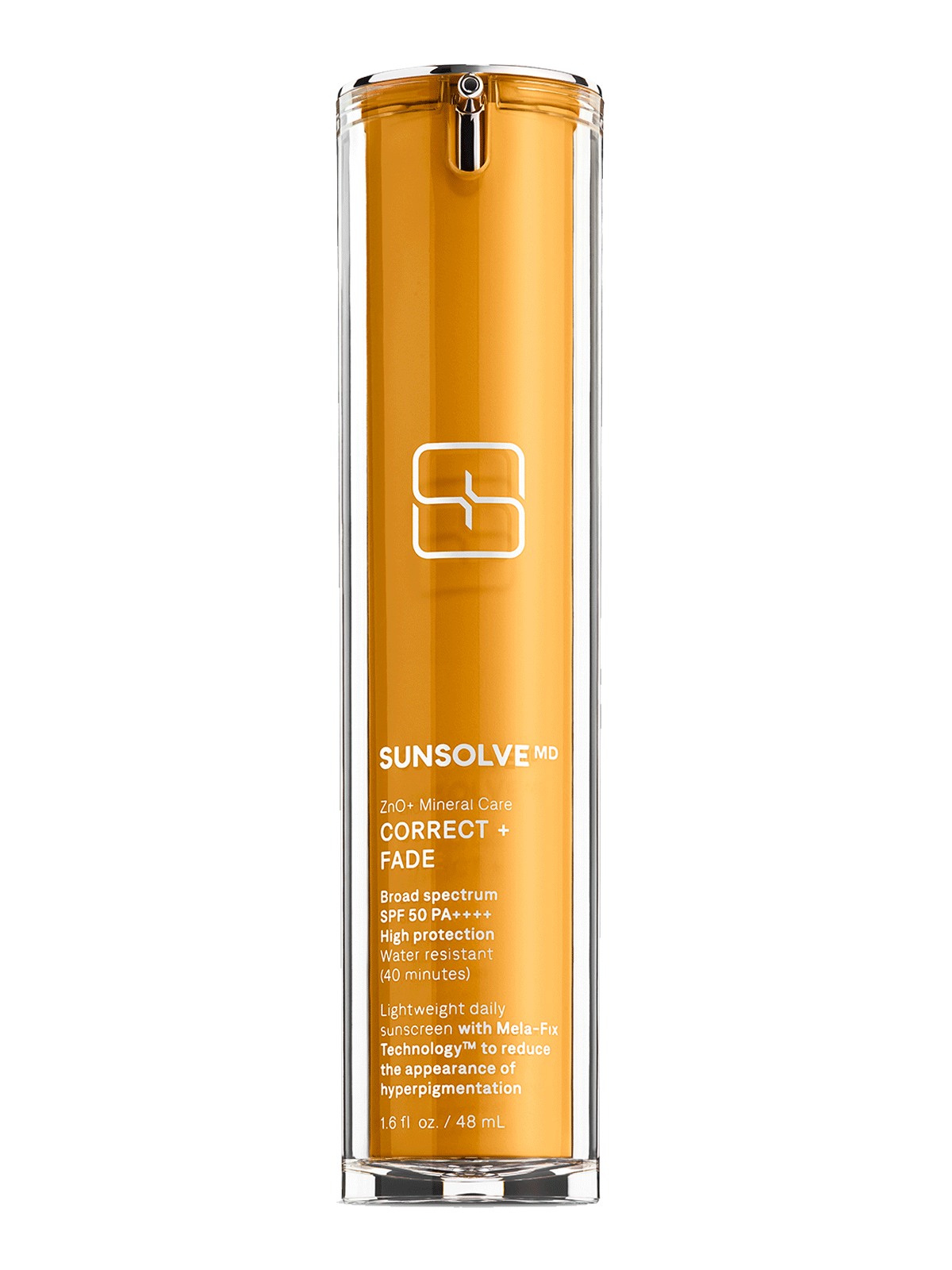
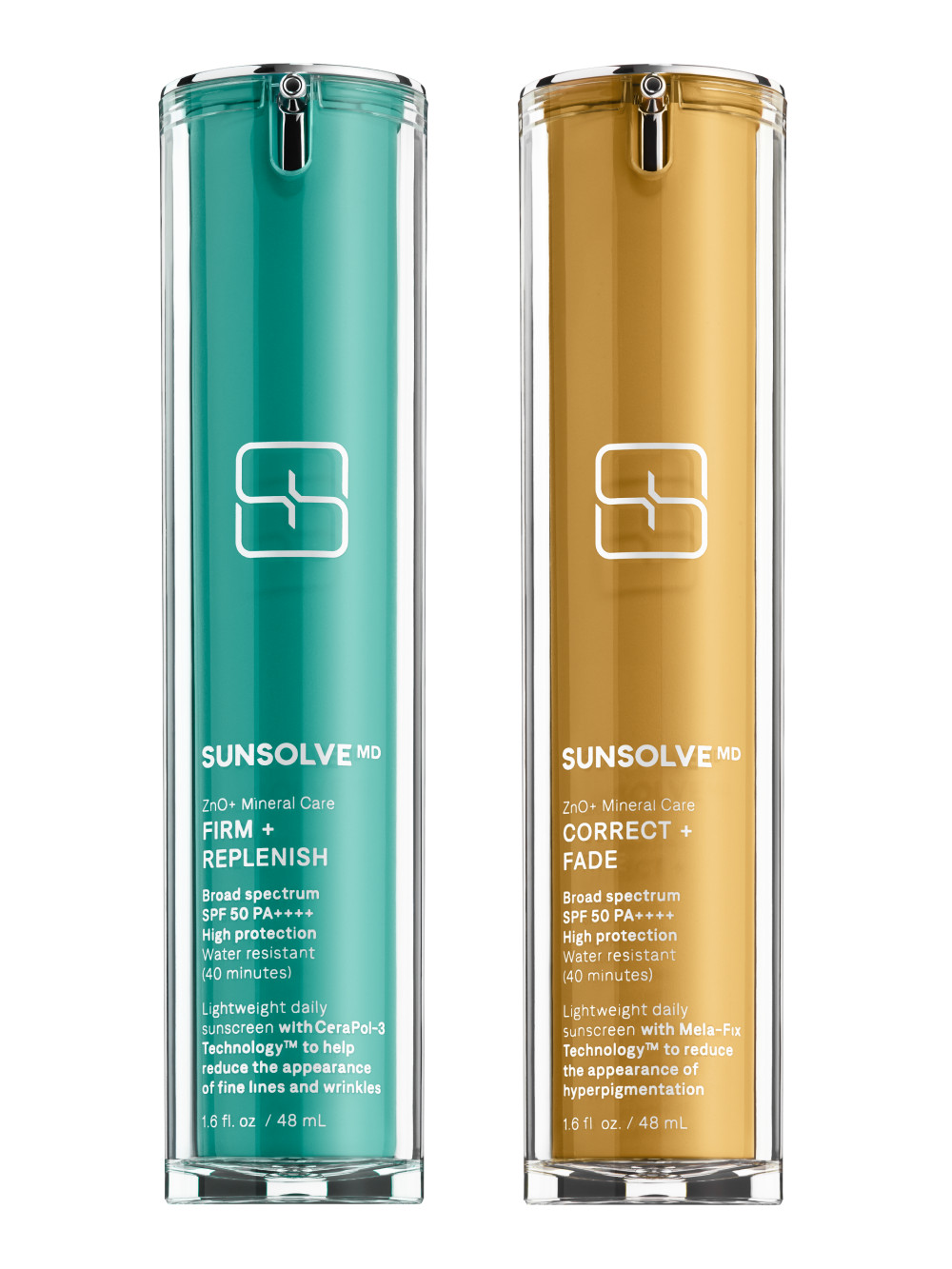
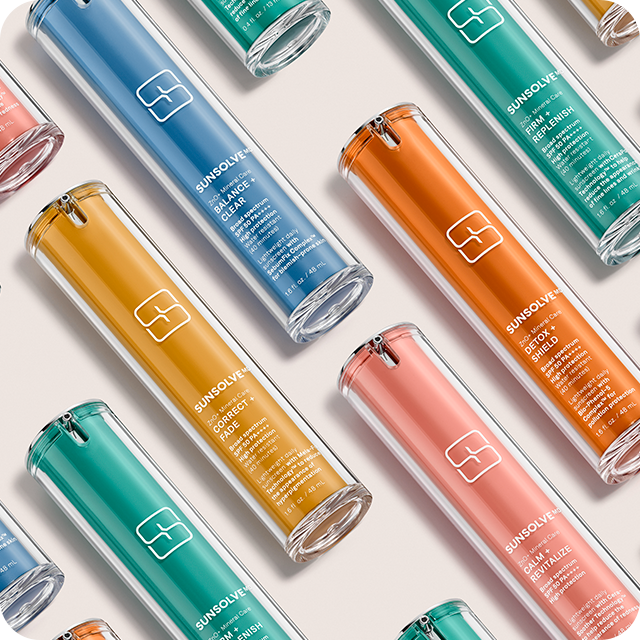
Correct + Fade tackles hyperpigmentation and uneven tone with Mela-Fix technology, combining alpha-arbutin and niacinamide to visibly reduce dark spots while protecting against new photodamage. Clinical results show 94% of users saw brighter, more even skin after 28 days.
Firm + Replenish addresses loss of firmness and fine lines with peptides and ceramides, restoring dermal volume while delivering broad-spectrum protection. It's designed for skin that's aging under UV stress or recovering from professional treatments.
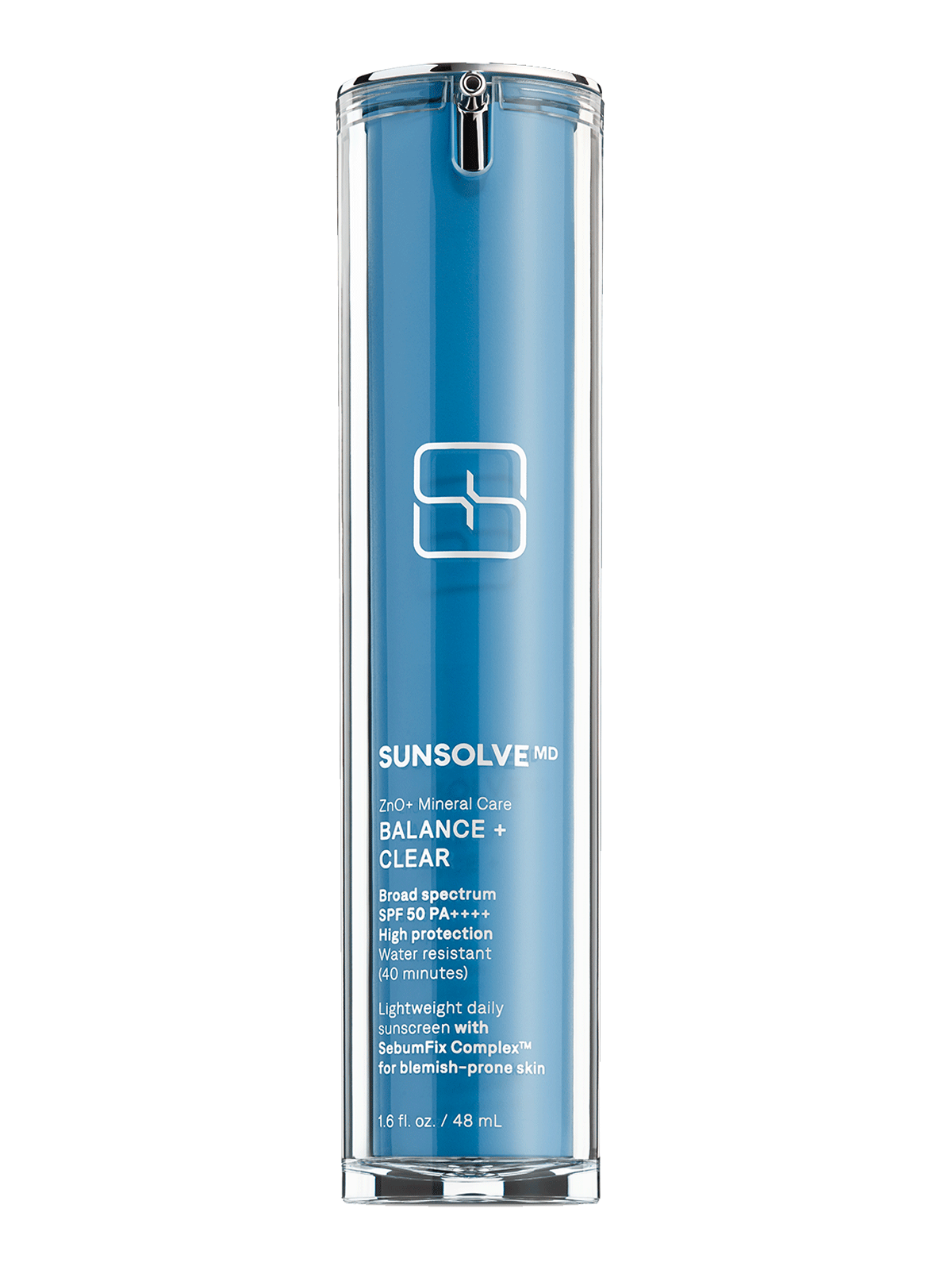
Balance + Clear is formulated for acne-prone and reactive skin with SebumFix complex - a triple-action system that targets blemishes, inflammation, and excess oil without compromising barrier health. 90% of clinical participants saw reduced breakouts and calmer skin within a month.
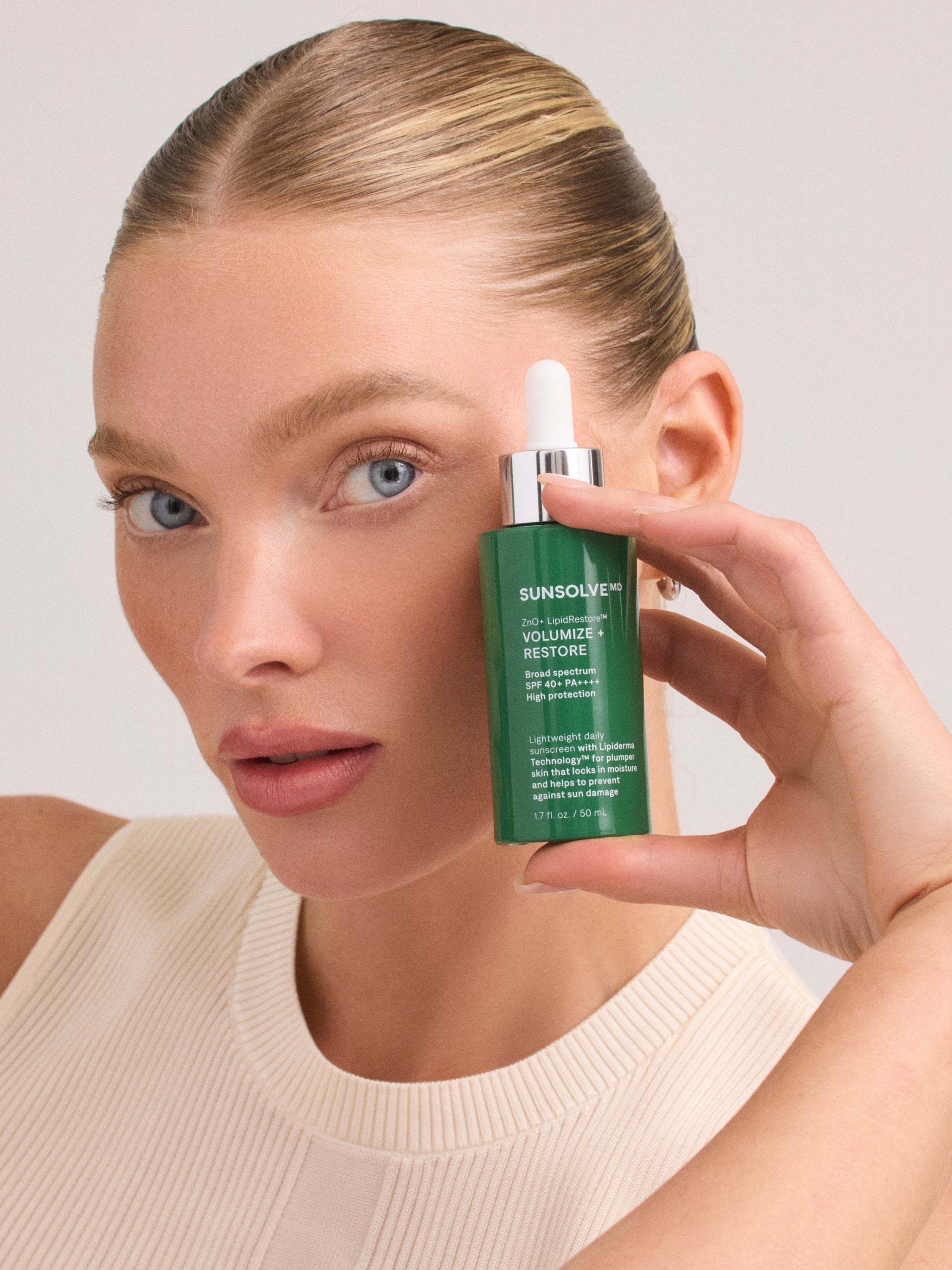
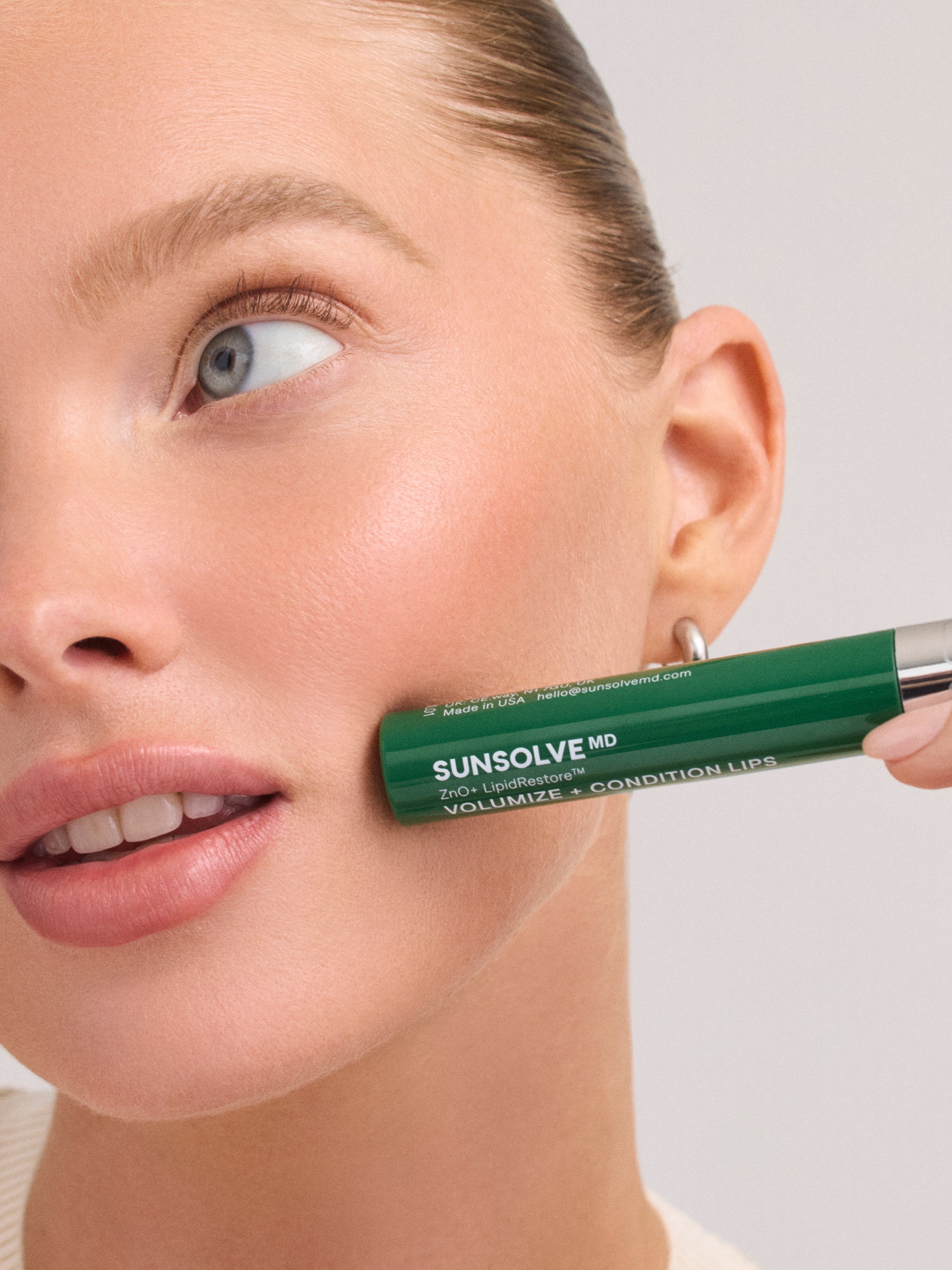
Volumize + Restore floods skin with hydration using lipid-rich actives, making it ideal for dry, dehydrated, or barrier-compromised complexions that need moisture alongside UV defense.
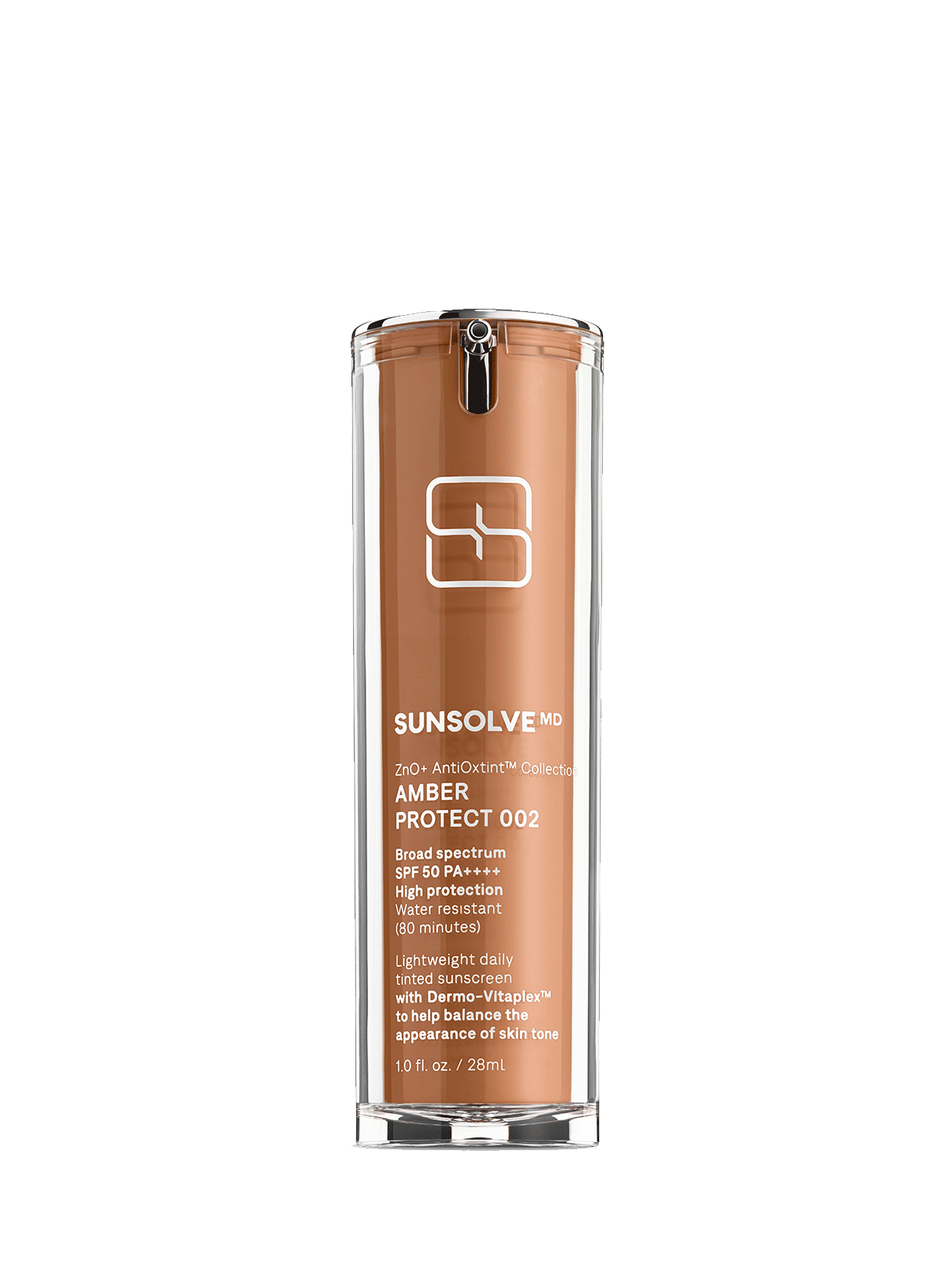
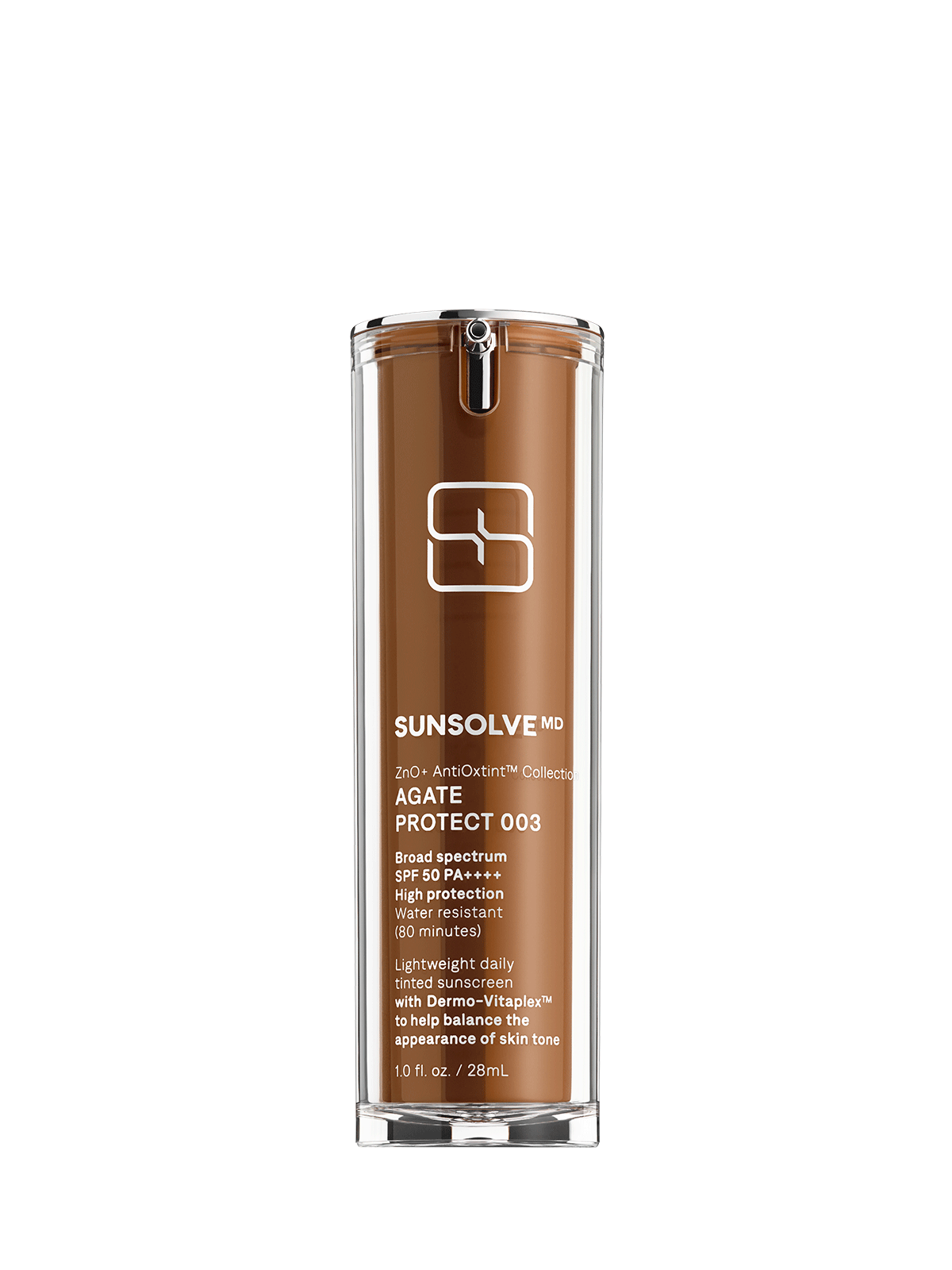
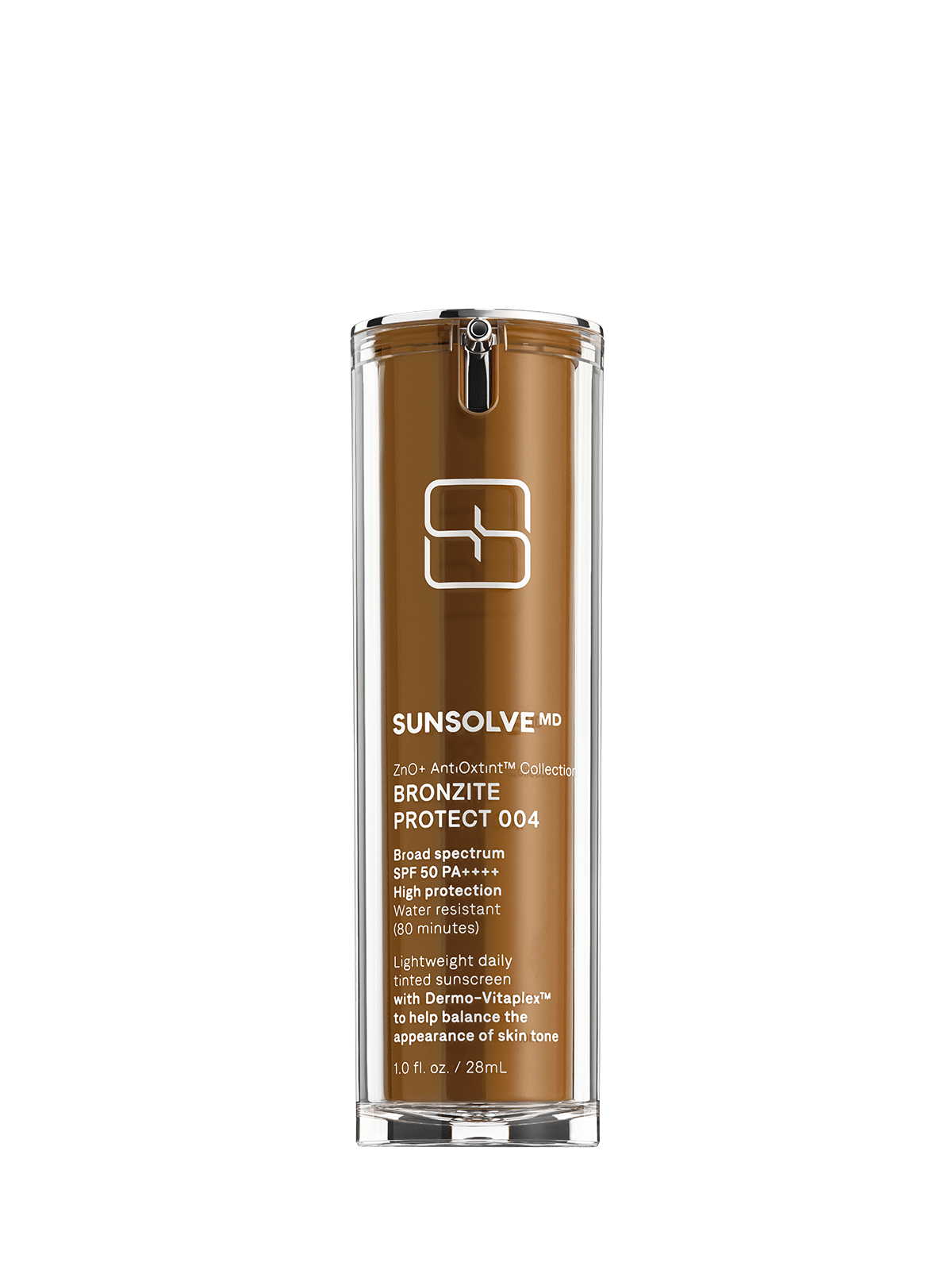
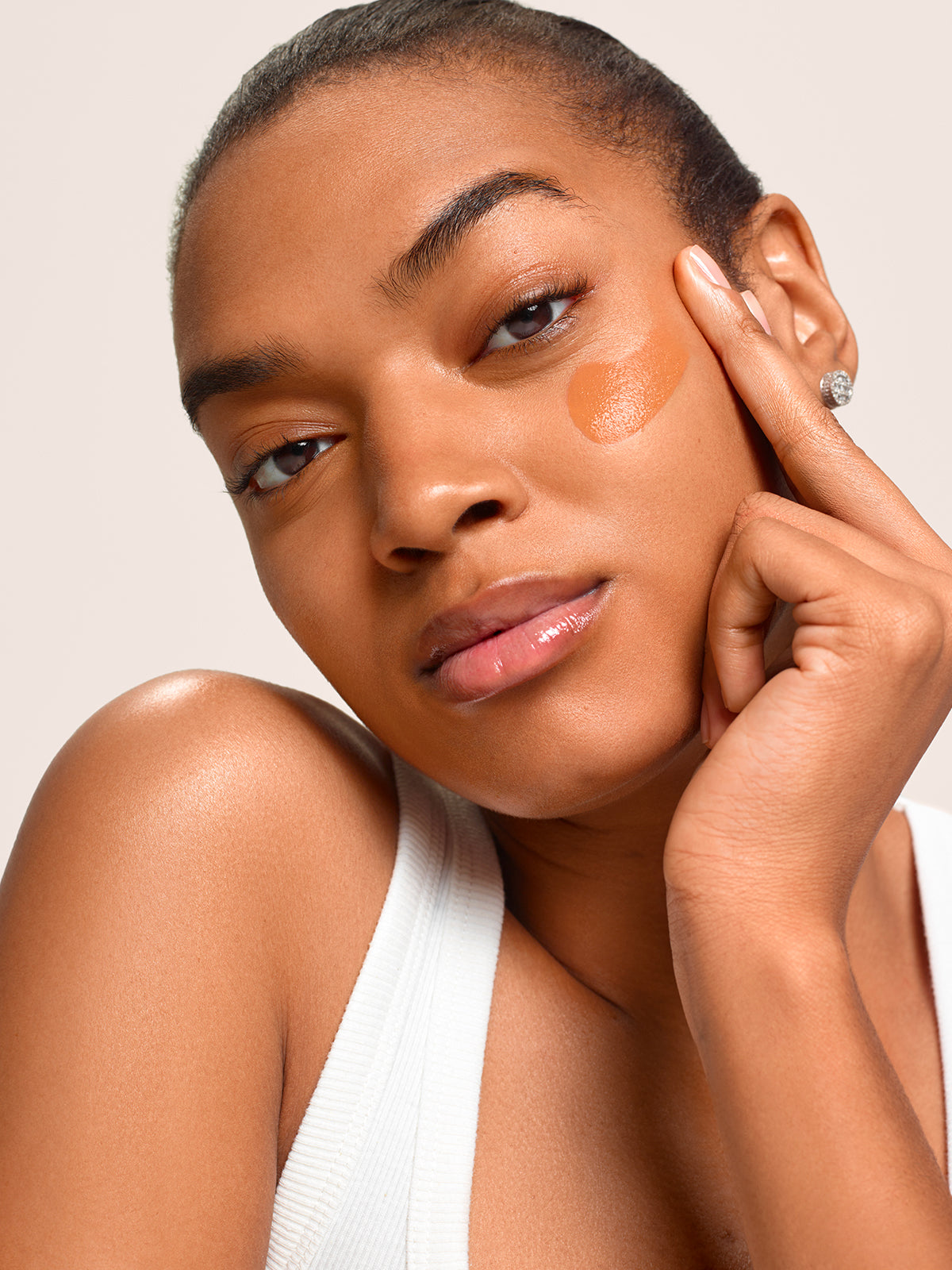
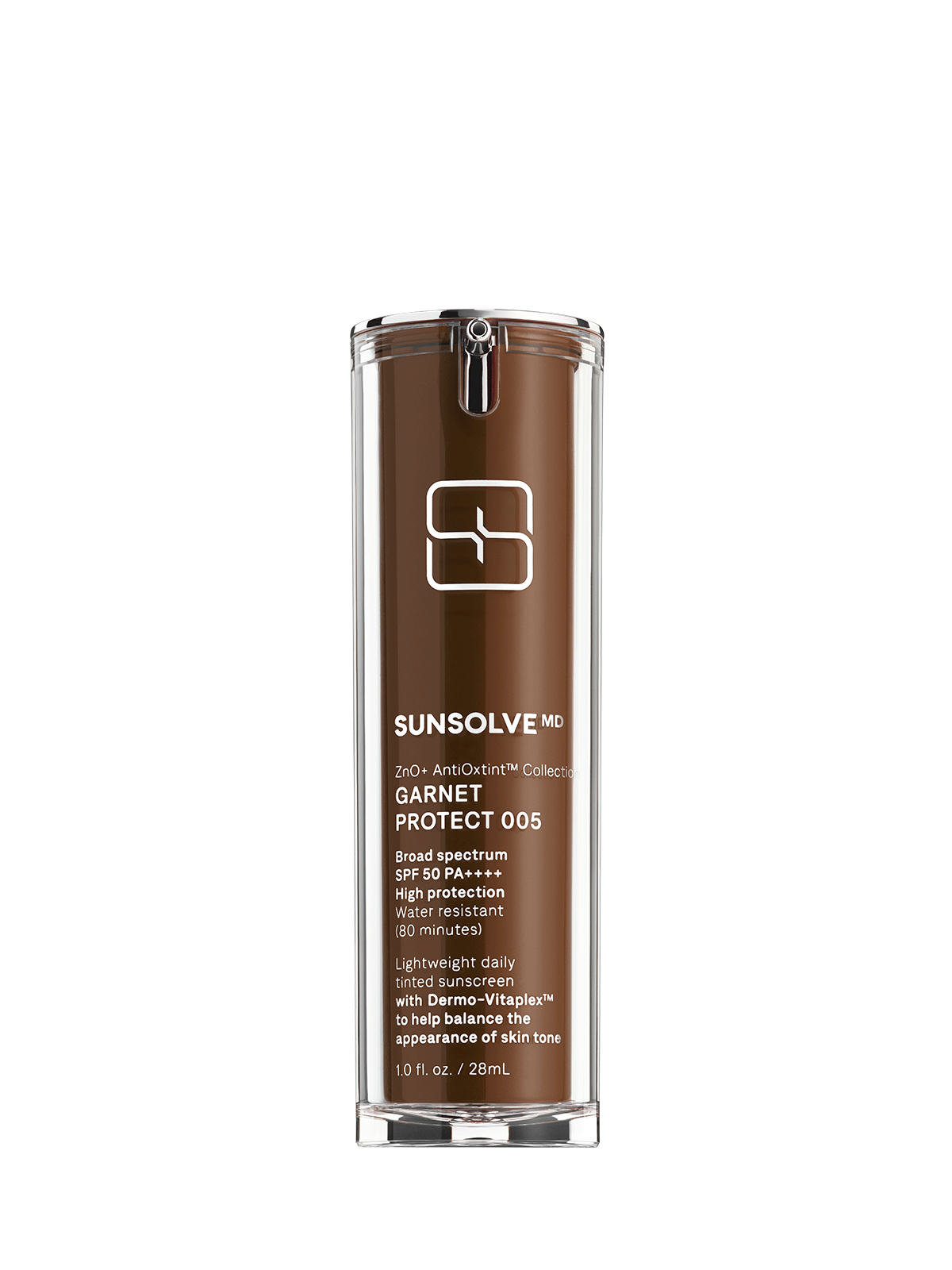
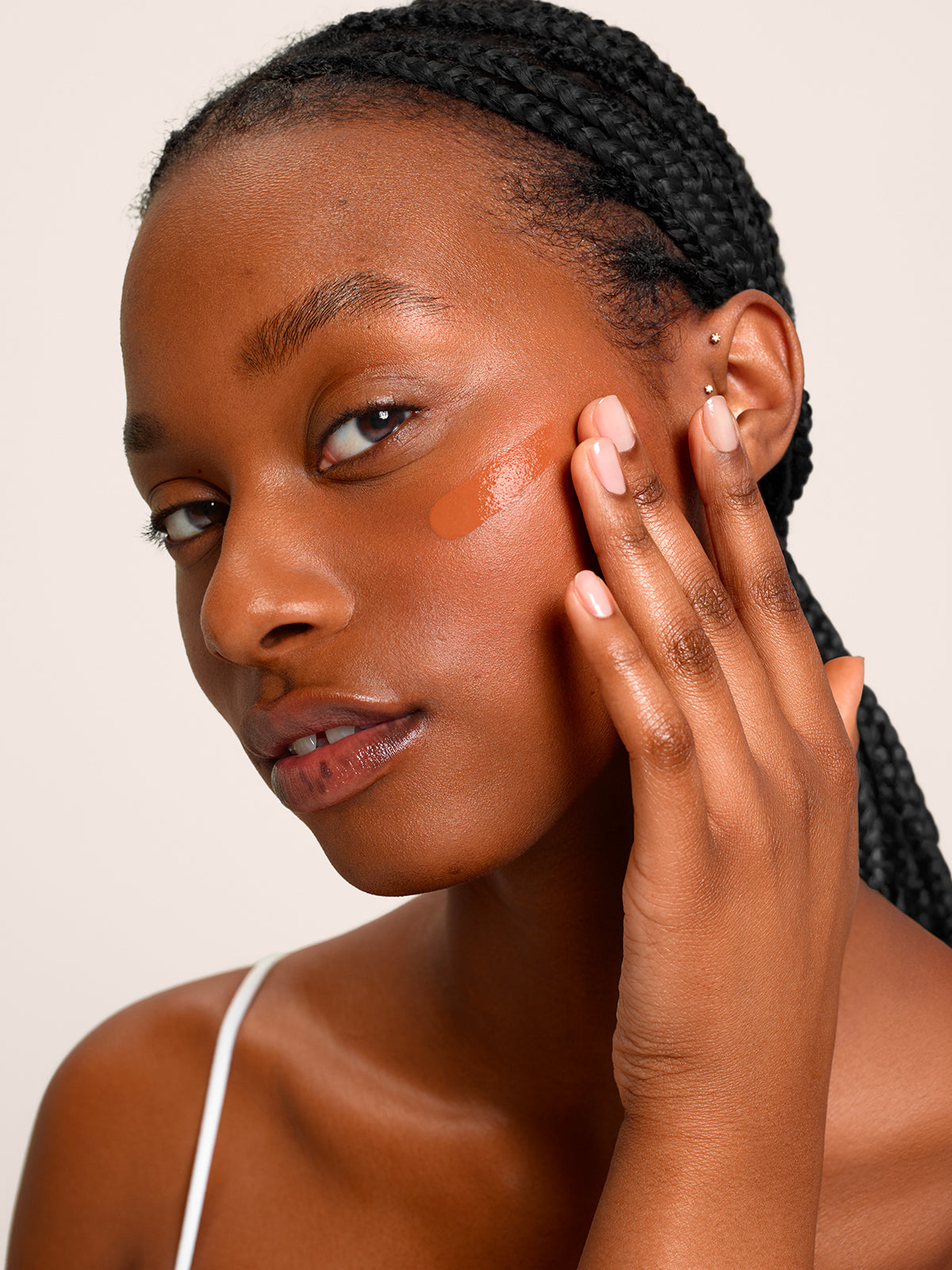
And for those who want coverage with protection, our tinted mineral SPF range delivers sheer, blendable color with zero white cast across all skin tones - because mineral sunscreen should work for everyone.
The Takeaway
UVA ages. UVB burns. Both damage DNA. And while you can't see UV rays, you will see their effects - unless you treat sun protection as a daily, non-negotiable part of your routine.
That means choosing an SPF that works across both spectrums is so important - and ideally, you’ll want to opt for formulas that go beyond blocking to actively repair. Because understanding UV photodamage isn't about fear of wrinkles: it's about taking control over how your skin ages - and doing it on your terms.