Skip to content
Graphic of mineral SPF particles and skin barrier

Join The Solve Society. Designed for members to receive exclusive benefits

Explore benefits

Jan 11, 2026

The Role Of Iron Oxides In Skin Protection

It’s pretty easy to think of sunscreen as a two-part story: UVA and UVB. Block those, and you're protected. The reality is, as always, more complicated.

Visible light, the part of the solar spectrum you can actually see, makes up roughly 45% of the radiation reaching your skin on any given day, and standard sunscreens, including most mineral formulas, do very little to stop it. Iron oxides are why that gap matters, and why tinted SPF is not simply a cosmetic choice.

The Role Of Iron Oxides In Skin Protection

What Are Iron Oxides And Why Are They In Sunscreen?

Iron oxides are inorganic pigments, the same compounds responsible for the yellow, red, and black tones in cosmetic products. In sunscreen, they serve a different function entirely. Because of their ability to absorb and scatter visible light, particularly high-energy visible light (HEVL) in the blue light range, they provide a layer of photoprotection that neither UV filters nor standard zinc oxide or titanium dioxide can deliver on their own.

The distinction matters because visible light and UV radiation act on the skin through different mechanisms. UV radiation triggers DNA damage and collagen degradation; visible light, particularly in the 400 to 700nm range, works primarily through melanogenesis. Research published in the Journal of Investigative Dermatology identified opsin 3 as a key sensor in melanocytes for blue light-induced pigmentation, though the precise signalling pathways involved are still an active area of study. These are two separate processes requiring two separate forms of protection, and most sunscreens only address one of them.

Does Visible Light Actually Damage Skin?

The evidence is clear: research published in the Journal of Drugs in Dermatology demonstrated that iron oxide-containing formulations significantly protected against visible light-induced pigmentation in individuals with Fitzpatrick skin types III and above, while a non-tinted mineral SPF 50+ provided results comparable to untreated skin. That's a meaningful finding - an SPF 50+ offering no meaningful protection against nearly half the solar spectrum arriving at your skin is a significant limitation, one that iron oxides directly address.

For skin prone to melasma or post-inflammatory hyperpigmentation, the implications are particularly significant. Standard UV-only protection can stabilise these conditions; it rarely resolves them. Tinted formulas containing iron oxides have been shown in clinical trials to reduce melasma severity scores more effectively than untinted SPF equivalents, and to better prevent relapse.

Who Benefits Most From Iron Oxide SPF?

The short answer: anyone prone to pigmentation, and anyone spending significant time near screens. Visible light exposure isn't confined to the outdoors. Blue light emitted by phones, laptops, and monitors falls within the same wavelength range that triggers melanogenesis, which is relevant if you've ever noticed your skin tone becoming uneven despite consistent SPF use indoors.

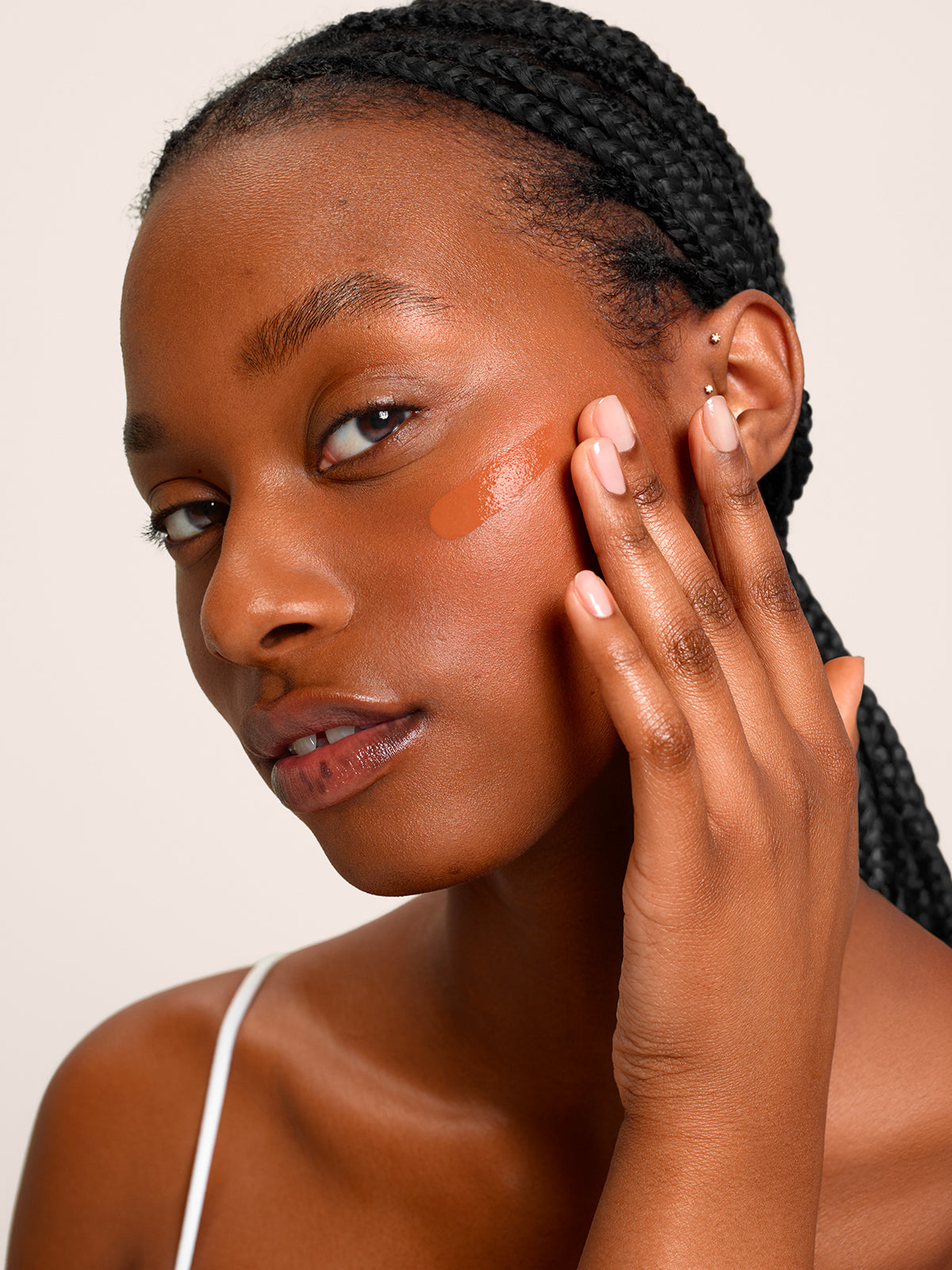
Darker skin tones, Fitzpatrick types III through VI, are particularly vulnerable to visible light-induced dyschromia because melanocytes in deeper skin tones respond more vigorously to HEVL stimulation. That said, the assumption that visible light is only a concern for darker skin is misleading. Erythema and oxidative stress from visible light exposure occur across all phototypes; the manifestation simply differs.
Are Iron Oxides Safe For Daily Use?

Yes. Iron oxides have an extensive safety record as cosmetic ingredients and are approved by regulatory bodies including the EU and FDA for use in skincare and colour cosmetics. They don't absorb into the skin in any meaningful quantity; they sit on the surface and function as a physical shield. There is no clinical basis for concern about daily use, and considerable clinical basis for concern about omitting them if you're managing pigmentation.

Put simply, the broader benefits of mineral SPF extend well beyond UV protection, and iron oxides are a meaningful part of that picture, particularly for anyone whose skin concerns include tone unevenness, melasma, or PIH.

What Makes SunsolveMD Different

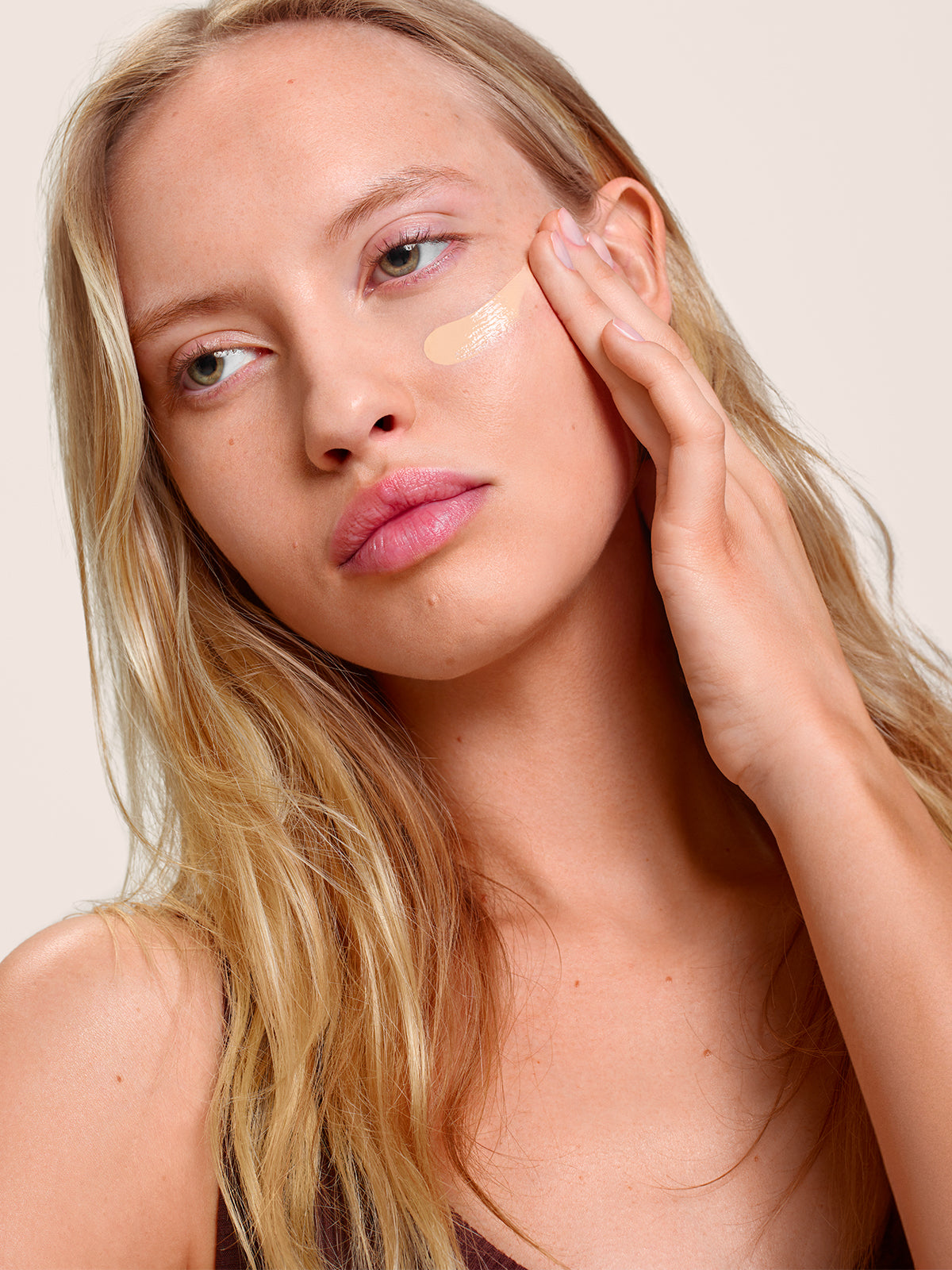
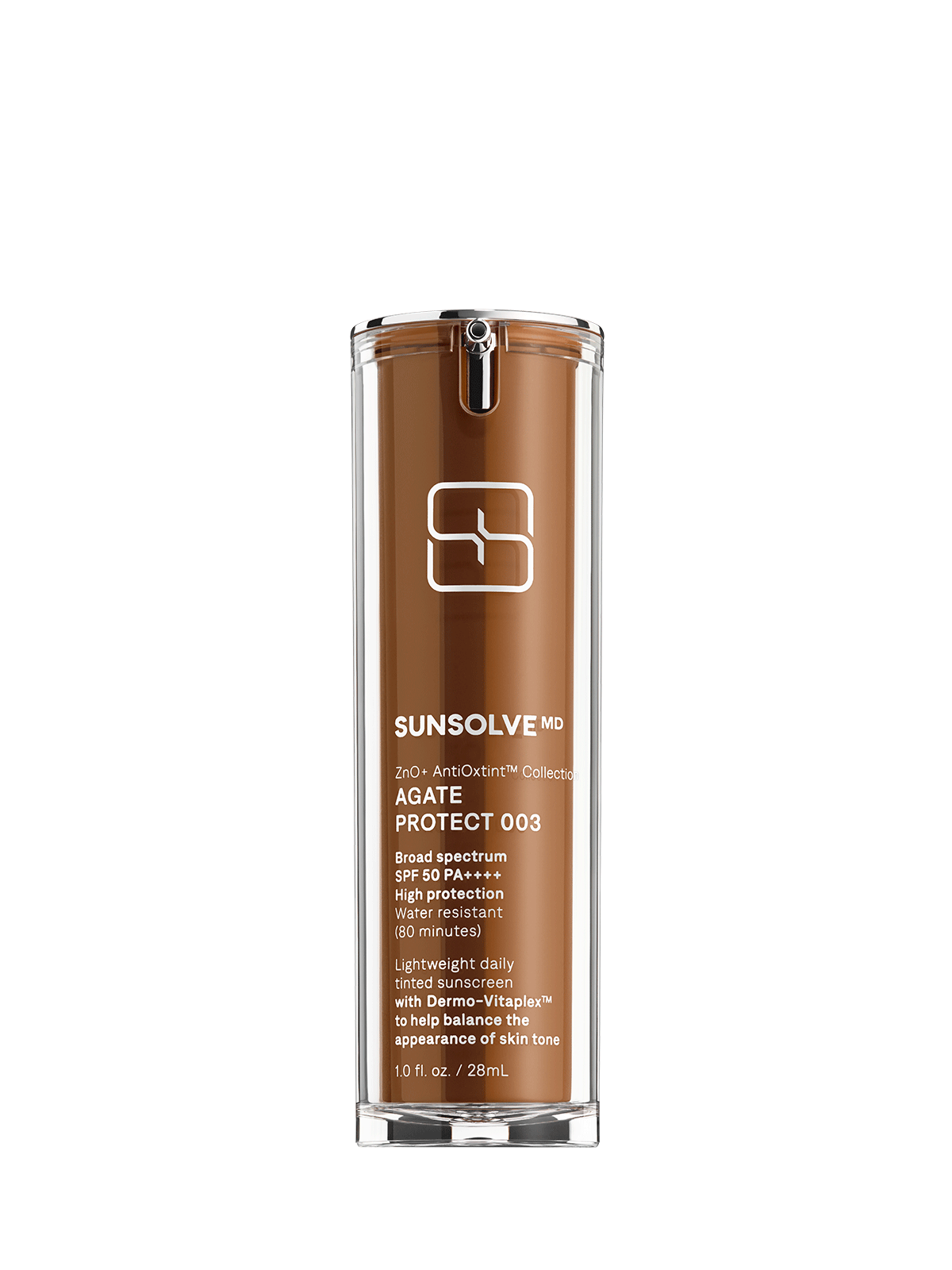
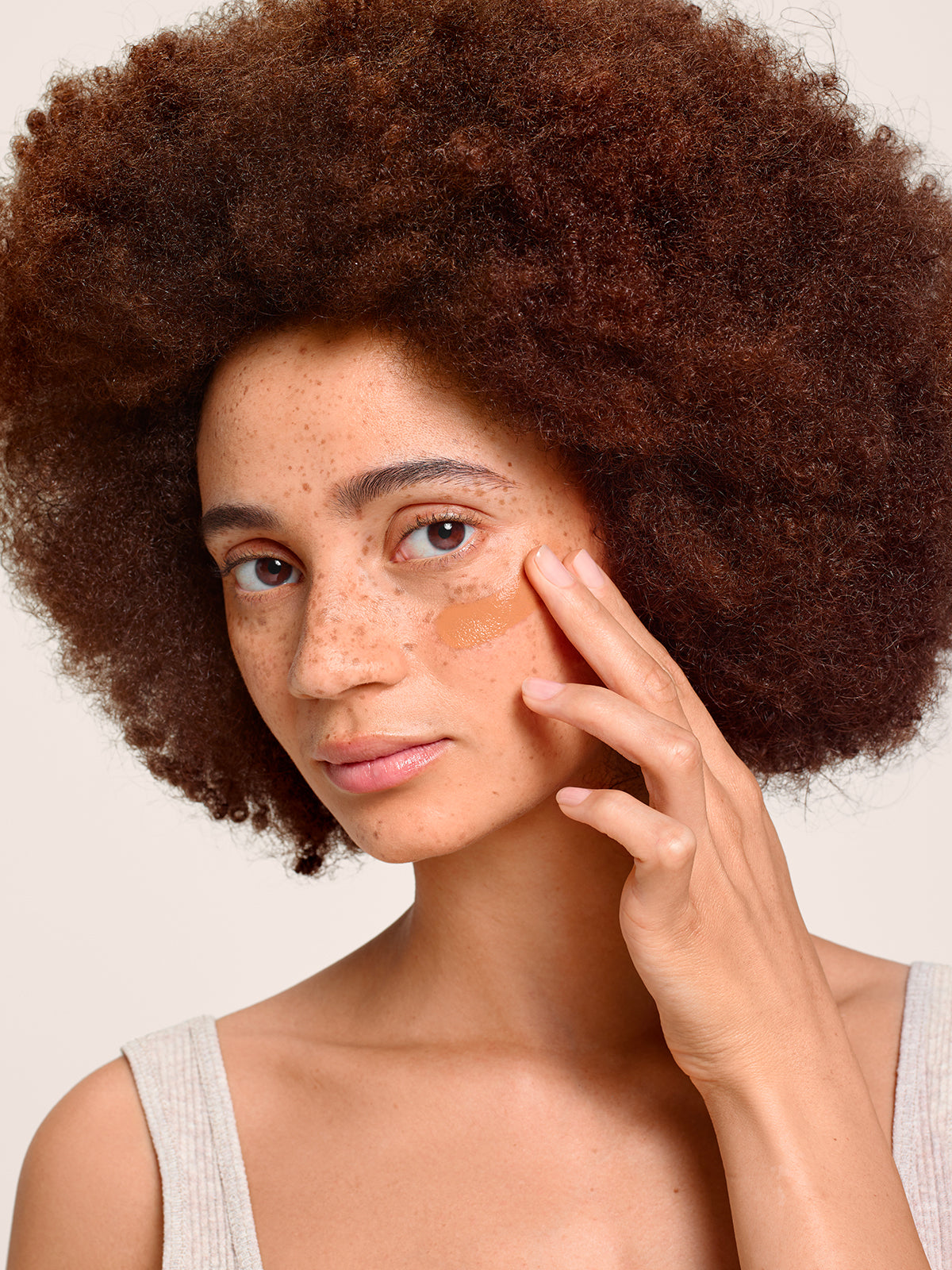
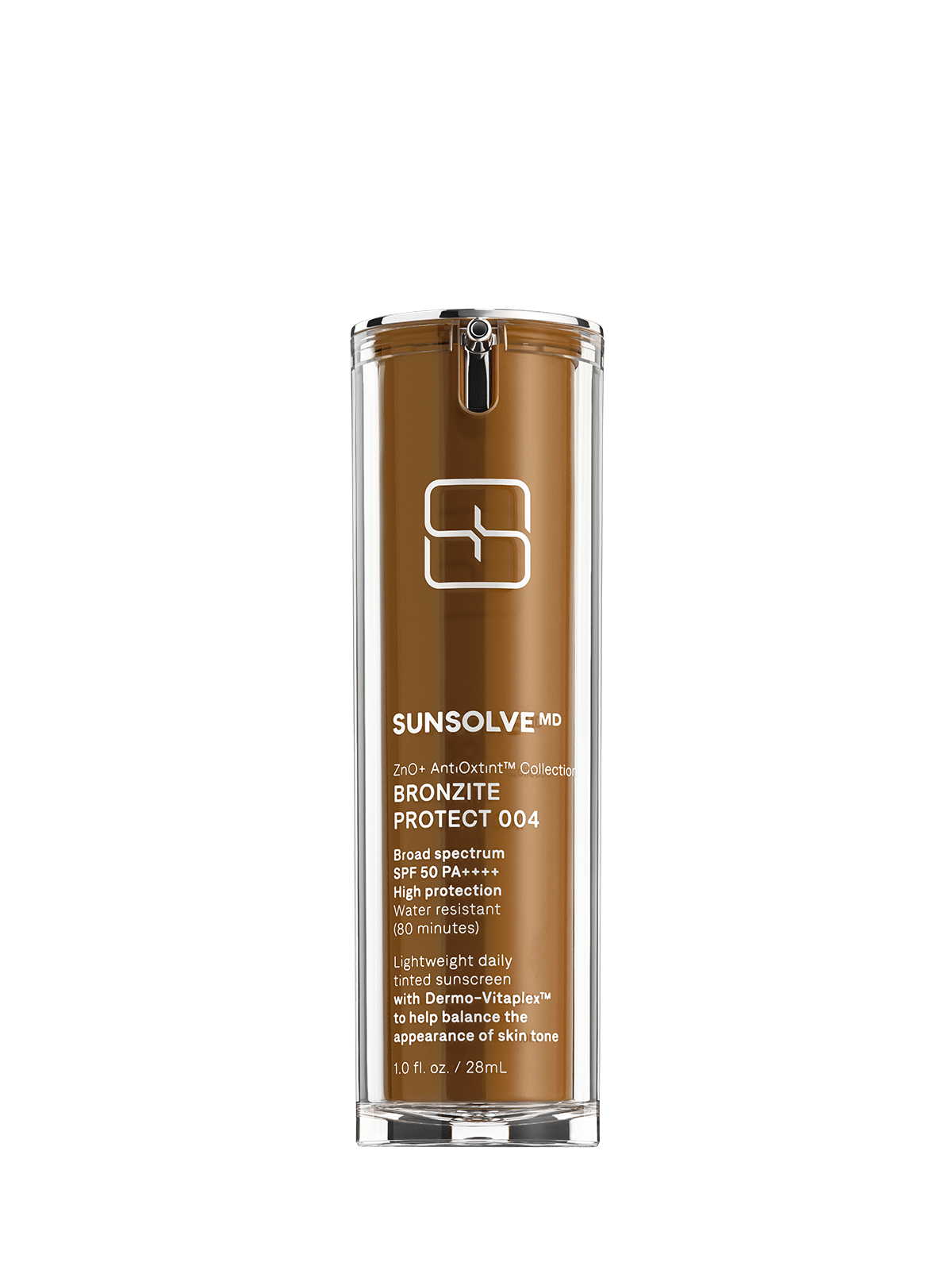
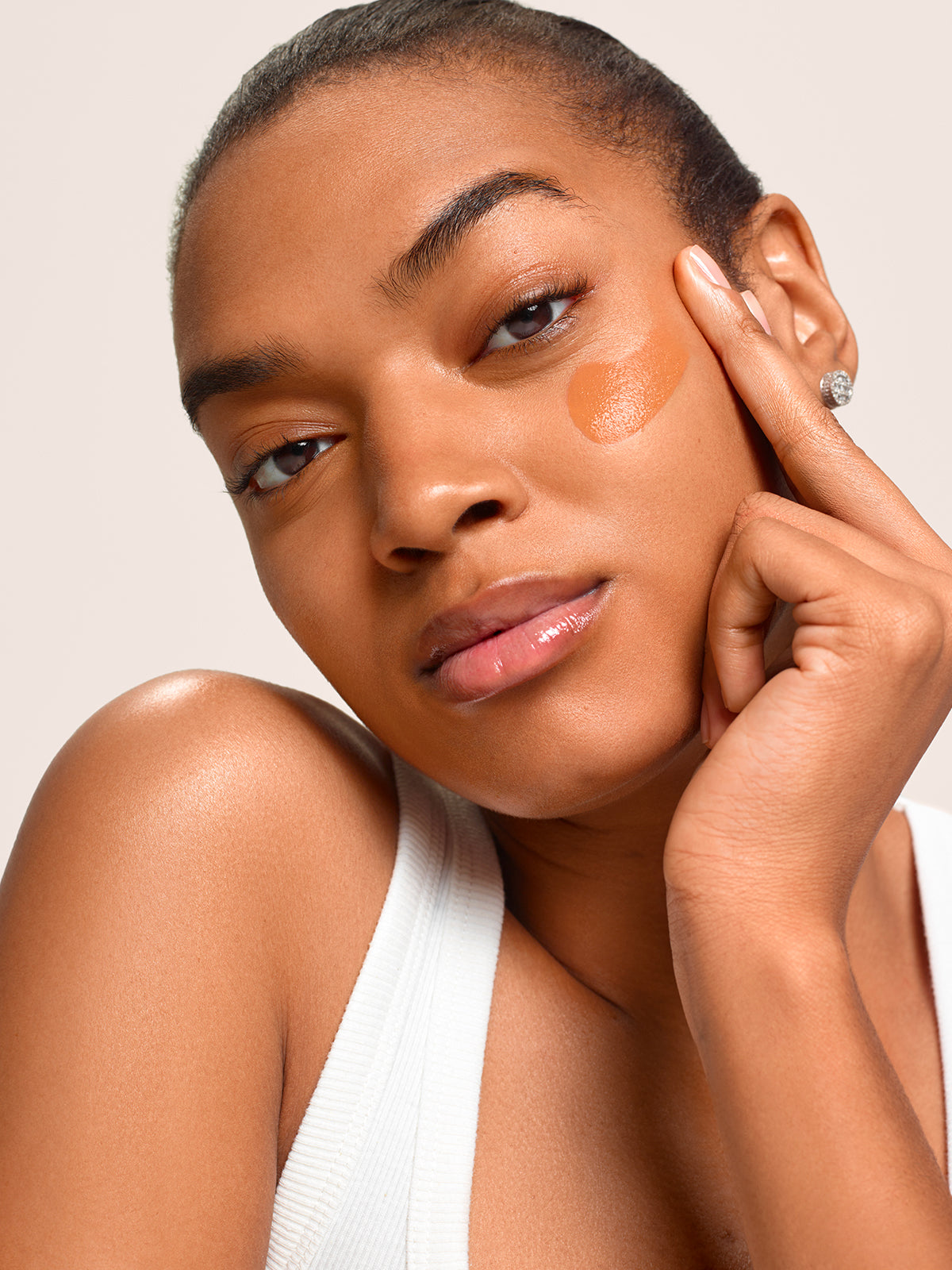
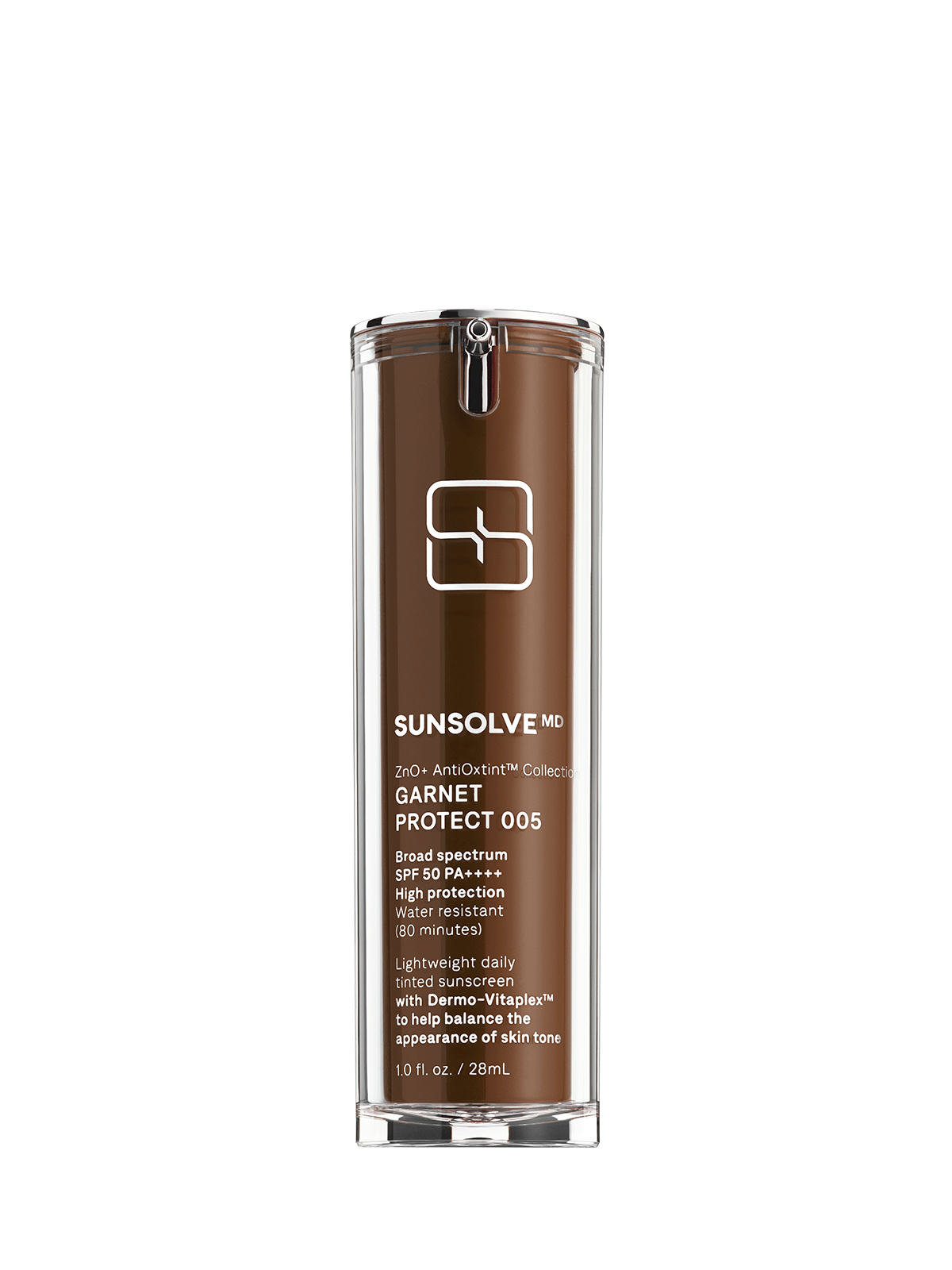
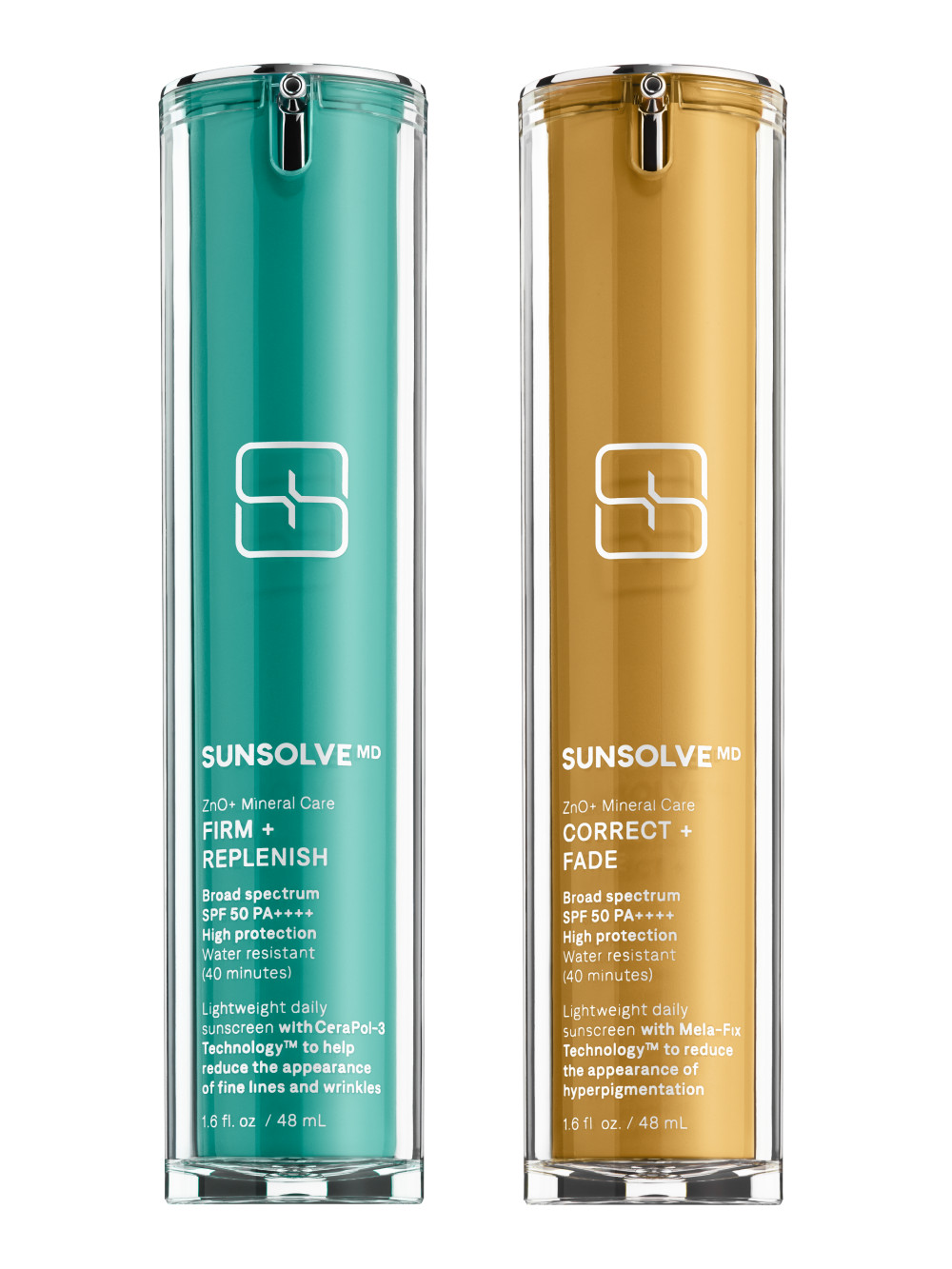
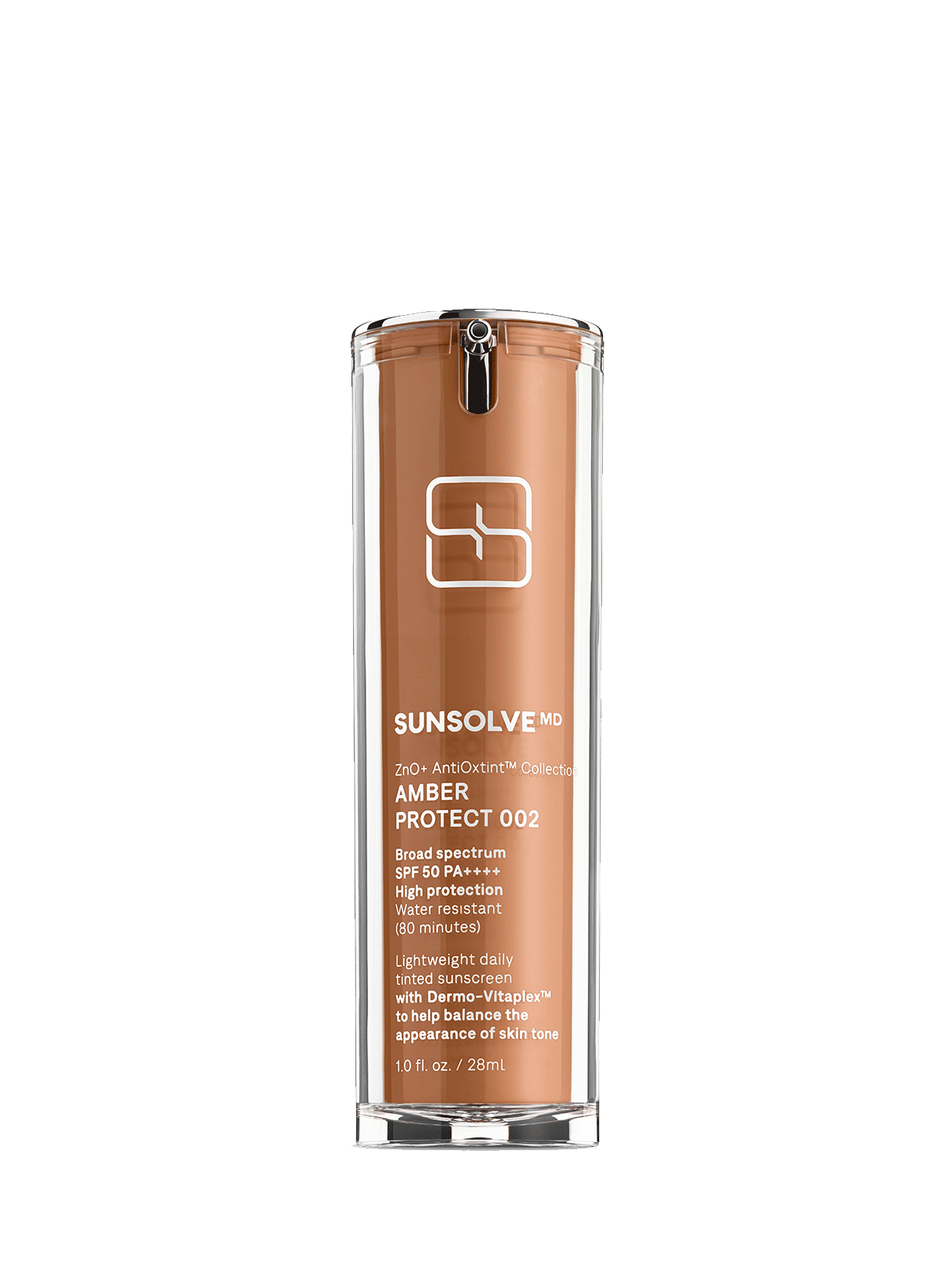
Our tinted range combines non-nano zinc oxide with iron oxide pigments, delivering sun protection with a natural skin tint across six shades developed for a full range of skin tones. The formulation addresses UV and visible light simultaneously, without the heavy coverage or oxidising finish that makes many tinted SPFs difficult to wear daily.

Plus, with formulations clinically developed for all skin types, you don’t need to worry about your SPF getting in the way of your usual routine. Whether your skincare routine is based around anti-aging, acne-control or sensitivity management, we’ve got a mineral sunscreen that will work for you.

FAQs

Do I need an iron oxide sunscreen if I don't have hyperpigmentation?

Visible light contributes to oxidative stress and early photoageing across all skin types, not just pigmentation concerns. If you spend significant time near screens or outdoors, iron oxide protection is relevant regardless of whether pigmentation is your primary concern.

Will a tinted sunscreen match my skin tone?

It depends on the range. Tinted SPFs vary significantly in the depth and undertone of their shades. A well-formulated tinted range should offer sufficient variety to match or adapt to most skin tones without leaving an obvious cast.

Can I use an iron oxide sunscreen under makeup?

Yes, and many people find tinted SPFs reduce the amount of additional base coverage they need. A lightweight tinted formula applied as the final step of your skincare routine typically sits well under foundation or can replace it entirely on lower-coverage days.

Is iron oxide protection the same as SPF?

No. SPF measures protection against UVB radiation specifically. Iron oxides protect against visible light, a separate portion of the spectrum. They work alongside SPF rather than replacing it; you need both for comprehensive daily photoprotection.

Trending Topics

Stay Trendy with Our Latest Insights

Why SPF Is Non-Negotiable for Every Skin Type

Once thought of as a concern almost exclusive to older generations, those with fair skin, or anyone who religiously (over) uses sunbeds, skin cancer is now on the rise across all demographics. Desp...

Sunscreen and Acne Treatments -  What You Need To Know
Sunscreen and Acne Treatments - What You Need To Know

If you’re undergoing professional or medical treatments for acne or acne scars, such as chemical peels, microneedling, laser therapy, or prescription medications, sun protection becomes essential. ...

Ways To Reduce Your Carbon Footprint With SPF

Decoding SPF and your carbon footprint. How to make more discerning choices with mineral sunscreens that not only safeguard your skin but are sustainably savvy.

Rosacea & SPF: How To Choose The Right Sunscreen

Rosacea is a common skin condition characterized by facial redness and inflammation. Follow this guide to choose the right sunscreen if you have rosacea.

A Dermatologists’ Guide To Photodamage And Dark Skin

Dermatologists weigh in on photodamage and dark skin (and how SPF is here to help). Read more.

Going to the Beach With Psoriasis: Risks and Benefits

Psoriasis is an immune-mediated disease. This is your scientific guide to safely treating psoriasis with natural sunlight.