Skip to content
Graphic of mineral SPF particles and skin barrier

Join The Solve Society. Designed for members to receive exclusive benefits

Explore benefits

Mar 21, 2026

Skinimalism: Why Less is Truly More

Skincare has spent years moving in one direction: more steps, more actives, more complexity. Layering acids, retinoids, serums, essences, and treatments has become the norm, often with the assumption that more intervention leads to better results.

Skinimalism challenges that idea.

It’s not about doing less for the sake of it. It’s about doing what works, consistently, without overwhelming the skin or disrupting its natural function. The goal is efficiency, not excess. When approached correctly, a simplified routine can deliver better outcomes, not worse ones.

Understanding why requires looking at how skin responds to overuse, how actives interact, and where the real value in a routine sits.

Skinimalism: Why Less is Truly More

What Skinimalism Actually Means

Skinimalism is the practice of reducing a skincare routine to essential, high-performing products that support skin health without unnecessary layering. This doesn’t mean removing effective ingredients. It simply means removing all the skincare that you don’t really need.

Many routines contain multiple products that perform similar roles or compete with each other. For example, combining several exfoliating acids, layering different antioxidant serums, or using multiple barrier-disrupting actives in the same routine can create more problems than they solve.

Skinimalism focuses on fewer steps, multi-functional formulations, barrier support, and consistency over complexity. It shifts the focus from chasing results through volume to achieving results through precision.

The Problem With Overcomplicated Routines

Every person’s skin has limits. Your skin can only tolerate so much stimulation before its barrier function begins to weaken. Overuse of actives, particularly exfoliating acids and retinoids, can lead to increased transepidermal water loss, chronic low-level inflammation and many other issues both in the short and long term.

What often gets mistaken for “purging” or adjustment is, in many cases, irritation from overuse. There is also the issue of ingredient conflict. Some actives reduce the efficacy of others, while certain combinations increase irritation risk without improving results.

More steps don’t necessarily mean better outcomes. In many cases, they introduce variables that make the skin less stable over time.

Why Simpler Routines Often Work Better

Following a simple routine will allow your skin to maintain its natural balance. When your skin barrier is intact, the skin is better able to retain moisture, defend itself against environmental stressors, regulate inflammation, and repair more effectively.

This is where results actually come from. Not from layering multiple aggressive actives, but from creating the conditions in which the skin can function properly.

Simpler routines also improve consistency. A routine with three or four steps is far more likely to be followed daily than one with ten. Consistency is what drives long-term outcomes, especially when it comes to sun protection.

The Role of SPF in a Skinimalist Routine

If skinimalism is about identifying what matters most, daily sun protection sits at the center of that conversation. UV exposure is the primary external driver of:

  • Collagen breakdown
  • Pigmentation
  • Inflammation
  • DNA damage

No amount of serums or treatments can compensate for ongoing, unprotected exposure.

This becomes even more important when using ingredients that increase sun sensitivity, such as retinoids, AHAs, and BHAs. These actives can improve skin texture and tone, but they also make the skin more vulnerable to UV damage.

Without consistent SPF, the benefits of these ingredients are undermined by increased susceptibility to the very damage they are meant to address.

Fewer Products, Better Formulations

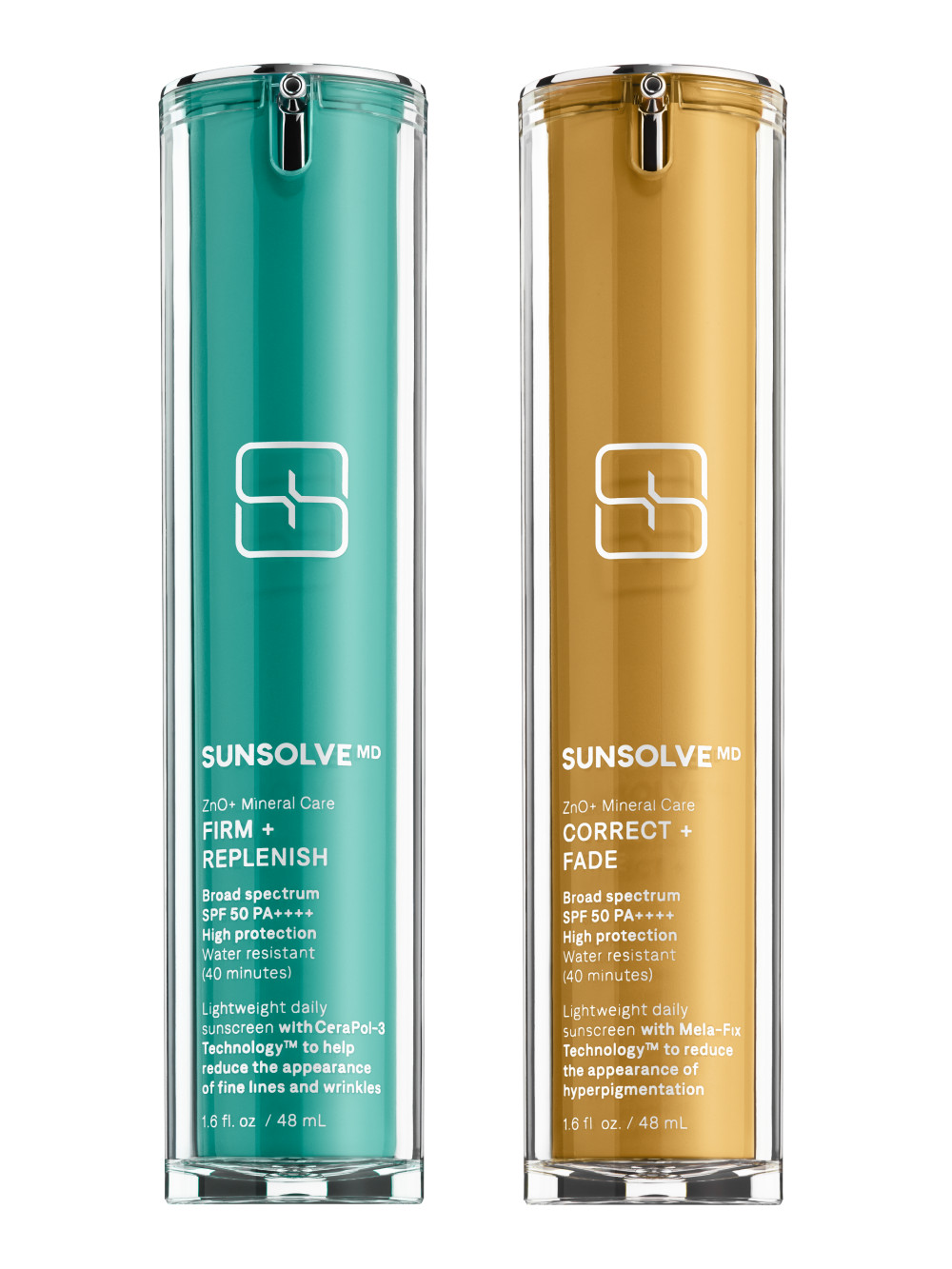
Skinimalism doesn’t mean compromising on quality. It means choosing formulations that do more. Multi-functional products reduce the need for layering by combining:

  • Broad-spectrum protection
  • Antioxidant support
  • Barrier-repairing ingredients
  • Light coverage or tone correction

This approach reduces the number of products required while maintaining or improving overall effectiveness. It also reduces the risk of irritation. Fewer layers mean fewer opportunities for incompatibility or overuse.

Why Barrier Health Matters More Than Ever

The skin barrier is often overlooked, but it is central to everything. A compromised barrier can lead to increased sensitivity, breakouts, dryness, and reduced tolerance to active ingredients.

Many overcomplicated routines unintentionally damage the barrier through repeated exfoliation and excessive active use.

Skinimalism prioritizes barrier integrity by limiting unnecessary stress and supporting the skin’s natural defenses. When the barrier is stable, the skin becomes more resilient, more predictable, and more responsive to targeted treatments.

Where Tinted SPF Fits Into Skinimalism

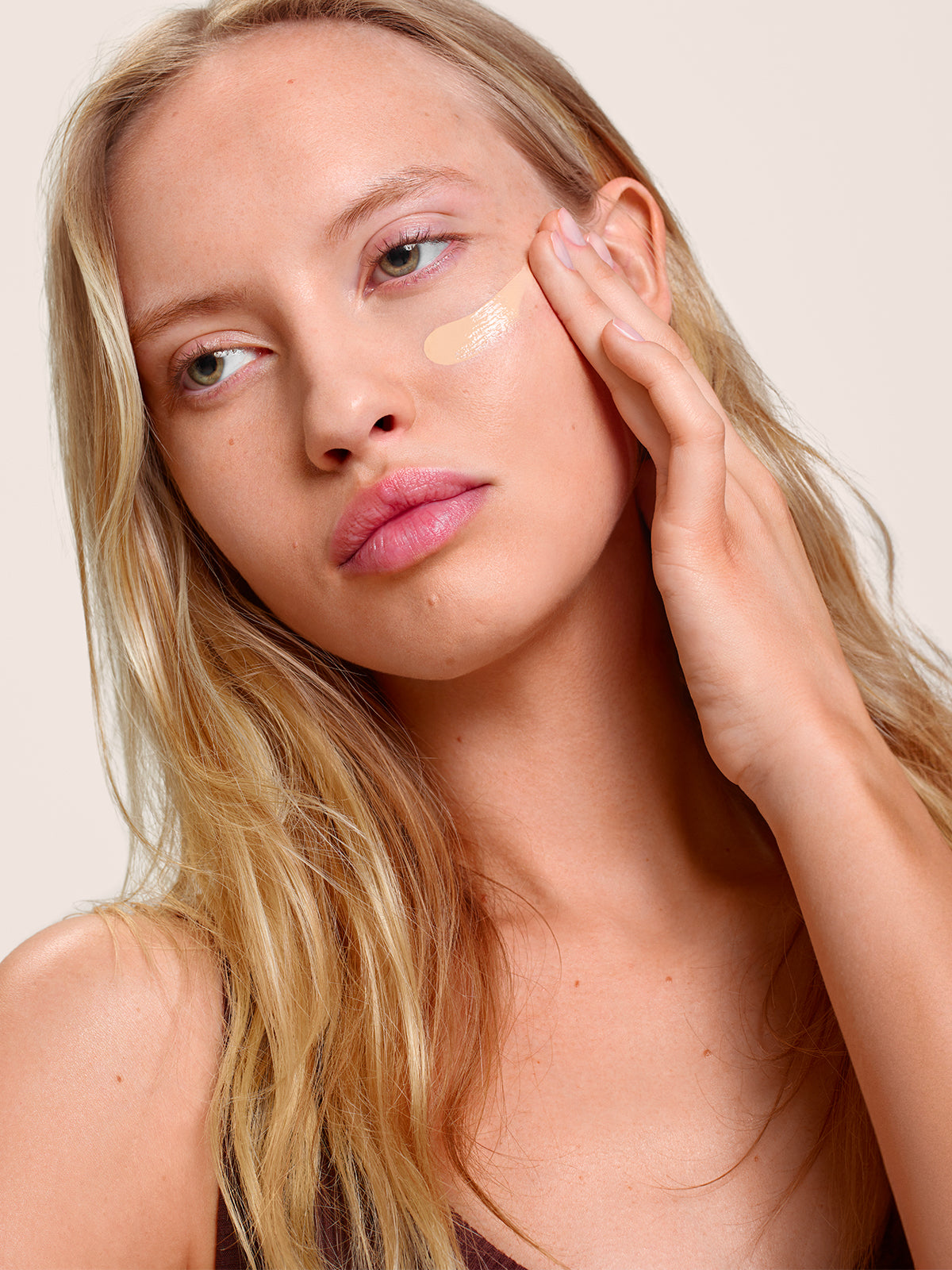
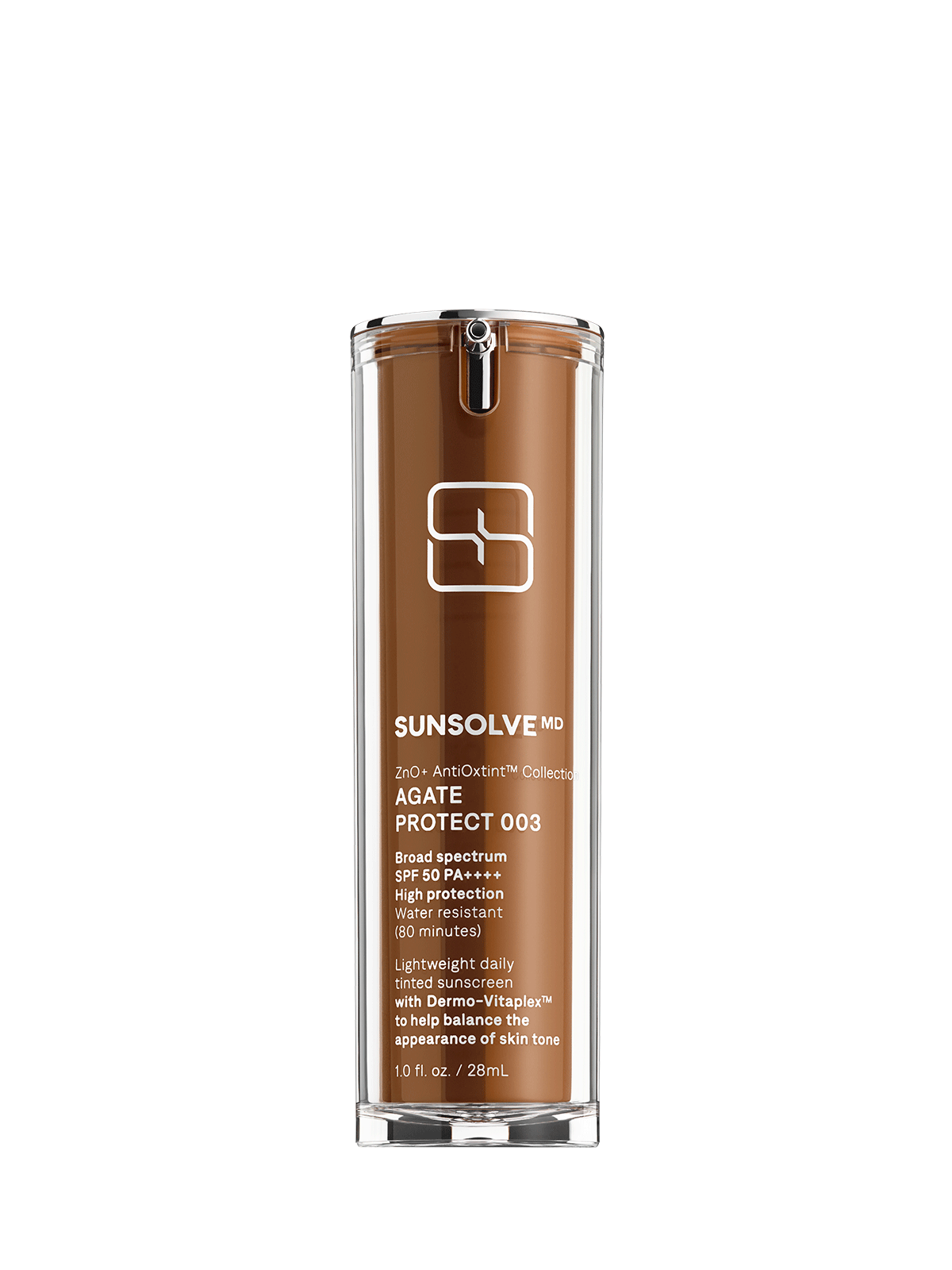
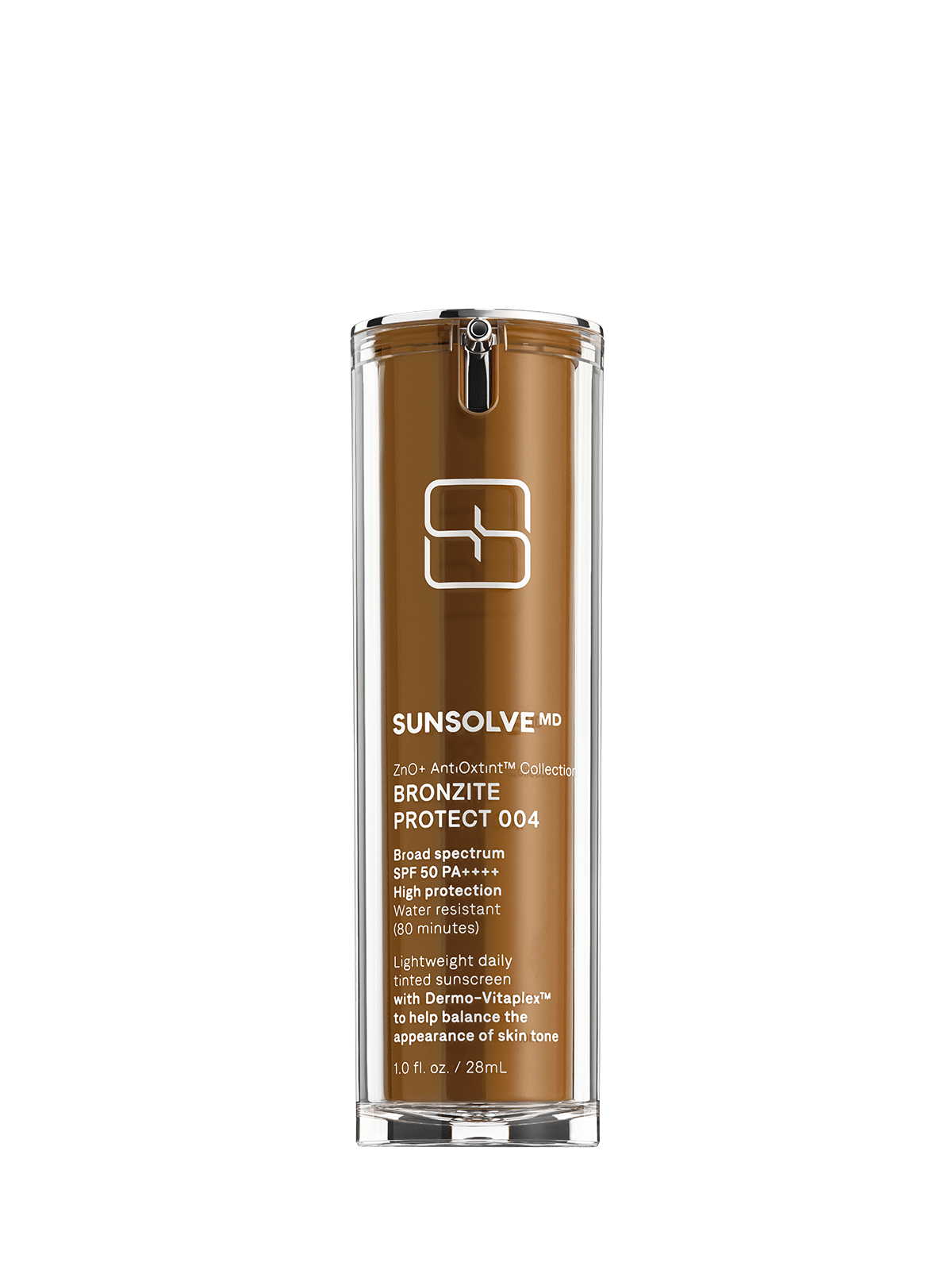
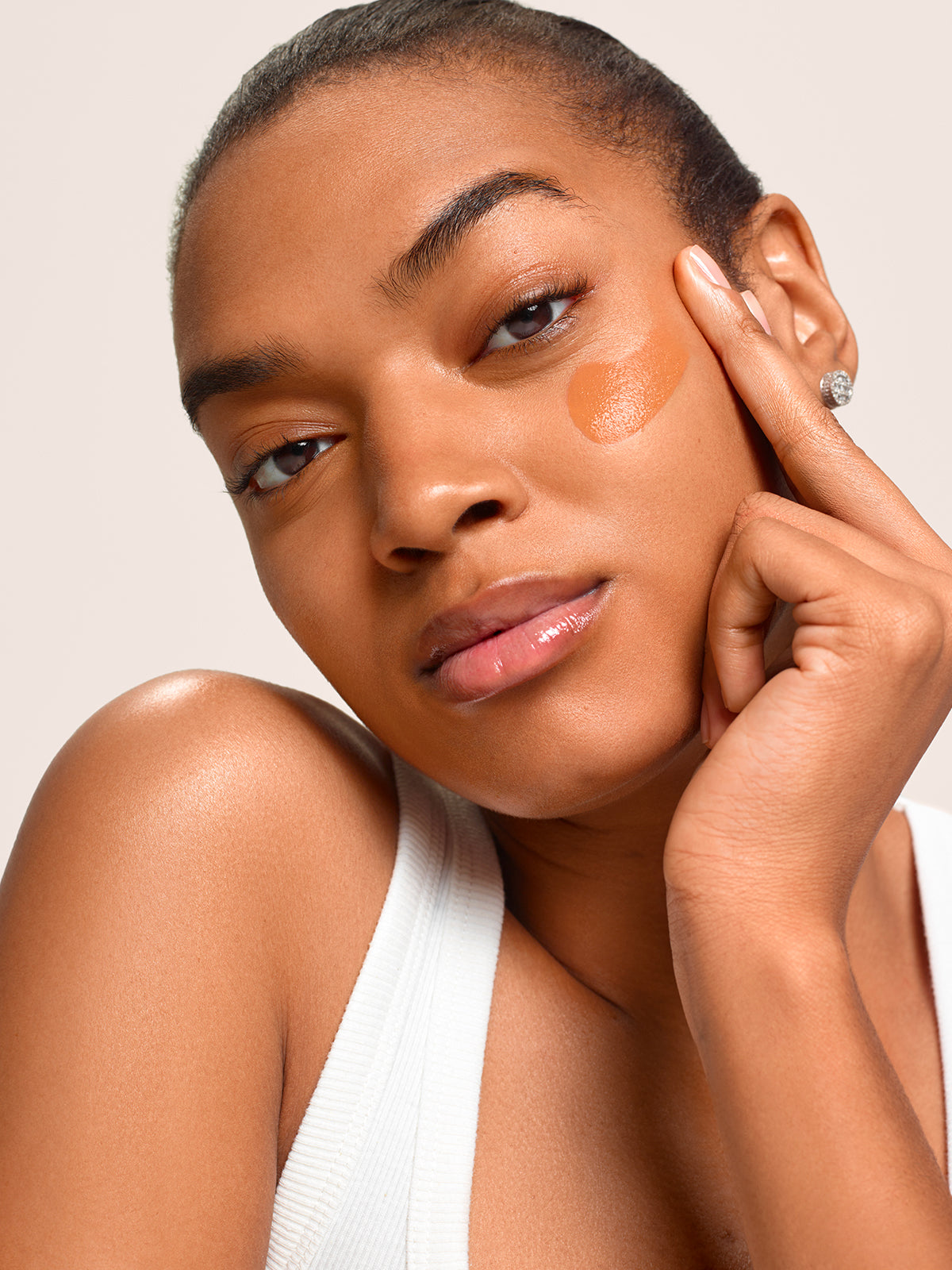
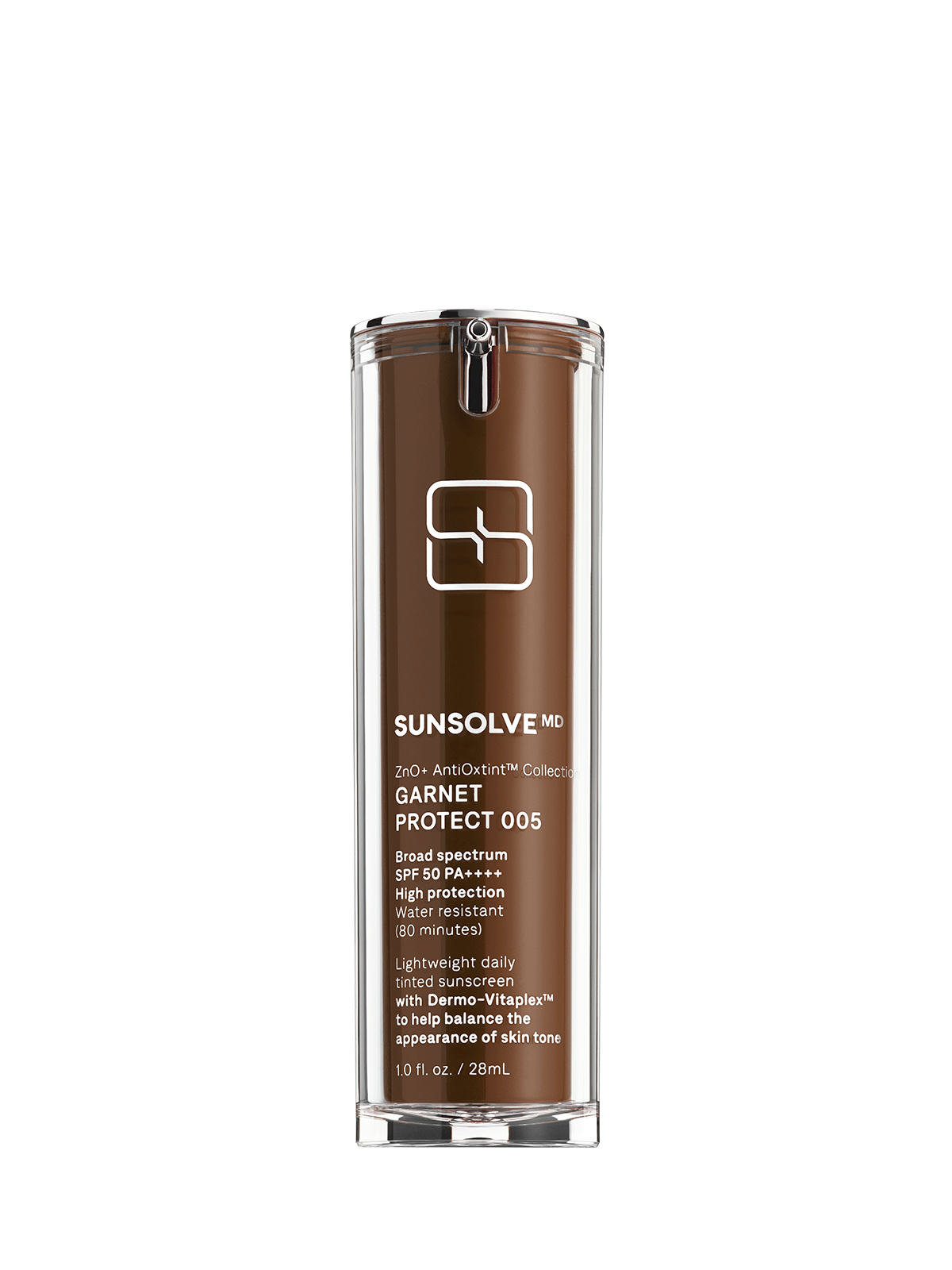
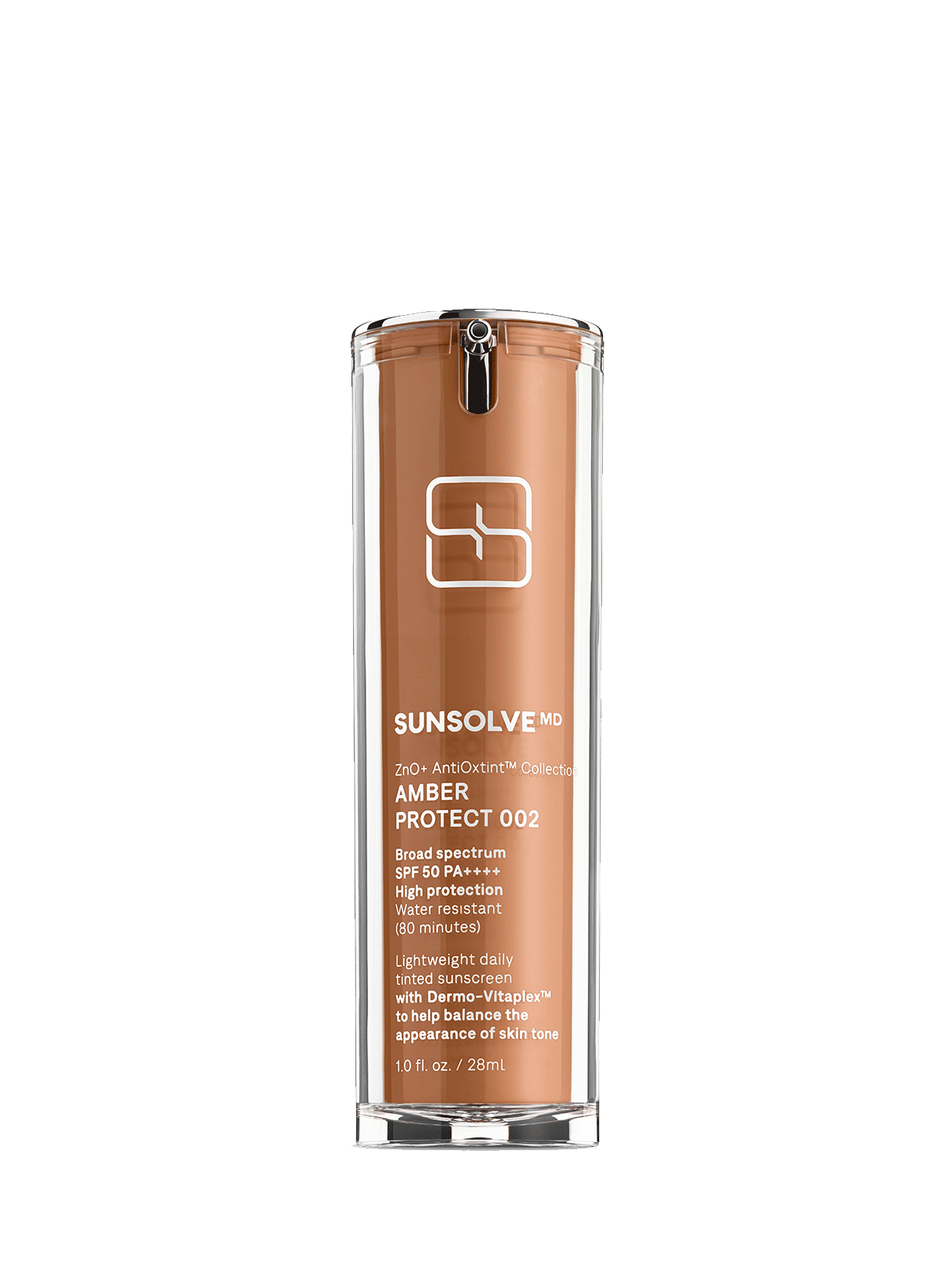
Tintent sunscreen is the perfect choice for anyone who wants to follow a minimalist skincare routine. Instead of layering sunscreen, foundation, and corrective products, tinted sunscreen can handle all of that for you. It will provide you with:

  • Broad-spectrum UV protection
  • Visible light defense
  • Light coverage for tone correction

By simplifying your routine in this way, you reduce the number of products your skin has to tolerate each day. This can help minimise irritation, improve consistency, and make it easier to maintain daily protection without overcomplicating your routine.

Tinted formulas also make it more likely that you will actually use sunscreen every day. When your SPF blends well, feels lightweight, and replaces the need for makeup, it becomes a natural part of your morning routine rather than an extra step you might skip.

This is where dermatologist-approved zinc SPF becomes especially important. Zinc oxide provides stable, broad-spectrum protection that sits on the skin’s surface, while tinted formulations extend that protection into visible light. Together, they offer a more complete approach to daily sun protection without adding extra layers.

How We Approach Skinimalism

Skinimalism is not about removing steps at the expense of results. It’s about refining the routine so that every step serves a clear purpose - and that’s exactly what we’ve strived to achieve.

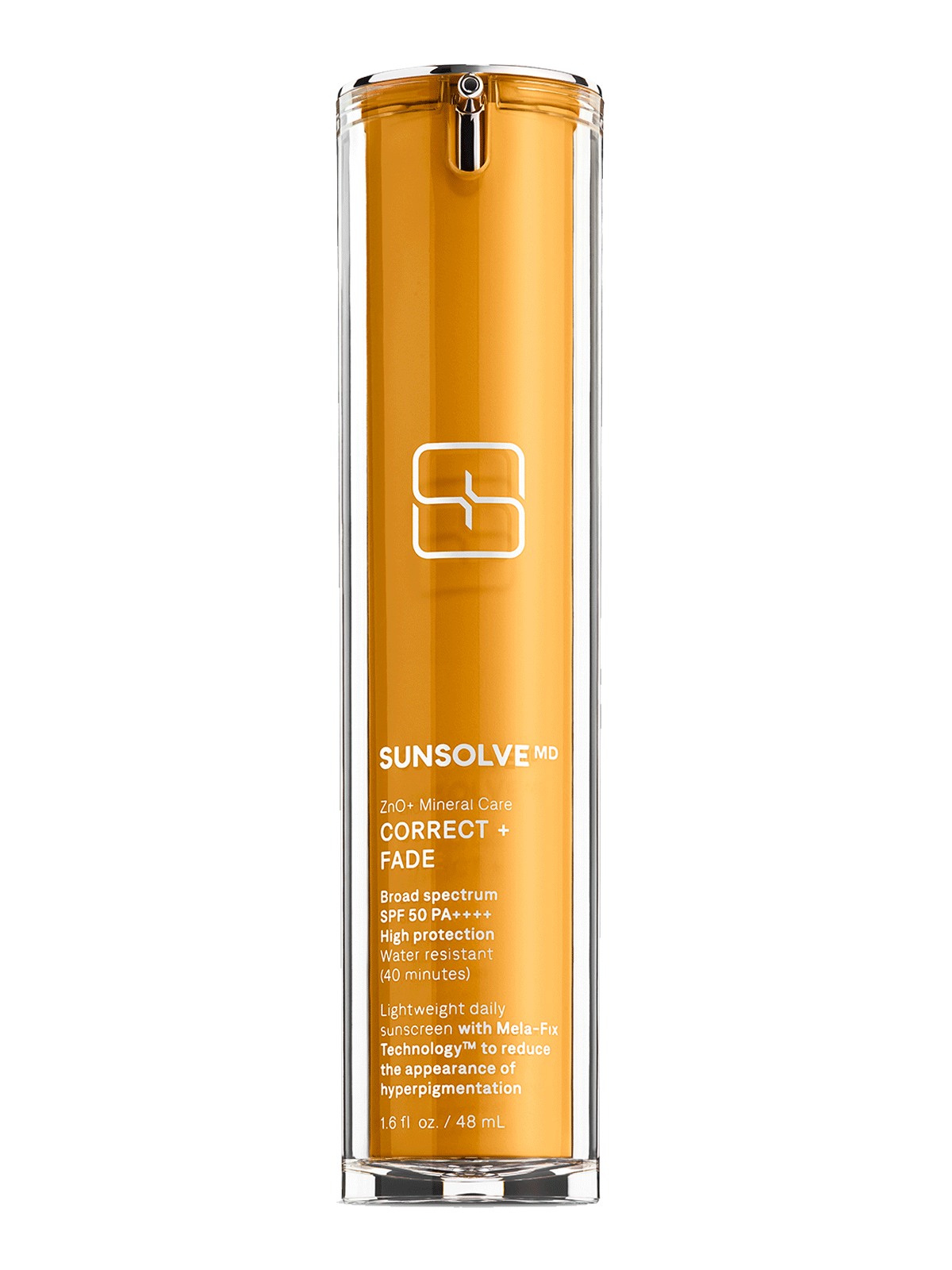
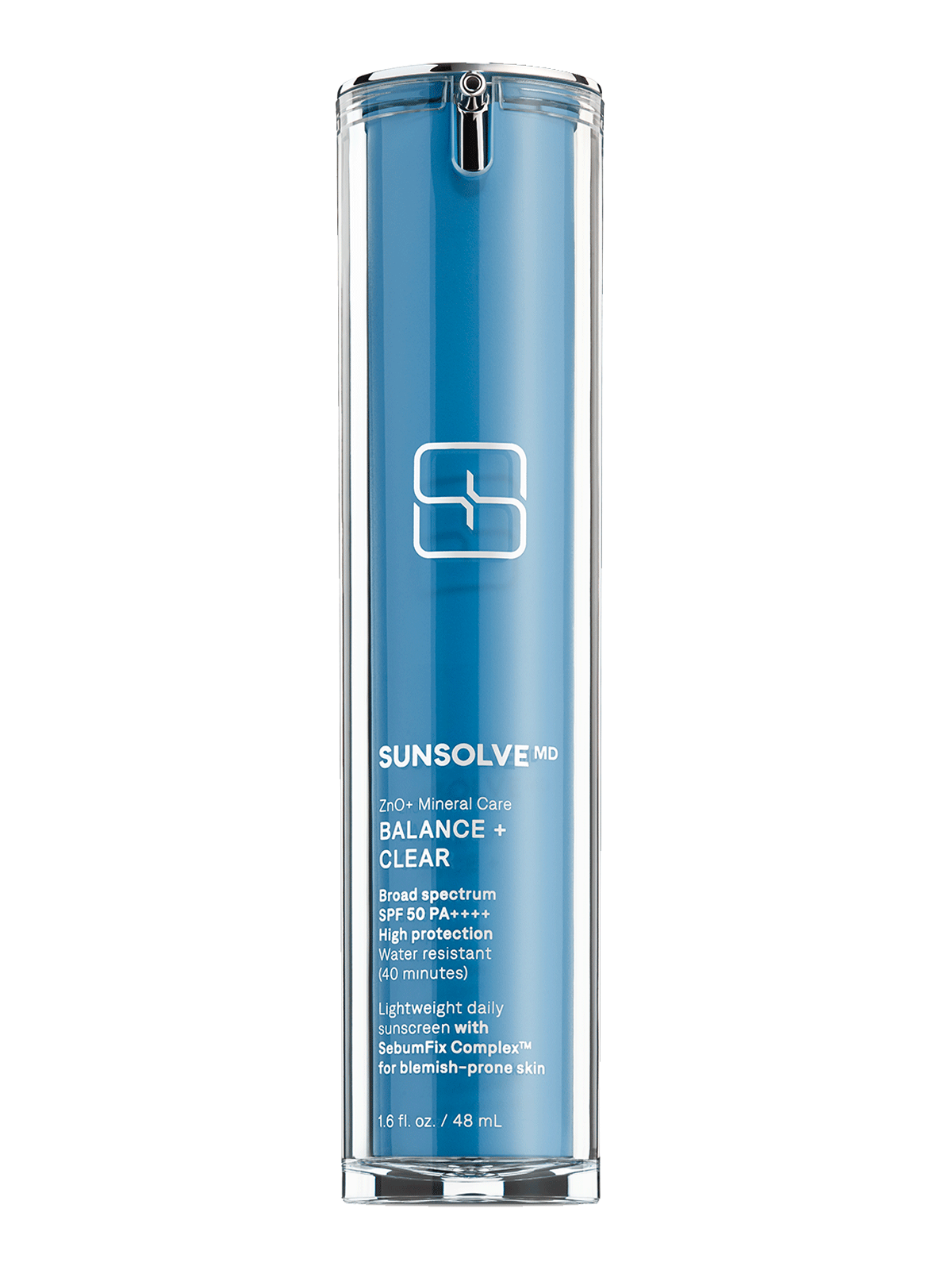
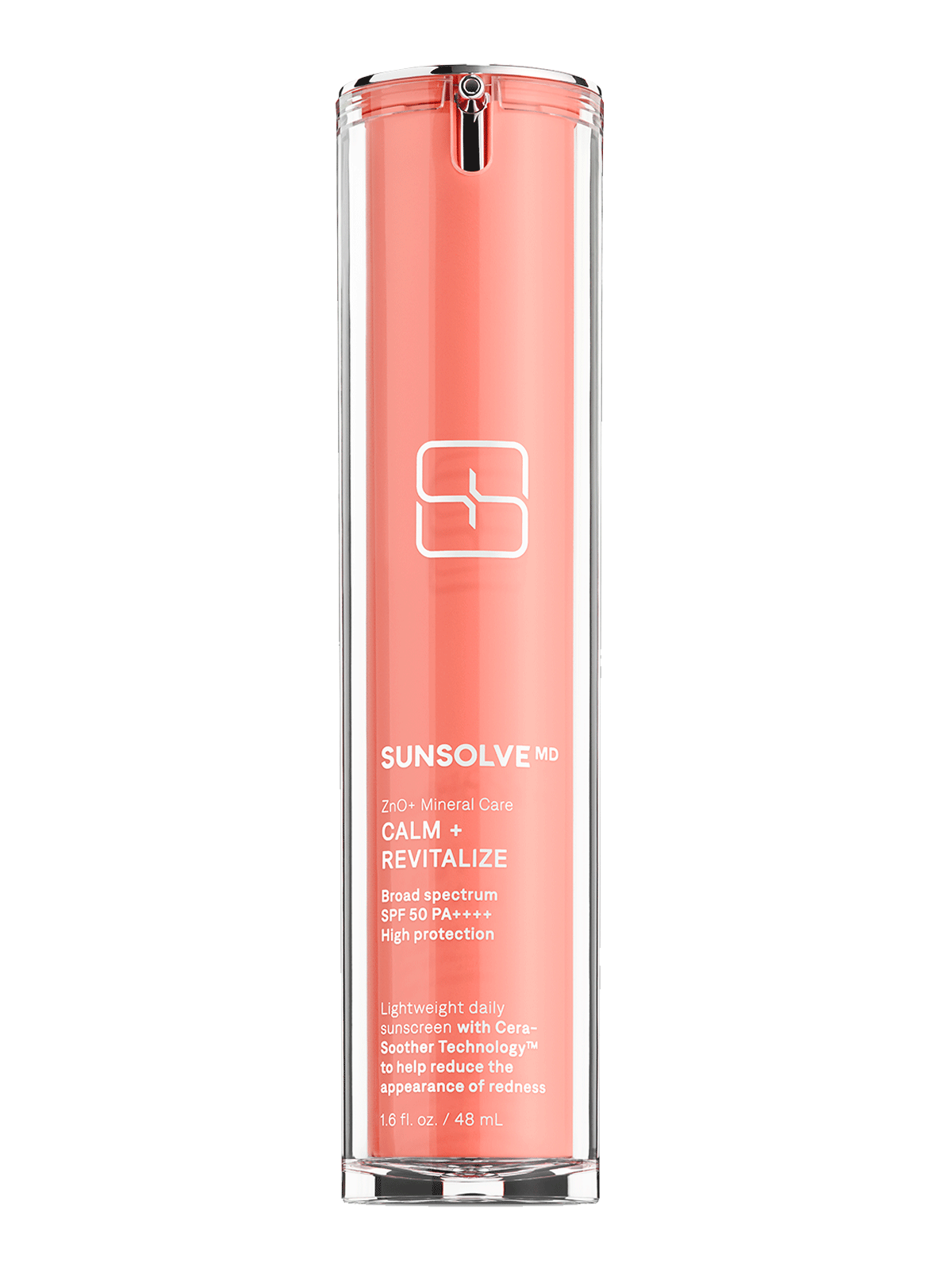
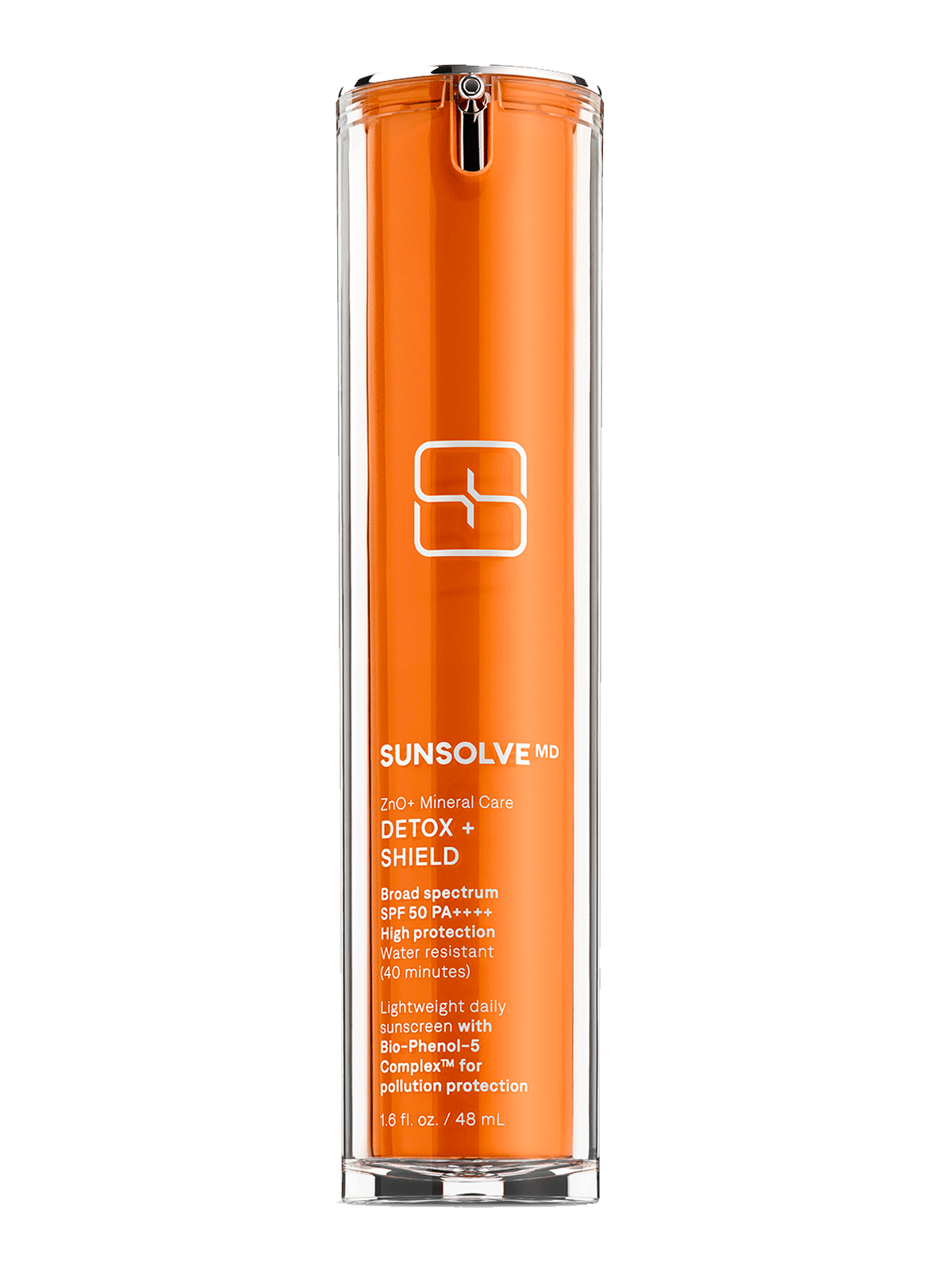
At SunsolveMD, we focus on multi-functional, mineral-based formulations that reduce the need for layering while maintaining clinical performance. By combining high-concentration non-nano zinc oxide with advanced biotech support, our products are designed to protect against both UV and visible light while supporting the skin’s natural repair processes.

This allows for a more efficient routine without compromising on efficacy.
Instead of relying on multiple products to deliver incremental benefits, we prioritize formulations that work across multiple pathways at once, from environmental protection to barrier support and cellular repair.

The result is a simplified routine that still addresses the underlying causes of skin damage, rather than just the surface-level symptoms.

Frequently Asked Questions About Skinimalism

Does using fewer products really improve the skin?

In many cases, yes. Overloading the skin with multiple active ingredients can disrupt the skin barrier, which can lead to irritation, breakouts, and sensitivity. A simplified routine reduces the risk of ingredient conflict and allows the skin to maintain balance.

When the barrier is intact, the skin is better able to retain moisture, regulate inflammation, and respond positively to targeted treatments.

Can I still use active ingredients with skinimalism?

Yes, but the focus shifts to selective use rather than layering multiple treatment ingredients at once. Ingredients like retinoids, vitamin C, or exfoliating acids can still be part of a skinimalist routine, but they should be used strategically and not combined excessively. This reduces the likelihood of irritation while still delivering measurable results.

Is sunscreen still necessary in a minimal routine?

Sunscreen remains essential, regardless of how simple your routine is. Daily UV exposure is one of the primary drivers of collagen breakdown, pigmentation, and long-term skin damage. Without consistent SPF, the benefits of other skincare products are significantly reduced.

This is especially important when using ingredients that increase sun sensitivity, as the skin becomes more vulnerable to UV-related damage.

How many products should a skinimalist routine include?

There is no strict number, but most effective routines include three to four core steps: a gentle cleanser, a targeted treatment if needed, and a daily sunscreen. Some routines may also include a moisturizer, depending on skin type.

The focus is not on hitting a specific number, but on ensuring that each product serves a clear purpose.

Is skinimalism suitable for all skin types?

Yes. Skinimalism can be adapted for dry, oily, sensitive, or combination skin. In fact, it is particularly beneficial for sensitive or reactive skin types, as reducing the number of products lowers the risk of irritation.

The key is selecting formulations that are appropriate for your specific skin concerns while keeping the routine simple and consistent.

Does skinimalism mean avoiding skincare altogether?

No. Skinimalism is not about neglecting skincare, but about using it more intentionally. It encourages focusing on high-quality, well-formulated products that support long-term skin health rather than relying on complex, multi-step routines that may not deliver additional benefit.


Trending Topics

Stay Trendy with Our Latest Insights

Why SPF Is Non-Negotiable for Every Skin Type

Once thought of as a concern almost exclusive to older generations, those with fair skin, or anyone who religiously (over) uses sunbeds, skin cancer is now on the rise across all demographics. Desp...

Sunscreen and Acne Treatments -  What You Need To Know
Sunscreen and Acne Treatments - What You Need To Know

If you’re undergoing professional or medical treatments for acne or acne scars, such as chemical peels, microneedling, laser therapy, or prescription medications, sun protection becomes essential. ...

Ways To Reduce Your Carbon Footprint With SPF

Decoding SPF and your carbon footprint. How to make more discerning choices with mineral sunscreens that not only safeguard your skin but are sustainably savvy.
Rosacea & SPF: How To Choose The Right Sunscreen

Rosacea is a common skin condition characterized by facial redness and inflammation. Follow this guide to choose the right sunscreen if you have rosacea.

A Dermatologists’ Guide To Photodamage And Dark Skin

Dermatologists weigh in on photodamage and dark skin (and how SPF is here to help). Read more.

Going to the Beach With Psoriasis: Risks and Benefits

Psoriasis is an immune-mediated disease. This is your scientific guide to safely treating psoriasis with natural sunlight.