


Skip to content
Graphic of mineral SPF particles and skin barrier

Join The Solve Society. Designed for members to receive exclusive benefits

Explore benefits

Mar 1, 2026

Using Mineral SPF for Post-Laser Recovery

While laser treatments are designed to improve the quality of your skin, they can also leave it temporarily vulnerable to environmental stress, inflammation, and UV damage.

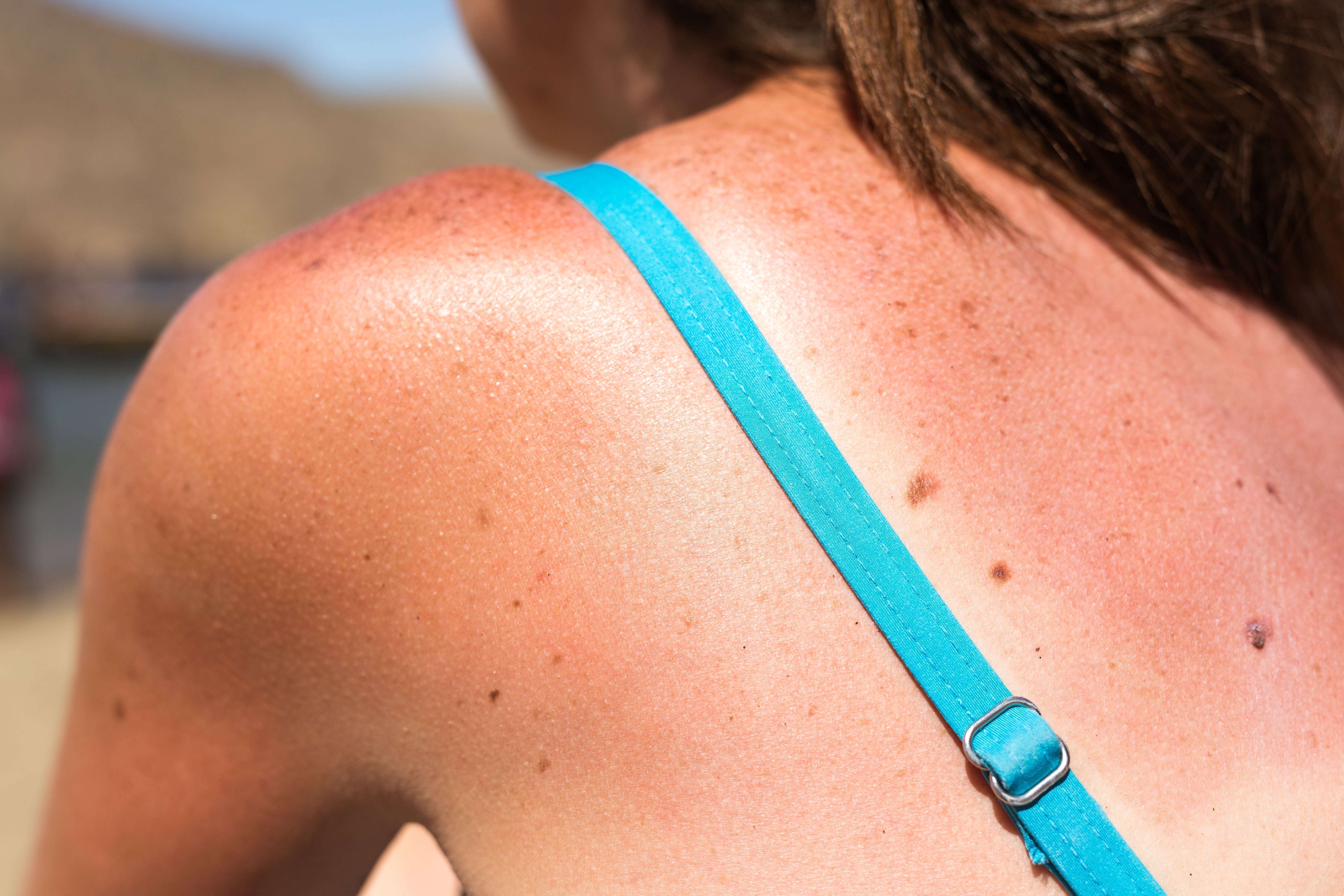
After a laser treatment, the outer barrier of your skin gets disrupted, inflammation is elevated, and newly exposed skin cells are significantly more sensitive to environmental stressors. Among those, ultraviolet (UV) radiation is the most consequential.

Even minimal exposure during recovery can interfere with healing, trigger pigmentation, and compromise results. This is why post-laser care is essential. One of the best ways to care for your skin post-laser recovery is to use mineral sunscreen.

Using Mineral SPF for Post-Laser Recovery

Why Sun Protection Is Critical After Laser Treatments

Laser procedures, whether ablative or non-ablative, create controlled injury to stimulate collagen production and skin renewal. During recovery, the skin undergoes a repair process that includes inflammation, re-epithelialization, and barrier rebuilding.

At this stage, the skin is more permeable, reactive, and susceptible to UV damage. Research shows that early and consistent sunscreen use after laser treatments helps reduce complications like post-inflammatory hyperpigmentation (PIH), erythema, and delayed healing.

Without adequate protection, even short periods of sun exposure can reverse the outcome of your treatment, increase the risk of pigmentation, prolong inflammation, and lead to an uneven skin tone.

In some cases, post-laser skin can remain photosensitive for months, which can make daily sun protection a long-term requirement, not just a short-term precaution.

Why Mineral SPF Is Preferred During Recovery

Not all sunscreens behave the same way - and after a laser procedure, that distinction matters. Mineral (physical) sunscreens, which are typically formulated with zinc oxide or titanium dioxide, are consistently recommended for post-procedure care because of how they interact with the skin. They:

  • Sit on the surface rather than absorb into the skin
  • Reflect and scatter UV radiation immediately upon application
  • Minimize the risk of irritation or sensitization

Dermatology guidance consistently highlights that mineral sunscreens are gentler and less likely to trigger adverse reactions in healing skin compared to chemical filters.

This difference becomes especially important when the skin barrier is compromised. Chemical sunscreens rely on absorption and conversion of UV energy into heat - a process that can increase irritation in already inflamed skin.

Mineral filters, by contrast, act as a passive shield. That makes them better suited for the delicate post-laser skin.

The Role of Zinc Oxide in Healing Skin

Among mineral filters, zinc oxide stands out for its compatibility with compromised skin. It offers:

  • Broad-spectrum UVA and UVB protection
  • Anti-inflammatory properties
  • Non-comedogenic, non-irritating behavior

Zinc oxide has long been used in dermatology for its soothing and protective qualities, particularly in conditions involving irritation or barrier disruption. After laser treatments, this matters for two reasons:

  • Inflammation control: Reducing inflammation can help accelerate healing and minimize the risk of complications like redness and sensitivity.
  • Barrier support: A stable, non-reactive layer on the skin can help protect newly forming cells without interfering with recovery.

This is why skin-friendly physical SPF formulas are consistently recommended in post-procedure protocols - they protect without introducing additional stress.

Timing: When to Start Using SPF After Laser

The timing of sunscreen application depends on the type of laser treatment and the stage of healing. In most cases, sunscreen is introduced once the skin begins to re-epithelialize (typically within 24-48 hours for non-ablative procedures). For more intensive treatments, your provider may recommend waiting slightly longer.

Once introduced, SPF should be applied every morning, reapplied regularly when you’re exposed to the sun, and used consistently for several months. Clinical guidance emphasizes that initiating sunscreen early in the healing process significantly improves outcomes and reduces the risk of pigmentation issues.

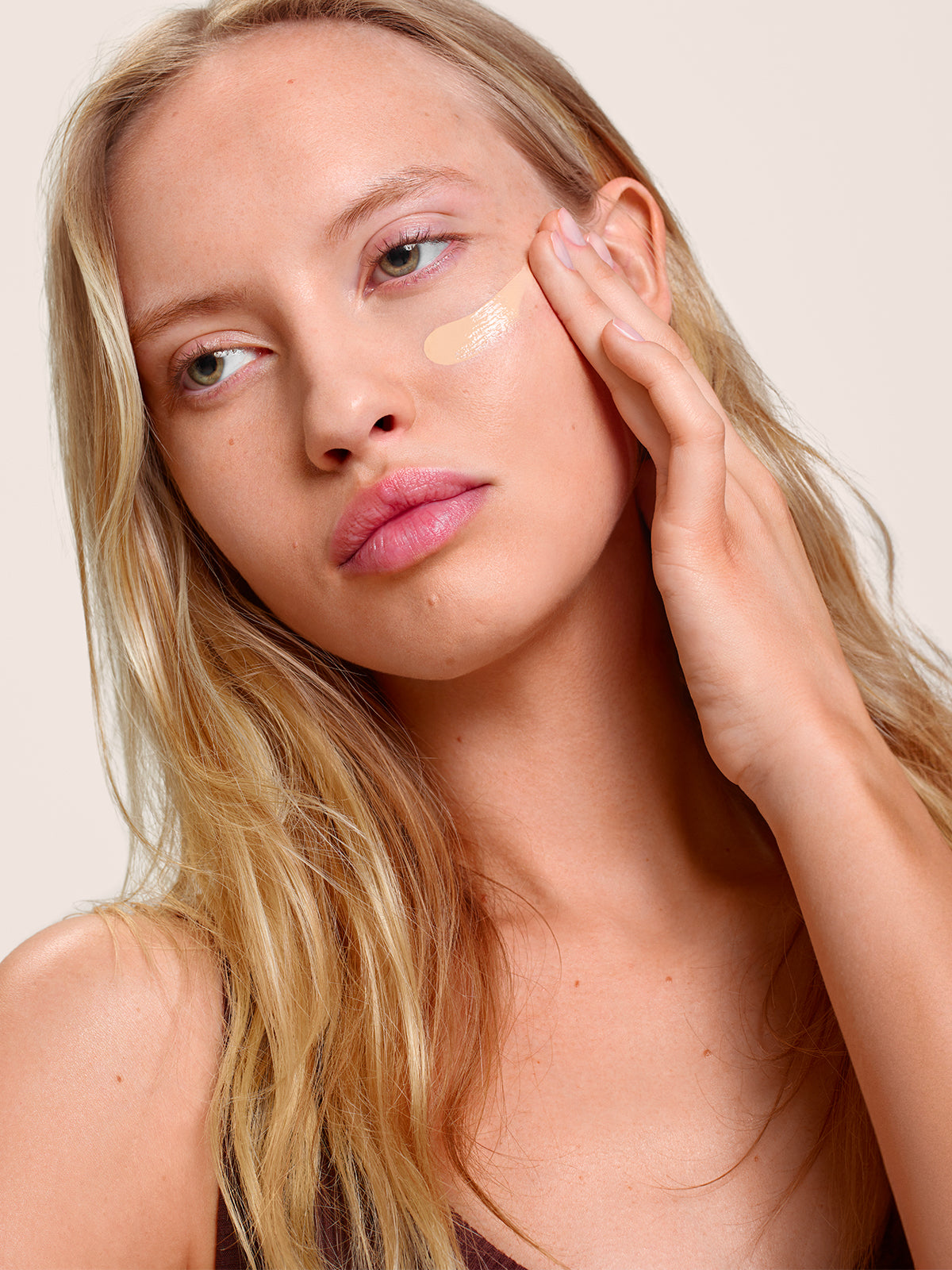
How to Apply Mineral SPF on Healing Skin

Application technique matters just as much as product choice. Post-laser skin requires a more controlled approach. Here is the process that we would recommend:

  • Use gentle pressure (avoid rubbing or friction)
  • Apply in thin, even layers to maintain coverage without overwhelming the skin
  • Ensure full coverage, including often-missed areas like the jawline and temples

Because mineral SPF forms a physical barrier, even distribution is essential. Uneven application will create gaps where UV radiation can penetrate. In addition to the above, it’s also important to choose fragrance-free, non-irritating formulas and avoid products with alcohol or active exfoliants.

What Happens If You Skip SPF During Recovery

Skipping sunscreen after a laser procedure isn’t a minor oversight, as it can directly impact the results you get from the treatment. Without adequate UV protection, the skin is at risk of:

  • Post-inflammatory hyperpigmentation
  • Prolonged redness and irritation
  • Uneven healing
  • Reduced treatment efficacy

UV exposure during recovery can trigger melanin production in newly formed skin cells, which can lead to dark spots that may be more difficult to treat than the original concern you’ve had. This is why many providers consider sunscreen as important as the procedure itself when it comes to achieving optimal results.

Beyond Protection: Supporting Skin Repair With SunsolveMD

While mineral SPF provides essential surface-level protection, the post-laser environment also involves deeper biological processes. UV exposure generates oxidative stress, which can disrupt collagen production, increase inflammation, and slow cellular repair.

Advanced formulations are now designed to address both protection and recovery - not just block UV, but also support the skin’s repair mechanisms.

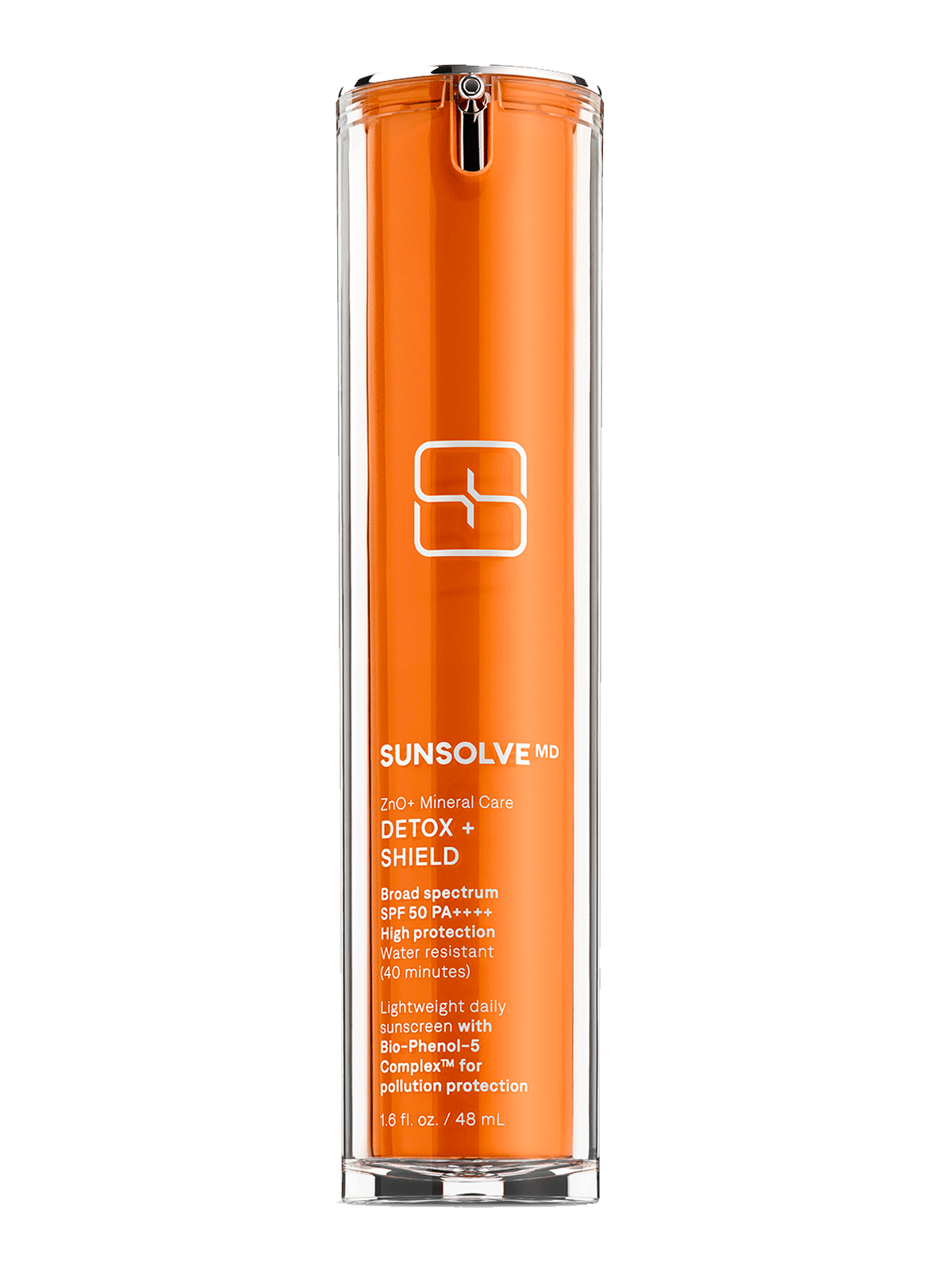
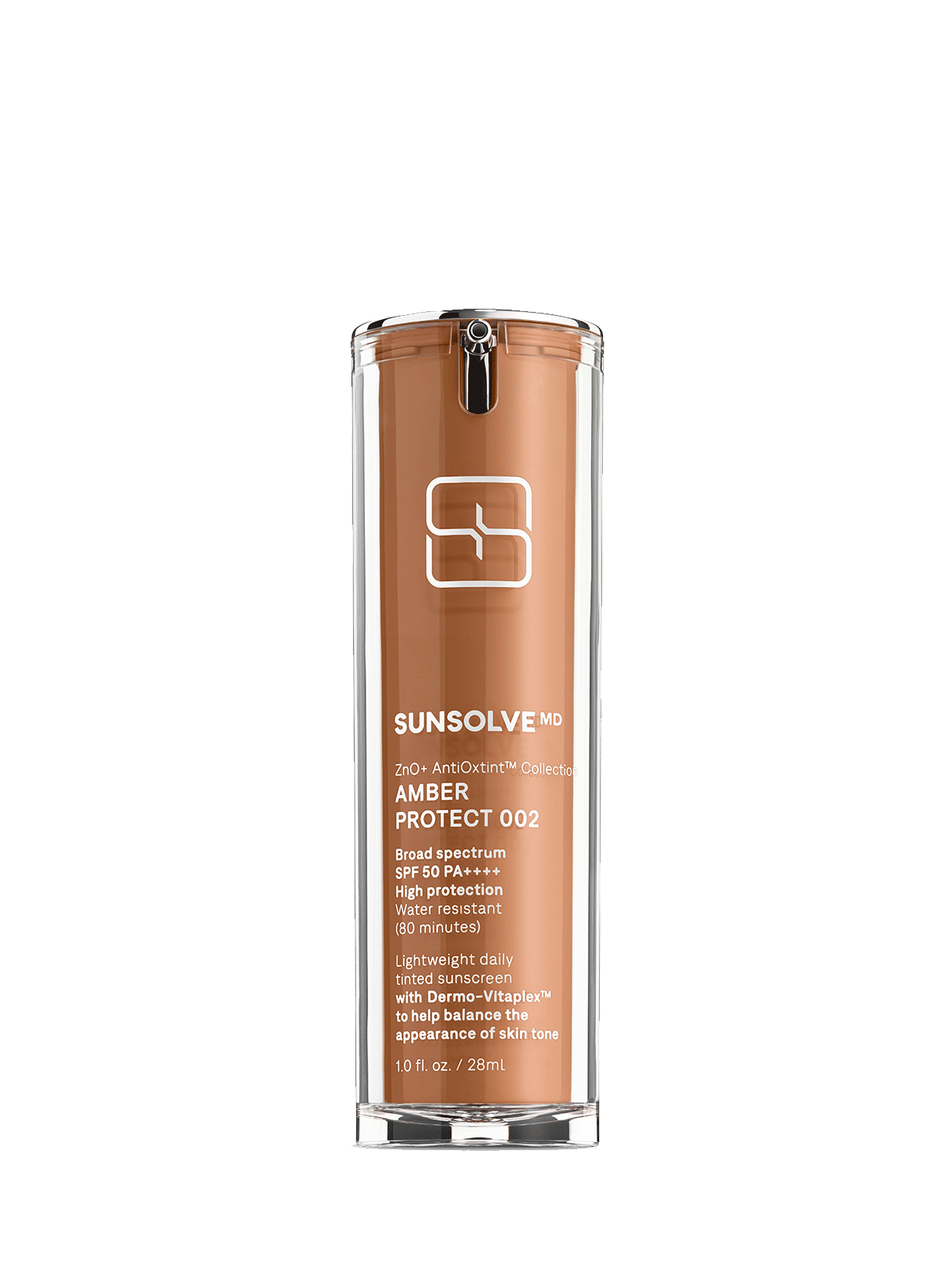
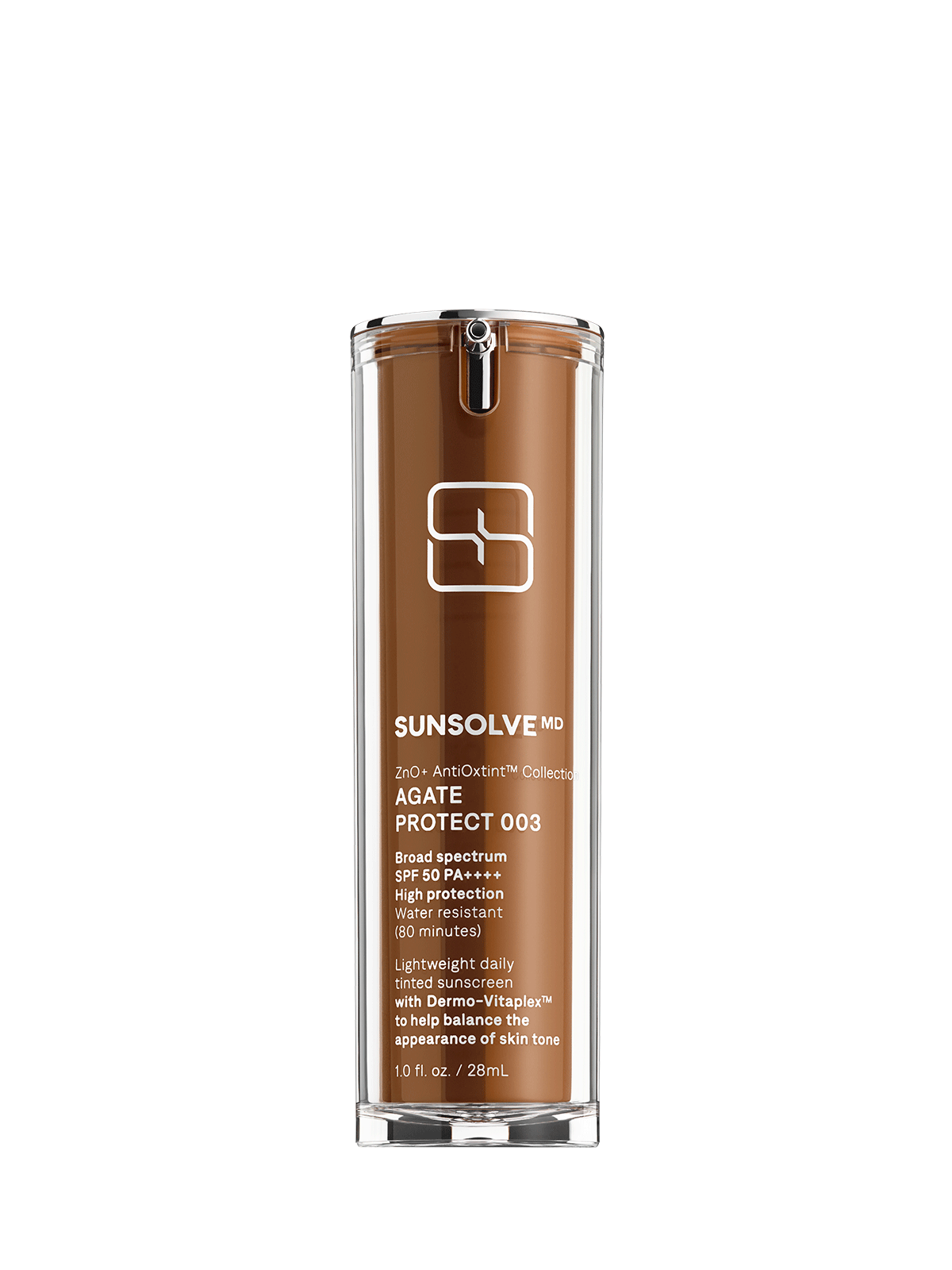
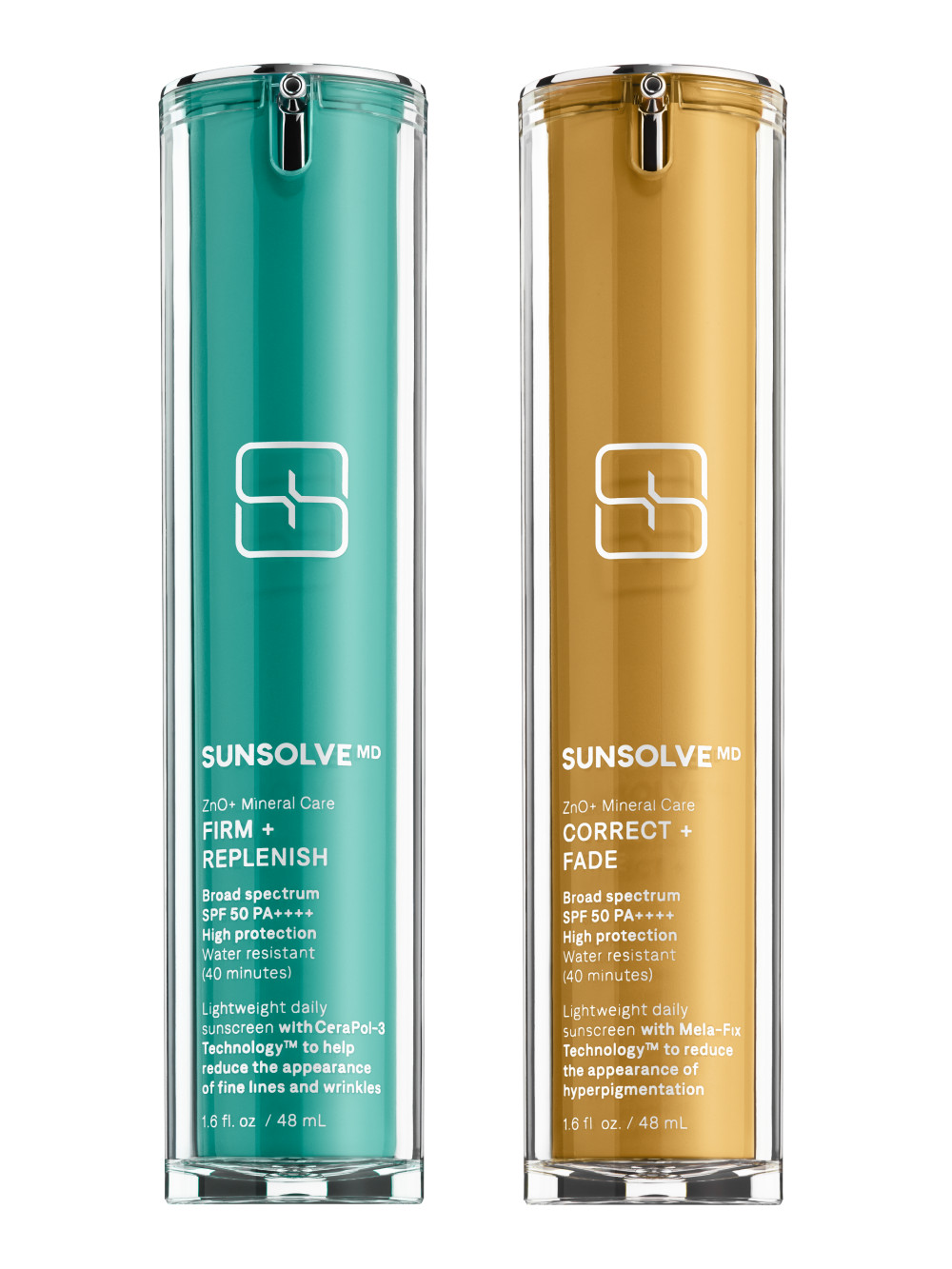
Our ZnO+™ system, for example, delivers 12% non-nano zinc oxide in a lightweight, breathable base that sits comfortably on compromised skin without causing irritation or heaviness. This ensures that proper application feels manageable, even during sensitive recovery periods.

Beneath that protective layer, SolveDNAReverse™ supports the skin’s natural DNA repair processes. It works at a cellular level to reduce oxidative stress and help restore normal function following UV exposure.

Choosing the Right Mineral SPF After Laser

Not all mineral sunscreens are equally suited for post-procedure use, so choosing the right one is important. We recommend you look for formulas that are:

  • Broad-spectrum (UVA + UVB protection)
  • SPF 30 or higher (ideally SPF 50)
  • Fragrance-free and non-irritating
  • Designed for sensitive or post-procedure skin

Clinical recommendations consistently emphasize mineral-based sunscreens with zinc oxide or titanium dioxide as the safest and most effective option during recovery. Texture also matters. A formula that feels heavy or difficult to blend is less likely to be applied consistently, and consistency is what determines the level of protection your skin will get.

Final Thoughts

Post-laser recovery is a controlled healing process, and UV exposure is one of the few variables that can disrupt it completely. Mineral SPF plays a critical role because it:

  • Protects without irritating
  • Works immediately upon application
  • Supports rather than interferes with healing

The goal isn’t just to shield the skin from sunlight. It’s to create an environment where recovery can happen efficiently and without setbacks. That’s why mineral sunscreen isn’t an optional step after laser treatments. It’s a non-negotiable part of the protocol - one that will directly influence the outcome of the procedure itself.

Trending Topics

Stay Trendy with Our Latest Insights

Why SPF Is Non-Negotiable for Every Skin Type

Once thought of as a concern almost exclusive to older generations, those with fair skin, or anyone who religiously (over) uses sunbeds, skin cancer is now on the rise across all demographics. Desp...

Sunscreen and Acne Treatments -  What You Need To Know
Sunscreen and Acne Treatments - What You Need To Know

If you’re undergoing professional or medical treatments for acne or acne scars, such as chemical peels, microneedling, laser therapy, or prescription medications, sun protection becomes essential. ...

Ways To Reduce Your Carbon Footprint With SPF

Decoding SPF and your carbon footprint. How to make more discerning choices with mineral sunscreens that not only safeguard your skin but are sustainably savvy.

Rosacea & SPF: How To Choose The Right Sunscreen

Rosacea is a common skin condition characterized by facial redness and inflammation. Follow this guide to choose the right sunscreen if you have rosacea.

A Dermatologists’ Guide To Photodamage And Dark Skin

Dermatologists weigh in on photodamage and dark skin (and how SPF is here to help). Read more.

Going to the Beach With Psoriasis: Risks and Benefits

Psoriasis is an immune-mediated disease. This is your scientific guide to safely treating psoriasis with natural sunlight.