


Skip to content
Graphic of mineral SPF particles and skin barrier

Join The Solve Society. Designed for members to receive exclusive benefits

Explore benefits

Jan 16, 2026

How To Stop Your Sunscreen From Clogging Your Pores

If you’re a fan of make-up and skincare, you’re likely familiar with the dreaded under-the-skin pimples that often pop up after you try out a new product. These are called closed comedones, and can take a frustratingly long time to get rid of.

Often, sunscreen gets - unfairly, in our view! - blamed for clogged pores, especially thicker SPFs that never seem to want to absorb.

But let’s be honest for a moment, skincare routines and make-up routines are way more complex than they used to be; you’ve got skincare prep, milky toners, primers, powders, setting sprays, cream blush, powder blush, you name it. And every time you put a product on your skin, you’re - theoretically - increasing your chances of clogging your pores.

How To Stop Your Sunscreen From Clogging Your Pores

The real culprit behind clogged pores is, almost always, a specific formula or ingredient - not the SPF as a whole. For example, let’s say you tried a specific blush and it broke you out. This doesn’t mean that all blush products are bad for you and you need to avoid them all - it just means that that specific one wasn’t suitable for your skin. SPF works exactly the same way.

So, what’s the difference between a sunscreen that congests your skin and one that actively supports it? It all comes down to one thing: the formulation.

Does Sunscreen Clog Pores?

It depends. The pore-clogging reputation of sunscreen is largely a chemical filter problem. Many conventional sunscreens rely on organic UV-absorbing compounds such as oxybenzone, octinoxate, and homosalate. These filters work by absorbing UV radiation and dispersing it as heat, a process that requires them to integrate with the skin rather than sit on top of it. For acne-prone skin, that interaction, combined with the occlusive bases many of these formulas use, creates the conditions for congestion.

Silicones are another frequent offender. Dimethicone and cyclopentasiloxane are common in sunscreen formulations because they create a smooth, elegant finish. They also form a film over the skin that can trap sebum and dead skin cells in the follicle, particularly in skin that already produces excess oil.

The other variable is application thickness. Most people apply far less sunscreen than they think they do, but acne-prone skin that's prone to a heavier hand, or to reapplication over a full day's worth of oil, can tip into congestion regardless of the formula.

Does Mineral Sunscreen Actually Prevent Breakouts?

Not categorically, but it's considerably less likely to cause them. Mineral filters, zinc oxide and titanium dioxide, work by sitting on the skin's surface and deflecting UV radiation physically. They don't require skin integration, they don't generate heat on the skin, and they don't interact with sebum production in the way chemical filters can.

Zinc oxide has a well-documented anti-inflammatory action. A review published in Zinc Therapy in Dermatology in PMC confirmed that topical zinc oxide has been used therapeutically for inflammatory dermatoses including acne vulgaris, making it one of the few sunscreen actives that may actively benefit blemish-prone skin rather than simply not worsening it. So if you’re navigating how to introduce sunscreen to acne-prone skin without triggering a reaction, starting with a zinc-based mineral formula like ours is the most logical starting point.

What Ingredients Should You Avoid If You're Prone To Breakouts?

A few categories consistently cause problems.

  • Occlusive emollients such as coconut oil, isopropyl myristate, and certain waxes sit high on the comedogenic scale. Their presence in a sunscreen formula is a reasonable concern for blemish-prone skin, even if the rest of the formula is mineral-based.
  • Silicone derivatives, particularly cyclopentasiloxane and dimethicone, create a smooth aesthetic but can impede the natural desquamation process in oily skin types. Not everyone reacts to them, but if you've been breaking out consistently with formulas that otherwise seem appropriate, they're worth investigating.
  • Fragrance is a blanket category that includes hundreds of compounds, some of which are both comedogenic and sensitising. There's no clinical reason for it to be in a sunscreen.
  • Chemical UV filters as a category warrant scrutiny if you've had consistent problems with sunscreen-induced breakouts. Switching filter type entirely, rather than trialling different chemical sunscreen formulas, often resolves the issue faster.

Does How You Apply Sunscreen Affect Whether It Clogs Pores?

Yes, and this is underappreciated. Applying sunscreen over a moisturiser that hasn't fully absorbed, or layering it over other occlusive products, creates a composite film on the skin that none of the individual products would produce alone. Giving each layer a minute or two to settle before applying the next is a small habit change with a meaningful impact.

Application technique matters too. Pressing sunscreen into the skin rather than rubbing vigorously reduces pilling and ensures more even distribution, which means you're less likely to over-apply in some areas and under-apply in others.

Does Reapplication Make Congestion Worse?

It can if you're reapplying over a full day's accumulation of oil, pollution, and residual product. A light blot with a clean tissue before reapplication removes enough surface debris to make a difference. Powder SPF formats, which sit more lightly on the skin and absorb excess sebum as they protect, are a practical solution for midday reapplication on skin that runs oily.

Acne-Safe Sunscreen, Developed Clinically By SunsolveMD

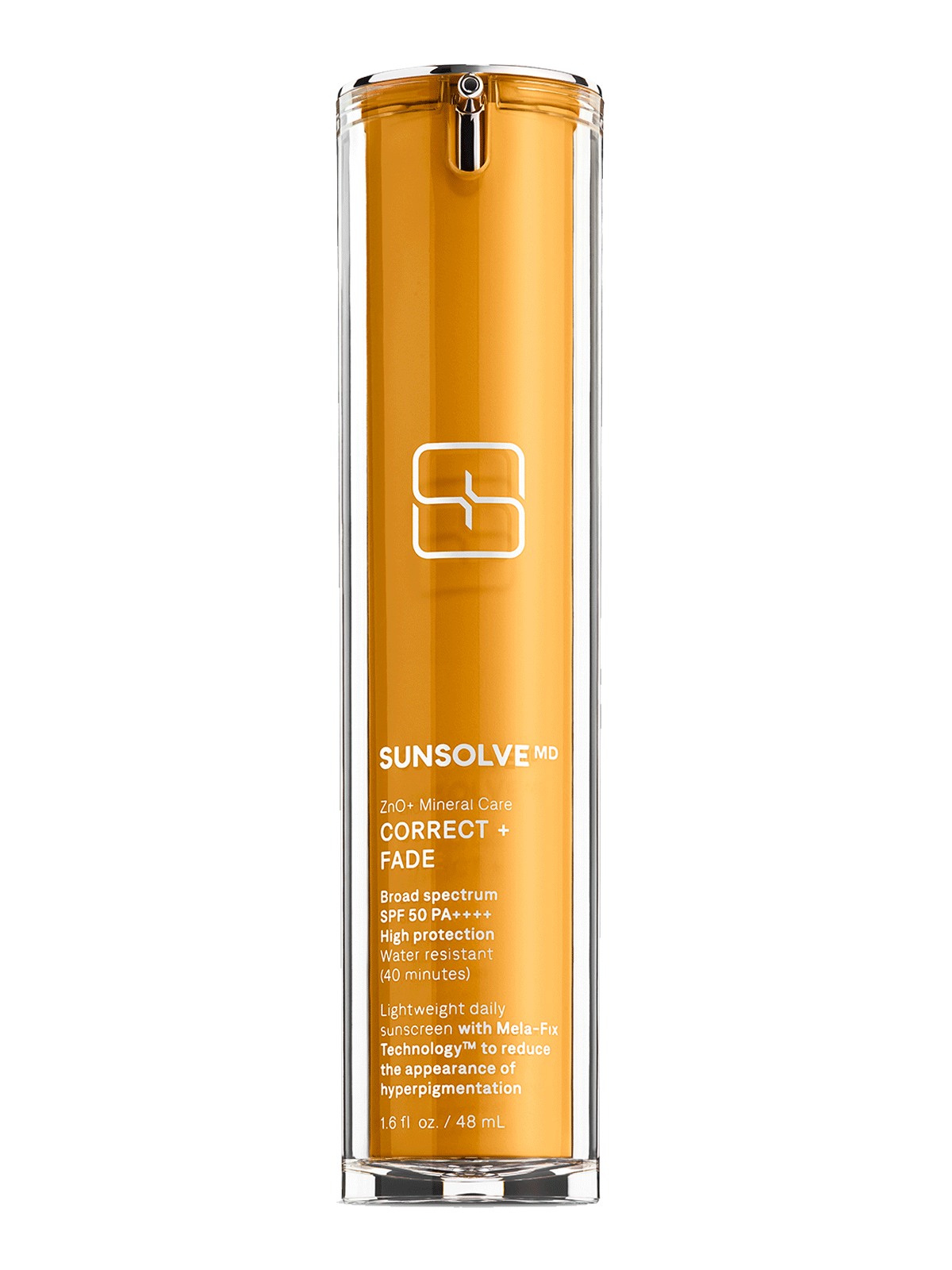
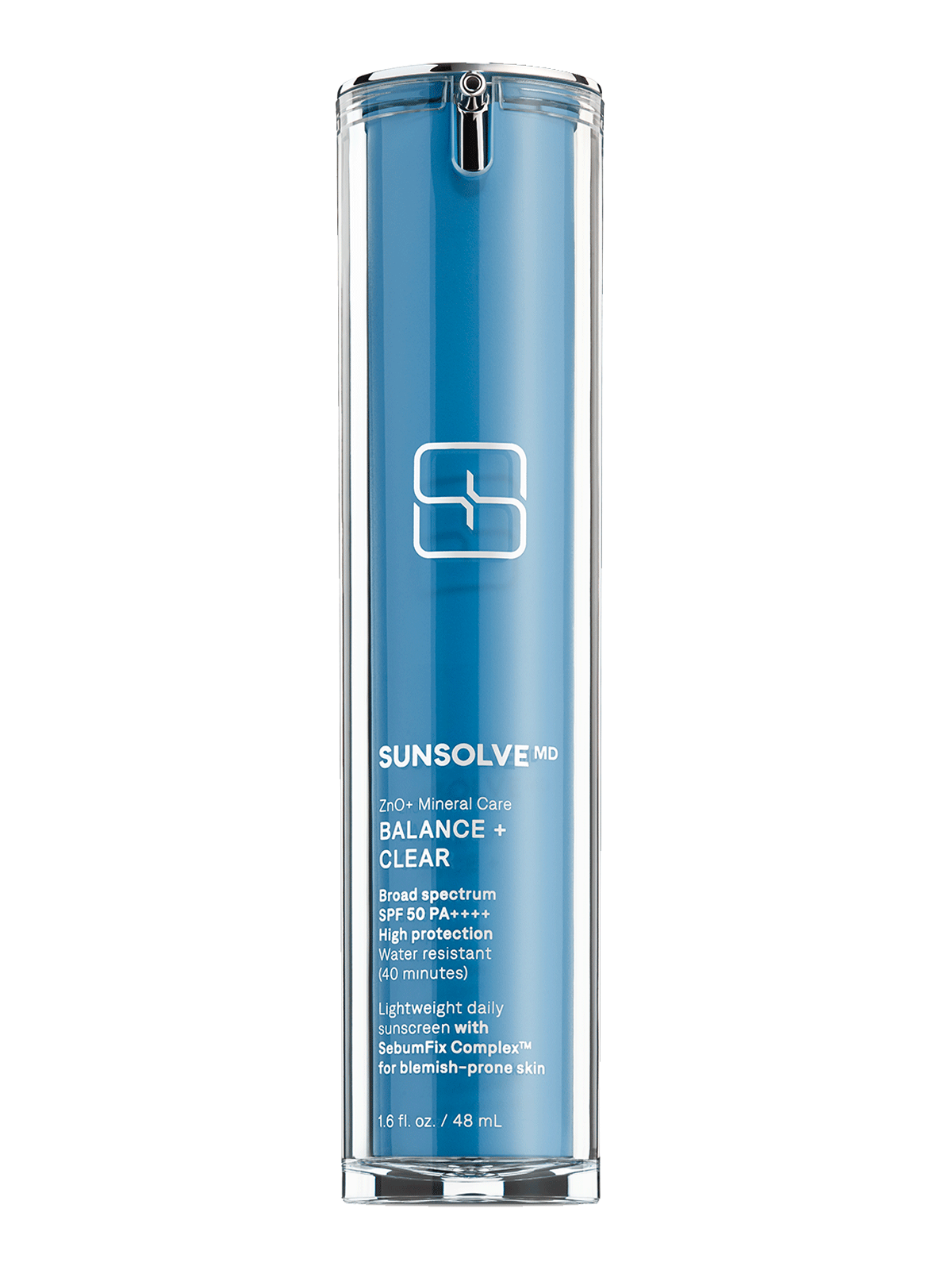
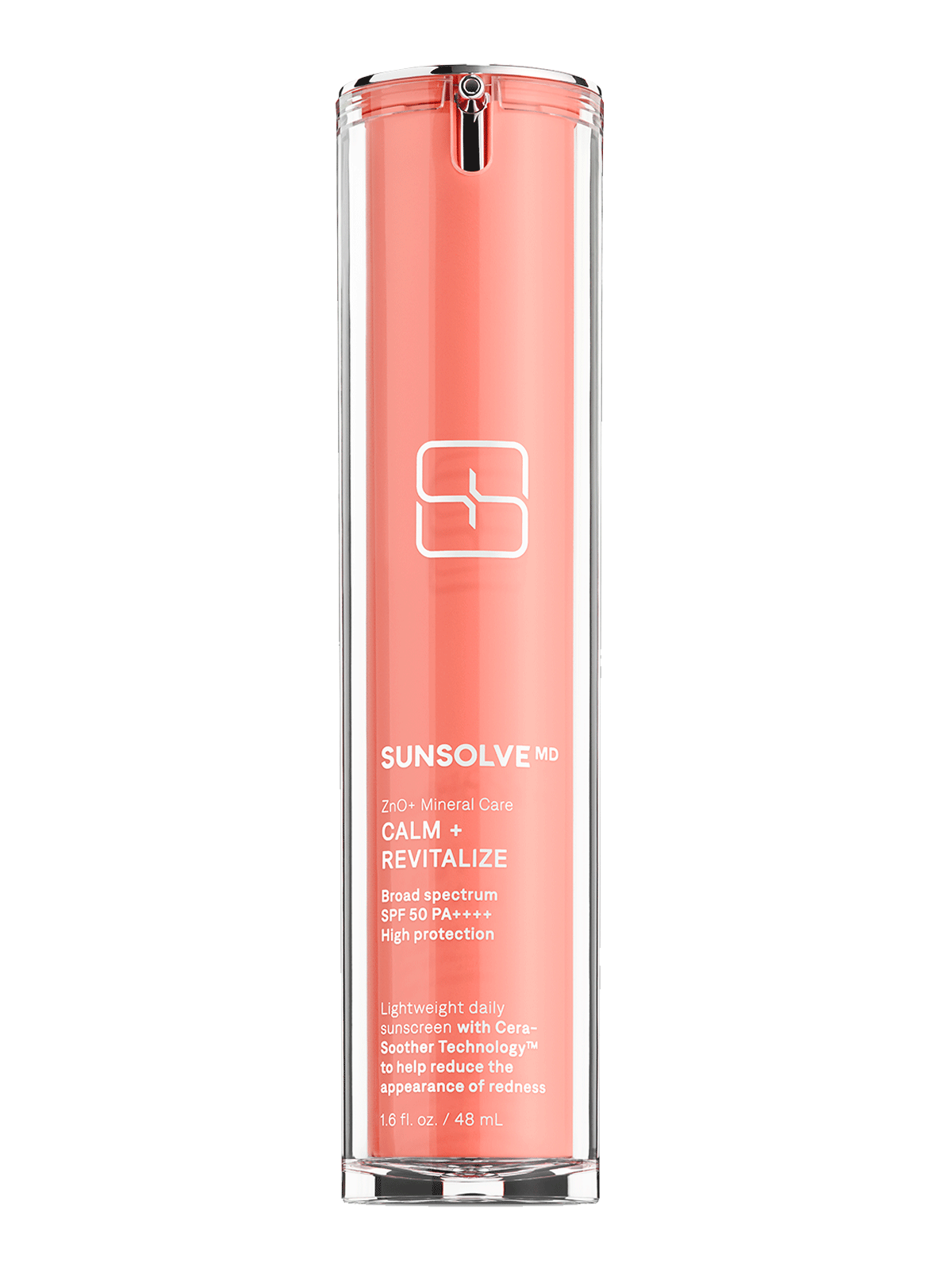
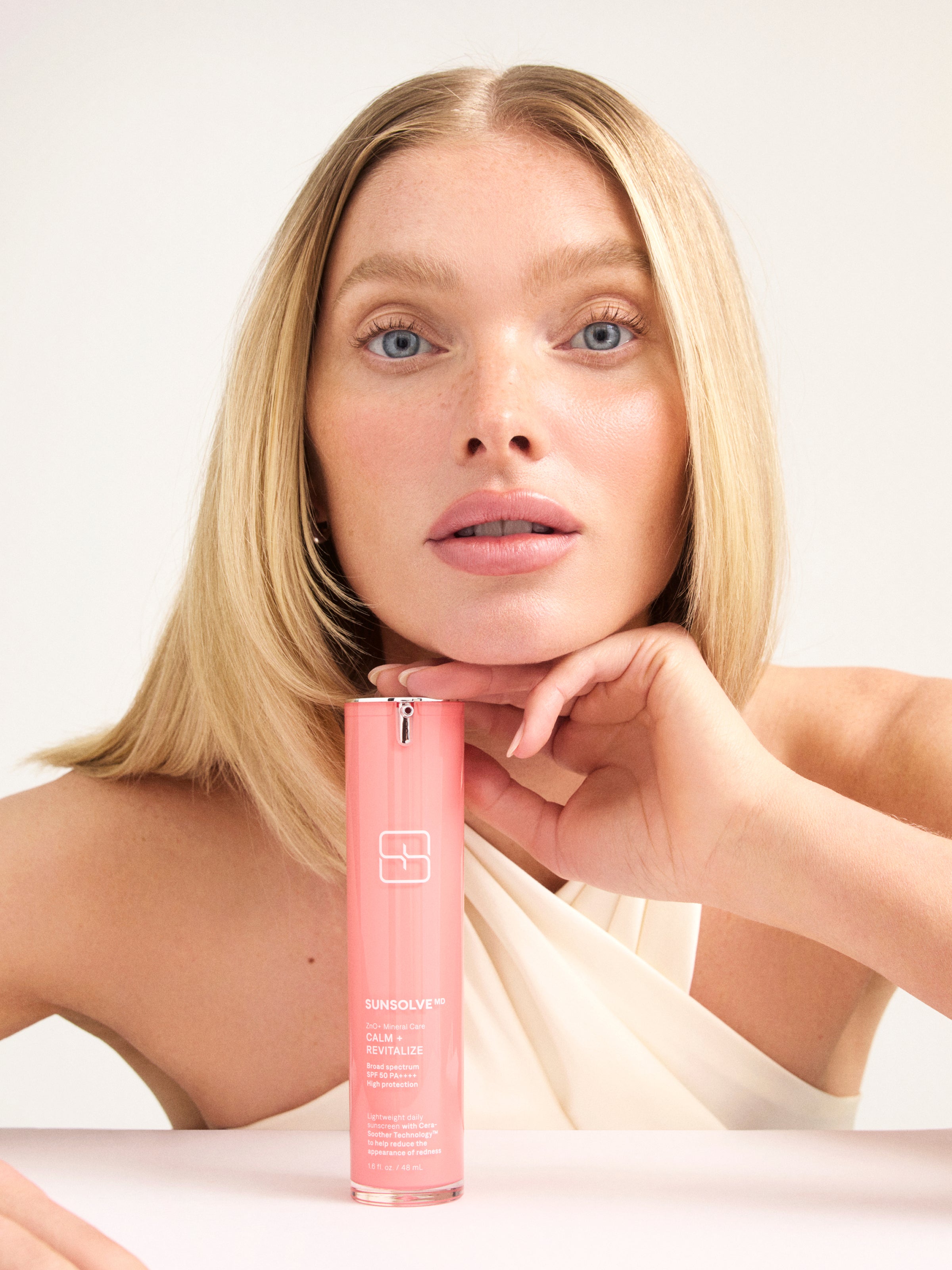
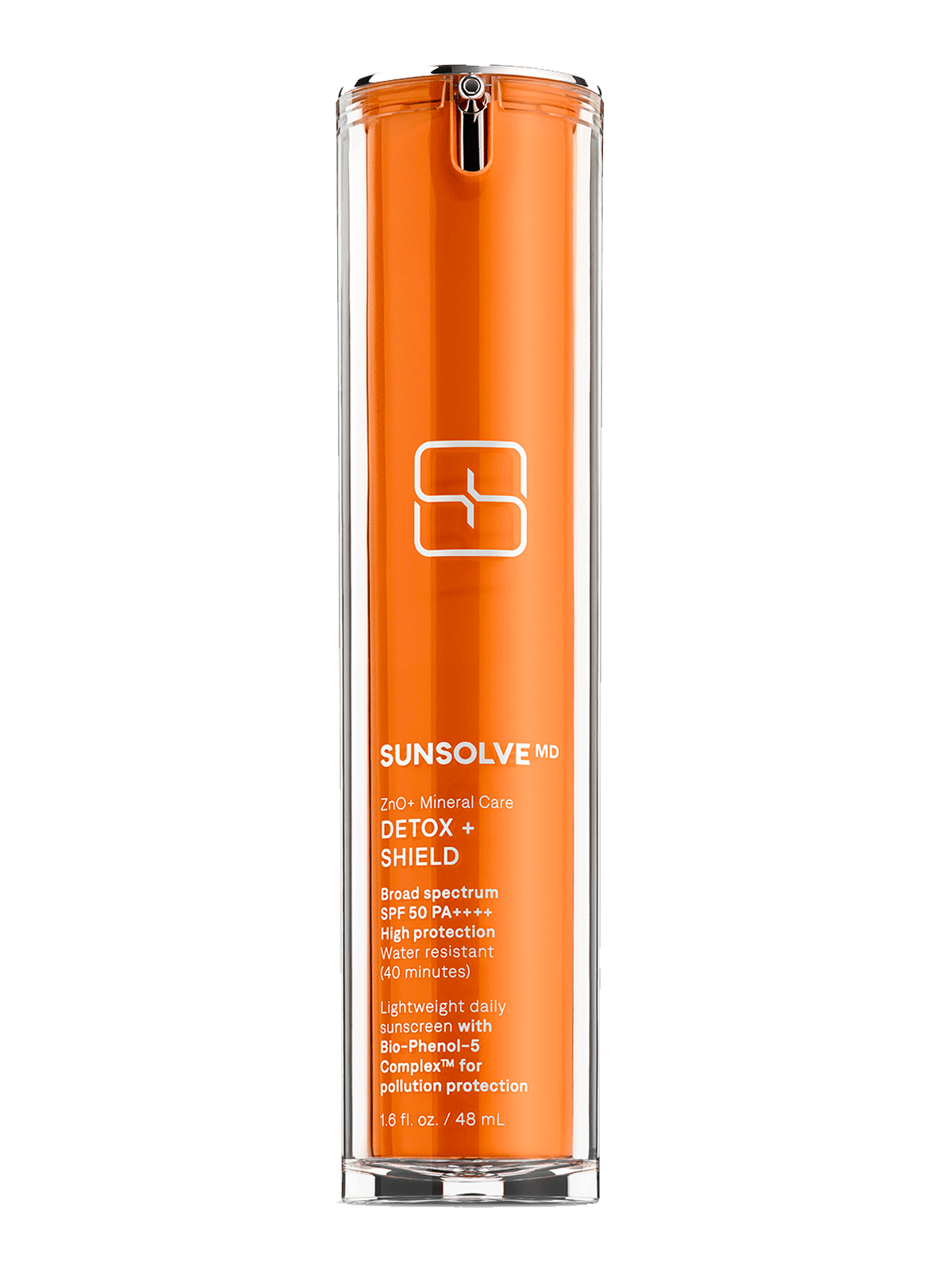
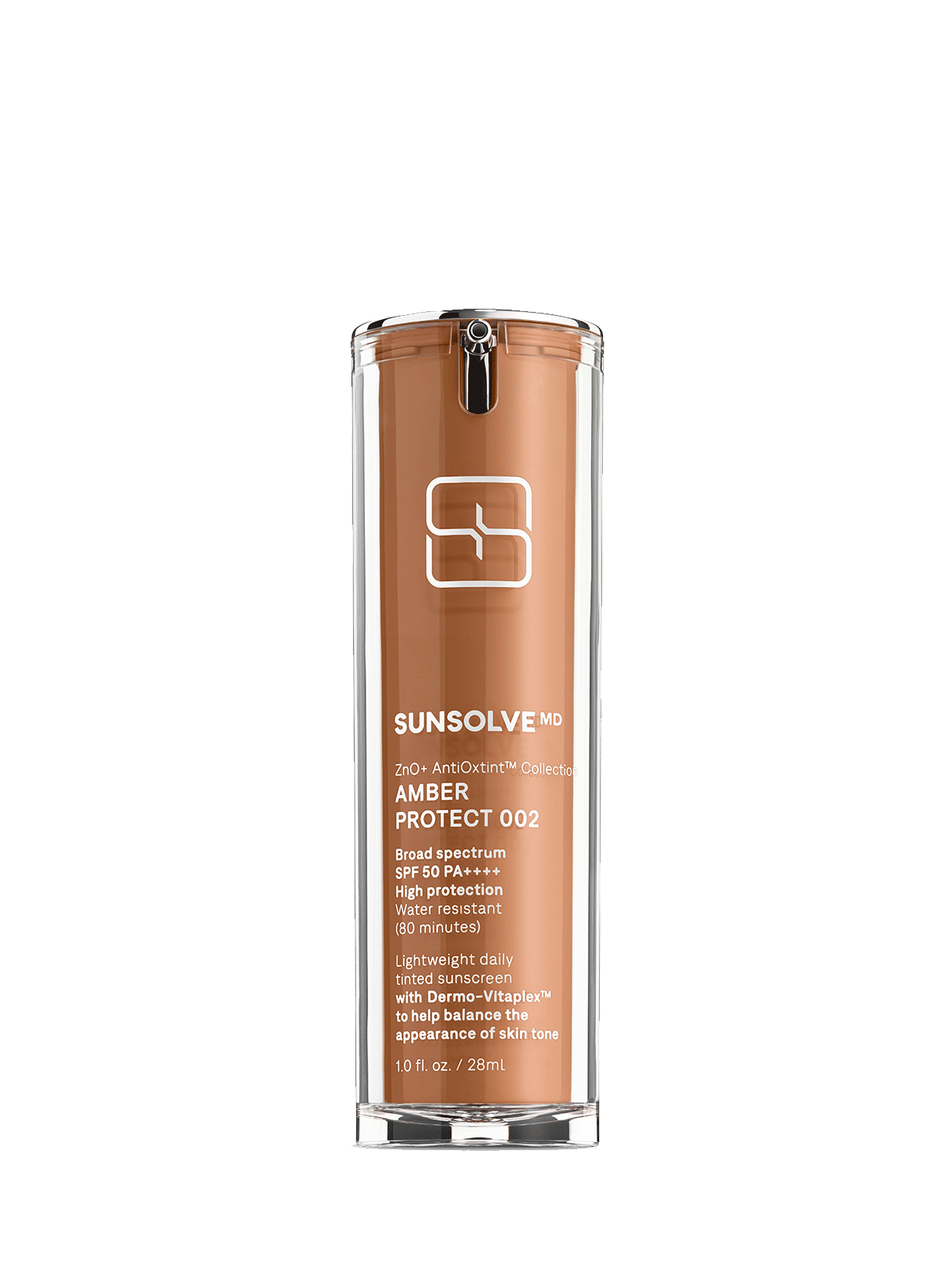
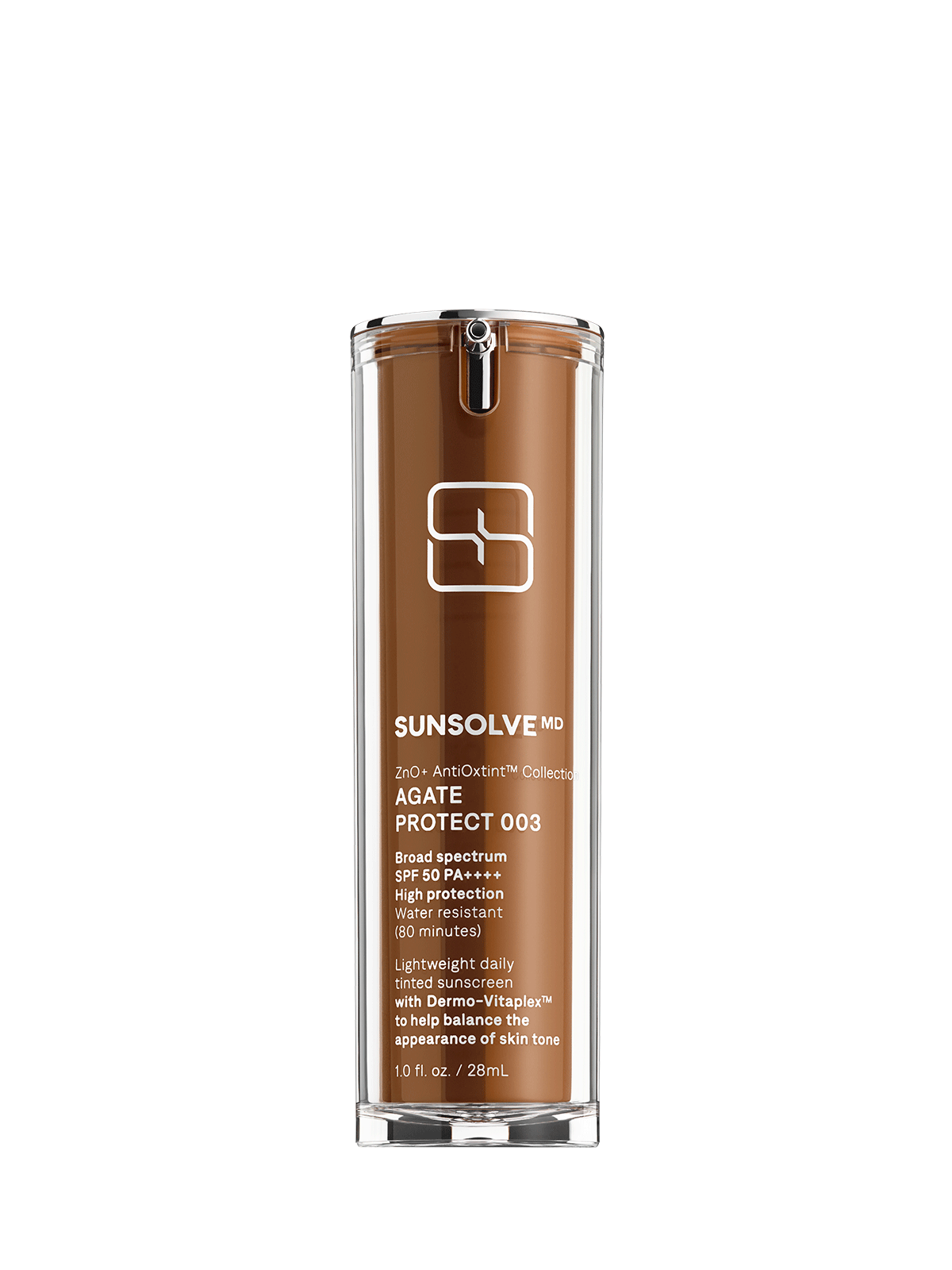
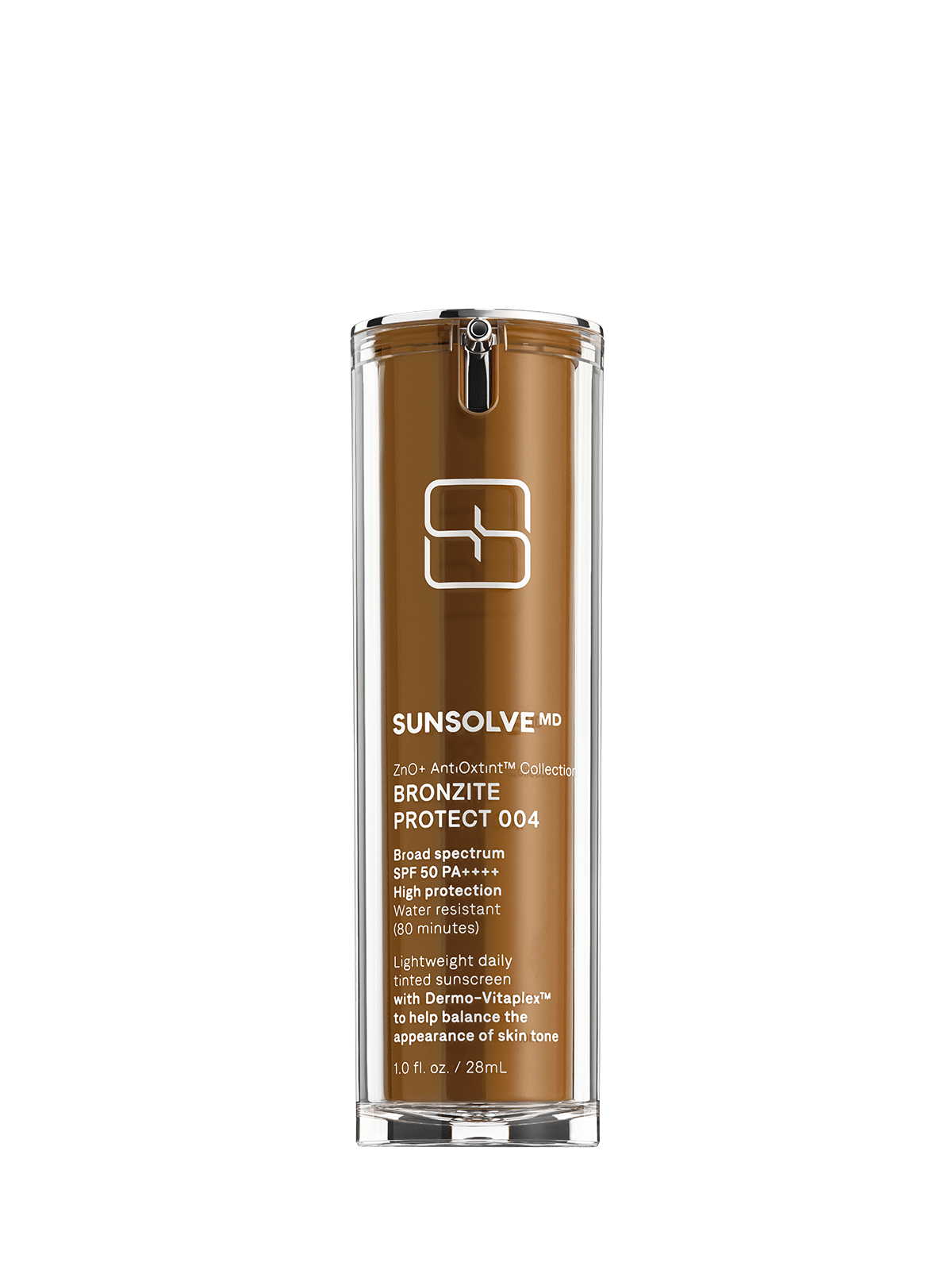
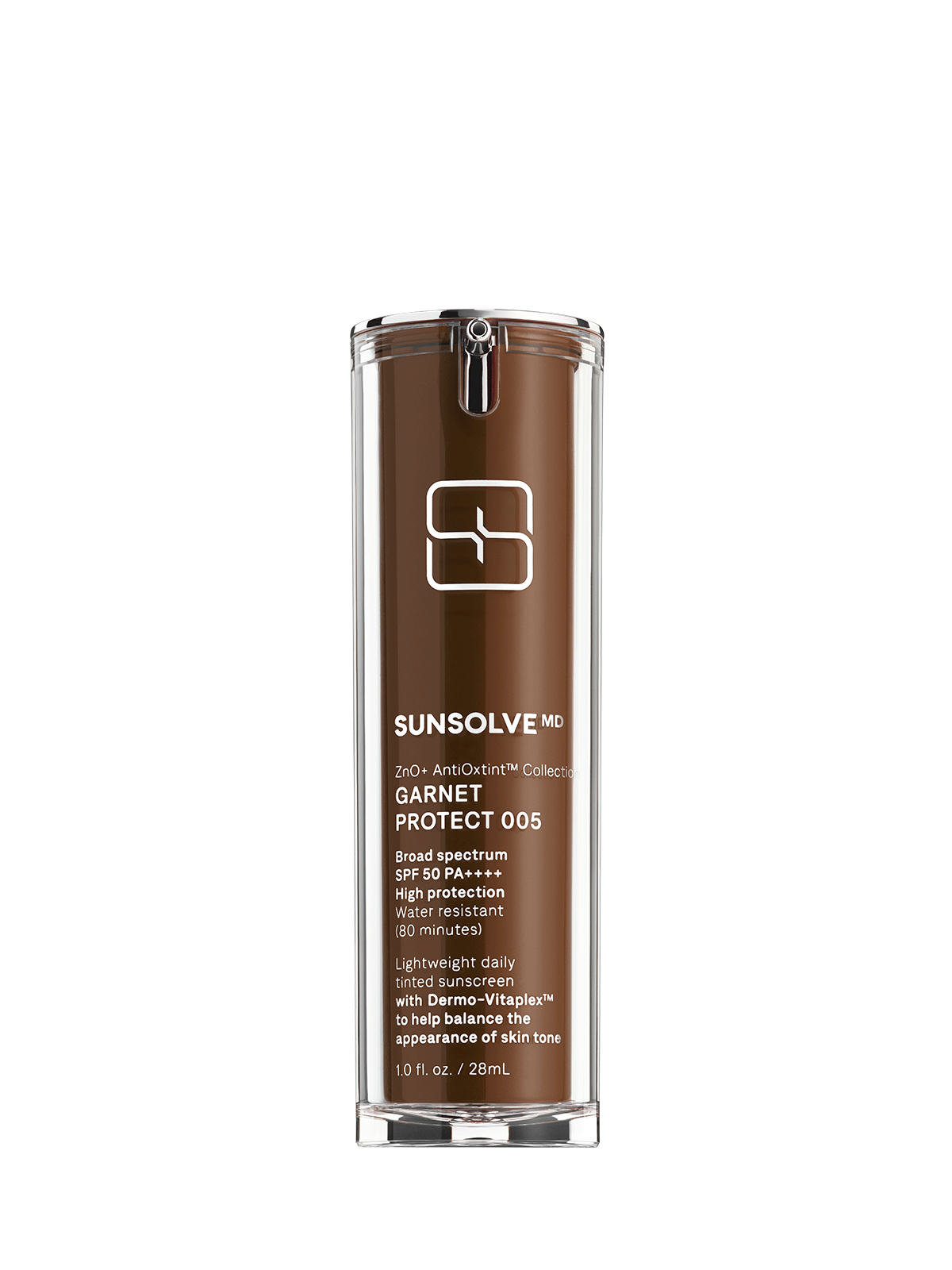
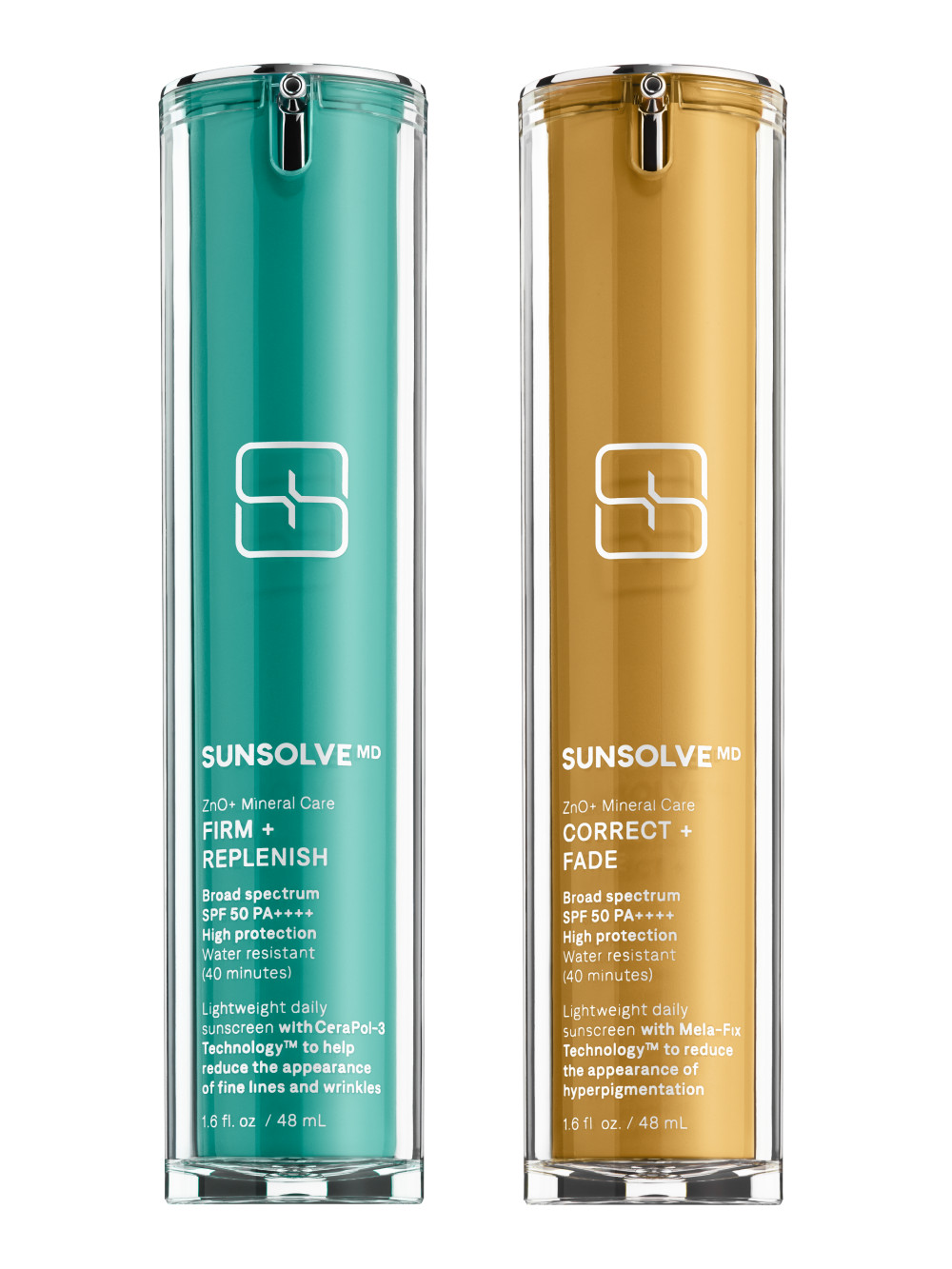
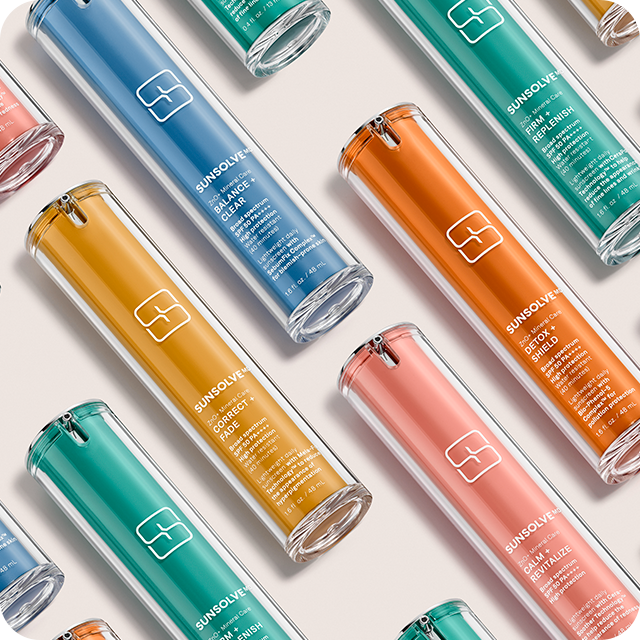
At SunSolveMD, our tinted sunscreens for daily routines are formulated for clog-prone skin without fragrance, without silicones, and with non-nano zinc oxide as the active. The formula is non-comedogenic by design and tested clinically across acne-prone and blemish-prone skin types, built to protect without the congestion that sends most people with breakout-prone skin back to skipping SPF altogether.

FAQs

Can sunscreen cause hormonal acne?

There's no established mechanism by which topical sunscreen directly causes hormonal acne. Some chemical filters, oxybenzone in particular, have raised questions in research about endocrine activity, though the evidence at typical topical application levels remains inconclusive. If hormonal acne is your concern, a mineral-only formula removes that variable entirely.

Should I skip moisturiser and just use sunscreen if I'm acne-prone?

Only if your sunscreen is adequately hydrating on its own. Skipping moisturiser to reduce layering makes sense in theory, but an under-hydrated skin barrier tends to overcompensate by producing more sebum, which is counterproductive. A lightweight, non-comedogenic moisturiser followed by a mineral SPF is usually the more stable approach.

How do I know if my sunscreen is non-comedogenic?

Look for it stated explicitly on the packaging, and cross-reference the ingredient list against known comedogenic ingredients. Non-comedogenic labelling isn't regulated in the same way SPF claims are, so it's worth doing both rather than relying on the label alone.

Is SPF 50 more likely to clog pores than SPF 30?

Not inherently. SPF rating reflects the level of UV protection, not the formula's occlusive potential. A well-formulated SPF 50 mineral sunscreen is no more likely to congest the skin than an SPF 30 version of the same formula. The ingredients matter; the number doesn't.

Trending Topics

Stay Trendy with Our Latest Insights

Why SPF Is Non-Negotiable for Every Skin Type

Once thought of as a concern almost exclusive to older generations, those with fair skin, or anyone who religiously (over) uses sunbeds, skin cancer is now on the rise across all demographics. Desp...

Sunscreen and Acne Treatments -  What You Need To Know
Sunscreen and Acne Treatments - What You Need To Know

If you’re undergoing professional or medical treatments for acne or acne scars, such as chemical peels, microneedling, laser therapy, or prescription medications, sun protection becomes essential. ...

Ways To Reduce Your Carbon Footprint With SPF

Decoding SPF and your carbon footprint. How to make more discerning choices with mineral sunscreens that not only safeguard your skin but are sustainably savvy.

Rosacea & SPF: How To Choose The Right Sunscreen

Rosacea is a common skin condition characterized by facial redness and inflammation. Follow this guide to choose the right sunscreen if you have rosacea.

A Dermatologists’ Guide To Photodamage And Dark Skin

Dermatologists weigh in on photodamage and dark skin (and how SPF is here to help). Read more.

Going to the Beach With Psoriasis: Risks and Benefits

Psoriasis is an immune-mediated disease. This is your scientific guide to safely treating psoriasis with natural sunlight.