Skip to content
Graphic of mineral SPF particles and skin barrier

Join The Solve Society. Designed for members to receive exclusive benefits

Explore benefits

Feb 6, 2026

How To Apply Mineral Sunscreen Properly

Collagen is one of those skincare buzzwords that gets attached to everything from supplements to eye creams, often with a loose relationship to the underlying biology. But collagen loss is real, it's measurable, and one of its most significant and preventable drivers is something most people are walking around without adequate protection against every day - the sun.

How To Apply Mineral Sunscreen Properly

What Actually Destroys Collagen In Skin

Two primary mechanisms are at work. UVA radiation, which penetrates deeply into the dermis, triggers the production of matrix metalloproteinases, enzymes that actively degrade collagen fibres. Simultaneously, UVA generates reactive oxygen species that attack collagen and elastin through oxidative stress. The result, over years of cumulative unprotected exposure, is the characteristic loss of firmness, deepening of lines, and textural changes that get attributed simply to ageing, when in reality they're largely attributable to UV.

UVB drives sunburn and DNA damage in the epidermis. UVA drives structural breakdown in the dermis. Both require protection, and their effects compound over time in ways that daily SPF consistently, demonstrably interrupts.

For anyone navigating skin changes during menopause, where declining oestrogen levels already accelerate collagen loss at a rate of roughly 30% in the first five years, understanding how to treat ageing skin during menopause makes the case for mineral SPF even more urgent. UV-induced collagen degradation on top of hormonally driven collagen loss is a combination worth taking seriously.

What The Science Says About Sunscreen And Skin Ageing

The strongest clinical evidence here comes from the Nambour trial, a landmark randomised controlled study published in Annals of Internal Medicine, which followed over 900 adults for 4.5 years. Daily sunscreen users showed no detectable increase in skin ageing over the trial period, with skin ageing 24% less than in the discretionary sunscreen group. No anti-ageing actives and no retinoids, just consistent daily SPF. That's a meaningful result, and it remains one of the most cited pieces of evidence for sunscreen as an anti-ageing intervention.

The mechanism is well understood. By deflecting UVA before it reaches the dermis, mineral sunscreen prevents the MMP activation cascade that degrades collagen in the first place. It's not a repair strategy; it's the interruption of a process that would otherwise be running continuously, every day, on every unprotected skin surface.

Why Mineral Filters Are Particularly Well-Suited To Collagen Protection

Chemical UV filters typically require combinations of ingredients to achieve broad-spectrum coverage, and some offer stronger UVB than UVA protection. Zinc oxide is one of a small number of filters that provides genuinely broad-spectrum UVA and UVB coverage in a single ingredient, including protection across the longer UVA1 wavelengths that penetrate most deeply into the dermis and drive the most significant structural damage.

For collagen preservation specifically, UVA1 protection matters more than most people realise. Many sunscreens perform well on the SPF scale, which measures UVB protection, while offering more limited coverage against the UVA wavelengths most implicated in dermal degradation. Non-nano zinc oxide addresses this gap.

Does Sunscreen Need To Be Used Alongside Other Anti-Ageing Actives?

Yes, and the two work synergistically rather than redundantly. Retinoids stimulate collagen production and support cellular renewal. Antioxidants like vitamin C and niacinamide neutralise free radicals. But none of these actives can compensate for ongoing unprotected UV exposure; they're working to repair and protect at a cellular level while UV is simultaneously triggering collagen degradation. Consistent SPF is the foundation that allows everything else in the routine to work effectively.

Retinoids and exfoliating acids also increase photosensitivity, making the skin more vulnerable to UV-induced collagen loss. Using these actives without daily SPF is functionally counterproductive.

What Makes SunsolveMD Different

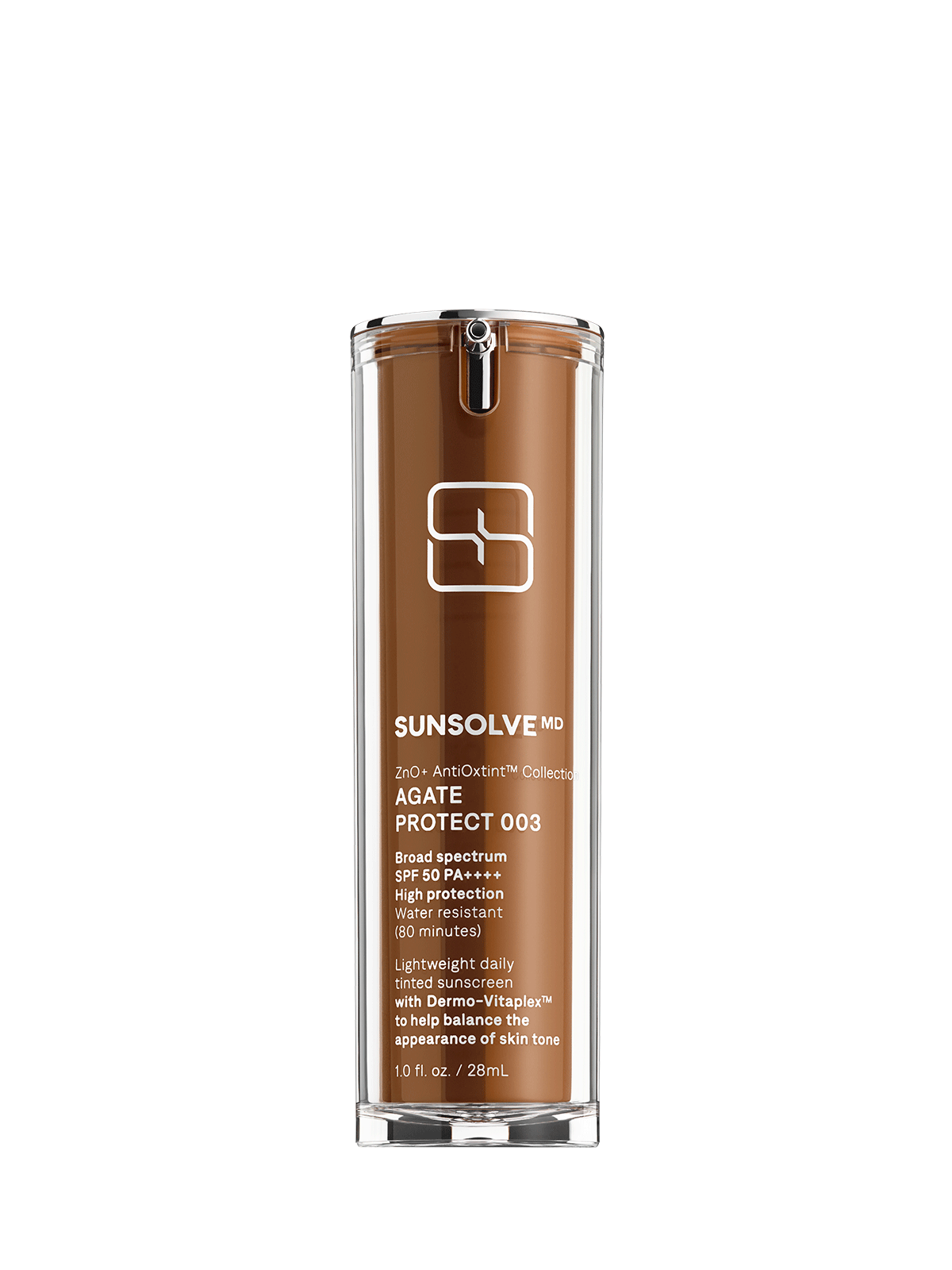
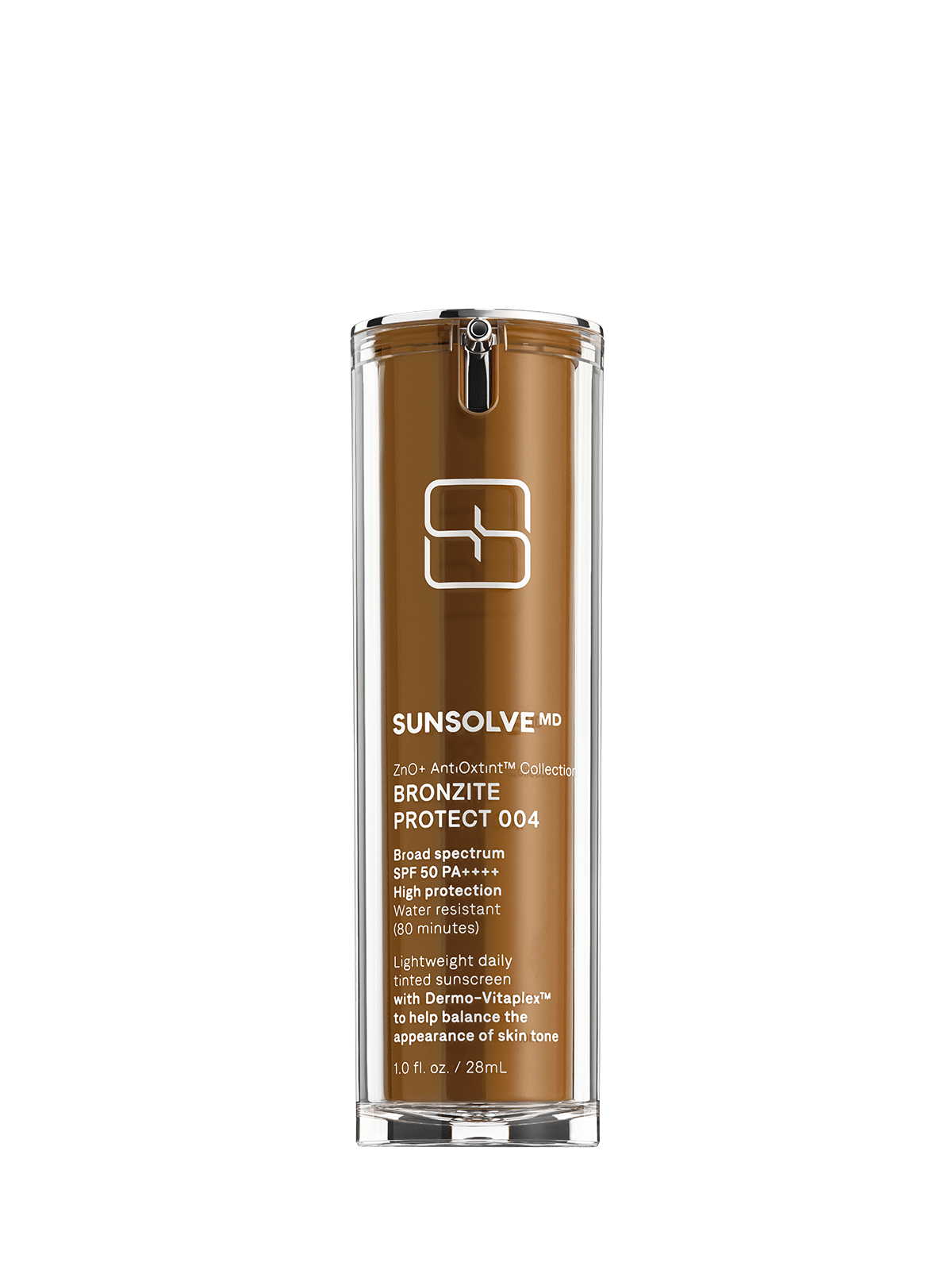
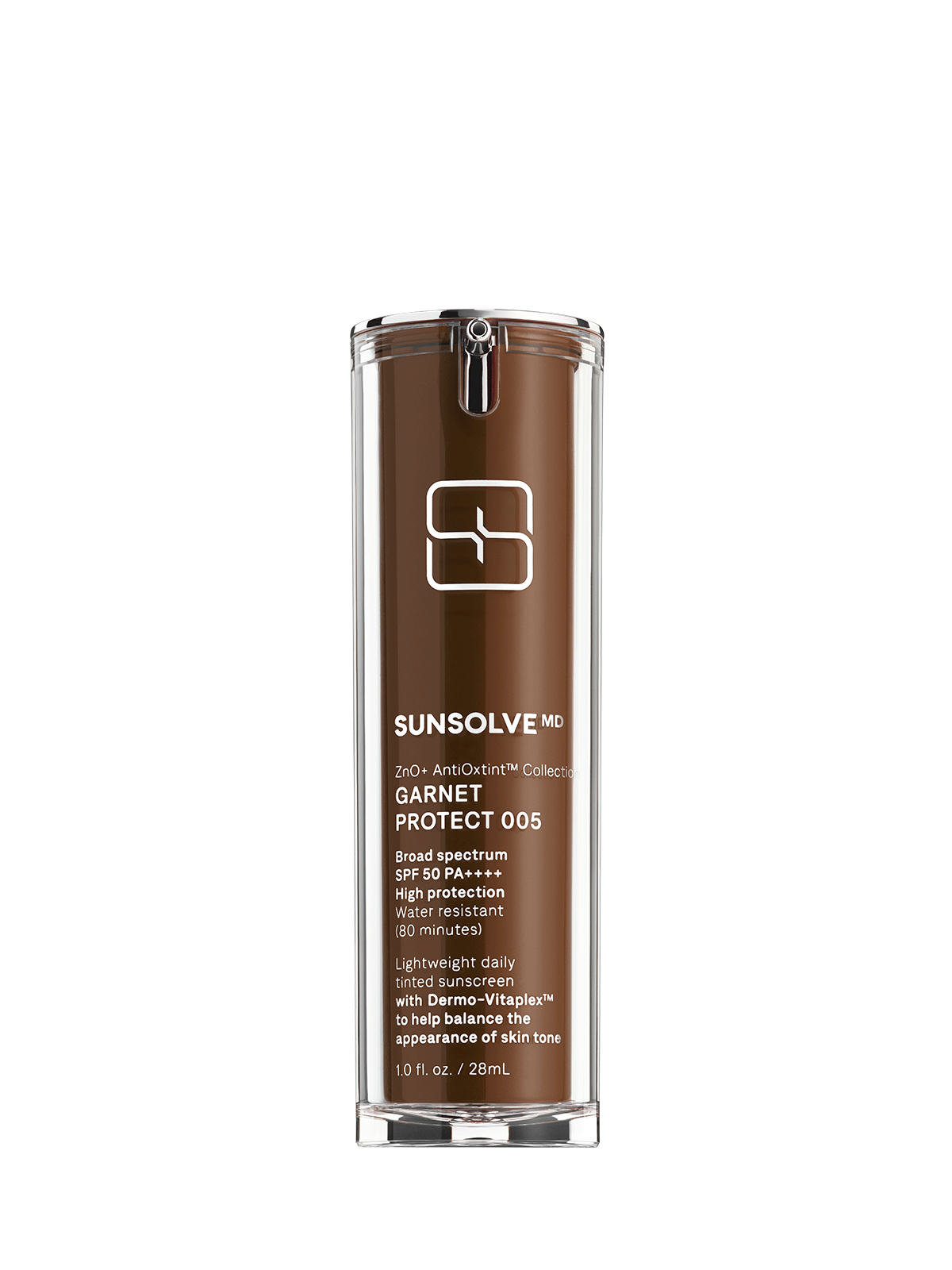
We believe that a sunscreen worthy of daily wear has to do more than sit on the skin. Our tinted sunscreens for everyday wear combine 12% non-nano zinc oxide, one of the highest concentrations available in the consumer market, with SolveDNAReverse™ to both prevent UV-induced collagen degradation and support cellular repair of existing damage. Six shades, developed for the full range of skin tones. Because protecting collagen isn't a luxury or an afterthought. It's the most important thing your morning routine can do.

FAQs

At what age should I start thinking about collagen protection?

Generally speaking, the earlier you start the better. UV-induced collagen degradation accumulates from adolescence onwards, and the effects become visible in the mid-thirties and beyond. Starting daily SPF in your twenties gives your skin the best long-term outcome, but it's never too late to interrupt the process. Although remember that even children need SPF when exposed to UVB rays!

Does SPF in a tinted moisturiser protect collagen as effectively as dedicated sunscreen?

Not typically. Most tinted moisturisers are applied at a fraction of the density needed to achieve the stated SPF, and many don't provide adequate UVA1 coverage regardless of the number on the label. A dedicated mineral SPF applied at the correct dose remains the most reliable option, as well as the most effective long-term.

Can collagen supplements counteract UV-induced collagen loss?

The evidence for oral collagen supplements is mixed and the mechanisms involved are different from topical photoprotection. Supplements may support collagen synthesis broadly, but they don't prevent UV-triggered MMP activation in the dermis. They're not a substitute for SPF.

Does wearing SPF indoors protect collagen?

If you're near a window, yes. UVA penetrates glass, so indoor exposure, particularly at a desk near a window across a working day, contributes to the cumulative UVA dose that drives collagen degradation over time.


Trending Topics

Stay Trendy with Our Latest Insights

Why SPF Is Non-Negotiable for Every Skin Type

Once thought of as a concern almost exclusive to older generations, those with fair skin, or anyone who religiously (over) uses sunbeds, skin cancer is now on the rise across all demographics. Desp...

Sunscreen and Acne Treatments -  What You Need To Know
Sunscreen and Acne Treatments - What You Need To Know

If you’re undergoing professional or medical treatments for acne or acne scars, such as chemical peels, microneedling, laser therapy, or prescription medications, sun protection becomes essential. ...

Ways To Reduce Your Carbon Footprint With SPF

Decoding SPF and your carbon footprint. How to make more discerning choices with mineral sunscreens that not only safeguard your skin but are sustainably savvy.

Rosacea & SPF: How To Choose The Right Sunscreen

Rosacea is a common skin condition characterized by facial redness and inflammation. Follow this guide to choose the right sunscreen if you have rosacea.

A Dermatologists’ Guide To Photodamage And Dark Skin

Dermatologists weigh in on photodamage and dark skin (and how SPF is here to help). Read more.
Going to the Beach With Psoriasis: Risks and Benefits

Psoriasis is an immune-mediated disease. This is your scientific guide to safely treating psoriasis with natural sunlight.