




Article: How Mineral Sunscreen Fits Into An Anti-Aging Skincare Routine
How Mineral Sunscreen Fits Into An Anti-Aging Skincare Routine
Ask any dermatologist to name the most effective anti-aging product available without a prescription and the answer will be sunscreen. It’s a slightly deflating truth for anyone who has invested in serums, creams and devices, but the science is unambiguous.
Up to 80 per cent of visible facial ageing is attributable to UV exposure, a process known as photoageing, which shows up as fine lines, deep wrinkles, sagging, uneven tone and sun spots. Every other product in your routine is working against that tide unless sunscreen is holding it back.
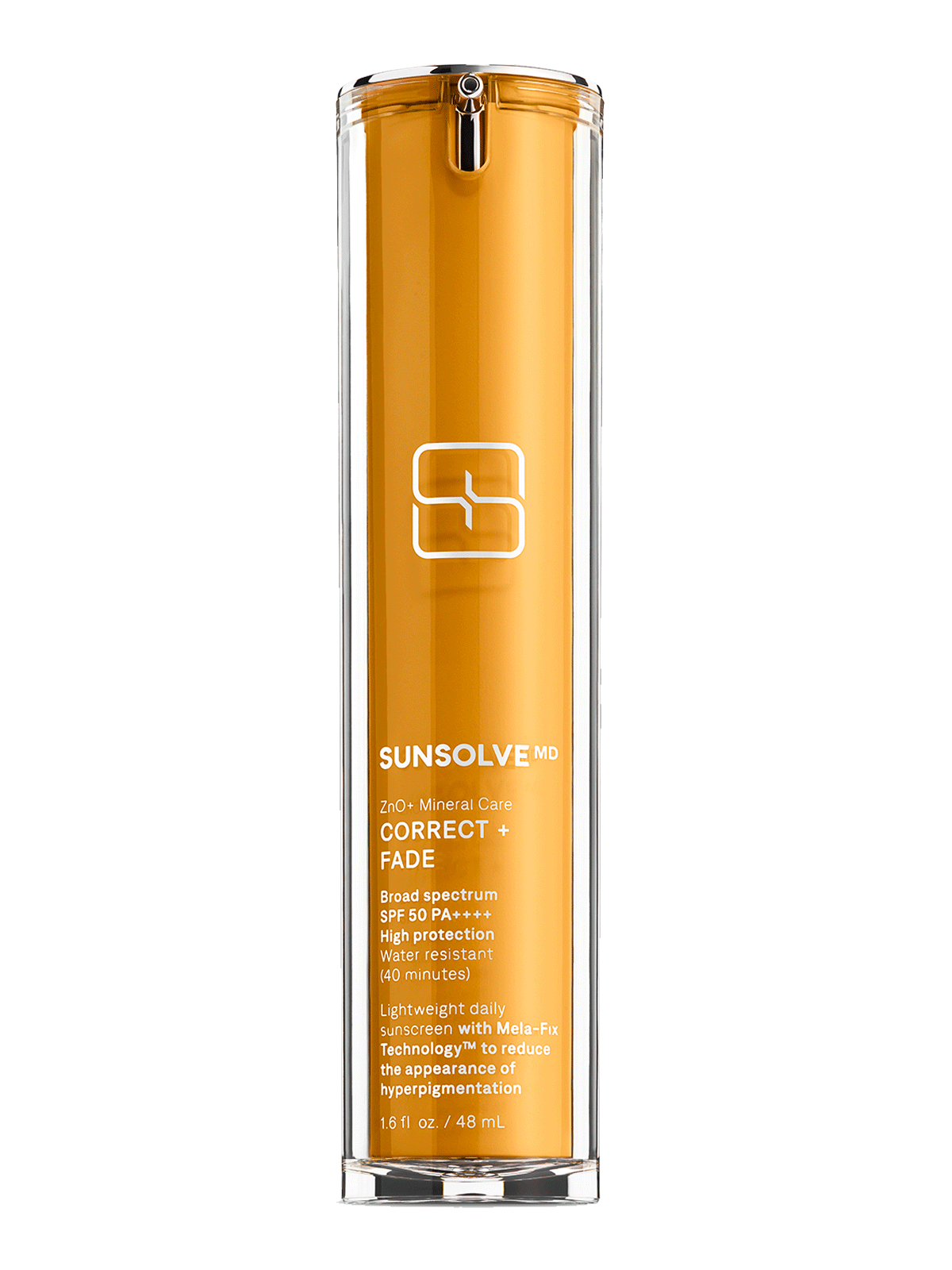
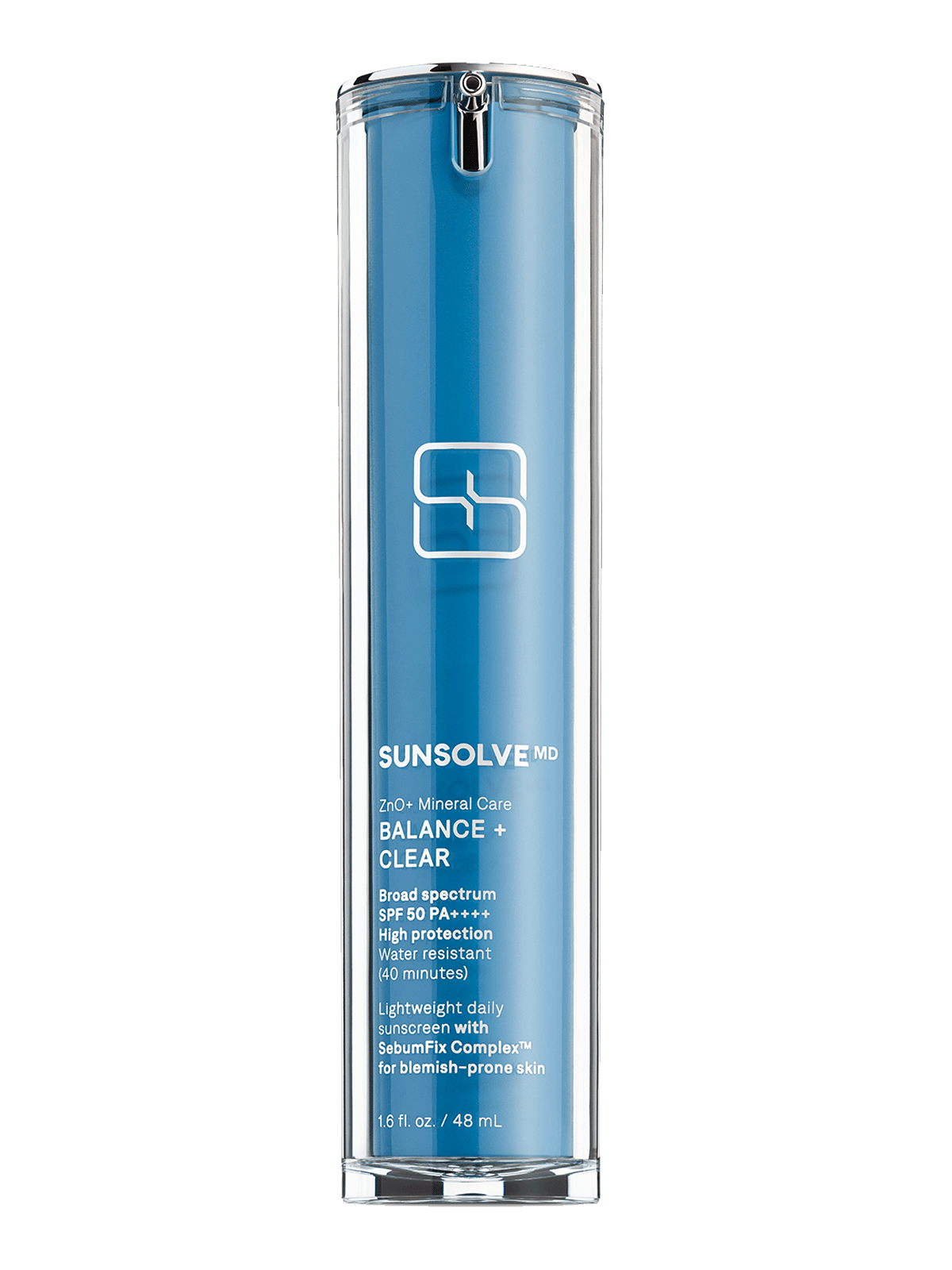
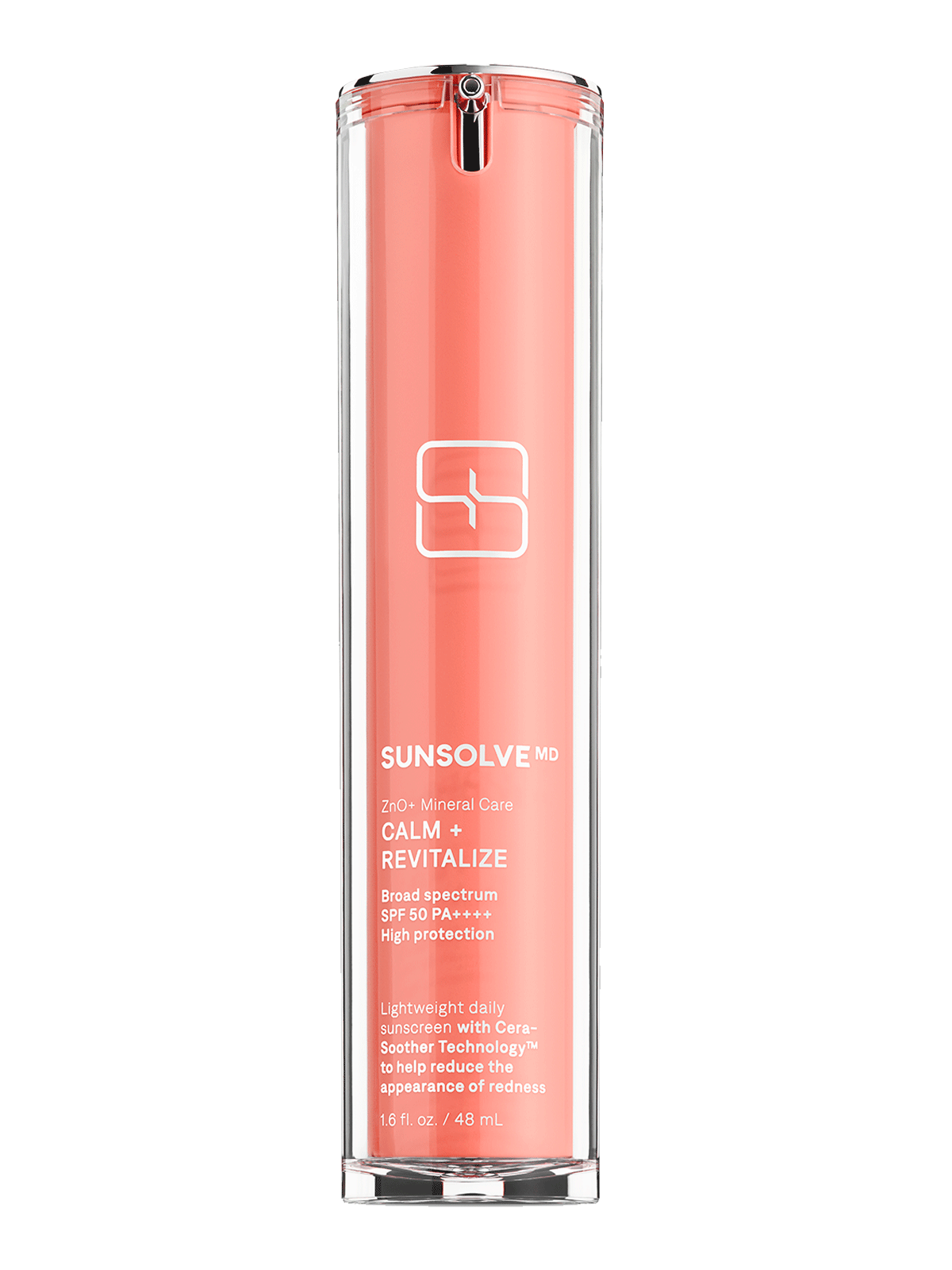
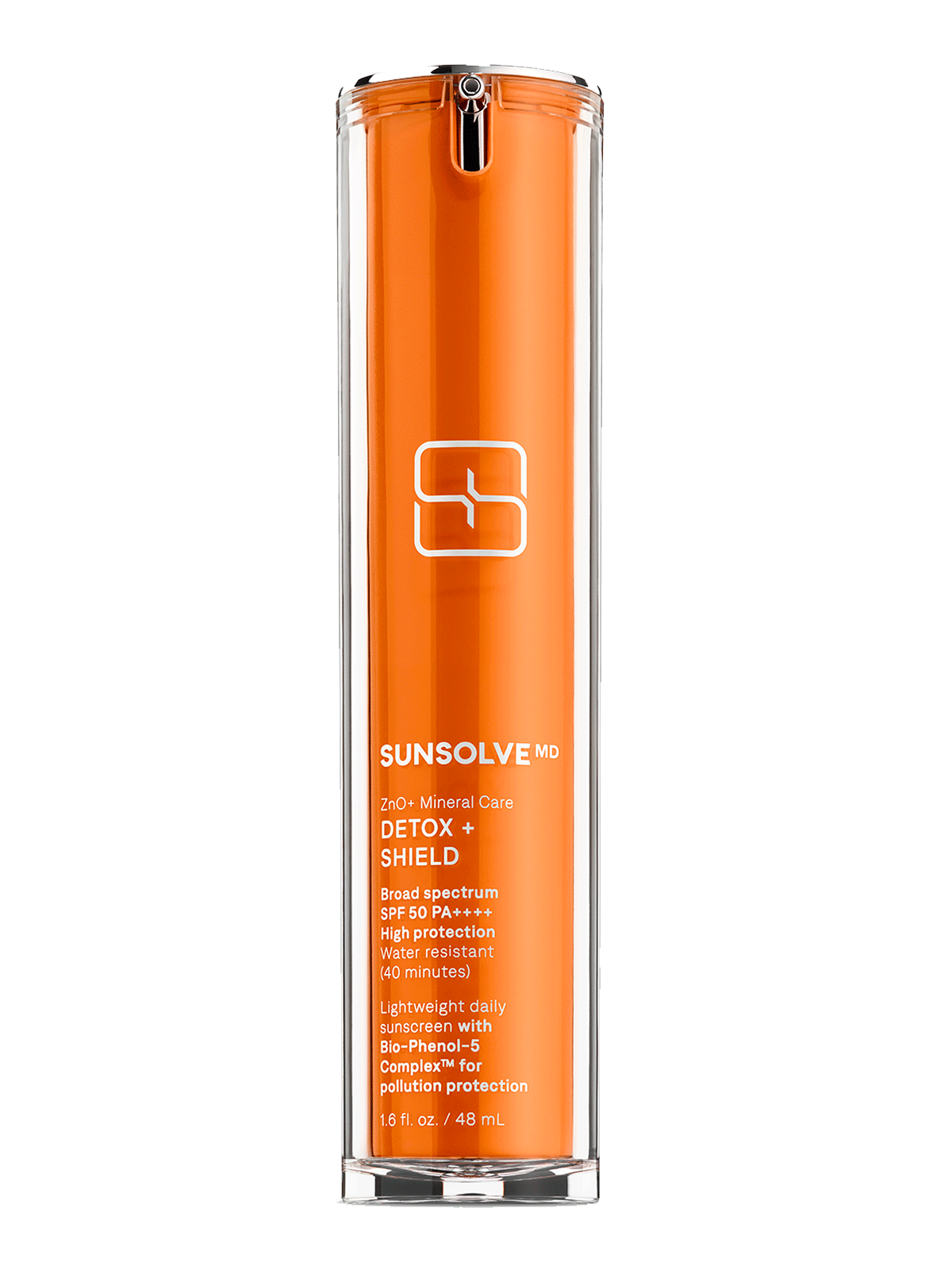
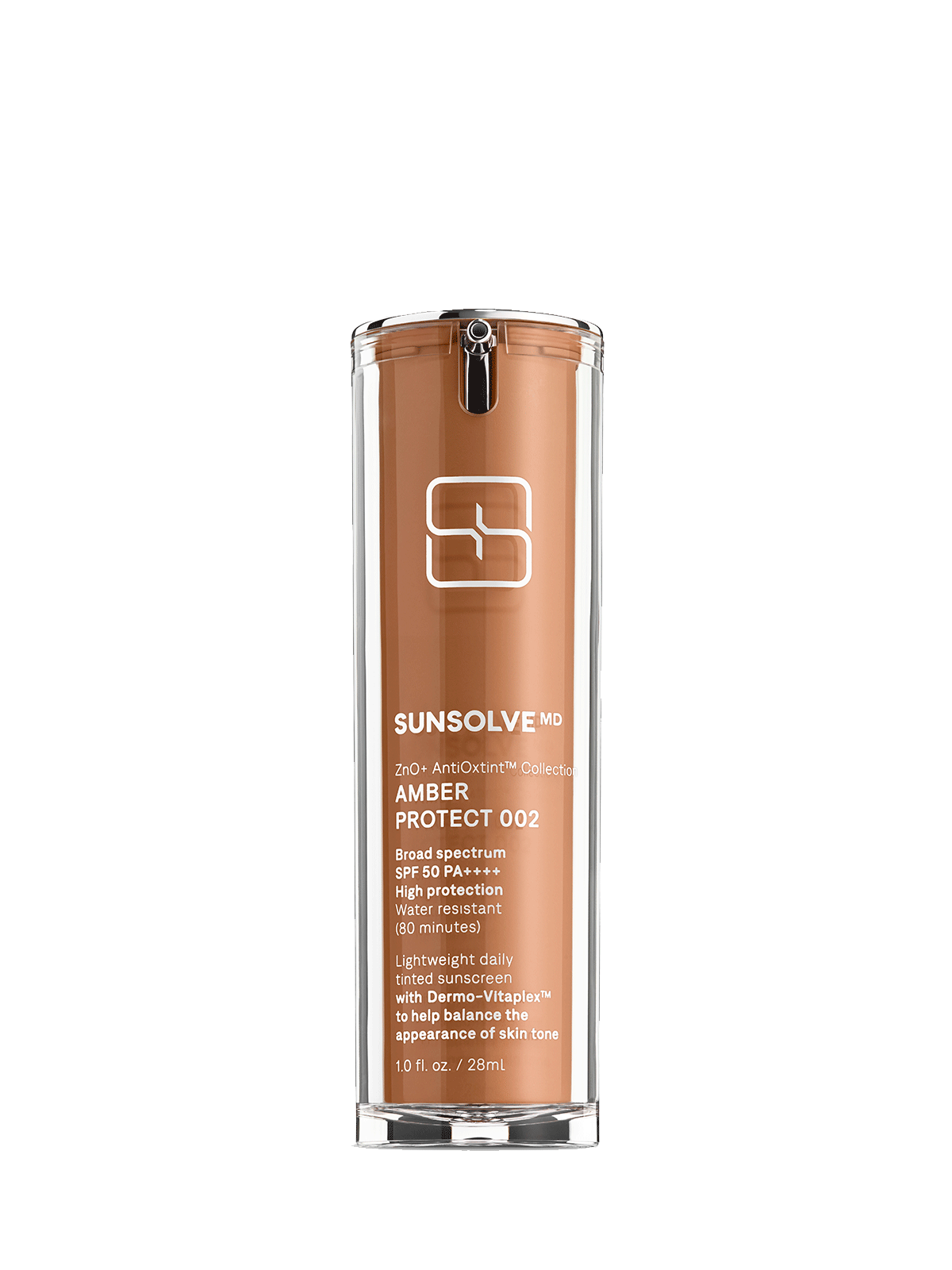
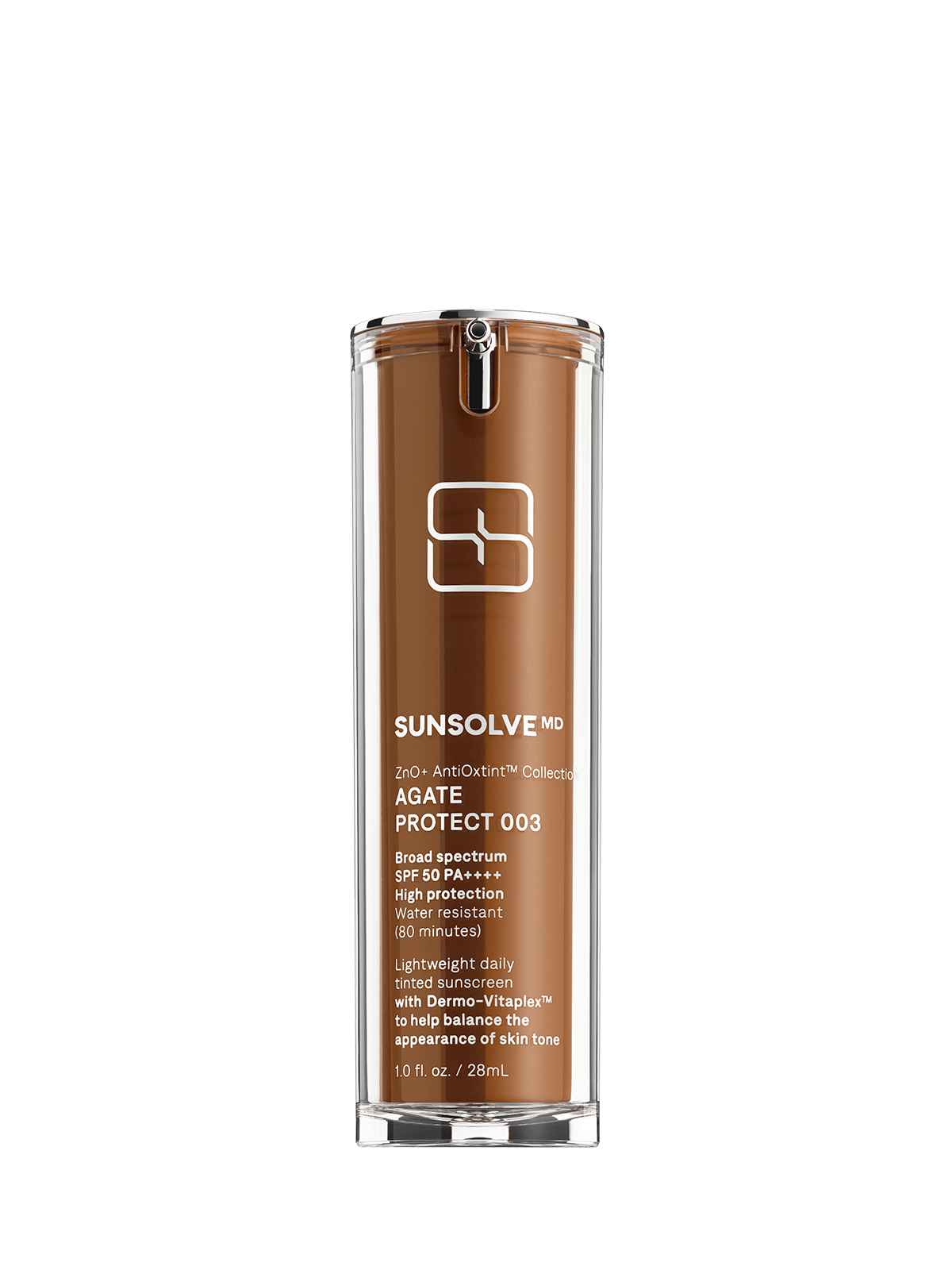
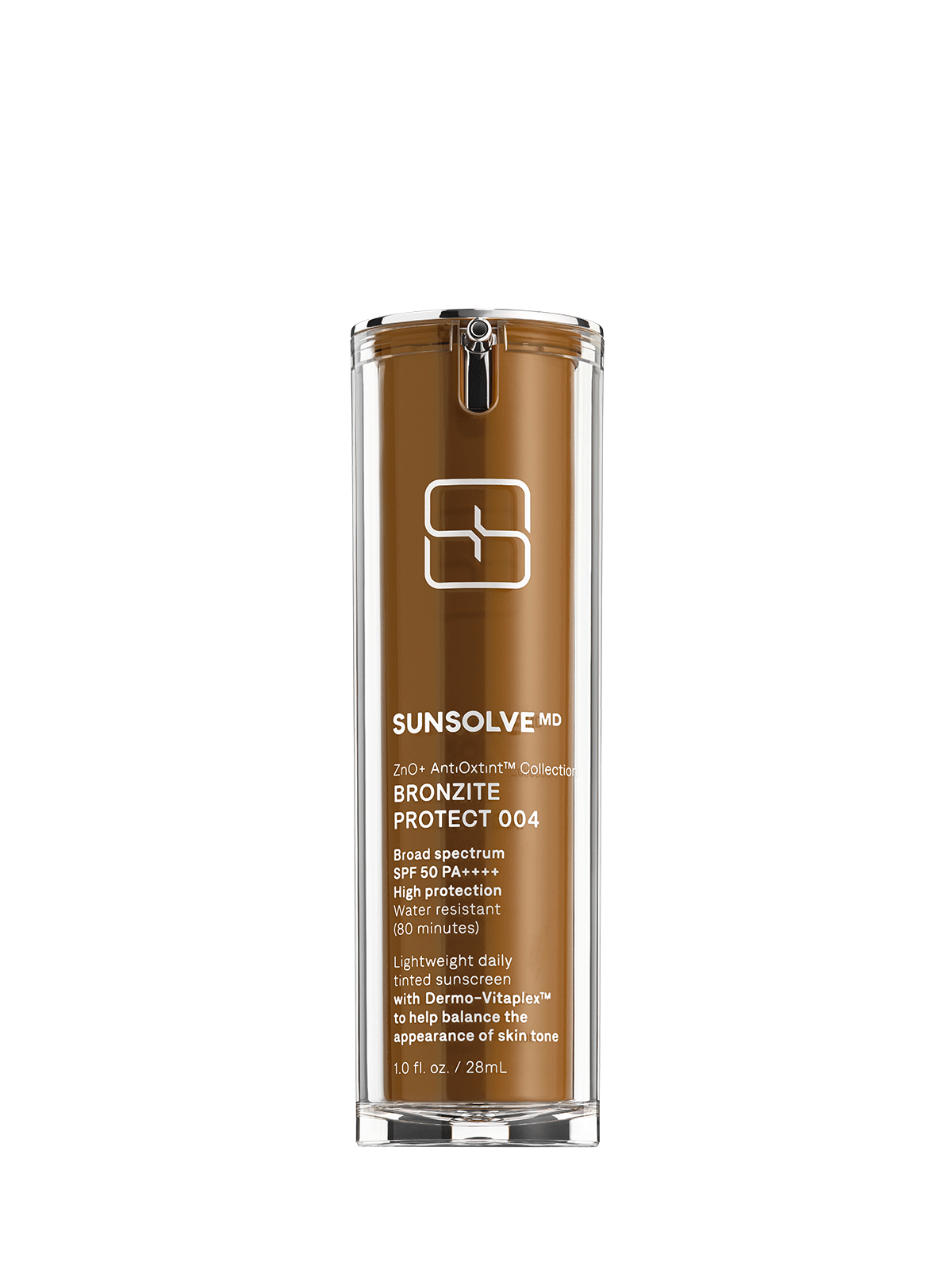
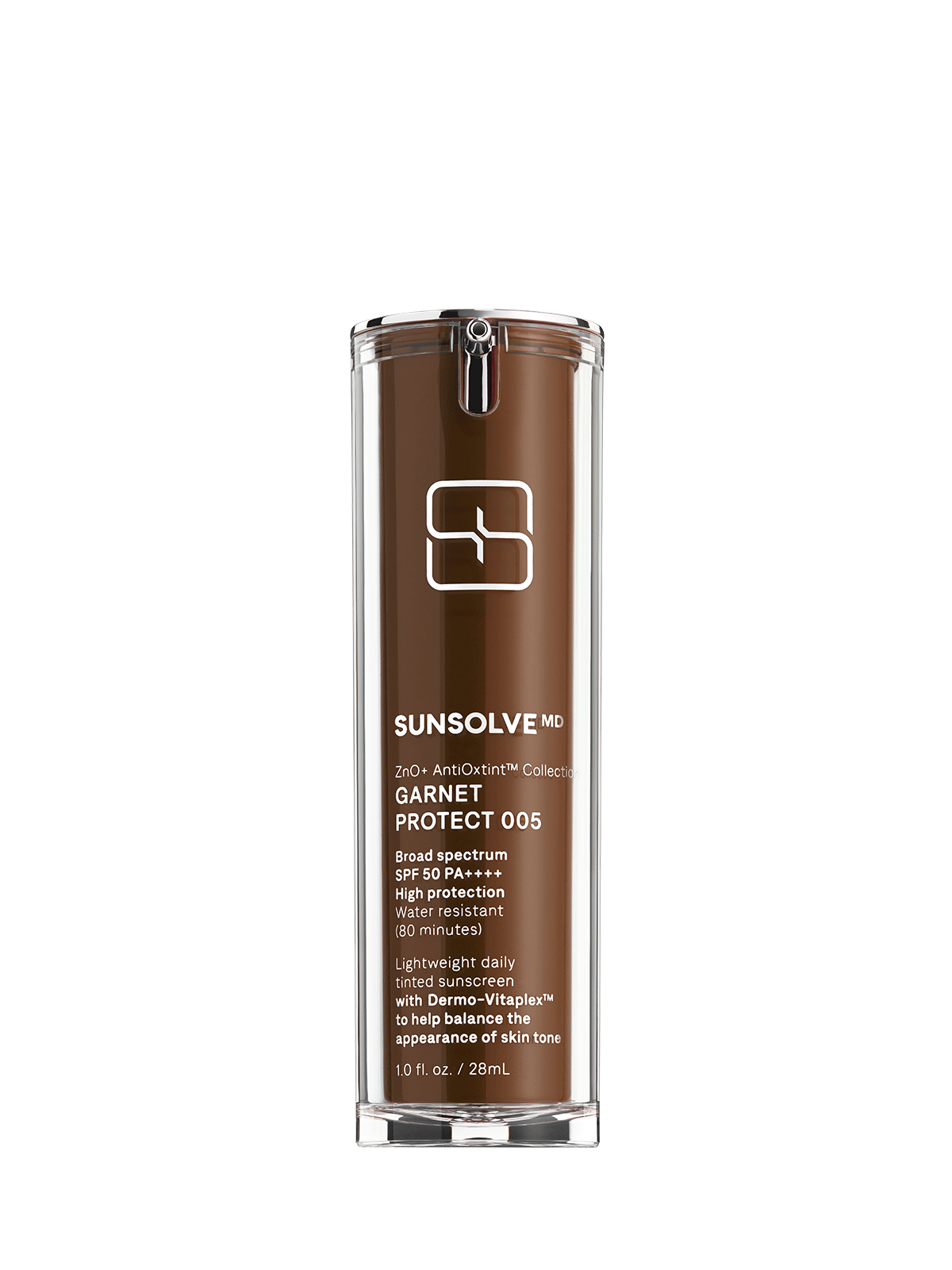
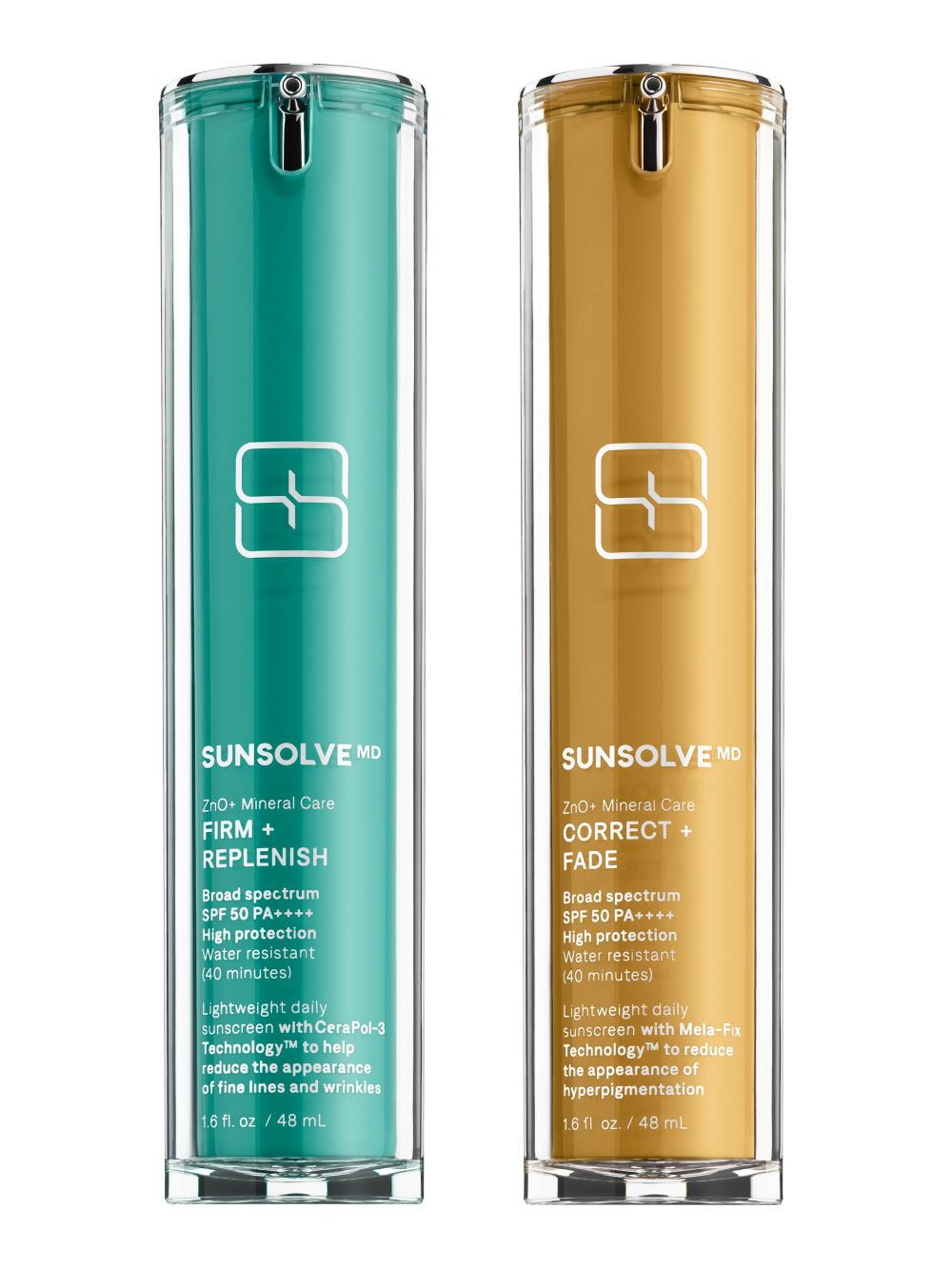
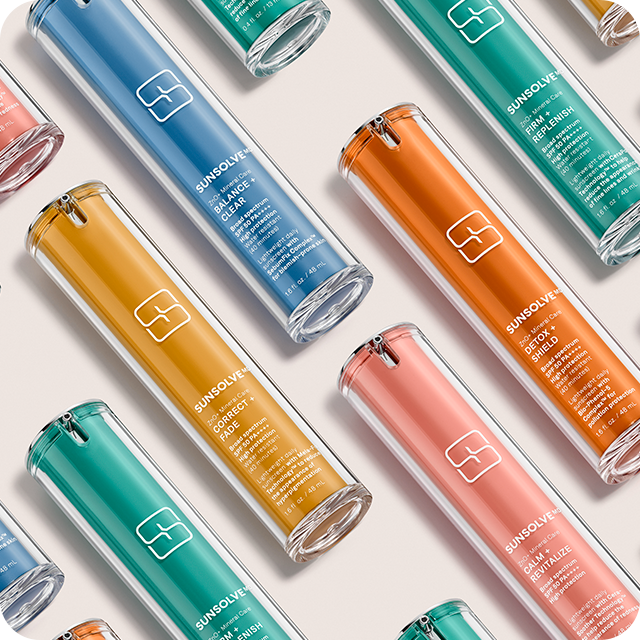
The problem is that many people simply hate the texture of the traditional sunscreen we grew up wearing; it’s thick, it leaves a white cast, it doesn’t sit well under make-up - which is where our collagen-preserving mineral sunscreen comes into place. But first - why is SPF so important?
What UV Light Does To Ageing Skin
The Slow Work Of UVA
UVA rays penetrate deep into the dermis, where they generate free radicals and activate enzymes called matrix metalloproteinases. These enzymes break down collagen and elastin, the proteins responsible for firmness and bounce, faster than your skin can rebuild them.
UVA is present at consistent levels all year round, passes through cloud and window glass, and causes damage without any visible burning, which is why it is so easy to underestimate.
The Surface Damage Of UVB
UVB rays work closer to the surface, causing sunburn and direct DNA damage in skin cells, and they contribute heavily to pigmentation and rough texture over time.
An anti-aging routine has to answer both. Broad-spectrum mineral sunscreen does, with zinc oxide covering the full UVA and UVB range from a position on top of the skin.
Why Mineral Filters Suit Mature Skin
There is a second advantage that is particularly relevant to aging skin. Mature and treated skin tends to have a more fragile barrier, and mineral filters are exceptionally well tolerated because nothing needs to absorb for the protection to work.
Some evidence also suggests zinc oxide reflects a portion of visible light, which is helpful for anyone managing age-related pigmentation.
Building The Morning Routine, Step By Step
Step One: A Gentle Cleanse
Ageing skin produces less sebum, so choose a non-stripping cleanser that leaves the skin comfortable. Harsh foaming formulas undermine the barrier you are trying to support.
Step Two: Vitamin C Serum
An antioxidant serum in the morning is the natural partner to sunscreen. Vitamin C neutralises the free radicals generated by UV and pollution, brightens tone, and supports collagen synthesis.
Applied under SPF, the two act as a coordinated defence, with the antioxidant mopping up whatever small fraction of UV energy gets past the filter.
Step Three: Hydration
A moisturiser with humectants such as hyaluronic acid and glycerine plumps fine lines temporarily and keeps the barrier supple. Peptide moisturisers are a reasonable addition here if firmness is your priority.
Step Four: Mineral Sunscreen
SPF always goes on last in the skincare sequence and before make-up. A broad-spectrum mineral SPF for everyday protection completes the routine, sealing everything beneath a physical UV shield.
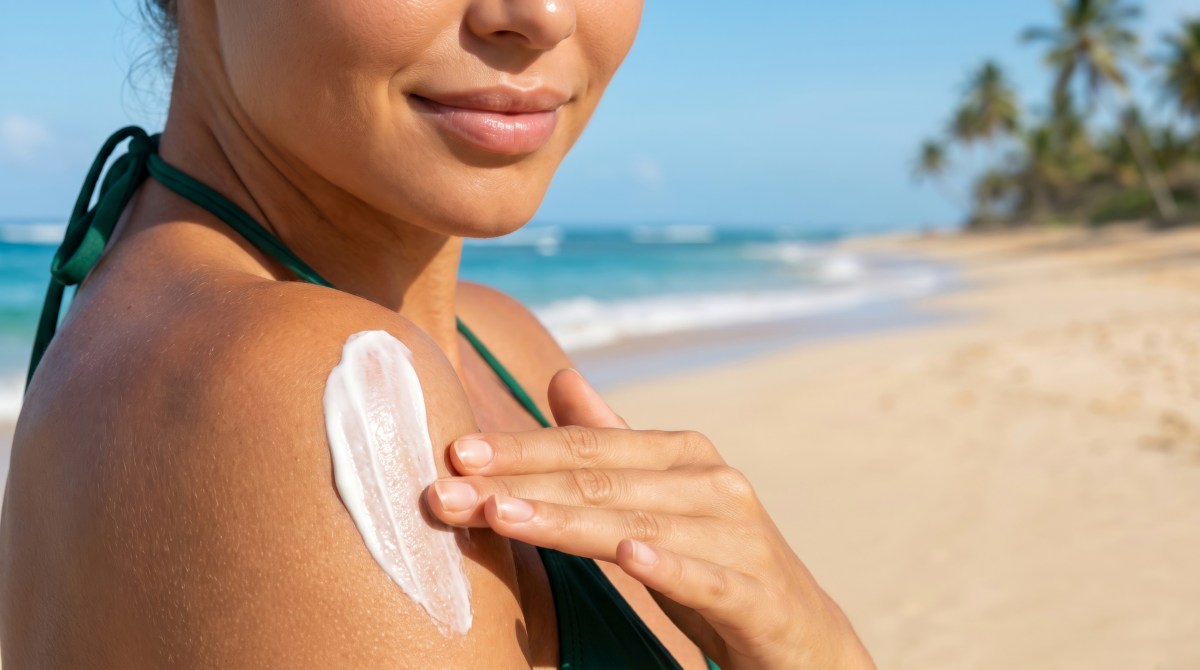
Use SPF 30 at minimum and SPF 50 if pigmentation is a concern, applying two finger-lengths across the face and neck. The neck and chest age visibly and are chronically under-protected, so carry the product all the way down.
How SPF Protects Your Evening Actives

The most powerful anti-aging ingredients work at night, and every one of them depends on daytime sun protection to deliver results.
Retinoids, including retinol and prescription tretinoin, accelerate cell turnover and stimulate collagen production. That same turnover leaves the skin more photosensitive, and unprotected UV exposure both irritates retinoid-treated skin and destroys the new collagen you are paying to build. Dermatologists are blunt on this point: a retinoid without daily SPF is a half-finished treatment.
The same holds for exfoliating acids such as glycolic and lactic acid, which thin the outermost layer of dead cells and temporarily reduce your natural UV defence. It applies equally to pigmentation treatments built around ingredients like tranexamic acid or azelaic acid, because any dark spot you are fading chemically will simply return if UV keeps stimulating the melanocytes beneath it. Sunscreen is what makes the rest of the routine permanent.
Consistency Is The Active Ingredient
Photoageing is cumulative. The damage that shows up in your forties is the sum of thousands of ordinary days, most of them nowhere near a beach.
School runs, commutes, lunchtime errands and time beside a bright window all count, because UVA does not take winter off. This is why the anti-aging value of sunscreen comes almost entirely from daily habit.
Research following adults who wore SPF every day found measurably less skin ageing over four and a half years compared with occasional users. Clinical work since has shown that consistent sunscreen use actually allows existing photodamage to visibly improve, because the skin finally gets the chance to repair itself.
A mineral formula makes that habit easier to keep. Modern textures sit well under make-up, behave gently on skin that is also handling retinoids and acids, and provide their full protection from the moment of application, with no waiting period required.
FAQs
At what age should I start using sunscreen for anti-aging purposes?
Immediately, whatever your age. Photoageing begins with your very first sun exposure and accumulates silently for decades before it becomes visible. Starting daily SPF in your twenties prevents the majority of future damage, while starting in your forties or fifties still slows further aging and gives existing damage room to repair.
Can sunscreen reverse wrinkles I already have?
To a modest degree, yes. Clinical research has shown that consistent daily sunscreen use over a year or more leads to visible improvement in texture, tone and fine lines, because skin has a genuine capacity for self-repair once the daily assault of UV stops. For deeper set wrinkles, sunscreen protects the results of whatever treatments you pursue alongside it.
Is mineral sunscreen better than chemical sunscreen for mature skin?
Mineral formulas hold several advantages for aging skin. They are gentler on a barrier that thins with age, they suit skin sensitised by retinoids and acids, and zinc oxide provides reliably broad UVA coverage, which is the wavelength most responsible for wrinkles and sagging. Whichever type you choose, daily use matters more than the filter itself.
Do I still need sunscreen if my moisturiser contains SPF?
Usually, yes. Moisturisers with SPF are tested at application amounts far greater than most people use, and they are rarely reapplied. A dedicated broad-spectrum sunscreen applied generously as a separate final step gives you the stated protection; an SPF moisturiser is best treated as a bonus layer.
Should I apply vitamin C before or after my sunscreen?
Before. Vitamin C is a treatment serum and belongs on clean skin near the start of your routine, followed by moisturiser, with sunscreen applied last. Layered this way, the antioxidant works beneath the UV filter and the two protect the skin in complementary ways.