


Skip to content
Graphic of mineral SPF particles and skin barrier

Join The Solve Society. Designed for members to receive exclusive benefits

Explore benefits

Feb 11, 2026

How Mineral SPF Supports DNA Protection

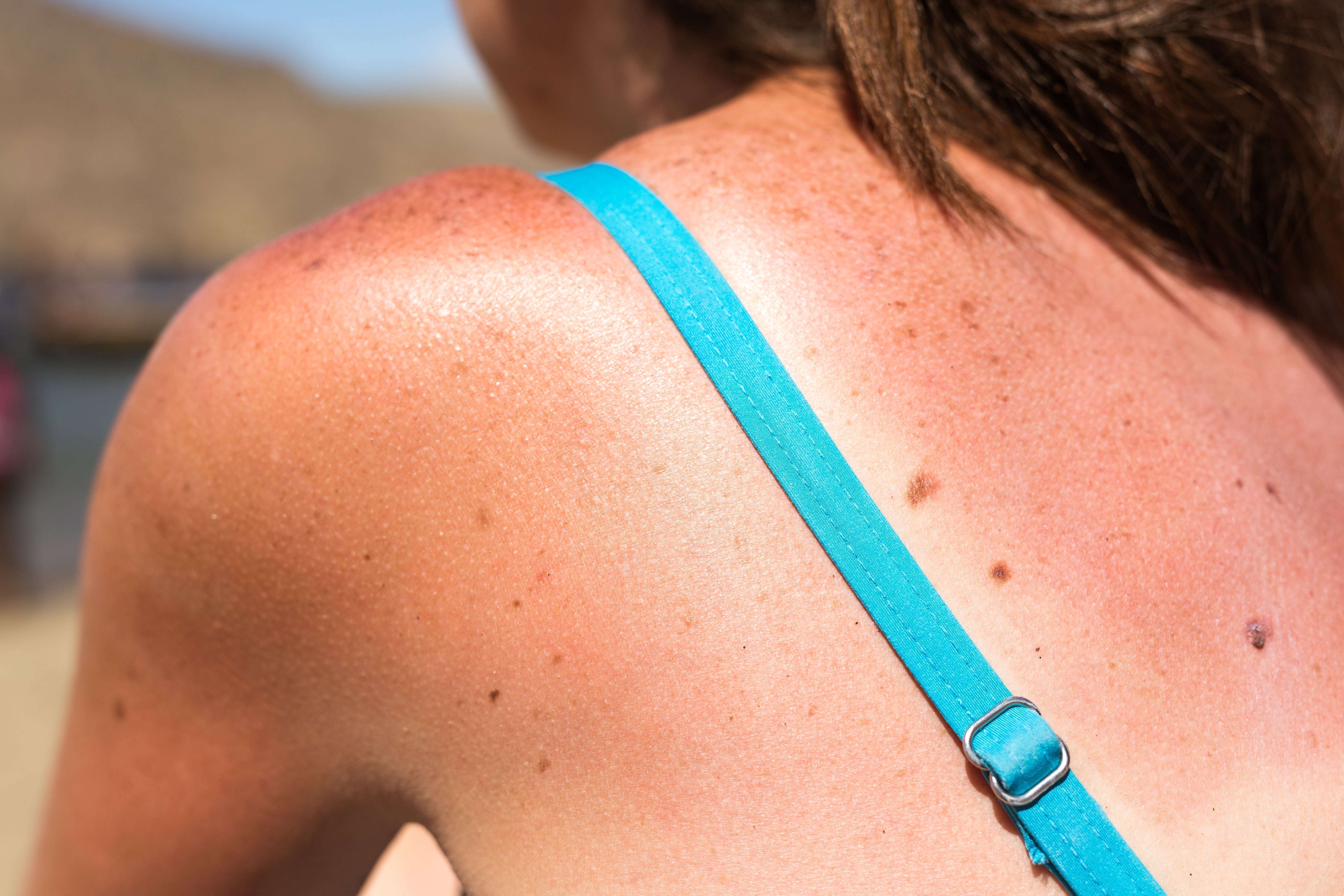
Ultraviolet radiation doesn’t remain confined to the superficial layers of the skin: both UVA and UVB wavelengths penetrate cutaneous tissue to varying depths, where they induce direct and indirect forms of DNA damage, including cyclobutane pyrimidine dimers and oxidative lesions mediated by reactive oxygen species.

These molecular events occur well before any visible clinical signs, such as erythema or pigmentation, become visibly apparent. While topical antioxidants can improve the appearance of sun damage to an extent, their capacity to reverse established DNA damage is inherently limited.

How Mineral SPF Supports DNA Protection

Within this context, mineral sunscreens - primarily composed of zinc oxide and titanium dioxide - function as a physical barrier that attenuates and scatters incoming UV radiation. By reducing the total burden of UV photons reaching viable epidermal and dermal cells, they lower the probability of mutagenic events at the level of nuclear DNA.

Let’s take a closer look at the science behind DNA protection, and the science behind our innovative mineral sunscreen formulas at SunsolveMD.

What UV Radiation Actually Does To Your DNA

When UV radiation reaches skin cells, it interacts with DNA directly. UVB in particular causes the formation of cyclobutane pyrimidine dimers, essentially abnormal bonds between adjacent DNA bases that distort the double helix and impair normal cell function. The body has its own repair mechanisms to address this, but they're not infallible.

Repeated unprotected exposure accumulates damage faster than those mechanisms can correct it, and that accumulation is where the long-term consequences begin: accelerated photoageing, uneven pigmentation, and over time, increased risk of skin cancer.

UVA works differently, generating reactive oxygen species that attack DNA indirectly through oxidative stress. Both pathways matter, and both require consistent daily protection to interrupt them - and this is why SPF is non-negotiable for every skin type all year round.

Does Mineral Sunscreen Need To Be Applied Differently To Chemical Sunscreen?

There's one meaningful difference. Chemical sunscreens contain organic UV filters that require time to bind to the skin and begin absorbing UV radiation, typically around 15 to 20 minutes. Mineral sunscreens, which use zinc oxide and titanium dioxide to physically deflect UV rather than absorb it, are effective from the moment of application. You don't need to wait before going outside, which makes them genuinely more practical for a morning routine where timing is tight.

The application method itself follows the same principles: apply to dry skin, cover all exposed areas including the hairline, ears, and neck, and give the product a moment to settle before layering anything on top.

Where Mineral Filters Fit In

Zinc oxide and titanium dioxide are the only two UV filters currently approved by the FDA that provide true broad-spectrum coverage across both UVA and UVB wavelengths in a single ingredient. Chemical filters typically require combinations to achieve the same breadth of coverage, and some remain less stable under UV exposure, degrading over time in a way that mineral filters do not.

The Role Of DNA Repair Enzymes

Blocking UV is passive protection. What's emerging as genuinely exciting in photoprotection research is the possibility of active repair, sunscreens that don't just prevent new damage but assist the skin in addressing existing photodamage at a molecular level.

A systematic review published in PMC identified two enzymes, photolyase and T4 endonuclease V, as the most clinically significant in this context. Clinical studies found that sunscreens containing liposome-encapsulated photolyase could enhance the skin's DNA repair mechanisms, going beyond conventional SPF to address cyclobutane pyrimidine dimers that have already formed. The research notes that large-scale randomised controlled trials are still needed, but the mechanistic evidence is solid and the early clinical data is genuinely promising.

Photolyase is a flavoenzyme derived from marine phytoplankton, organisms that have evolved remarkably efficient DNA repair systems precisely because they live under intense, constant UV exposure. That's not a coincidence. It's the product of billions of years of adaptation, harnessed and incorporated into a topical formula.

Does Everyone Need DNA Repair Technology In Their Sunscreen?

It's most relevant for anyone with cumulative sun exposure history, anyone who hasn't been consistent with SPF in the past, and anyone whose skin shows early signs of photodamage. In practical terms, that covers most adults. A sunscreen that both prevents new damage and supports repair of existing photodamage is doing more work than one that only does the former.

For skin that has already accumulated years of unprotected exposure, and for those using photosensitising actives like retinoids or AHAs, the combination of broad-spectrum mineral protection and DNA repair technology is the most comprehensive daily defence available.

What Makes SunsolveMD Different

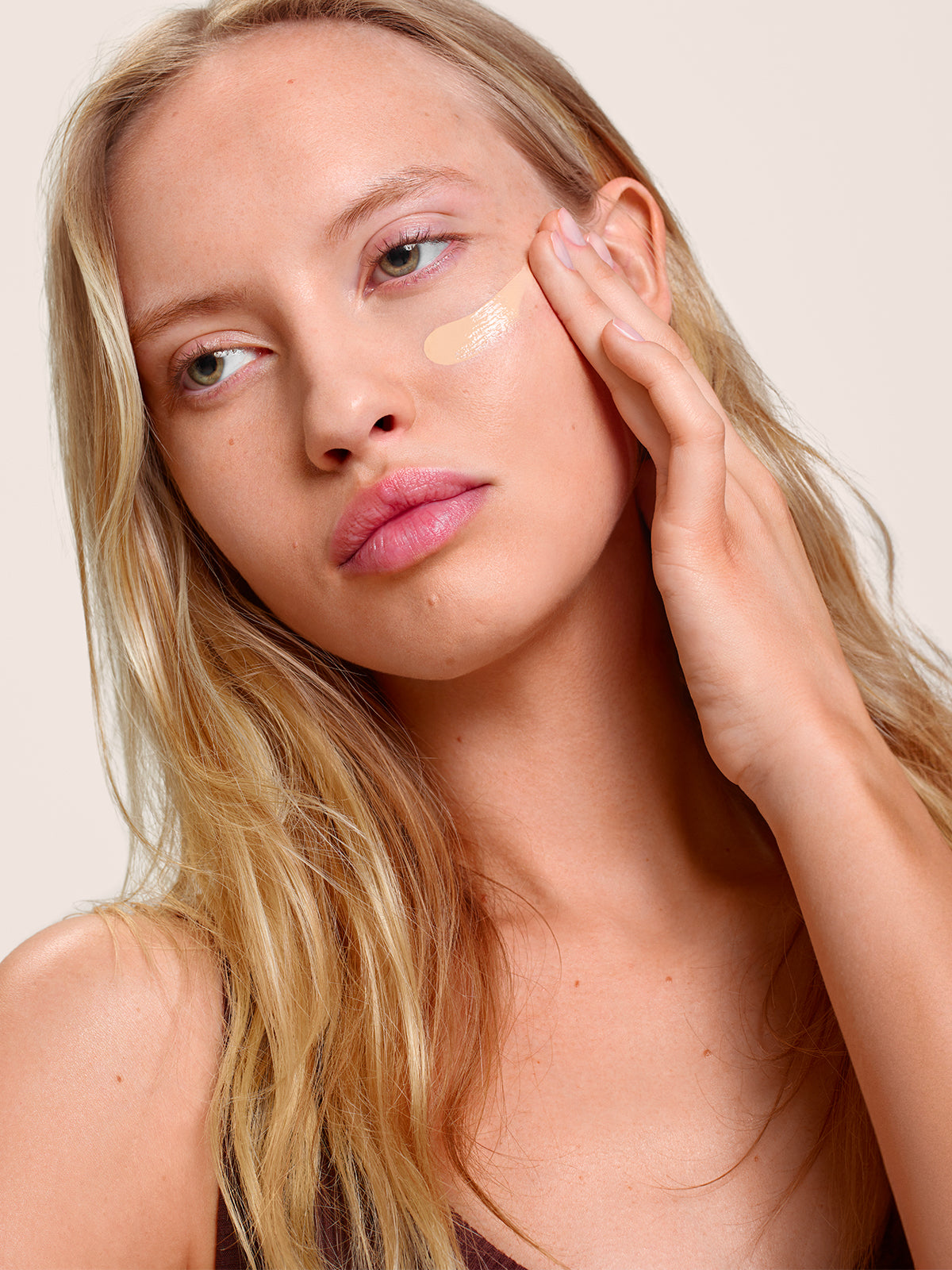
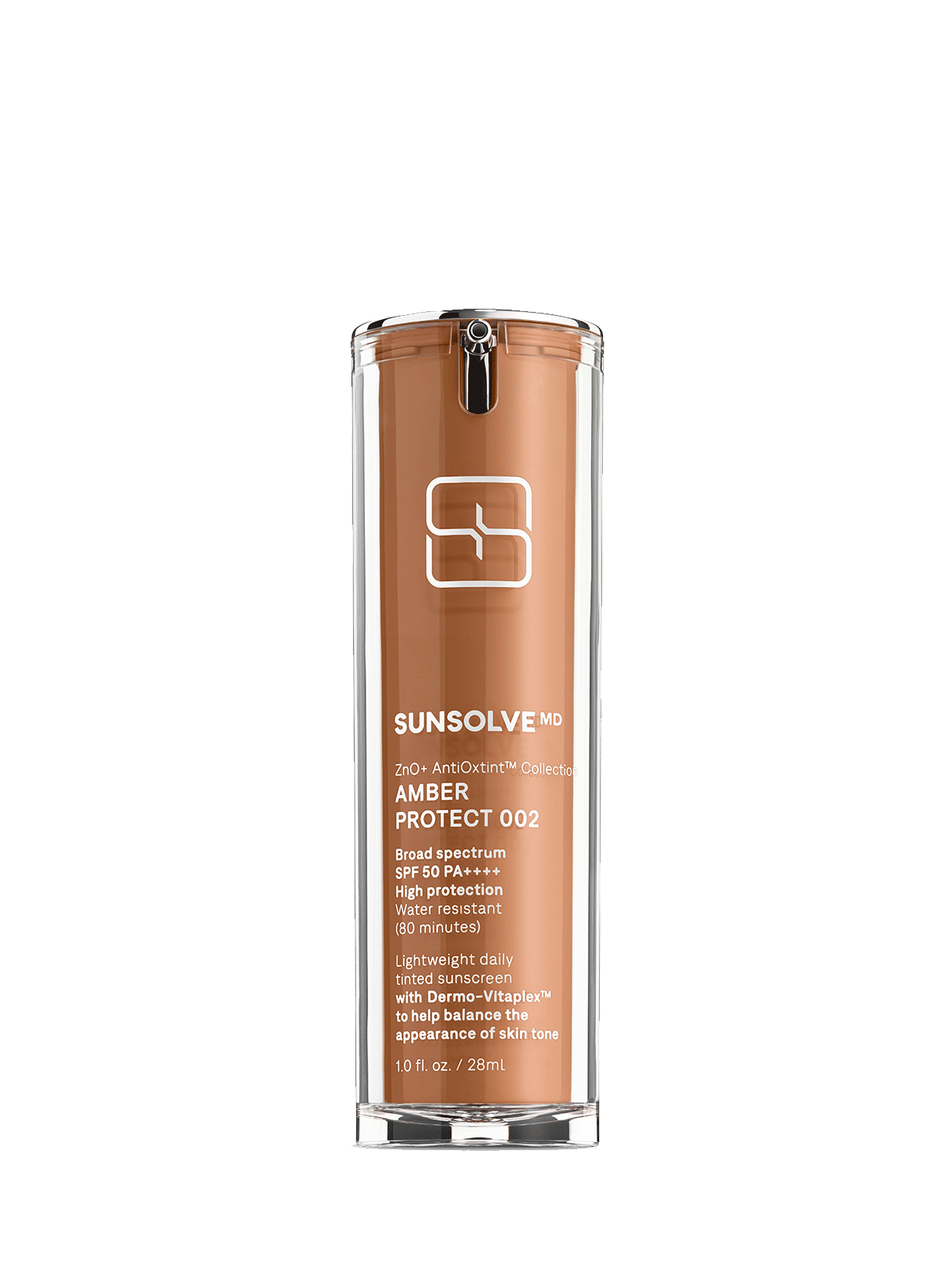
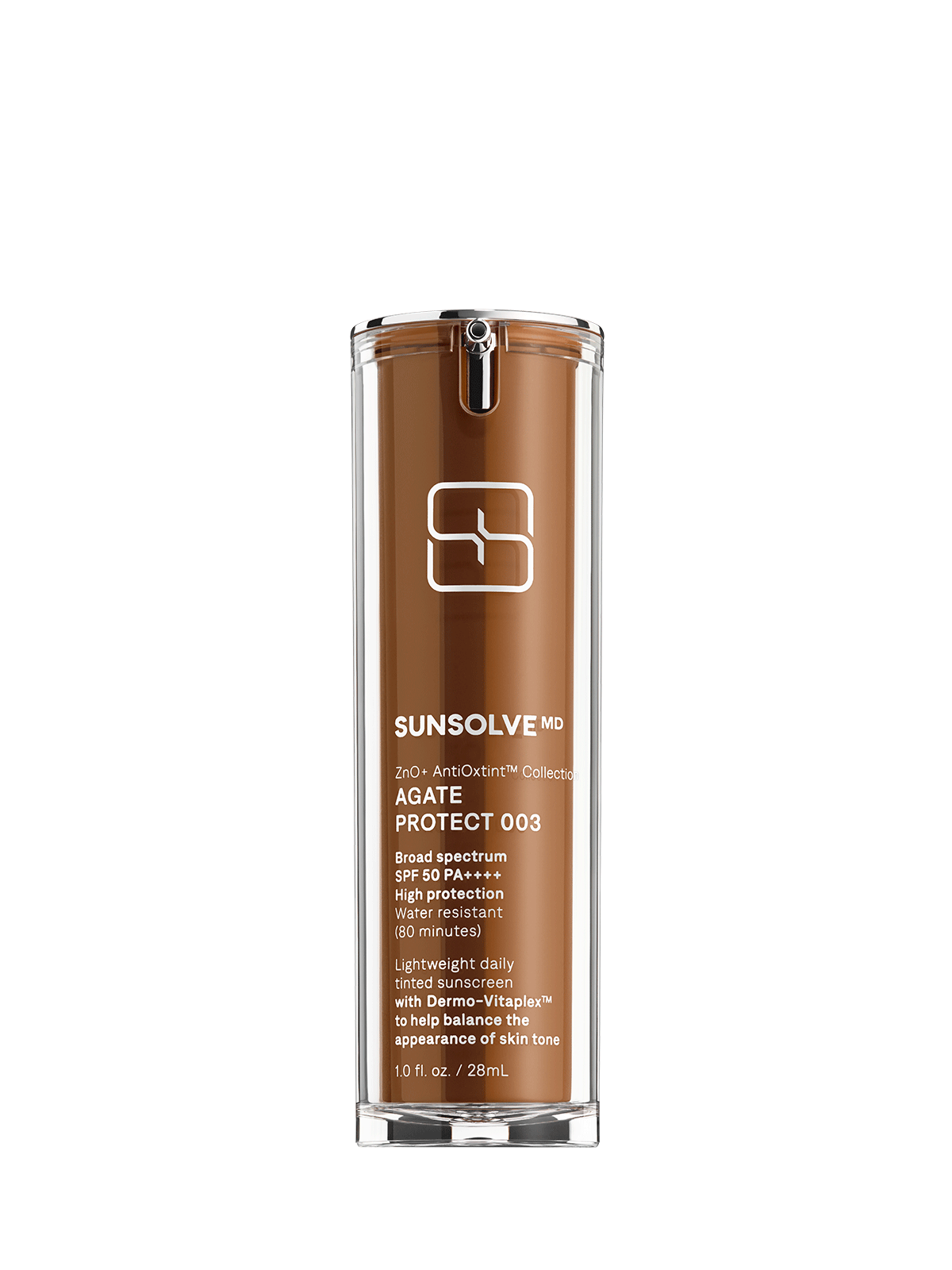
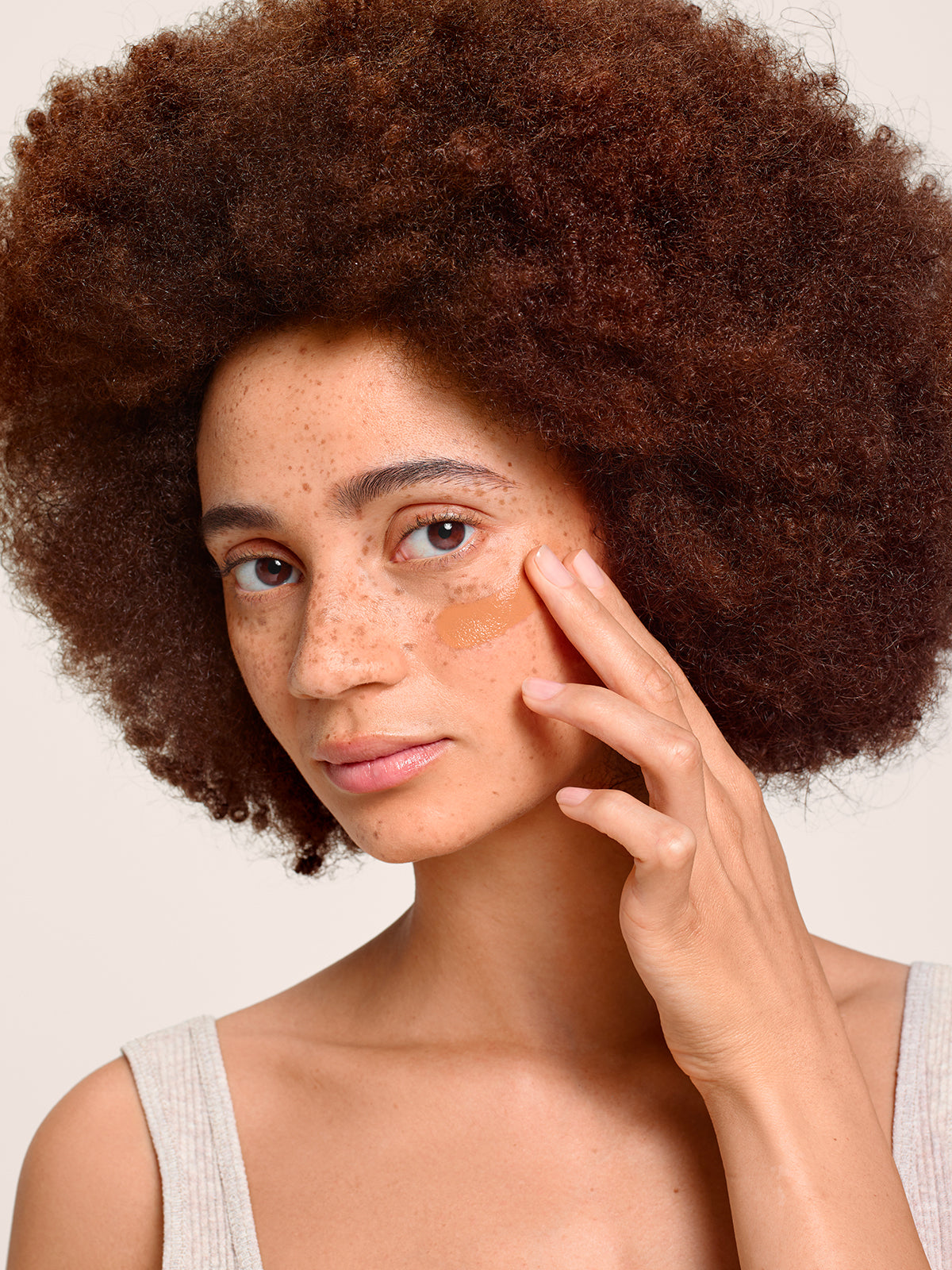
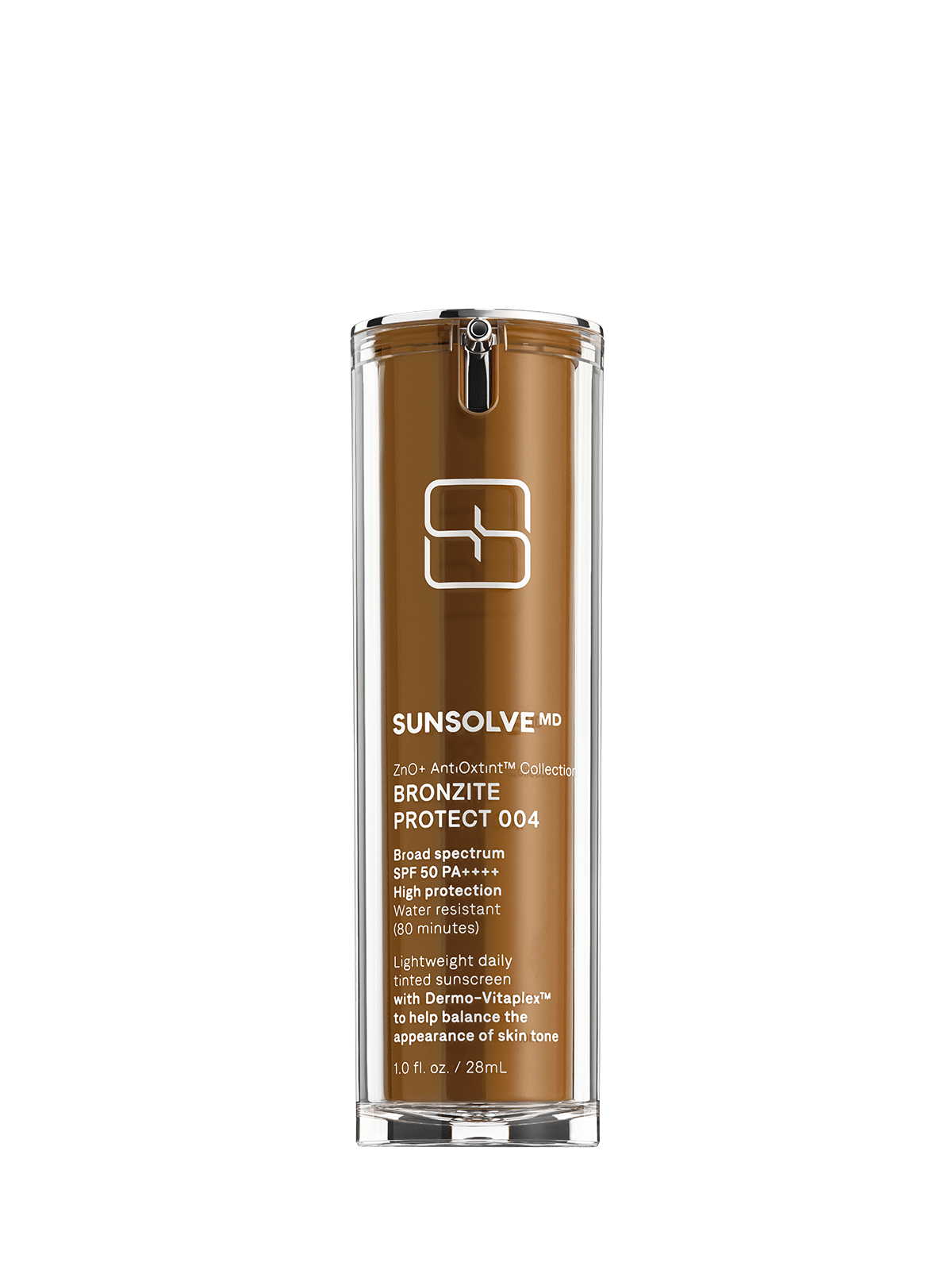
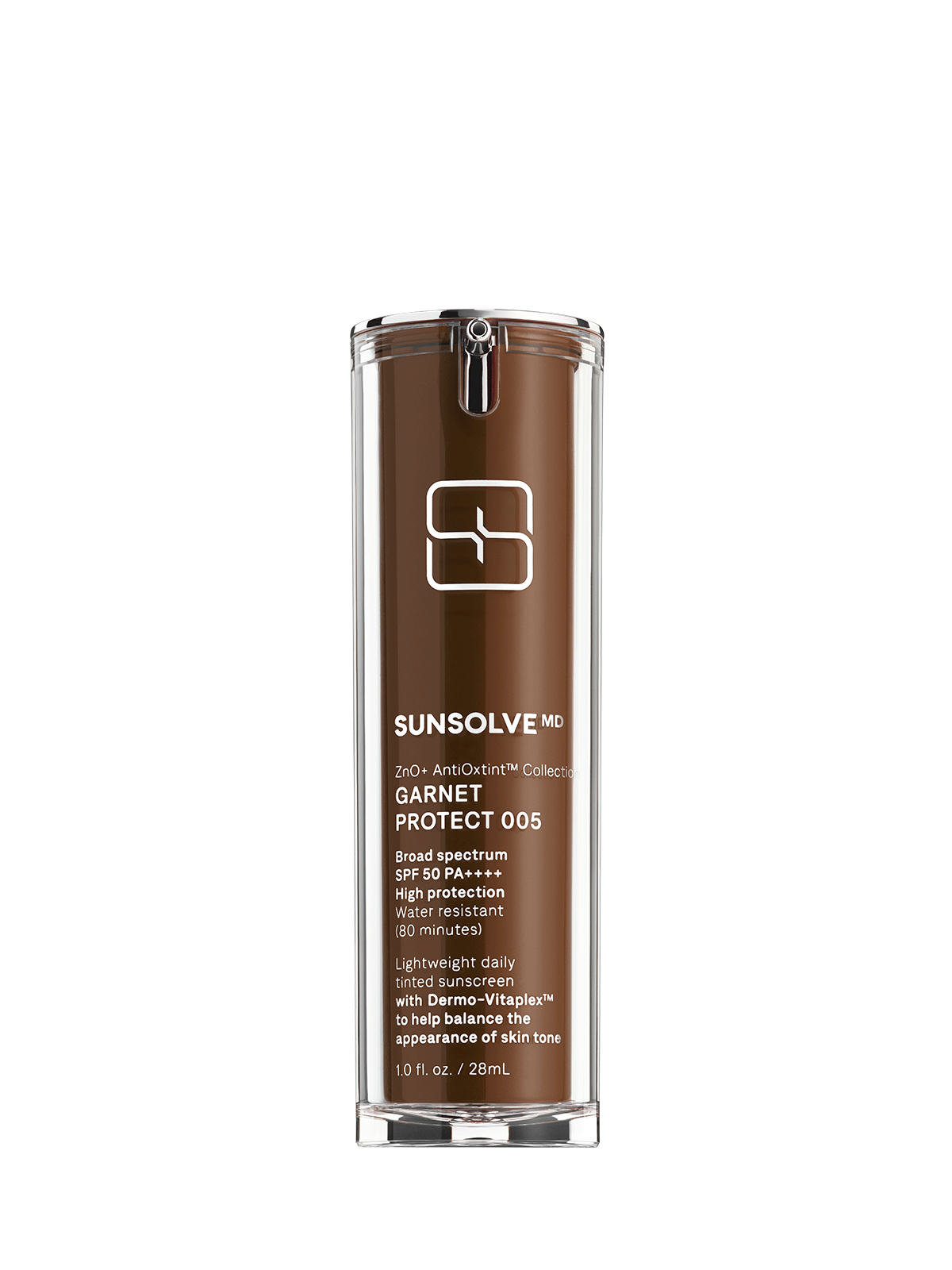
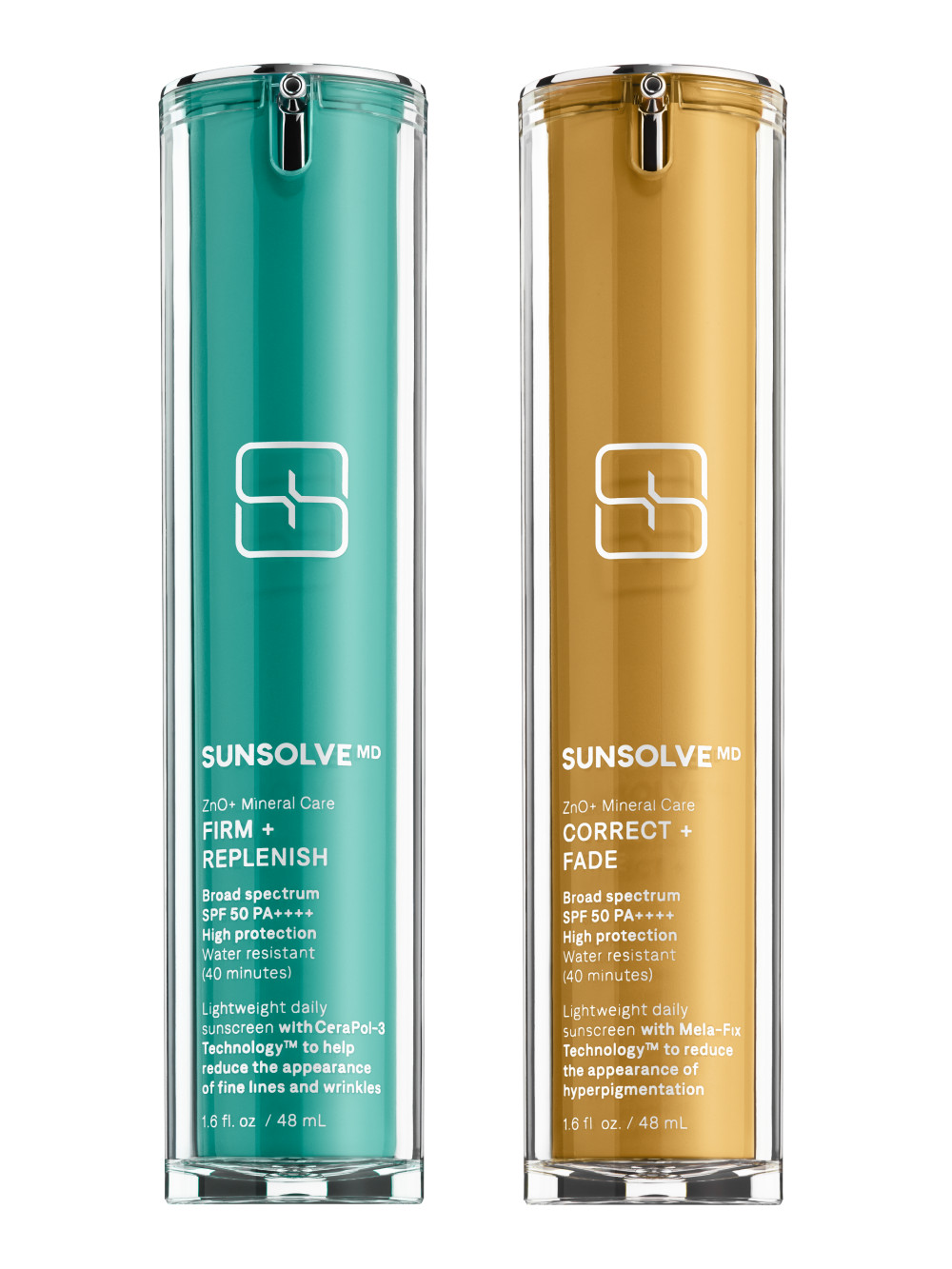
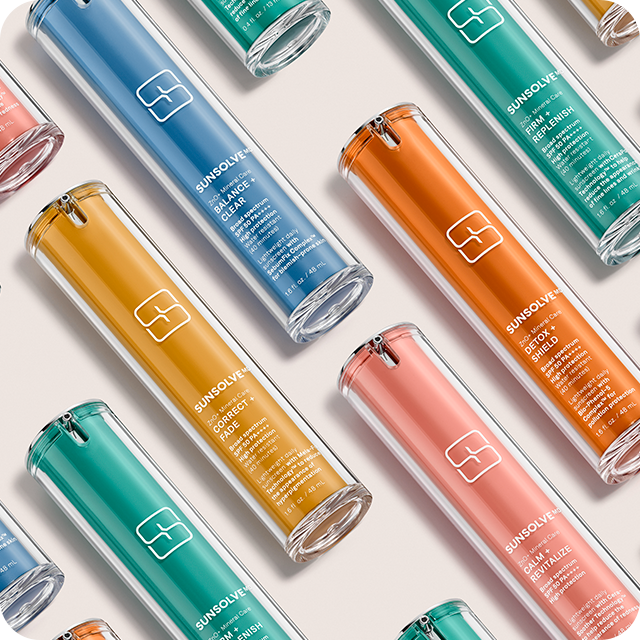
We built our ZnO+ Mineral Care range around this exact principle: passive protection alone isn't enough. Our tinted SPF options for all skin tones are powered by SolveDNAReverse™, our proprietary complex of DNA repair enzymes derived from marine phytoplankton, working alongside 12% non-nano zinc oxide to both shield the skin from incoming UV and actively support cellular repair of existing damage. This is the standard we believe daily sun protection should be held to, and it's what we've been building towards since we started.

FAQs

Can DNA repair enzymes replace sunscreen?

No. They work alongside SPF, not instead of it. The enzyme activity addresses damage that has already occurred at a cellular level; blocking UV from reaching the skin in the first place remains the primary line of defence.

Do DNA repair enzymes work on all skin tones?

The underlying mechanism, repairing cyclobutane pyrimidine dimers caused by UV exposure, is relevant across all phototypes. Deeper skin tones may have greater natural photoprotection from melanin, but UV-induced DNA damage occurs across the full Fitzpatrick spectrum.

Is photolyase stable in a sunscreen formula?

Stability has historically been a formulation challenge, which is why encapsulation in liposomes is a common delivery method. When formulated correctly, photolyase is activated by the very light that causes skin damage, making it particularly well-suited to topical photoprotection.

How quickly does DNA repair technology work?

Repair is a cellular process that occurs over time rather than immediately after application. Consistent daily use over weeks and months is where the cumulative benefit becomes meaningful, which is another reason why the best SPF is the one you wear every single day.

Trending Topics

Stay Trendy with Our Latest Insights

Why SPF Is Non-Negotiable for Every Skin Type

Once thought of as a concern almost exclusive to older generations, those with fair skin, or anyone who religiously (over) uses sunbeds, skin cancer is now on the rise across all demographics. Desp...

Sunscreen and Acne Treatments -  What You Need To Know
Sunscreen and Acne Treatments - What You Need To Know

If you’re undergoing professional or medical treatments for acne or acne scars, such as chemical peels, microneedling, laser therapy, or prescription medications, sun protection becomes essential. ...

Ways To Reduce Your Carbon Footprint With SPF

Decoding SPF and your carbon footprint. How to make more discerning choices with mineral sunscreens that not only safeguard your skin but are sustainably savvy.

Rosacea & SPF: How To Choose The Right Sunscreen

Rosacea is a common skin condition characterized by facial redness and inflammation. Follow this guide to choose the right sunscreen if you have rosacea.

A Dermatologists’ Guide To Photodamage And Dark Skin

Dermatologists weigh in on photodamage and dark skin (and how SPF is here to help). Read more.

Going to the Beach With Psoriasis: Risks and Benefits

Psoriasis is an immune-mediated disease. This is your scientific guide to safely treating psoriasis with natural sunlight.