Skip to content
Graphic of mineral SPF particles and skin barrier

Join The Solve Society. Designed for members to receive exclusive benefits

Explore benefits

Jan 26, 2026

How Blue Light Affects Your Skin: What You Can Do About It

You’ve likely heard people saying that blue light is bad for your skin, whether it be on social media or from your favourite skincare brand. But if you try to go deeper and ask what that actually means, things can get vague very fast.

So, is the glow from your phone really something to worry about, or is it nowhere near the same as sunlight? Let’s take a look at the science.

How Blue Light Affects Your Skin: What You Can Do About It

Blue Light Is Not The Same Thing As UV Radiation

This is where most of the confusion starts. UV radiation and blue light both originate from the sun, but they occupy different parts of the electromagnetic spectrum and damage the skin through entirely different mechanisms. UV radiation, particularly UVB, causes direct DNA damage. Blue light, or high-energy visible light (HEV), occupies the 400 to 500 nanometre range and works primarily through oxidative stress, generating reactive oxygen species in the skin that trigger a cascade of cellular damage including collagen degradation, barrier disruption, and pigmentation changes.

A 2026 systematic review published in Forum Dermatologicum confirmed that HEV exposure induces ROS generation, matrix metalloproteinase activation, and DNA damage contributing to collagen breakdown and premature ageing. Separately, research published in PMC estimates that as much as half of the free radicals produced in skin from sunlight may originate from the visible portion of the spectrum, not UV alone. These are not the same process, and they don't respond to the same protective measures.

Where Your Blue Light Exposure Actually Comes From

Sunlight remains the primary and most significant source of HEV by a considerable margin. Screens, LED lighting, and digital devices contribute additional exposure, but at doses substantially lower than outdoor daylight. The concern about screens isn't that they replicate sun damage; it's that they represent a new daily source of HEV that didn't exist historically, and that cumulative exposure across years of screen-heavy work and leisure is worth accounting for, particularly if you're indoors most of the day and already limiting conventional sun protection.

The practical implication isn't panic about your phone. It's that your HEV exposure doesn't drop to zero when you're not outside, and a daily photoprotection routine that accounts for the full visible spectrum is more complete than one that only addresses UV.

Why Pigmentation Is The Most Clinically Significant Concern

Of the effects attributed to blue light, pigmentation is where the evidence is strongest and the clinical impact most visible. HEV activates melanin production through the opsin 3 pathway in melanocytes, triggering pigment synthesis by a mechanism distinct from UV-induced tanning. The resulting pigmentation tends to be persistent and resistant to brightening treatments, partly because it's continuing to be stimulated daily by light sources most people don't associate with skin damage.

This is why the conversation around the effects of blue light on skin is particularly relevant for deeper skin tones. In Fitzpatrick types III through VI, visible light-induced dyschromia is both more pronounced and more clinically significant than in lighter phototypes, and the gap between standard UV-only SPF and full-spectrum protection is correspondingly larger.

Why Your Standard SPF Doesn't Cover It

Zinc oxide and titanium dioxide provide excellent UV protection, but their attenuation of HEV is limited. The filters that block blue light are iron oxides, the same pigments responsible for the colour in tinted sunscreens. This is functional rather than cosmetic: iron oxide-containing formulations have been shown to attenuate between 71 and 85% of HEV light across the 415 to 465 nanometre range, the wavelengths most implicated in melanogenesis and oxidative damage.

If you've been using a consistent untinted mineral SPF and finding that pigmentation concerns aren't resolving, this is a plausible part of the explanation. Standard broad-spectrum protection is doing its job on UV; it simply wasn't designed for the visible spectrum.

What Actually Helps

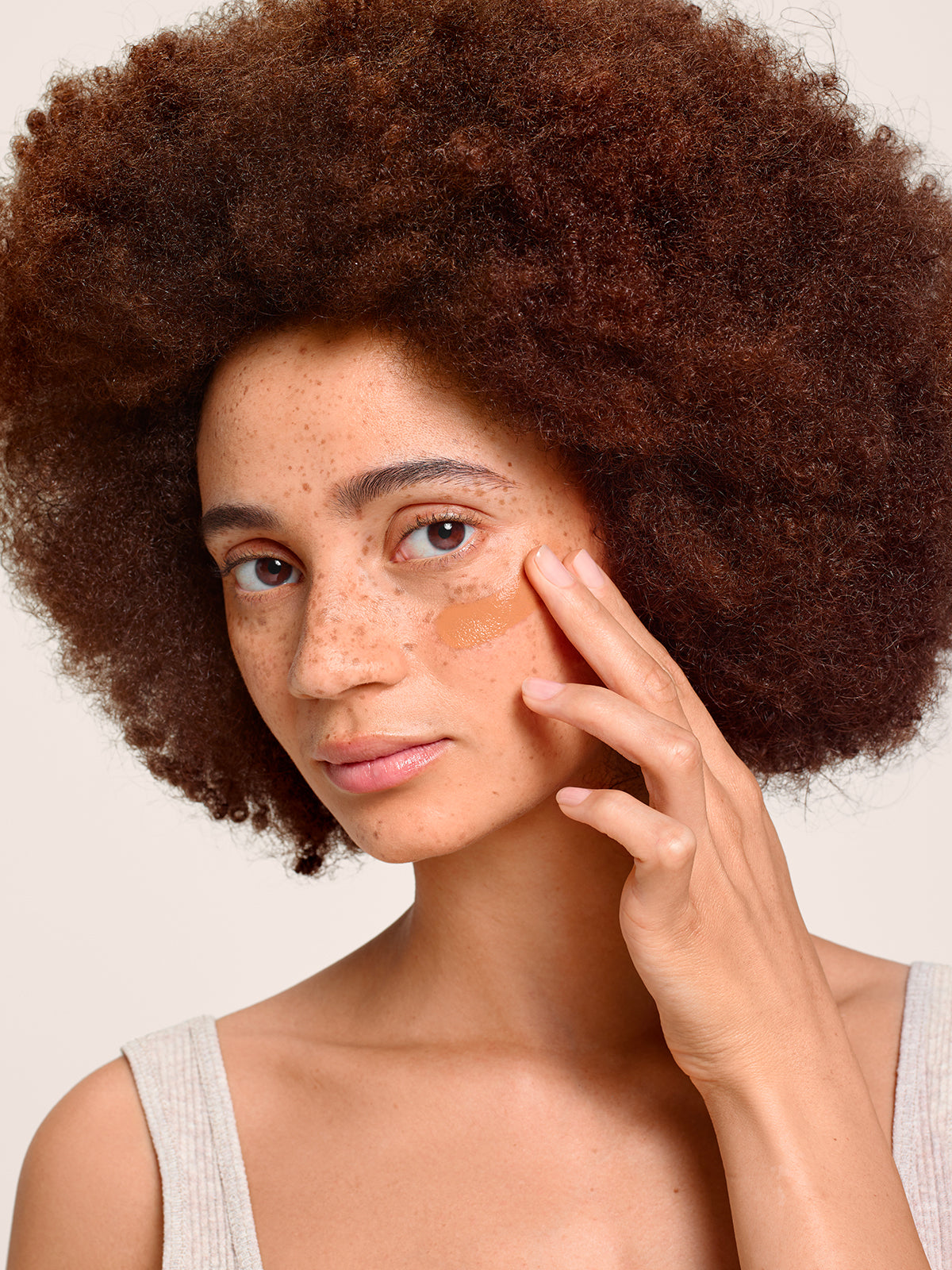
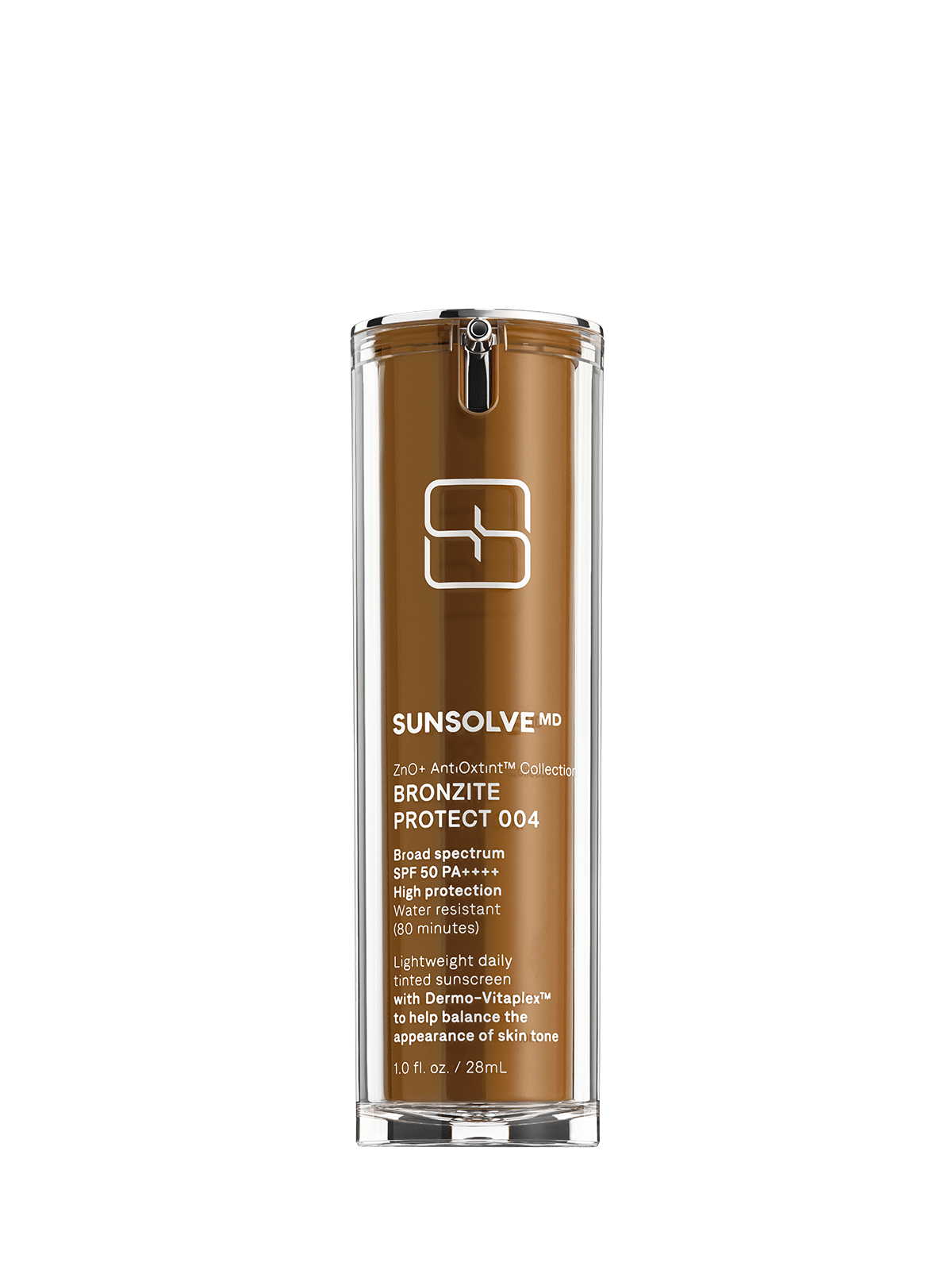
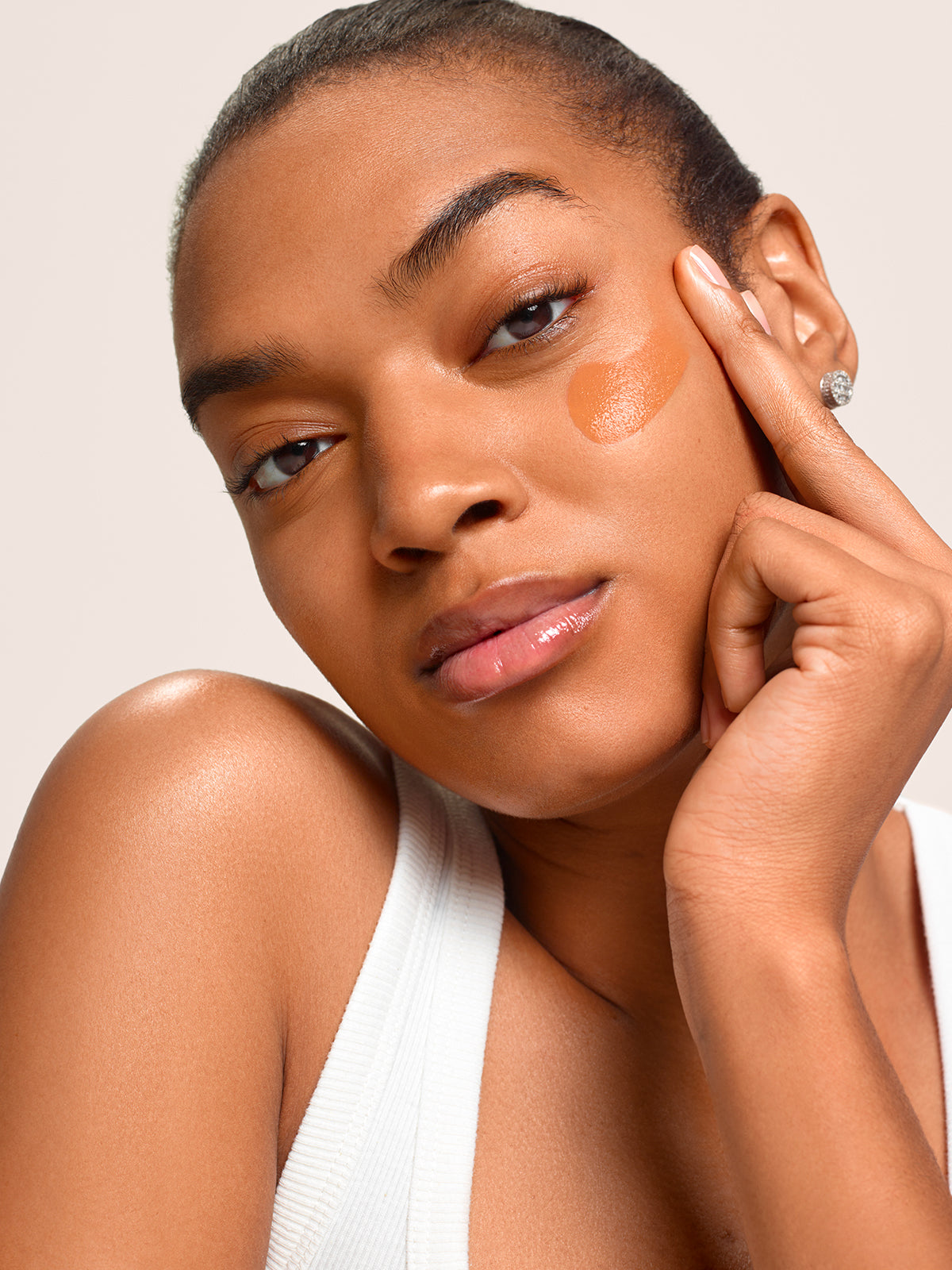
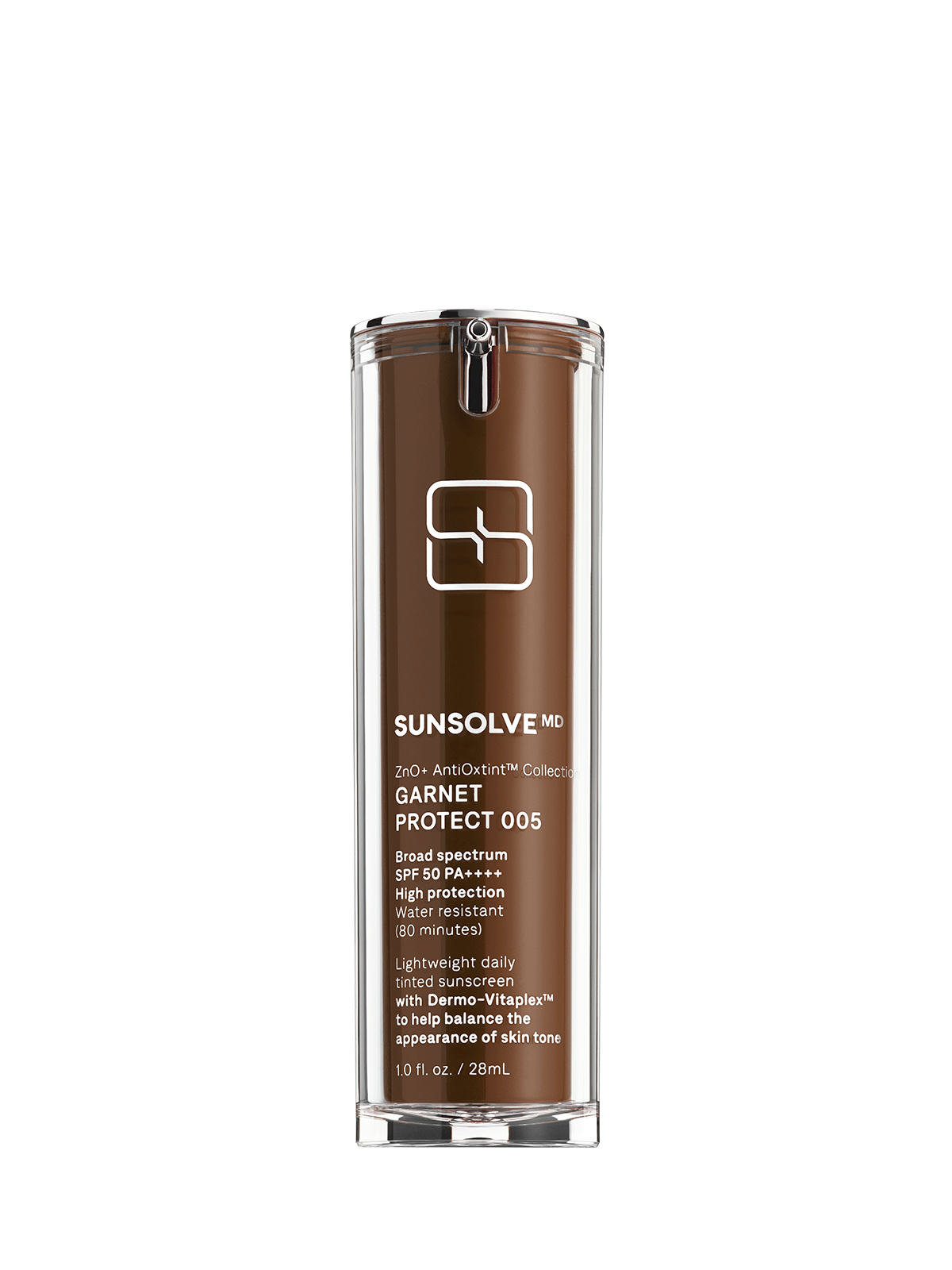
Tinted SPF containing iron oxides is the most evidence-based intervention for HEV protection. Antioxidant-rich actives, vitamin C, niacinamide, and certain botanical extracts, reduce oxidative stress markers after HEV exposure and are a useful complement to physical protection. Screen filters and device settings contribute at the margins, but the evidence for these reducing meaningful skin damage is considerably weaker than the evidence for topical photoprotection.

The logic is the same as it is for UV: the most efficient intervention sits at the point of exposure, before the light reaches the skin, not after.

What Makes SunsolveMD Different

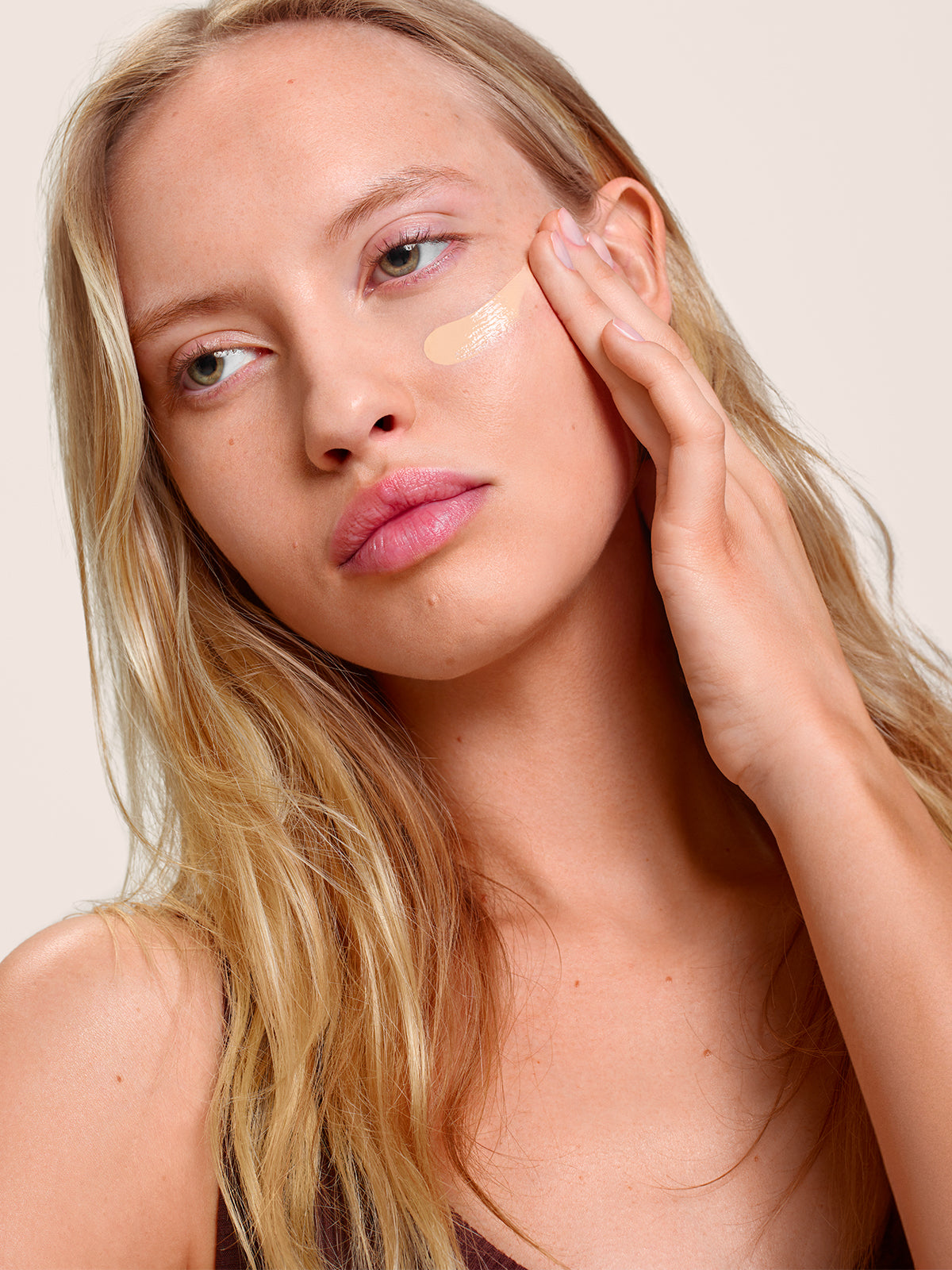
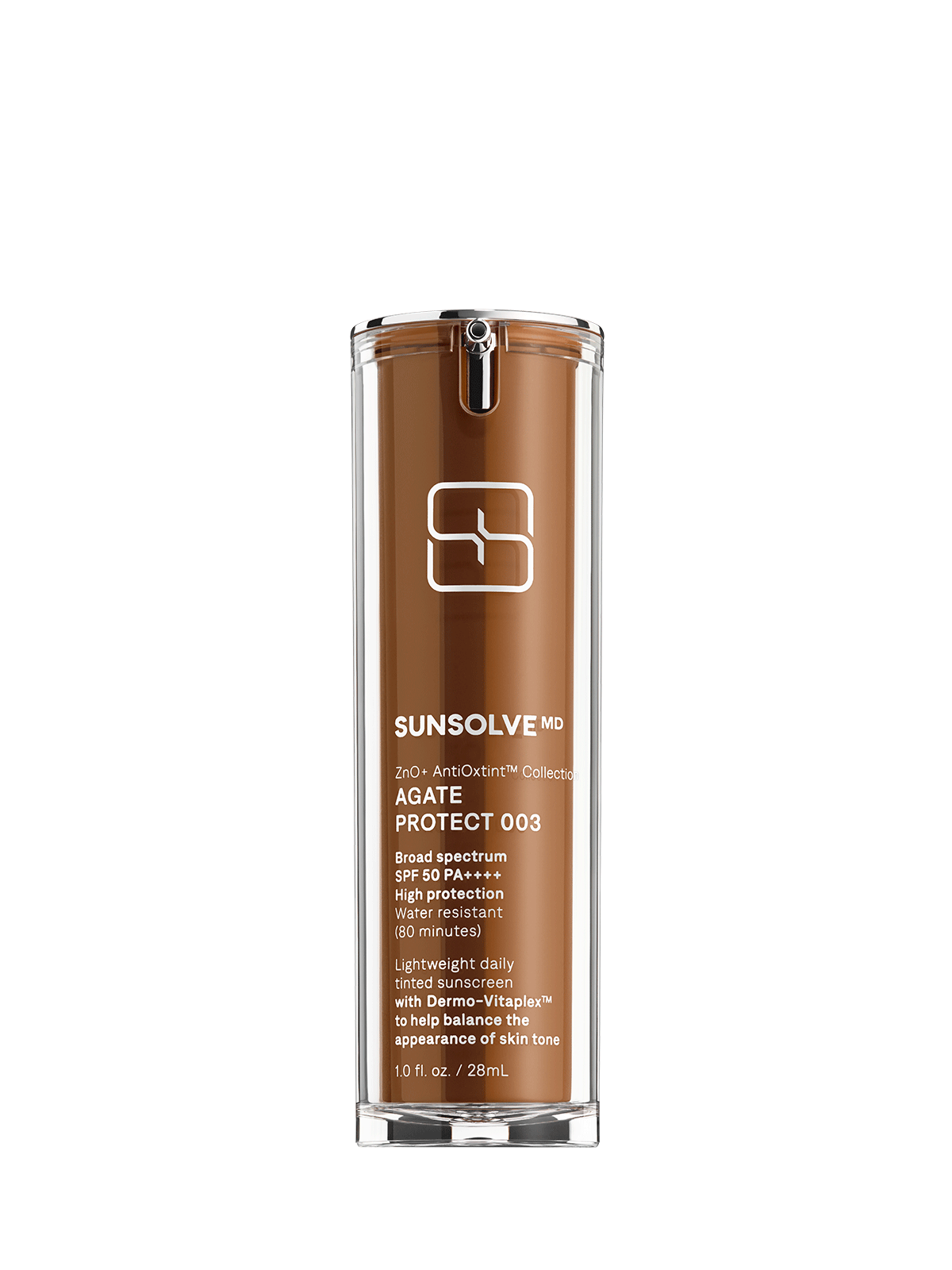
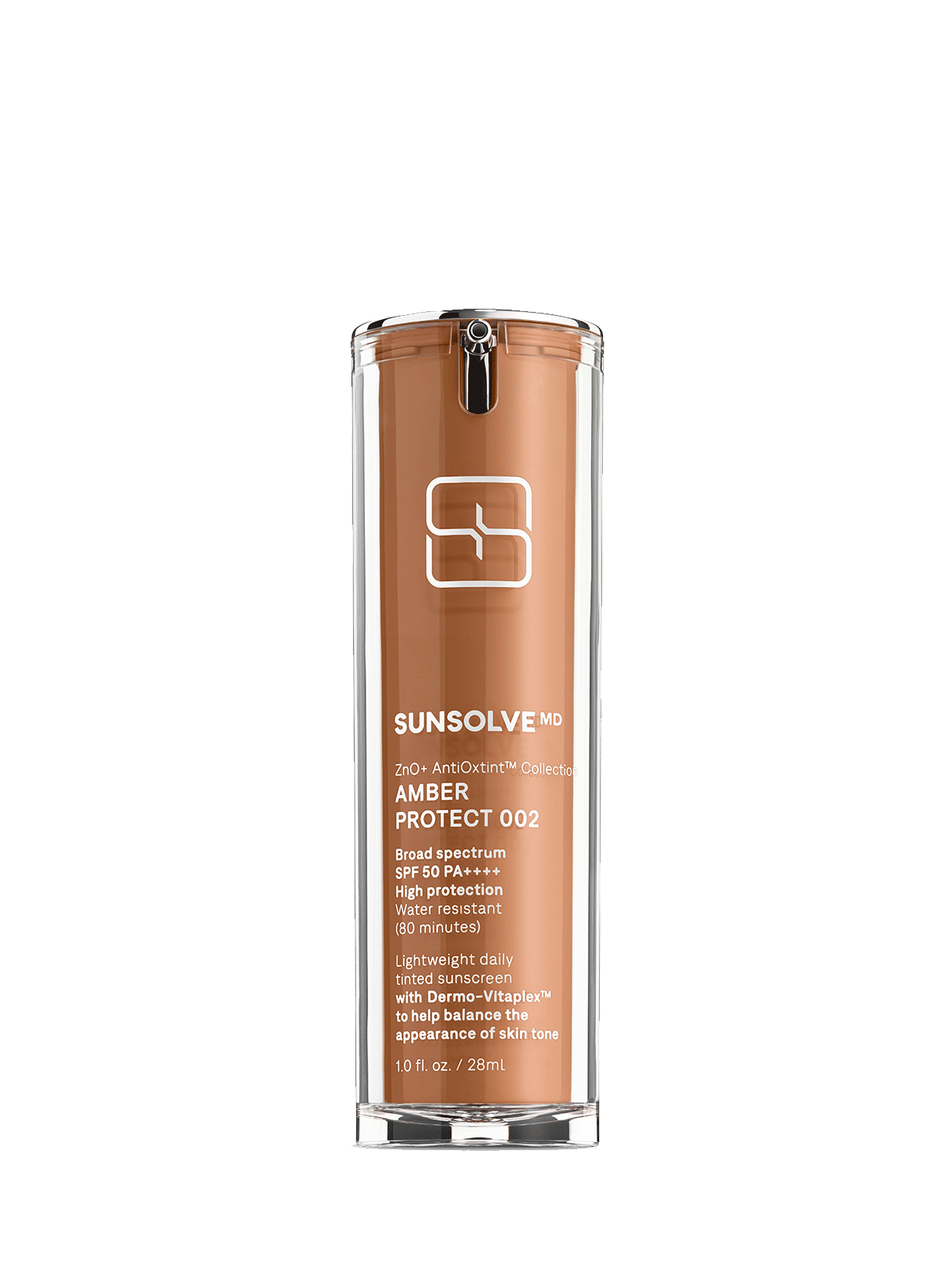
Our zinc-based sunscreen for sensitive skin provides broad-spectrum UV defence as a foundation. For full-spectrum protection that includes HEV, our tinted range incorporates iron oxide pigments specifically selected to attenuate blue light, covering both the UV and visible light spectrum in a single daily step.

FAQs

Should I wear SPF indoors to protect against blue light from screens?

If you're near a window, yes, primarily for UVA rather than screen-based HEV. For screen exposure alone, the doses are substantially lower than outdoor daylight. A tinted SPF during the day covers both scenarios without requiring additional steps.

Does blue light from screens age skin faster than sun exposure?

No. Sunlight delivers far greater irradiance than any screen. Screens represent an additional cumulative HEV source, not a replacement concern. The sun remains the primary driver of photoageing.

Can antioxidants alone protect against blue light?

They reduce oxidative stress after HEV exposure and work well as a complement to physical protection. They don't block light from reaching the skin, so they're best understood as a secondary layer rather than a standalone strategy.

Is blue light protection relevant for lighter skin tones?

Yes, though the most pronounced clinical effects, particularly persistent pigmentation, are more common in deeper skin tones. Oxidative stress, collagen degradation, and barrier disruption from HEV occur across all phototypes.


Trending Topics

Stay Trendy with Our Latest Insights

Why SPF Is Non-Negotiable for Every Skin Type

Once thought of as a concern almost exclusive to older generations, those with fair skin, or anyone who religiously (over) uses sunbeds, skin cancer is now on the rise across all demographics. Desp...
Sunscreen and Acne Treatments -  What You Need To Know
Sunscreen and Acne Treatments - What You Need To Know

If you’re undergoing professional or medical treatments for acne or acne scars, such as chemical peels, microneedling, laser therapy, or prescription medications, sun protection becomes essential. ...

Ways To Reduce Your Carbon Footprint With SPF

Decoding SPF and your carbon footprint. How to make more discerning choices with mineral sunscreens that not only safeguard your skin but are sustainably savvy.

Rosacea & SPF: How To Choose The Right Sunscreen

Rosacea is a common skin condition characterized by facial redness and inflammation. Follow this guide to choose the right sunscreen if you have rosacea.

A Dermatologists’ Guide To Photodamage And Dark Skin

Dermatologists weigh in on photodamage and dark skin (and how SPF is here to help). Read more.

Going to the Beach With Psoriasis: Risks and Benefits

Psoriasis is an immune-mediated disease. This is your scientific guide to safely treating psoriasis with natural sunlight.