What Pollution Actually Does To Skin
The damage operates through several mechanisms simultaneously, and they compound each other.
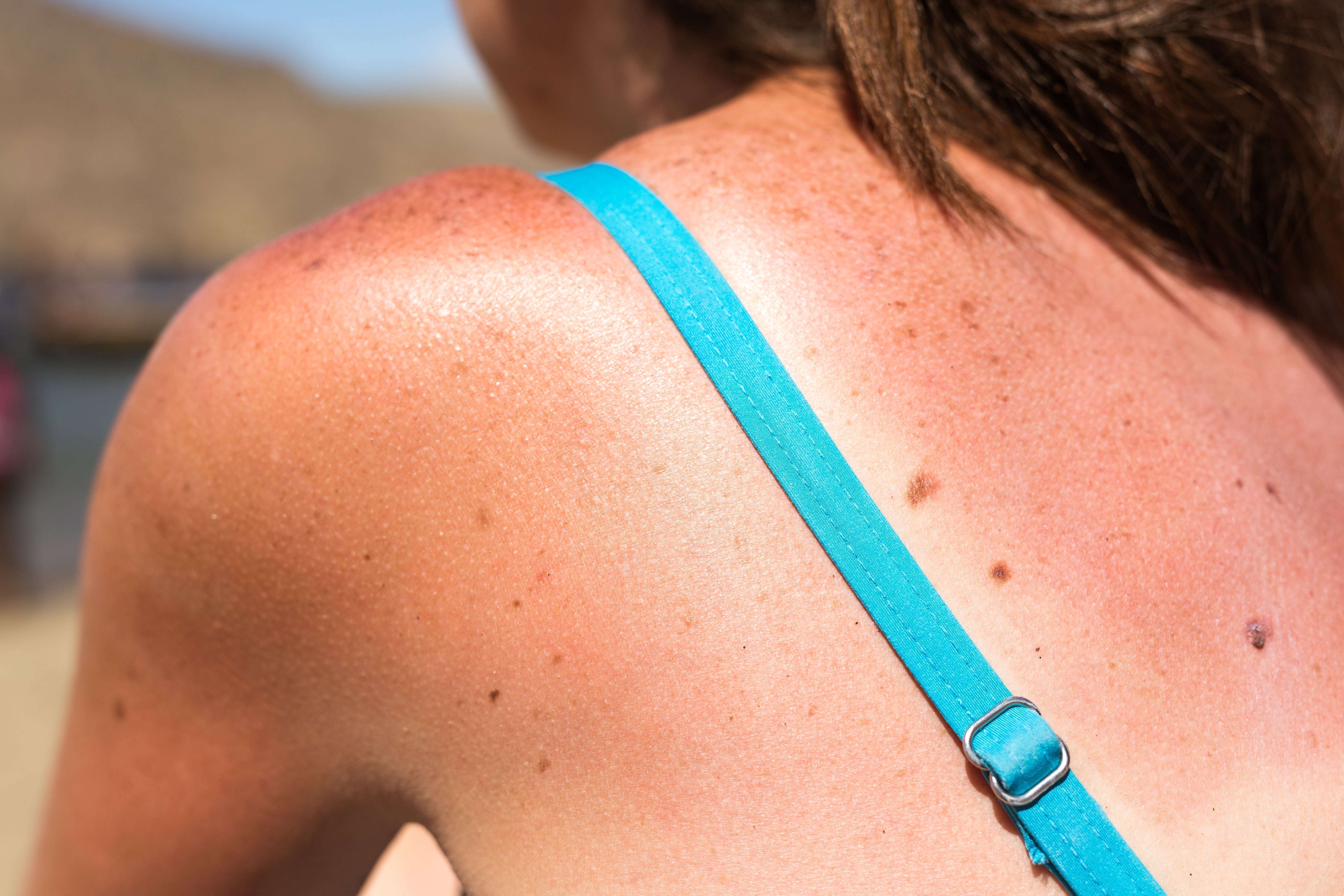
The first is oxidative stress. Pollutants contain or generate free radicals, which are unstable molecules that destabilise the cells they encounter, including skin cells and the DNA inside them. Research published in dermatological literature has linked pollution-driven oxidative stress to discolouration, redness, roughness, wrinkles, and increased skin cancer risk. The process is the same one UV exposure triggers, which is why pollution and sun damage often present similarly: the cellular endpoint is comparable.
The second is barrier disruption. The stratum corneum, the outermost layer of the epidermis, is responsible for keeping water in and irritants out. Particulate matter (especially the smaller PM2.5 fraction, which is fine enough to settle into pores and penetrate the upper skin layers) physically and chemically degrades this barrier over time. Once compromised, the barrier lets more pollutants in, which damages it further. It is a feedback loop, and it is the underlying reason pollution-exposed skin tends to feel drier, more reactive, and more prone to redness than skin in cleaner environments.
The third is inflammation. Pollution exposure has been documented to trigger inflammatory responses that worsen acne, eczema, psoriasis, and rosacea. Even in skin without an underlying inflammatory condition, chronic low-grade inflammation accelerates the breakdown of collagen and elastin, which manifests as the slow loss of firmness and the appearance of fine lines.
The fourth is microbiome disruption. The skin's microbiome (the bacterial, fungal, and viral communities that live on the surface) plays a meaningful role in barrier function and immune signalling. Pollution can shift the balance, allowing harmful bacteria to overgrow and contributing to acne. Particulate matter trapping bacteria inside pores is one of the documented pathways for the increase in adult acne seen in heavily polluted urban populations.