Skip to content
Graphic of mineral SPF particles and skin barrier

Join The Solve Society. Designed for members to receive exclusive benefits

Explore benefits

Mar 11, 2026

Can You Mix Foundation with Sunscreen?

The short answer is no, you shouldn’t mix foundation with sunscreen. It might seem like an efficient shortcut, but combining the two compromises the very thing sunscreen is designed to do: deliver consistent and measurable UV protection.

What looks like a time-saving hack often results in uneven coverage, diluted SPF, and unreliable defense against sun damage. To understand why, it helps to look at how sunscreen actually works, and why formulation matters more than convenience.

Can You Mix Foundation with Sunscreen?

Why Mixing Sunscreen and Foundation Doesn’t Work

Sunscreen isn’t just another skincare product. It’s a precisely engineered formula tested under controlled conditions to deliver a specific level of protection. When you mix it with foundation, you’re no longer using that formula as intended.

Dermatologists consistently advise against this practice because combining products:

  • Dilutes the SPF filters, which reduces protection significantly
  • Disrupts the formulation, making UV coverage uneven
  • Creates patchy protection, which can leave parts of your skin exposed

In practical terms, mixing SPF 50 sunscreen with foundation doesn’t give you SPF 50, or even SPF 25. The protection becomes unpredictable and often much lower than expected.

Sunscreen needs to form a uniform film across the skin. Once you interfere with that structure, the integrity of the protection breaks down.

The Science Behind SPF Dilution

SPF ratings are based on applying sunscreen at a specific thickness (2 mg per square centimeter of skin). When you mix sunscreen with foundation, you reduce the concentration of active UV filters, alter how those filters are distributed, and interfere with how the formula adheres to the skin.
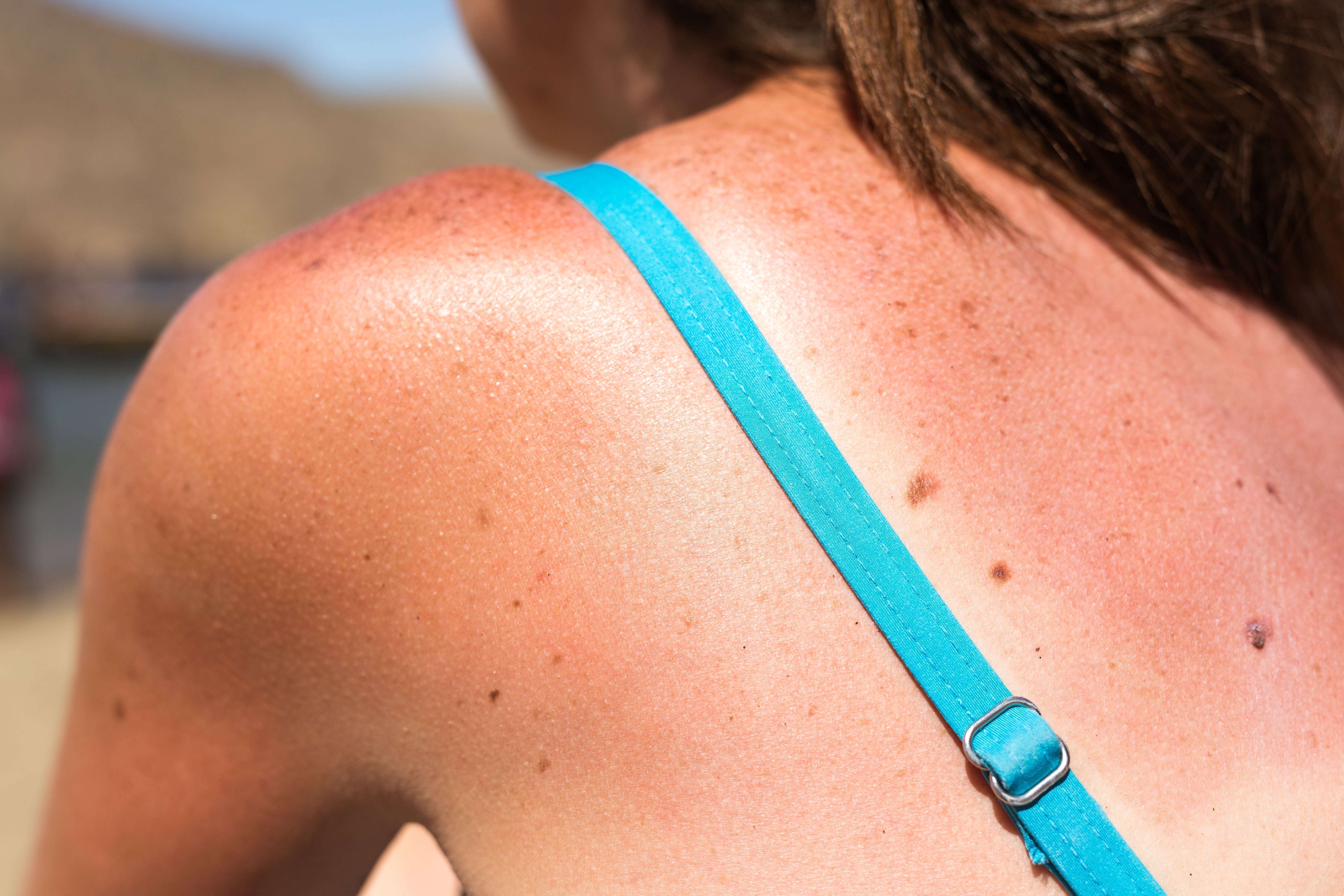
Even small changes in application thickness can dramatically reduce protection. There’s also a chemical component to consider. Foundations often contain oils, pigments, and emulsifiers that can destabilize sunscreen filters, which will make them less effective or unevenly distributed. This is why sunscreen is tested as a standalone product - not as part of a DIY blend.

Why Layering Is Always the Better Approach

If mixing doesn’t work, what does? Layering. Applying sunscreen first directly onto clean skin ensures it can form a continuous protective barrier. From there, the foundation can be applied on top without interfering with SPF performance.

Dermatologists are clear on this sequence:

  • Sunscreen goes on before makeup
  • It should be allowed to settle before applying the foundation

This approach preserves the integrity of both products:

  • Sunscreen delivers full-spectrum protection
  • Foundation provides coverage without disrupting the UV barrier

It also reinforces something that’s often overlooked: daily SPF as a foundational step isn’t optional - it’s the baseline for any effective skincare routine.

Is Foundation with SPF Enough on Its Own?

This is where confusion tends to build. Many foundations now include SPF, which creates the impression that separate sunscreen isn’t necessary. But in reality, makeup with SPF is not designed to replace sunscreen. There are two main reasons why:

  • Application amount: To achieve the labeled SPF, you would need to apply far more foundation than most people are comfortable wearing.
  • Coverage inconsistency: Foundation isn’t applied evenly across all areas of the face. Edges like the hairline, jawline, and temples often receive less product.

As a result, SPF in foundation works best as a secondary layer of protection, not the primary one.

What Happens When You Try to “Customize” Your SPF

A common reason people mix foundation with sunscreen is to improve texture or reduce white cast. While the intention makes sense, the outcome doesn’t hold up.

Mixing your foundation with sunscreen creates inconsistent pigment distribution, leads to streaking or separation, and increases the likelihood of under-application.

More importantly, it shifts sunscreen from a controlled, tested system into something unpredictable. Even if the result looks good on the surface, protection at a microscopic level is compromised. And with UV exposure, what you can’t see is exactly what matters.

A Better Alternative: Tinted Sunscreen

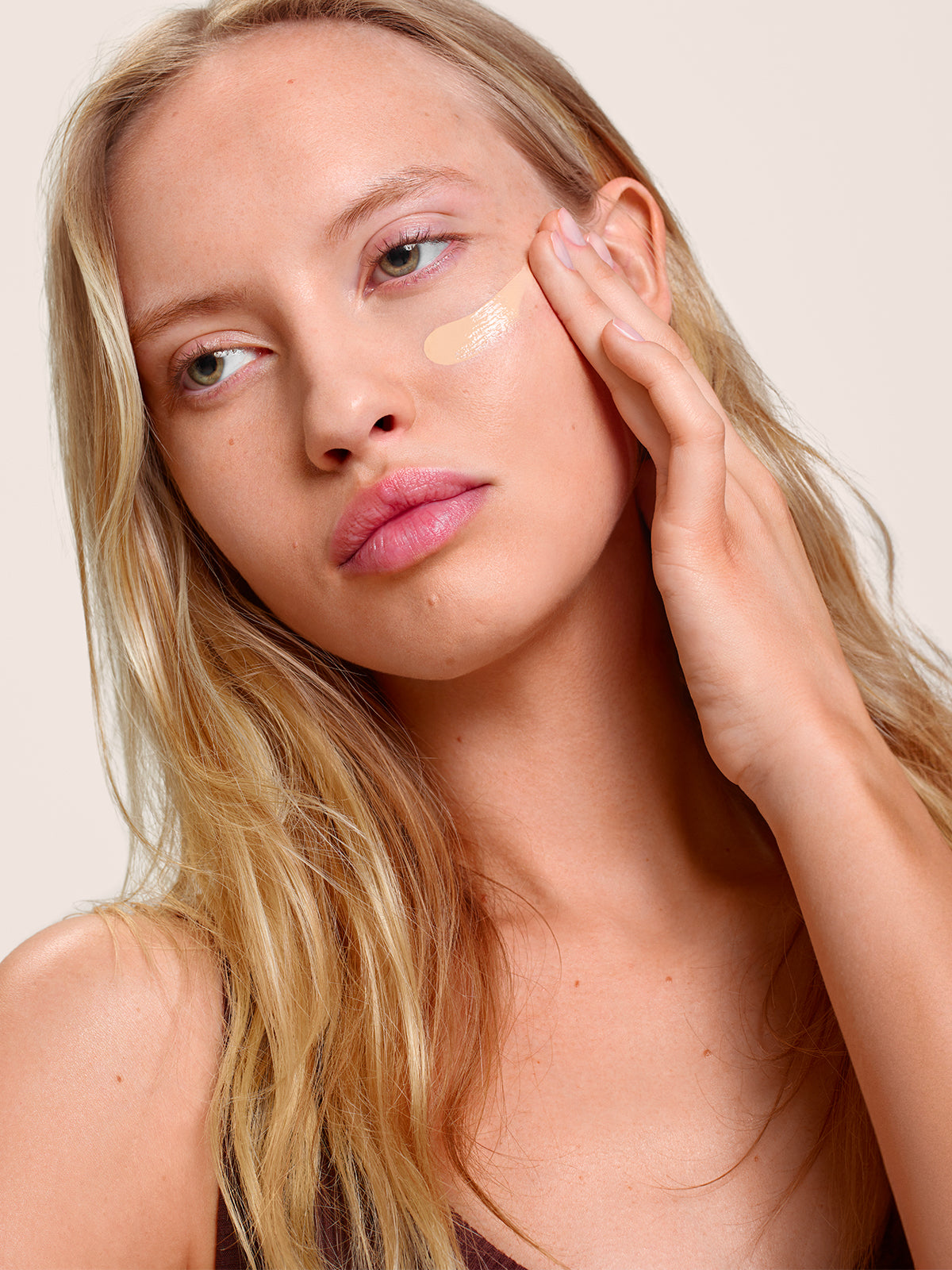
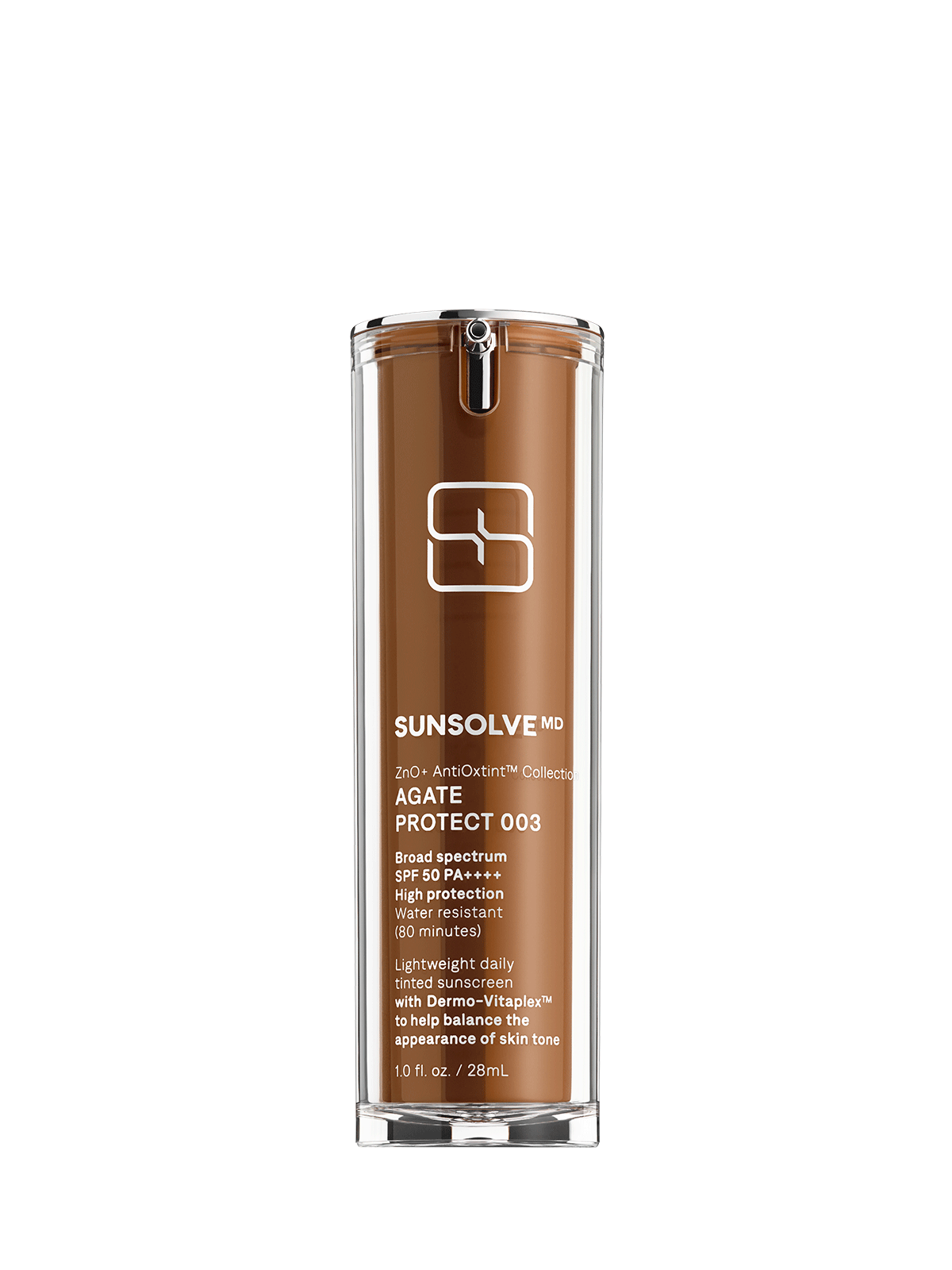
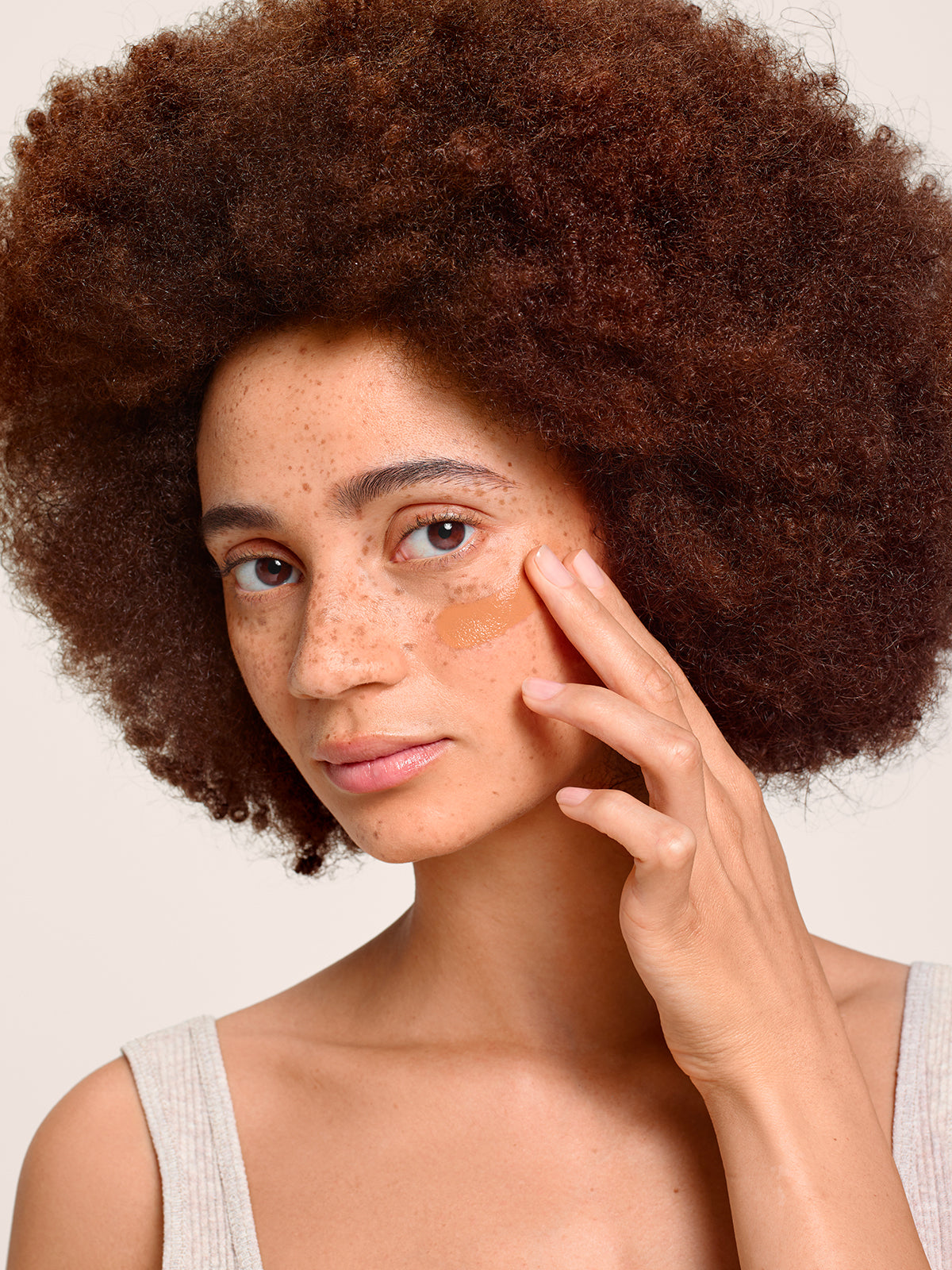
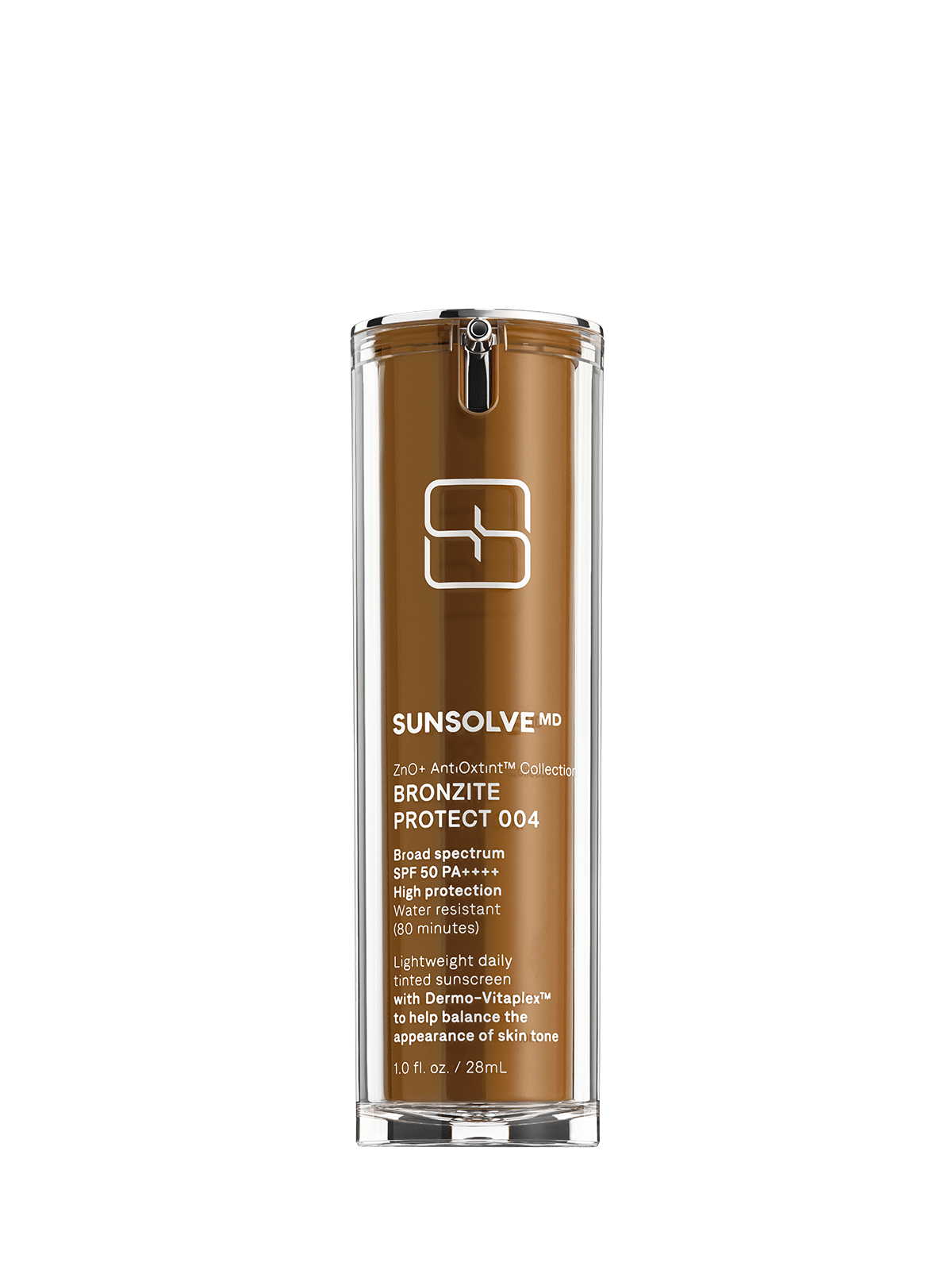
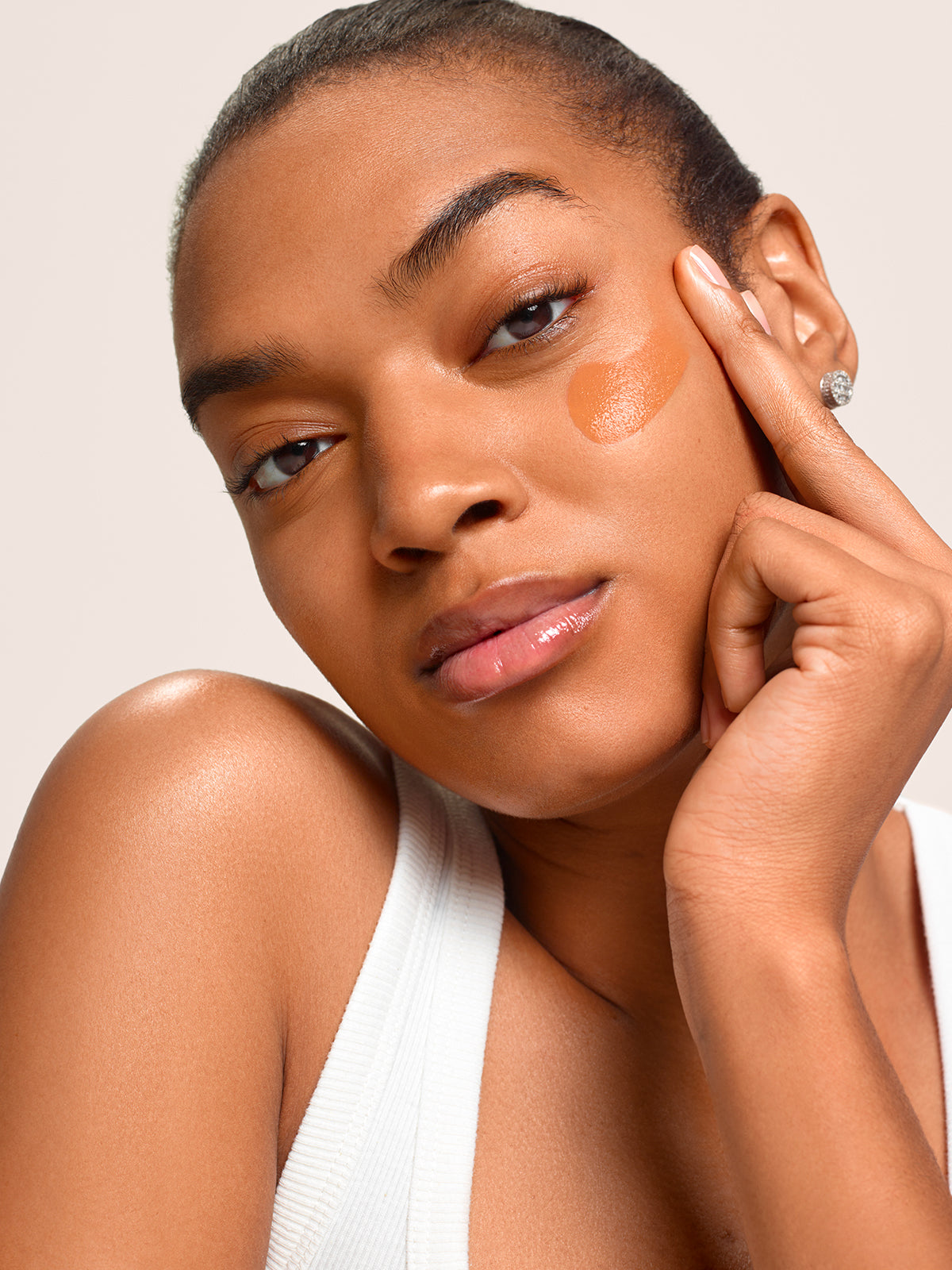
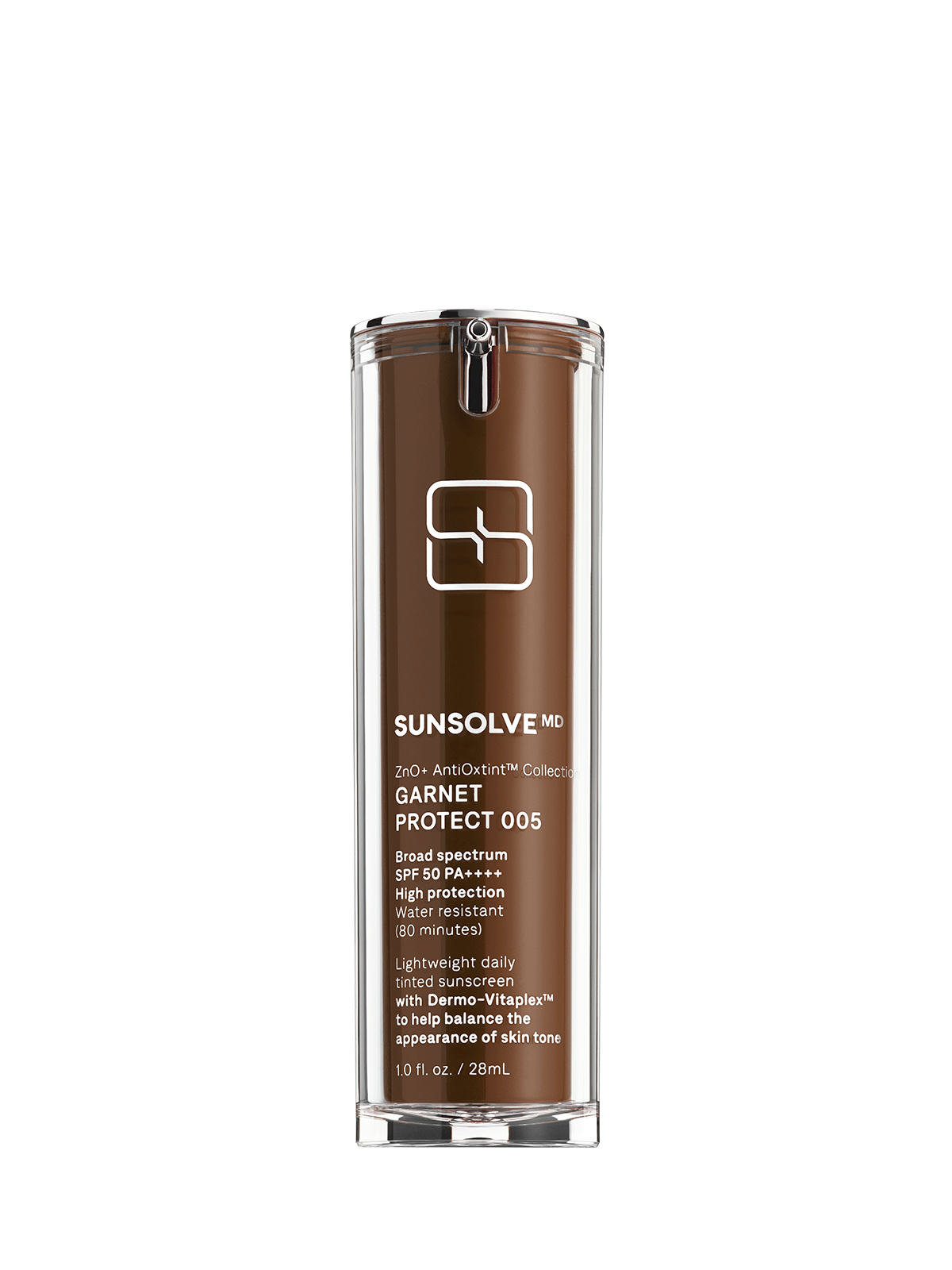
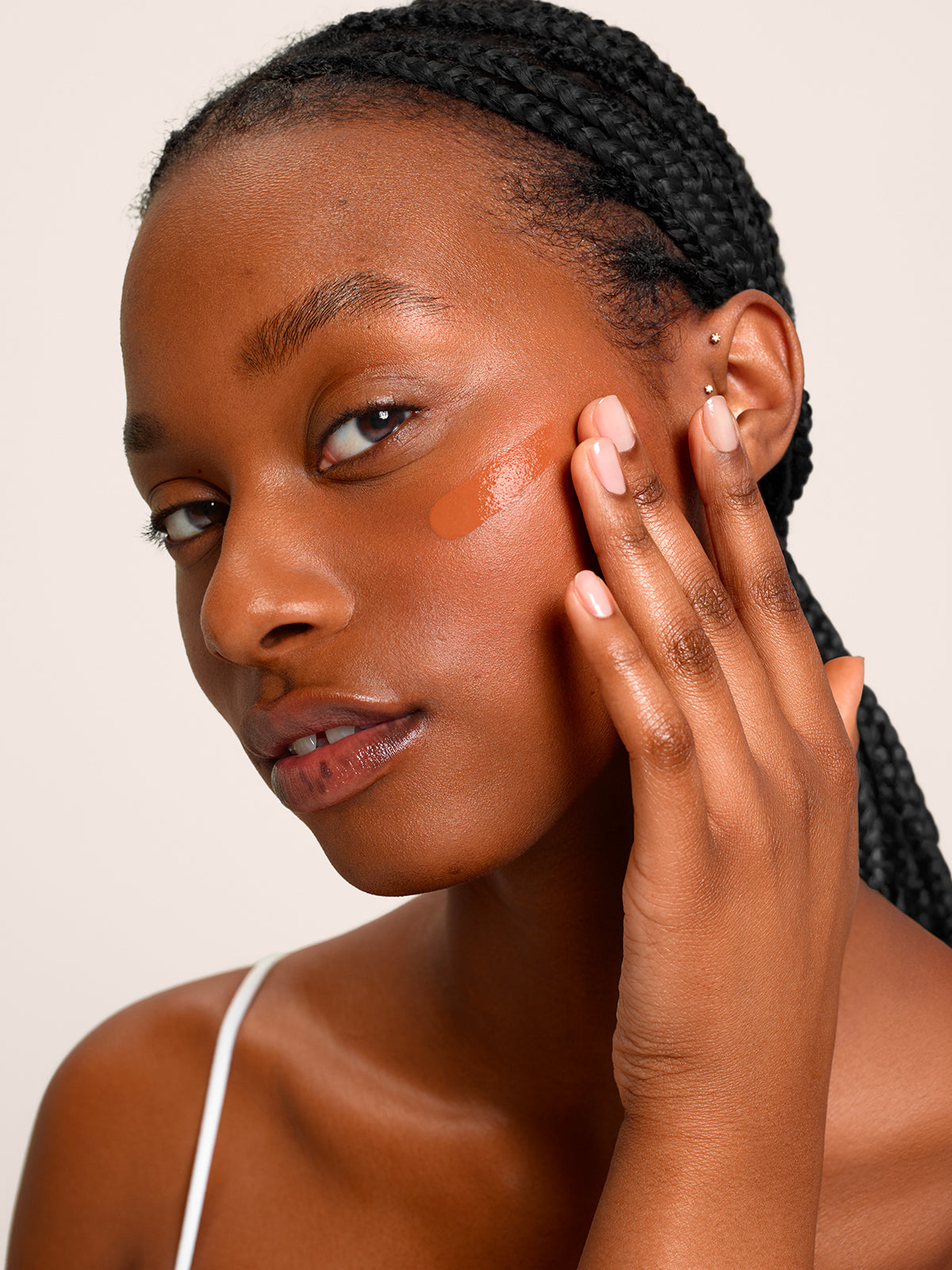
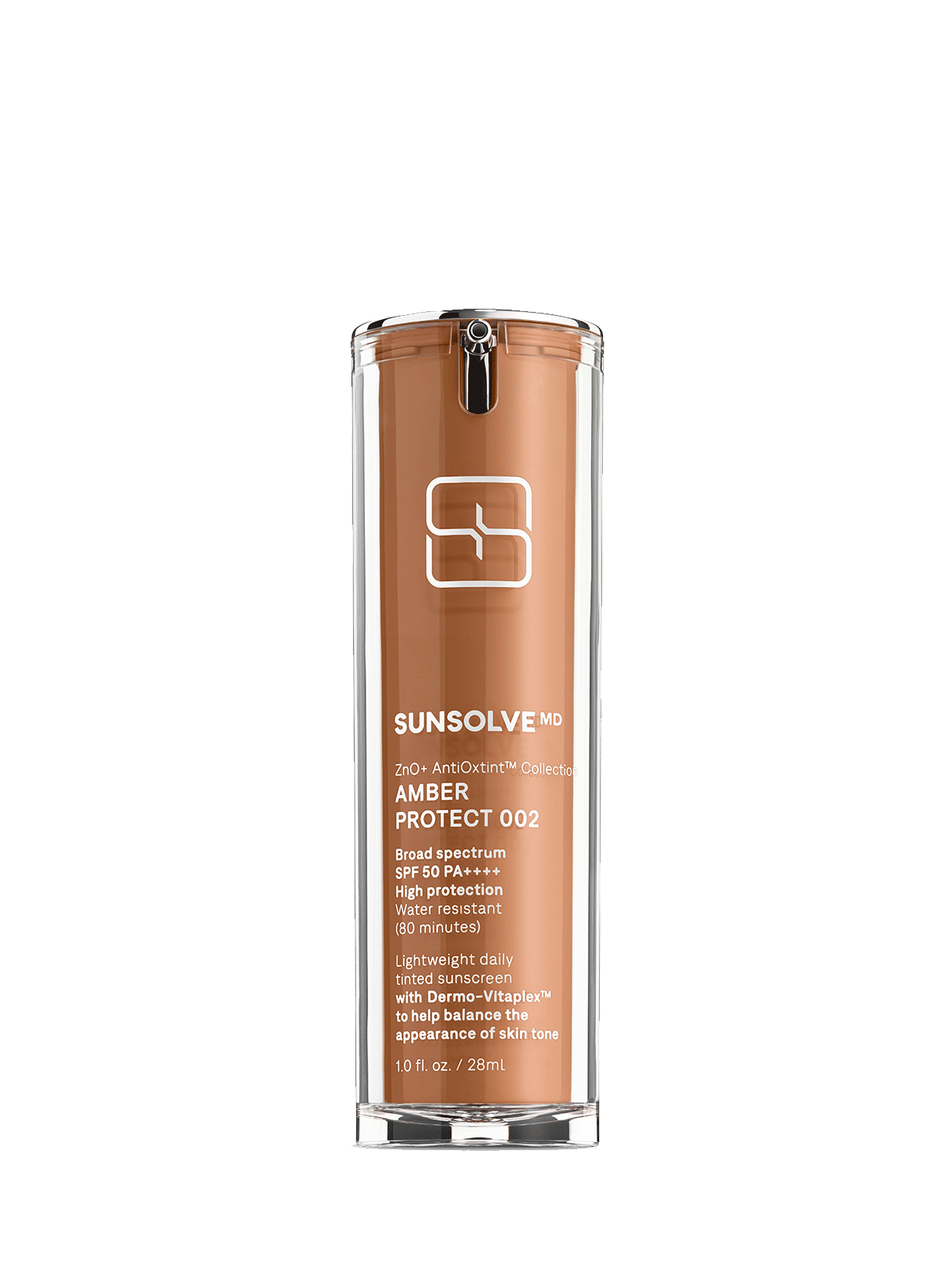
If the goal is to combine coverage with protection, there’s a more effective solution: use a product designed to do both. Tinted mineral sunscreens are formulated to deliver verified SPF protection, even pigment distribution, and consistent coverage across the skin.

This is where complexion-enhancing sun protection becomes relevant - not as a workaround, but as a fully engineered solution. Instead of mixing two separate products, you’re using a single formula that has been tested to maintain both cosmetic performance and UV defense.
Why Formulation Matters More Than Convenience

The idea of simplifying a routine is appealing. But when it comes to sun protection, shortcuts tend to come with trade-offs. Sunscreen is one of the few skincare products where:

  • Application method directly impacts efficacy
  • Formulation integrity is critical
  • Small mistakes have long-term consequences

Mixing foundation with sunscreen introduces too many variables:

  • Unknown SPF outcome
  • Uneven distribution
  • Reduced reliability

Layering or using a properly formulated tinted SPF removes those variables entirely.

Final Thoughts

Mixing foundation with sunscreen might seem efficient, but it undermines the effectiveness of both products. It dilutes SP, disrupts formulation, and creates uneven protection. Sunscreen is designed to work as a standalone layer. Once that layer is compromised, so is your protection.

The better approach is simple: apply sunscreen first, let it settle, and layer the foundation on top. Or, if you want coverage and protection in one step, choose a formula specifically designed to deliver both.

Trending Topics

Stay Trendy with Our Latest Insights

Why SPF Is Non-Negotiable for Every Skin Type

Once thought of as a concern almost exclusive to older generations, those with fair skin, or anyone who religiously (over) uses sunbeds, skin cancer is now on the rise across all demographics. Desp...

Sunscreen and Acne Treatments -  What You Need To Know
Sunscreen and Acne Treatments - What You Need To Know

If you’re undergoing professional or medical treatments for acne or acne scars, such as chemical peels, microneedling, laser therapy, or prescription medications, sun protection becomes essential. ...

Ways To Reduce Your Carbon Footprint With SPF

Decoding SPF and your carbon footprint. How to make more discerning choices with mineral sunscreens that not only safeguard your skin but are sustainably savvy.

Rosacea & SPF: How To Choose The Right Sunscreen

Rosacea is a common skin condition characterized by facial redness and inflammation. Follow this guide to choose the right sunscreen if you have rosacea.

A Dermatologists’ Guide To Photodamage And Dark Skin

Dermatologists weigh in on photodamage and dark skin (and how SPF is here to help). Read more.

Going to the Beach With Psoriasis: Risks and Benefits

Psoriasis is an immune-mediated disease. This is your scientific guide to safely treating psoriasis with natural sunlight.