




Sunscreen Before or After Moisturizer: Which Should You Apply First?
The order in which you layer skincare products matters more than most people realize. Apply them in the wrong sequence and you risk reducing efficacy, creating pilling, or worse - compromising your sun protection. And when it comes to the sunscreen-moisturizer question, the confusion is understandable. Some dermatologists say sunscreen always goes last. Some say chemical sunscreen needs direct skin contact. Some say it depends on your routine.
The truth is that application order does matter, but the rules aren't as rigid as you've been led to believe. Understanding why sequence affects performance - and how different formulas interact with each other - gives you the flexibility to build a routine that actually works for your skin without sacrificing protection.
The General Rule: Sunscreen Goes Last
In most cases, sunscreen should be the final step in your morning skincare routine, applied after cleansing, serums, and moisturizer but before makeup. This is true for both mineral and chemical formulas, though the reasoning differs slightly.
Mineral sunscreens - those using zinc oxide or titanium dioxide - work by sitting on the skin's surface and physically reflecting UV radiation. If you apply moisturizer on top of mineral SPF, you're essentially diluting the protective barrier and creating gaps in coverage. The mineral filter needs to be the outermost layer to function correctly.
Chemical sunscreens - those using avobenzone, octinoxate, or similar filters - absorb into the skin and convert UV radiation into heat. While they technically work beneath other products once absorbed, applying them last ensures maximum contact with skin and prevents interference from occlusives or heavy creams that might block penetration.
The takeaway: unless your moisturizer explicitly contains SPF (in which case it functions as both), sunscreen should be your last skincare step.
When Moisturizer Under SPF Makes Sense
If your skin is dry, dehydrated, or barrier-compromised, applying moisturizer before sunscreen is not only fine - it's necessary. Sunscreen alone, especially mineral formulas, may not provide adequate hydration for very dry skin types. Layering a lightweight moisturizer underneath ensures your skin stays comfortable and supported throughout the day without compromising UV protection.
The key is using a moisturizer that absorbs fully and doesn't leave a greasy or occlusive film. Gel-based hydrators, hyaluronic acid serums, or lightweight ceramide creams work well under SPF because they sink in quickly and don't interfere with sunscreen application.
Heavy, oil-rich moisturizers - especially those containing mineral oil, petrolatum, or thick silicones - can create a barrier that prevents sunscreen from adhering properly. If you're using a very rich moisturizer, give it 5-10 minutes to absorb before applying SPF, or consider switching to a lighter texture for morning use.
When You Might Skip Moisturizer Altogether
Not everyone needs a separate moisturizer under sunscreen. If your SPF is hydrating enough on its own - and many modern formulas are - adding a moisturizer underneath can feel redundant, greasy, or lead to pilling.
This is especially true for people with oily or combination skin who may find that layering multiple products makes their skin feel heavy or increases shine. If your sunscreen contains humectants like hyaluronic acid or glycerin, emollients like squalane, and barrier-supporting ingredients like ceramides or niacinamide, it may function as both hydrator and protector.
Try using your SPF alone for a few days and see how your skin responds. If it feels tight, dry, or uncomfortable, add a lightweight moisturizer back in. If it feels balanced and hydrated, you've simplified your routine without sacrificing results.
The Exception: SPF in Moisturizer
Some moisturizers contain SPF, marketed as "two-in-one" products that hydrate and protect simultaneously. While convenient, these formulas come with a significant caveat: most people don't apply enough moisturizer to achieve the stated SPF rating.
SPF testing is done using 2 mg of product per square centimeter of skin, which translates to about half a teaspoon for your face. Most people apply far less moisturizer than that, which means they're getting a fraction of the advertised protection - often closer to SPF 10-15 even if the bottle says SPF 30 or 50.
If you're using a moisturizer with SPF, you need to apply a generous amount - enough that it feels like slightly too much - to get adequate coverage. Alternatively, use it as your moisturizer and layer a dedicated SPF on top for guaranteed protection.
Does the Type of Sunscreen Change the Rule?
There's a persistent myth that chemical sunscreens must be applied directly to bare skin to work, while mineral sunscreens can go over other products. This isn't accurate.
Chemical filters do absorb into the skin, but they don't need to be the first thing you apply. As long as the sunscreen is the final layer - meaning nothing occlusive is applied on top - it will absorb adequately even if there's a lightweight serum or moisturizer underneath.
Mineral sunscreens definitely need to be the last step because they create a physical barrier on the skin's surface. Applying anything on top dilutes coverage and reduces efficacy.
The bottom line: regardless of filter type, sunscreen should be your final skincare step before makeup.
What About Serums and Actives?

Serums - vitamin C, niacinamide, peptides, hyaluronic acid - should all be applied before moisturizer and sunscreen. These products are typically water-based and designed to penetrate, so they go on early in your routine when skin is most receptive.
Actives like retinoids, AHAs, and BHAs are almost always used at night because they increase photosensitivity. If you are using a gentle active in the morning (like a low-percentage lactic acid or azelaic acid), apply it after cleansing, let it absorb, then follow with moisturizer and SPF.
The key is allowing each layer to absorb before applying the next. If you pile products on too quickly, they can pill, slide around, or prevent subsequent layers from adhering properly.
How Long Should You Wait Between Layers?
Conventional wisdom says to wait 15-30 minutes between applying moisturizer and sunscreen to ensure full absorption. In reality, most people don't have that kind of time in the morning.
A more practical approach: apply your moisturizer, give it 60-90 seconds to absorb, then apply SPF. If your moisturizer is properly formulated and suited to your skin type, it should absorb quickly enough that you're not layering SPF over a wet, slippery surface.
If you notice pilling, sliding, or a greasy feel, it's usually a sign that your moisturizer is too heavy or hasn't absorbed. Either give it more time, use less product, or switch to a lighter texture.
Our Formulas Are Designed for Layering
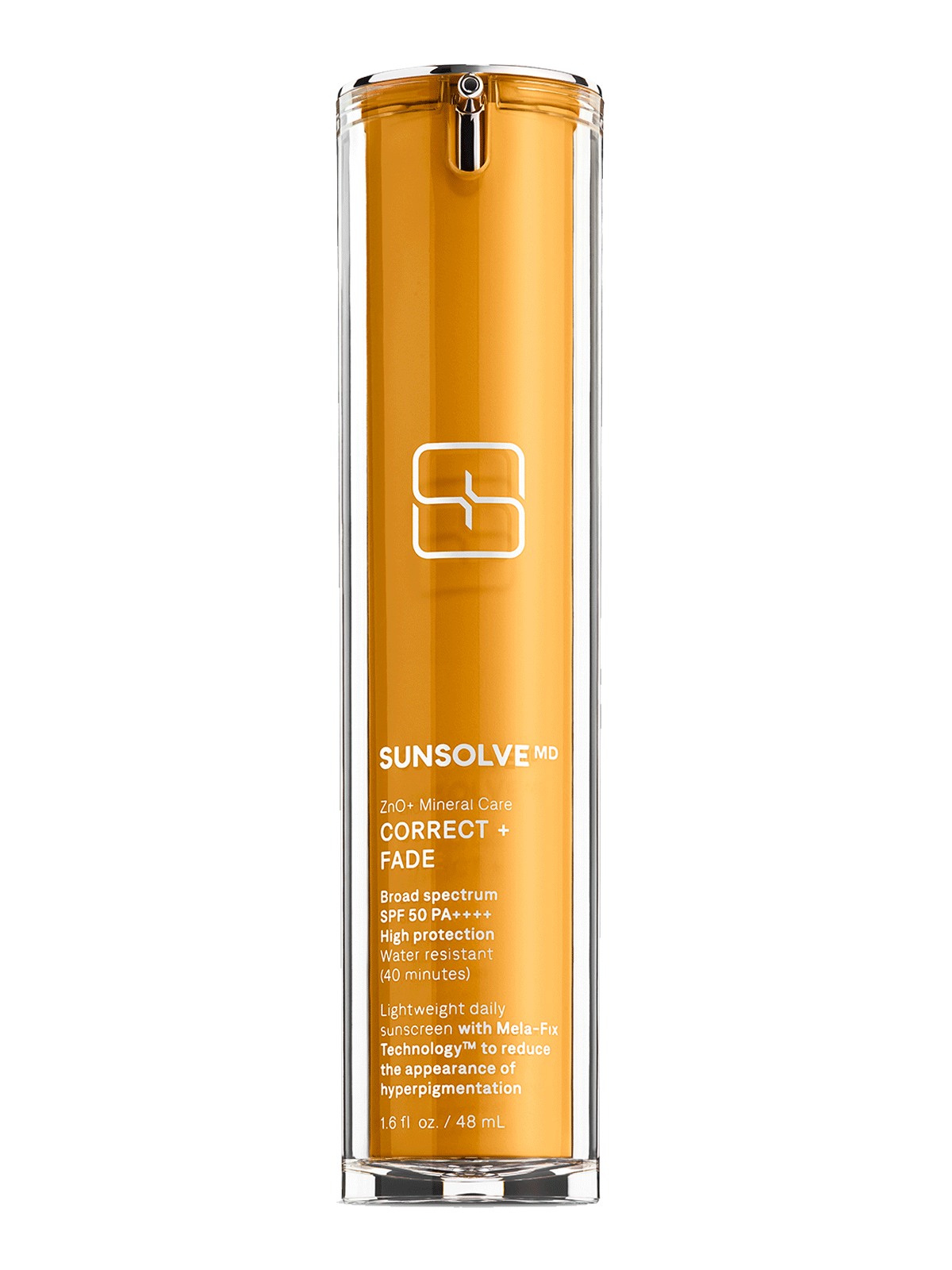
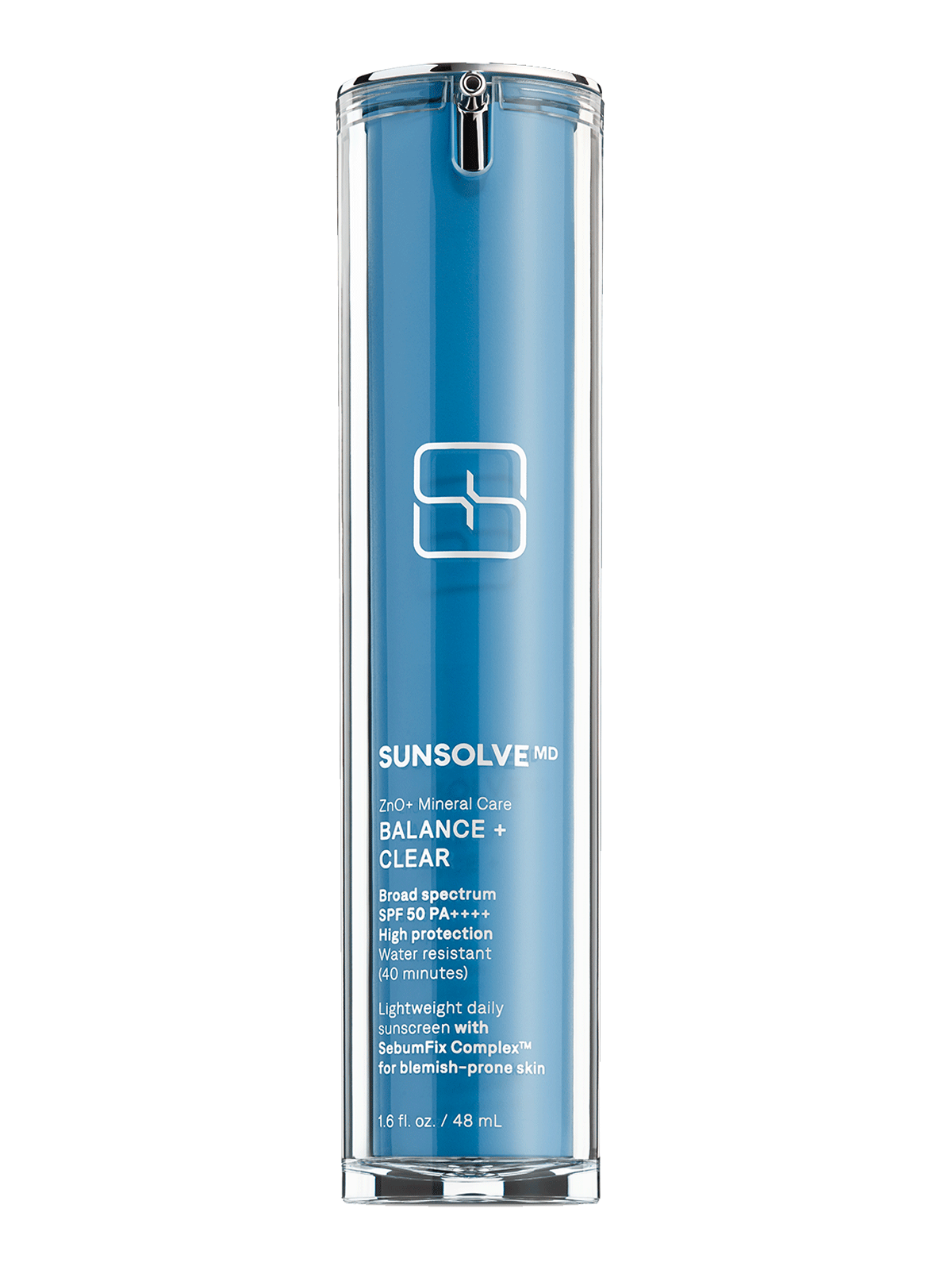
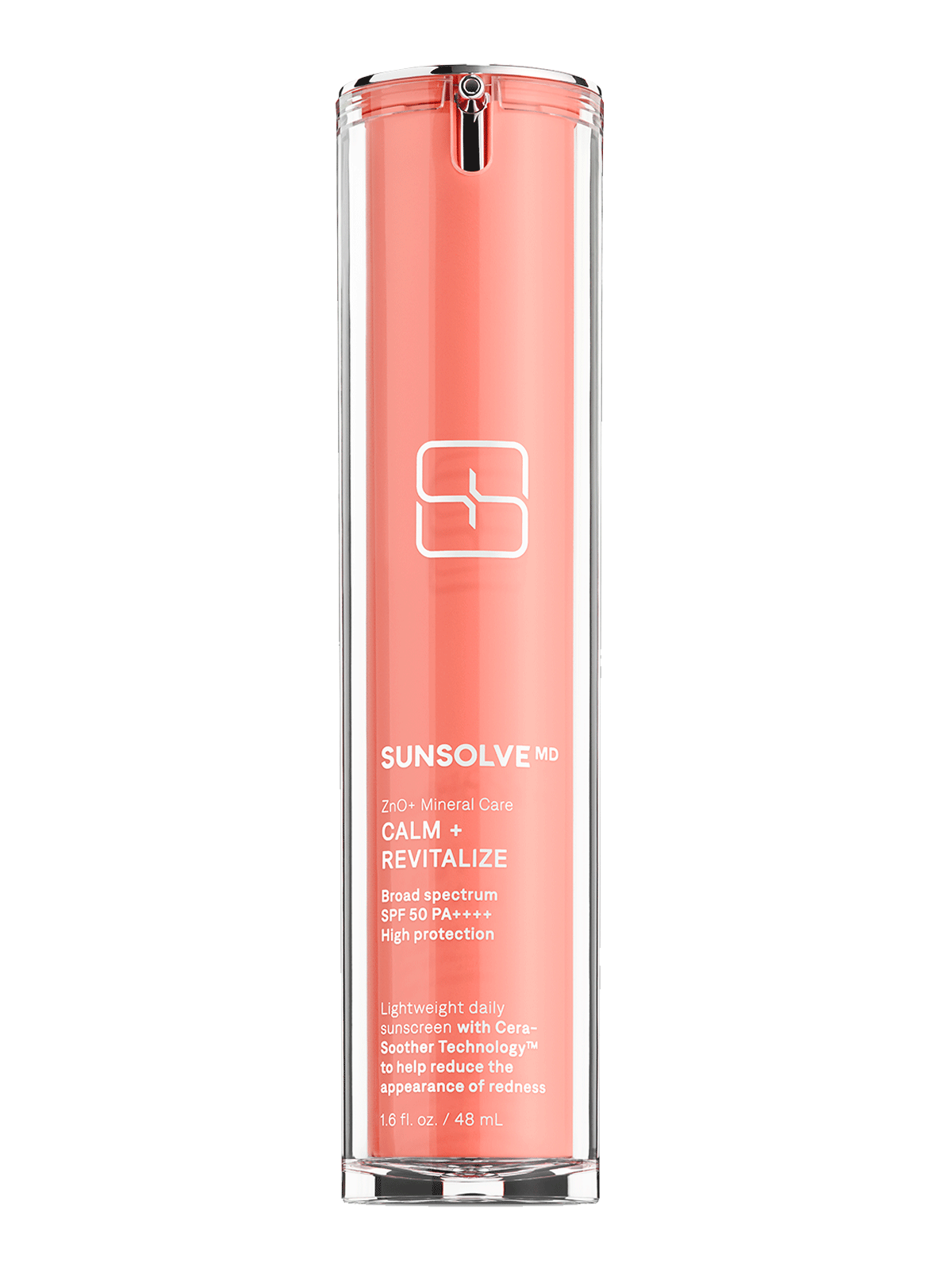
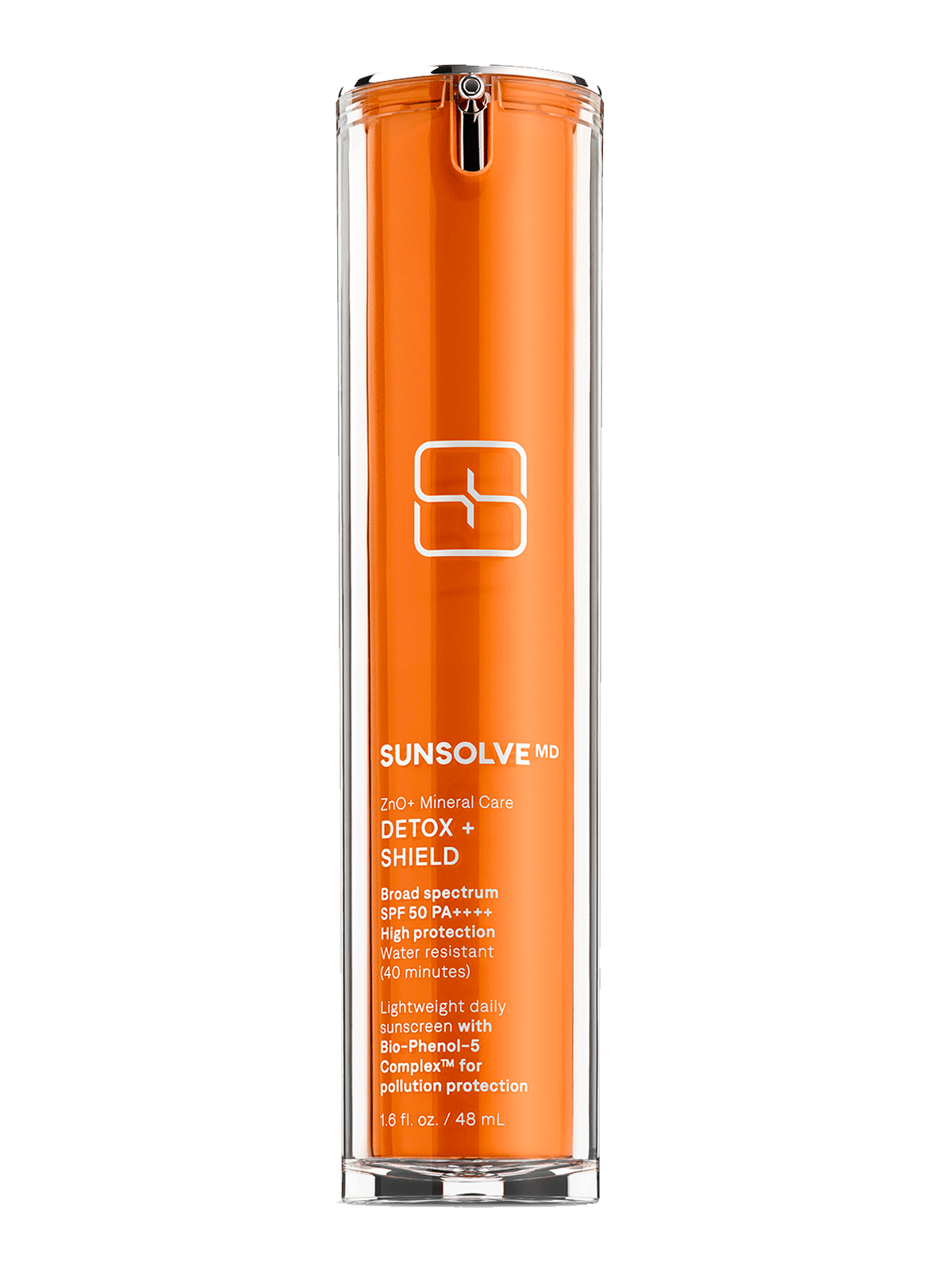
At SunsolveMD, we engineered every formula to work seamlessly within your existing routine. Our ZnO+™ system delivers 12% non-nano zinc oxide in a lightweight, breathable base that layers beautifully over serums and moisturizers without pilling, sliding, or feeling heavy.
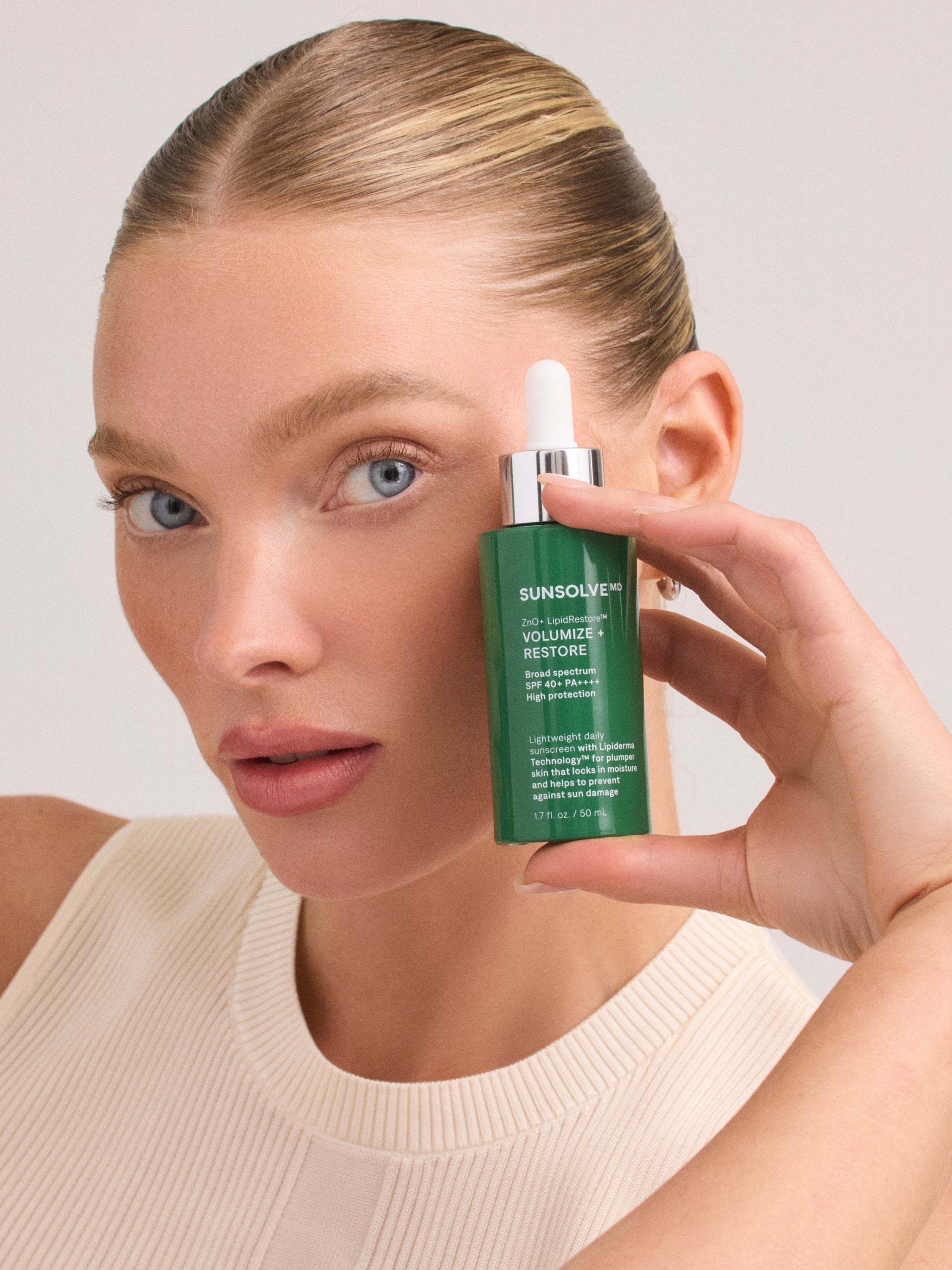
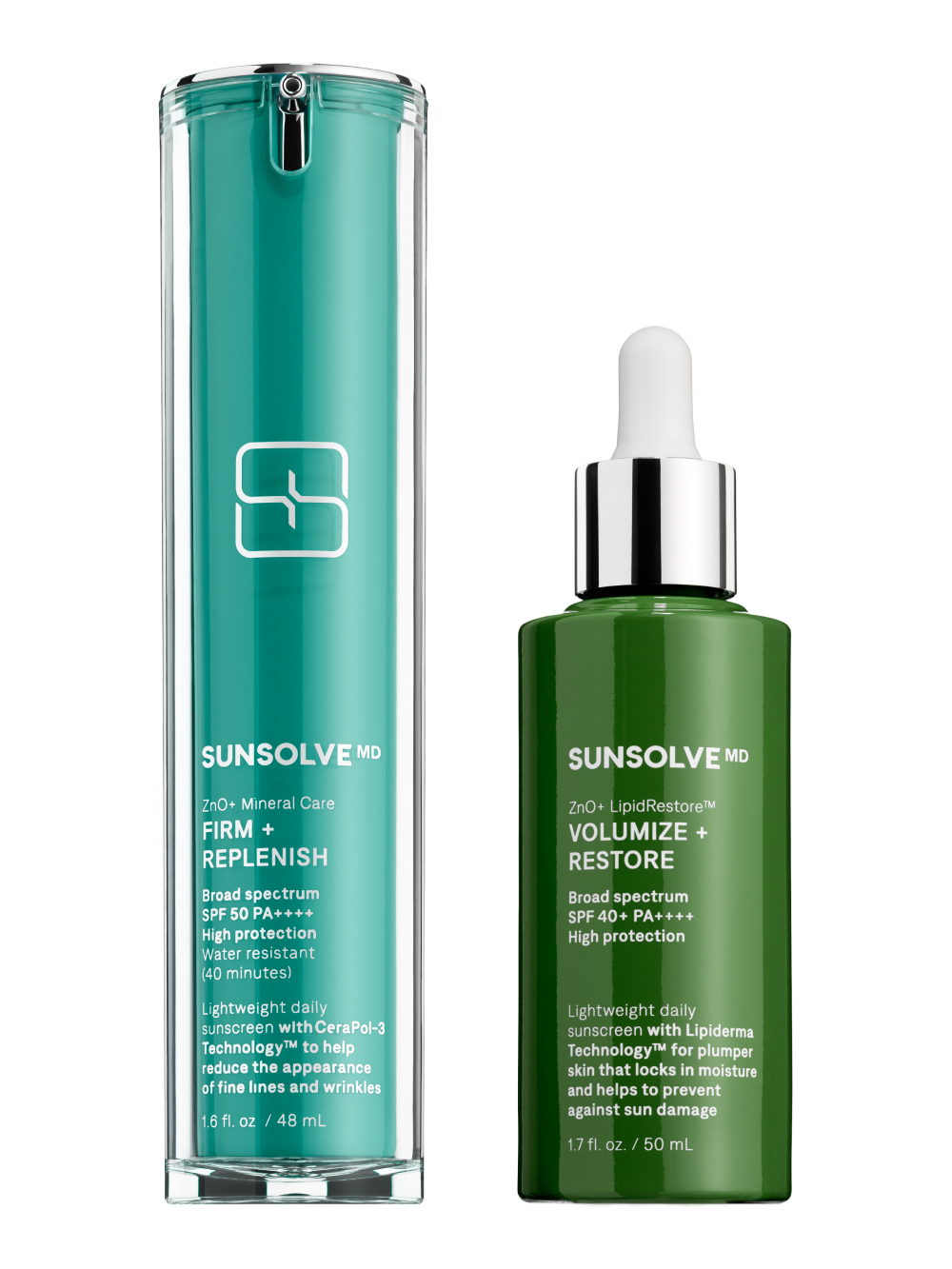
But we also designed our SPF to be hydrating enough that many people don't need a separate moisturizer underneath. Formulas like Volumize + Restore flood the skin with lipid-rich actives that support barrier function and hydration, while Firm + Replenish combines peptides and ceramides with UV protection for a streamlined, two-in-one approach.
If your skin is dry or barrier-compromised, you can absolutely layer these over a lightweight moisturizer. If your skin is balanced or oily, you can use them alone. The texture is designed to adapt to your needs without compromising correct SPF application order.
Every product is built on SolveTech™ - a patent-protected biotech platform that intercepts UV-induced skin dysfunction at a molecular level. At the core is SolveDNAReverse™, our proprietary complex that supports DNA repair and reverses oxidative damage caused by sun exposure. You're getting broad-spectrum UVA/UVB defense that's also calming inflammation, restoring barrier function, and addressing aging, pigmentation, and sensitivity.
Developed in-house at our Los Angeles biotech lab and engineered at our clinical innovation hub in Denmark, every formula is mineral-only, fragrance-free, cruelty-free, and tested for compatibility with acids, retinoids, and post-procedure protocols. Because sun protection should integrate with your routine, not complicate it.
Application Tips for Best Results
Cleanse thoroughly. Start with clean skin so your products can absorb properly without sitting on top of oil, dirt, or residue.
Apply thinnest to thickest. Serums go on first, then moisturizer (if using), then sunscreen. This ensures lighter textures aren't blocked by heavier ones.
Use the right amount of SPF. Half a teaspoon for your face, applied generously. Don't skimp because you're worried about texture - if your sunscreen feels too heavy at the correct amount, switch formulas.
Let each layer absorb. You don't need to wait 15 minutes, but give each product 30-60 seconds to settle before adding the next.
Don't mix products in your palm. Some people try to combine moisturizer and sunscreen to save time. This dilutes your SPF and reduces protection. Apply them separately, in sequence.
Reapply throughout the day. If you're indoors most of the day, morning application with a midday reapplication is usually adequate. If you're outdoors, reapply every two hours.
FAQs
Can I mix sunscreen and moisturizer together?
No. Mixing them dilutes your SPF and compromises protection. Always apply them as separate layers, with sunscreen last.
Do I need moisturizer if my sunscreen is hydrating?
Not necessarily. If your SPF provides adequate hydration, you can skip the moisturizer. Try it alone for a few days and see how your skin responds.
Should I wait 15 minutes between moisturizer and sunscreen?
Ideally, you'd wait a few minutes for full absorption, but 60-90 seconds is usually sufficient if your moisturizer is lightweight and absorbs quickly.
Does sunscreen work if I apply it over moisturizer?
Yes, as long as the moisturizer has absorbed and isn't creating an occlusive barrier. Both mineral and chemical sunscreens can work over lightweight hydrators.
Wht if my sunscreen pills when I apply it over moisturizer?
Pilling usually means your moisturizer is too heavy, hasn't absorbed, or contains ingredients (like certain silicones) that don't layer well. Try a lighter moisturizer or give it more time to absorb before applying SPF.
Can I use sunscreen as my only morning product?
Yes, if it's hydrating enough for your skin type. Many people with oily or balanced skin don't need a separate moisturizer under SPF.
Does the order matter if I'm using a tinted sunscreen?
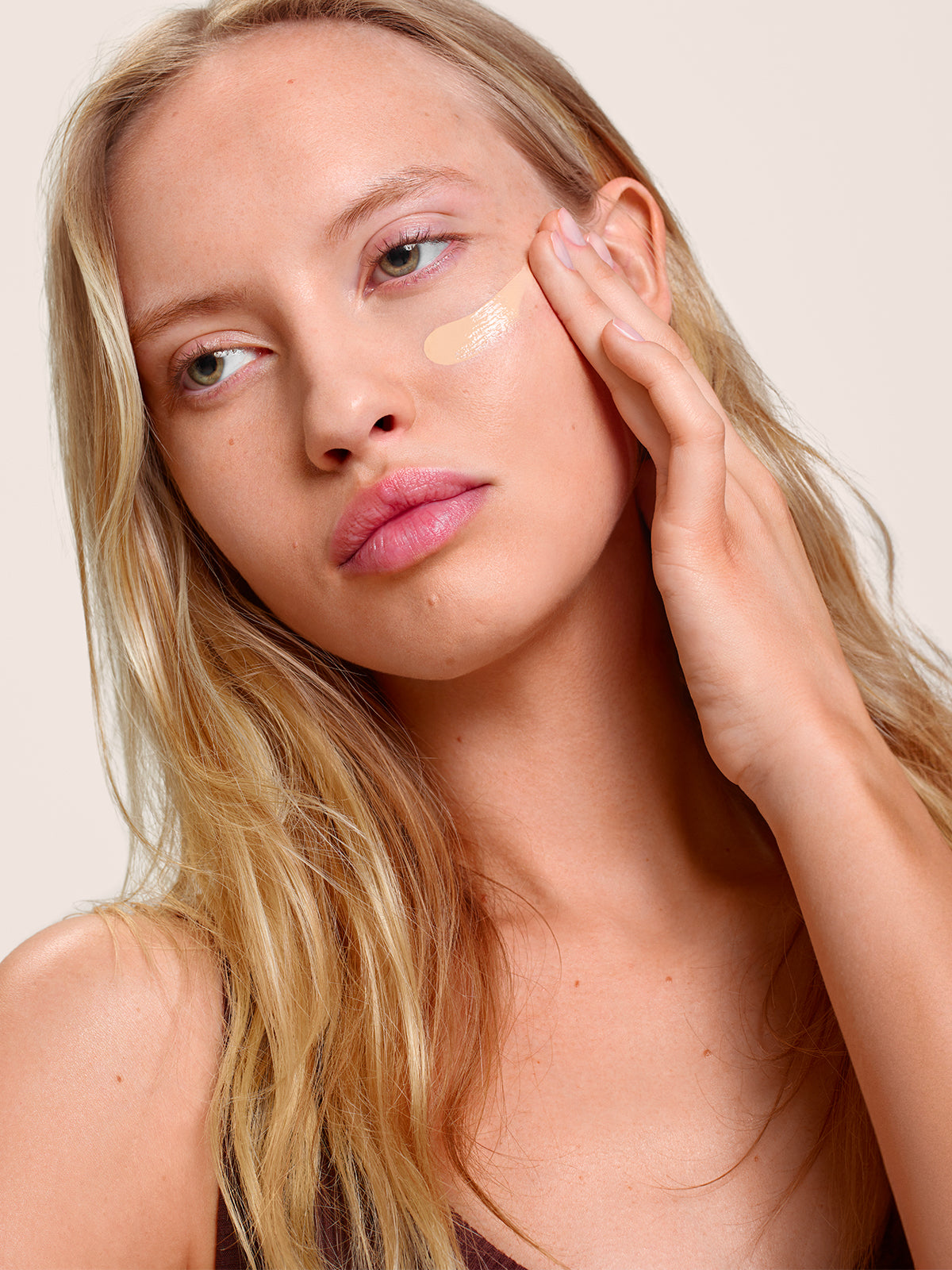
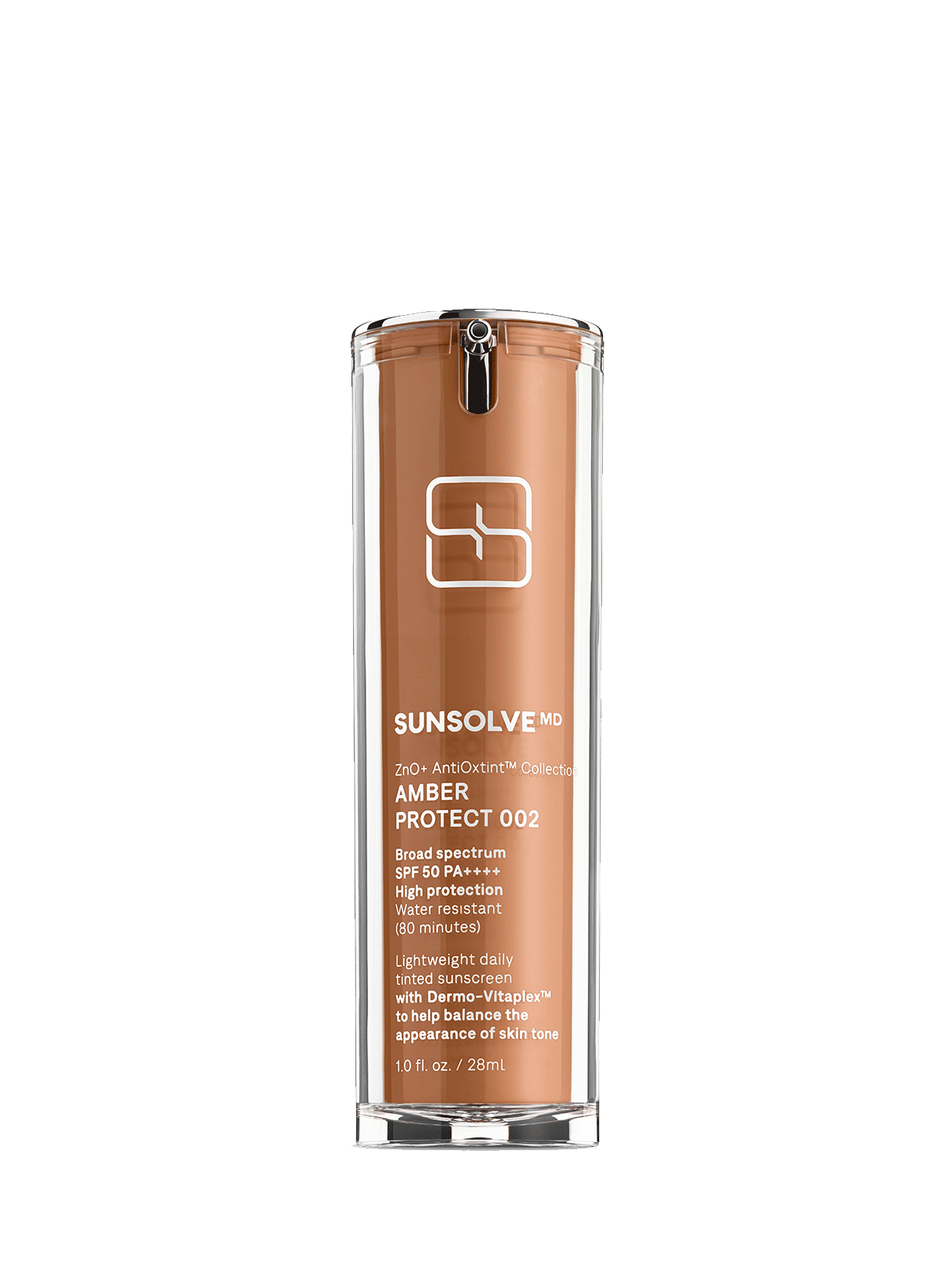
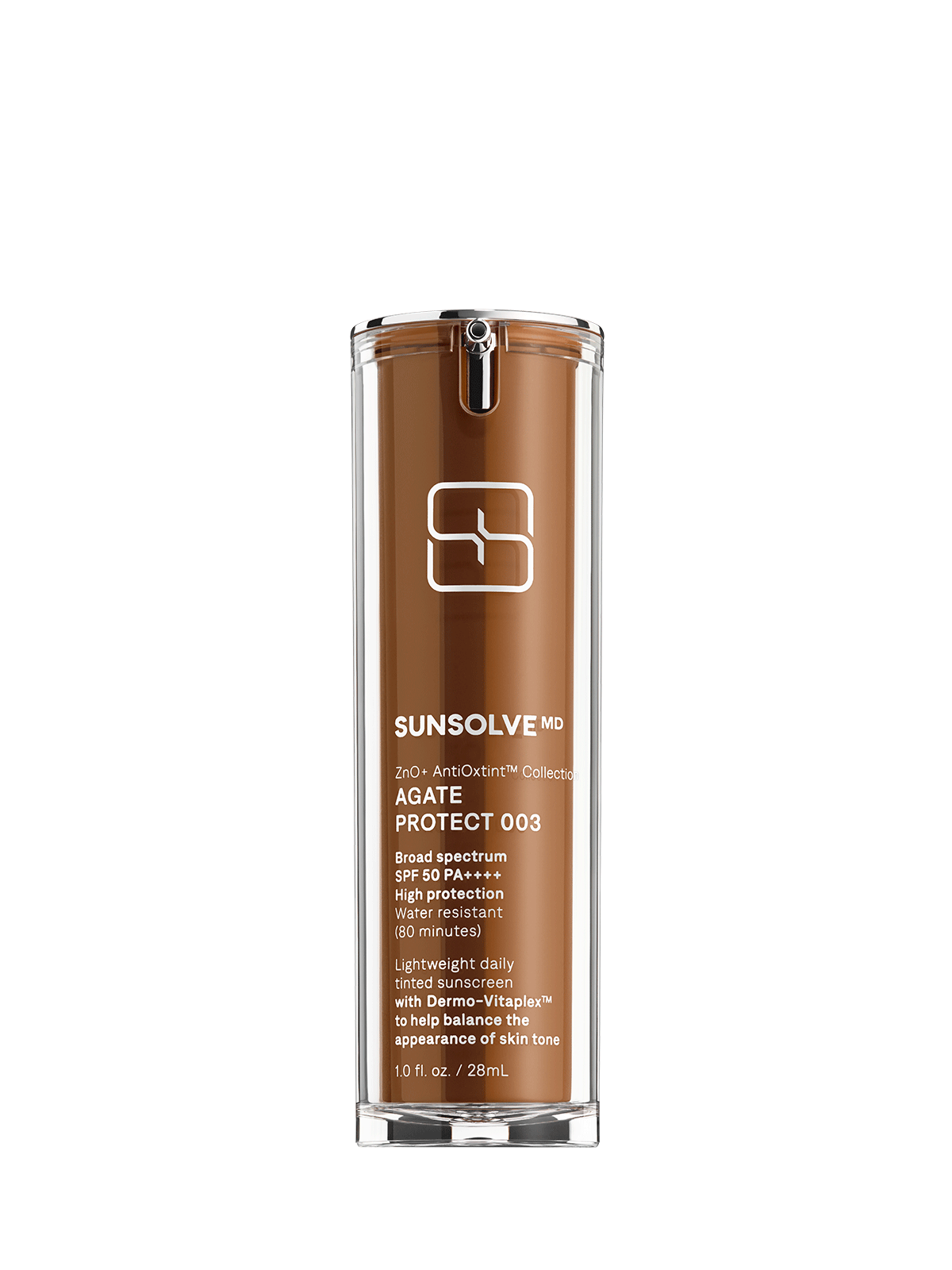
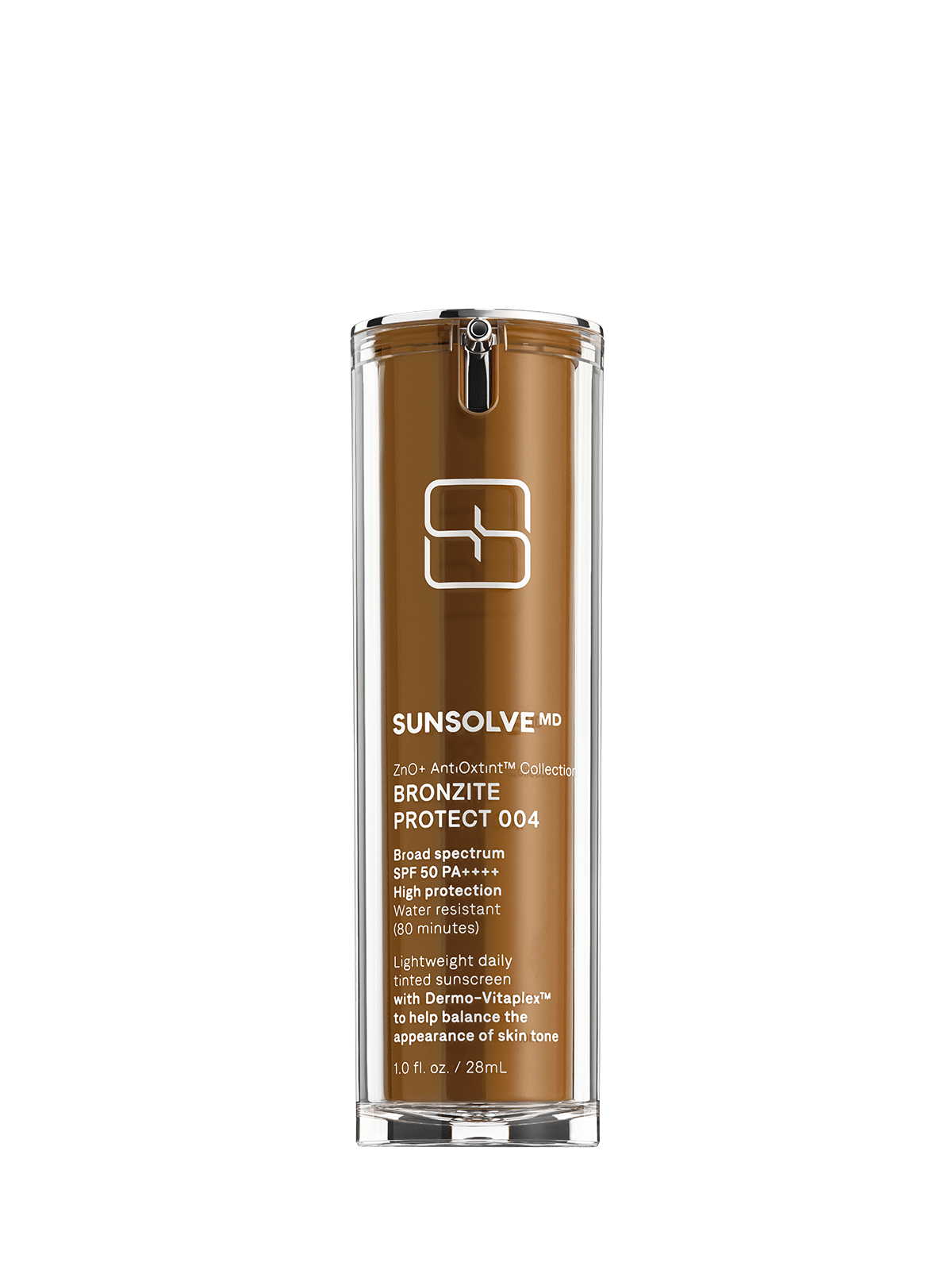
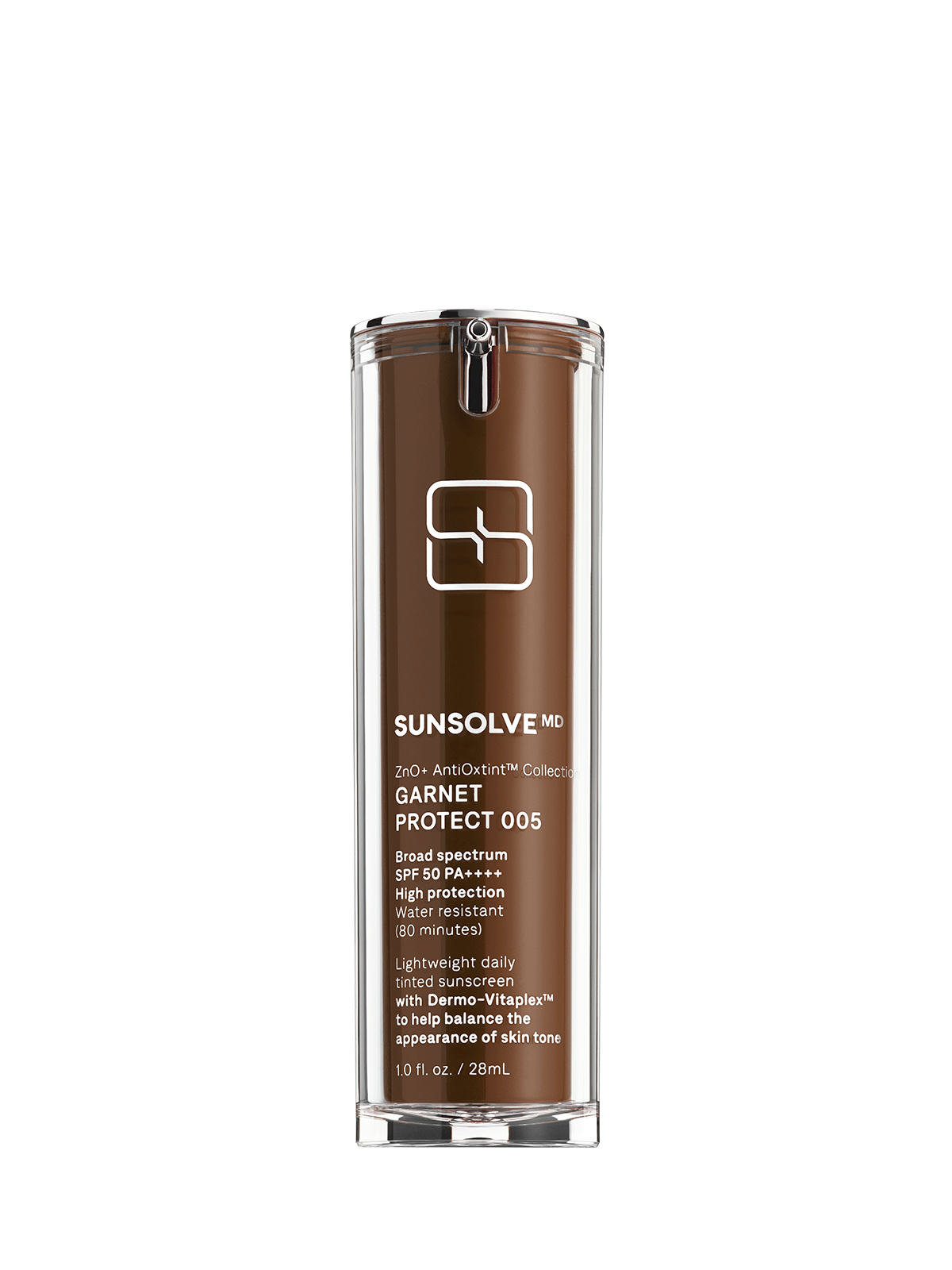
Yes. Tinted sunscreen still goes last, after serums and moisturizer but before any additional makeup. The tint provides light coverage but doesn't replace foundation if you want more.
The Takeaway
Sunscreen goes last, and that's the rule to follow. But whether you need moisturizer underneath depends on your skin type, your sunscreen's hydration level, and how your skin responds. The goal is to create a routine that delivers adequate hydration and full UV protection without feeling heavy, greasy, or complicated.
The best sunscreen is the one you'll actually wear every day - and if that means simplifying your routine by using a hydrating SPF alone, that's a win. Our physical UV filters made for everyday use are designed to layer seamlessly or work solo, depending on what your skin needs. Because protection shouldn't require a ten-step routine. It should just work.