


How to Reapply Sunscreen Over Makeup
Reapplying sunscreen is non-negotiable: SPF efficacy degrades throughout the day due to UV exposure, sweat, oil production, and physical contact with your face. The standard recommendation is every two hours during extended sun exposure - or at minimum, a midday reapplication if you're indoors most of the day.
But if you're wearing makeup, the idea of slathering on more sunscreen feels impossible. You've spent time on your base, your skin looks good, and the thought of disrupting that with a layer of cream is enough to make most people skip reapplication altogether. Which is exactly the problem.
The truth is that reapplying sunscreen over makeup is tricky, but it's not impossible. It requires either strategic product choices, specific application techniques, or a willingness to compromise slightly on your makeup's pristine finish in exchange for actual UV protection. Here's how to make it work without completely ruining your face.
Why Reapplication Matters
Sunscreen breaks down over time. Chemical filters degrade when exposed to UV radiation, generating free radicals as they convert UV energy into heat. Mineral filters don't degrade chemically, but they can be rubbed off, diluted by sweat and oil, or displaced by touching your face throughout the day.
Even if you applied a full half teaspoon in the morning - which most people don't - you're not maintaining that level of protection eight hours later. Studies show that SPF efficacy can drop by 50% or more after just a few hours of wear, especially if you're outdoors, sweating, or in direct sunlight.
Skipping reapplication means you're walking around with significantly reduced protection, which compounds your cumulative UV exposure and increases your risk of photodamage, hyperpigmentation, and skin cancer. Makeup is not a sufficient excuse to skip this step - it just means you need a different strategy.
The Powder SPF Option
Mineral powder sunscreens are the most makeup-friendly reapplication method. They dust on over foundation, set your makeup, and add an additional layer of UV protection without disrupting your base. Brushes with built-in SPF powder are portable, easy to use, and can be applied throughout the day without a mirror.
The downside is that powder SPF requires a generous application to achieve the stated SPF rating, and most people don't apply nearly enough. You'd need to use significantly more powder than feels natural to get adequate coverage, which can look cakey or heavy, especially on textured or mature skin.
Powder SPF works best as a supplemental layer - a top-up over your morning sunscreen rather than your sole source of protection. It's convenient, portable, and better than nothing, but it shouldn't replace a proper cream or liquid formula applied generously in the morning.
The Setting Spray SPF Option
SPF setting sprays are another popular reapplication method. They're lightweight, don't disturb makeup, and can be misted over your face throughout the day for a quick refresh. Some formulas also contain hydrating or mattifying ingredients that enhance your makeup's longevity while adding sun protection.
The issue, again, is quantity. To achieve the advertised SPF, you'd need to apply enough spray that your face is visibly wet - not just lightly misted. Most people spray once or twice and call it done, which provides minimal protection.
Setting sprays with SPF are best used as a finishing touch or midday refresh, not as your primary reapplication strategy. If you're indoors most of the day and only need a light top-up, they can work. If you're outdoors or in high-UV environments, you need something more substantial.
The Cushion or Stick SPF Option
Cushion compacts and stick sunscreens offer a middle ground between powder and liquid. They provide more coverage than powder, blend more easily than cream, and can be patted or stippled over makeup without completely disrupting your base.
The technique is to gently press or dab the product onto your skin rather than rubbing or blending aggressively. Focus on high-exposure areas - forehead, nose, cheeks, chin - and use a light hand. Your makeup may shift slightly, but it won't be completely ruined.
Stick formulas are particularly portable and easy to apply on the go. Look for mineral-based options with a sheer or tinted finish that won't leave a visible white layer over your foundation.
The "Refresh and Reapply" Method
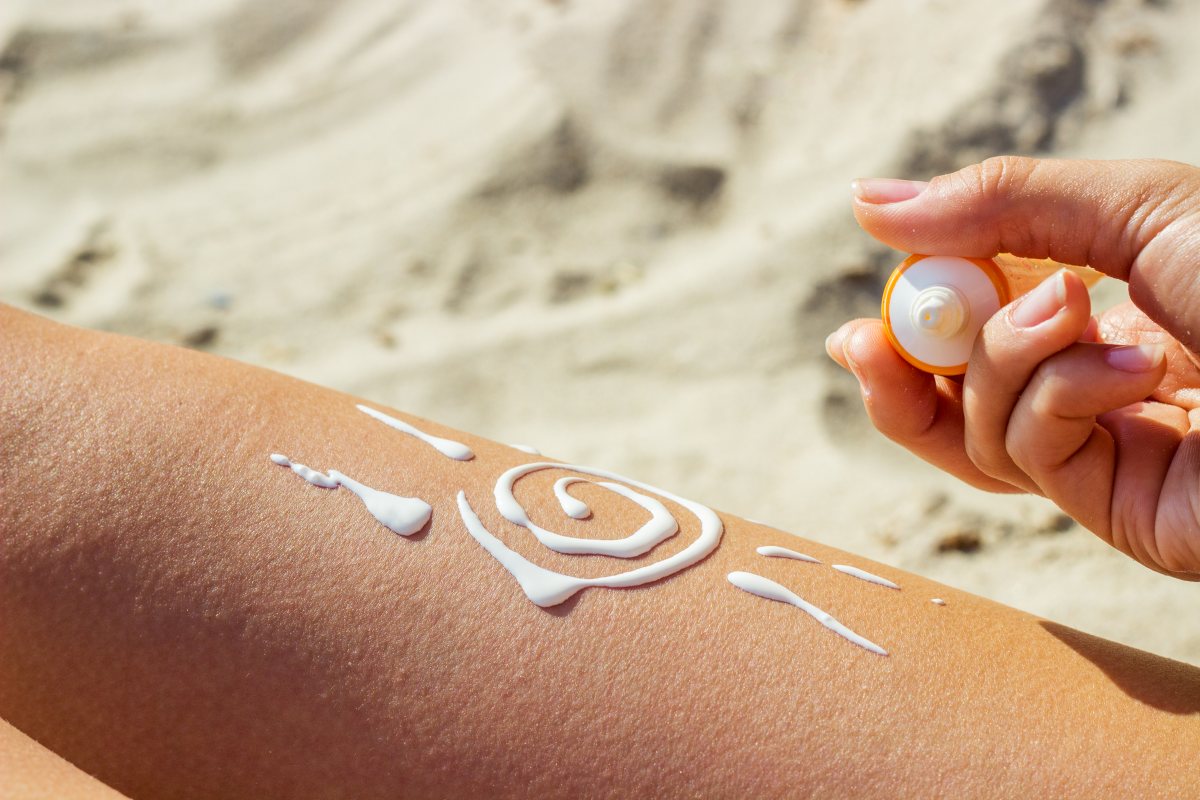
If you're serious about sun protection and willing to sacrifice some makeup perfection, the most effective method is to lightly blot your face with a tissue or blotting paper to remove excess oil, then reapply a thin layer of your regular sunscreen using a damp beauty sponge.
Stipple the sunscreen onto your skin in a patting motion rather than dragging or rubbing. This technique allows you to layer SPF without completely removing your makeup. Your foundation may sheer out slightly, and you might lose some coverage, but your UV protection will be significantly better than any powder or spray option.
If you're wearing a full face of makeup and absolutely cannot disrupt it, this method won't work. But if you're wearing light base, tinted moisturizer, or minimal coverage, it's the most effective way to maintain proper SPF levels throughout the day.
The Strategic Timing Approach

Another option is to time your reapplication around natural breaks in your day. If you're removing and reapplying makeup for an evening event, touch up your SPF before redoing your base. If you're going from the office to outdoor lunch, reapply before you leave. If you're coming home and washing your face before going back out, apply fresh SPF as part of that routine.
This doesn't work for everyone, but if your schedule allows for strategic reapplication moments, it's far more effective than trying to layer SPF over a full face of makeup.
What About Tinted Sunscreen?
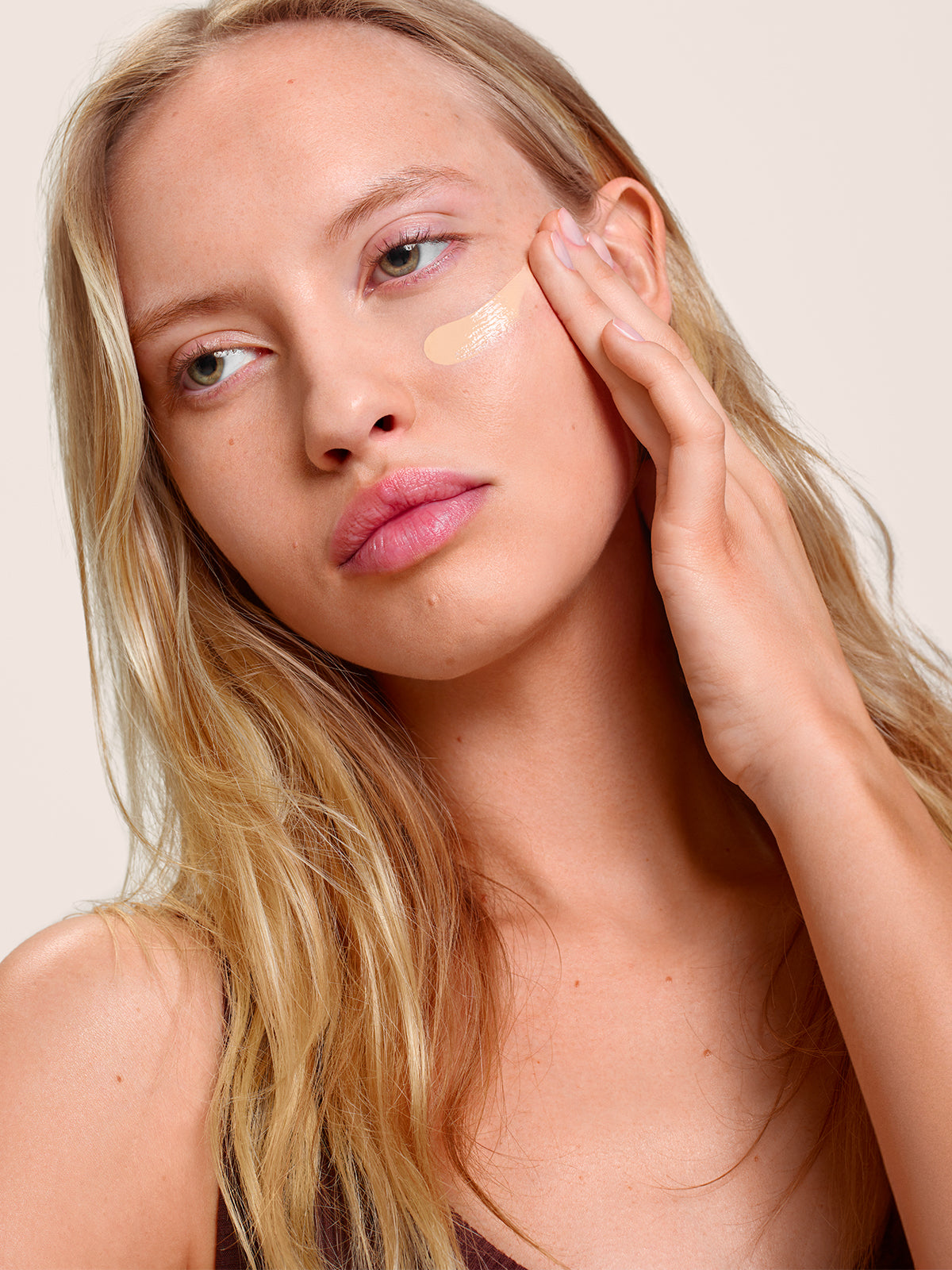
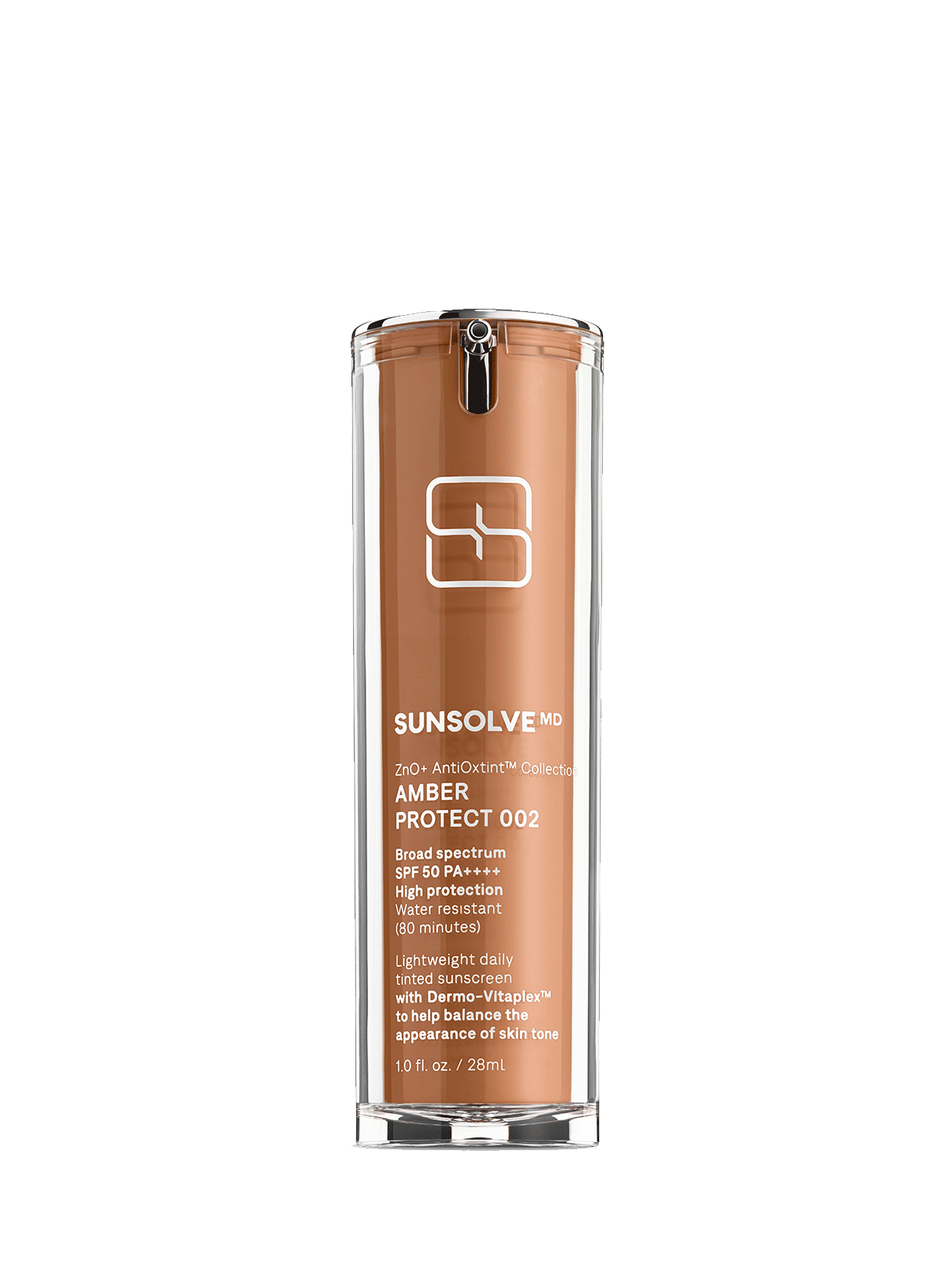
Tinted mineral sunscreens can function as both SPF and light base, which simplifies the reapplication process. If your morning routine includes a tinted SPF instead of foundation, you can reapply it throughout the day without worrying about disrupting layers of makeup underneath.
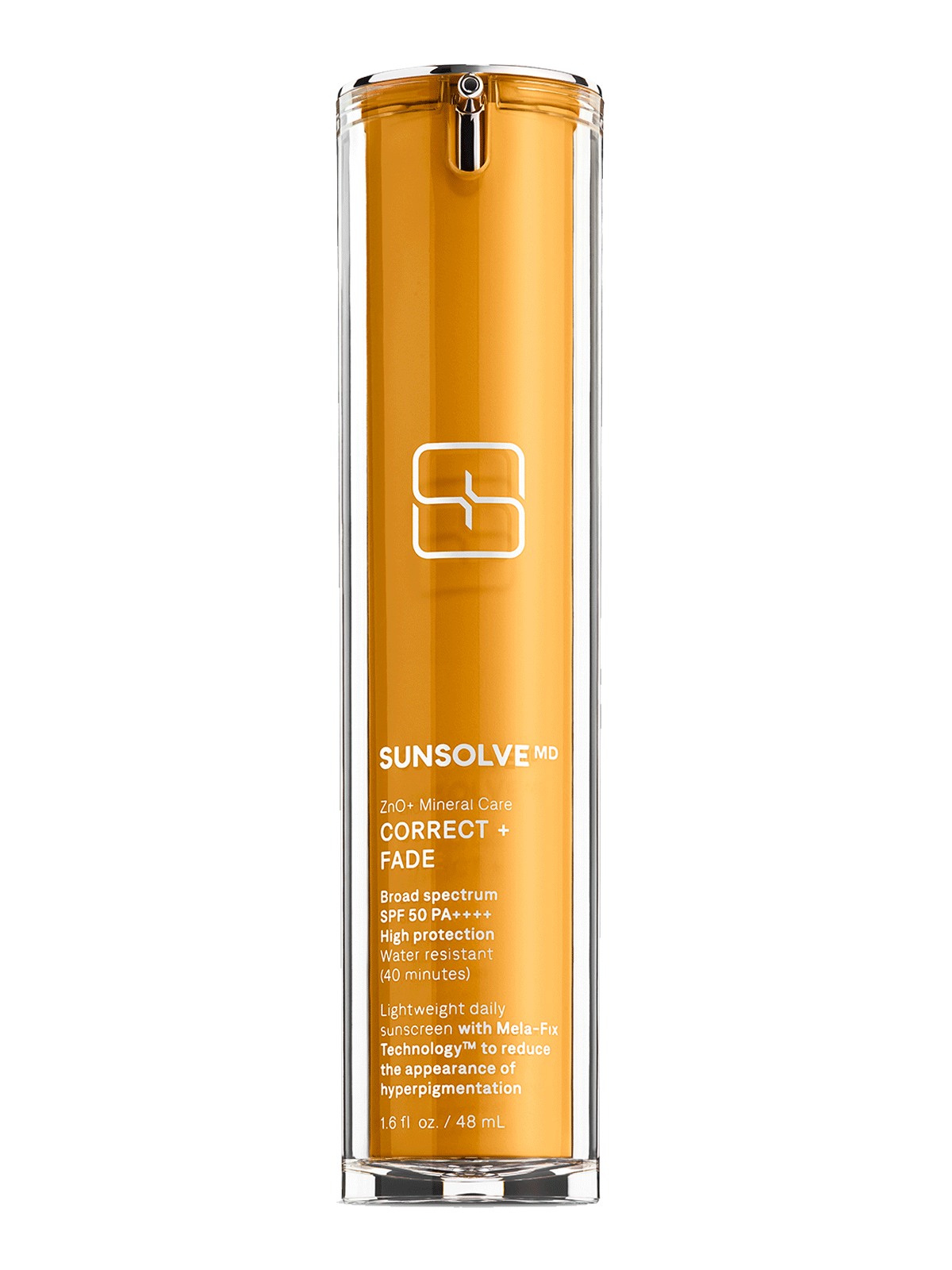
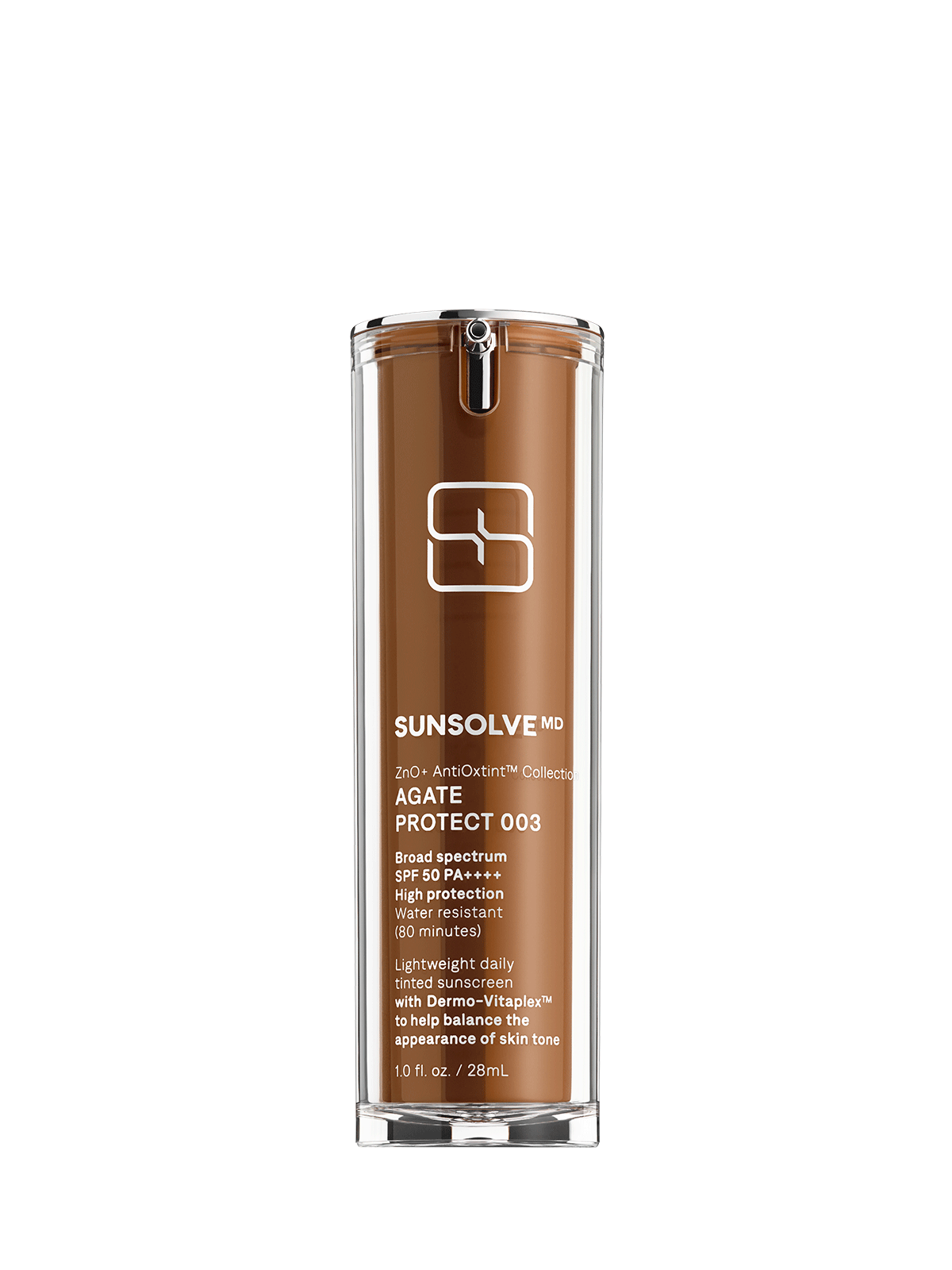
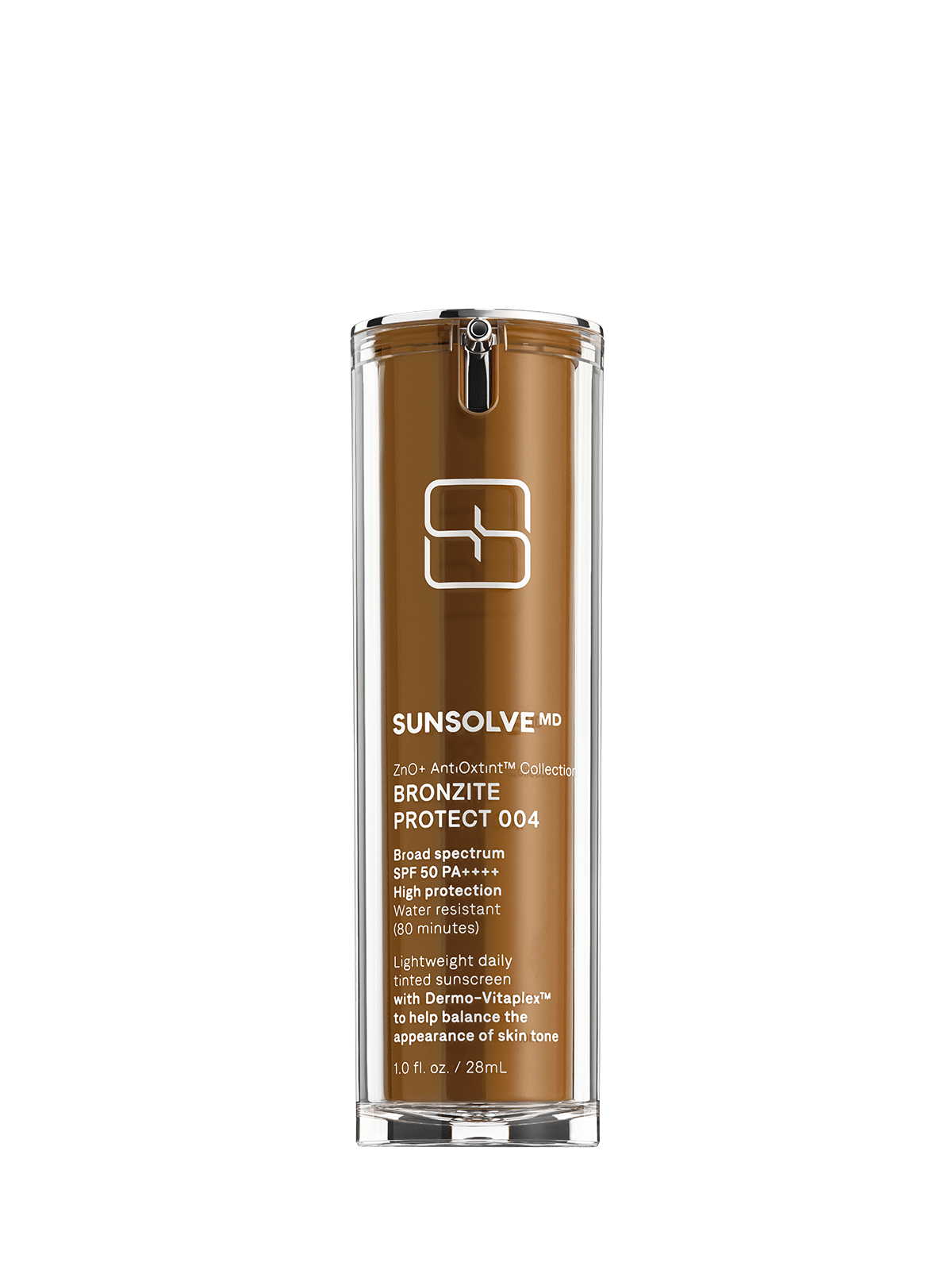
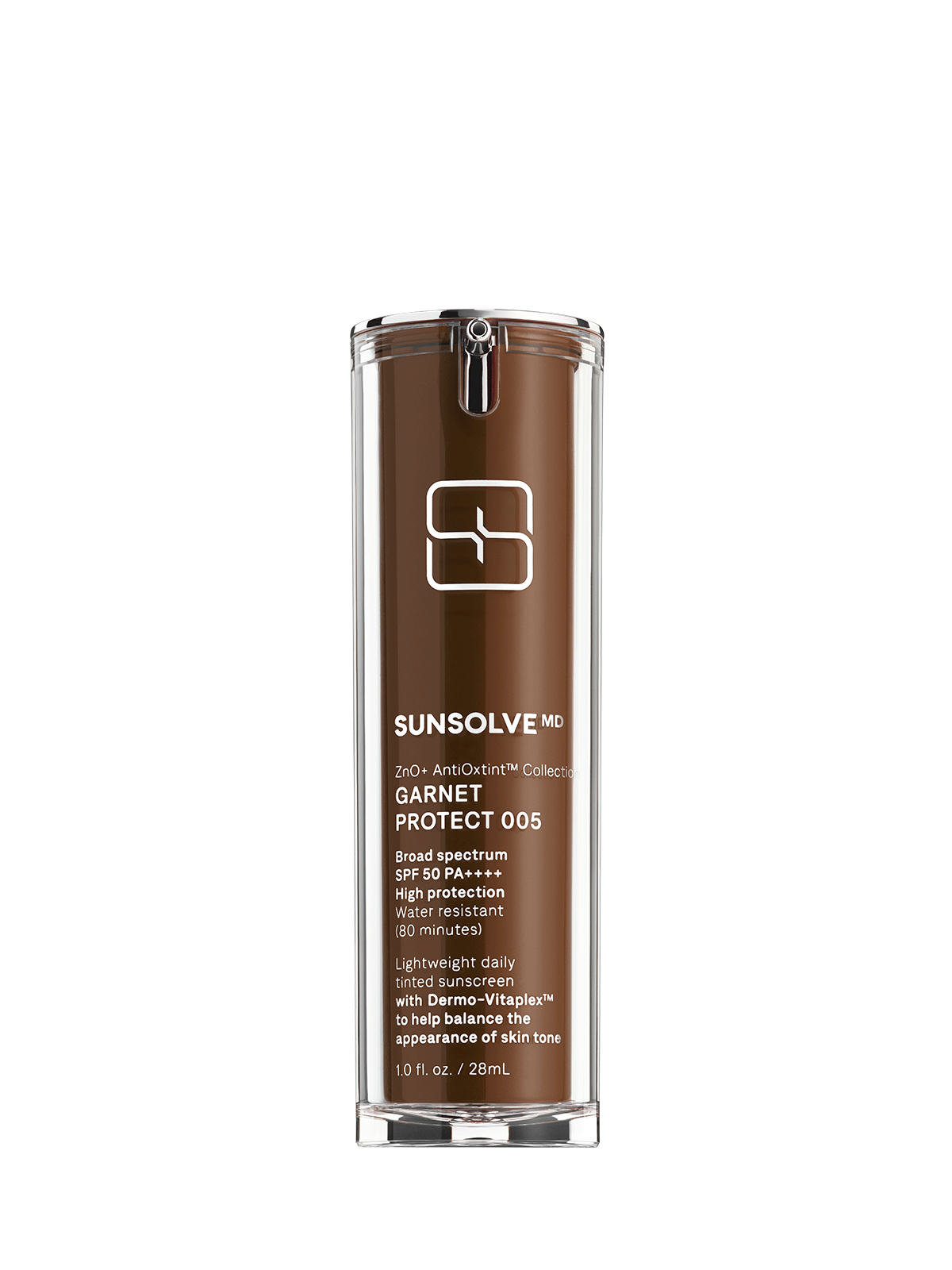
Our tinted mineral range is designed for exactly this - sheer, blendable coverage that evens tone, provides broad-spectrum protection, and can be layered or reapplied as needed without looking heavy or cakey. The finish is skin-like rather than mask-like, so adding more throughout the day enhances rather than disrupts your complexion.
This approach works best for people who prefer minimal makeup or are willing to swap full-coverage foundation for a more streamlined, SPF-focused routine.
Our Formulas for Layering and Reapplication
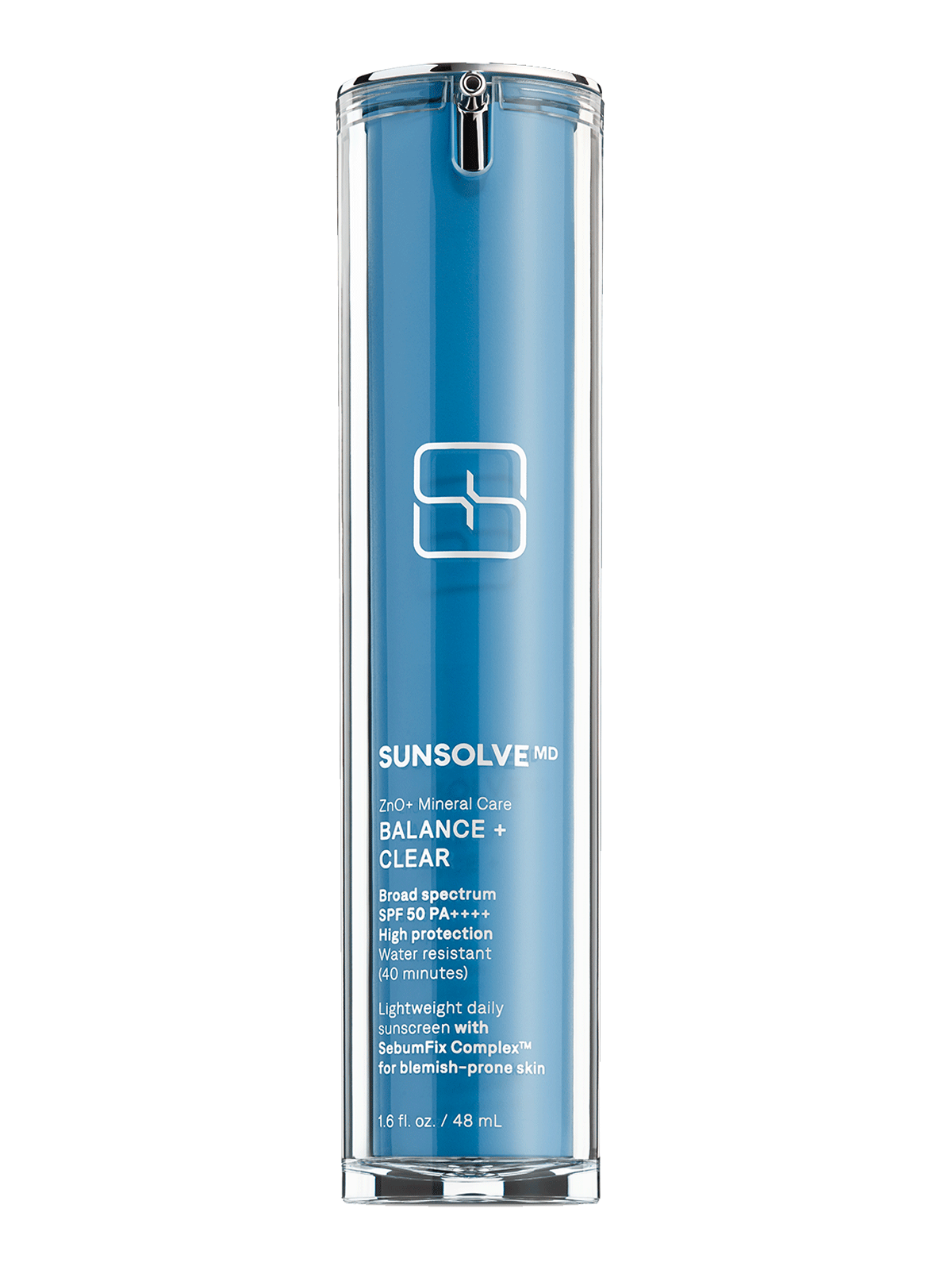
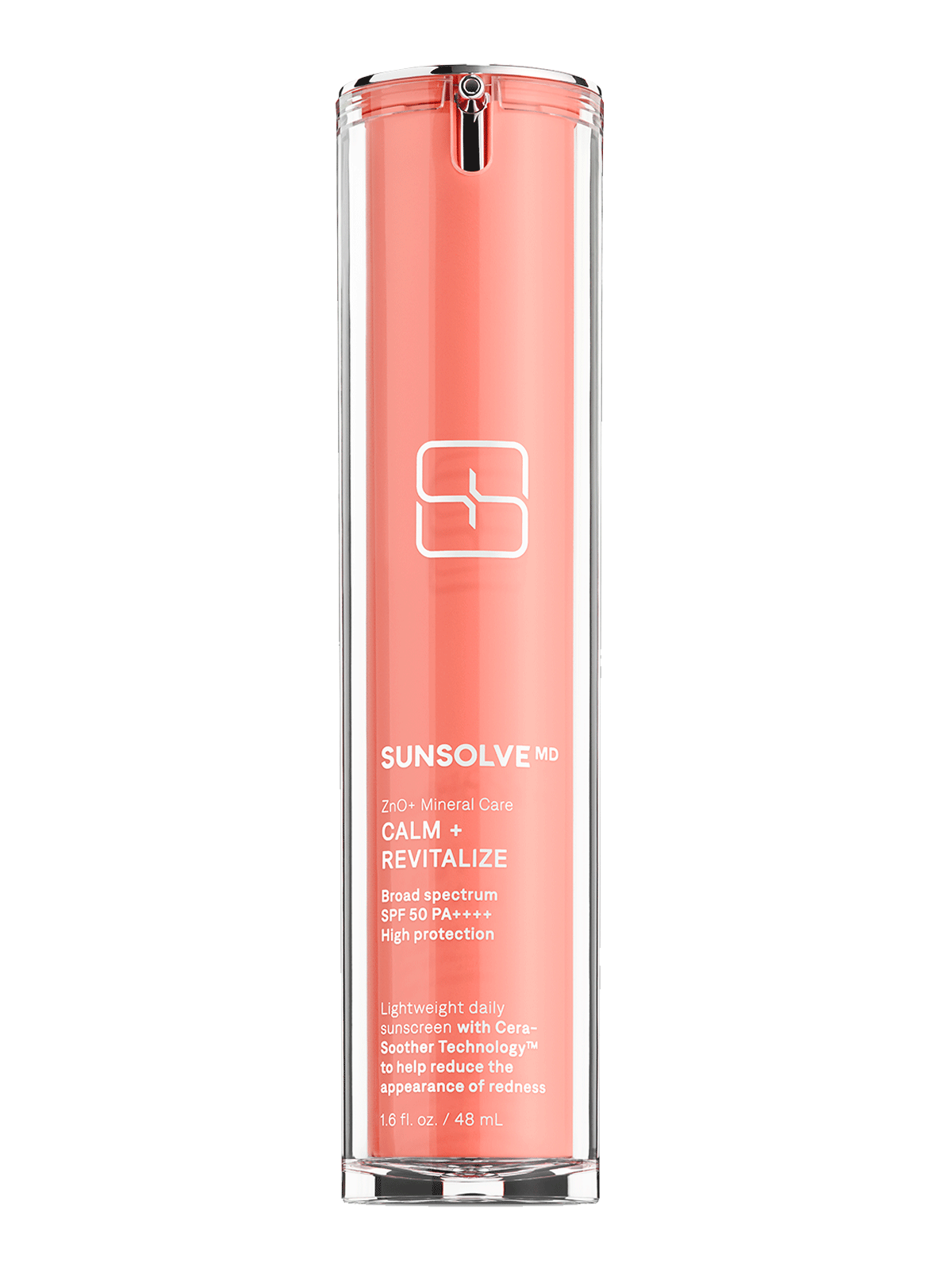
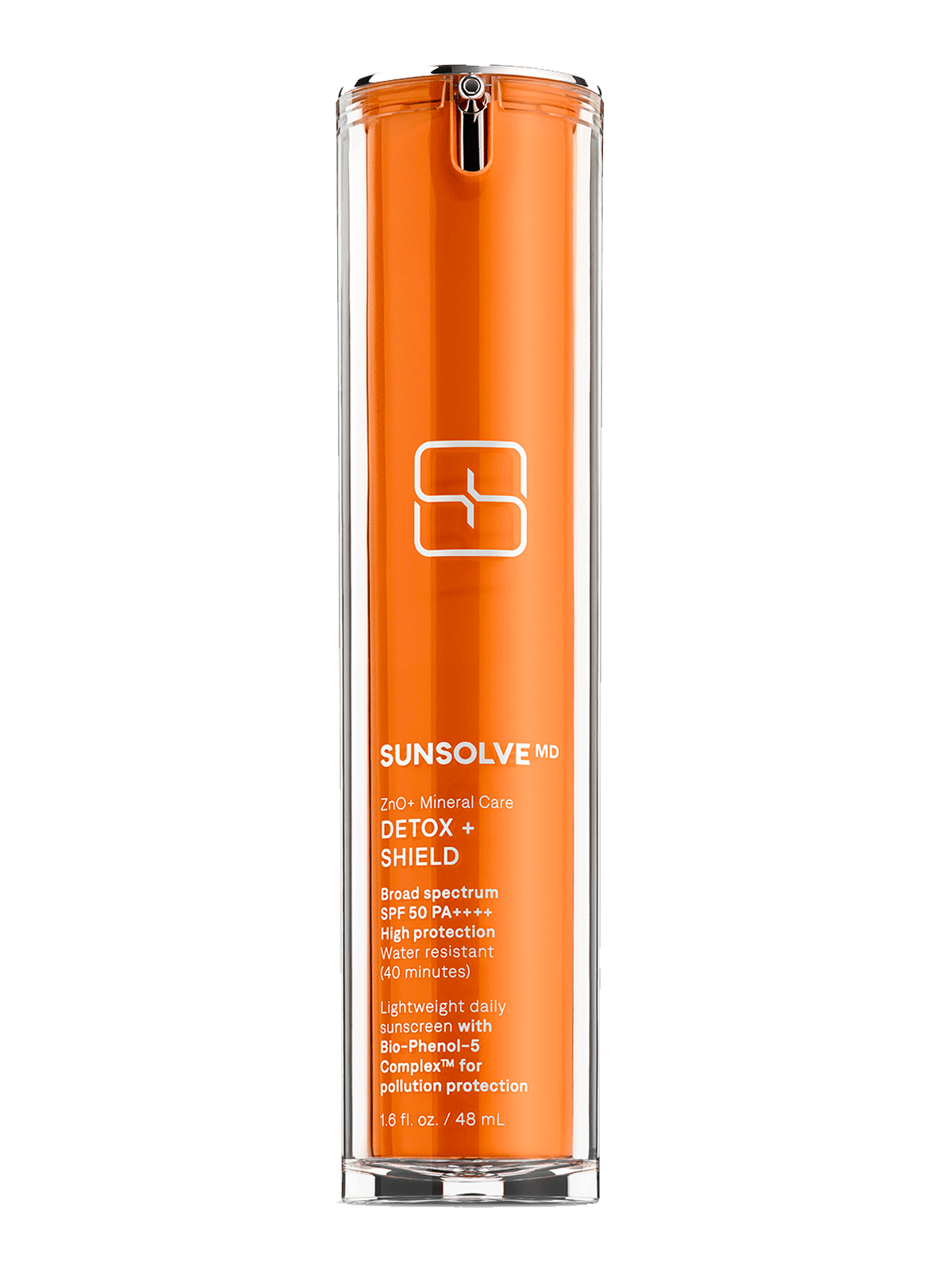
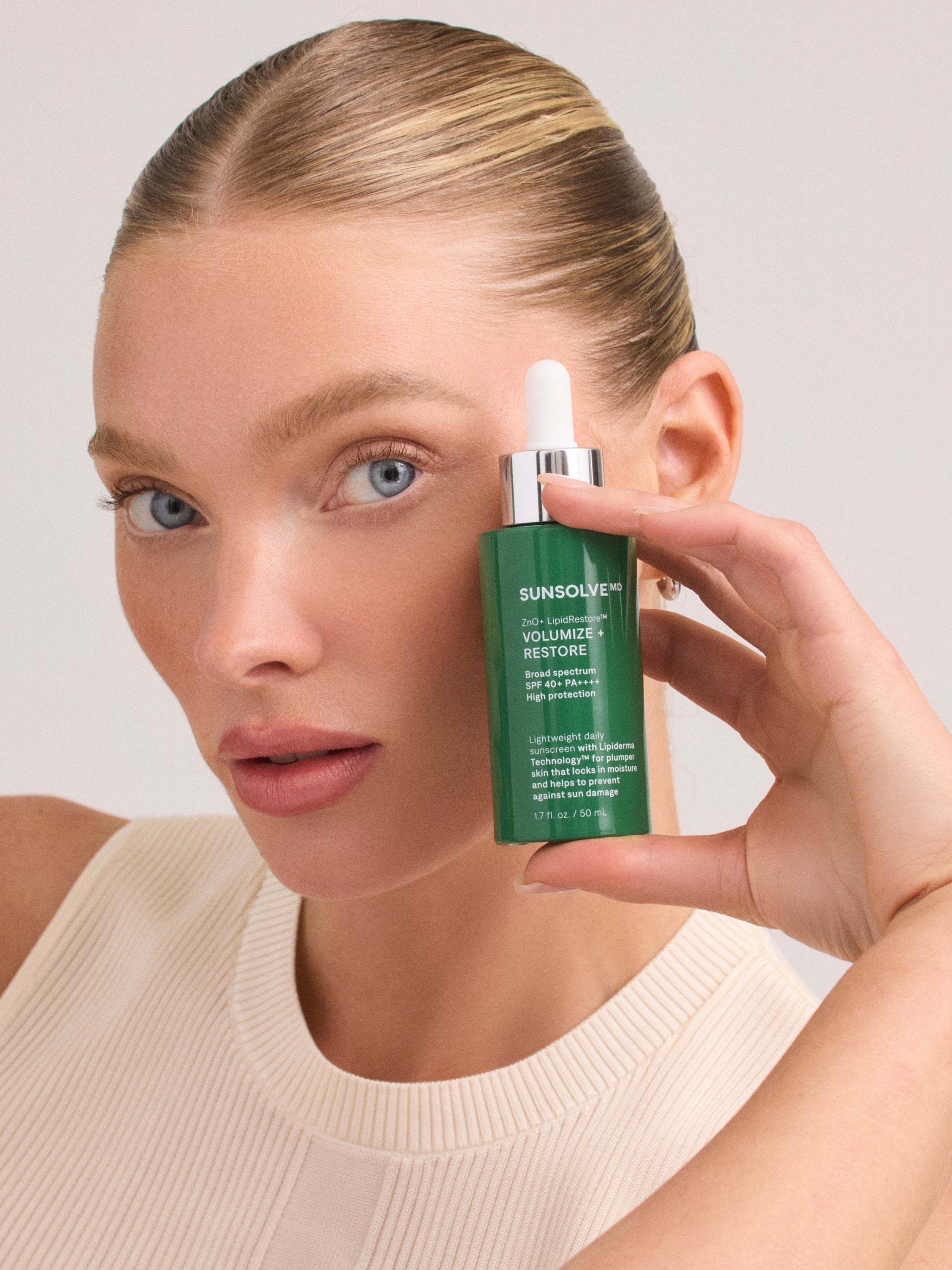
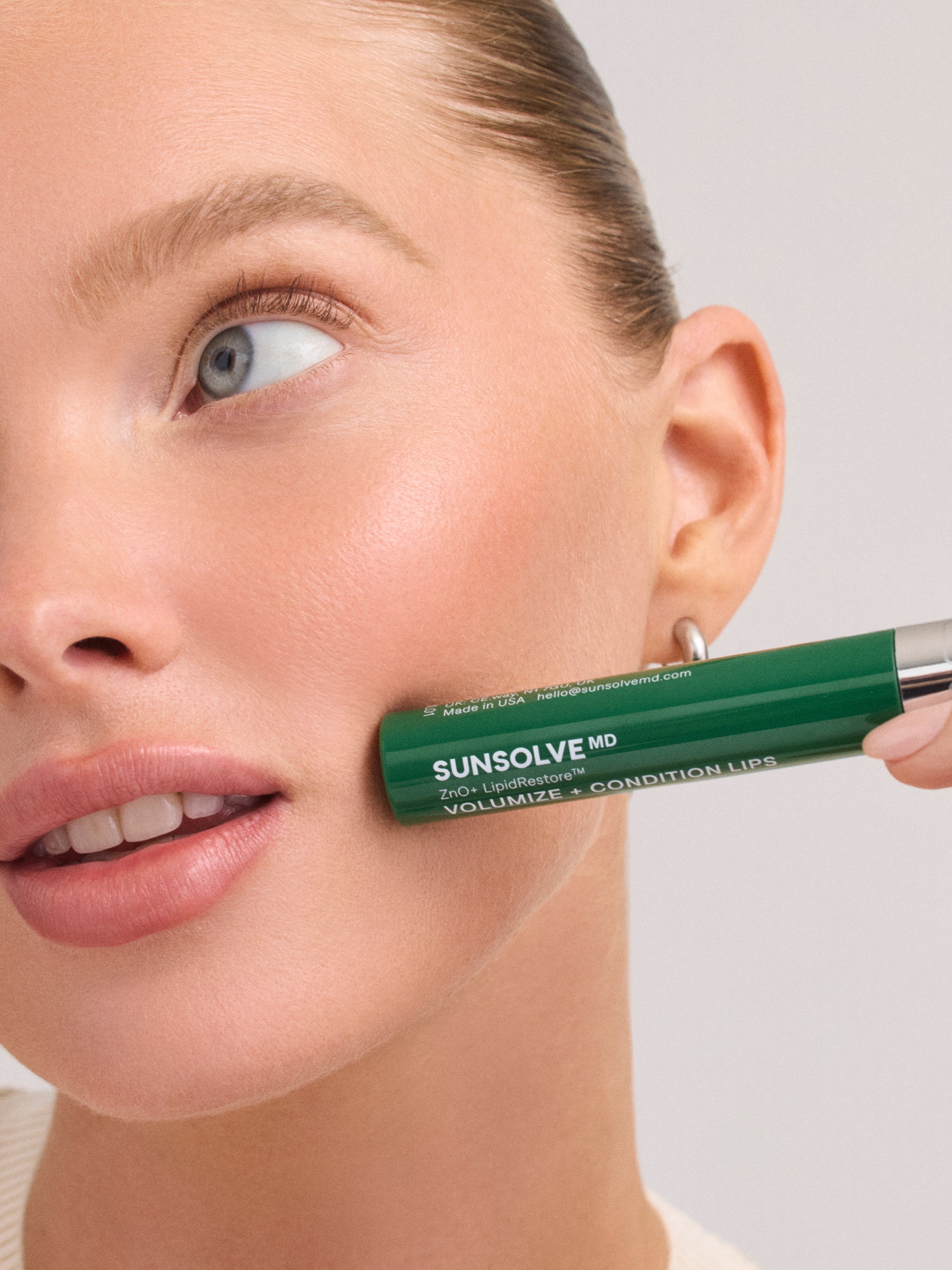
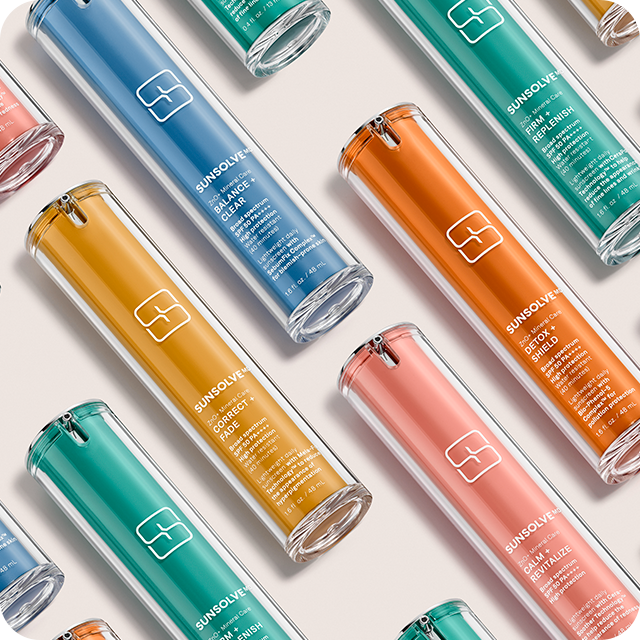
At SunsolveMD, we designed every formula to be lightweight, blendable, and compatible with makeup - whether you're applying it underneath in the morning or reapplying over your base later in the day.
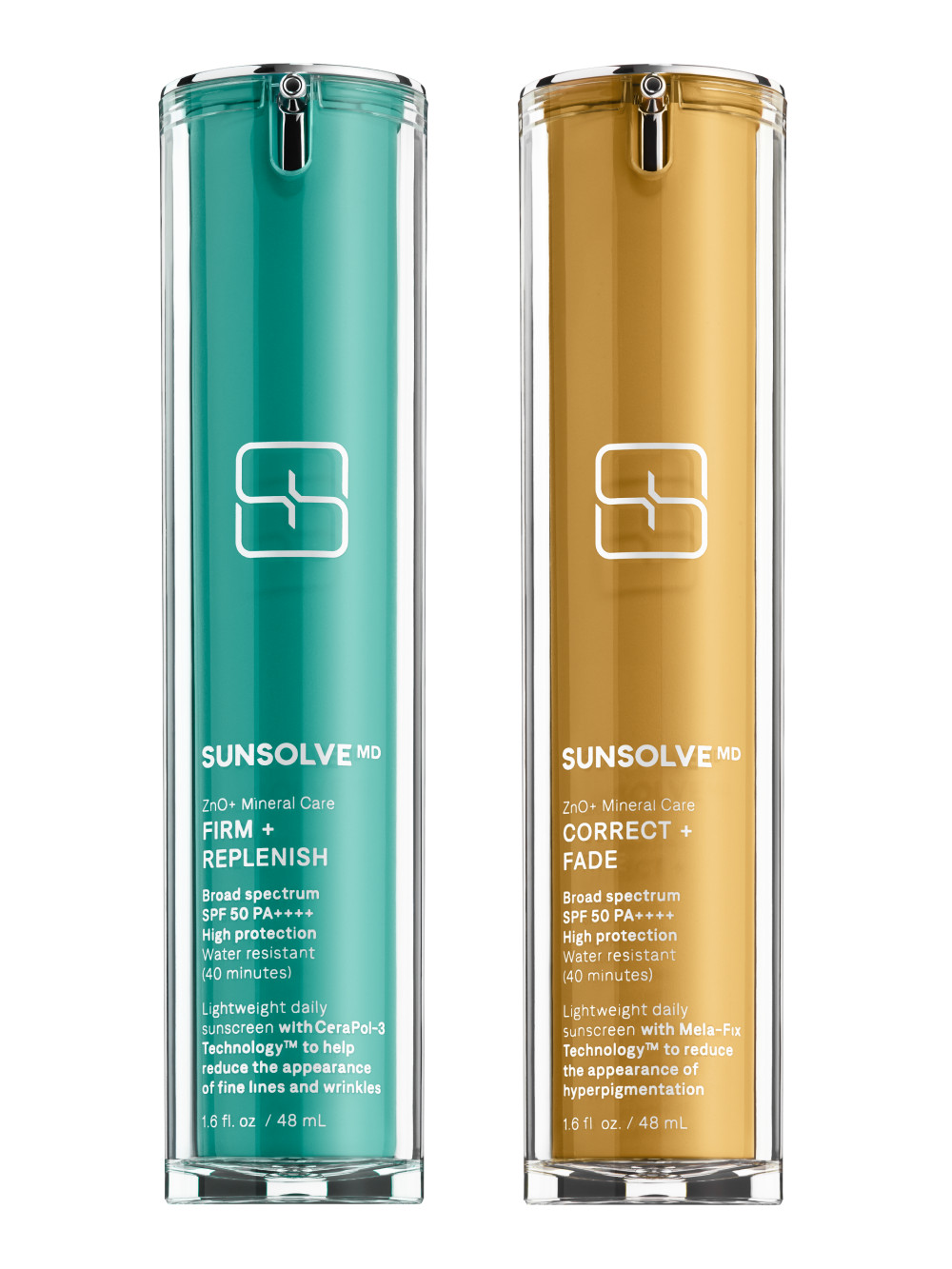
Our ZnO+™ system delivers 12% non-nano zinc oxide in a breathable, second-skin texture that doesn't pill, slide, or feel heavy when layered. The formulas absorb quickly, set to a natural finish, and work under makeup without interfering with application or longevity.
For reapplication over makeup, our tinted range is the most practical option. The sheer, blendable pigment enhances your natural tone without looking obvious or heavy, and because the texture is so lightweight, you can pat it on over existing makeup without completely disrupting your base.
But every formula - tinted or untinted - is built on SolveTech™, our patent-protected biotech platform that intercepts UV-induced skin dysfunction at a molecular level. At the core is SolveDNAReverse™, our proprietary complex that supports DNA repair and reverses oxidative damage caused by sun exposure. You're getting broad-spectrum UVA/UVB defense that's also calming inflammation, restoring barrier function, and addressing aging, pigmentation, and sensitivity.
Developed in-house at our Los Angeles biotech lab and engineered at our clinical innovation hub in Denmark, every product is mineral-only, fragrance-free, cruelty-free, and designed for compatibility with makeup-safe SPF techniques. Because protection shouldn't require choosing between your skin health and your routine.
Practical Reapplication Tips
Keep a travel-size SPF in your bag. Whether it's a stick, cushion, or small tube of your regular formula, having it accessible makes reapplication more likely.
Blot before reapplying. Remove excess oil with blotting papers before adding more SPF. This prevents your makeup from sliding around and helps the sunscreen adhere better.
Use a damp sponge for cream SPF. If you're reapplying liquid or cream sunscreen over makeup, a damp beauty sponge allows you to stipple product on without dragging or removing your base.
Focus on high-exposure areas. If you can't reapply to your entire face, prioritize your forehead, nose, cheekbones, and any areas that get direct sun exposure.
Set with powder if needed. After reapplying, you can lightly dust translucent powder over your face to mattify and blend everything together.
Consider switching to tinted SPF as your base. If reapplication is a consistent issue, simplify your routine by using tinted mineral sunscreen instead of foundation. You'll have fewer layers to worry about and can reapply freely.
FAQs
Do I really need to reapply sunscreen over makeup?
Yes. SPF efficacy degrades throughout the day, and skipping reapplication leaves you with significantly reduced protection. If you're indoors most of the day, a midday reapplication is usually sufficient. If you're outdoors, reapply every two hours.
Will powder SPF actually protect me?
Only if you apply enough - which is significantly more than most people use. Powder SPF works best as a supplemental layer over a proper morning application, not as your sole source of protection.
Can I just use setting spray with SPF?
Setting sprays provide minimal protection unless you apply enough to visibly wet your face. They're fine for a light refresh but shouldn't replace cream or liquid sunscreen for proper reapplication.
What's the best way to reapply without ruining my makeup?
Use a stick or cushion sunscreen and pat it gently onto your skin, or use a damp beauty sponge to stipple on your regular SPF. Your makeup may shift slightly, but it won't be completely destroyed.
Should I remove my makeup and reapply fresh SPF?
If you're able to, yes - that's the most effective method. But if you're out all day and can't wash your face, use a portable option like a stick or cushion formula.
Does tinted sunscreen work for reapplication over makeup?
Yes, especially if the tint matches your skin tone. Tinted mineral formulas can be patted on over minimal makeup without looking obvious or heavy.
How much sunscreen do I need to reapply?
The same amount as your initial application - about half a teaspoon for your face. If you're using powder or spray, you'll need significantly more than feels natural to achieve the stated SPF.
The Takeaway
Reapplying sunscreen over makeup is inconvenient, but it's necessary. The best approach depends on your makeup routine, your sun exposure, and how much you're willing to compromise on your base's finish in exchange for actual protection.
Powder and spray SPF are convenient but provide minimal coverage unless applied generously. Sticks and cushions offer better protection and can be patted on without completely destroying your makeup. And if you're willing to trade full-coverage foundation for tinted SPF as your base, reapplication becomes seamless.
The goal is to find a method that works well enough that you'll actually do it - because skipped reapplication is worse than imperfect application. Our non-chemical SPF products you can rely on are designed to layer, blend, and reapply without feeling disruptive.
Because protection shouldn't be a choice between your skin and your routine. It should work with both.