





Are Zinc Oxide Sunscreens Better?
Zinc oxide has become the gold standard in mineral sun protection, often positioned as the superior choice over chemical filters and even other physical blockers like titanium dioxide. But the question of whether zinc sunscreens are actually "better" depends on what you're measuring: efficacy, safety, cosmetic elegance, environmental impact, or long-term skin health.
The short answer is yes - zinc oxide offers distinct advantages that make it the preferred active in clinical, dermatological, and reef-safe formulations. But the full answer requires understanding what makes zinc unique, where it outperforms alternatives, and why formulation quality matters just as much as the active ingredient itself.
Here's what you need to know.
What Makes Zinc Oxide Different
Zinc oxide is a naturally occurring mineral that functions as a physical UV filter. It sits on the skin's surface and reflects, scatters, and absorbs both UVA and UVB radiation before it can penetrate the skin. Unlike chemical filters that require absorption into the skin to work, zinc oxide remains topical - creating a protective barrier without systemic exposure.
What sets zinc oxide apart from other UV filters is its broad-spectrum coverage. It's one of only two ingredients (along with avobenzone) that the FDA recognizes as providing true broad-spectrum protection across the entire UVA and UVB spectrum. But unlike avobenzone, which is a chemical filter that degrades in sunlight and requires stabilization, zinc oxide is photostable. It doesn't break down under UV exposure, which means consistent, reliable protection throughout wear.
Zinc oxide is also non-comedogenic, anti-inflammatory, and biocompatible with all skin types - including sensitive, reactive, rosacea-prone, acne-prone, and post-procedure skin. It's safe for pregnancy, safe for children, and classified by the FDA as Generally Recognized as Safe and Effective (GRASE), which is more than can be said for most chemical filters currently under review due to insufficient safety data.
Zinc Oxide vs. Chemical Sunscreens
The fundamental difference between zinc oxide and chemical filters is how they interact with your skin. Chemical sunscreens - like oxybenzone, avobenzone, octinoxate, and octocrylene - are absorbed into the bloodstream, where they convert UV radiation into heat and release it from the body. Studies have shown that these ingredients can be detected in blood, urine, and breast milk after just a single application, and their long-term effects on hormonal function and systemic health are still under investigation.
Zinc oxide, by contrast, stays on the skin's surface. It's not absorbed systemically, which eliminates concerns about endocrine disruption, bioaccumulation, or unknown long-term risks. This makes it the safer choice for daily, lifelong use - especially for populations like pregnant individuals, children, and those with compromised skin barriers who are more vulnerable to systemic absorption.
From an efficacy standpoint, zinc oxide also wins on photostability. Many chemical filters degrade when exposed to sunlight, which reduces their SPF rating over time and generates free radicals as they break down. This means more frequent reapplication and potential oxidative stress on your skin. Zinc oxide remains stable, effective, and protective throughout the day without degradation.
Zinc Oxide vs. Titanium Dioxide
Titanium dioxide is the other FDA-approved physical UV filter, and while it's often used in combination with zinc oxide, it's not quite as effective on its own. Titanium dioxide primarily blocks UVB rays and only offers partial UVA protection, which means it doesn't deliver true broad-spectrum coverage unless paired with other actives.
Zinc oxide, on the other hand, covers the full UV spectrum independently. It protects against both UVA1 and UVA2 (the longer wavelengths responsible for deep dermal damage and aging) as well as UVB (the wavelengths that cause burning and direct DNA mutations). This makes zinc oxide the more comprehensive single-ingredient option.
Cosmetically, both can cause white cast if not properly micronized, but zinc oxide tends to blend more seamlessly into skin when formulated correctly. Titanium dioxide can have a slightly more powdery, matte finish, which works well for some formulations but can emphasize texture on dry or mature skin.
The Environmental Argument
Chemical sunscreen ingredients - particularly oxybenzone and octinoxate - have been shown to contribute to coral reef bleaching, disrupt marine ecosystems, and accumulate in ocean environments. This has led to bans in Hawaii, Palau, the U.S. Virgin Islands, and other regions that prioritize marine conservation.
Zinc oxide, by contrast, is reef-safe. It doesn't leach into water systems, doesn't bioaccumulate in marine life, and doesn't disrupt coral reproduction or growth. Non-nano zinc oxide (particles larger than 100 nanometers) is especially safe because it's too large to be ingested by marine organisms.
If environmental impact is part of your decision-making criteria - and it should be - zinc oxide is the clear winner.
Does Zinc Oxide Have Drawbacks?

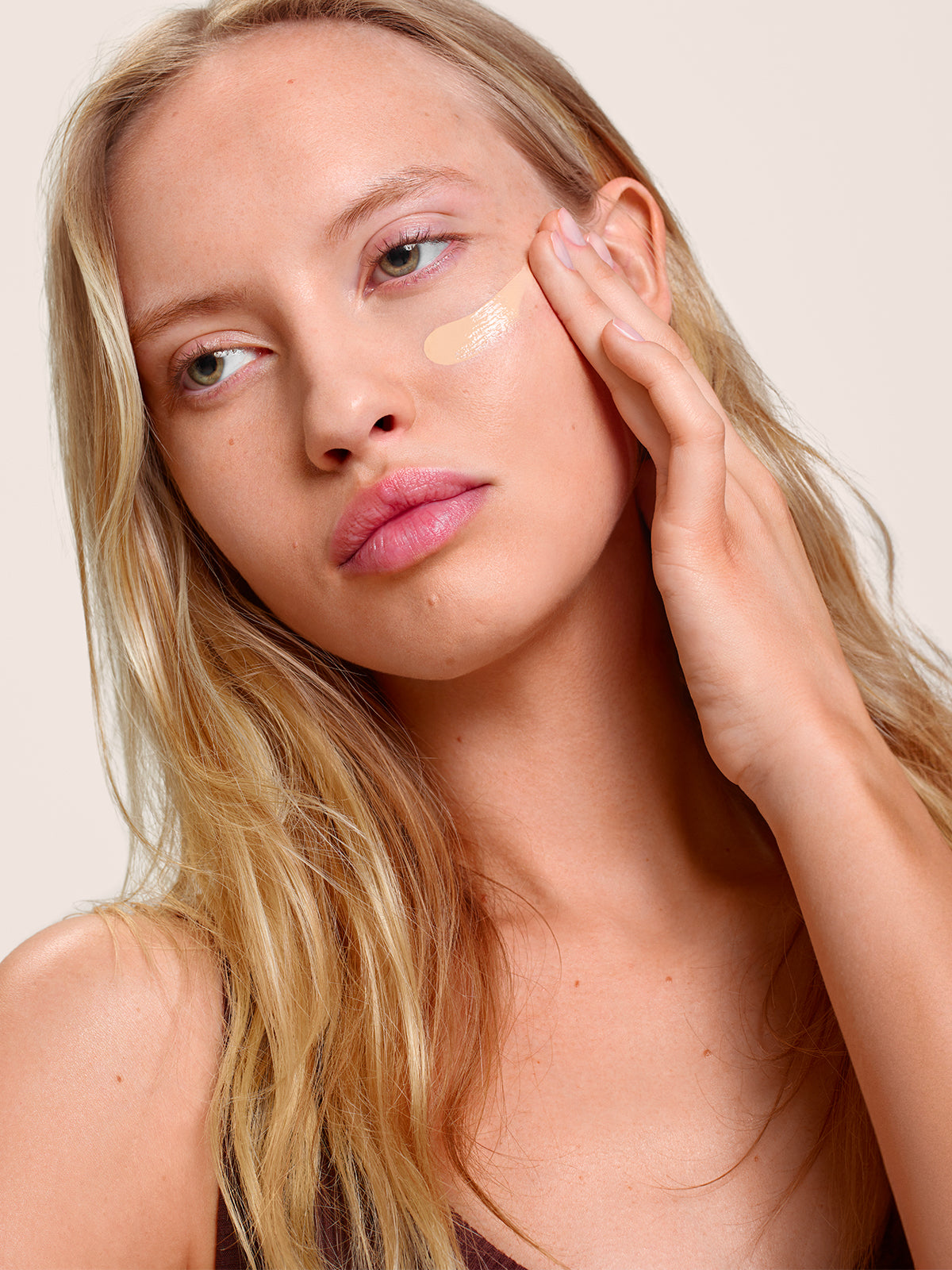
The main historical criticism of zinc oxide sunscreens has been cosmetic: white cast, thick texture, and difficulty blending. But this is a formulation problem, not an ingredient problem. Modern micronization technology has made it possible to create non-nano zinc oxide formulas that are lightweight, transparent, and wearable across all skin tones.
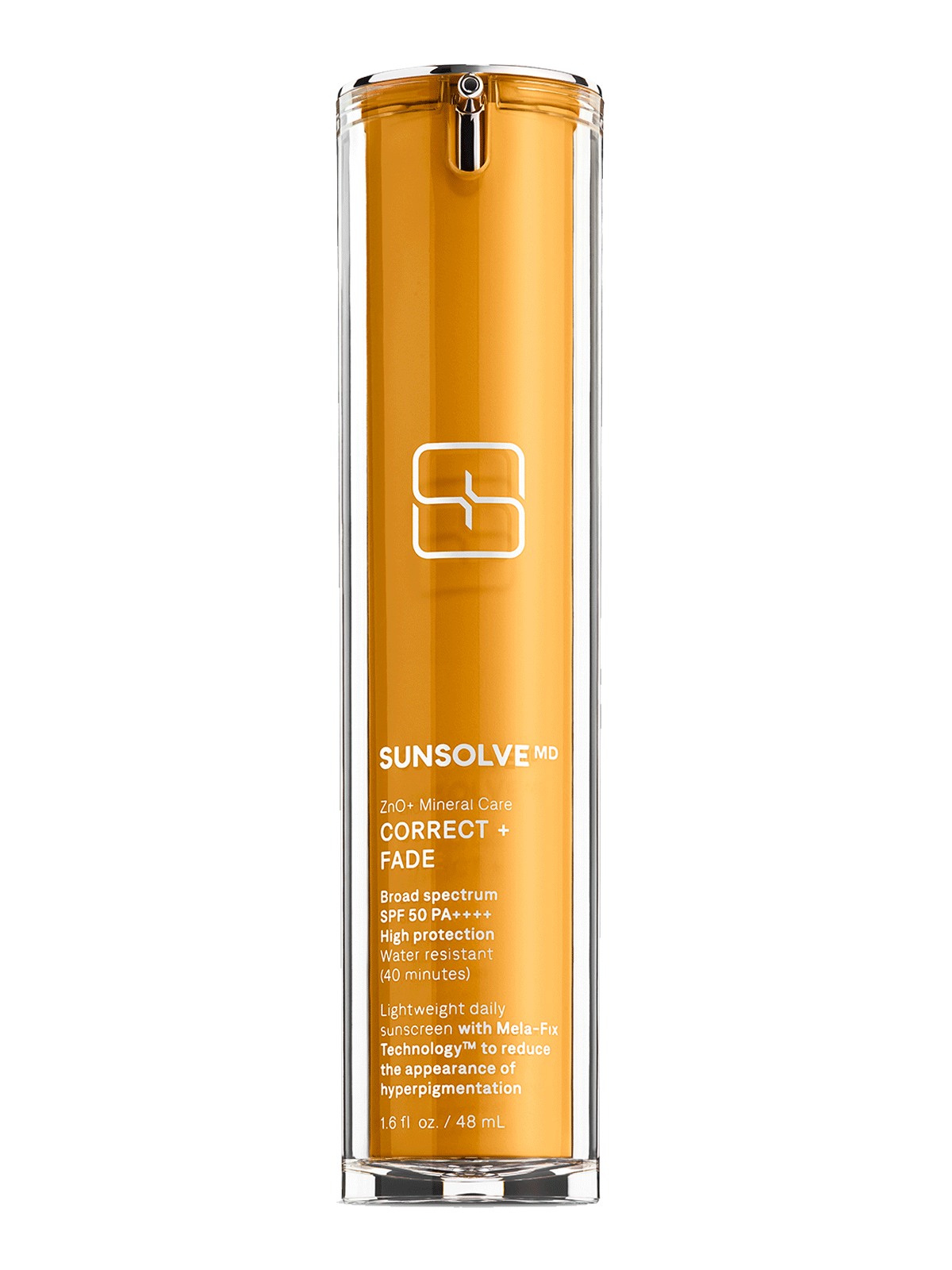
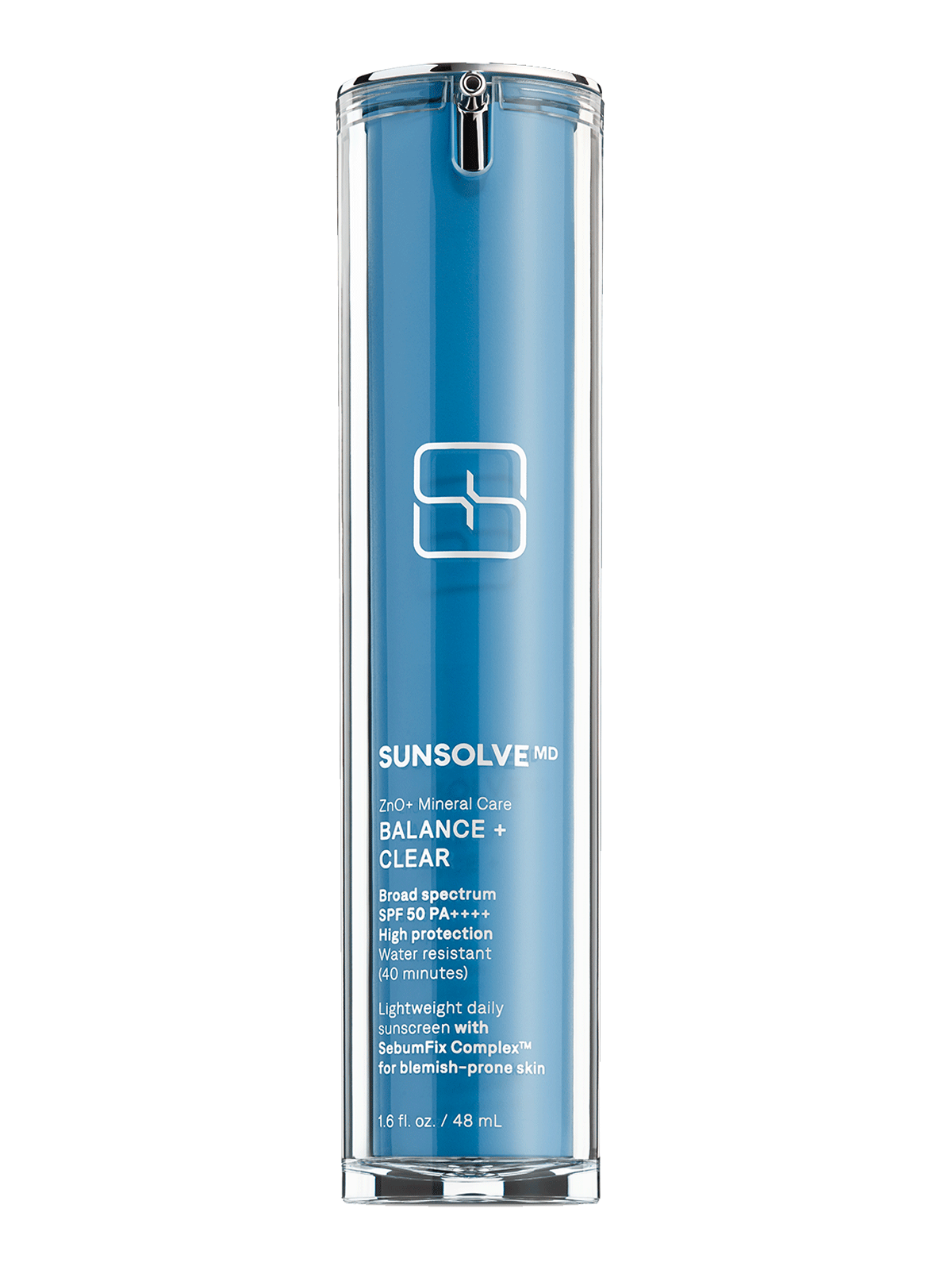
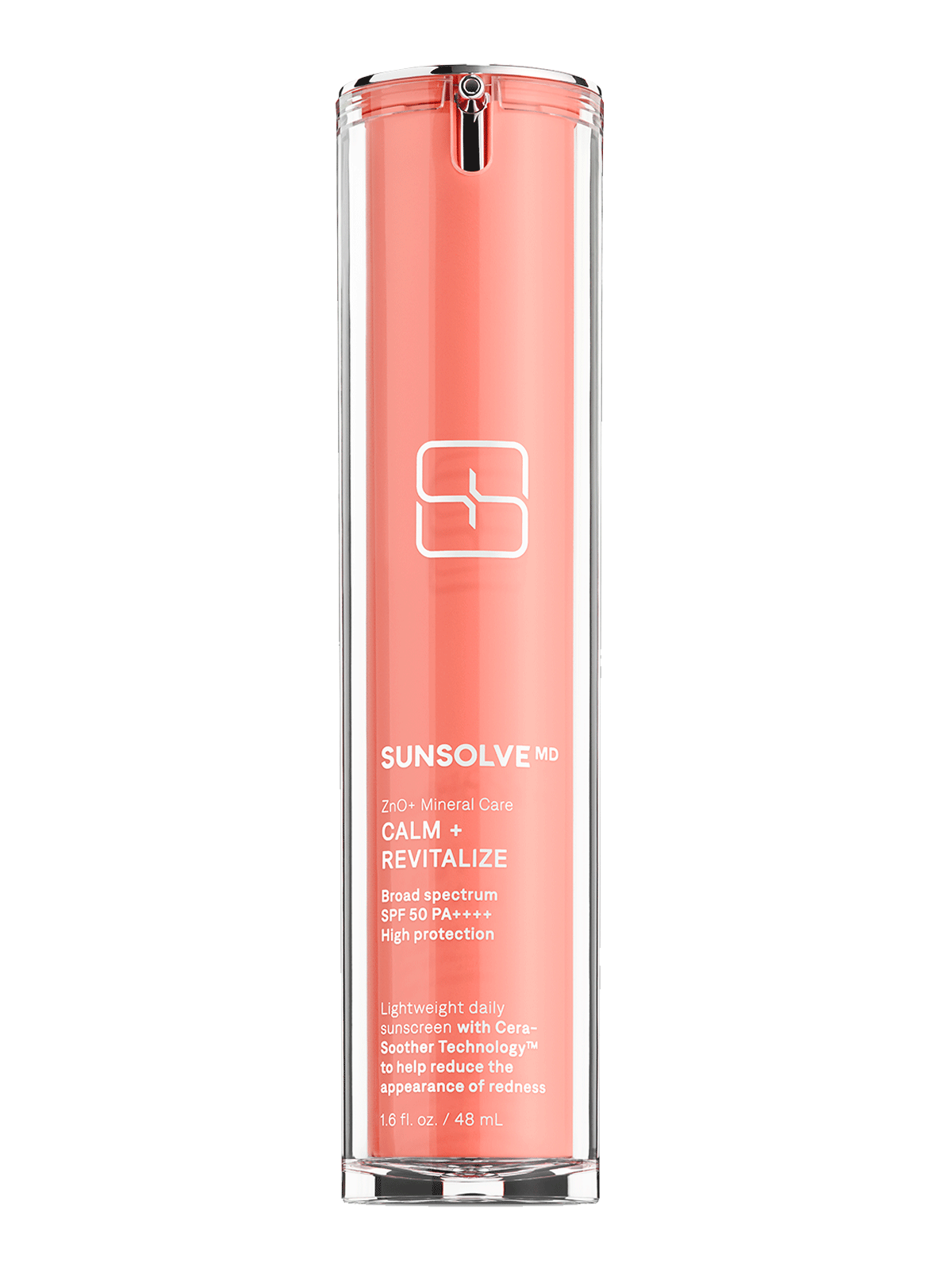
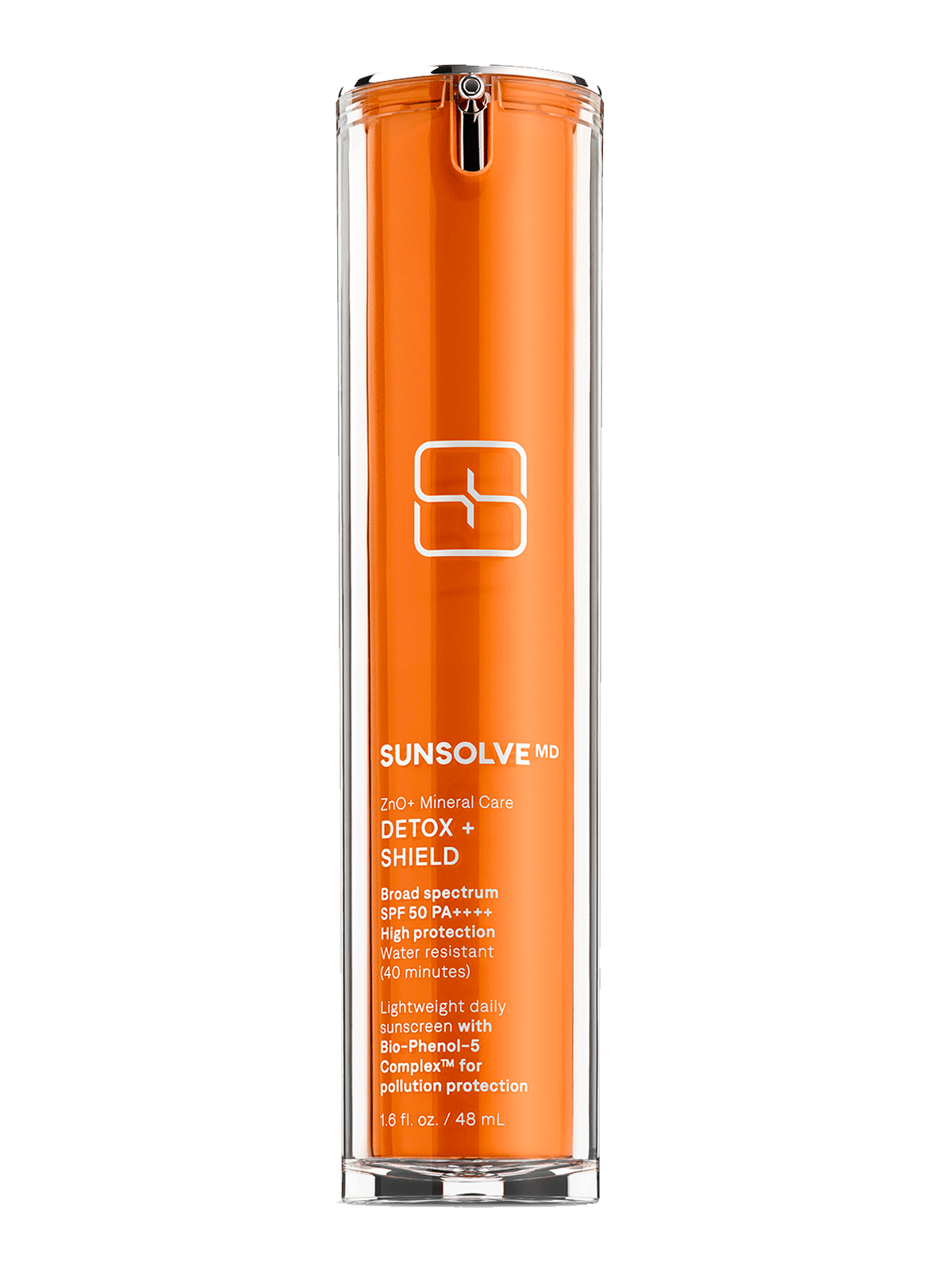
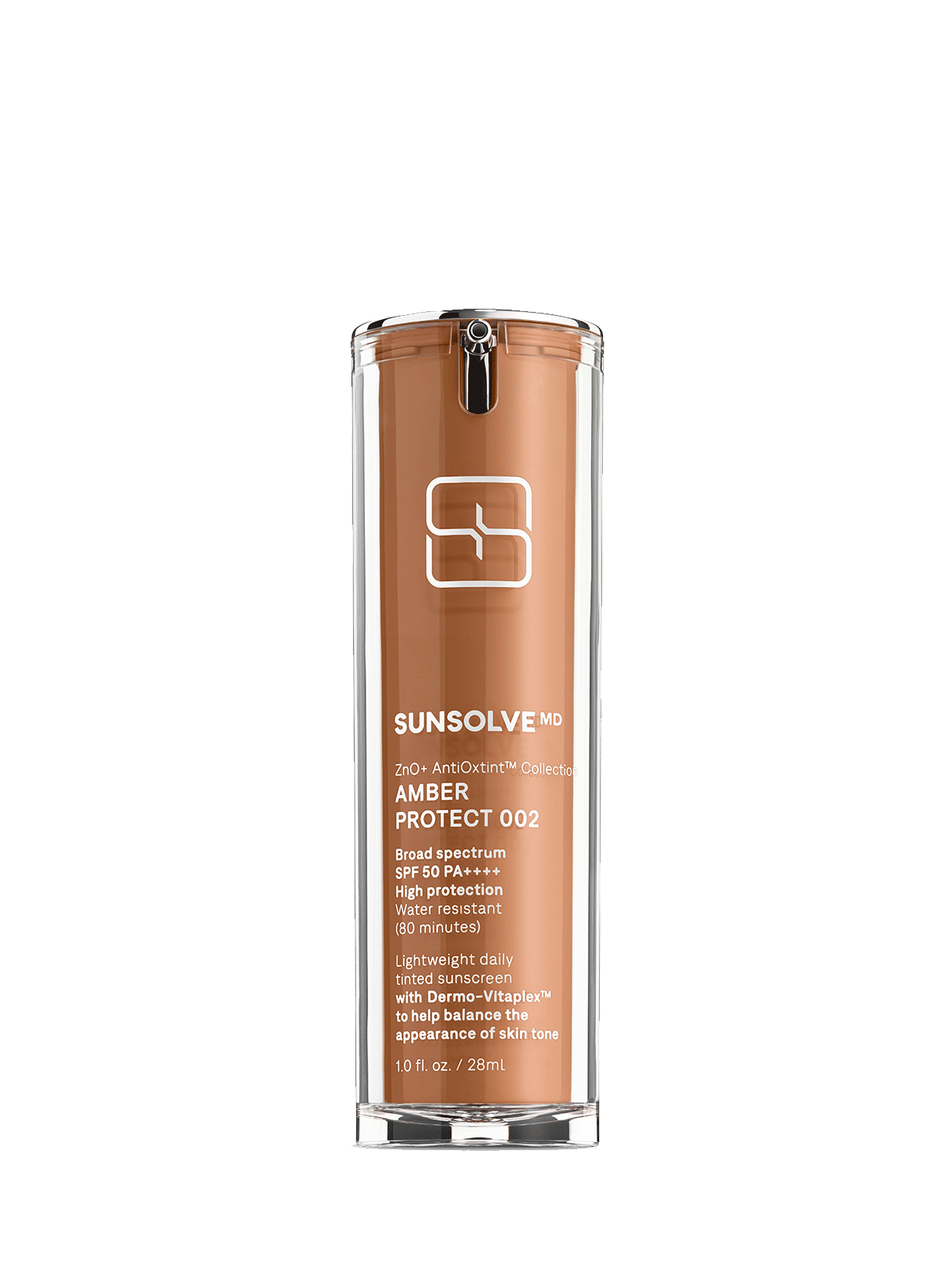
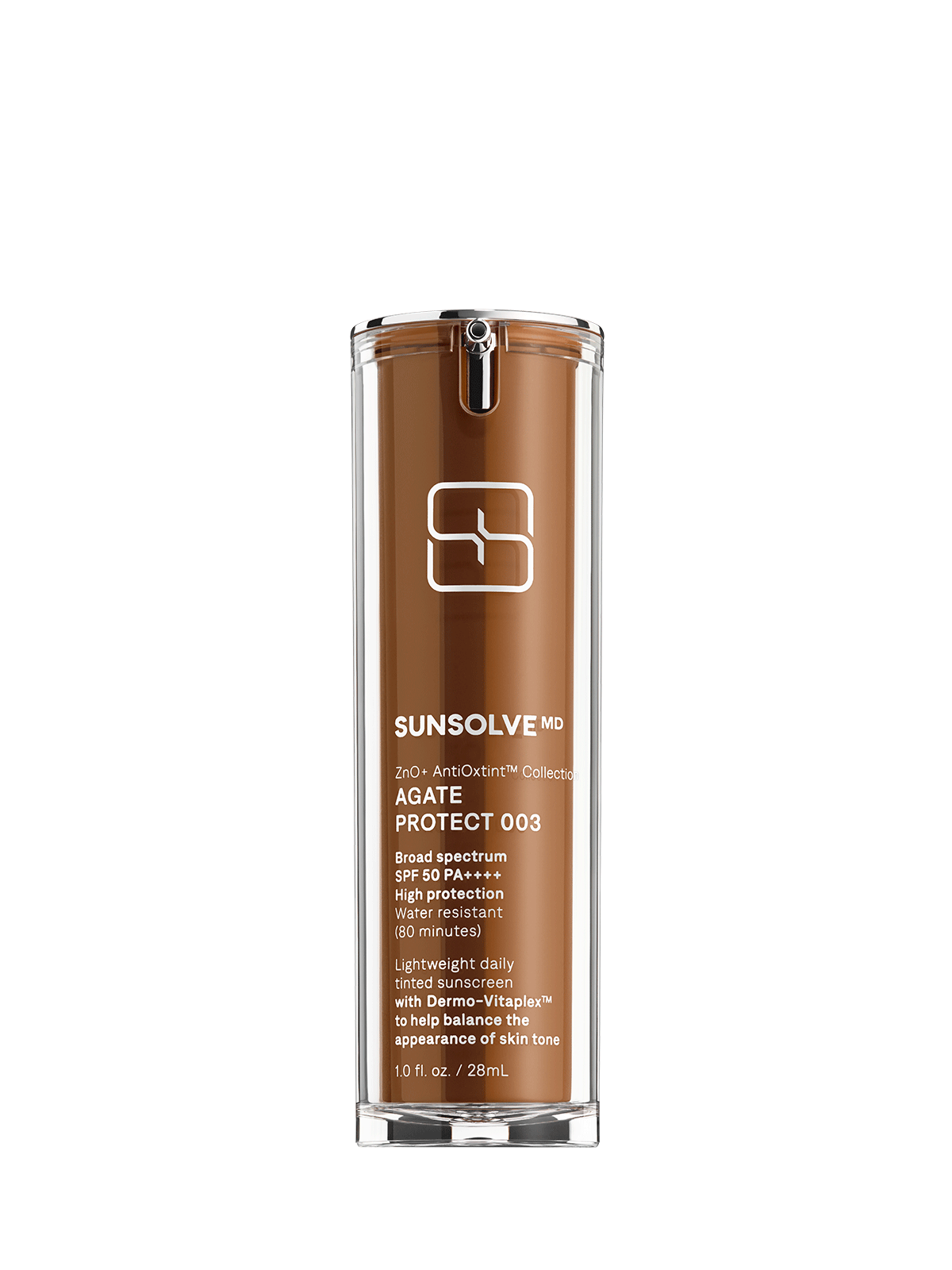
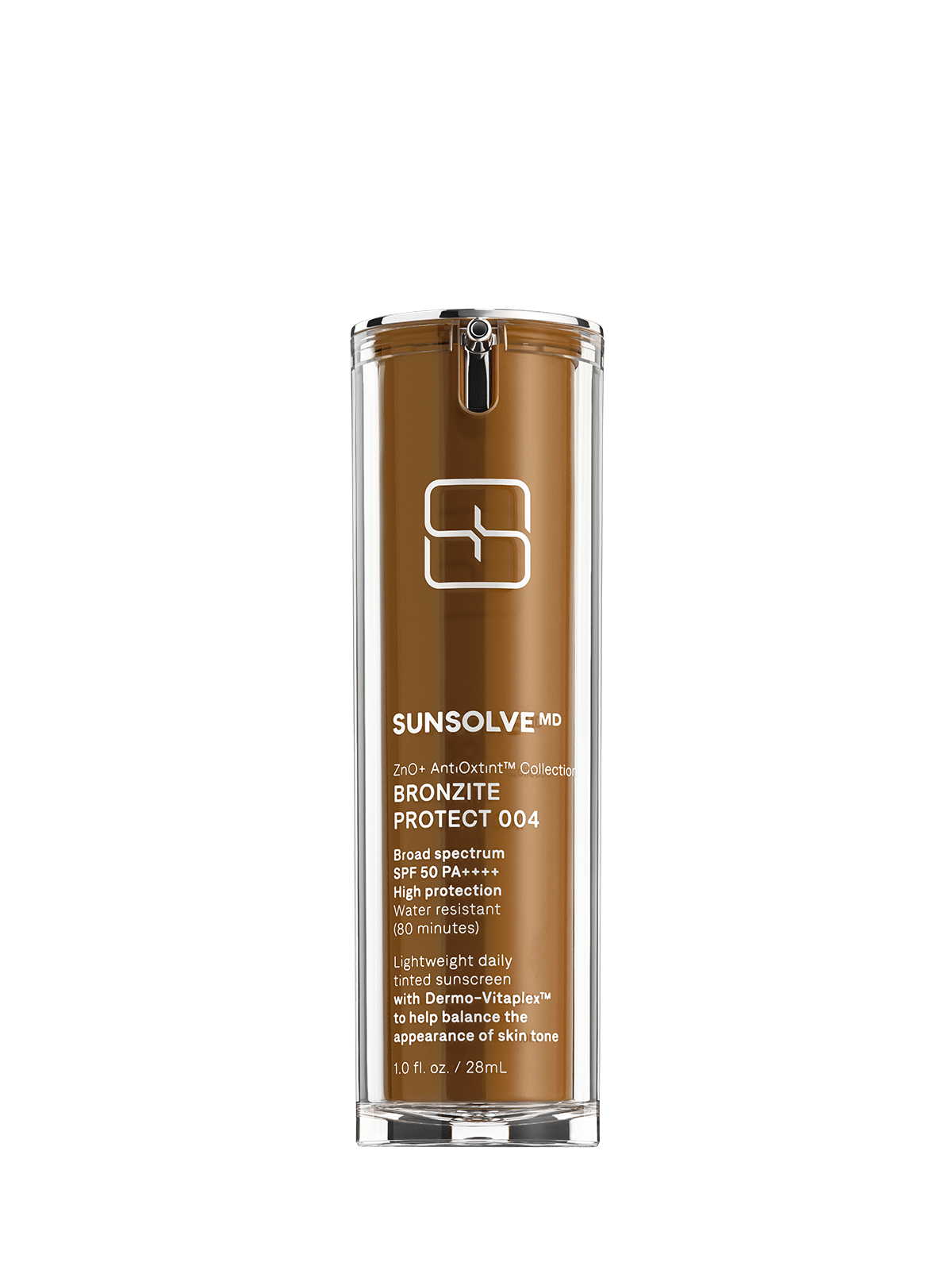
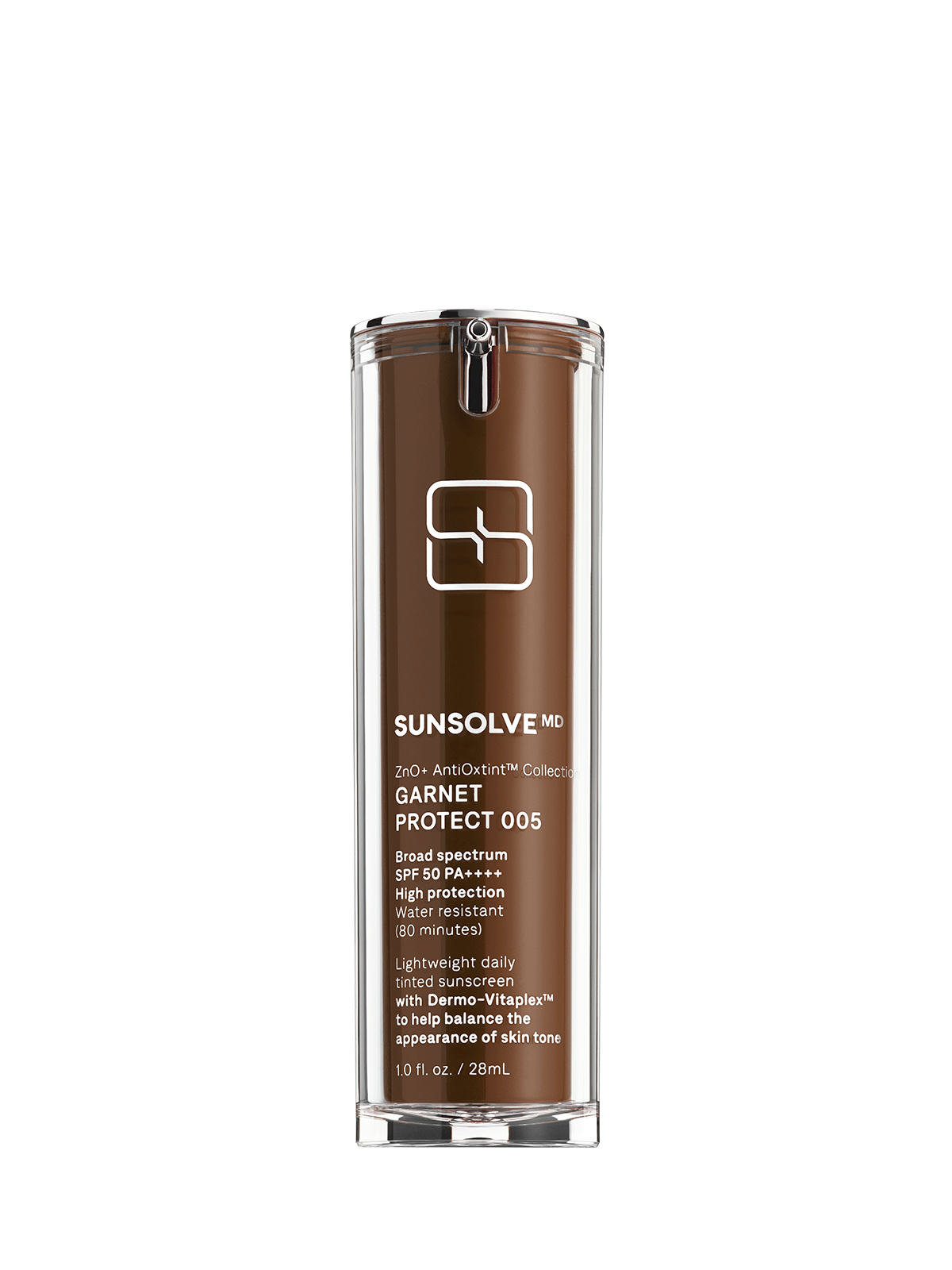
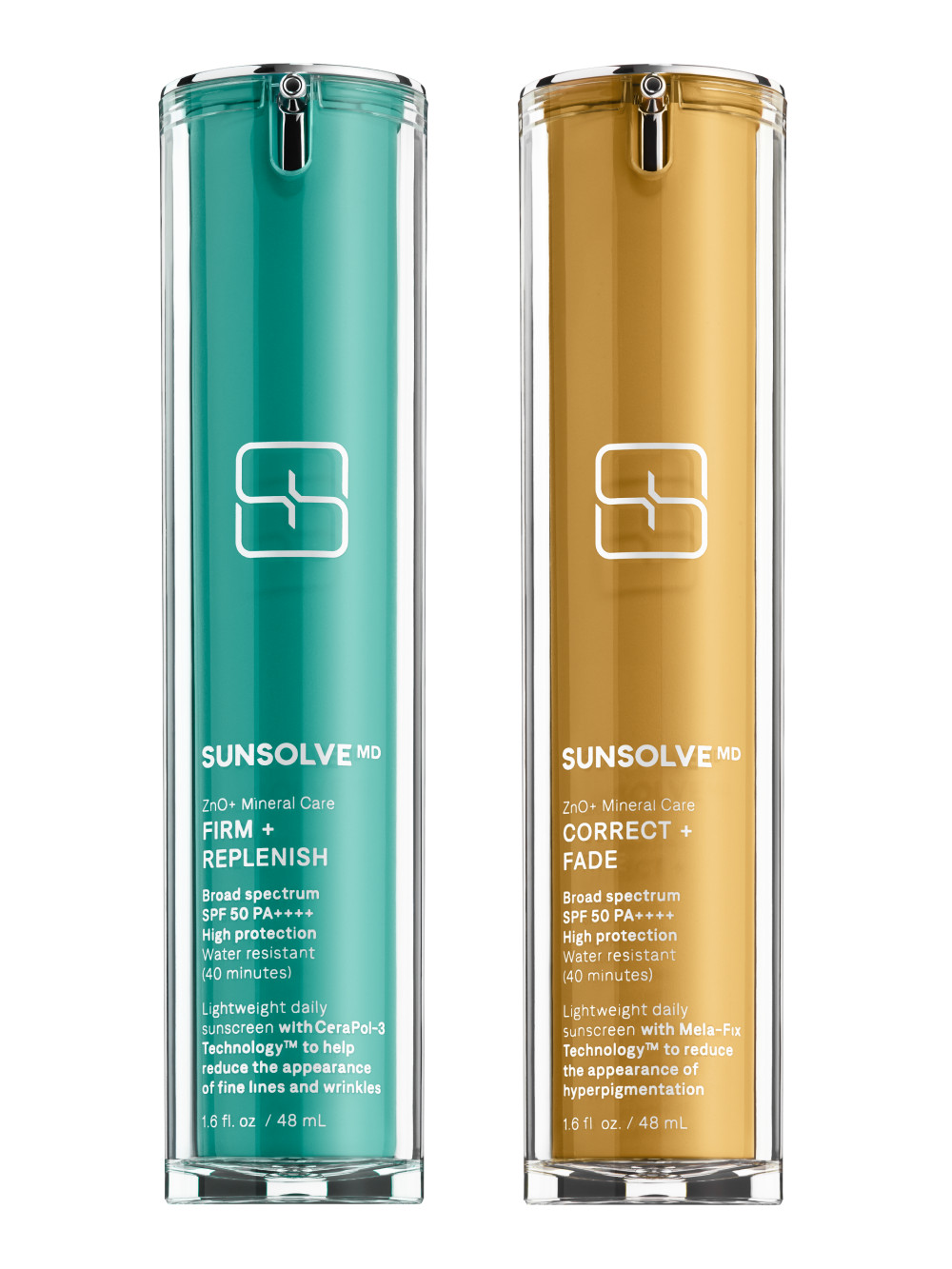
The key is how the zinc is suspended and delivered. Advanced systems - like our ZnO+™ platform - use dynamic bases that allow zinc to integrate into skin rather than sit on top of it. We deliver 12% non-nano zinc oxide in a breathable, blendable matrix that provides full broad-spectrum protection without the chalky residue or white cast traditionally associated with mineral SPF.
Another critique is that zinc oxide alone doesn't offer water resistance without additional formulation support. But this is true of most sunscreen actives - water resistance is achieved through the vehicle, not the filter itself. Properly formulated zinc oxide sunscreens can absolutely be water-resistant and sweat-resistant when engineered with the right emulsion systems.
Why We Only Use Zinc Oxide
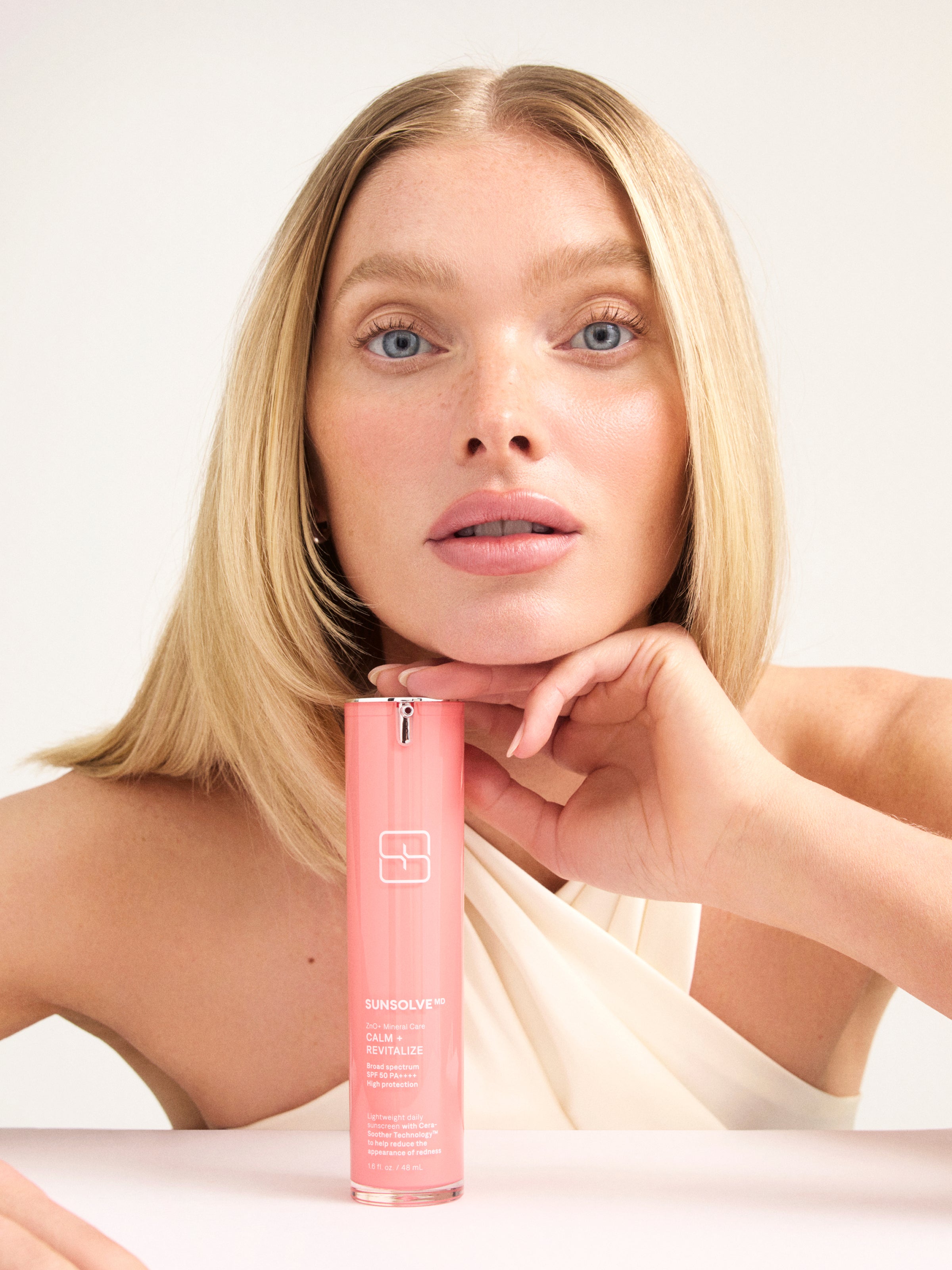
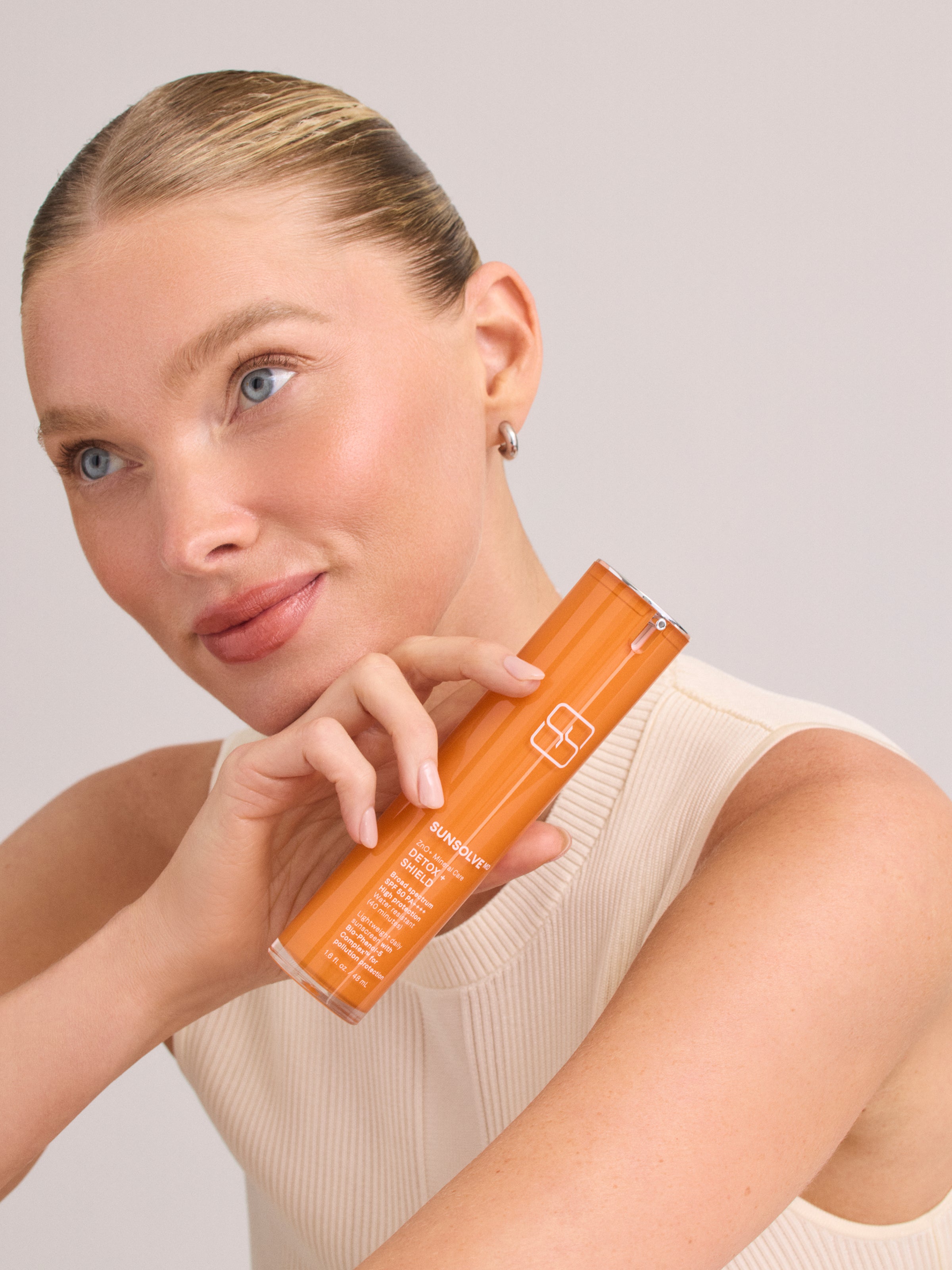
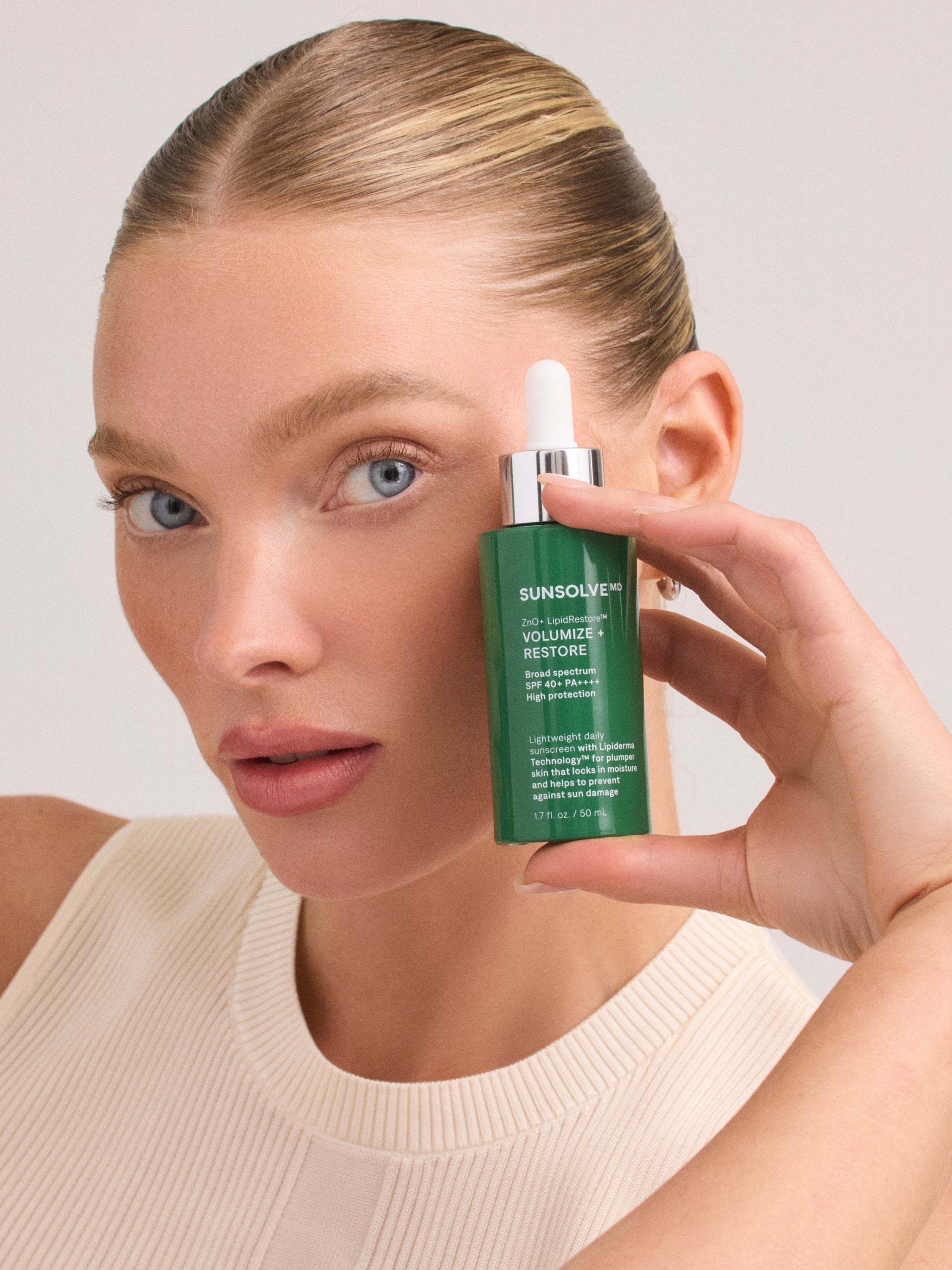
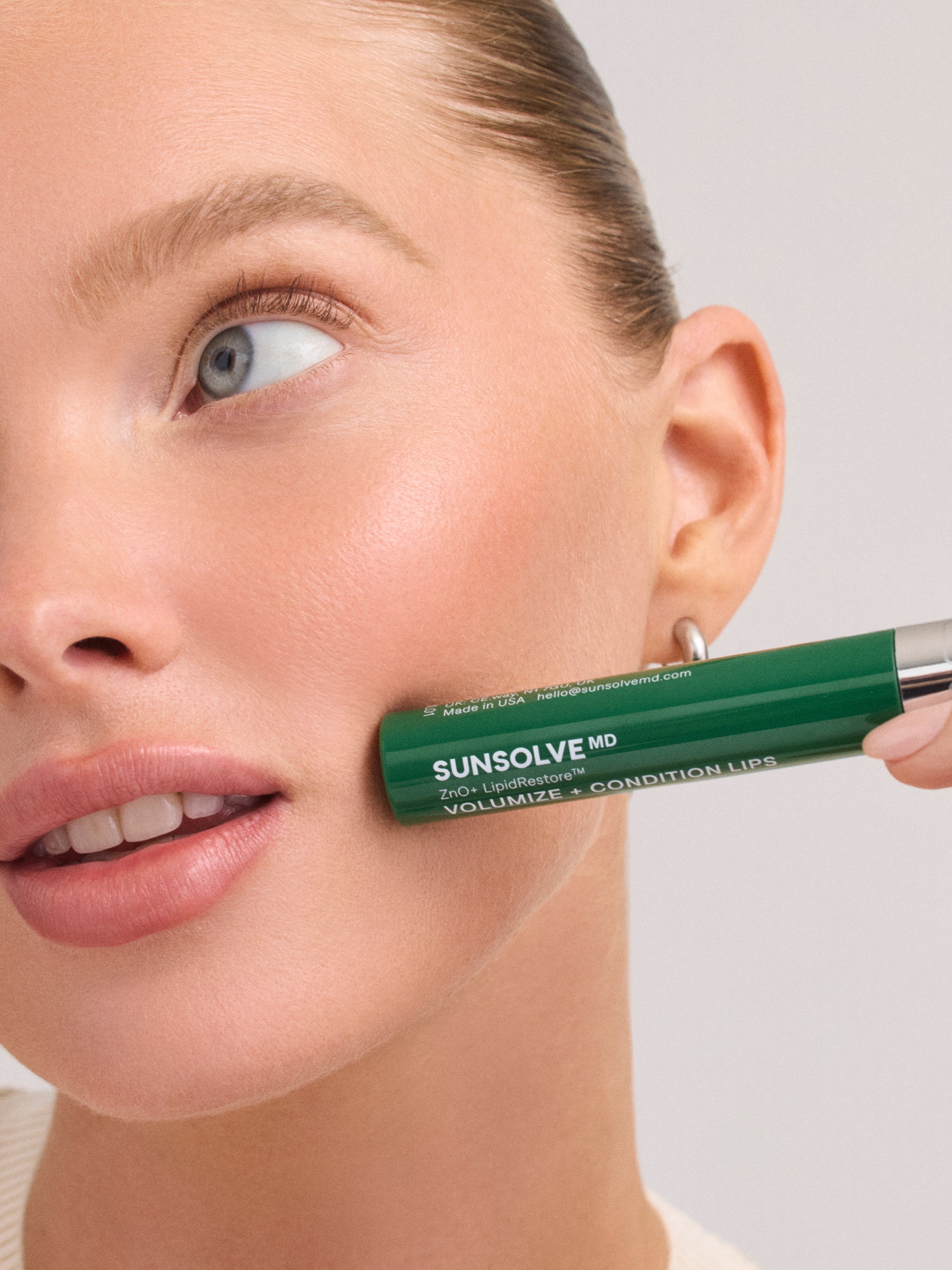
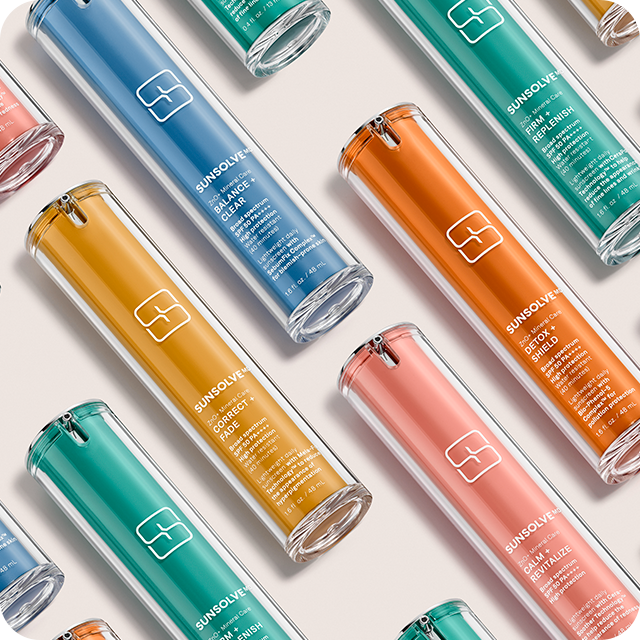
At SunsolveMD, we made a deliberate decision to build our entire range on zinc oxide exclusively. Not because it's trendy, but because it's the safest, most effective, and most versatile foundation for what we're trying to achieve: biocompatible, restorative, clinical-grade sun protection that works at a cellular level.
Our ZnO+™ system doesn't treat zinc oxide as a passive UV blocker. It transforms it into an intelligent therapeutic interface - a delivery vehicle for marine enzymes, antioxidant buffers, and our proprietary SolveDNAReverse™ technology. You're getting broad-spectrum UVA/UVB defense that's simultaneously calming inflammation, restoring barrier function, and reversing oxidative damage caused by sun exposure.
This is only possible with zinc oxide. Chemical filters degrade under UV, generate heat, and require systemic absorption to function. Zinc oxide stays stable, stays topical, and creates a platform for active skin repair without compromising safety.
Our Science-Based Formula
We don't license our formulations. We create them. Every product is developed in-house at our Los Angeles biotech lab and engineered at our clinical innovation hub in Denmark.
Our SolveTech™ platform is a patent-protected biotech stack designed to intercept the biological cascades behind UV-induced skin dysfunction - DNA mutation, pigment imbalance, barrier breakdown, inflammation, and dermal depletion.
At the core is SolveDNAReverse™, our proprietary complex that supports your skin's natural DNA repair enzymes and reverses the molecular effects of sun exposure. It works beneath the zinc layer to address telomere instability, MMP expression, and oxidative stress at a cellular level.
Our formulas are mineral-only, fragrance-free, cruelty-free, and filler-free. They're tested in vitro and in vivo for safety and efficacy, used in aesthetic clinics worldwide, and designed to be compatible with acids, retinoids, and post-procedure protocols. Because why mineral SPF is superior isn't just about what zinc oxide blocks - it's about what it enables your skin to do while it's protected.
FAQs
Is zinc oxide better than chemical sunscreen for sensitive skin?
Yes. Zinc oxide is non-irritating, non-allergenic, and doesn't require systemic absorption to work. It's the preferred choice for sensitive, reactive, rosacea-prone, and post-procedure skin because it provides a physical barrier without triggering inflammation or compromising the skin barrier.
Does zinc oxide prevent aging better than other sunscreens?
Zinc oxide provides comprehensive UVA protection, which is critical for preventing photoaging. UVA rays penetrate deep into the dermis and cause collagen breakdown, elastin degradation, and pigmentation. Because zinc oxide blocks the full UVA spectrum (including UVA1 and UVA2), it's more effective at preventing long-term aging than filters that only address UVB or partial UVA.
Can zinc oxide clog pores?
No. Zinc oxide is non-comedogenic and actually has mild antibacterial and anti-inflammatory properties, which can benefit acne-prone skin. If a zinc oxide sunscreen causes breakouts, it's typically due to other ingredients in the formula - like heavy oils or occlusive silicones - not the zinc itself.
Is zinc oxide safe for daily use?
Absolutely. Zinc oxide has decades of safety data and is classified by the FDA as GRASE (Generally Recognized as Safe and Effective). Because it stays on the skin's surface and isn't absorbed systemically, it's safe for daily, lifelong use - even for pregnant individuals and children.
Does zinc oxide sunscreen expire faster than chemical sunscreen?
No. Zinc oxide is photostable and doesn't degrade under UV exposure, which actually makes it more stable than many chemical filters. As long as the formula is stored properly (away from extreme heat), zinc oxide sunscreens maintain their efficacy throughout their shelf life.
Can you use zinc oxide sunscreen with retinoids or acids?
Yes. Zinc oxide is compatible with all actives, including retinoids, AHAs, BHAs, and vitamin C. In fact, it's especially important to use broad-spectrum SPF when using these ingredients, as they increase photosensitivity. Our formulas are specifically designed to work within clinical protocols without causing irritation or interference.
The Takeaway
Zinc oxide is the safest, most effective, and most versatile UV filter available. It provides true broad-spectrum protection, stays photostable throughout wear, doesn't absorb into the bloodstream, and supports rather than compromises skin health. When properly formulated, it's also cosmetically elegant, transparent across all skin tones, and wearable under makeup or alone.
The question isn't whether zinc oxide is better. It's whether your zinc oxide sunscreen is formulated to deliver on its full potential. Because non-chemical sunscreens designed for all skin types should do more than block UV - they should actively support your skin's long-term health while you're protected.