
Skip to content
Graphic of mineral SPF particles and skin barrier

Join The Solve Society. Designed for members to receive exclusive benefits

Explore benefits

Mar 6, 2026

Can Mineral Sunscreen Work Under Makeup?

Mineral sunscreen has become a staple in modern skincare routines, especially for individuals who prioritize skin health alongside daily makeup wear. Yet, one question continues to surface: can mineral sunscreen truly perform well under makeup without compromising finish, longevity, or protection?

The short answer is yes, but the effectiveness depends on formulation, application technique, and how well the products are layered together. Understanding how mineral sunscreen interacts with makeup is essential for achieving a smooth look while maintaining consistent sun protection throughout the day.

Can Mineral Sunscreen Work Under Makeup?

Understanding Mineral Sunscreen and How It Works

Mineral sunscreen, often referred to as physical sunscreen, uses active ingredients like zinc oxide and titanium dioxide to create a protective barrier on the skin. Instead of absorbing UV rays, these minerals reflect and scatter them away from the surface.

This mechanism makes mineral sunscreen particularly appealing for those with sensitive or acne-prone skin. It offers gentle broad-spectrum protection, shielding against both UVA and UVB rays without the irritation that is sometimes associated with chemical filters.

However, because mineral sunscreen sits on top of the skin, it can present challenges when layering makeup. Issues like pilling, white cast, or uneven texture are common concerns, but they are not unavoidable.

Can Mineral Sunscreen Sit Well Under Makeup?

Mineral sunscreen can absolutely work under makeup, but compatibility depends on the formulation. Modern mineral sunscreens are designed with improved textures that blend seamlessly into the skin, reducing the chalky finish that older versions were known for.

Lightweight, finely milled formulas tend to perform best under makeup. They absorb more evenly and create a smoother base, which can help foundation and concealer glide on without disruption.

The key lies in allowing the sunscreen to properly set on your skin before applying makeup. If you rush the sunscreen or you layer it too quickly, you increase the likelihood of separation or patchiness.

Choosing the Right Mineral Sunscreen for Makeup

Not all mineral sunscreens are created with makeup layering in mind. So, selecting the right product can make a noticeable difference in both appearance and wear time. When choosing a mineral sunscreen for makeup, look for these characteristics:

  • Sheer or tinted formulas: These reduce the appearance of white cast and can double as a light base
  • Non-greasy finish: Matte or satin finishes help prevent makeup from sliding
  • Lightweight texture: Thinner formulations are easier to layer without buildup
  • Hydrating ingredients: These help maintain skin balance and prevent dryness under foundation

Tinted mineral sunscreens are particularly useful, as they can act as a hybrid between skincare and makeup, simplifying the routine while maintaining protection.

How to Apply Mineral Sunscreen Under Makeup

The application technique you use is just as important as the product you choose. A well-prepped base ensures that both sunscreen and makeup perform as intended.

Step 1: Start with Skincare

Cleanse and moisturize your skin before applying sunscreen. Hydrated skin allows for smoother application and helps prevent the sunscreen from clinging to dry patches.

Step 2: Apply Sunscreen Evenly

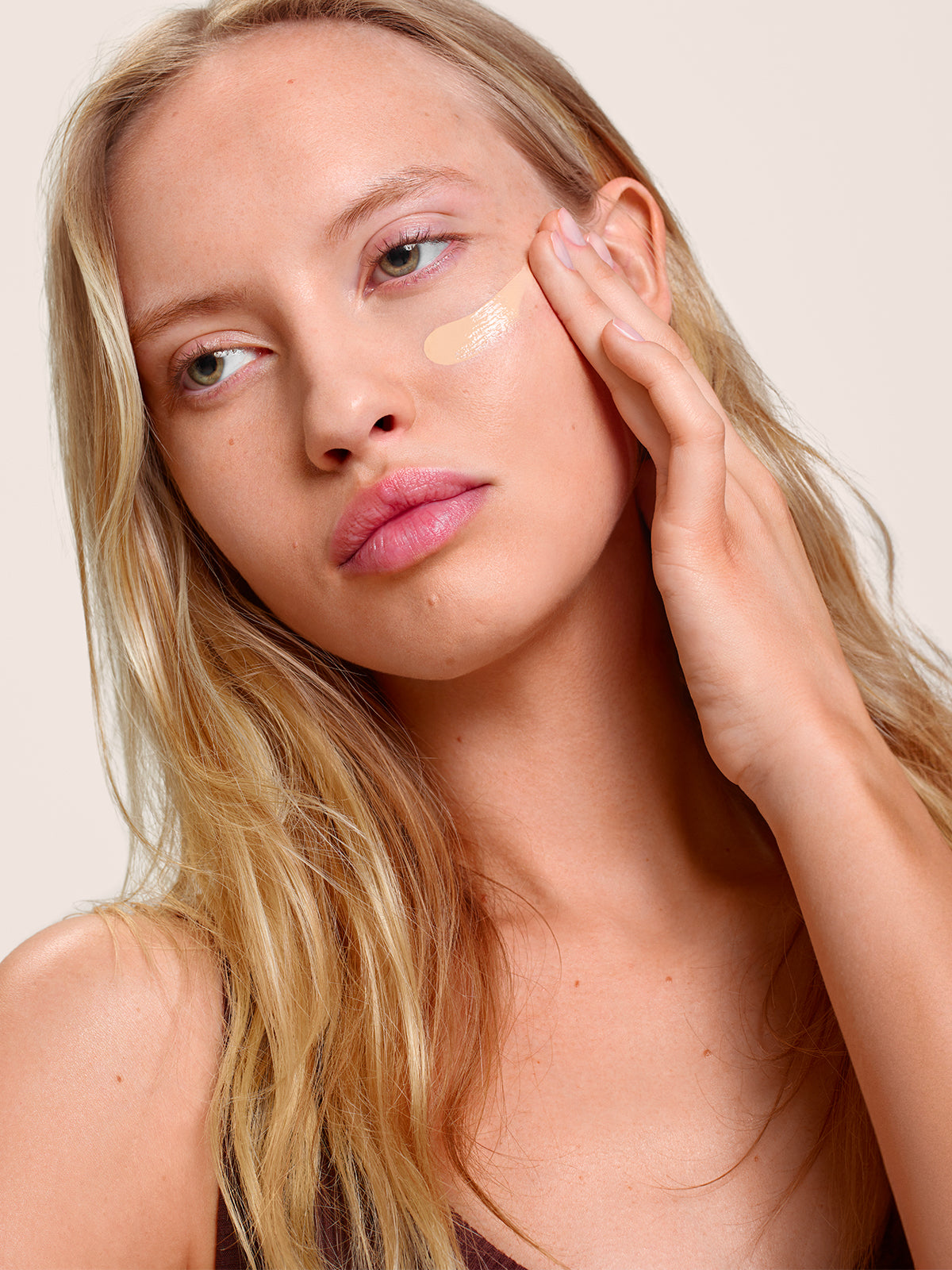
Use a generous amount, typically about a nickel-sized portion for the face. Spread it evenly without over-rubbing, which can cause streaking. Patting or gently smoothing the product into the skin often yields better results than aggressive blending.

Step 3: Let It Set

Allow the sunscreen to sit for at least 2 to 5 minutes. This step is often overlooked but is critical for preventing pilling when makeup is applied.

Step 4: Apply Makeup Strategically

Use light, tapping motions when applying foundation or concealer. Tools like damp makeup sponges tend to work better than brushes, as they minimize disruption to the sunscreen layer. Avoid excessive layering of heavy products, as this can break down the base.

Common Challenges and How to Avoid Them

Even with proper technique, certain issues can arise when combining mineral sunscreen with makeup. Understanding these challenges can help you refine your routine and achieve great results consistently.

Pilling

Pilling occurs when products clump together instead of blending smoothly.

This is often caused by incompatible formulas or applying products too quickly. To prevent this:

  • Use fewer layers of skincare underneath
  • Allow each layer to fully absorb
  • Avoid mixing oil-heavy and silicone-heavy products

White Cast

Some mineral sunscreens leave a visible residue, especially on deeper skin tones.

Choosing tinted or ultra-sheer formulas can significantly reduce this effect.

Makeup Separation

If the foundation begins to slide or separate, the sunscreen may be too emollient or not fully set. Switching to a matte-finish sunscreen or adjusting the wait time can help.

The Importance of Reapplication

Sunscreen is not a one-time application. Its effectiveness diminishes throughout the day due to factors like sweat, oil production, and environmental exposure. This raises another common concern: how to handle reapplying sunscreen over makeup without ruining the look.

There are several practical approaches that you can take:

  • Powder sunscreens: These can be dusted over makeup for a quick refresh
  • Spray sunscreens: Lightweight mists allow for even coverage without direct contact
  • Cushion or compact formulas: These combine sun protection with a makeup-friendly format

While these options may not replace a full initial application, they provide a convenient way to maintain protection throughout the day.
Does Mineral Sunscreen Affect Makeup Longevity?

When applied correctly, mineral sunscreen does not necessarily shorten makeup wear time. In fact, certain formulations can enhance it. Matte mineral sunscreens can act similarly to primers, helping to control oil and extend the life of foundation. On the other hand, overly rich formulas may lead to faster breakdown.

How the two interact will heavily depend on how well the products complement each other. Testing different combinations can help you identify what works best for your type of skin.

The SunsolveMD Approach to Makeup-Compatible SPF

If your sunscreen makes makeup harder to apply, you’re going to use less of it. That’s where most routines fall apart.

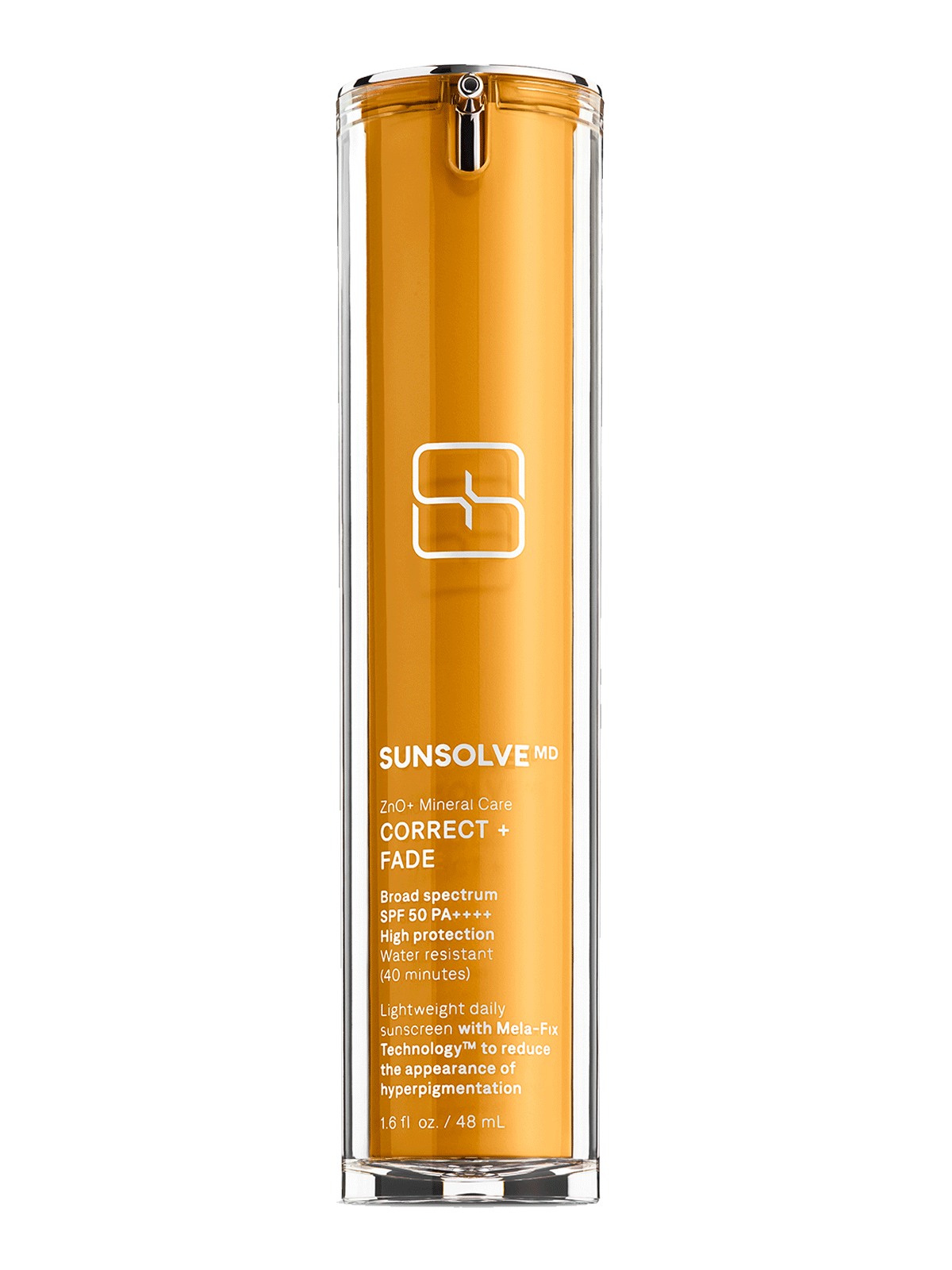
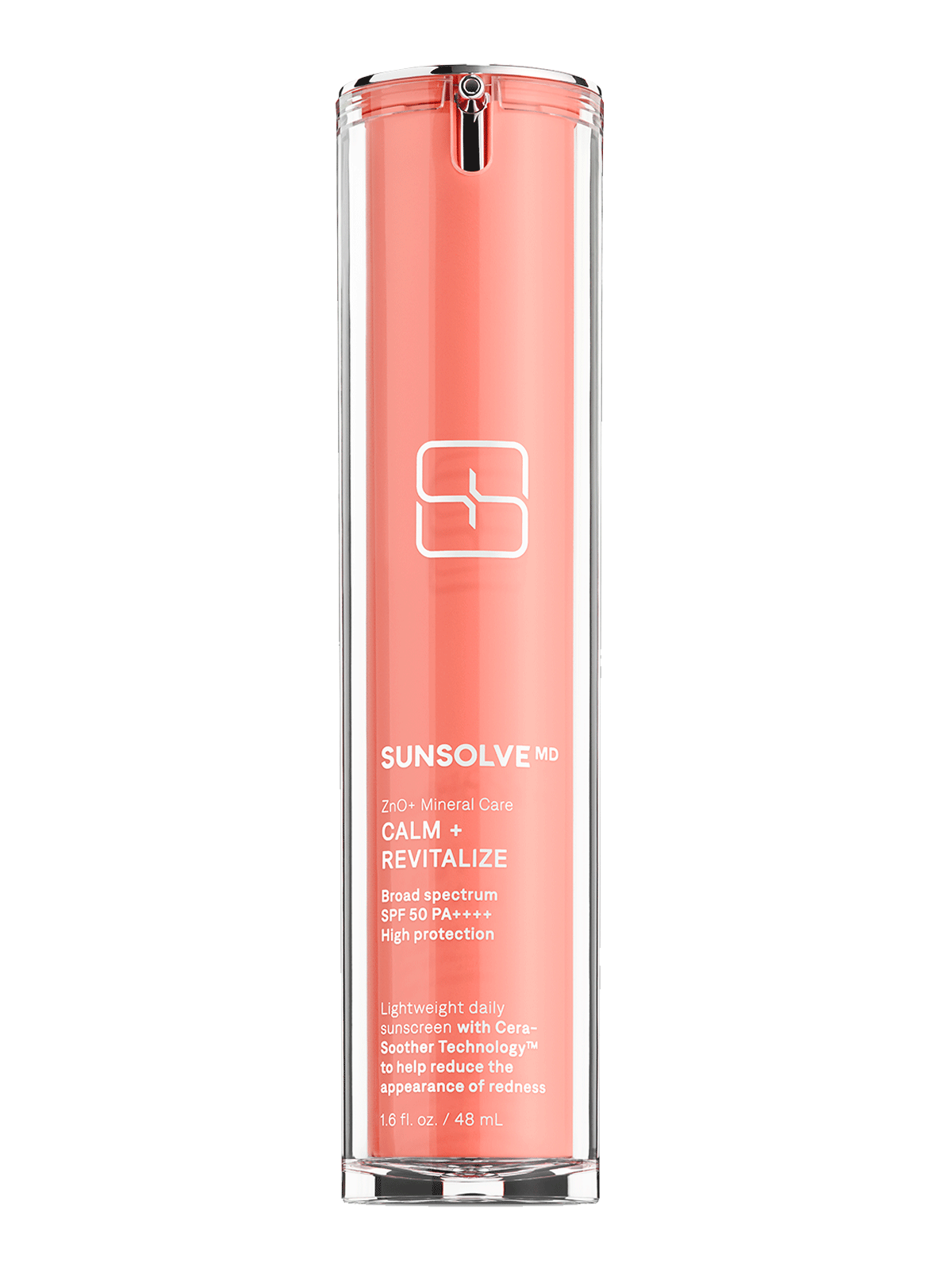
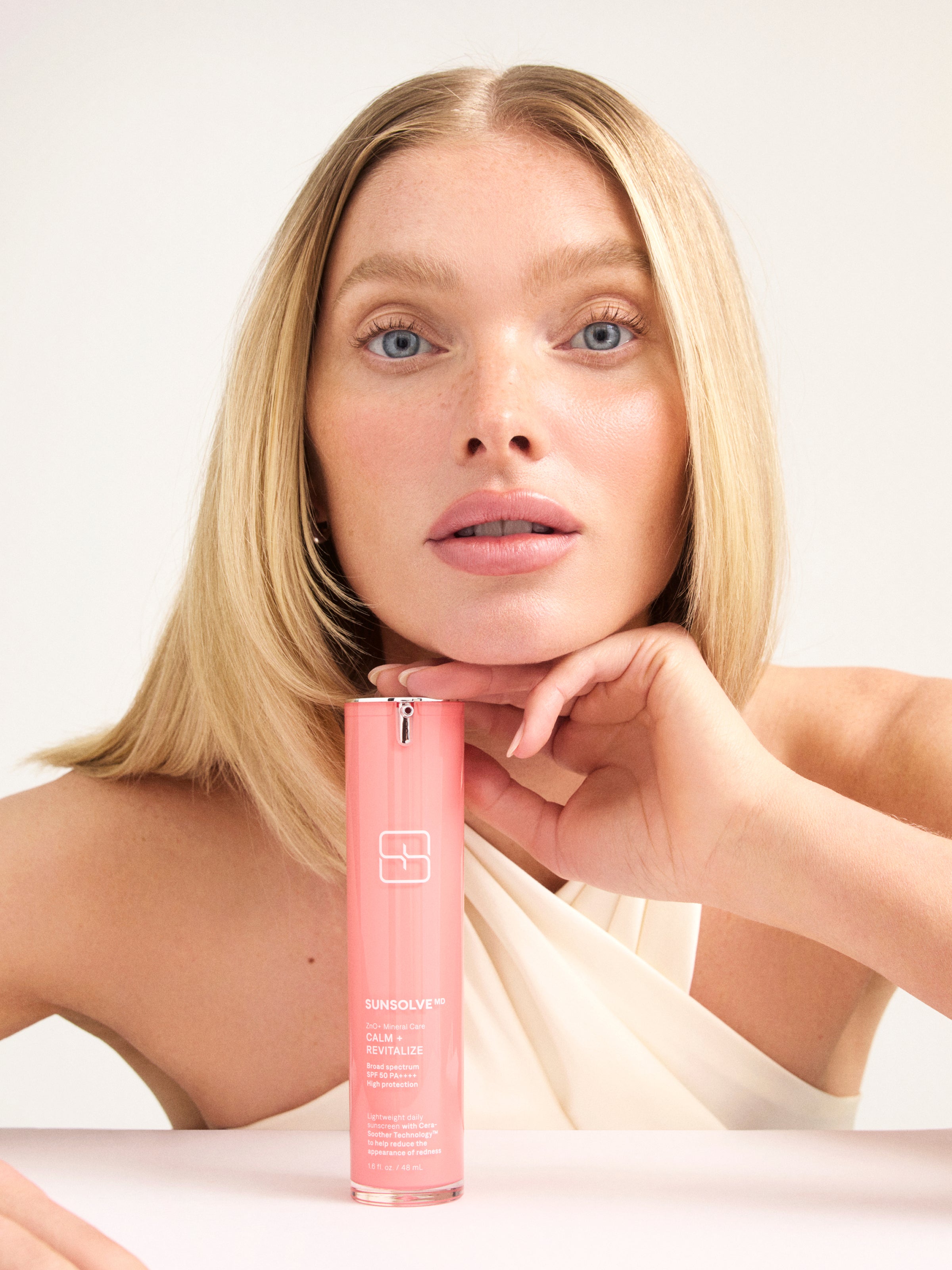
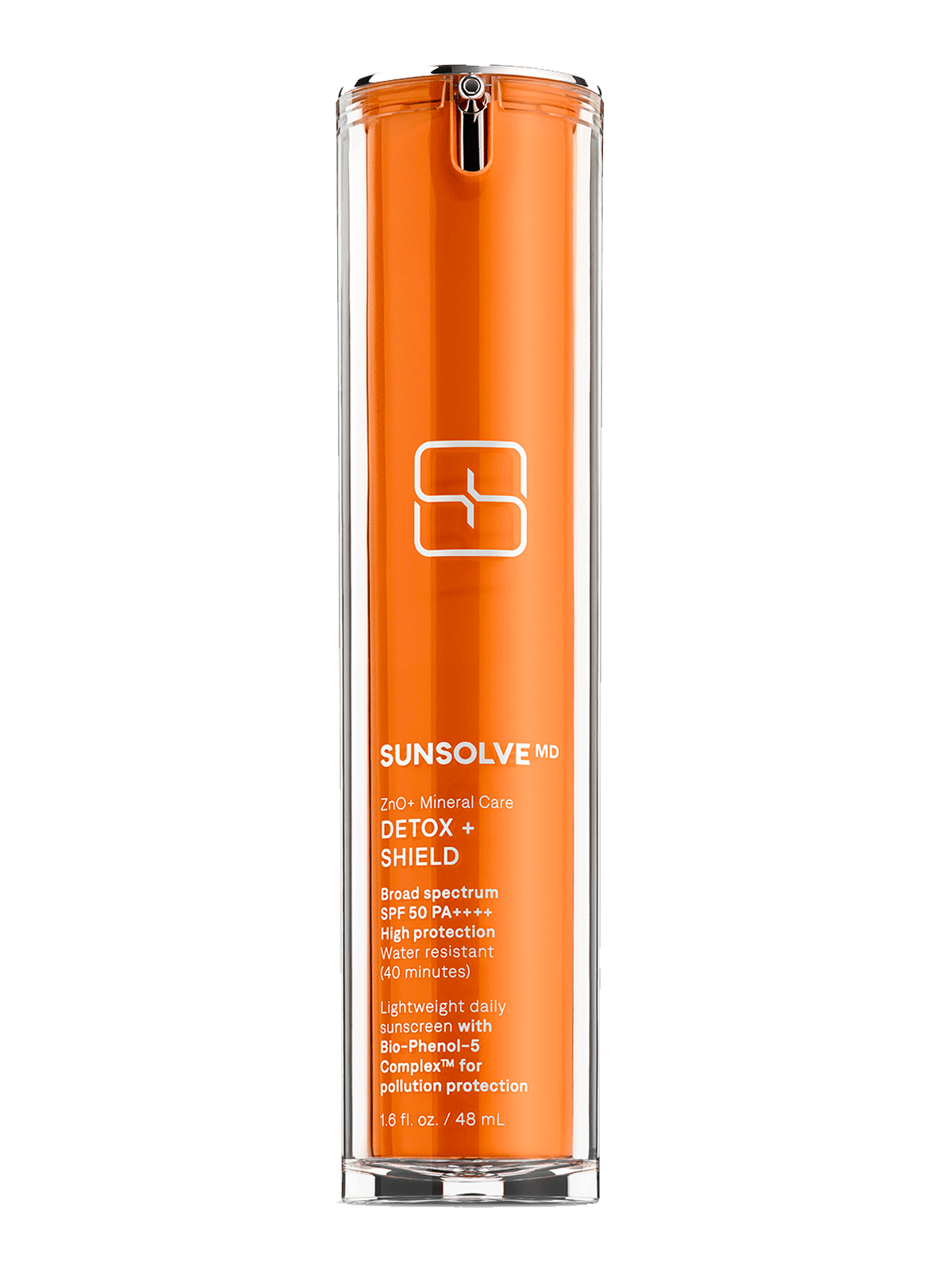
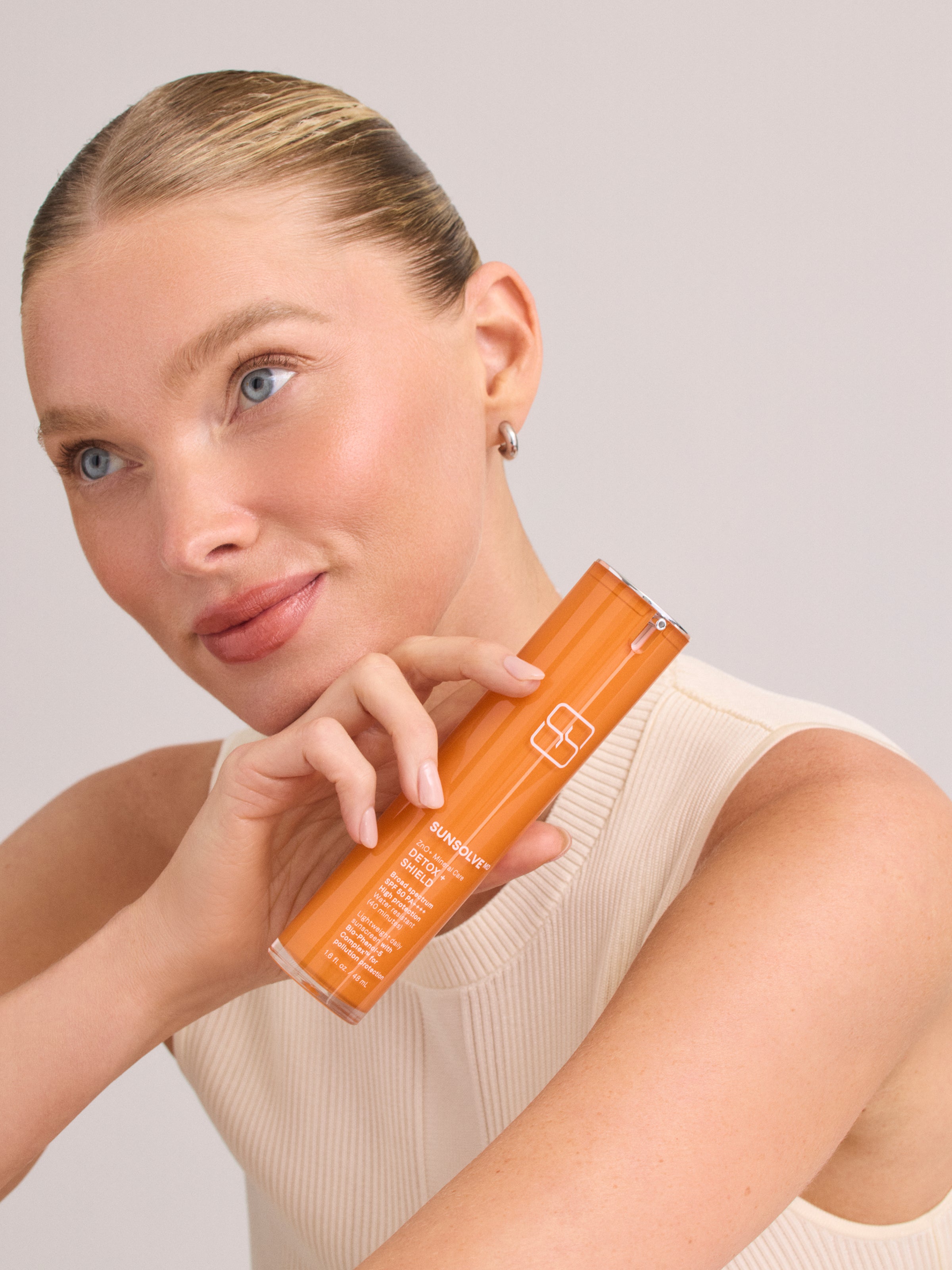
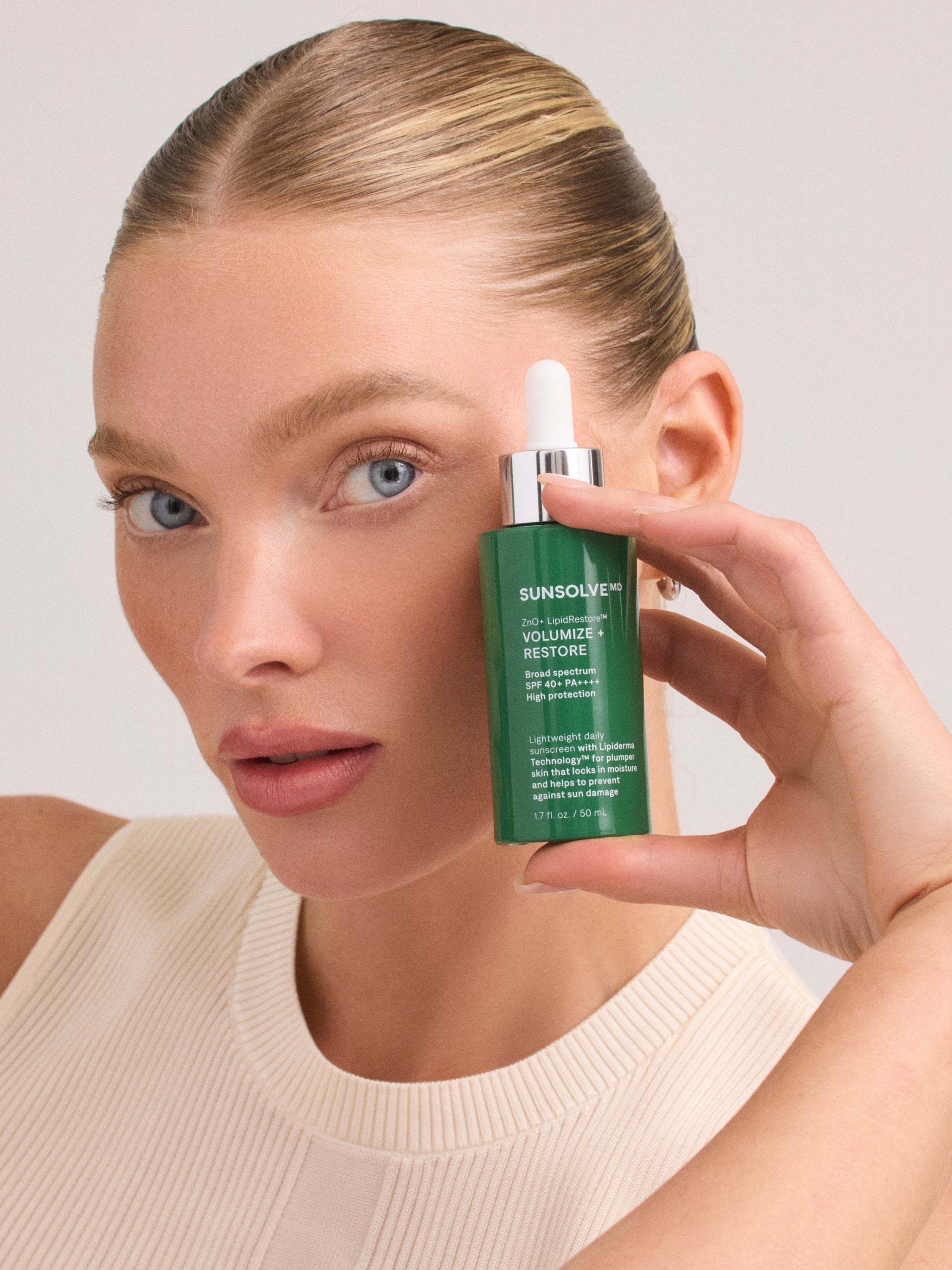
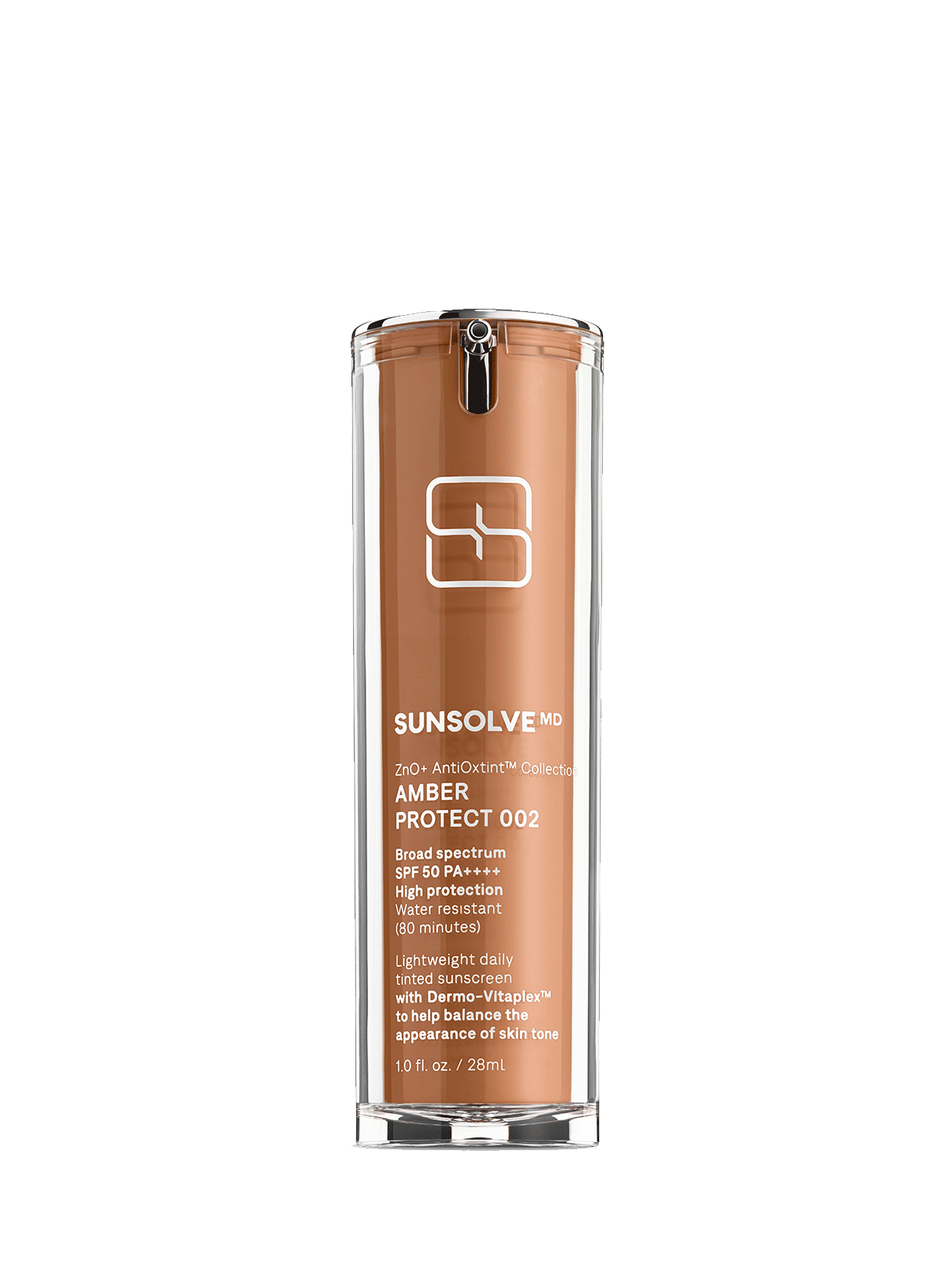
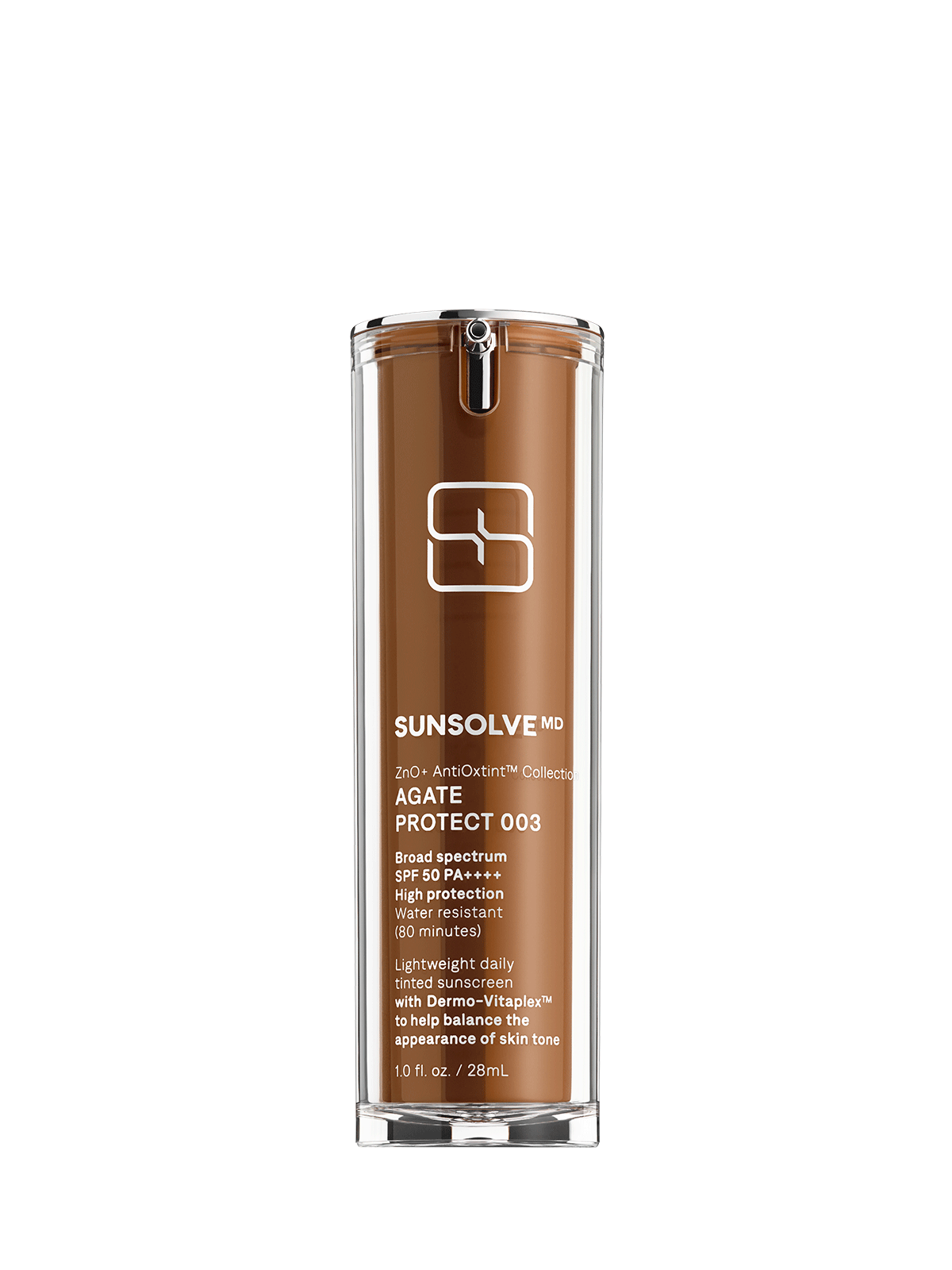
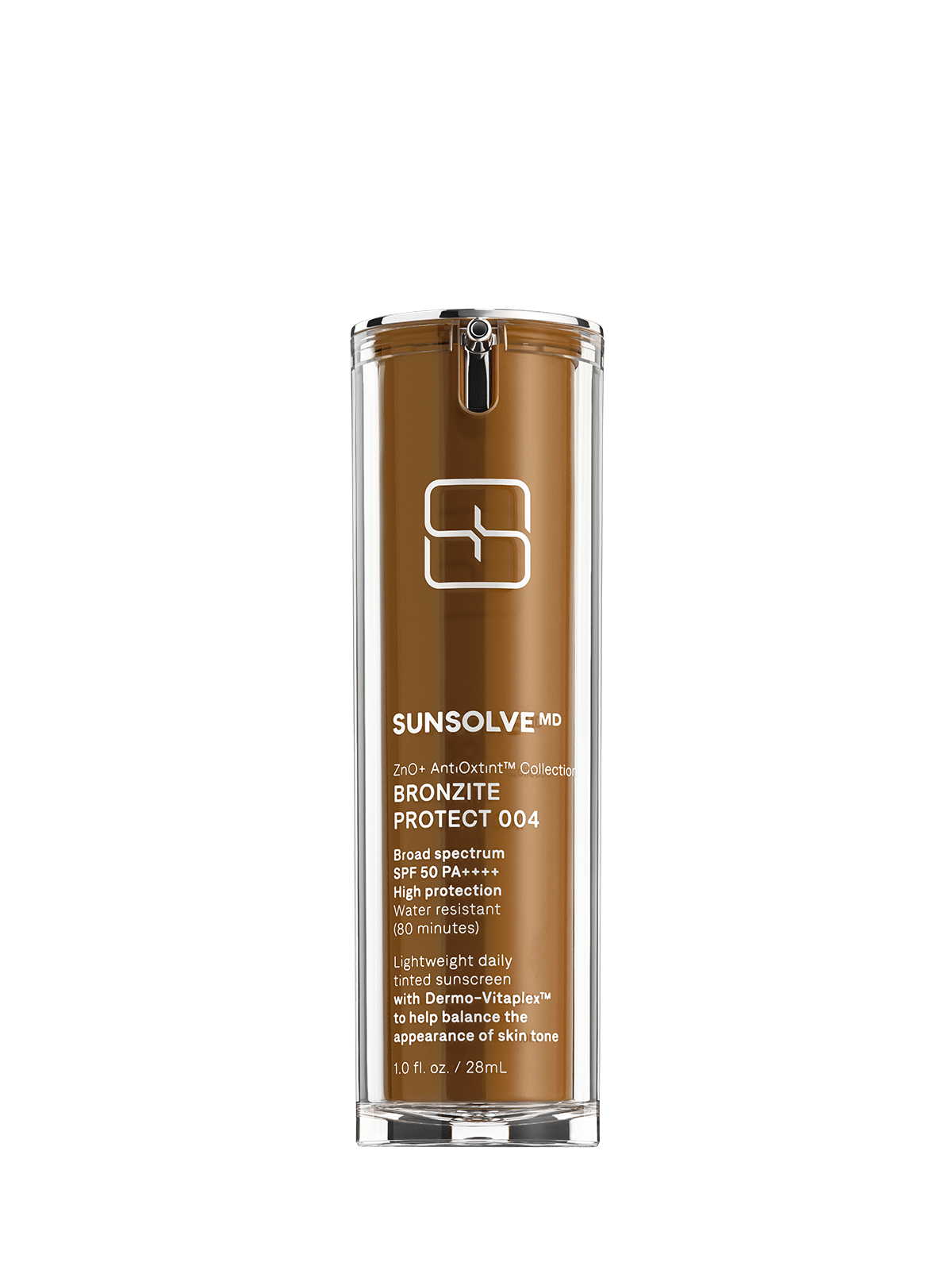
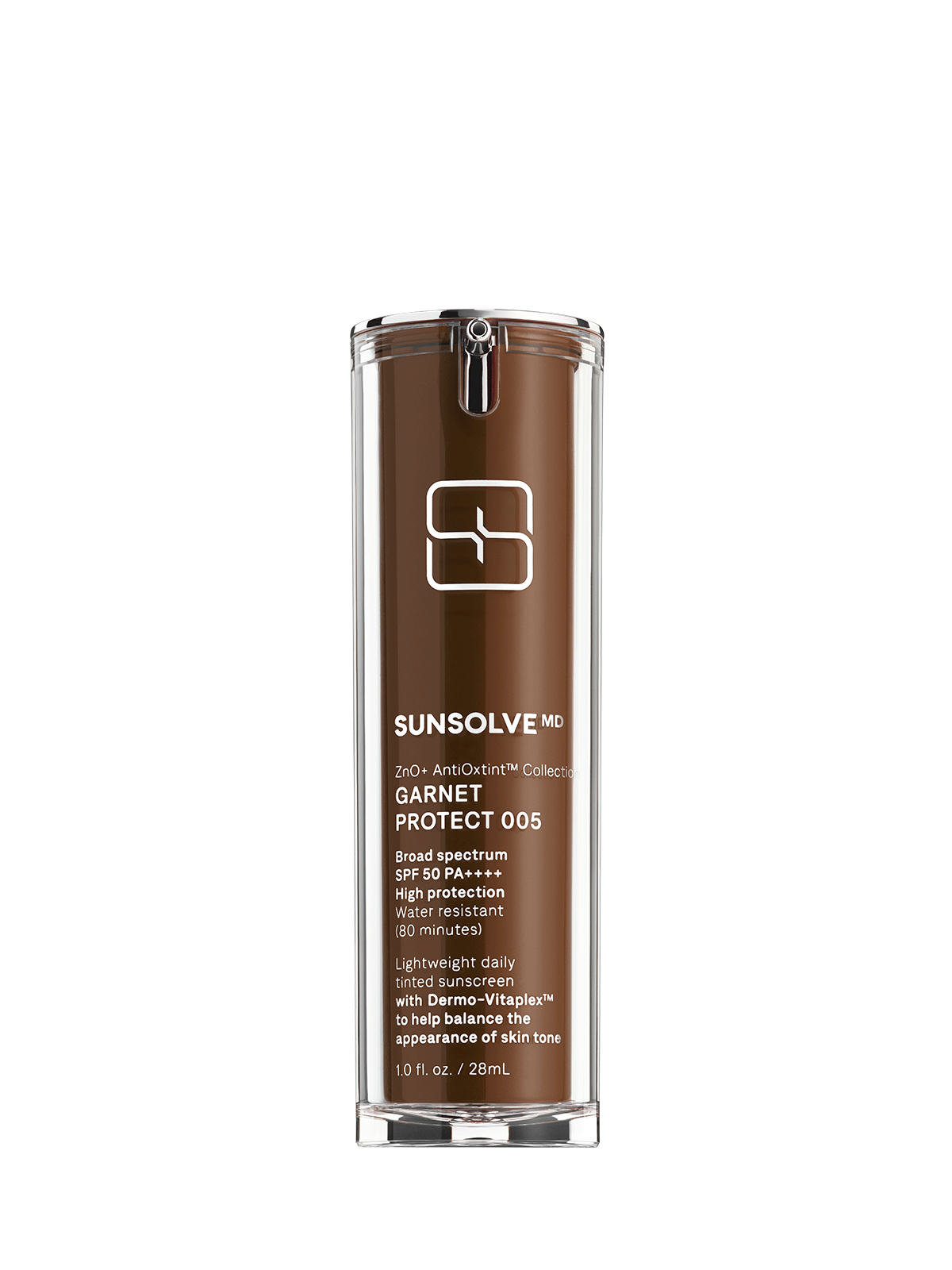
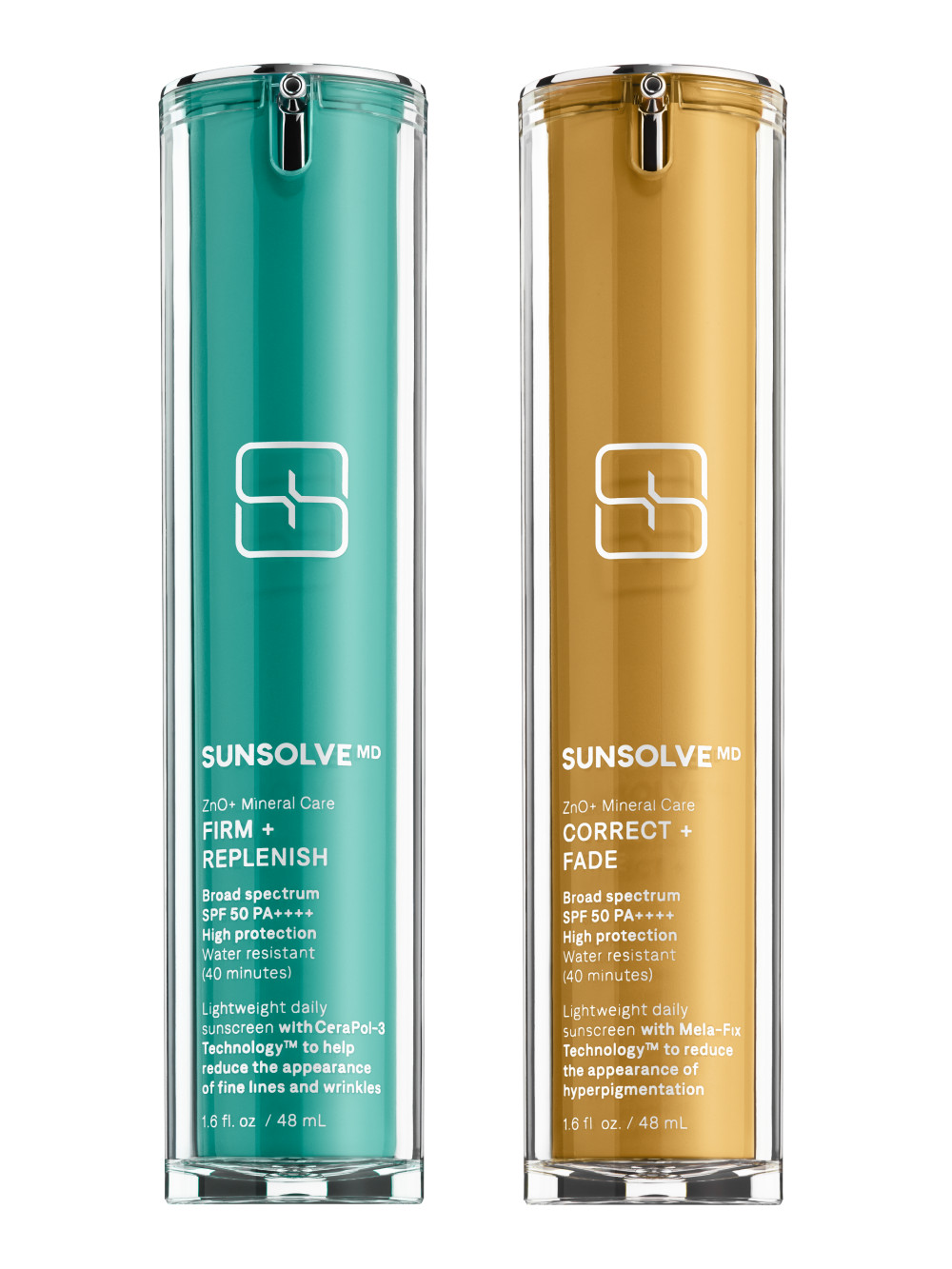
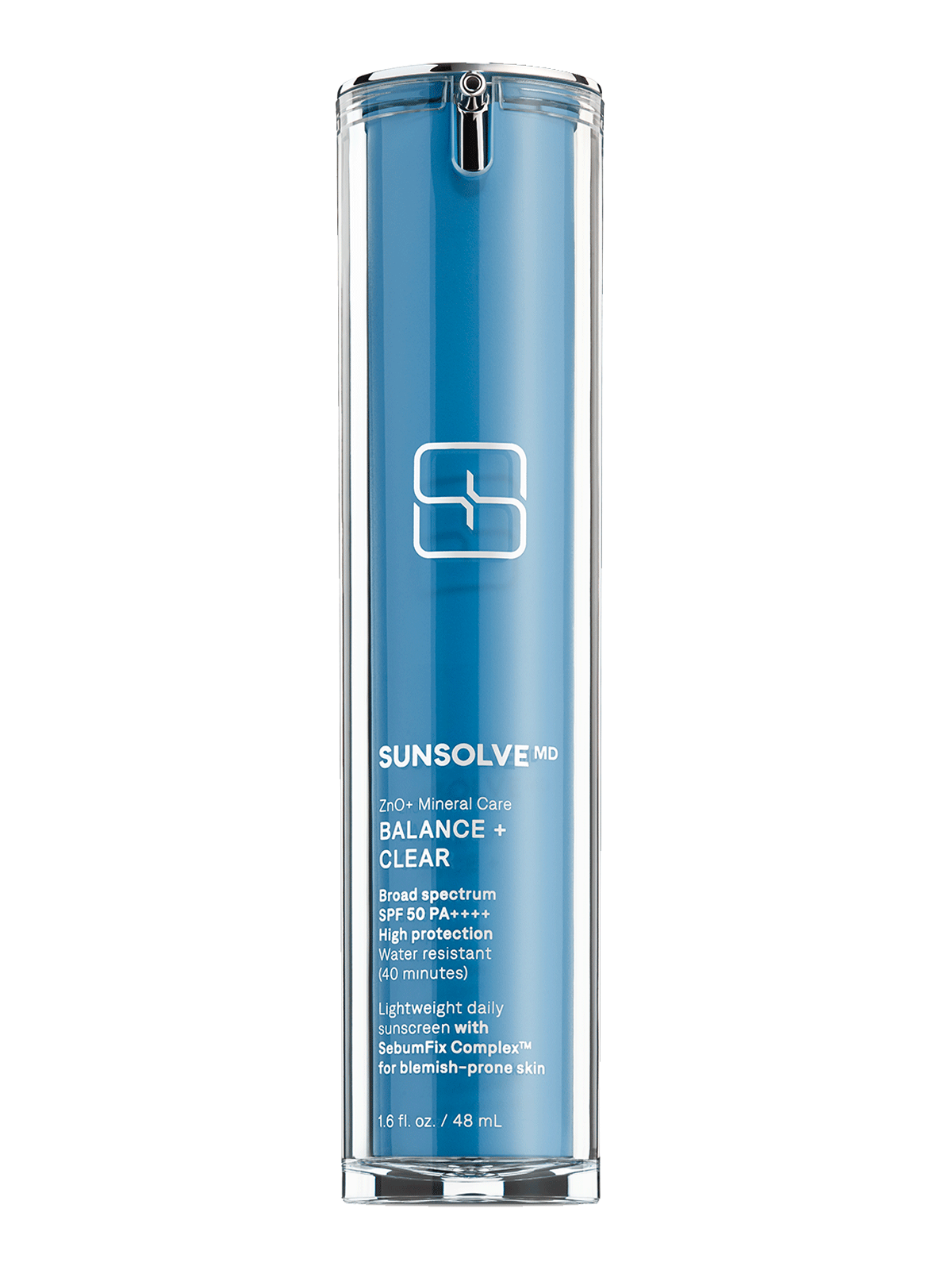
At SunsolveMD, we focus on making mineral SPF easy to wear. Our ZnO+™ system uses 12% non-nano zinc oxide in a lightweight formula that spreads evenly and settles without that heavy, chalky feel. Once it’s on, the foundation applies smoothly instead of dragging or separating.

That makes it easier to use the right amount, without adjusting your routine around the product.

Final Thoughts

Mineral sunscreen can work effectively under makeup when the right products and techniques are used. Advances in formulation have made it easier than ever to achieve a smooth, natural finish without compromising sun protection.

From selecting lightweight, blendable formulas to allowing proper setting time, small adjustments can make a significant difference in the final result. Addressing common challenges like pilling or white cast ensures a more seamless application.

Maintaining protection throughout the day, including reapplying sunscreen over makeup, is equally important for long-term skin health.

With a thoughtful approach, mineral sunscreen becomes more than just a protective step-it integrates effortlessly into a polished, everyday routine.

Trending Topics

Stay Trendy with Our Latest Insights

Why SPF Is Non-Negotiable for Every Skin Type

Once thought of as a concern almost exclusive to older generations, those with fair skin, or anyone who religiously (over) uses sunbeds, skin cancer is now on the rise across all demographics. Desp...

Sunscreen and Acne Treatments -  What You Need To Know
Sunscreen and Acne Treatments - What You Need To Know

If you’re undergoing professional or medical treatments for acne or acne scars, such as chemical peels, microneedling, laser therapy, or prescription medications, sun protection becomes essential. ...

Ways To Reduce Your Carbon Footprint With SPF

Decoding SPF and your carbon footprint. How to make more discerning choices with mineral sunscreens that not only safeguard your skin but are sustainably savvy.

Rosacea & SPF: How To Choose The Right Sunscreen

Rosacea is a common skin condition characterized by facial redness and inflammation. Follow this guide to choose the right sunscreen if you have rosacea.

A Dermatologists’ Guide To Photodamage And Dark Skin

Dermatologists weigh in on photodamage and dark skin (and how SPF is here to help). Read more.

Going to the Beach With Psoriasis: Risks and Benefits

Psoriasis is an immune-mediated disease. This is your scientific guide to safely treating psoriasis with natural sunlight.