
Skip to content
Graphic of mineral SPF particles and skin barrier

Join The Solve Society. Designed for members to receive exclusive benefits

Explore benefits

Apr 11, 2026

Tinted Sunscreen vs BB Cream: Which is Better?

The question gets asked constantly, and the answer is more interesting than the question suggests. On the shelf, tinted sunscreen and BB cream look like the same product. Both promise sheer coverage. Both come in skin-tone shades. Both often advertise SPF on the front of the bottle. But they were built for different jobs, and using one when you wanted the other is the difference between protected skin and skin that thought it was protected.

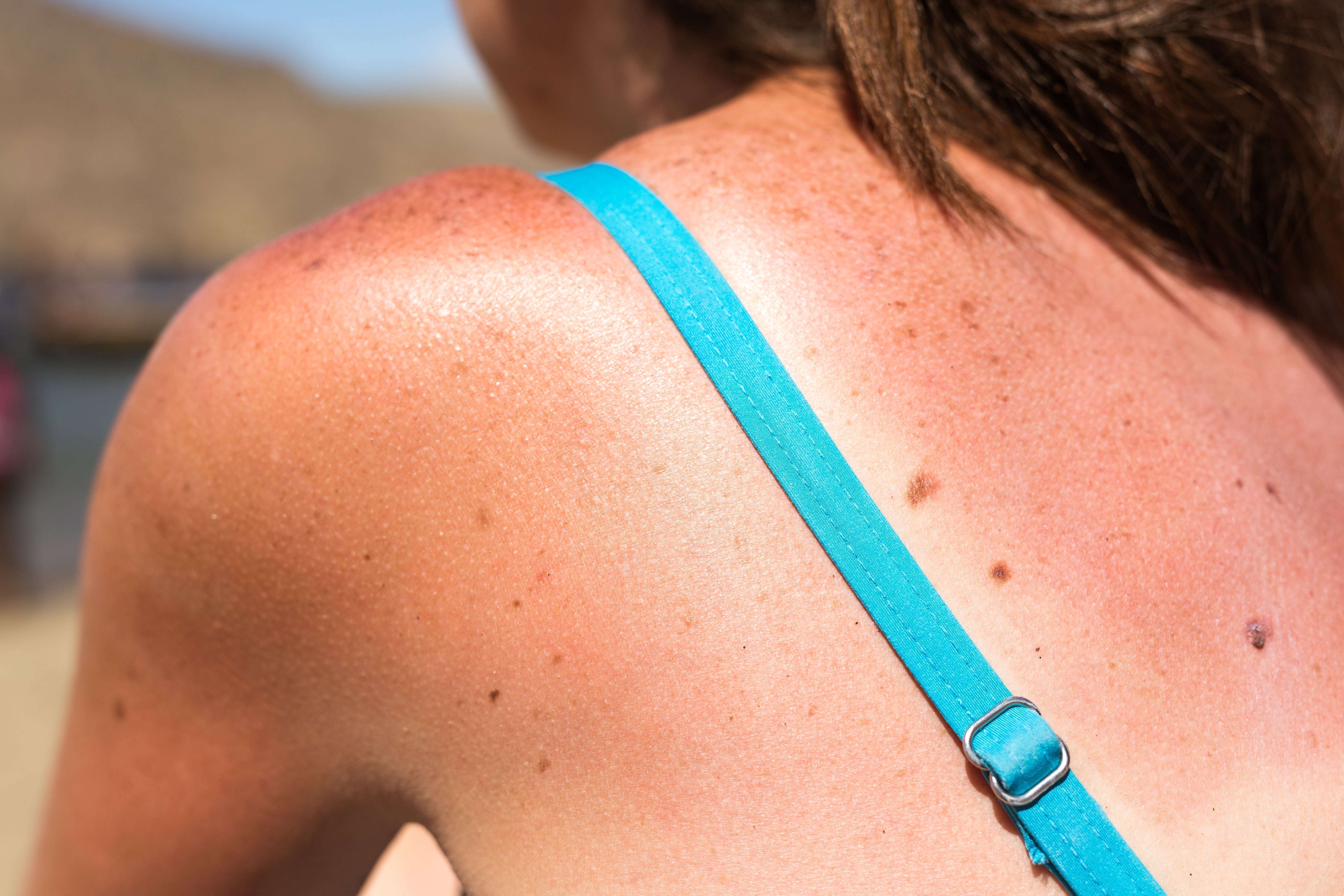
It is worth getting this distinction right, because the consequences of getting it wrong are not cosmetic. They are photodamage, pigmentation, and a slow erosion of the skin you would otherwise have at fifty.

Tinted Sunscreen vs BB Cream: Which is Better?

What Tinted Sunscreen Actually Is

Tinted sunscreen is, primarily, sunscreen. The tint is a secondary feature, not the headline. The base formulation is built around UV filters (typically mineral, often zinc oxide and titanium dioxide), and the colour comes from iron oxides, a category of cosmetic pigment that does considerably more than blend out white cast.

Iron oxides have been studied for their ability to absorb high-energy visible light, the wavelength range that sits just past UV in the spectrum and is increasingly understood as a contributor to pigmentation, particularly in skin tones with more melanin. Standard untinted sunscreens do very little against visible light. Tinted formulas, almost as a side effect of their tinting strategy, fill that gap. For anyone managing melasma, post-inflammatory hyperpigmentation, or persistent unevenness, this is not a minor advantage.

The SPF rating on a tinted sunscreen reflects the same testing standards as its untinted counterpart. The pigment doesn't dilute the protection; it sits alongside it.

What BB Cream Actually Is

BB cream, short for blemish balm or beauty balm, was developed in Germany as a post-procedure cosmetic product and reformulated for the Korean and global markets as a hybrid skincare-makeup item. The brief is roughly: hydrate, blur pores, even out tone, and provide some SPF along the way.

The proportions are inverted from tinted sunscreen. The primary function is cosmetic, with skincare and SPF as supporting features. Coverage is typically heavier, finishes are often dewier or more emollient, and the texture is closer to a lightweight foundation than to a sunscreen with pigment in it. Many BB creams do contain SPF, but the figures range widely (SPF 15 through 50), and the formulation is rarely optimised for sun protection in the way a dedicated SPF would be.

The Application Problem

The problem isn’t knowing how to apply sunscreen correctly under makeup, but applying sunscreen that is technically makeup - all without looking cakey. To achieve the SPF rating printed on a sunscreen bottle, the dermatological standard is roughly 2mg per square centimetre of skin, which works out to about a quarter teaspoon for the face alone. Most people apply considerably less than this with regular sunscreen, and they apply a fraction of that amount with BB cream, because BB cream is treated as a cosmetic. A pea-sized blob blended out across the face is normal makeup application. It is also a fraction of the amount needed to achieve SPF 30, let alone SPF 50.

The functional consequence is straightforward: BB cream can be a real source of UV protection only if applied in quantities that defeat its cosmetic purpose. Most people use it cosmetically, get a small amount of incidental SPF, and assume they are protected. They are not.

Tinted sunscreen sidesteps this issue. Because it is positioned and used as a sunscreen, the application instinct is to apply enough of it. A quarter teaspoon of tinted SPF on the face provides genuine coverage in both senses of the word.

When Each One Wins

For daily protection, school runs, office days, errands, beach mornings, and anything involving genuine UV exposure, tinted sunscreen is the more reliable choice. The SPF is more dependable. The visible-light protection is a meaningful upgrade. The application quantity is realistic.

For days when fuller coverage matters more than sun defence (an evening event, a low-light environment, a particularly tired face), BB cream has its place, but the rule is to layer it over a properly applied sunscreen rather than relying on its built-in SPF. Tinted sunscreen first, then BB cream where you want extra coverage. Treat the BB cream's SPF as a bonus, not a strategy.

For anyone with hyperpigmentation, melasma, or skin actively managing tone correction, tinted sunscreen is not really optional. The visible light protection is the variable that does the most work in those cases, and BB cream rarely contains the iron oxide concentration to compete.

What To Look For In A Tinted SPF

Iron oxides in the ingredient list, broad-spectrum protection of SPF 30 or higher, mineral filters (zinc oxide and titanium dioxide) for skin that doesn't tolerate chemical absorbers well, a shade range that genuinely matches your skin rather than approximating it from one of three options, and a texture that lets you apply enough product without it sitting heavily on the face.

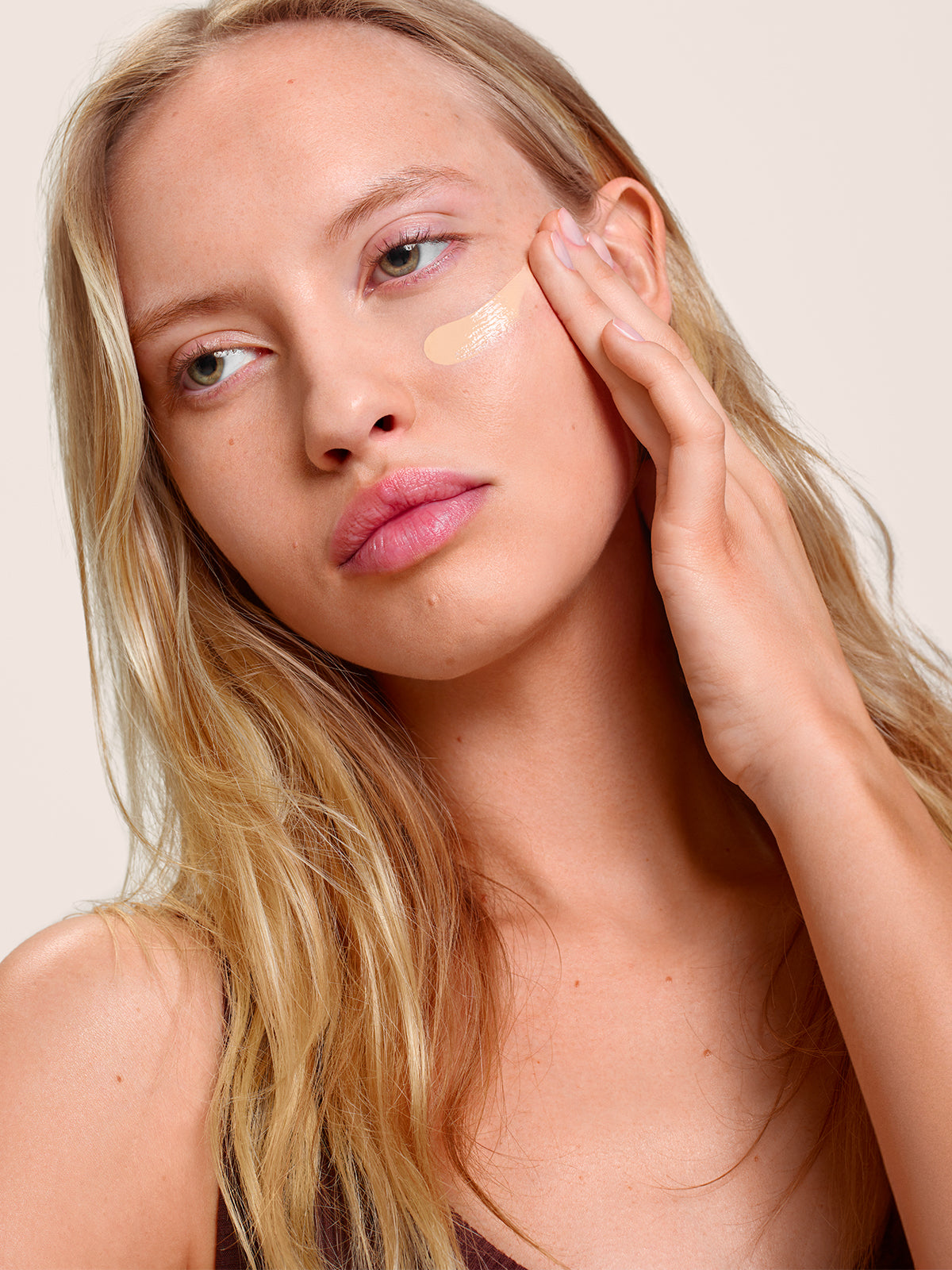
Skin tone match is worth more attention than it usually gets. A poorly matched tinted SPF reads as a mask; a well-matched one reads as your own skin slightly more even. The goal is the second.

What Makes SunsolveMD Different

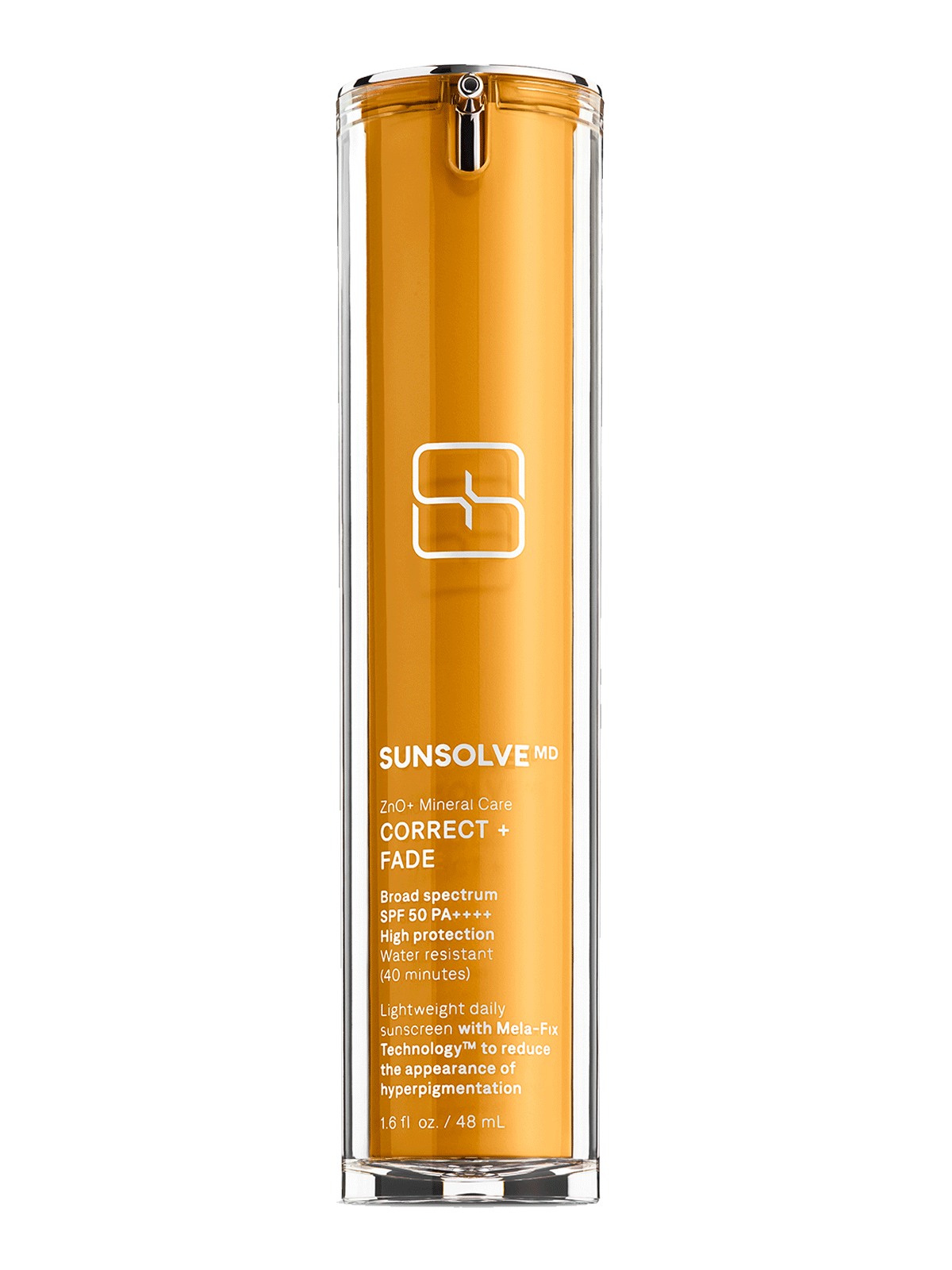
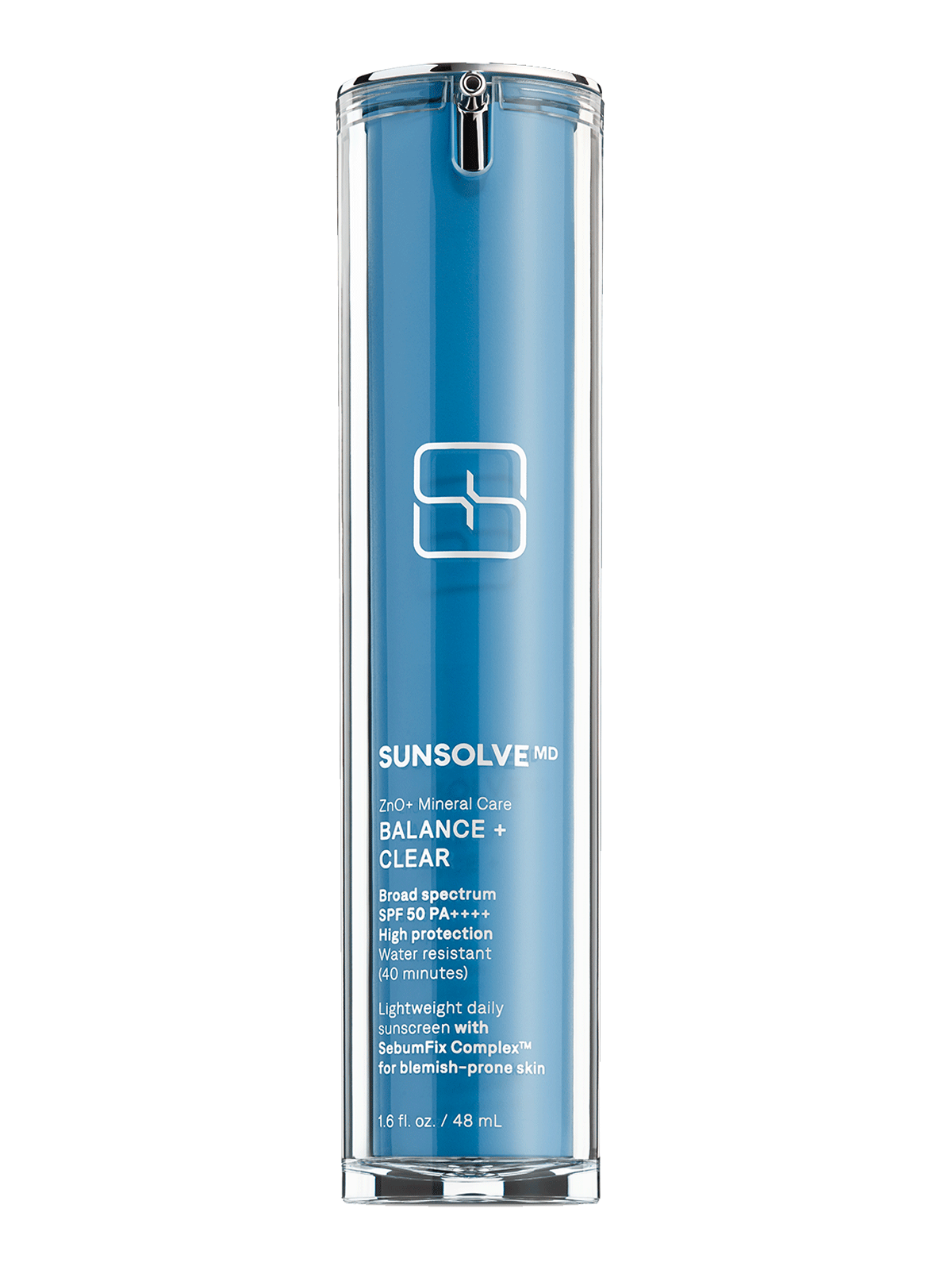
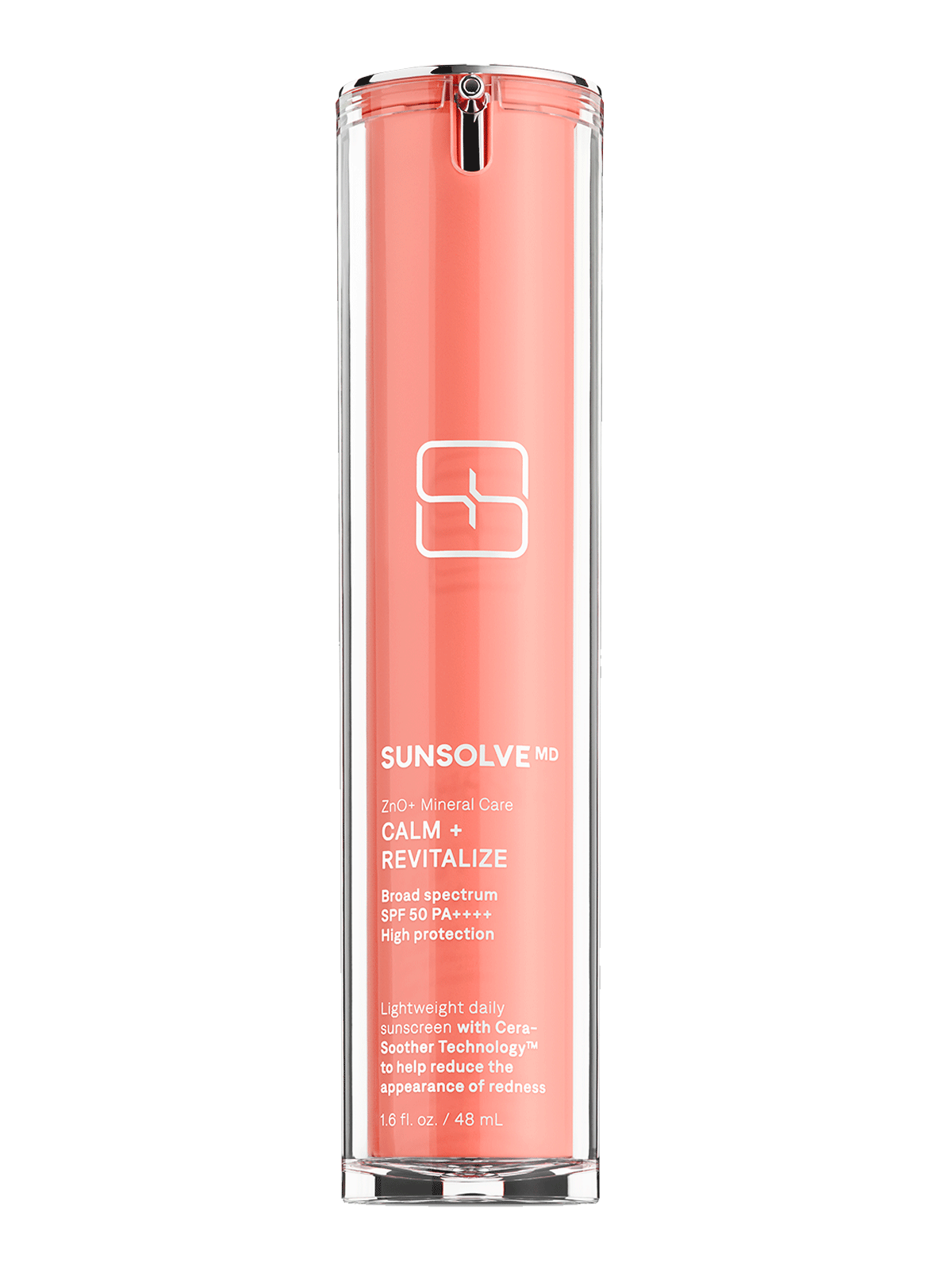
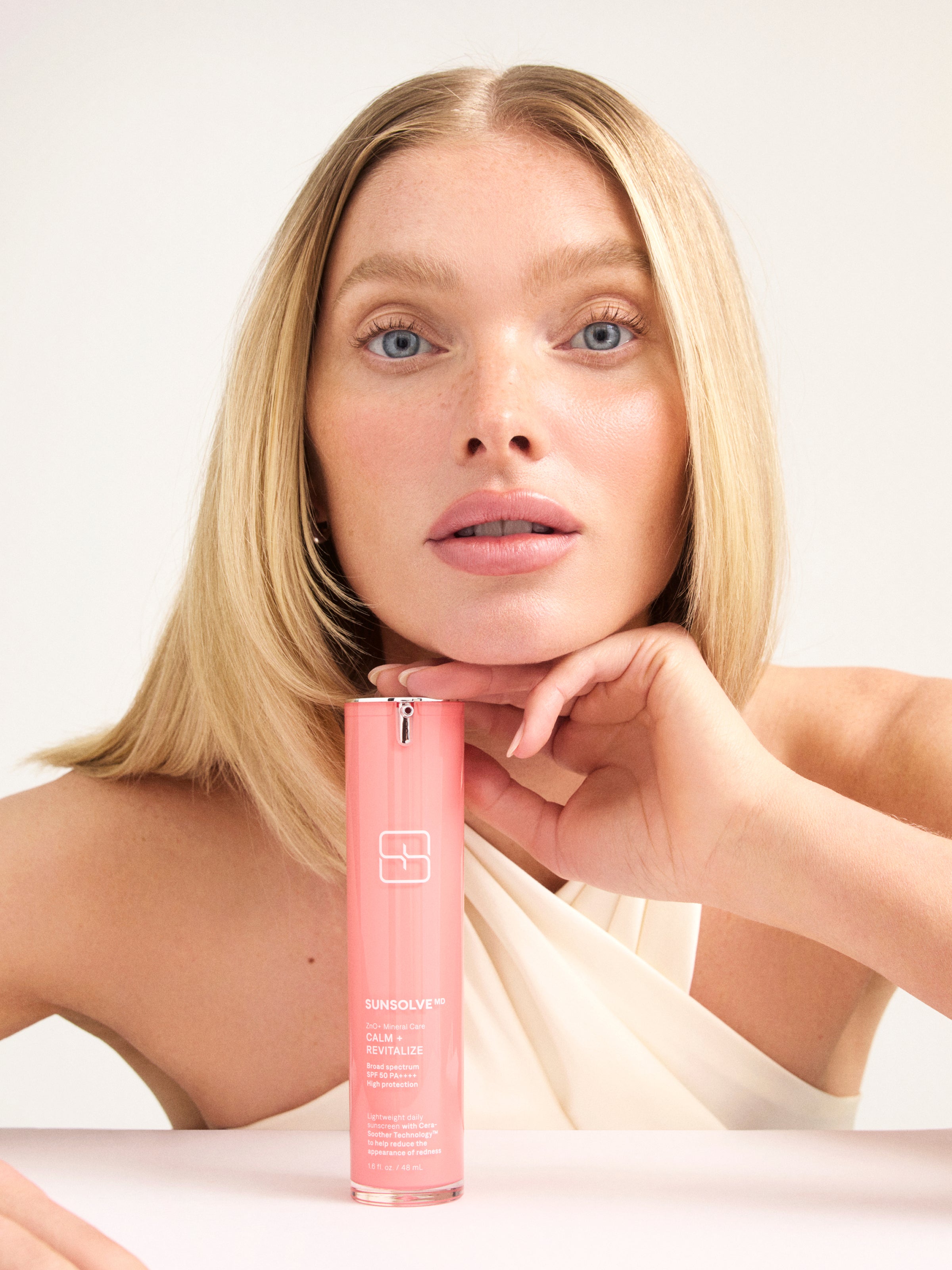
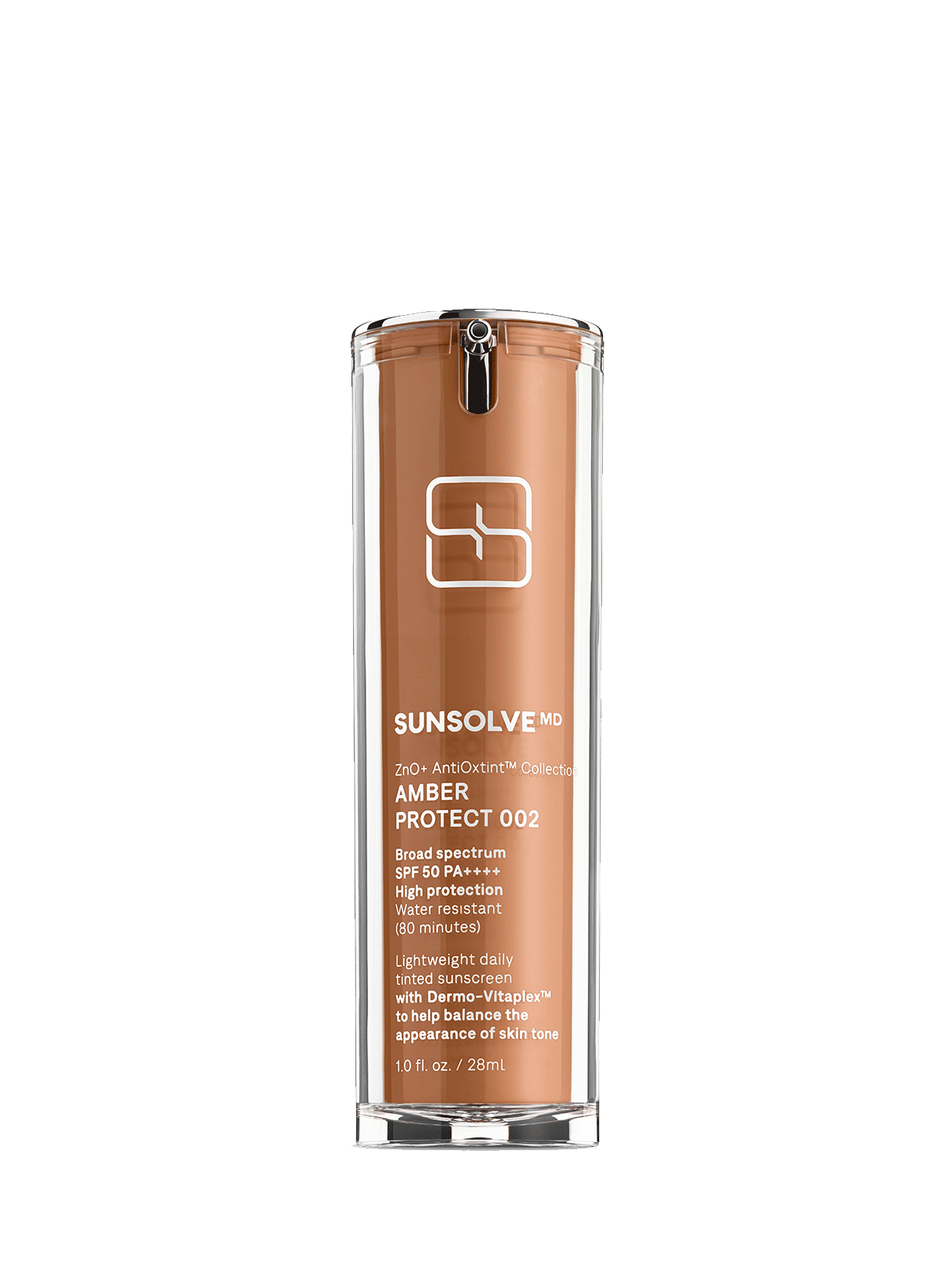
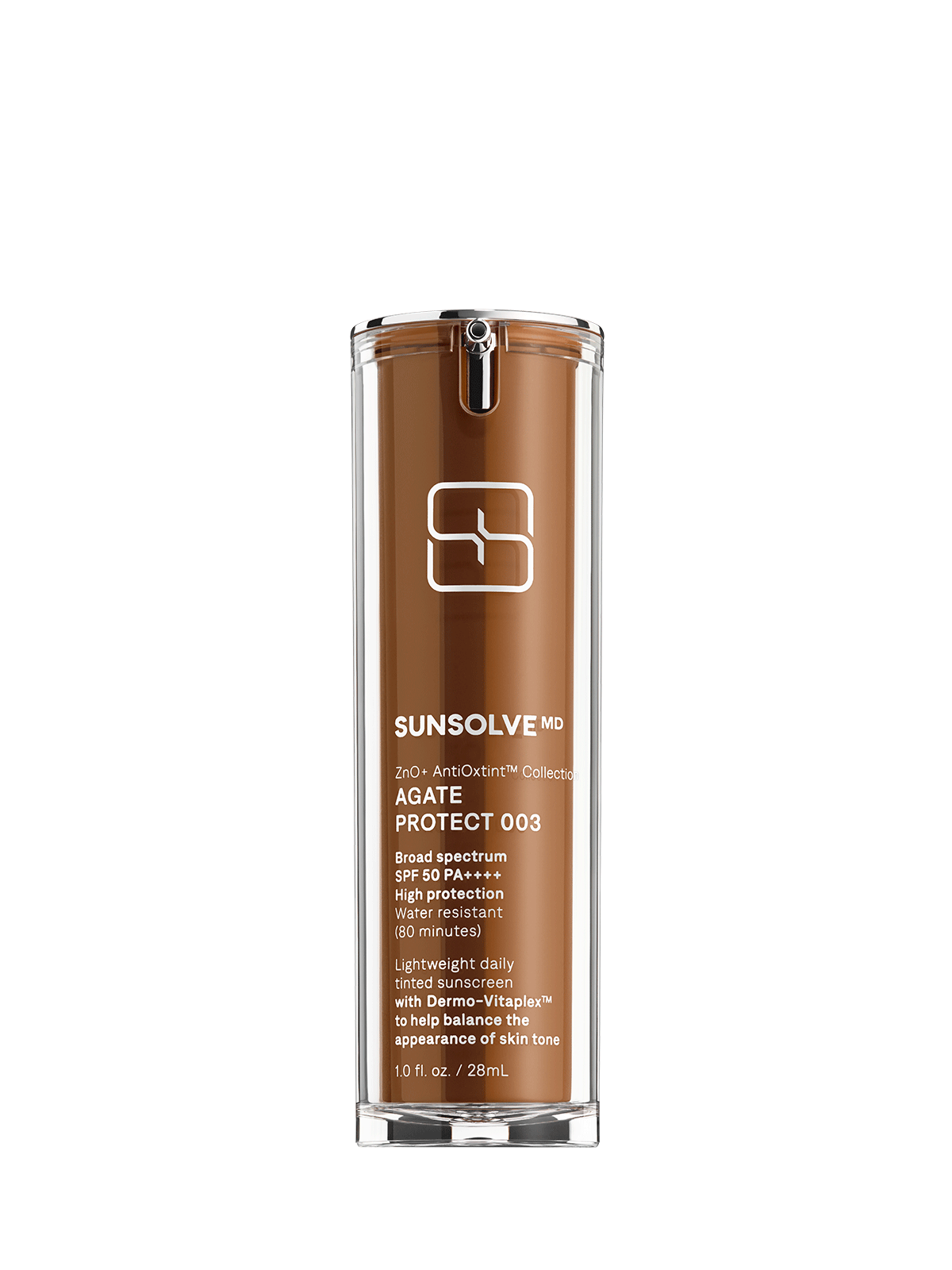
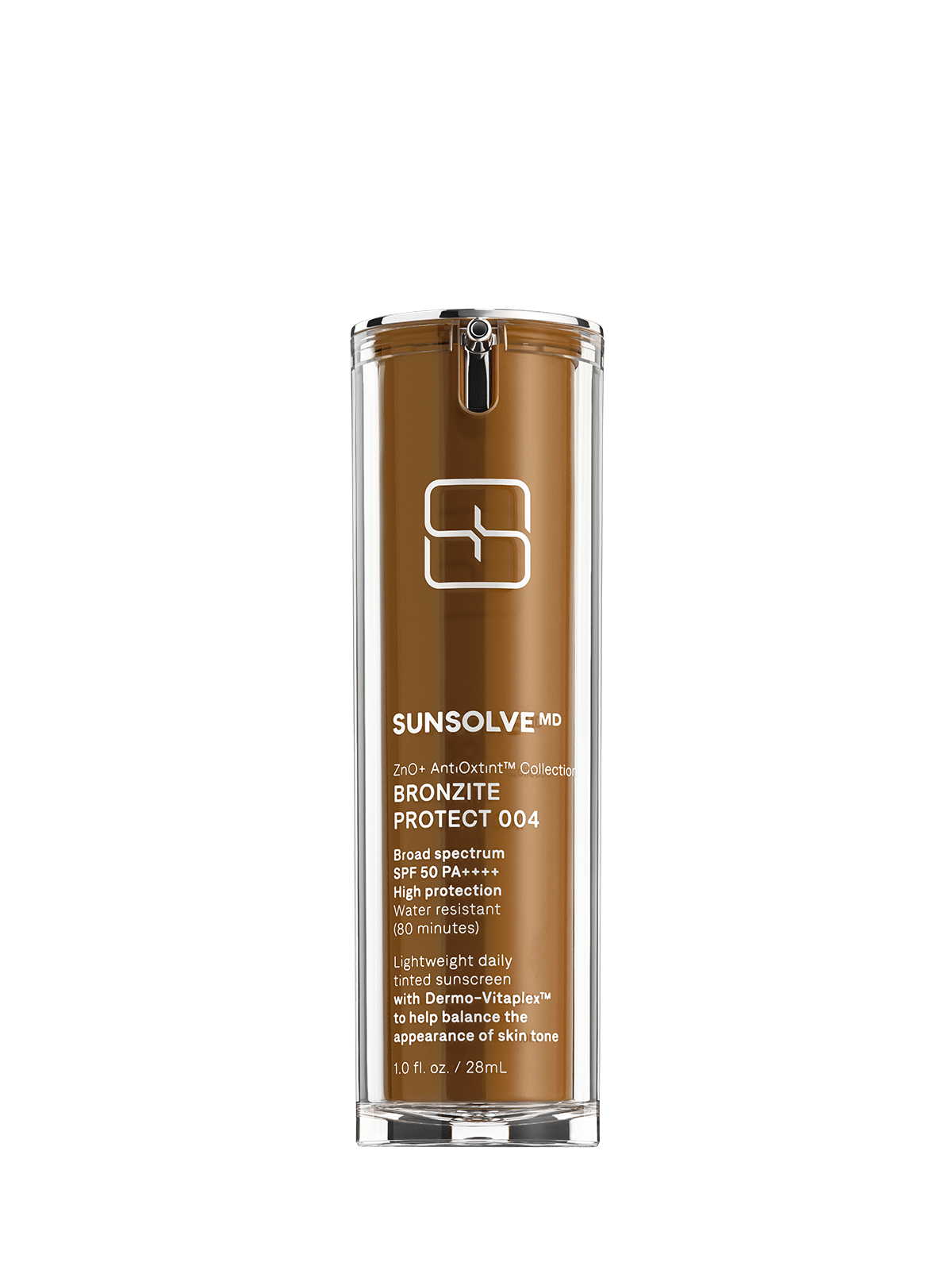
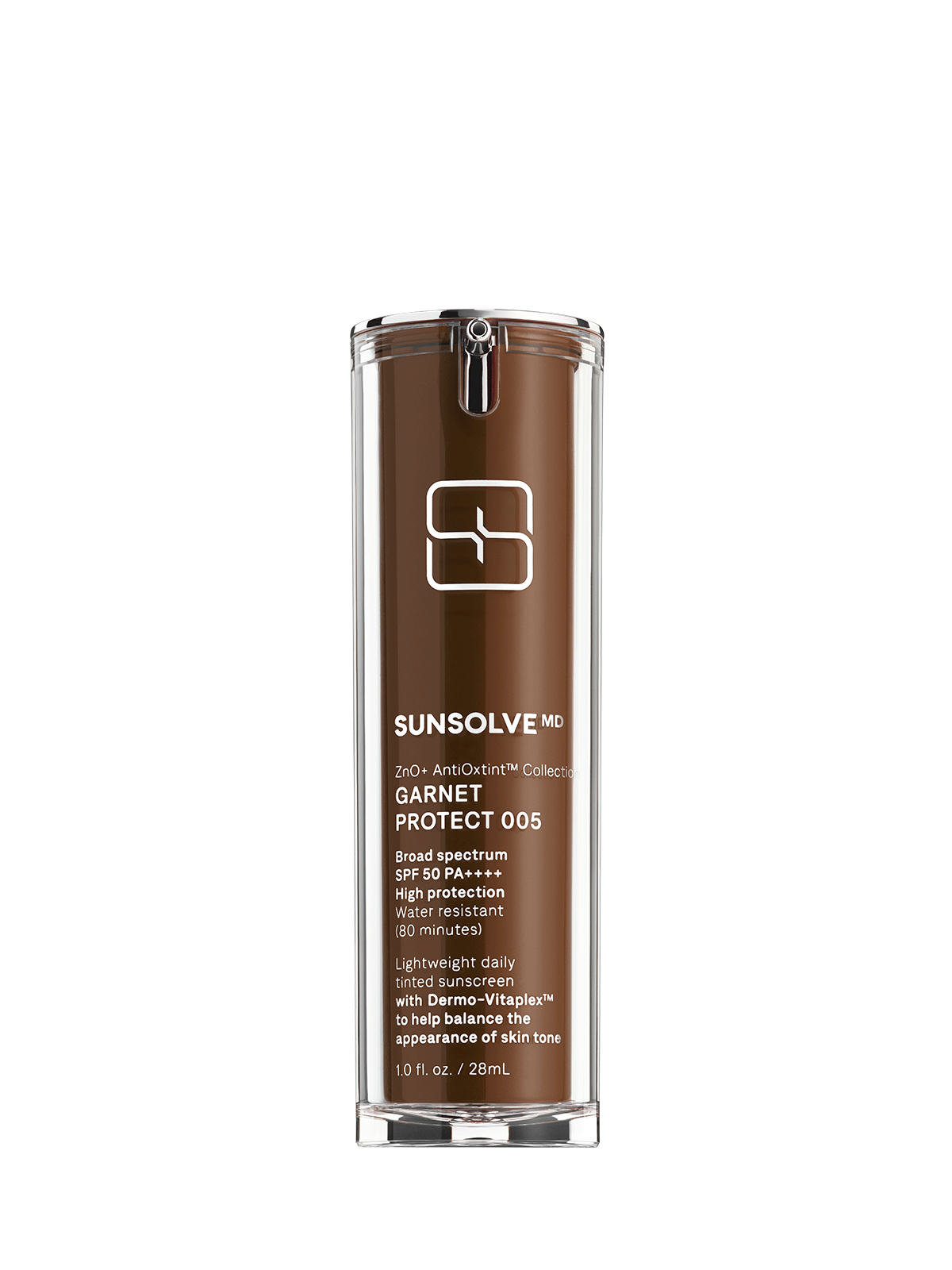
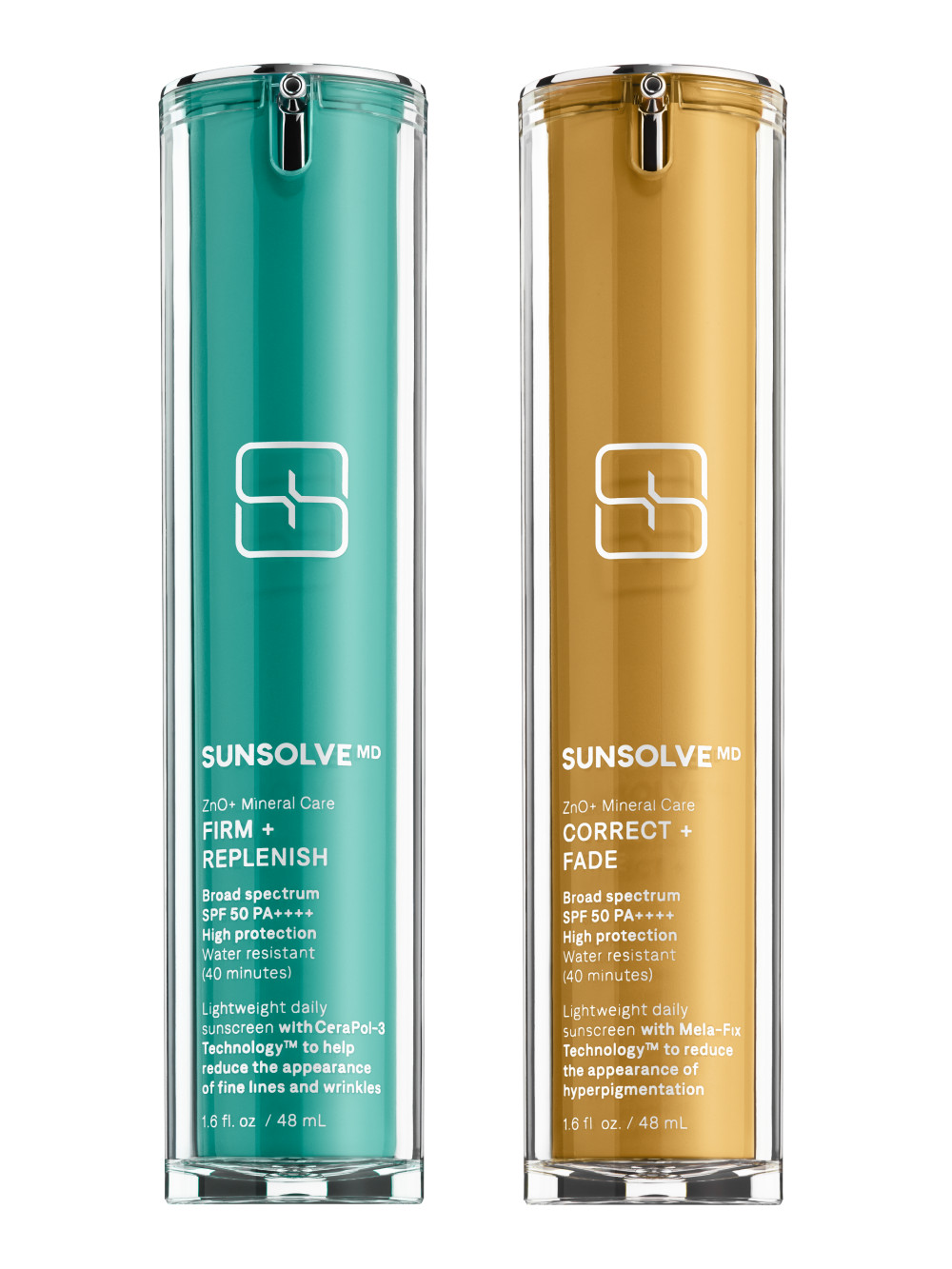
Our skin-perfecting SPF products deliver the protection of a clinical-grade mineral sunscreen with the finish of a tinted veil that adapts to skin tone rather than fighting it. Iron oxides for visible light defence, high-percentage zinc oxide for the UV work, and a texture engineered to apply at the quantity SPF actually needs without feeling like you are wearing makeup. Sun protection should be the most reliable part of your routine, not the most negotiable.

Frequently Asked Questions

Can I use tinted sunscreen instead of foundation?

For most days, yes. The coverage is sheer rather than full, but it evens out tone and softens minor imperfections enough to replace foundation in casual or natural-makeup contexts. For events or photography, a layer of foundation or concealer over the top fills the rest.

Is BB cream's SPF ever enough on its own?

Only if applied in the quantity that achieves the labelled SPF, which is usually more than people apply for cosmetic reasons. As a general rule, treat BB cream's SPF as supplementary rather than primary protection.

Do tinted sunscreens work for darker skin tones?

Modern formulations have largely solved the white cast problem that older mineral sunscreens were notorious for, and a well-formulated tinted SPF in the right shade should disappear into the skin. The shade range varies considerably between brands, so it is worth checking before buying.

Can I layer BB cream over tinted sunscreen?

Yes, and for fuller coverage days this is the more sensible approach. Apply the tinted sunscreen first at full coverage, let it settle for a minute, then add BB cream where extra coverage is wanted.

Does tinted sunscreen need to be reapplied?

Yes, every two hours during sustained UV exposure, the same as any sunscreen. For office-bound days with limited outdoor time, one morning application is generally sufficient.

Trending Topics

Stay Trendy with Our Latest Insights

Why SPF Is Non-Negotiable for Every Skin Type

Once thought of as a concern almost exclusive to older generations, those with fair skin, or anyone who religiously (over) uses sunbeds, skin cancer is now on the rise across all demographics. Desp...

Sunscreen and Acne Treatments -  What You Need To Know
Sunscreen and Acne Treatments - What You Need To Know

If you’re undergoing professional or medical treatments for acne or acne scars, such as chemical peels, microneedling, laser therapy, or prescription medications, sun protection becomes essential. ...

Ways To Reduce Your Carbon Footprint With SPF

Decoding SPF and your carbon footprint. How to make more discerning choices with mineral sunscreens that not only safeguard your skin but are sustainably savvy.

Rosacea & SPF: How To Choose The Right Sunscreen

Rosacea is a common skin condition characterized by facial redness and inflammation. Follow this guide to choose the right sunscreen if you have rosacea.

A Dermatologists’ Guide To Photodamage And Dark Skin

Dermatologists weigh in on photodamage and dark skin (and how SPF is here to help). Read more.

Going to the Beach With Psoriasis: Risks and Benefits

Psoriasis is an immune-mediated disease. This is your scientific guide to safely treating psoriasis with natural sunlight.