Skip to content
Graphic of mineral SPF particles and skin barrier

Join The Solve Society. Designed for members to receive exclusive benefits

Explore benefits

Feb 26, 2026

What Is The Safest Sunscreen For Kids?

Sun protection for children is one area where the stakes genuinely feel different, and the instinct to scrutinise the ingredient list more carefully is well-placed. Children's skin is thinner, their surface-area-to-body-weight ratio is higher, and the habits formed in childhood around sun protection, or the lack of them, have a measurable impact on long-term skin health. Getting this right matters.

What Is The Safest Sunscreen For Kids?

Why Mineral SPF Is The Clinical Consensus For Children

The FDA designates sunscreen ingredients using a classification called GRASE, Generally Recognised As Safe and Effective. As of 2021, only two UV filters carry this designation: zinc oxide and titanium dioxide. The remaining 12 commonly used chemical filters are classified as not GRASE due to insufficient safety data, not because they've been found to be harmful, but because the research needed to definitively establish their safety at paediatric exposure levels simply hasn't been completed.

The American Academy of Pediatrics and multiple children's hospital dermatology departments, including Children's Hospital of Philadelphia and Children's Hospital Los Angeles, all recommend mineral sunscreens with zinc oxide or titanium dioxide for babies and young children, particularly those with sensitive or eczema-prone skin. The reasoning is consistent across all of them: mineral filters sit on the skin surface rather than absorbing into it, they don't generate heat in the skin as chemical filters do, and they have a significantly longer safety record in paediatric use.

At What Age Can Children Start Using Sunscreen?

The FDA and American Academy of Pediatrics both advise against sunscreen on infants under six months of age. For this age group, sun avoidance and protective clothing are the recommended approach. From six months onwards, mineral sunscreen can be applied to exposed skin, and the earlier consistent protection habits are established, the better. Research consistently shows that one or more blistering sunburns in childhood nearly doubles the risk of developing melanoma later in life, which makes childhood arguably the most consequential window for establishing daily protection habits.

For older children, the principles are the same as for adults: broad-spectrum coverage, SPF 30 or above, applied generously and reapplied every two hours during active outdoor time. The practical challenge with children is compliance and coverage, two things that formulation genuinely affects. A formula that goes on easily, doesn't sting the eyes, and doesn't leave a heavy residue dramatically improves the likelihood of it being applied correctly and consistently.

What Ingredients Should You Avoid In Children's Sunscreen?

Oxybenzone is the most widely flagged chemical filter for paediatric use. It's readily absorbed through the skin and has demonstrated hormonal activity in animal studies, prompting the American Academy of Pediatrics to advise avoiding it where possible.

Fragrance is the other category worth scrutinising. Children are more prone to contact sensitivities than adults, and fragrance is one of the most common triggers for allergic skin reactions. There's no functional reason for SPF to contain fragrance, so a fragrance-free formula is always the more appropriate choice for children.

Spray formulations, while convenient, carry inhalation risks for both mineral and chemical filters and are generally not recommended for young children. Lotion or stick formats provide better application control and avoid respiratory concerns.

Does SPF Level Matter For Children?

There truly is an SPF for every skin type, including kiddos’ skin! And yes, the SPF level matters: the American Academy of Pediatrics recommends a minimum of SPF 30 for children from six months onwards. That being said, SPF 50 is particularly appropriate for fair-skinned children, those spending extended time outdoors, or during peak UV hours between 10am and 4pm. The difference between SPF 30 and SPF 50 in real-world protection is modest at correctly applied doses, but given that children are typically among the least consistent applicators, the buffer offered by a higher SPF is meaningful in practice.

Ultimately, it’s worth remembering that the most effective SPF is the one that’s actually used - so whether it’s SPF30 or SPF50, the most important factor is that it’s applied continuously and thoroughly whenever your children are exposed to the sun.

What Makes SunsolveMD Different

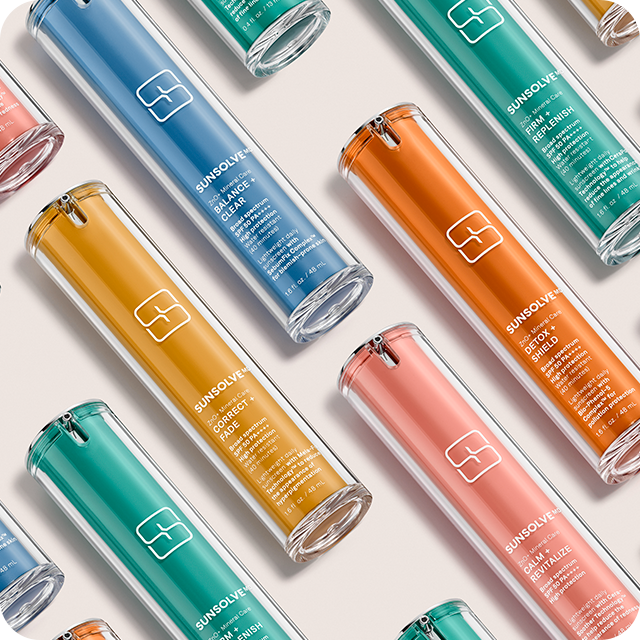
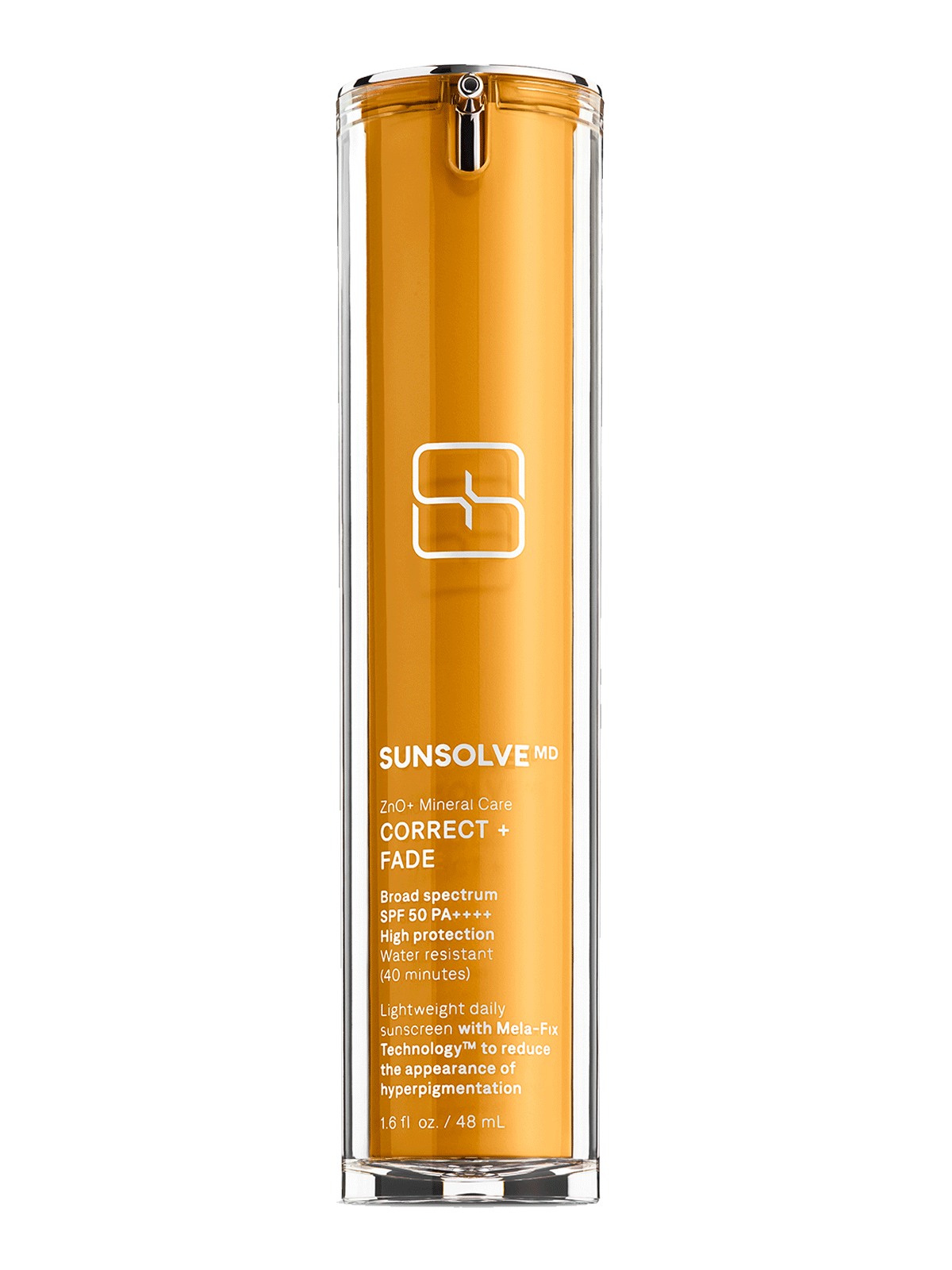
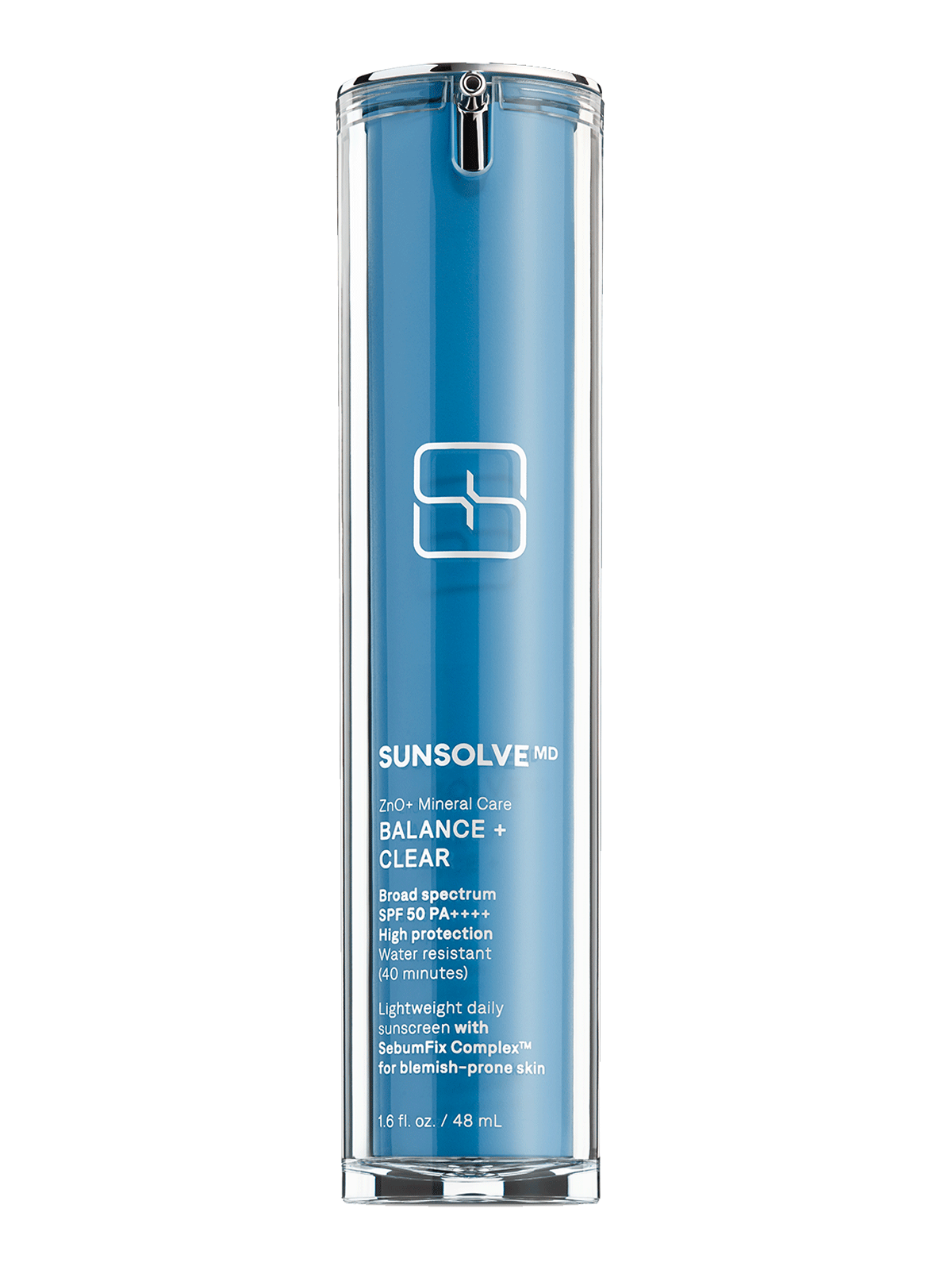
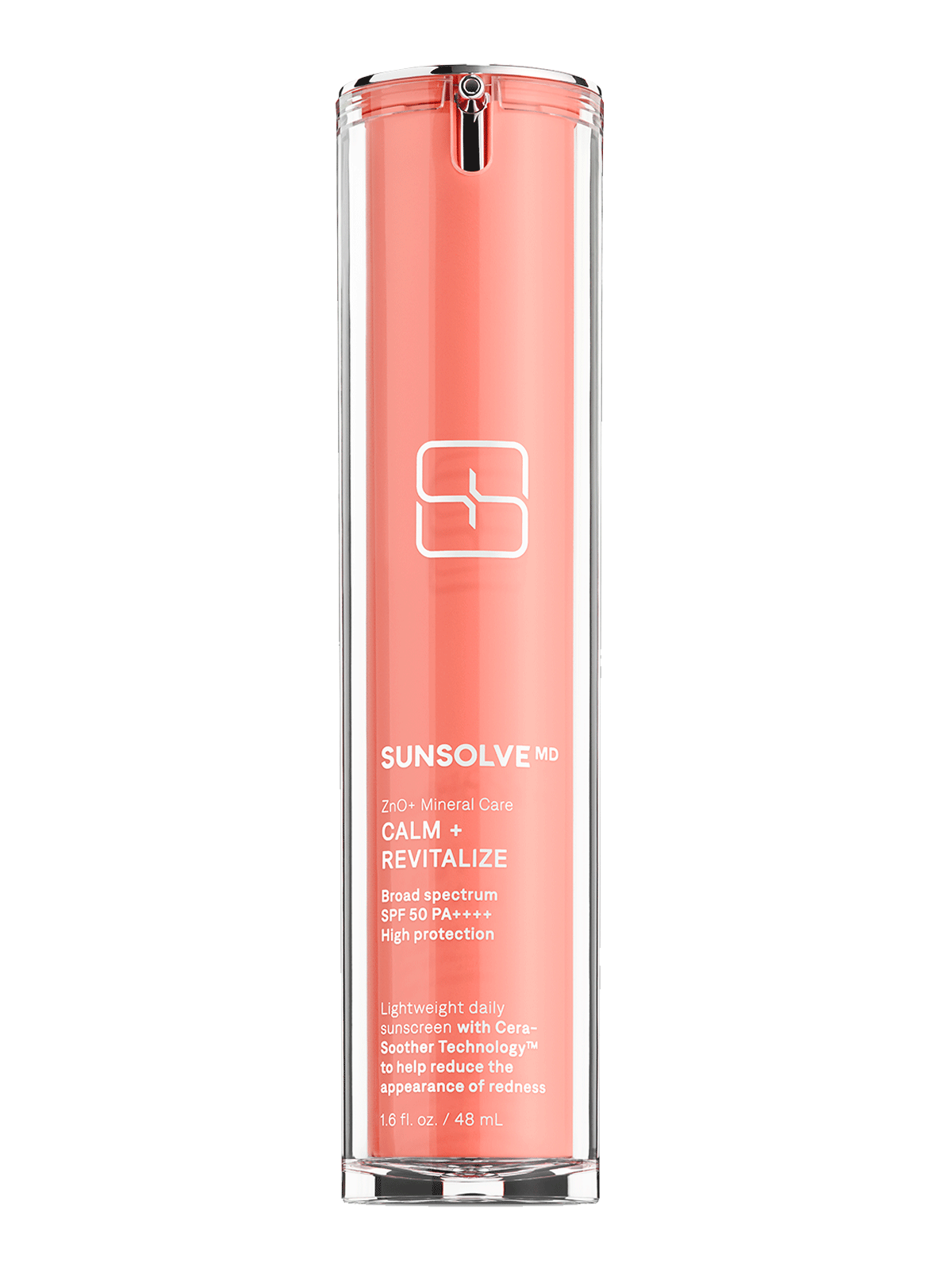
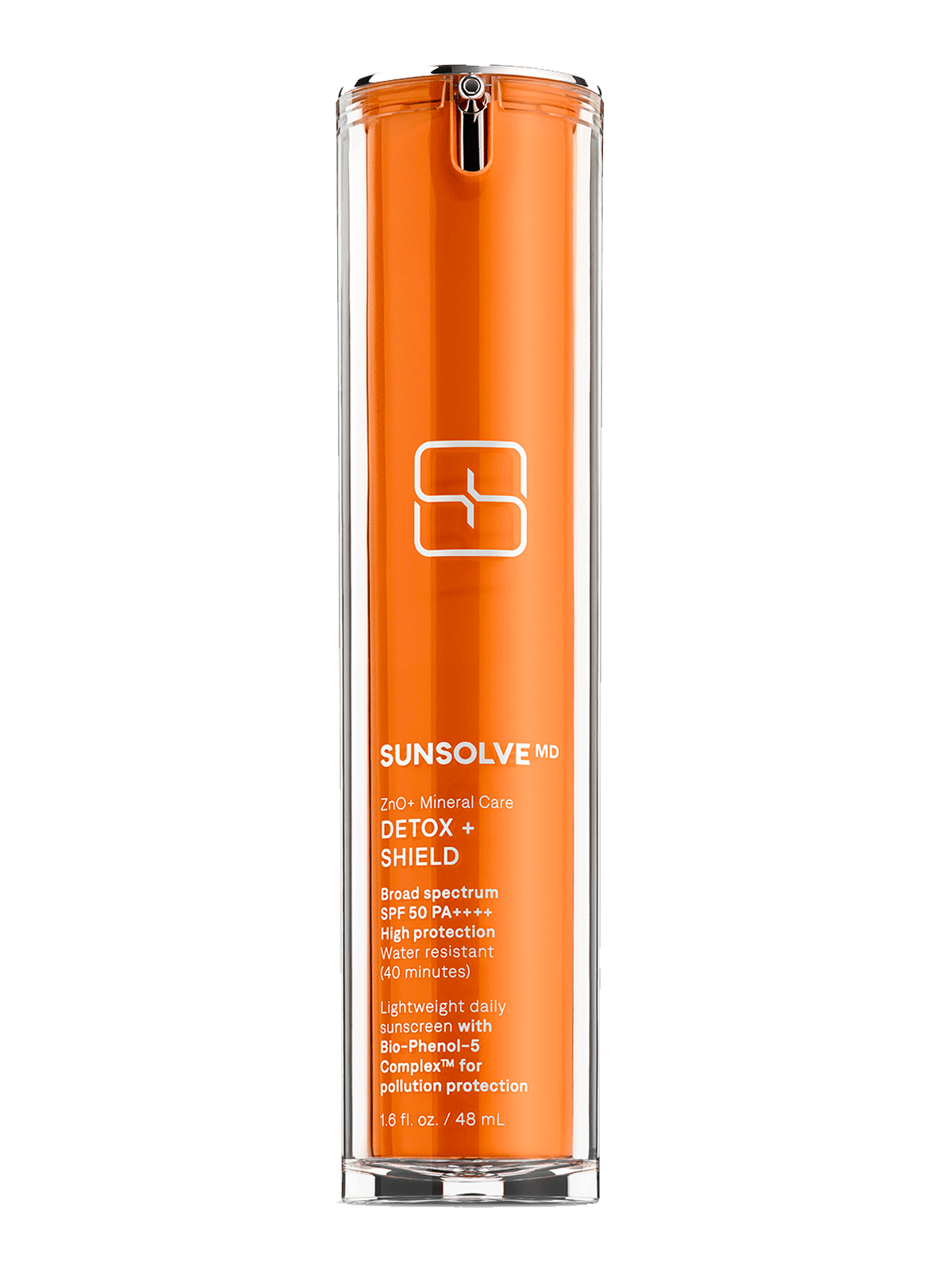
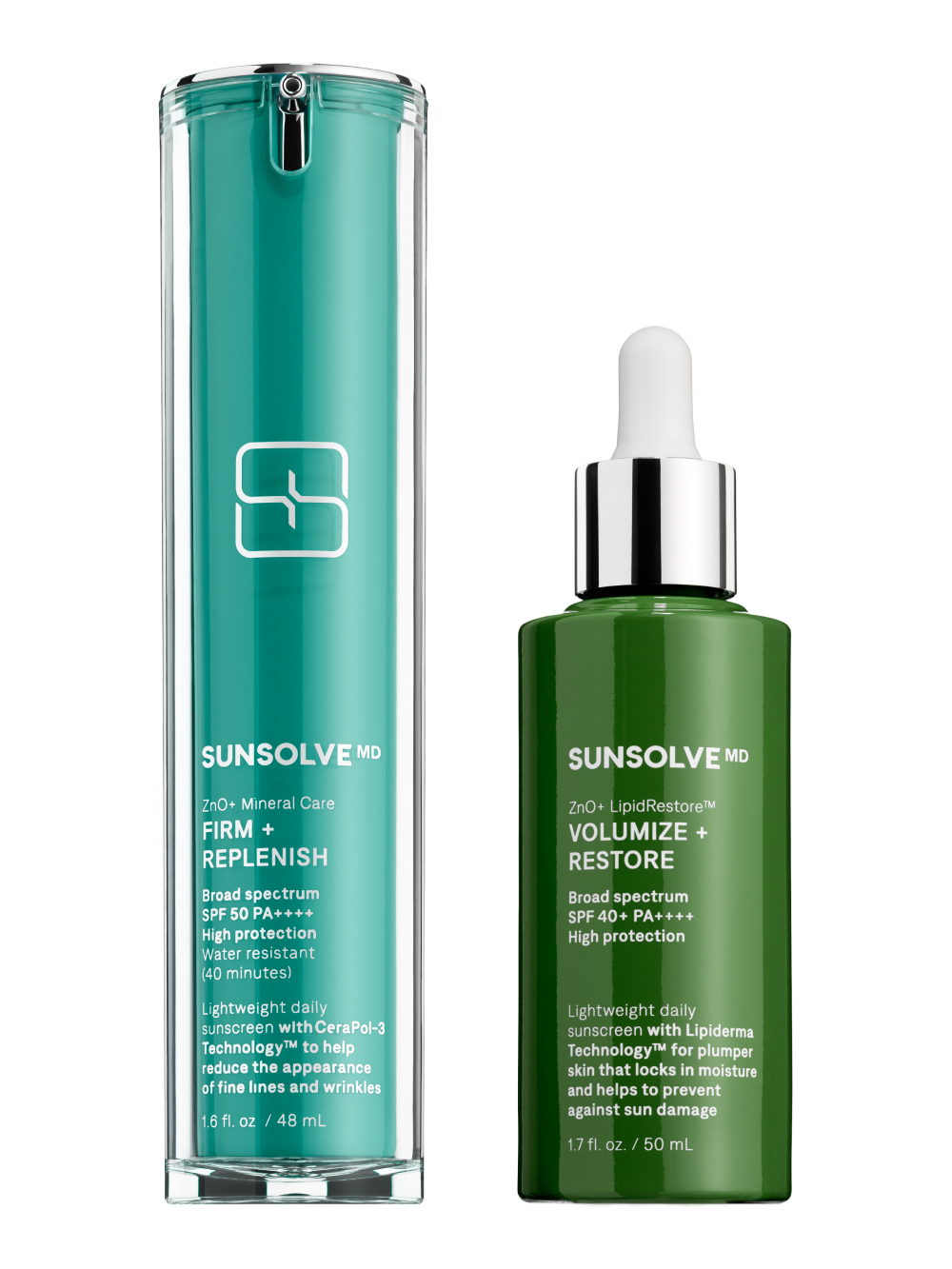
We care deeply about getting sun protection right for every skin type and every age, and that starts with the choices we make at a formulation level. Our zinc-based SPF sunscreen range uses 12% non-nano zinc oxide as the active, with no fragrance, no oxybenzone, and no occlusive bases that compromise sensitive or delicate skin. The same ingredients we trust for reactive adult skin are the ones we'd put on a child's - it's the standard we hold ourselves to.

FAQs

Can I use the same sunscreen on my child that I use on myself?

If your sunscreen is fragrance-free, mineral-based with zinc oxide or titanium dioxide, and free from oxybenzone, then yes. Many adult mineral SPFs are perfectly appropriate for children. The key is the ingredient list rather than whether it's marketed as a children's product.

My child has eczema. Is sunscreen safe to use?

Mineral sunscreens with zinc oxide are specifically recommended by paediatric dermatologists for children with eczema and sensitive skin. Zinc oxide has a well-documented anti-inflammatory action and doesn't interact with compromised skin barriers in the way chemical filters can. Patch test on a small area first if your child's skin is particularly reactive.

Does my child need sunscreen on cloudy days?

Yes. UVA radiation, which drives long-term skin damage, penetrates cloud cover consistently. A cloudy day doesn't meaningfully reduce UVA exposure, which is why year-round daily protection matters regardless of whether the sun is visibly out.

How do I reapply sunscreen on a child who doesn't want to stay still?

Timing helps, applying before they're already active and warm gives the formula a chance to settle. Stick formats tend to be easier for quick reapplication on moving children than lotions. Making it part of a routine from an early age significantly reduces resistance over time.


Trending Topics

Stay Trendy with Our Latest Insights

Why SPF Is Non-Negotiable for Every Skin Type

Once thought of as a concern almost exclusive to older generations, those with fair skin, or anyone who religiously (over) uses sunbeds, skin cancer is now on the rise across all demographics. Desp...

Sunscreen and Acne Treatments -  What You Need To Know
Sunscreen and Acne Treatments - What You Need To Know

If you’re undergoing professional or medical treatments for acne or acne scars, such as chemical peels, microneedling, laser therapy, or prescription medications, sun protection becomes essential. ...

Ways To Reduce Your Carbon Footprint With SPF

Decoding SPF and your carbon footprint. How to make more discerning choices with mineral sunscreens that not only safeguard your skin but are sustainably savvy.

Rosacea & SPF: How To Choose The Right Sunscreen

Rosacea is a common skin condition characterized by facial redness and inflammation. Follow this guide to choose the right sunscreen if you have rosacea.

A Dermatologists’ Guide To Photodamage And Dark Skin

Dermatologists weigh in on photodamage and dark skin (and how SPF is here to help). Read more.
Going to the Beach With Psoriasis: Risks and Benefits

Psoriasis is an immune-mediated disease. This is your scientific guide to safely treating psoriasis with natural sunlight.