Skip to content
Graphic of mineral SPF particles and skin barrier

Join The Solve Society. Designed for members to receive exclusive benefits

Explore benefits

Feb 21, 2026

Non-Nano Vs Nano Zinc Oxide: What Matters Clinically

As sunscreen formulas become more complex and sophisticated, so unfortunately does the language on sunscreen labels. Non-nano, micronised, nano-free, particle size disclosures - each of these signals mean something, though not always what people think they signal.

The nano versus non-nano debate is worth understanding properly, because it sits at the intersection of real science and legitimate uncertainty. So let’s take a closer look at the non-nano vs. nano zinc oxide debate, why it’s important, and what you need to know about it when shopping for a new SPF.

Non-Nano Vs Nano Zinc Oxide: What Matters Clinically

What The Terms Actually Mean

Particle size is the only meaningful distinction here. Nanoparticles are defined as particles with at least one dimension smaller than 100 nanometres. Non-nano zinc oxide particles are larger than 100nm, which places them well above the threshold at which meaningful skin penetration is considered likely on intact, healthy skin. Both forms of zinc oxide are inorganic mineral filters. Both work by sitting on the skin's surface and deflecting UV radiation through a combination of scattering and absorption. The chemistry of zinc oxide itself doesn't change with particle size; what changes is the balance between these two mechanisms and how the formula behaves cosmetically.

Smaller particles scatter visible light less, which is why nano zinc oxide produces a sheerer finish than non-nano. This is almost entirely a cosmetic distinction, but it's the reason the category exists at all. The white cast historically associated with zinc-based sunscreens was the driver for developing smaller particles, not any improvement in photoprotection.

Does Particle Size Affect How Well The Sunscreen Protects?

The relationship between particle size and UV protection is slightly more complex than marketing suggests. Non-nano particles scatter both UVB and long-wave UVA more effectively, while nano particles offer improved absorption in the UVA-I range, the longest and deepest-penetrating wavelengths. Well-formulated non-nano zinc oxide achieves genuine broad-spectrum coverage across the relevant wavelength range, particularly at higher concentrations. The clinical significance of the UVA-I difference between particle sizes is modest for a correctly formulated non-nano product at adequate concentrations. And when it comes to mineral vs chemical sunscreen, particle size is a secondary consideration; the more meaningful variable is zinc oxide concentration and whether the formula achieves a high enough critical wavelength to qualify as broad-spectrum.

What Does The Safety Evidence Actually Show?

This is where the conversation is frequently oversimplified in both directions. Non-nano zinc oxide particles are too large to penetrate healthy, intact skin in any meaningful quantity. They sit on the outermost layer of the epidermis, the stratum corneum, where they do their work and are removed with cleansing. This is well established across multiple in-vitro and in-vivo studies, and it's the basis on which regulatory bodies including the EU's Scientific Committee on Consumer Safety have consistently assessed non-nano zinc oxide as safe for topical use.

The picture for nano zinc oxide is more complicated. Regulatory bodies, including the FDA and ECHA, have reviewed the available evidence and broadly concluded that nano zinc oxide in leave-on sunscreens poses negligible risk when applied to intact skin, with particles remaining on the stratum corneum rather than entering viable tissue. However, the ECHA does restrict nano zinc oxide in sprayable products due to inhalation risk, a concern that is distinct from dermal safety but worth noting if you use spray formats. A review of published data notes that while several studies confirm the safety of nano zinc oxide on intact skin, questions remain about penetration through damaged or compromised skin barriers.

The distinction matters clinically. For skin that is healthy and intact, the safety profile of both forms is well-supported. For reactive, eczema-prone, or compromised skin, the precautionary argument for non-nano is reasonable.

What About Environmental Impact?

Non-nano zinc oxide has a meaningfully better environmental profile than nano zinc oxide and a considerably better one than chemical UV filters. Nano particles have been detected in marine organisms and shown to affect biological cycles in coral and plankton. Non-nano zinc oxide particles remain on the skin's surface, don't absorb into marine organisms at meaningful levels, and are biodegradable. For anyone swimming in natural water bodies, the filter choice has implications beyond personal skin health.

What Makes SunsolveMD Different

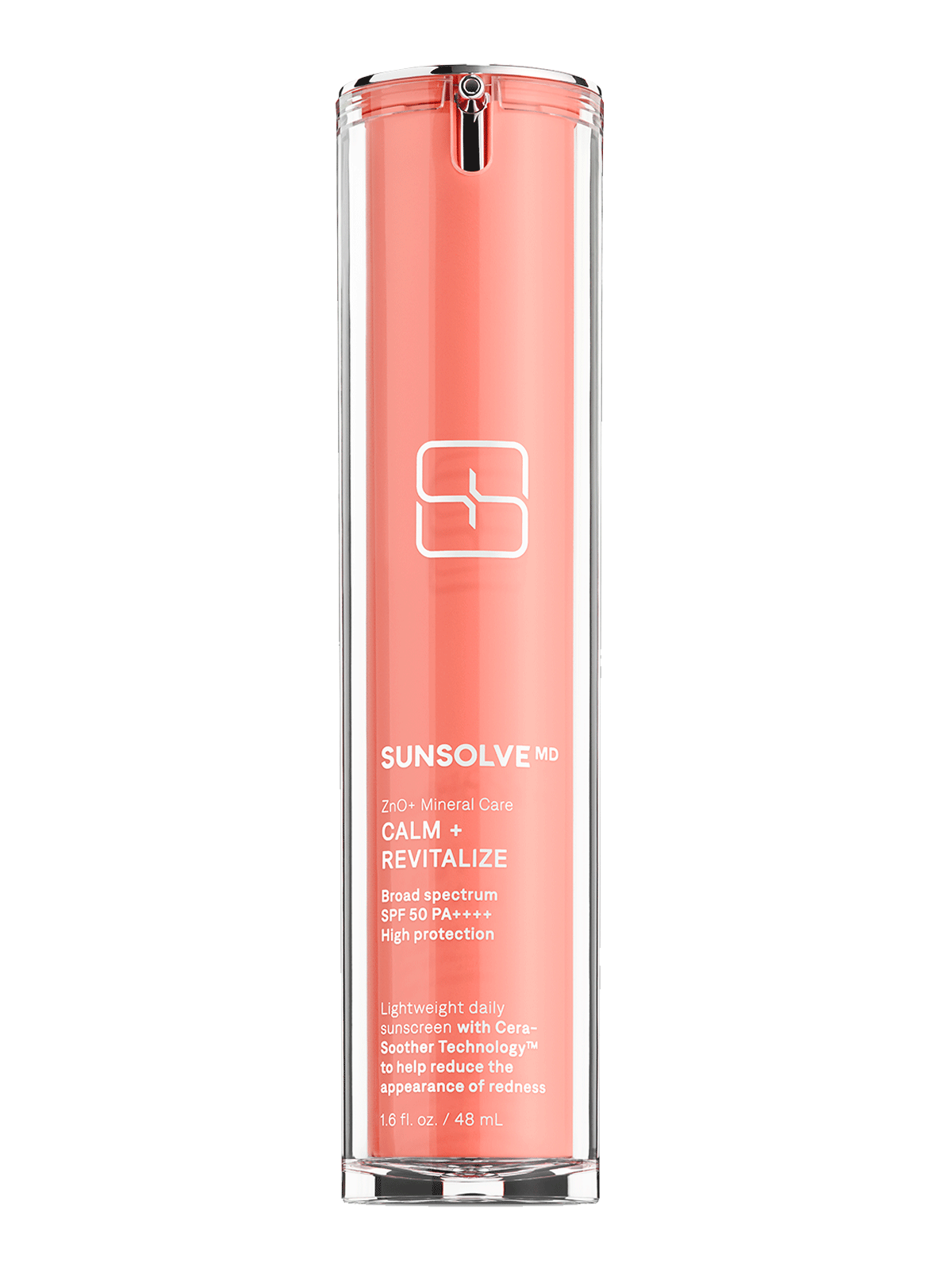
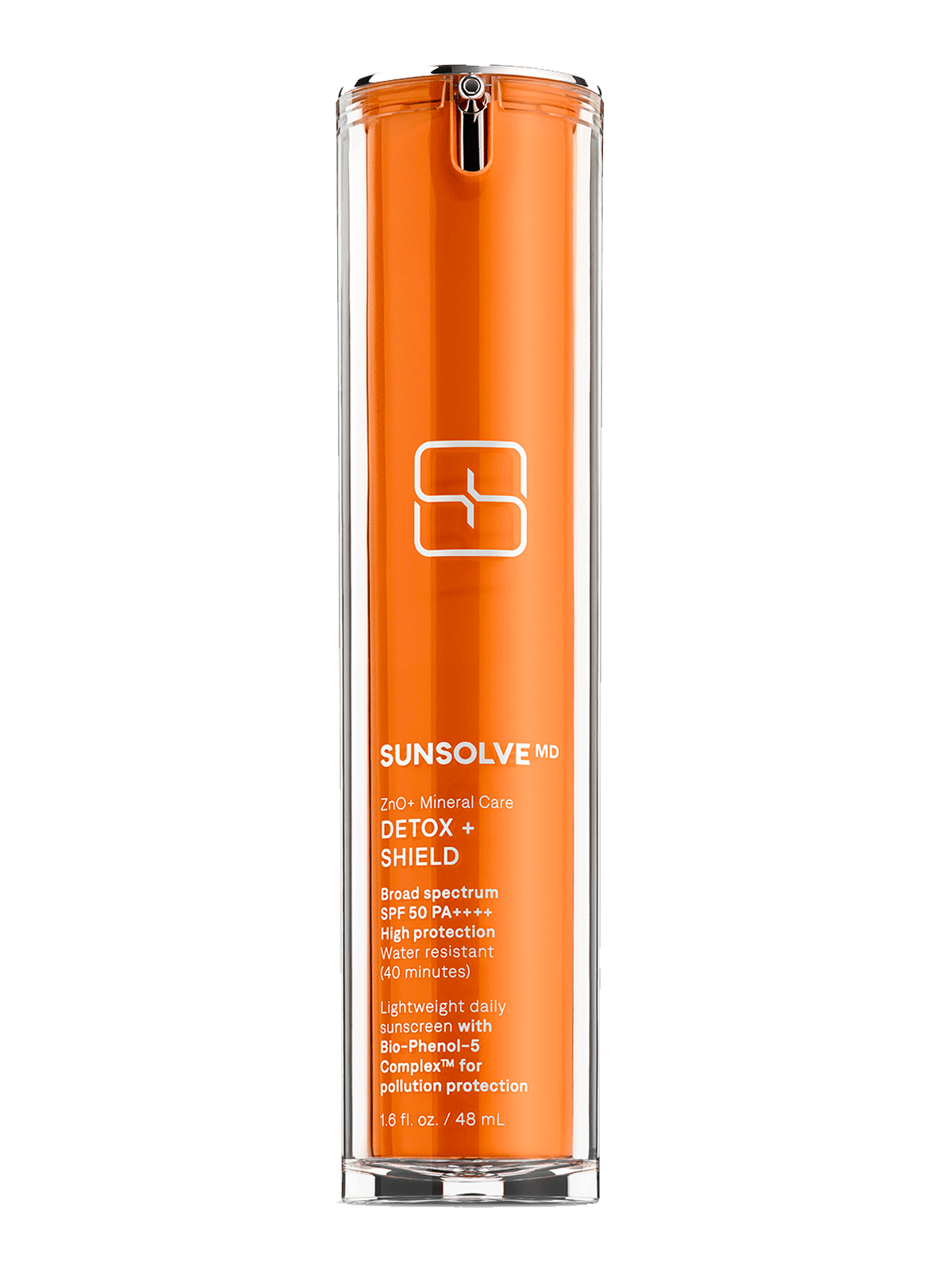
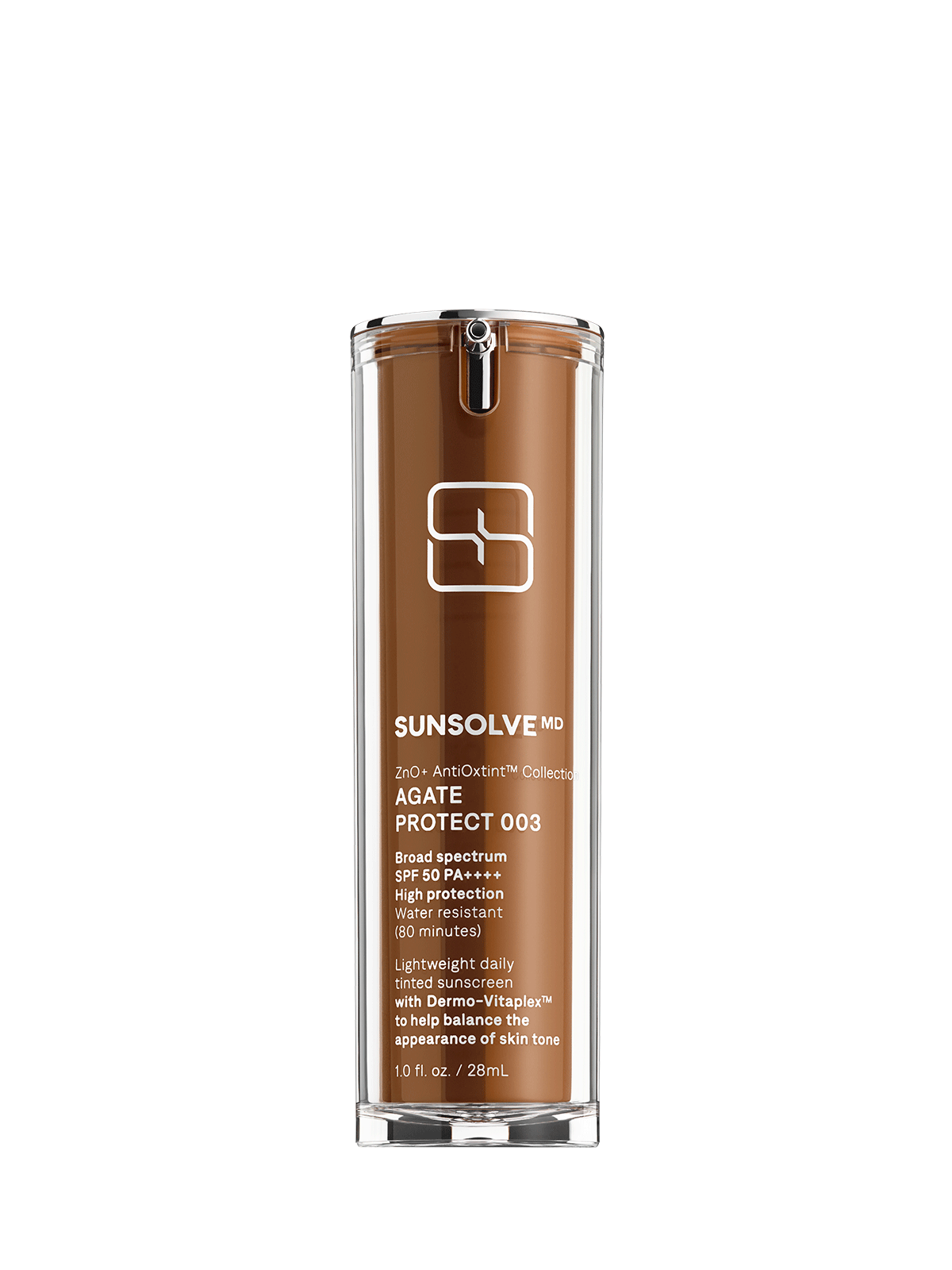
We use non-nano zinc oxide across our entire range because we believe it represents the most defensible choice across both safety and efficacy, particularly for the reactive, sensitive, and photodamage-prone skin types our formulas are designed for. Our zinc-powered SPF solutions deliver 12% non-nano zinc oxide, one of the highest concentrations available in consumer mineral sunscreen anywhere in the world, formulated to sit beautifully across all skin tones without compromise. Protection that's transparent about what it contains, and why.

FAQs

Is non-nano zinc oxide safe for babies and children?

Yes. Non-nano zinc oxide sits on the skin's surface without absorption, making it the most appropriate filter choice for infant and paediatric skin. It's been used in nappy rash creams and wound care products for decades precisely because of its established safety profile on sensitive and delicate skin.

Does non-nano zinc oxide leave a white cast?

A very slight initial opacity is possible, particularly at higher concentrations. Modern formulation techniques, including micronisation within the non-nano range, significantly reduce this. Applying in thin layers and pressing rather than rubbing minimises any residue.

Is nano zinc oxide banned anywhere?

Nano zinc oxide isn't broadly banned, but the ECHA restricts its use in sprayable products within the EU due to inhalation risk. Some reef-protection legislation targets chemical filters specifically rather than nano zinc oxide, which has a considerably lower marine ecotoxicity profile than oxybenzone or octinoxate.

If nano zinc oxide is considered safe by regulators, why choose non-nano?

Regulatory approval reflects current evidence, which for nano zinc oxide on intact skin is generally reassuring. Non-nano offers a stronger safety case specifically for compromised or reactive skin, a better environmental profile, and superior visible light scattering at higher concentrations. For a daily-use facial product at clinically meaningful zinc concentrations, non-nano is the more considered choice.


Trending Topics

Stay Trendy with Our Latest Insights

Why SPF Is Non-Negotiable for Every Skin Type

Once thought of as a concern almost exclusive to older generations, those with fair skin, or anyone who religiously (over) uses sunbeds, skin cancer is now on the rise across all demographics. Desp...

Sunscreen and Acne Treatments -  What You Need To Know
Sunscreen and Acne Treatments - What You Need To Know

If you’re undergoing professional or medical treatments for acne or acne scars, such as chemical peels, microneedling, laser therapy, or prescription medications, sun protection becomes essential. ...

Ways To Reduce Your Carbon Footprint With SPF

Decoding SPF and your carbon footprint. How to make more discerning choices with mineral sunscreens that not only safeguard your skin but are sustainably savvy.

Rosacea & SPF: How To Choose The Right Sunscreen

Rosacea is a common skin condition characterized by facial redness and inflammation. Follow this guide to choose the right sunscreen if you have rosacea.

A Dermatologists’ Guide To Photodamage And Dark Skin

Dermatologists weigh in on photodamage and dark skin (and how SPF is here to help). Read more.
Going to the Beach With Psoriasis: Risks and Benefits

Psoriasis is an immune-mediated disease. This is your scientific guide to safely treating psoriasis with natural sunlight.