





Mineral Sunscreen vs Korean Sunscreen: What's the Difference?
The Korean sunscreen conversation has dominated skincare discourse for the better part of a decade, and not without reason. Korean formulations have a justified reputation for simplicity, wearability, and a willingness to innovate that the European and American markets have historically lacked. The textures are weightless, the finishes are luminous, and the user experience is, frankly, addictive.
What gets lost in the conversation is that "Korean sunscreen" and "mineral sunscreen" are not actually opposing categories. They are two different ways of describing different things. Most Korean sunscreens are chemical or hybrid formulations, but Korean mineral sunscreens also exist. The more useful comparison is between mineral SPF as a formulation philosophy and the predominantly chemical formulations that have defined the Korean export market. Once you understand what each category prioritises, the choice becomes less about geography and more about what your skin actually needs.
What Defines Korean Sunscreen Culturally
Korean SPF formulations emerged from a beauty culture that places enormous emphasis on the user experience of a product. Texture, scent, finish, and how a product layers under makeup are treated as essential rather than secondary. The result is a category of sunscreens that feel and look like skincare rather than like sun protection.
This has been a meaningful cultural shift. The European and American markets historically separated SPF from the rest of the routine, treating it as a functional product that people would tolerate rather than enjoy. Korean formulations made the SPF step pleasurable enough that consistent daily use became easier. That cultural contribution is real, and it has pushed the global market in a useful direction.
The chemical filter set used in Korean formulations is also broader than what is available in the US, where the FDA has not approved newer filters that have been available in Asia and Europe for years. Filters like Tinosorb S and Tinosorb M, Uvinul A Plus, and Mexoryl XL offer broad-spectrum protection with improved stability and lower irritation potential compared to older chemical filters. These are part of why Korean sunscreens often feel lighter and protect more effectively than their American counterparts.
What Defines Mineral Sunscreen Functionally
Mineral SPF is defined by the filter type rather than the country of origin. The active ingredients are physical filters, predominantly zinc oxide and titanium dioxide, that sit on the surface of the skin and reflect UV rather than absorbing it. The mechanism is fundamentally different from chemical filters, which absorb UV and convert it into heat that dissipates from the skin.
The case for mineral filters rests on several variables. They begin protecting immediately upon application rather than requiring twenty minutes to activate. They are photostable, meaning they don't degrade under UV exposure the way some chemical filters can. They don't absorb systemically into the bloodstream, which has become a relevant consideration given FDA studies showing chemical filters in blood and breast milk samples. And they tend to be considerably better tolerated by reactive skin, post-procedure skin, and conditions like rosacea where chemical filters often trigger flares.
The historical case against mineral SPF was cosmetic: chalkiness, white cast, and difficulty blending. Modern micronisation technology has largely eliminated this. Non-nano zinc oxide at 10 to 12% concentrations now exists in textures that match or surpass the wearability of chemical formulations.
Where The Categories Actually Differ

The practical differences come down to four variables.
-
Filter activity. Mineral filters are inert and remain on the surface. Korean chemical filters absorb into the upper layers of the skin and convert UV to heat. For sensitive, reactive, or post-procedure skin, the surface-active mechanism of mineral SPF is meaningfully less likely to provoke a reaction.
-
Texture and finish. Korean chemical formulations have historically led on lightness and luminosity, but well-formulated mineral SPF now competes directly on both. The white cast problem associated with older mineral formulations has largely been solved.
-
Photostability. Mineral filters don't degrade under UV. Some chemical filters (notably avobenzone, in older formulations) do, which is why they were often paired with octocrylene as a stabiliser. Modern filters are more stable than the early generation, but mineral SPF still has the edge here.
-
Environmental impact. Mineral filters do not bleach coral reefs the way oxybenzone and octinoxate have been documented to. For anyone swimming in tropical waters, mineral is the responsible choice regardless of which formulation tradition you prefer.
The Marketing Question
A lot of the Korean SPF reputation rides on the elegance and wearability claim, which used to be the genuine differentiator. That gap has closed. The best modern mineral formulations are indistinguishable from premium chemical formulations on texture and finish, which means the choice is increasingly about what your skin needs rather than which user experience you prefer.
For skin that flushes, reacts, or has been recently treated, mineral filters remain the safer and more therapeutic option. For skin that is balanced and tolerates a wide range of products, both categories work; the choice becomes about personal preference, ingredient values, and environmental priorities.
The SunsolveMD Difference
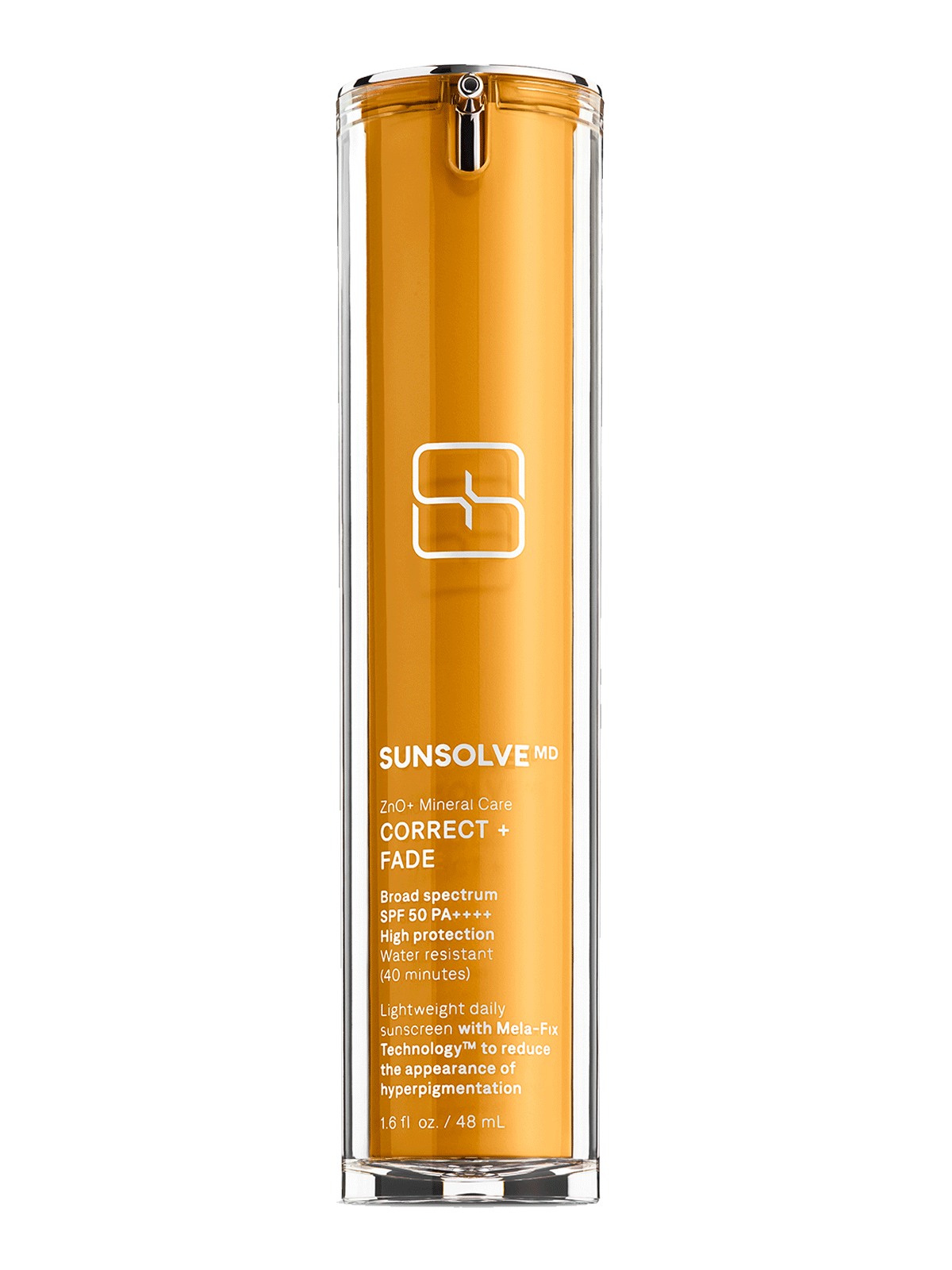
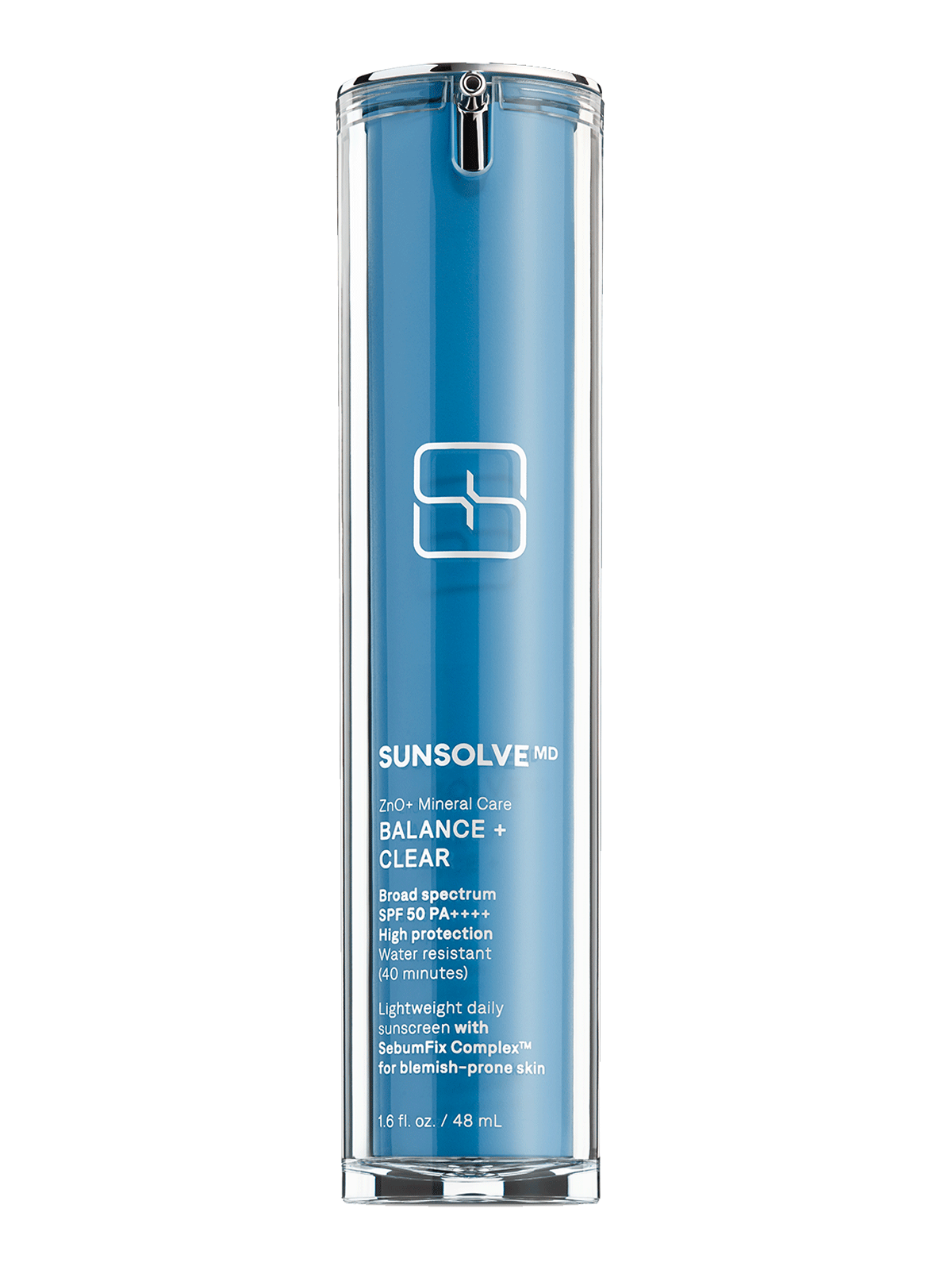
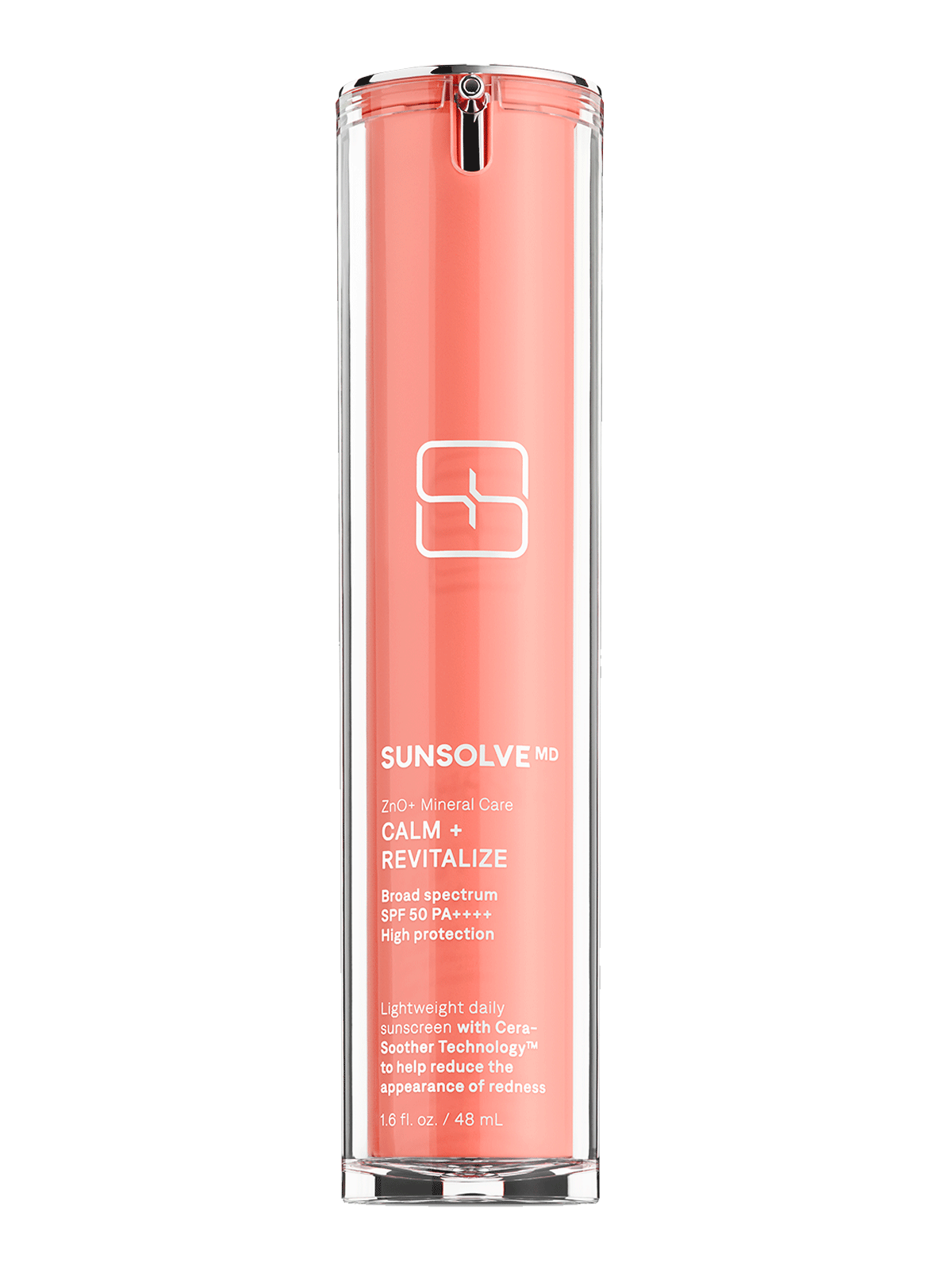
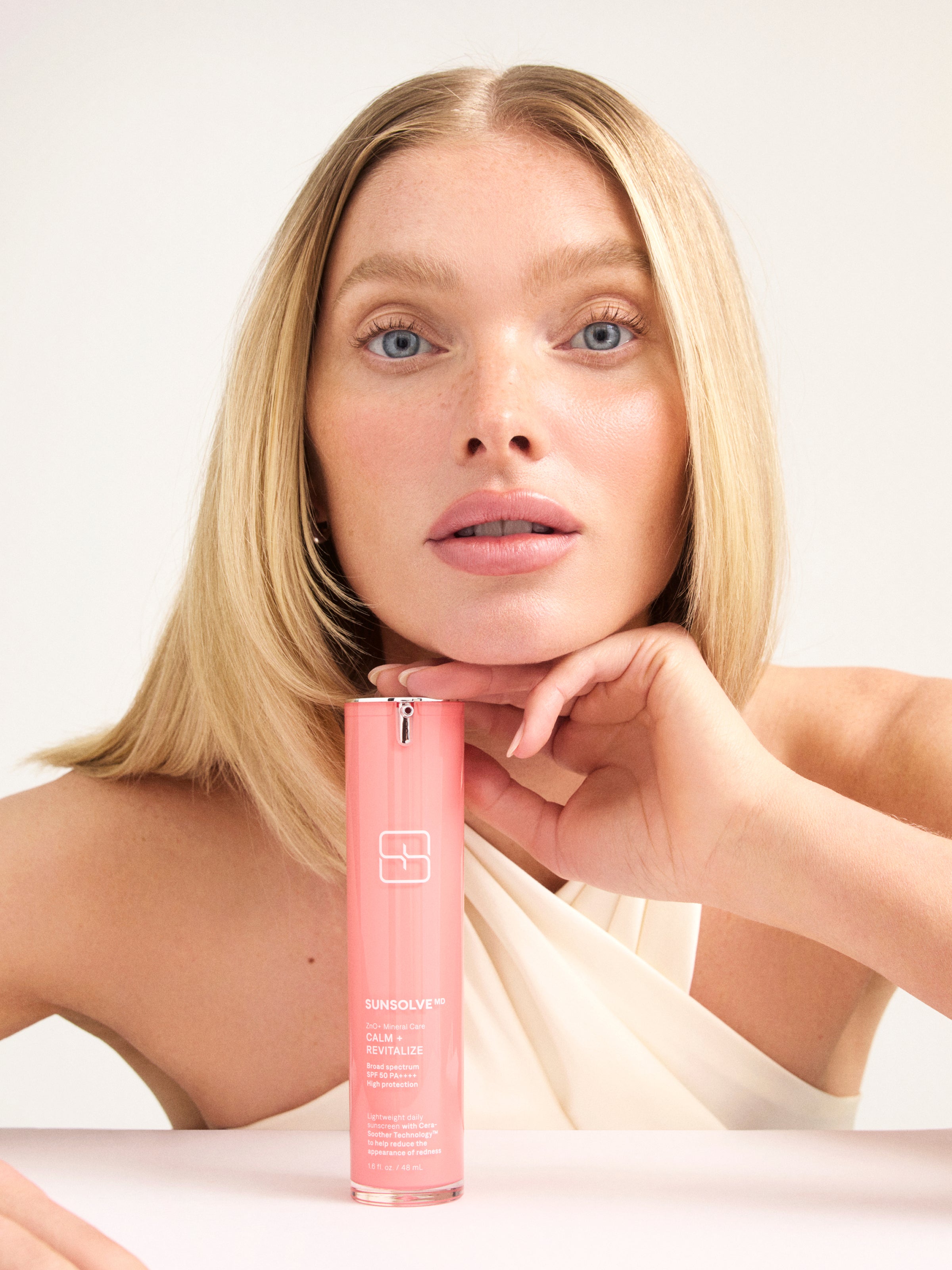
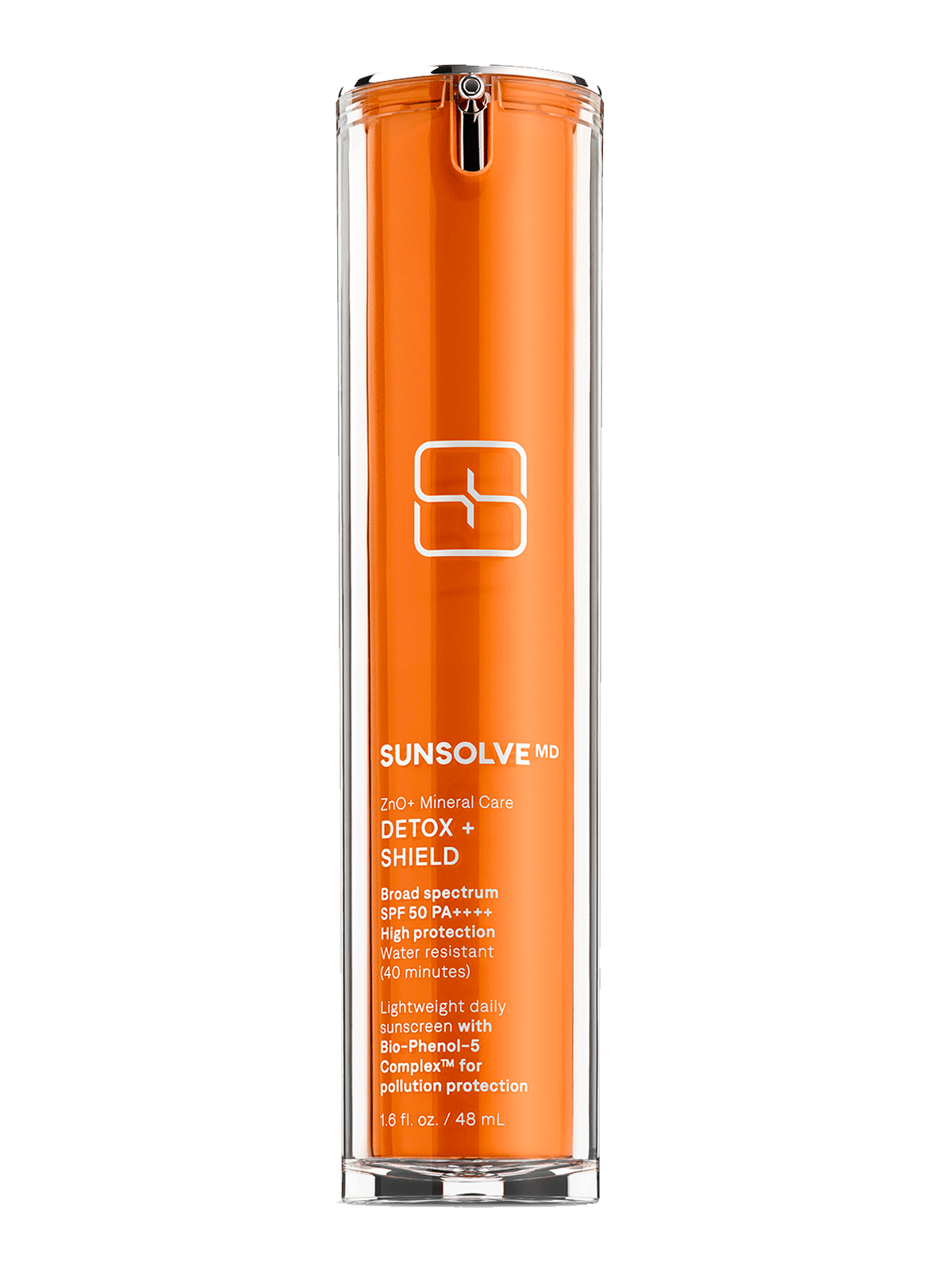
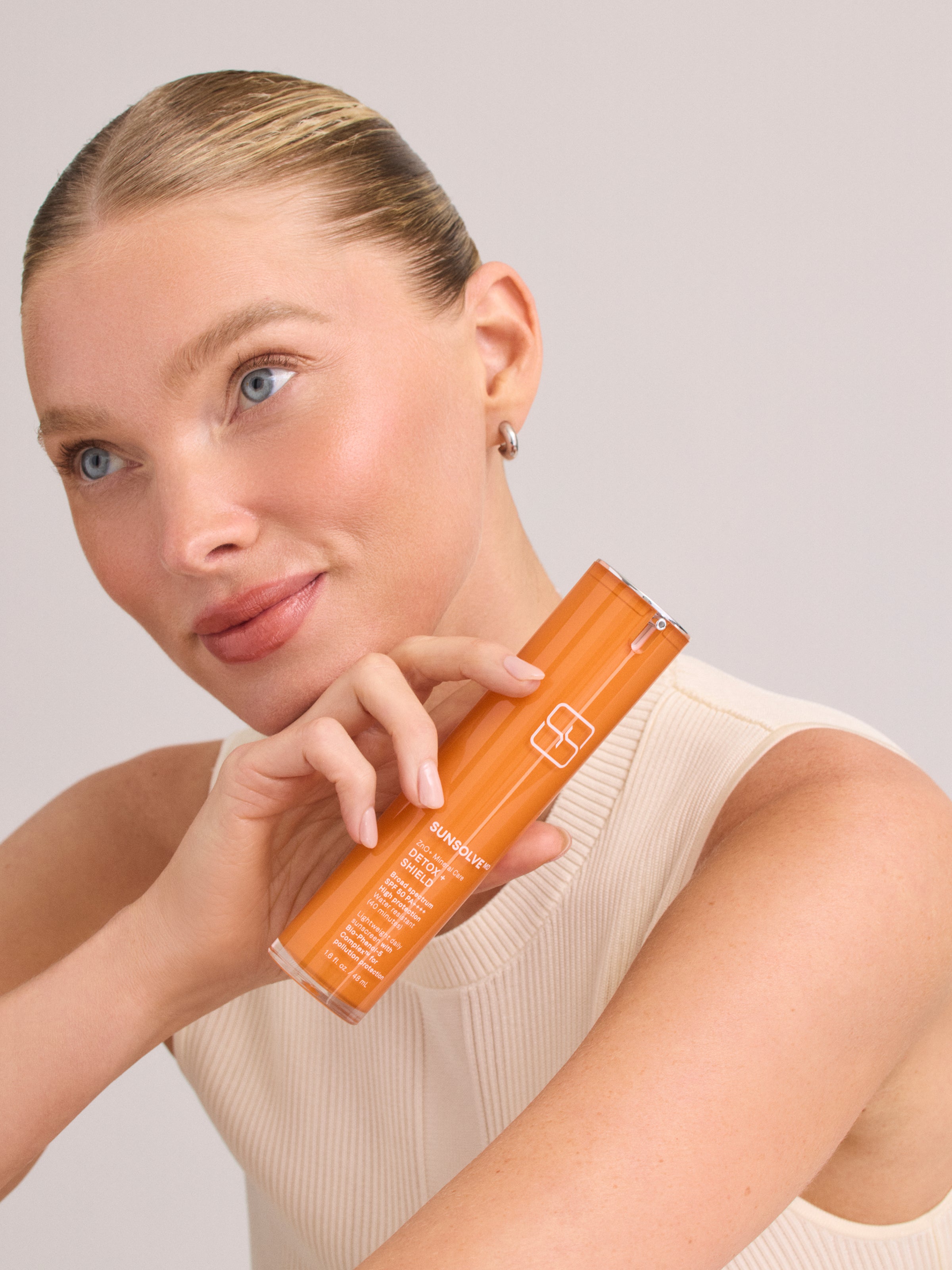
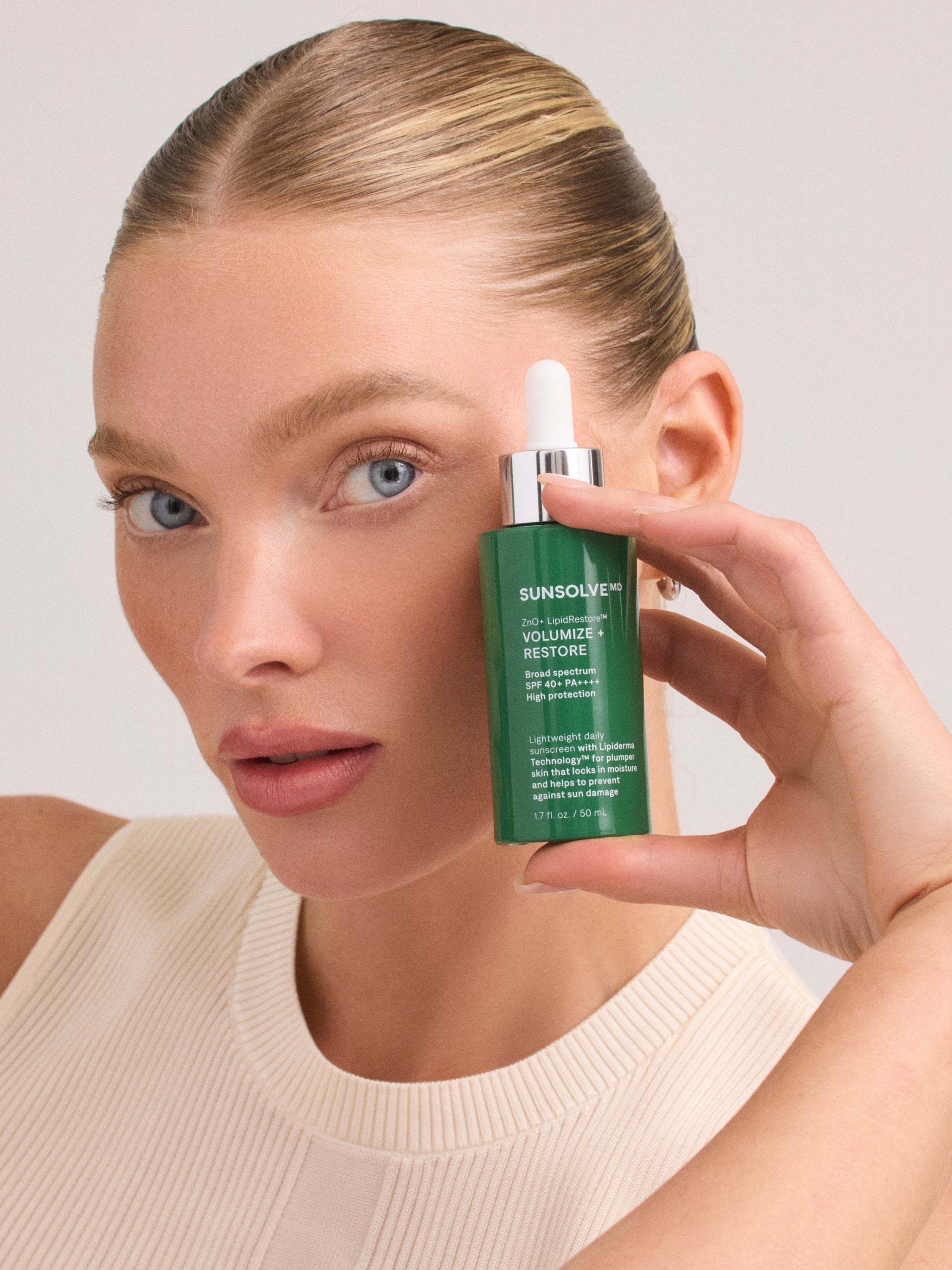
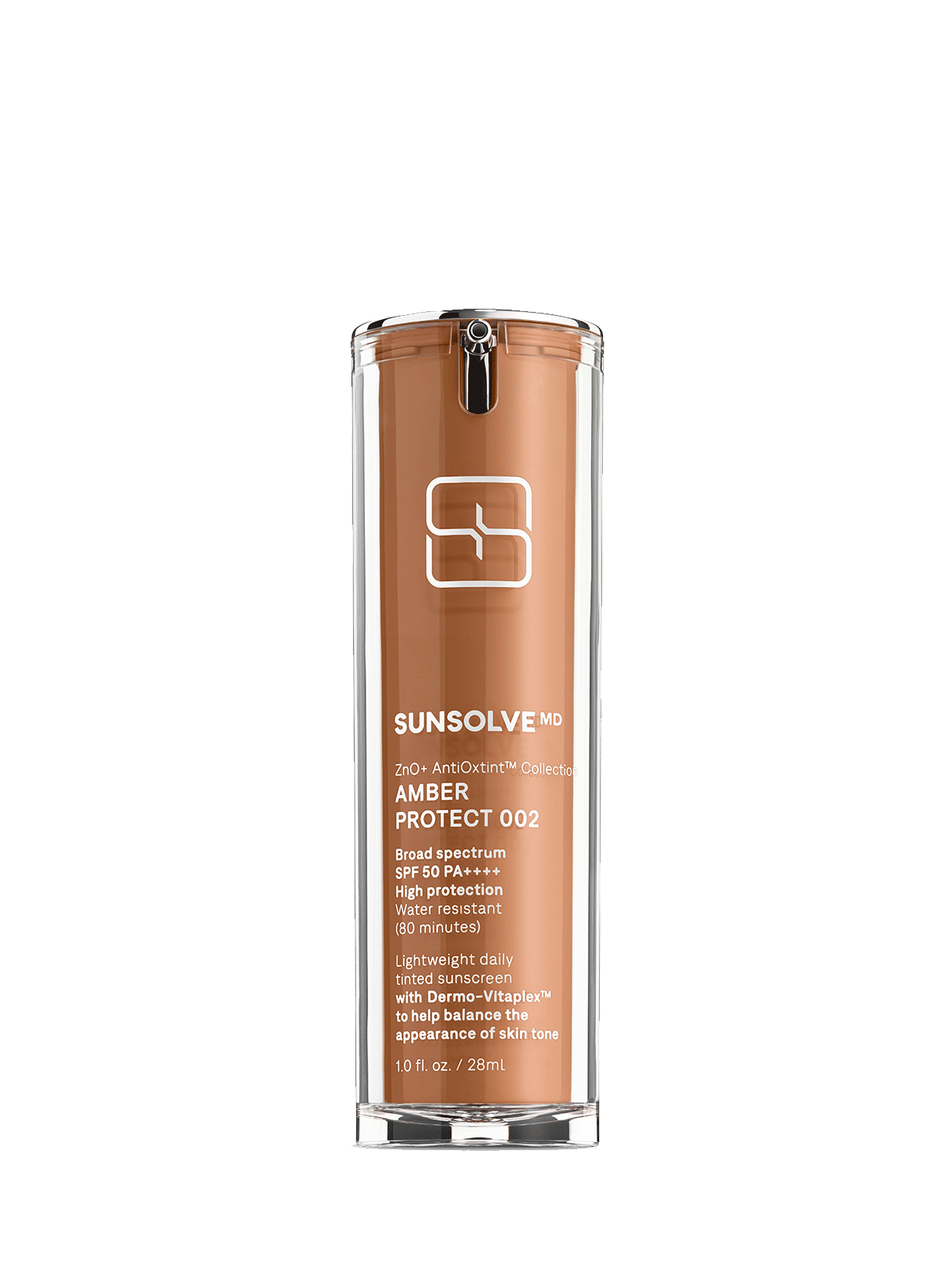
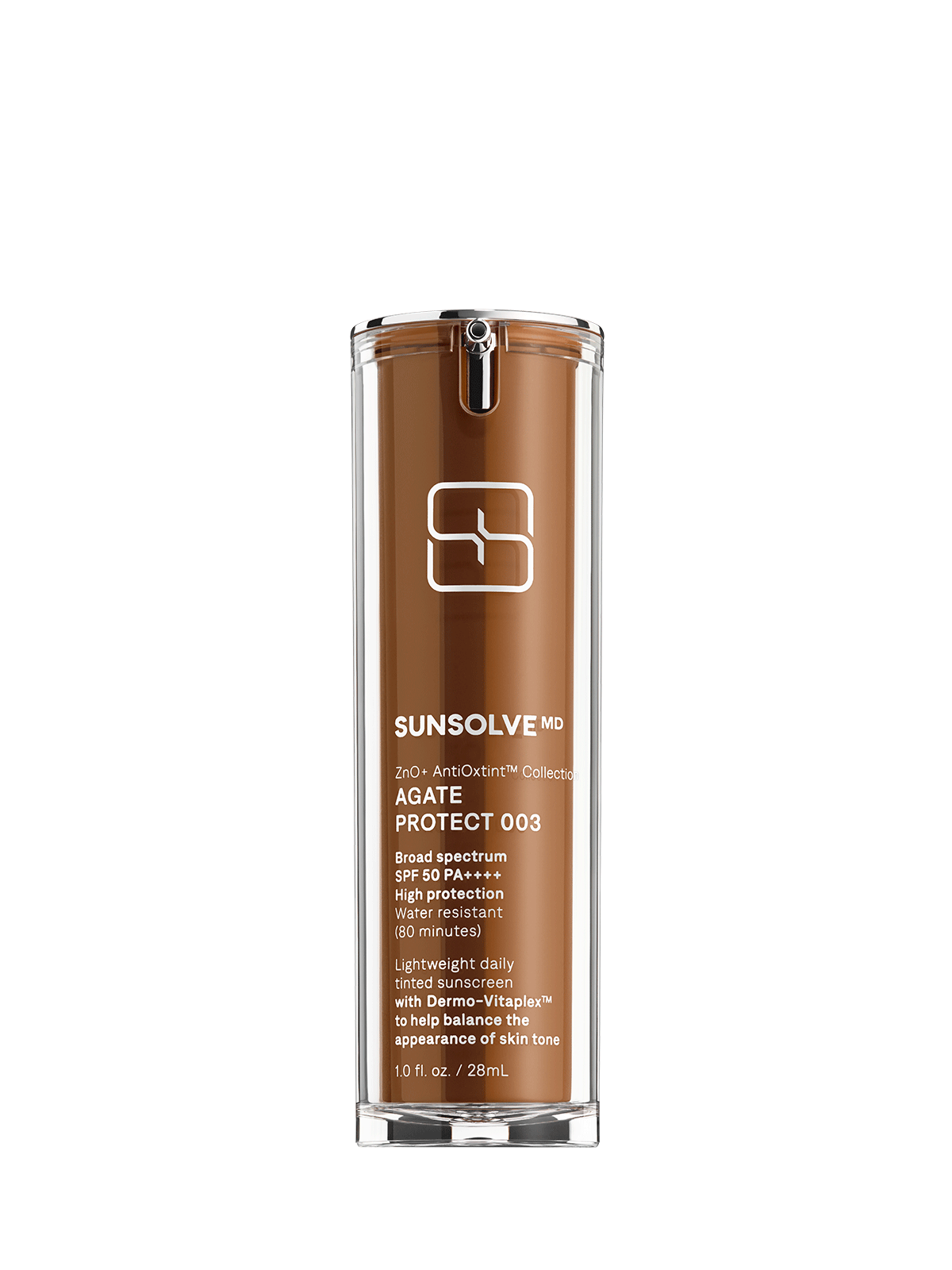
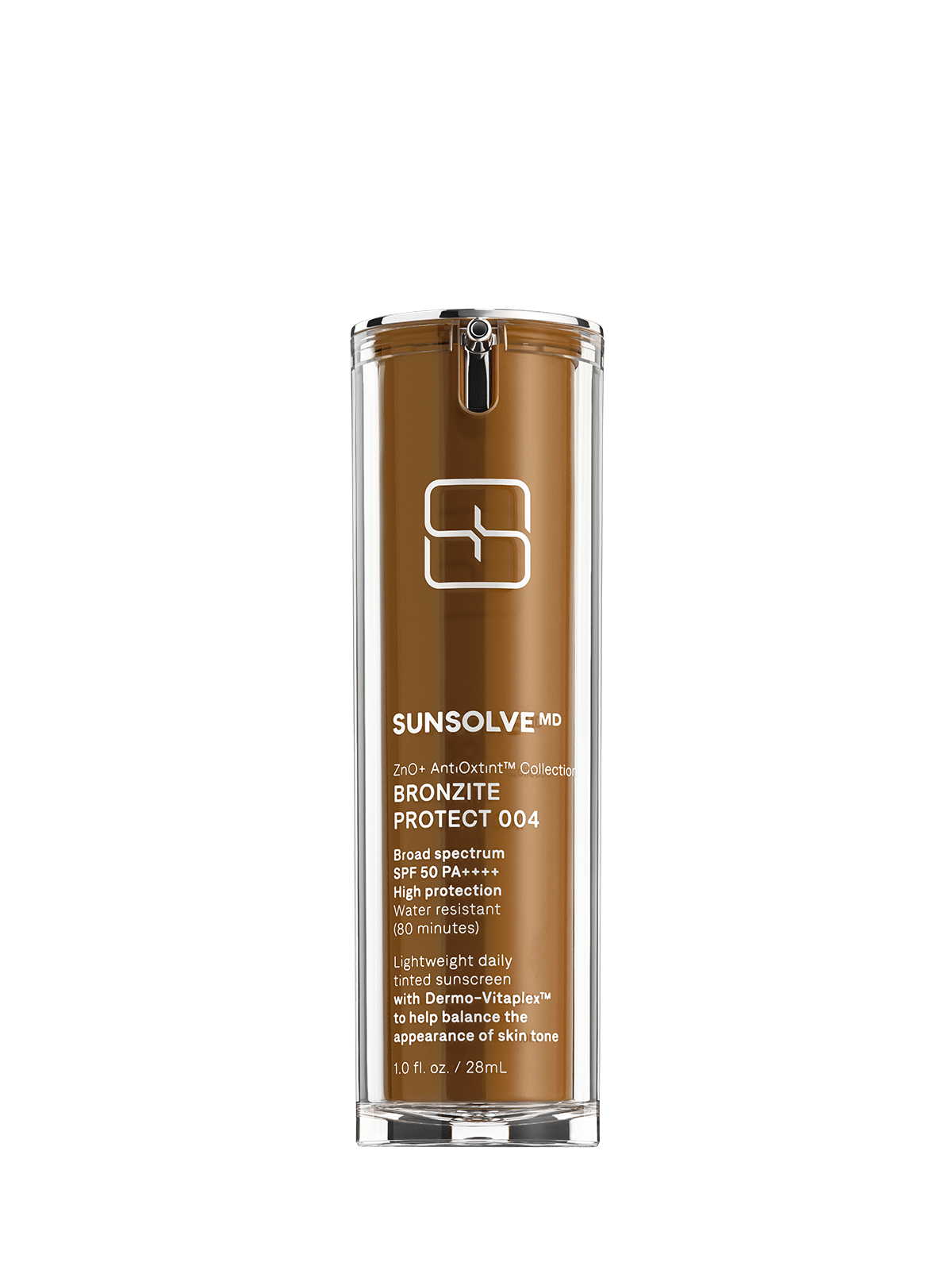
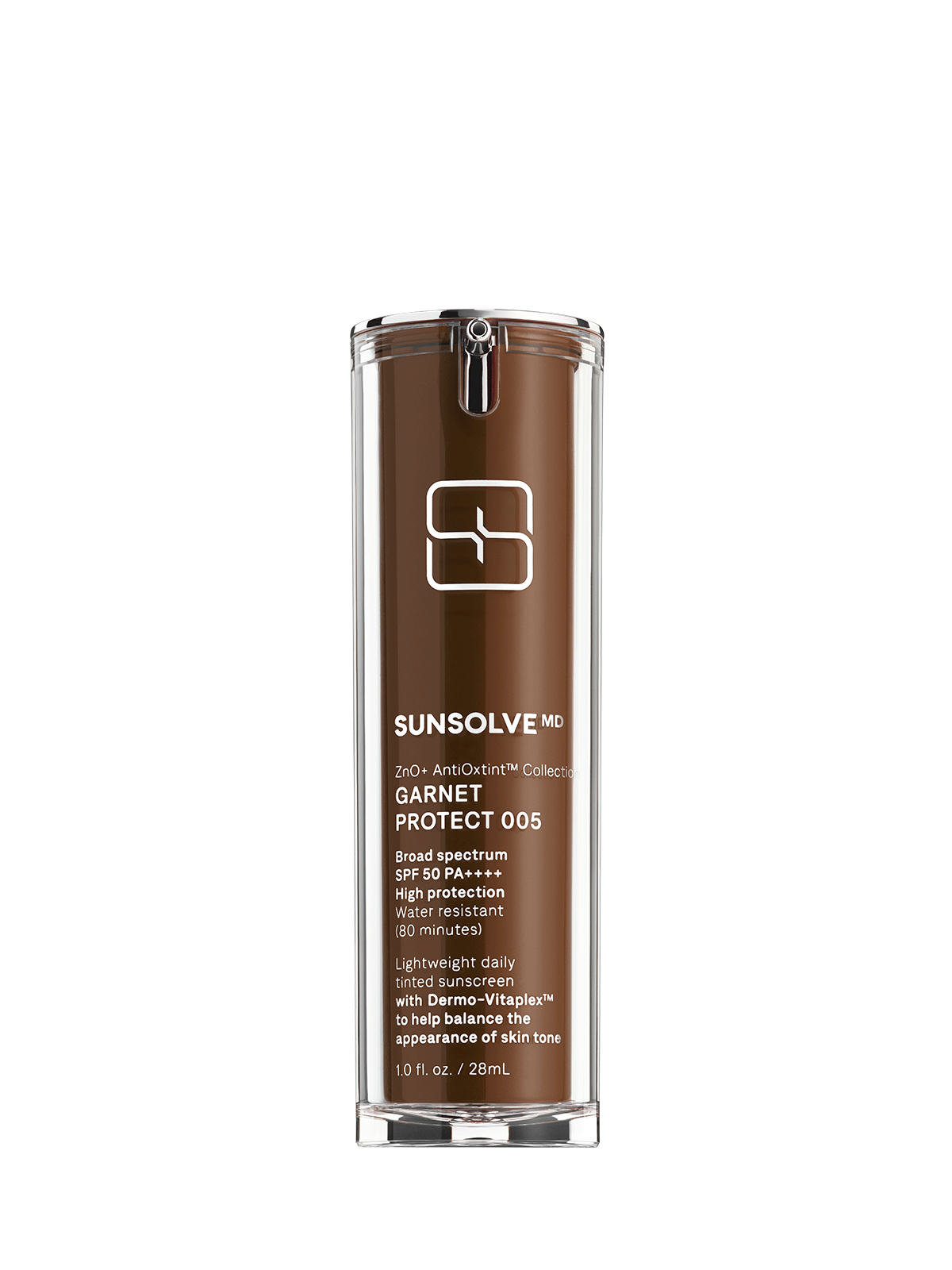
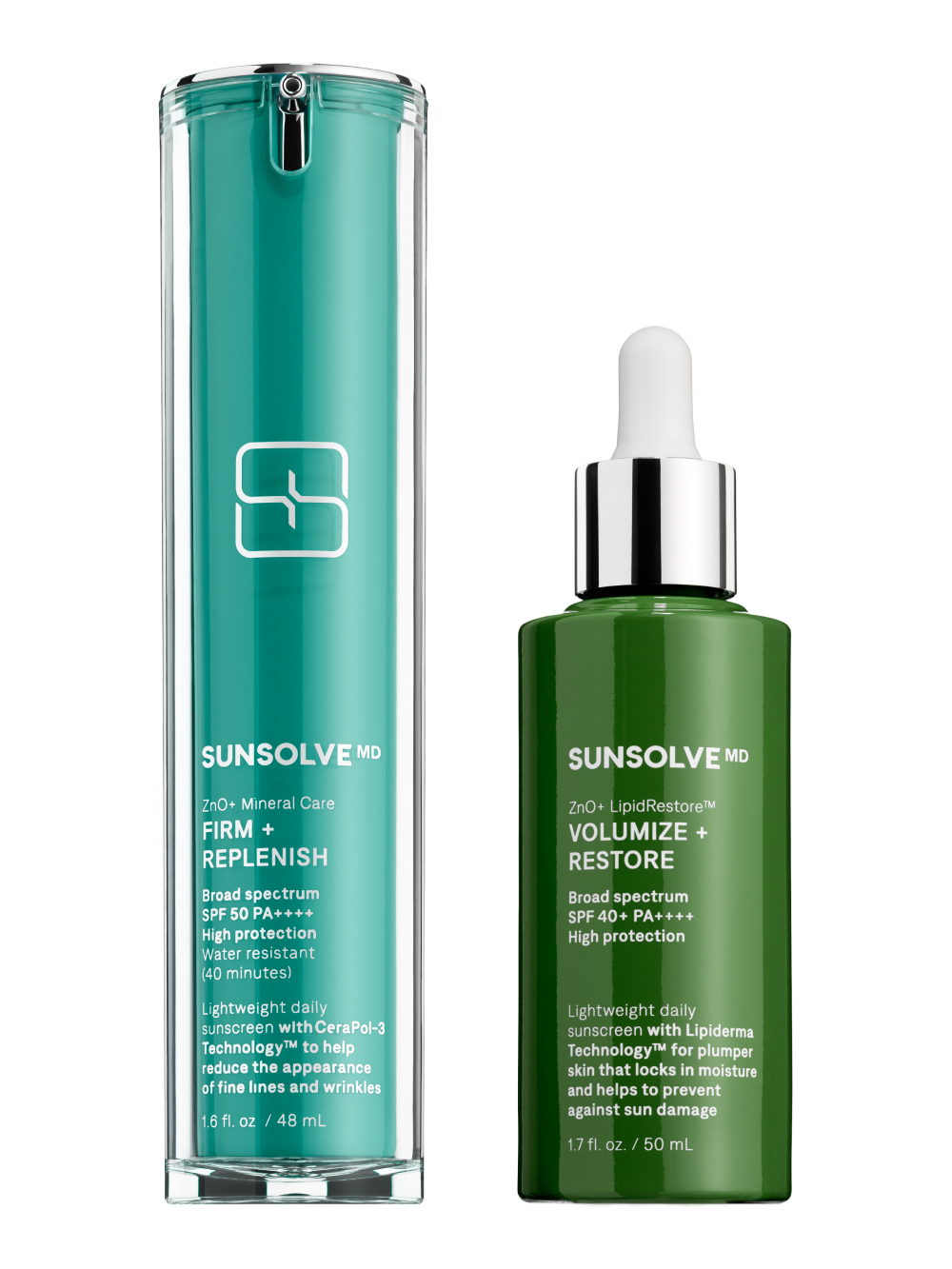
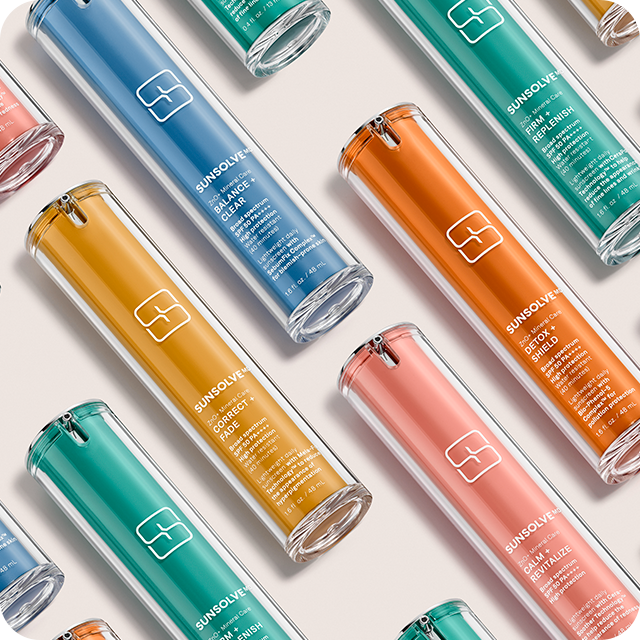
Our clean sun care for everyday outdoor use was built to compete with the best Korean SPF on texture and finish, while maintaining the formulation principles that make mineral filters the dermatological gold standard. The ZnO+™ Mineral Care Complex delivers 12% non-nano zinc oxide in a base of niacinamide, hyaluronic acid, and phytoplankton-derived enzymes that go beyond surface protection to address UV-induced damage at the cellular level. This is mineral SPF as it should be: lightweight, wearable, and clinically formulated.
FAQs
Is mineral SPF less effective than chemical?
No. When formulated well, mineral and chemical sunscreens offer comparable broad-spectrum protection. The differences are in mechanism, texture, and tolerability rather than efficacy.
Can I layer Korean SPF over mineral SPF?
Generally not recommended. Layering different sunscreens can dilute the protection and complicate the formulation chemistry. Use one or the other.
Do all Korean sunscreens contain chemical filters?
No, Korean mineral sunscreens exist. The Korean export market has historically favoured chemical formulations because of texture preferences, but mineral options are increasingly available.
Which is better for sensitive skin?
Mineral SPF, almost universally. The surface-active mechanism, absence of heat conversion, and inherent anti-inflammatory properties of zinc oxide make it the more reliable choice for reactive skin.