




Can You Wear Mineral Sunscreen Around the Eyes?
When it comes to the mineral vs chemical sunscreen for sensitive skin debate, mineral wins every time. But what about sunscreen around the eyes? After all, the eye area is one of the most exposed and least protected parts of the face. The skin is roughly ten times thinner than the skin on the cheeks, the muscular activity around the eyes is constant, and the UV exposure tends to be higher because there is less of the natural facial structure providing shade. It’s also one of the first areas to show photoageing: crow's feet, hyperpigmentation, hollowing, and the kind of fine lines that develop earlier and more pronouncedly than they should.
Despite all of that, the eye area is routinely under-protected. Many people deliberately skip sunscreen around the eyes because of the burning, stinging, and watering they have experienced with chemical SPF, and that avoidance pattern accumulates into the visible damage that emerges years later. The good news is that this problem has a solution, and the solution is mineral filters.
Why The Eye Area Is Particularly Vulnerable
The skin around the eyes (the periocular skin) has several characteristics that make it both more sensitive and more susceptible to UV damage than the rest of the face. It is thin, which means less natural barrier between the surface and the underlying structures. It has a sparse subcutaneous fat layer, which means less cushioning and less reserve for collagen breakdown. The blood supply is rich and superficial, which contributes to the prominence of dark circles, vascular discolouration, and the puffiness that develops with inflammation. And the constant muscular motion (blinking, smiling, squinting) compounds the effect of UV-induced collagen and elastin breakdown by creating repeated micro-stress on already-thinning skin.
This is why crow's feet are the earliest visible sign of photoageing for most people. The combination of thin skin, high UV exposure, and constant motion creates the perfect conditions for premature aging to develop here before it shows anywhere else.
Why Chemical SPF Often Fails Here
The reason most people associate sunscreen with eye irritation is chemical filters. Avobenzone, oxybenzone, octinoxate, and homosalate are designed to absorb into the upper layers of the skin to do their job, and that absorption profile means they migrate when sweat, tears, or the natural oils on the face mobilise them. The path of least resistance from the cheekbone or brow leads straight into the eye, and once they reach the tear film, the stinging is immediate.
Avobenzone has a particular reputation for severe eye irritation, and oxybenzone is classified in dermatological literature as a hazardous irritant on direct eye contact. The skin around the eyes is also more permeable than the rest of the face, which means chemical filters absorb more readily through it and can cause sensitivity reactions even before they migrate into the eye itself.
Why Mineral Filters Work Better Here

Mineral sunscreens behave fundamentally differently. Zinc oxide and titanium dioxide sit on the surface and reflect UV without absorbing into the skin. They don't migrate the way chemical filters do, and even if a small amount reaches the eye, the reaction is not the same chemical-burn sting that defines avobenzone exposure. Zinc oxide is also genuinely soothing in low concentrations; it is used in nappy rash creams precisely because it calms reactive skin rather than provoking it.
This makes mineral SPF the appropriate formulation type for the eye area, not just acceptable but specifically suited to it. The skin tolerates it, the formula stays where you put it, and the protection extends to the most photodamage-prone part of the face.
How To Apply It Correctly
Application technique matters considerably more around the eyes than anywhere else on the face. The principles are simple but worth getting right.
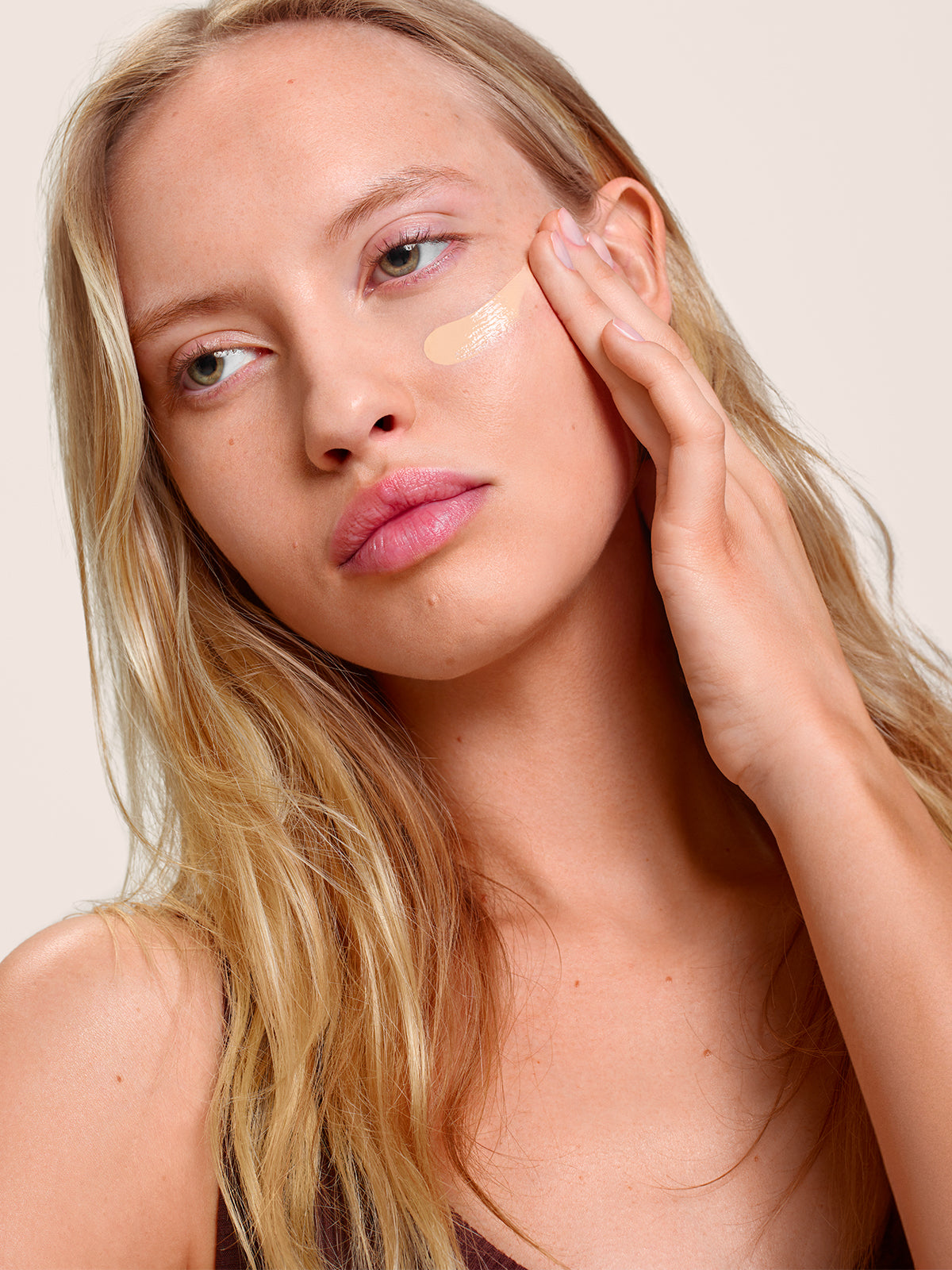
Use your ring finger, which exerts the least pressure and minimises tugging on the delicate skin. Pat the product on rather than rubbing it in. Stay on the orbital bone, the bony rim around the eye socket, and don't take sunscreen onto the eyelid itself or into the inner corner of the eye. Allow it to set for a few minutes before applying anything else.
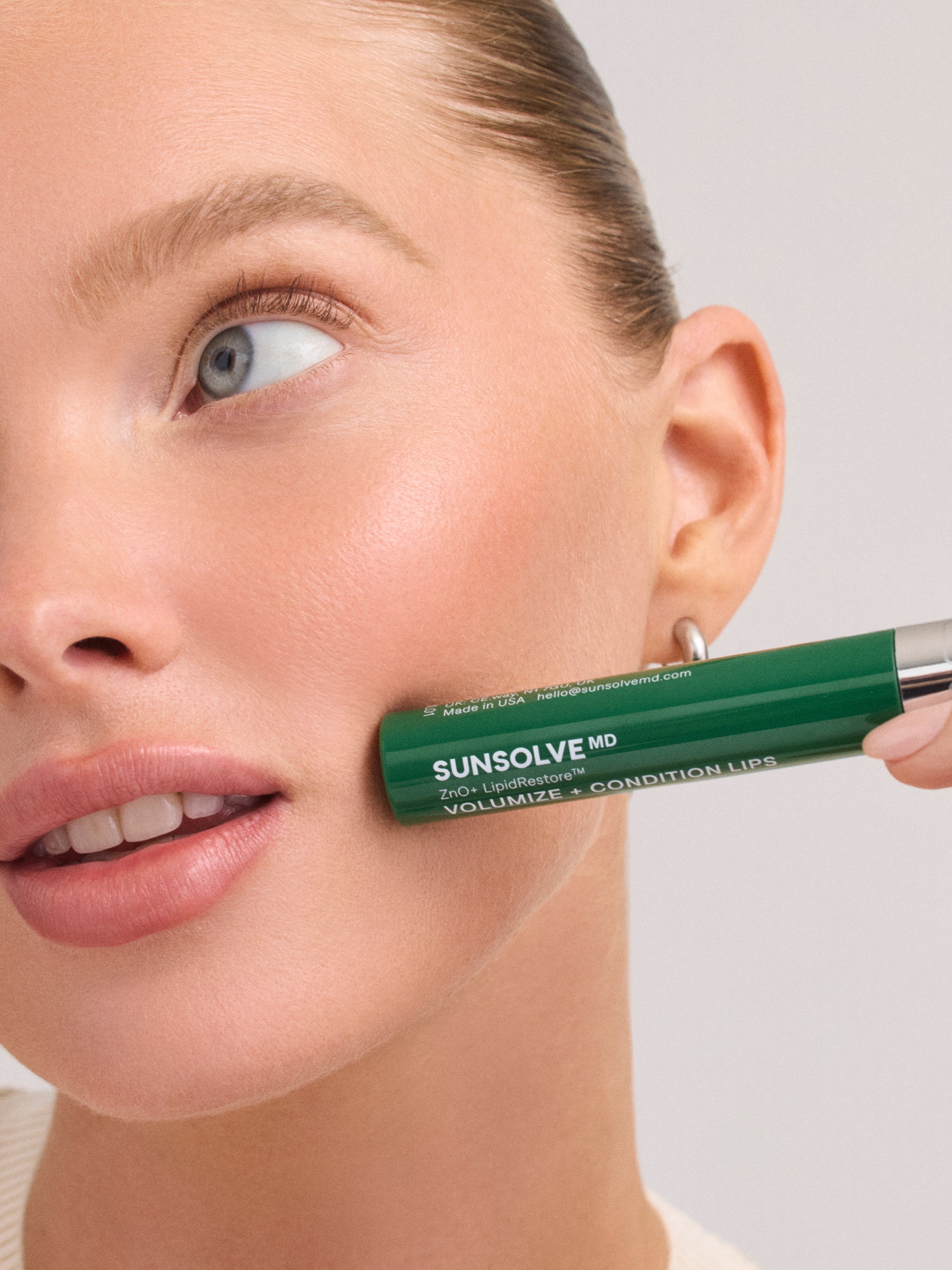
Stick formulations are particularly good around the eyes because they offer precision and don't drip. Tinted mineral SPF doubles as light coverage that can soften the appearance of dark circles while protecting the skin underneath. Layering sunglasses with UV-blocking lenses over the top provides additional protection and reduces the amount of product you need to apply close to the eye margin.
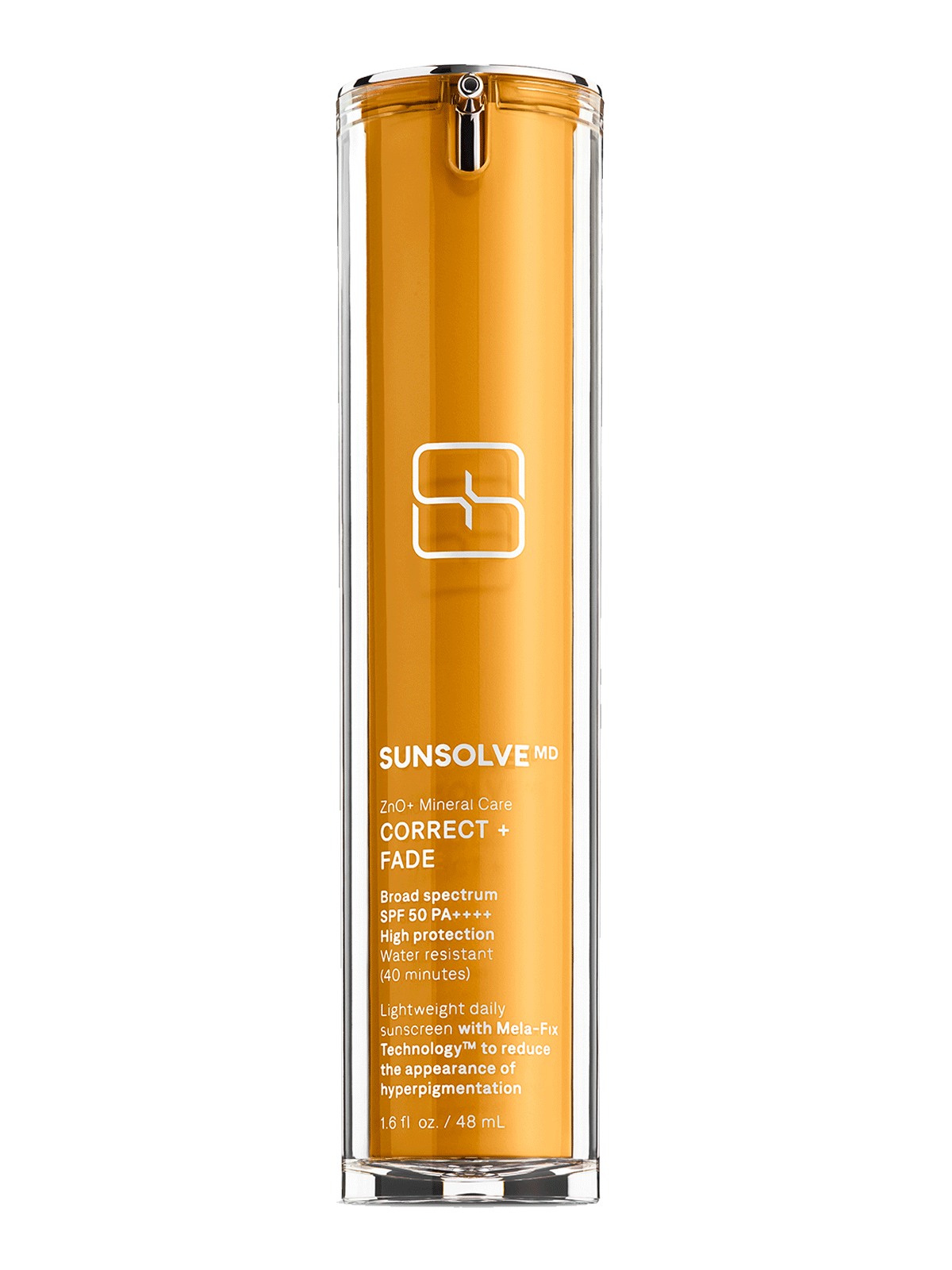
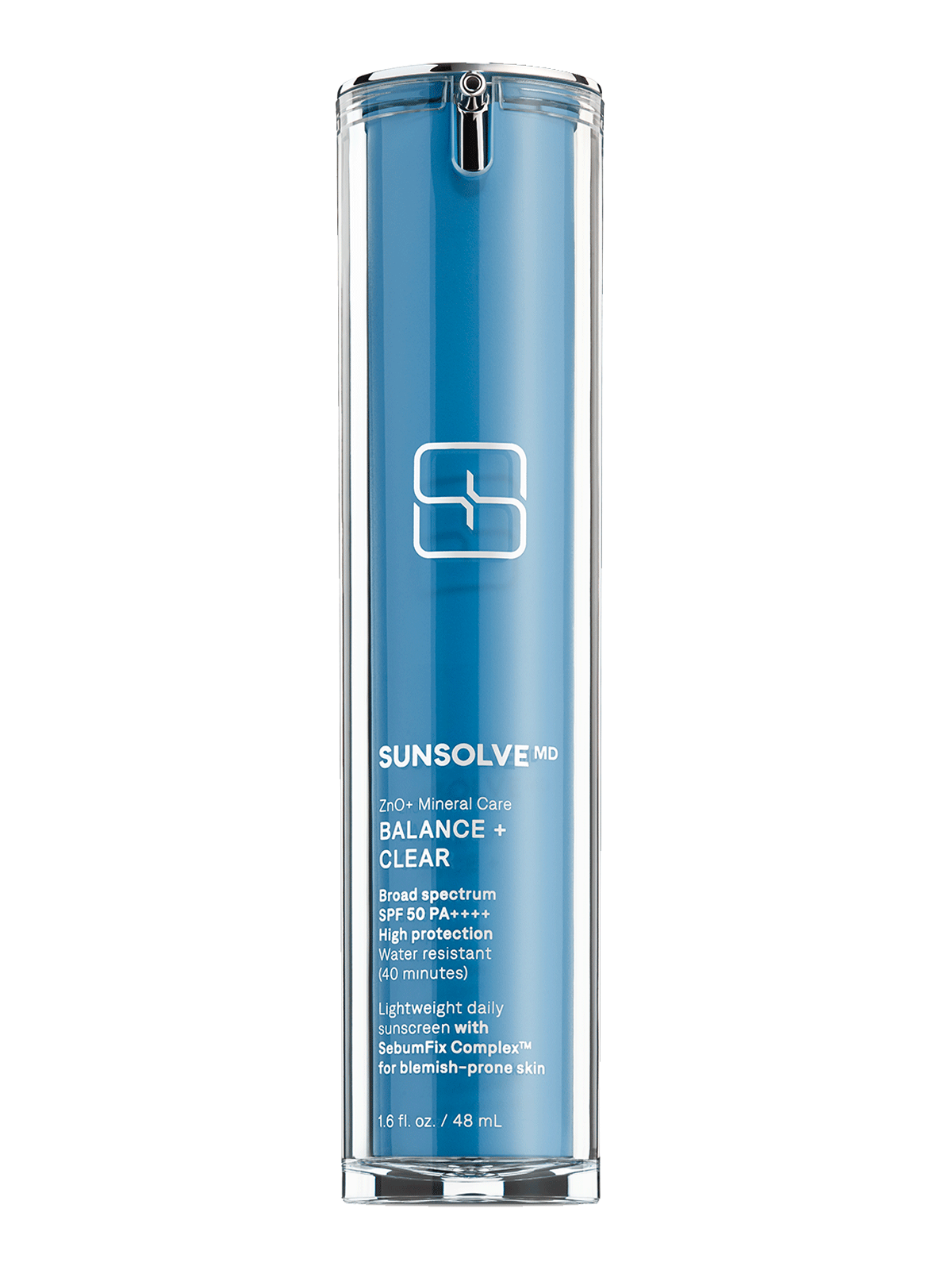
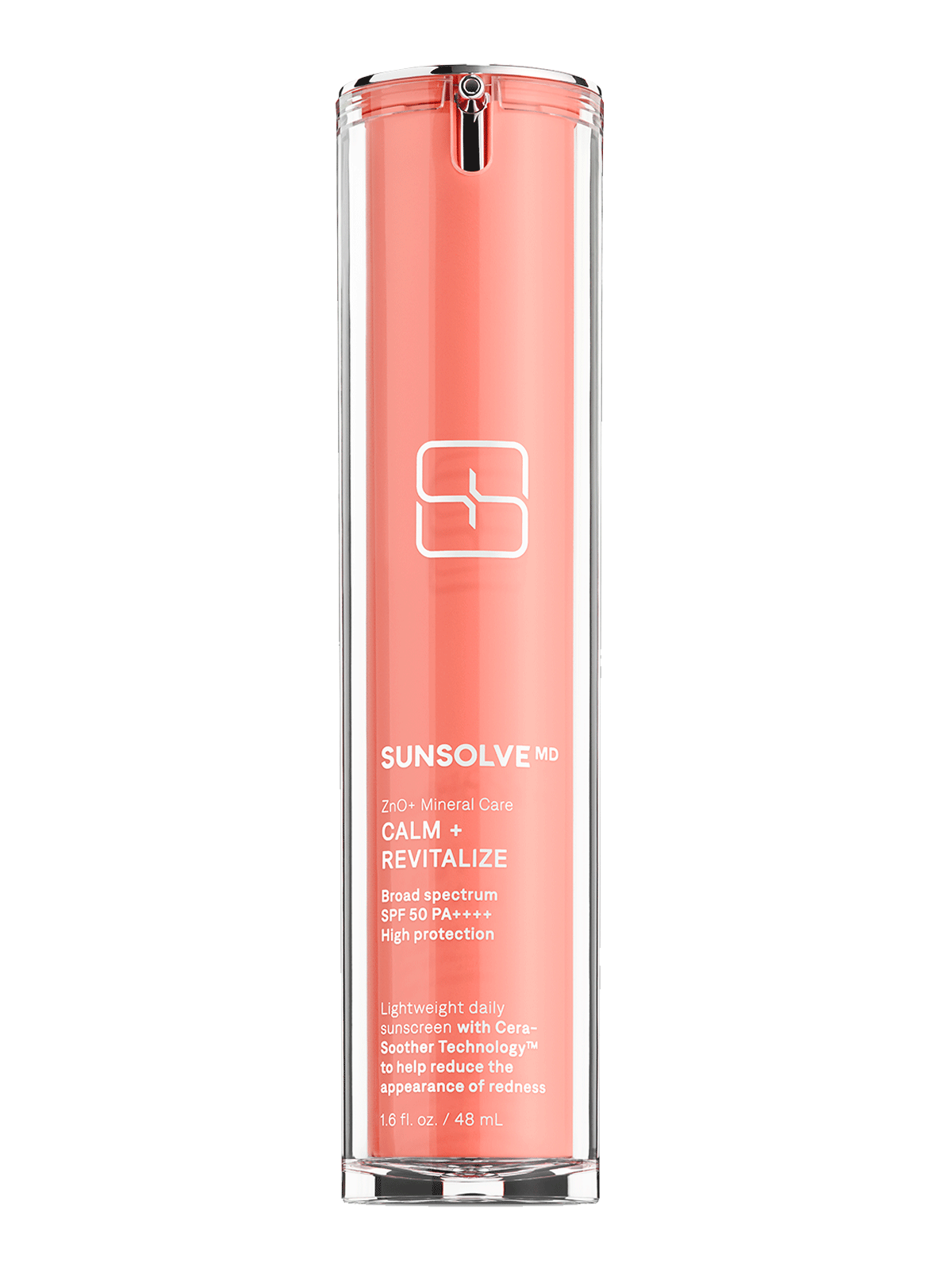
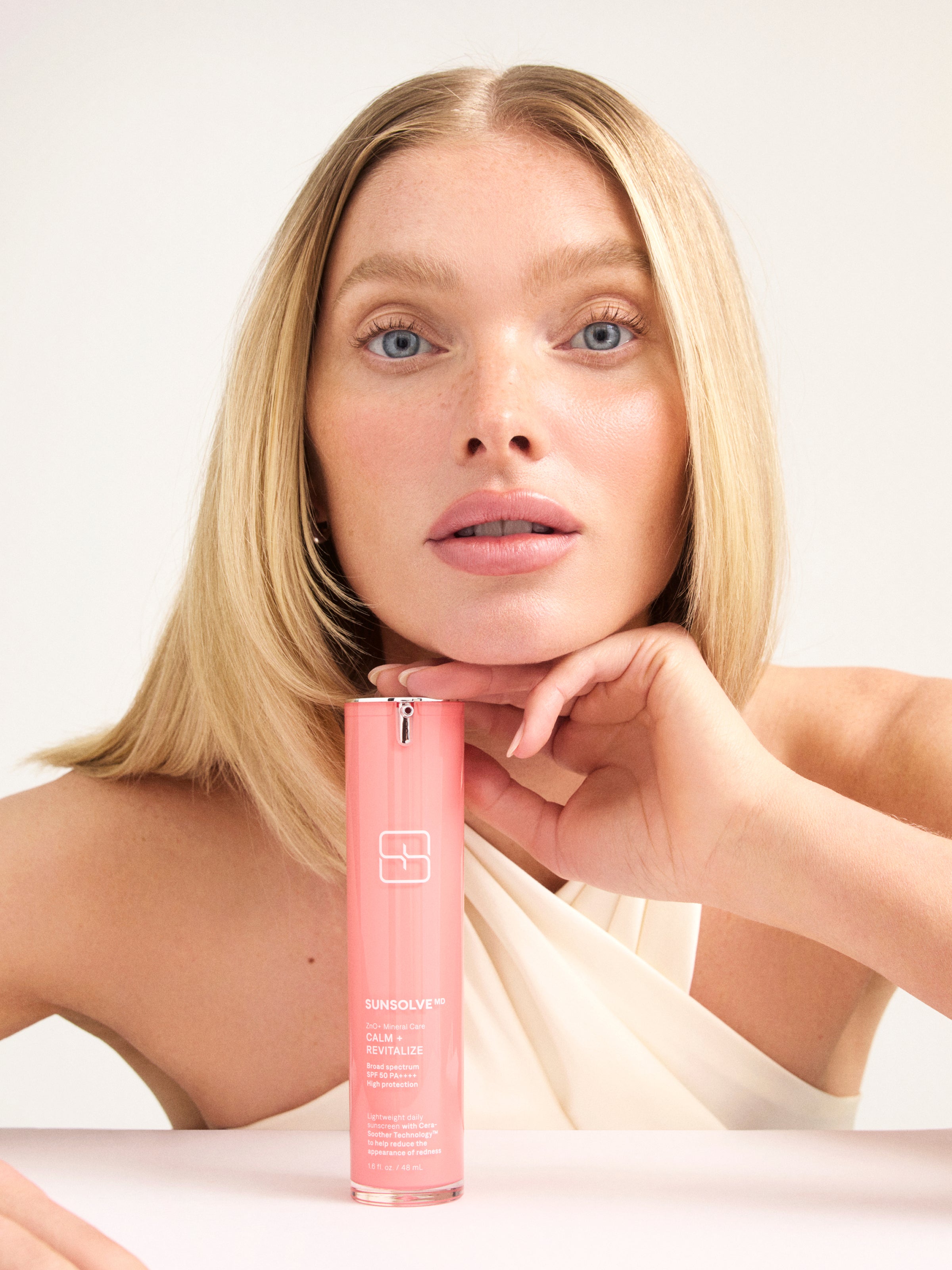
Science-Led Sunscreen By SunsolveMD
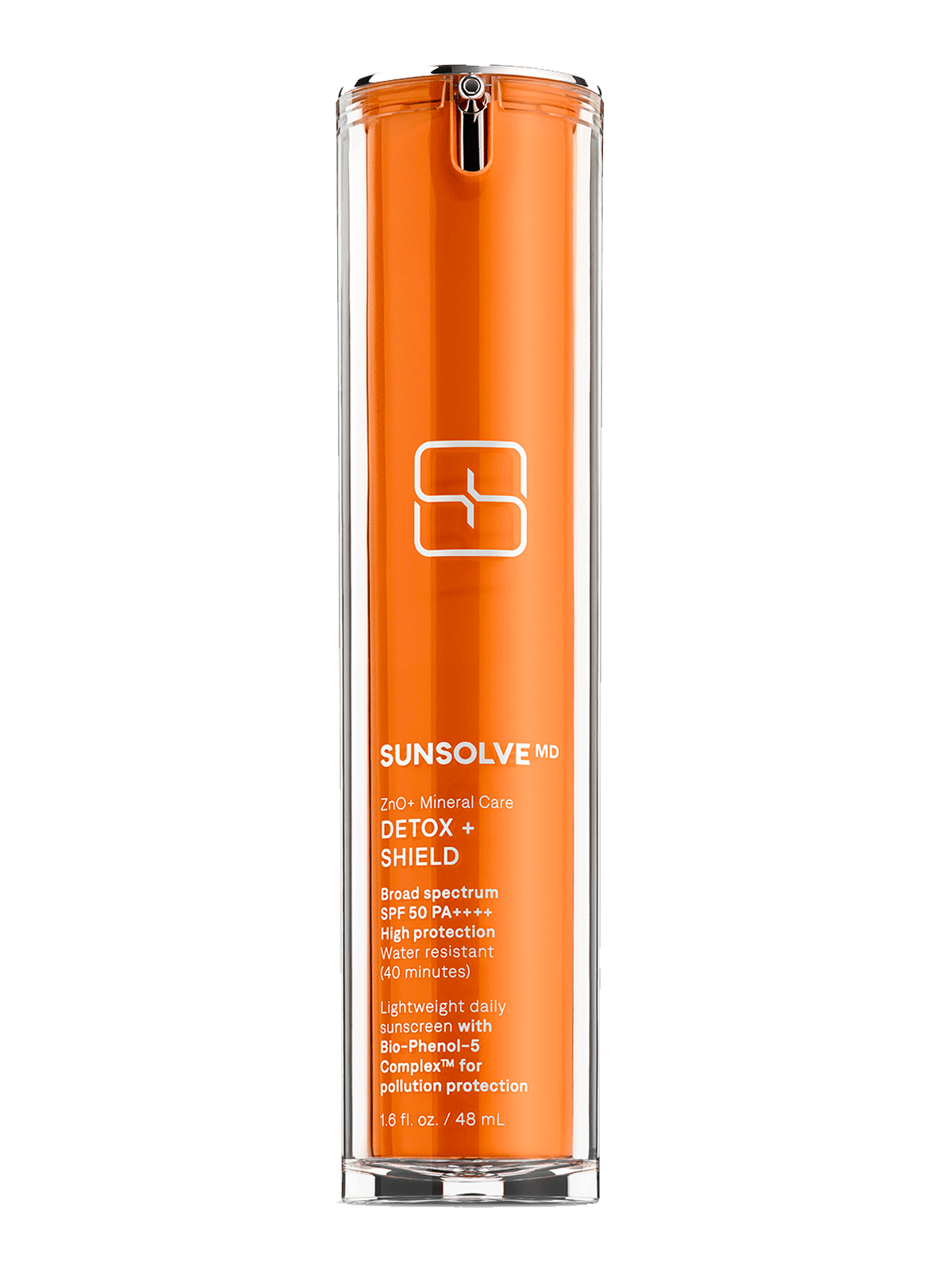
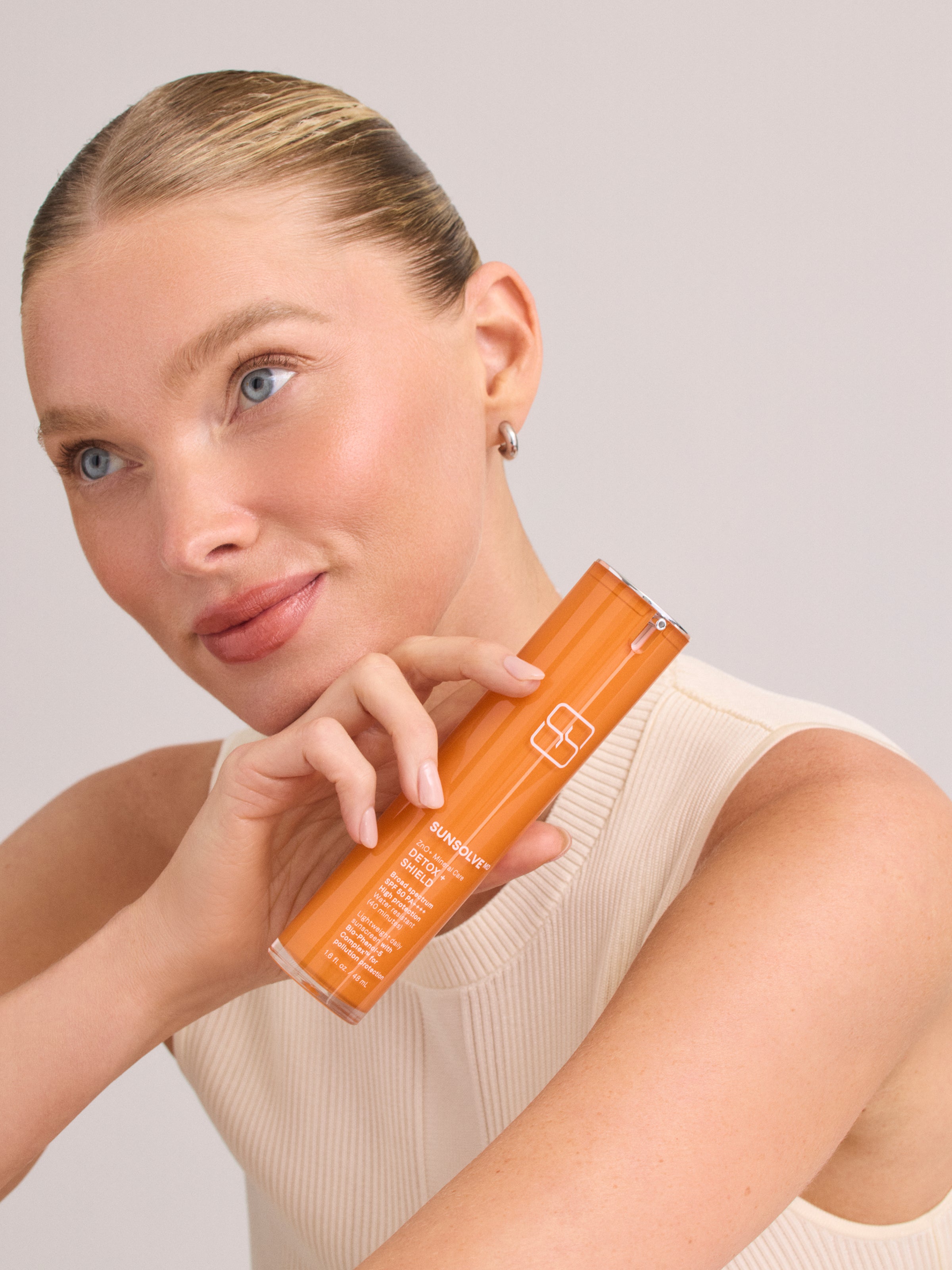
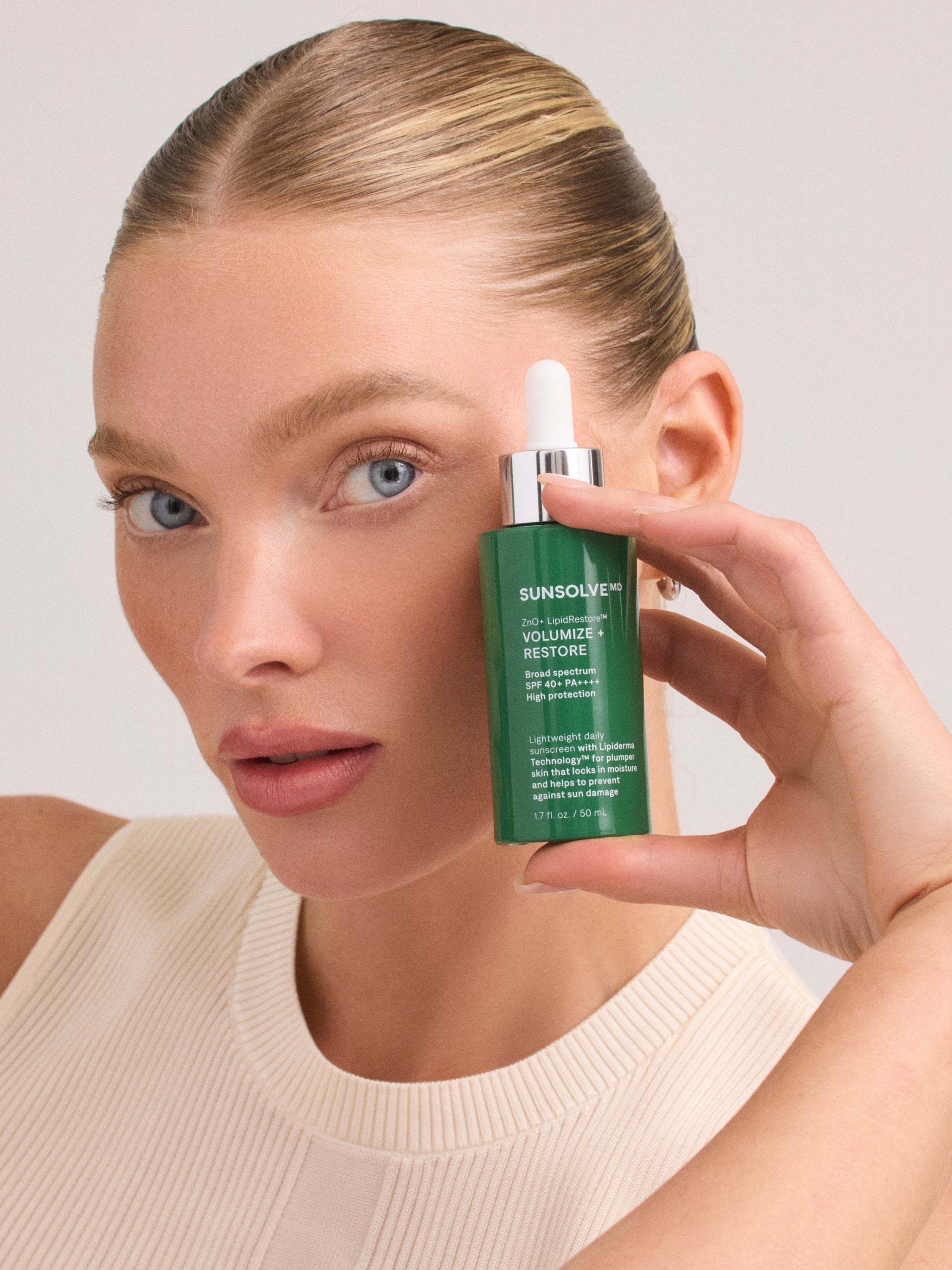
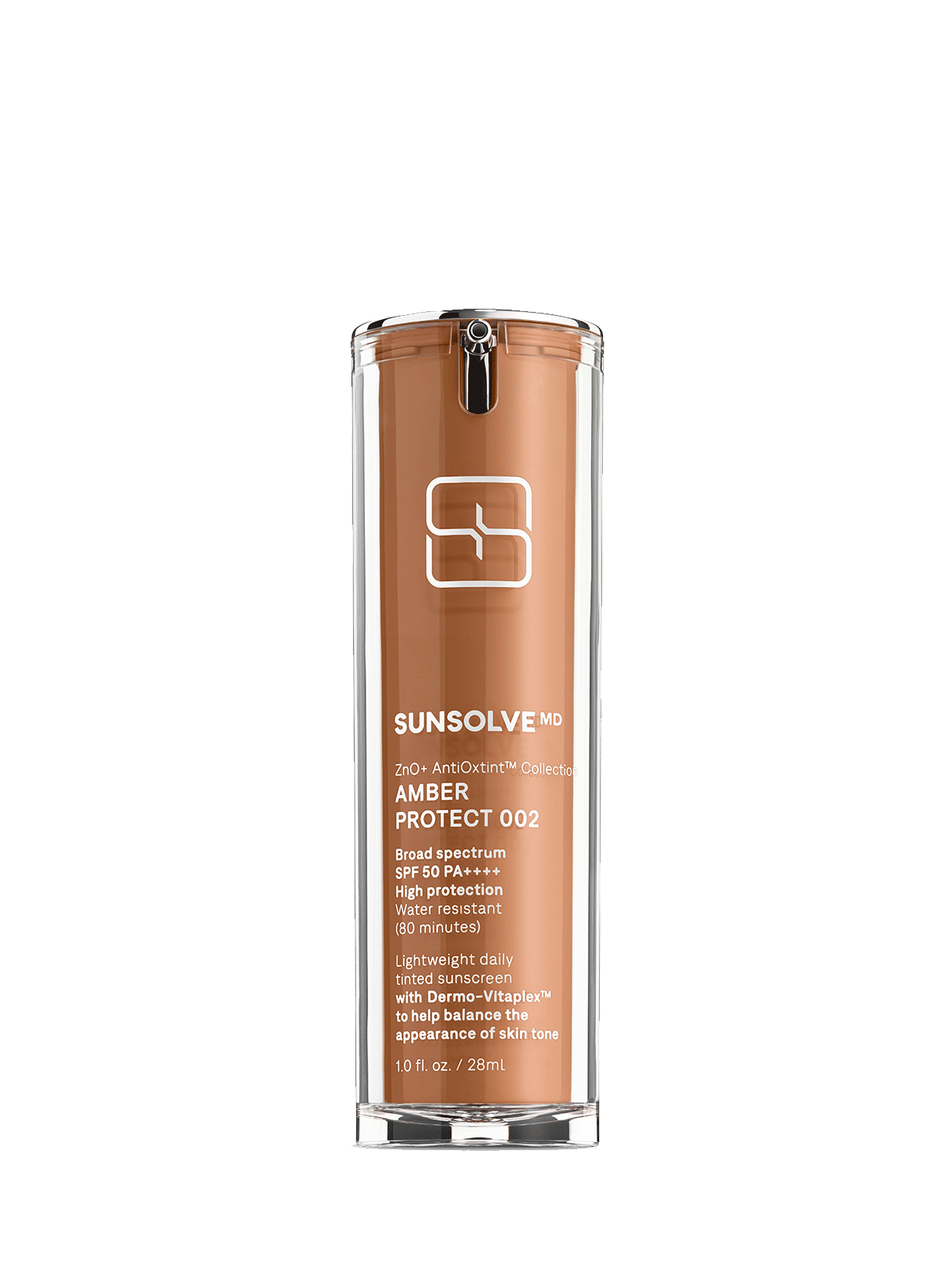
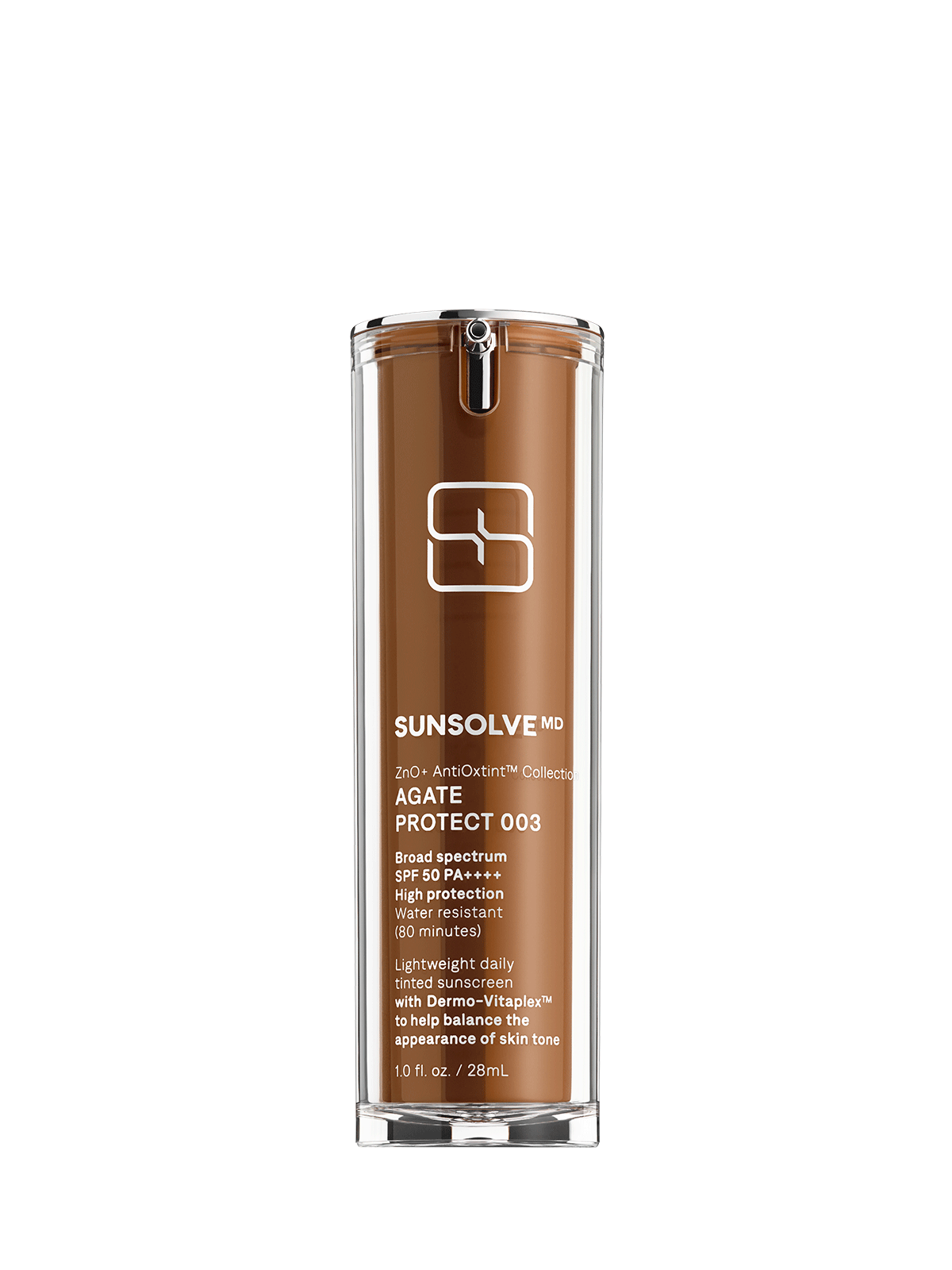
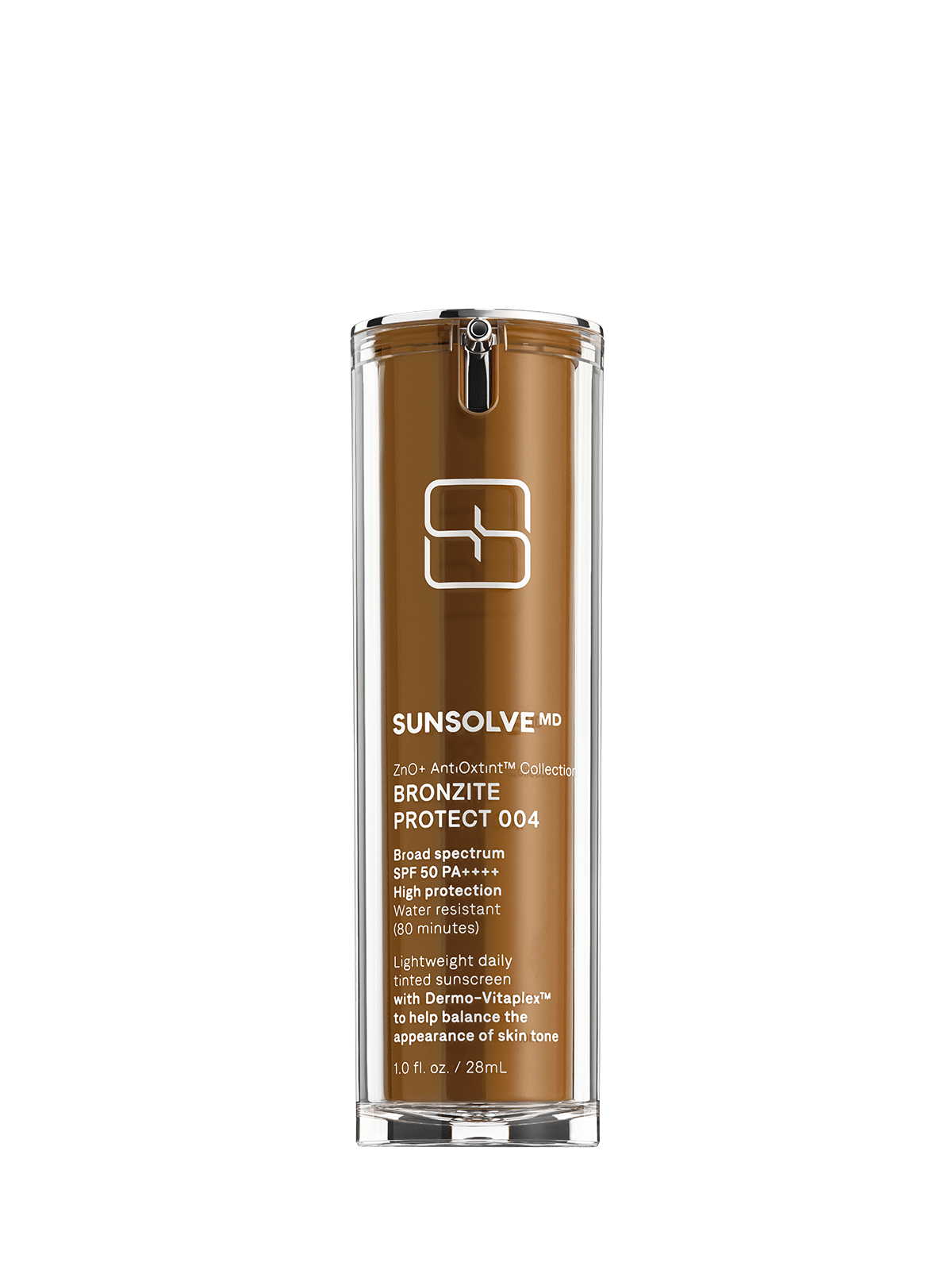
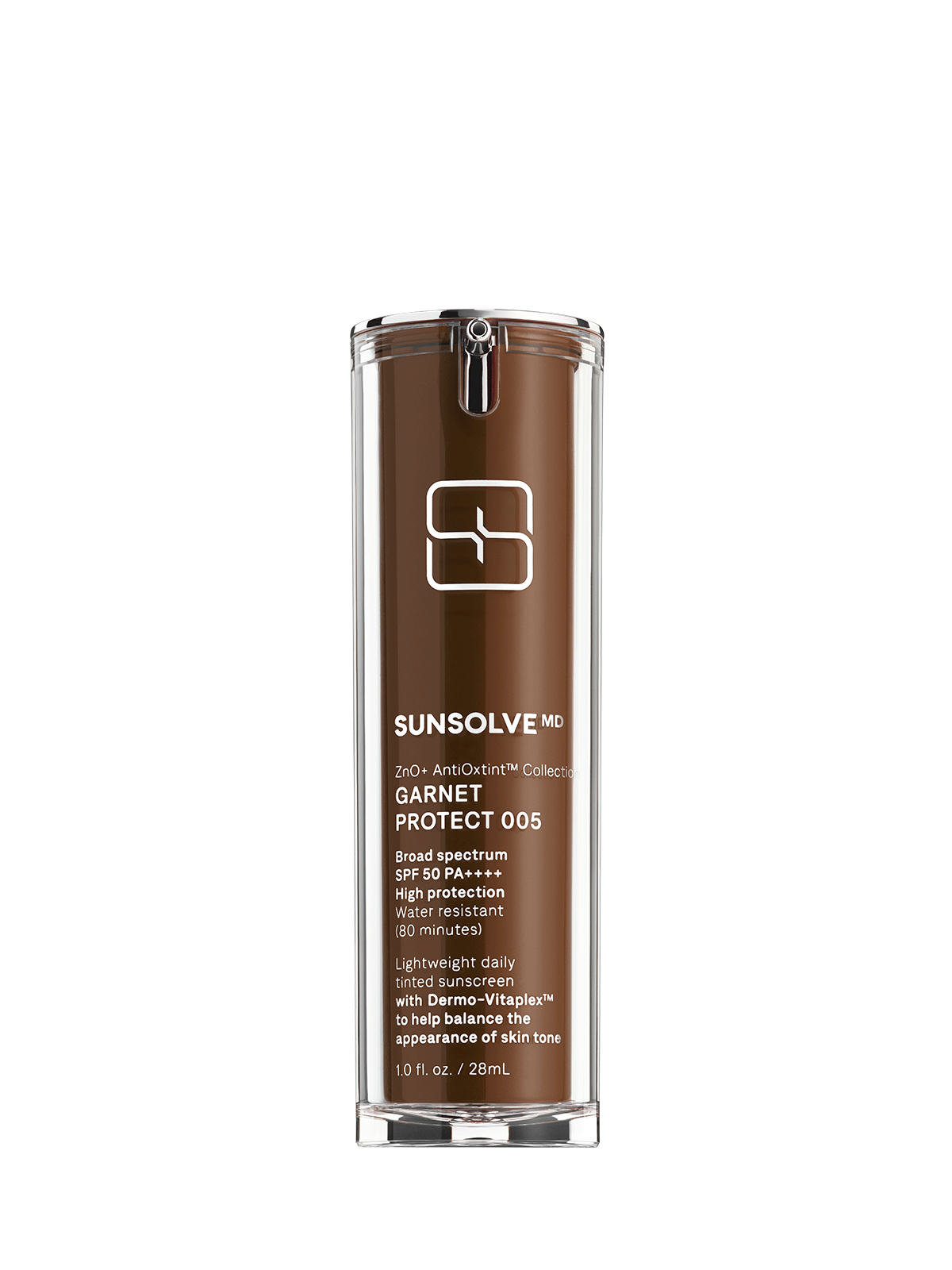
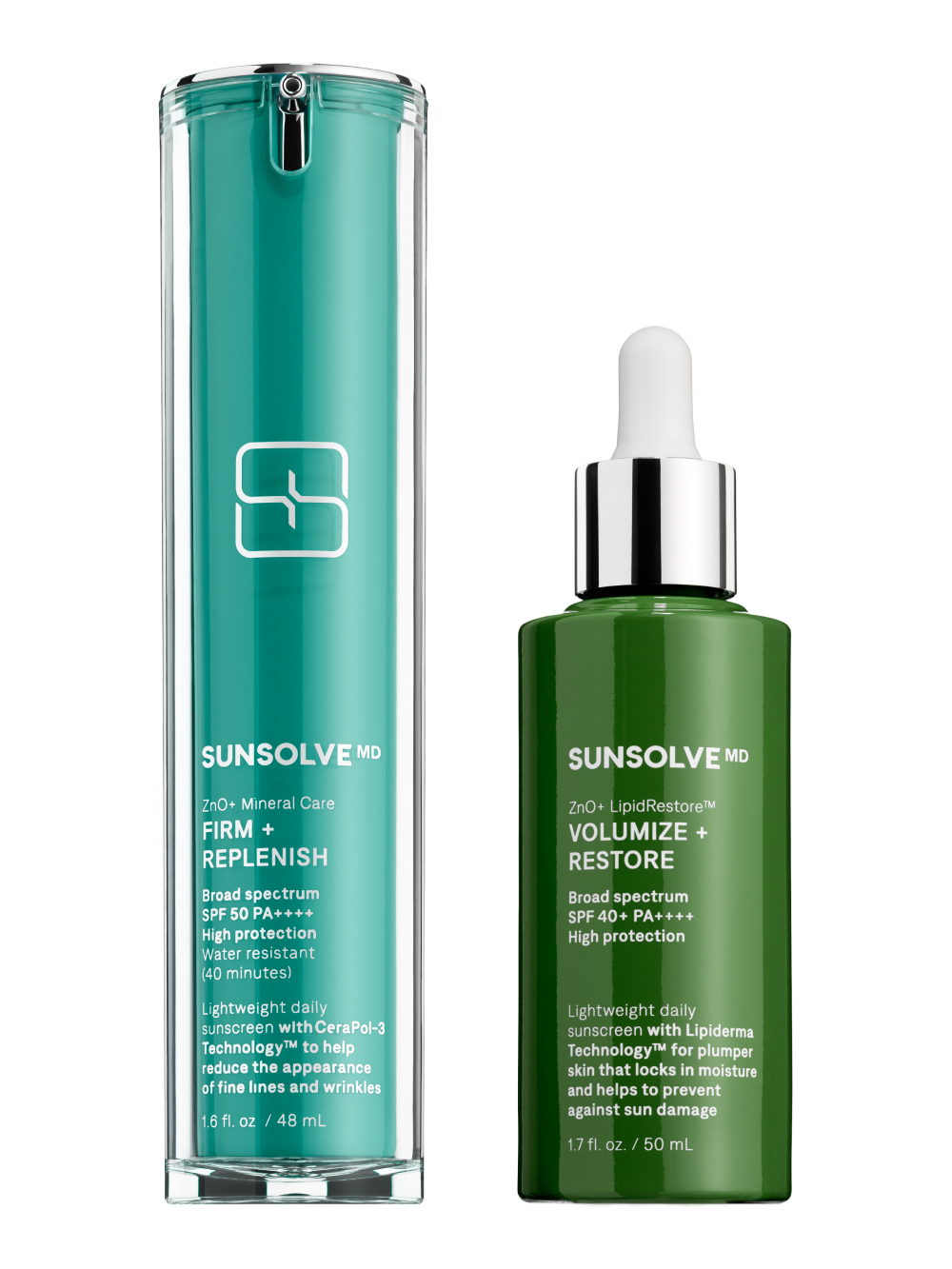
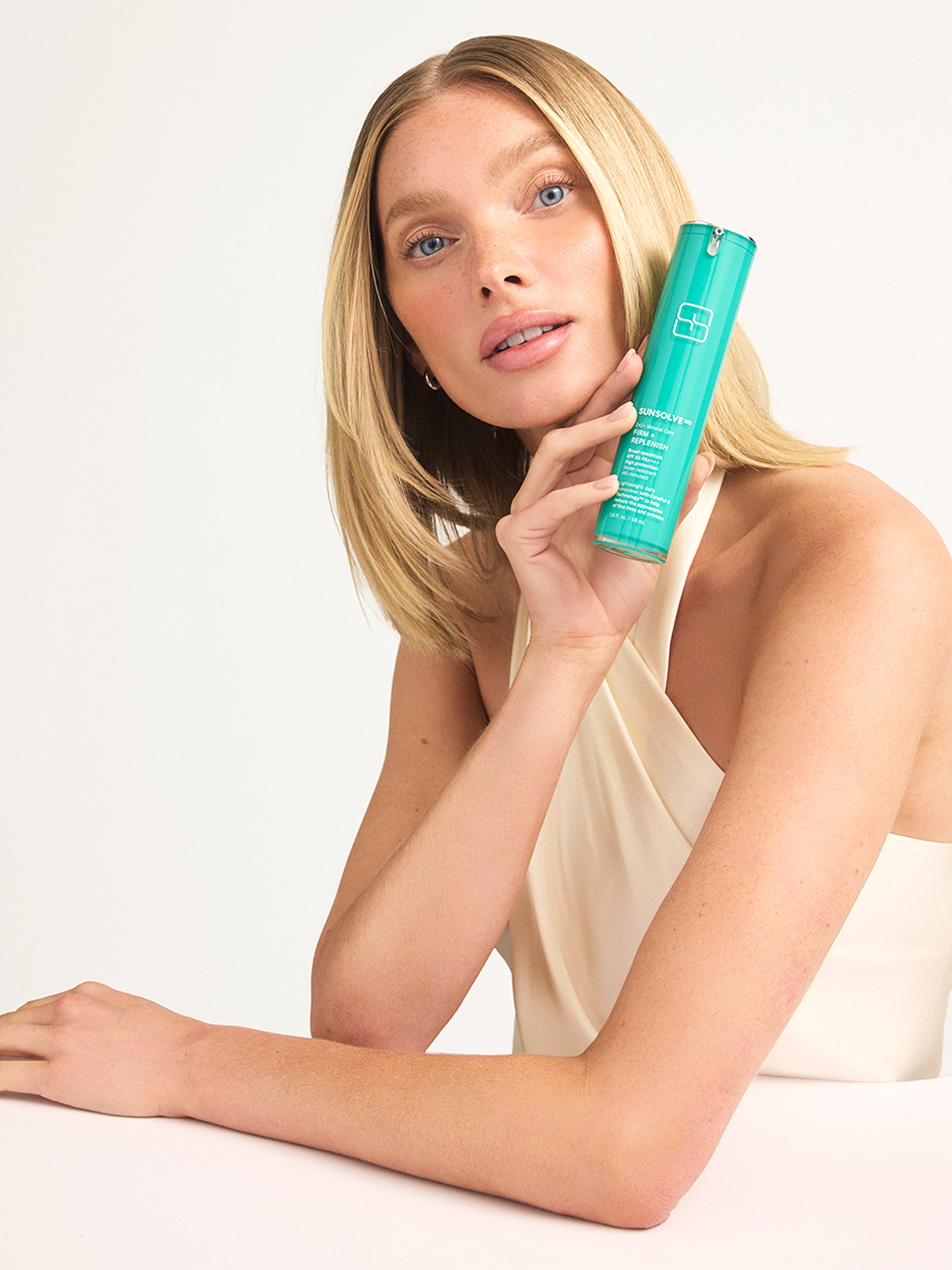
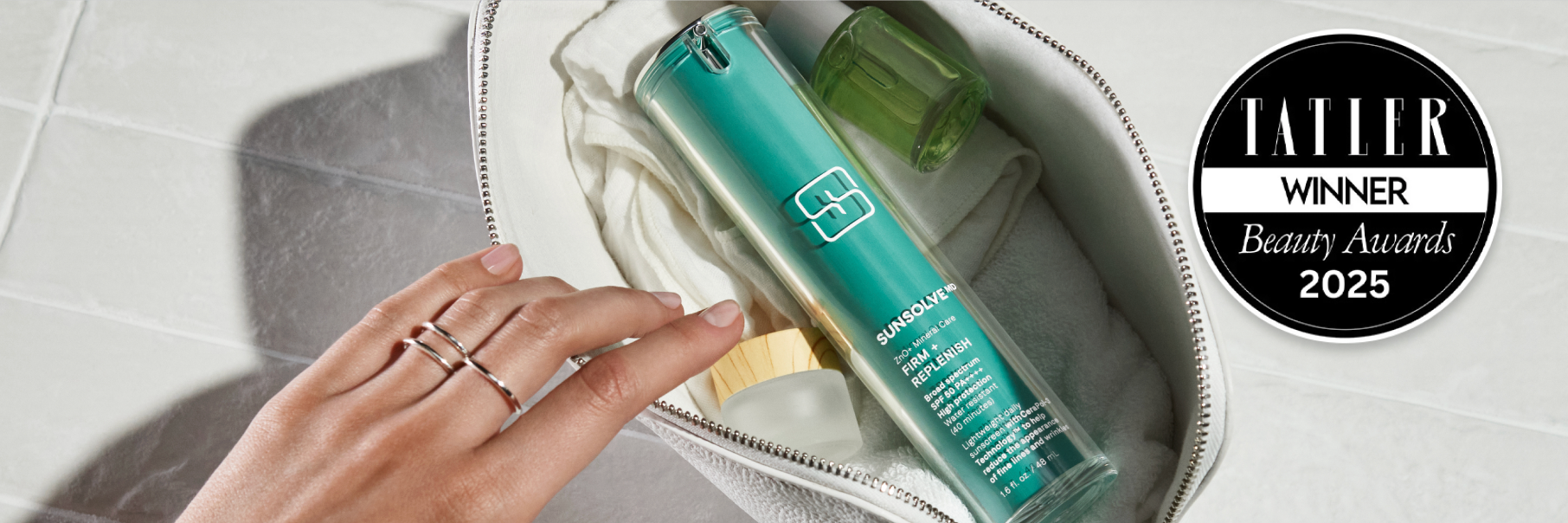
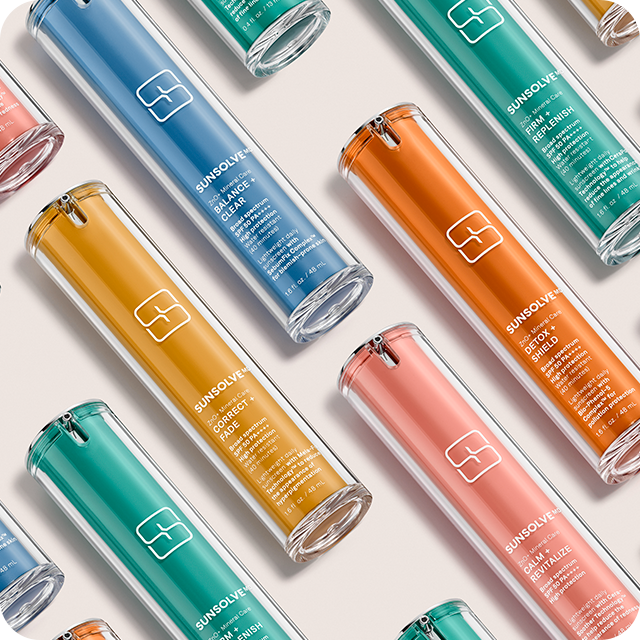
Our non-chemical UV protection for everyday wear was formulated without the chemical filters that drive most eye irritation problems. The ZnO+™ Mineral Care Complex delivers 12% non-nano zinc oxide in a lightweight, photostable base that stays where it is applied, supported by allantoin and bisabolol for additional soothing capacity. The texture is light enough to layer comfortably around the eye area without dragging or pilling, and the formula is built around the assumption that you will actually wear it on the most delicate part of your face. Sun protection should reach everywhere it needs to. With the right formula, the eye area stops being the part you skip.
FAQs
Can I use the same SPF on my face and around my eyes?
If it is a well-formulated mineral SPF, yes. The eye area doesn't require a separate product as long as the one you are using is fragrance-free and doesn't contain ingredients that sting on contact.
Do I need a separate SPF eye cream?
For most people, no. A regular mineral SPF applied carefully to the orbital bone covers the eye area adequately. Dedicated SPF eye products exist and are fine to use, but they are not strictly necessary.
Will sunscreen around my eyes cause milia?
Heavier, occlusive formulations can contribute to milia in some people. Lightweight mineral formulas with non-comedogenic ingredients are unlikely to cause this.
What about the eyelid itself?
The eyelid is best protected by sunglasses rather than direct SPF application. Most sunscreens are not designed for the eyelid area, and the risk of migration into the eye is highest here.
How often should I reapply around the eyes?
The same two-hour reapplication rule applies during sustained UV exposure. For office days, one morning application is generally sufficient.