




Is Fragrance-Free Sunscreen Better?
Coconut, frangipani; that particular synthetic beach smell that has been engineered into suncare since the 1970s and now functions as a kind of olfactory shorthand for holidays. Fragrance in sunscreen is not an accident of formulation: it is often a deliberate commercial decision, and a very effective one, because a product that smells like summer gets bought and gets used.
At SunsolveMD, we do not use it. Not in any formula, not at any concentration. Here’s why.
What Fragrance Is Actually Doing In A Sunscreen
Put simply: nothing functional. That is the starting point and it’s not even a controversial one. Fragrance contributes nothing to UV protection, photostability, texture, spreadability or shelf life. It’s present uniquely for sensory appeal, and in some cases to mask the smell of the base ingredients, which in a high-zinc formula can be faintly metallic or waxy.
That masking function is the one legitimate argument for it. A sunscreen that smells unpleasant is a sunscreen people apply reluctantly and sparingly, and reluctant, sparing application is a genuine public health problem. Formulators who add fragrance are usually solving a compliance problem rather than being careless.
The better solution is to build a base that does not need masking. It is harder, and it constrains your ingredient choices, but it removes the trade-off entirely.
The Allergy Data
Fragrance is one of the most common causes of allergic contact dermatitis from cosmetics, and the numbers are consistent across decades of patch testing.
In the general population, contact allergy to fragrance markers sits somewhere between roughly 0.7 and 2.6 per cent depending on which screening agent is used. A large cross-sectional study across five European countries found prevalence of 2.6 per cent for fragrance mix I, 1.9 per cent for fragrance mix II and 0.7 per cent for balsam of Peru.
Among people referred for patch testing because they already have suspected contact dermatitis, the rate climbs steeply, generally reported between 5 and 25 per cent depending on the population studied. Some centres report positive reactions to fragrance materials reaching 20 to 25 per cent. Fragrance mix has repeatedly appeared among the top ten allergens in North American Contact Dermatitis Group screening data.
More than 160 individual fragrance chemicals have been documented as causes of contact allergy. Newer allergens continue to emerge, notably the hydroperoxides of linalool and limonene, which form when those common fragrance ingredients oxidise on exposure to air. This is worth noting because linalool and limonene appear in a very large number of products marketed as natural.
Women are affected more often than men, and prevalence rises with age. Facial dermatitis is one of the presentations most strongly associated with fragrance sensitivity, which is directly relevant to a product applied to the face every day.
The Photosensitivity Angle
Certain fragrance ingredients are also photoallergens. They can provoke a reaction only in the presence of UV exposure, through either photoallergic or phototoxic mechanisms. Musk ambrette and 6-methylcoumarin are the historical examples, and several citrus-derived essential oils contain furocoumarins with well-documented phototoxic potential.
Putting a photoreactive ingredient into a product designed to be worn during sun exposure is a strange proposition on its face. It is also a difficult reaction to diagnose, because the person affected reasonably concludes that the sunscreen is not working or that they are reacting to the filters, when the actual culprit is the scent.
Fragrance-Free Versus Unscented

These terms are not interchangeable and the distinction genuinely matters when you are reading a label.
Fragrance-free means no fragrance ingredients have been added to the formula. Unscented can mean that masking fragrances have been added to neutralise the natural odour of the base, which means the product contains fragrance chemicals while presenting as odourless. Someone with a fragrance sensitivity can react to an unscented product and be entirely baffled by it.
On an ingredient list, look for parfum, fragrance and aroma, and for the individually declared allergens that EU regulation requires to be named: linalool, limonene, citronellol, geraniol, eugenol, coumarin and their relatives.
One distinction is worth drawing carefully here, because it trips people up. A plant extract included as a functional active, a rosemary or rice bran extract used for its antioxidant capacity, or bisabolol used to calm inflammation, is not the same as an essential oil added at fragrance-level concentration to make a product smell of something. The first is doing a job and is typically present at low, non-sensory levels. The second is there for the scent. Natural fragrance is still fragrance, and in the case of oxidised terpenes it is often the more sensitising option, but a botanical name on a label is not automatically a fragrance ingredient.
Who Should Treat It As Non-Negotiable
Anyone with eczema, rosacea, psoriasis or a compromised barrier, because a disrupted barrier allows greater penetration of sensitising molecules and raises the risk of sensitisation developing.
Anyone using retinoids, acids, benzoyl peroxide or prescription topicals, for the same reason.
Children, whose skin is thinner and whose sensitisation risk over a lifetime is higher.
And, honestly, everyone else. Sensitisation is a cumulative process. You are not born allergic to fragrance; you develop it through repeated exposure, and a product applied to the face daily for decades represents a substantial cumulative exposure for no functional benefit whatsoever.
What Makes SunsolveMD Different
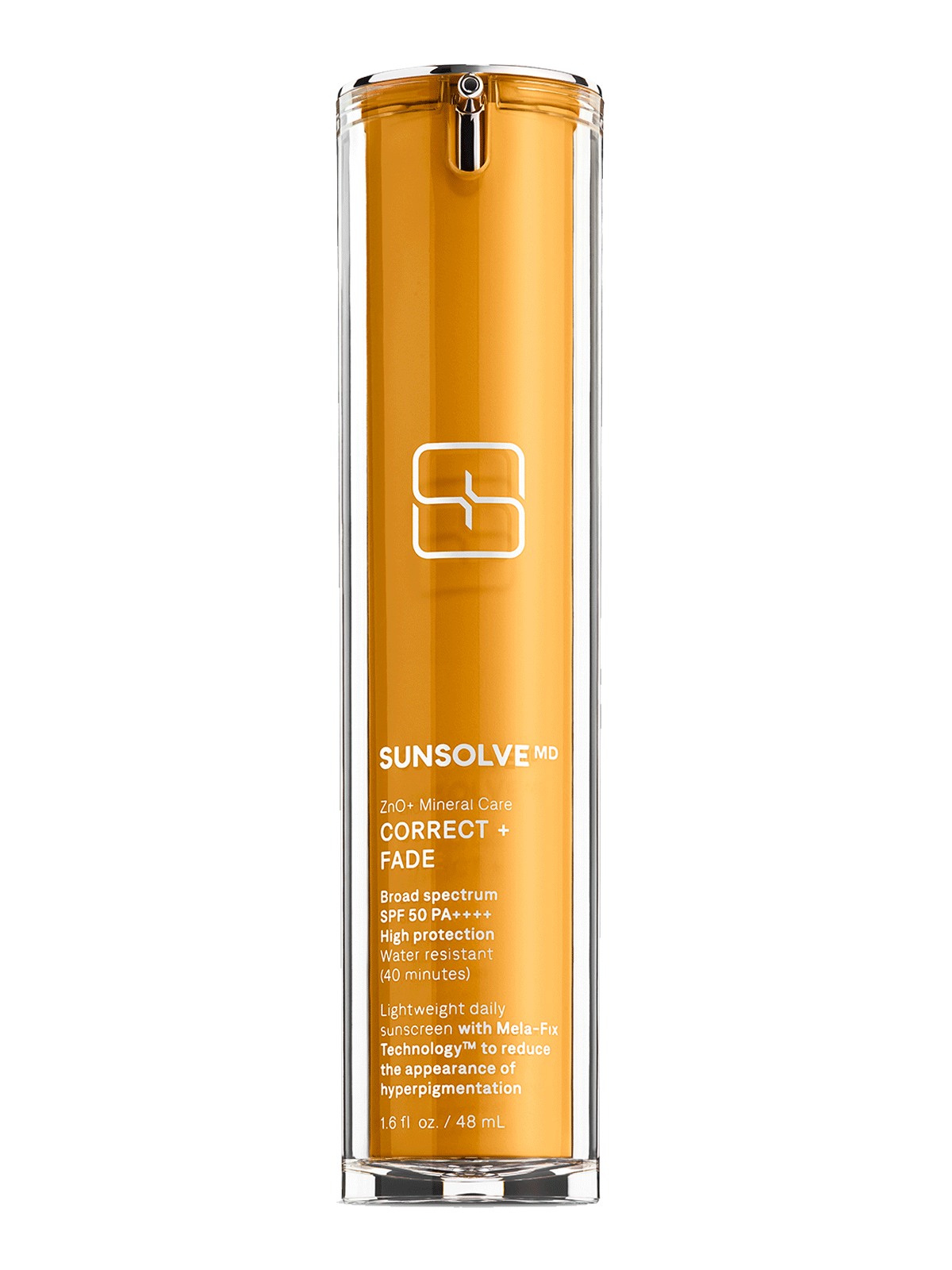
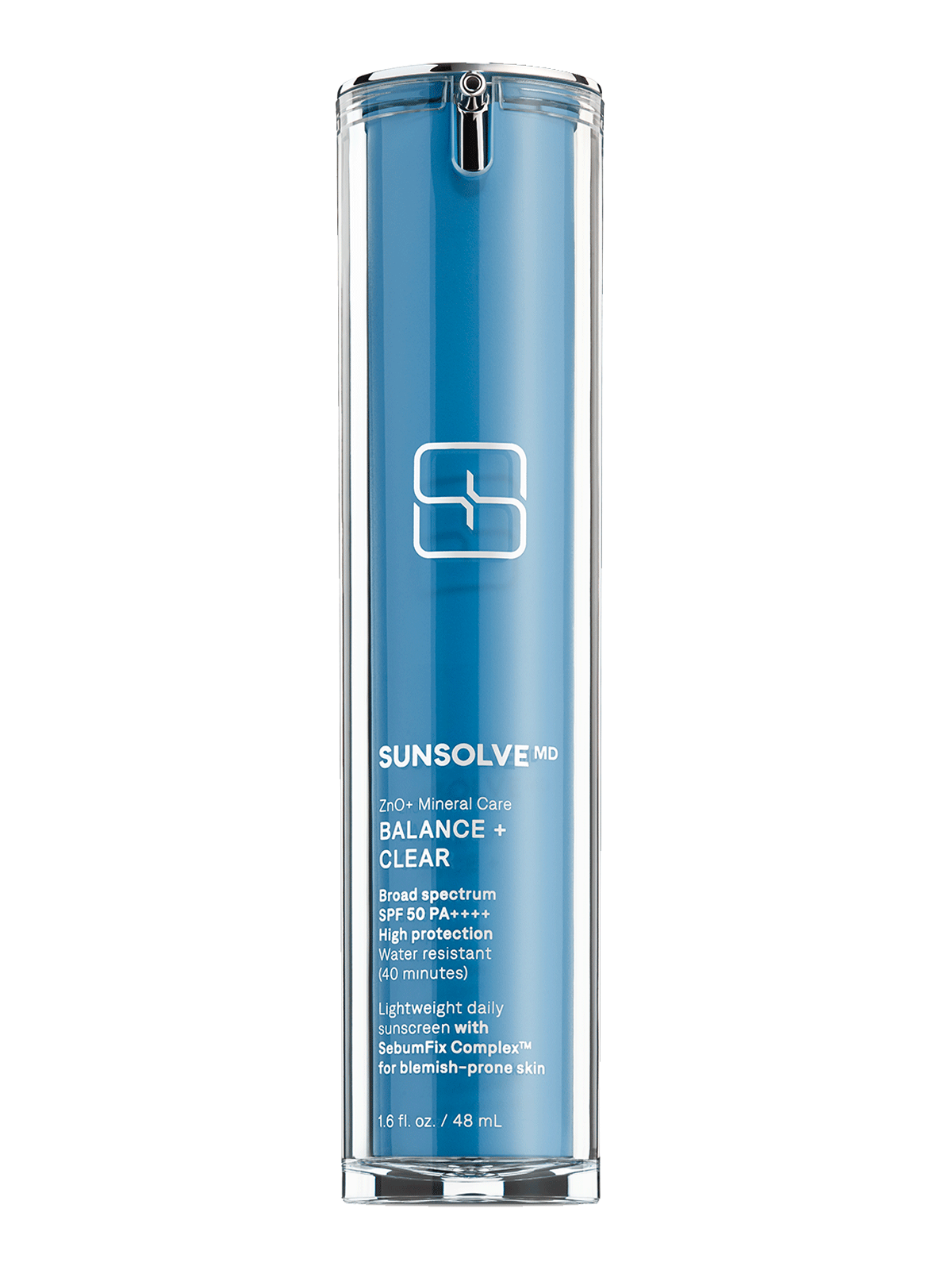
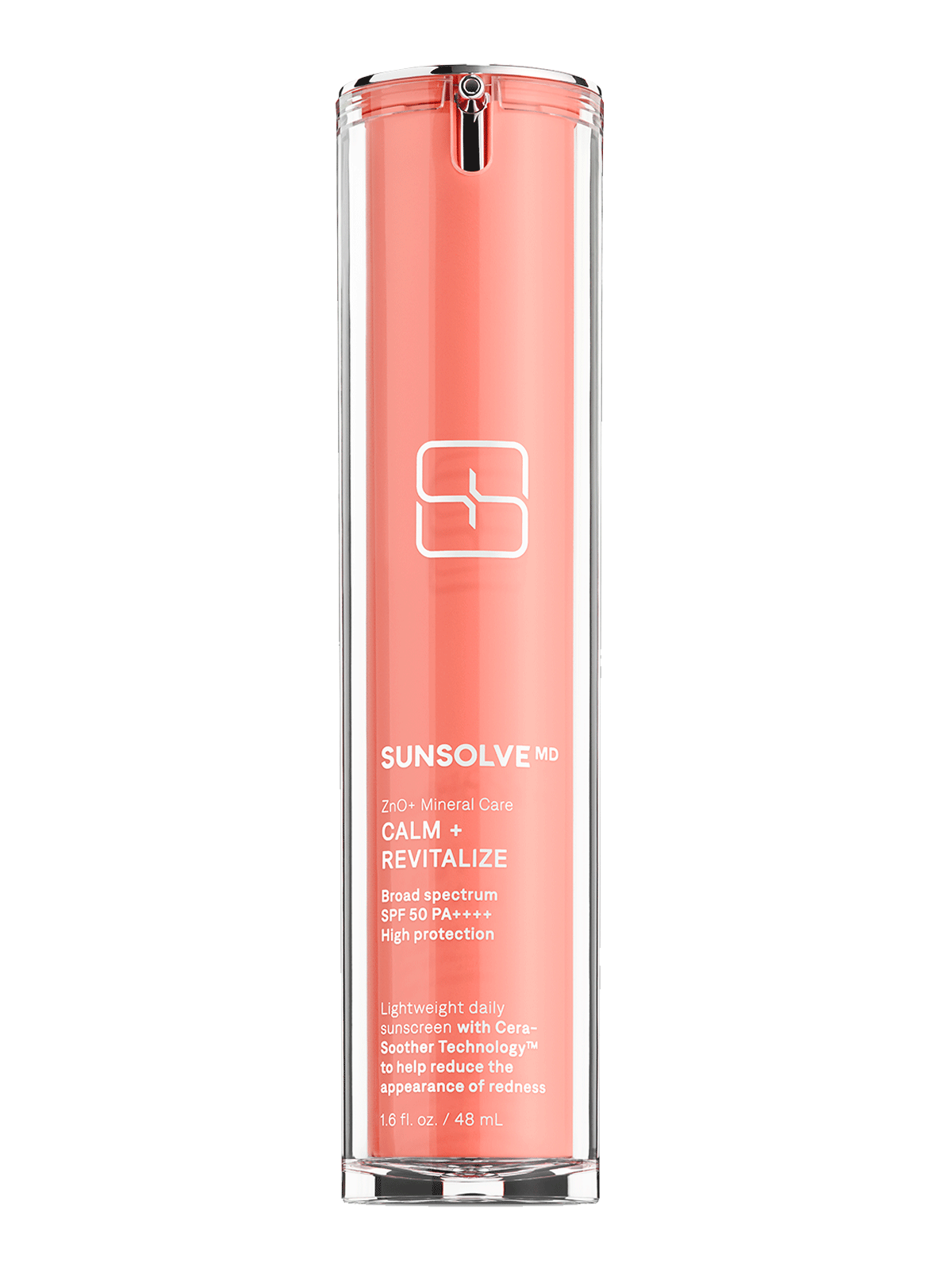
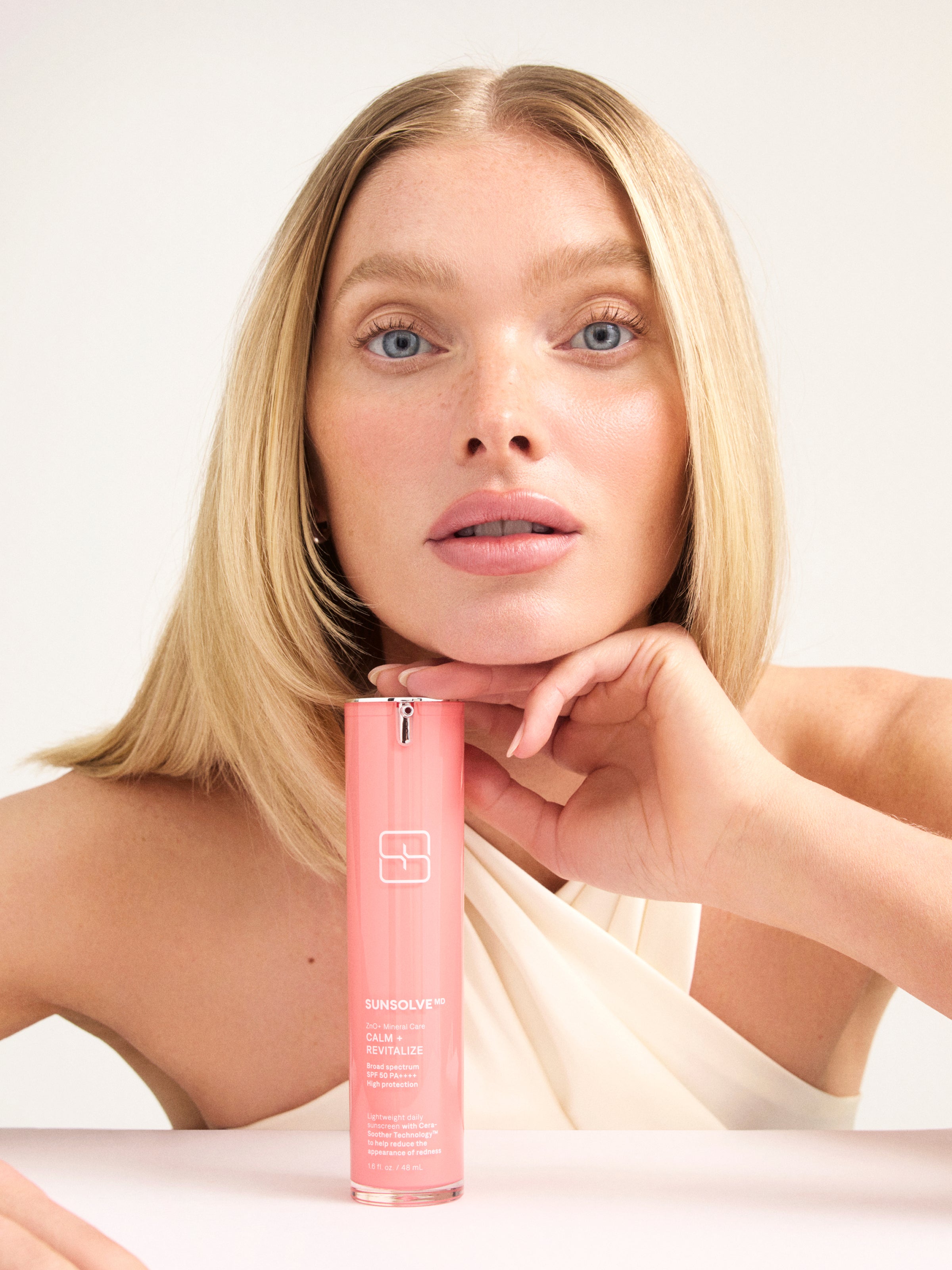
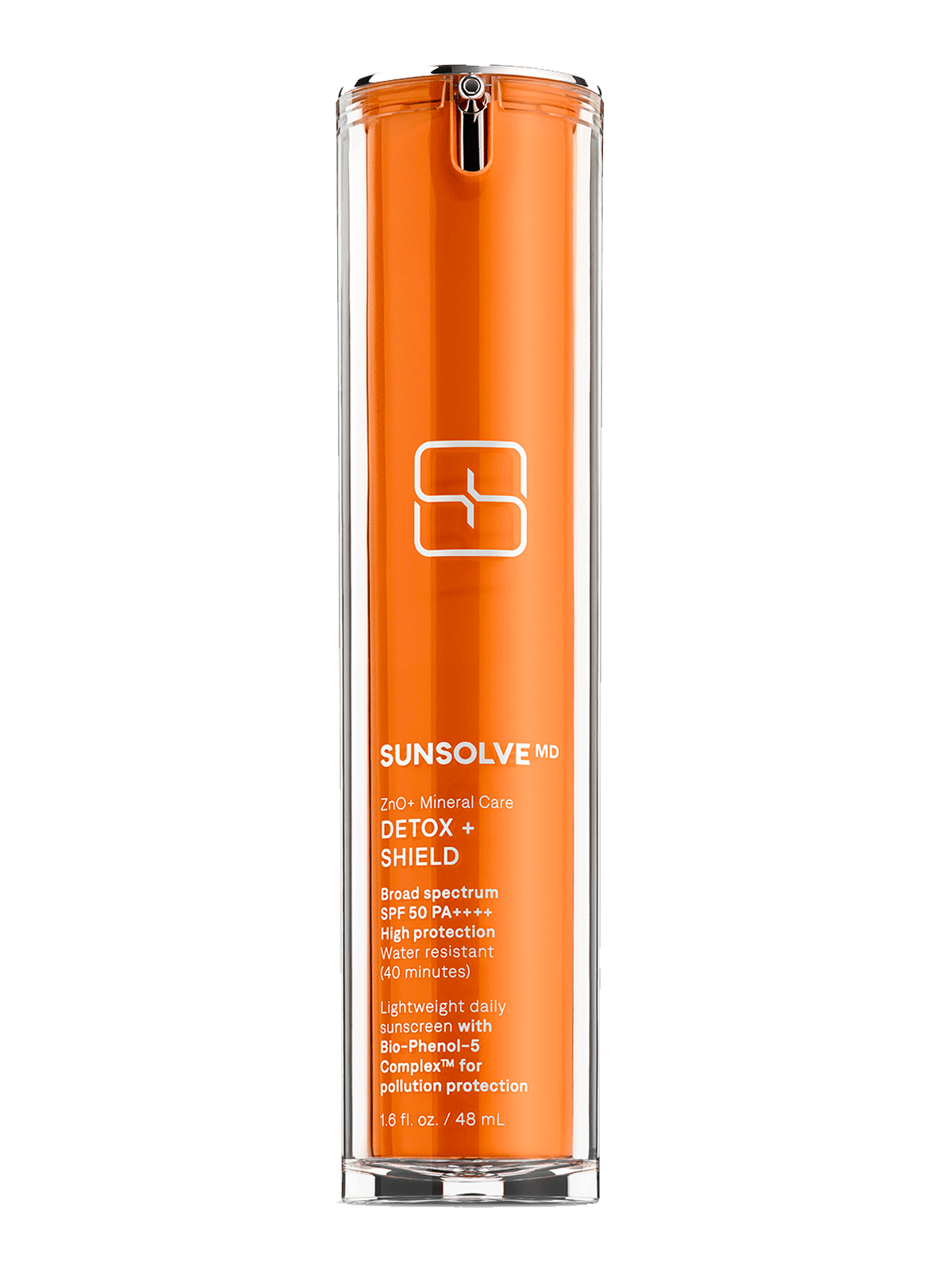
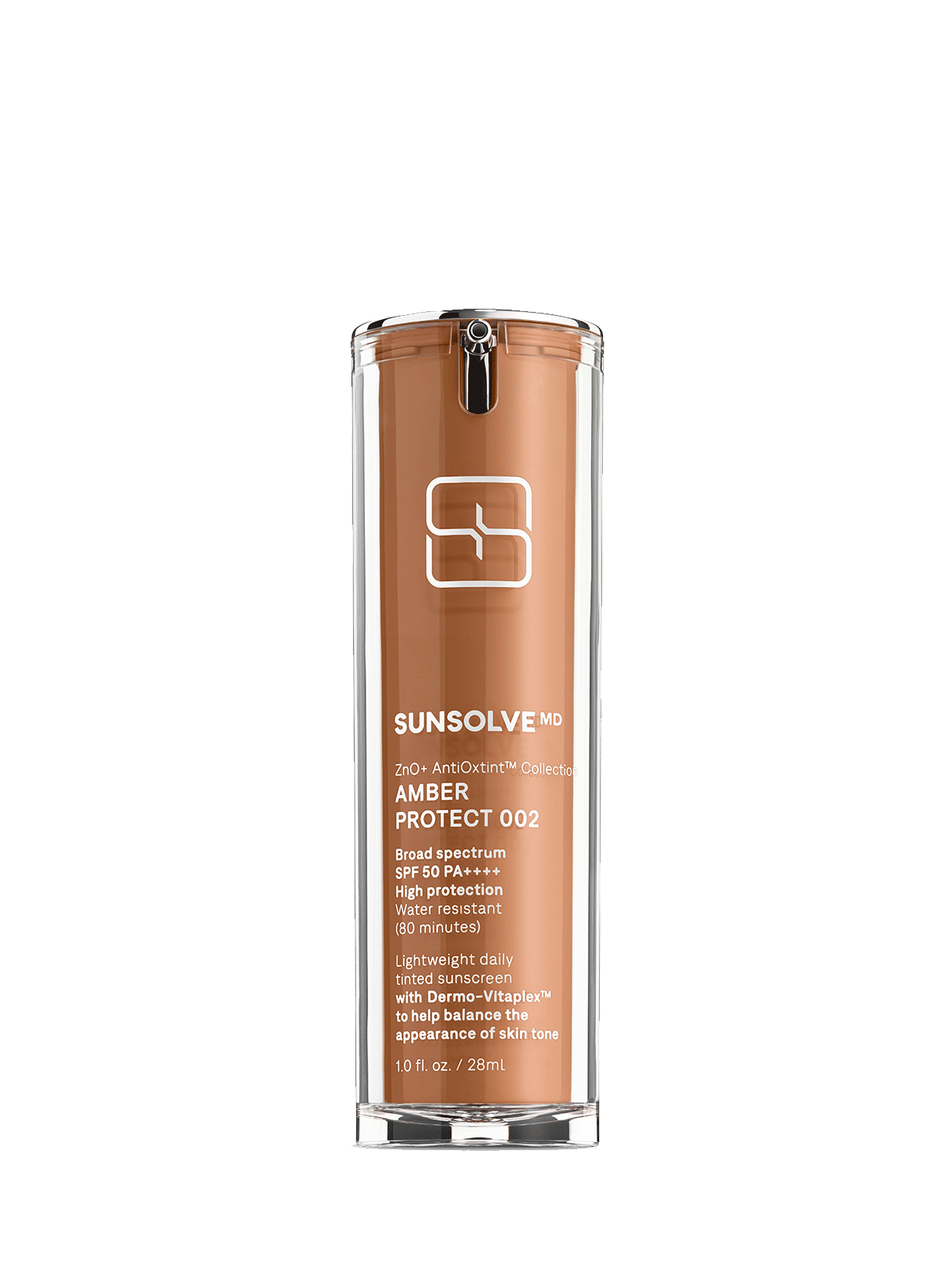
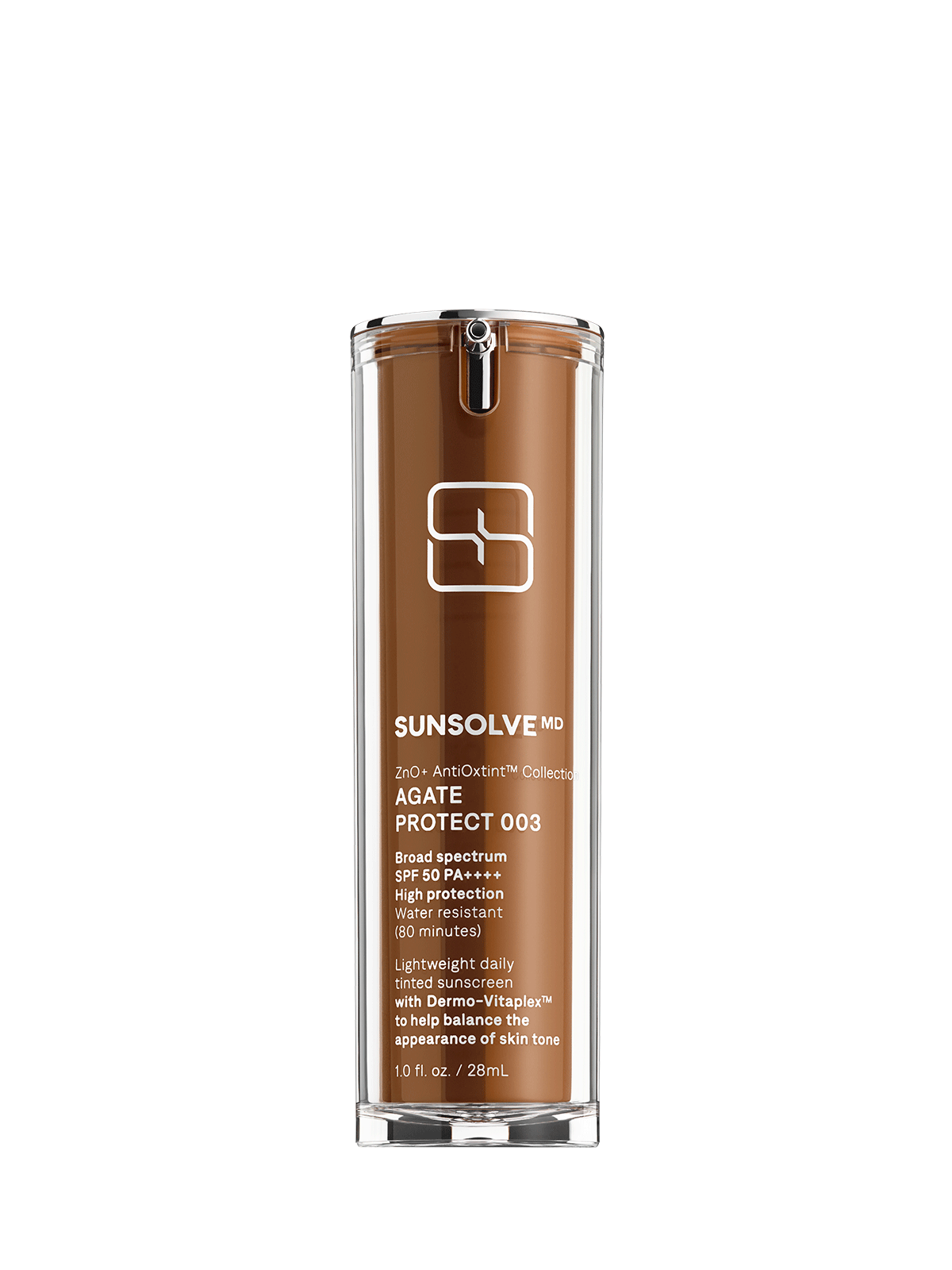
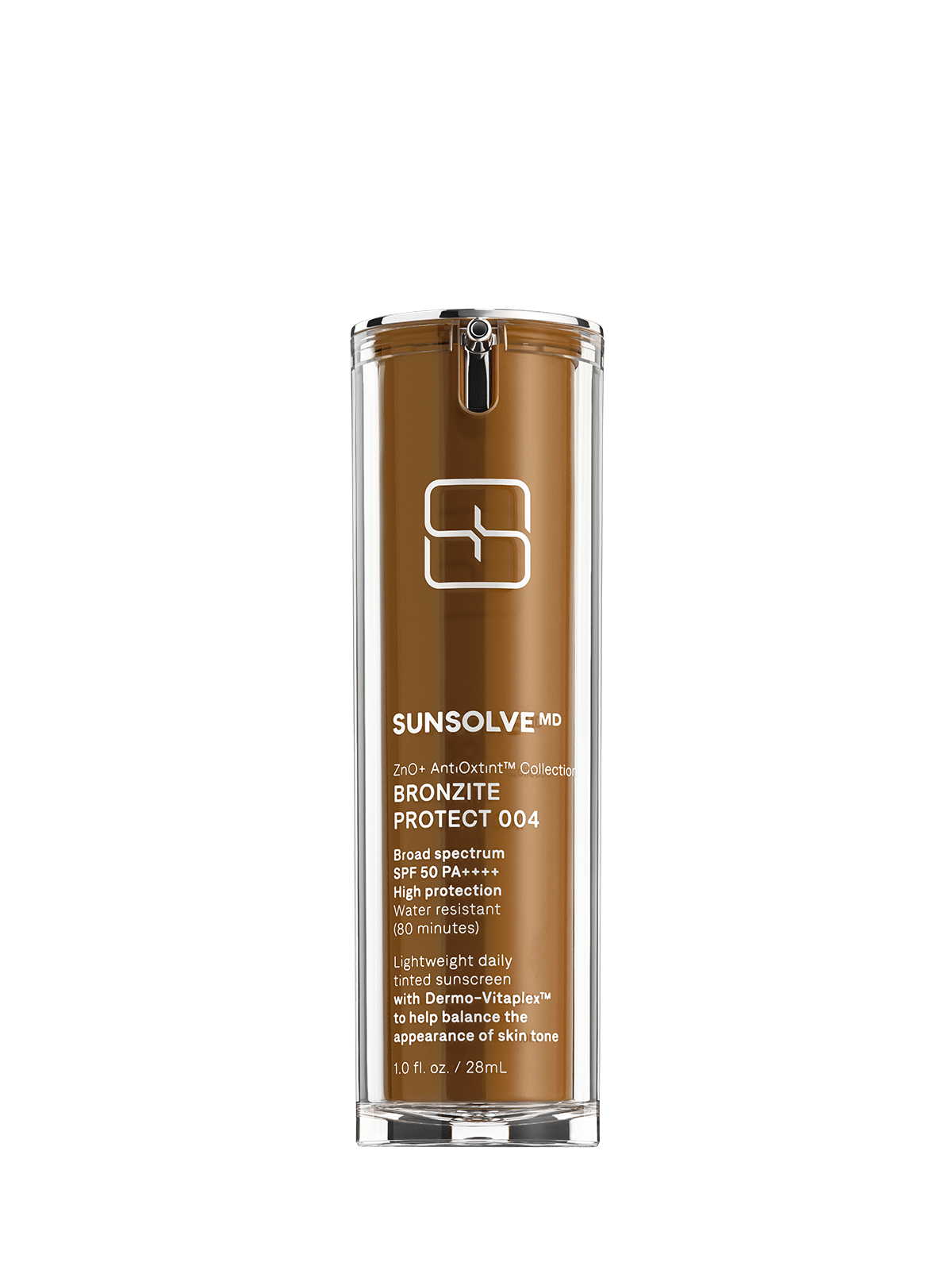
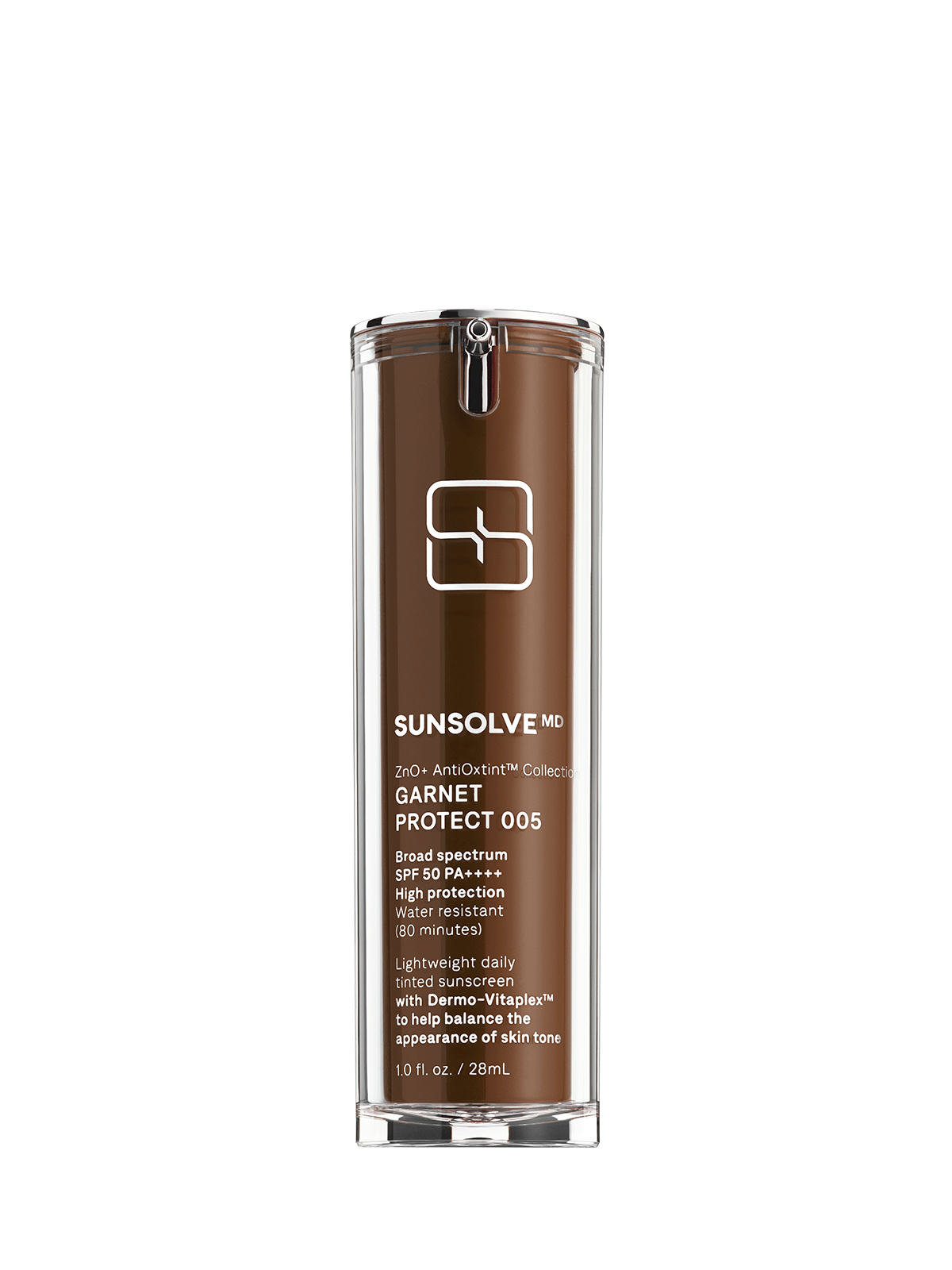
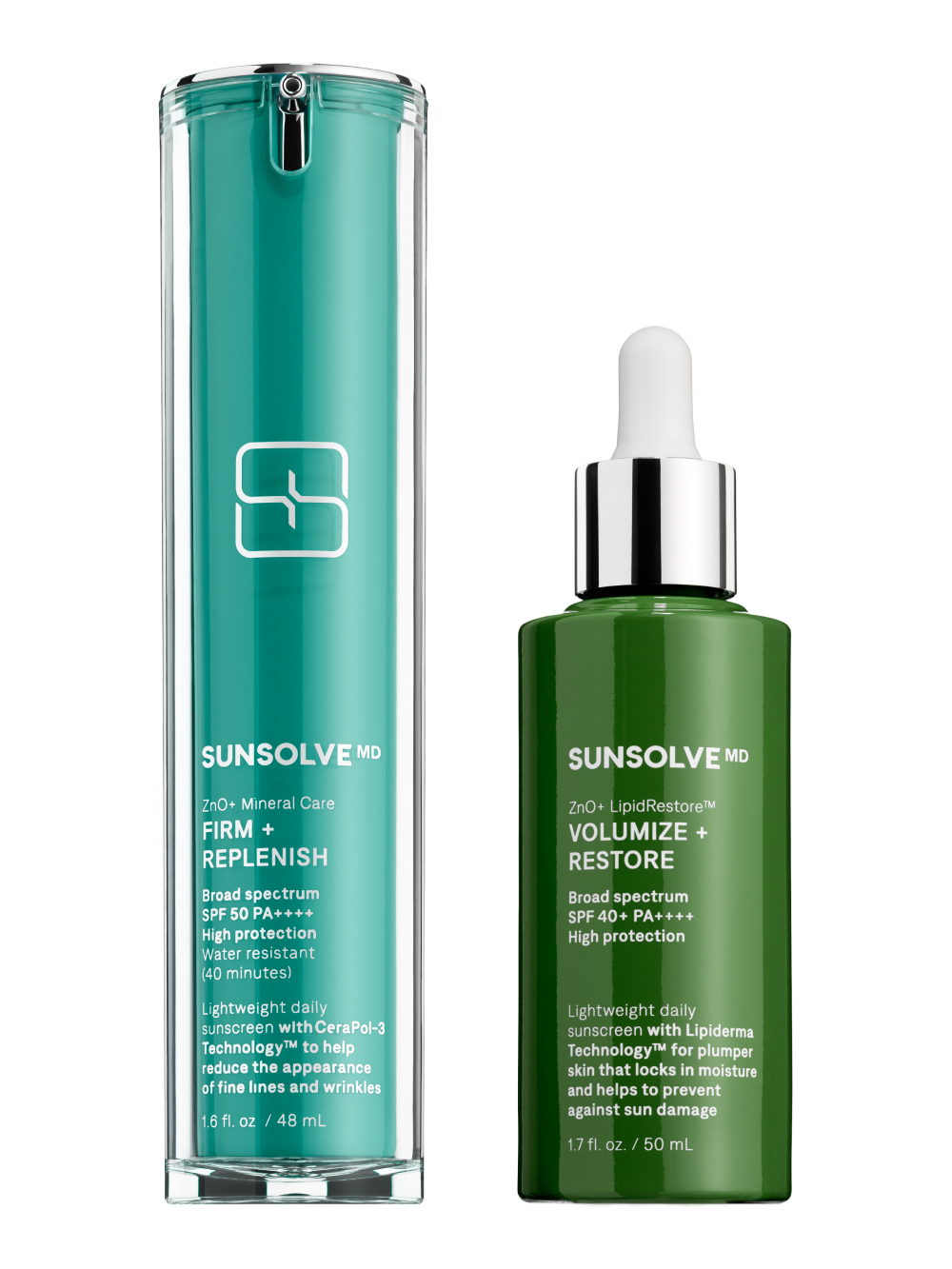
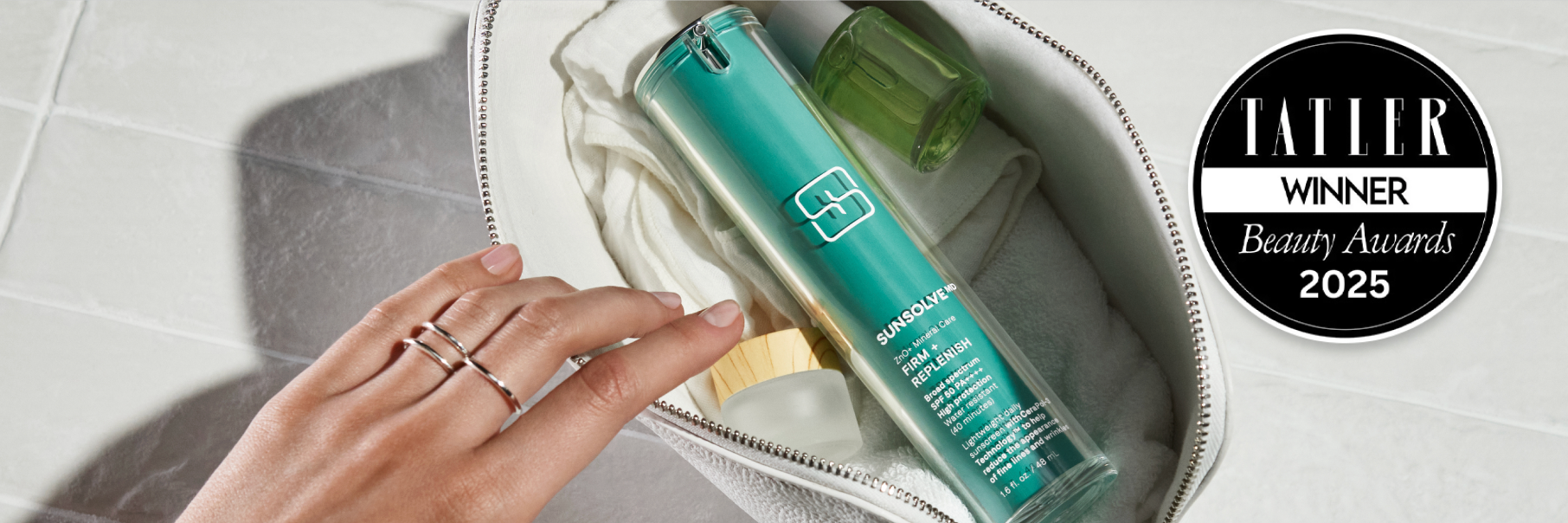
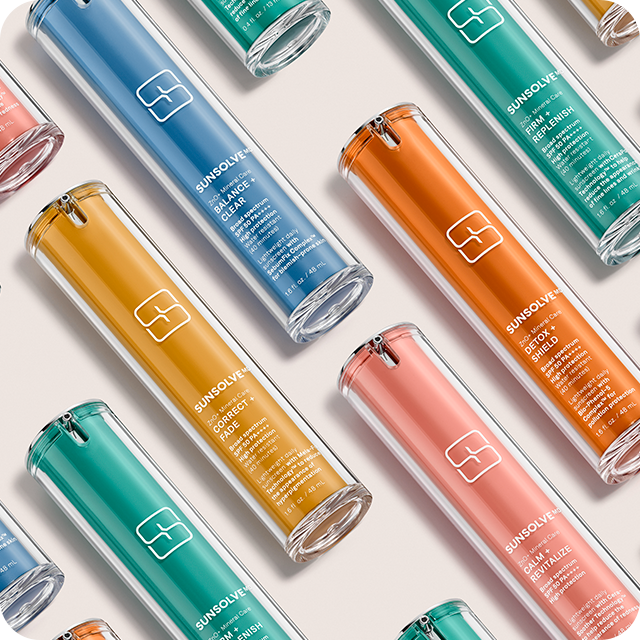
Every formula in our mineral sunscreen collection is fragrance-free, and it was never a feature we added to appeal to sensitive skin. It is a consequence of asking what each ingredient is actually contributing. Our patented ZnO+ Mineral Care Complex™ delivers micronized zinc oxide in a light lotion base we engineered to be genuinely pleasant to wear on its own merits, with no scent required to make it acceptable. For reactive skin specifically, Calm + Revitalize adds our Cera-Soother Technology™ with beta-glucans and avenanthramides to reduce visible redness and reinforce the barrier. We would rather solve the texture problem properly than perfume our way around it.
FAQs
Is fragrance-free sunscreen less effective?
No. Fragrance contributes nothing to UV protection or photostability. Removing it has no bearing on how well a sunscreen performs.
What is the difference between fragrance-free and unscented?
Fragrance-free means no fragrance ingredients were added. Unscented can mean masking fragrances were added to neutralise the base odour, so the product may still contain fragrance chemicals. Fragrance-free is the safer label.
Are essential oils a safer alternative to synthetic fragrance?
Not when they are used as fragrance. Essential oils are complex mixtures containing known allergens, some contain furocoumarins with phototoxic potential, and oxidised terpenes such as linalool and limonene hydroperoxides are among the more significant emerging fragrance allergens. This is a separate matter from botanical extracts included at low levels for a functional purpose, such as antioxidant or anti-inflammatory activity.
Can I develop a fragrance allergy after years of using a product without problems?
Yes. Contact sensitisation is cumulative, and reactions frequently develop to products someone has used comfortably for a long period. Prevalence also increases with age.
How do I know if my reaction is to the fragrance or the UV filters?
Patch testing with a dermatologist is the only reliable way to identify the specific allergen. As a practical first step, switching to a fragrance-free mineral formula removes both of the most common culprits at once.