


Skip to content
Graphic of mineral SPF particles and skin barrier

Join The Solve Society. Designed for members to receive exclusive benefits

Explore benefits

Apr 6, 2026

How To Choose The Best Sunscreen For Eczema-Prone Skin

Sunscreen and eczema-prone skin have a complicated relationship. The skin needs UV protection arguably more than the average complexion, because flares triggered by sun exposure are unpleasant and the post-inflammatory pigmentation that follows them can linger for months. But the skin is also reactive, easily disrupted, and historically not well-served by the average drugstore SPF, which is often loaded with the exact ingredients eczema-prone skin reacts to most.

The result is a population of people who skip sunscreen because every formula they have tried has stung, flushed, or triggered a flare. That is not a small problem. It is also a solvable one, because the formulation rules for eczema-friendly SPF are reasonably consistent across dermatological guidance.

How To Choose The Best Sunscreen For Eczema-Prone Skin

Why The Filter Type Matters Most

The single biggest factor in whether a sunscreen will agree with eczema-prone skin is the type of UV filter it uses. Chemical filters such as oxybenzone, avobenzone, octinoxate, and homosalate work by absorbing UV radiation and converting it into heat that dissipates from the skin. That heat is part of the issue. On a barrier that is already compromised, the warming sensation registers as stinging, and the absorption itself is more pronounced through eczema-affected skin, increasing the chance of a sensitised reaction.

Mineral filters work differently. Zinc oxide and titanium dioxide sit on the surface of the skin and physically reflect UV rays. Nothing absorbs, nothing converts, nothing heats up. The British Association of Dermatologists and the National Eczema Society both note that mineral-based formulations tend to be considerably better tolerated by eczema-prone skin than chemical absorbers, and zinc oxide in particular has well-established mild anti-inflammatory properties, which is why it appears in nappy rash creams and post-procedure recovery balms.

If you take nothing else from a sunscreen-shopping trip, take this: if the active ingredient list includes anything other than zinc oxide and titanium dioxide, the formula is unlikely to be the right fit.

What Else To Look For On The Label

Filter type is the floor, not the ceiling. The supporting cast of ingredients matters almost as much, particularly because so many sunscreen formulations include the exact compounds that eczema-prone skin tends to react to.

Fragrance is the first thing to rule out. Both synthetic fragrance and essential oils are common irritants for compromised skin, and there is no formulation reason for SPF to contain either. Alcohol denat is another to skip; it gives chemical formulations a quick-drying finish but pulls moisture from an already-thirsty barrier. Common preservatives like methylisothiazolinone (MI) and formaldehyde-releasing preservatives are worth scanning for, as these are documented sensitisers in dermatological literature.

On the positive side, several supporting ingredients are genuinely useful. Hyaluronic acid and glycerin add hydration without disrupting the barrier. Ceramides reinforce the skin's lipid structure, which is typically depleted in eczema-prone skin. Niacinamide can help calm redness and improve barrier function. And the inclusion of soothing ingredients like oatmeal for irritated skin is particularly worth seeking out: colloidal oatmeal has been studied for its ability to reduce itch and inflammation, making it a thoughtful addition to a sun-protection product designed for reactive skin.

SPF Number, Texture, And Format

Once the filter and excipient list pass the first round of checks, the practical considerations matter. Broad-spectrum protection is essential, meaning the formula covers both UVA and UVB rays. SPF 30 is the sensible minimum, with SPF 50 offering an additional margin for periods of higher exposure. UVA protection in the UK is rated by the star system, with four or five stars considered high.

Texture is where the trial-and-error often happens. Cream and lotion formats tend to be more reliably tolerated than gels (which often contain more alcohol) or sprays (which contain propellants). Thicker, slightly more occlusive formulations are often preferred during active flares, as they provide a moisturising effect alongside the UV protection. Lighter, more breathable formulations tend to suit calmer skin and warmer weather.

A useful habit, regardless of how compatible a product looks on paper: patch test before committing. Apply a small amount to the inner forearm daily for three to five days. If nothing reacts, move it to the side of the neck for another two days, then to the face. It feels slow, but it is meaningfully faster than recovering from a full reactive episode.
Application Patterns That Help

How you apply SPF matters too, particularly during a flare. Layering it directly over an emollient that has not fully absorbed can dilute the protection and trap moisture against compromised skin in a way that can sometimes cause irritation. The British Association of Dermatologists recommends a roughly thirty-minute gap between emollient and sunscreen for this reason. Patting the SPF on rather than rubbing it in is gentler on inflamed areas, and using slightly less product more frequently is often more comfortable than one heavy application.

If certain areas are actively flaring, protection through clothing or shade tends to be more comfortable than direct SPF application until the skin has calmed.

What Makes SunsolveMD Different

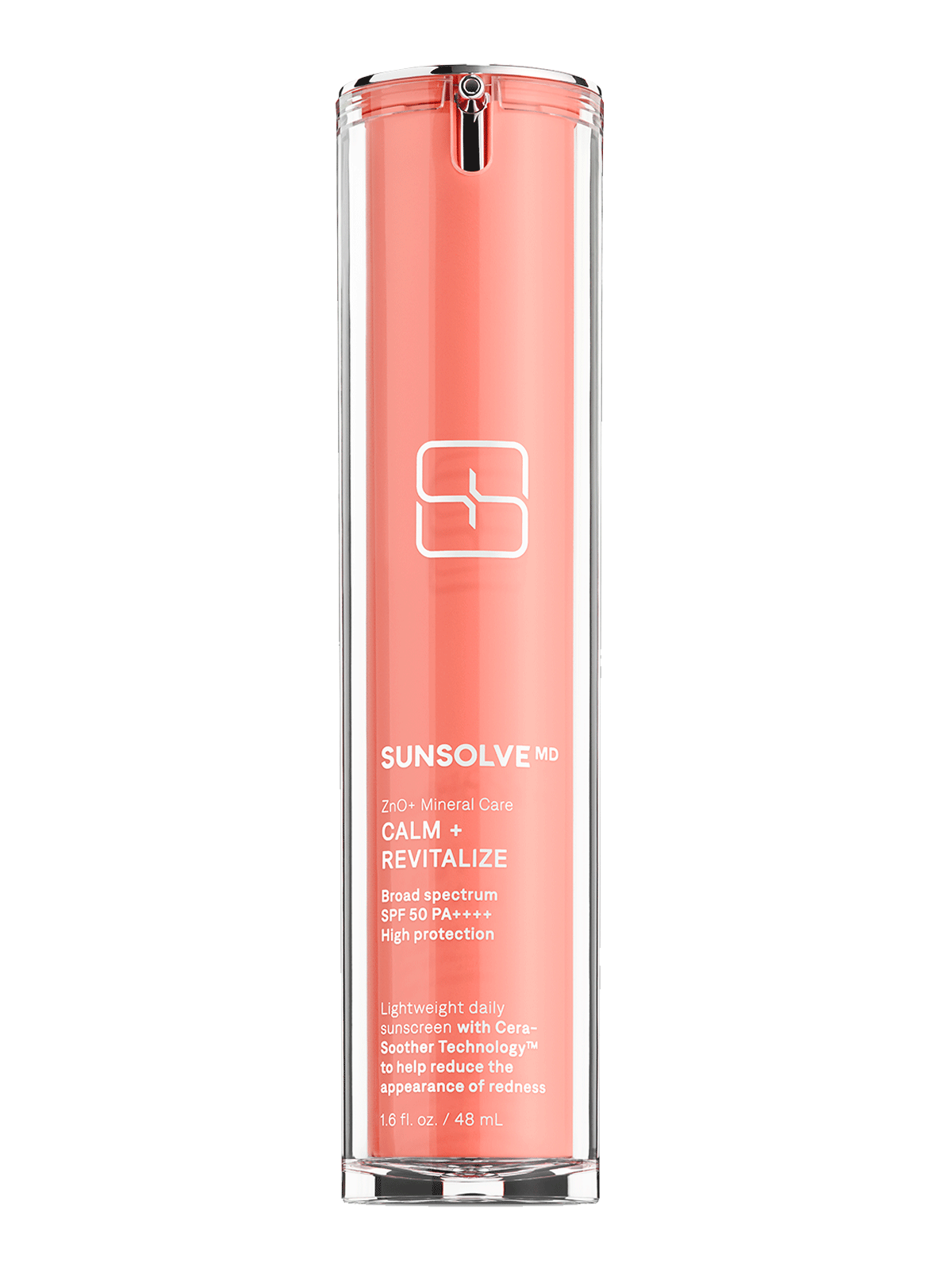
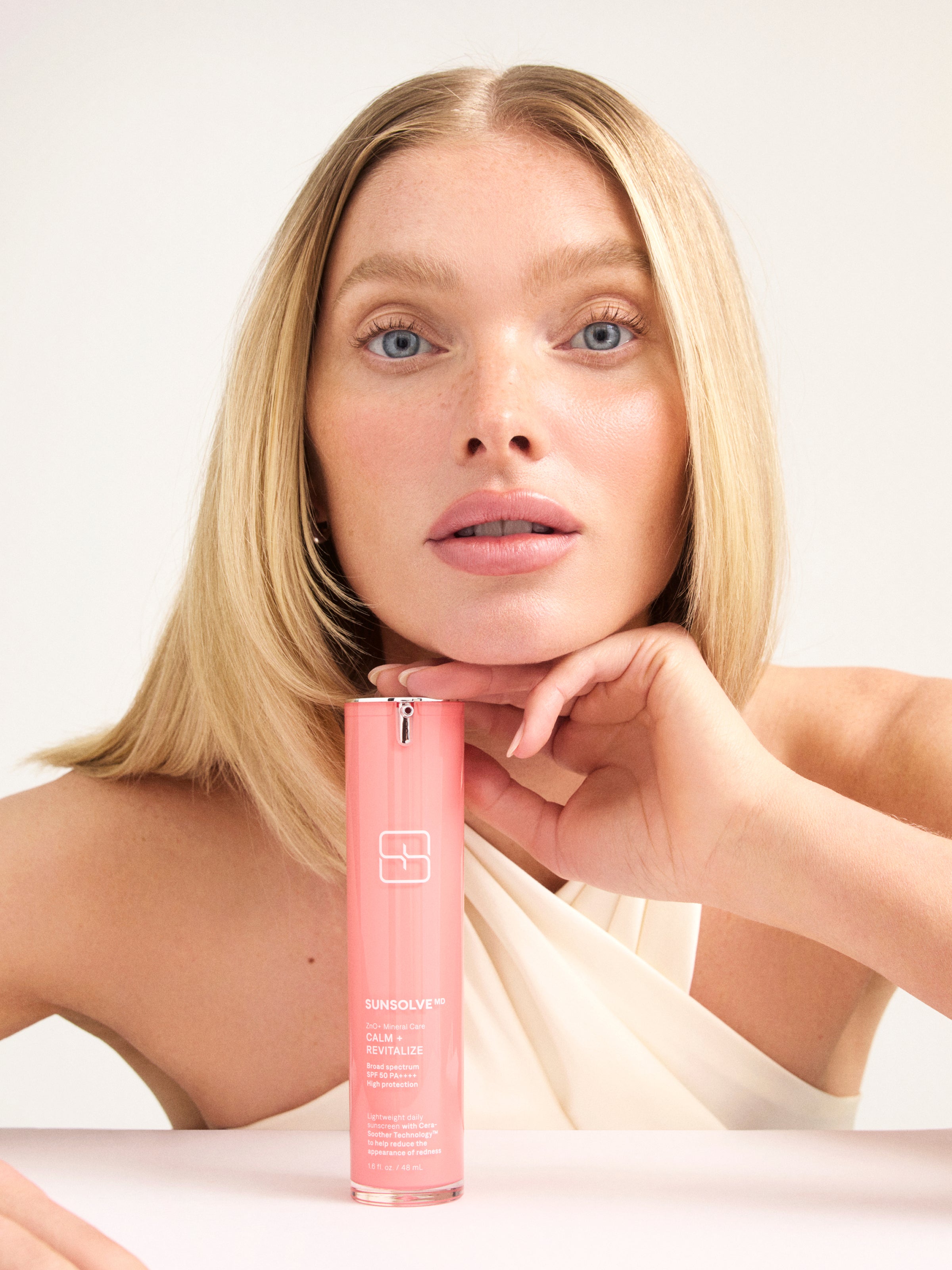
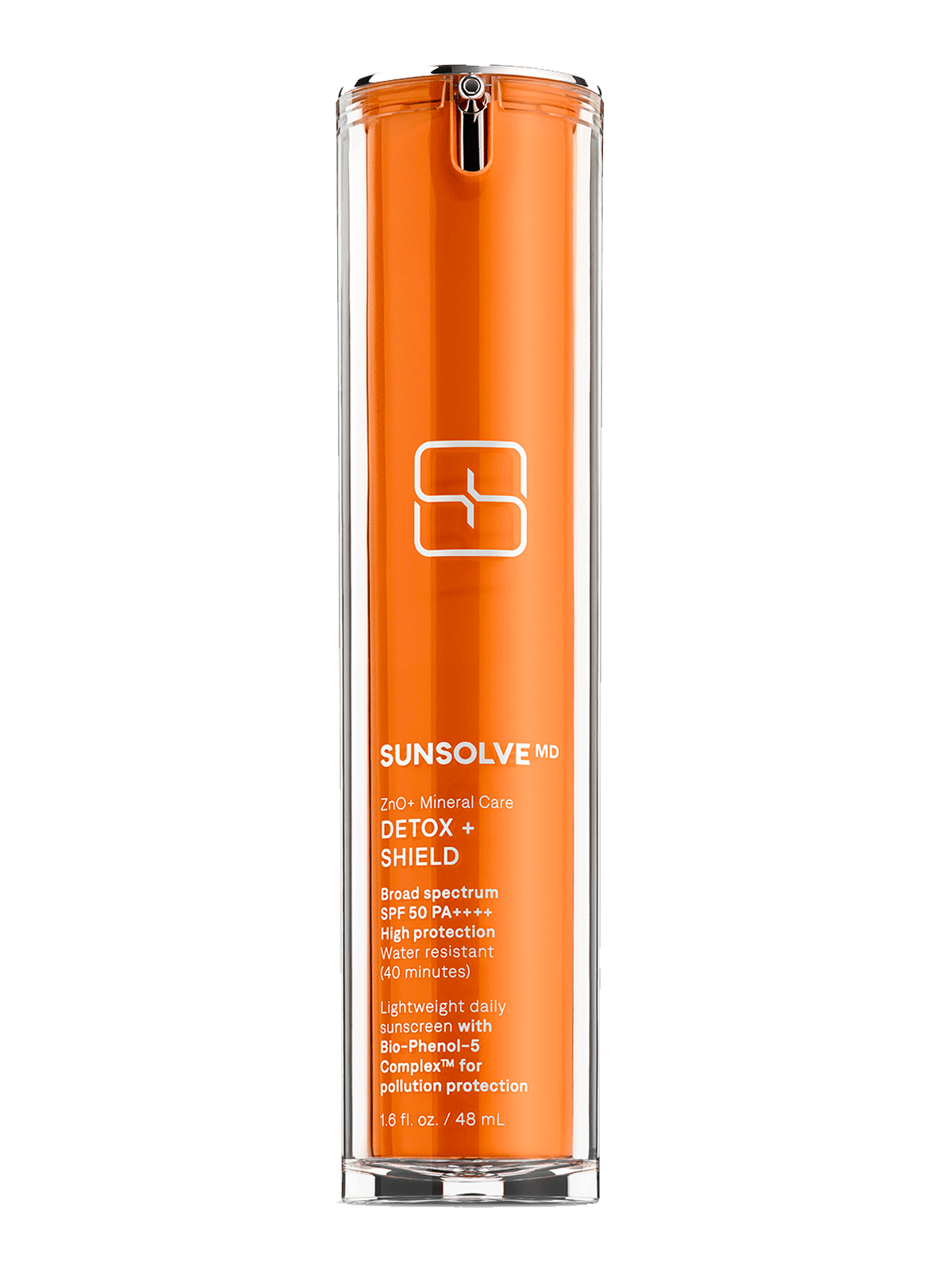
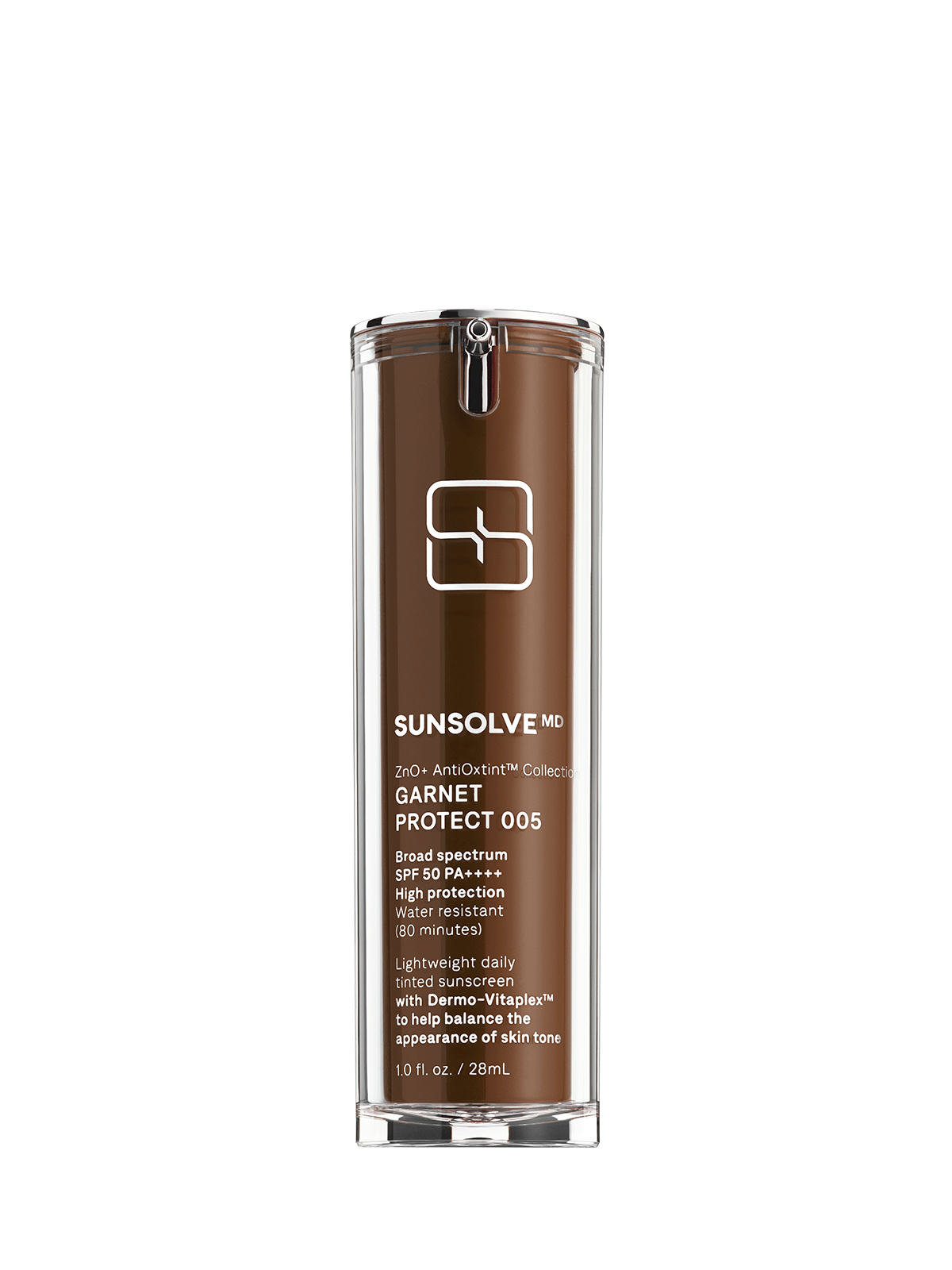
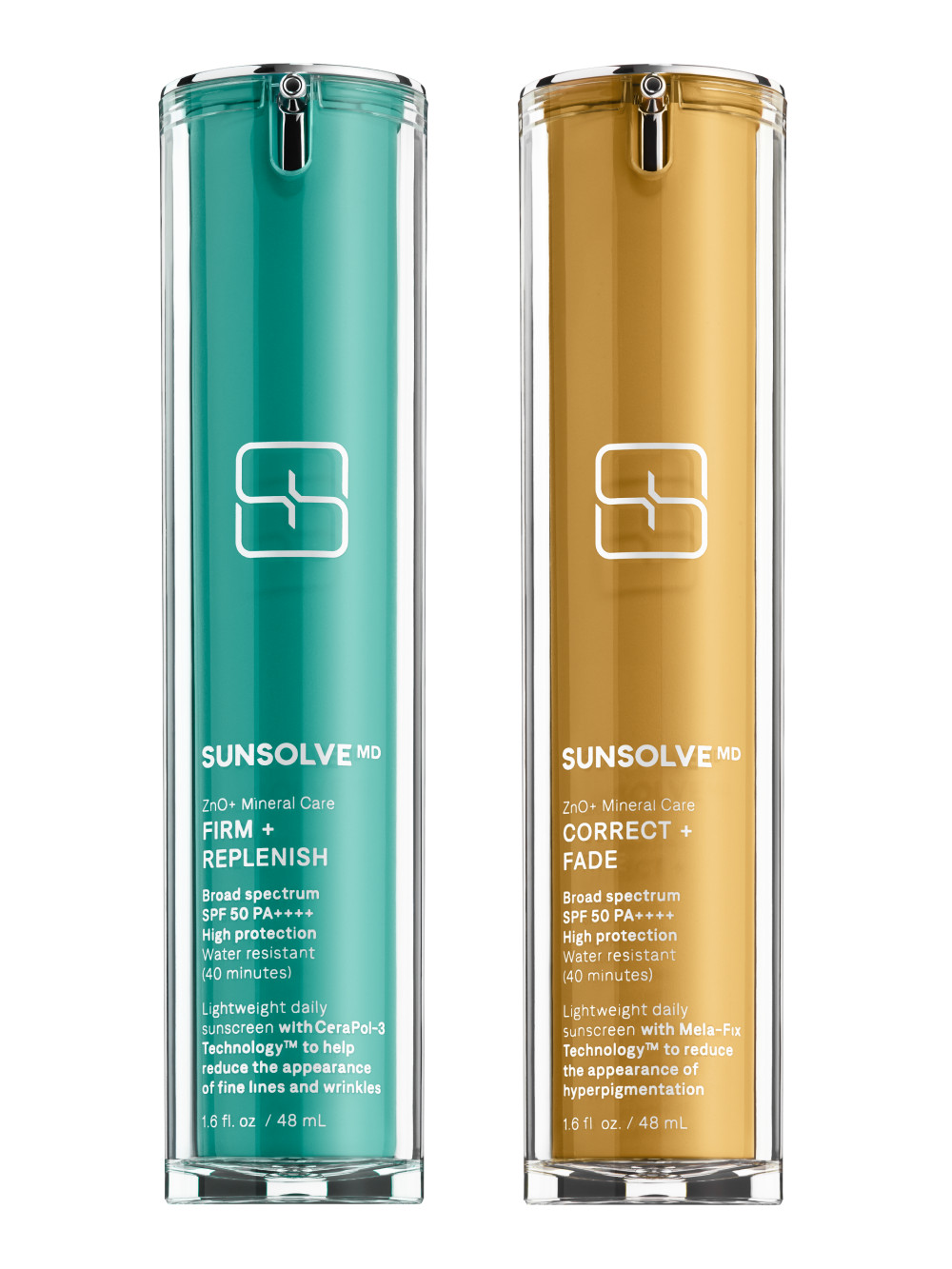
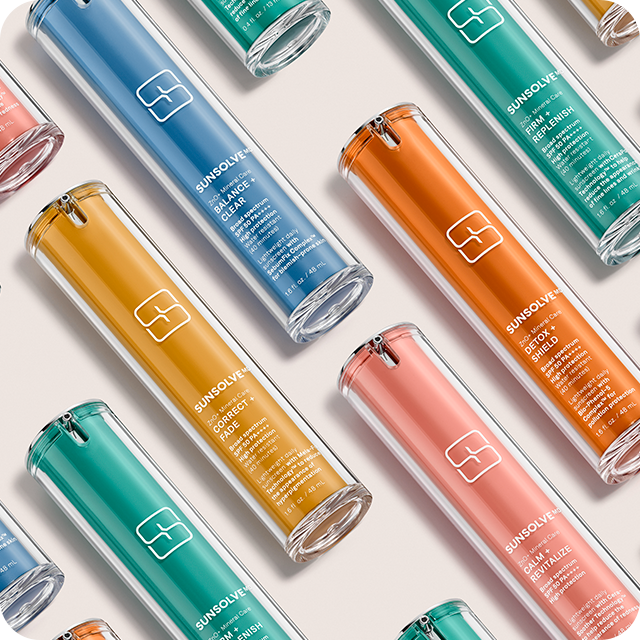
Our skin-safe SPF products were formulated for skin that doesn't tolerate compromise. High-percentage non-nano zinc oxide as the active, fragrance-free, free of common sensitising preservatives and alcohols, and developed clinically with reactive skin in mind from the outset rather than as an afterthought. Sun protection should be the easiest part of looking after eczema-prone skin, not the hardest. With the right formula, it can be.

Frequently Asked Questions

Can I use the same sunscreen during a flare and on calm skin?

Generally yes, provided the formula is genuinely tolerated. Some people find they prefer a thicker, more emollient-style mineral SPF during active flares for its added moisture barrier, and a lighter mineral formula on calmer days. Both should pass the same ingredient checks.

Is fragrance-free the same as unscented?

Not always. Fragrance-free means no fragrance ingredients have been added. Unscented can sometimes mean masking fragrances have been added to neutralise the natural smell of other ingredients, which can still cause reactions. Fragrance-free is the safer label to look for.

Are physical and mineral the same thing?

Yes. Physical, mineral, and inorganic all refer to the same category of UV filters, primarily zinc oxide and titanium dioxide. The terminology varies between brands and regions, but the formulation principle is identical.

Can children with eczema use the same sunscreen as adults?

Many mineral formulations are suitable for both, though paediatric versions are often formulated with additional emollient ingredients and lower fragrance load. For infants under six months, dermatologists generally recommend shade and clothing over sunscreen of any kind.

Do I still need SPF if I'm using a topical steroid for a flare?

Yes, and arguably more than usual. Topical steroids can thin the skin slightly with sustained use, increasing photosensitivity. Sun protection over treated areas is recommended throughout the treatment course and for several weeks afterwards.

Trending Topics

Stay Trendy with Our Latest Insights

Why SPF Is Non-Negotiable for Every Skin Type

Once thought of as a concern almost exclusive to older generations, those with fair skin, or anyone who religiously (over) uses sunbeds, skin cancer is now on the rise across all demographics. Desp...

Sunscreen and Acne Treatments -  What You Need To Know
Sunscreen and Acne Treatments - What You Need To Know

If you’re undergoing professional or medical treatments for acne or acne scars, such as chemical peels, microneedling, laser therapy, or prescription medications, sun protection becomes essential. ...

Ways To Reduce Your Carbon Footprint With SPF

Decoding SPF and your carbon footprint. How to make more discerning choices with mineral sunscreens that not only safeguard your skin but are sustainably savvy.

Rosacea & SPF: How To Choose The Right Sunscreen

Rosacea is a common skin condition characterized by facial redness and inflammation. Follow this guide to choose the right sunscreen if you have rosacea.

A Dermatologists’ Guide To Photodamage And Dark Skin

Dermatologists weigh in on photodamage and dark skin (and how SPF is here to help). Read more.

Going to the Beach With Psoriasis: Risks and Benefits

Psoriasis is an immune-mediated disease. This is your scientific guide to safely treating psoriasis with natural sunlight.