Skip to content
Graphic of mineral SPF particles and skin barrier

Join The Solve Society. Designed for members to receive exclusive benefits

Explore benefits

Feb 6, 2026

How To Apply Mineral Sunscreen Properly

When it comes to getting sun protection right, it’s often less about which product you choose and more about how consistently and generously you use it. The science here is fairly unambiguous: most of us don’t wear enough sunscreen, and don’t reapply it enough throughout the day to ensure full and consistent coverage. So before wondering what SPF value you should actually be using, first try to ensure you’re using enough of your current go-to.

Here’s how to apply sunscreen the right way, and why it matters.

How To Apply Mineral Sunscreen Properly

Why SPF Application Technique Matters

Every SPF value you see on a sunscreen bottle - SPF 30, SPF 50 - was determined in a laboratory using a specific application dose of 2mg per square centimetre of skin. That's a precise, controlled amount. What research consistently shows is that in real life, most people apply far less. A review published in Photodermatology, Photoimmunology & Photomedicine found that real-world sunscreen application typically falls between 0.39 and 1.0mg/cm², roughly 20 to 50% of the tested dose, which significantly reduces the actual protection received.

In practical terms, for the face and neck alone, 2mg/cm² translates to roughly half a teaspoon of product. Most people use considerably less than that, which means they're working with a fraction of the SPF they think they have.

Does Mineral Sunscreen Need To Be Applied Differently To Chemical Sunscreen?

There's one meaningful difference. Chemical sunscreens contain organic UV filters that require time to bind to the skin and begin absorbing UV radiation, typically around 15 to 20 minutes. Mineral sunscreens, which use zinc oxide and titanium dioxide to physically deflect UV rather than absorb it, are effective from the moment of application. You don't need to wait before going outside, which makes them genuinely more practical for a morning routine where timing is tight.

The application method itself follows the same principles: apply to dry skin, cover all exposed areas including the hairline, ears, and neck, and give the product a moment to settle before layering anything on top.

What's The Best Way To Apply Mineral SPF Without A White Cast?

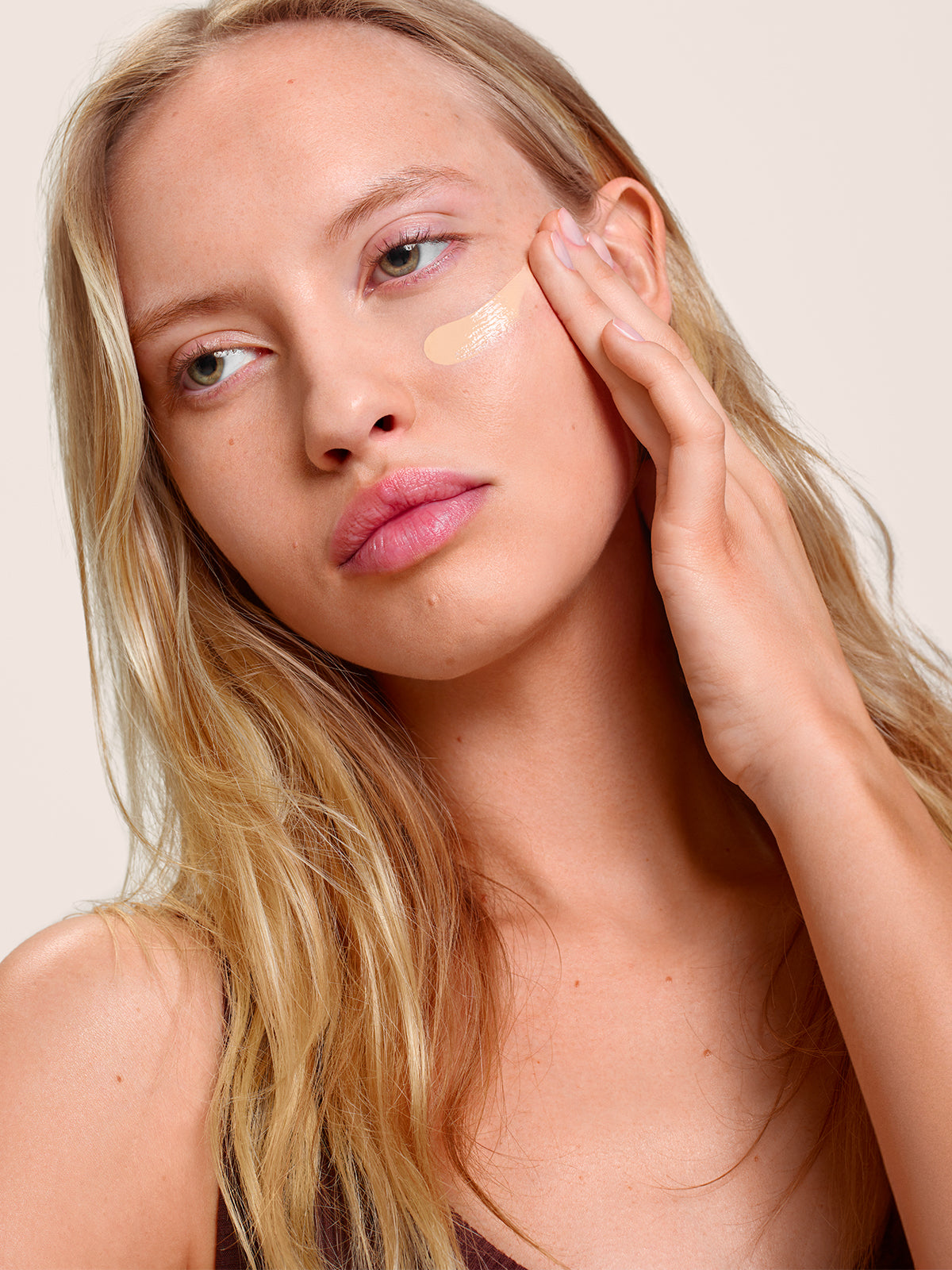
This is the question that puts a lot of people off mineral sunscreen, and it's a legitimate one. Older zinc oxide formulas were notoriously chalky, and the residue they left behind, particularly on deeper skin tones, made consistent use feel impractical. Modern non-nano zinc oxide formulations have changed this significantly. The key is in the application: rather than rubbing vigorously, which can cause pilling and uneven coverage, pressing and patting the product gently into the skin tends to give a more even, less visible finish. Working in sections, face first, then neck, rather than applying everything at once, also helps.

Warming the product between your fingertips before applying can improve blendability in cooler weather, when formulas can feel slightly thicker.

How Much SPF Is Actually Enough?

For the face and neck, aim for roughly half a teaspoon, or two finger lengths squeezed from the tube. It'll feel like more than you're used to, and that's the point. If the amount you're applying never leaves a slight sheen or initial opacity, you're almost certainly under-applying.

Applying in two thinner layers rather than one thick one is an effective method for achieving more even coverage without the discomfort of a heavy application. The PMC research on double application found this approach consistently delivered better coverage than a single coat, even when the total amount of product used was the same.

How Often Should Mineral SPF Be Reapplied?

Every two hours during active sun exposure, and after sweating or swimming regardless of the time elapsed. Mineral filters don't degrade as quickly under UV exposure as some chemical filters do, but the physical layer does wear off through contact with clothing, towels, and perspiration. A product that was thoroughly applied at 8am is not still performing at the same level by lunchtime if you've been active.

For daily wear in an office environment with limited outdoor exposure, one morning application tends to be sufficient. For anything involving extended time outside, reapplication is non-negotiable.

Science-Led Sunscreen By SunsolveMD

At SunsolveMD, we formulated our sunscreen made with mineral filters to make consistent, generous application feel like something you actually want to do every day. Lightweight, fragrance-free, and clinically developed to sit beautifully across all skin tones without the residue that makes people reach for less product than they need. Proper sun protection should never feel like a compromise, and with the right formula, it doesn't have to.

FAQs

Can I apply mineral SPF over moisturiser?

Yes, and for most people that's the right order. Moisturiser first, then SPF as the final skincare step before makeup. Give the moisturiser a minute to absorb before applying sunscreen to avoid diluting it or disrupting the mineral layer.

Does mineral sunscreen need to be rubbed in fully or is some residue normal?

A very slight initial opacity when first applied is normal with mineral formulas, particularly higher-zinc-content products. It should blend out within a minute or two of gentle pressing. If it's sitting heavily on the skin and not blending, try warming it slightly or applying in thinner layers.

Can I mix mineral SPF with my foundation?

It's generally not recommended. Mixing alters the formulation, which can reduce the SPF's efficacy and affect the finish of both products. Applying them separately, SPF first, foundation after it's settled, gives better results on both counts.

Should I apply sunscreen to my lips?

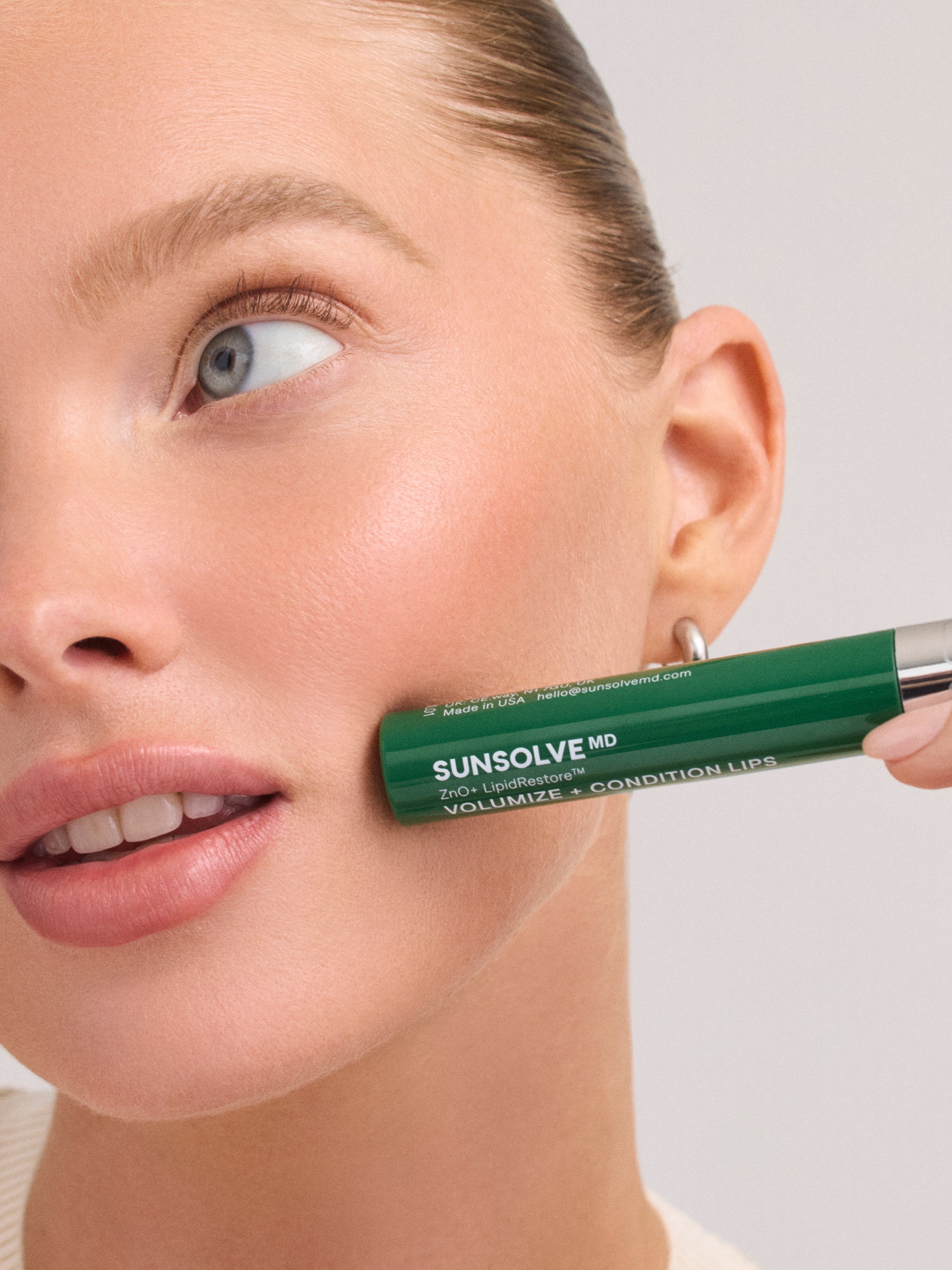
Yes. The lips are particularly vulnerable to UV exposure and are often overlooked in a standard SPF routine. A dedicated lip product with mineral SPF is the most effective option.


Trending Topics

Stay Trendy with Our Latest Insights

Why SPF Is Non-Negotiable for Every Skin Type

Once thought of as a concern almost exclusive to older generations, those with fair skin, or anyone who religiously (over) uses sunbeds, skin cancer is now on the rise across all demographics. Desp...

Sunscreen and Acne Treatments -  What You Need To Know
Sunscreen and Acne Treatments - What You Need To Know

If you’re undergoing professional or medical treatments for acne or acne scars, such as chemical peels, microneedling, laser therapy, or prescription medications, sun protection becomes essential. ...

Ways To Reduce Your Carbon Footprint With SPF

Decoding SPF and your carbon footprint. How to make more discerning choices with mineral sunscreens that not only safeguard your skin but are sustainably savvy.

Rosacea & SPF: How To Choose The Right Sunscreen

Rosacea is a common skin condition characterized by facial redness and inflammation. Follow this guide to choose the right sunscreen if you have rosacea.
A Dermatologists’ Guide To Photodamage And Dark Skin

Dermatologists weigh in on photodamage and dark skin (and how SPF is here to help). Read more.

Going to the Beach With Psoriasis: Risks and Benefits

Psoriasis is an immune-mediated disease. This is your scientific guide to safely treating psoriasis with natural sunlight.